Storage Cubes
Organize your space with versatile and stylish storage cubes, the perfect solution for decluttering any room in your home. Whether you need to tidy up your living room, bedroom, or office, these multi-functional cubes offer a convenient way to store and display your belongings in a neat and organized fashion. With a variety of sizes, colors, and designs to choose from, you can mix and match to create a customized storage solution that suits your individual style and needs. Upgrade your home organization game with these practical and chic storage cubes that blend seamlessly into any decor scheme.
Sort
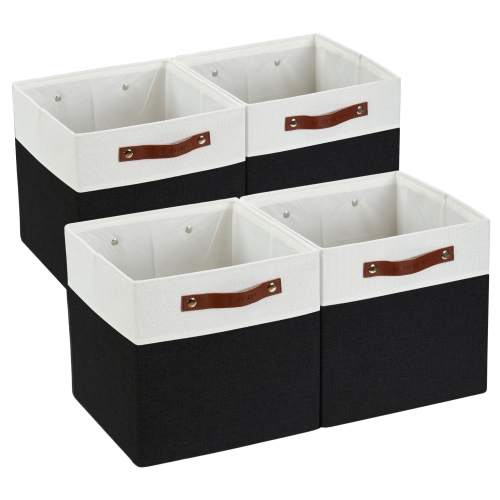
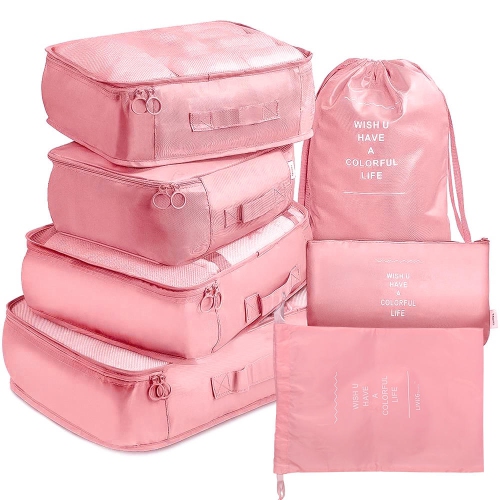
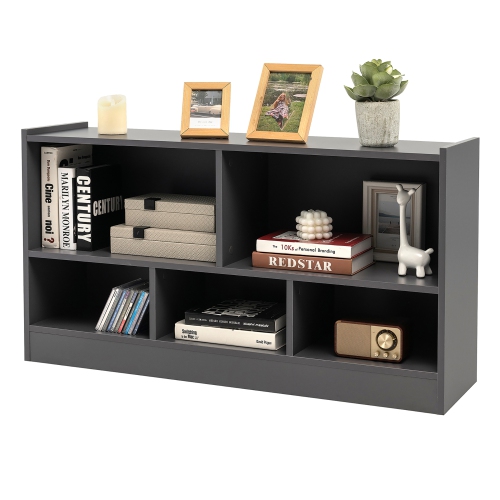
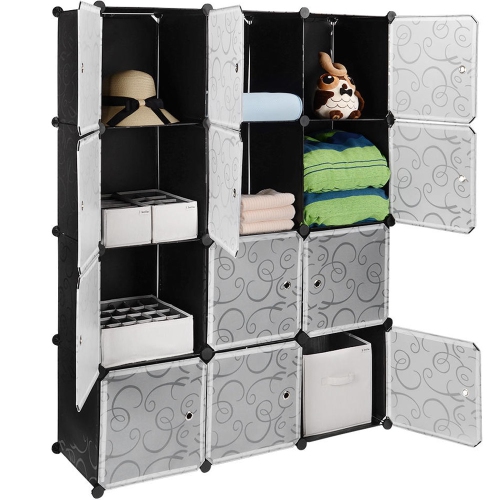
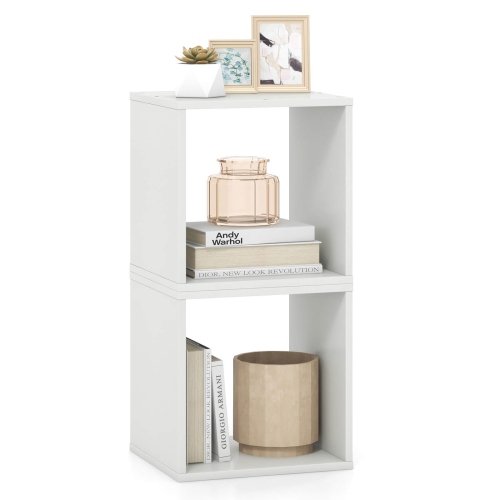

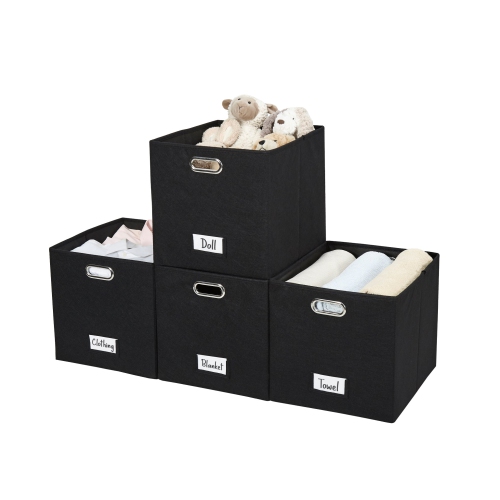
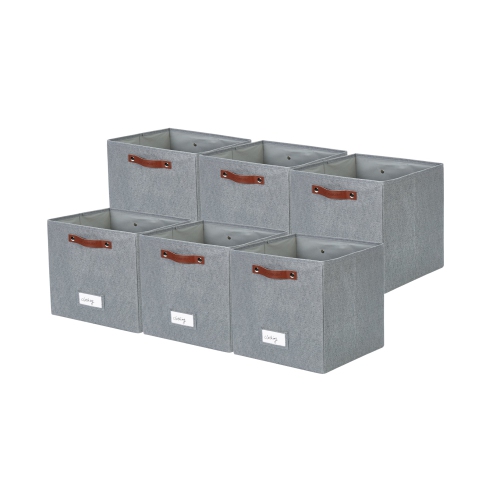
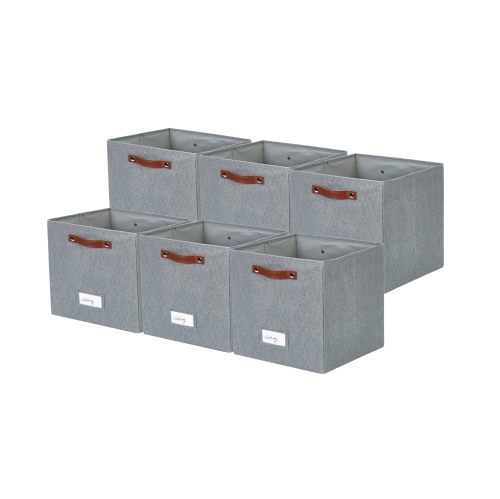
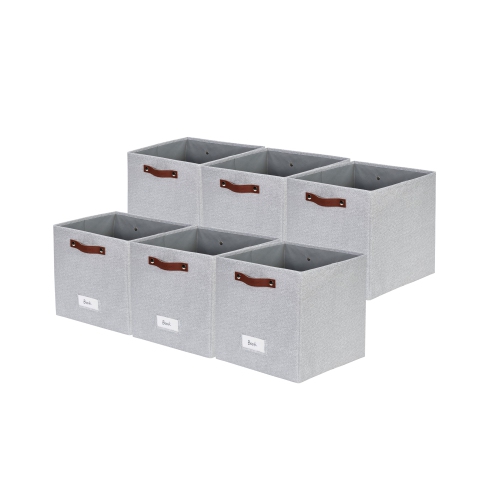
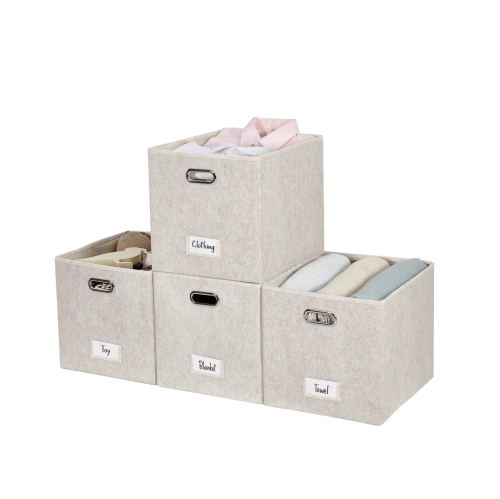

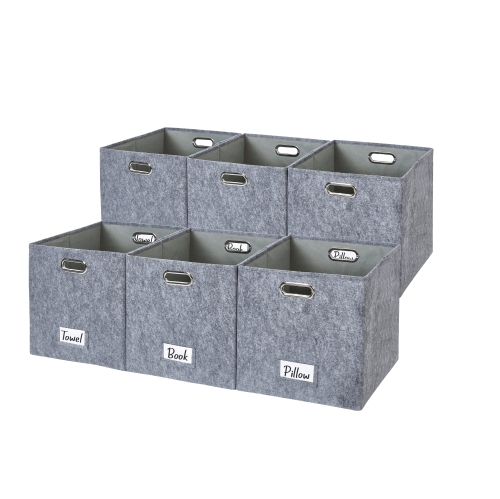
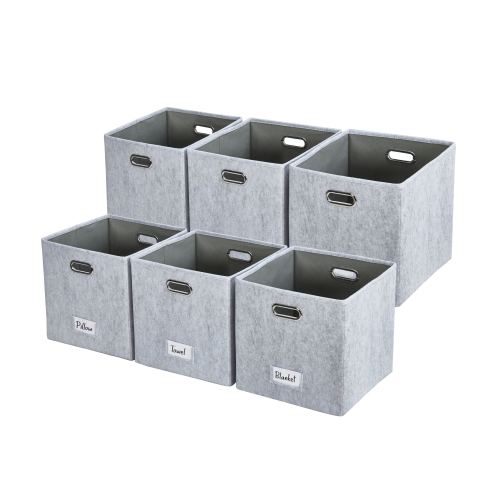
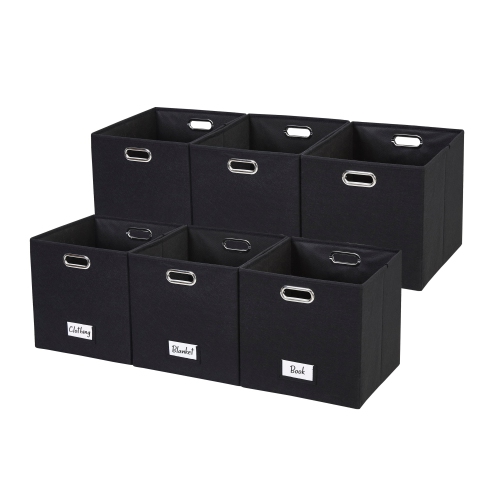
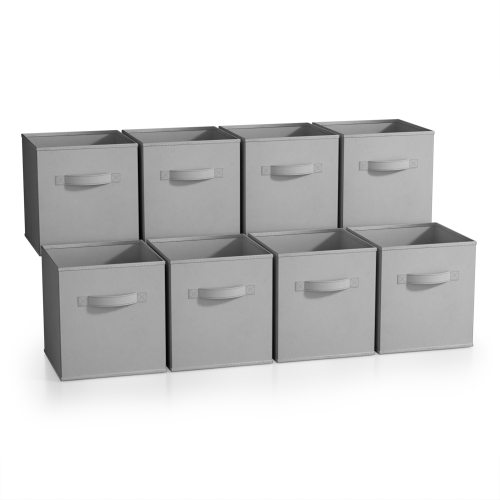
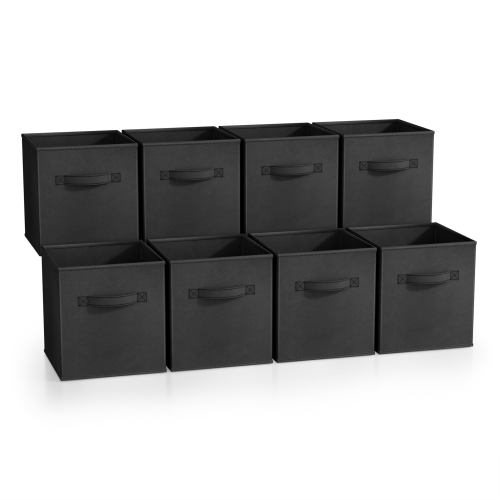
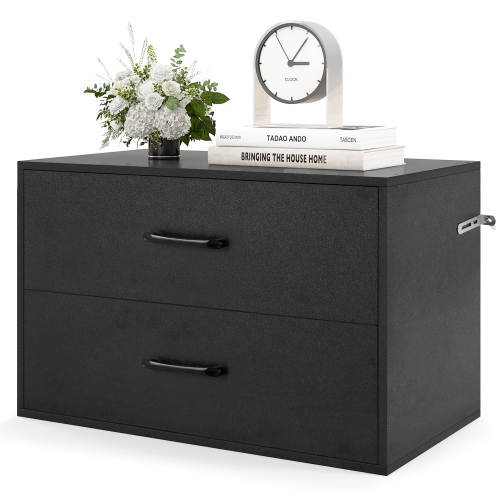
![DECOMOMO Foldable Storage Bin [4-Pack] Collapsible Sturdy Cationic Fabric Storage Basket Cube W/handles for Organizing Shelf Nursery](https://multimedia.bbycastatic.ca/multimedia/products/500x500/154/15464/15464041.jpeg)
![DECOMOMO Foldable Storage Bin [4-Pack] Collapsible Sturdy Cationic Fabric Storage Basket Cube W/handles for Organizing Shelf Nursery](https://multimedia.bbycastatic.ca/multimedia/products/500x500/154/15464/15464050.png)
![DECOMOMO Foldable Storage Bin [4-Pack] Collapsible Sturdy Cationic Fabric Storage Basket Cube W/handles for Organizing Shelf Nursery](https://multimedia.bbycastatic.ca/multimedia/products/500x500/154/15464/15464049.png)
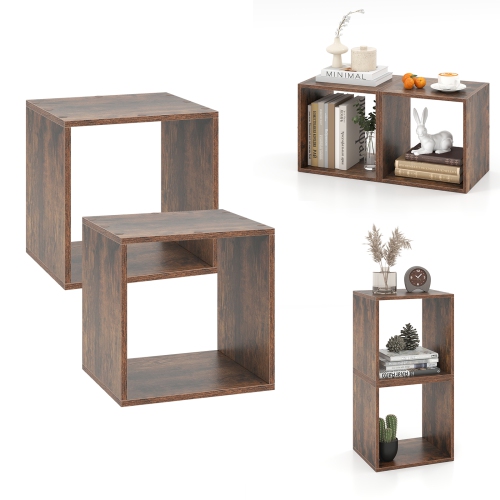

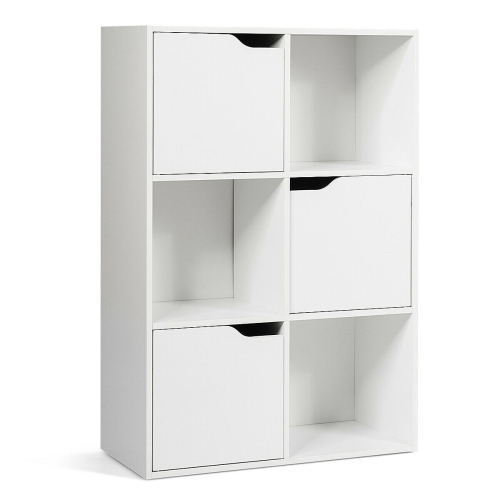
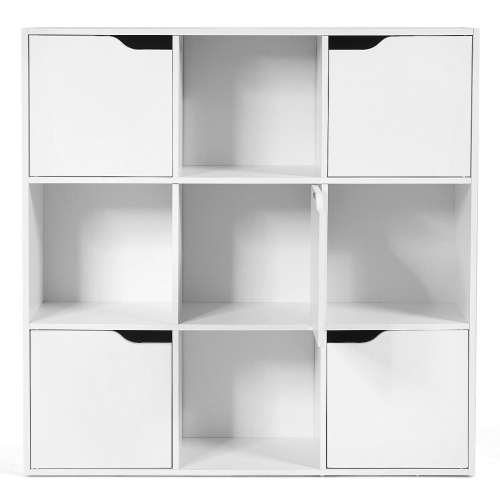
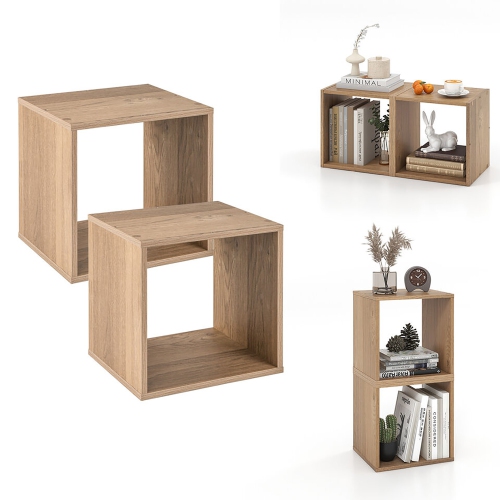
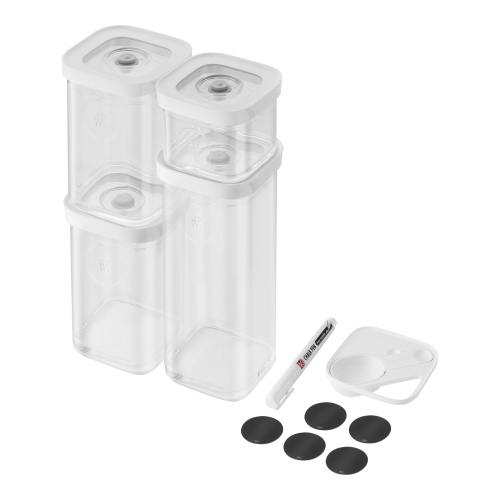
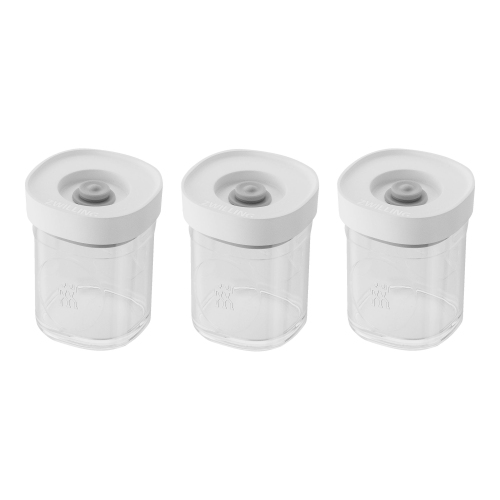
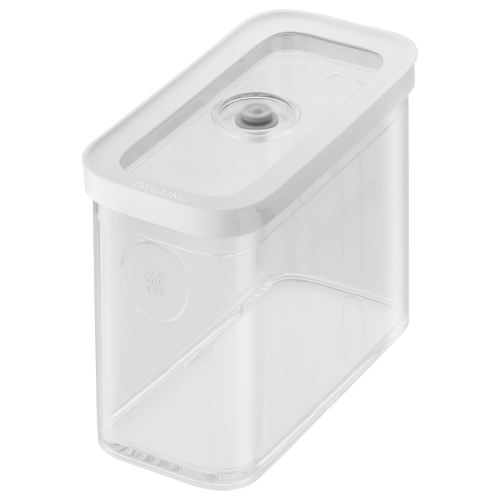
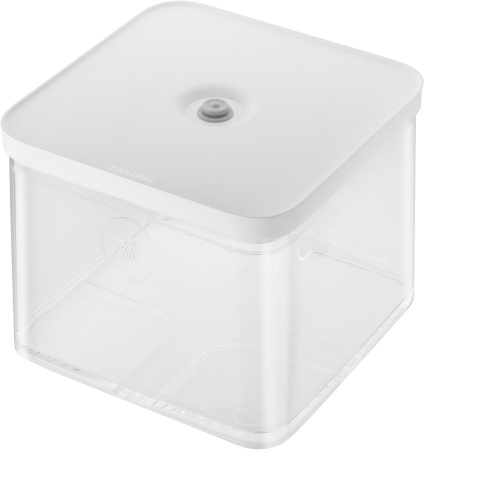
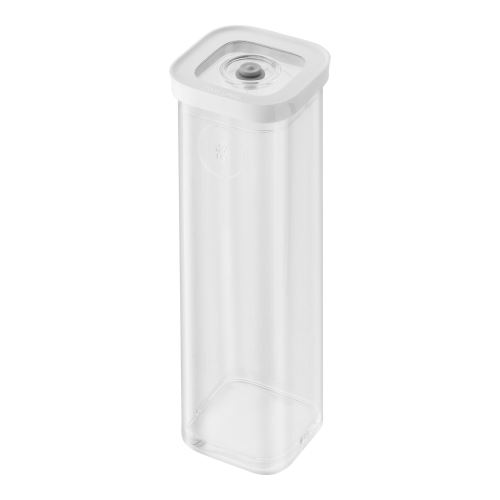

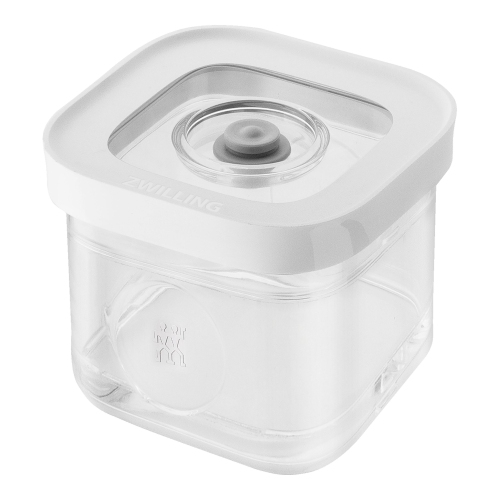

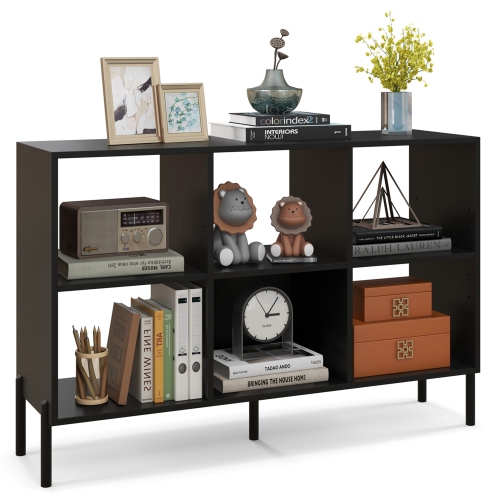
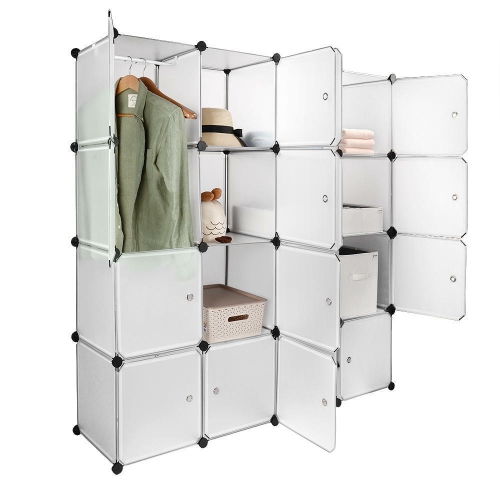
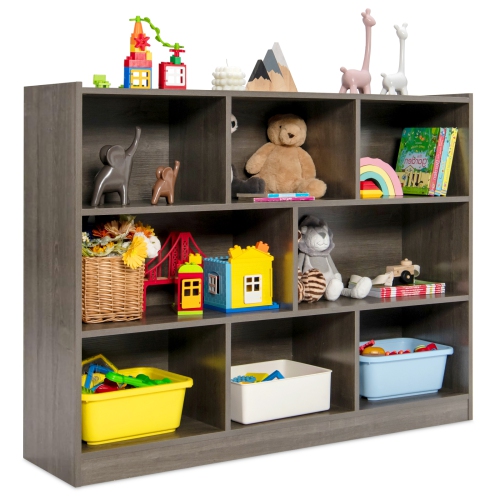



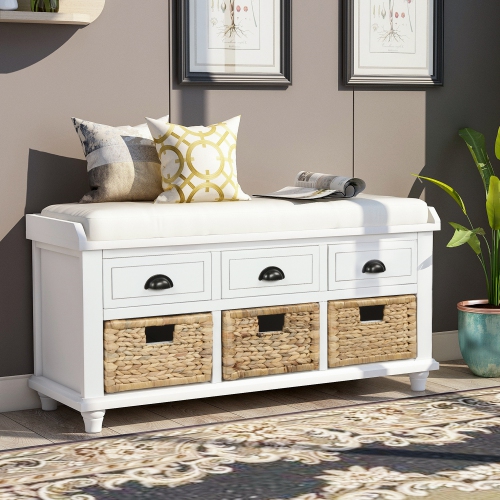
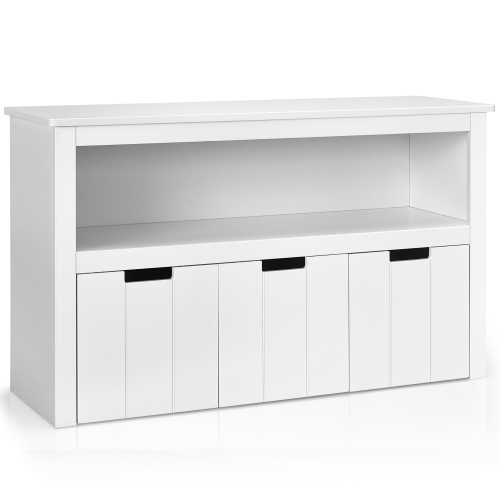
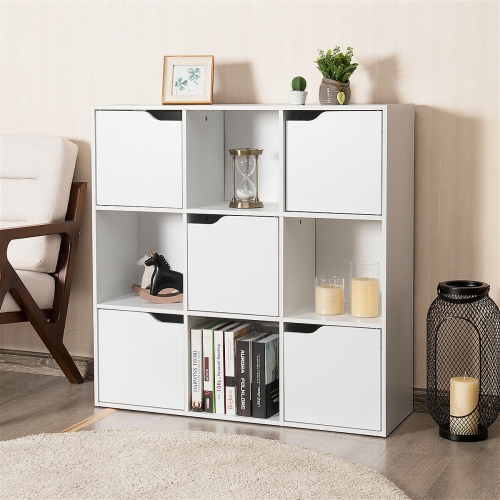
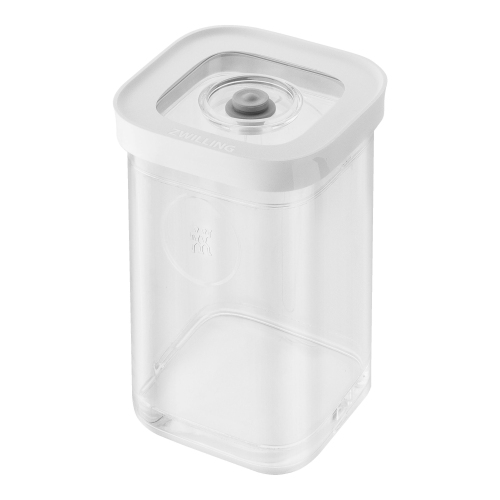
How open cubbies and removable bins work together
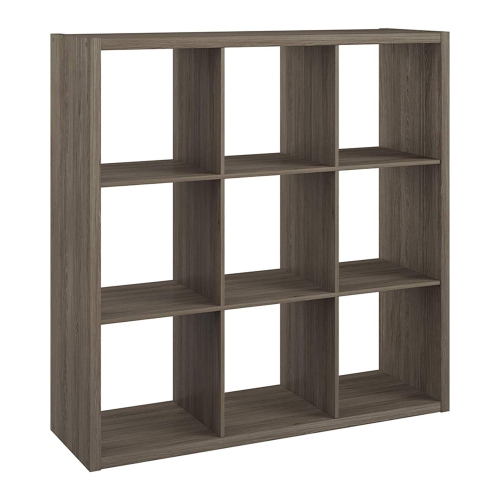
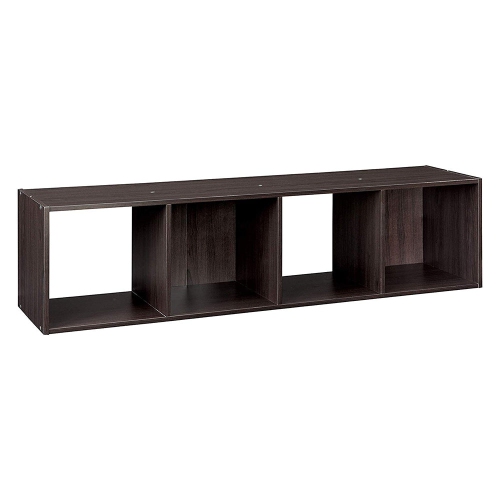
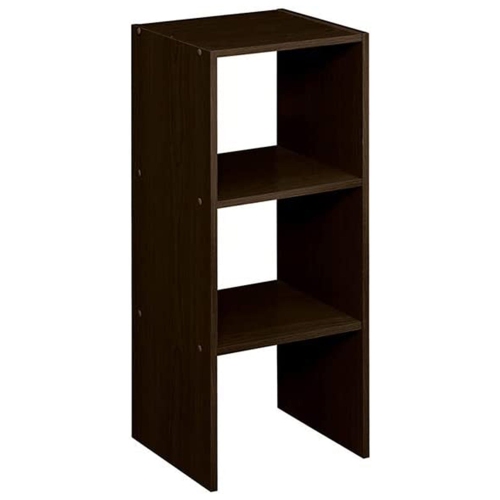
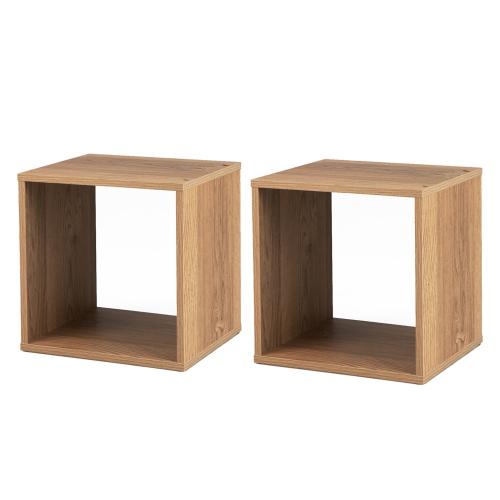
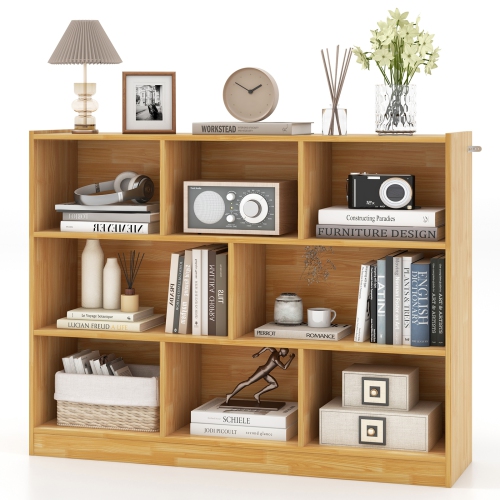
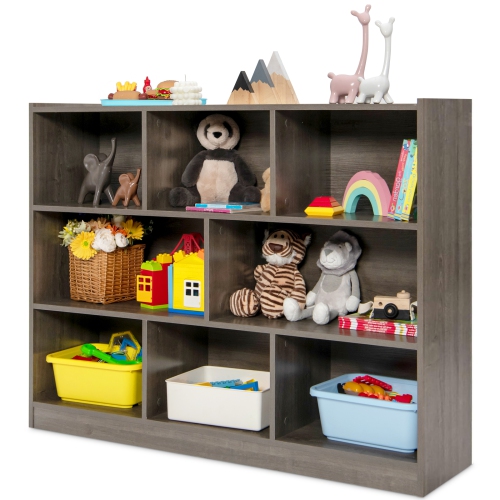
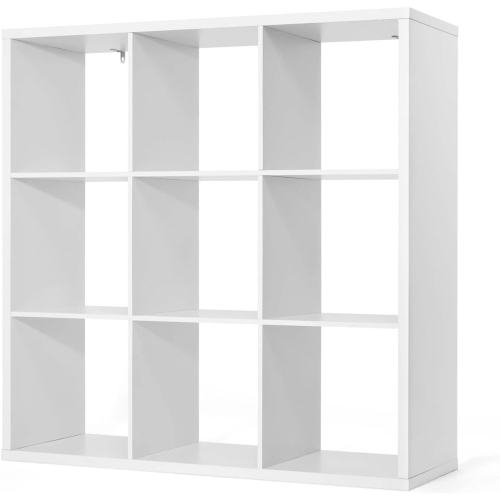
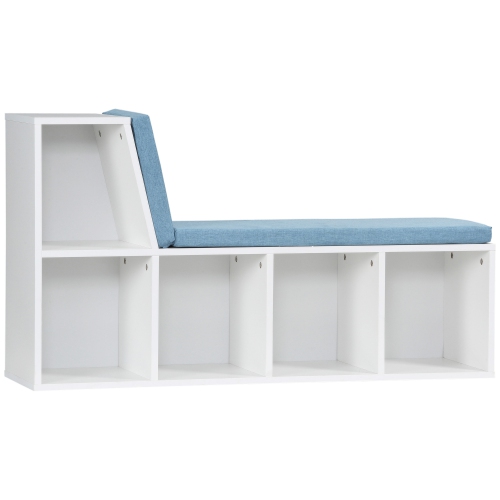
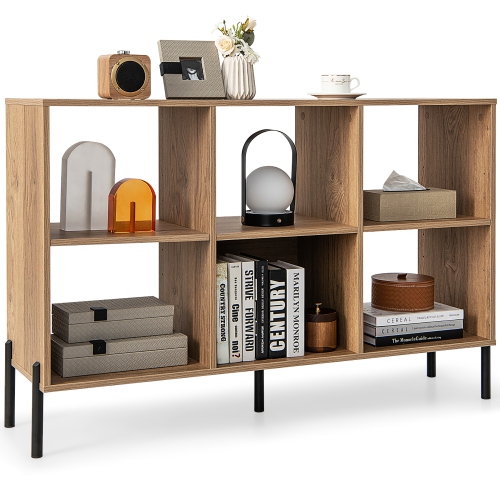
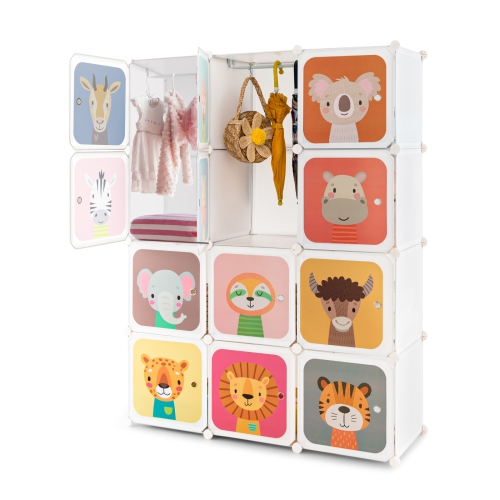
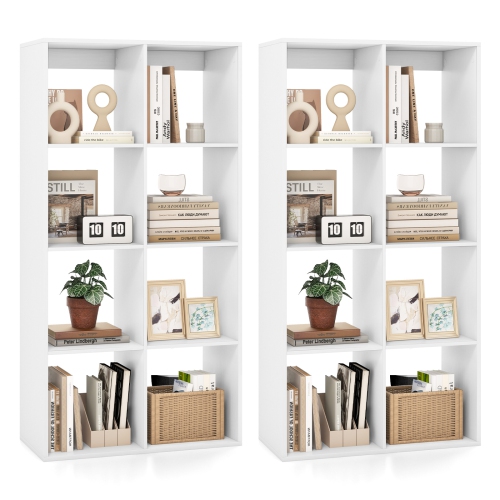
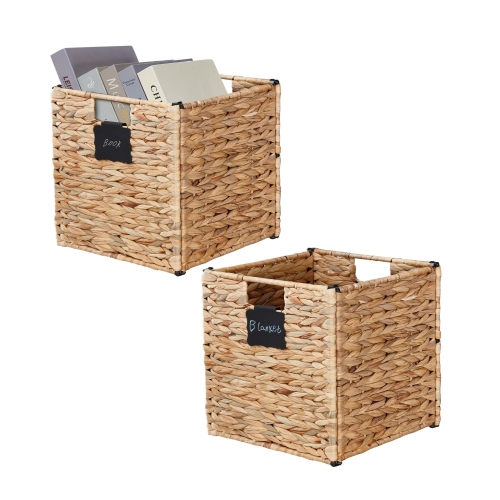
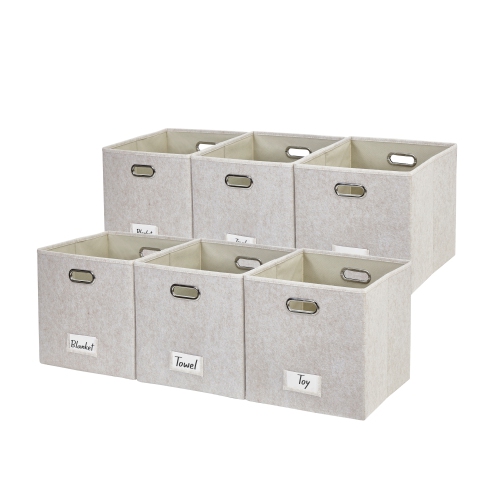
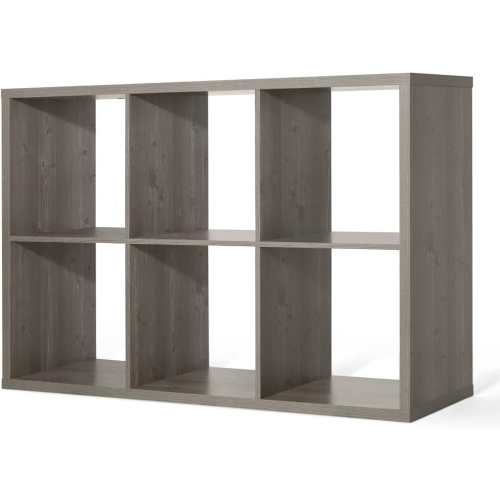
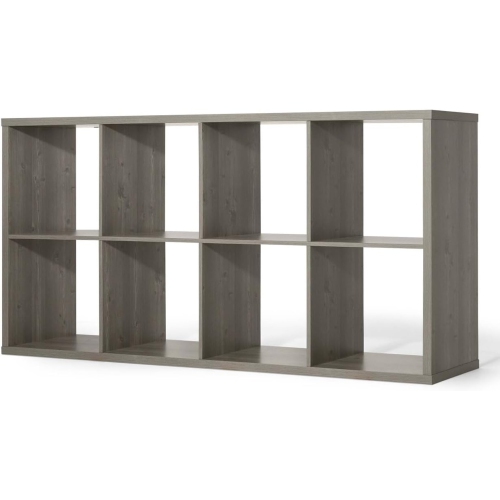
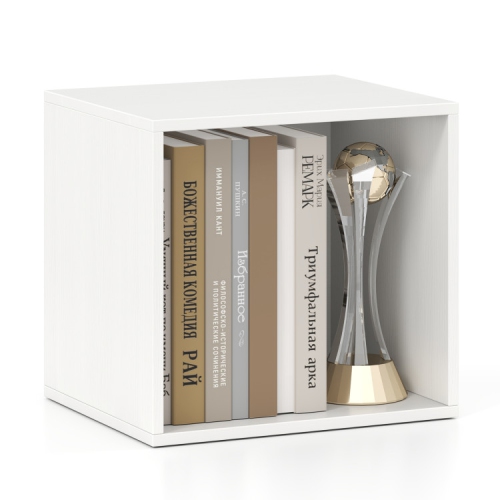
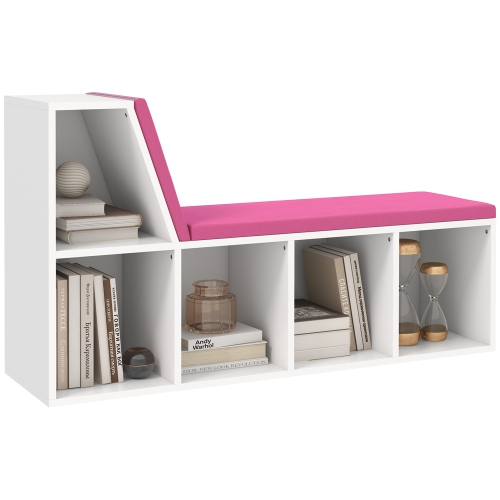
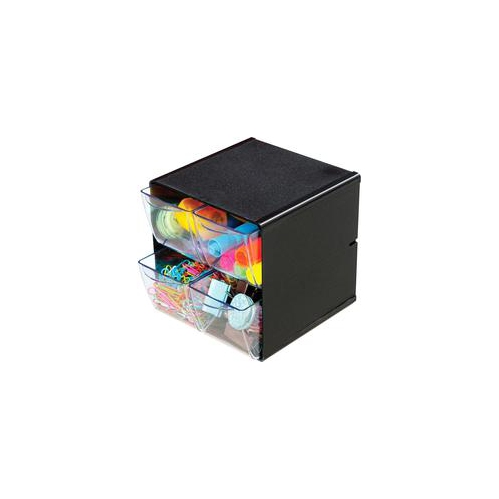
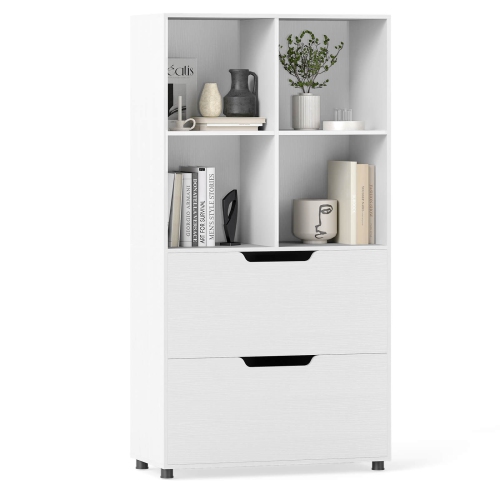
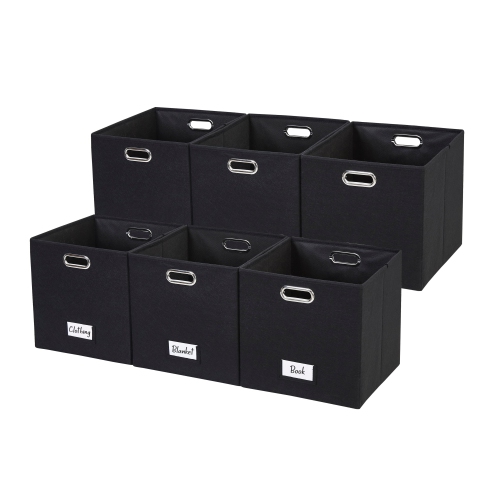
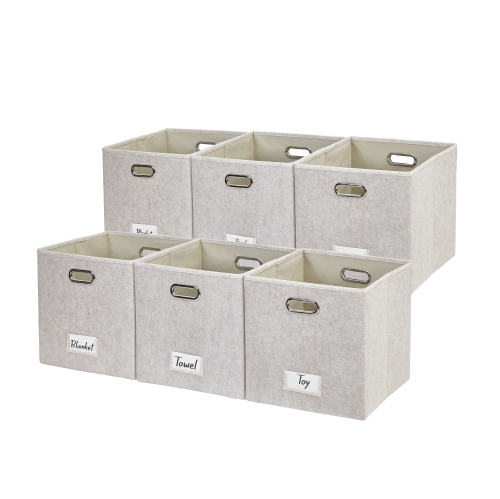
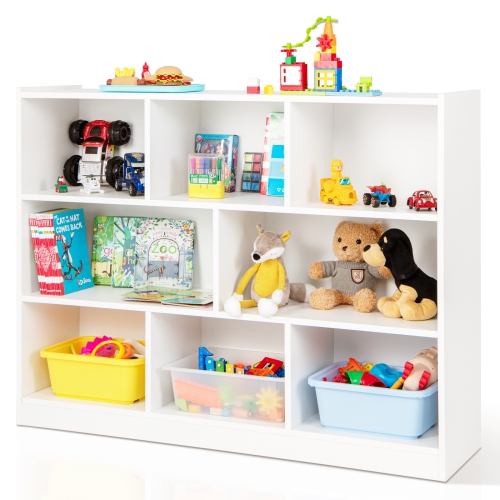
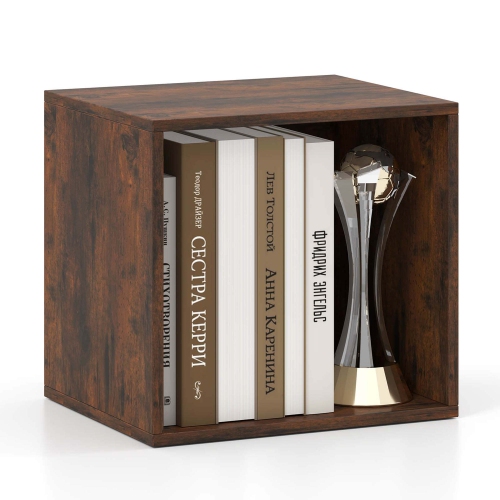
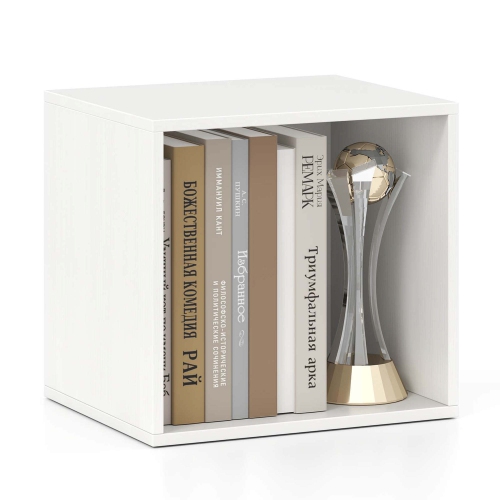
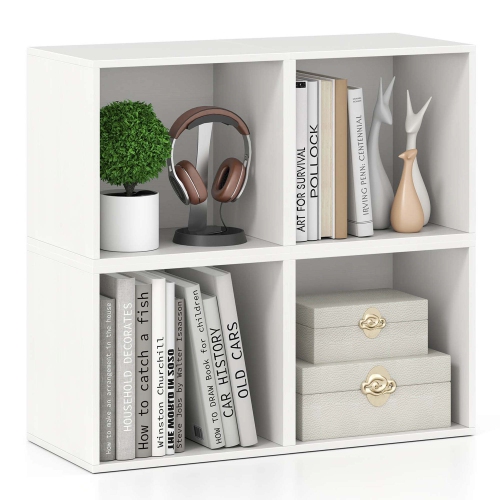
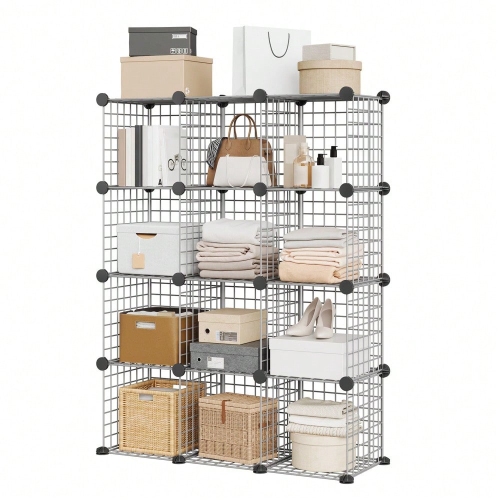
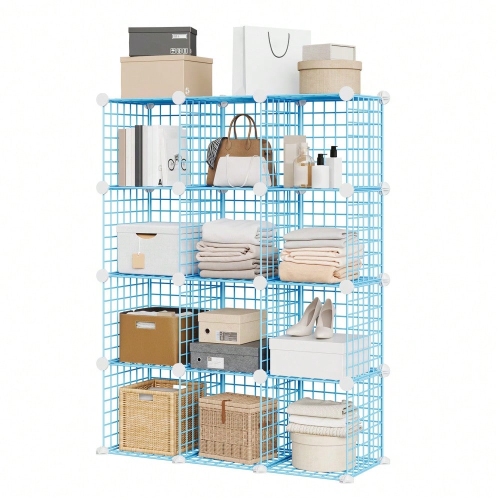
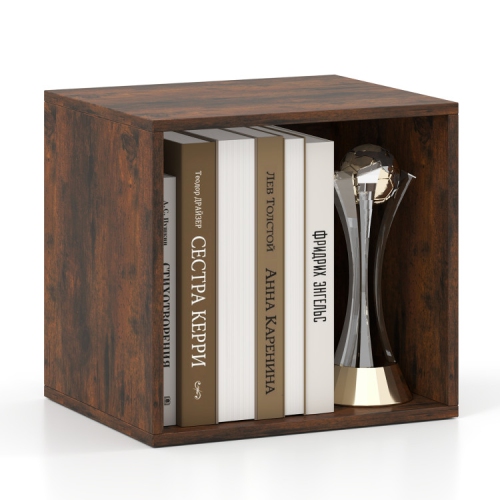
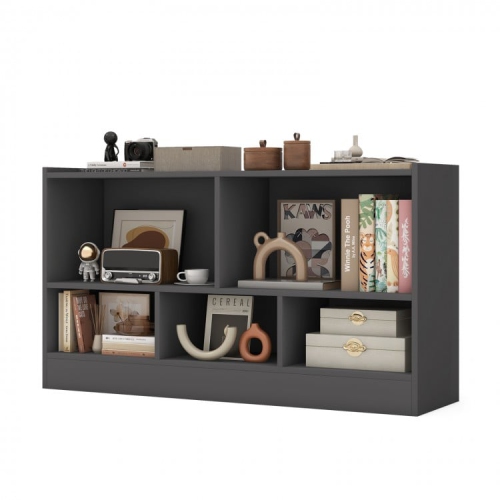
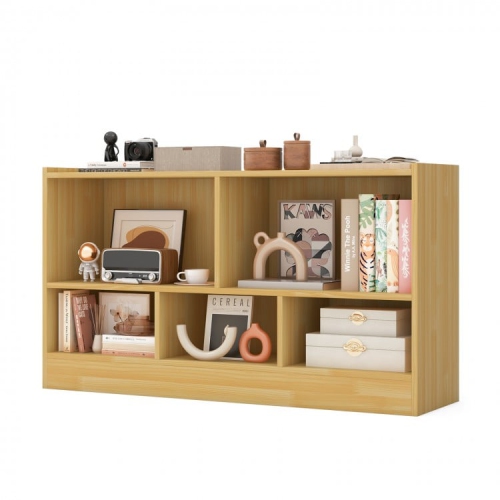
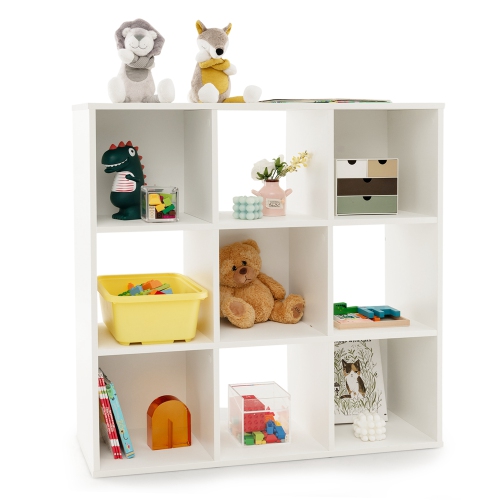
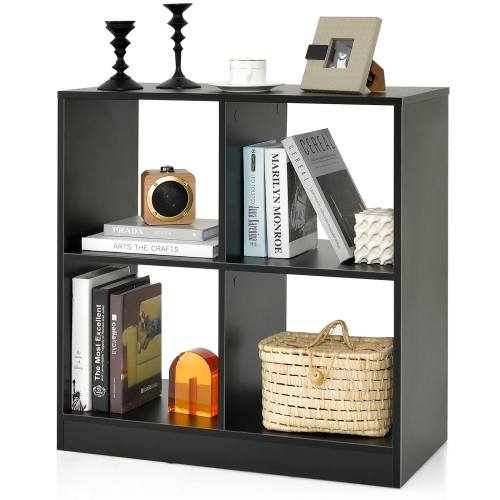
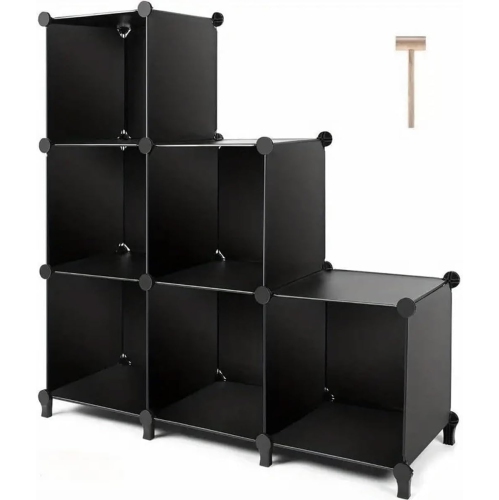
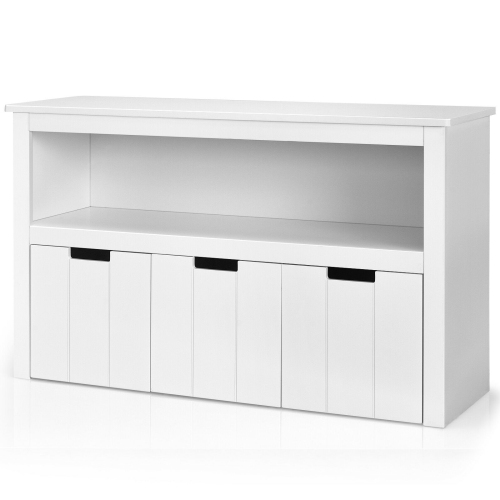
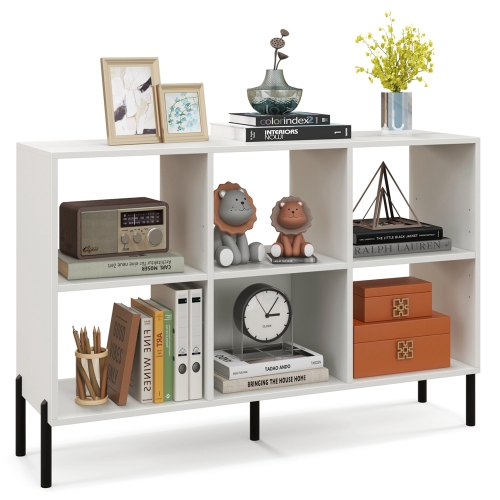
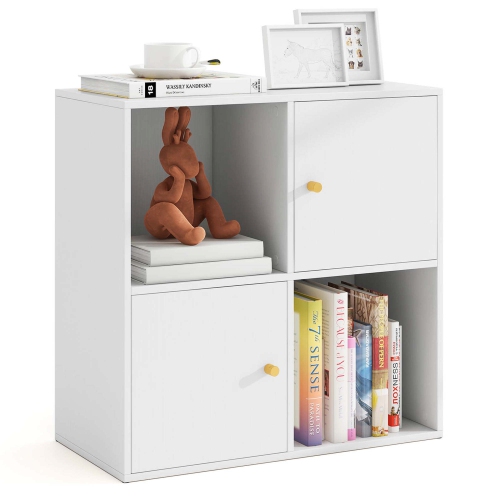
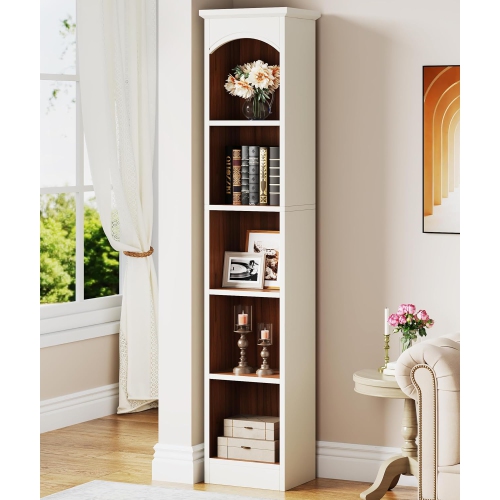
Storage cubes are square or nearly square storage bins and shelving compartments that help organize belongings into smaller, more manageable groups. The term can refer to a removable basket or fabric bin, a shelf divided into open cubbies, or a modular system assembled from individual sections. These formats work together in many rooms, but they serve different purposes: shelves provide structure, while bins keep loose contents contained and out of sight. In a living room, open compartments can hold books and display pieces, with filled bins below for charging cables, game controllers, and other everyday essentials. In a bedroom, cube storage can create a place for folded clothing, accessories, or spare linens without requiring a full chest of drawers. A home office might use separate cubes for stationery, paper supplies, and small electronics, making it easier to clear a desk at the end of the day. For a coordinated shelving arrangement, Storage Cube Organizers provide divided spaces that can combine visible storage with removable containers. The appeal is less about hiding everything than giving each category a useful home. A bin that slides out easily can bring craft supplies to a table, then return them to the same compartment when the activity is finished. Open cubes keep frequently used belongings visible, while covered or opaque containers create a quieter appearance where several types of belongings share one wall. Cube storage can suit renters, students, families, and anyone furnishing a compact room because the format works across different routines and layouts. A low row beneath an unobstructed wall feels different from a tall unit beside a desk, even when both offer a similar number of compartments. Colour, texture, and the balance of filled and open spaces also influence the overall look. Matching bins create a consistent front, while a mix of materials can distinguish separate storage zones without adding labels to every container.
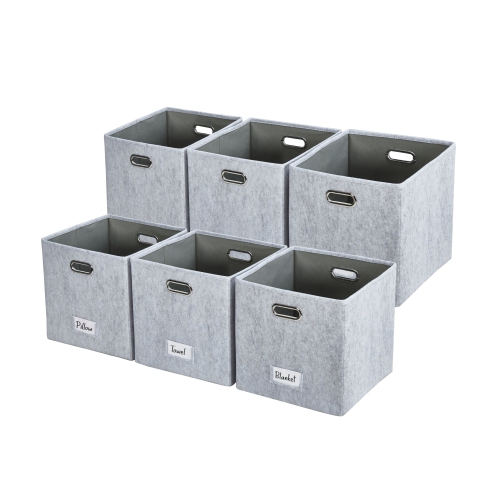
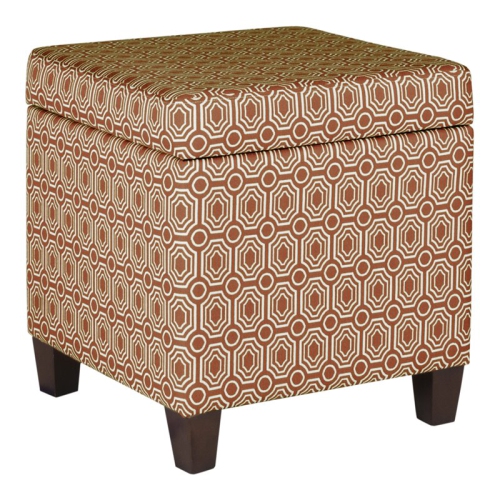
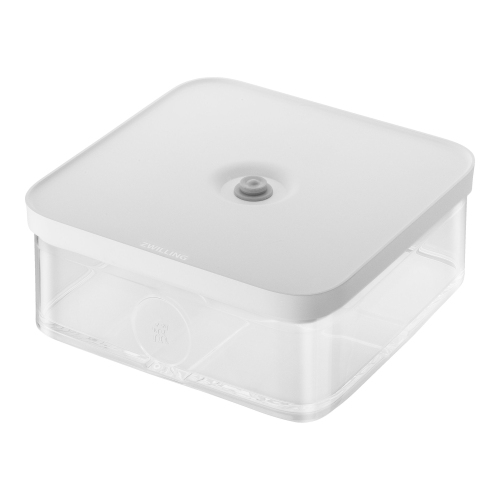
Materials and construction affect how storage cubes feel, what they can hold, and how well they stand up to repeated use. Fabric storage cubes are generally lightweight, and many have removable base panels that allow them to fold flat when empty. Depending on their construction, they can work well for scarves, soft toys, or lightweight accessories, though flexible sides may bulge when overfilled. Reinforced edges, firm base inserts, and securely attached handles help a bin retain its shape during regular handling. Woven baskets bring a more textured finish, but the inside surface matters when storing delicate fabrics; a smooth lining can help prevent snagging. Plastic bins are often easy to wipe clean and can be practical for supplies that leave crumbs, dust, or small spills, provided their care instructions suit the intended use. Shelving units may use solid wood, engineered wood, metal, plastic panels, or combinations of these materials. A smooth finished surface is straightforward to dust, while joints, shelf thickness, connectors, and backing all contribute to the structure. Material alone does not establish strength, so the stated load limit for each compartment and the complete unit is more useful than appearance when planning storage for books or heavier equipment. Fit deserves just as much attention. There is no single universal size for a storage cube, and a bin described as a cube may not fit every cubby shelf. Compare the bin’s external width, height, and depth with the shelf’s internal opening, allowing enough clearance to grasp the handle and pull it out without scraping. Handles, lids, tapered sides, and a protruding rim can affect that fit. Measure the floor space as well as the wall area, including baseboards and nearby door swings. A unit that fits neatly into a corner still needs room in front for someone to remove a bin comfortably. In a closet, check whether shelves, hanging clothes, or sliding doors will interfere with access, especially when a container needs to lift slightly before sliding free.
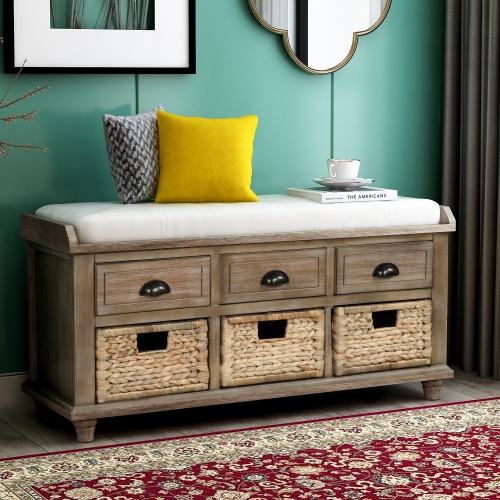
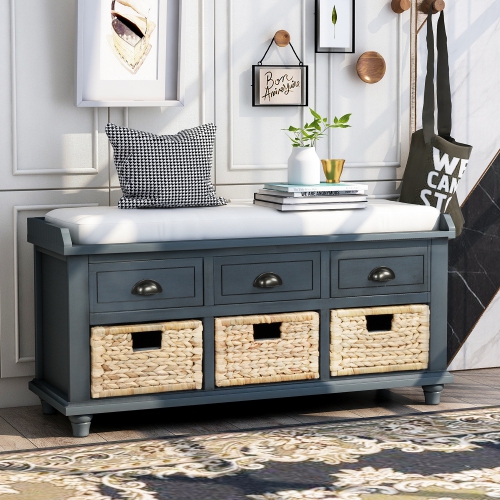
The most useful cube storage arrangements reflect how belongings move through a room. In a shared play area, lightweight bins on accessible lower shelves can make tidying simpler, with separate spaces for building pieces, art materials, and dress-up accessories. In an entryway, a compact arrangement can keep reusable shopping bags and walking accessories together rather than spread across a bench. Students and people setting up a first apartment may appreciate collapsible bins that are easier to pack between moves, while hobbyists may prefer firmer containers that keep supplies separated when carried to a work surface. Labels can help several people use the same system, although a distinctive colour or texture may be enough to identify a familiar bin. Heavier contents generally belong lower down, within the unit’s stated limits, and tall shelving should be secured as directed by the manufacturer. Cube shelves are not seating, steps, or climbing structures unless expressly designed for that purpose. Modular sections also need the specified connectors and assembly pattern; similar-looking parts are not necessarily compatible, and stacking is appropriate only when the design permits it. Day-to-day care is usually simple but varies by material. Dust shelves regularly, wipe suitable hard surfaces with a lightly damp cloth, and dry them promptly so moisture does not linger around seams or edges. Fabric bins may require spot cleaning rather than soaking or machine washing, particularly when they contain cardboard supports. Woven containers benefit from gentle dust removal around their fibres, while cleaning products should be checked against the finish to avoid discolouration. Leaving some space inside each bin reduces strain on seams and makes contents easier to retrieve. It also helps to group belongings by task rather than filling every empty compartment at random: one container for gift-wrapping supplies is easier to use than several scattered pockets of ribbon, tape, and tags. With suitable dimensions, sturdy construction, and a layout matched to daily habits, storage cubes offer an adaptable way to keep rooms organized while keeping frequently used belongings close at hand.
Materials and construction affect how storage cubes feel, what they can hold, and how well they stand up to repeated use. Fabric storage cubes are generally lightweight, and many have removable base panels that allow them to fold flat when empty. Depending on their construction, they can work well for scarves, soft toys, or lightweight accessories, though flexible sides may bulge when overfilled. Reinforced edges, firm base inserts, and securely attached handles help a bin retain its shape during regular handling. Woven baskets bring a more textured finish, but the inside surface matters when storing delicate fabrics; a smooth lining can help prevent snagging. Plastic bins are often easy to wipe clean and can be practical for supplies that leave crumbs, dust, or small spills, provided their care instructions suit the intended use. Shelving units may use solid wood, engineered wood, metal, plastic panels, or combinations of these materials. A smooth finished surface is straightforward to dust, while joints, shelf thickness, connectors, and backing all contribute to the structure. Material alone does not establish strength, so the stated load limit for each compartment and the complete unit is more useful than appearance when planning storage for books or heavier equipment. Fit deserves just as much attention. There is no single universal size for a storage cube, and a bin described as a cube may not fit every cubby shelf. Compare the bin’s external width, height, and depth with the shelf’s internal opening, allowing enough clearance to grasp the handle and pull it out without scraping. Handles, lids, tapered sides, and a protruding rim can affect that fit. Measure the floor space as well as the wall area, including baseboards and nearby door swings. A unit that fits neatly into a corner still needs room in front for someone to remove a bin comfortably. In a closet, check whether shelves, hanging clothes, or sliding doors will interfere with access, especially when a container needs to lift slightly before sliding free.
The most useful cube storage arrangements reflect how belongings move through a room. In a shared play area, lightweight bins on accessible lower shelves can make tidying simpler, with separate spaces for building pieces, art materials, and dress-up accessories. In an entryway, a compact arrangement can keep reusable shopping bags and walking accessories together rather than spread across a bench. Students and people setting up a first apartment may appreciate collapsible bins that are easier to pack between moves, while hobbyists may prefer firmer containers that keep supplies separated when carried to a work surface. Labels can help several people use the same system, although a distinctive colour or texture may be enough to identify a familiar bin. Heavier contents generally belong lower down, within the unit’s stated limits, and tall shelving should be secured as directed by the manufacturer. Cube shelves are not seating, steps, or climbing structures unless expressly designed for that purpose. Modular sections also need the specified connectors and assembly pattern; similar-looking parts are not necessarily compatible, and stacking is appropriate only when the design permits it. Day-to-day care is usually simple but varies by material. Dust shelves regularly, wipe suitable hard surfaces with a lightly damp cloth, and dry them promptly so moisture does not linger around seams or edges. Fabric bins may require spot cleaning rather than soaking or machine washing, particularly when they contain cardboard supports. Woven containers benefit from gentle dust removal around their fibres, while cleaning products should be checked against the finish to avoid discolouration. Leaving some space inside each bin reduces strain on seams and makes contents easier to retrieve. It also helps to group belongings by task rather than filling every empty compartment at random: one container for gift-wrapping supplies is easier to use than several scattered pockets of ribbon, tape, and tags. With suitable dimensions, sturdy construction, and a layout matched to daily habits, storage cubes offer an adaptable way to keep rooms organized while keeping frequently used belongings close at hand.
Top selling and popular products
-
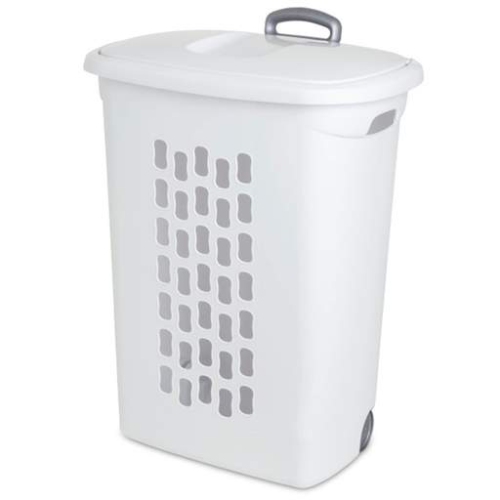 Your price for this item is $1089.99
 -
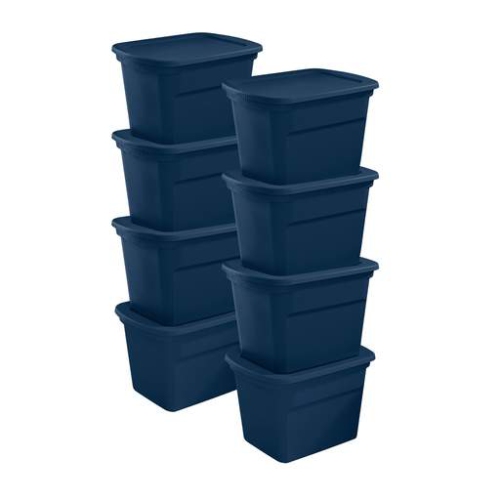 Your price for this item is $246.99
 -
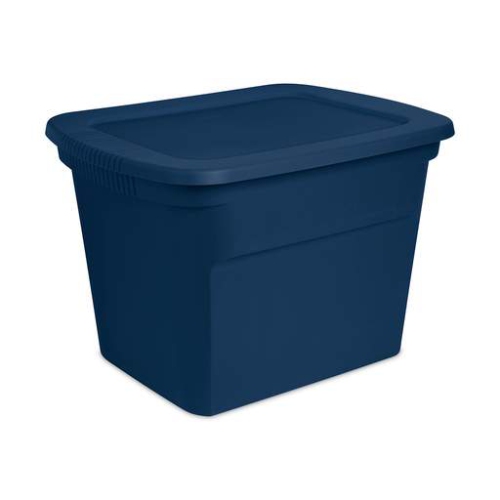 Your price for this item is $679.99
 -
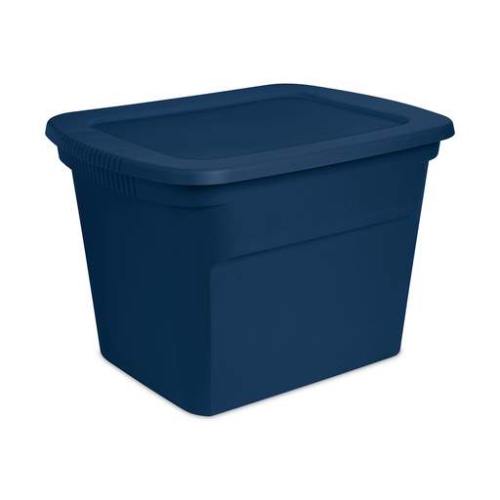 Your price for this item is $906.99
 -
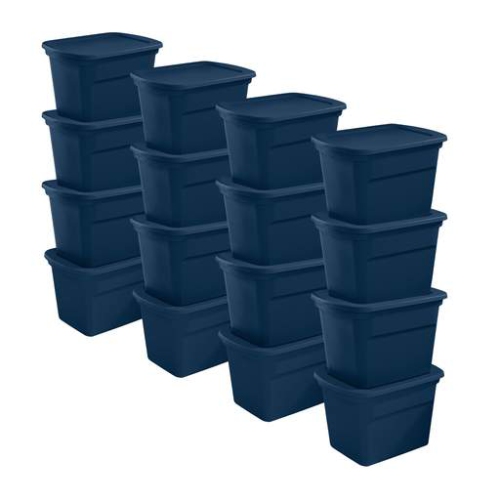 Your price for this item is $452.99
 -
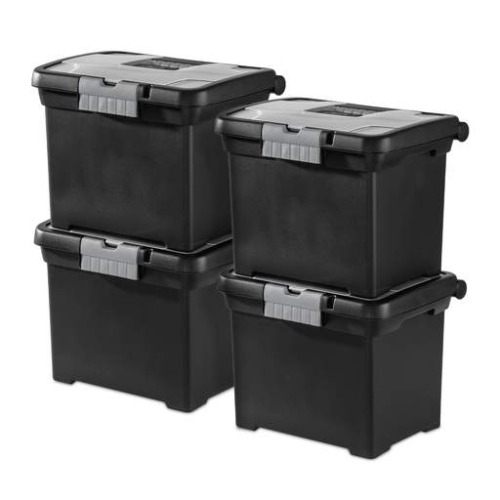 Your price for this item is $133.99
 -
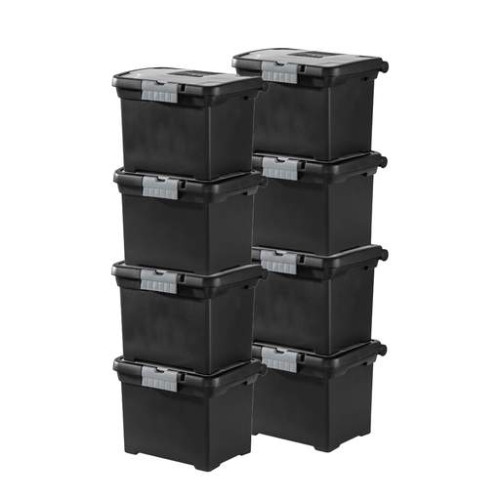 Your price for this item is $264.99
 -
 Your price for this item is $64.98
Discover more categories related to Storage Cubes
Top Collections:
Pokemon Centers, Kindle Devices, Best Budget Office Chairs, Apple iPhones 16, Best Laptops for Writers, iPhone 15 Apple, Canon G7X Cameras, Refurbished Apple Laptops, Alarm Clock, Motorola Razr Phones
Some products may be subject to Environmental Handling Fees
(EHF) depending on your province.
Learn more about EHFs.