Stackable Storage Cubes
Organize your space efficiently with stackable storage cubes, the versatile solution for decluttering any room in your home. These sleek and modern cubes offer a stylish way to store your belongings while maximizing vertical storage space. Whether you're looking to tidy up a small apartment or add functionality to a busy family room, stackable storage cubes are the perfect choice for keeping your items neat and accessible. With their modular design and customizable configurations, these cubes can be easily tailored to fit your unique storage needs.
Sort

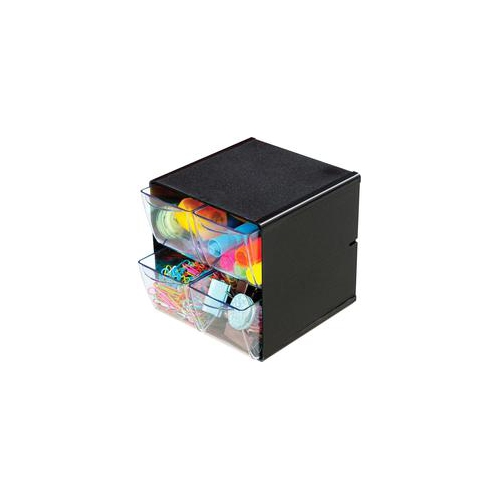
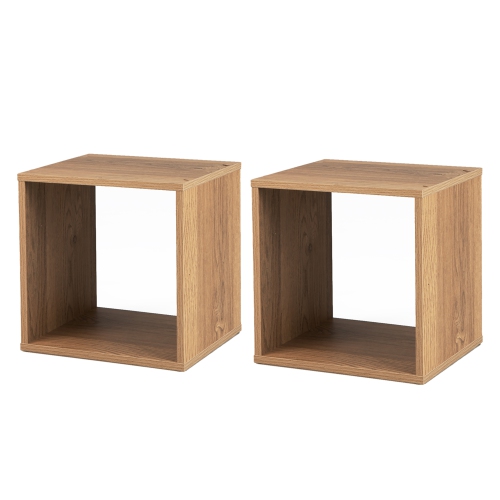
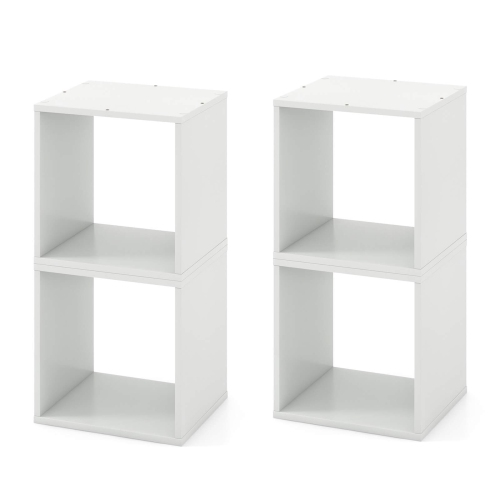
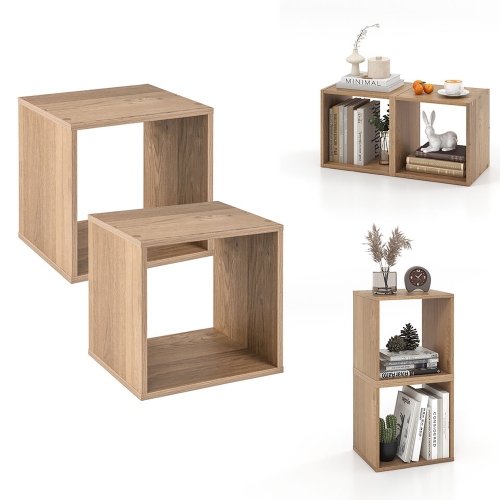
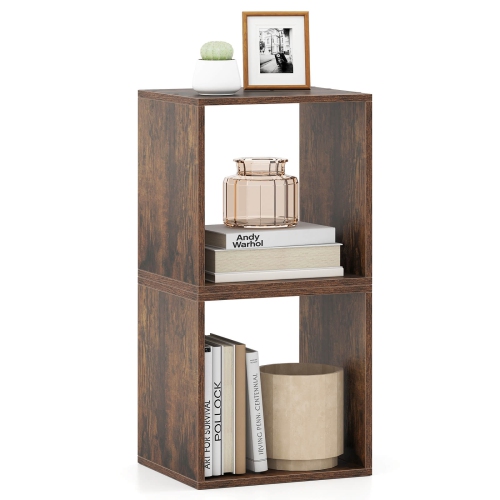
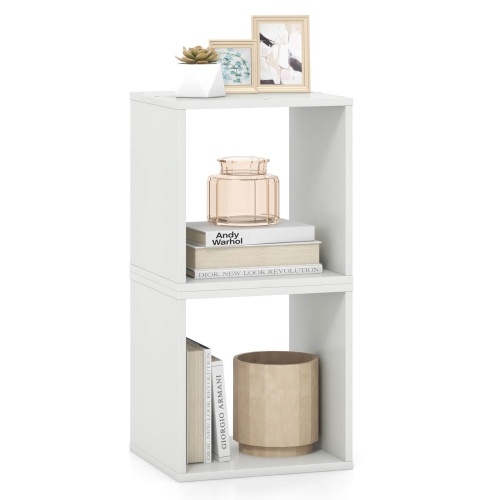
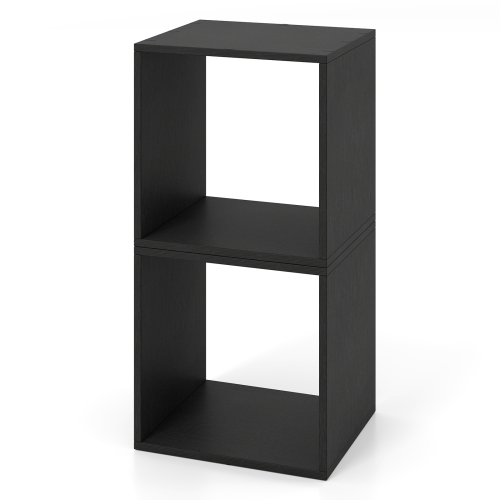
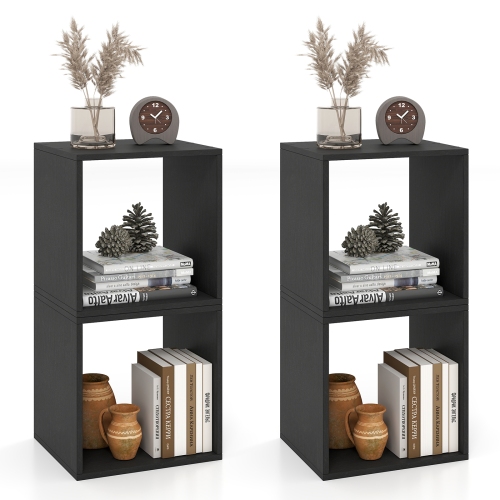
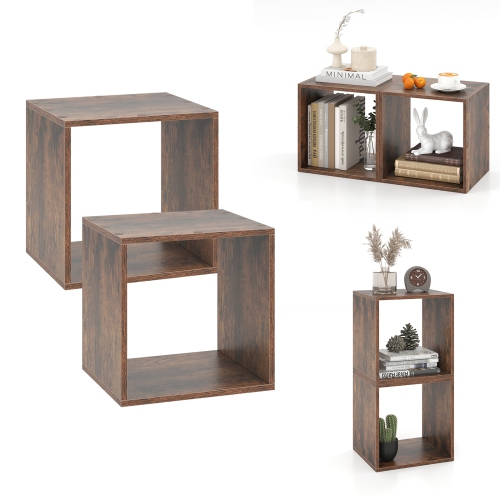
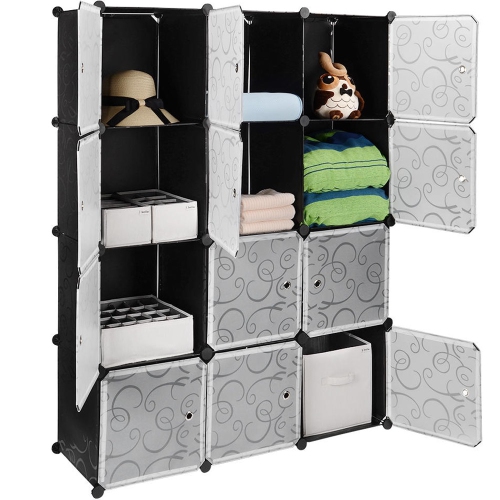
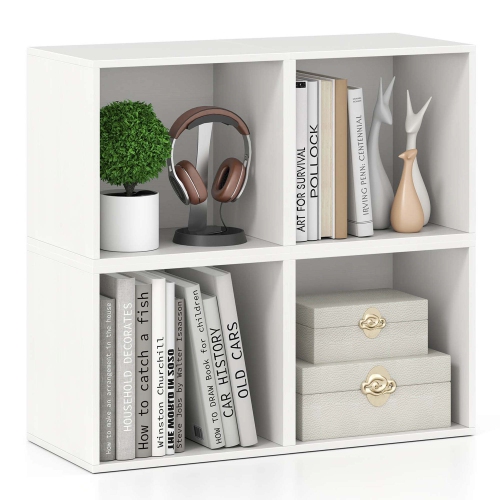
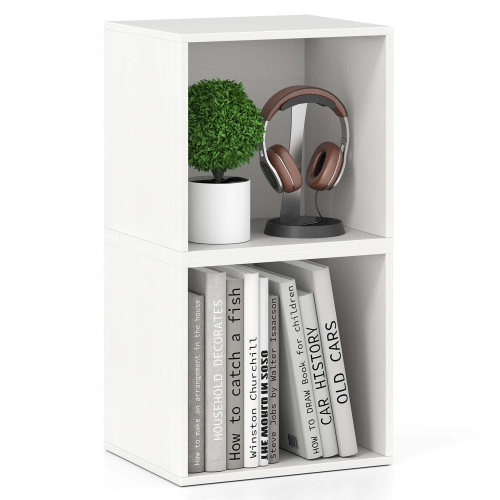
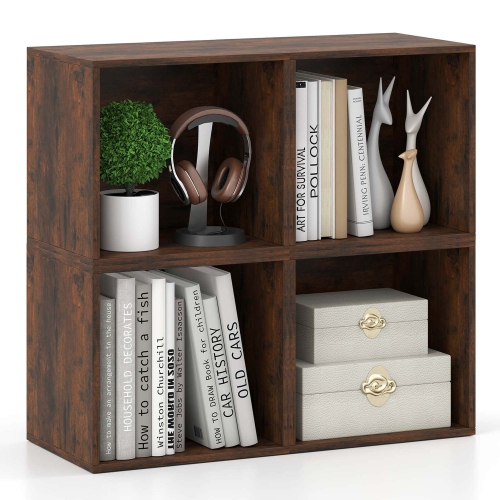
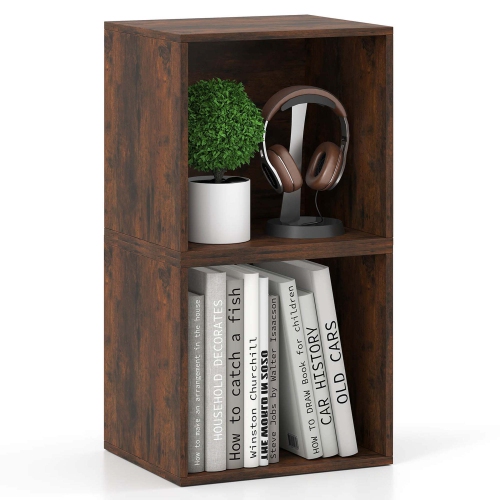
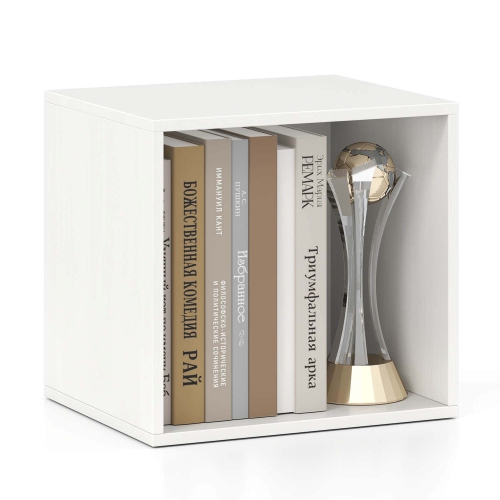
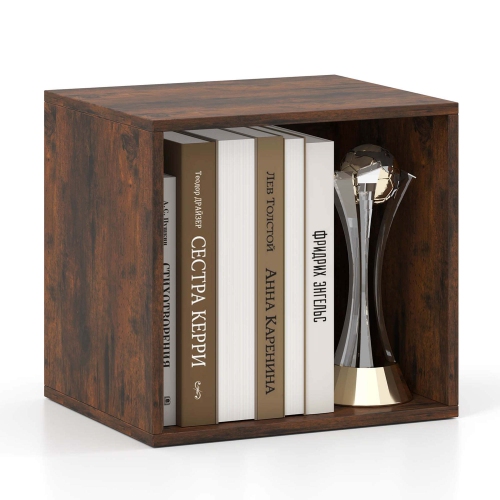
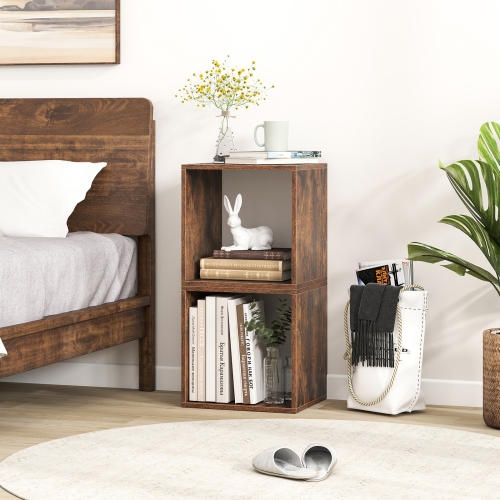
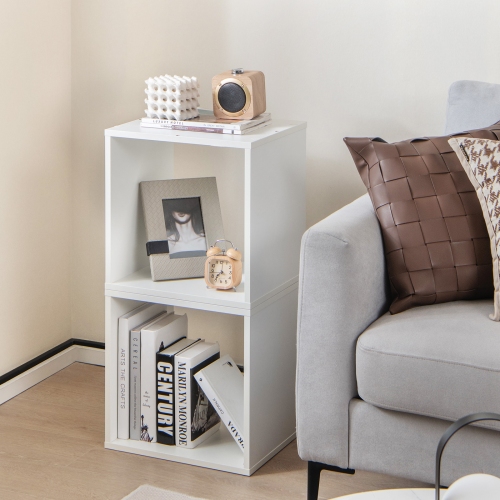
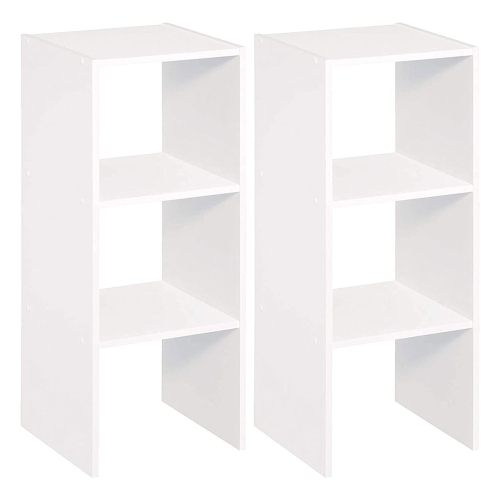
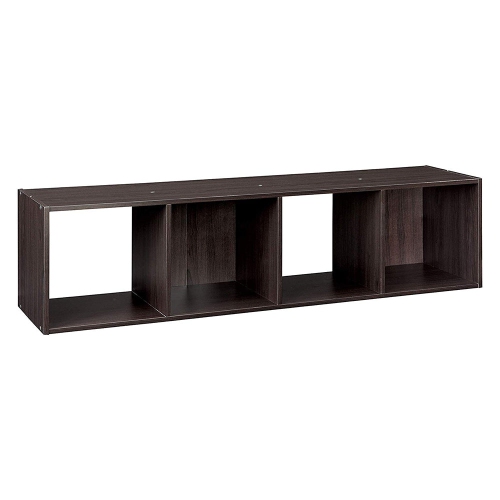
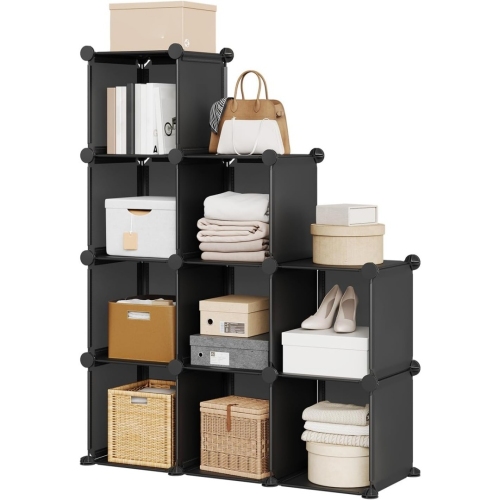
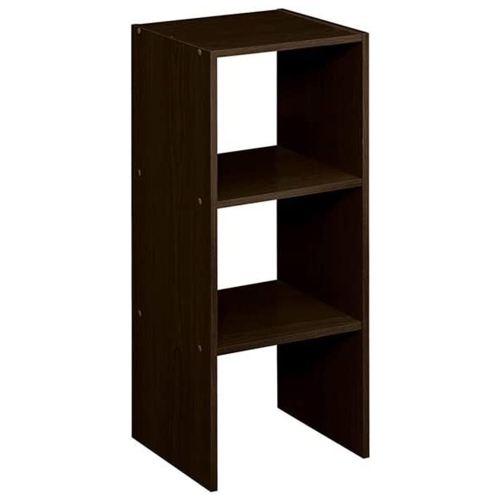
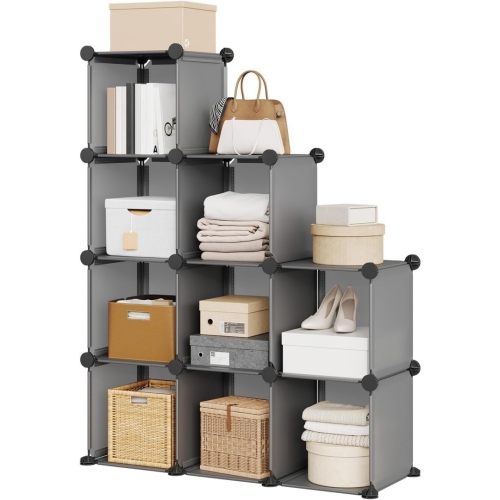
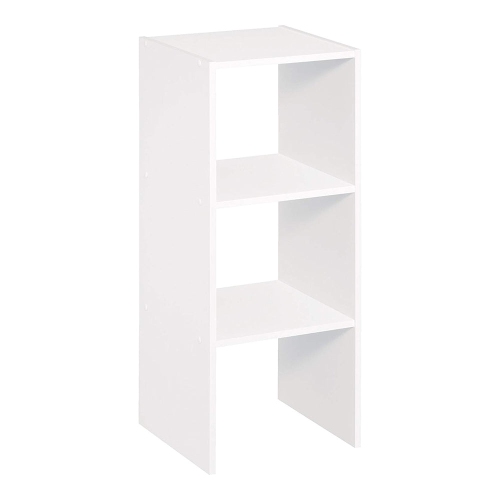

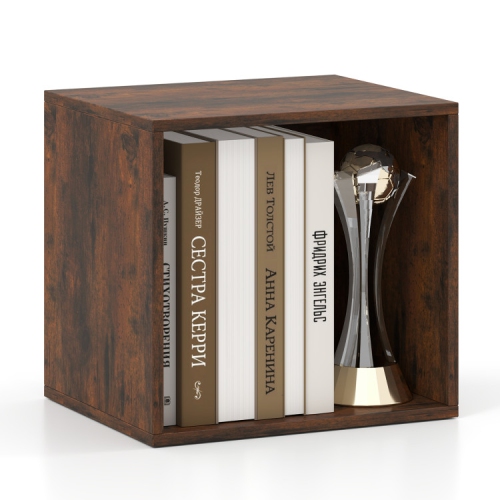
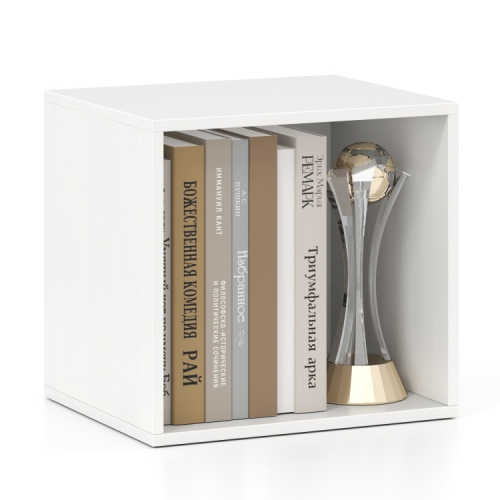
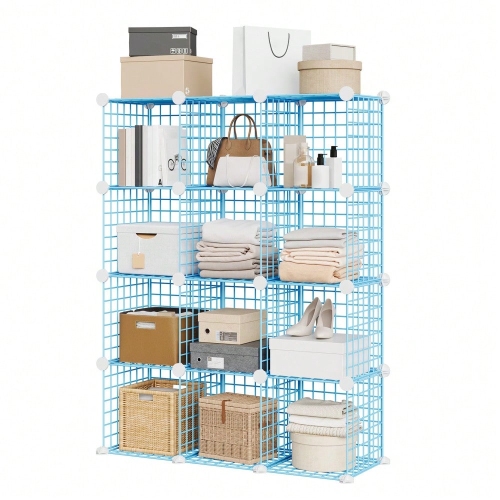
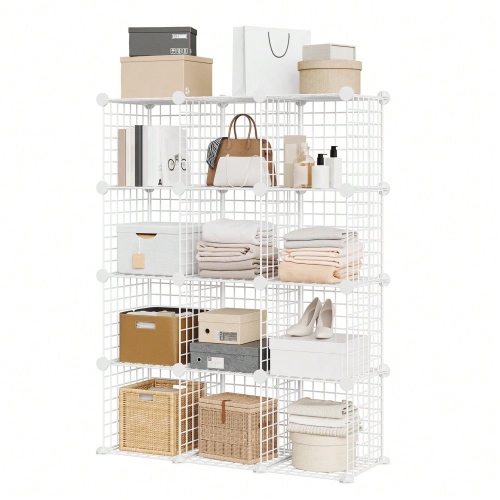
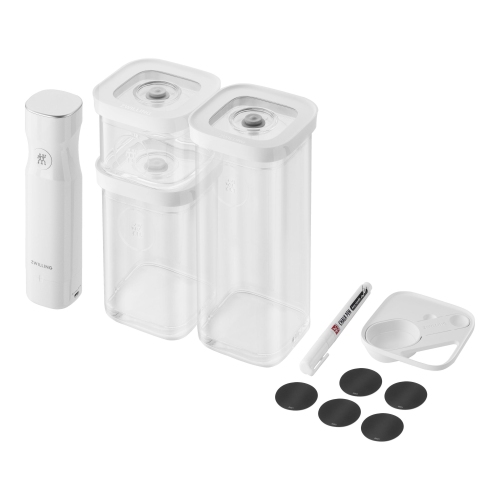
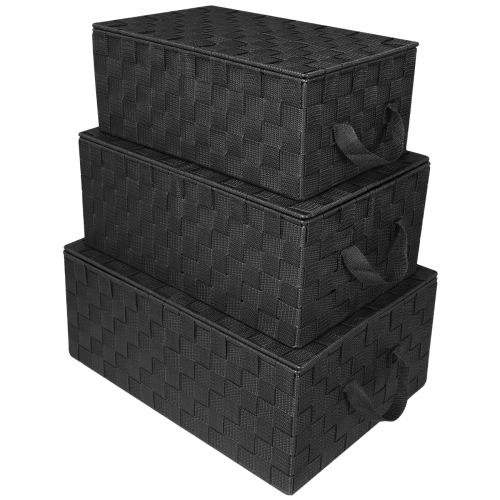
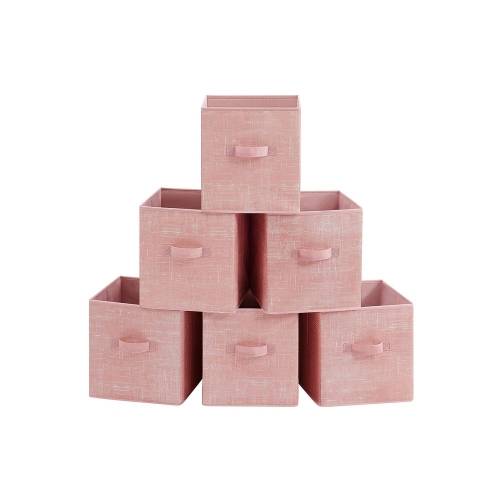
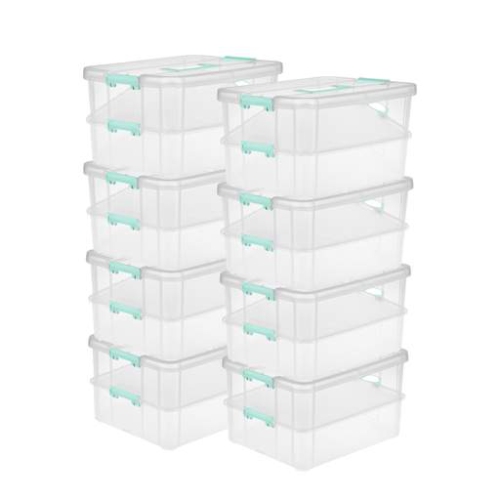
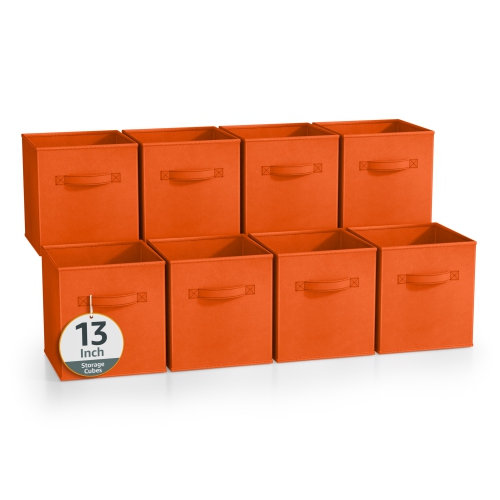
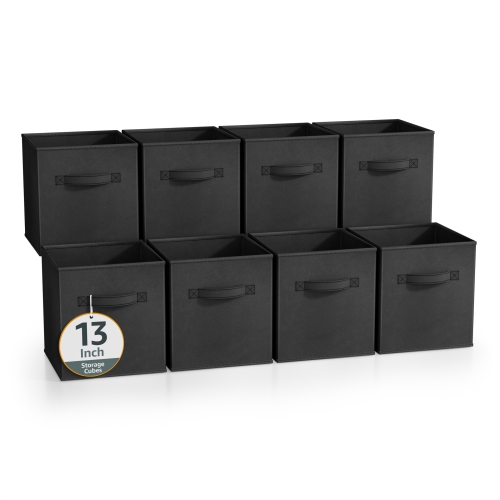
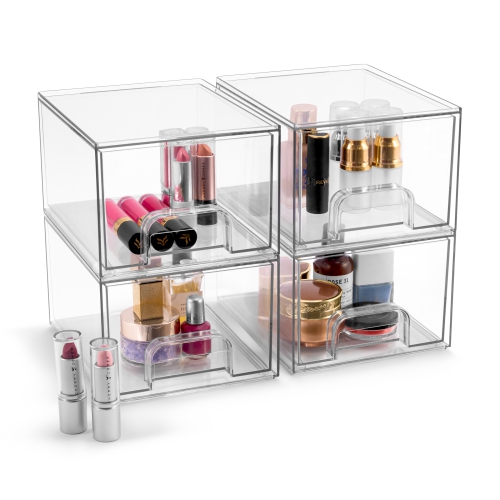
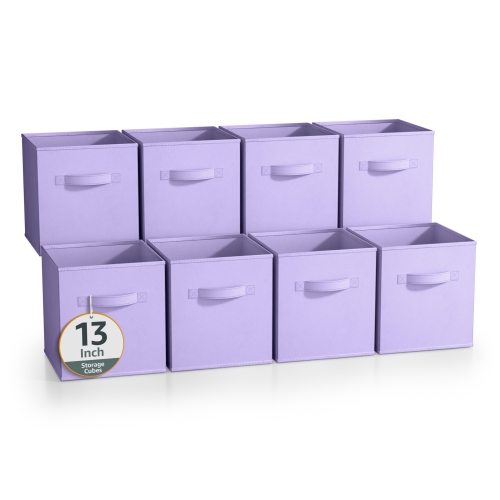
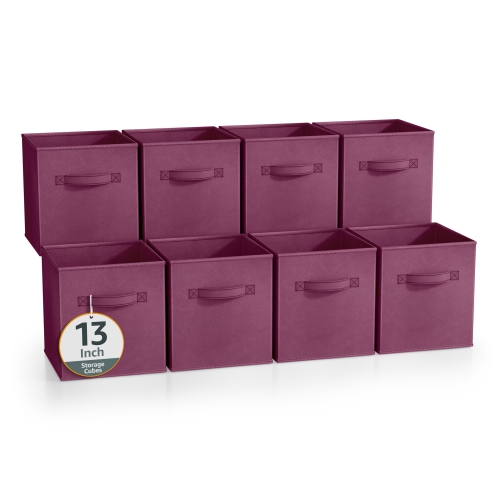
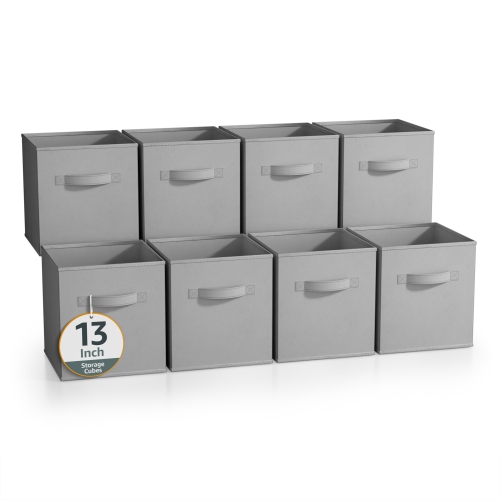
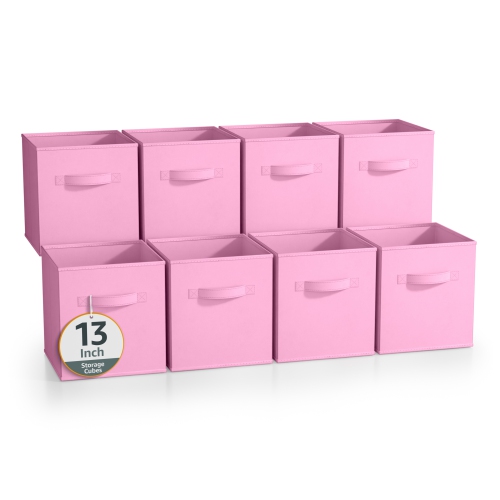
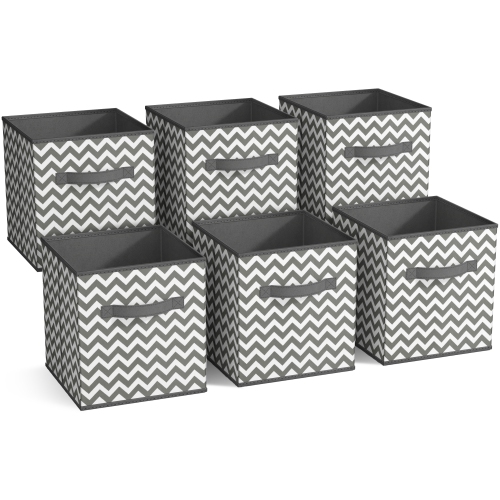
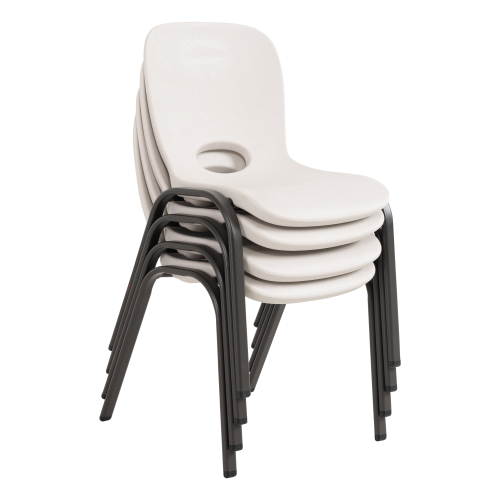
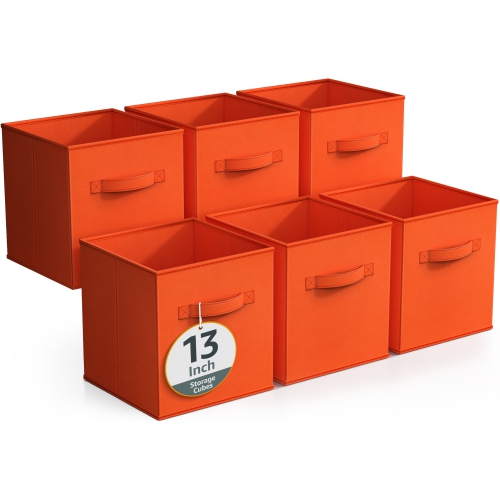
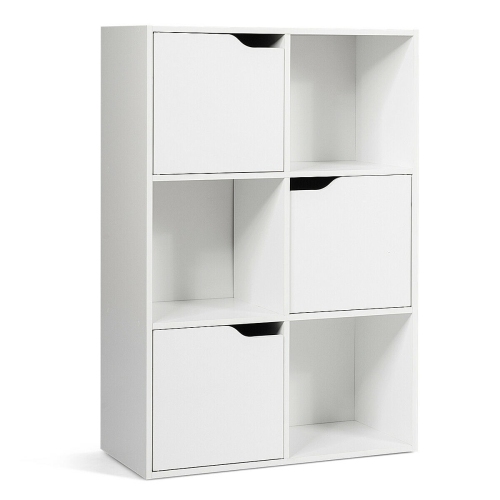
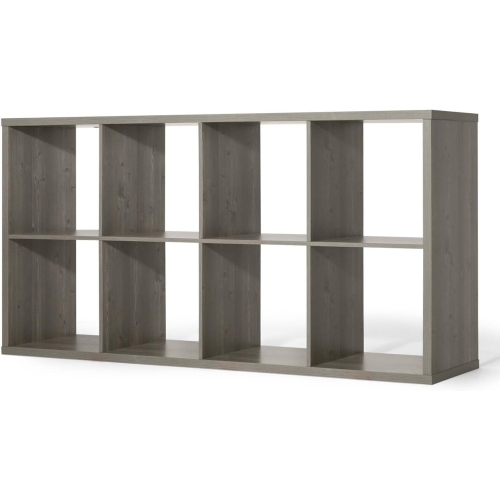
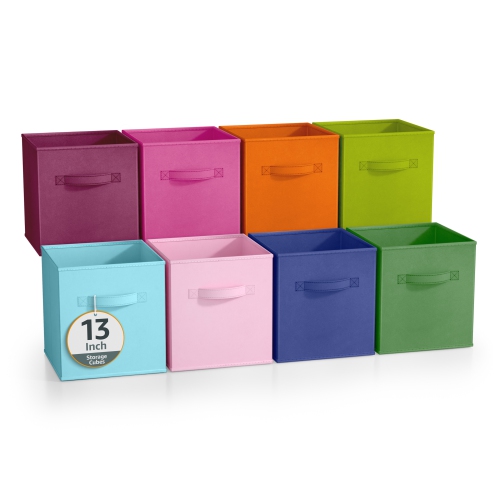
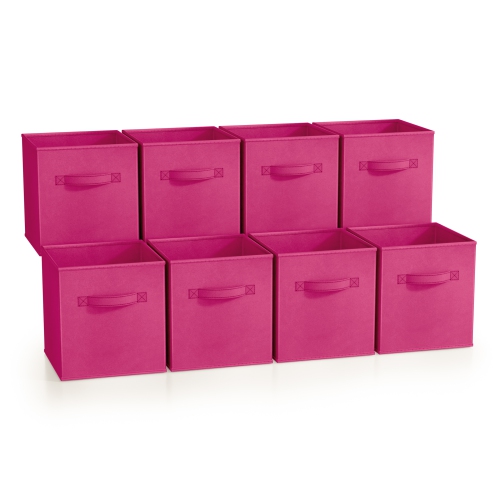
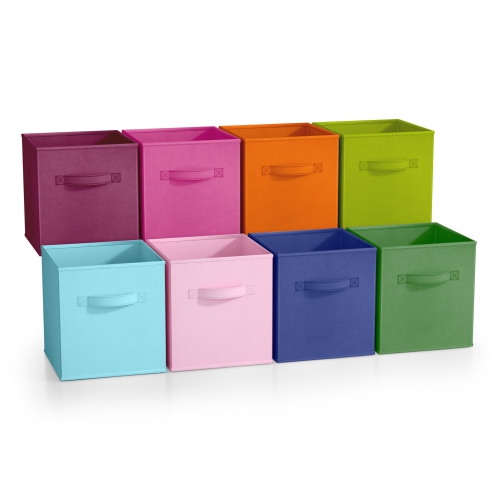
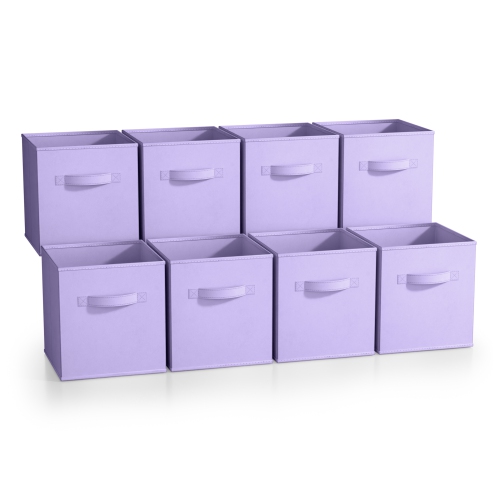
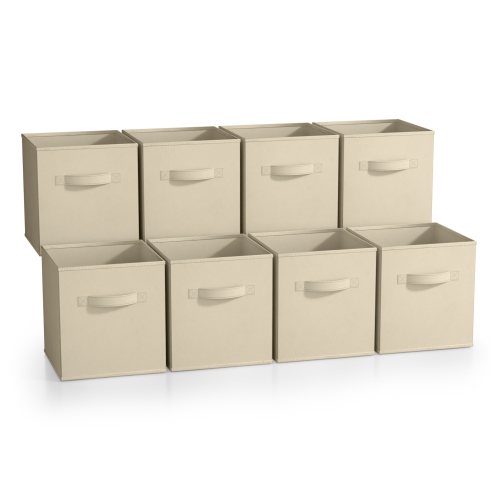
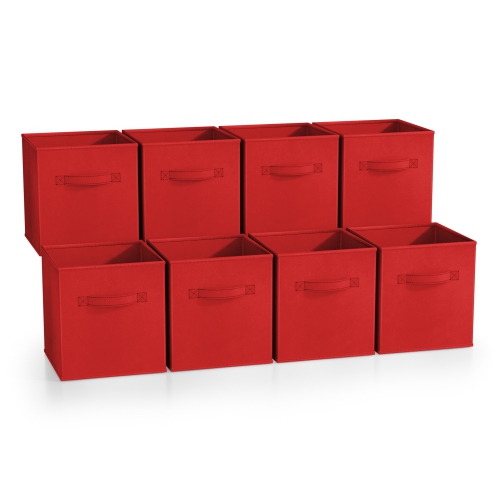
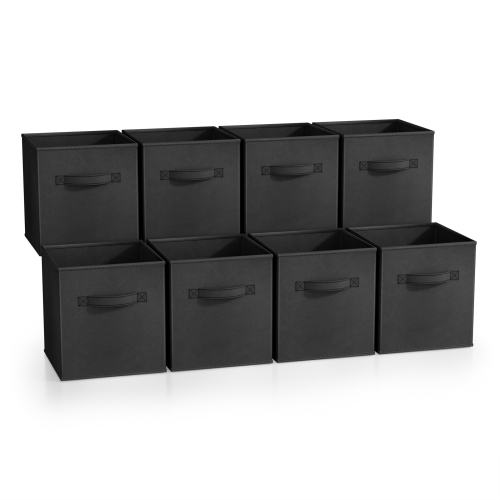
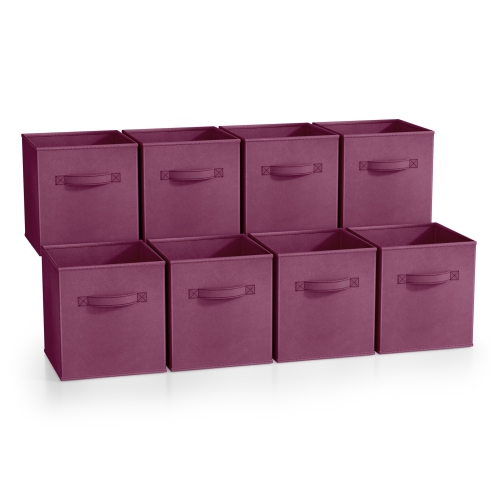
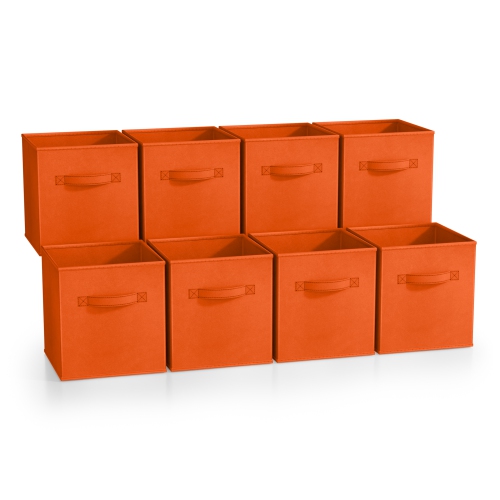
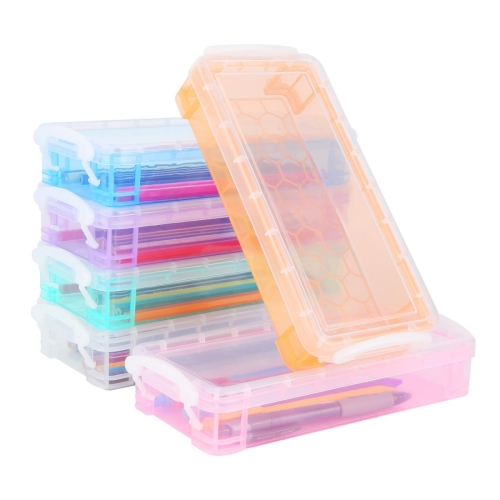
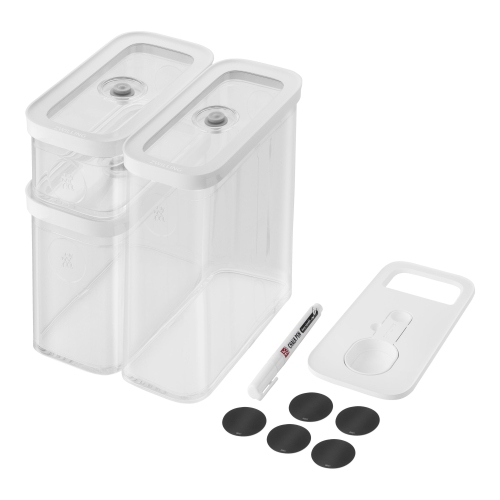
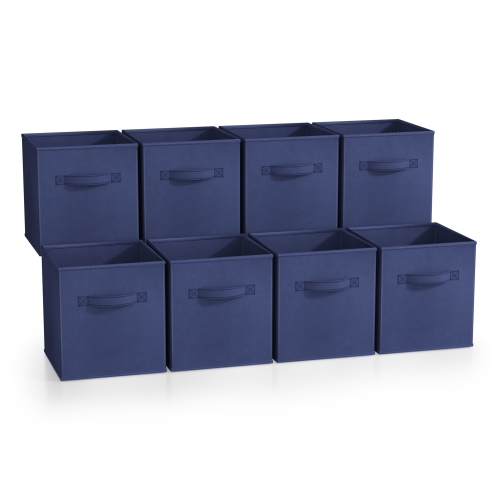
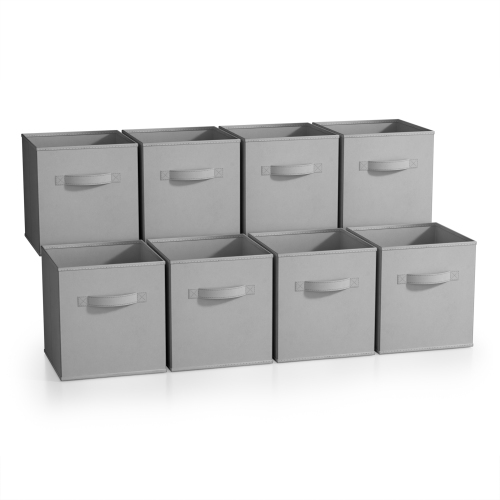
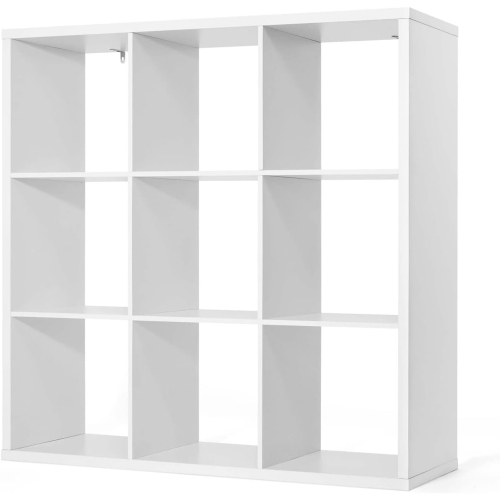
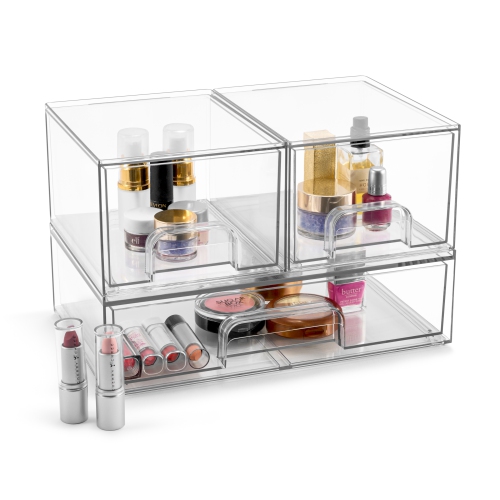
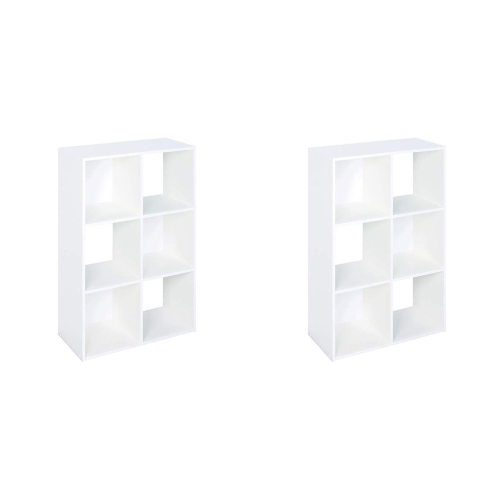
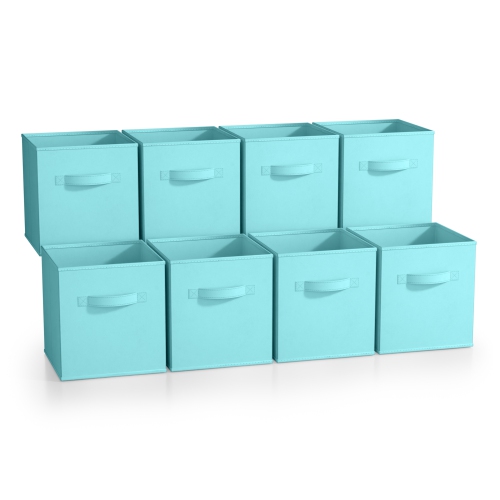
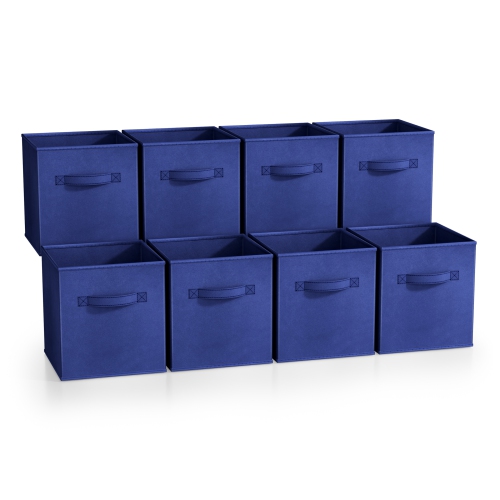
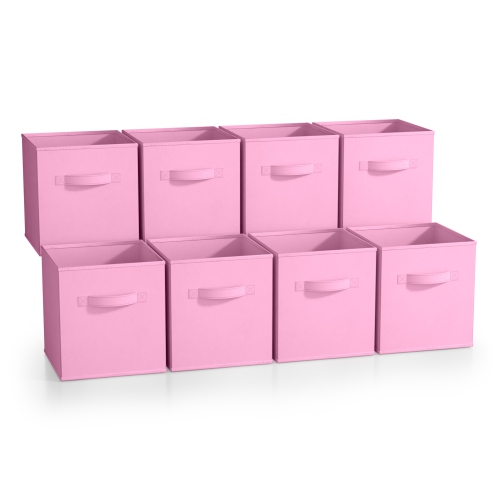
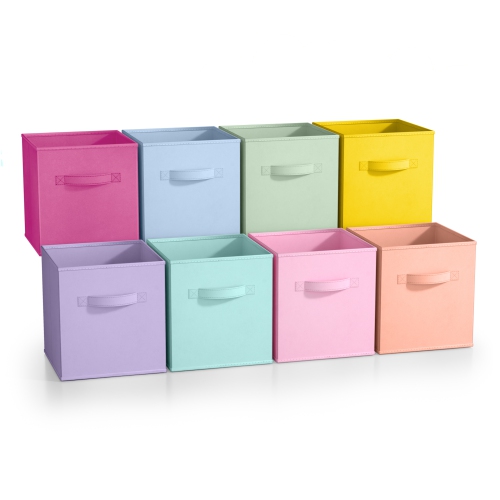
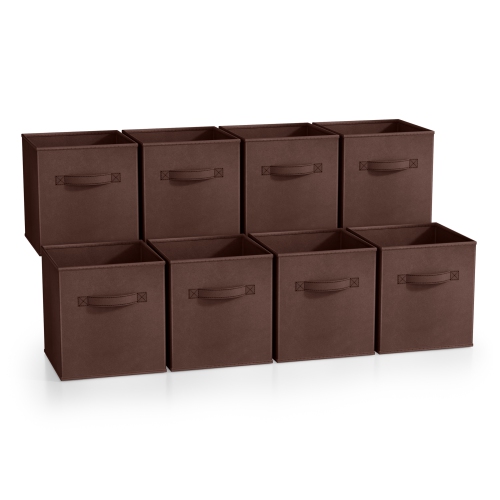
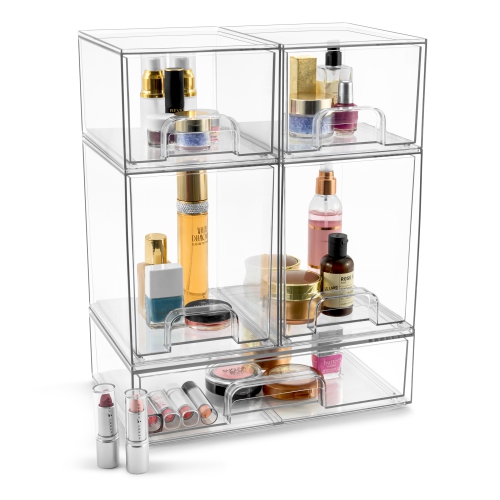
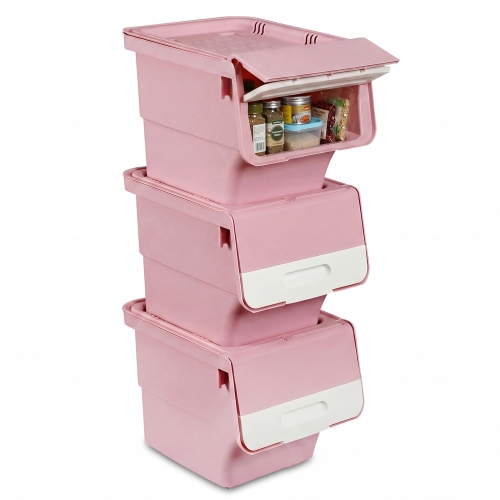
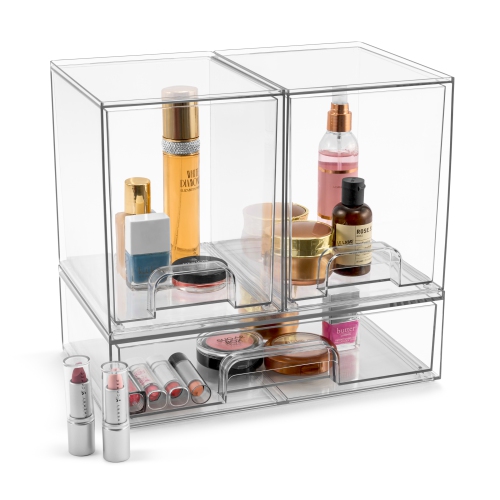

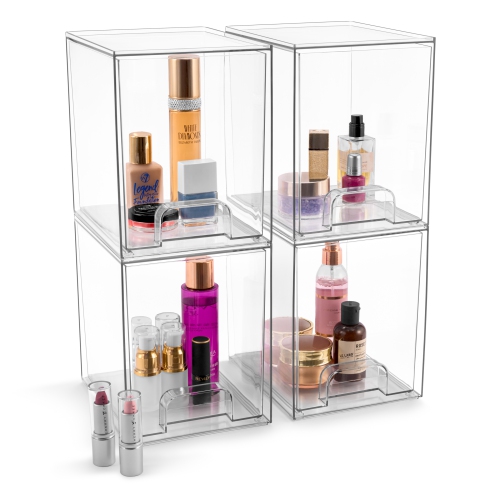
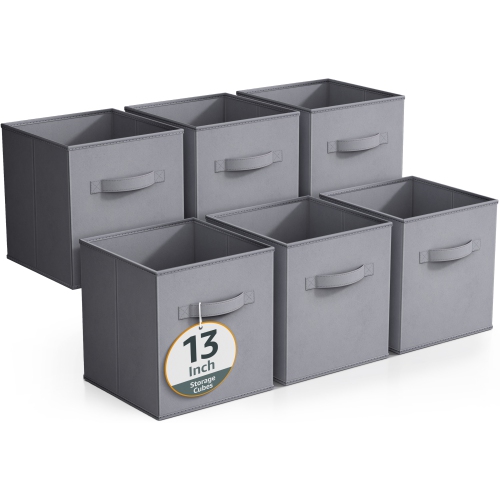
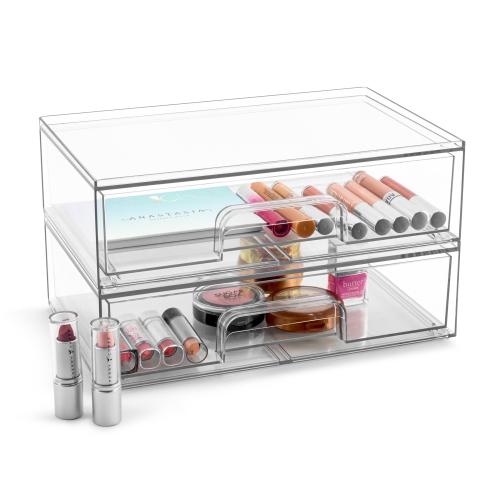
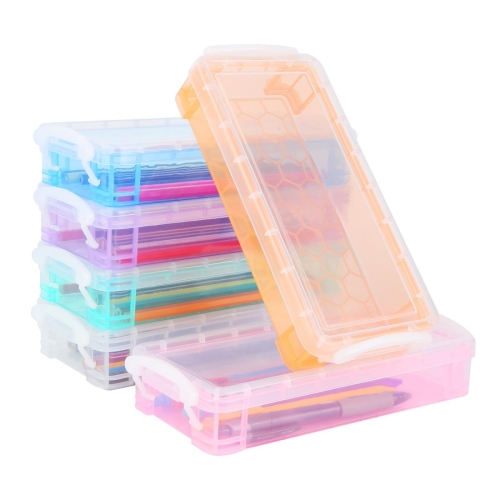
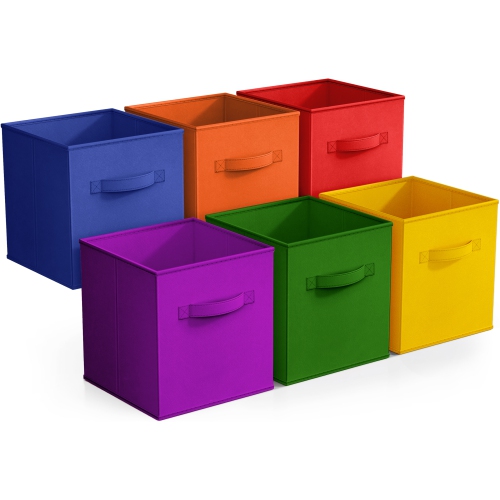
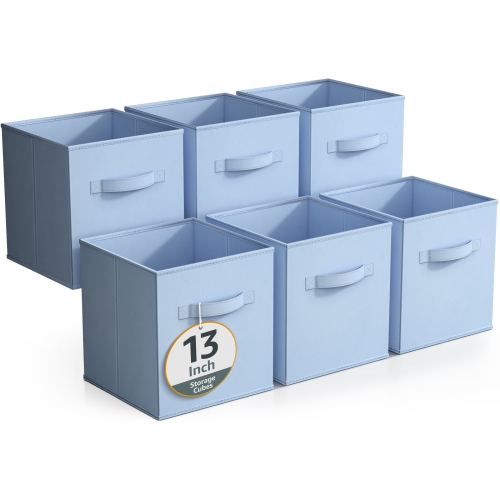
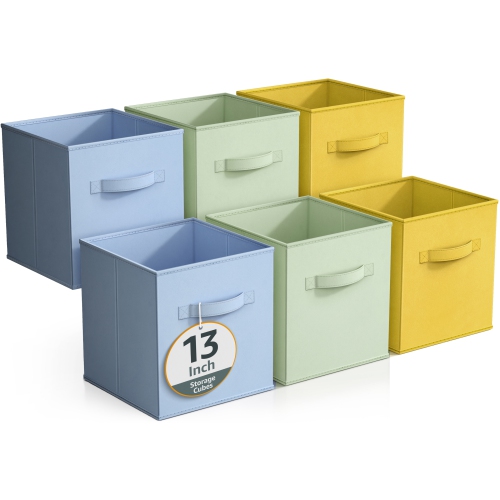
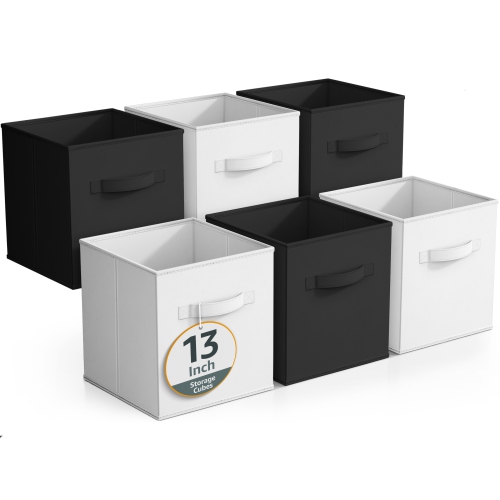
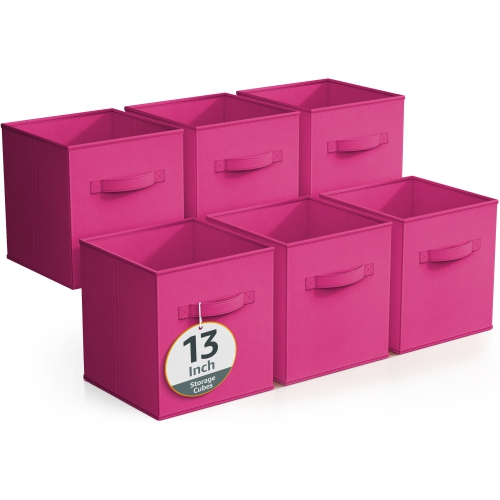
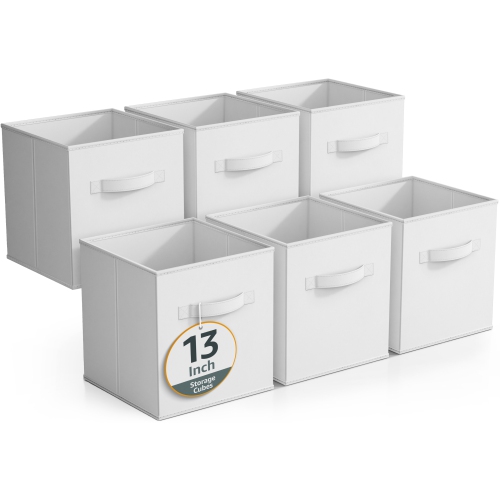
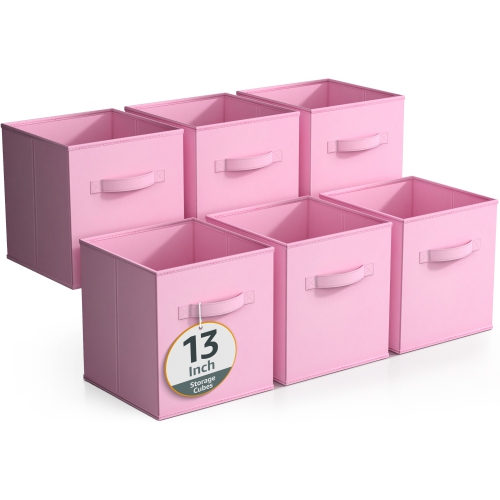

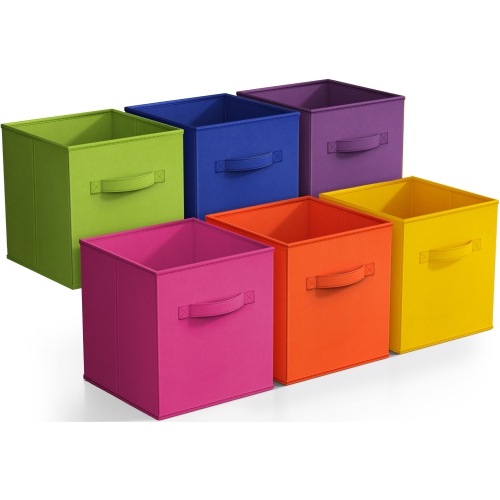
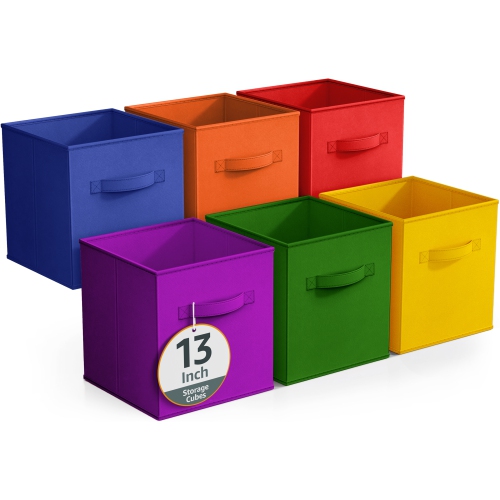
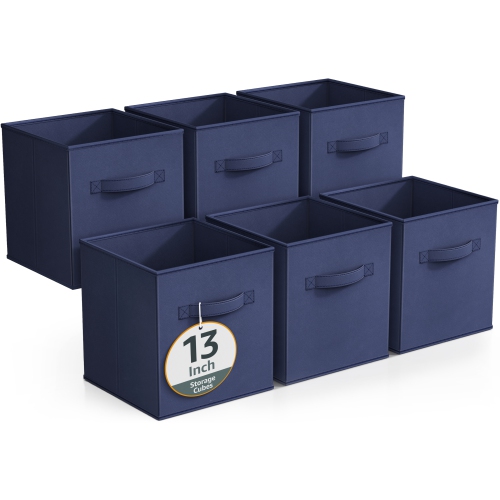
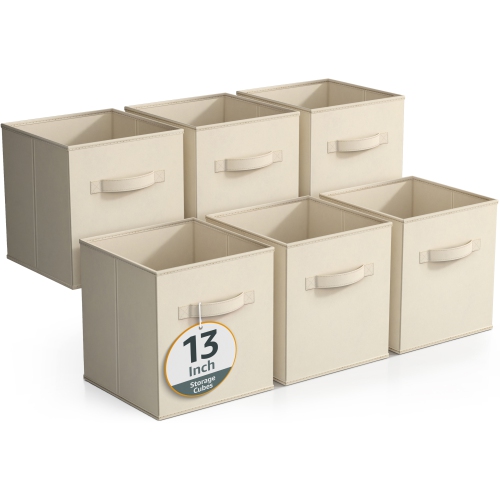
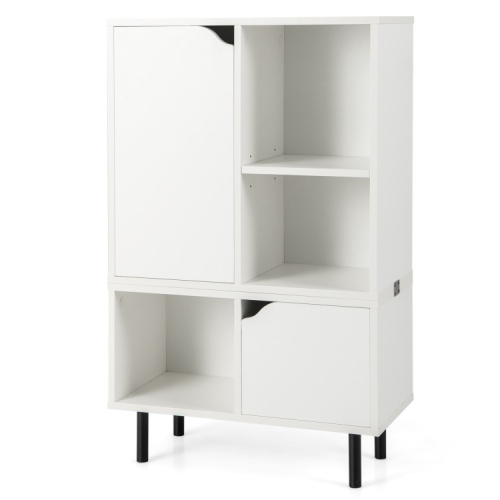
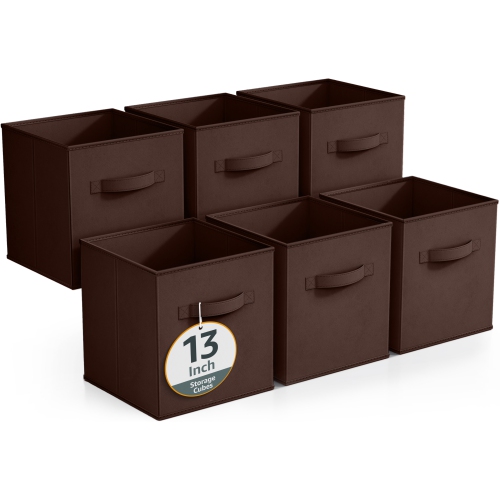
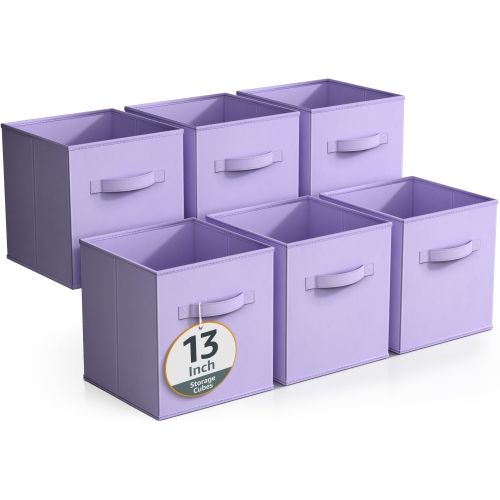
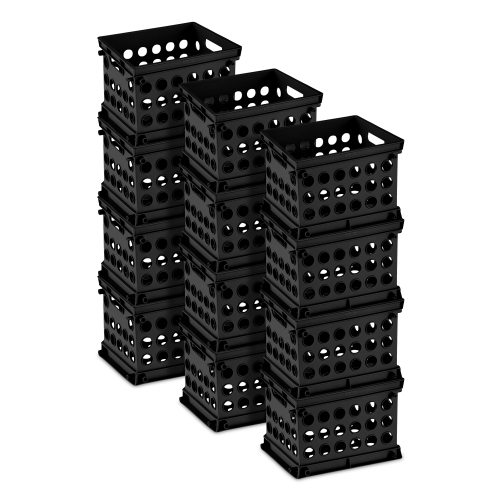
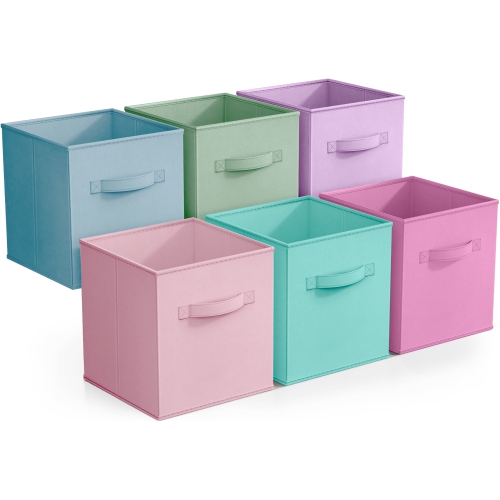
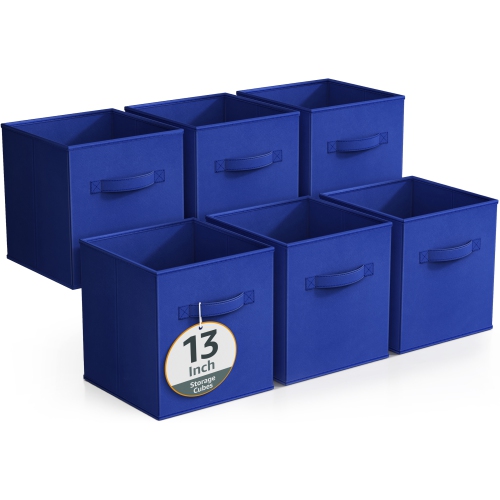
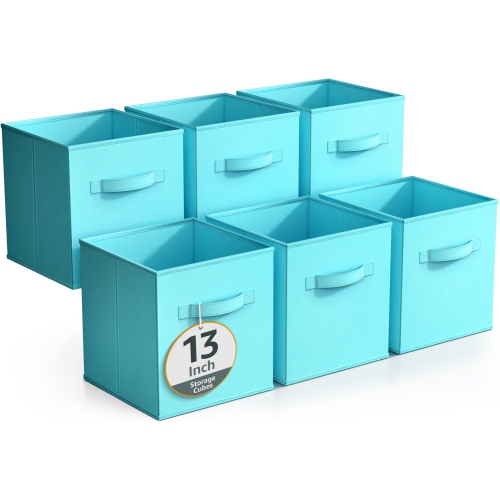
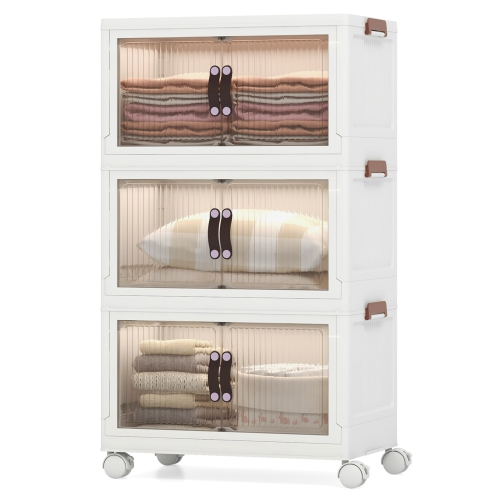
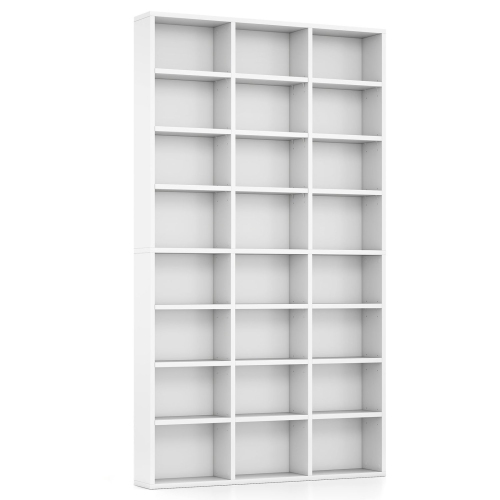
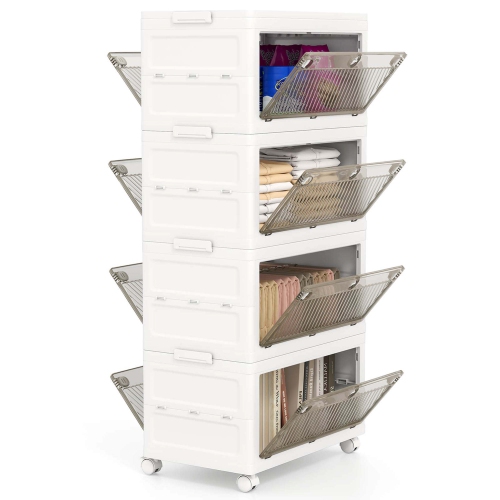
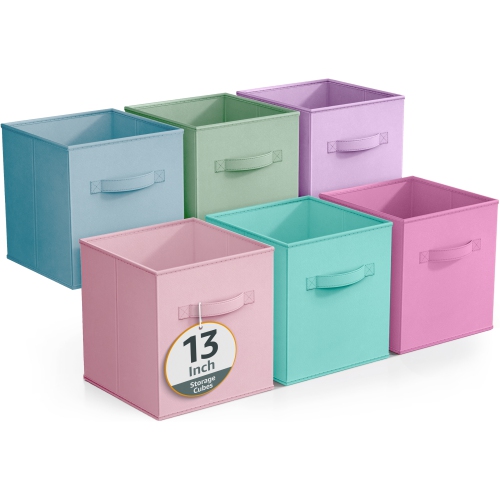
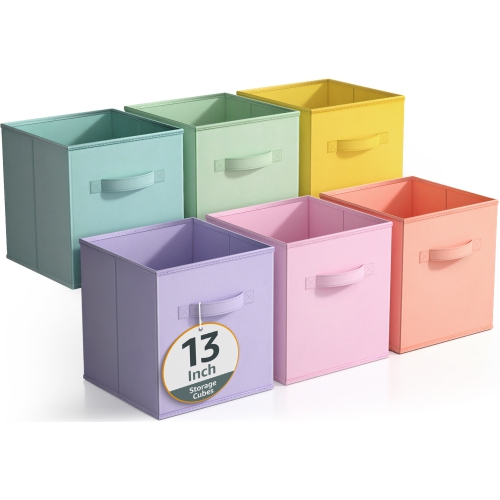
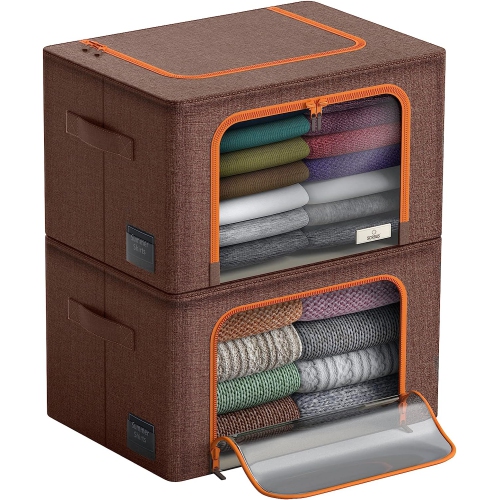
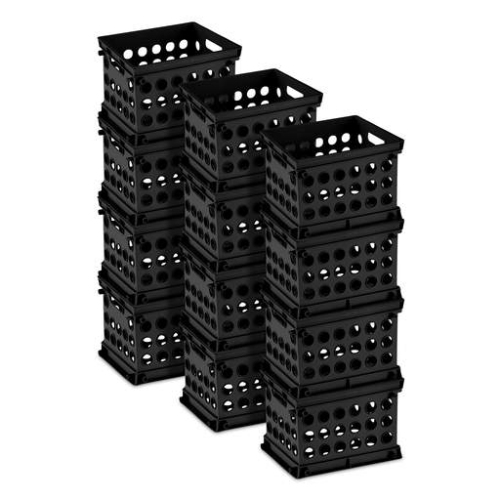
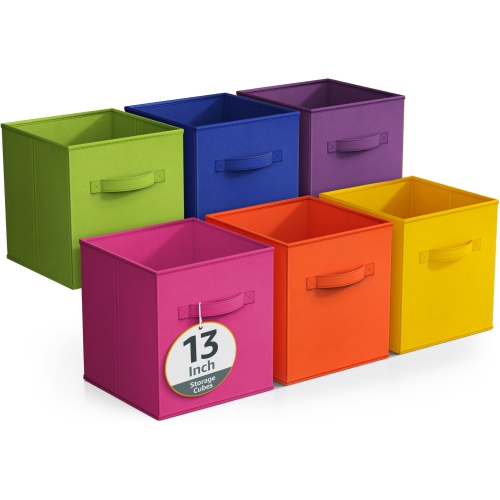
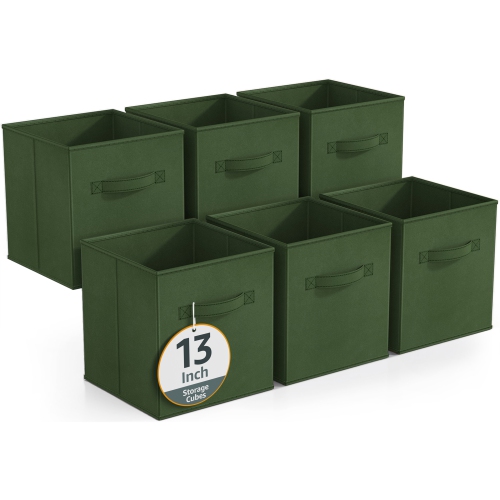
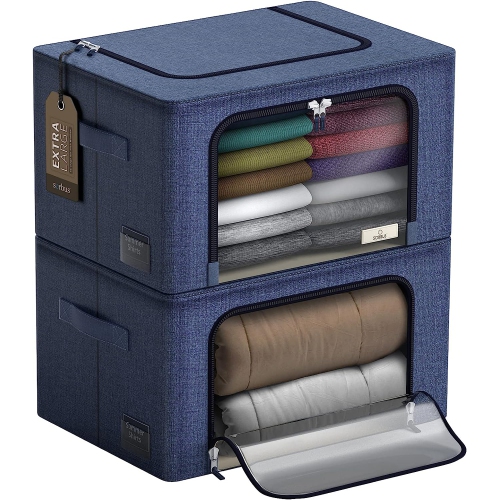
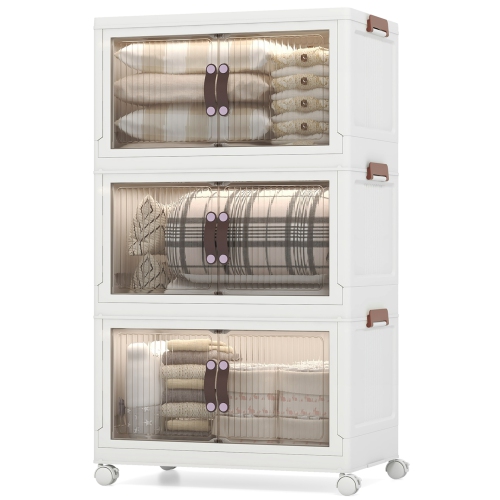
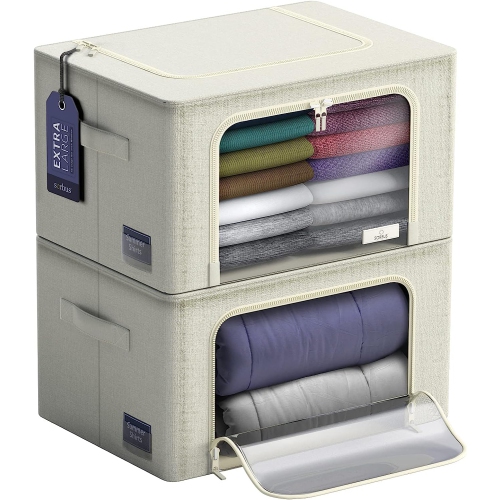
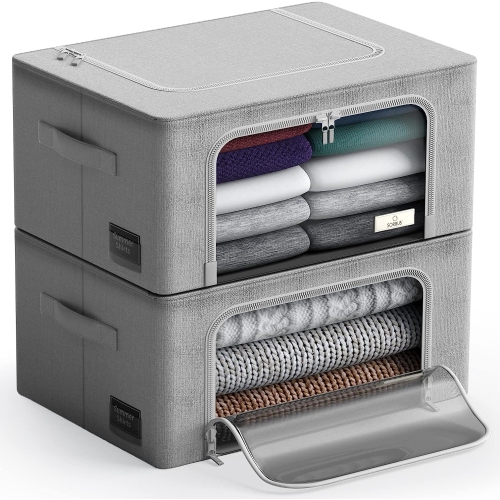
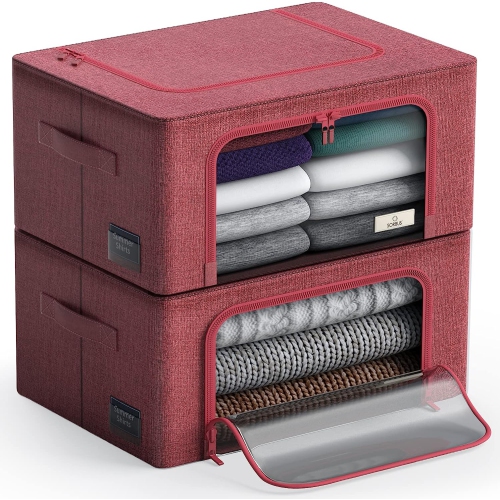
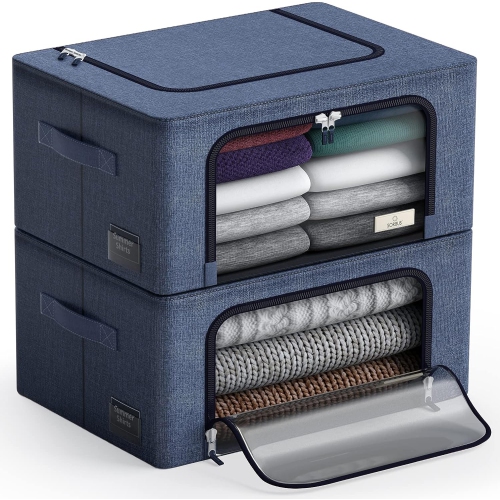
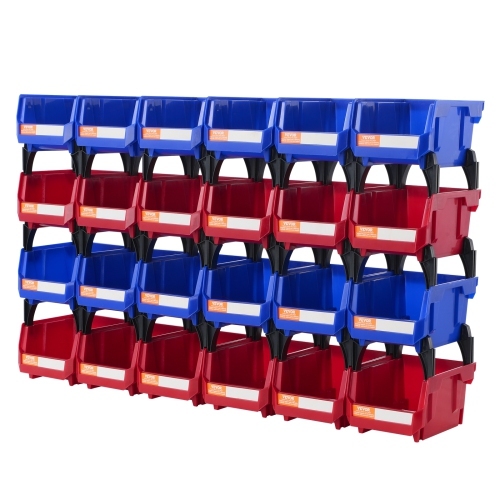
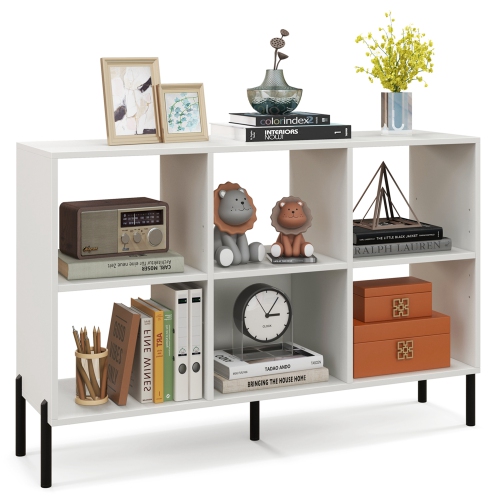
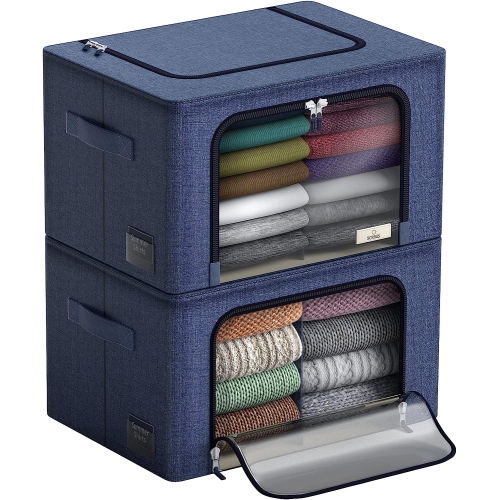
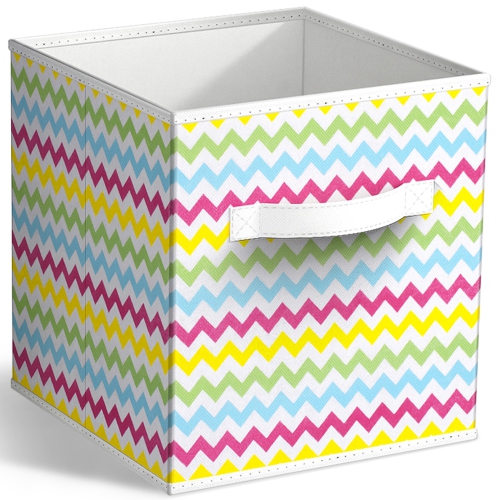
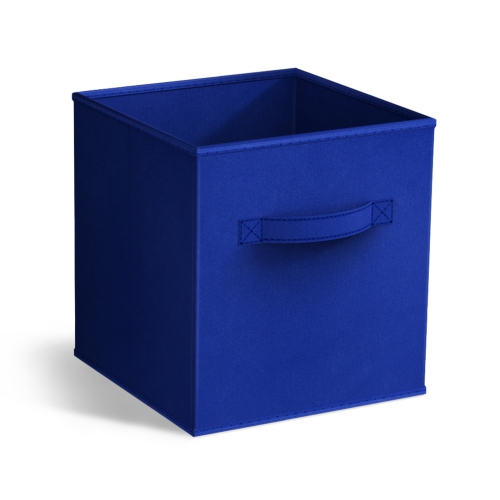
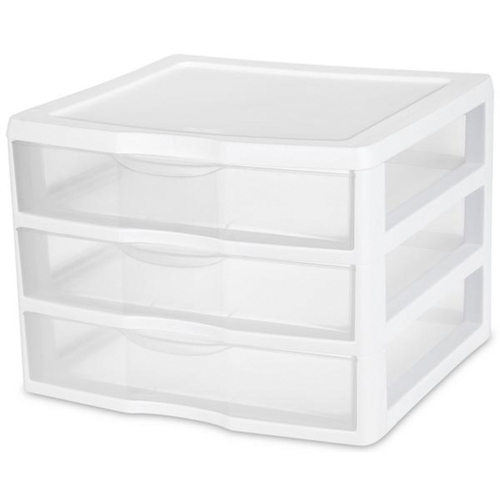
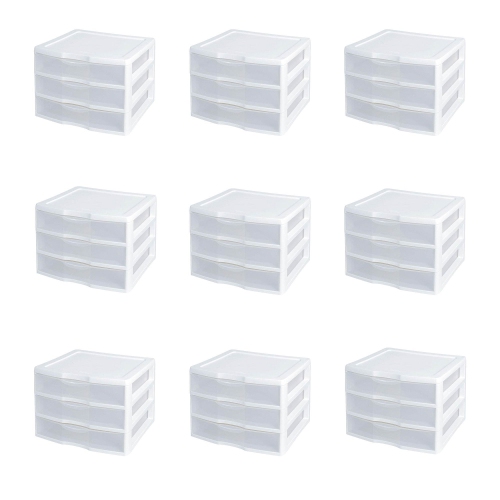
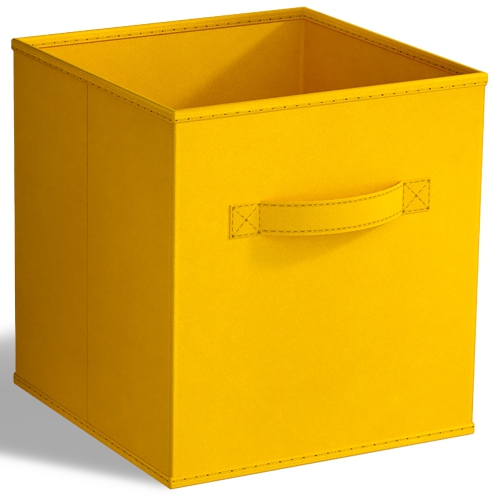

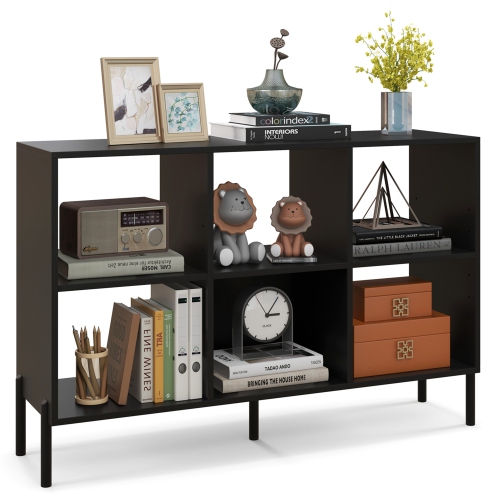
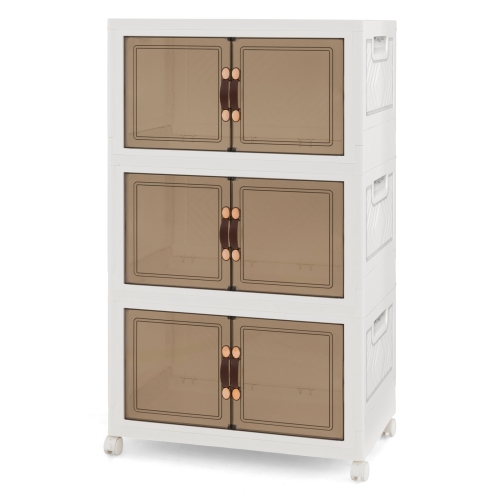
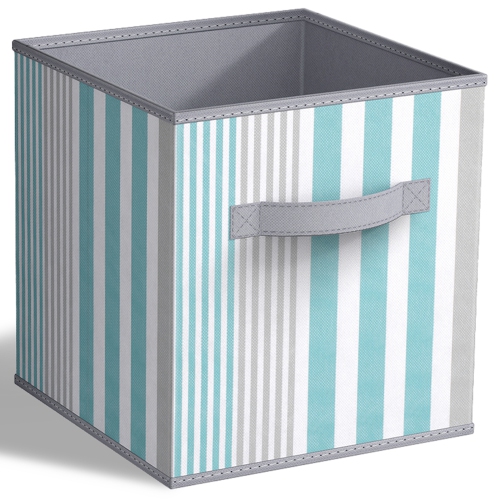
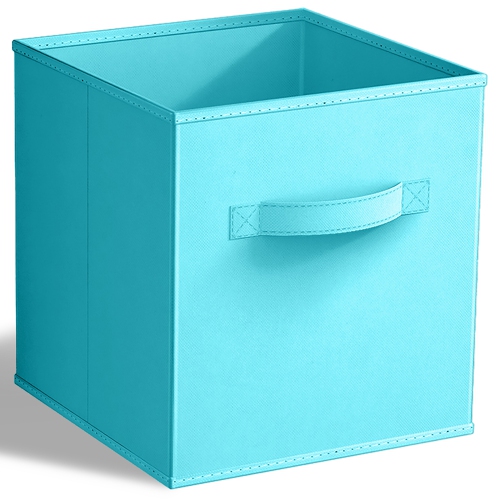
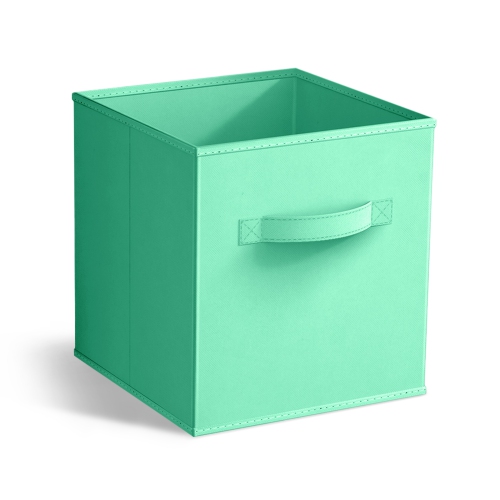
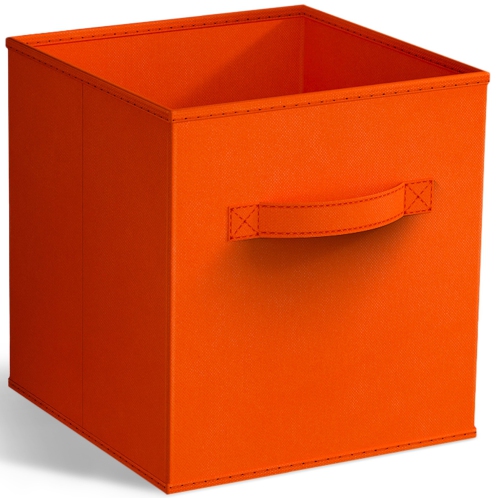
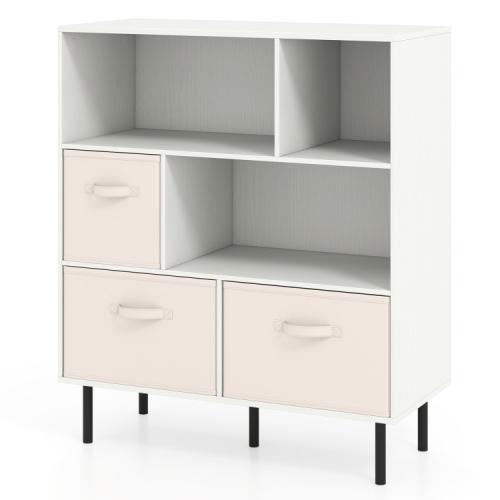
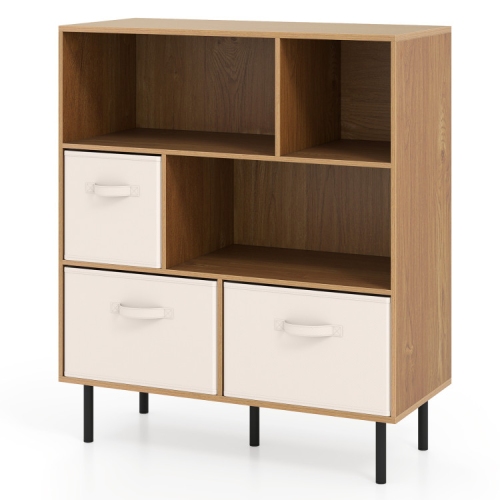
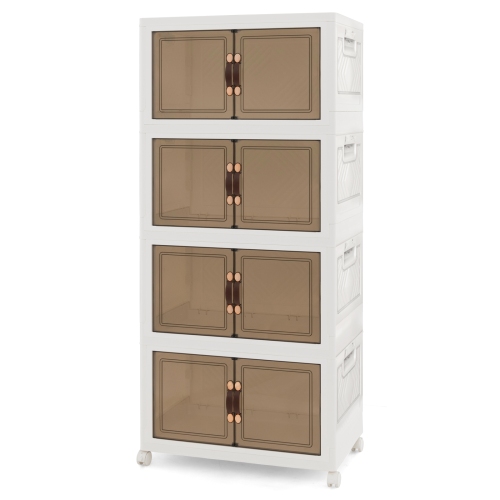
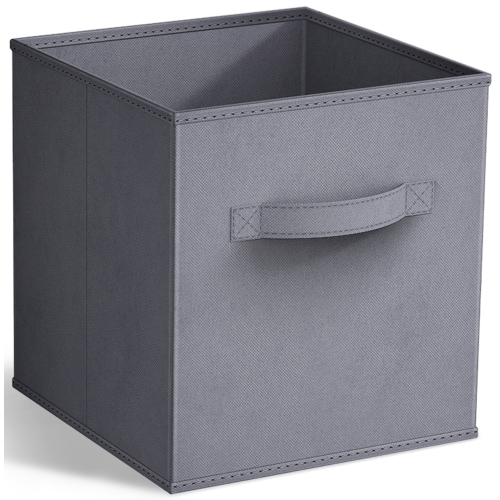
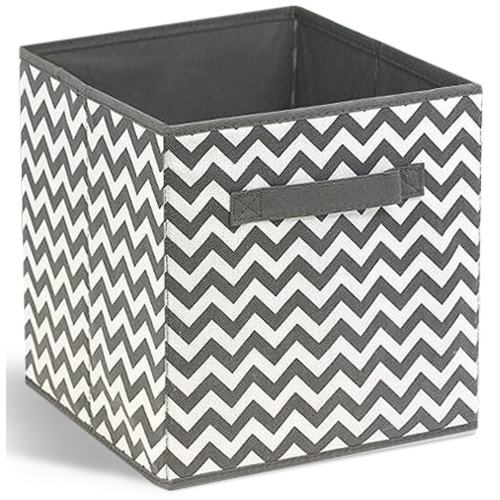
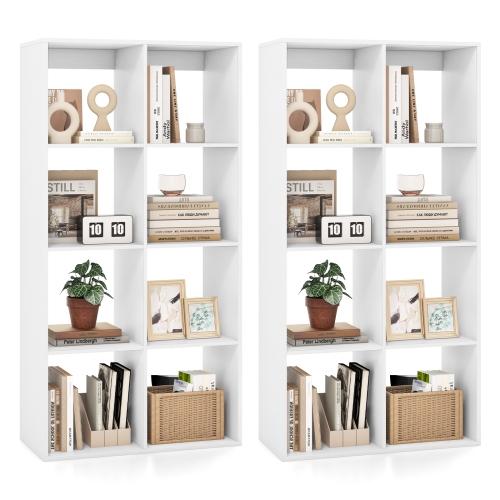

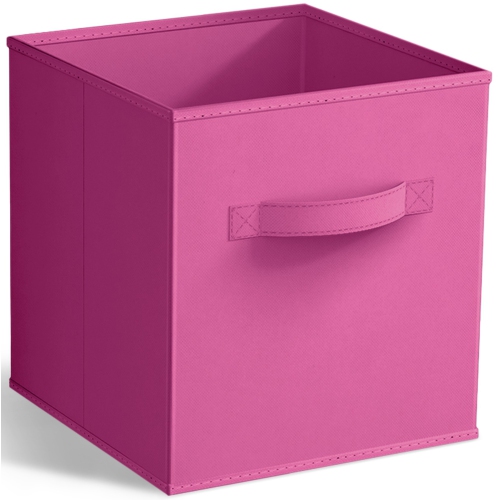
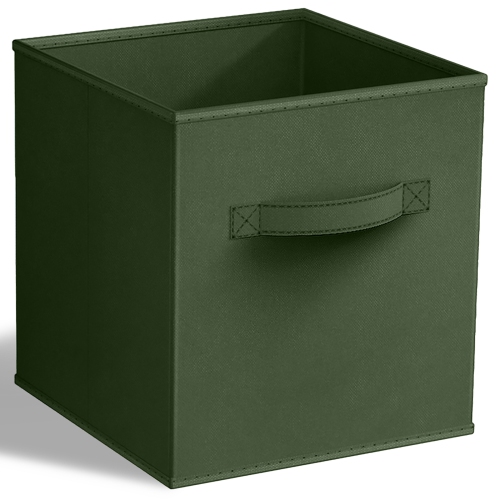
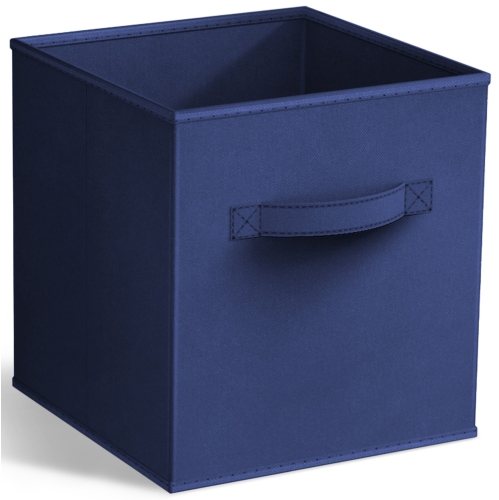
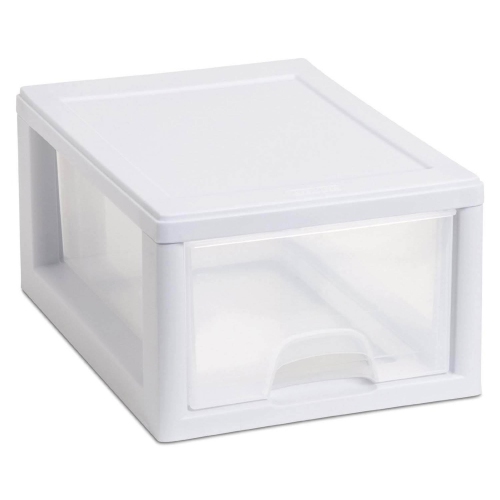
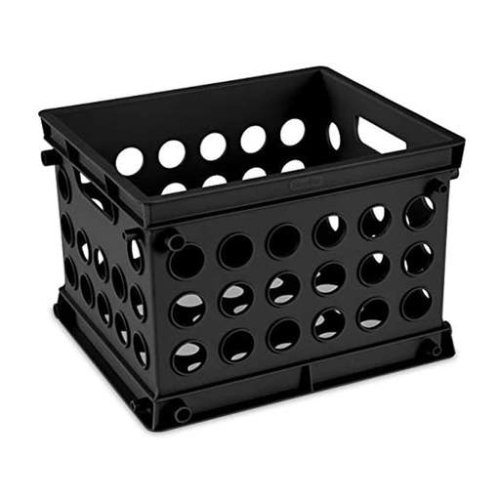
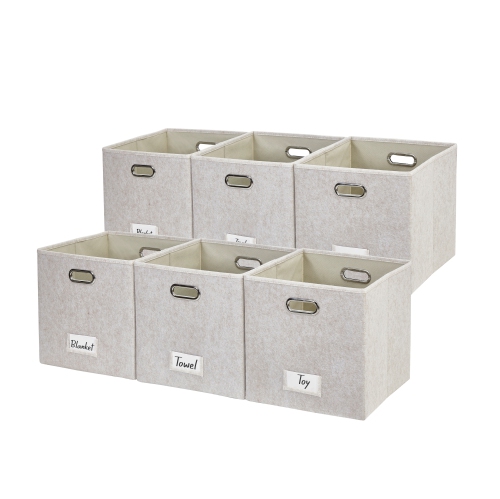
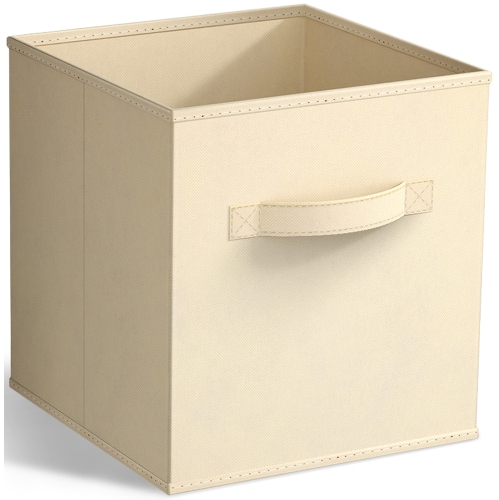
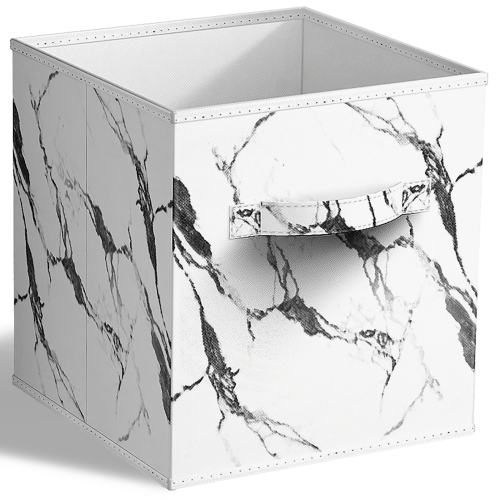
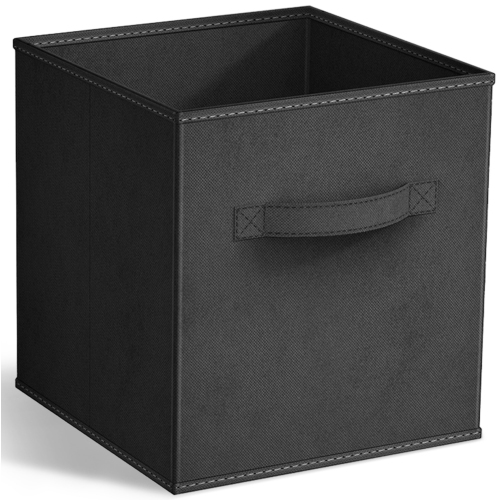
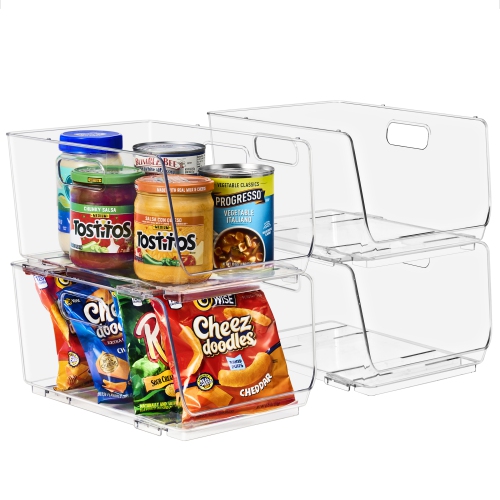

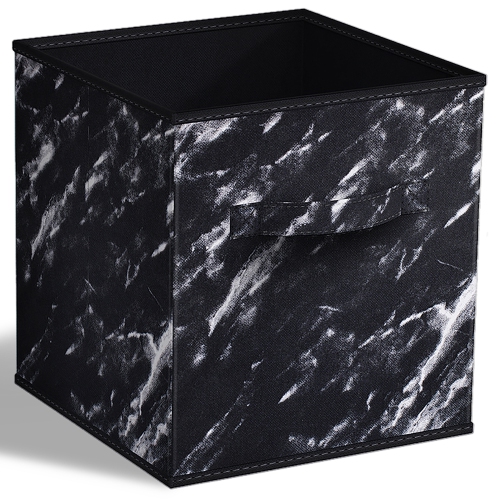
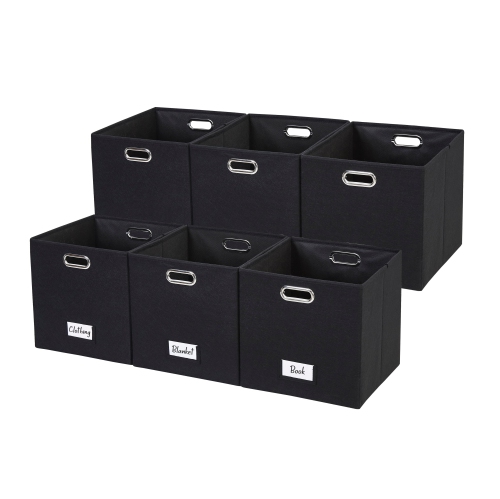
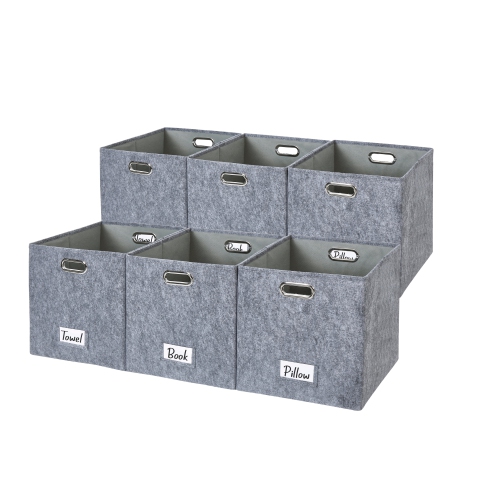
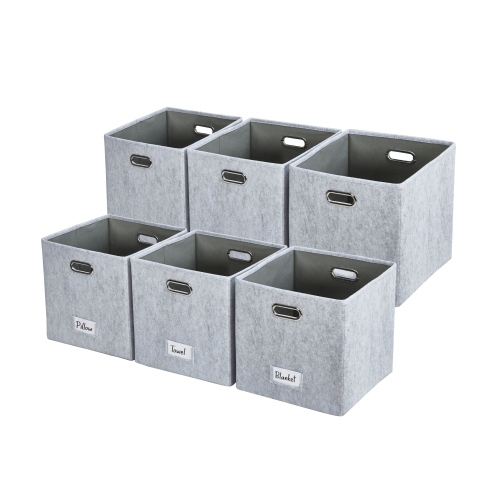

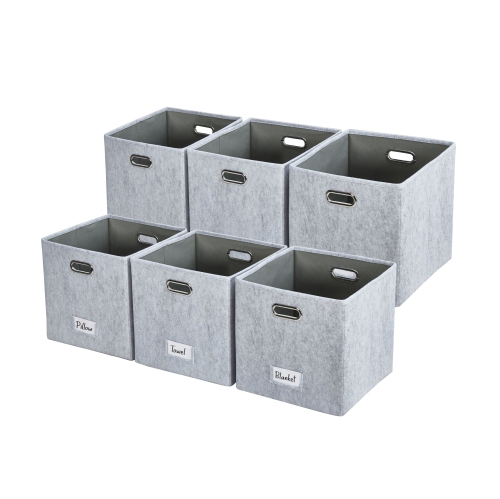
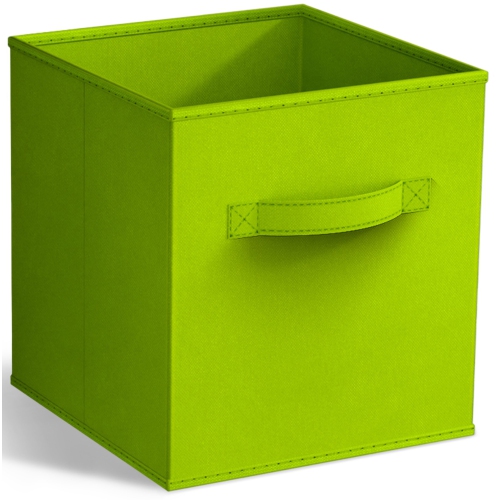
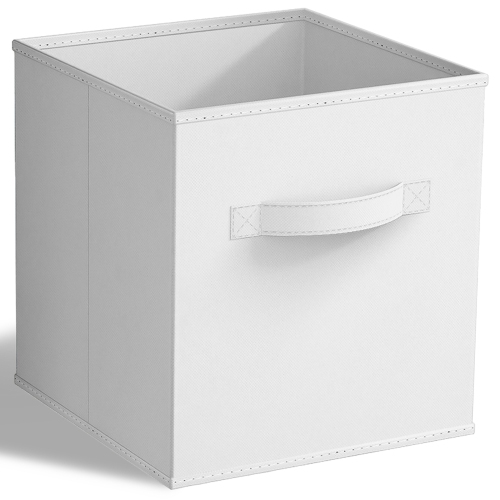
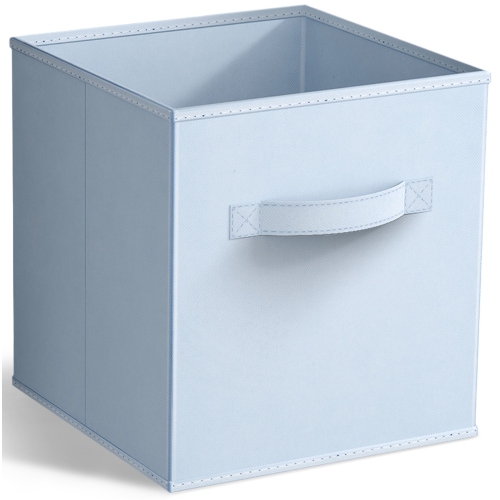
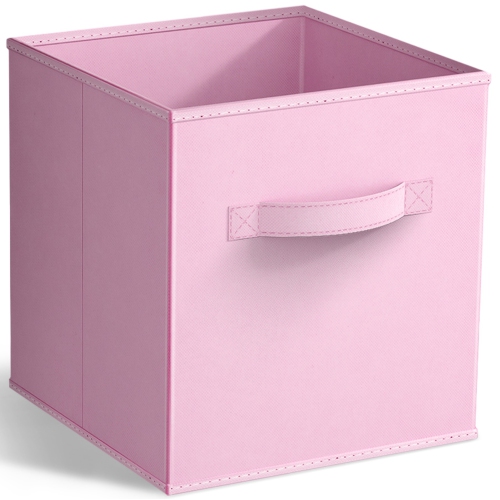
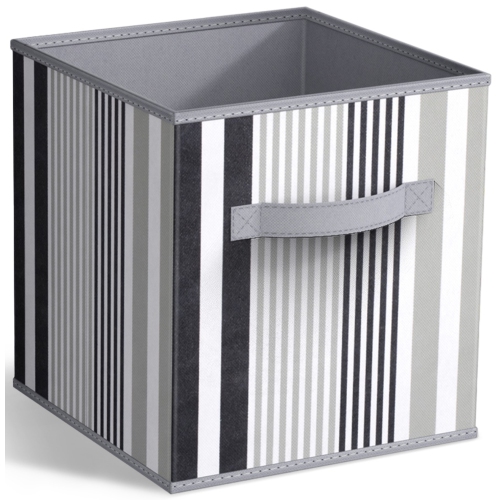
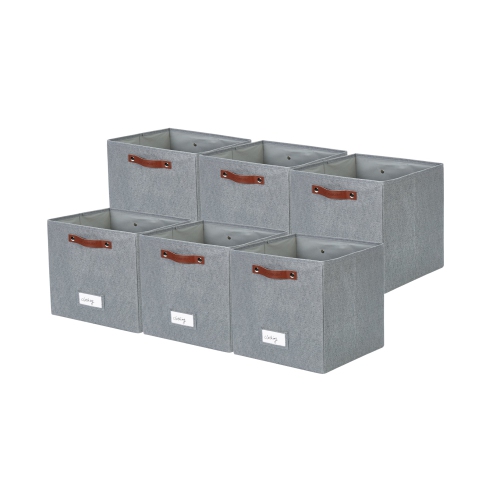
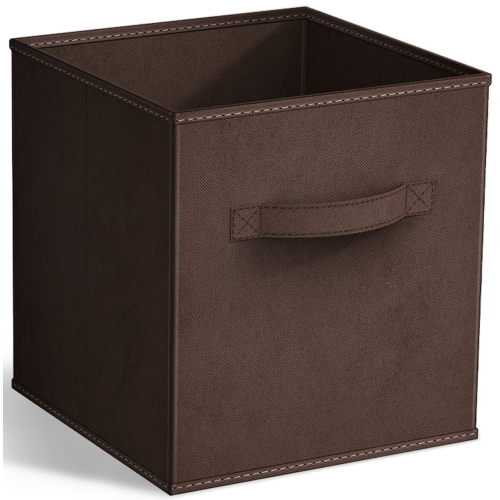
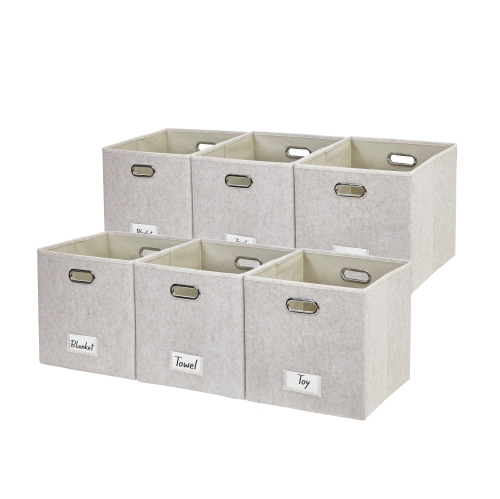
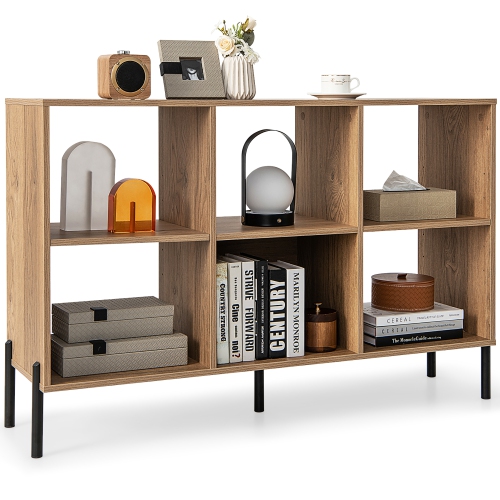
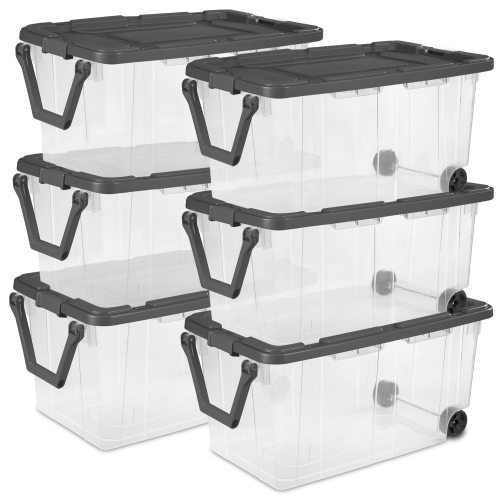
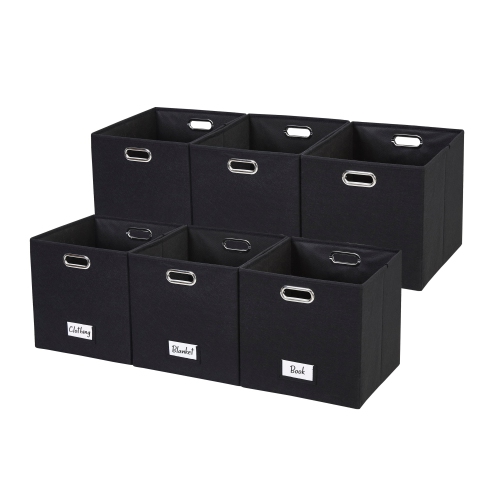
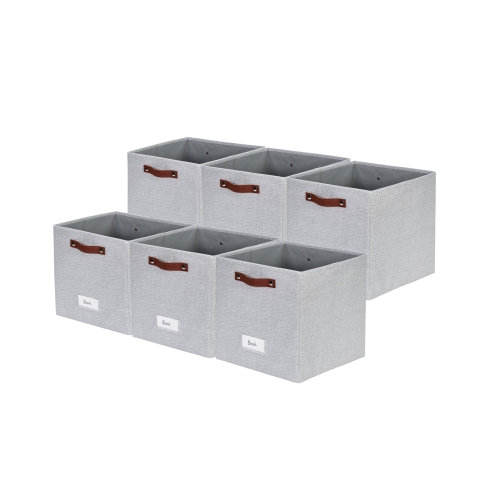
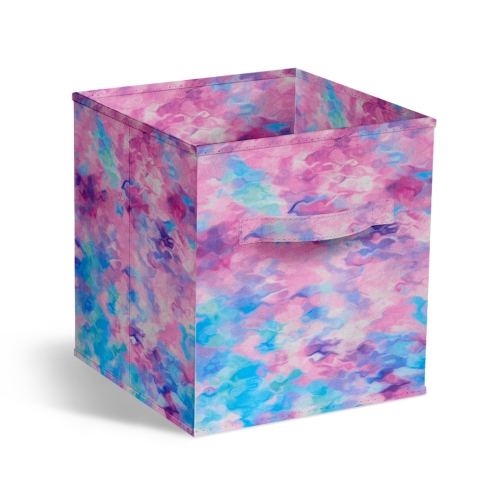
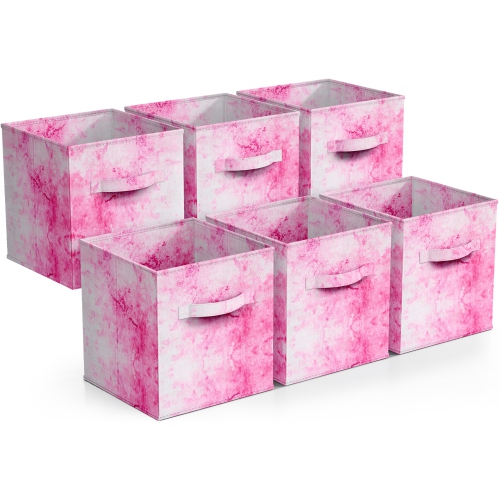
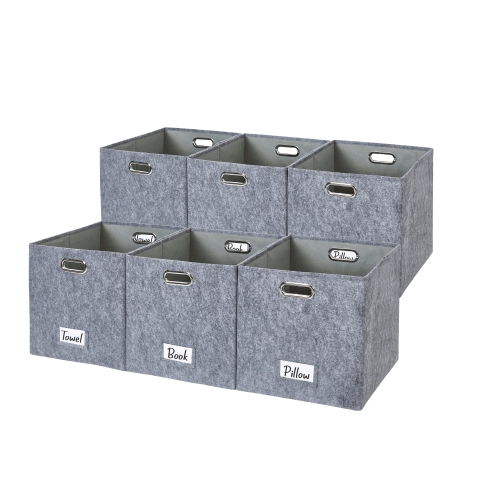
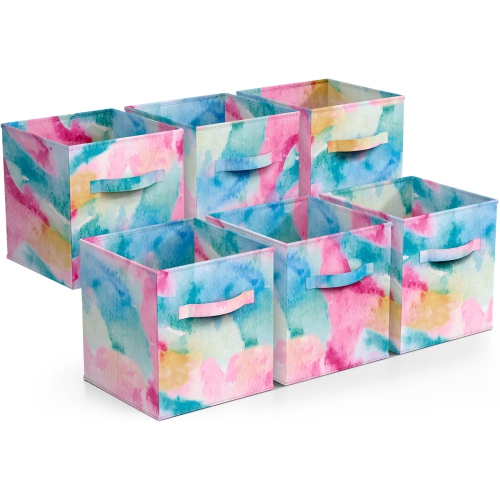
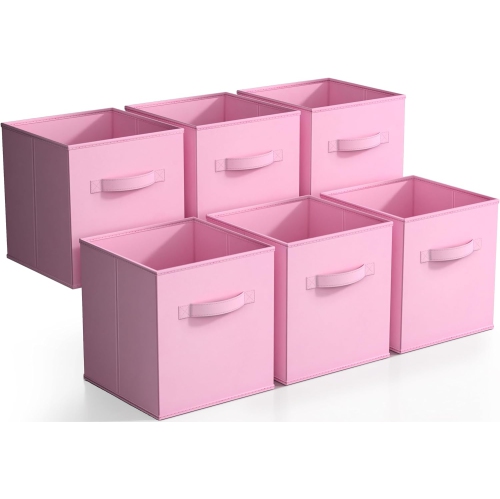
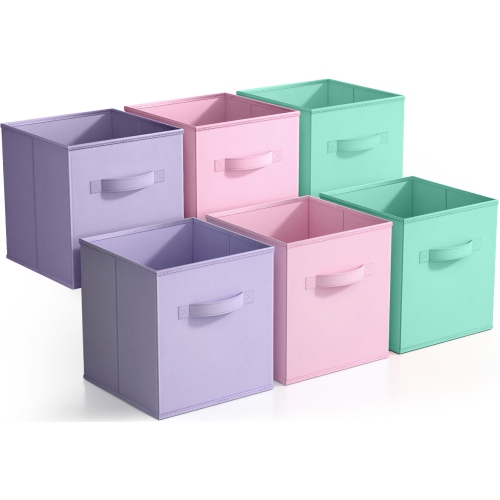
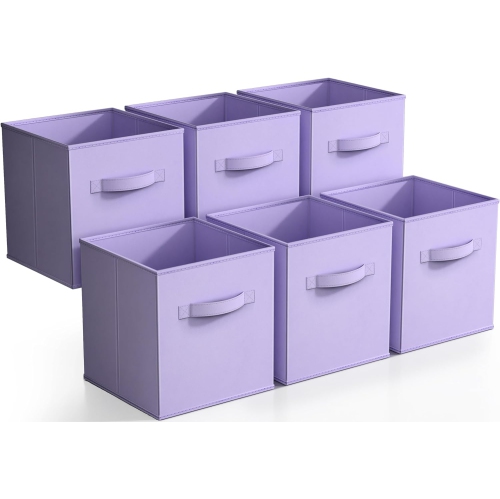
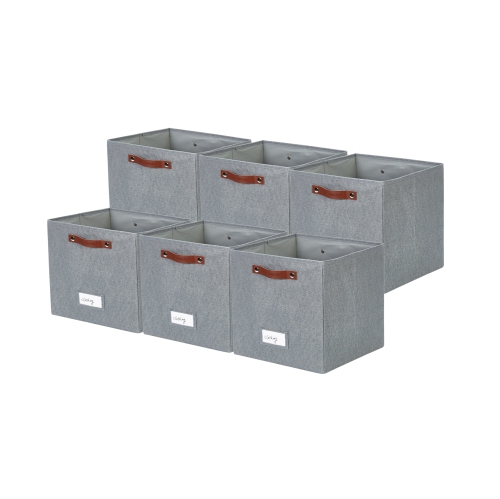
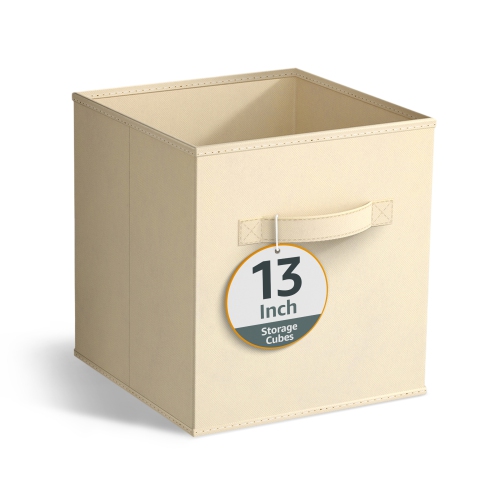
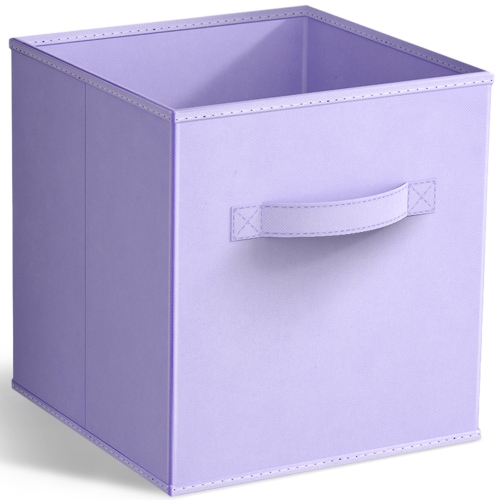
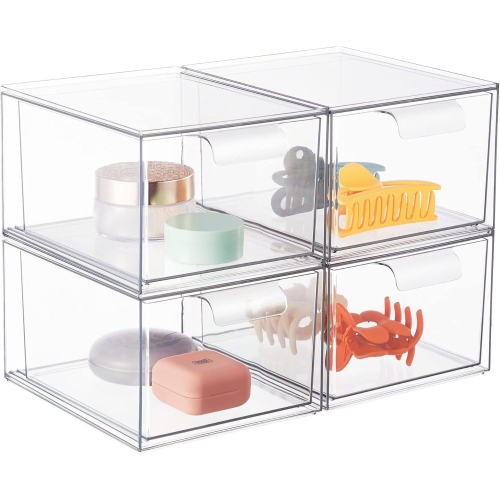
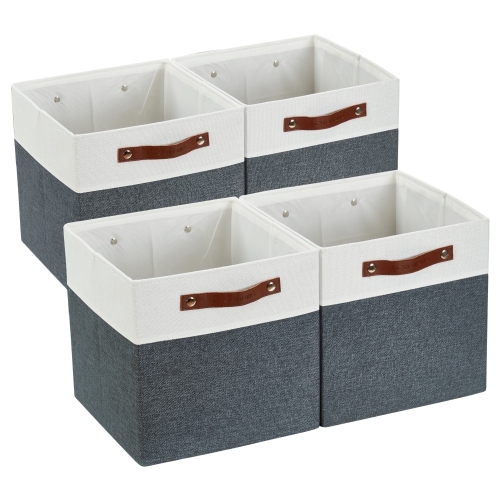
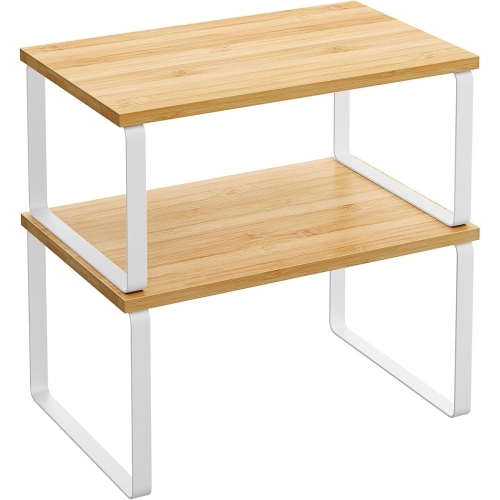
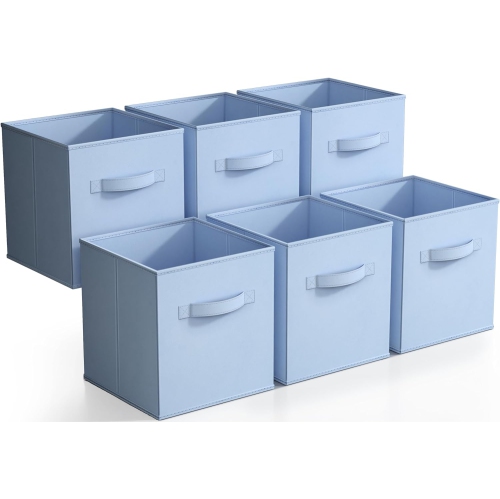
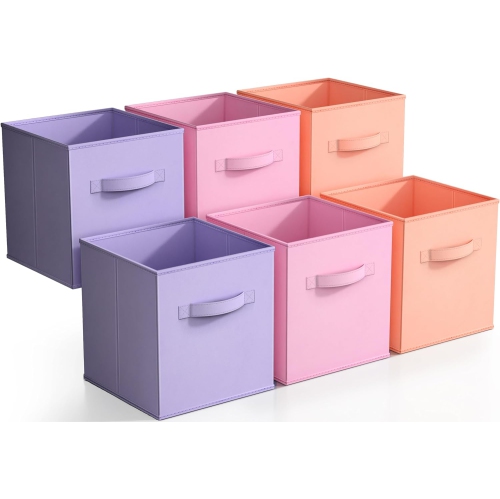
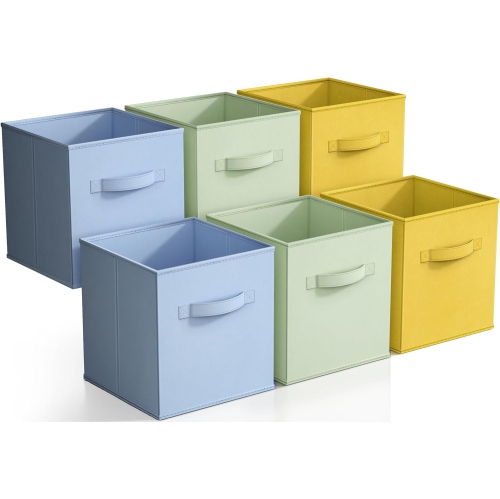
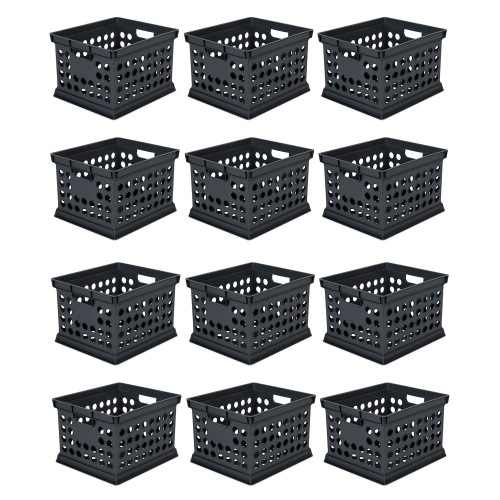
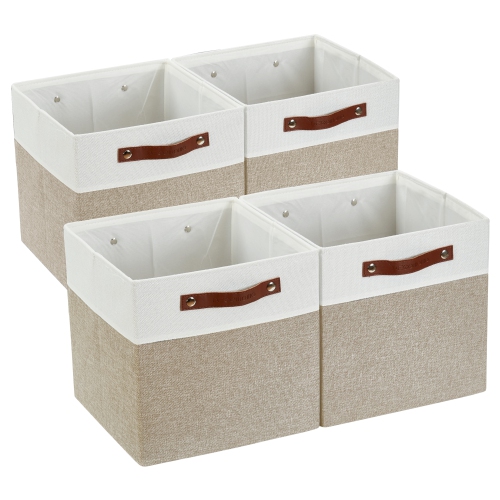
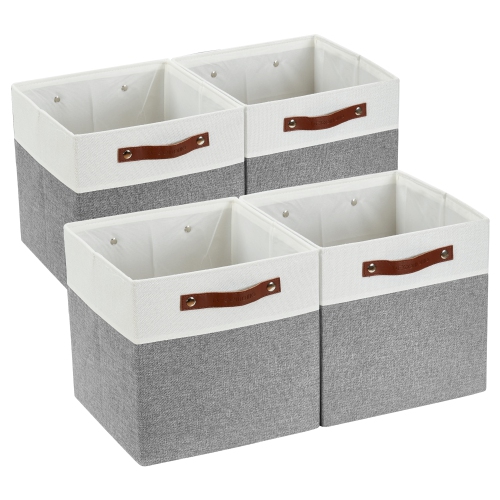
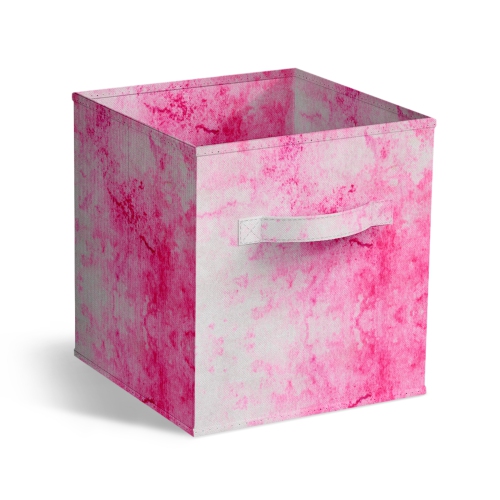
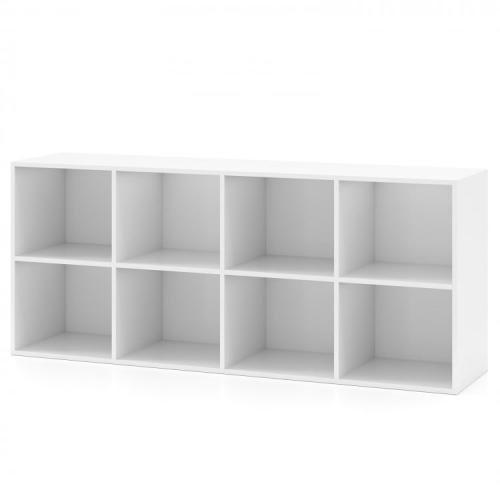
Small compartments that give everyday belongings their own space
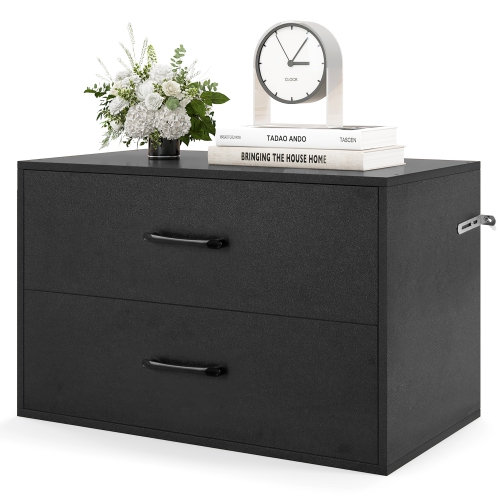
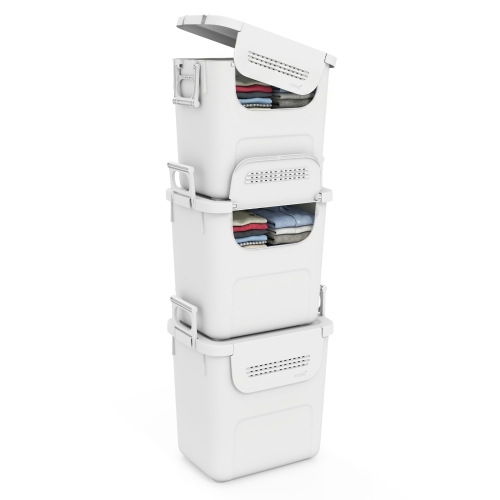
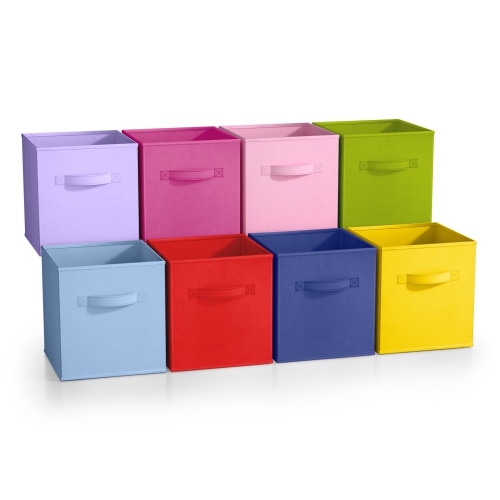
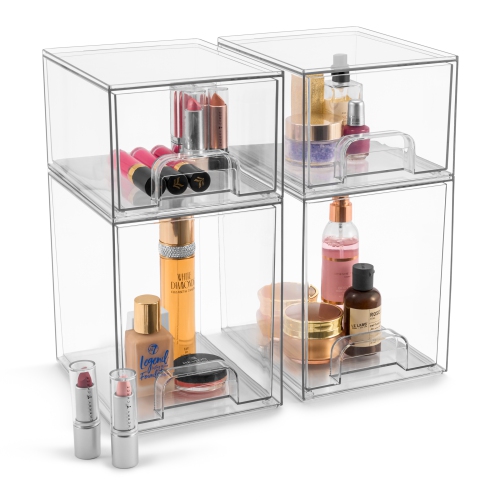
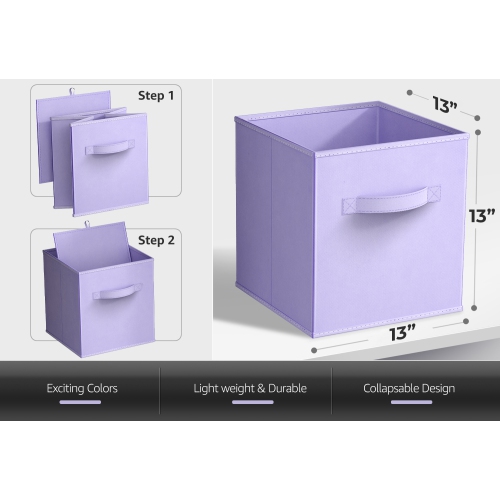
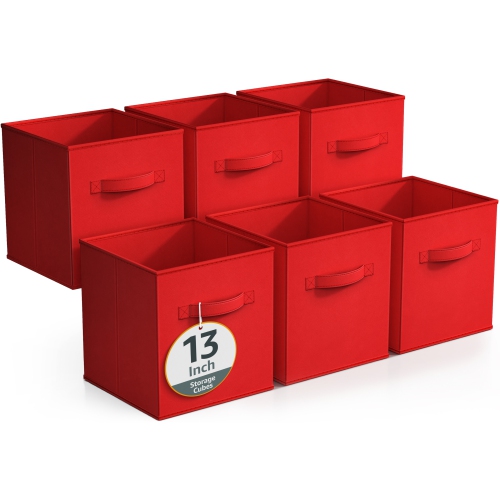
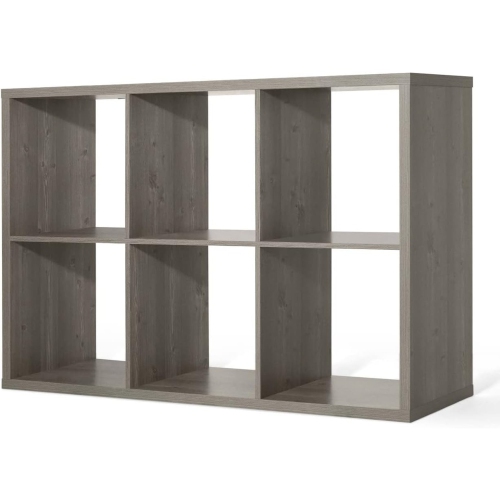
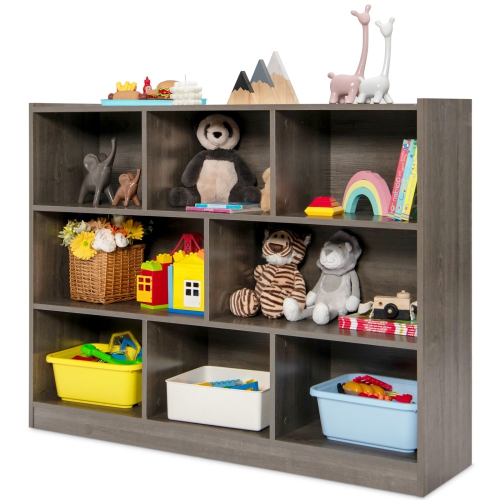
Stackable storage cubes are modular storage compartments that can be arranged vertically or side by side to organize belongings in closets, bedrooms, home offices, and shared living spaces. Their appeal is the ability to divide a larger storage area into manageable sections: one opening for folded T-shirts, another for board games, and another for the small accessories that otherwise collect on a desk. Depending on the design, individual cubes may connect with clips, join through interlocking panels, or stack using features built into their frames. Some offer open fronts for easy access, while others accommodate removable bins or have doors that keep contents out of sight. Many cube formats have nominal widths around 11 to 15 inches, although dimensions are not universal, and the usable interior can be noticeably smaller than the exterior. The distinction matters when fitting a cube into a closet or pairing it with an insert. A bin described by its outside width still needs enough clearance to slide into the opening without catching on connectors, hinges, or the shelf above. Depth is equally important: a shallow cube may suit paperback books and folded clothing, while bulkier games or craft supplies need more room from front to back. In a compact condo, a short row of cubes can keep everyday belongings along an unused wall without the footprint of a larger cabinet. Within a wardrobe, cubes can give sweaters and accessories defined spaces rather than leaving them in shifting piles. A taller arrangement uses vertical space, but its suitability depends on the system’s stacking limits, stability requirements, and fastening instructions. Modular does not automatically mean that every configuration is supported. Matching components from the same compatible system, checking the assembled dimensions, and allowing space for doors, baseboards, and nearby furniture help make the finished arrangement feel like part of the room rather than an obstacle.
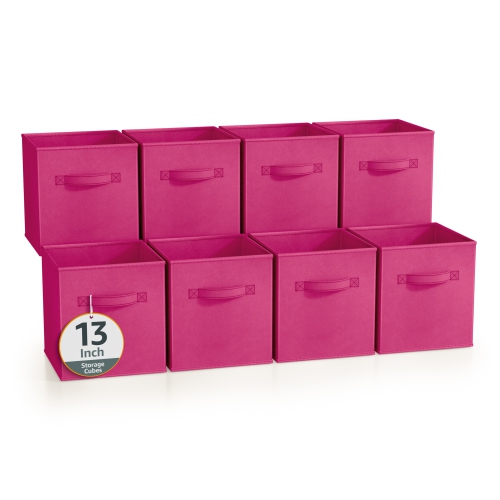
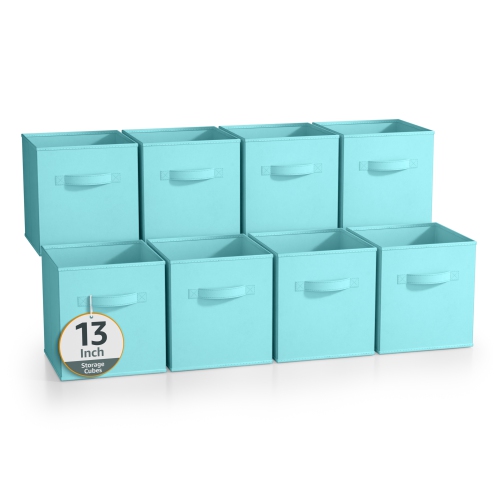
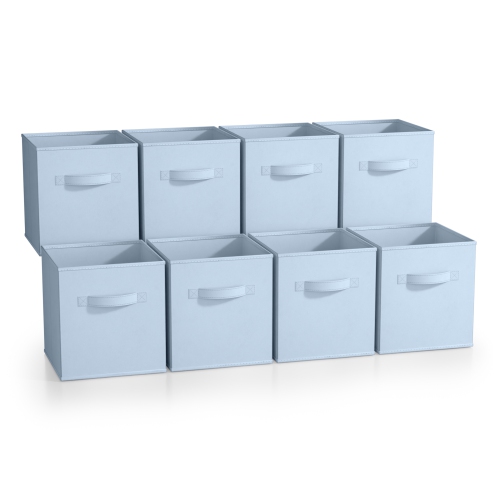
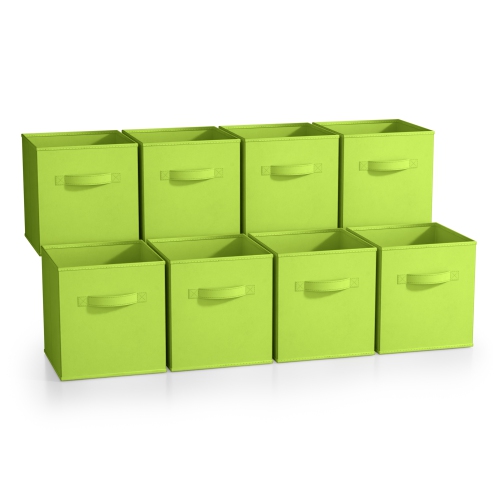
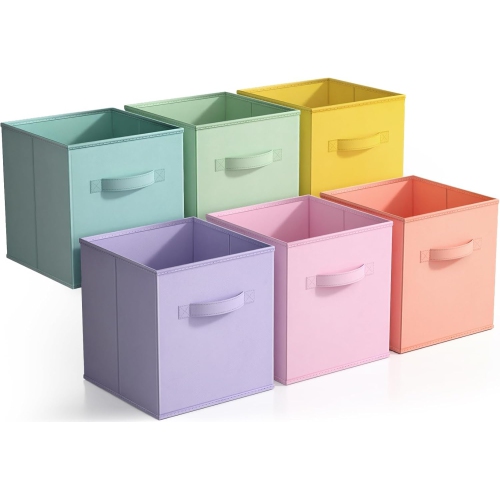
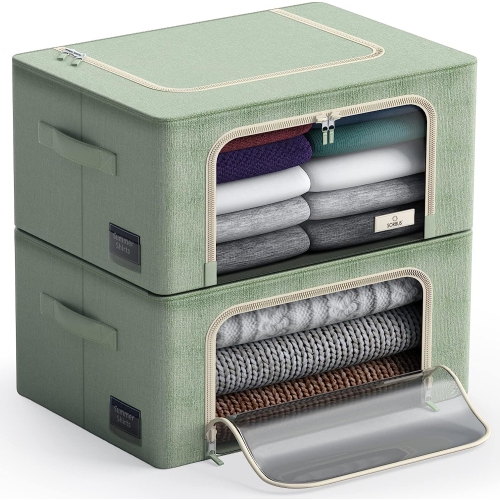
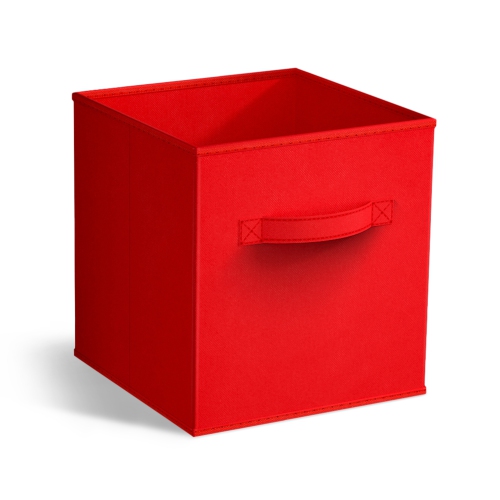
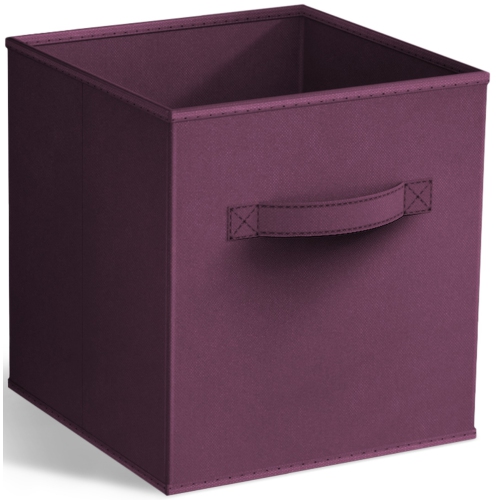
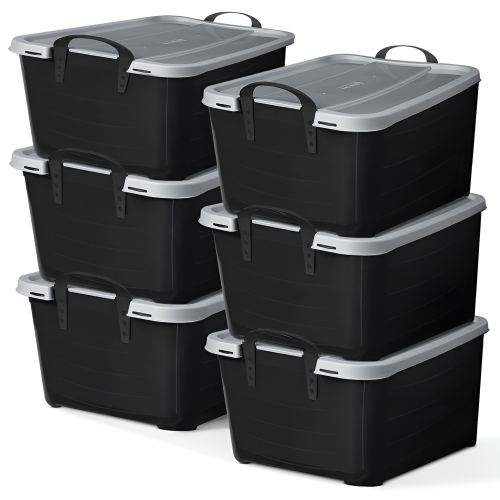
Materials influence how stackable storage cubes look, what they can hold, and how they stand up to everyday handling. Wood and engineered-wood designs often provide a furniture-like appearance that works alongside desks, bookcases, and bedroom furnishings. Laminated surfaces can be straightforward to wipe clean, although exposed edges and joints need protection from standing water, and dragging a loaded unit can strain its connections. Solid wood has its own grain and finish characteristics, with care requirements that vary by construction. Plastic designs offer smooth surfaces and can suit frequently handled storage, especially where occasional spills make easy cleaning useful. The shapes, panel thicknesses, and connections within Plastic Storage Cubes vary, so strength and stacking compatibility are more useful comparisons than material alone. Wire-grid cubes have an open appearance and make contents easy to see, but small objects may need an insert to prevent them from slipping through the grid. Their connectors also need to be properly seated to maintain the intended shape. Fabric cubes generally serve a different purpose: many are collapsible bins designed to sit inside a supporting frame, not rigid compartments that can safely form a freestanding tower. Reinforced sides help a fabric bin hold its shape, while handles can make it easier to retrieve lightweight clothing, toys, or accessories. For any material, the stated load limit applies to the particular design; a cube filled with hardcover books places different demands on its base and joints than one holding scarves. Capacity may also be specified separately for each compartment and for the complete assembly. Smooth edges, secure connections, and a finish suited to the intended room are useful signs of practical construction. Routine care usually means removing dust, wiping suitable surfaces with a soft cloth, and following the maker’s cleaning directions. Fabric inserts may require spot cleaning rather than machine washing, and bins should be thoroughly dry before belongings are returned.
The most useful cube arrangement reflects the belongings being stored and the people reaching for them. In a home office, open compartments can separate notebooks, reference materials, and desk accessories, while a fitted bin keeps spare charging cables from spreading across a shelf. Filing boxes need enough clearance for their lids and handles, and heavier documents are better placed in lower compartments within the rated capacity. For a child’s room or play area, low openings make it easier to return building blocks, art supplies, and soft toys to their own spaces. Bins with comfortable handles and clearly differentiated colours can support simple sorting habits without requiring every object to be lined up precisely. A living-room arrangement might combine open sections for frequently used games with covered storage for less attractive odds and ends. In a bedroom, fabric inserts can separate socks and accessories, while open cubes keep neatly folded clothing visible. Entryway use calls for attention to depth and cleaning: bags, slippers, and everyday accessories need enough room to sit inside rather than protrude into a walkway. Colour and finish affect the overall impression, too. Matching fronts can create a quieter look, while a few open compartments prevent a wall of storage from feeling visually heavy. The practical details remain important behind that appearance. Stackable cubes need a firm, level surface, secure assembly, and any wall restraints required by the manufacturer; the ability to stack should never be treated as permission to build beyond the approved height. They are not seating, steps, or climbing furniture unless specifically designed and rated for that use. Students furnishing a first apartment, families organizing shared rooms, and hobbyists sorting supplies may all find modular storage useful because each compartment gives a category of belongings a clear home. As a housewarming gift, a compatible set can be practical when the recipient’s room measurements and preferred style are known, particularly when it fits an existing storage system.
Top selling and popular products
-
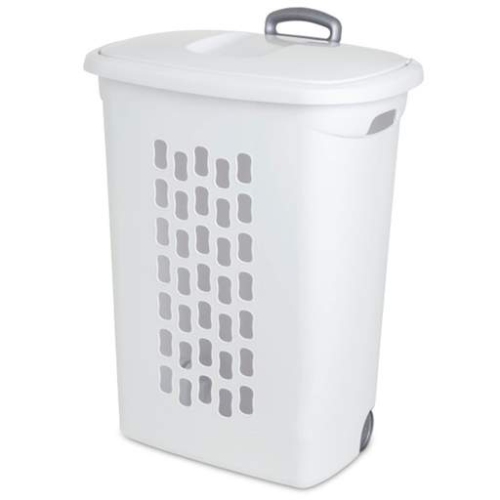 Your price for this item is $698.99
-
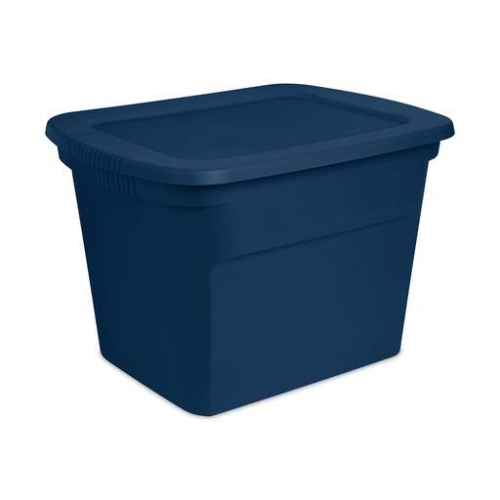 Your price for this item is $1146.99
-
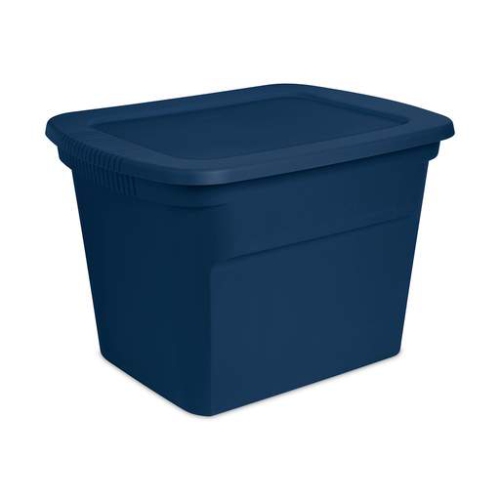 Your price for this item is $859.99
-
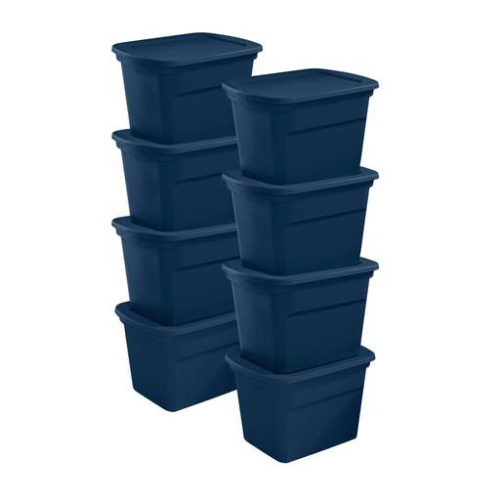 Your price for this item is $296.99
-
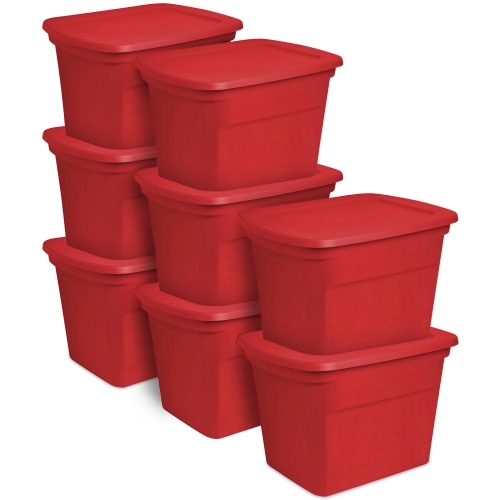 Your price for this item is $244.99
-
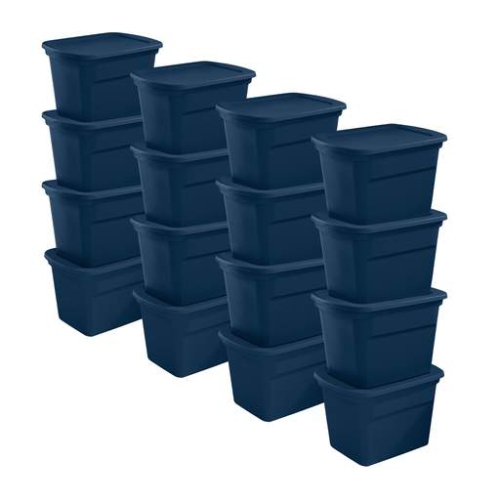 Your price for this item is $573.99
-
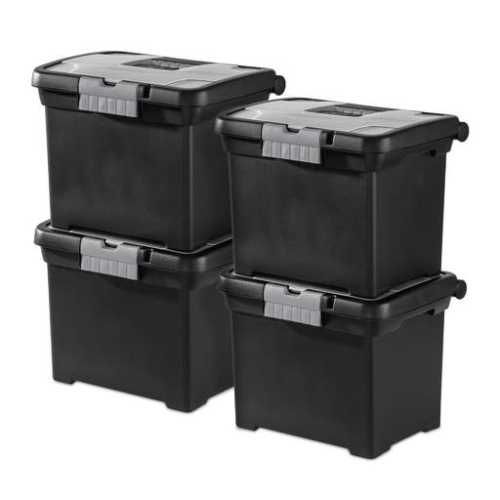 Your price for this item is $178.99
-
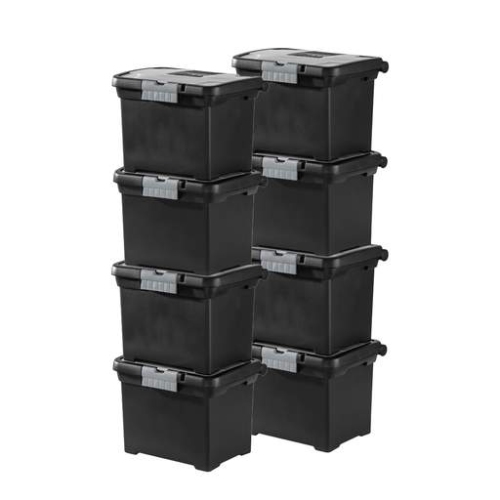 Your price for this item is $348.99
Discover more categories related to Stackable Storage Cubes

Top Collections:
Best Black Friday Deals This Year, Best Black Friday Deals On Electronics, Kindle Devices, Pokemon Centers, Best Black Friday Deals On Apple Products, Best Cameras for Sports Photography, Dyson Airwrap, Pokémon 30th Celebration Cards, Apple iPhone 17 Pro, Canon G7X Cameras
Some products may be subject to Environmental Handling Fees
(EHF) depending on your province.
Learn more about EHFs.