Storage for CDs
Organize and protect your cherished CD collection with our wide selection of storage solutions. Whether you're a music enthusiast, a movie buff, or simply looking to declutter your space, our range of CD storage options has got you covered. From sleek and compact cases to stylish racks and shelves, finding the perfect storage solution for your CDs has never been easier. Keep your collection in pristine condition and easily accessible at all times with our durable and versatile CD storage options. Say goodbye to tangled cords and scattered discs, and say hello to a neatly organized entertainment hub. Also check out our selection of Modern Storage Cabinets for even more great options!
Sort


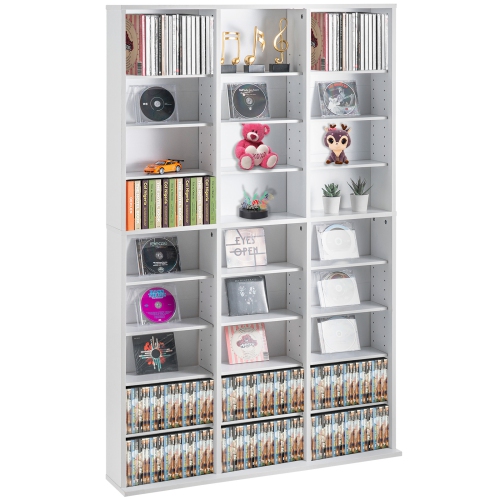


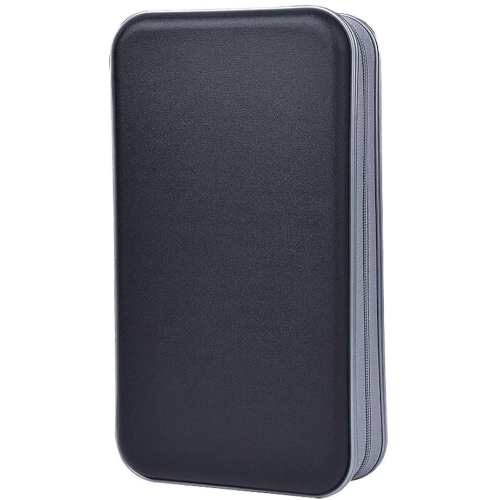
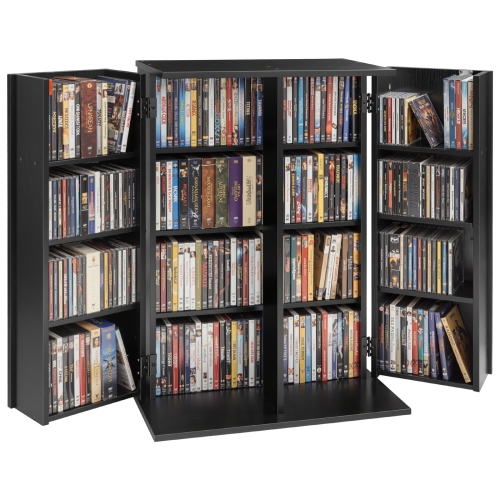
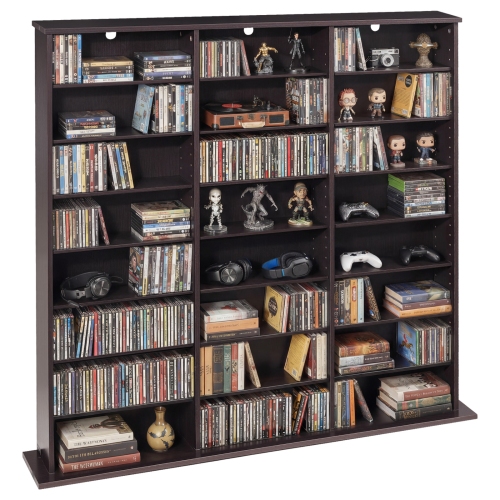
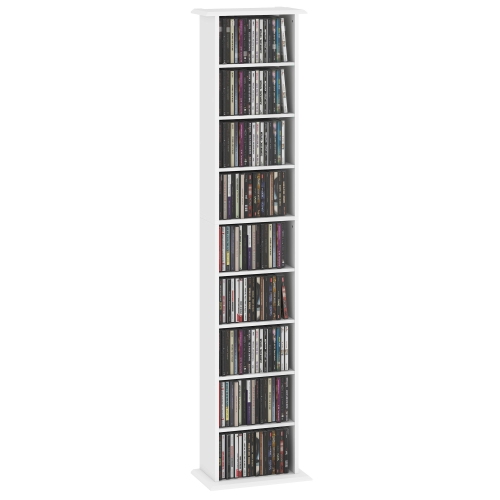
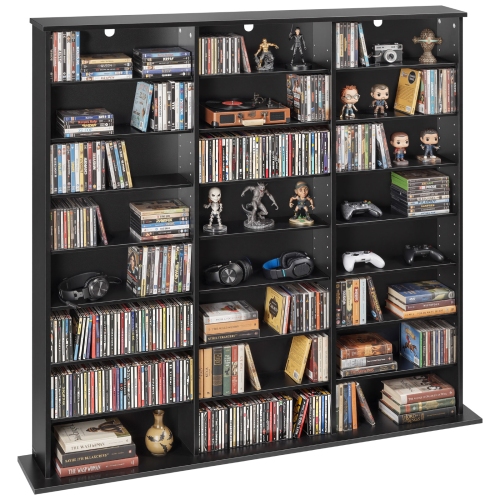
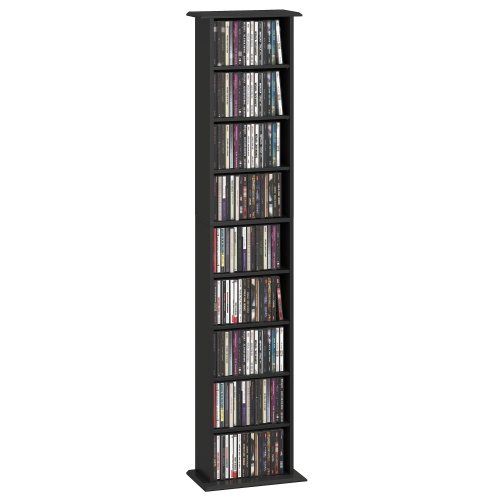
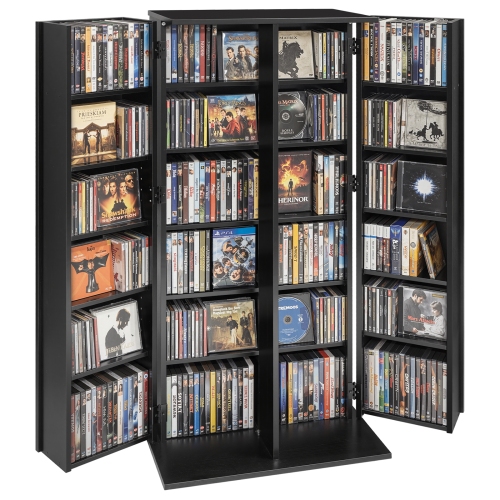
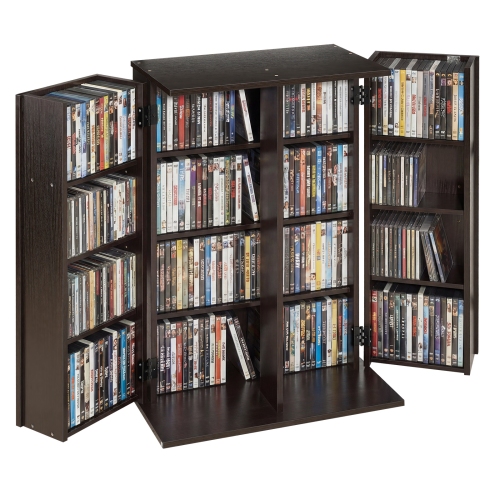
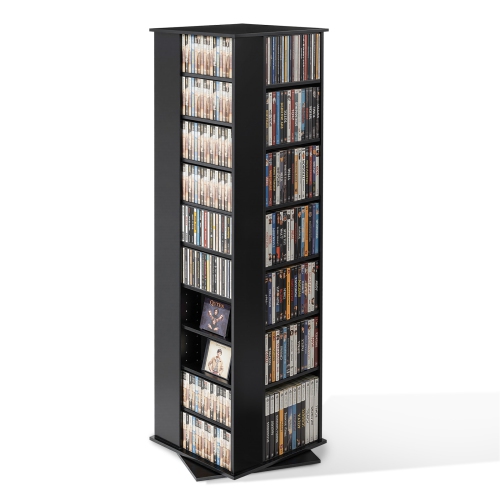
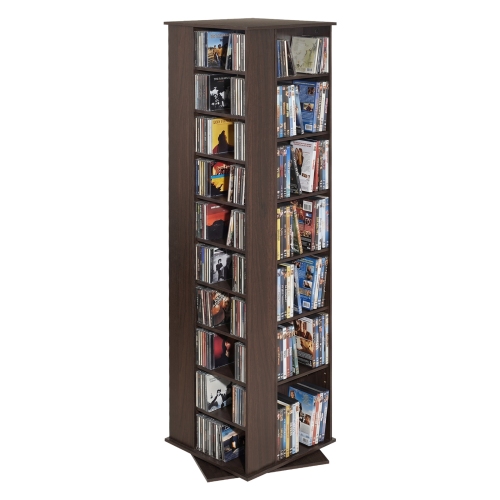
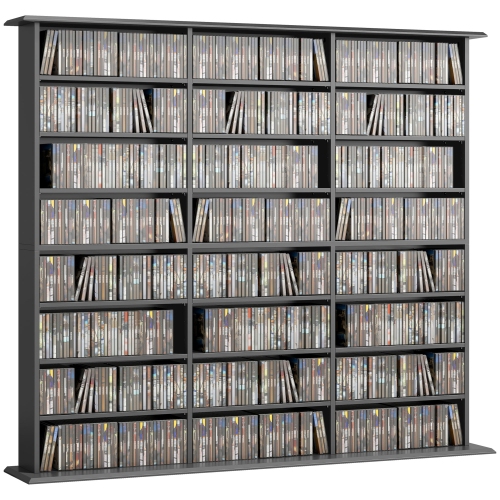
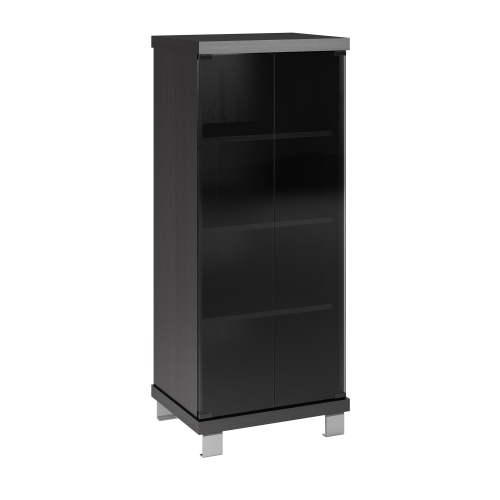
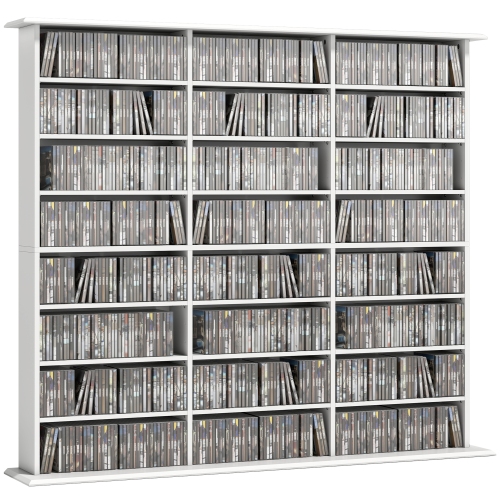
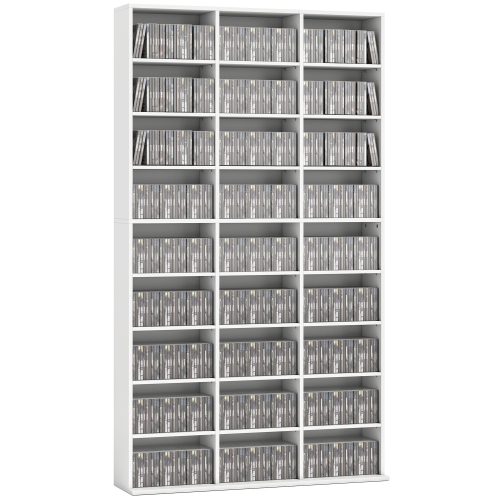
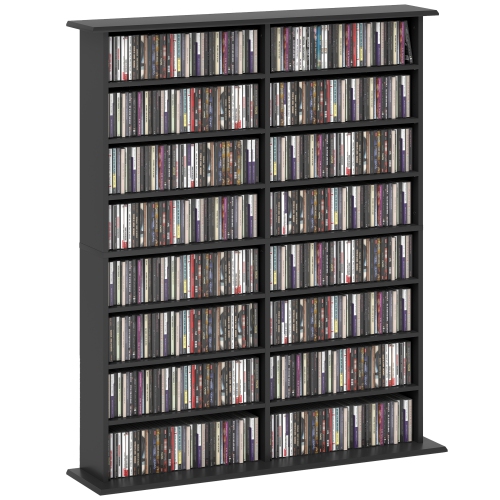

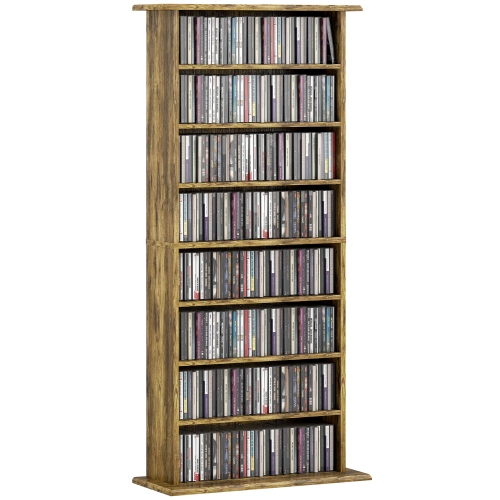

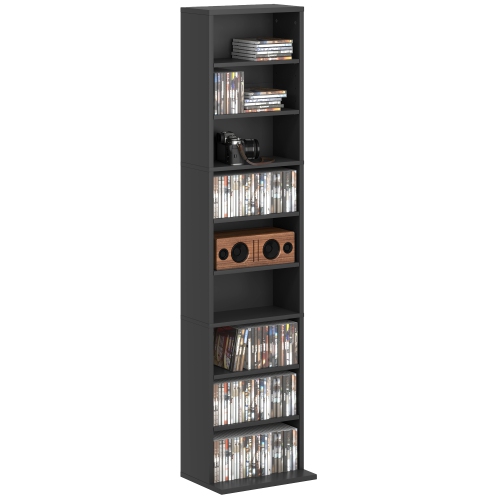
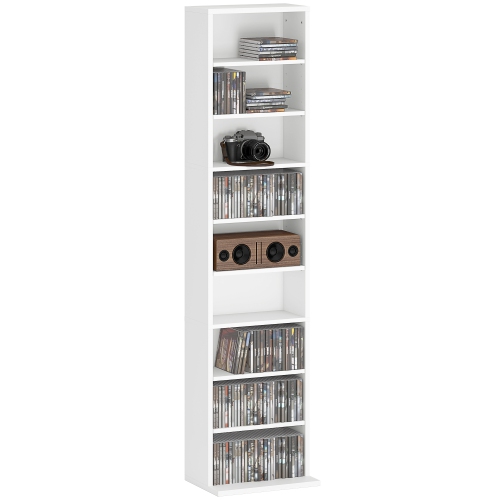
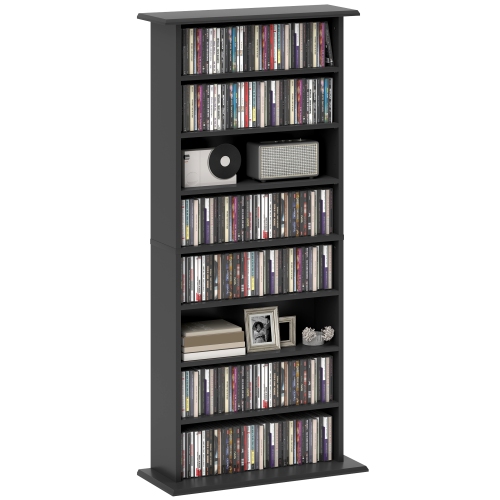
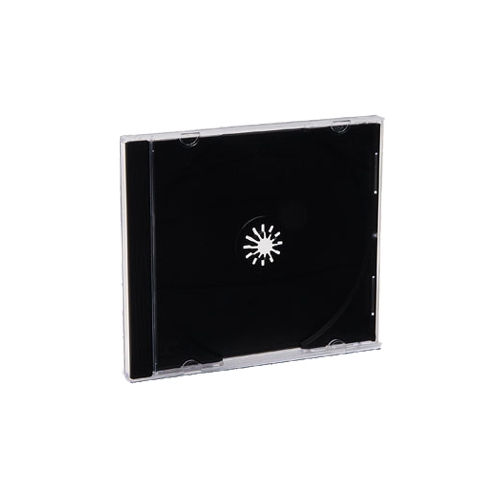

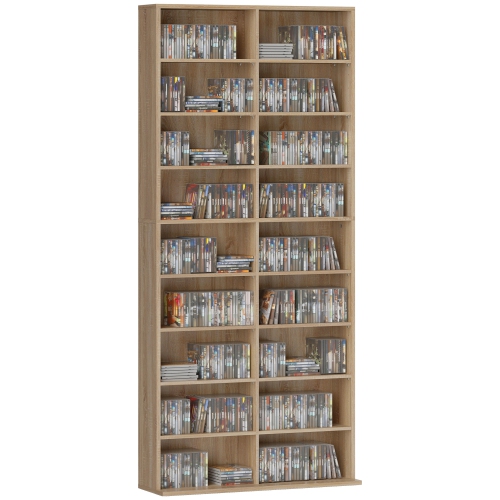
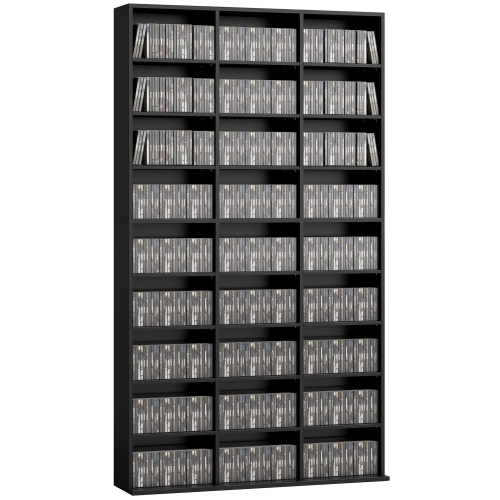

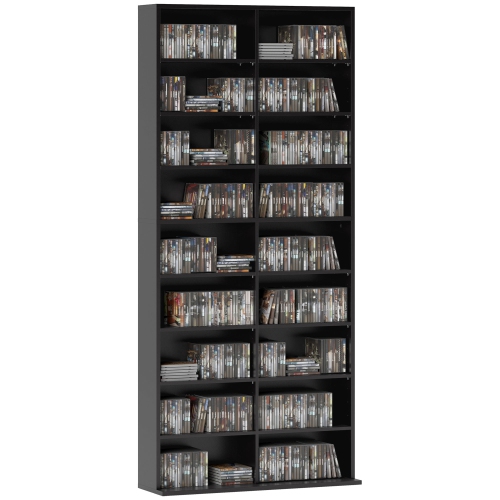
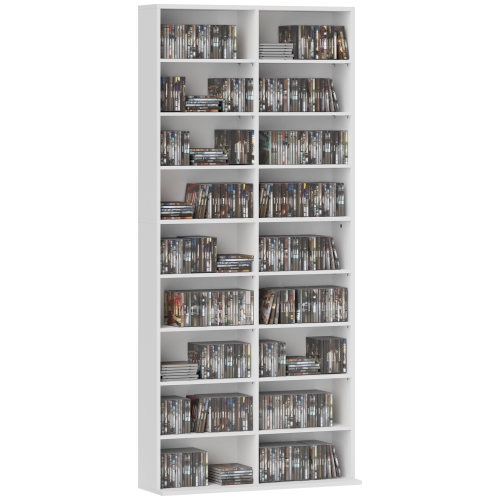


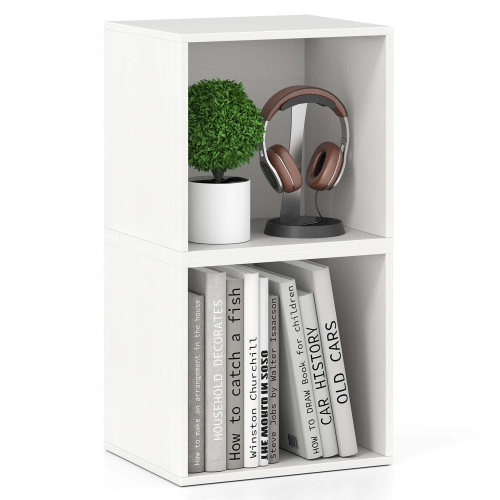



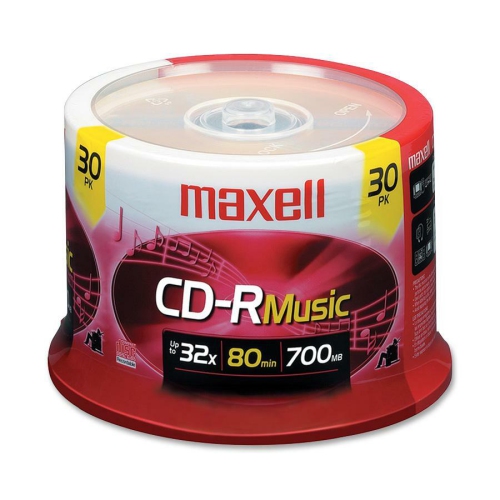

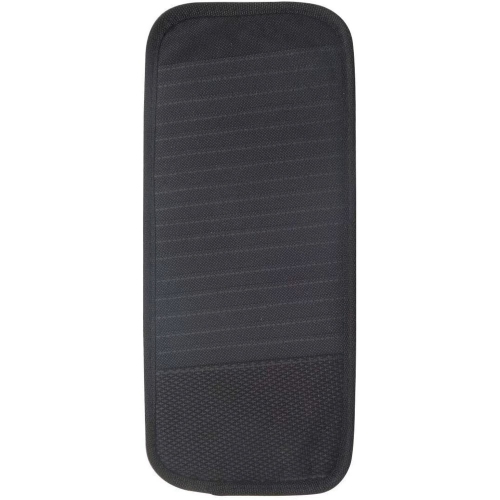







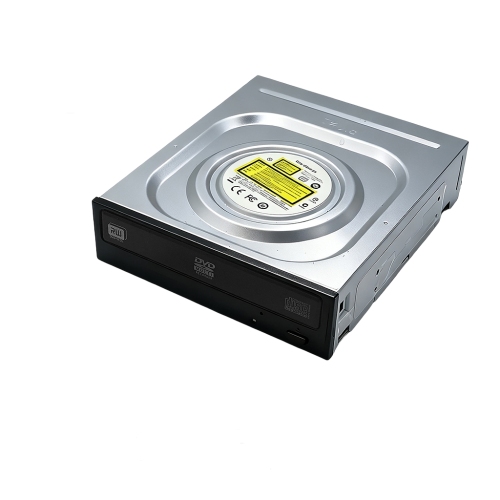


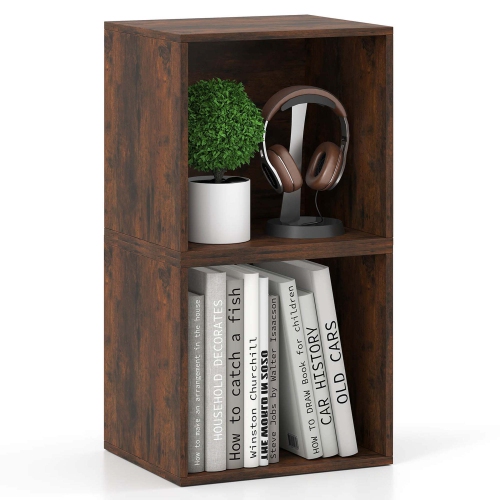
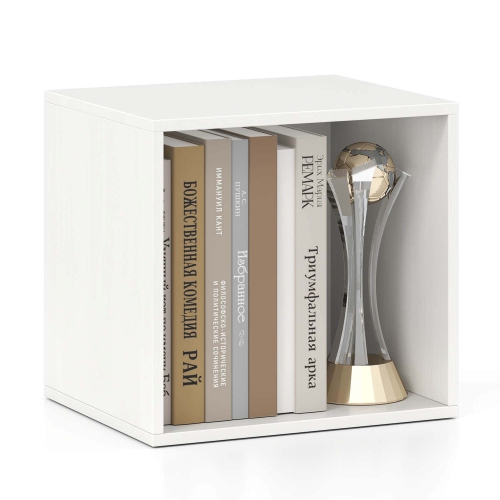
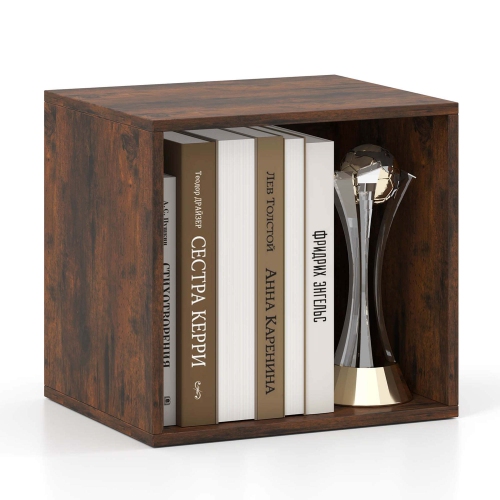
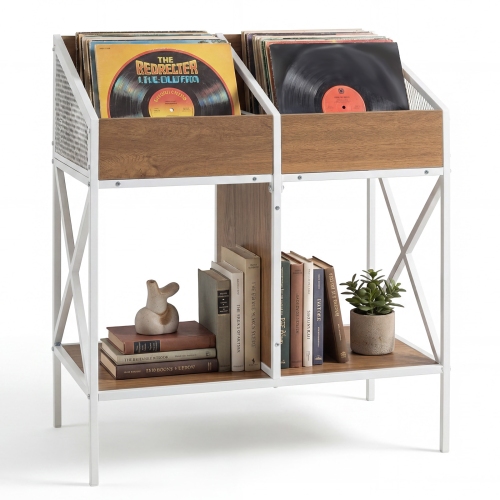
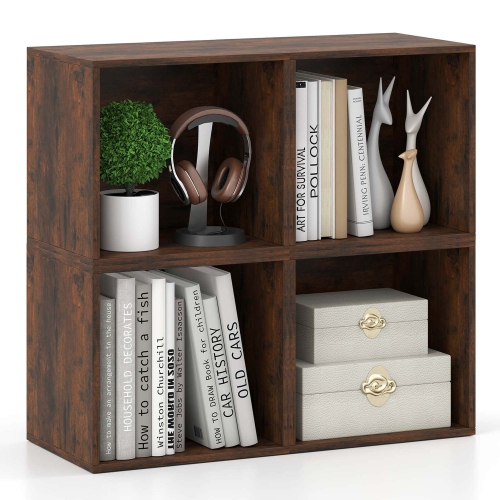
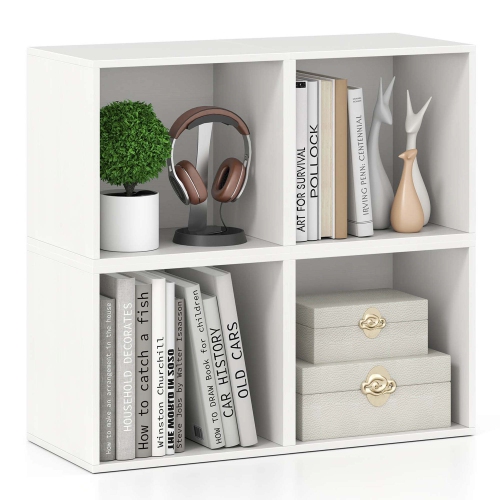
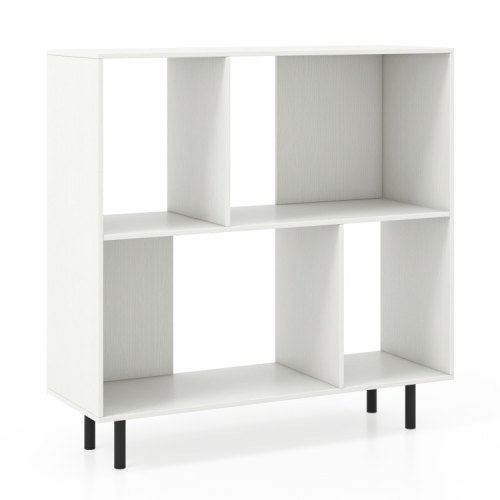

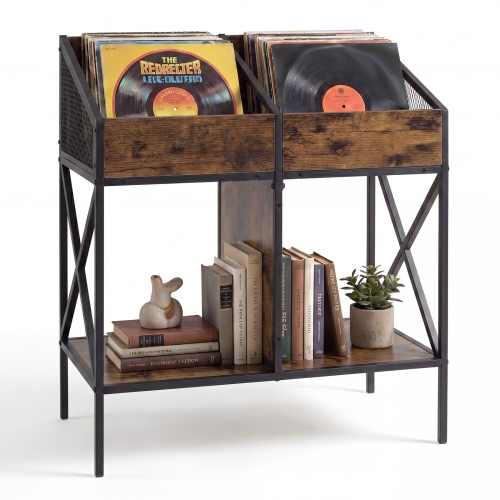


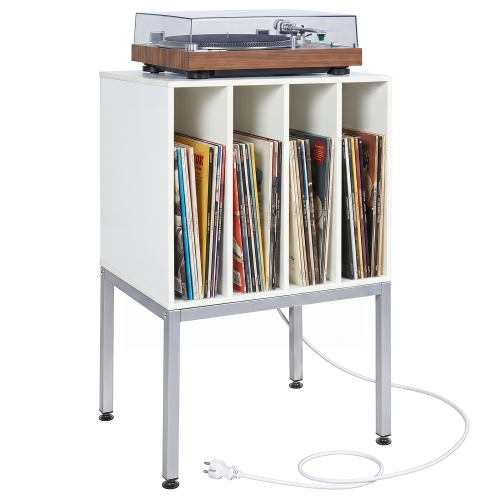
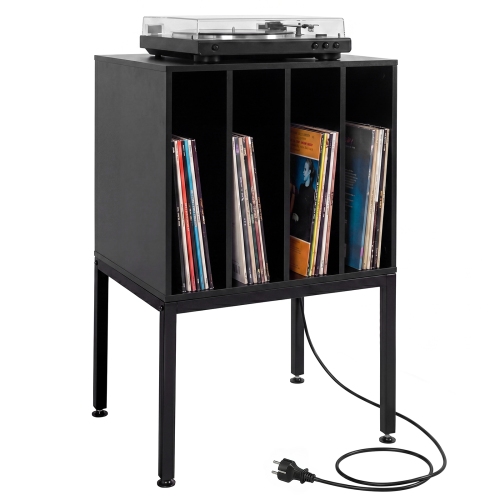


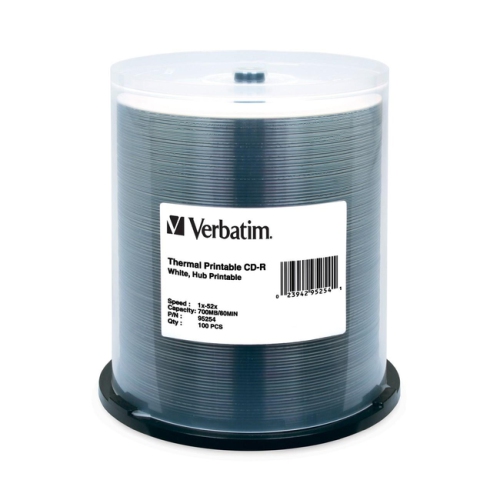


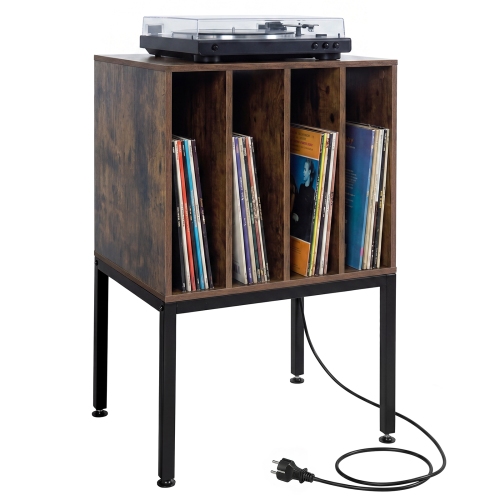

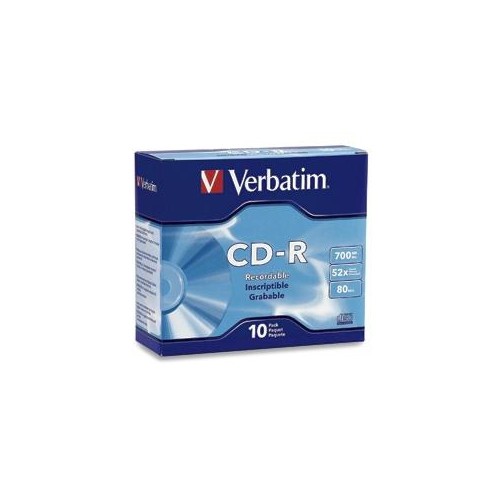


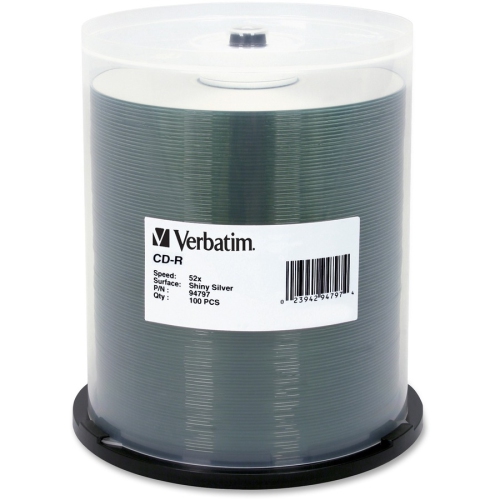
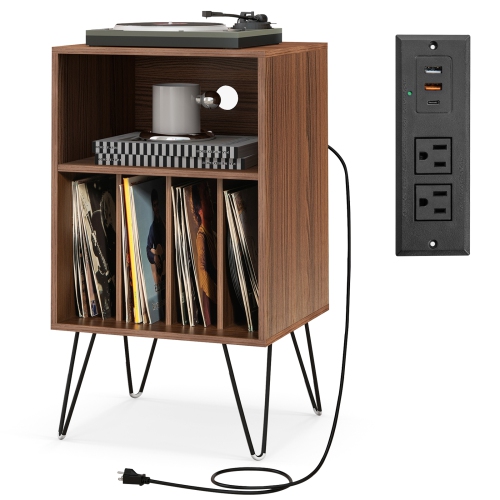


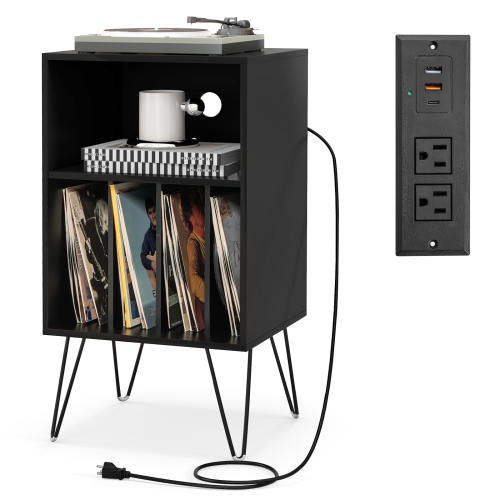


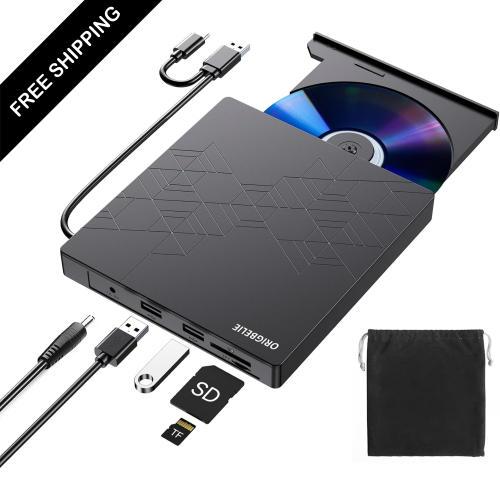

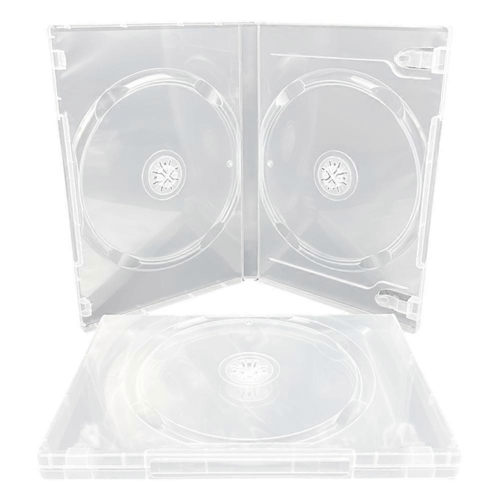
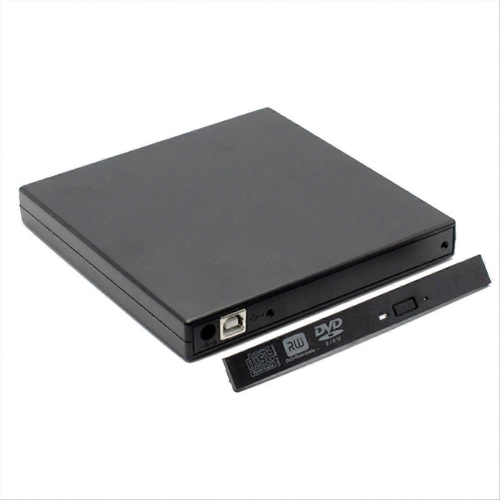


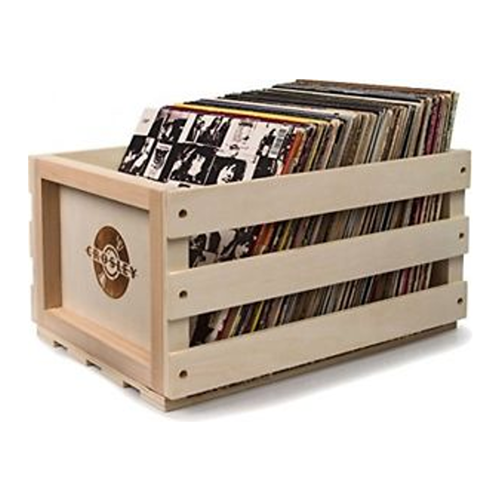
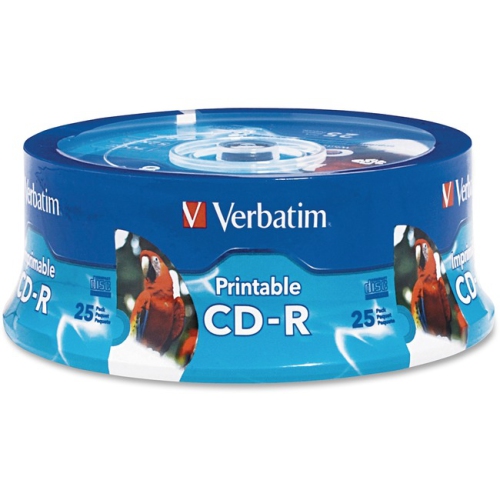

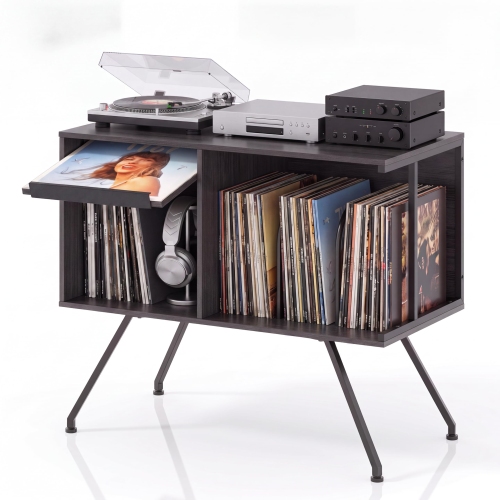
Room for album artwork or just the discs
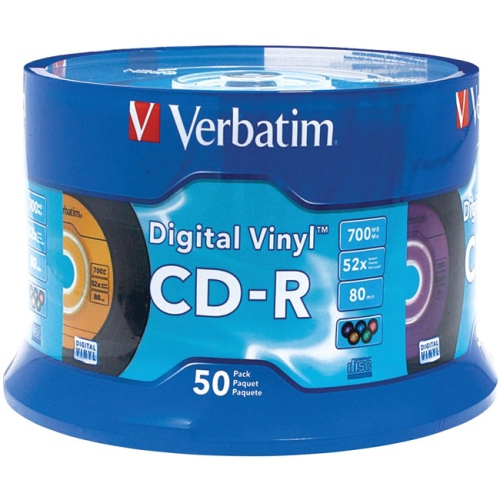
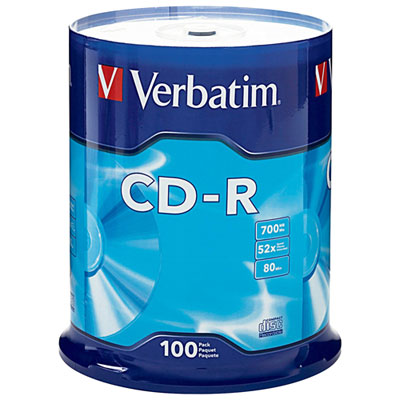
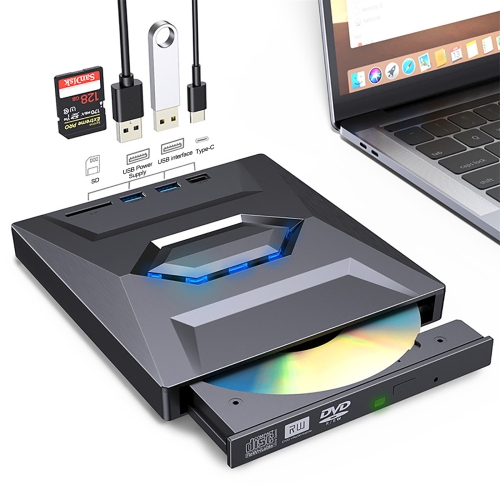
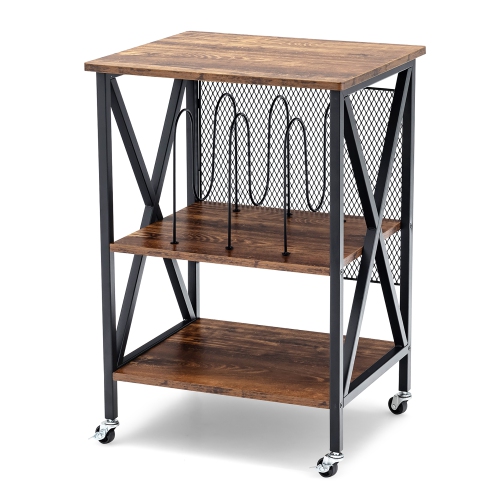
Storage for CDs gives a music collection a defined place, whether that means a few favourite albums beside a stereo or an extensive library arranged across a living room wall. The main choices include CD racks, media shelves, cabinets, storage boxes, binders, and zippered wallets. Racks and shelves keep jewel cases visible, making it easy to scan album spines and pull out something to play. Cabinets offer a more enclosed arrangement, with doors that can help limit dust and keep a busy assortment of artwork out of sight. Binders and wallets hold discs in individual pockets, reducing the space taken up by plastic cases, while boxes can group cases or sleeved discs on a shelf or inside a cupboard. The most useful format depends on what belongs with each disc: a listener who enjoys reading liner notes may want room for complete cases and booklets, while someone organizing copied audio or archived files may prefer labelled sleeves. For collections that need to stay visible without spreading across a wide surface, CD storage towers use vertical space to keep albums within easy reach. Capacity deserves a closer look than a single disc count suggests. A unit sized for standard jewel cases may hold fewer double albums, boxed sets, or thick cardboard editions, and a wallet’s stated capacity may refer only to discs rather than accompanying inserts. Leaving a little unused room makes it easier to add albums and remove cases without scraping their edges against neighbouring cases. Shelves with adjustable spacing can accommodate different package heights, although the usable width and depth still matter. A compact collection used every day often works well close to the player; a larger library may benefit from a dedicated section where albums can stay in a consistent order. Storage that matches those habits makes the collection feel accessible rather than packed away.
Materials and construction influence both the appearance of CD storage and how it stands up to regular handling. Wood and manufactured wood can give media furniture a substantial, furniture-like presence, with finishes that blend into bookcases, desks, or entertainment units. Metal racks often have a more open profile, leaving spines exposed and allowing a quick view of the collection. Plastic boxes are generally easy to wipe clean, and transparent sides can make their contents easier to identify without opening every container. Fabric-covered boxes and wallets offer a softer appearance, but their shape, lining, seams, and closures are worth considering when they will be handled frequently. In a disc wallet, smooth pockets and secure stitching matter more than the outer cover alone: each disc needs to slide in and out without catching on a rough edge or exposed fastener. A rigid or reinforced cover can provide additional support during transport, while a handle makes a full case easier to carry between rooms. For shelving, the important measurements are the usable compartments as well as the overall footprint. A rack may fit beside a desk but still interfere with a drawer, and a cabinet needs enough clearance for its doors to open comfortably. Check that shelf depth suits the cases rather than allowing them to sit so far back that titles become difficult to read. Tall, narrow furniture should sit on a level surface and be secured according to the manufacturer’s directions, using suitable hardware for the wall type when anchoring is required. Load limits also matter, particularly for wall-mounted shelves and stacked storage. Filled cases add weight, and stacks should remain within the design limits of their containers. In shared spaces, rounded edges, stable bases, and closures that work smoothly can make everyday use more comfortable. Colour and finish help the storage settle into the room, but access, stability, and the fit of the collection are what make it practical over time.
Good CD storage protects more than shelf space; it helps keep discs, cases, and printed inserts together and ready to use. Jewel cases support discs on a centre hub and preserve a clear view of the original packaging, which can be important to collectors who value album artwork and complete editions. Sleeves take up less room, but they should be designed for optical discs, with a smooth contact surface and enough space to remove the disc without bending it. Paper booklets and tray inserts may need separate pockets, so transferring a collection out of its cases calls for storage that accommodates the parts worth keeping. Handle discs by the outer edge or centre hole, and avoid touching the playing surface. Before placing a disc in a pocket, check that both are free of grit, since trapped particles can cause scratches during insertion and removal. When cleaning is needed, follow the disc manufacturer’s advice; gentle strokes from the centre towards the outer edge with a suitable soft cloth are generally preferable to circular rubbing. Storage furniture has its own care needs: a soft dusting cloth suits many surfaces, while spills should be addressed promptly using a method appropriate to the finish. Keeping discs away from direct sunlight and damp areas helps protect both the media and the printed packaging. Organization can be as simple as alphabetical order by artist, or it can reflect how the collection gets played, with separate sections for classical music, audiobooks, compilations, and family favourites. Labels on boxes and binder sections save repeated searching, especially when identical cases sit side by side. For a household sharing one stereo, clearly defined sections make returning albums easier. For someone carrying music to rehearsals or listening sessions, a portable wallet keeps a selected group together without moving the whole library. CD storage can also make a thoughtful gift for a music enthusiast, provided its format respects how they keep their albums. Someone who treasures original cases will likely appreciate a different arrangement from someone who prefers a compact disc-only library. The best fit supports both the collection and the pleasure of using it.
Top selling and popular products
-
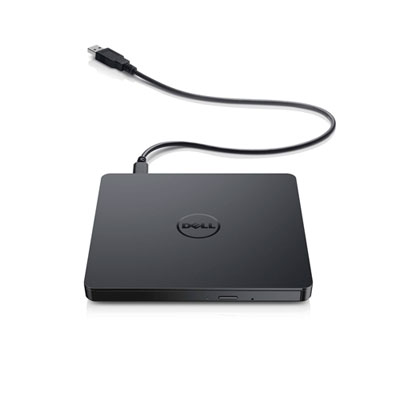 Your price for this item is $49.99
-
 Your price for this item is $37.68
-
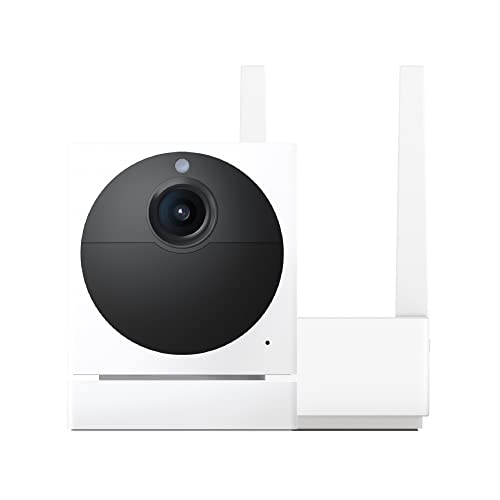 Your price for this item is $89
-
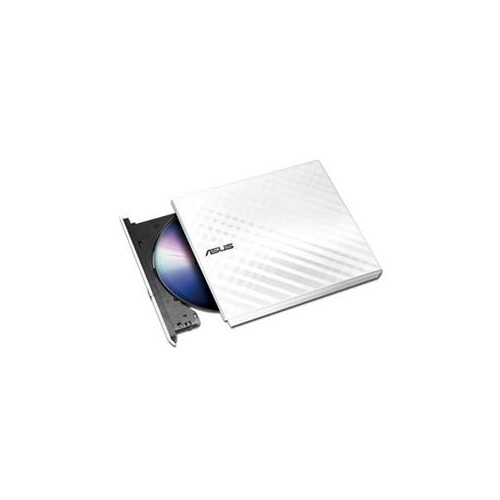 Your price for this item is $50.68
-
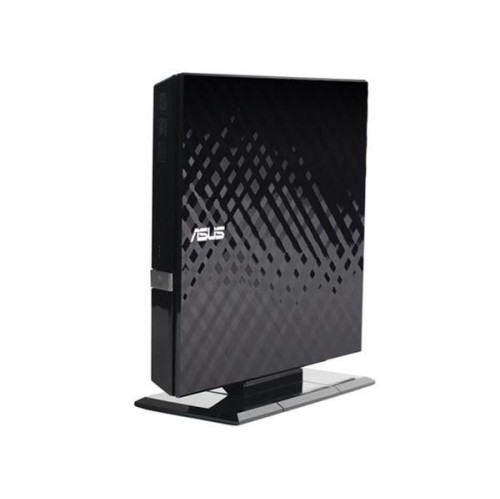 Your price for this item is $65
-
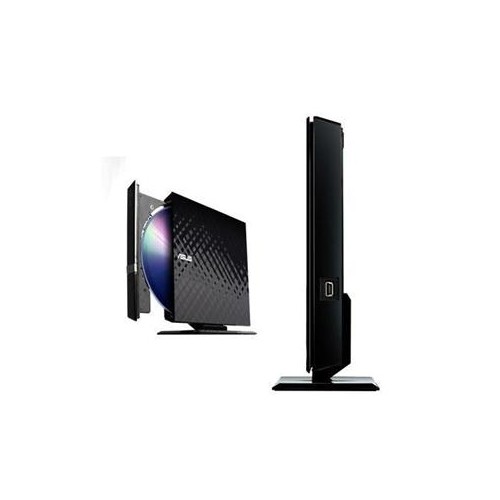 Your price for this item is $53
-
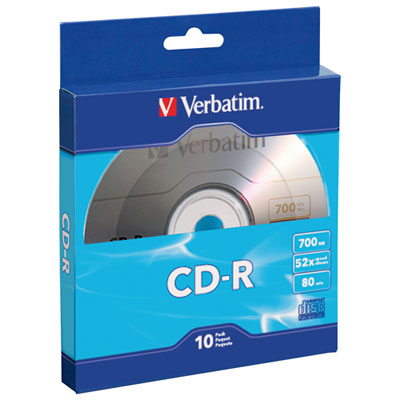 Your price for this item is $11.99
-
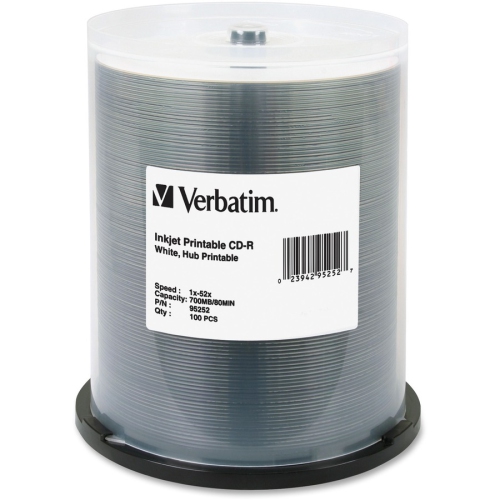 Your price for this item is $65.68
Discover more categories related to Storage for CDs

Top Collections:
Pokemon Centers, Kindle Devices, Best Budget Office Chairs, Canon G7X Cameras, Apple iPhones 16, Samsung Galaxy Phones, Refurbished Apple Laptops, Laptops for Students, iPhone 15 Apple, Budget Smartphones
Some products may be subject to Environmental Handling Fees
(EHF) depending on your province.
Learn more about EHFs.