Vinyl Record Storage
Organizing and displaying your vinyl record collection can add a touch of vintage charm to your space while keeping your favorite albums easily accessible. Vinyl record storage solutions come in various styles and sizes to suit different needs, whether you're a casual listener or a serious collector. From sleek modern designs to classic wooden crates, finding the perfect storage option can help preserve your records and enhance the aesthetic of your home decor. Explore our selection of vinyl record storage solutions to find the ideal fit for your collection and space.
Sort
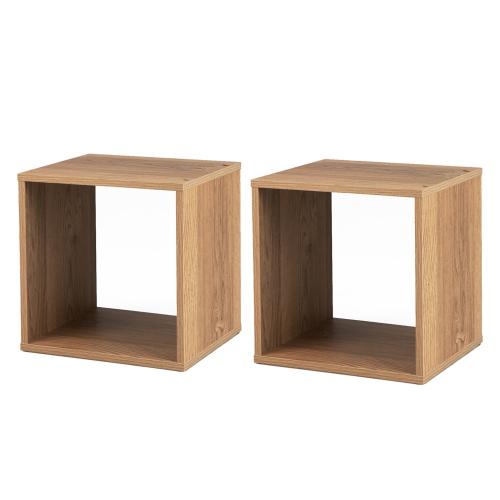
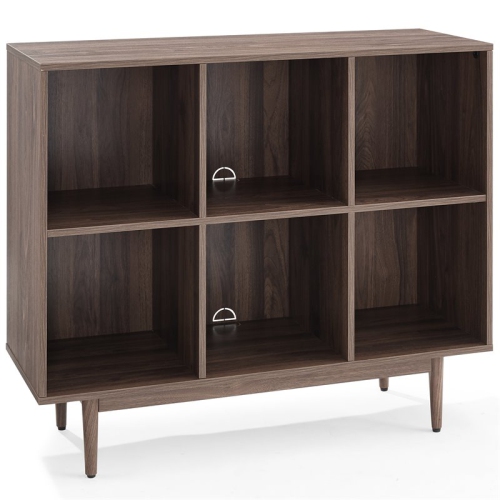
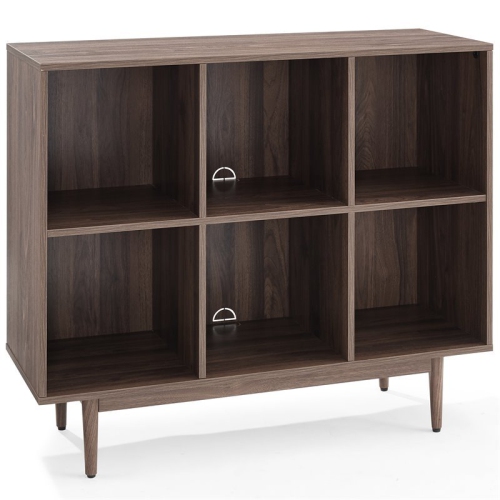
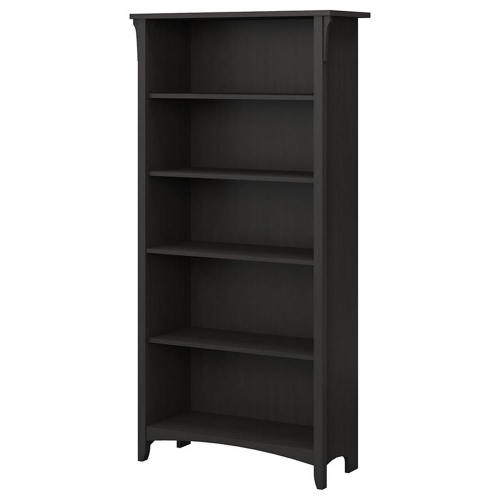
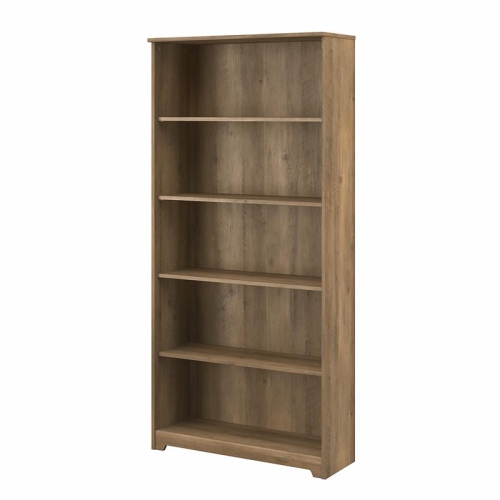

A growing collection needs more than shelf space
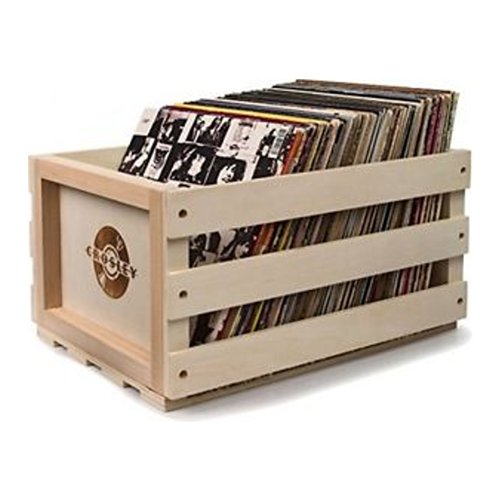
Vinyl record storage gives albums a dedicated place while keeping them easy to browse, play, and return to their sleeves. From a small collection beside a turntable to several shelves of carefully organized LPs, the right storage supports both the records and the way they are used. Records are best stored upright, with enough support to prevent leaning and enough space to remove an album without dragging its jacket against neighbouring covers. Stacking records flat can place uneven pressure on the discs and sleeves, especially at the bottom of a heavy pile. Purpose-built record storage takes these needs into account through appropriately sized compartments, supportive sides, and construction suited to a concentrated load. Open crates suit listeners who like to flip through album artwork, while divided racks keep a smaller listening rotation within reach. Cabinets offer a more enclosed look, and shelving makes a larger collection easier to arrange by artist, genre, or label. A turntable stand with record compartments can bring playback equipment and albums together in a compact listening area, provided its top surface meets the equipment’s dimensions and weight requirements. For a first apartment, a single storage unit may be enough to hold favourite releases without taking over the room. For a longtime collector, several coordinated sections can make a growing library feel orderly rather than crowded. Storage can also make a thoughtful gift for someone who has recently started buying vinyl, inherited a family collection, or outgrown the space beside their stereo. The most useful choice depends less on a stated album count than on the size of the jackets, the thickness of the sleeves, and how easily the collection can be handled. Gatefold albums, boxed sets, and protective outer sleeves all take up additional room. Leaving some space for new additions also means that bringing home another album does not require rearranging an entire shelf.
Fit and strength matter because vinyl records create a substantial load in a relatively small space. Storage dimensions should accommodate the complete jacket, not just the disc: a 12-inch LP needs clearance beyond its nominal diameter, particularly when it is inside an outer sleeve. Internal compartment measurements are more useful than the overall dimensions of the furniture, since thick panels, dividers, and doors can reduce usable space. Collections that include 7-inch singles, 10-inch records, or oversized boxed sets may benefit from separate compartments or adjustable arrangements. Published weight limits deserve equal attention, including whether a rating applies to each shelf or to the whole unit. A compartment that physically fits a row of albums is not necessarily designed to carry their weight. Sturdy joints, well-supported shelves, a rigid frame, and a stable base help furniture hold its shape under regular use. Solid wood can offer distinctive grain and a substantial feel, while engineered wood provides a variety of finishes and panel styles; performance in either case depends on the complete construction, rather than the material name alone. Metal frames can provide firm support, and mixed-material designs work well alongside many kinds of audio furniture. Smooth edges and clean interior surfaces are especially valuable where jackets slide in and out. For larger arrangements, vinyl shelves can create clearly separated sections that keep albums visible and accessible. Modular designs may allow additional storage over time, but units should only be stacked or connected in configurations permitted by their manufacturer. Tall furniture needs appropriate anchoring, particularly in homes with children or pets. Placement also affects everyday comfort: frequently played albums are easier to reach when they do not require kneeling on the floor or stretching overhead. In a shared living room, the space needed to open cabinet doors, pull out a crate, or stand in front of the collection is just as important as the furniture’s footprint.
The details of record storage shape how well it works after the initial setup. A front-facing compartment lets a listener browse by cover art, while spine-out shelving uses space efficiently and suits an alphabetized collection. Dividers can keep categories distinct and help support shorter rows, though albums should remain upright rather than resting at a sharp angle against a partition. Compartments should be comfortably filled, not compressed; an album ought to slide out without forcing neighbouring jackets apart. Enclosed cabinets help limit settling dust, but records still benefit from suitable inner sleeves and protective outer sleeves that fit without bunching at the edges. Paperboard covers can scuff against rough surfaces, so a smooth shelf or crate interior is worth considering for treasured pressings and illustrated jackets. Storage furniture is generally best cared for with a soft cloth and cleaning methods appropriate to its finish, keeping moisture and cleaning sprays away from the albums. Records should sit away from direct sunlight, radiators, heating vents, and damp areas, where exposure can damage discs or packaging. A bright window ledge may show off a favourite cover, but it is not a suitable permanent home for the collection. Where a turntable shares a unit with stored albums, a level, stable surface helps support playback, and accessible cable routes keep leads clear of doors and compartments. Space around audio components should follow their ventilation requirements. For listeners who take records to gatherings or performances, carrying cases serve a different purpose from stationary furniture: secure closures, protective corners, comfortable handles, and a suitable loaded weight all matter. A large case can become difficult to carry well before every slot is filled. At home, a smaller rack for the next few albums can complement the main collection, keeping a listening session organized without leaving jackets spread across a table. Whether the setting is a dedicated music room, a bedroom corner, or a shared lounge, practical vinyl record storage balances protection, access, and furniture that fits naturally into daily life.
Fit and strength matter because vinyl records create a substantial load in a relatively small space. Storage dimensions should accommodate the complete jacket, not just the disc: a 12-inch LP needs clearance beyond its nominal diameter, particularly when it is inside an outer sleeve. Internal compartment measurements are more useful than the overall dimensions of the furniture, since thick panels, dividers, and doors can reduce usable space. Collections that include 7-inch singles, 10-inch records, or oversized boxed sets may benefit from separate compartments or adjustable arrangements. Published weight limits deserve equal attention, including whether a rating applies to each shelf or to the whole unit. A compartment that physically fits a row of albums is not necessarily designed to carry their weight. Sturdy joints, well-supported shelves, a rigid frame, and a stable base help furniture hold its shape under regular use. Solid wood can offer distinctive grain and a substantial feel, while engineered wood provides a variety of finishes and panel styles; performance in either case depends on the complete construction, rather than the material name alone. Metal frames can provide firm support, and mixed-material designs work well alongside many kinds of audio furniture. Smooth edges and clean interior surfaces are especially valuable where jackets slide in and out. For larger arrangements, vinyl shelves can create clearly separated sections that keep albums visible and accessible. Modular designs may allow additional storage over time, but units should only be stacked or connected in configurations permitted by their manufacturer. Tall furniture needs appropriate anchoring, particularly in homes with children or pets. Placement also affects everyday comfort: frequently played albums are easier to reach when they do not require kneeling on the floor or stretching overhead. In a shared living room, the space needed to open cabinet doors, pull out a crate, or stand in front of the collection is just as important as the furniture’s footprint.
The details of record storage shape how well it works after the initial setup. A front-facing compartment lets a listener browse by cover art, while spine-out shelving uses space efficiently and suits an alphabetized collection. Dividers can keep categories distinct and help support shorter rows, though albums should remain upright rather than resting at a sharp angle against a partition. Compartments should be comfortably filled, not compressed; an album ought to slide out without forcing neighbouring jackets apart. Enclosed cabinets help limit settling dust, but records still benefit from suitable inner sleeves and protective outer sleeves that fit without bunching at the edges. Paperboard covers can scuff against rough surfaces, so a smooth shelf or crate interior is worth considering for treasured pressings and illustrated jackets. Storage furniture is generally best cared for with a soft cloth and cleaning methods appropriate to its finish, keeping moisture and cleaning sprays away from the albums. Records should sit away from direct sunlight, radiators, heating vents, and damp areas, where exposure can damage discs or packaging. A bright window ledge may show off a favourite cover, but it is not a suitable permanent home for the collection. Where a turntable shares a unit with stored albums, a level, stable surface helps support playback, and accessible cable routes keep leads clear of doors and compartments. Space around audio components should follow their ventilation requirements. For listeners who take records to gatherings or performances, carrying cases serve a different purpose from stationary furniture: secure closures, protective corners, comfortable handles, and a suitable loaded weight all matter. A large case can become difficult to carry well before every slot is filled. At home, a smaller rack for the next few albums can complement the main collection, keeping a listening session organized without leaving jackets spread across a table. Whether the setting is a dedicated music room, a bedroom corner, or a shared lounge, practical vinyl record storage balances protection, access, and furniture that fits naturally into daily life.
Top selling and popular products
-
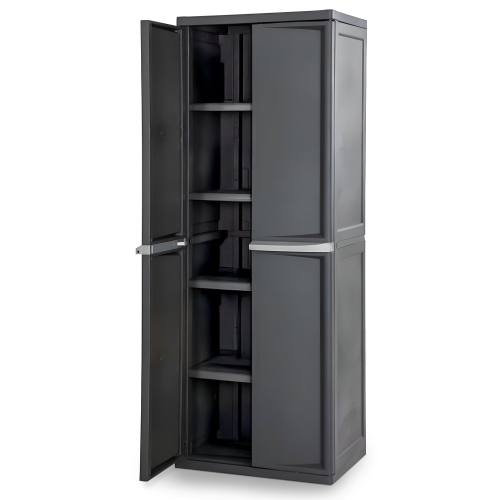 Your price for this item is $772.99
 -
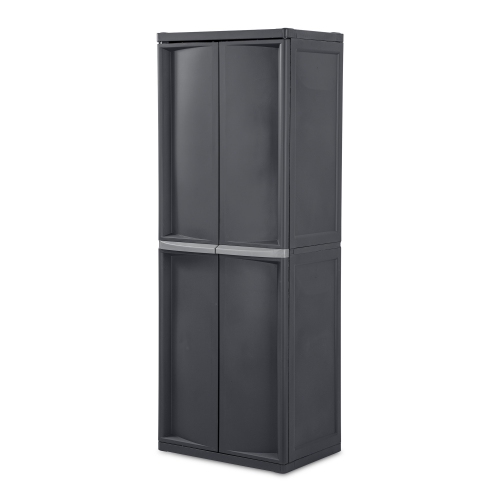 Your price for this item is $1522.99
 -
 Your price for this item is $234.68
 -
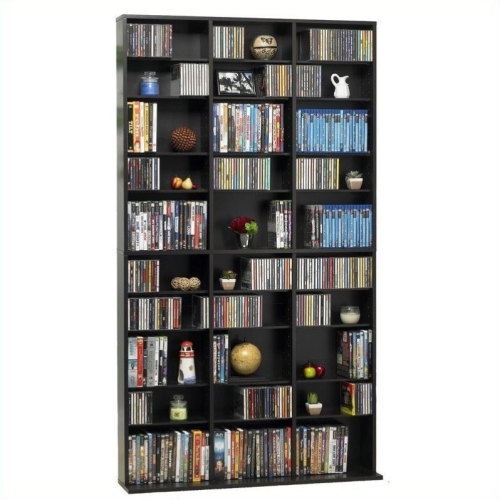 Your price for this item is $365.38
 -
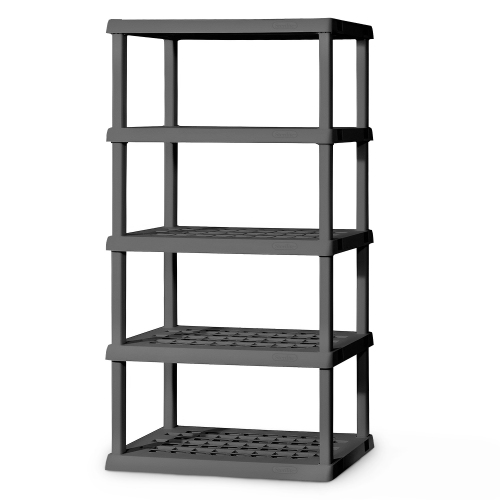 Your price for this item is $468.99
 -
 Your price for this item is $295.84
 -
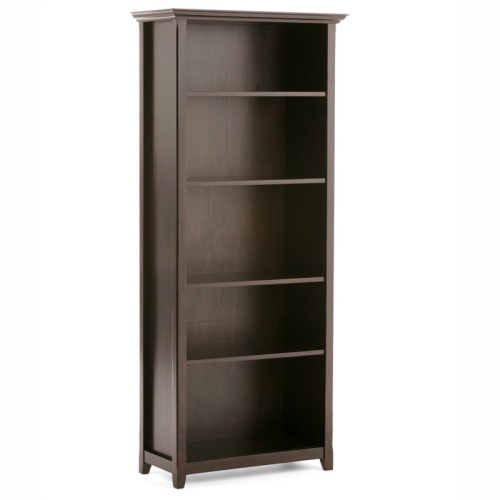 Your price for this item is $999.77
 -
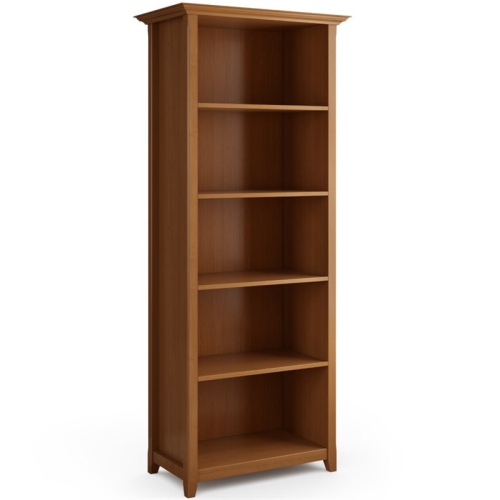 Your price for this item is $998.43
Discover more categories related to Vinyl Record Storage
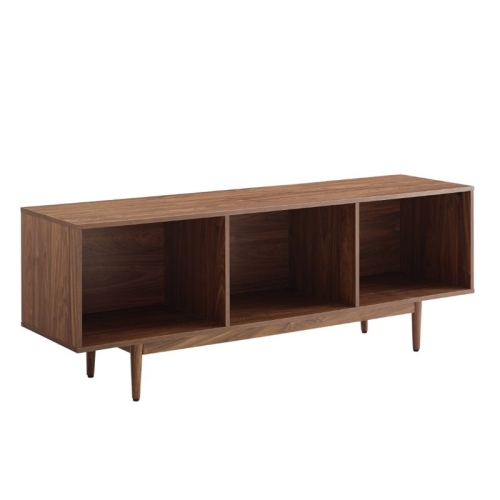
Top Collections:
Pokemon Centers, Kindle Devices, Best Budget Office Chairs, Apple iPhones 16, Best Laptops for Writers, iPhone 15 Apple, Canon G7X Cameras, Refurbished Apple Laptops, Alarm Clock, Motorola Razr Phones
Some products may be subject to Environmental Handling Fees
(EHF) depending on your province.
Learn more about EHFs.