Storage Solutions for Small Businesses
Storage Solutions for Small Businesses are essential for keeping workspaces organized, efficient, and productive. From offices to retail spaces, having the right storage options helps streamline daily operations and maximize available space. Explore a wide range of choices designed to support inventory management, document organization, and equipment storage, all tailored to meet the unique needs of small business environments. Find practical solutions that help maintain order and create a more professional atmosphere for both employees and clients.
Sort
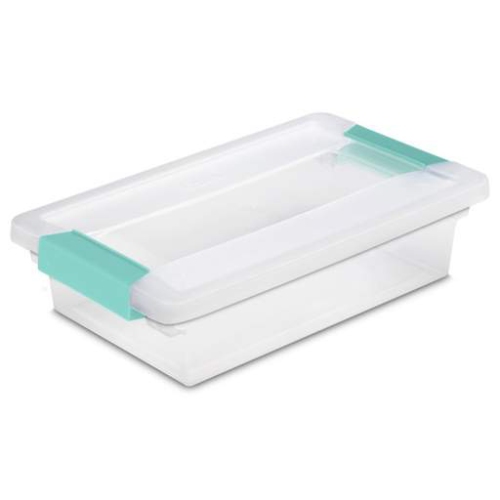
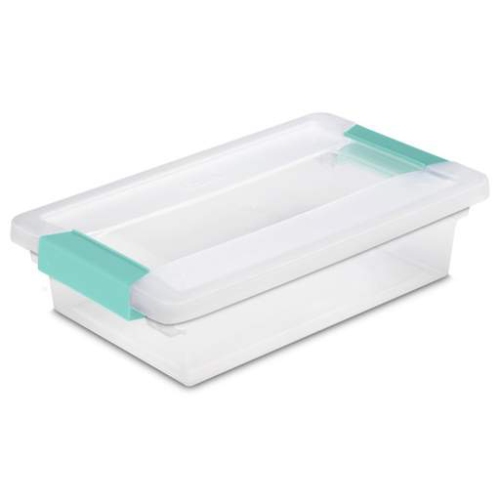
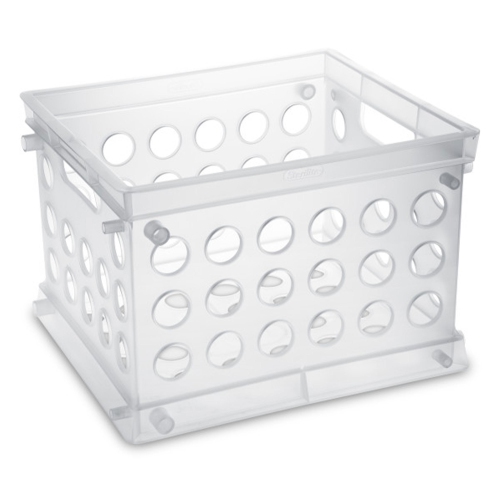
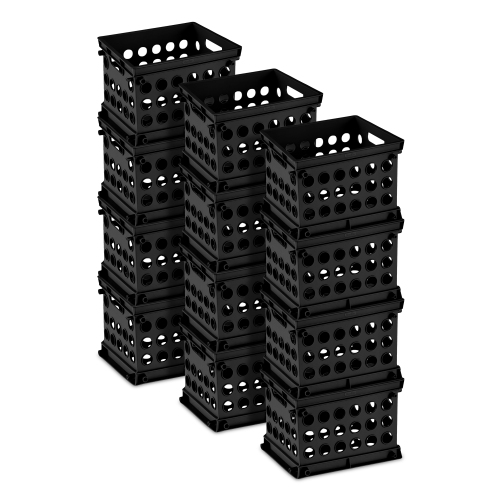
Task-based storage that puts limited space to work
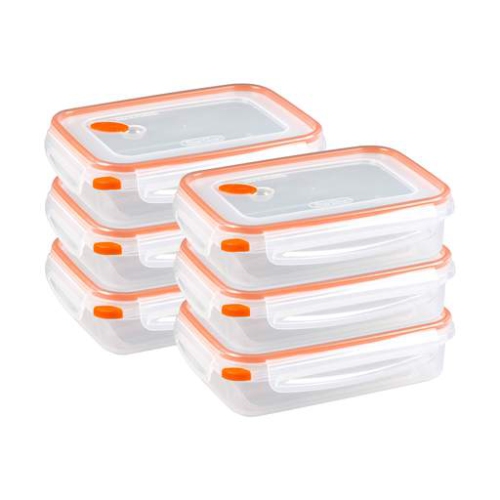
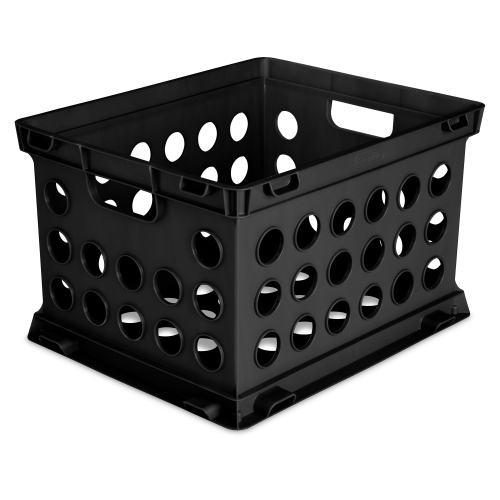
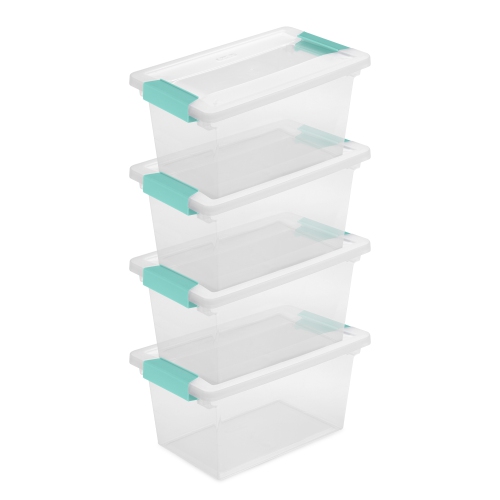
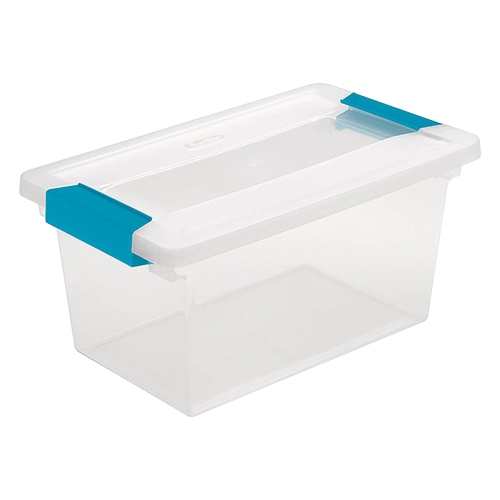
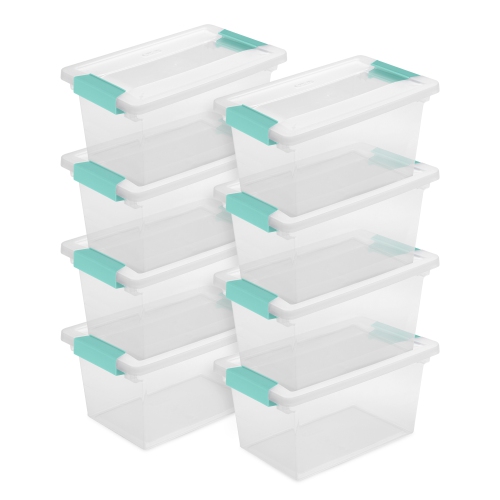
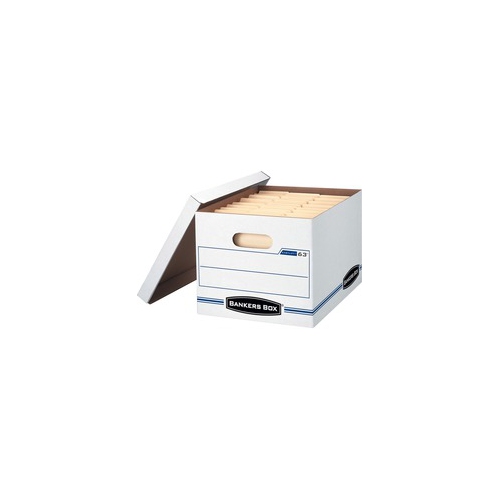
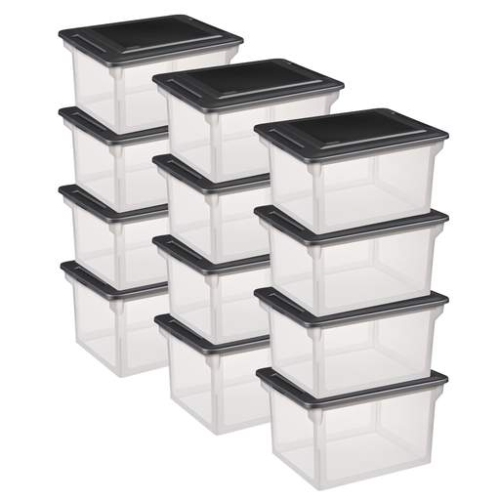
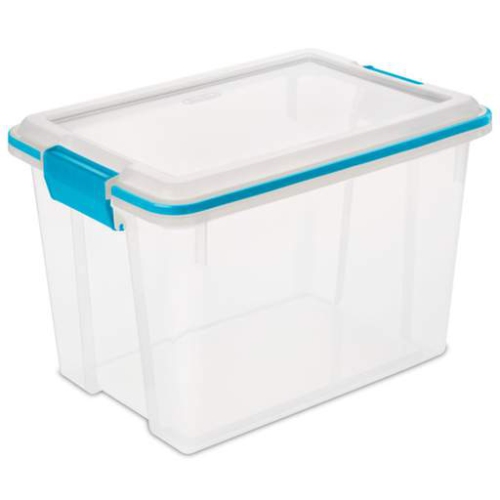
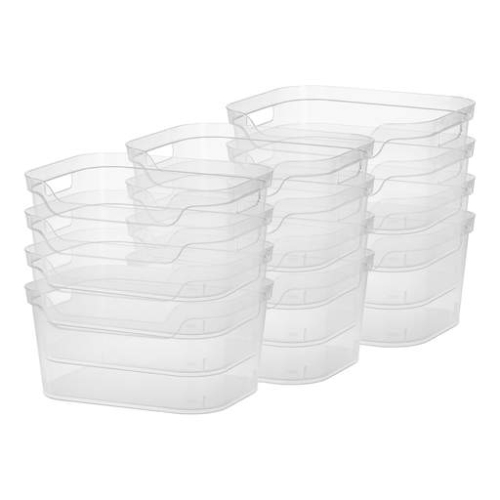
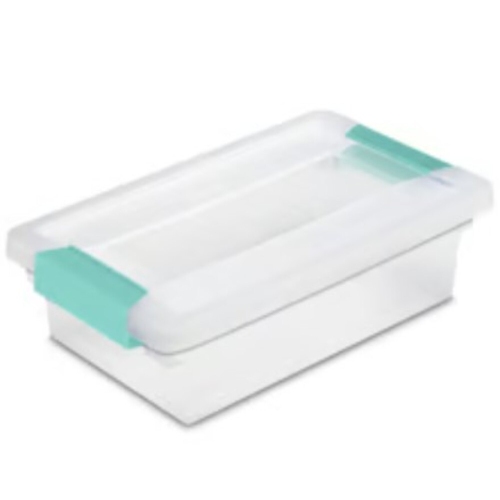
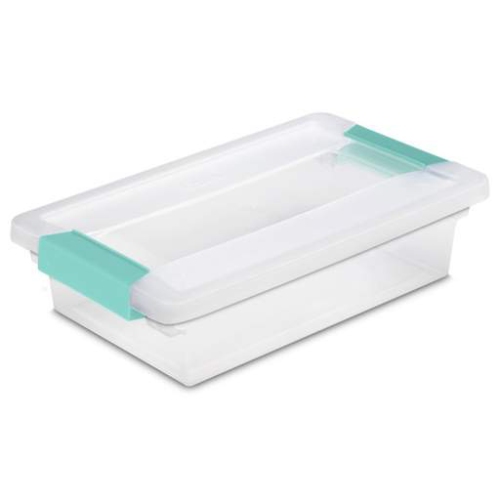
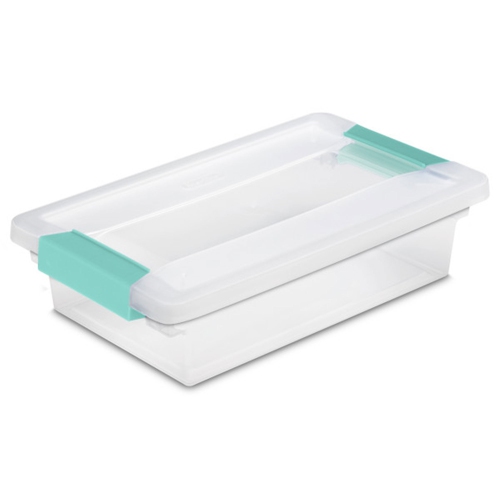
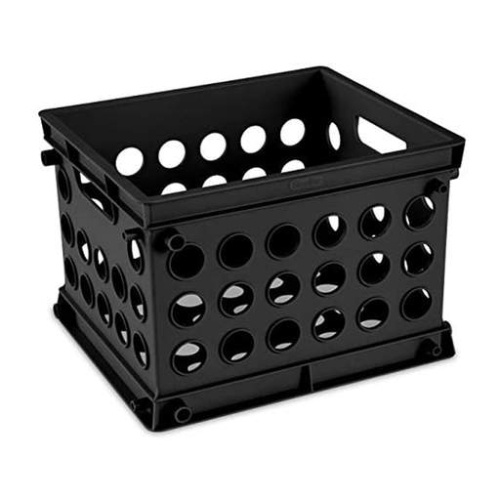
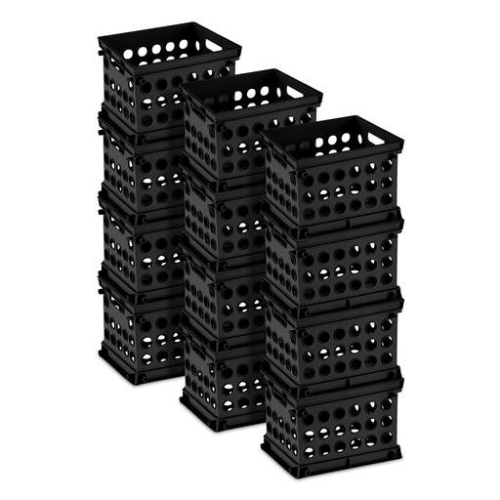
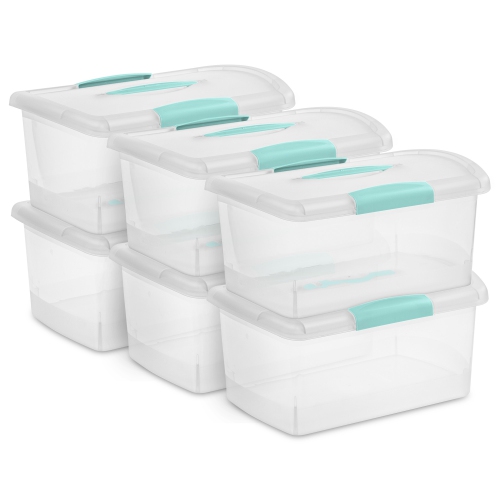
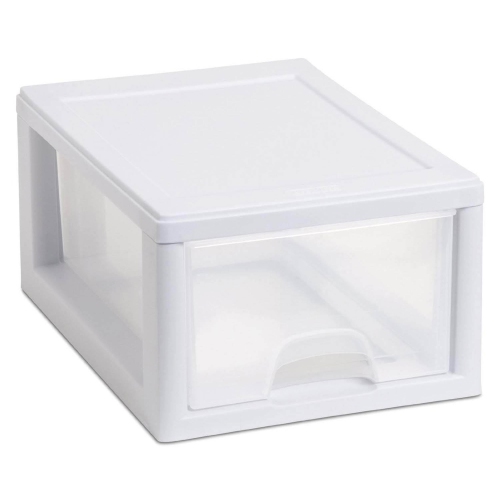
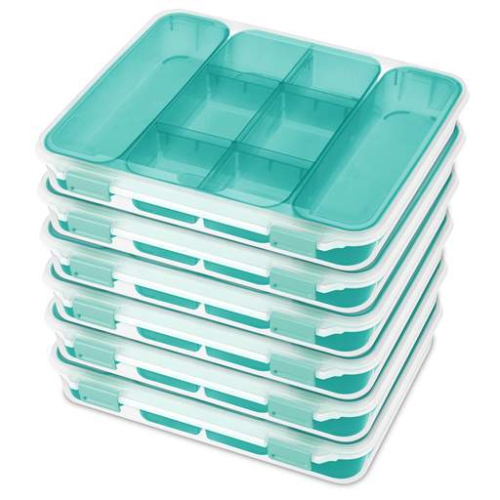
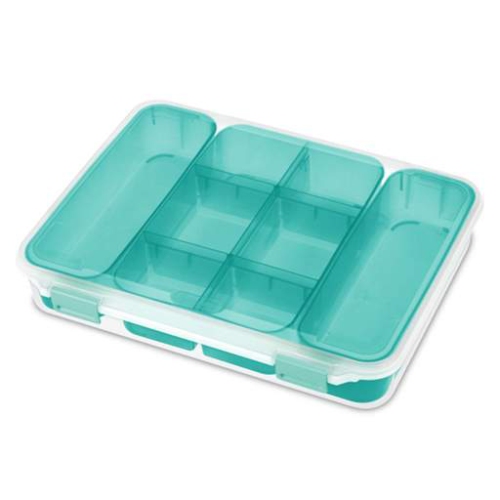
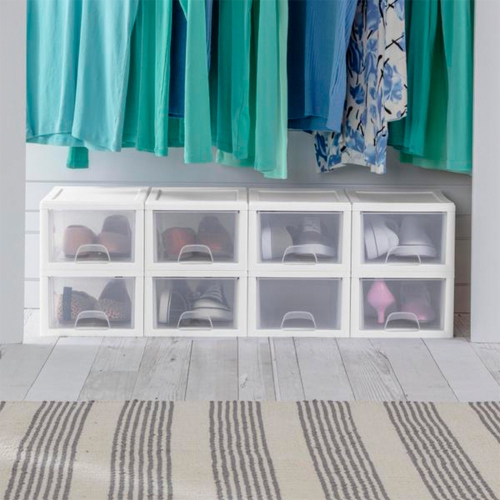
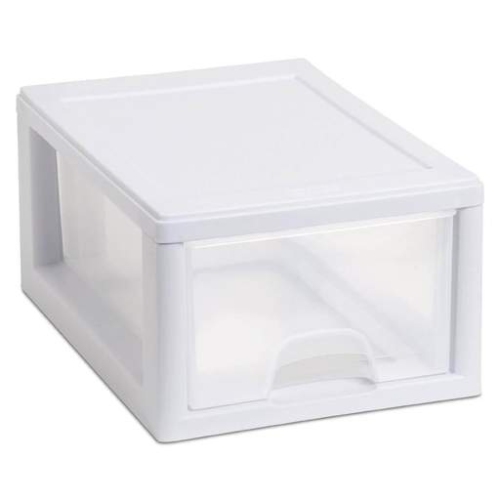
Storage solutions for small businesses help turn limited floor space, crowded cupboards, and busy work surfaces into practical places for supplies, paperwork, tools, and equipment. Shelving, cabinets, drawer units, and storage bins each serve a different purpose, from keeping packing materials beside a dispatch table to separating small components at a repair bench. The most useful combination reflects how a business operates: a shared office needs accessible stationery and orderly files, while a creative studio may need shallow drawers for materials and taller compartments for finished work. Open shelving makes frequently used supplies easy to see and reach; enclosed cabinets keep less-used materials out of sight and help create a tidy appearance in customer-facing spaces. Clear containers make contents visible without opening each lid, while opaque containers offer a more uniform look where storage is part of the room. Small-parts organizers with divided compartments can keep fasteners, connectors, and other easily misplaced pieces separate. For an online seller working from a spare room, a compact shelving unit beside the packing surface can bring cartons, tissue paper, and labels within reach without taking over the desk. In a service office, a filing cabinet tucked beneath a suitable worktop can keep routine paperwork close while leaving more room for seating and movement. Vertical storage makes use of wall height, although the upper shelves are generally better suited to lightweight materials used less often. Frequently handled supplies belong at a comfortable reach, with heavier loads placed lower down and within the furniture’s stated limits. A broader selection of Storage Solutions can also suit businesses that share space with a home office or need coordinated organization across several rooms. Rather than relying on one large cupboard for everything, a mix of storage types can give each task a defined place and make it easier for different people to find and return supplies.
Materials, construction, and dimensions make a noticeable difference to how business storage performs through repeated daily use. Steel shelving and cabinets are often chosen for utility areas, workshops, and supply rooms because suitable designs can support substantial loads and stand up to regular handling. Capacity varies by model, however, and a shelf’s rating is not the same as the rating for the whole unit. The strength of the frame, shelf supports, fasteners, and assembly all matter. Wood and engineered-wood storage furniture can blend more naturally with desks, reception counters, and meeting spaces, with surface finishes that range from textured to smooth. Finished edges and easy-to-clean surfaces are useful where furniture is touched often or sits beside a busy work area. Plastic bins and drawer organizers offer lightweight handling, and some designs have reinforced rims, removable dividers, or lids that help keep dust away from contents. For daily use, details such as comfortable handles, smooth drawer travel, secure shelf fittings, and replaceable labels can matter as much as overall size. Fit involves more than measuring an empty stretch of wall. Door swings, drawer clearance, baseboards, nearby outlets, and the route through the room all affect whether a cabinet or shelving unit will work comfortably in its intended location. Internal dimensions are especially important for file folders, document boxes, equipment cases, and other materials that need a precise fit; external measurements do not reveal how much usable room remains behind doors or between drawer sides. Adjustable shelves allow compartments to accommodate different heights, while modular units can provide flexibility when a workspace is rearranged. Mobile storage carts can bring supplies between workstations, provided their wheels suit the floor surface and their dimensions allow safe passage. Locking castors help hold a cart in place during use, but the load must still remain balanced and within its rated capacity. Tall furniture and wall-mounted storage require appropriate installation, including suitable fixings and any anchoring specified by the manufacturer. These practical details help distinguish storage that merely fits a room from storage that supports the work happening there.
Good small-business organization also depends on how easily a storage setup can be maintained by everyone who uses it. A straightforward arrangement groups supplies by task, with readable labels facing outward and a consistent home for shared materials. At a packing station, separate compartments for labels, tape, and protective wrapping can keep the worktop clear without putting essentials out of reach. In a design studio, shallow drawers can separate paper samples and small tools, while larger compartments hold bulkier materials without forcing them into a tight space. A repair business may benefit from removable bins that bring selected components to the bench and return to the same position afterward. Colour-coded containers can help distinguish departments or tasks, particularly when paired with written labels so the system does not depend on colour alone. Paperwork needs its own considerations: letter- and legal-size files require compatible drawers, and frequently accessed records are easier to manage when folders remain upright and legible. Lockable cabinets can help restrict casual access to documents or equipment, although a basic furniture lock should not be treated as a substitute for a business’s broader security and privacy measures. Care requirements vary by material and finish. Regular dusting, prompt spill cleanup, and cleaning methods approved by the manufacturer help keep surfaces presentable without damaging coatings or edges. Drawer runners, castors, hinges, and shelf supports may also need periodic checks, especially in shared spaces where furniture sees frequent use. Containers should remain manageable when full, with clear access to handles and enough room to lift them without scraping nearby furniture. Nesting containers can reduce the space needed when empty, while compatible stacking designs can help keep grouped supplies orderly when used within their stated limits. For small teams, independent professionals, and home-based businesses, the value of well-chosen storage is often felt in ordinary moments: a clear desk at the start of a task, a labelled drawer that a colleague can find without asking, or a cabinet that closes neatly at the end of the day.
Materials, construction, and dimensions make a noticeable difference to how business storage performs through repeated daily use. Steel shelving and cabinets are often chosen for utility areas, workshops, and supply rooms because suitable designs can support substantial loads and stand up to regular handling. Capacity varies by model, however, and a shelf’s rating is not the same as the rating for the whole unit. The strength of the frame, shelf supports, fasteners, and assembly all matter. Wood and engineered-wood storage furniture can blend more naturally with desks, reception counters, and meeting spaces, with surface finishes that range from textured to smooth. Finished edges and easy-to-clean surfaces are useful where furniture is touched often or sits beside a busy work area. Plastic bins and drawer organizers offer lightweight handling, and some designs have reinforced rims, removable dividers, or lids that help keep dust away from contents. For daily use, details such as comfortable handles, smooth drawer travel, secure shelf fittings, and replaceable labels can matter as much as overall size. Fit involves more than measuring an empty stretch of wall. Door swings, drawer clearance, baseboards, nearby outlets, and the route through the room all affect whether a cabinet or shelving unit will work comfortably in its intended location. Internal dimensions are especially important for file folders, document boxes, equipment cases, and other materials that need a precise fit; external measurements do not reveal how much usable room remains behind doors or between drawer sides. Adjustable shelves allow compartments to accommodate different heights, while modular units can provide flexibility when a workspace is rearranged. Mobile storage carts can bring supplies between workstations, provided their wheels suit the floor surface and their dimensions allow safe passage. Locking castors help hold a cart in place during use, but the load must still remain balanced and within its rated capacity. Tall furniture and wall-mounted storage require appropriate installation, including suitable fixings and any anchoring specified by the manufacturer. These practical details help distinguish storage that merely fits a room from storage that supports the work happening there.
Good small-business organization also depends on how easily a storage setup can be maintained by everyone who uses it. A straightforward arrangement groups supplies by task, with readable labels facing outward and a consistent home for shared materials. At a packing station, separate compartments for labels, tape, and protective wrapping can keep the worktop clear without putting essentials out of reach. In a design studio, shallow drawers can separate paper samples and small tools, while larger compartments hold bulkier materials without forcing them into a tight space. A repair business may benefit from removable bins that bring selected components to the bench and return to the same position afterward. Colour-coded containers can help distinguish departments or tasks, particularly when paired with written labels so the system does not depend on colour alone. Paperwork needs its own considerations: letter- and legal-size files require compatible drawers, and frequently accessed records are easier to manage when folders remain upright and legible. Lockable cabinets can help restrict casual access to documents or equipment, although a basic furniture lock should not be treated as a substitute for a business’s broader security and privacy measures. Care requirements vary by material and finish. Regular dusting, prompt spill cleanup, and cleaning methods approved by the manufacturer help keep surfaces presentable without damaging coatings or edges. Drawer runners, castors, hinges, and shelf supports may also need periodic checks, especially in shared spaces where furniture sees frequent use. Containers should remain manageable when full, with clear access to handles and enough room to lift them without scraping nearby furniture. Nesting containers can reduce the space needed when empty, while compatible stacking designs can help keep grouped supplies orderly when used within their stated limits. For small teams, independent professionals, and home-based businesses, the value of well-chosen storage is often felt in ordinary moments: a clear desk at the start of a task, a labelled drawer that a colleague can find without asking, or a cabinet that closes neatly at the end of the day.
Top selling and popular products
-
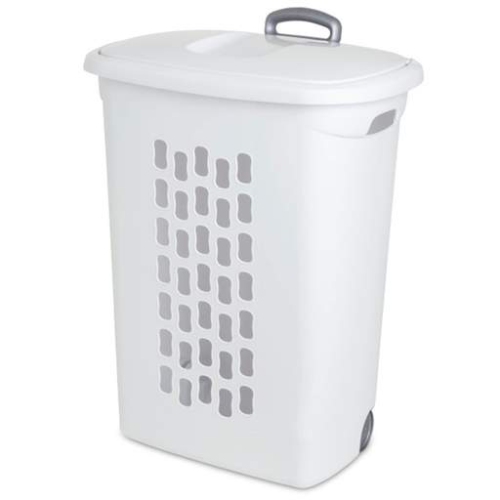 Your price for this item is $1089.99
 -
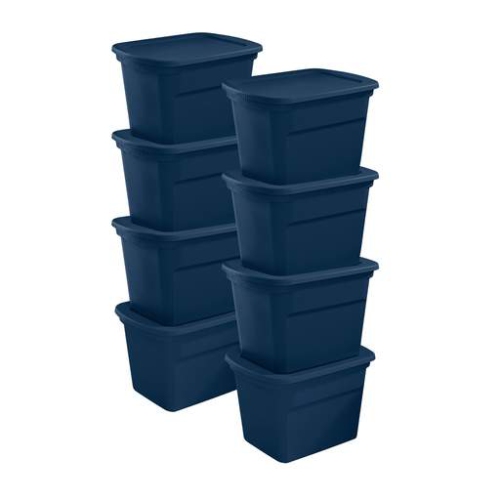 Your price for this item is $246.99
 -
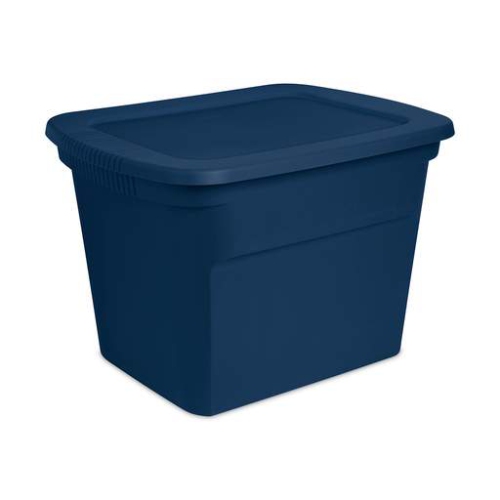 Your price for this item is $679.99
 -
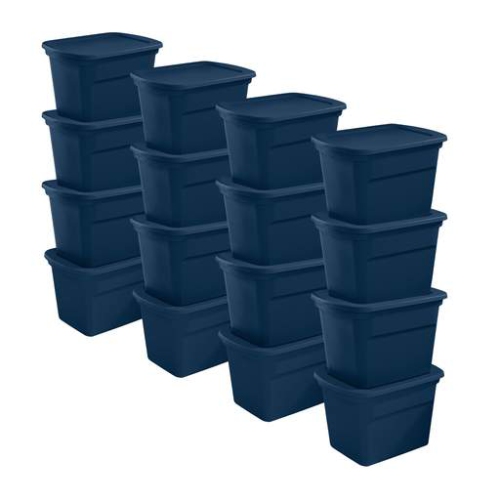 Your price for this item is $452.99
 -
 Your price for this item is $906.99
 -
 Your price for this item is $264.99
 -
 Your price for this item is $133.99
 -
 Your price for this item is $64.98
Discover more categories related to Storage Solutions for Small Businesses

Top Collections:
Pokemon Centers, Kindle Devices, Best Budget Office Chairs, Apple iPhones 16, Best Laptops for Writers, iPhone 15 Apple, Canon G7X Cameras, Refurbished Apple Laptops, Alarm Clock, Motorola Razr Phones
Some products may be subject to Environmental Handling Fees
(EHF) depending on your province.
Learn more about EHFs.