Storage Solutions
Looking for smart and stylish storage solutions to declutter your space? Look no further! Our selection of storage solutions will help you organize every room in your home with ease. Whether you need extra shelves for your living room or a sleek wardrobe for your bedroom, we have the perfect storage options to suit your needs. From innovative designs to practical solutions, our collection offers a variety of sizes, styles, and materials to match any decor and maximize your storage space.
Sort




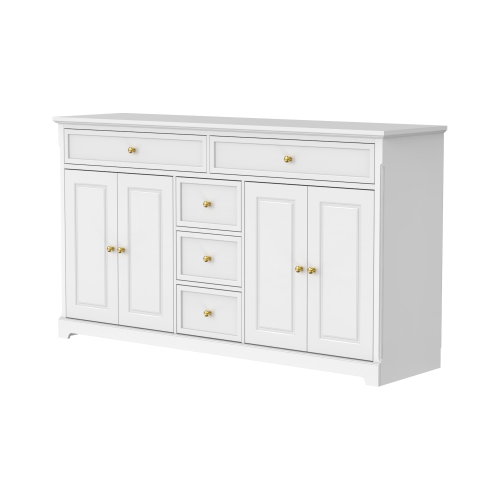
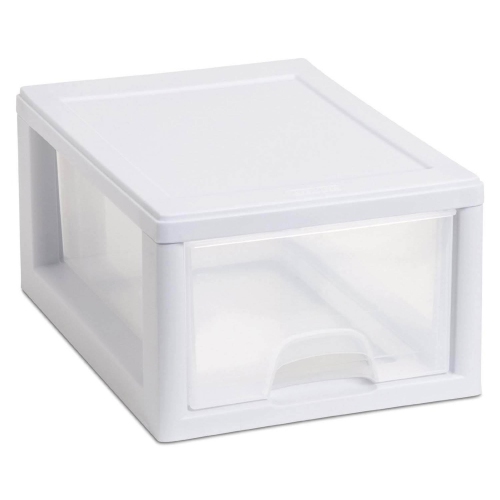
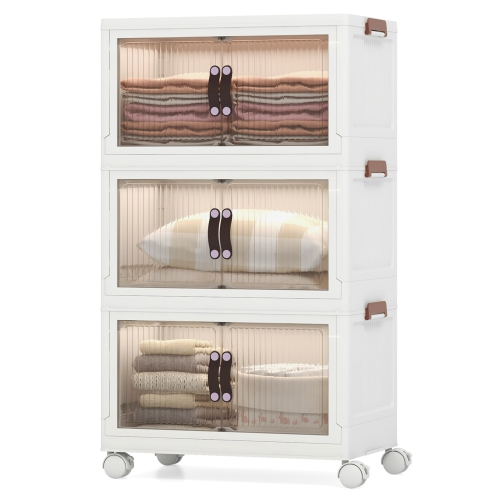
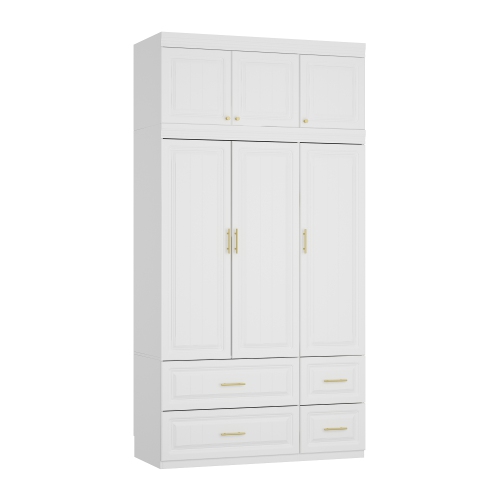
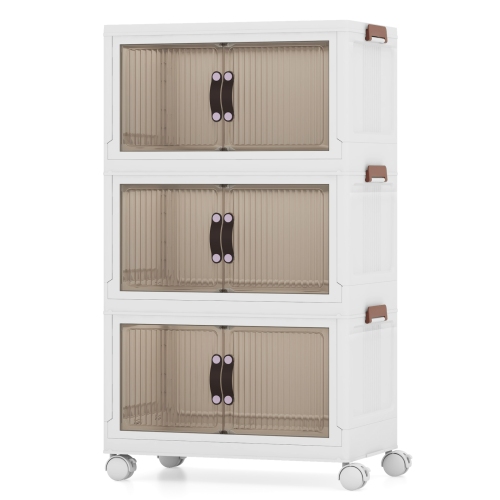
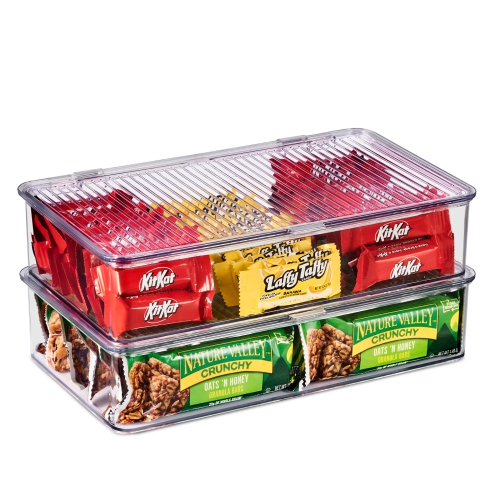
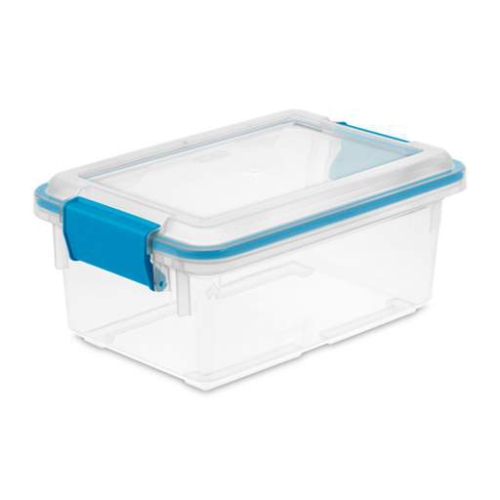



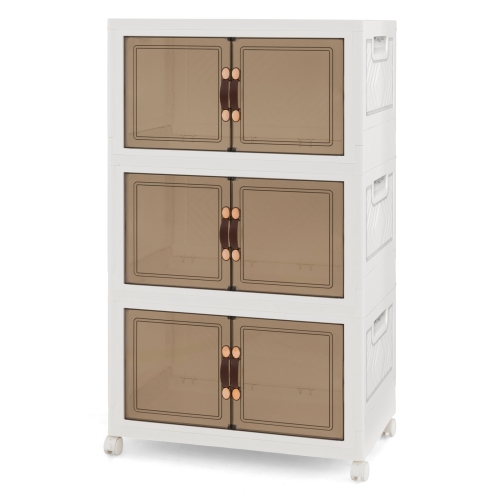
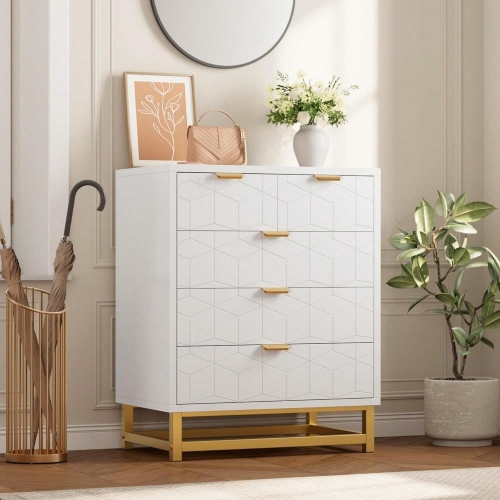
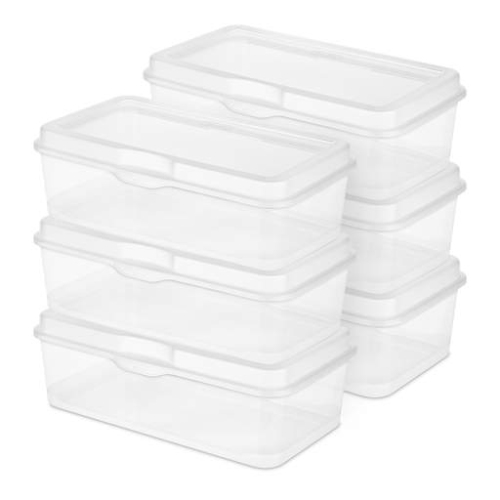
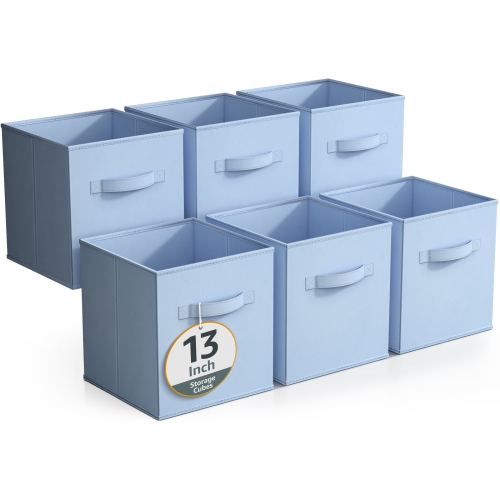
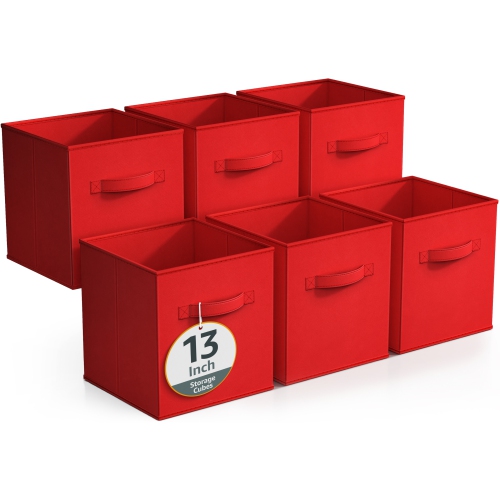
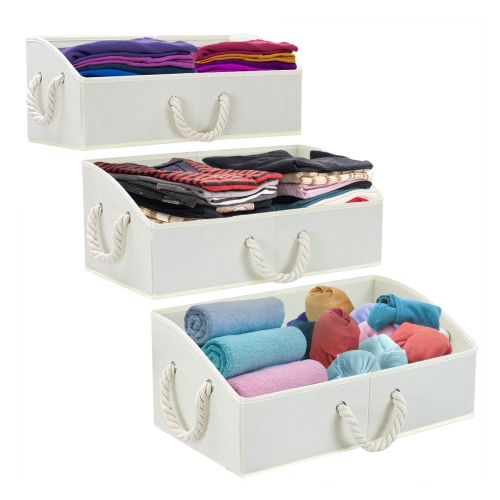
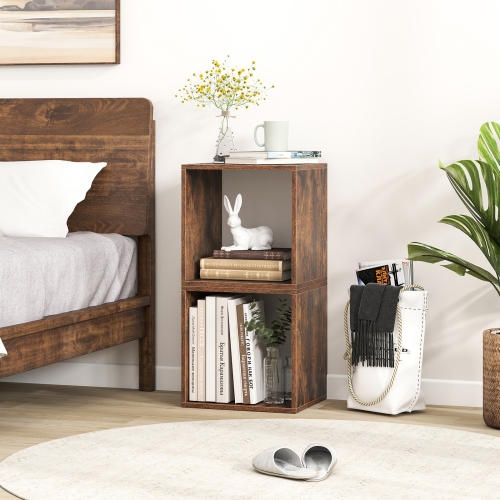

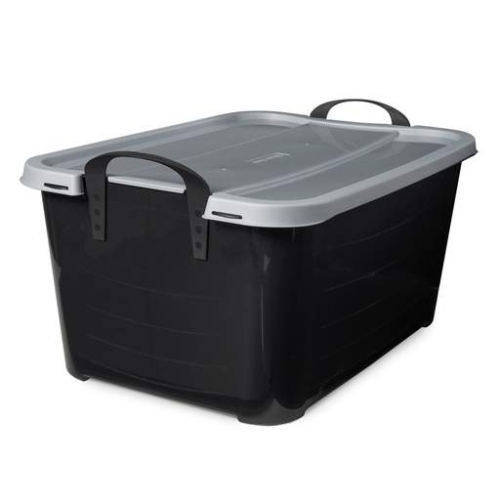
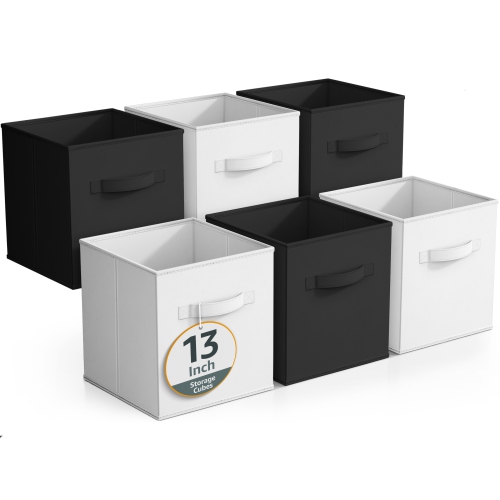
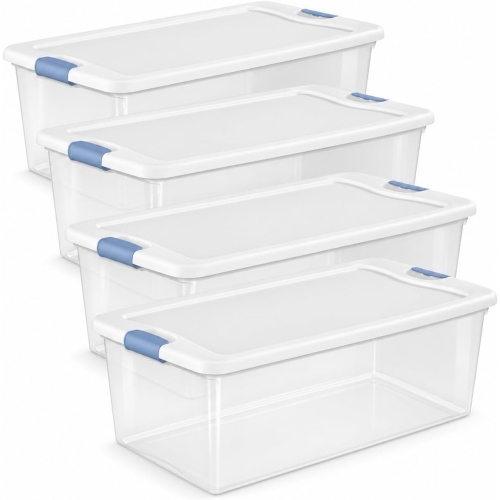
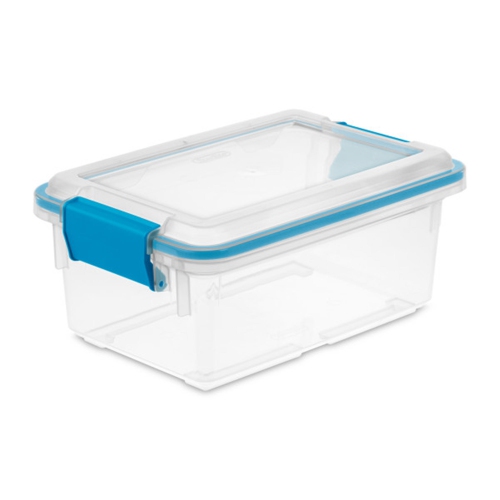
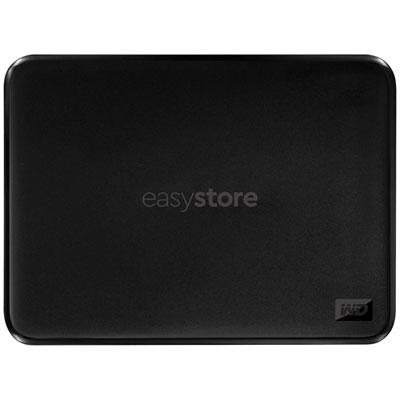
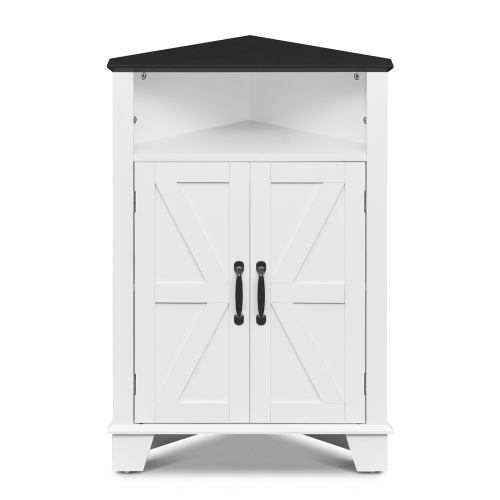
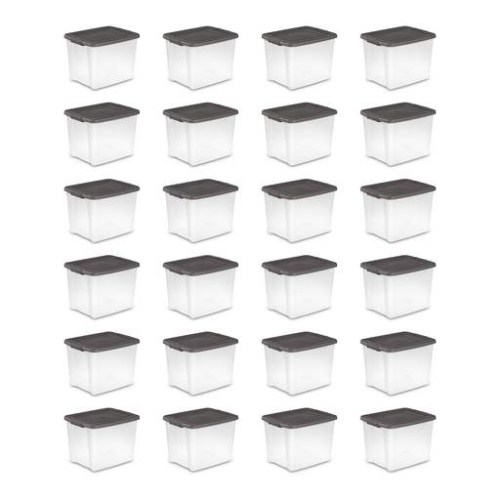


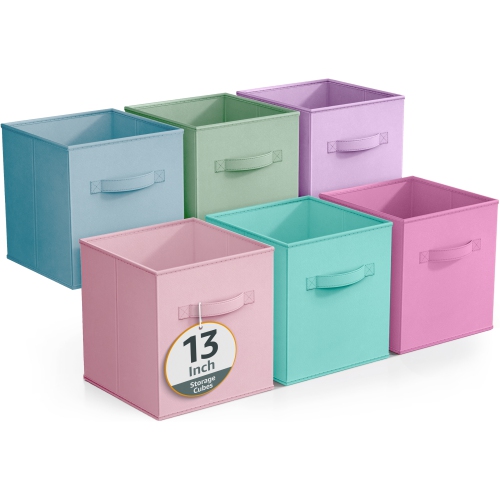
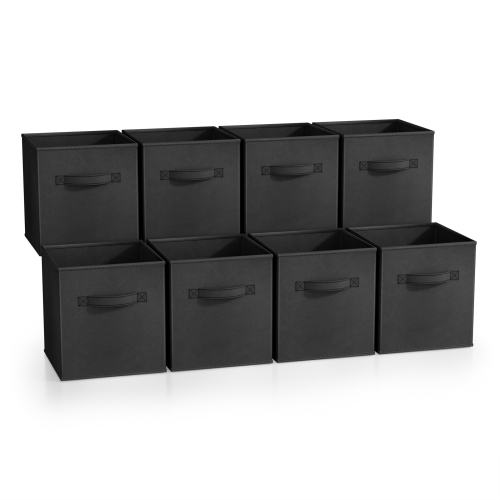
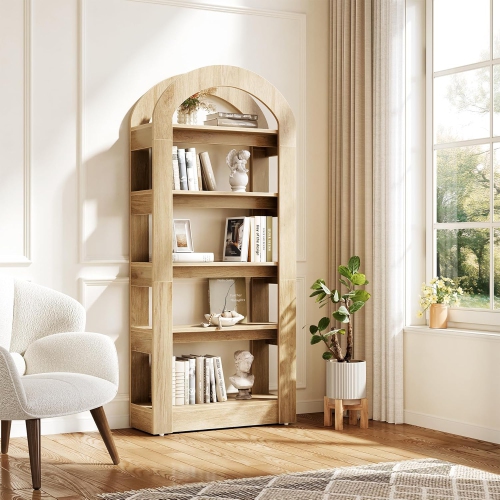
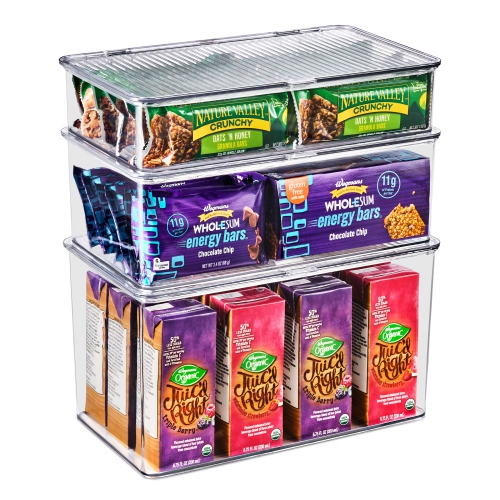

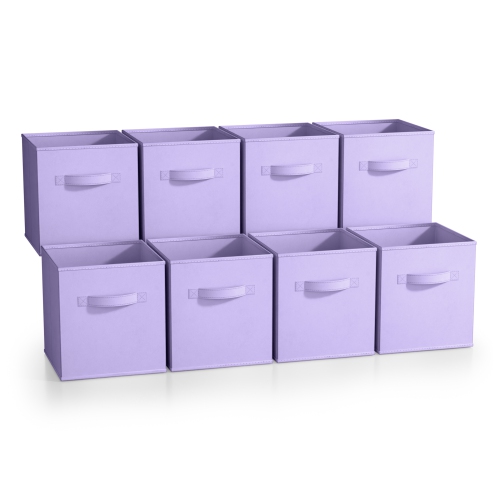
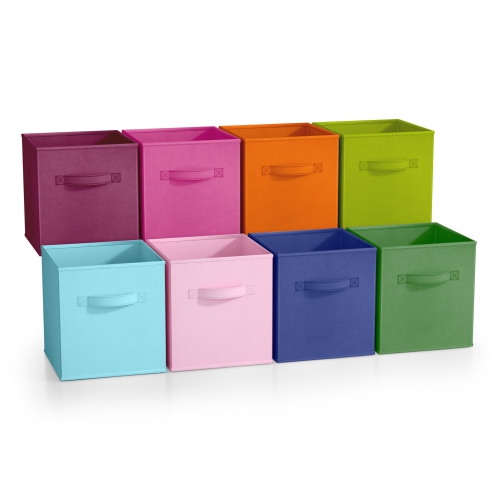
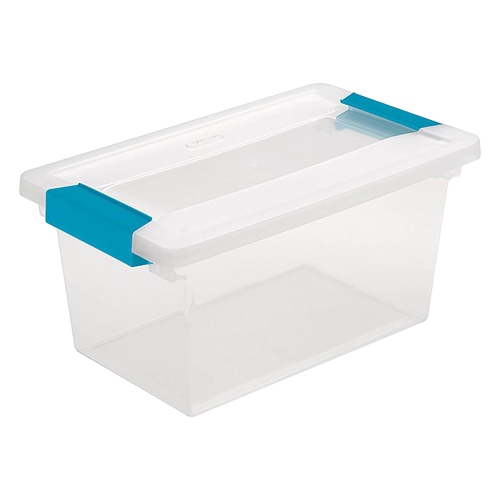
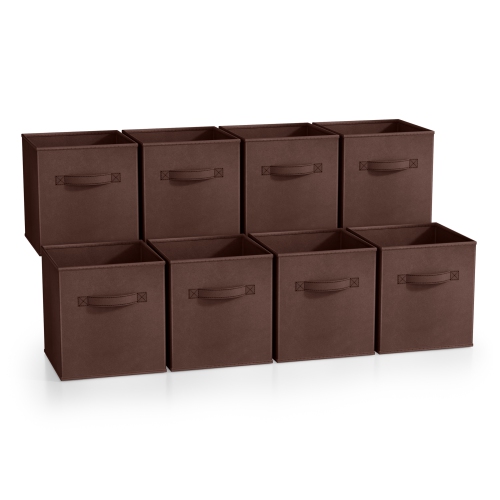
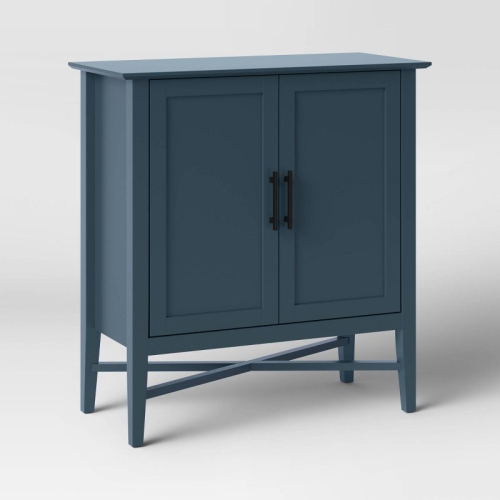
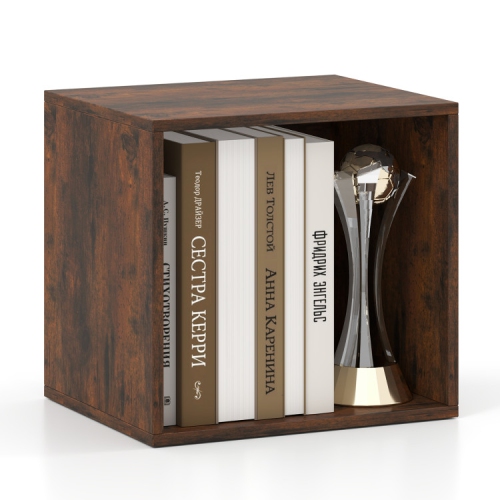
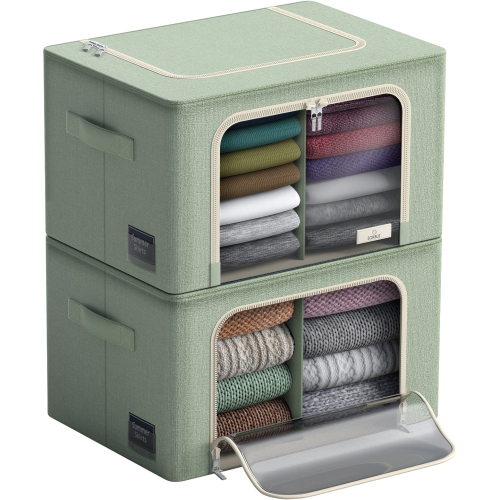
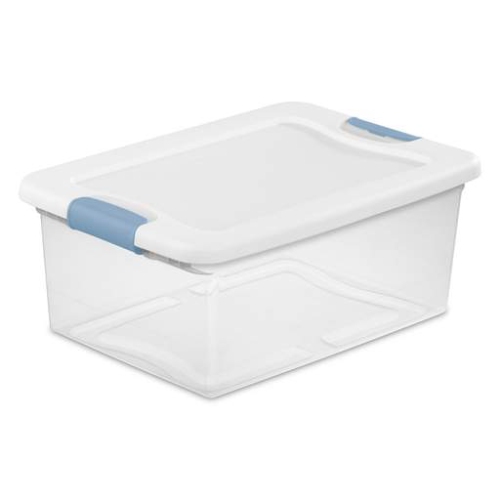
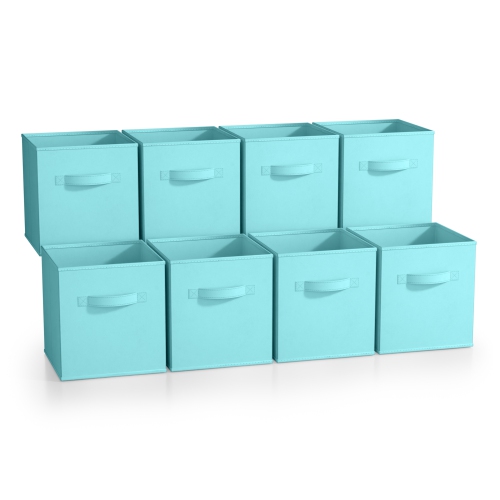
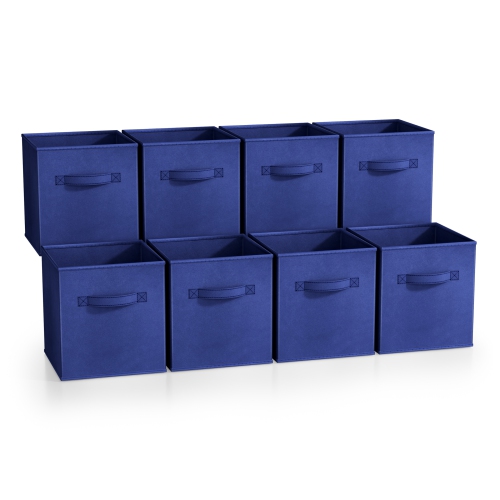
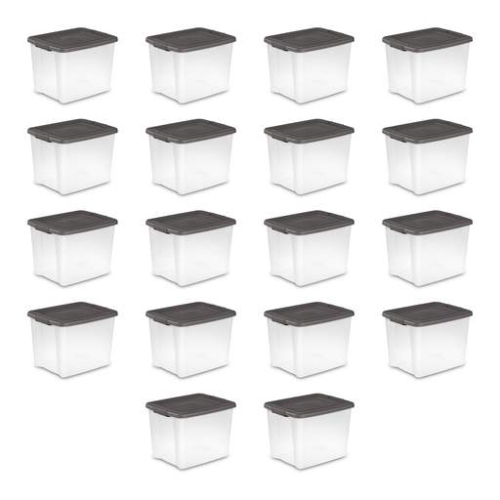
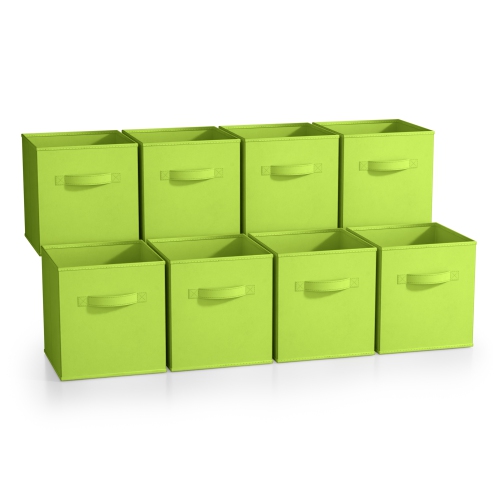
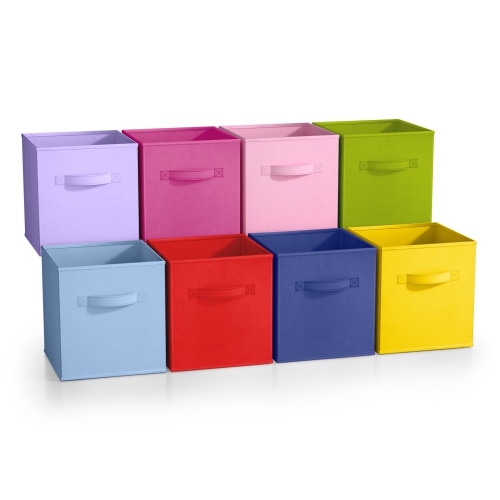
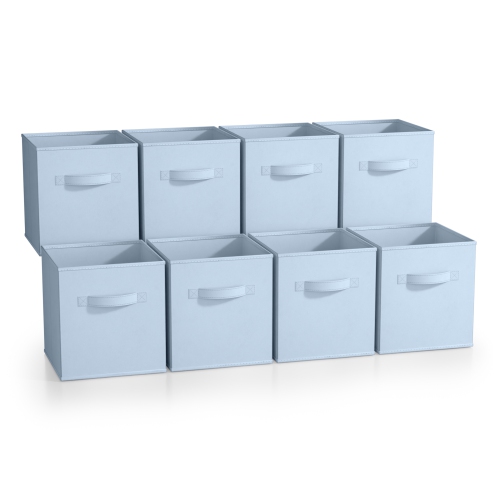
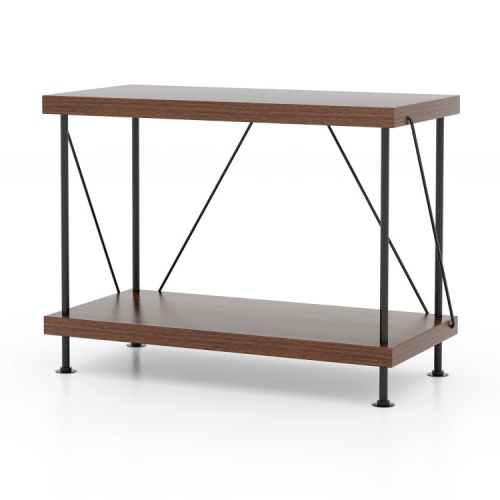

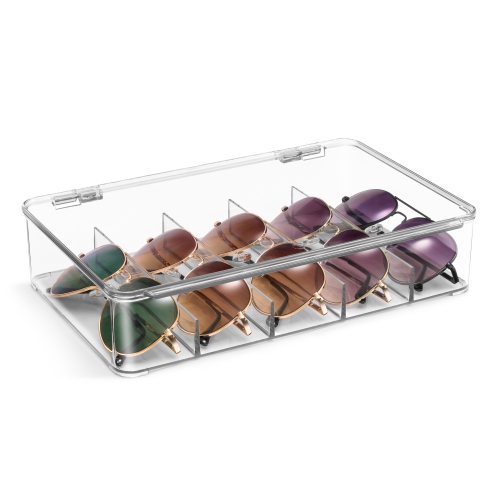
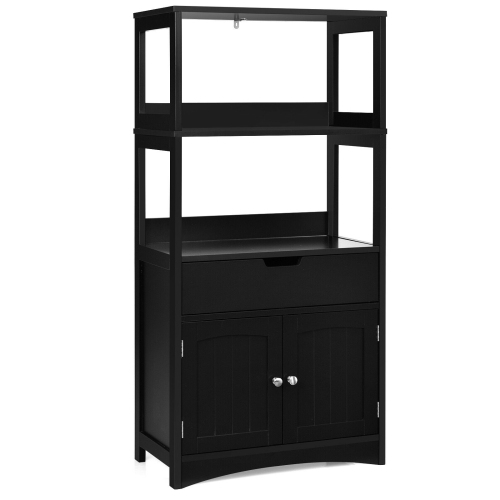
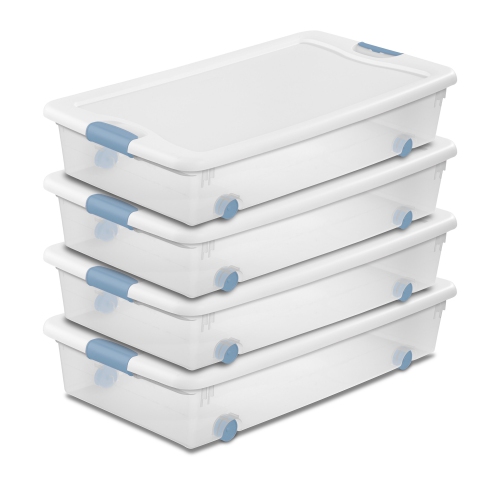
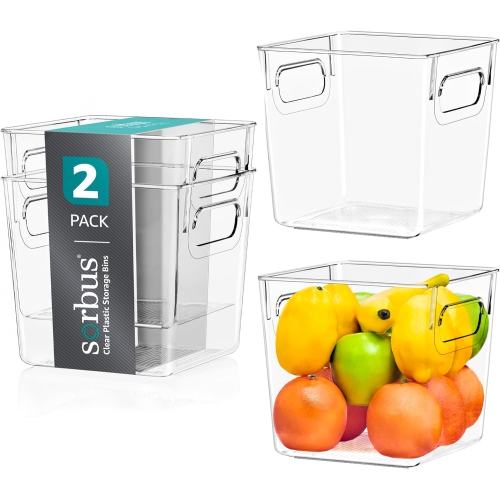
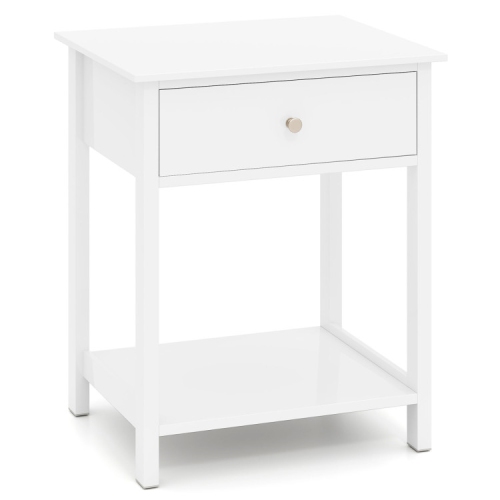

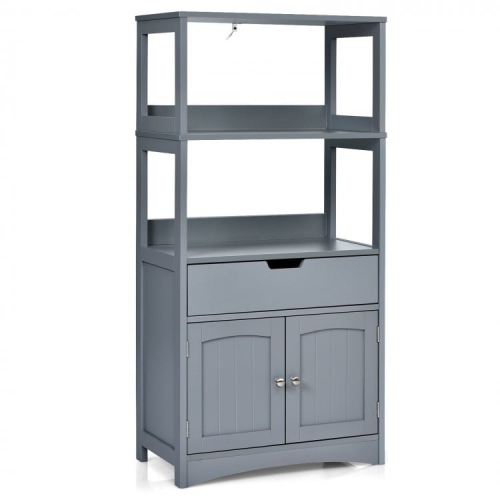
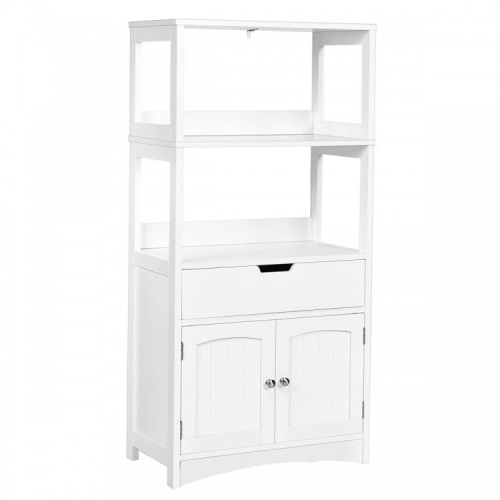
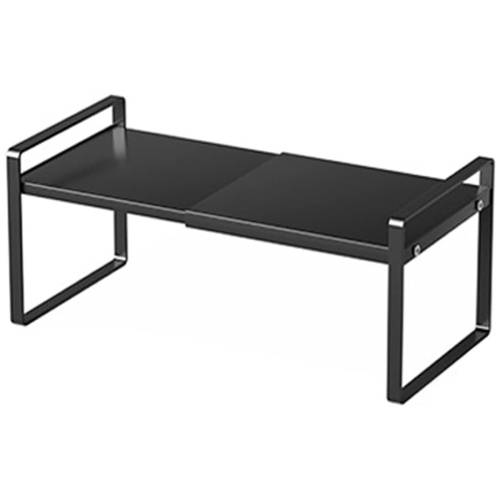
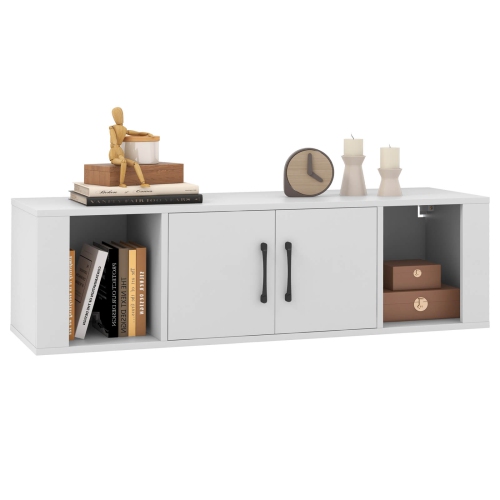
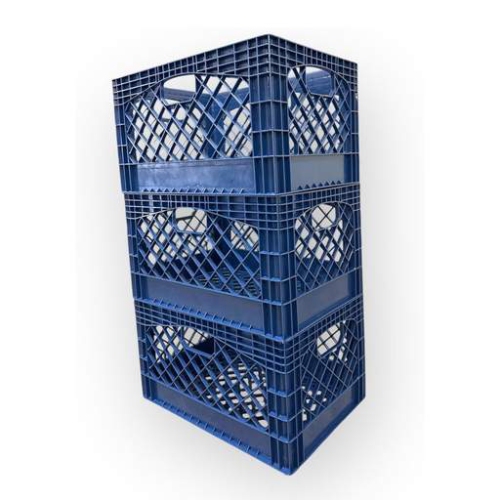
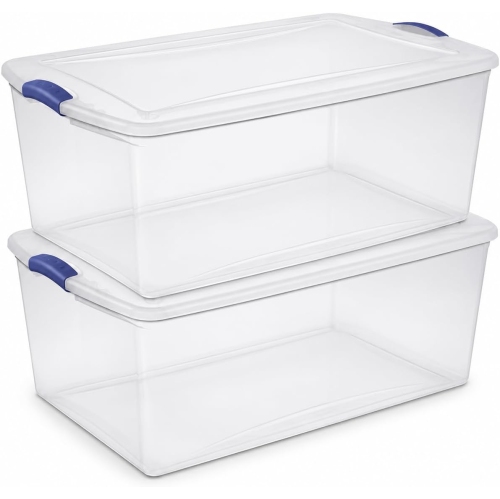
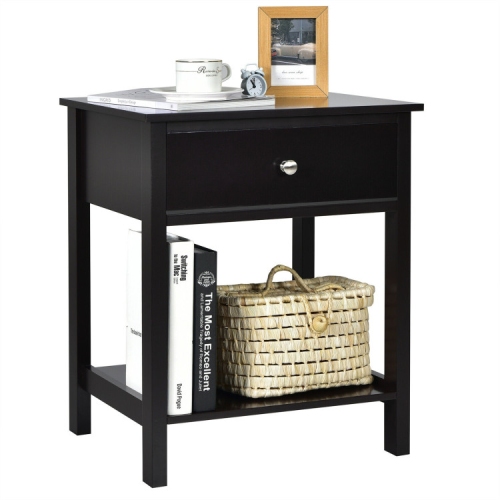
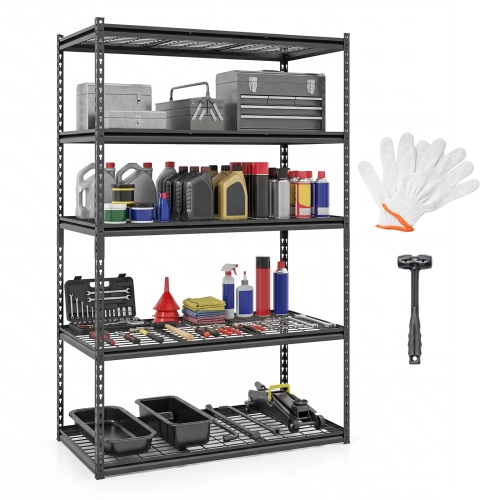
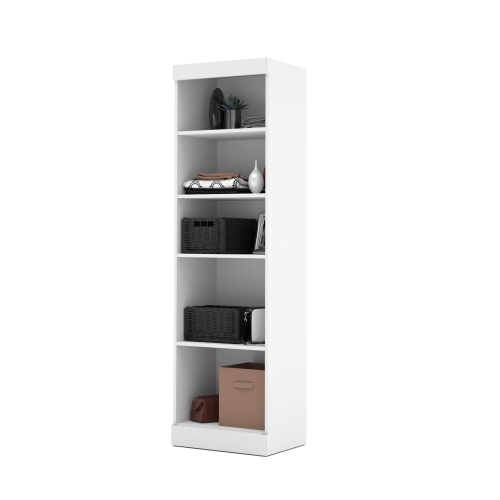
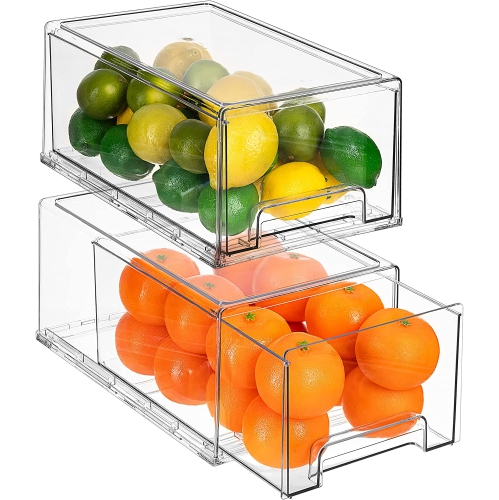
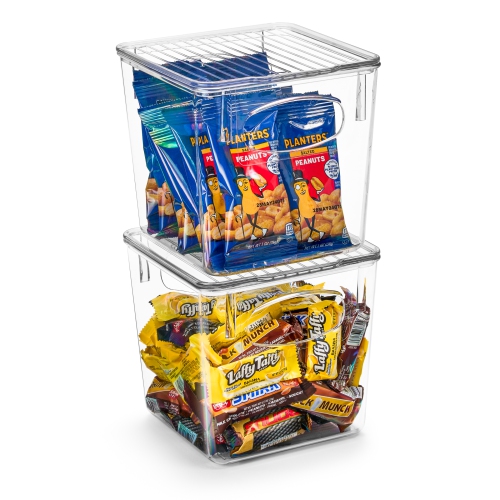
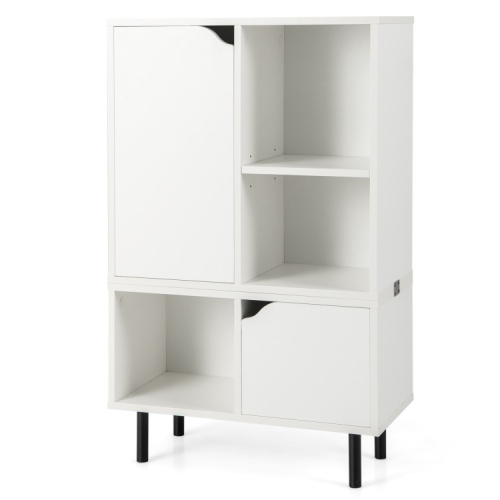
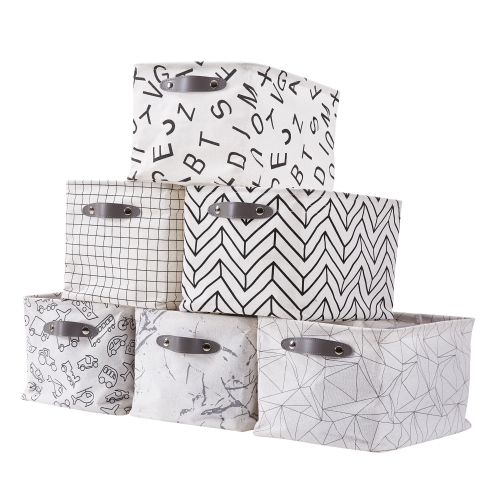

Why storage needs to fit more than your belongings
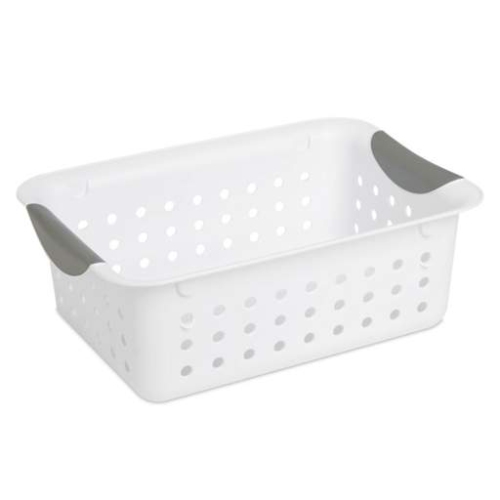
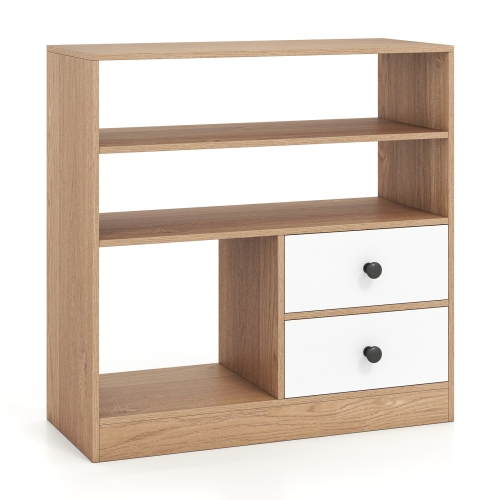
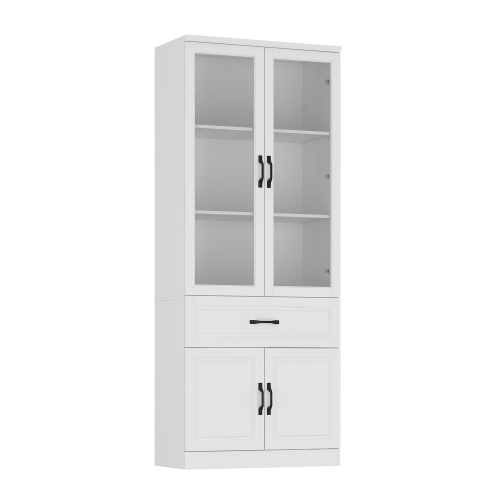
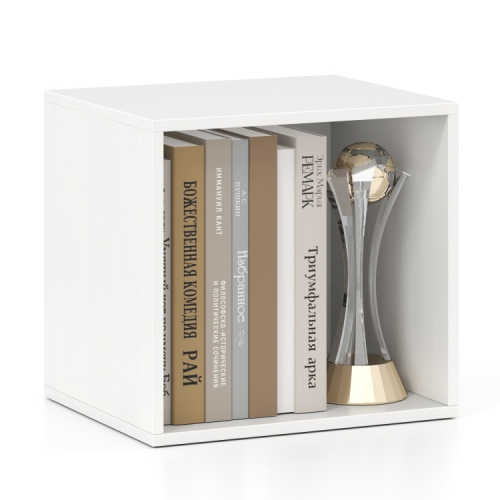
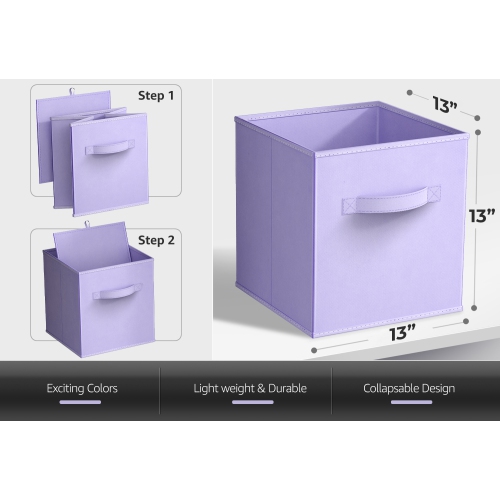
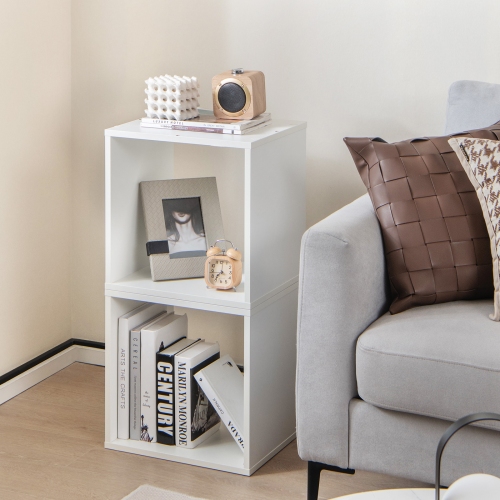
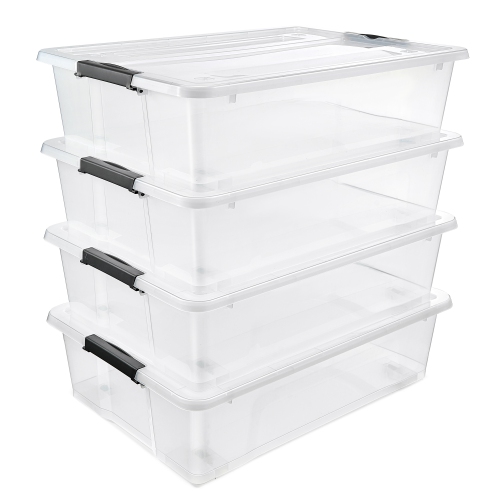
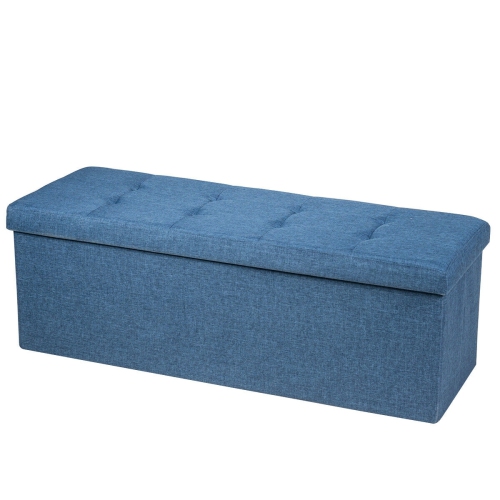
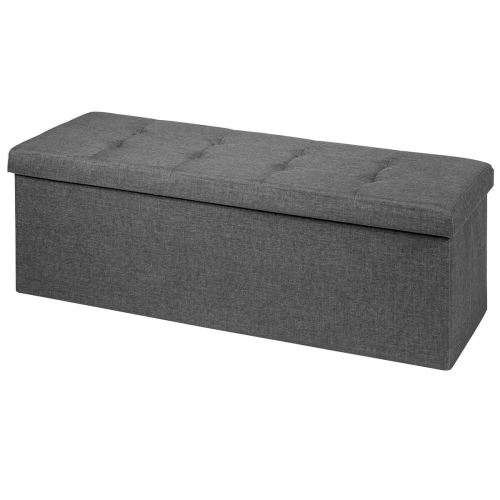
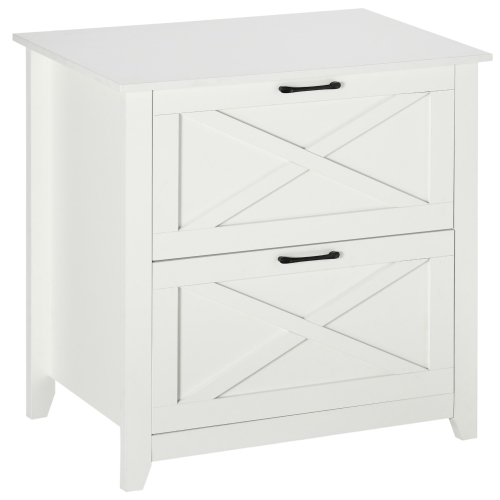
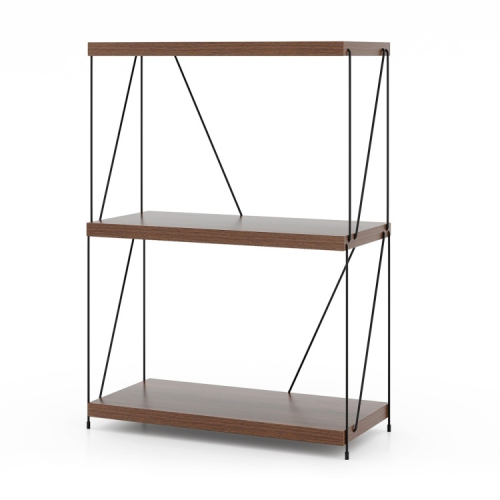
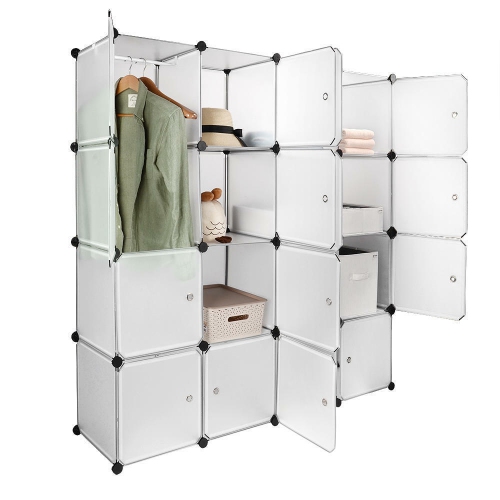
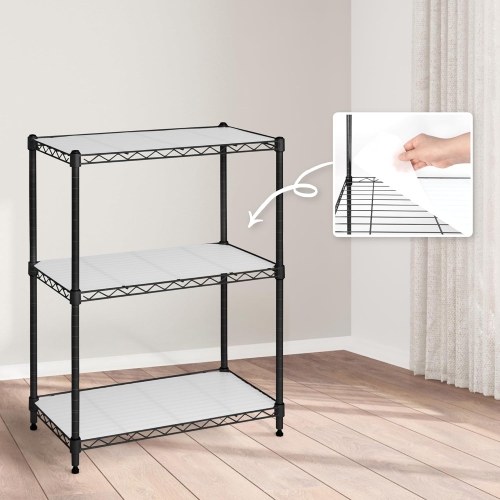
Storage solutions are furniture, shelving, containers, and organizers that give household belongings a defined place while keeping rooms comfortable to use. The most useful choice depends on what needs storing, how often it is needed, and the space around it—not simply how much a cabinet or bin can hold. Open shelving keeps books and frequently used belongings visible, while closed cabinets conceal mixed contents for a quieter-looking room. A storage ottoman can provide a place to sit and somewhere to tuck away throws; a bed with drawers can make use of floor space that would otherwise be difficult to reach. These multifunctional designs are especially practical in apartments, shared homes, and rooms that serve more than one purpose. In an entryway, shallow storage leaves room to pass through while giving footwear, bags, and everyday accessories a place near the door. In a living room, a combination of open and enclosed compartments can accommodate reading material, games, and media accessories without putting everything on display. Fit involves more than the outside dimensions of the furniture. Drawer clearance, cabinet-door swing, nearby outlets, and the height of a baseboard can all affect whether a piece works in its intended spot. A unit that fits neatly against a wall still needs enough room in front for someone to kneel, open a lower drawer, or lift out a basket. Interior measurements matter just as much: a deep shelf may hold bulky belongings but make smaller contents harder to see. Adjustable shelves offer flexibility when the mix of belongings changes, while shallow compartments help prevent everyday essentials from disappearing behind larger objects. For people furnishing a first home, combining households, or adapting a room for a growing family, storage that supports familiar routines is often easier to maintain than an elaborate system. A landing place for a work bag, a reachable shelf for a favourite book, and a clear path across the room can make organization feel like part of daily life rather than another task.
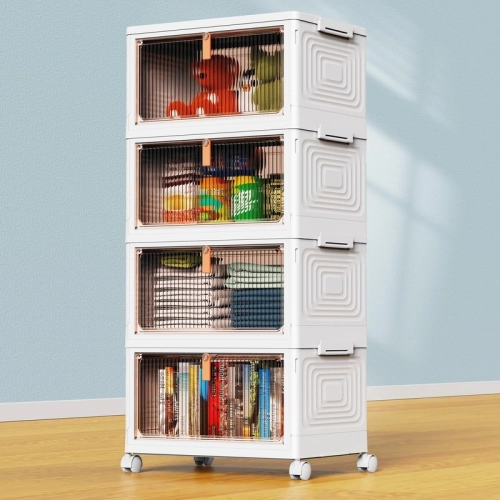
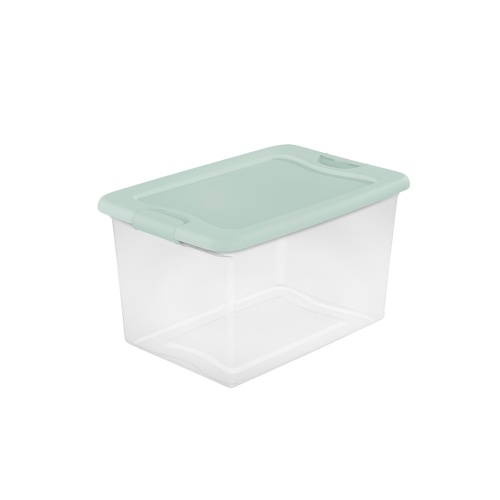
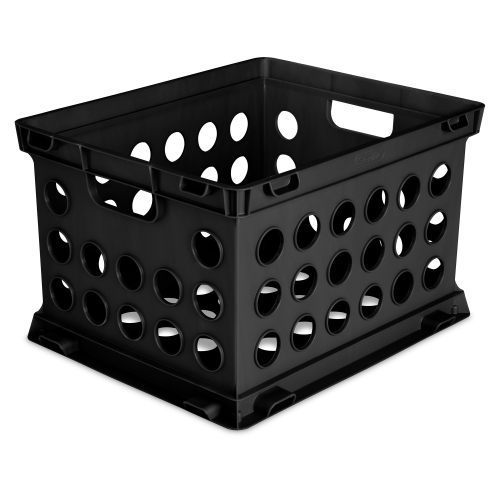
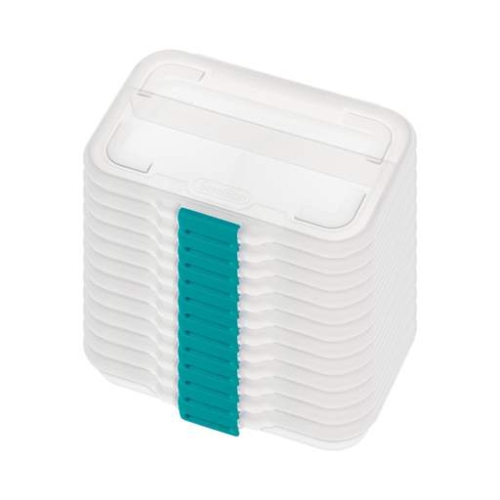
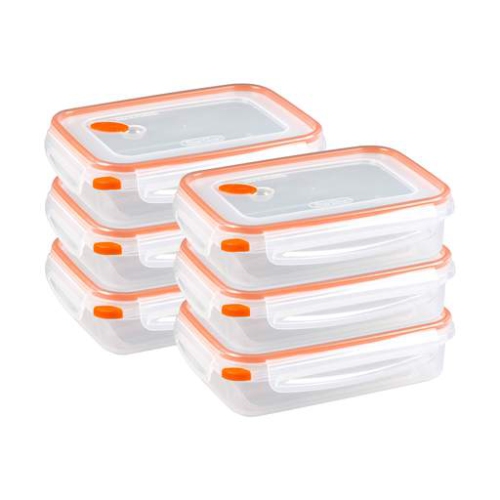
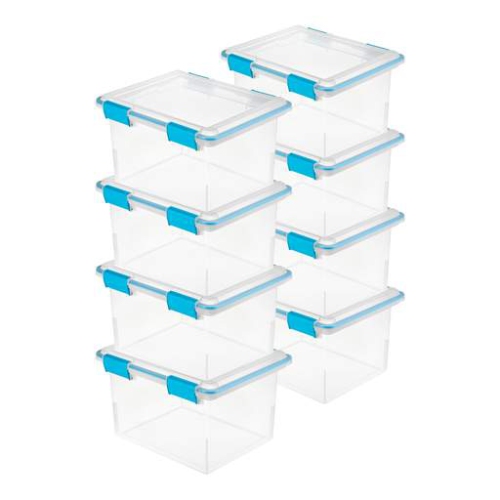
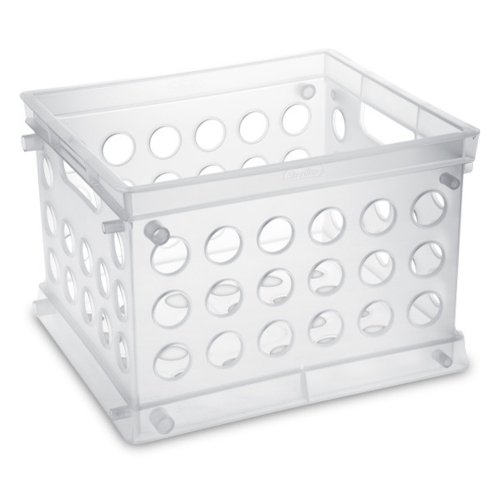
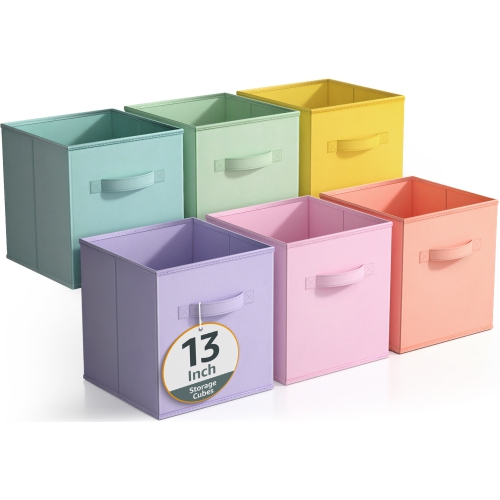
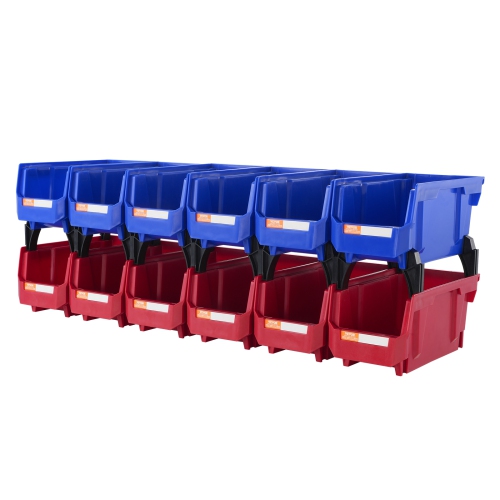
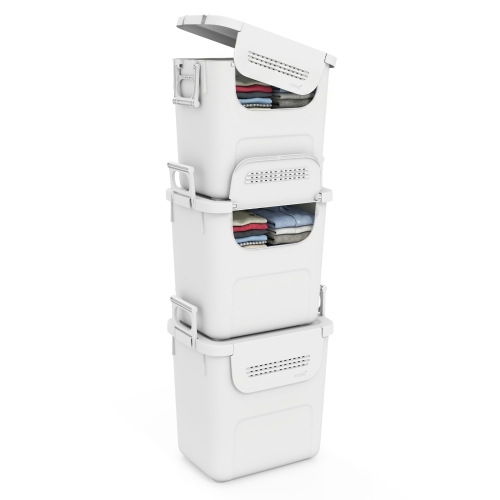
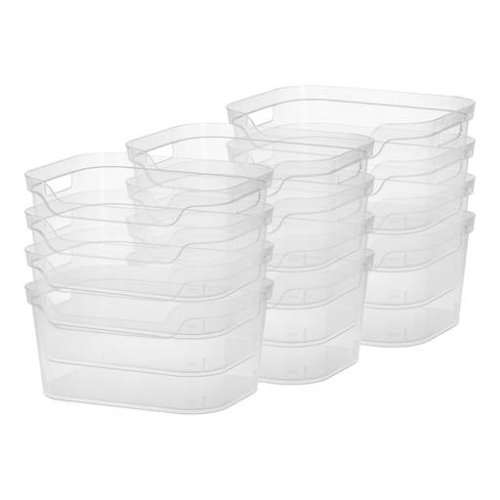
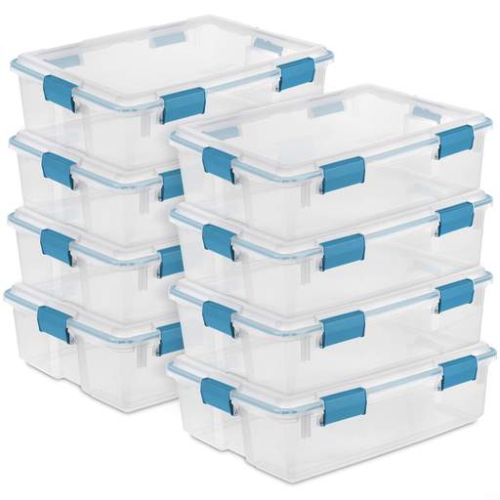
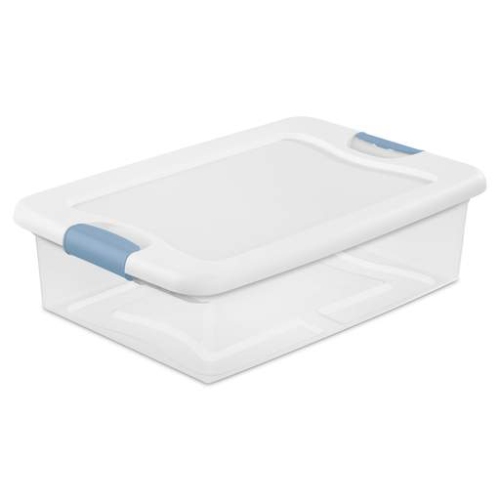
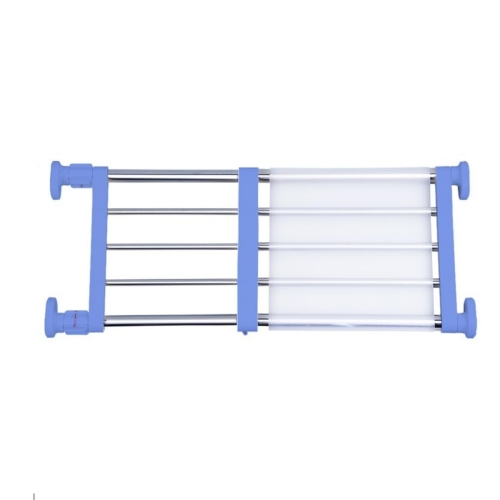
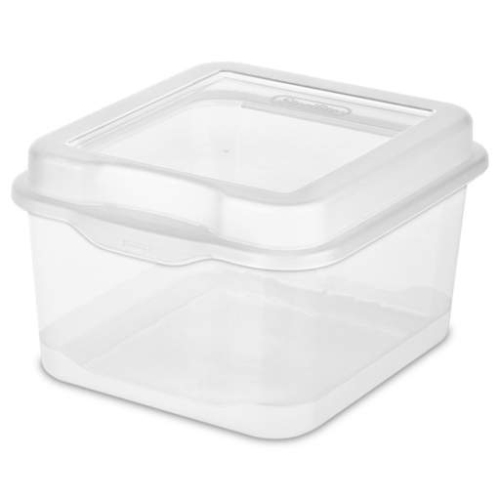
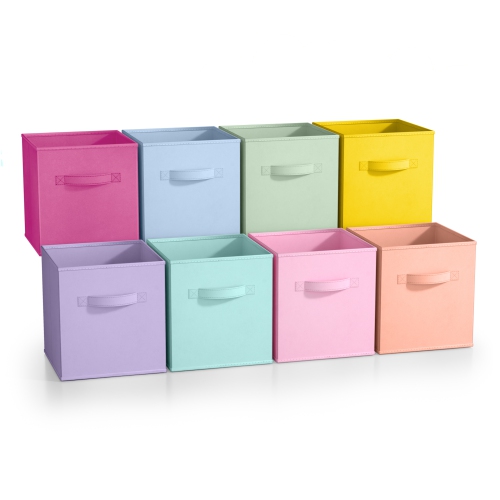
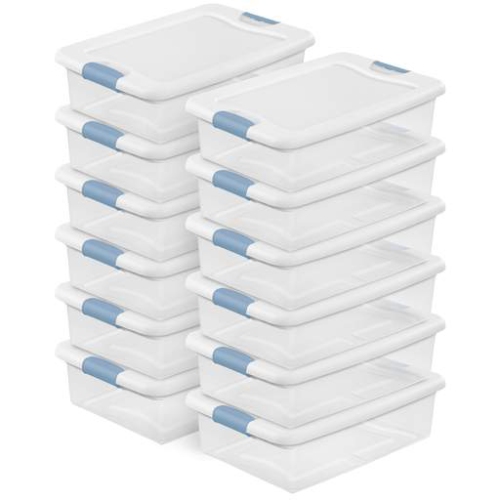
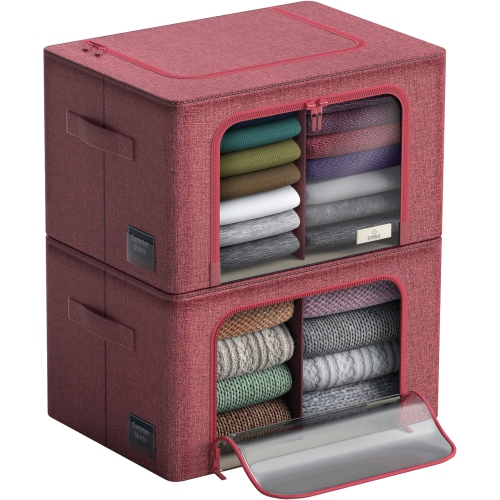
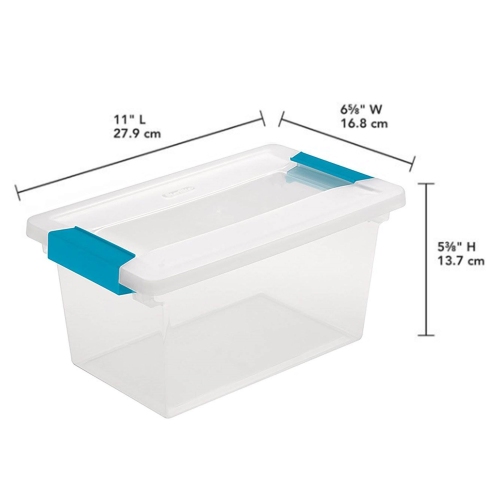
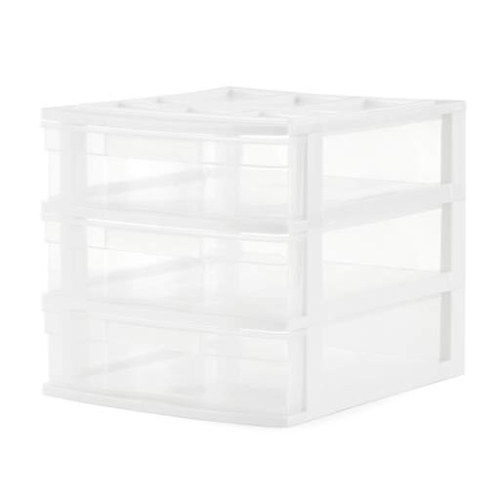
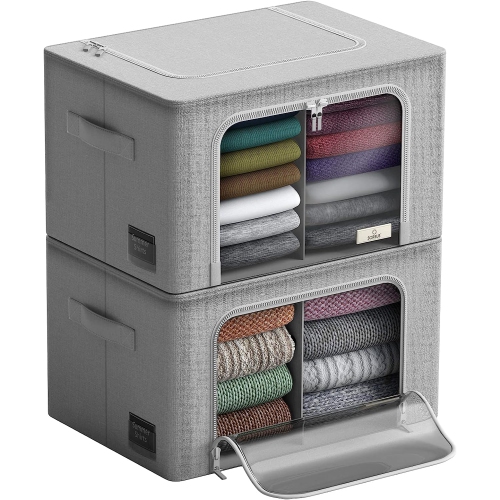
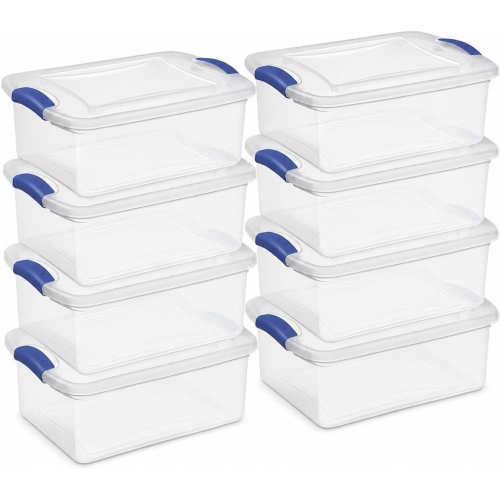
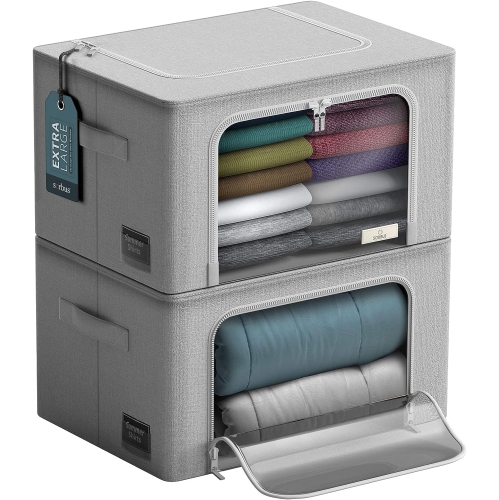
Different rooms place different demands on home storage. In a closet, hanging space suits clothing that benefits from staying unfolded, while drawers, shelf dividers, and compartment organizers separate smaller belongings. A second hanging level can make better use of the space beneath shorter garments, provided there is enough clearance for both rows. Stackable containers use vertical space, but frequently accessed contents are easier to manage when opening one container does not require moving several others. Clear sides make contents visible at a glance; opaque bins offer a more uniform appearance on exposed shelves. Labels help distinguish similar containers, particularly when more than one person uses the same cupboard. In kitchens, useful storage accounts for both the dimensions of the cupboard and the way its contents are handled. Pull-out designs bring the back of a deep cabinet within reach, while tiered organizers make smaller containers easier to see. Countertop storage works best when it leaves enough open surface for food preparation and does not obstruct nearby outlets or appliances. Bathroom storage has different practical concerns, including splashes, cleaning access, and clearance around plumbing. Finishes described by the manufacturer as suitable for damp locations are more appropriate there than untreated materials that readily absorb moisture. Utility rooms and garages often need shelving designed for heavier loads, along with containers that can tolerate regular lifting and handling. A shelf’s stated weight capacity applies under the manufacturer’s specified conditions, including correct assembly and suitable installation. Heavy belongings belong on lower levels to reduce awkward lifting and help keep the arrangement stable. Wall-mounted systems also depend on compatible mounting hardware and the wall structure behind them. Across these spaces, a little unfilled capacity makes it easier to put belongings away without forcing a drawer shut or balancing something on top of a crowded shelf. Storage that leaves contents visible, reachable, and straightforward to return is particularly helpful in busy households where several people share the same space.
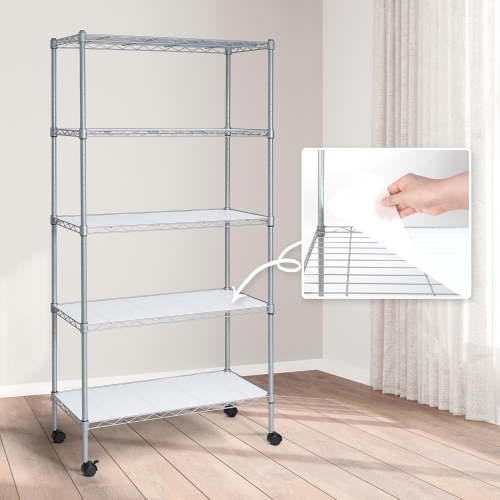
Work areas benefit from storage that separates active tasks from supplies that are only occasionally needed. Storage Desks combine a desktop with drawers, shelves, or enclosed compartments, helping keep stationery, paperwork, and computer accessories close without covering the work surface. The arrangement matters as much as the amount of storage: a drawer beside the seating position may be convenient, but it should not crowd legroom or interfere with the chair. Open compartments can accommodate equipment that needs ventilation, provided the equipment manufacturer’s clearance requirements are met. Cable openings and accessible outlets can also make a workspace easier to organize without trapping cords behind furniture. Throughout the home, materials influence appearance, weight, upkeep, and how well storage handles repeated use. Solid wood brings natural grain and variation, while engineered wood with a laminate or other protective finish can provide a consistent appearance and a surface suited to routine wiping, depending on its care requirements. Metal shelving can suit utility spaces, although its load rating, finish, and construction still determine its intended use. Fabric bins are useful for lightweight, soft contents, while rigid containers retain their shape when moved or stacked as directed. Woven textures add visual interest to open shelving, but their uneven surfaces may be less suitable for tiny loose belongings without an interior liner. Smooth drawer runners, firmly attached handles, supported shelves, and well-fitted joints are useful signs of construction quality, though appearance alone does not establish capacity or durability. Care should follow the material and finish: prompt attention to spills, suitable cleaning products, and drying after wiping help prevent avoidable damage. Tall storage furniture should be anchored according to the manufacturer’s instructions, and doors, drawers, and lids should be used within their stated limits. For families, students, remote workers, and hobbyists alike, effective organization comes from matching storage to real habits. The result is not necessarily an empty-looking room, but one where the belongings that matter are protected, easy to find, and simple to put away.
Top selling and popular products
-
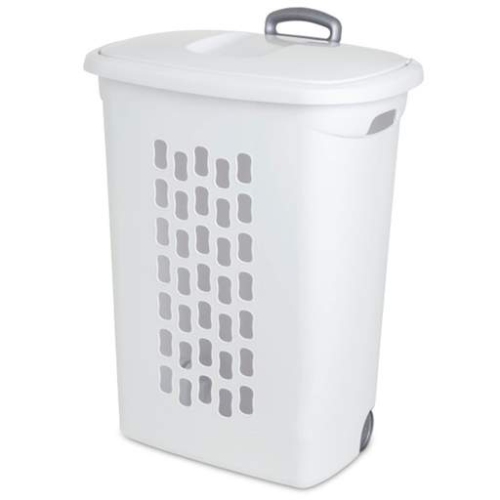 Your price for this item is $698.99
-
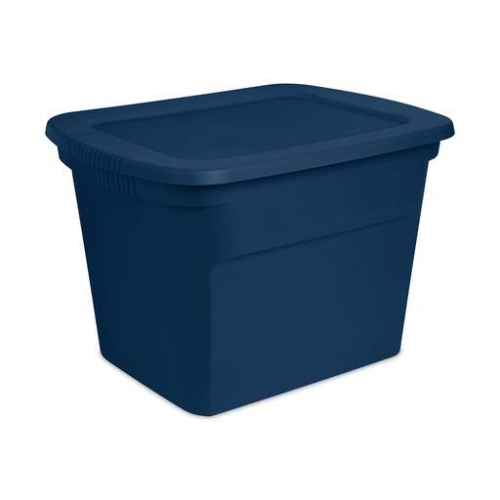 Your price for this item is $1146.99
-
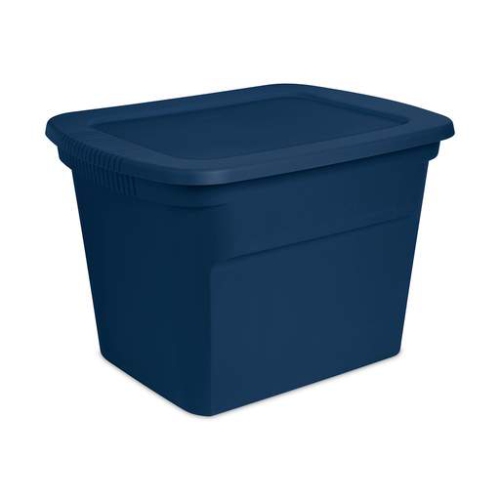 Your price for this item is $859.99
-
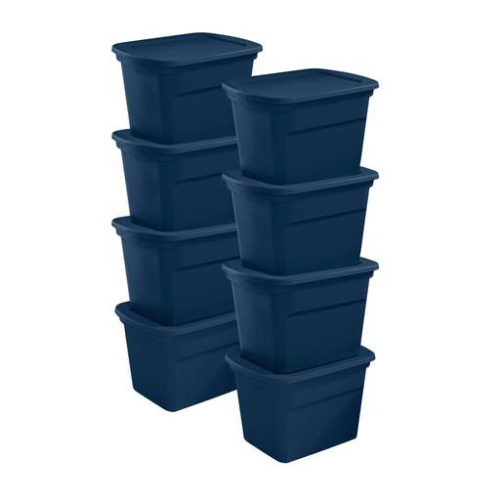 Your price for this item is $296.99
-
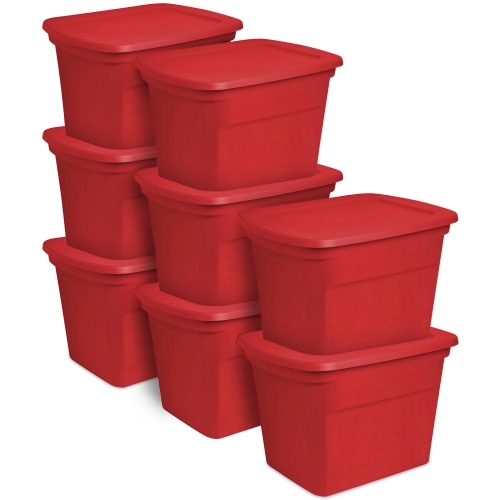 Your price for this item is $244.99
-
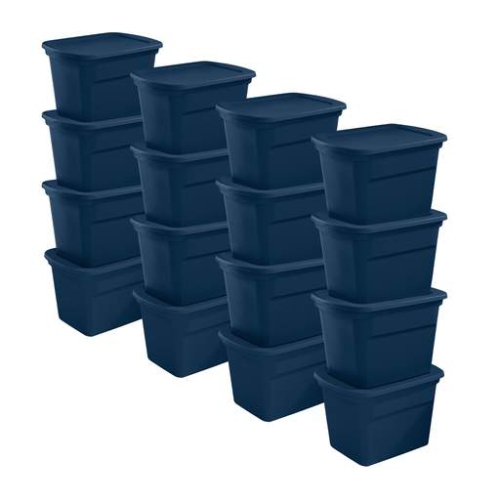 Your price for this item is $573.99
-
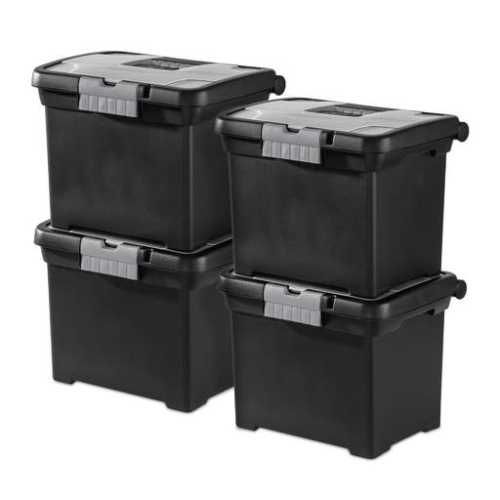 Your price for this item is $178.99
-
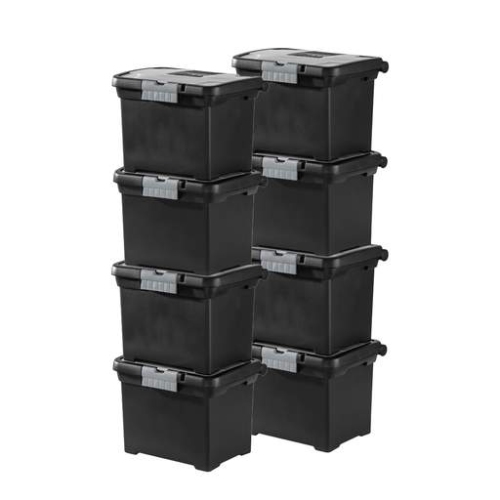 Your price for this item is $348.99
Discover more categories related to Storage Solutions

Top Collections:
Best Black Friday Deals This Year, Best Black Friday Deals On Electronics, Kindle Devices, Pokemon Centers, Best Black Friday Deals On Apple Products, Best Cameras for Sports Photography, Dyson Airwrap, Pokémon 30th Celebration Cards, Apple iPhone 17 Pro, Canon G7X Cameras
Some products may be subject to Environmental Handling Fees
(EHF) depending on your province.
Learn more about EHFs.