Storage Solutions for Small Living Rooms
Maximize every inch of your space with Storage Solutions for Small Living Rooms. Discover a wide selection of versatile options designed to help you keep your living area organized and clutter-free while maintaining a stylish look. Whether you’re looking to tuck away everyday essentials or display your favorite décor, find the perfect pieces to enhance both function and comfort in compact spaces.
Sort
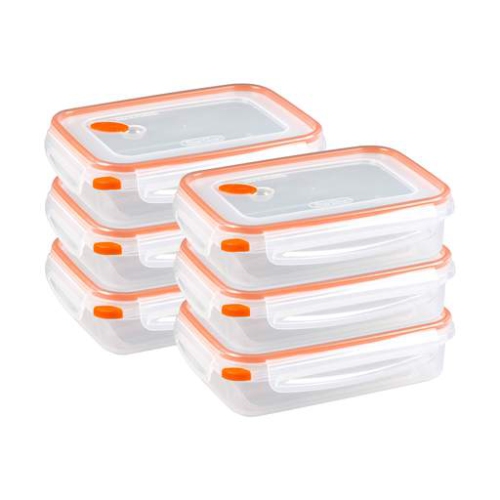
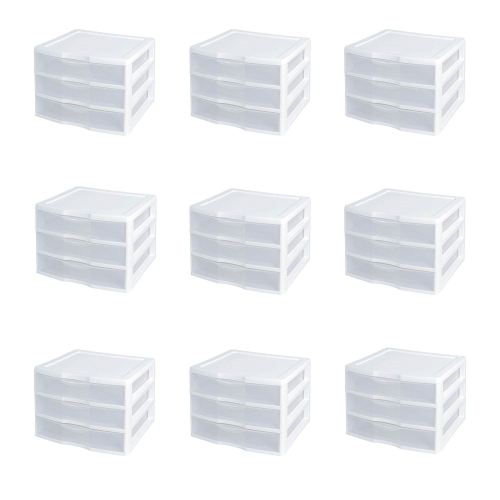
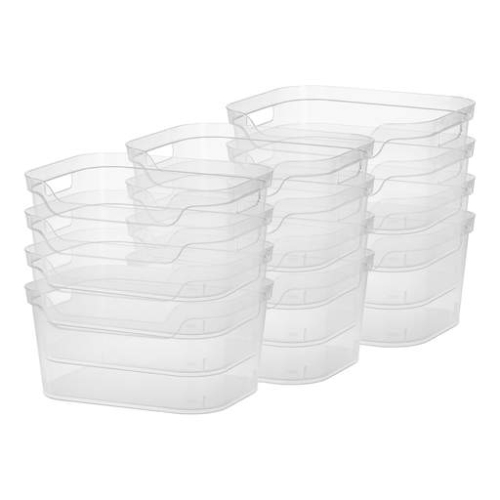
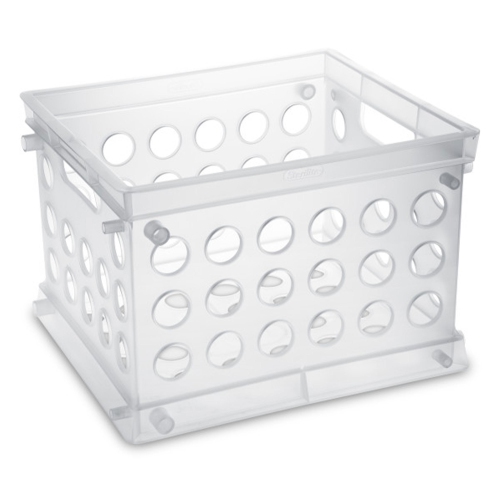
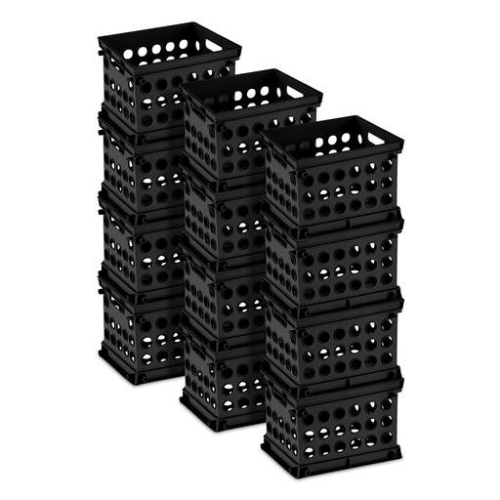
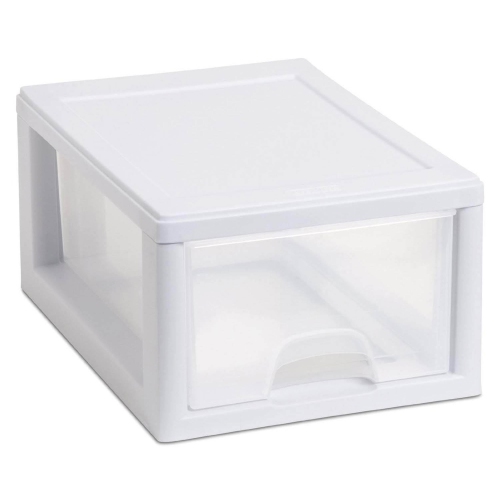

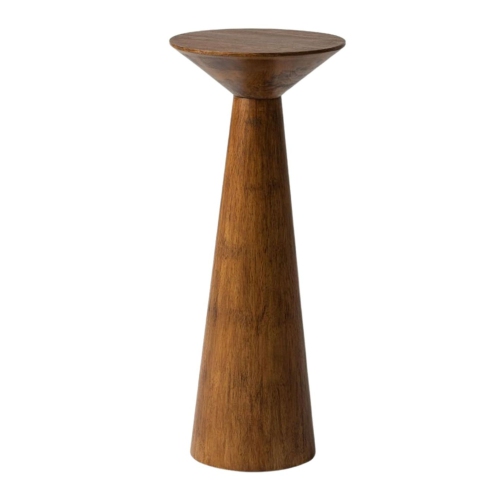
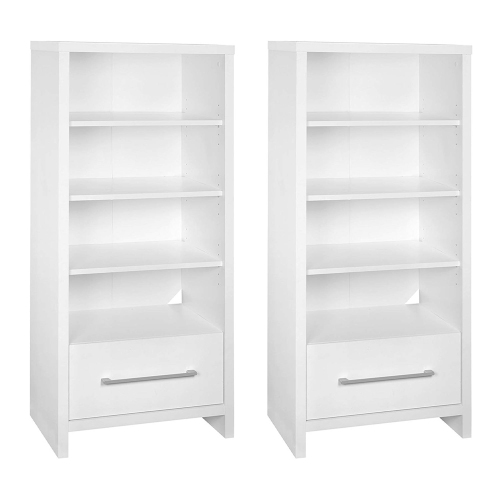
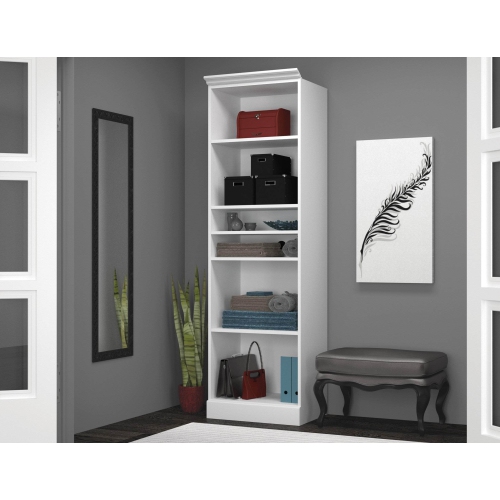
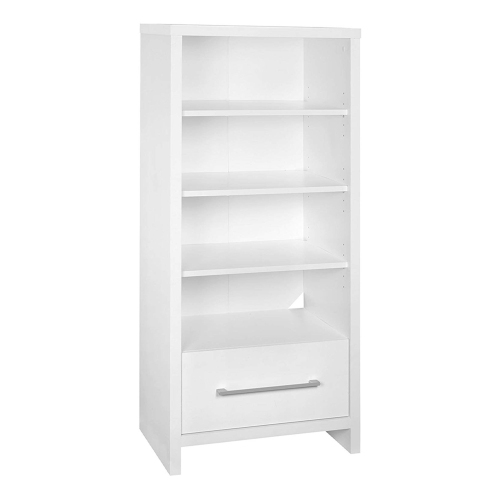
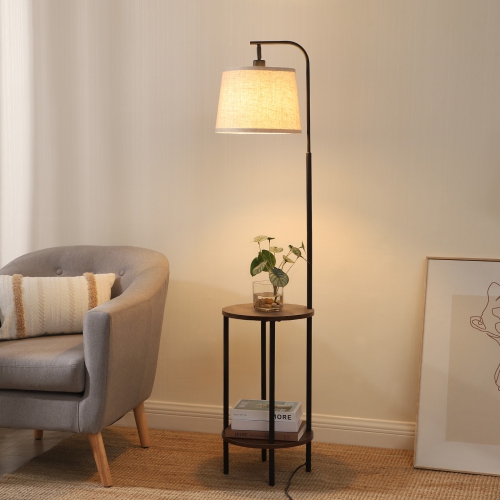
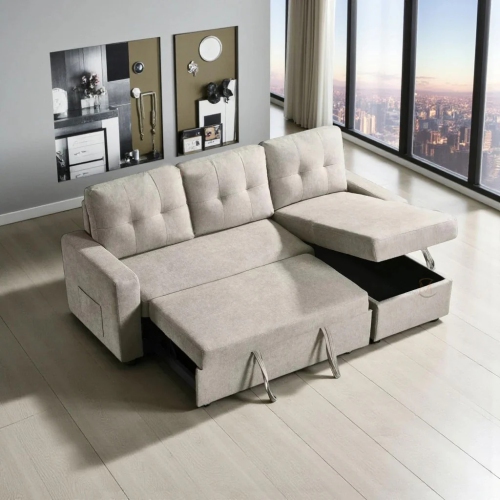
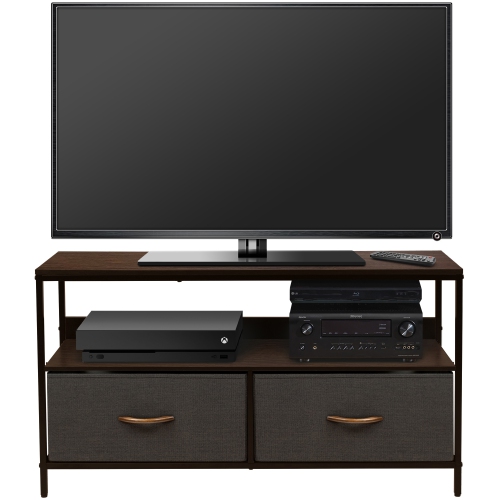
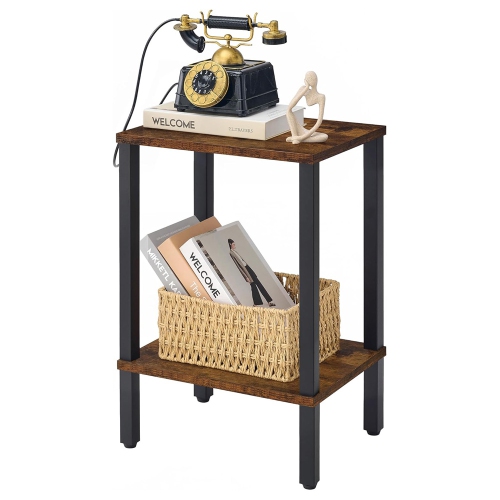
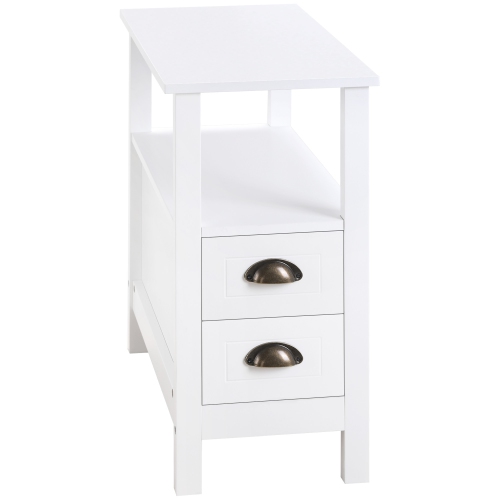
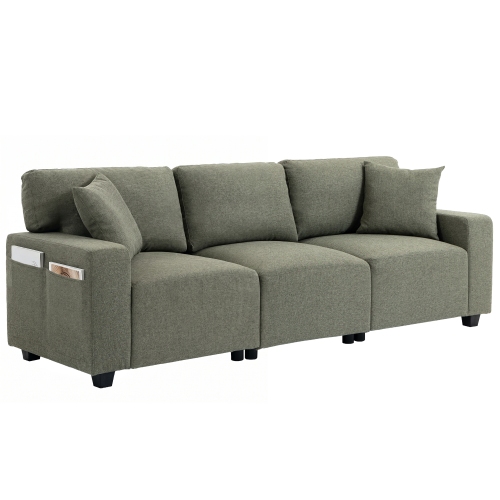
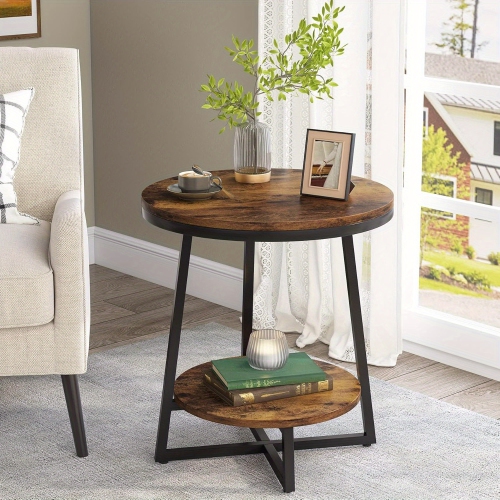
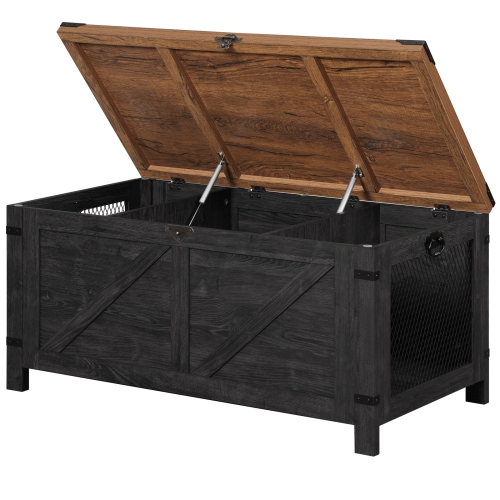
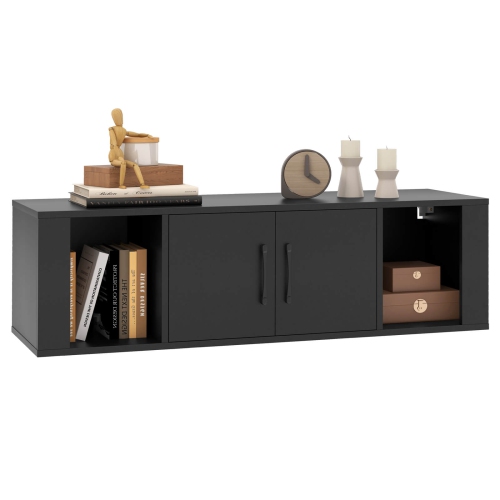
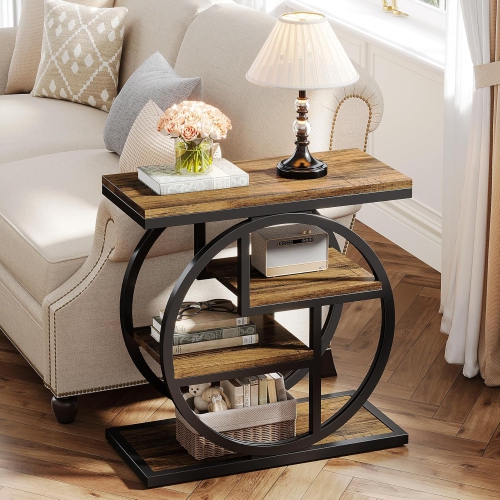
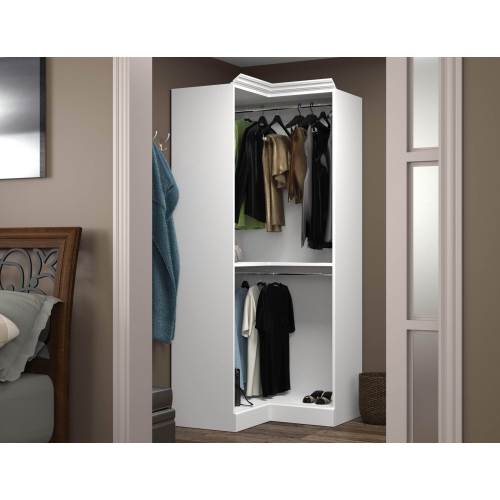
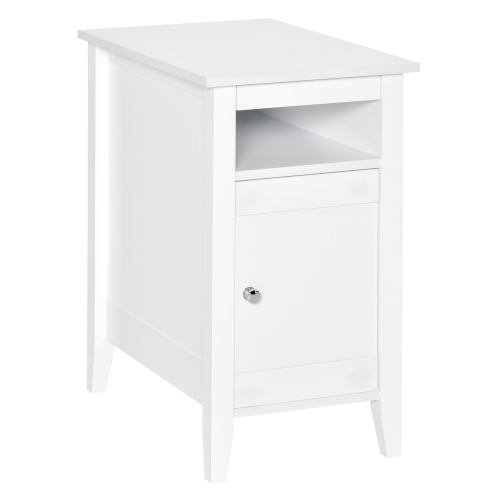
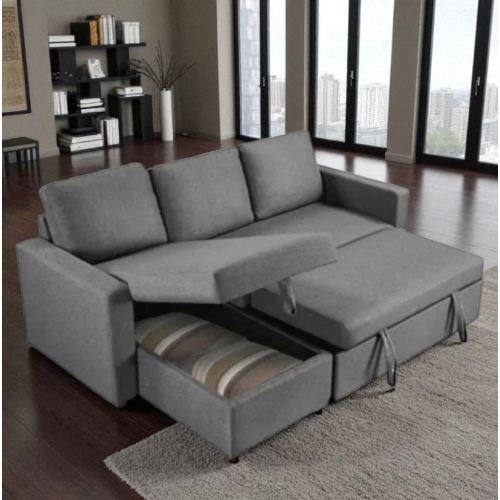
Hidden compartments and taller shelves leave room to relax
Storage solutions for small living rooms make better use of limited space by combining vertical shelving, concealed compartments, and furniture that serves more than one purpose. Tall, narrow bookcases draw storage upward, floating shelves keep floor space clear, and storage ottomans provide a place for blankets without adding a separate cabinet. The most useful combination depends on what needs a home: books benefit from sturdy shelves, board games need compartments deep enough for their boxes, and charging cables are easier to find in shallow drawers than at the bottom of a large bin. In an apartment or condo, a compact living room may also serve as a workspace, play area, and gathering spot, so accessible storage can make those transitions less disruptive. A coffee table with a concealed compartment can hold notebooks and remote controls between uses, while a side table with a drawer keeps smaller essentials within reach of the sofa. Open shelving suits frequently used books and a few display pieces; closed cabinets help contain the visual clutter of controllers, paperwork, and mismatched accessories. Mixing the two gives a room useful capacity without making every possession part of the display. Baskets and fitted bins can divide open compartments by activity, letting a household keep puzzle pieces together or gather craft supplies in one place. For shared living rooms, separate compartments also make it easier for each person to find and put away their belongings. Modular storage can be useful when needs change, provided the units are designed for the intended arrangement and secured as required. A low configuration may fit beneath a window, while a taller arrangement can use an otherwise empty stretch of wall. The aim is not simply to fit more furniture into the room, but to give everyday belongings a convenient home while preserving comfortable seating, usable surfaces, and clear routes through the space.
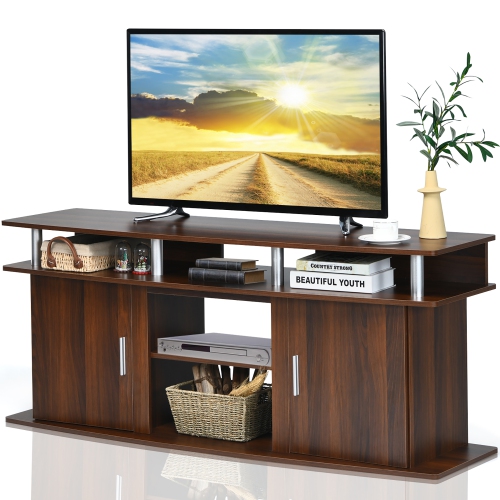
Fit involves more than a cabinet’s listed width. Depth determines how far it projects into the room, and doors, drawers, and lift-up tops need clearance to open fully. A shallow unit beside a sofa may be easier to live with than a deeper cabinet offering more capacity, particularly where the same route leads to a balcony door or adjoining room. Baseboards, outlets, window trim, and nearby heating vents can all affect placement. Interior dimensions matter just as much: a shelf that looks generous may not accommodate a large album, a game box, or a basket once the frame and hinges are taken into account. Adjustable shelves allow different heights of belongings to share one cabinet, although each shelf still needs to stay within its stated weight limit. Floating shelves and wall-mounted cabinets can free floor space, but their suitability depends on the wall construction, mounting hardware, and permitted installation method. Rental homes may call for freestanding alternatives where wall alterations are restricted; tall furniture should still be secured according to its manufacturer’s directions. Around a television, media storage needs to accommodate both equipment and its connections. Cable openings help route cords neatly, while adequate ventilation and the clearances specified for electronics help prevent heat from building up inside enclosed compartments. Remote-controlled equipment may also need an unobstructed signal path. Multipurpose furniture brings similar practical details into focus. A storage ottoman used as occasional seating must be designed to support a seated person, and its lid should open without striking the sofa or a nearby table. In homes with children, lid supports, hinge design, rounded edges, and secure furniture placement deserve particular attention. Frequently used toys can sit in accessible lower bins, with heavier belongings kept low for stability. These details help storage work as part of daily life, whether that means clearing a surface for a laptop or finding a board game without moving half the room.
Materials and construction influence how storage furniture looks, feels, and holds up to repeated use. Solid wood offers distinctive grain and can develop character over time, though it may need protection from spills and changes in indoor humidity. Wood veneer provides a real-wood surface over a supporting core, while laminate finishes can offer a smooth surface that is straightforward to wipe down according to the care instructions. Engineered wood varies in density and construction, so shelf thickness, edge finishing, and stated load limits are more useful indicators of suitability than appearance alone. Metal frames can give narrow shelving a visually open profile; stable joints and a finish suited to everyday contact remain important. Woven baskets bring texture and work well for soft belongings, while lined containers can help keep delicate fabrics from catching on rough fibres. Upholstered storage adds softness around seating, with fabric choice affecting both upkeep and wear. Removable covers are convenient only when their care labels permit the intended cleaning method, and spills are best addressed promptly using the recommended approach. For furniture used several times a day, smooth drawer runners, firmly attached handles, and well-aligned hinges can make a noticeable difference. Appearance also affects how comfortably storage sits within a small room. Lighter colours and restrained finishes can help a large piece feel less dominant, while visible legs reveal more of the floor beneath it. Closed fronts create a quieter backdrop, and a few open sections leave room for personal touches without crowding every shelf. Coordinating storage across adjoining rooms can make a compact home feel more connected; Storage Furniture for Small Bedrooms offers a related category for belongings better kept outside the main seating area. For first apartments, shared homes, and established households alike, well-proportioned storage supports familiar routines: a throw returned to its compartment, reading glasses placed in a drawer, and a clear coffee table ready for the next use. The strongest fit is furniture that holds the intended contents, suits the room’s layout, and remains easy to use after the initial organizing is done.
Fit involves more than a cabinet’s listed width. Depth determines how far it projects into the room, and doors, drawers, and lift-up tops need clearance to open fully. A shallow unit beside a sofa may be easier to live with than a deeper cabinet offering more capacity, particularly where the same route leads to a balcony door or adjoining room. Baseboards, outlets, window trim, and nearby heating vents can all affect placement. Interior dimensions matter just as much: a shelf that looks generous may not accommodate a large album, a game box, or a basket once the frame and hinges are taken into account. Adjustable shelves allow different heights of belongings to share one cabinet, although each shelf still needs to stay within its stated weight limit. Floating shelves and wall-mounted cabinets can free floor space, but their suitability depends on the wall construction, mounting hardware, and permitted installation method. Rental homes may call for freestanding alternatives where wall alterations are restricted; tall furniture should still be secured according to its manufacturer’s directions. Around a television, media storage needs to accommodate both equipment and its connections. Cable openings help route cords neatly, while adequate ventilation and the clearances specified for electronics help prevent heat from building up inside enclosed compartments. Remote-controlled equipment may also need an unobstructed signal path. Multipurpose furniture brings similar practical details into focus. A storage ottoman used as occasional seating must be designed to support a seated person, and its lid should open without striking the sofa or a nearby table. In homes with children, lid supports, hinge design, rounded edges, and secure furniture placement deserve particular attention. Frequently used toys can sit in accessible lower bins, with heavier belongings kept low for stability. These details help storage work as part of daily life, whether that means clearing a surface for a laptop or finding a board game without moving half the room.
Materials and construction influence how storage furniture looks, feels, and holds up to repeated use. Solid wood offers distinctive grain and can develop character over time, though it may need protection from spills and changes in indoor humidity. Wood veneer provides a real-wood surface over a supporting core, while laminate finishes can offer a smooth surface that is straightforward to wipe down according to the care instructions. Engineered wood varies in density and construction, so shelf thickness, edge finishing, and stated load limits are more useful indicators of suitability than appearance alone. Metal frames can give narrow shelving a visually open profile; stable joints and a finish suited to everyday contact remain important. Woven baskets bring texture and work well for soft belongings, while lined containers can help keep delicate fabrics from catching on rough fibres. Upholstered storage adds softness around seating, with fabric choice affecting both upkeep and wear. Removable covers are convenient only when their care labels permit the intended cleaning method, and spills are best addressed promptly using the recommended approach. For furniture used several times a day, smooth drawer runners, firmly attached handles, and well-aligned hinges can make a noticeable difference. Appearance also affects how comfortably storage sits within a small room. Lighter colours and restrained finishes can help a large piece feel less dominant, while visible legs reveal more of the floor beneath it. Closed fronts create a quieter backdrop, and a few open sections leave room for personal touches without crowding every shelf. Coordinating storage across adjoining rooms can make a compact home feel more connected; Storage Furniture for Small Bedrooms offers a related category for belongings better kept outside the main seating area. For first apartments, shared homes, and established households alike, well-proportioned storage supports familiar routines: a throw returned to its compartment, reading glasses placed in a drawer, and a clear coffee table ready for the next use. The strongest fit is furniture that holds the intended contents, suits the room’s layout, and remains easy to use after the initial organizing is done.
Top selling and popular products
-
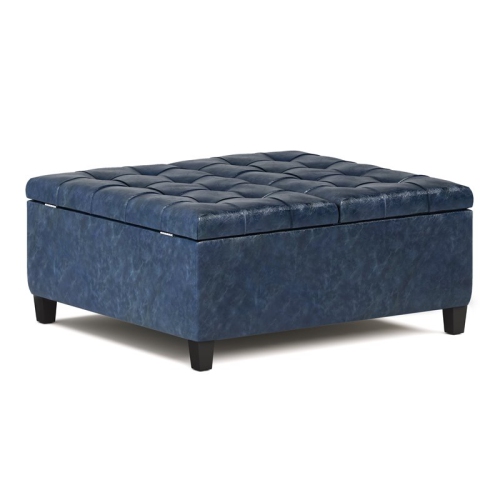 Your price for this item is $1016.33
 -
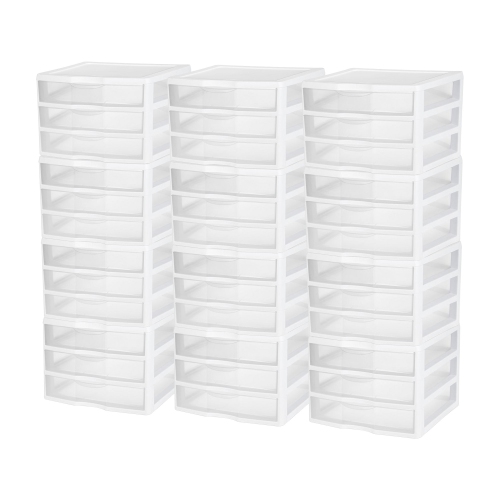 Your price for this item is $530.99
 -
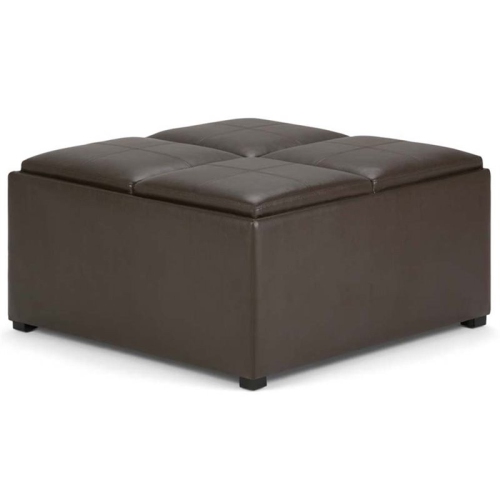 Your price for this item is $1109.94
 -
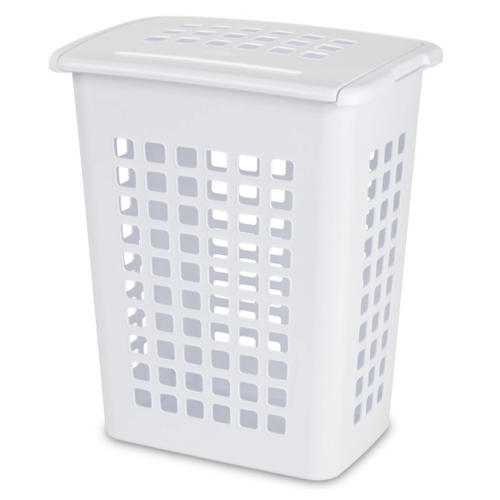 Your price for this item is $1403.99
 -
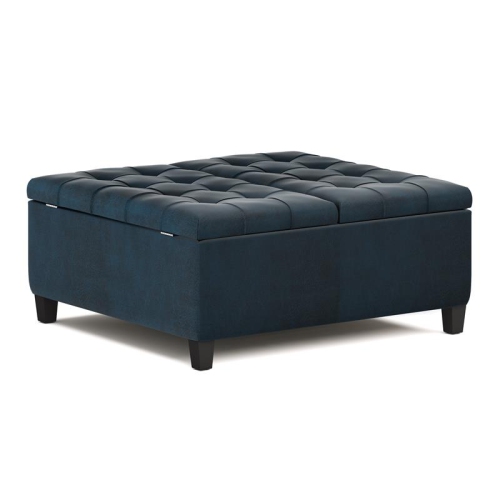 Your price for this item is $1018.38
 -
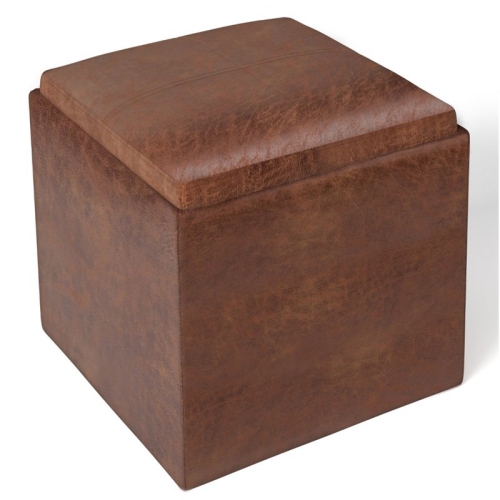 Your price for this item is $339.24
 -
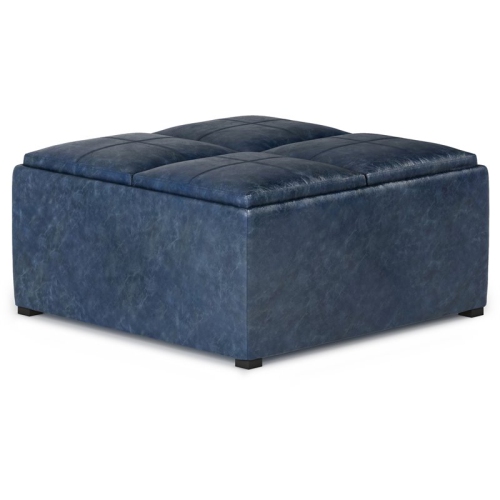 Your price for this item is $1174.21
 -
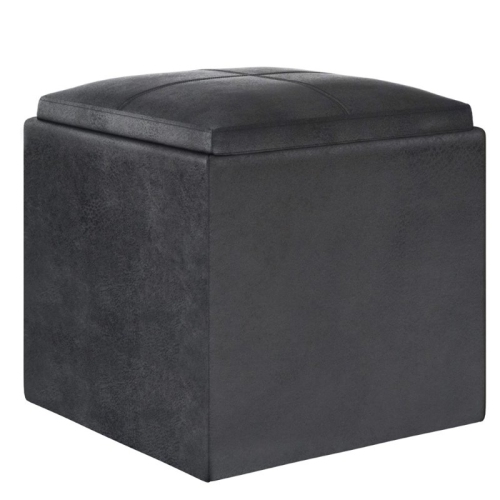 Your price for this item is $346.6
Discover more categories related to Storage Solutions for Small Living Rooms
Top Collections:
Pokemon Centers, Kindle Devices, Best Budget Office Chairs, Apple iPhones 16, Best Laptops for Writers, iPhone 15 Apple, Canon G7X Cameras, Refurbished Apple Laptops, Alarm Clock, Motorola Razr Phones
Some products may be subject to Environmental Handling Fees
(EHF) depending on your province.
Learn more about EHFs.