Storage Furniture for Small Bedrooms
Maximize your space with storage furniture for small bedrooms, designed to help you keep your room organized and clutter-free. Whether you’re looking to make the most of limited square footage or simply want a tidier sleeping area, these versatile pieces offer practical solutions for stowing away essentials. Discover options that blend seamlessly with your décor while providing the extra storage you need in compact spaces. Find the perfect storage furniture for small bedrooms to create a more comfortable and functional environment.
Sort
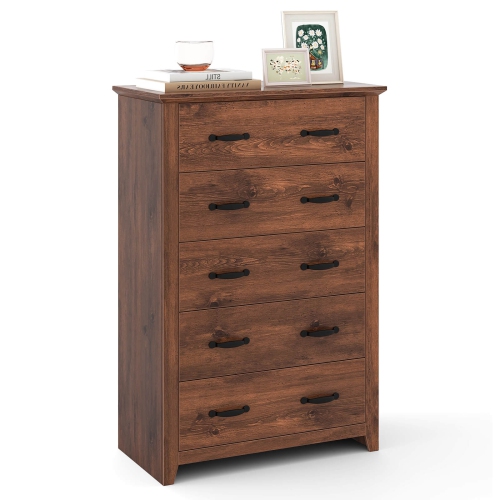
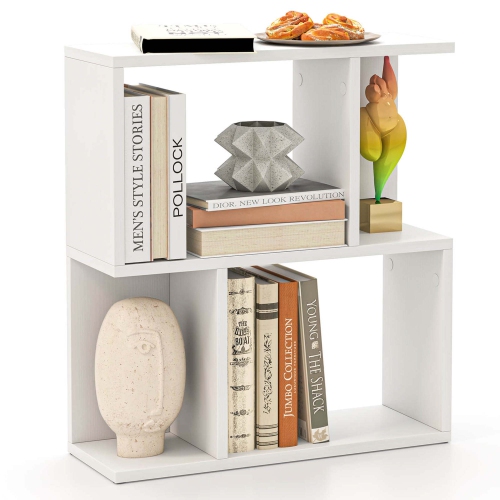
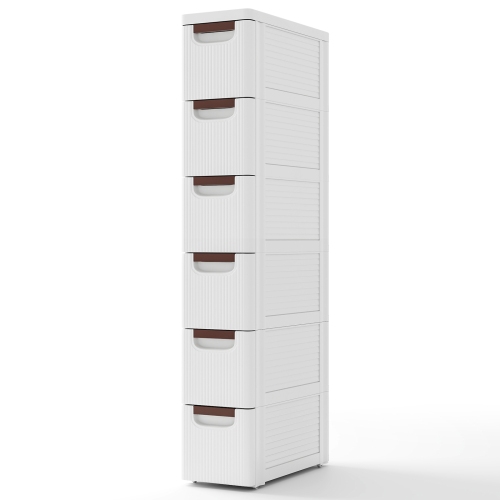
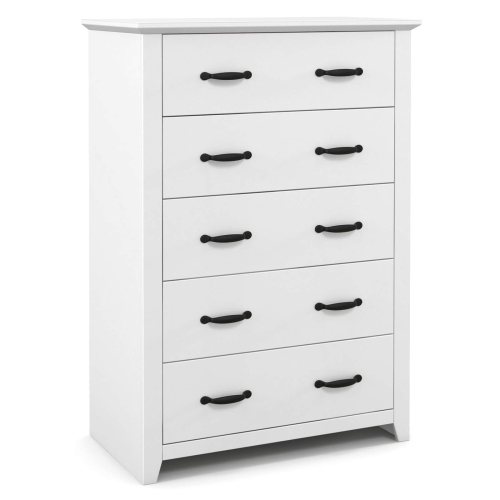
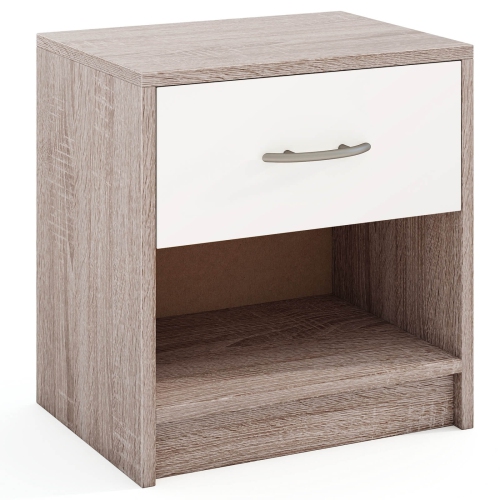
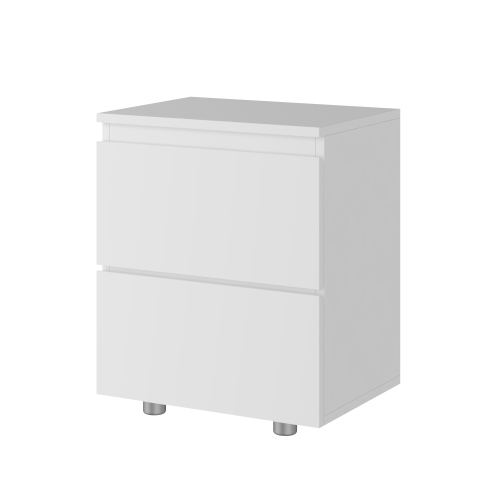
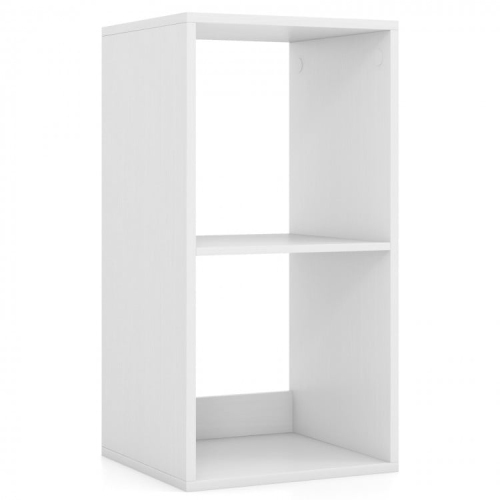
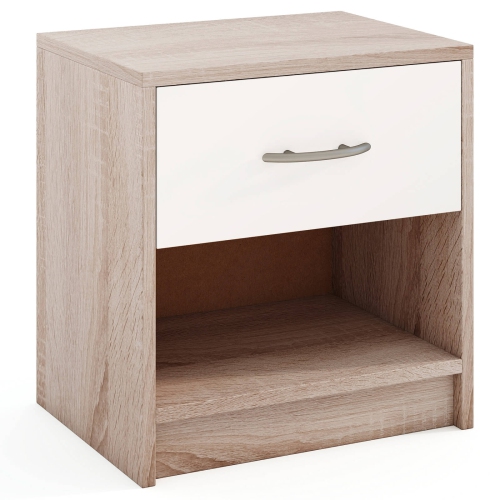
More storage without sacrificing room to move
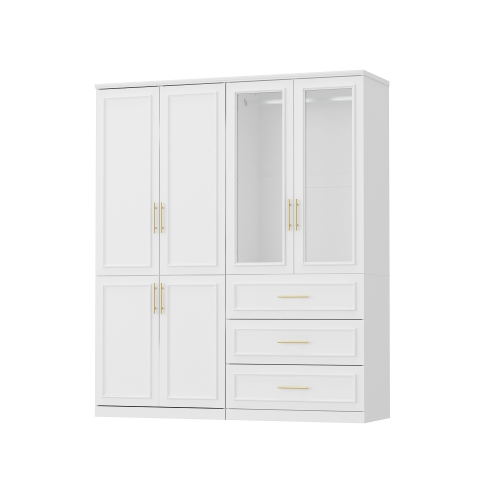
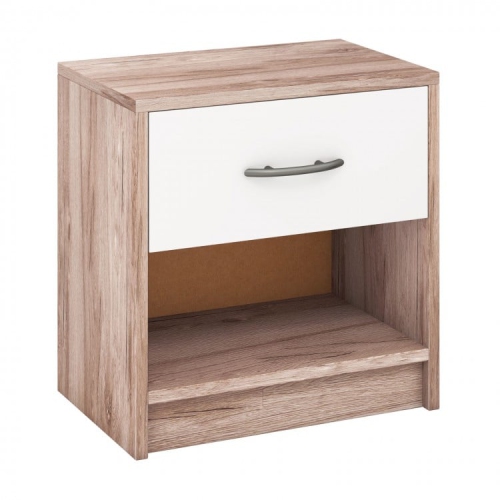
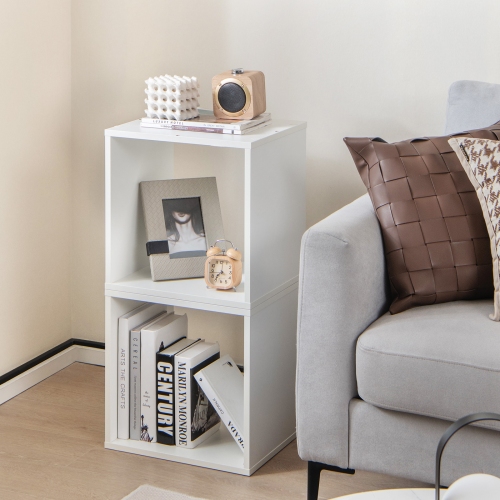
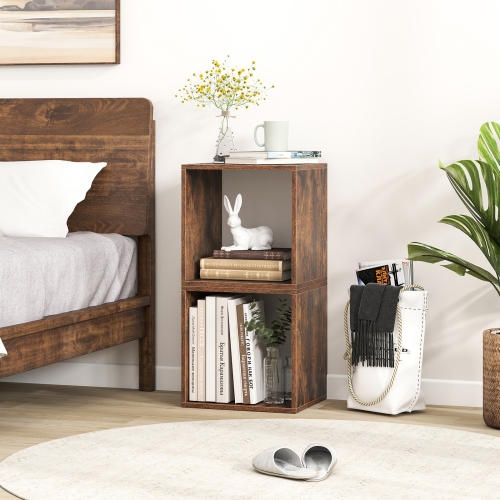
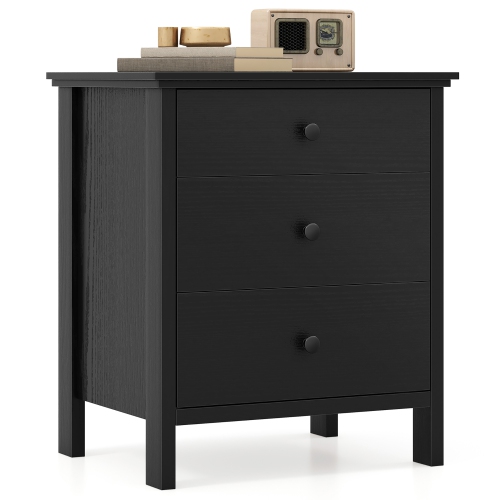
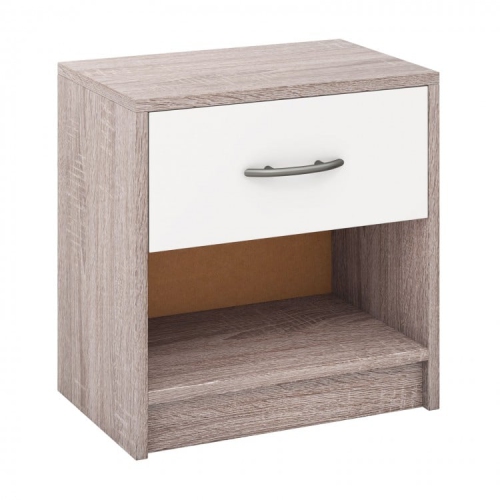
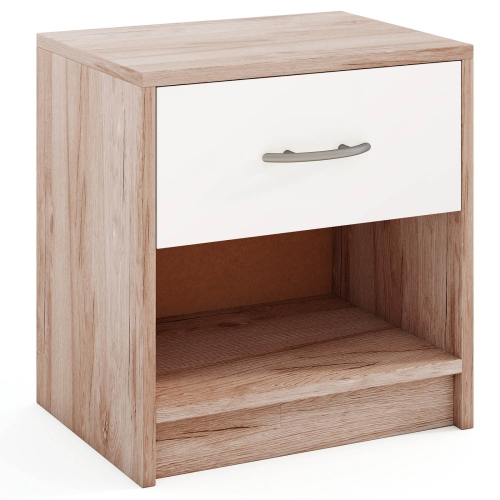
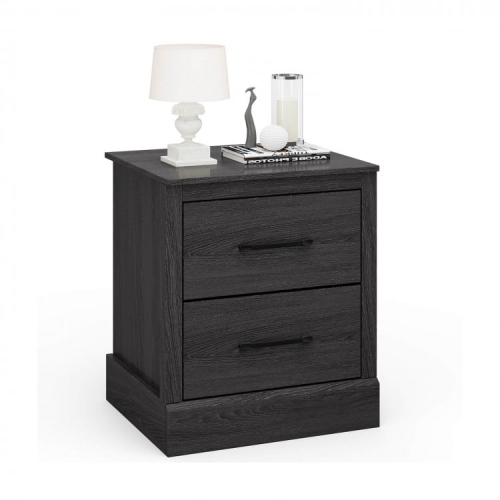
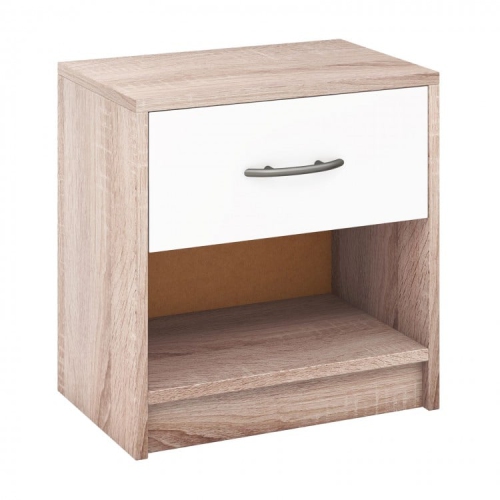
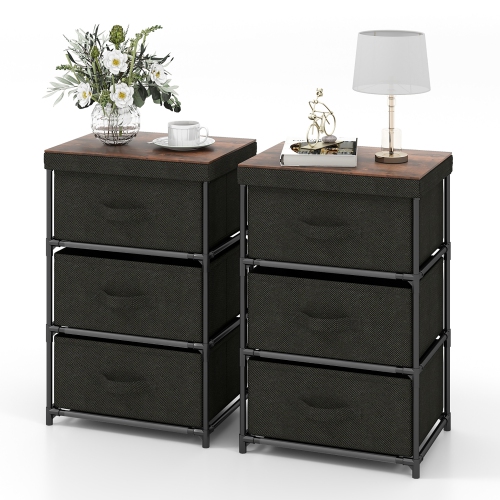
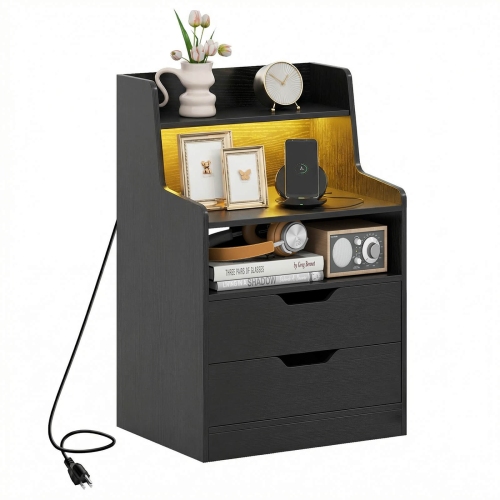
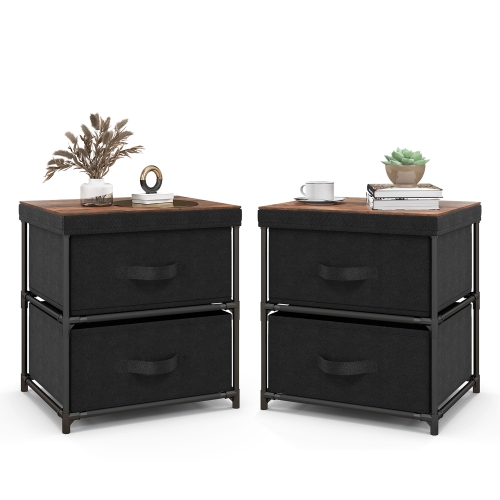
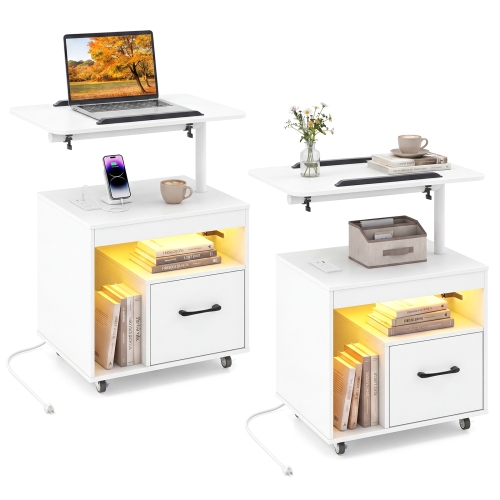
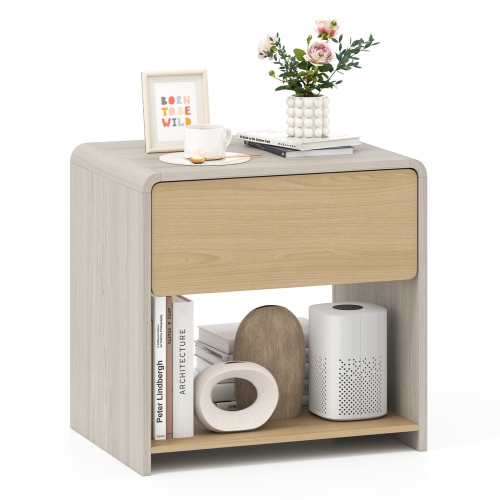
Storage furniture for small bedrooms makes the most of limited space through compact footprints, vertical storage, and designs that serve more than one purpose. A bed with integrated drawers can hold folded clothing without adding another cabinet, while a narrow chest uses wall height rather than spreading across the floor. The most useful arrangement depends on what needs a home: everyday clothing benefits from accessible drawers, books suit shelves near the bed, and spare bedding needs deeper compartments. In a room where the bed already fills most of the floor area, replacing an open bedside table with a drawer-and-shelf design can create a place for charging cables, glasses, and reading material without adding another piece of furniture. Fit involves more than the width of an empty wall. Skirting boards, window ledges, electrical outlets, heating vents, and the swing of the bedroom door can all affect placement. Drawer fronts also need enough clearance to open comfortably, particularly when a dresser faces the end or side of the bed. A shallow cabinet may be more practical than a deeper one if it preserves an easy route between the doorway and the wardrobe. Likewise, a lift-up storage bed can suit a layout with little side clearance, provided there is enough room above it to raise the platform as intended. Furniture dimensions should be considered alongside usable internal space, since thick frames, drawer construction, and hardware affect how much each compartment holds. For renters, students, and anyone furnishing a compact condo bedroom, pieces that can move into a different layout offer flexibility beyond the first room. A small chest can later serve beside a desk, while a compact shelving unit can shift from clothing storage to books or baskets. The aim is to keep frequently used belongings within reach while leaving enough open space to dress, make the bed, and move around without navigating a tight obstacle course.
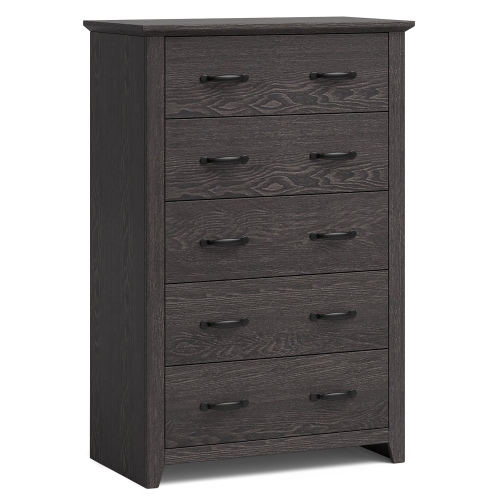
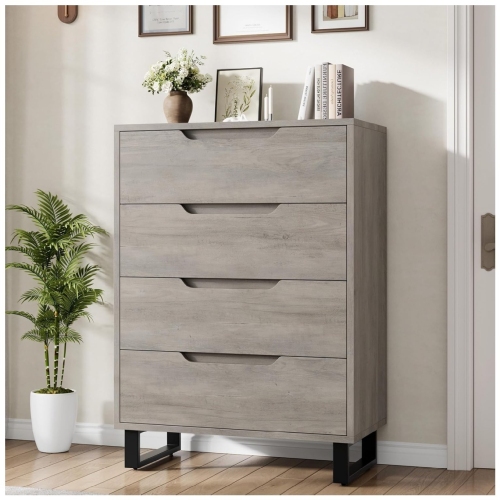
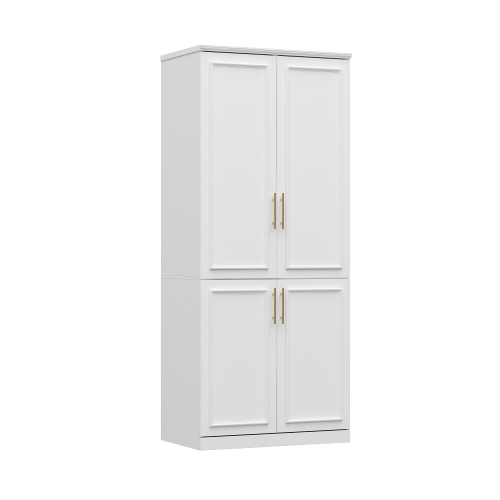
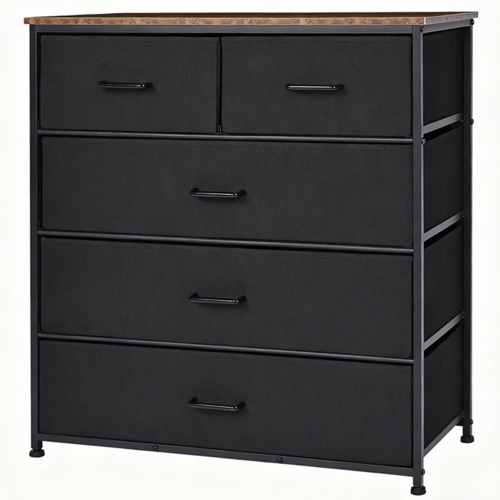
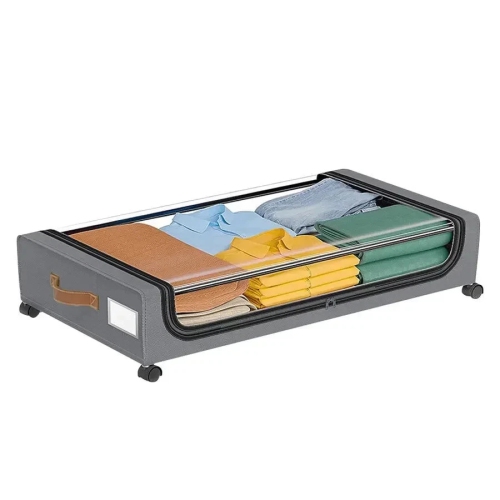
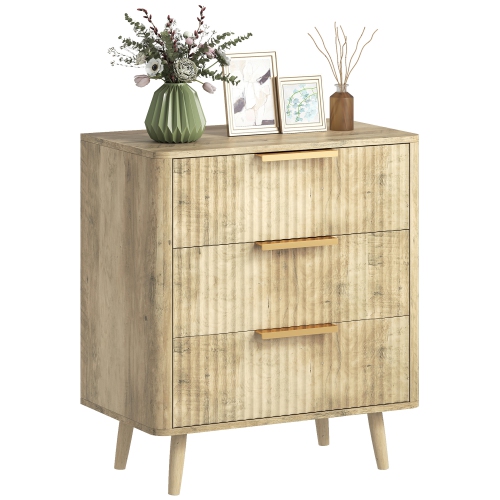
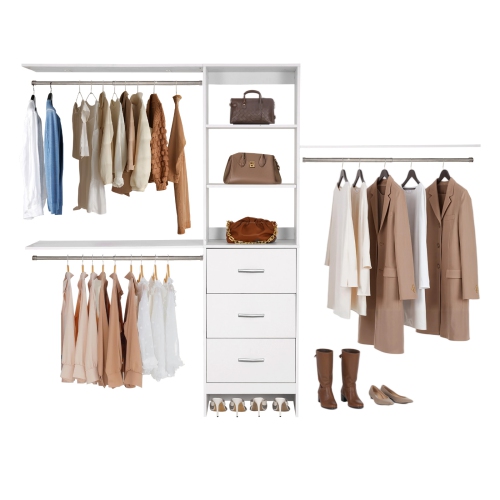
Different storage formats work best for different belongings, so capacity is only part of the comparison. Wide, shallow drawers make smaller accessories easier to see, while deeper drawers can accommodate stacks of sweaters or bulkier folded clothing. Drawer dividers help separate socks from accessories, but they work best when the compartment is not packed so tightly that opening it disturbs everything inside. For a dedicated clothing-storage piece, Dressers for Small Bedrooms offer a focused category to consider alongside the room’s other furniture. A low dresser can fit beneath a suitable window or leave wall space for a mirror, whereas a taller chest concentrates storage within a narrower footprint. Neither shape automatically holds more; the number, depth, and internal dimensions of the drawers matter. When wardrobe space is limited, a freestanding wardrobe with both hanging and shelf sections can accommodate shirts, folded trousers, and accessories in one footprint. Hinged doors need clearance in front, while sliding doors reduce the space needed for opening but may limit access to one section at a time. Under-bed compartments are useful for less frequently needed belongings, such as spare sheets and travel bags, as long as their dimensions suit the contents. An upholstered storage bench can provide a place to sit while getting dressed and a compartment for extra bedding, although it still needs to leave a comfortable walkway at the foot of the bed. In a shared bedroom, separate drawers or clearly assigned compartments help keep routines from overlapping. A guest bedroom may need fewer clothing drawers and more space for pillows and linens, while a bedroom that also contains a work area can benefit from closed storage that keeps papers away from bedside essentials. Matching each compartment to its intended use helps prevent useful storage from becoming a collection of hard-to-find belongings.
Materials and construction influence how storage furniture feels in daily use, how much attention it needs, and how well it handles repeated opening, closing, and moving. Solid wood has natural grain variation and may develop small marks with use; cleaning and any refinishing should follow the care instructions for its finish. Wood veneer provides a real-wood surface over a supporting core, while laminate finishes offer a range of colours and textures on engineered-wood panels. Surface resistance varies, so drinks, damp laundry, and abrasive cleaning tools should be kept away unless the manufacturer specifies otherwise. A soft cloth and an approved cleaner are generally more appropriate than a wet scrub, and spills are best wiped up promptly. Metal frames can provide a slim profile, while fabric drawers offer flexible compartments for lightweight clothing and accessories rather than heavy stacks of books. Whatever the material, the strength of the complete structure matters more than appearance alone. Drawer glides should suit the expected load, drawer bottoms should support their contents, and handles should feel comfortable to grip in a narrow space. Soft-close hardware can reduce abrupt closing, but it does not replace proper assembly or careful loading. Beds, benches, shelves, and drawers have different weight limits, and storage lids should be operated only as directed. Dressers, chests, wardrobes, and other furniture requiring restraint should be secured according to the manufacturer’s instructions, with fixings appropriate to the wall. Visually, a restrained mix of finishes can help a small bedroom feel settled rather than crowded. Light colours, simple fronts, and modest handles can keep a large storage piece from dominating the room, while a warmer wood finish can add character without requiring extra decorative objects. Leaving part of a dresser top clear creates a useful landing spot for everyday essentials. The best-fitting storage furniture earns its place through accessible compartments, dependable construction, and proportions that support the way the bedroom is used.
Top selling and popular products
-
 Your price for this item is $99.99
-
 Your price for this item is $107.99
-
 Your price for this item is $188.99
-
 Your price for this item is $79.99
-
 Your price for this item is $218.49
-
 Your price for this item is $119.99
-
 Your price for this item is $169.99
-
 Your price for this item is $258.52
Discover more categories related to Storage Furniture for Small Bedrooms

Top Collections:
Best Black Friday Deals This Year, Best Black Friday Deals On Electronics, Kindle Devices, Best Black Friday Deals On Apple Products, Best Budget Office Chairs, Best Cameras for Sports Photography, Dyson Airwrap, Canon G7X Cameras, Best Laptops for Writers, Samsung Galaxy Phones
Some products may be subject to Environmental Handling Fees
(EHF) depending on your province.
Learn more about EHFs.