Stovetop Casseroles
Looking to elevate your culinary creations to new heights? Look no further than our collection of stovetop casseroles. These versatile and stylish kitchen essentials are designed to help you whip up delicious one-pot wonders with ease. Whether you're simmering a hearty stew, sautéing veggies, or baking a cheesy casserole, our selection of stovetop casseroles has got you covered. With their durable construction and heat distribution properties, these cookware pieces are made to withstand the rigors of everyday cooking while delivering exceptional results. Explore our range of stovetop casseroles today and unlock endless possibilities in your kitchen.
Sort


























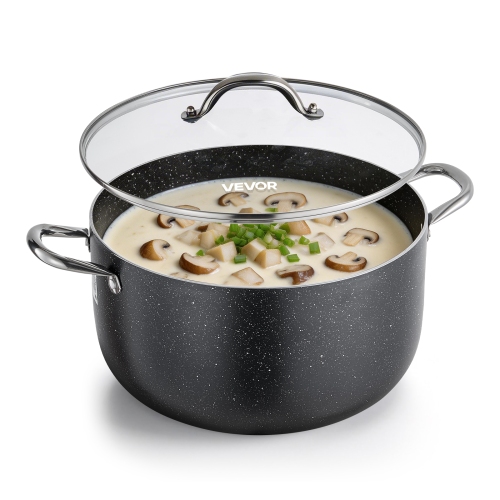
Why not every casserole dish belongs on a burner
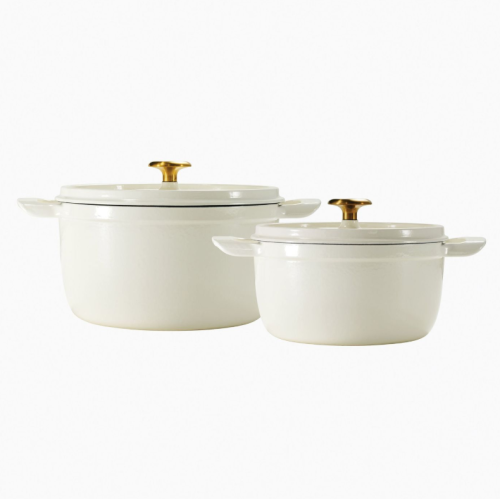
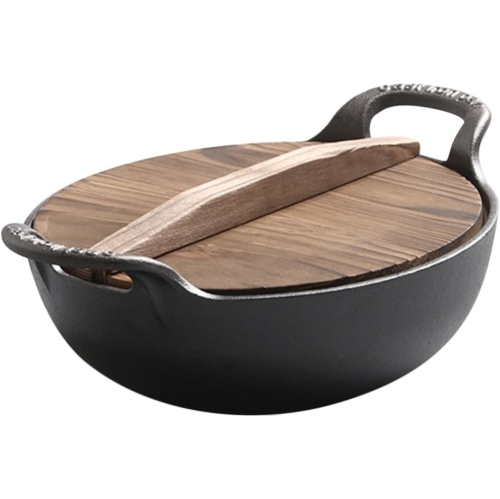
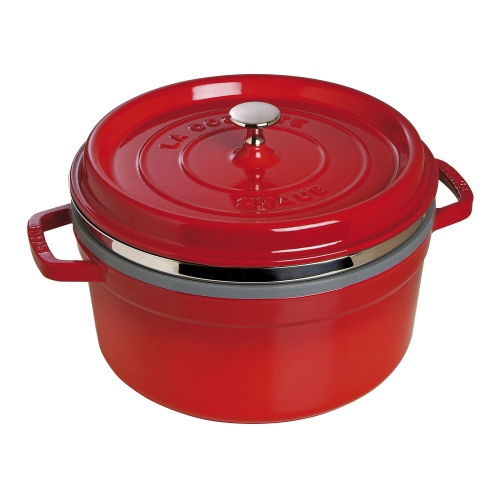
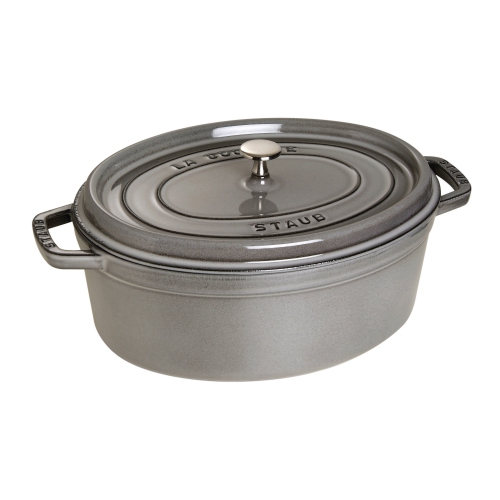
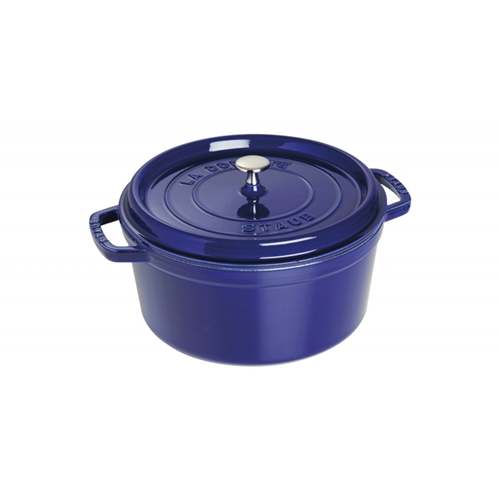
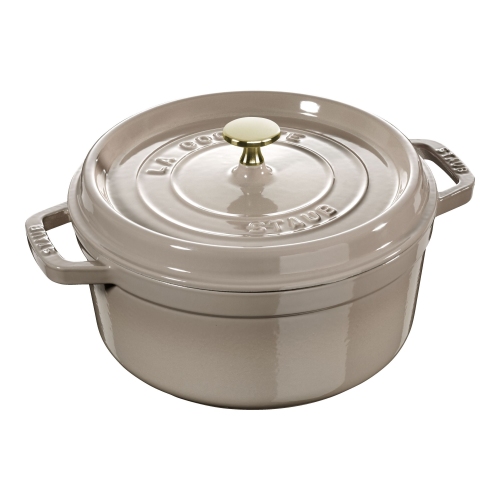
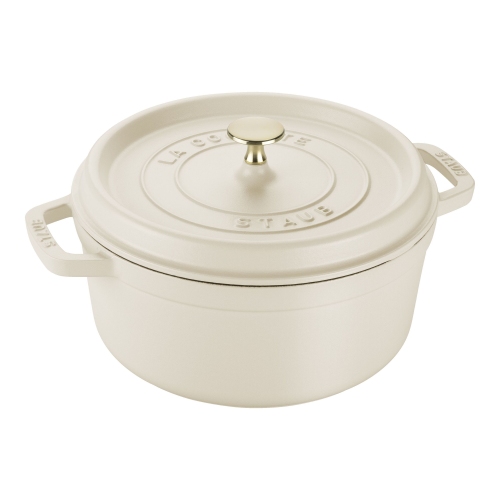
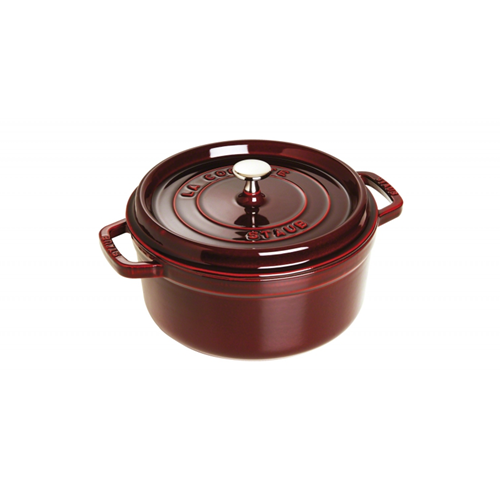
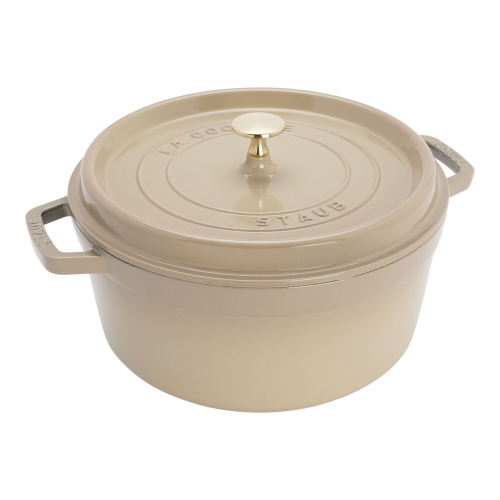
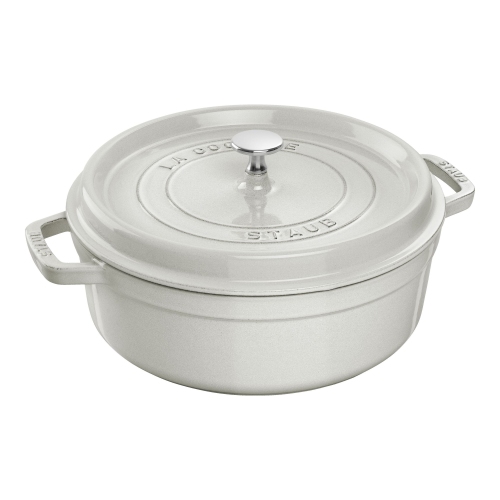
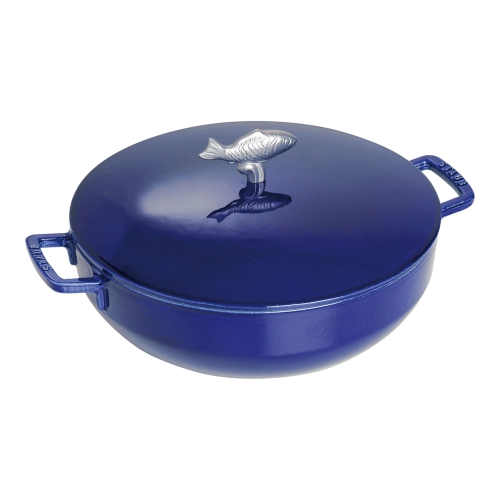
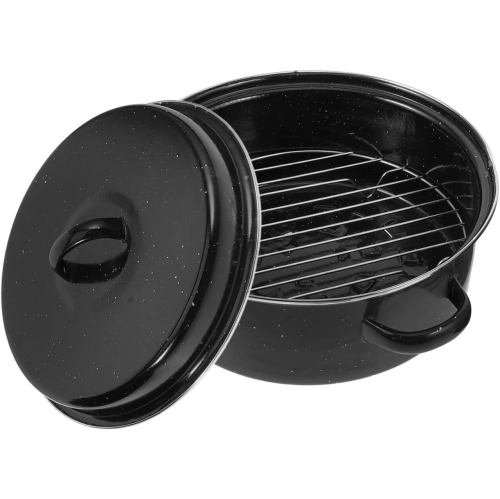
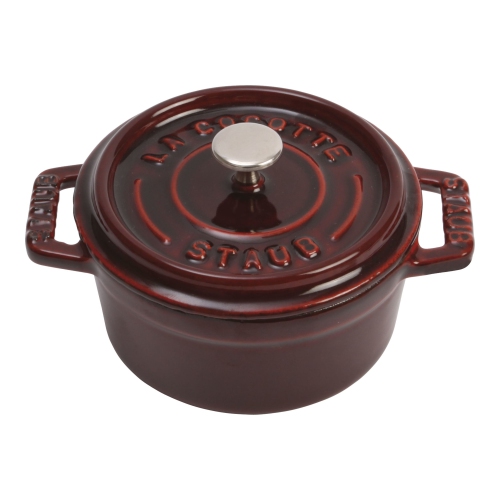
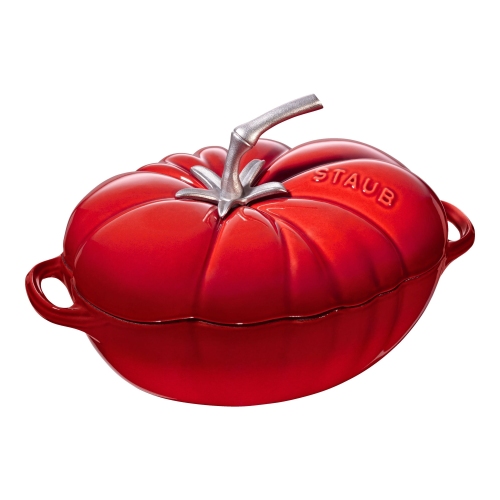
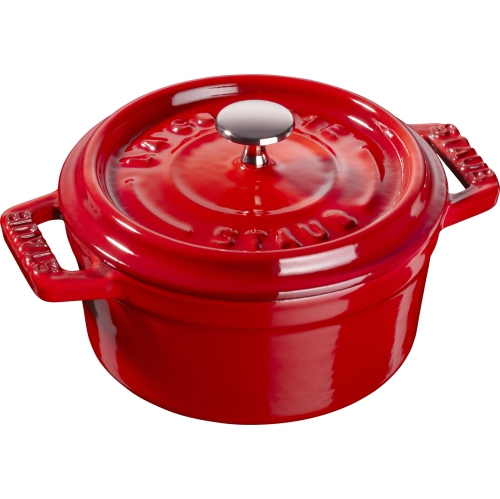
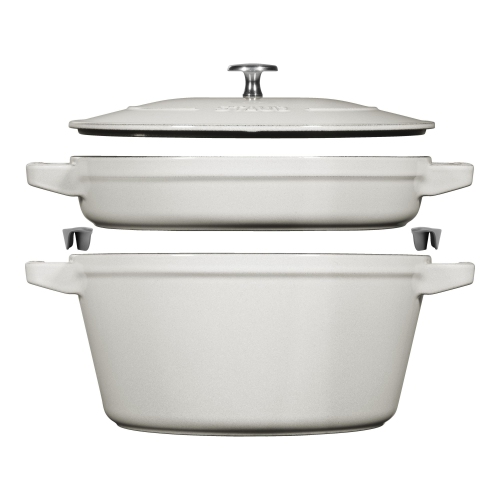
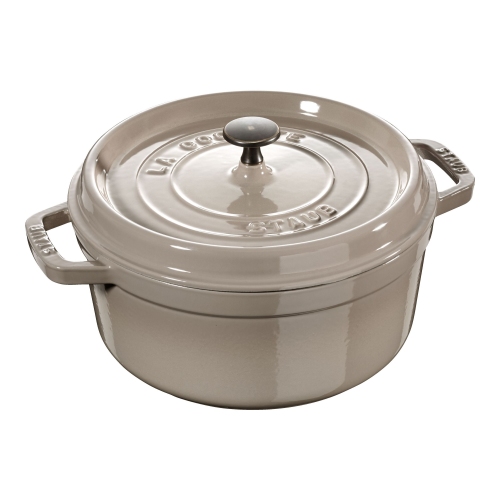
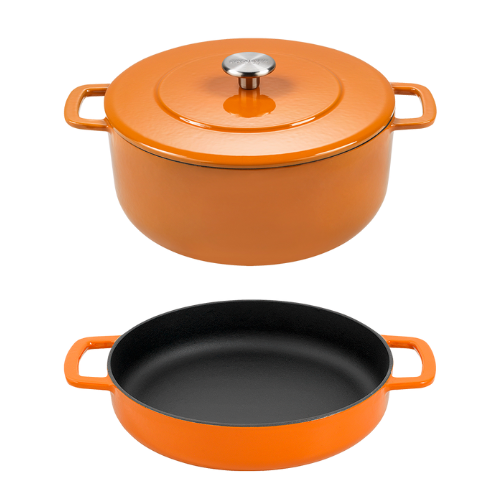
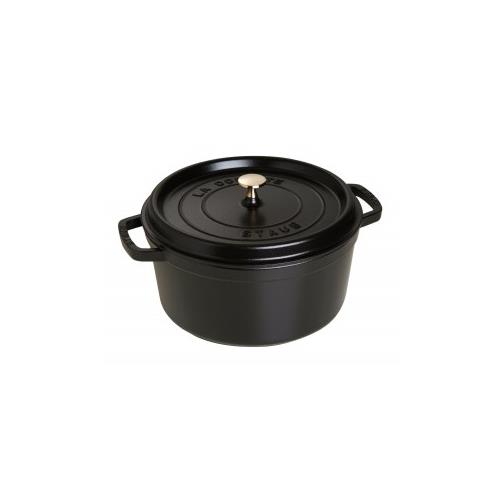
Stovetop casseroles are cooking pots designed to prepare casserole-style meals over direct heat, usually with a lid that helps retain moisture during simmering. Unlike an oven-only baking dish, a stovetop casserole needs a base and construction suited to the burner beneath it. That distinction matters for familiar meals built around chicken, mixed vegetables, and a creamy sauce, as well as lentil casseroles, braised beef, and rice dishes that cook together in one vessel. A savoury stuffing topping may be part of a baked casserole, but finishing that topping in the oven requires cookware with an appropriate oven-safe rating, including its handles and lid. Stovetop compatibility is therefore an important consideration when comparing Casserole Pans, since a dish intended only for baking may not tolerate direct burner heat. The appeal of stovetop casserole cookware is its versatility: onions can soften, meat can brown, and sauce can simmer in the same pot when its material and cooking surface support those tasks. A wide, relatively shallow shape gives ingredients room to spread out, making it easier to turn chicken pieces or stir vegetables without crowding them into a narrow space. Deeper shapes offer more room for broth, beans, and generous portions, although their height can make lifting and stirring less comfortable for some cooks. Capacity should reflect both the amount of food being prepared and the space needed to move it around. A pot filled to the rim leaves little room for bubbling sauce or a spoon, while an oversized vessel can spread a small meal too thinly across the base. For everyday family dinners, batch cooking, or smaller meals for one or two people, useful proportions matter as much as the stated volume. A lid that sits securely helps control evaporation, while a glass lid makes it possible to check a gentle simmer without lifting it each time. Broad handles and a balanced shape also make the transition from cooking to serving more manageable, especially when the pot contains a substantial meal.
Material influences how stovetop casserole cookware heats, how much it weighs, and how it should be maintained. Stainless steel is a practical choice for cooks who brown ingredients before adding liquid, particularly when the cookware has a layered construction or a heat-spreading base. Stainless steel alone does not distribute heat as readily as aluminium, so the overall construction matters more than the appearance of the cooking surface. Aluminium cookware responds readily to changes in burner settings and is often lighter to handle; coated versions require care appropriate to their finish. Cast iron holds heat well once warmed, making it useful for steady simmering and dishes that benefit from retained warmth at the table. Its weight becomes more noticeable when a casserole is full, and allowing it to heat gradually helps avoid an excessively hot centre before the rest of the vessel has warmed. Enamelled cast iron provides a coated cooking surface without the seasoning routine associated with bare cast iron, although enamel still needs protection from hard impacts and abrupt temperature changes. Non-stick surfaces can make creamy rice dishes and cleanup more manageable, but utensil choice and heat limits are important to preserving the coating. Across these materials, compatibility with the cooking surface should be confirmed rather than assumed. Induction cooking requires a suitable magnetic base, while smooth glass cooktops benefit from cookware that rests flat and is lifted rather than dragged. A base that matches the burner reasonably closely supports more consistent heating; a very broad pot on a small burner may cook unevenly across its width. Handles, lid knobs, and coatings can also have different heat limits from the body of the pot. Cookware described as oven-safe should be used within its stated temperature rating, and oven suitability does not automatically mean it can go beneath a broiler. Ceramic and glass casserole dishes deserve particular attention because many are designed for oven use rather than direct stovetop heat. These construction details help distinguish cookware suited to browning and simmering from serving dishes that happen to have a similar shape.
Everyday comfort and care often determine whether a casserole pot becomes a regular part of meal preparation. Two side handles can provide a balanced grip for carrying a full vessel, but their size, position, and clearance should suit the person using it. Handles may become hot during cooking, so a secure hold with suitable oven mitts remains important even when the pot stays on the stovetop. A heavy lid can be awkward to lift with one hand, while a knob that is easy to grasp makes checking and stirring more comfortable. For cooks preparing several portions at once, a broad opening allows easier serving and gives a spoon room to reach the corners. For compact kitchens, the footprint, overall height, and width across the handles affect whether the cookware fits comfortably on the hob and inside a cupboard. Cleaning needs vary by material, but allowing cookware to cool before washing helps reduce the risk of thermal shock. Warm water, mild dish soap, and a non-abrasive sponge are suitable for many finished surfaces; soaking can loosen dried sauce without aggressive scraping. Bare cast iron needs different treatment, including thorough drying and care that maintains its seasoning. Dishwasher suitability should be checked for the complete vessel, not just its main body, because lids, coatings, and handle attachments may have separate requirements. Protecting coated interiors from metal utensils and cushioning nested cookware can help prevent scratches during use and storage. Durability also depends on choosing cookware that suits the meals it will actually prepare: frequent browning, gentle simmering, and occasional oven finishing place different demands on a pot. Stovetop casseroles can be useful for home cooks building a reliable cookware collection, people who enjoy preparing meals ahead, and households that favour shared dishes served at the table. They can also make thoughtful housewarming or wedding gifts when the recipient’s cooktop, storage space, and handling preferences are known. A well-matched casserole pot brings together a comfortable shape, appropriate material, and manageable care routine, supporting everything from a simple vegetable-and-rice supper to a slowly braised meal shared with family or friends.
Top selling and popular products
-
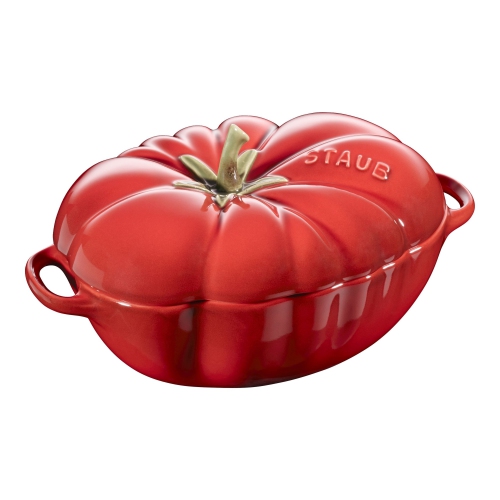 Your price for this item is $59.99
-
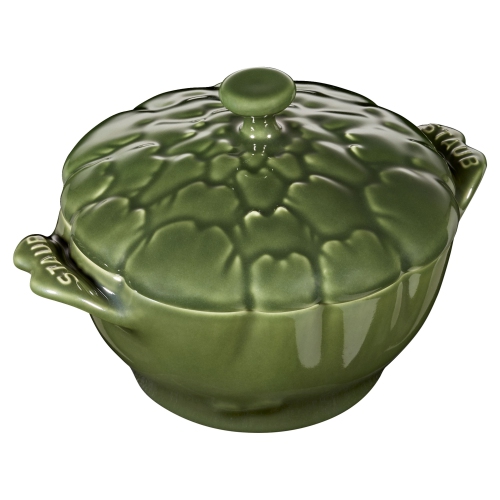 Your price for this item is $59.99
-
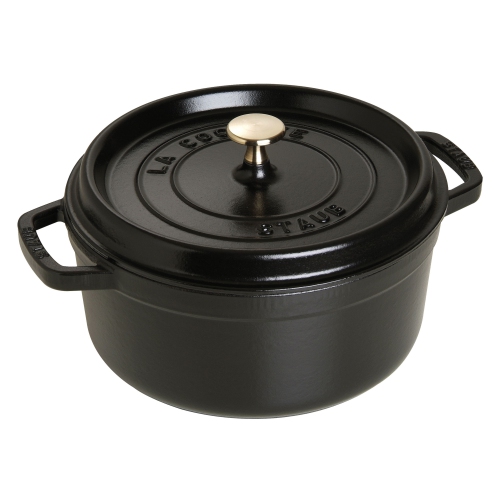 Your price for this item is $399.99
-
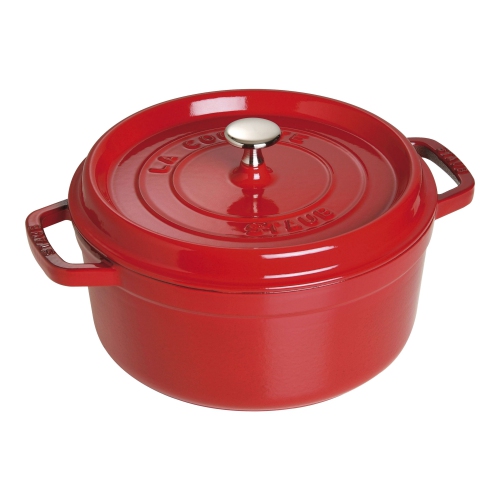 Your price for this item is $399.99
-
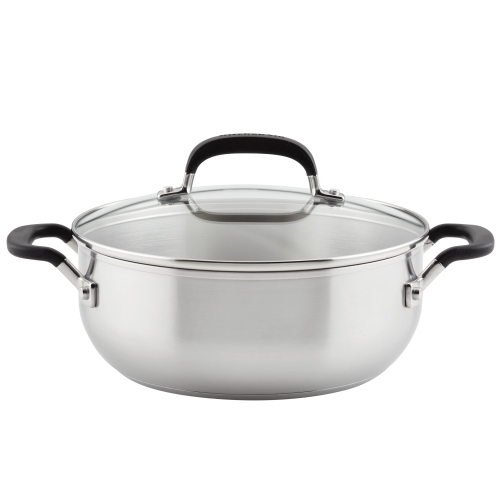 Your price for this item is $69.99
-
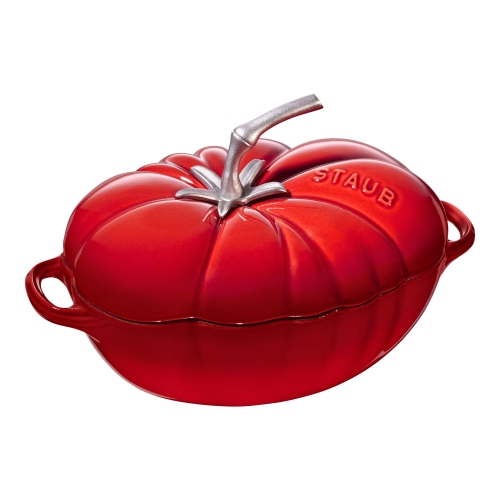 Your price for this item is $399.99
-
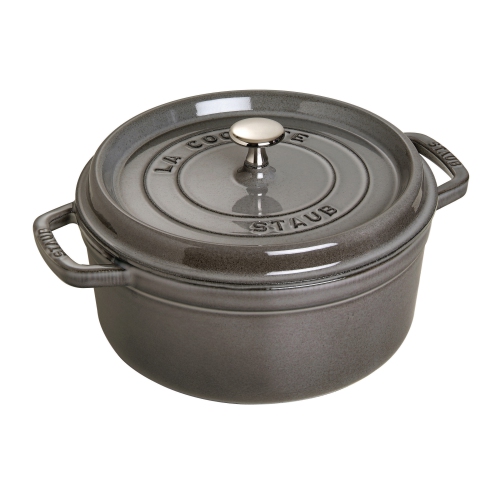 Your price for this item is $399.99
-
 Your price for this item is $69.99
Discover more categories related to Stovetop Casseroles

Top Collections:
Pokemon Centers, Best Cameras for Sports Photography, Kindle Devices, Samsung Galaxy Phones, Canon G7X Cameras, Pokémon 30th Celebration Cards, Refurbished Apple Laptops, iPhone 15 Apple, Laptops for Students, Budget Smartphones
Some products may be subject to Environmental Handling Fees
(EHF) depending on your province.
Learn more about EHFs.