Student Desks for Small Spaces
Student Desks for Small Spaces are designed to help maximize your study area without taking up too much room. Whether you're setting up a cozy corner in a dorm, bedroom, or apartment, these desks offer practical solutions for studying, working on assignments, or attending virtual classes. Find the ideal desk to fit your lifestyle and make the most of your available space while keeping your essentials organized and within reach.
Sort
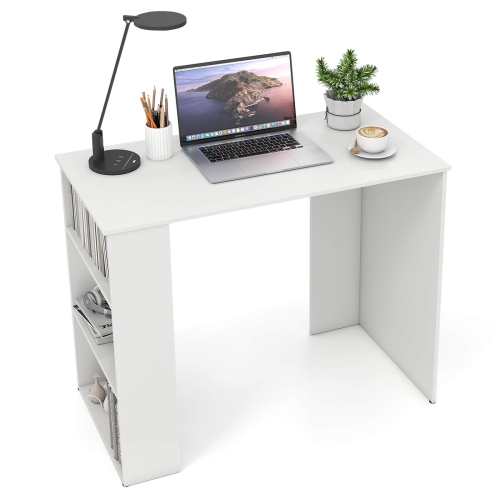

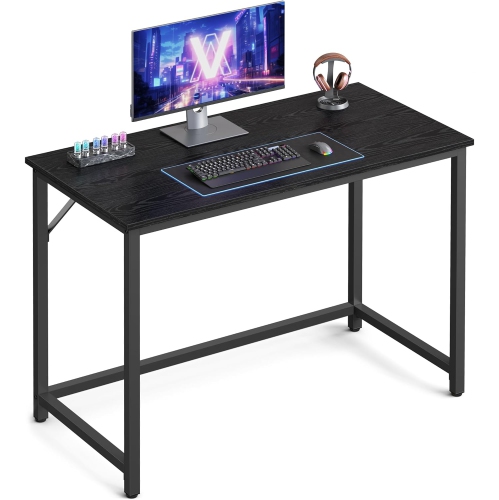
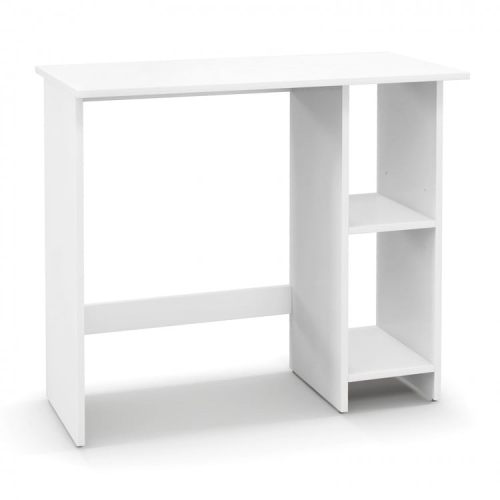
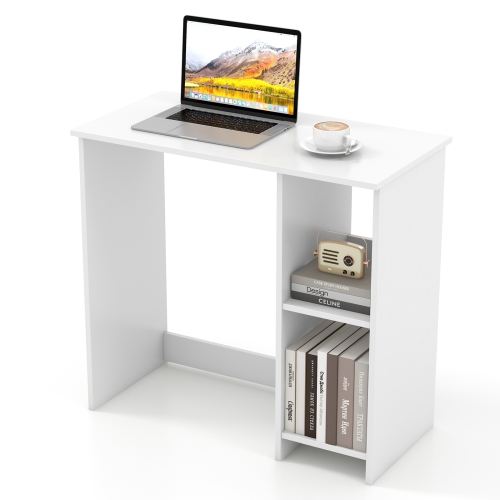

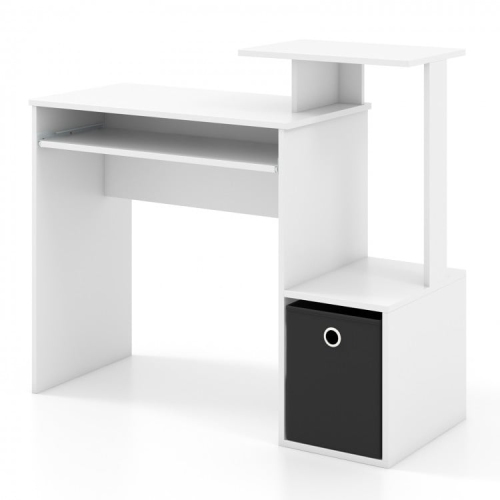
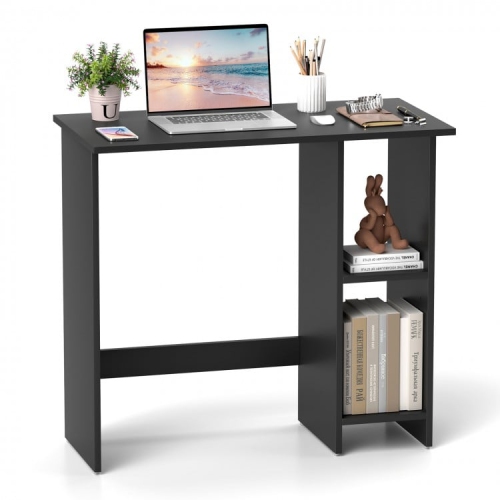


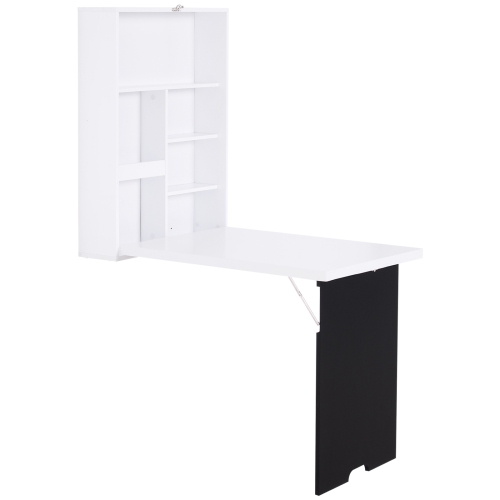
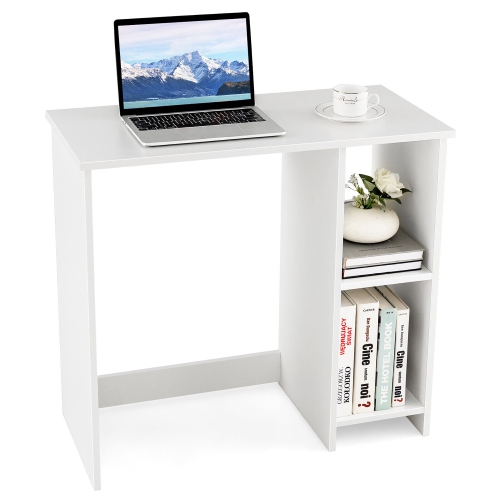

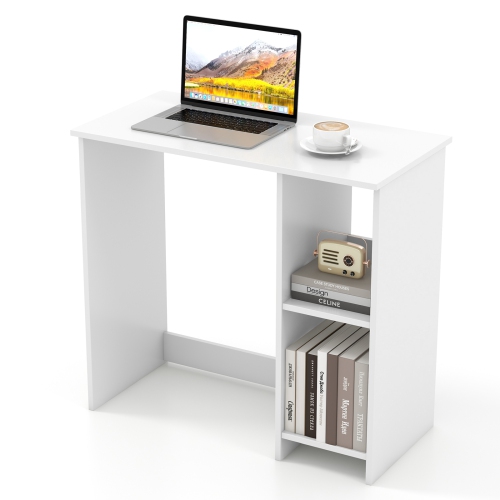
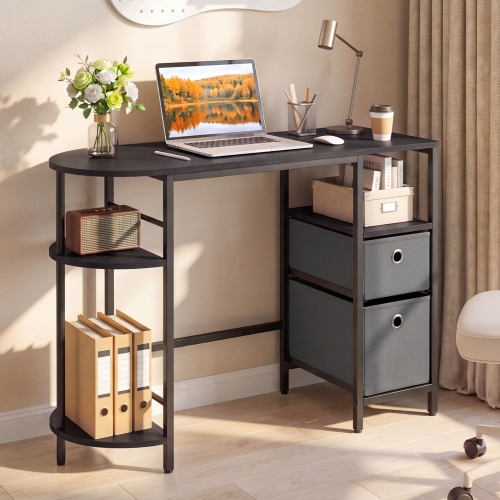
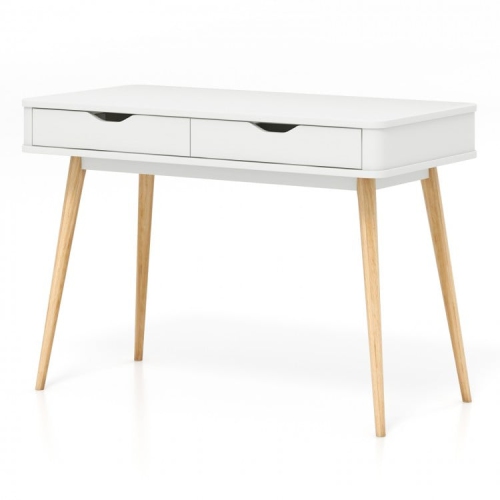
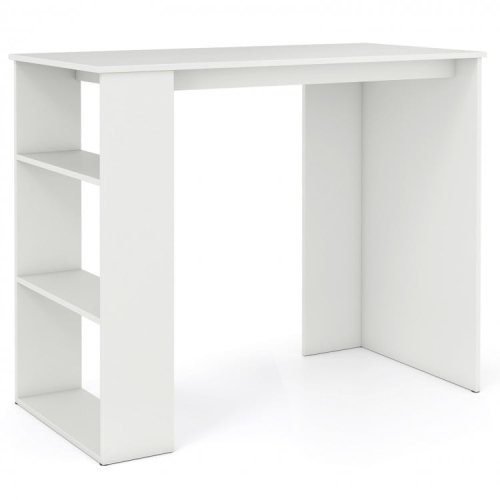
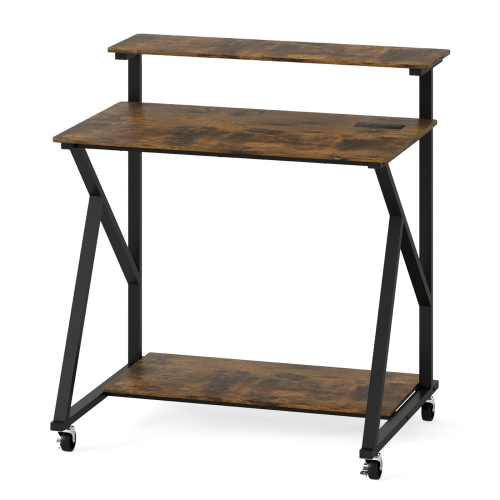

The right desk fits your room and study habits
Student desks for small spaces give schoolwork a dedicated place without asking a bedroom, residence room, or shared living area to function as a full office. A compact desk can hold a laptop and an open notebook, provide a steady surface for handwritten assignments, or create a quiet spot for reading between classes. The right proportions depend as much on the way a student works as on the size of the room. Someone who mainly reads and types on a laptop may need less surface area than a student who spreads out textbooks, sketches by hand, or uses a separate keyboard and monitor. Width helps determine what can sit side by side, while depth affects the distance between the screen and the seated position. A narrow desk may fit neatly along a wall but still feel crowded if a monitor base takes up most of the desktop. Usable room also extends beyond the furniture itself: a chair needs space to pull out, drawers need clearance to open, and nearby doors should move freely. In a bedroom, the route between the bed, closet, and doorway matters just as much as the desk’s footprint. Baseboard trim, window ledges, and the location of electrical outlets can also influence how closely a desk sits against a wall. Open space underneath makes it easier to change sitting position, whereas cabinets and low shelves can reduce room for knees and feet. For younger students, a desk and chair that suit their height can make everyday tasks more comfortable; for older students, sufficient legroom and a surface that accommodates longer assignments become especially useful. A compact study area works best when the essentials fit naturally, rather than requiring books, chargers, and a chair to be moved each time the desk is used. For a closer focus on bedroom layouts, explore Desks for Small Student Rooms.
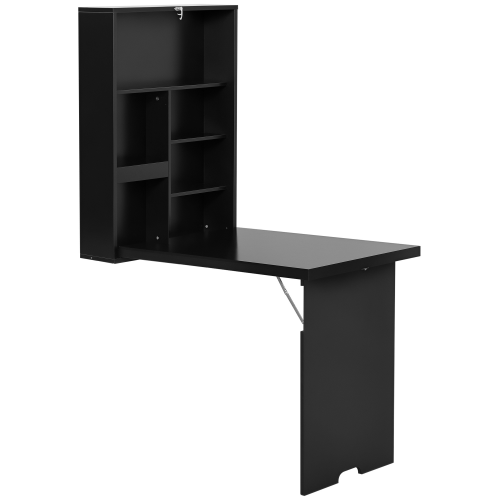
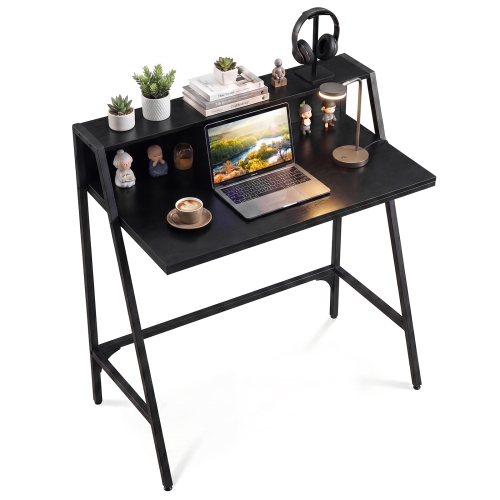
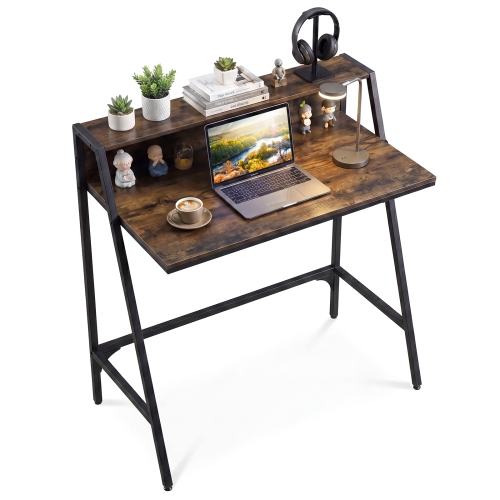
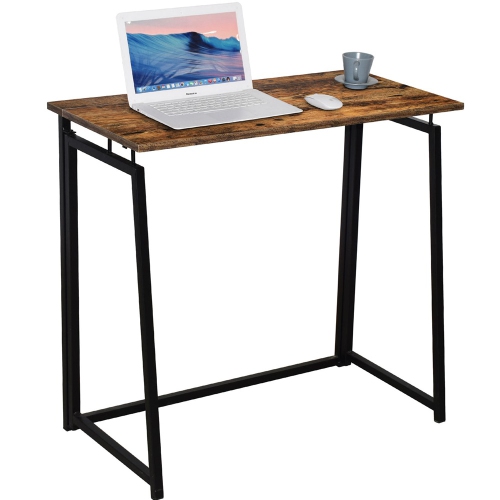
Different desk shapes make use of small rooms in different ways. A simple rectangular design can sit along an unused wall, while a corner desk may turn an awkward junction into a practical study spot. Corner placement still needs enough clearance for the chair and access to anything stored at the back. A ladder-style desk or a design with a raised shelf uses vertical space, although the position of shelving should leave room for a screen, task lighting, and comfortable movement. Wall-mounted and folding designs can free up floor space when not in use, but their suitability depends on secure installation, the wall structure, and the stated weight limits. Storage is another balance between convenience and usable space. A shallow drawer can keep pens, charging cables, and loose stationery off the desktop without occupying the room needed by a full cabinet. Open shelves make frequently used books easy to reach, while enclosed storage can give a shared bedroom a tidier appearance. Storage works best when its dimensions match what needs to go inside; a shelf intended for textbooks needs different clearance from a compartment holding small supplies. Materials affect both the look of the desk and how it handles daily use. Engineered wood with a laminate or melamine finish can offer a smooth, consistent writing surface, with care needs that depend on the finish and edge construction. Solid wood brings visible grain and natural variation, though its resistance to marks and moisture depends on the species and protective coating. Metal frames can provide an open look, but stability also relies on the joints, bracing, and assembly rather than the frame material alone. Glass surfaces have a light visual presence, although fingerprints tend to show and a suitable desk pad may be useful for writing. Across materials, securely attached hardware, supported shelves, and well-finished edges contribute to a desk that feels dependable when a student leans into an assignment or reaches for a book.
Daily comfort comes from the relationship between the desk, chair, lighting, and study equipment. Desk height should work with the student’s seated position so that writing or typing does not require raised shoulders or an awkward reach. An adjustable chair can help accommodate differences in height, provided feet remain supported and there is enough clearance beneath the desk. A separate keyboard, mouse, or screen stand may change how much surface area is needed, so a compact setup benefits from considering those accessories together rather than treating the desktop as empty space. Cable openings or accessible routes behind the desk can help organize charging leads, while enough room around equipment keeps ventilation openings clear. A task lamp also needs a stable position where it illuminates the page without taking over the writing area. In a shared room, a desk that keeps everyday supplies within reach can make the study space easier to use without spreading school materials across a bed or dining table. Care is usually straightforward when it follows the material’s requirements: a soft cloth removes dust, spills are best wiped up promptly, and excess water should be kept away from seams and unfinished edges. Cleaning products should suit the surface finish, since abrasive cleaners and harsh solvents can leave marks or damage coatings. Following assembly directions, observing load limits, and checking fasteners periodically can help maintain stability, especially after a move. Folding parts, drawers, and adjustable sections also benefit from being used as intended rather than forced. For families furnishing a child’s study corner, or anyone choosing a desk as a gift for a student moving into a smaller room, confirmed measurements and an understanding of study habits are more useful than appearance alone. Neutral finishes can coordinate with existing furniture, while a preferred colour or wood tone can help personalize the space. A well-matched compact desk leaves room for daily life while giving schoolwork a consistent, practical home.
Top selling and popular products
-
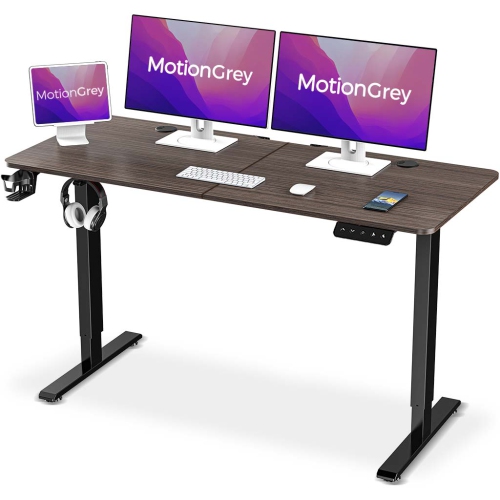 Your price for this item is $144.99
-
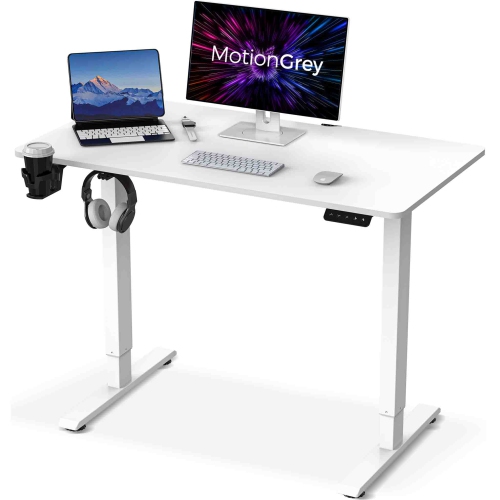 Your price for this item is $122.96
-
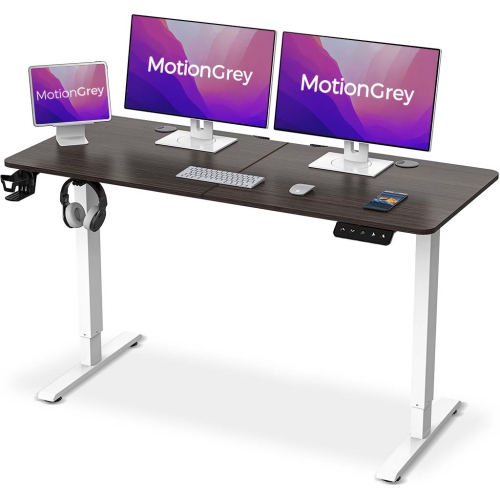 Your price for this item is $142.99
-
 Your price for this item is $137.99
-
 Your price for this item is $849
-
 Your price for this item is $849
-
 Your price for this item is $749
-
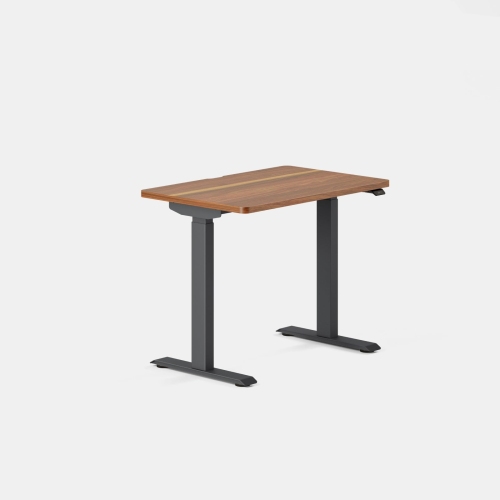 Your price for this item is $649
Discover more categories related to Student Desks for Small Spaces
Top Collections:
Pokemon Centers, Kindle Devices, Best Black Friday Deals This Year, Pokémon 30th Celebration Cards, Best Black Friday Deals On Electronics, Best Cameras for Sports Photography, Best Black Friday Deals On Apple Products, Canon G7X Cameras, iPhone 15 Apple, Candle Warmer Lights
Some products may be subject to Environmental Handling Fees
(EHF) depending on your province.
Learn more about EHFs.