Study Desks for High School Students
Study Desks For High School Students help create organized and productive spaces for homework, projects, and daily study routines. Whether you’re looking to maximize a small bedroom or set up a dedicated workspace, these desks offer practical solutions for every student’s needs. Find options designed to support focus and efficiency, making it easier to tackle assignments and stay on top of schoolwork throughout the year. Explore a variety of sizes, styles, and finishes to complement any room decor and fit your available space.
Sort
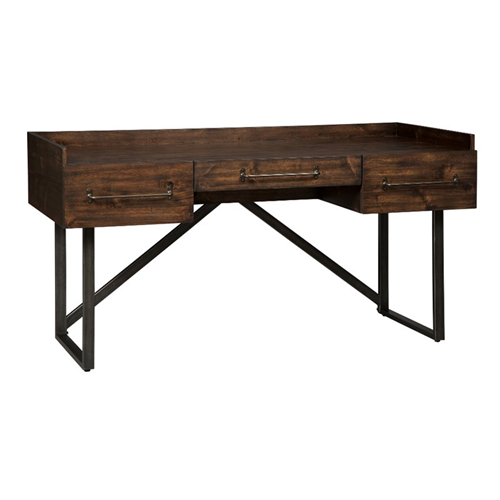
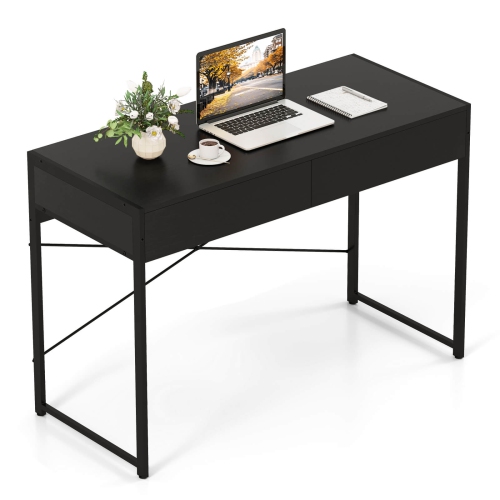
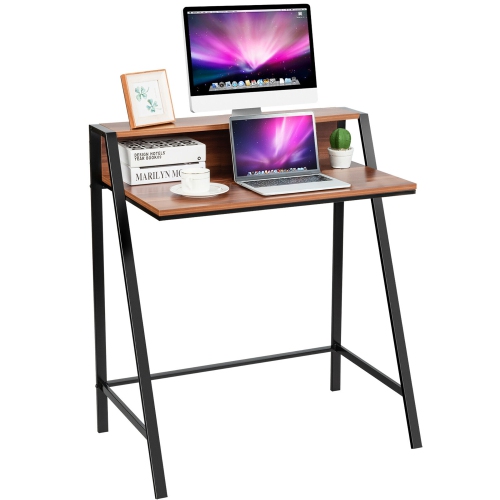
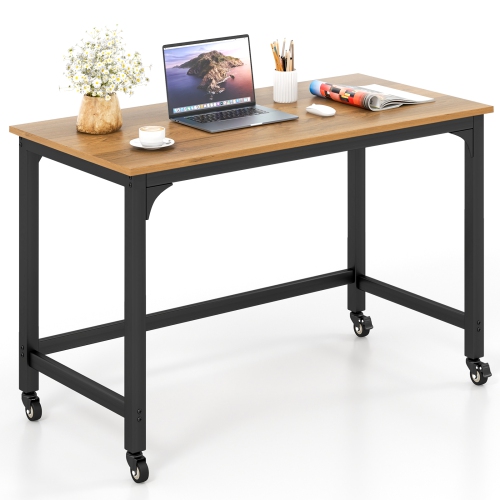
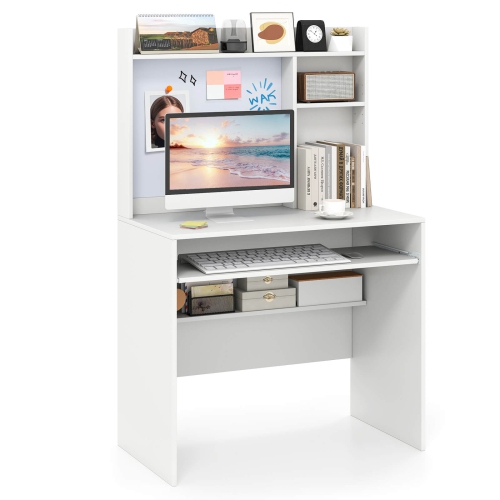
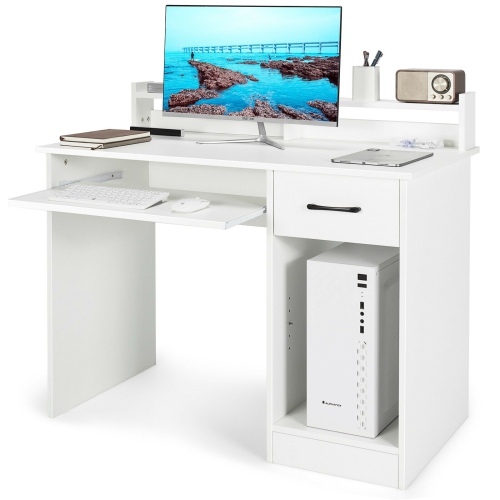
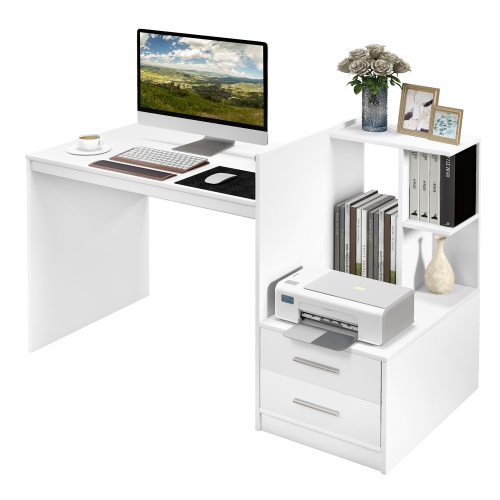
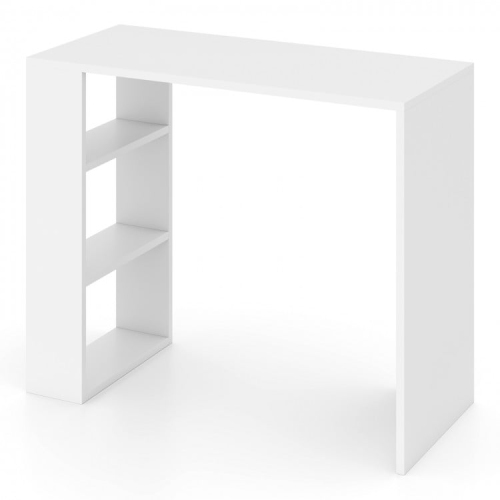
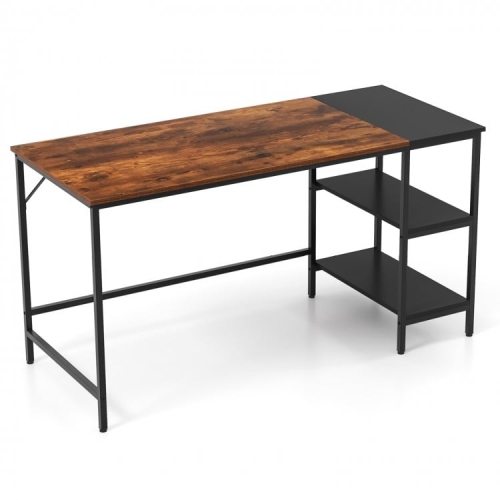
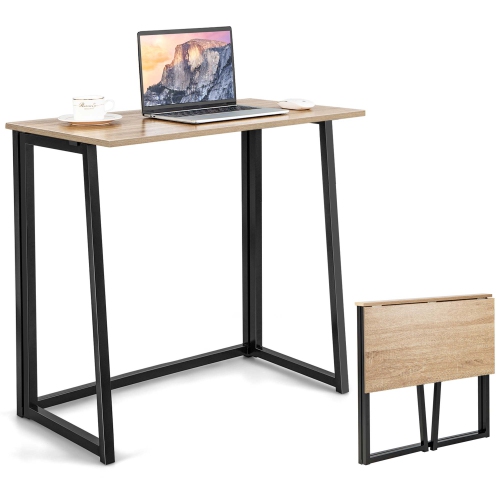
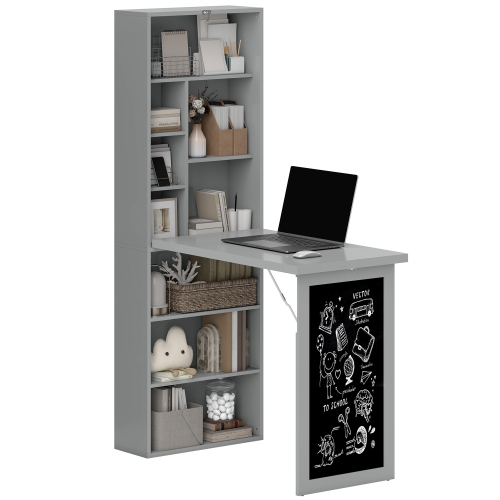
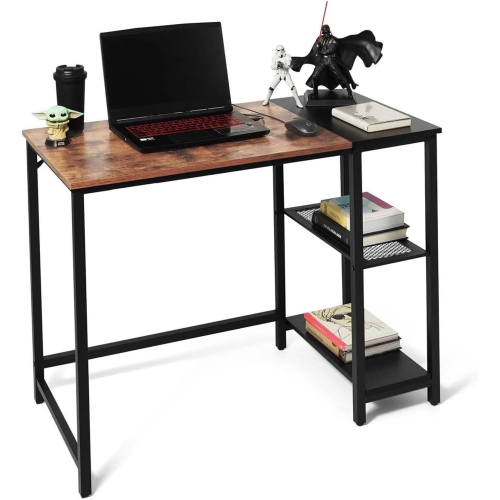
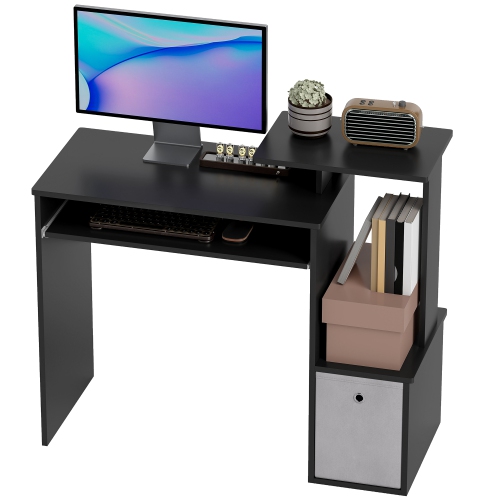
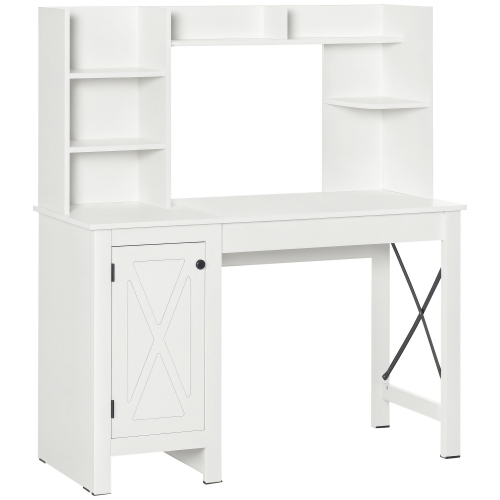
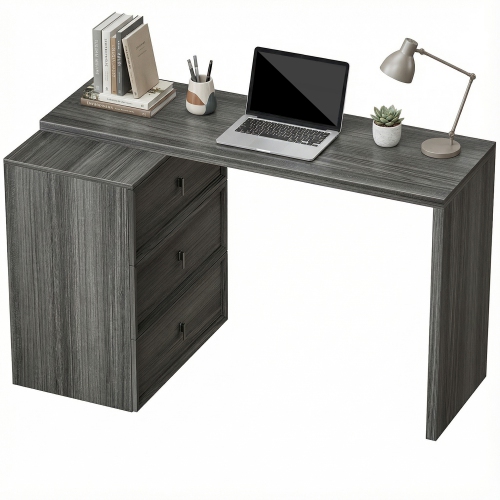
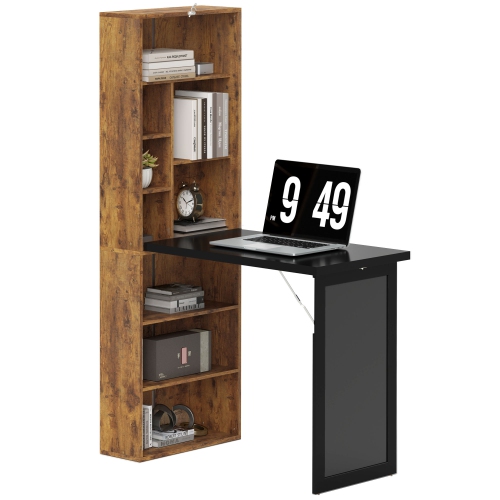
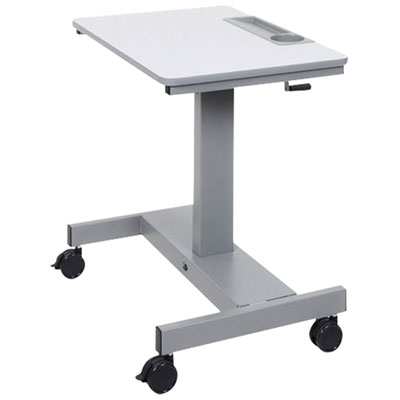
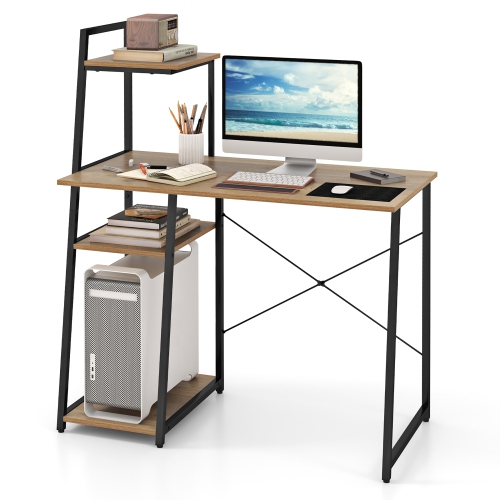

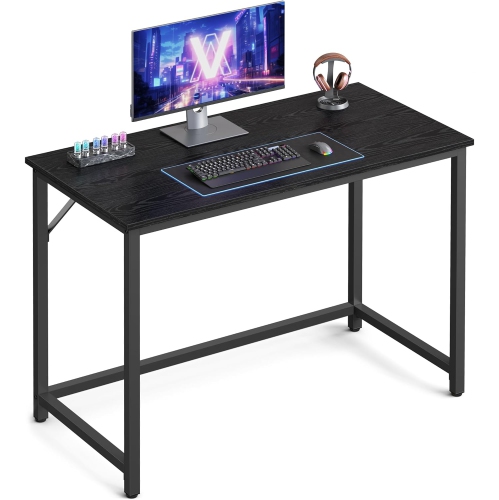
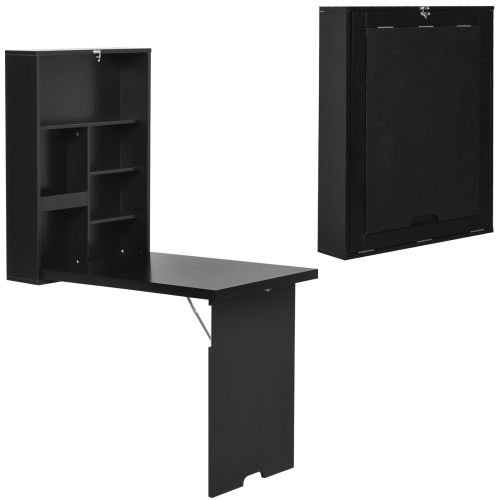
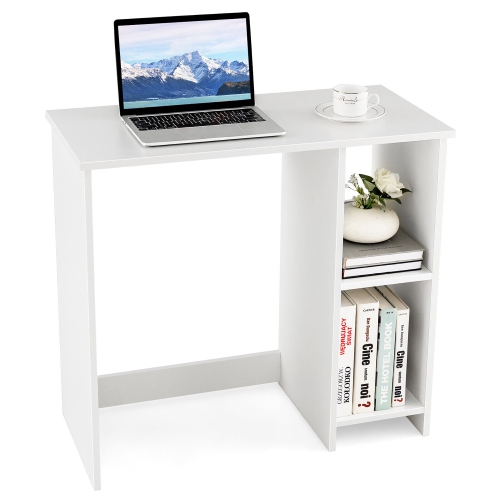
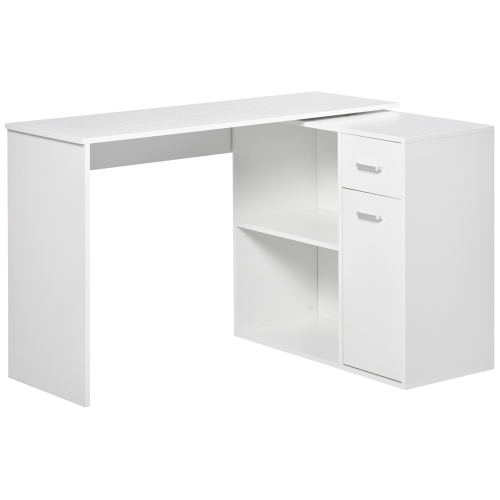
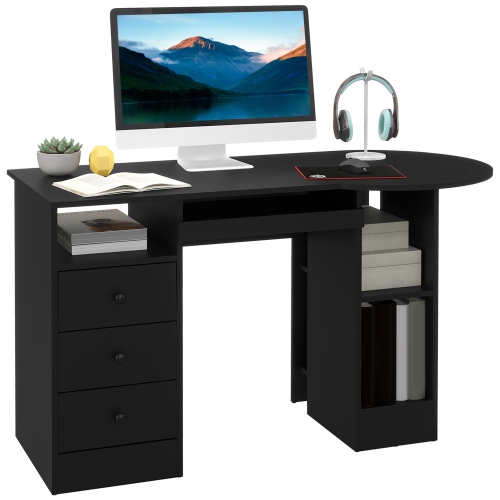
Space for schoolwork without crowding the bedroom
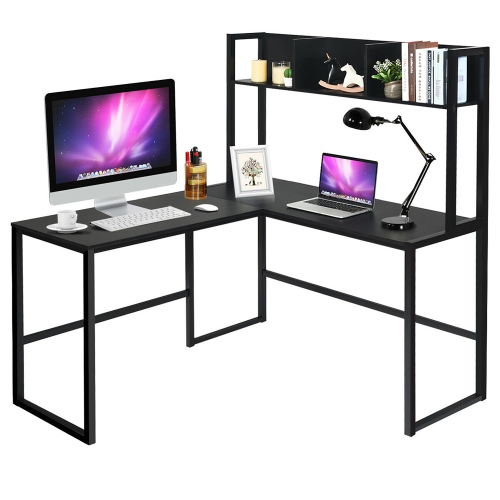
Study desks for high school students provide a dedicated work surface for homework, computer use, reading, and creative projects. A well-suited desk has room for the student’s usual equipment, a sturdy frame, and storage that keeps supplies accessible without crowding the desktop. For a teenager moving between an online assignment and handwritten calculations, that can mean space for a laptop, an open workbook, and a notebook at the same time. Students who use a separate monitor, keyboard, or drawing tablet may need more width and depth than those who mainly write by hand. A desktop around 100 to 120 cm wide and 50 to 60 cm deep can be a useful starting point for a compact setup, although the right dimensions depend on the equipment and room layout. Usable space matters more than the outside measurements alone: raised shelves, built-in compartments, and thick supports can reduce the area available for books or legroom. In a bedroom, a slim rectangular desk can sit along a wall while leaving space for a bed and dresser. A corner desk can make use of an otherwise awkward area, while an L-shaped layout provides separate surfaces for computer work and paper-based assignments when the room allows. Enough clearance behind the chair makes it easier to sit down, stand up, and reach nearby storage without squeezing past other furniture. Baseboard trim, wall outlets, doors, and drawer openings all affect how a desk fits into a room. A simple writing desk may suit a student who keeps textbooks on a separate bookcase, while a desk with drawers can bring school supplies together in one place. For shared bedrooms or family study areas, clearly defined storage gives each student somewhere to keep work between sessions. The most useful layout supports ordinary school tasks without making the room difficult to move through or tidy.
Materials and construction influence how a study desk feels in daily use and how well it stands up to several years of schoolwork. Solid wood can offer a substantial feel and a distinctive grain, though its finish may need protection from moisture and scratches. Engineered wood with a laminate or melamine surface often provides a smooth, easy-to-wipe desktop; well-finished edges help protect the underlying material from everyday bumps and spills. A metal frame can provide firm support without adding bulky side panels, leaving more open space beneath the desk. Whatever the material, stable legs, secure joints, and a desktop that does not flex noticeably under normal use are important for writing and typing. Crossbars and support rails can strengthen a frame, but their placement should leave room for the student’s knees and feet. Rounded corners may be useful in narrow rooms where people frequently pass the desk. Drawers should move smoothly, and their handles should be easy to grasp without catching on clothing. Storage also works best when it matches what the student actually keeps close by: shallow drawers suit pens and charging cables, while deeper compartments may accommodate folders or larger supplies. Open shelves make frequently used books visible, but their dimensions need to suit the books rather than simply add storage in name. For desks with drawers or shelves on one side, the position of those features can determine whether the desk fits comfortably beside a bed or wall. Routine care is usually straightforward when it follows the manufacturer’s directions. A soft cloth, prompt attention to spills, and protection beneath drinks can help preserve the surface. Cleaning products should be suitable for the finish, and abrasive pads can leave marks. Following assembly instructions, checking hardware as directed, and respecting weight limits help maintain stability. Tall attached shelving or other furniture that requires restraint should be secured according to the manufacturer’s instructions, using hardware appropriate for the wall.
Comfort depends on the relationship between the desk, chair, and student rather than on the desk alone. A suitable working height lets a seated student keep shoulders relaxed and forearms comfortably positioned for writing or using a keyboard. There should be enough space beneath the desktop to change leg position, with feet supported by the floor or a footrest. Height-adjustable desks can accommodate changes in a teenager’s height and different seated tasks, provided the adjustment range matches the student and chair. Some designs also allow standing work, though the surface still needs to remain steady at the chosen height. For computer-based assignments, desktop depth helps create a comfortable viewing distance without pushing the keyboard to the front edge. A monitor riser or adjustable arm may free up space, but any clamp needs a compatible desktop thickness and a suitable mounting area. Lighting deserves room in the setup too: a task lamp positioned to avoid casting a hand shadow can make handwritten notes easier to see, while screen placement can help limit reflections. Cable openings, trays, and clips can keep charging leads away from writing space and reduce loose cords around feet. A nearby outlet makes the layout more practical without stretching cables across a walkway. Small details such as a headphone hook or a designated place for a school bag can also keep the main work surface clear. For more ways to match furniture to a student’s room and routine, explore School Study Desk Ideas. A desk can also be a thoughtful gift for a teenager starting high school, moving into a different bedroom, or developing a more independent homework routine, especially when the recipient helps choose its size, colour, and storage layout. Neutral finishes can work with changing room décor, while a design with removable organizers leaves room for different subjects and hobbies. A useful study desk supports focused schoolwork while remaining flexible enough for sketching, reading, planning a presentation, or working on a personal project after the homework is finished.
Top selling and popular products
-
 Your price for this item is $97.99
-
 Your price for this item is $89.99
-
 Your price for this item is $84.99
-
 Your price for this item is $97.99
-
 Your price for this item is $649
-
 Your price for this item is $749
-
 Your price for this item is $649
-
 Your price for this item is $649
Discover more categories related to Study Desks for High School Students
Top Collections:
Best Black Friday Deals This Year, Best Black Friday Deals On Electronics, Kindle Devices, Pokemon Centers, Best Black Friday Deals On Apple Products, Best Cameras for Sports Photography, Dyson Airwrap, Pokémon 30th Celebration Cards, Apple iPhone 17 Pro, Canon G7X Cameras
Some products may be subject to Environmental Handling Fees
(EHF) depending on your province.
Learn more about EHFs.