Study Tables With Drawer
Create the perfect study space with our selection of study tables with drawers. Whether you're a student looking for a functional and organized workspace or a professional in need of an efficient home office setup, our study tables with drawers offer the ideal solution. With their sleek designs and ample storage options, these tables provide a dedicated area for studying, working, or pursuing your hobbies. Here are some great options available.
Sort
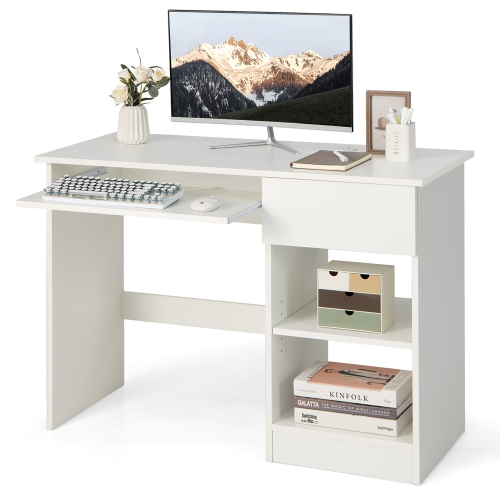
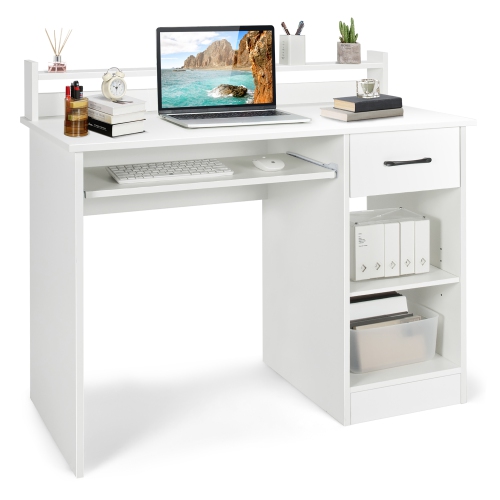
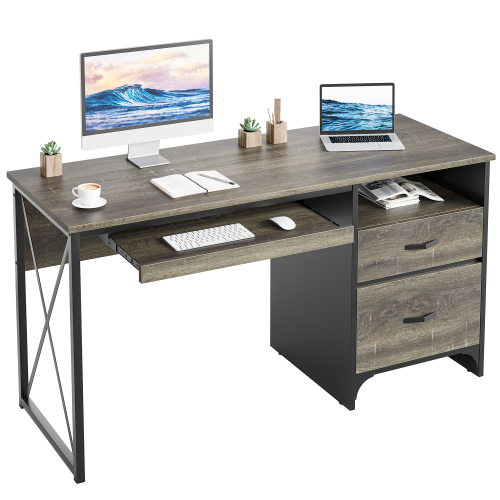
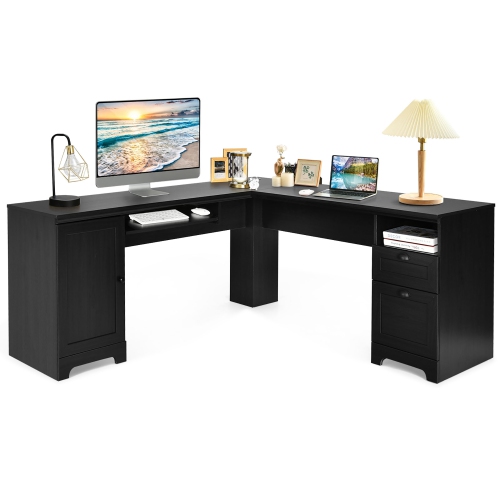
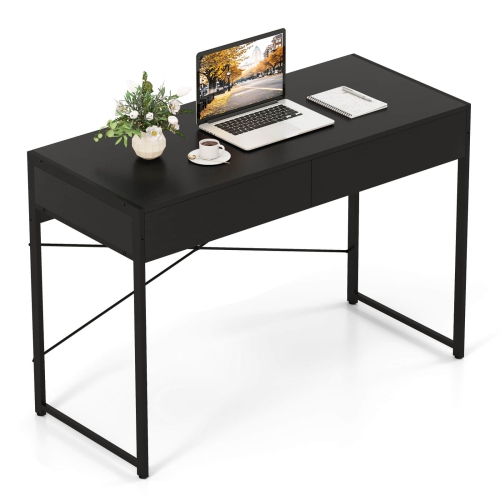
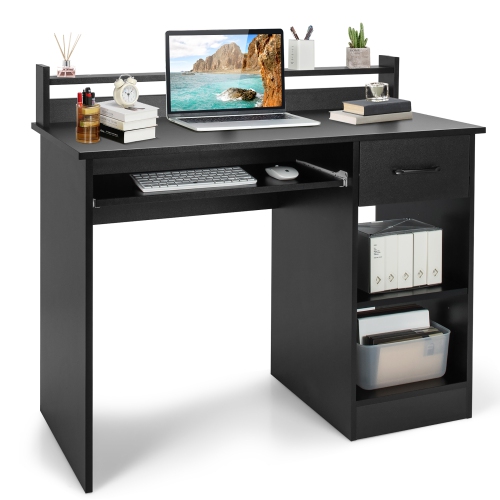
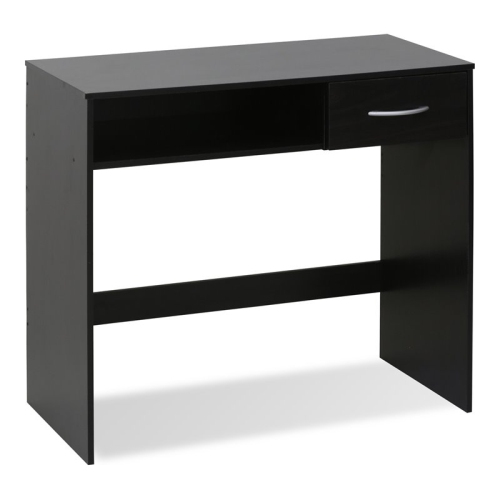
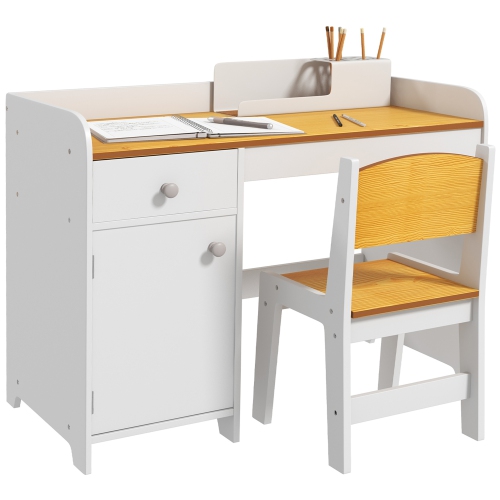
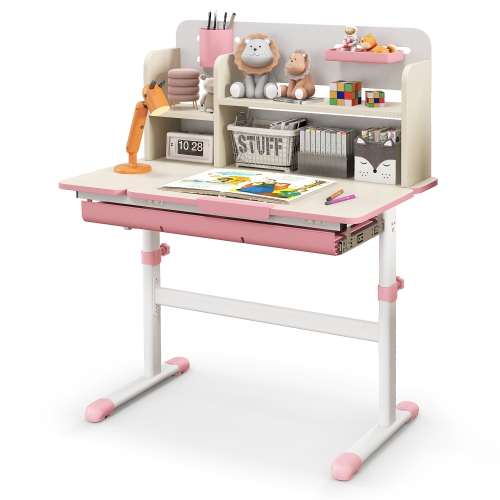
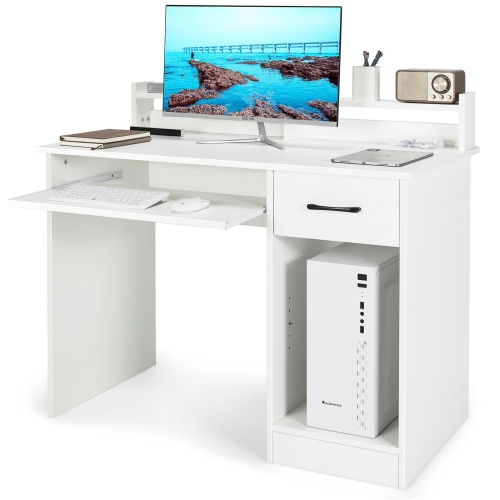
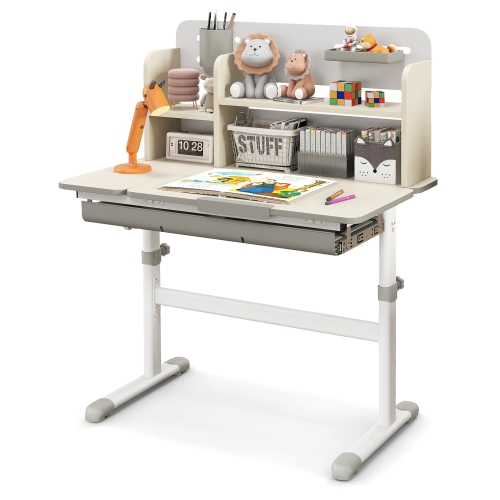
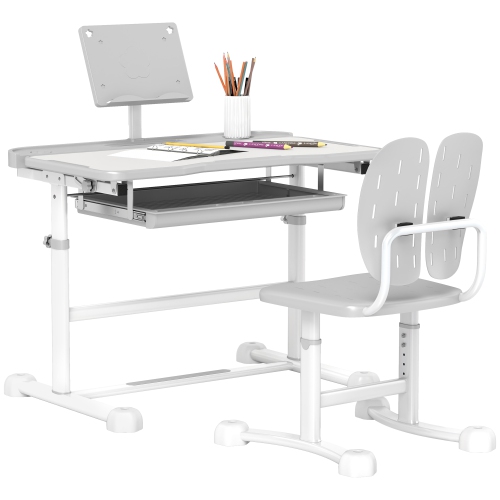
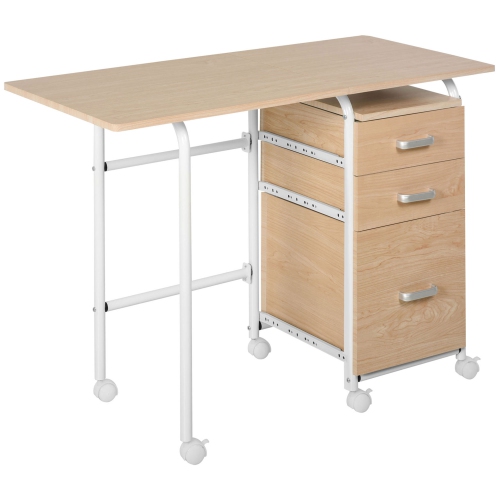

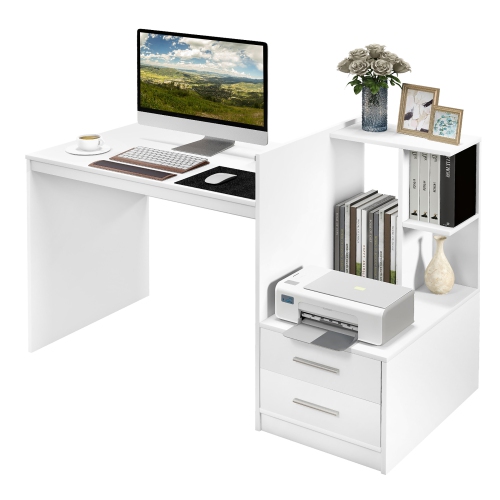
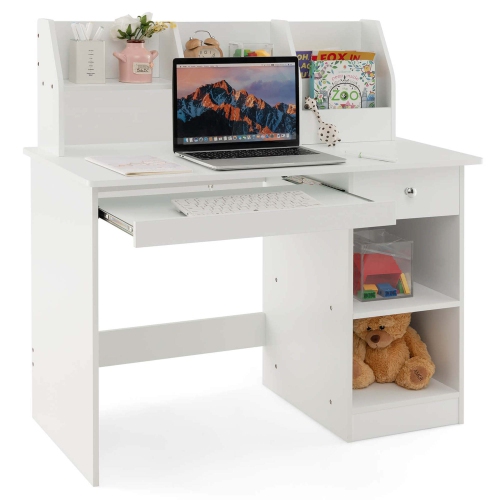
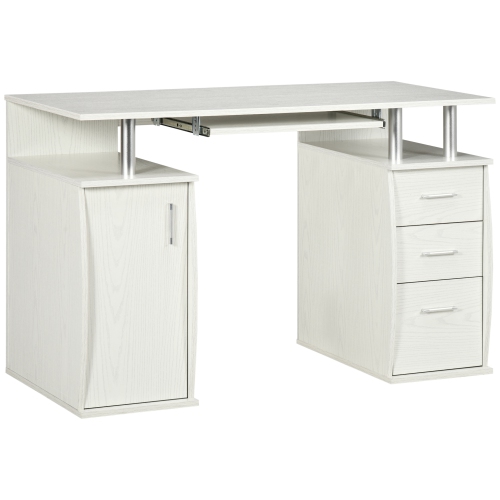

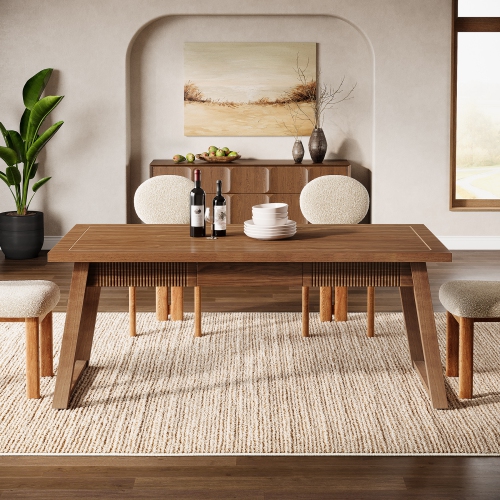
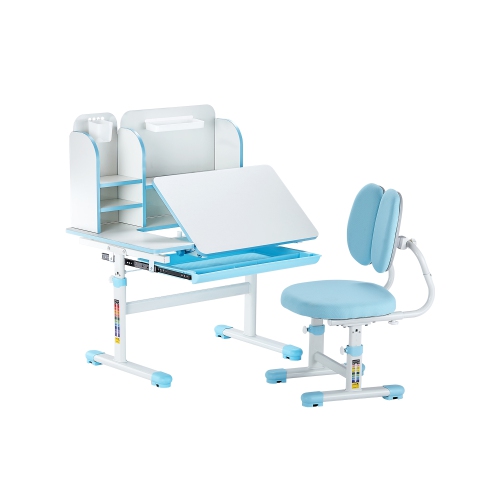
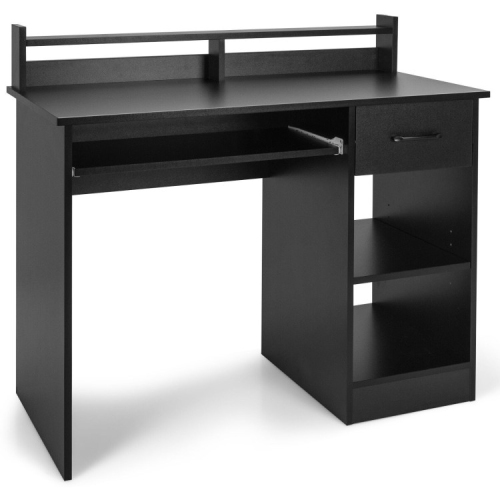
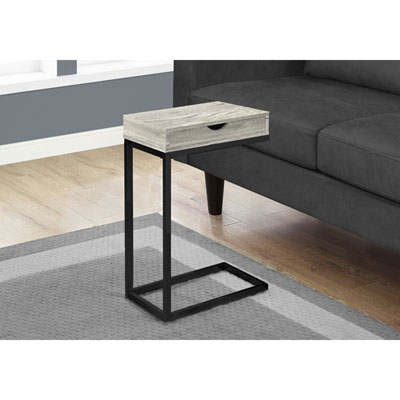

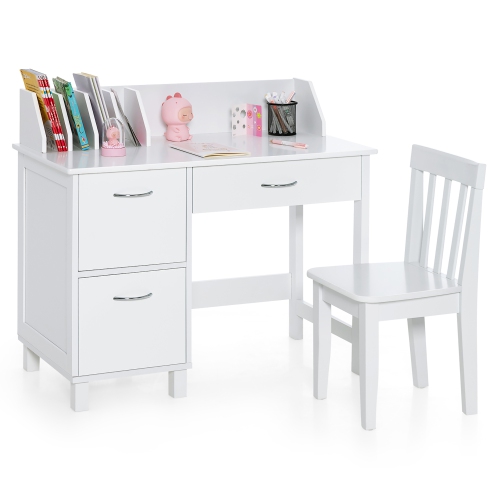

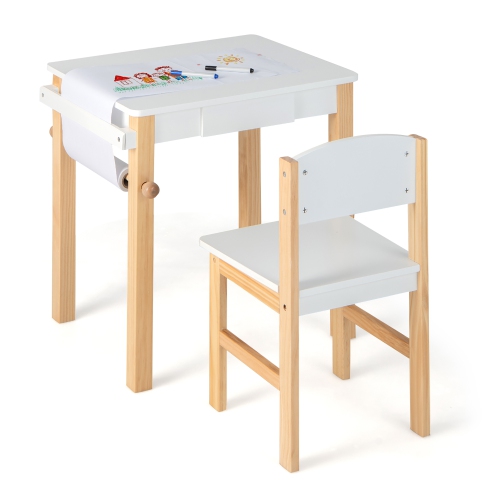
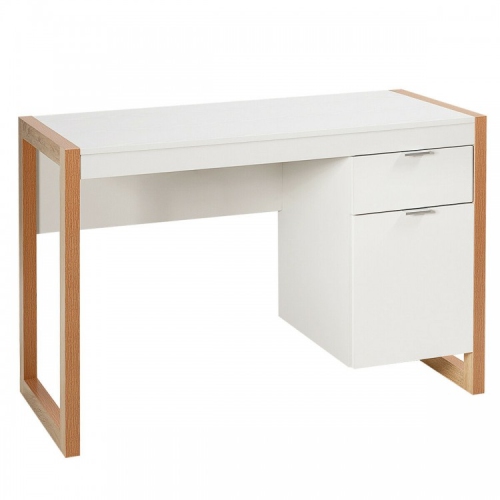

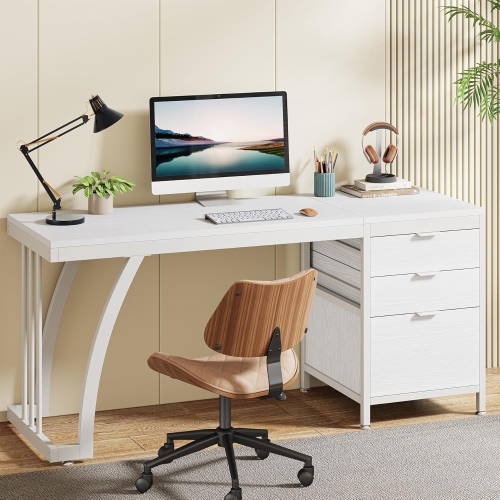
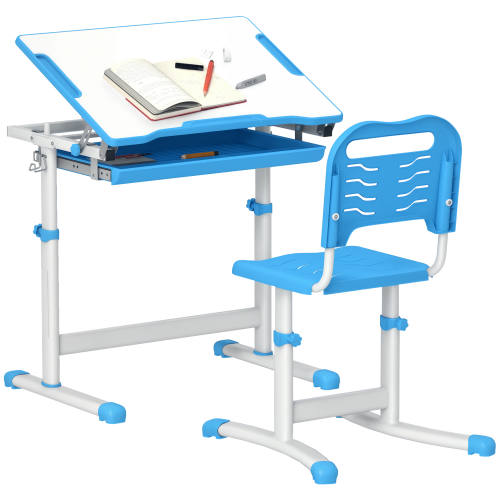
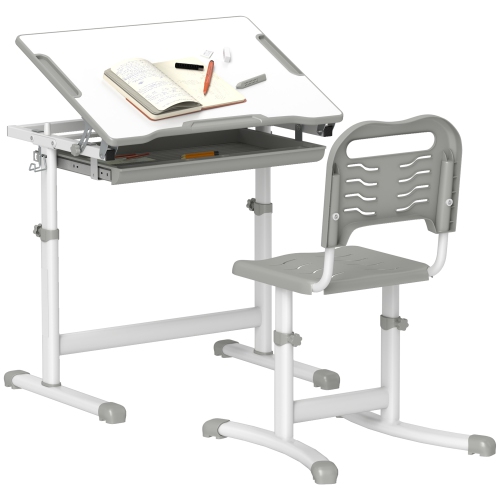
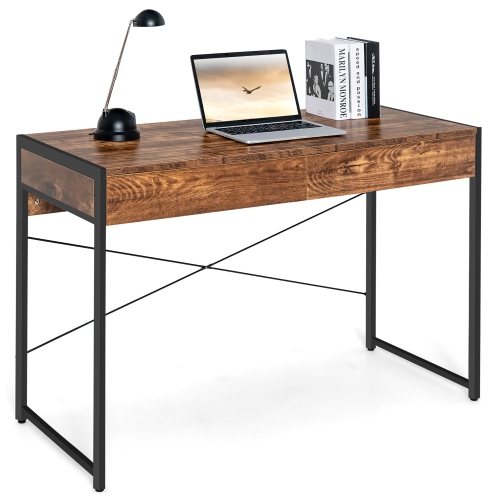
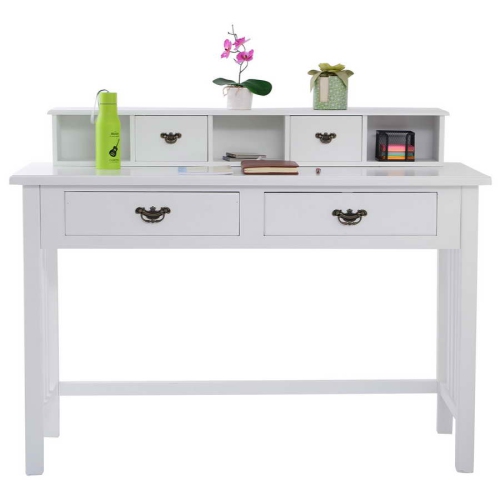
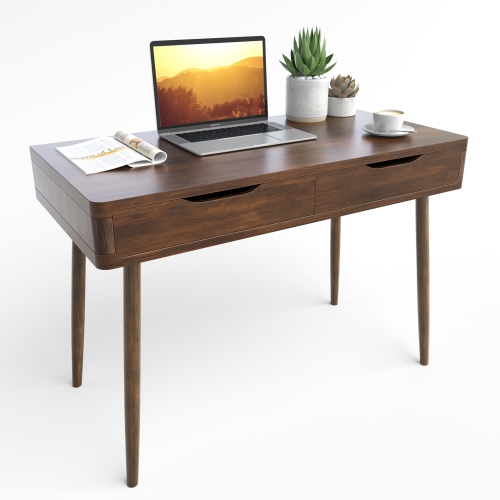
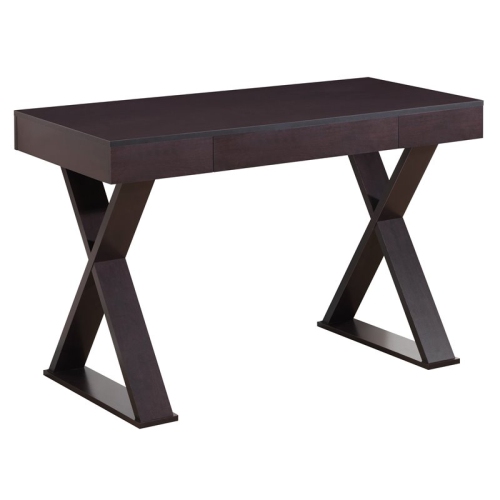

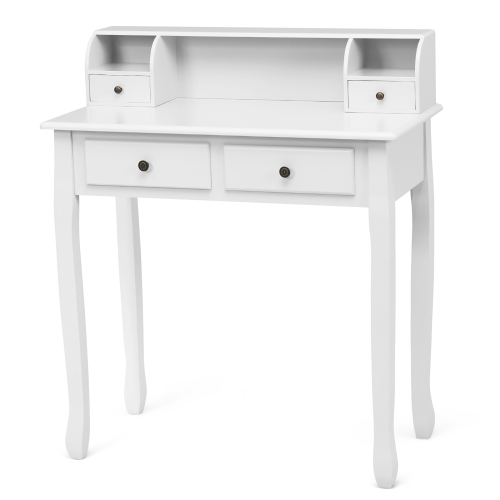
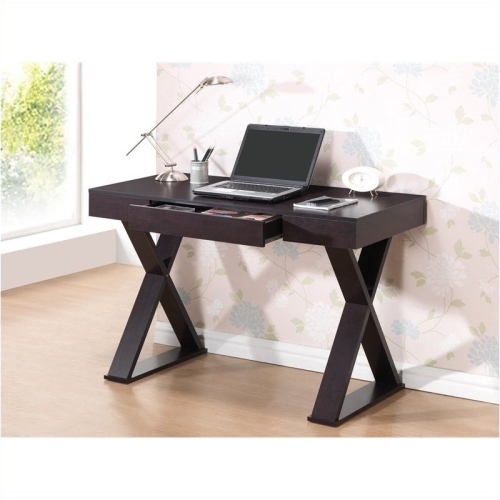
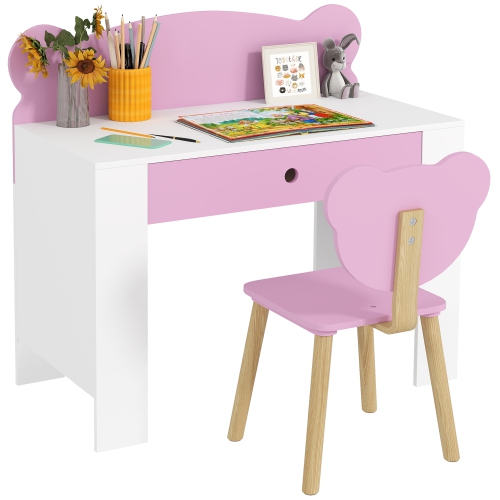
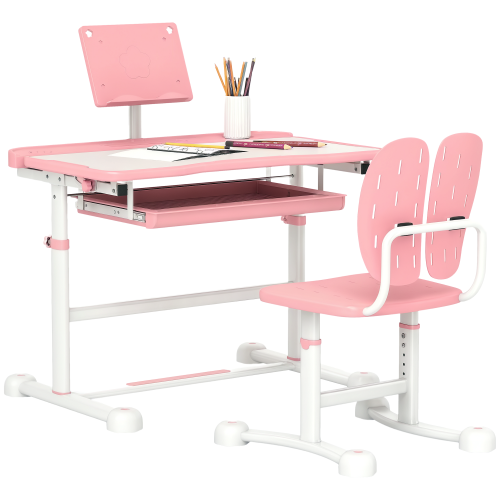
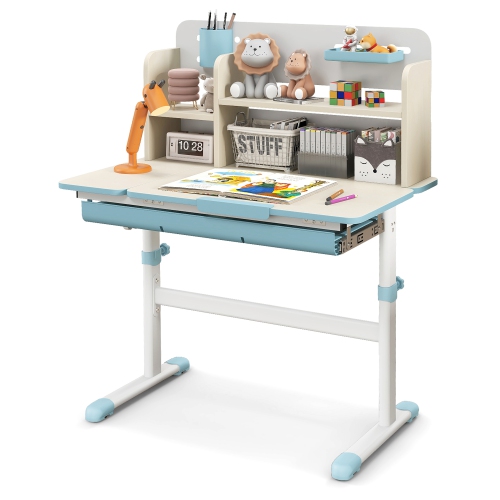
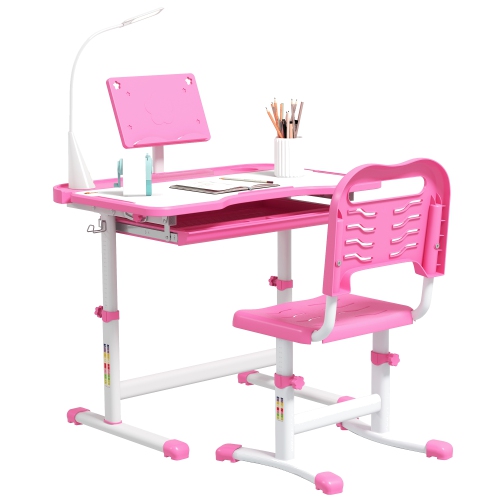
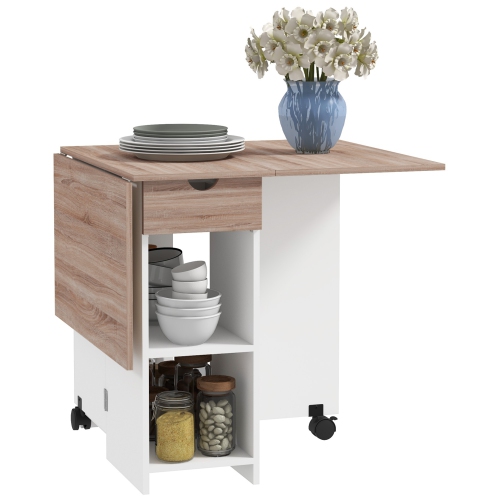
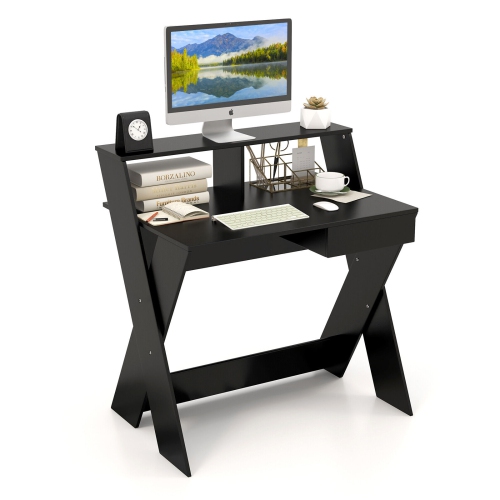
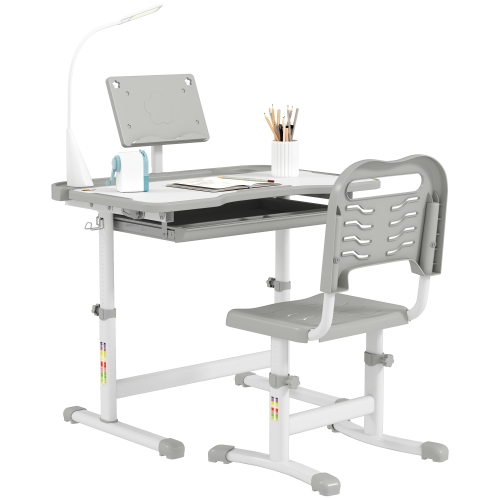
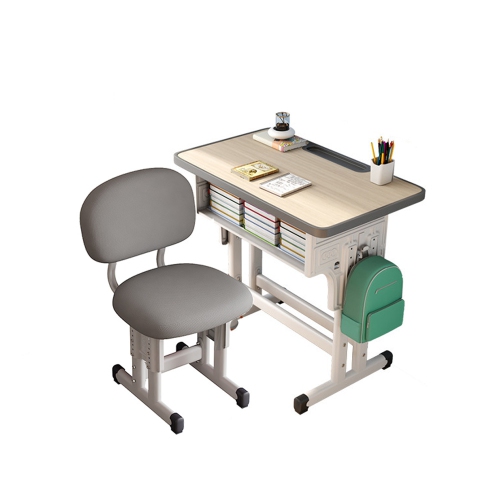
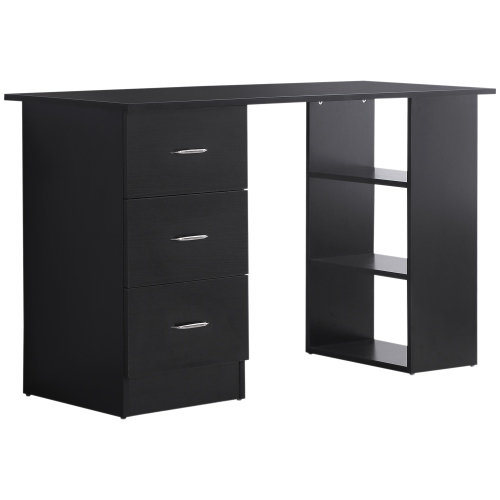
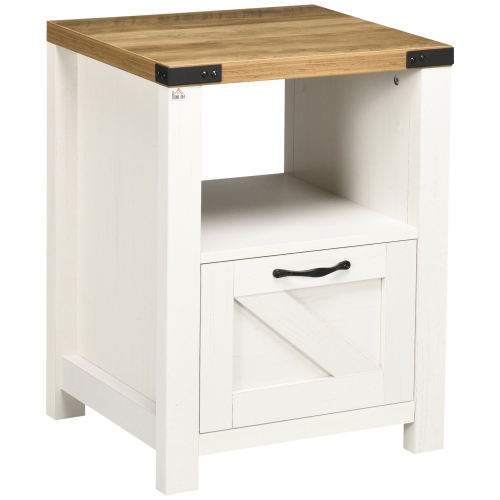
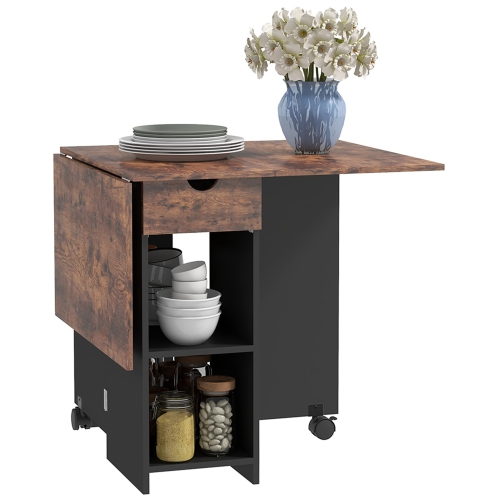
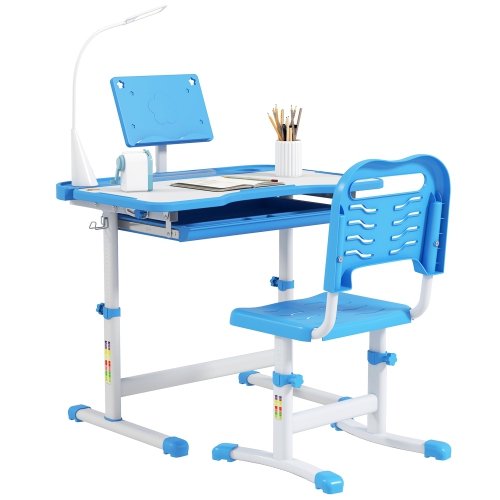
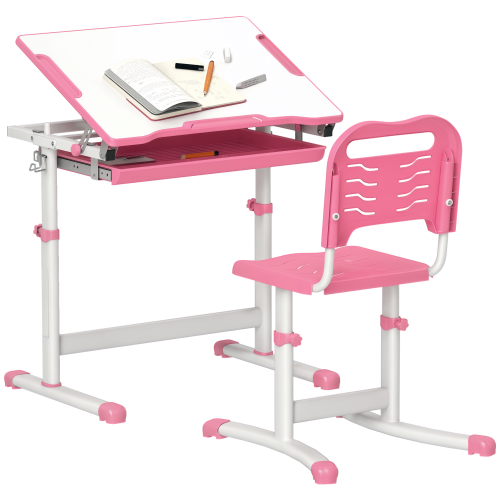
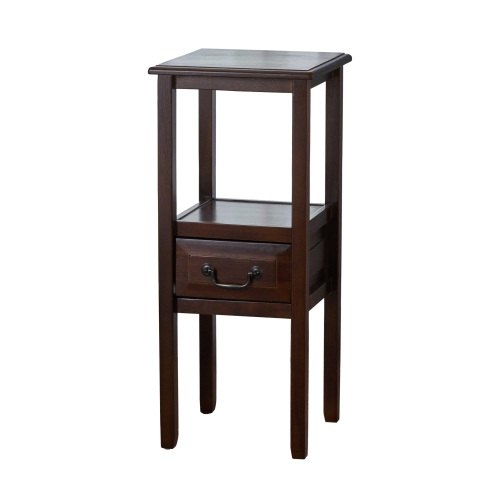
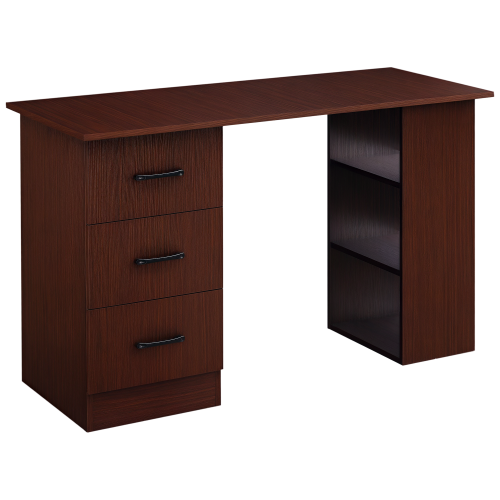
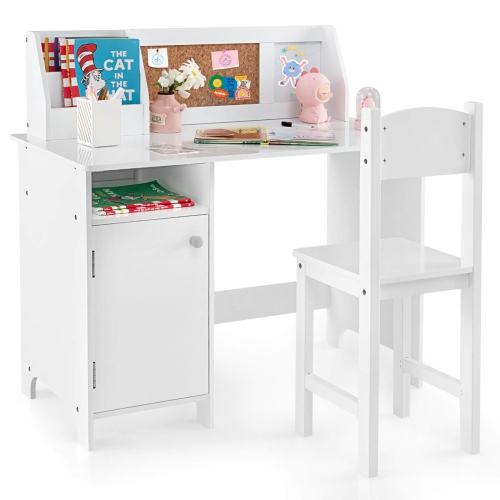
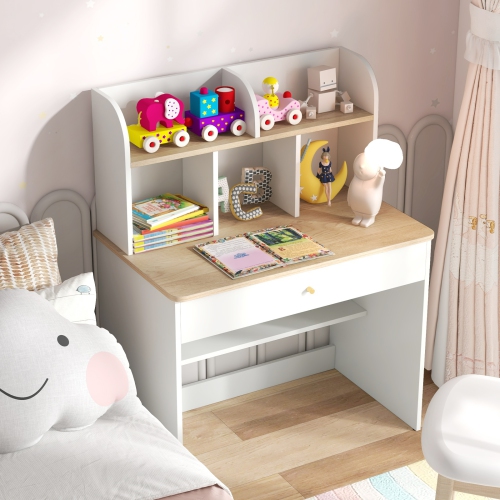
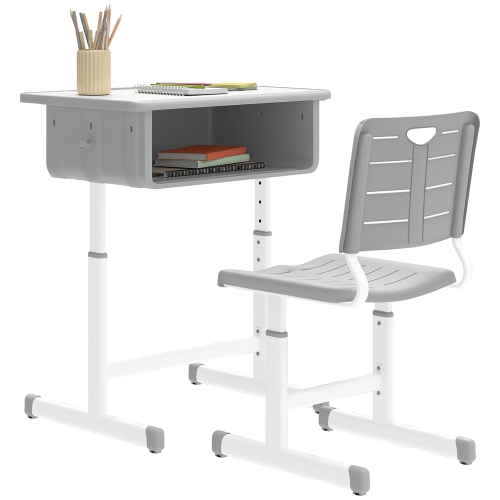
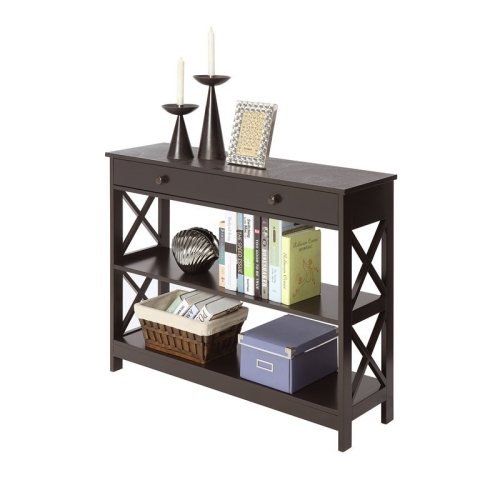
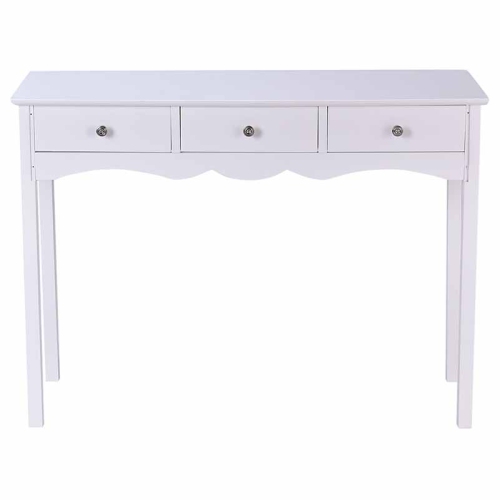
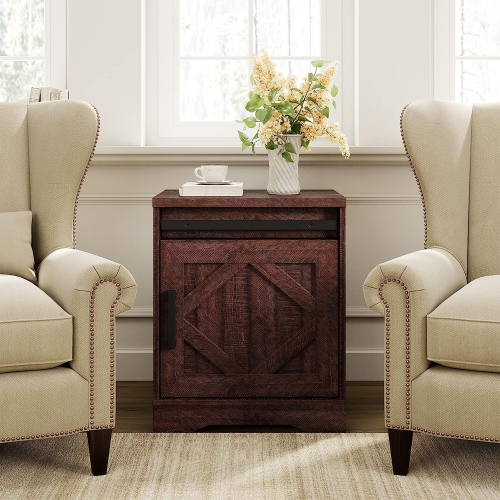
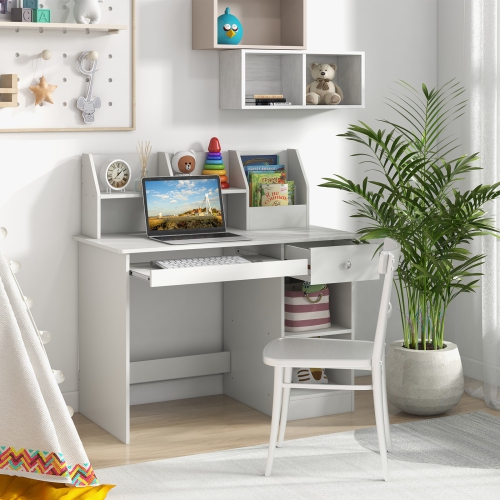
How drawers support organized study and flexible workspaces
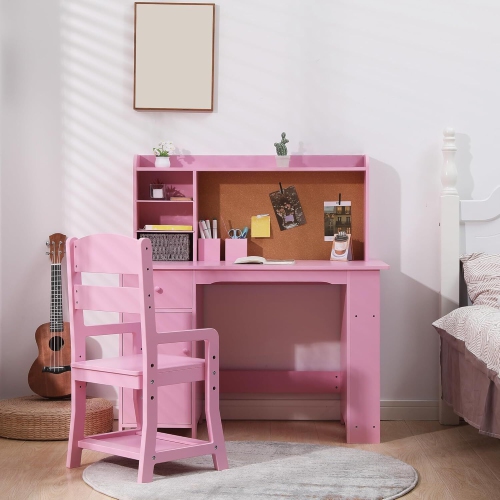
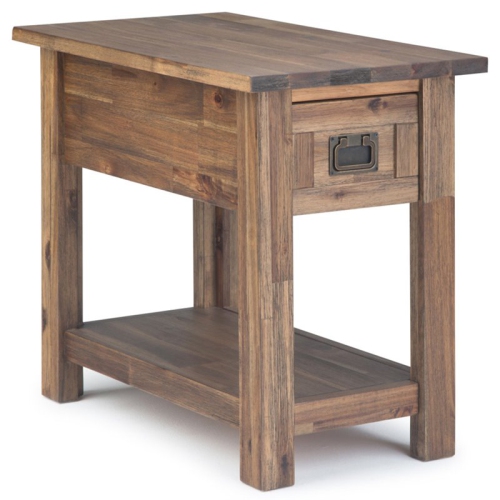
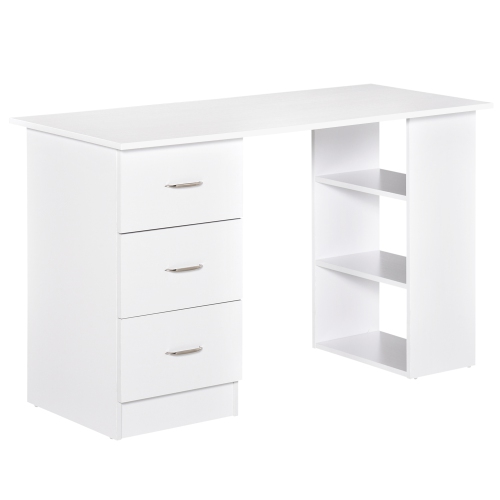
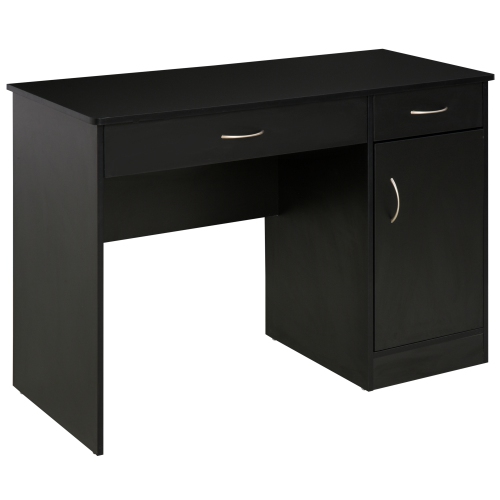
Study tables with drawers bring together a comfortable work surface and practical storage, making them useful for students, remote workers, hobbyists, and anyone who prefers a more organized place to read, write, or use a computer. A drawer can keep pens, pencils, calculators, notebooks, chargers, headphones, and other small essentials within easy reach without leaving them scattered across the tabletop. This simple feature can make a noticeable difference in a bedroom, home office, living area, or shared space where every bit of organization matters. A clean surface leaves room for a laptop, textbooks, a desk lamp, or a monitor, while the built-in storage helps create a more settled routine for studying and completing assignments. For younger learners, a study table with a drawer can provide a dedicated spot for school supplies and creative projects; for university students, it can hold reference notes, stationery, and daily-use accessories; and for adults, it can serve as a compact workstation for video calls, planning, journaling, or occasional paperwork. Those looking for a dedicated setup in a sleeping area can also browse Study Tables for Bedrooms to find options suited to bedroom layouts and everyday use. These tables can also make thoughtful gifts for students moving into a residence, children setting up a homework corner, or family members creating a more functional work-from-home space. During the cooler months, when more reading, studying, and indoor projects may take place, having a dependable surface with nearby storage can make a room feel more useful without requiring a complete furniture change.
Before choosing a study table with a drawer, measure the available area carefully, including the width, depth, and height of the space where the table will sit. Leave enough room for a chair to slide in and out comfortably, and consider nearby doors, closets, radiators, windows, and walkways. Compact tables can work well in smaller bedrooms, apartments, dorm rooms, or corners that need to serve more than one purpose, while wider designs may be better suited to multiple monitors, larger textbooks, art materials, or a computer with separate accessories. Think about how much storage is actually needed. A shallow drawer may be ideal for pens, sticky notes, cables, and other small items, while deeper or multiple drawers can accommodate folders, notebooks, controllers, craft materials, and larger supplies. Drawer placement matters as well: a drawer centred beneath the work surface keeps frequently used items close, while drawers positioned to one side can leave more legroom. Check the clearance beneath the table if you plan to use a rolling office chair or prefer to stretch your legs while reading. It is also helpful to consider the table’s overall shape and visual weight. Straight, streamlined designs can suit modern rooms and narrow walls, whereas a broader table with more substantial storage may provide a stronger anchor in a larger space. When comparing finishes, consider how the colour and texture will work with existing furniture, flooring, lighting, and wall tones. A neutral surface can blend easily into a shared room, while a warmer wood-look finish may add a more traditional feel to a study area.
Technology and daily habits should also guide the decision. If the table will hold a laptop, monitor, lamp, printer, or charging accessories, look for features that make cables easier to route and keep out of the way. Openings at the back, cable-management spaces, or enough clearance to guide cords toward a nearby outlet can help prevent a tangle behind the table. Make sure the tabletop is deep enough for the equipment you use while still leaving space for writing or reading. A student who switches between a laptop and printed notes may appreciate room to place a notebook beside the screen, while someone using a monitor and keyboard may need additional width and depth. Consider the drawer’s construction and movement, including whether it opens smoothly and whether its size matches the items you expect to store. A table used every day should also feel stable when writing, typing, or shifting books across the surface. Look for a design that fits the intended chair height and encourages a comfortable posture, with enough legroom to sit naturally. Assembly requirements are worth reviewing before purchase, particularly for tables with several drawers or a larger frame. In a shared household, a study table with enclosed storage can help keep personal supplies together and make it easier to clear the surface at the end of the day. In a child’s room, it can support a consistent homework routine; in a guest room, it can double as a writing desk or occasional workstation; and in a home office, it can provide a compact alternative to a larger computer desk. By matching the table’s size, storage capacity, cable features, finish, and intended use, shoppers can choose a practical workspace that feels comfortable and organized through changing routines and seasons.
Before choosing a study table with a drawer, measure the available area carefully, including the width, depth, and height of the space where the table will sit. Leave enough room for a chair to slide in and out comfortably, and consider nearby doors, closets, radiators, windows, and walkways. Compact tables can work well in smaller bedrooms, apartments, dorm rooms, or corners that need to serve more than one purpose, while wider designs may be better suited to multiple monitors, larger textbooks, art materials, or a computer with separate accessories. Think about how much storage is actually needed. A shallow drawer may be ideal for pens, sticky notes, cables, and other small items, while deeper or multiple drawers can accommodate folders, notebooks, controllers, craft materials, and larger supplies. Drawer placement matters as well: a drawer centred beneath the work surface keeps frequently used items close, while drawers positioned to one side can leave more legroom. Check the clearance beneath the table if you plan to use a rolling office chair or prefer to stretch your legs while reading. It is also helpful to consider the table’s overall shape and visual weight. Straight, streamlined designs can suit modern rooms and narrow walls, whereas a broader table with more substantial storage may provide a stronger anchor in a larger space. When comparing finishes, consider how the colour and texture will work with existing furniture, flooring, lighting, and wall tones. A neutral surface can blend easily into a shared room, while a warmer wood-look finish may add a more traditional feel to a study area.
Technology and daily habits should also guide the decision. If the table will hold a laptop, monitor, lamp, printer, or charging accessories, look for features that make cables easier to route and keep out of the way. Openings at the back, cable-management spaces, or enough clearance to guide cords toward a nearby outlet can help prevent a tangle behind the table. Make sure the tabletop is deep enough for the equipment you use while still leaving space for writing or reading. A student who switches between a laptop and printed notes may appreciate room to place a notebook beside the screen, while someone using a monitor and keyboard may need additional width and depth. Consider the drawer’s construction and movement, including whether it opens smoothly and whether its size matches the items you expect to store. A table used every day should also feel stable when writing, typing, or shifting books across the surface. Look for a design that fits the intended chair height and encourages a comfortable posture, with enough legroom to sit naturally. Assembly requirements are worth reviewing before purchase, particularly for tables with several drawers or a larger frame. In a shared household, a study table with enclosed storage can help keep personal supplies together and make it easier to clear the surface at the end of the day. In a child’s room, it can support a consistent homework routine; in a guest room, it can double as a writing desk or occasional workstation; and in a home office, it can provide a compact alternative to a larger computer desk. By matching the table’s size, storage capacity, cable features, finish, and intended use, shoppers can choose a practical workspace that feels comfortable and organized through changing routines and seasons.
Top selling and popular products
-
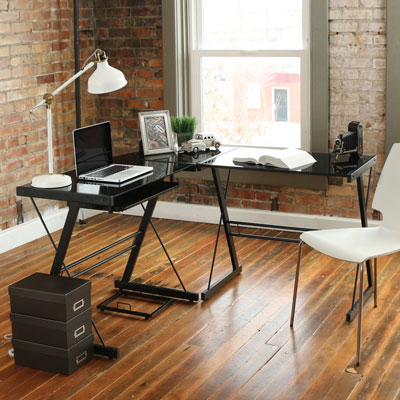 Your price for this item is $304.99
 -
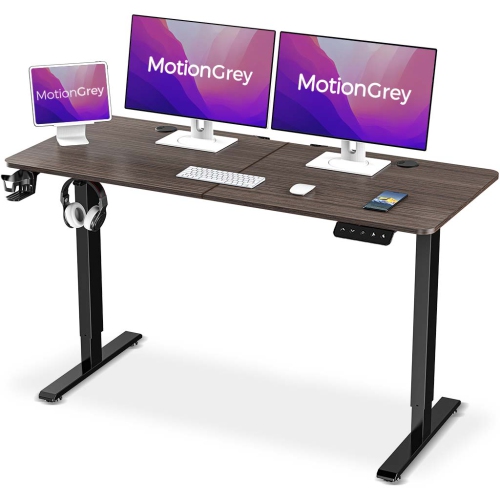 Your price for this item is $109.99
 -
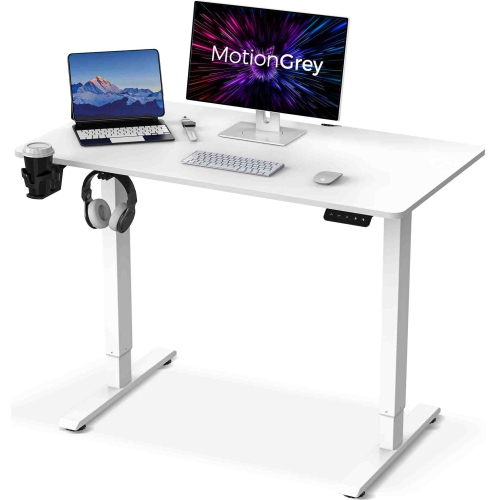 Your price for this item is $79.99
 -
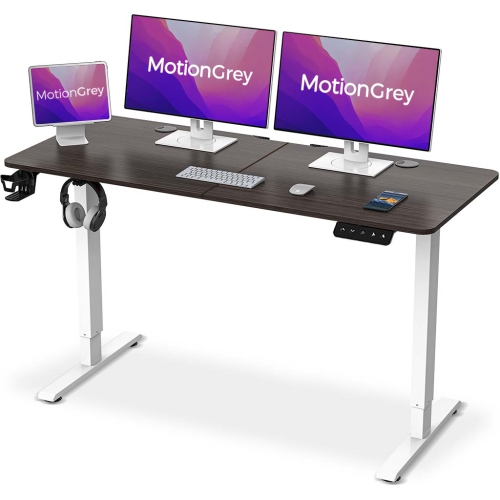 Your price for this item is $79.99
 -
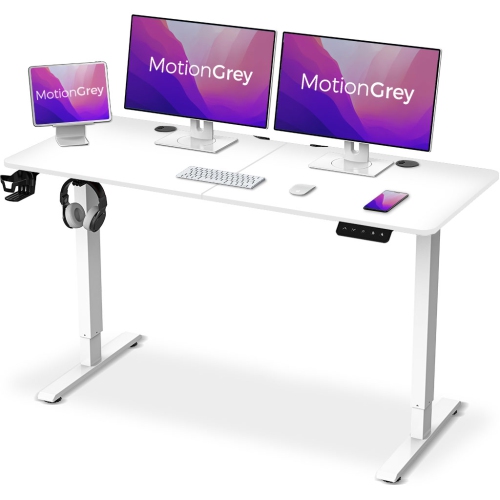 Your price for this item is $84.99
 -
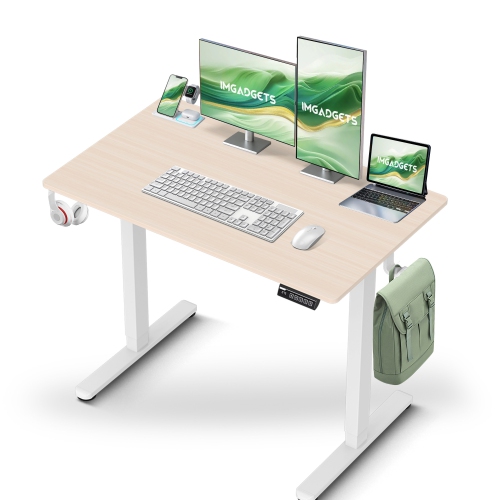 Your price for this item is $63.39
 -
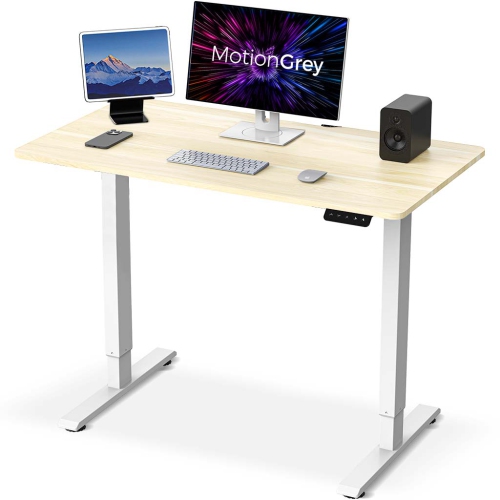 Your price for this item is $79.99
 -
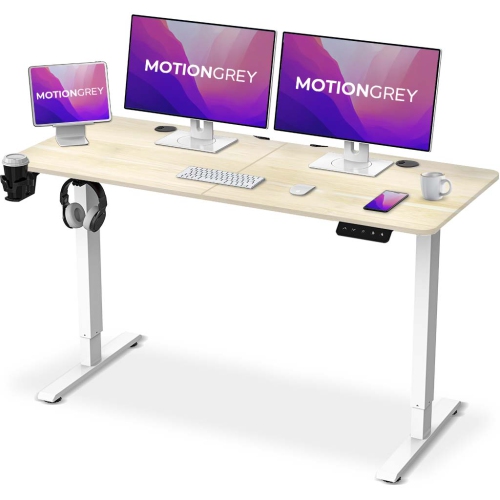 Your price for this item is $109.99
Discover more categories related to Study Tables With Drawer
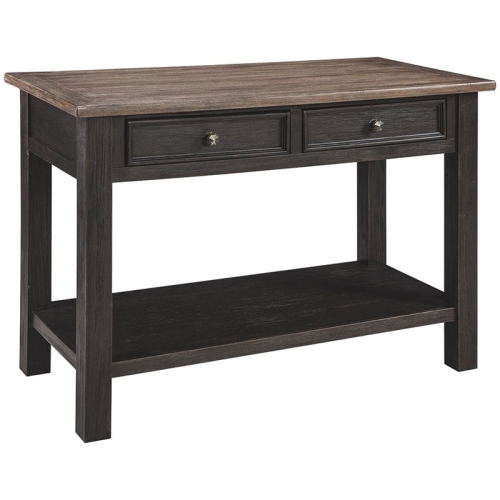
Top Collections:
Best Laptops for Video Editing, Pokemon Centers, Samsung Z Fold, Kindle Devices, Best Cell Phones Under $300, Best Laptops for Writers, Best Budget Office Chairs, Best Cell Phones Under $500, Best Laptop Computers for Students, iPhone 15 Apple
Some products may be subject to Environmental Handling Fees
(EHF) depending on your province.
Learn more about EHFs.