Sturdy Ladders
When it comes to tackling household chores or DIY projects, having a sturdy ladder on hand is essential for reaching those high shelves, changing light bulbs, or painting hard-to-reach areas. A reliable ladder not only provides the necessary height but also ensures safety and stability while you work. Whether you're a seasoned DIY enthusiast or simply looking to make everyday tasks easier, investing in a quality ladder can make all the difference. Browse through our selection of sturdy ladders to find the perfect one for your needs.
Sort

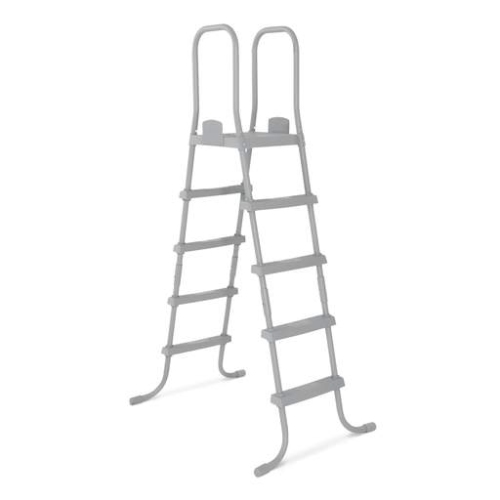
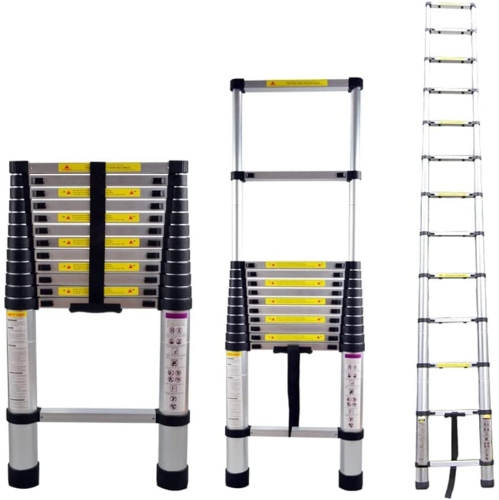
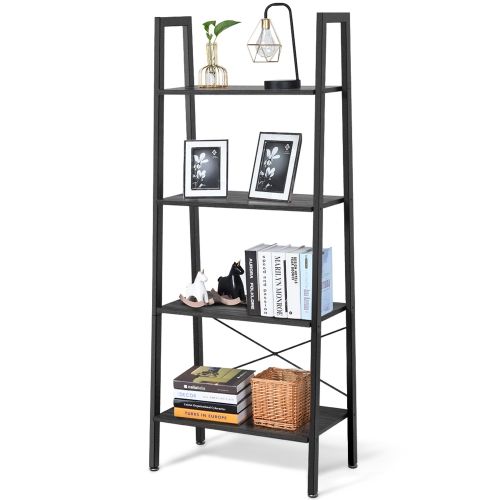
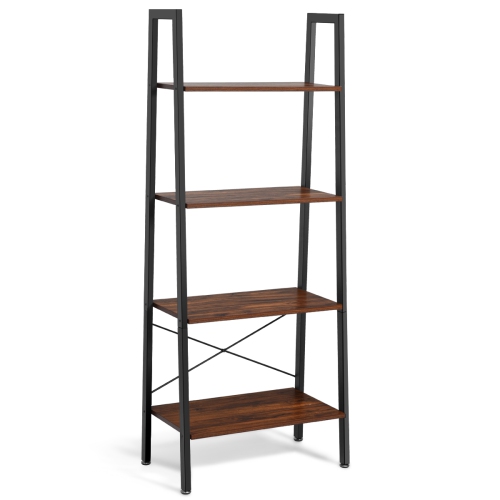
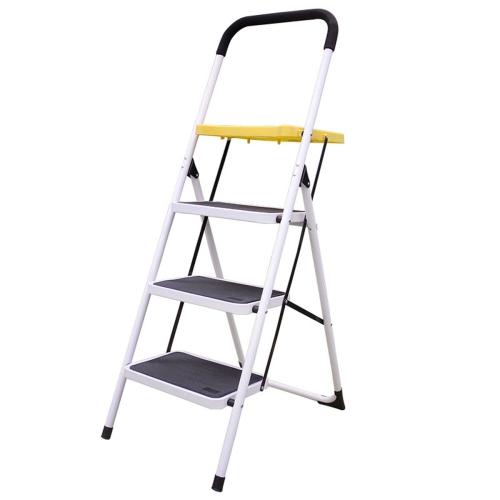
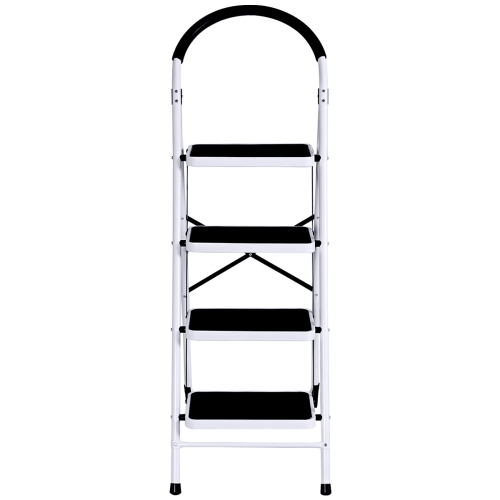
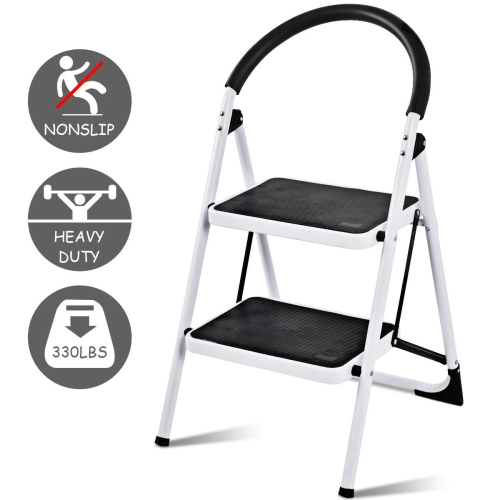

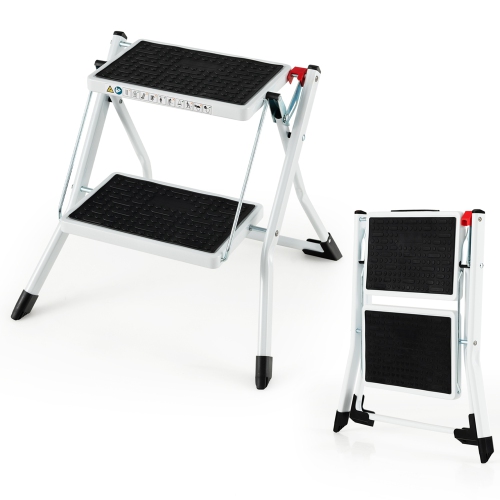
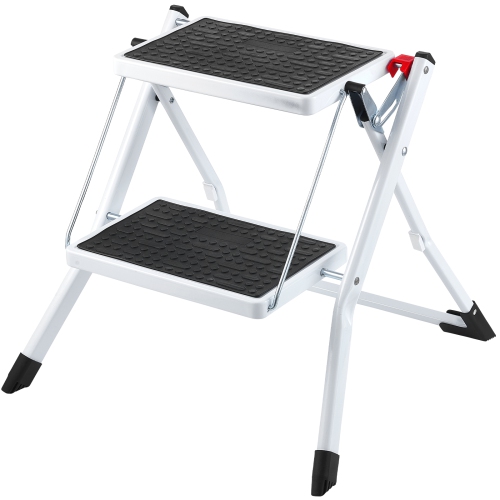
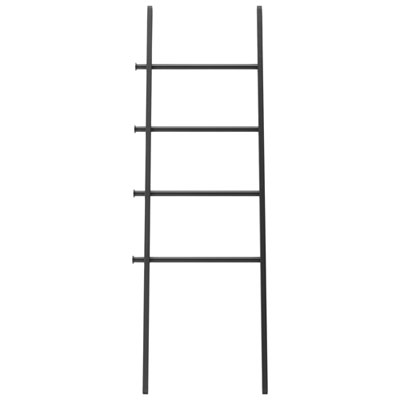
Match height, capacity, and material to every task
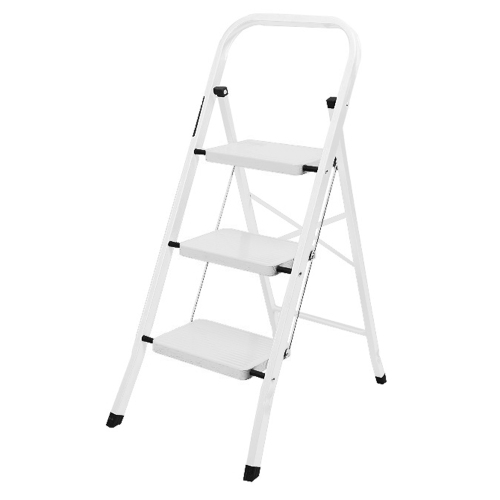
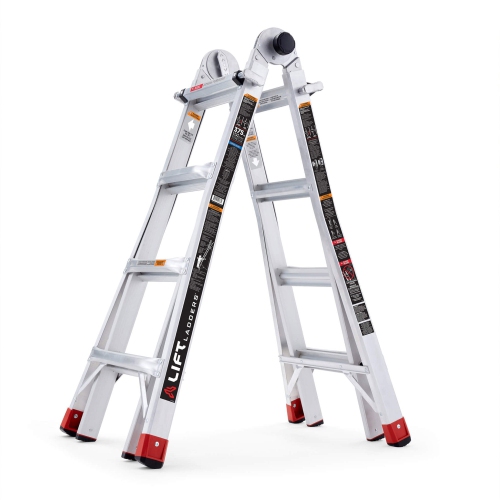
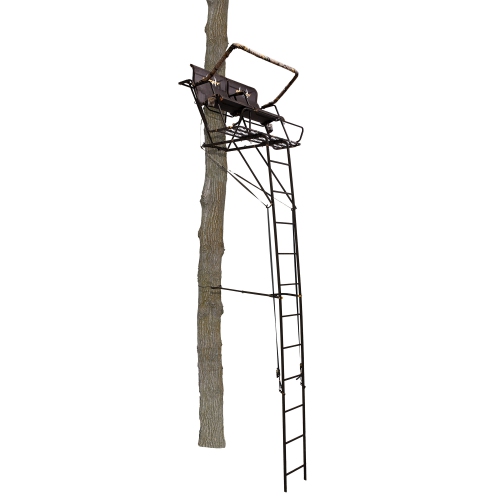
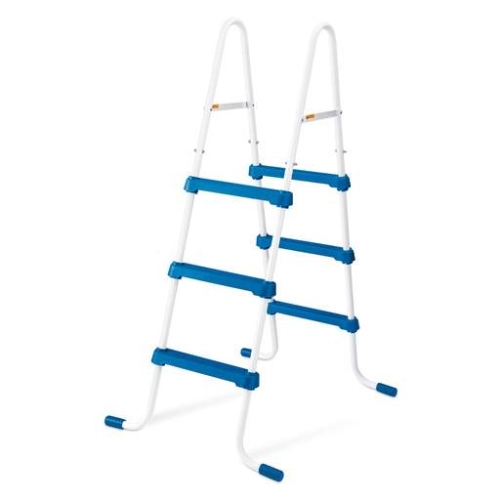
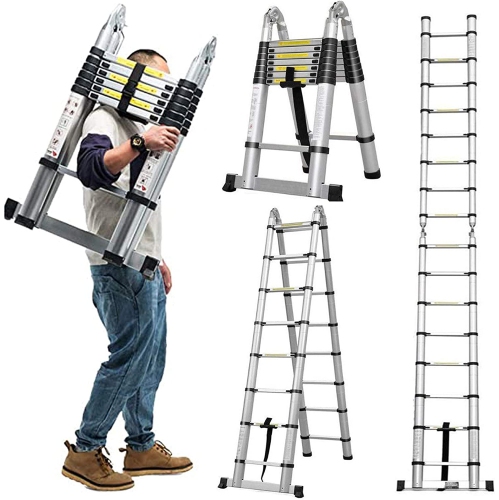
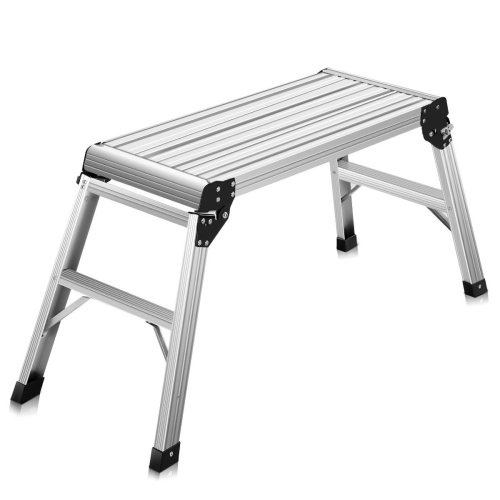
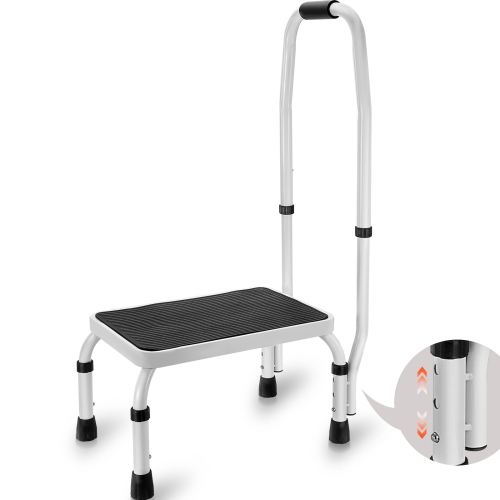
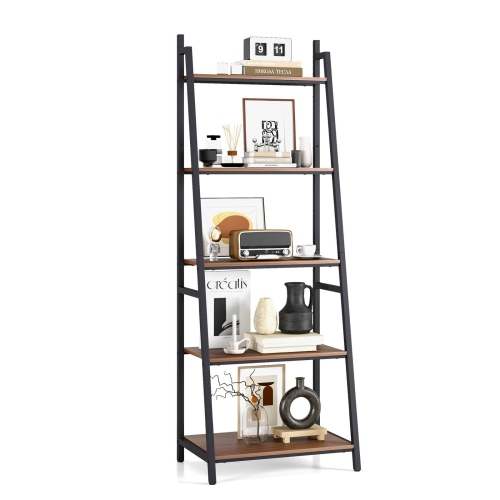
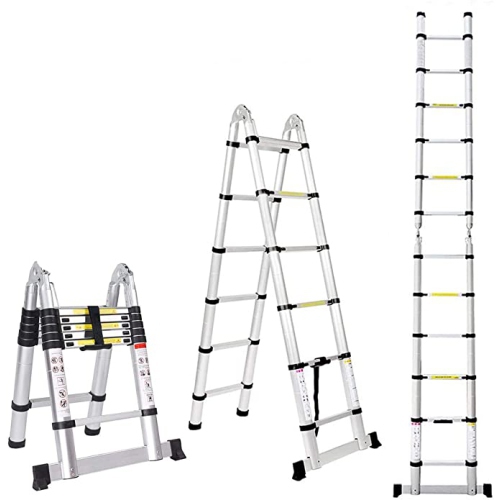
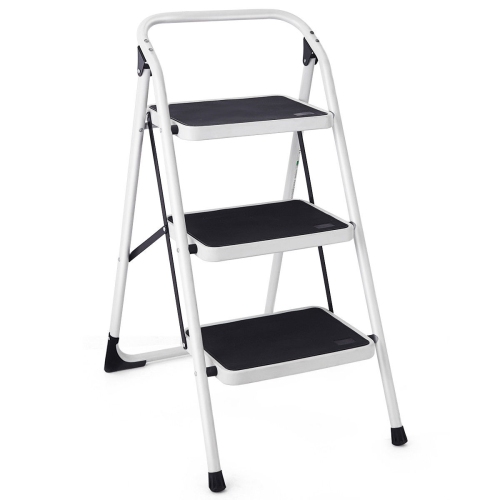
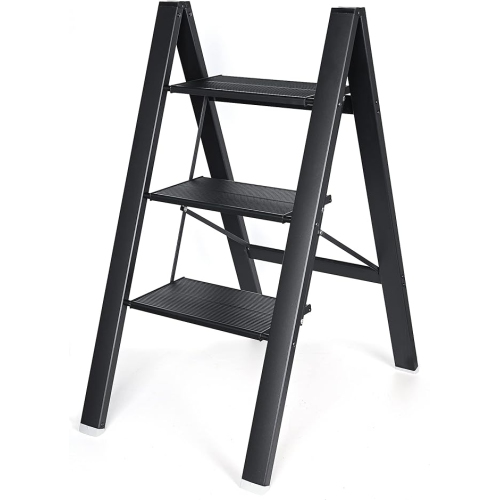
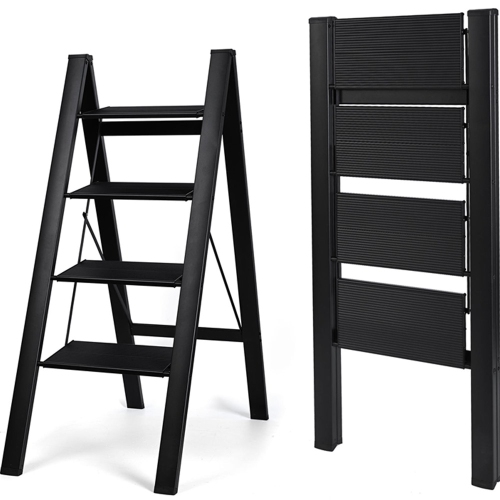
Sturdy ladders are useful additions to a home, workshop, garage, job site, or maintenance area when everyday tasks require a safe boost in height and dependable support. A well-built ladder can make it easier to reach upper shelving, change a light fixture, clean high windows, inspect eavestroughs, organize storage, or complete painting and repair work without balancing on a chair or makeshift platform. For many households, a sturdy ladder becomes one of those tools that earns its place over time: it may be brought out to retrieve a storage bin from an overhead shelf, help with seasonal decorating, or reach a difficult corner while preparing a room for a fresh coat of paint. Homeowners, renters, contractors, tradespeople, building managers, and workshop enthusiasts may all appreciate the added confidence that comes from solid rails, secure steps, stable feet, and a construction suited to regular use. These products can also make a practical gift for someone moving into a first home, setting up a workshop, or taking on more do-it-yourself projects. When comparing options, start with the kind of work being done and the height required. A stepladder is convenient for indoor tasks and areas where there is no wall or other surface to lean against, while a straight or extension ladder is better suited to higher exterior work when it can be positioned correctly. Reach height is not the same as ladder length, so account for the safe standing level and the distance needed to work comfortably rather than choosing solely by the longest measurement listed. A model that is too short may encourage stretching or standing on an unsafe step, while one that is unnecessarily long can be heavier and harder to transport, position, and store.
Weight capacity is another important consideration. The stated duty rating must include the person using the ladder, clothing, footwear, tools, paint, supplies, and anything else being carried. Type I ratings are commonly associated with a 250 lb capacity, while Type IA ratings are commonly associated with a 300 lb capacity and may be better suited to demanding household, workshop, or trade applications. Heavier-duty options can provide a reassuring margin for users who carry equipment, although a higher rating does not replace careful setup or proper technique. Material also affects how a ladder feels and where it should be used. Aluminium models are often valued for their lighter weight and portability, making them convenient when a ladder needs to be moved between rooms, carried across a property, or loaded into a vehicle. Fibreglass models are generally heavier, but they do not conduct electricity in the same way as metal, making them a preferred choice for work near potential electrical hazards. No ladder should be treated as electrical protection, and power sources should be de-energized whenever possible; however, material selection is still an important part of planning the job. Look for broad, slip-resistant feet, reinforced rails, secure hinges, easy-to-read locking mechanisms, and steps that provide enough room for a balanced stance. A platform, handrail, stabilizer, or level adjustment can be helpful for particular tasks, especially when the user will be working for more than a few minutes at a time. Those seeking flexible height options or a configuration that can adapt to different spaces may also wish to explore Adjustable Ladders. Consider the available storage space as well: a ladder that folds or compacts can be easier to keep in a utility closet, while a longer extension model may require a garage wall, shed, or dedicated rack.
Safe use begins before the first step. Place the ladder on a firm, dry, level surface and ensure that all locks, spreaders, hinges, and braces are fully engaged before climbing. For an extension ladder, follow the manufacturer’s setup guidance and maintain the appropriate angle rather than standing it nearly vertical or leaning it too far away from the support surface. Keep the base clear of doors, walkways, wet patches, loose gravel, and anything that could shift under pressure. If a doorway is nearby, secure or block it so that no one can open it into the ladder. Face the ladder while climbing, maintain three points of contact whenever possible, and keep your belt buckle between the side rails instead of leaning far to one side. Move the ladder rather than stretching across a wide area, and use a tool belt or raise supplies separately so both hands remain available for climbing. Avoid standing on the top cap or any step marked as unsafe, and never use a ladder as a bridge, plank, or improvised scaffold unless it is specifically designed and approved for that configuration. Before each use, take a close look at the rails, steps, rivets, welds, spreaders, hinges, locking parts, and feet. Cracks, bends, loose fasteners, missing labels, damaged slip-resistant pads, or unusual movement are signs that the ladder should be removed from service until it has been properly assessed. Wipe away mud, grease, paint, and moisture, then store the ladder in a dry location where it will not be struck, exposed to harsh conditions, or used as a convenient place to hang heavy items. During the cooler months, indoor projects often shift toward garages, basements, and storage areas, while outdoor maintenance may involve damp surfaces, wind, and bulky clothing that affects balance. Allow extra time for setup, wear secure footwear with clean soles, and choose a sturdy ladder that matches the task instead of taking shortcuts. With the right height, material, capacity, and safety features, a dependable ladder can make routine upkeep feel more controlled and help users approach high-reach work with greater stability.
Weight capacity is another important consideration. The stated duty rating must include the person using the ladder, clothing, footwear, tools, paint, supplies, and anything else being carried. Type I ratings are commonly associated with a 250 lb capacity, while Type IA ratings are commonly associated with a 300 lb capacity and may be better suited to demanding household, workshop, or trade applications. Heavier-duty options can provide a reassuring margin for users who carry equipment, although a higher rating does not replace careful setup or proper technique. Material also affects how a ladder feels and where it should be used. Aluminium models are often valued for their lighter weight and portability, making them convenient when a ladder needs to be moved between rooms, carried across a property, or loaded into a vehicle. Fibreglass models are generally heavier, but they do not conduct electricity in the same way as metal, making them a preferred choice for work near potential electrical hazards. No ladder should be treated as electrical protection, and power sources should be de-energized whenever possible; however, material selection is still an important part of planning the job. Look for broad, slip-resistant feet, reinforced rails, secure hinges, easy-to-read locking mechanisms, and steps that provide enough room for a balanced stance. A platform, handrail, stabilizer, or level adjustment can be helpful for particular tasks, especially when the user will be working for more than a few minutes at a time. Those seeking flexible height options or a configuration that can adapt to different spaces may also wish to explore Adjustable Ladders. Consider the available storage space as well: a ladder that folds or compacts can be easier to keep in a utility closet, while a longer extension model may require a garage wall, shed, or dedicated rack.
Safe use begins before the first step. Place the ladder on a firm, dry, level surface and ensure that all locks, spreaders, hinges, and braces are fully engaged before climbing. For an extension ladder, follow the manufacturer’s setup guidance and maintain the appropriate angle rather than standing it nearly vertical or leaning it too far away from the support surface. Keep the base clear of doors, walkways, wet patches, loose gravel, and anything that could shift under pressure. If a doorway is nearby, secure or block it so that no one can open it into the ladder. Face the ladder while climbing, maintain three points of contact whenever possible, and keep your belt buckle between the side rails instead of leaning far to one side. Move the ladder rather than stretching across a wide area, and use a tool belt or raise supplies separately so both hands remain available for climbing. Avoid standing on the top cap or any step marked as unsafe, and never use a ladder as a bridge, plank, or improvised scaffold unless it is specifically designed and approved for that configuration. Before each use, take a close look at the rails, steps, rivets, welds, spreaders, hinges, locking parts, and feet. Cracks, bends, loose fasteners, missing labels, damaged slip-resistant pads, or unusual movement are signs that the ladder should be removed from service until it has been properly assessed. Wipe away mud, grease, paint, and moisture, then store the ladder in a dry location where it will not be struck, exposed to harsh conditions, or used as a convenient place to hang heavy items. During the cooler months, indoor projects often shift toward garages, basements, and storage areas, while outdoor maintenance may involve damp surfaces, wind, and bulky clothing that affects balance. Allow extra time for setup, wear secure footwear with clean soles, and choose a sturdy ladder that matches the task instead of taking shortcuts. With the right height, material, capacity, and safety features, a dependable ladder can make routine upkeep feel more controlled and help users approach high-reach work with greater stability.
Top selling and popular products
-
 Your price for this item is $199
 -
 Your price for this item is $418.99
 -
 Your price for this item is $481.99
 -
 Your price for this item is $224.99
 -
 Your price for this item is $132.99
 -
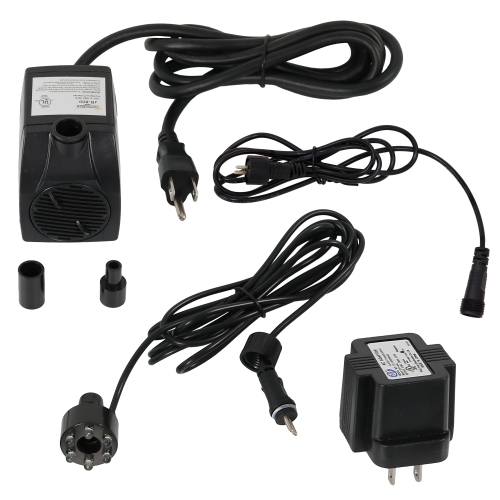 Your price for this item is $69.45
 -
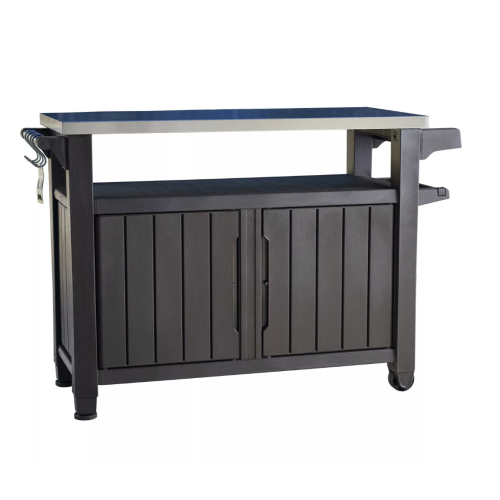 Your price for this item is $562.99
 -
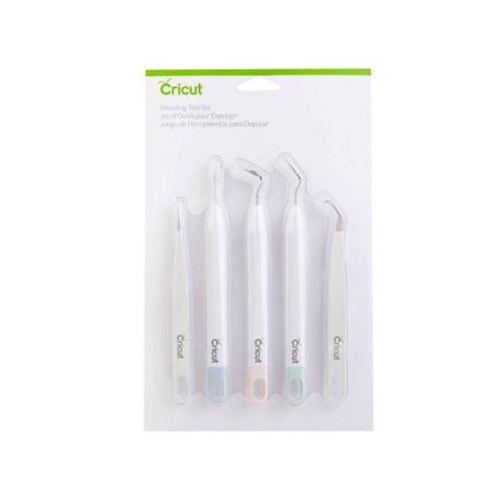 Your price for this item is $26.99
Discover more categories related to Sturdy Ladders
Top Collections:
Pokemon Centers, Kindle Devices, Best Budget Office Chairs, Apple iPhones 16, Canon G7X Cameras, iPhone 15 Apple, Alarm Clock, Refurbished Apple Laptops, Flip Phones, Best Laptops for Writers
Some products may be subject to Environmental Handling Fees
(EHF) depending on your province.
Learn more about EHFs.