Step Ladders
Elevate your home improvement projects with a reliable step ladder, an essential tool for tackling tasks both indoors and out. Whether you're changing light bulbs, painting walls, or reaching high shelves, a sturdy step ladder provides the stability and height you need to get the job done safely and efficiently. Available in various sizes and materials, these versatile ladders are designed to suit different needs and spaces, ensuring you find the perfect fit for your household or workspace. Discover the convenience and peace of mind that comes with having a dependable step ladder at your disposal.
Sort



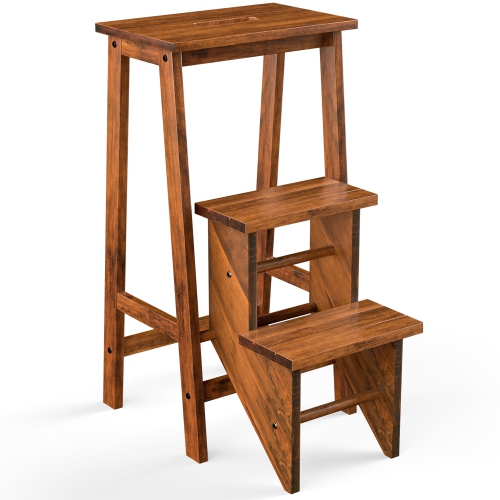
The right reach starts with height and footprint
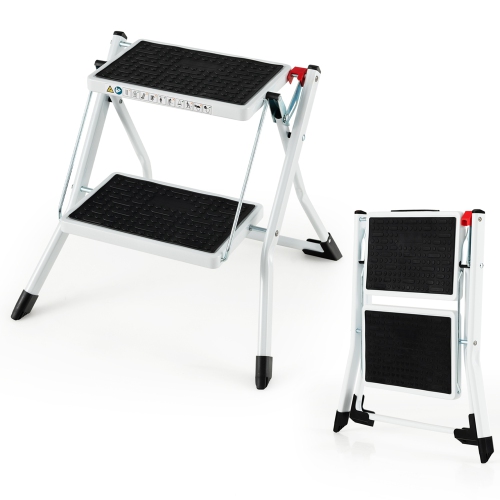
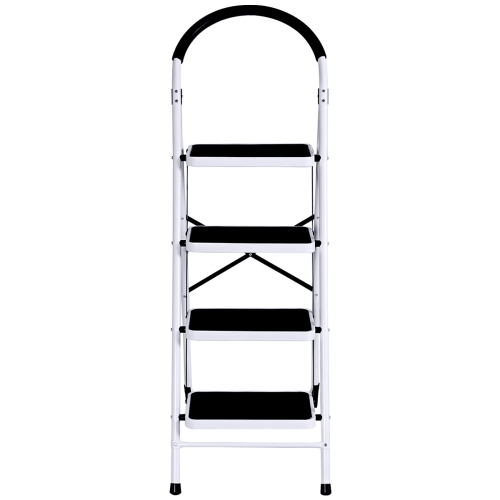
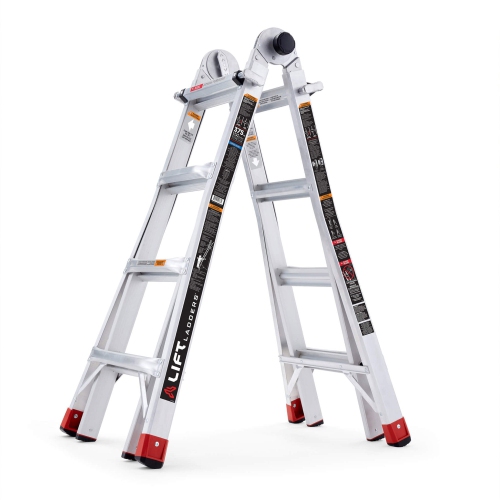
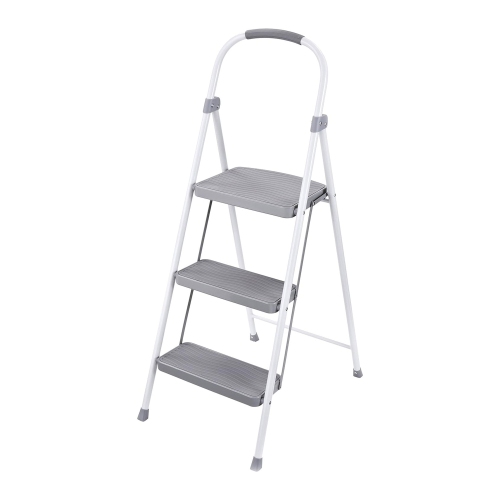
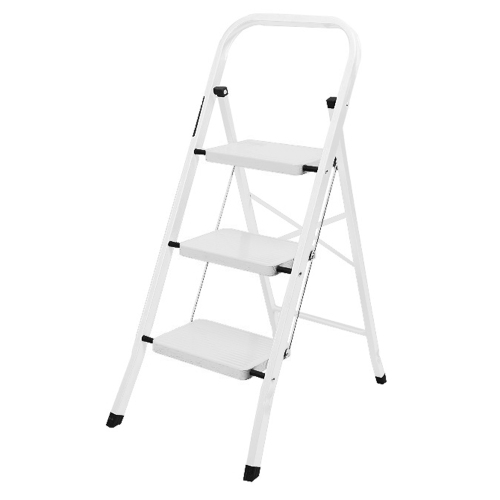
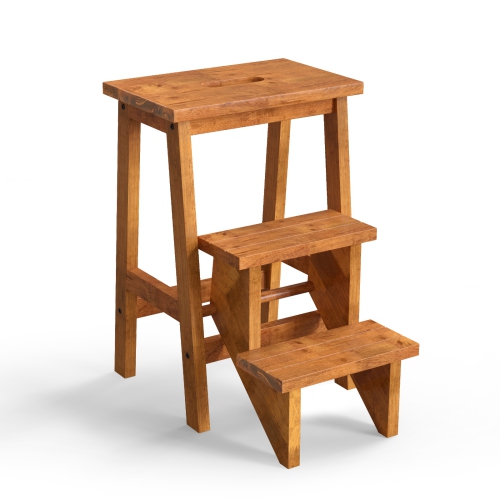
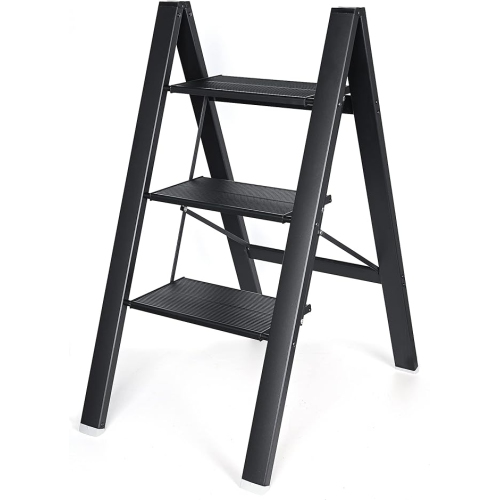
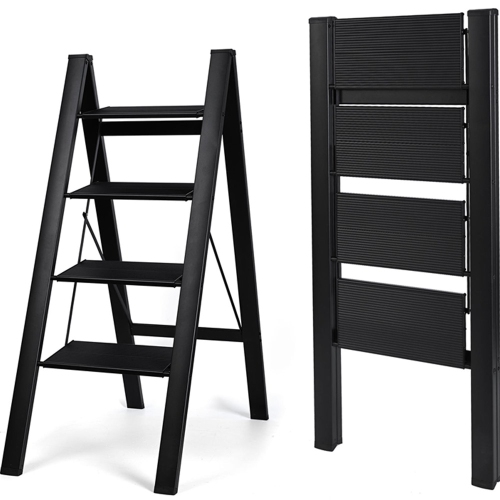
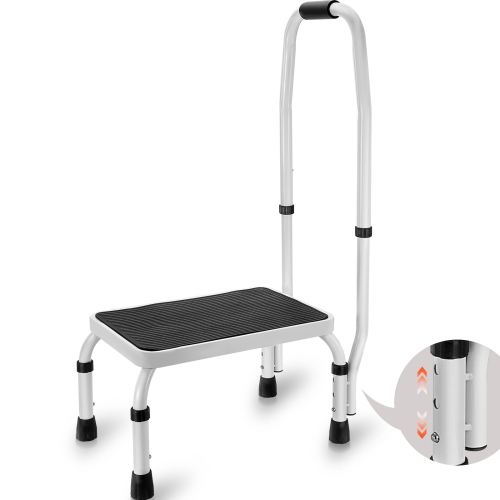
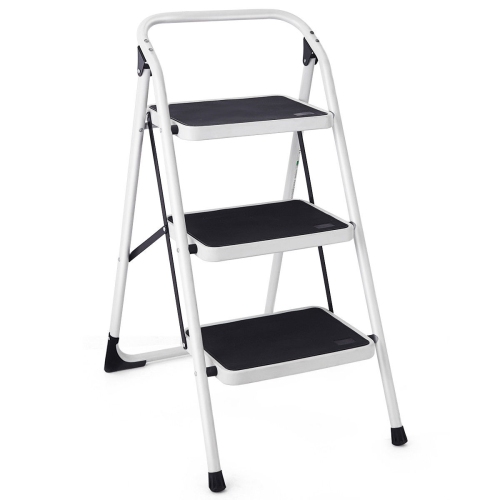
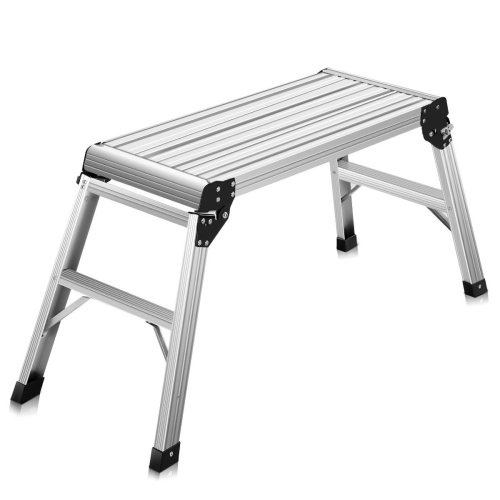
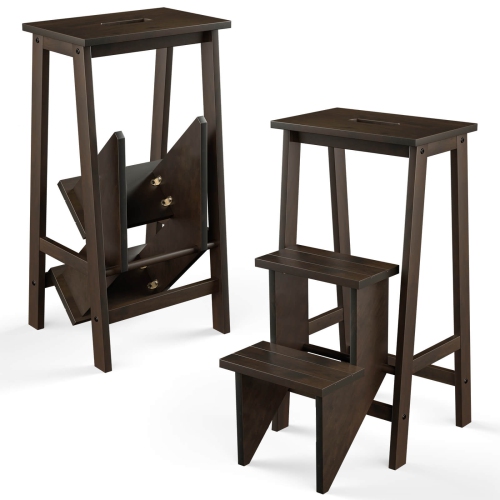
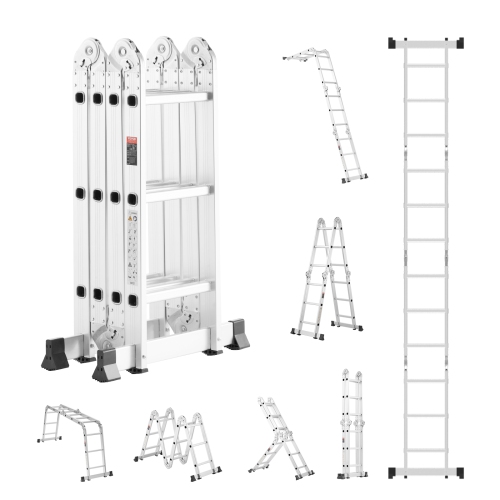
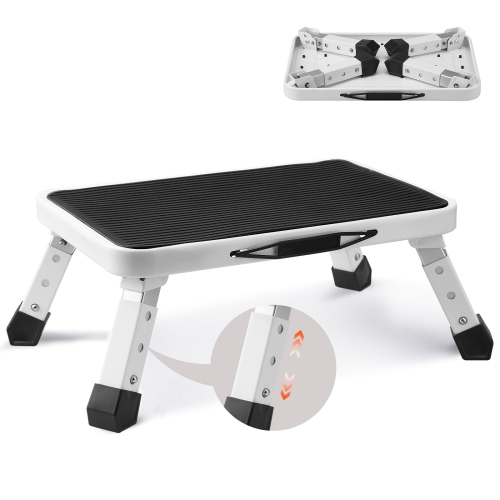
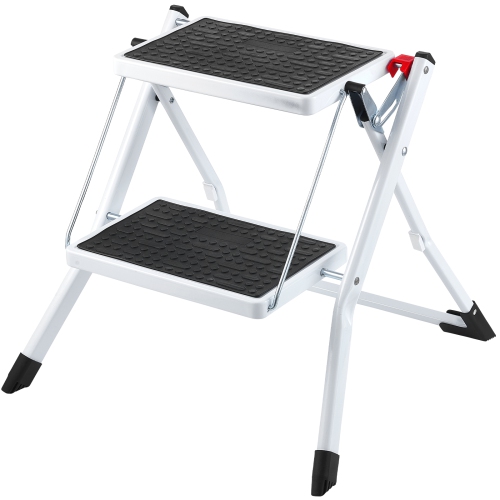
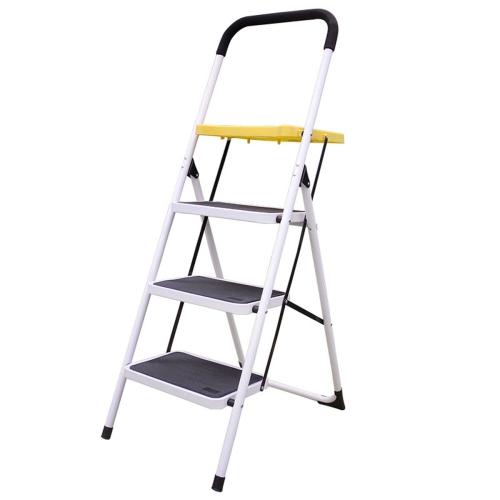
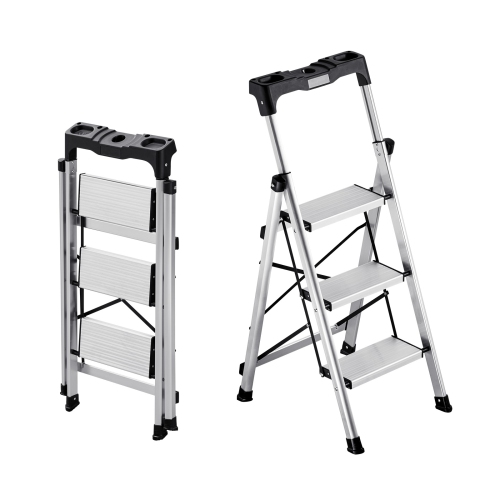
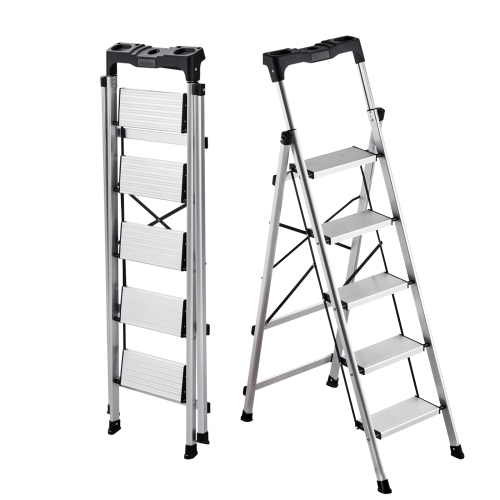
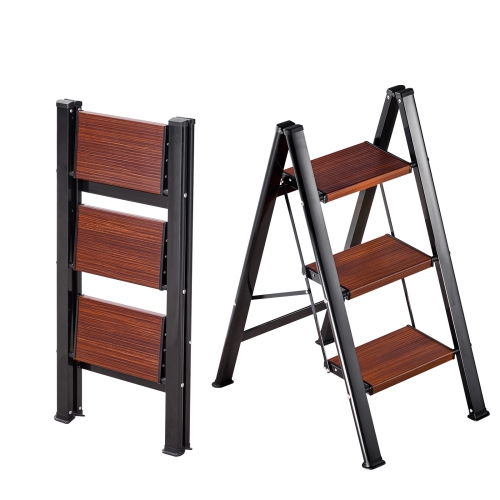
Step ladders are self-supporting, folding ladders that provide access to elevated areas without needing to lean against a wall. Their hinged frames open into a stable working position, making them useful for reaching upper cupboards, arranging shelving, hanging curtains, and completing routine maintenance at home or in a workplace. Unlike an extension ladder, a conventional step ladder needs enough clear floor space for its front and rear sections to open fully, with its spreaders or locking braces engaged. This makes the size of the open frame just as important as its folded dimensions, particularly in a narrow pantry, laundry room, or storage area. Compact step stools suit lower shelves and everyday household tasks, while taller step ladders provide access for work farther above the floor. Platform step ladders have a larger designated standing surface, which can offer more room for the feet during tasks such as positioning curtain hardware or organizing a high shelf. Ladder height, platform height, and maximum standing height describe different measurements; the top cap of a conventional step ladder is not a standing surface unless the manufacturer explicitly identifies it as one. Published reach estimates also depend on the user's height and the manufacturer's assumptions, so the labelled standing limits are more useful than the overall ladder height alone. A suitable size allows a person to face the work comfortably without stretching sideways or standing above the permitted step. For a kitchen cupboard, that might mean a compact folding design with broad treads; for maintenance in a room with a higher ceiling, a taller frame may be necessary. Step ladders serve homeowners, renters, office staff, tradespeople, and anyone who regularly needs controlled access beyond standing reach. Their usefulness comes from matching the height and footprint to the task, rather than choosing the tallest ladder that will fit in a cupboard.
Materials affect how a step ladder feels to carry, where it is appropriate to use, and how it stands up to repeated handling. Aluminum step ladders are generally lightweight and easy to move between rooms, making them practical for household upkeep and tasks that involve frequent repositioning. Aluminum conducts electricity, however, so it is not suitable where contact with live electrical sources is possible. Fibreglass step ladders have non-conductive side rails and are commonly used for work where electrical hazards may be present, but they are not a substitute for isolating electrical power or following safe work procedures. Moisture, contamination, damage, and conductive components can affect safety. Fibreglass frames are often heavier than comparable aluminum designs, a difference that matters when carrying a ladder up stairs or lifting it into storage. Steel is common in compact folding step stools and can provide a solid feel, although its weight and potential for rust deserve consideration. Across materials, durability depends on the entire assembly: secure hinges, sound rails, firmly attached steps, working locks, and intact feet all contribute to dependable use. The duty rating or load capacity must cover the combined weight of the user, clothing, tools, and any materials carried onto the ladder, not just the user's body weight. Recognized certification markings and clear manufacturer labelling help identify the intended application and operating limits. For shoppers comparing Sturdy Ladders, strength is best assessed through those ratings and construction details rather than appearance alone. Wide, textured treads can provide a more comfortable footing than narrow steps, while a handhold above the standing area can help with balance when used as intended. Non-slip feet support traction and help protect flooring, but they cannot make an uneven, slippery, or unsuitable surface safe. A well-matched ladder balances manageable weight with the load rating, standing space, and frame dimensions needed for its intended use.
Everyday convenience often comes down to details that are easy to overlook until a ladder is in regular use. A folded frame that fits beside a utility cupboard can be easier to store than one that requires moving boxes each time it is needed. Folded depth, overall length, carrying weight, and the position of the hinges all influence how comfortably a ladder passes through doorways or travels between floors. A secure folding mechanism should hold the ladder in its intended position, while opening and closing it requires keeping fingers clear of pinch points. Tool trays and accessory holders can keep small supplies within reach, provided they are used within their stated limits and do not interfere with handholds. They are especially useful for light maintenance tasks involving several small parts, but a step ladder is not a shelving unit or a substitute for a work platform designed for larger jobs. Carrying bulky storage bins while climbing can obstruct the view of the steps and prevent a secure grip; lighter loads that leave the hands free, or a different way of moving the contents, are more manageable. Facing the ladder while climbing, maintaining three points of contact, and moving the entire ladder rather than leaning beyond its rails help keep the task controlled. Positioning also matters around doors, walkways, and furniture: the frame needs firm, level support and enough clearance to remain undisturbed. Care is straightforward but important. Before use, check for cracked rails, bent parts, loose fasteners, worn feet, and locks that do not engage properly. Dust, grease, paint, or other residue on the steps can reduce traction, so cleaning should follow the manufacturer's directions. Dry, protected storage helps preserve moving parts and keeps the ladder away from accidental impacts or substances that could damage its materials. A damaged ladder should be taken out of service rather than patched with an improvised repair. With appropriate sizing, sound construction, and routine checks, a step ladder becomes a practical household or workplace tool for reaching the places that everyday work does not always keep at eye level.
Materials affect how a step ladder feels to carry, where it is appropriate to use, and how it stands up to repeated handling. Aluminum step ladders are generally lightweight and easy to move between rooms, making them practical for household upkeep and tasks that involve frequent repositioning. Aluminum conducts electricity, however, so it is not suitable where contact with live electrical sources is possible. Fibreglass step ladders have non-conductive side rails and are commonly used for work where electrical hazards may be present, but they are not a substitute for isolating electrical power or following safe work procedures. Moisture, contamination, damage, and conductive components can affect safety. Fibreglass frames are often heavier than comparable aluminum designs, a difference that matters when carrying a ladder up stairs or lifting it into storage. Steel is common in compact folding step stools and can provide a solid feel, although its weight and potential for rust deserve consideration. Across materials, durability depends on the entire assembly: secure hinges, sound rails, firmly attached steps, working locks, and intact feet all contribute to dependable use. The duty rating or load capacity must cover the combined weight of the user, clothing, tools, and any materials carried onto the ladder, not just the user's body weight. Recognized certification markings and clear manufacturer labelling help identify the intended application and operating limits. For shoppers comparing Sturdy Ladders, strength is best assessed through those ratings and construction details rather than appearance alone. Wide, textured treads can provide a more comfortable footing than narrow steps, while a handhold above the standing area can help with balance when used as intended. Non-slip feet support traction and help protect flooring, but they cannot make an uneven, slippery, or unsuitable surface safe. A well-matched ladder balances manageable weight with the load rating, standing space, and frame dimensions needed for its intended use.
Everyday convenience often comes down to details that are easy to overlook until a ladder is in regular use. A folded frame that fits beside a utility cupboard can be easier to store than one that requires moving boxes each time it is needed. Folded depth, overall length, carrying weight, and the position of the hinges all influence how comfortably a ladder passes through doorways or travels between floors. A secure folding mechanism should hold the ladder in its intended position, while opening and closing it requires keeping fingers clear of pinch points. Tool trays and accessory holders can keep small supplies within reach, provided they are used within their stated limits and do not interfere with handholds. They are especially useful for light maintenance tasks involving several small parts, but a step ladder is not a shelving unit or a substitute for a work platform designed for larger jobs. Carrying bulky storage bins while climbing can obstruct the view of the steps and prevent a secure grip; lighter loads that leave the hands free, or a different way of moving the contents, are more manageable. Facing the ladder while climbing, maintaining three points of contact, and moving the entire ladder rather than leaning beyond its rails help keep the task controlled. Positioning also matters around doors, walkways, and furniture: the frame needs firm, level support and enough clearance to remain undisturbed. Care is straightforward but important. Before use, check for cracked rails, bent parts, loose fasteners, worn feet, and locks that do not engage properly. Dust, grease, paint, or other residue on the steps can reduce traction, so cleaning should follow the manufacturer's directions. Dry, protected storage helps preserve moving parts and keeps the ladder away from accidental impacts or substances that could damage its materials. A damaged ladder should be taken out of service rather than patched with an improvised repair. With appropriate sizing, sound construction, and routine checks, a step ladder becomes a practical household or workplace tool for reaching the places that everyday work does not always keep at eye level.
Top selling and popular products
-
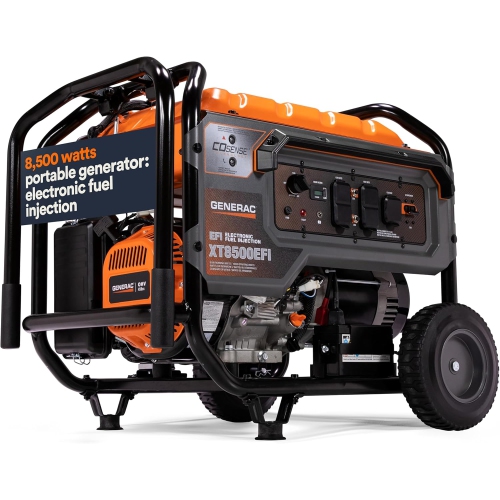 Your price for this item is $3000
 -
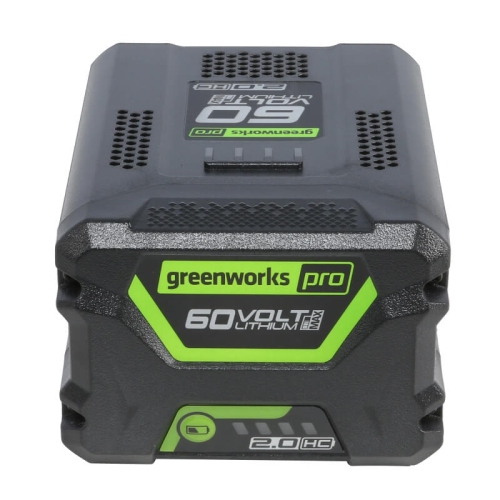 Your price for this item is $124.45
 -
 Your price for this item is $329.99
 -
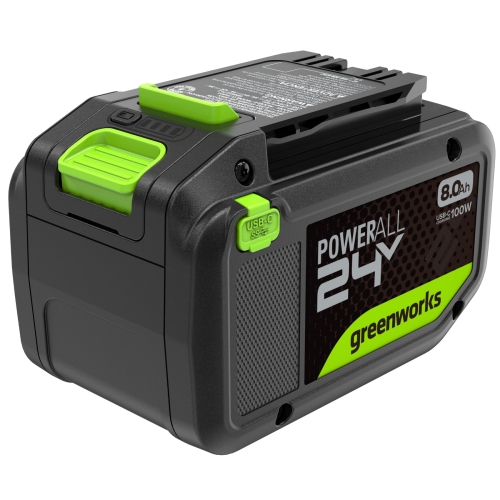 Your price for this item is $139.99
 -
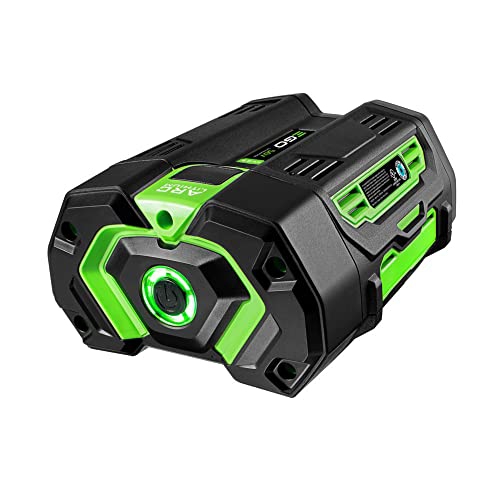 Your price for this item is $264
 -
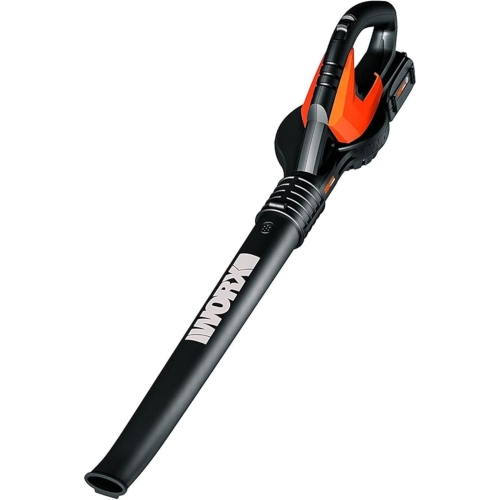 Your price for this item is $217.55
 -
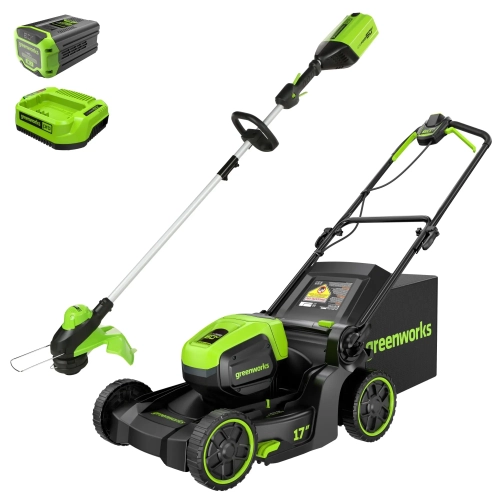 Your price for this item is $739.99
 -
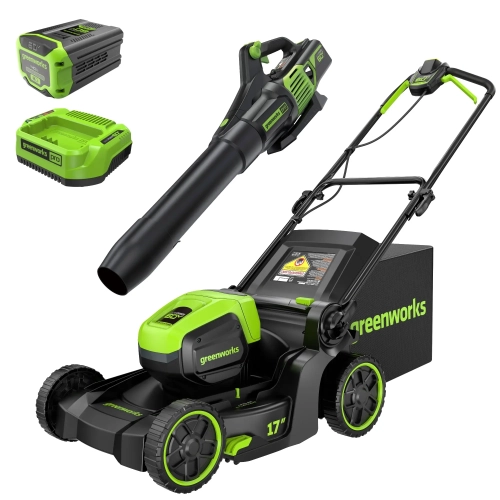 Your price for this item is $599.99
Discover more categories related to Step Ladders
Top Collections:
Pokemon Centers, Kindle Devices, Best Budget Office Chairs, Apple iPhones 16, Canon G7X Cameras, iPhone 15 Apple, Alarm Clock, Refurbished Apple Laptops, Flip Phones, Best Laptops for Writers
Some products may be subject to Environmental Handling Fees
(EHF) depending on your province.
Learn more about EHFs.