Sturdy Shoe Racks
Transform your entryway or closet with a sturdy shoe rack that blends functionality and style. Perfect for organizing footwear of all shapes and sizes, these durable racks provide an efficient solution to keep your space tidy and accessible. Whether you're dealing with a growing collection or simply looking to streamline your storage, a robust shoe rack offers the versatility you need. Designed to withstand daily use while maintaining their sleek appearance, these racks are the ideal addition to any home. Explore options that cater to different tastes and space requirements, ensuring every pair finds its rightful place.
Sort

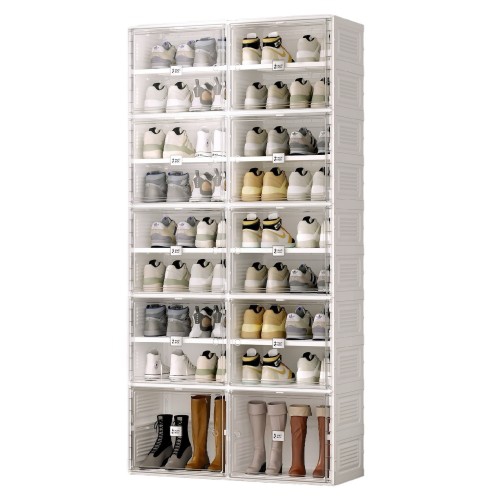
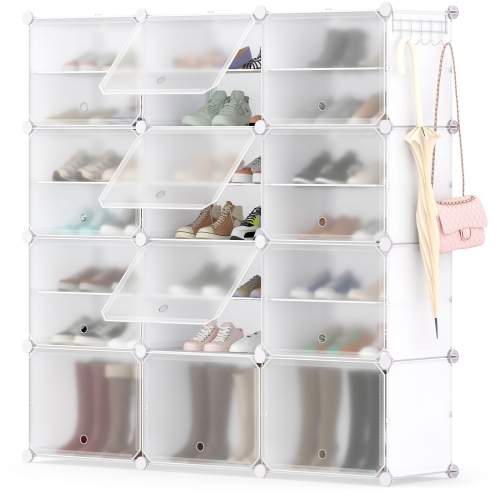
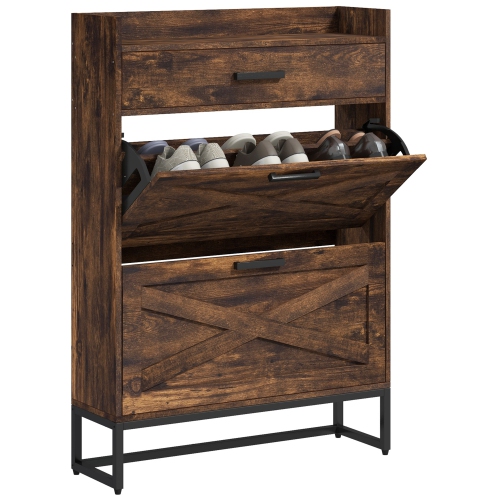
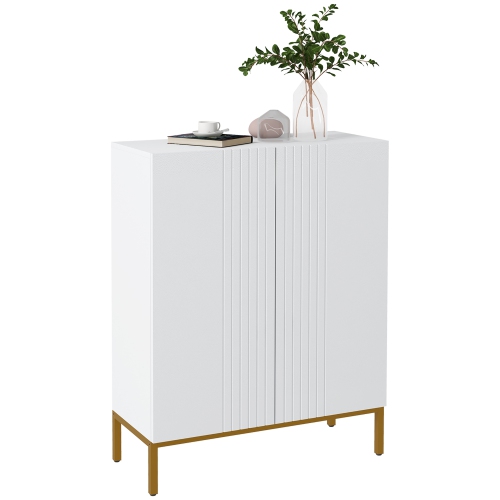





Why steady shoe storage starts with more than materials
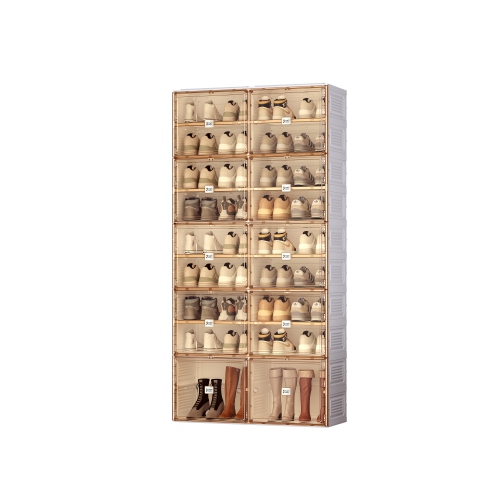
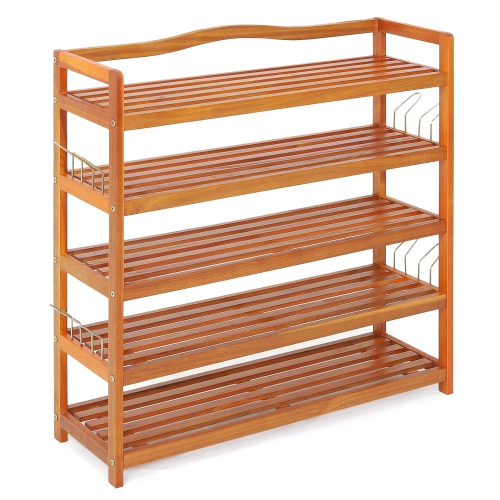
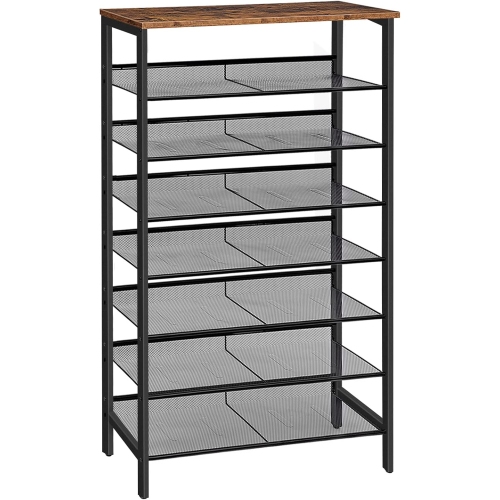
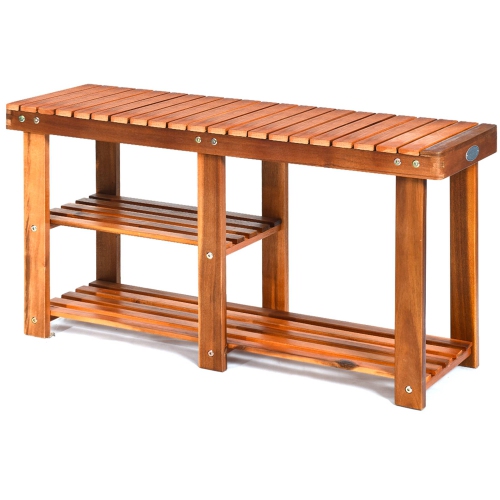
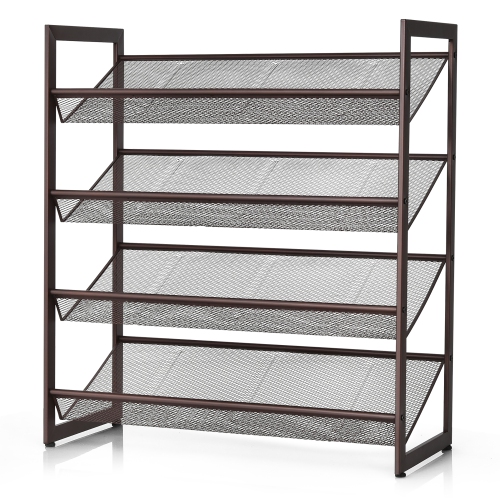
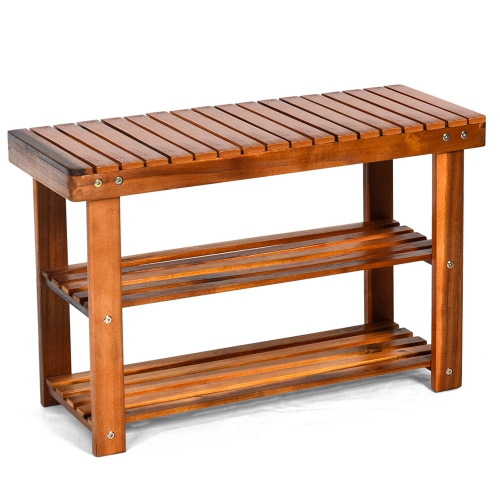
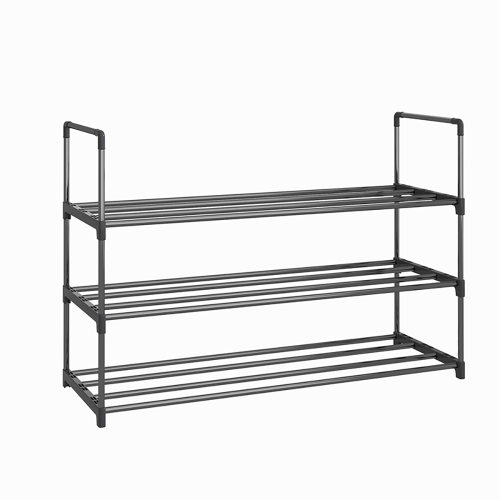
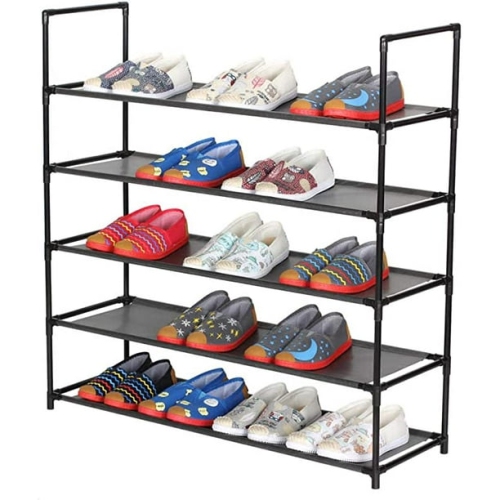
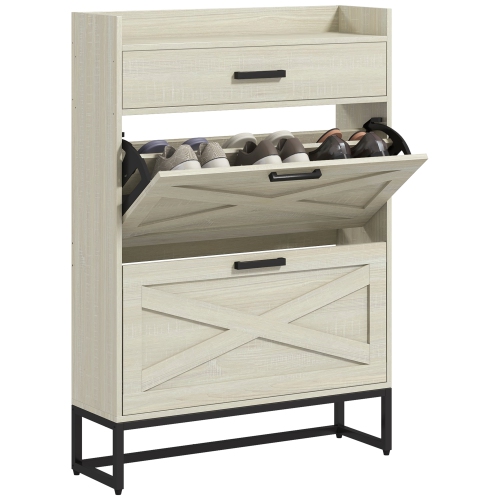
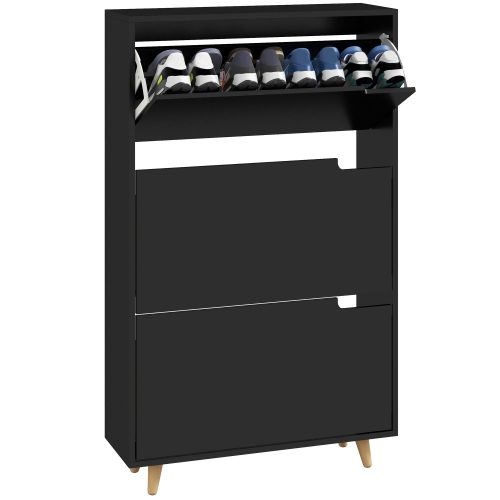
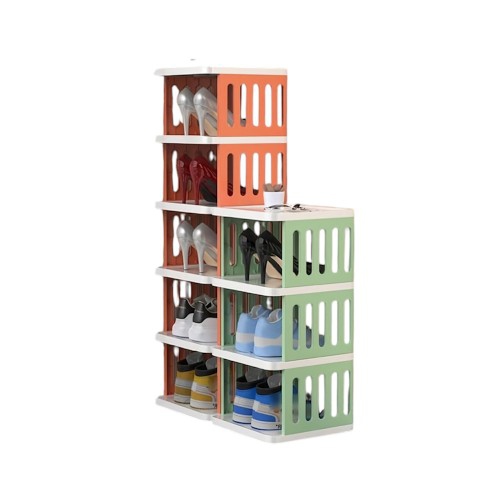
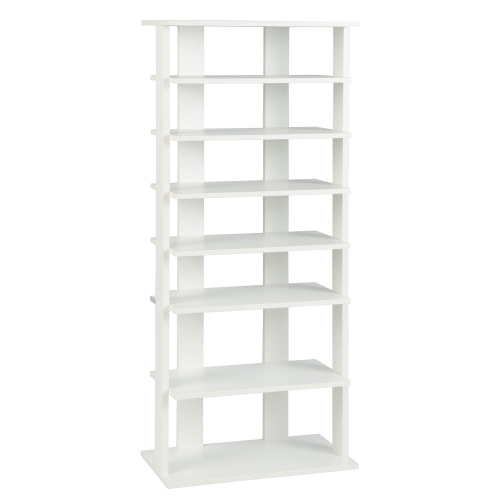
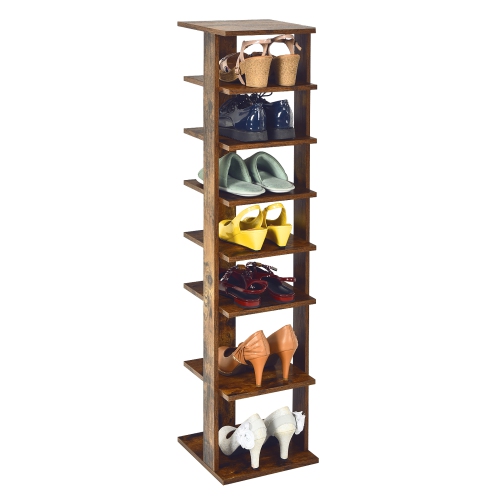
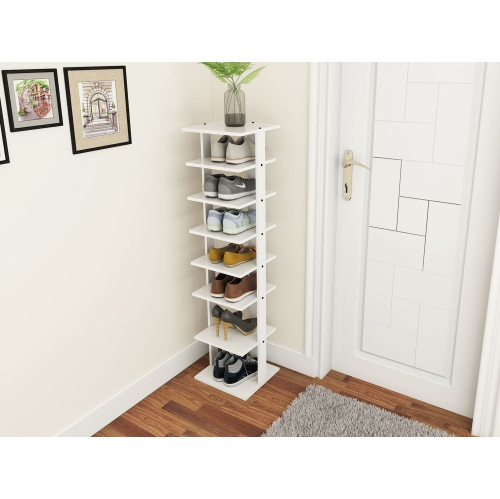
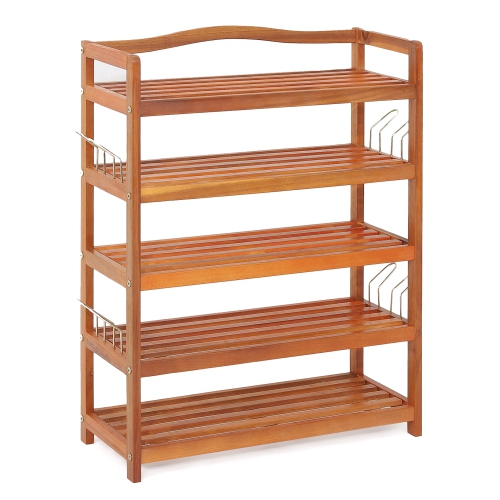
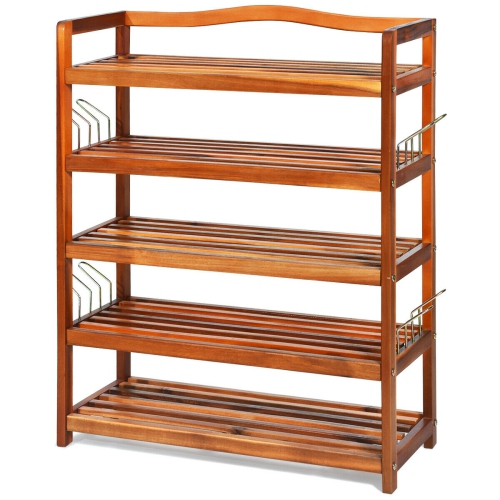
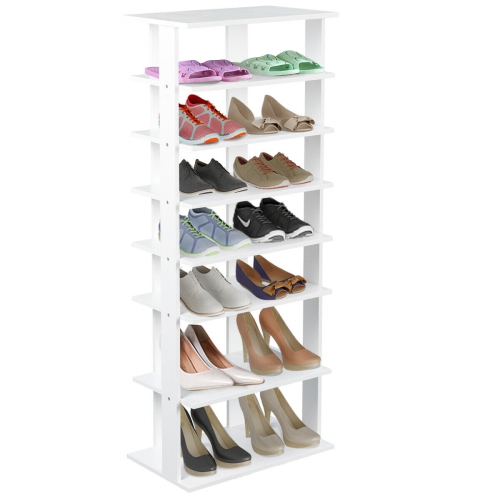
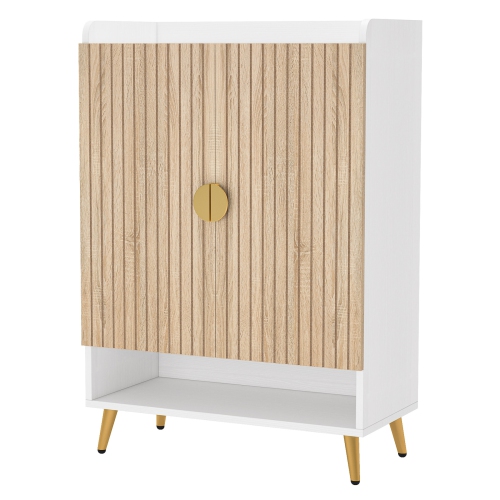
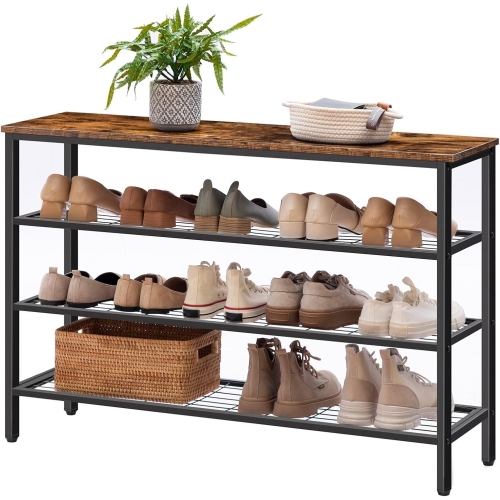
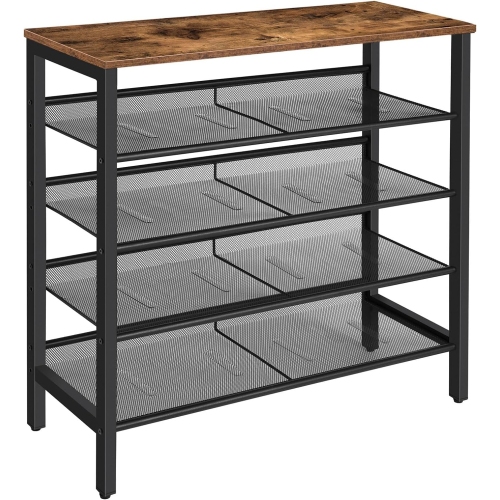
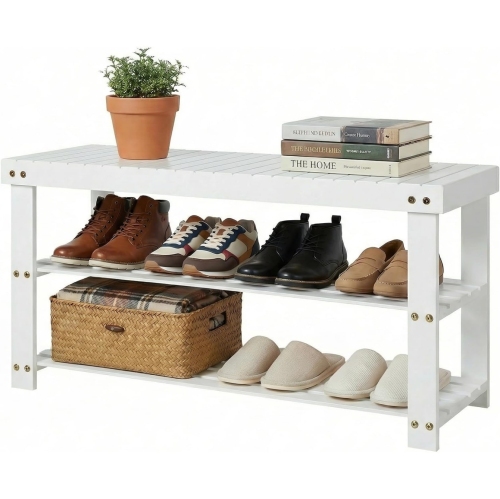
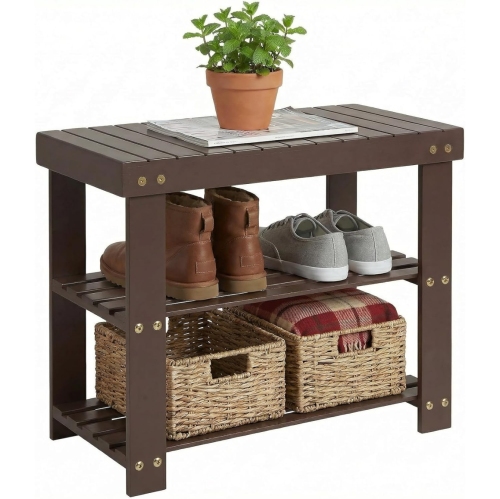
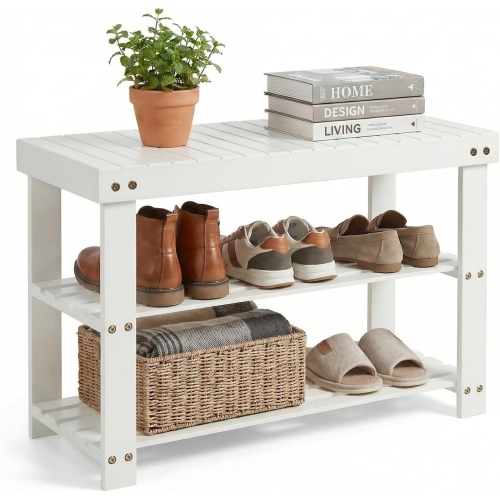
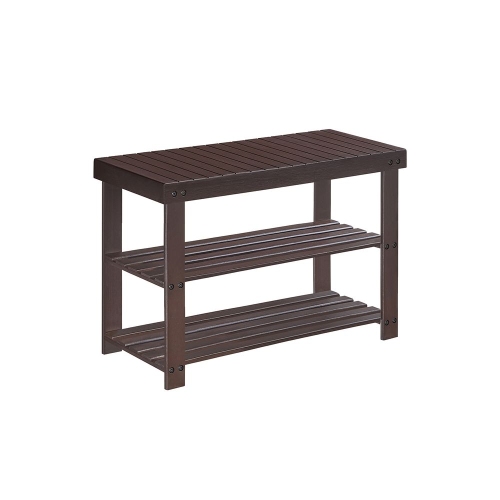
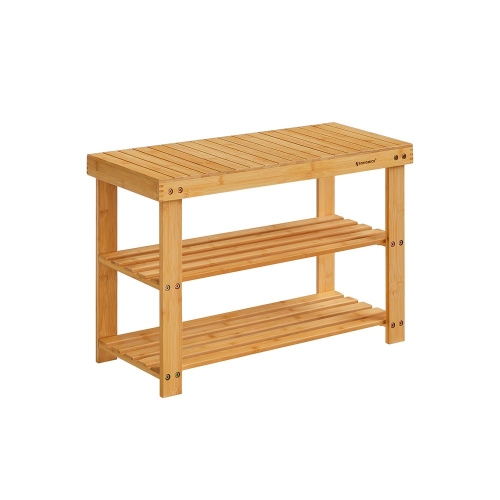
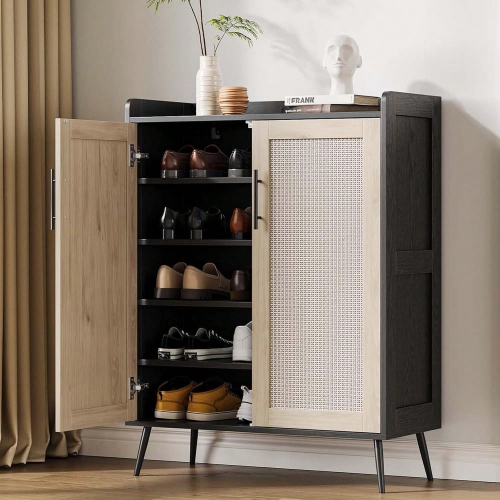
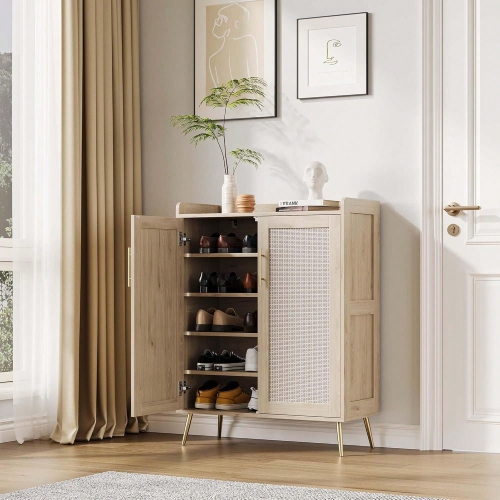
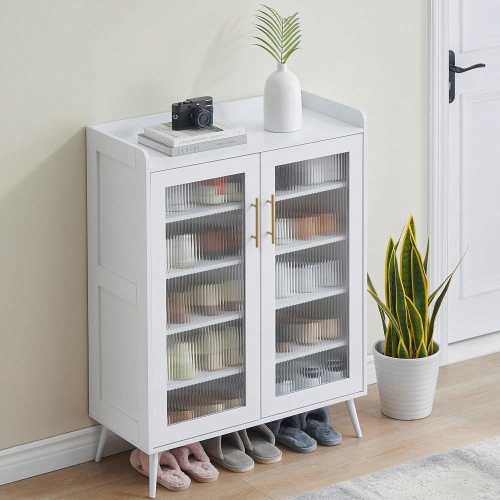
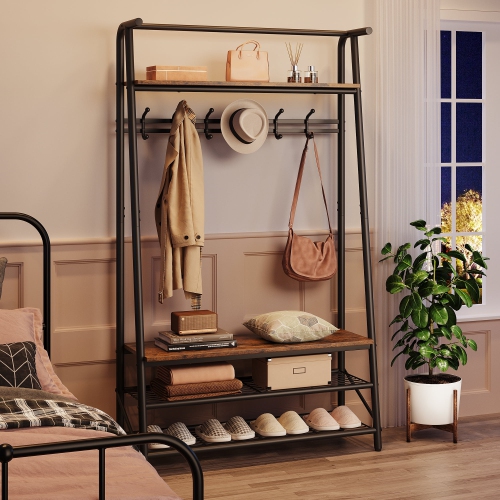
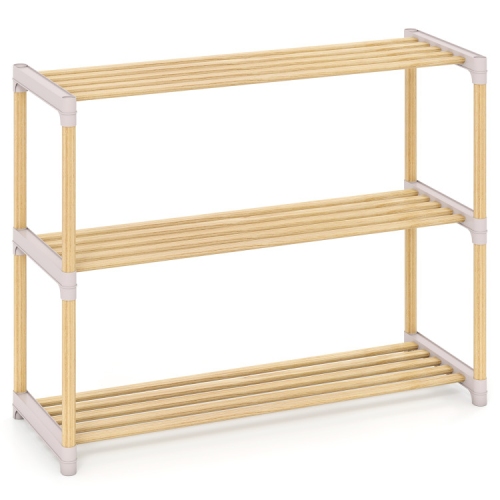
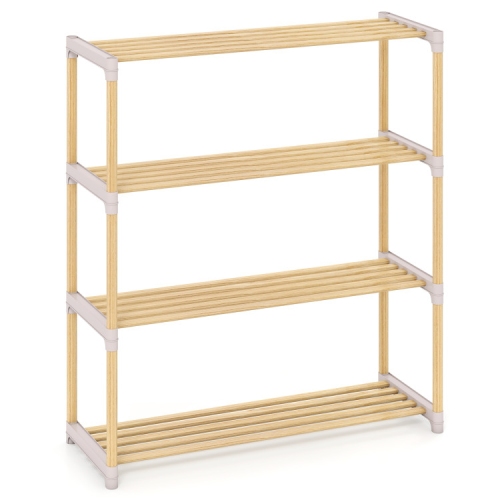
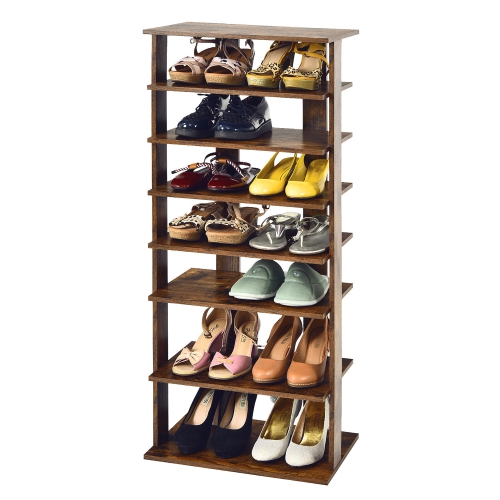
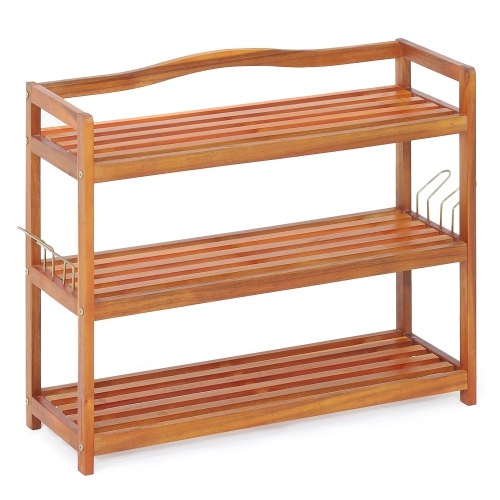
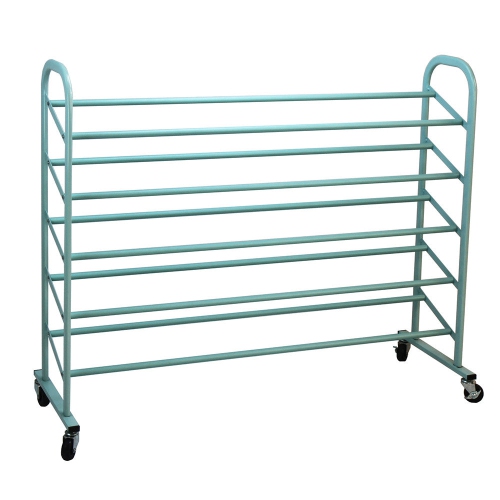
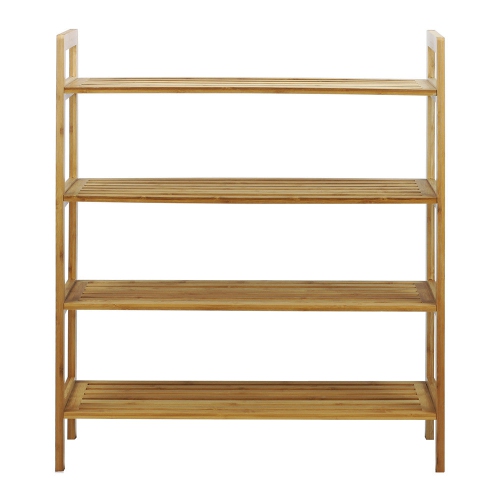
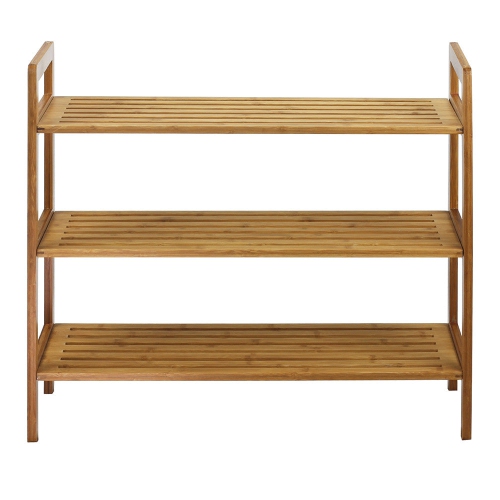
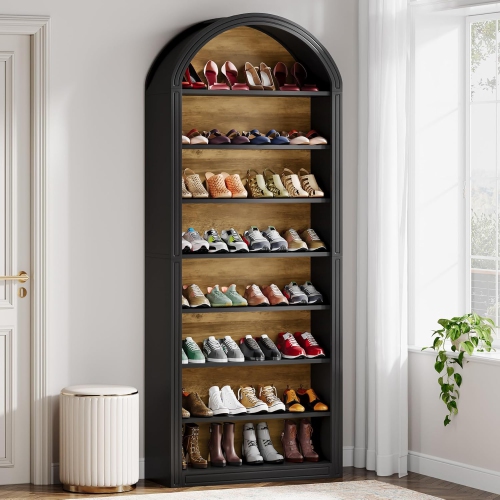
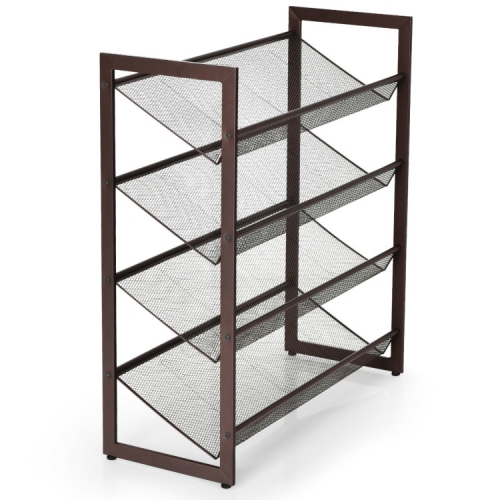
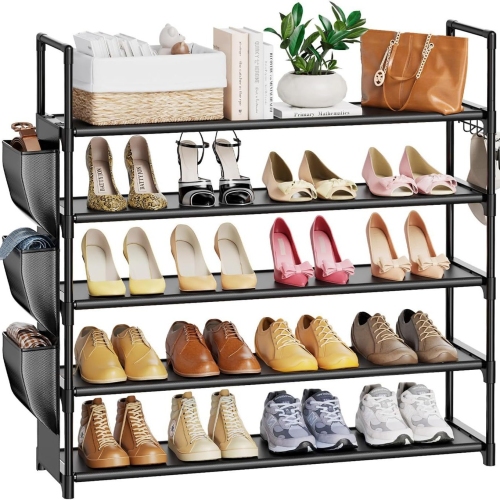
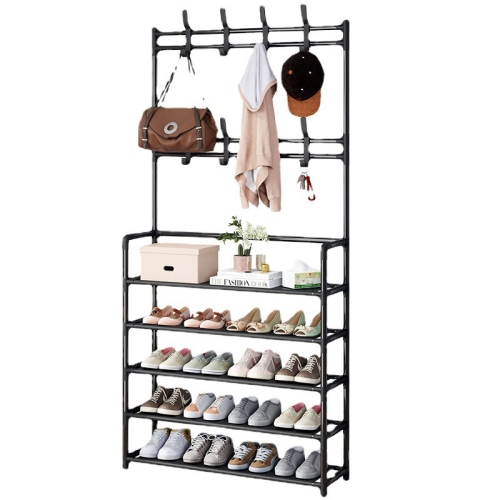
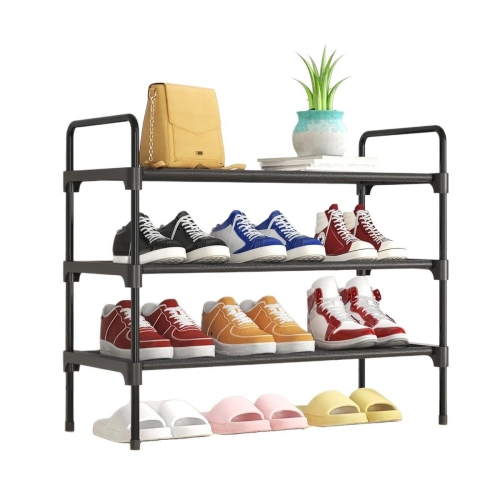
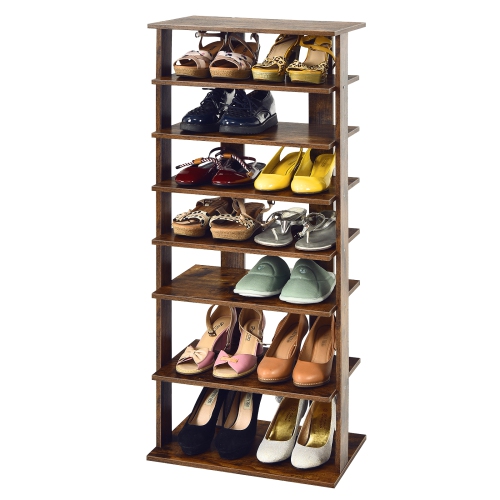
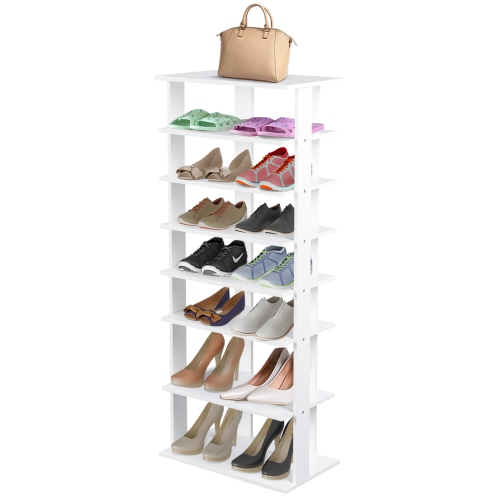
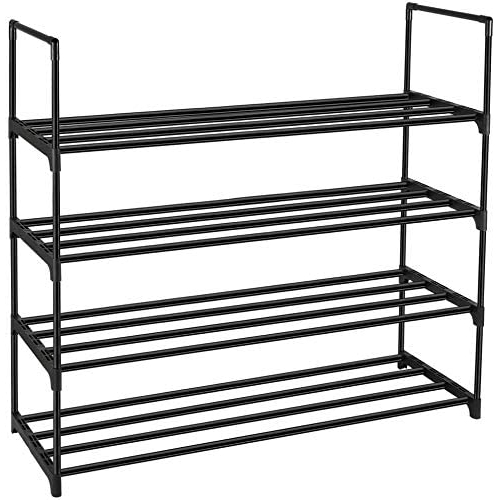
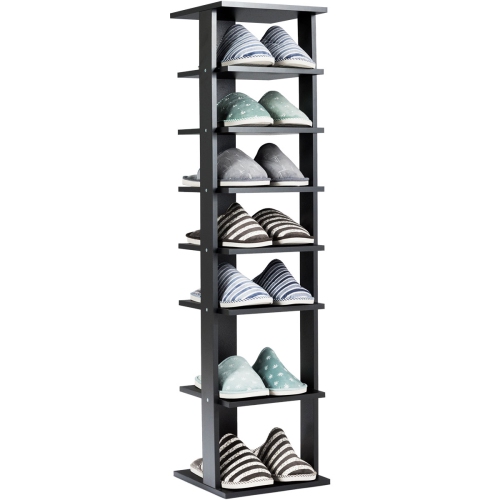
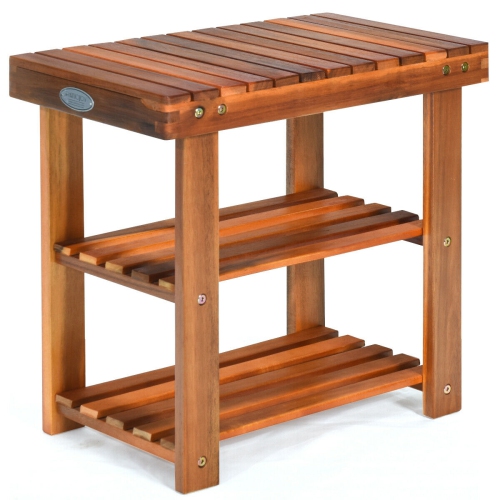
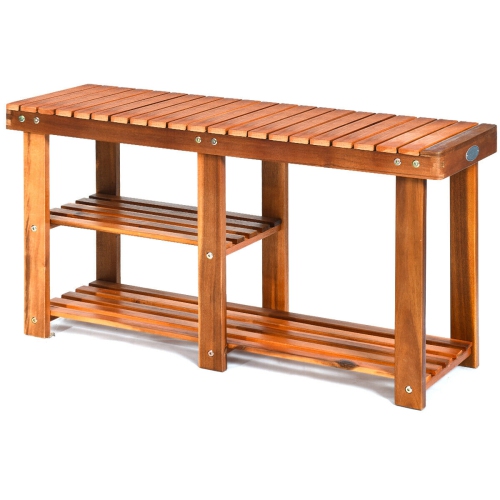
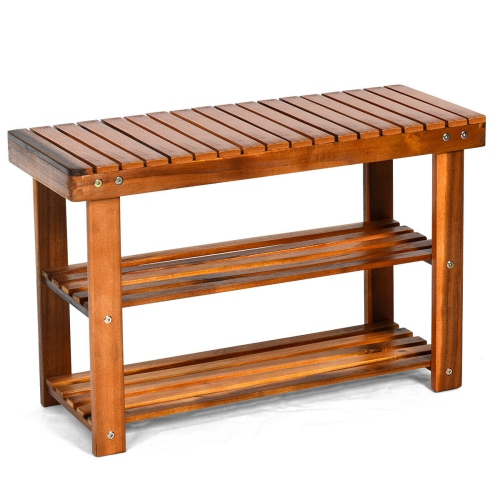
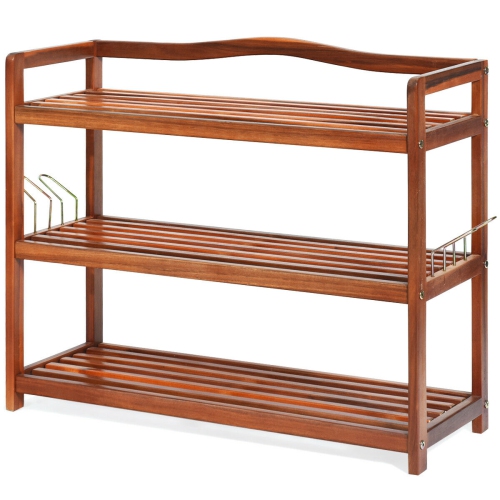
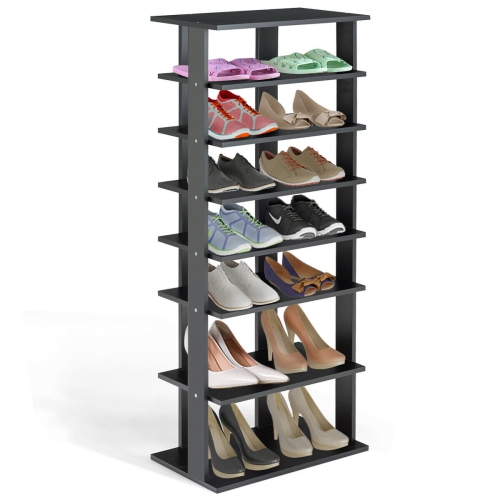
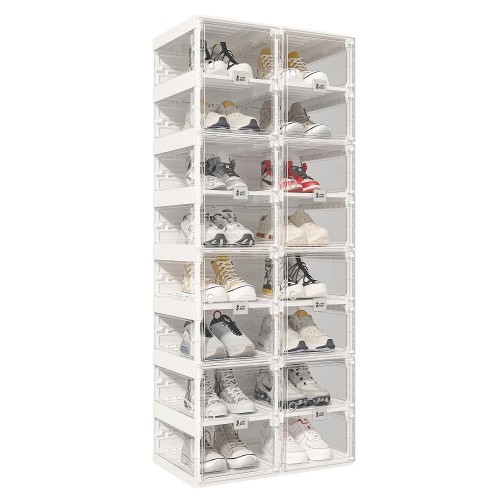
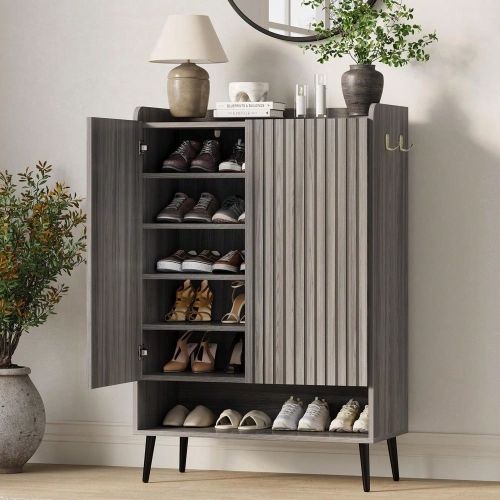
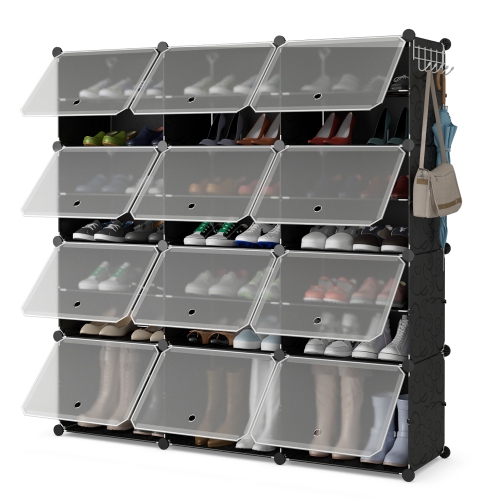
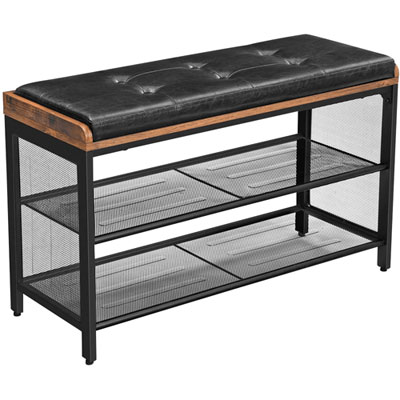
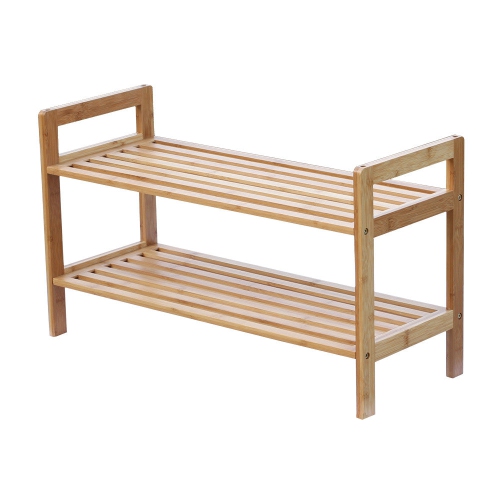
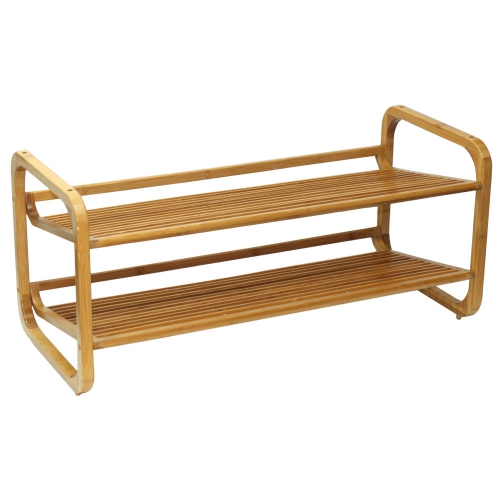
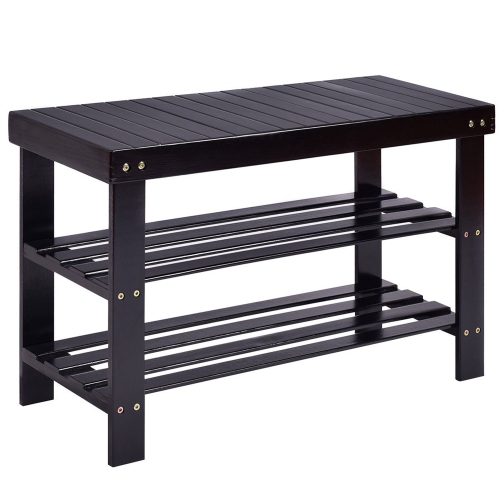
Sturdy shoe racks keep everyday footwear organized with a stable frame, well-supported shelves, and enough room for shoes to sit without hanging over the edges. Their strength comes from the whole structure rather than one material alone: secure joints, suitable shelf spans, a balanced base, and the stated weight capacity all matter. A metal frame can provide firm support without taking up much visual space, while solid wood can offer substantial construction and a furniture-like finish. Engineered wood shelves provide a flat surface for footwear, although their edges and finishes need protection from excess moisture. Bamboo is another option, with its durability depending on the thickness of the components, the quality of the connections, and proper care. For a busy entryway where several people reach for shoes each morning, a rack that stays steady during loading and unloading is more useful than one chosen only for its pair count. Published capacities deserve a closer look because a shelf that accommodates several pairs of slim flats may fit fewer pairs of broad running shoes or work boots. Weight limits may apply to each shelf, the top surface, or the entire unit, so those figures should not be treated as interchangeable. Heavier footwear generally belongs on the lower levels, within the manufacturer’s stated limits, to help keep the load balanced. Reinforced corners, cross-bracing, and firmly secured shelf connections can help limit side-to-side movement. Adjustable feet can also help a rack sit level on a slightly uneven floor, but they do not replace any required wall attachment. The most practical sturdy shoe rack is one whose dimensions, construction, and load rating suit the footwear it will actually hold. A compact two-tier rack may be enough for a single person’s daily rotation, while a household sharing one entrance may benefit from more shelf space and clearly separated places for each person’s shoes.
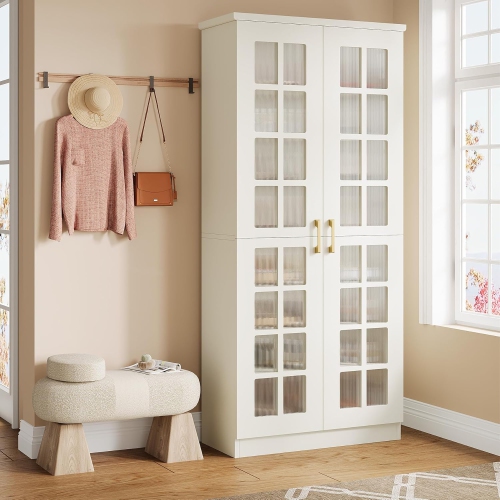
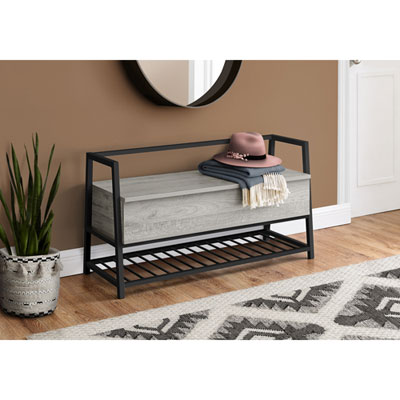
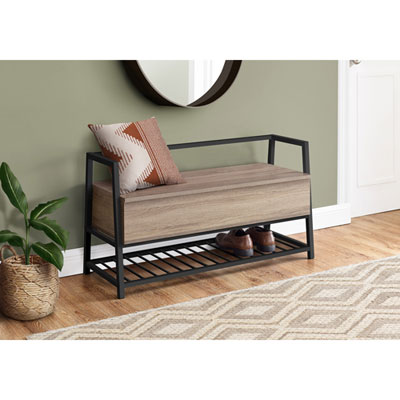
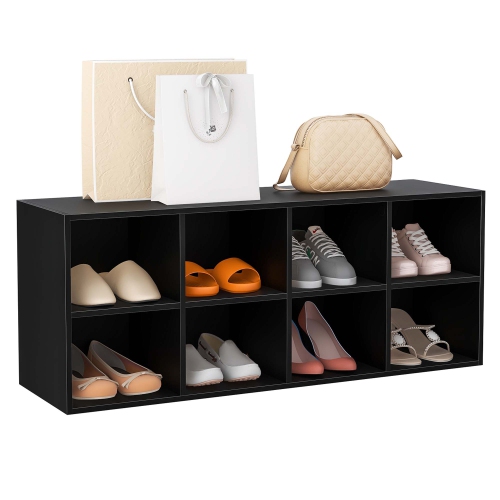
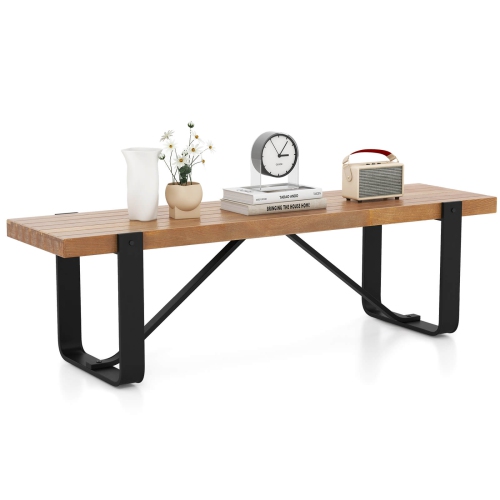
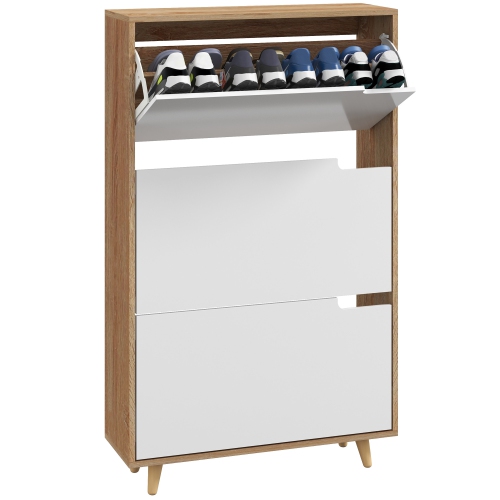
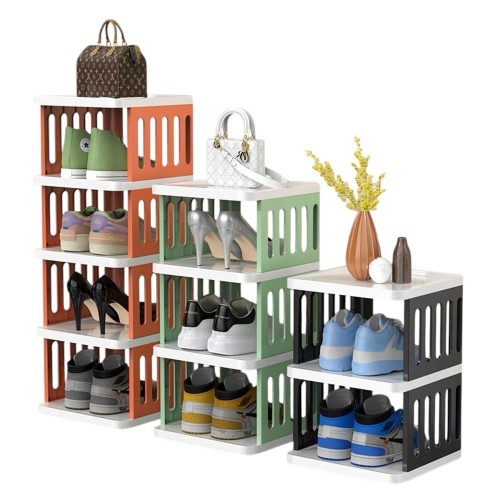
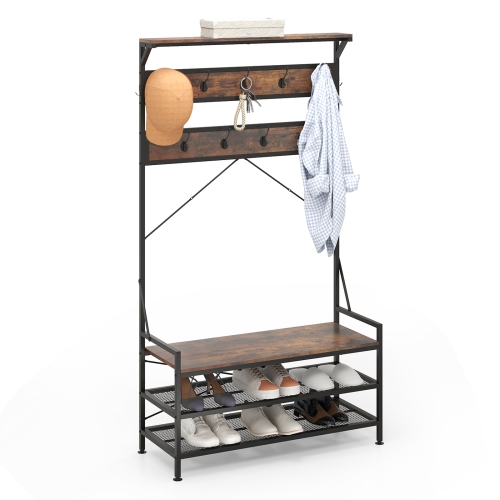
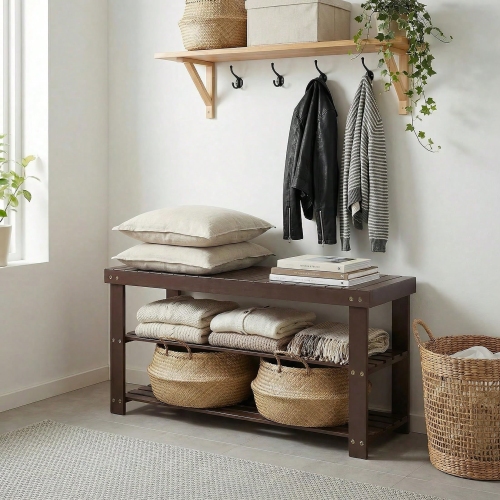
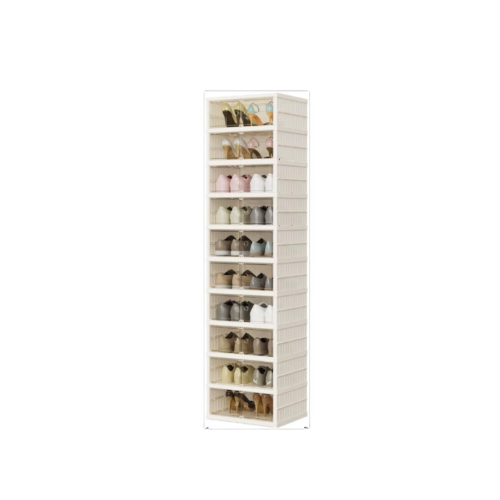
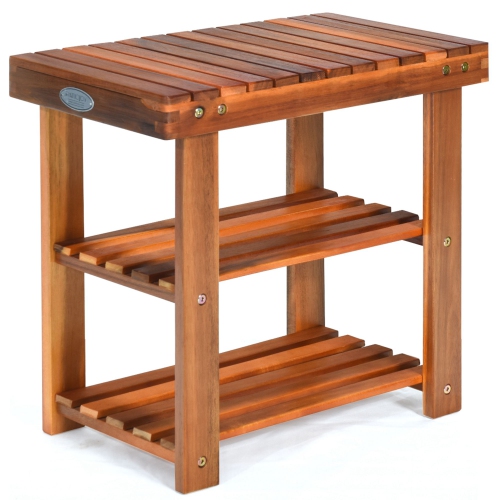
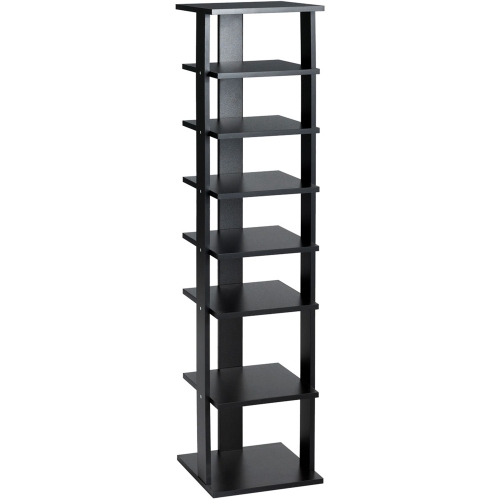
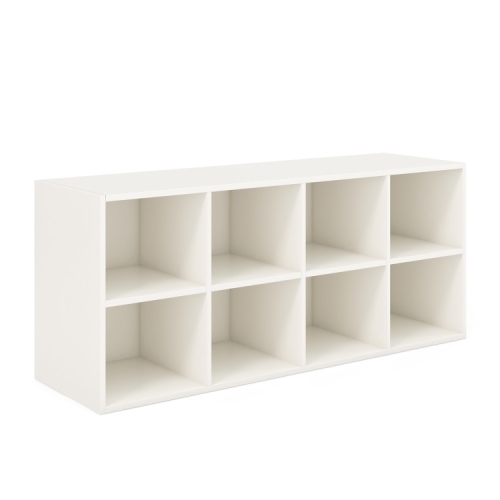
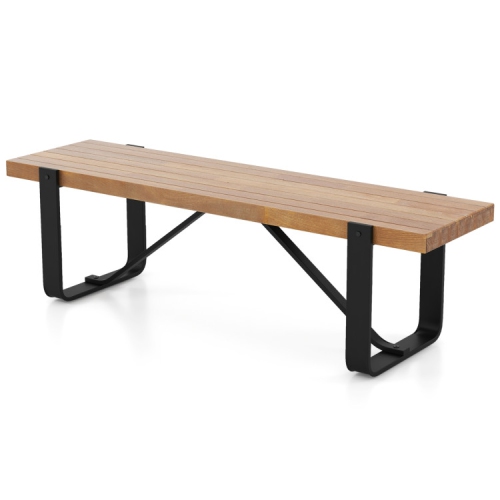
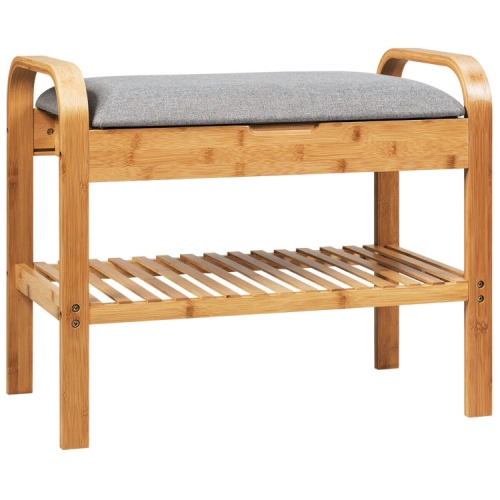
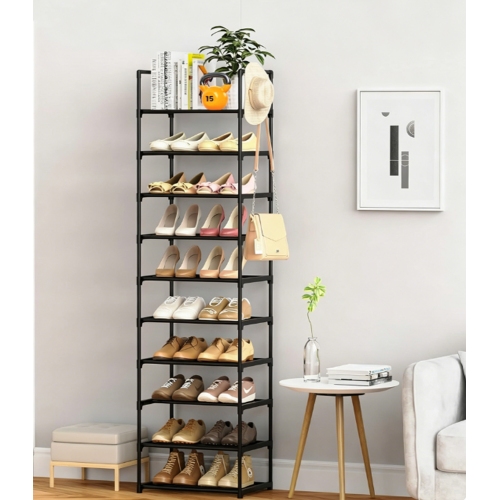
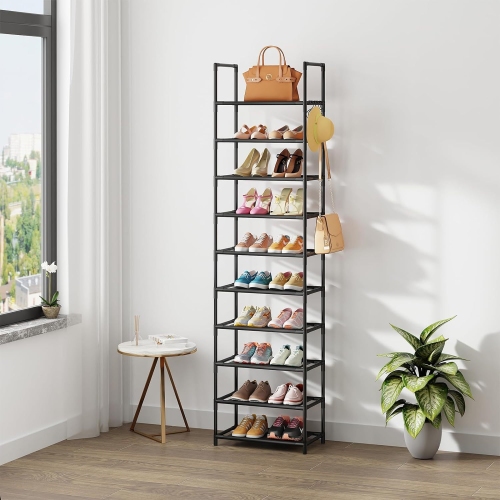
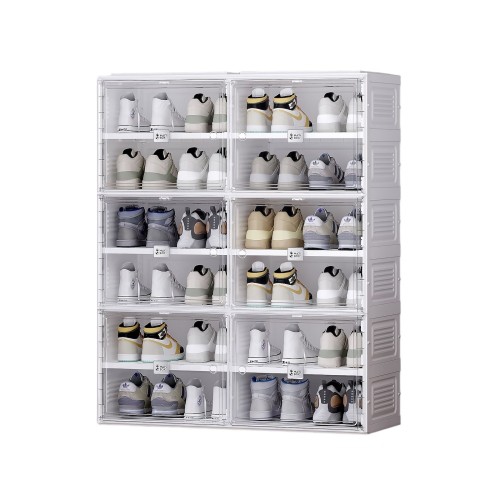
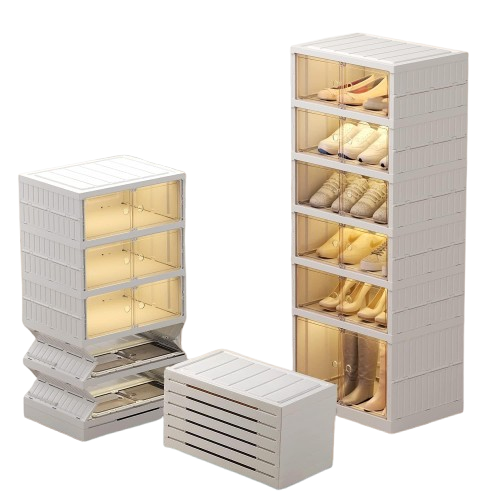
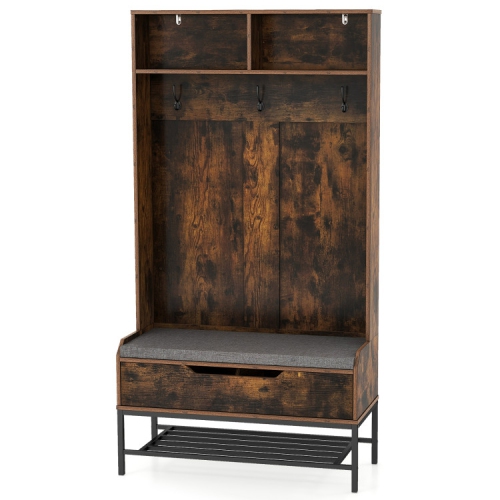
The right fit involves more than finding an empty stretch of wall. Width determines how many pairs can sit side by side, depth affects whether toes and heels stay supported, and the distance between shelves determines which styles fit comfortably. Low shelves work well for flats, sandals, and many trainers, while ankle boots and high-top shoes need more vertical clearance. Taller boots may require an open section or an adjustable shelf arrangement rather than being folded into a space that presses against their uppers. Measurements taken from the largest pair in regular use give a more realistic starting point than an advertised pair count alone. In a narrow hallway, the rack should leave room to walk past without brushing against footwear, and nearby doors should open freely. Inside a closet, allowance for hanging clothes, door tracks, and access to the lowest shelf makes the storage easier to use. A tall, narrow shoe rack uses vertical space efficiently, but its height makes careful assembly and any specified anti-tip attachment particularly important. A low, wide design can offer easier access for children or anyone who prefers not to reach upward. Shoe rack benches combine storage with a place to sit only when the top is expressly designed and rated for seating; an ordinary storage shelf should never be treated as a seat. Open shelves make it easy to spot a missing shoe and give footwear room to air between wears. Solid shelves support narrow heels and small children’s shoes more evenly, while slatted or wire shelves may allow loose dirt to fall through to the level below. Shelf spacing matters here, too: wide gaps can leave small shoes tilted or heels caught between supports. Modular and stackable designs can adapt to a growing collection, provided the sections are compatible, securely connected, and used within the approved stacking limits. For shared homes, separating everyday pairs from occasional footwear can keep the most accessible shelves useful rather than crowded.
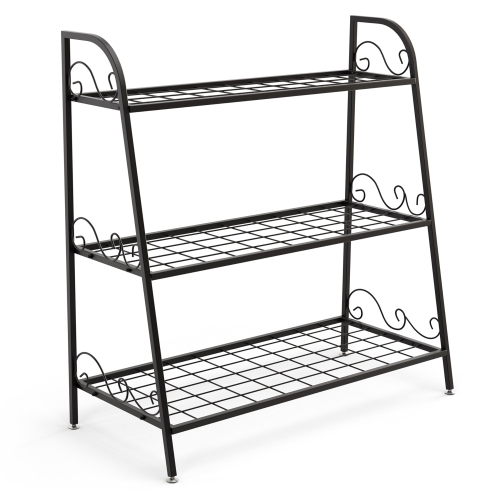
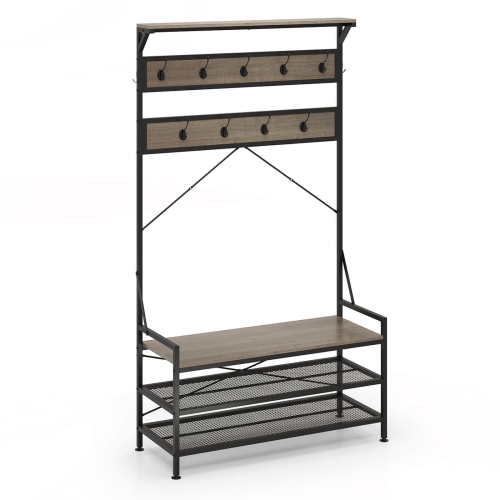
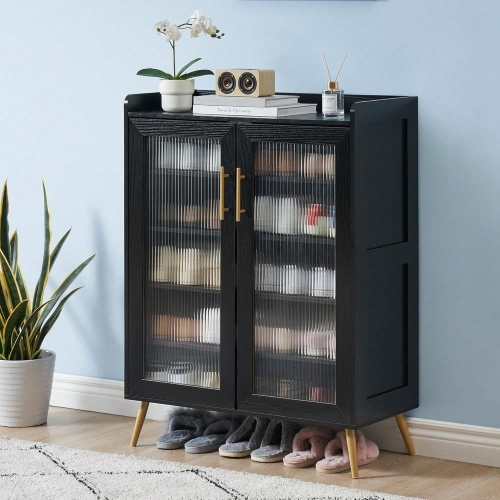
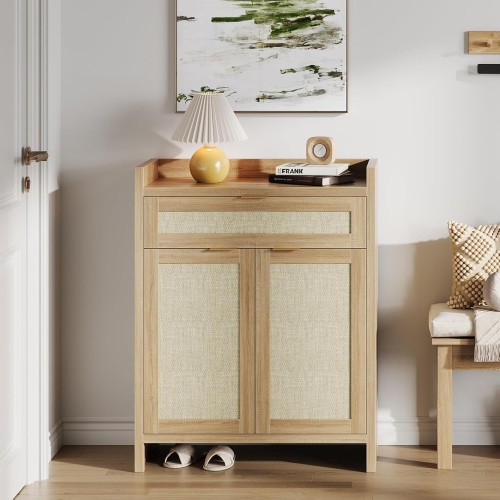
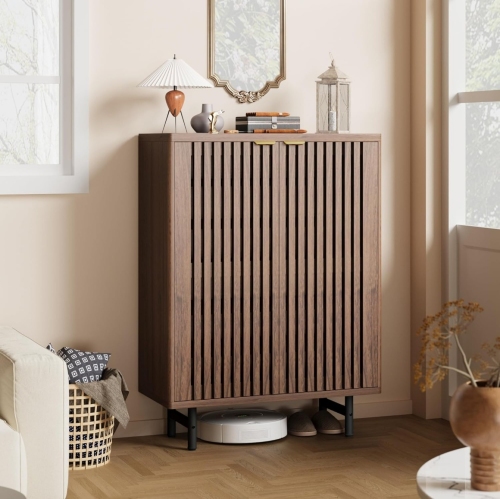
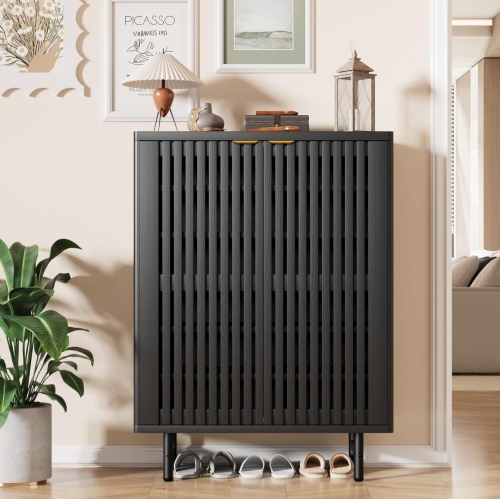
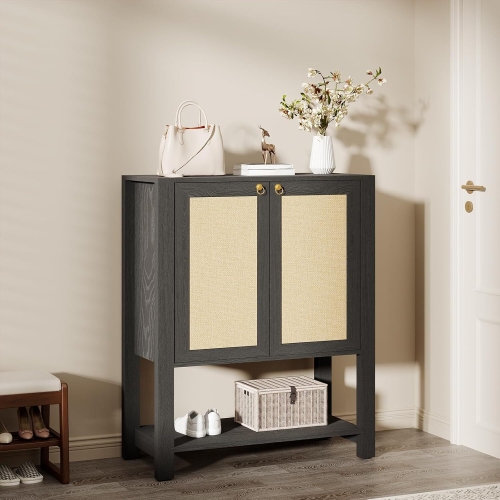
Appearance and care also shape how well a shoe rack fits into daily life. A rack beside the front door becomes part of the room, so its frame colour, shelf finish, and proportions can matter as much as its capacity. Dark finishes can create a clear outline against pale walls, while wood tones add warmth alongside upholstered seating or a hallway console. Black shoe racks can coordinate with dark door hardware, mirror frames, or coat hooks without requiring every piece of furniture to match. In a closet or utility area, easy cleaning and access may take priority over a decorative finish. Smooth shelves are generally straightforward to wipe down, while corners, wire intersections, and narrow slat gaps may need a soft brush or vacuum attachment to lift trapped grit. Removing loose dirt from footwear before placing it on the rack helps keep both the shelves and nearby flooring cleaner. Damp soles should not be left resting on surfaces that are not designed for moisture, and removable trays can simplify cleanup when their size and use are compatible with the rack. For wood and engineered wood, a lightly dampened cloth followed by drying is often preferable to soaking, subject to the manufacturer’s care directions. Metal finishes should also be cleaned as directed, with abrasive tools avoided where they could scratch a protective coating. Assembly has a direct effect on long-term steadiness: parts need to be aligned, fasteners secured according to the instructions, and any required wall fittings suited to the wall type. If movement develops with use, checking the joints and levelling feet can help identify the cause before the rack is loaded again. Protective pads may help reduce marks on suitable floors, but they should not make the base unstable. For a first apartment, a shared family entrance, or a bedroom closet, durable shoe storage earns its place by making ordinary routines easier. Shoes stay visible, pairs stay together, and the floor is easier to clear when every frequently worn pair has a dependable place to land.
The right fit involves more than finding an empty stretch of wall. Width determines how many pairs can sit side by side, depth affects whether toes and heels stay supported, and the distance between shelves determines which styles fit comfortably. Low shelves work well for flats, sandals, and many trainers, while ankle boots and high-top shoes need more vertical clearance. Taller boots may require an open section or an adjustable shelf arrangement rather than being folded into a space that presses against their uppers. Measurements taken from the largest pair in regular use give a more realistic starting point than an advertised pair count alone. In a narrow hallway, the rack should leave room to walk past without brushing against footwear, and nearby doors should open freely. Inside a closet, allowance for hanging clothes, door tracks, and access to the lowest shelf makes the storage easier to use. A tall, narrow shoe rack uses vertical space efficiently, but its height makes careful assembly and any specified anti-tip attachment particularly important. A low, wide design can offer easier access for children or anyone who prefers not to reach upward. Shoe rack benches combine storage with a place to sit only when the top is expressly designed and rated for seating; an ordinary storage shelf should never be treated as a seat. Open shelves make it easy to spot a missing shoe and give footwear room to air between wears. Solid shelves support narrow heels and small children’s shoes more evenly, while slatted or wire shelves may allow loose dirt to fall through to the level below. Shelf spacing matters here, too: wide gaps can leave small shoes tilted or heels caught between supports. Modular and stackable designs can adapt to a growing collection, provided the sections are compatible, securely connected, and used within the approved stacking limits. For shared homes, separating everyday pairs from occasional footwear can keep the most accessible shelves useful rather than crowded.
Appearance and care also shape how well a shoe rack fits into daily life. A rack beside the front door becomes part of the room, so its frame colour, shelf finish, and proportions can matter as much as its capacity. Dark finishes can create a clear outline against pale walls, while wood tones add warmth alongside upholstered seating or a hallway console. Black shoe racks can coordinate with dark door hardware, mirror frames, or coat hooks without requiring every piece of furniture to match. In a closet or utility area, easy cleaning and access may take priority over a decorative finish. Smooth shelves are generally straightforward to wipe down, while corners, wire intersections, and narrow slat gaps may need a soft brush or vacuum attachment to lift trapped grit. Removing loose dirt from footwear before placing it on the rack helps keep both the shelves and nearby flooring cleaner. Damp soles should not be left resting on surfaces that are not designed for moisture, and removable trays can simplify cleanup when their size and use are compatible with the rack. For wood and engineered wood, a lightly dampened cloth followed by drying is often preferable to soaking, subject to the manufacturer’s care directions. Metal finishes should also be cleaned as directed, with abrasive tools avoided where they could scratch a protective coating. Assembly has a direct effect on long-term steadiness: parts need to be aligned, fasteners secured according to the instructions, and any required wall fittings suited to the wall type. If movement develops with use, checking the joints and levelling feet can help identify the cause before the rack is loaded again. Protective pads may help reduce marks on suitable floors, but they should not make the base unstable. For a first apartment, a shared family entrance, or a bedroom closet, durable shoe storage earns its place by making ordinary routines easier. Shoes stay visible, pairs stay together, and the floor is easier to clear when every frequently worn pair has a dependable place to land.
Top selling and popular products
-
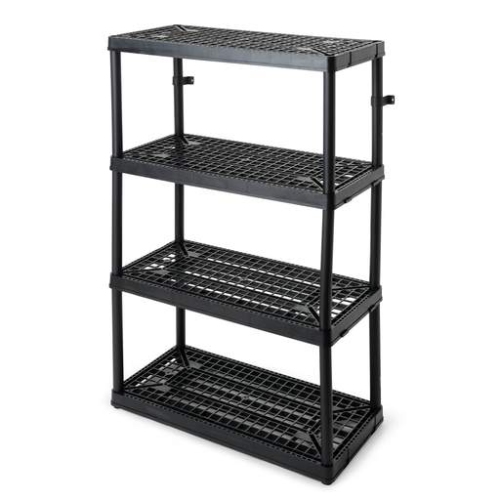 Your price for this item is $184.99
 -
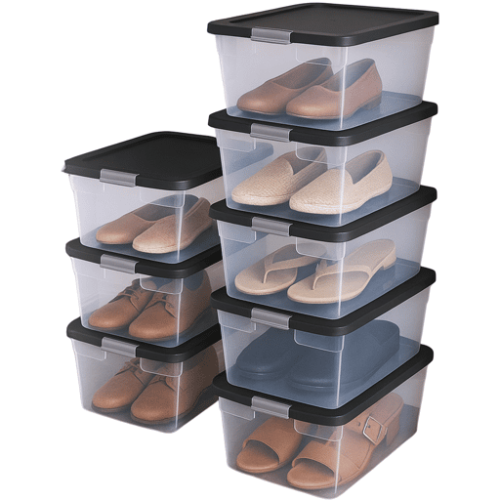 Your price for this item is $170.99
 -
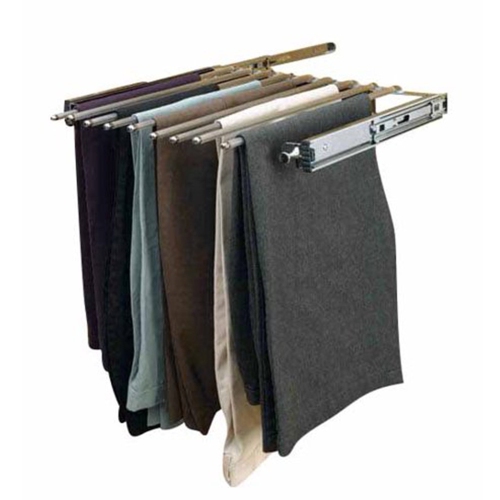 Your price for this item is $219.99
 -
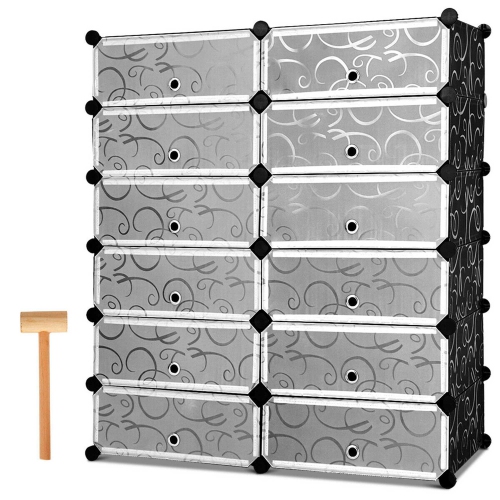 Your price for this item is $88.99
 -
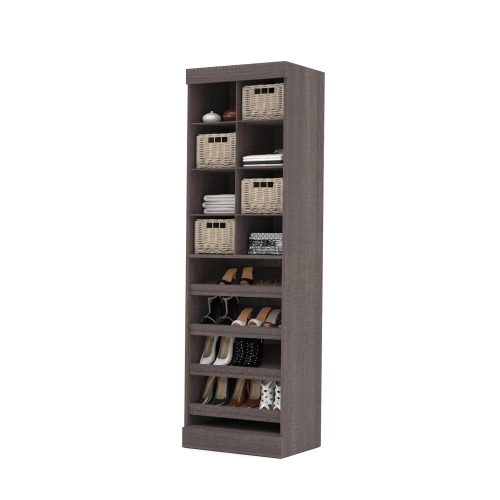 Your price for this item is $689.99
 -
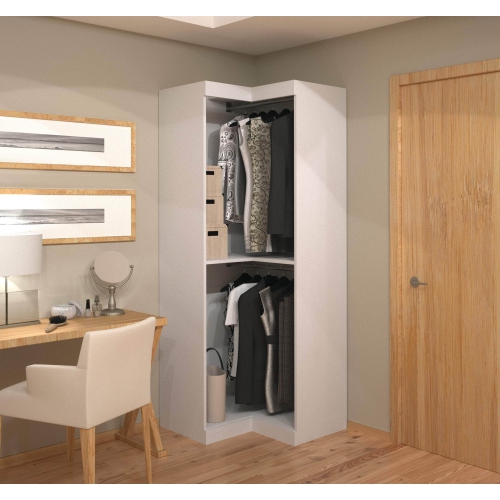 Your price for this item is $929.99
 -
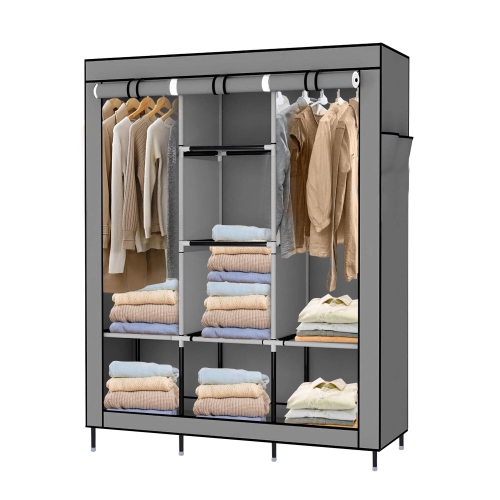 Your price for this item is $49.99
 -
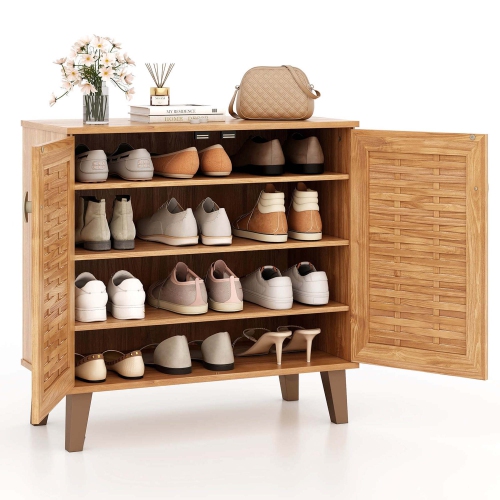 Your price for this item is $128.99
Discover more categories related to Sturdy Shoe Racks
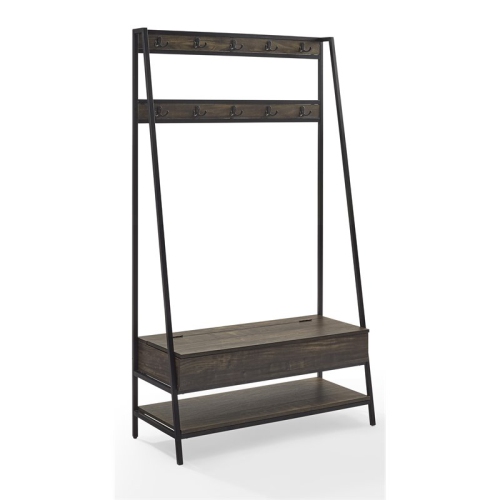
Top Collections:
Pokemon Centers, Kindle Devices, Best Budget Office Chairs, Apple iPhones 16, Best Laptops for Writers, iPhone 15 Apple, Canon G7X Cameras, Refurbished Apple Laptops, Alarm Clock, Motorola Razr Phones
Some products may be subject to Environmental Handling Fees
(EHF) depending on your province.
Learn more about EHFs.