Stylish Dining Tables
A dining table is one of the most important furniture in your home. These tables are where you have family meals, play games, and entertain guests. These are sturdy, comfortable, and stylish pieces of furniture that can match your home décor. Here are some great stylish dining table options available.
Sort
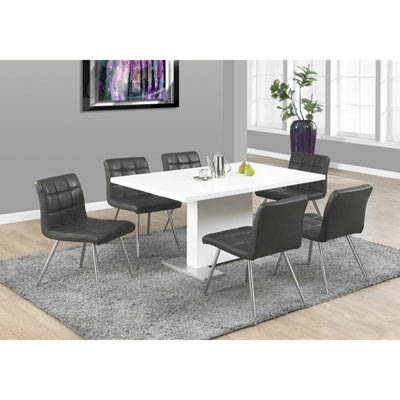
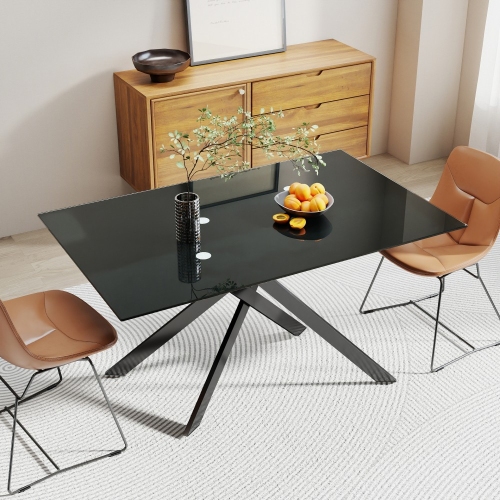
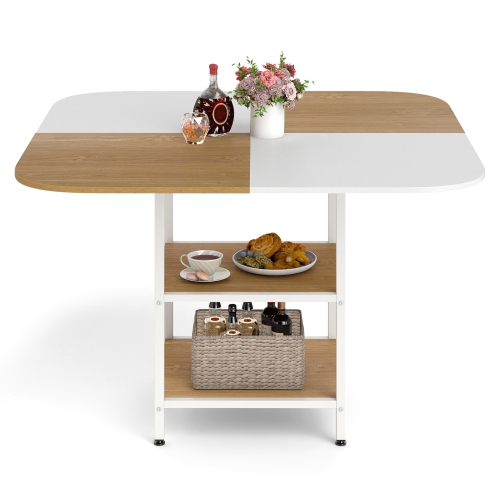
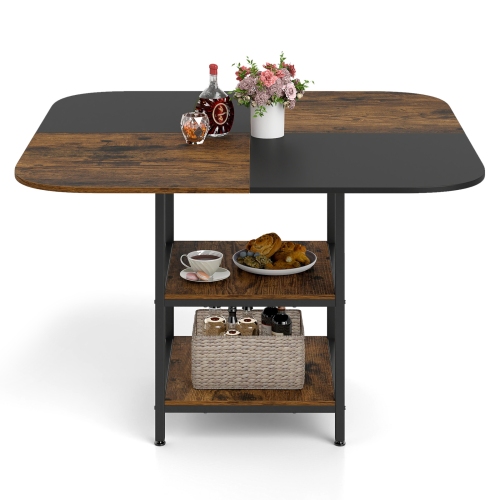
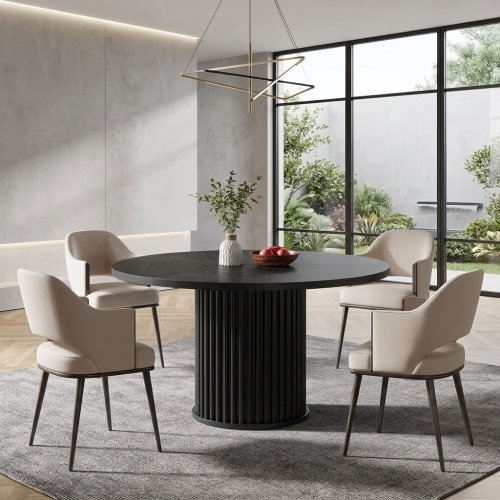
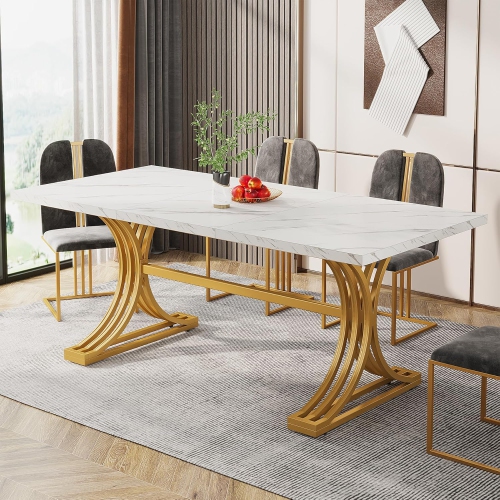
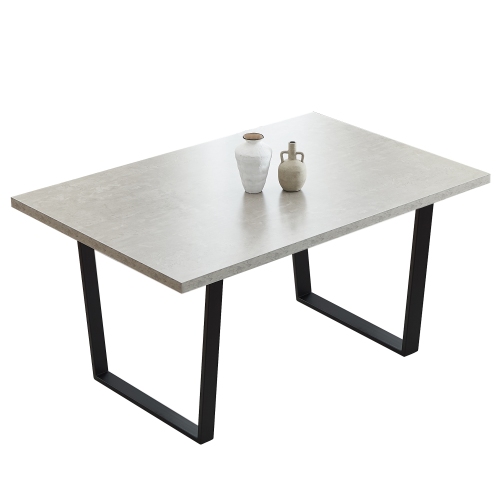
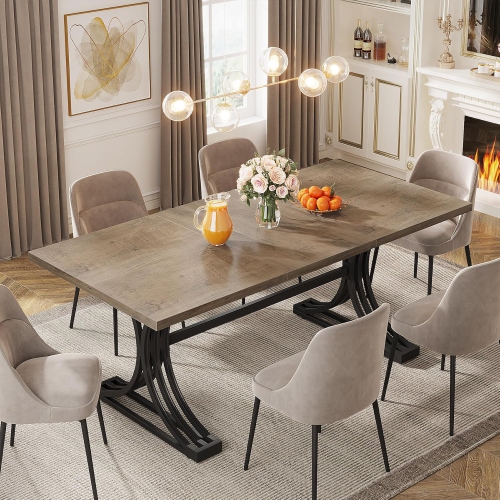
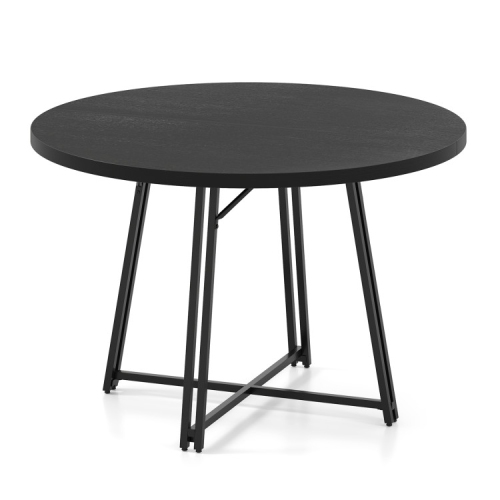
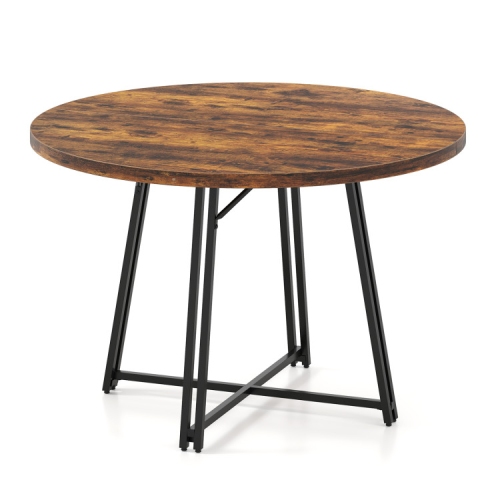
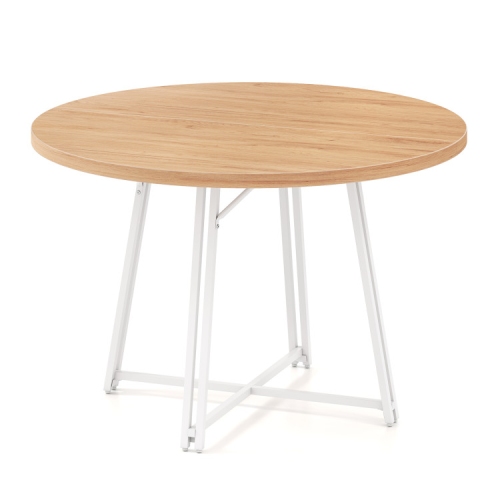
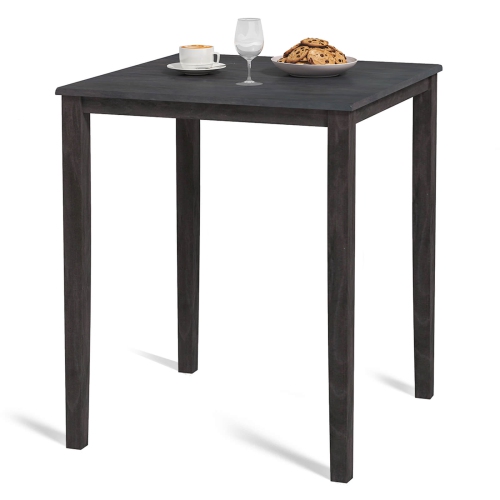
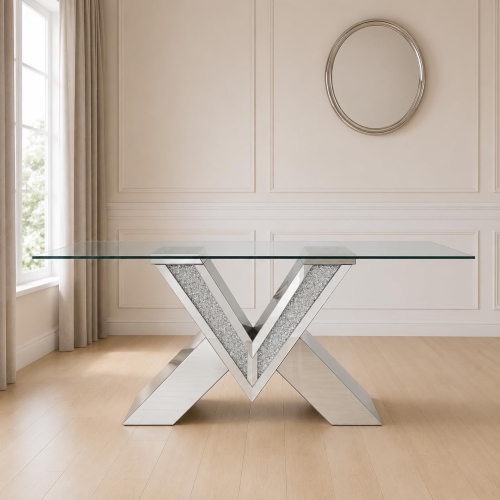
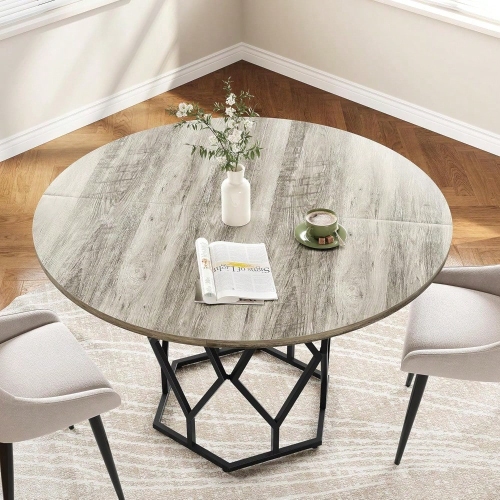
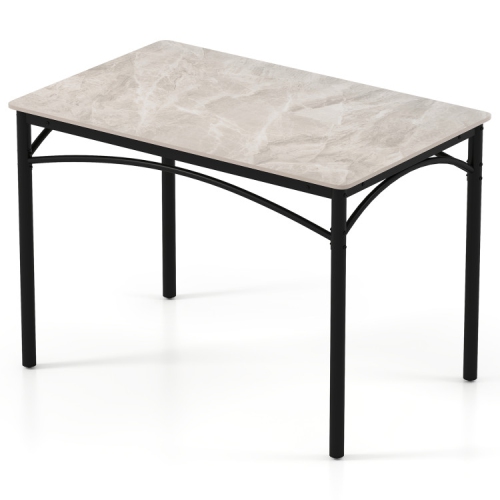
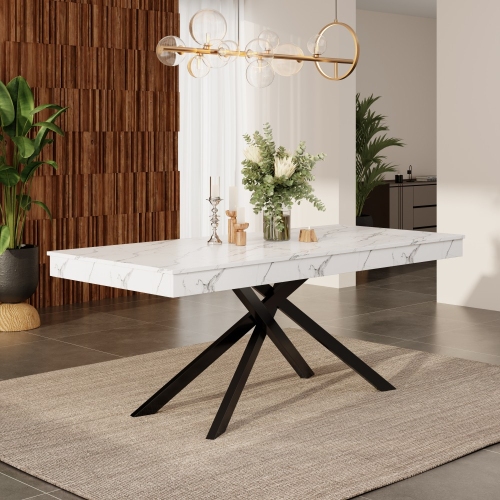
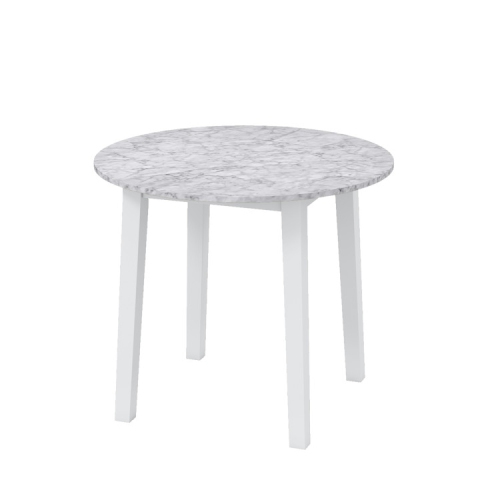
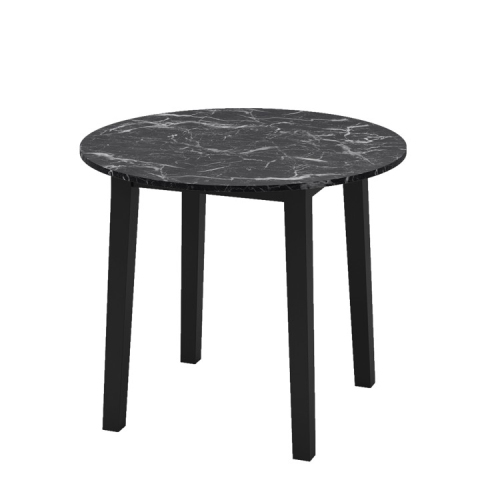
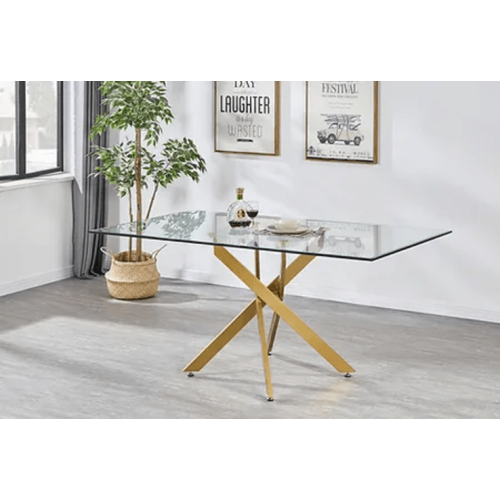
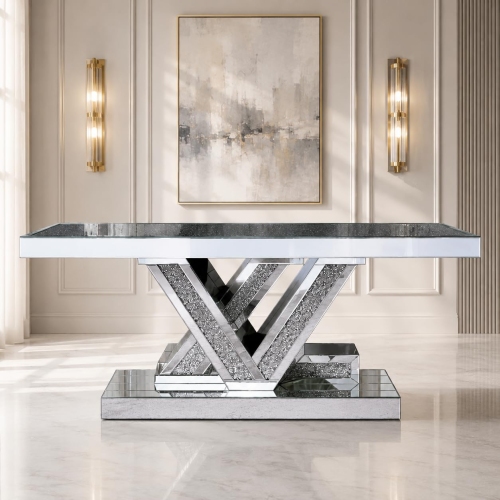
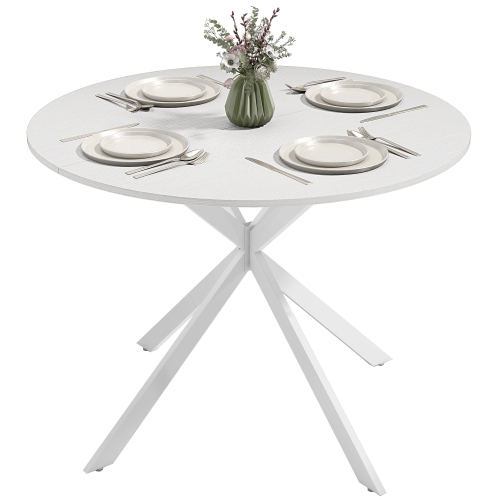
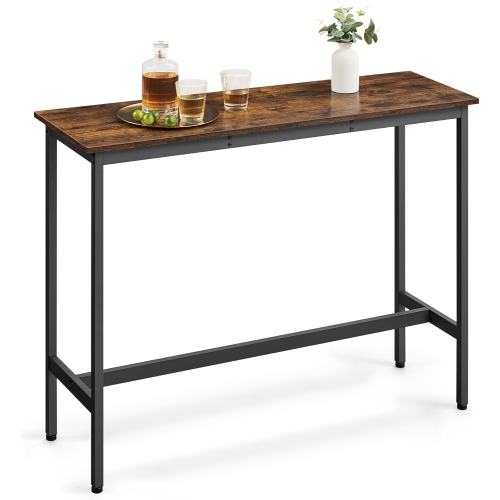
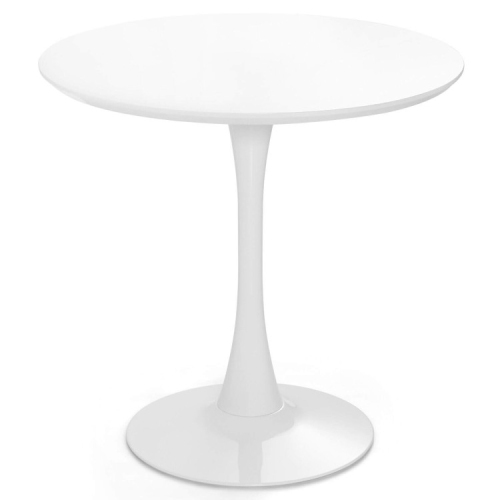
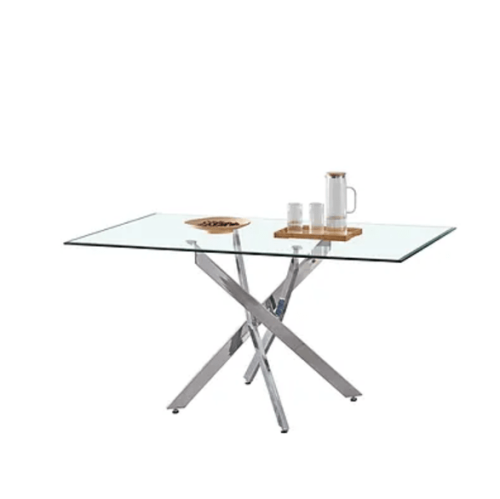
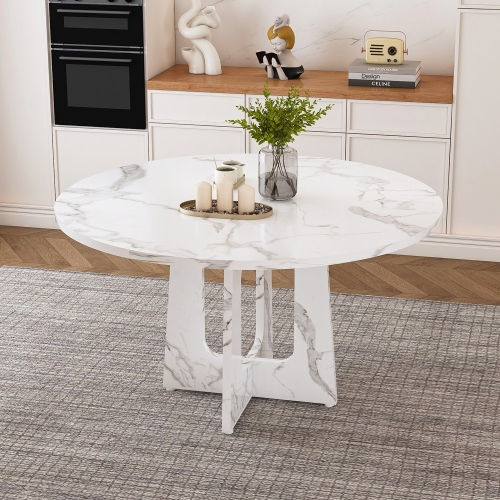
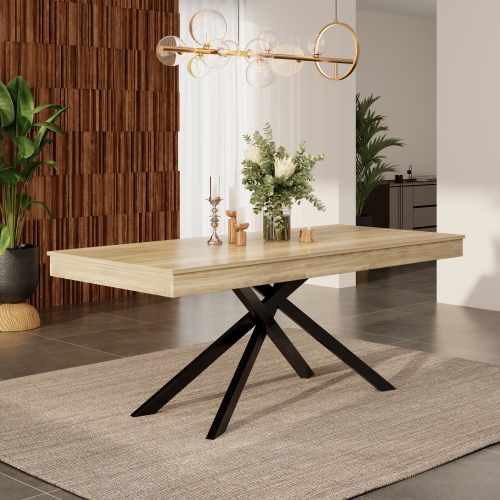
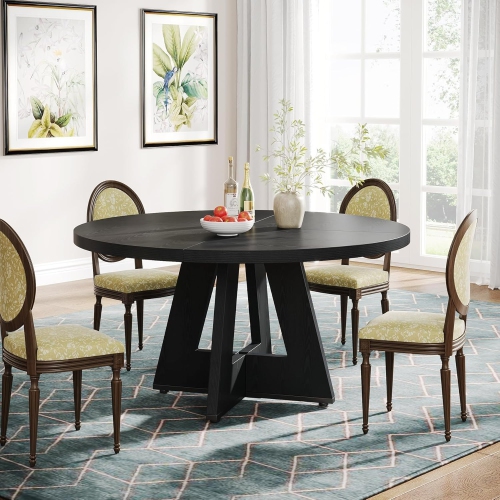
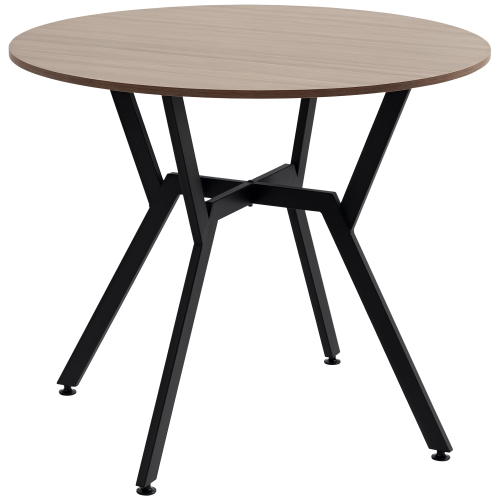
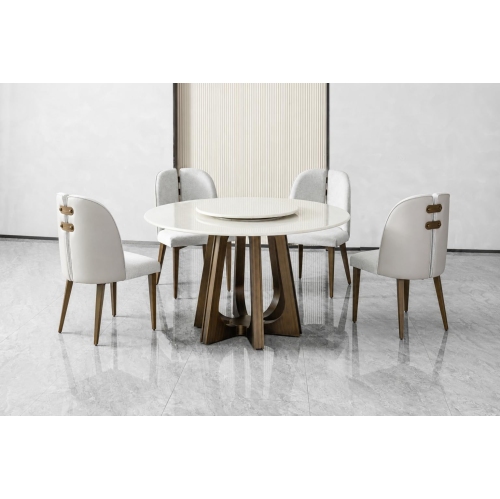

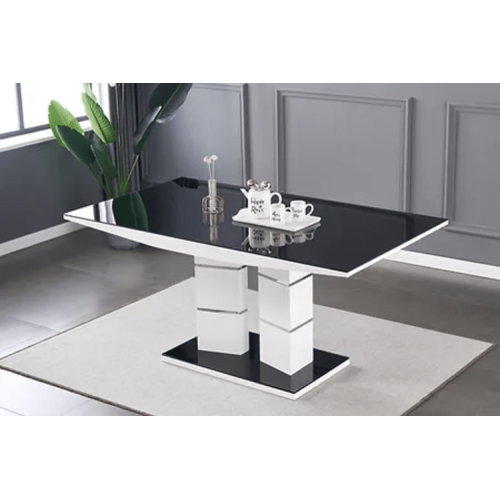
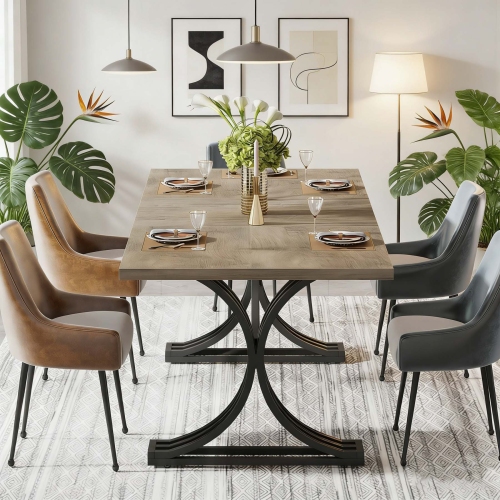
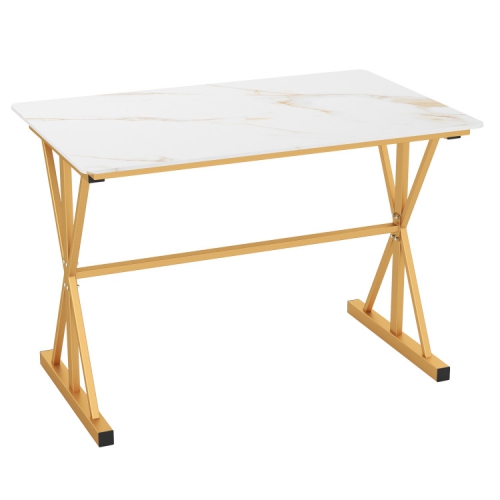
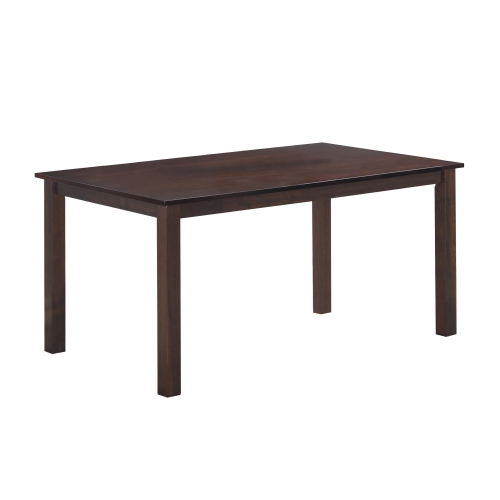
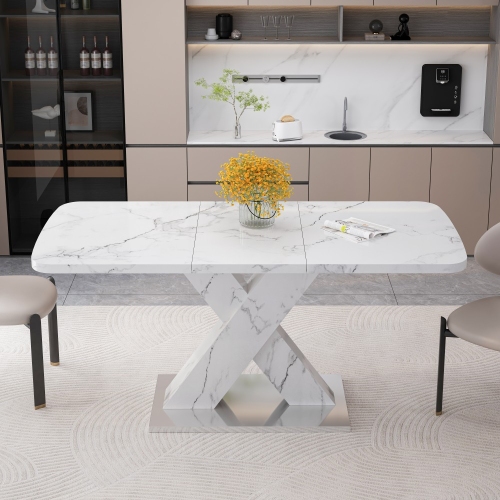
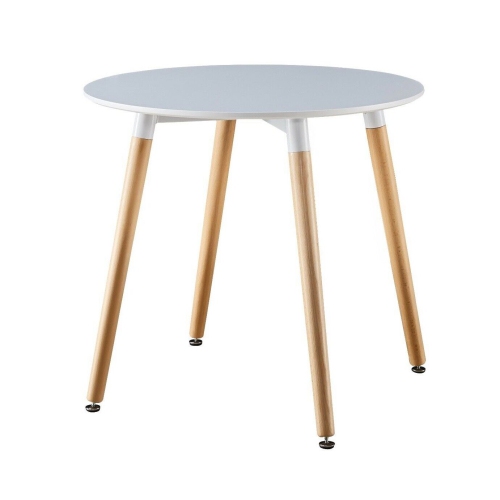
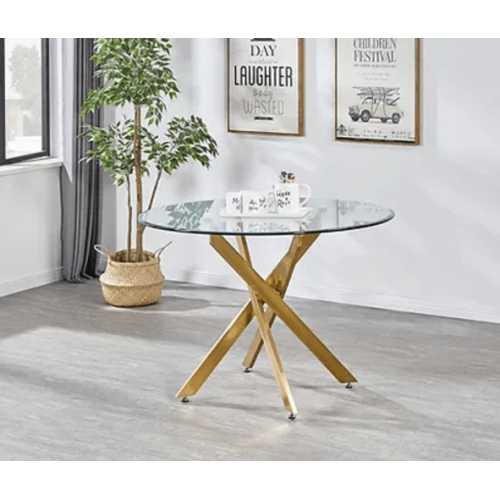
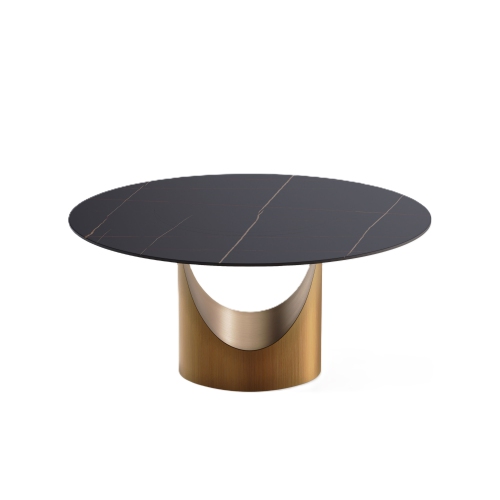
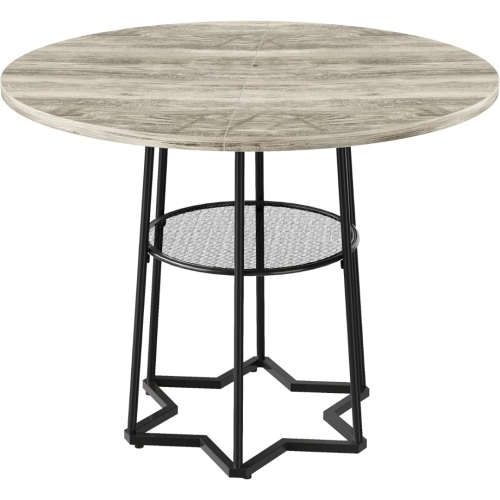
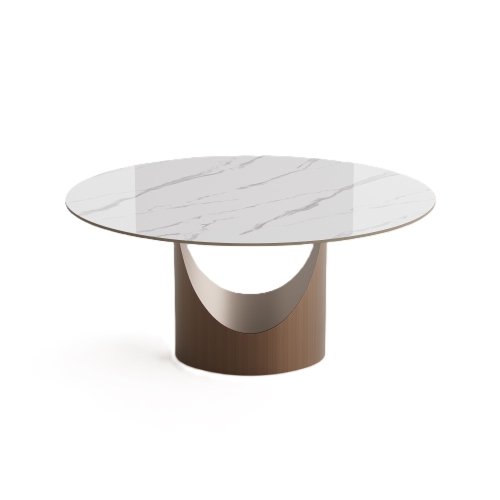
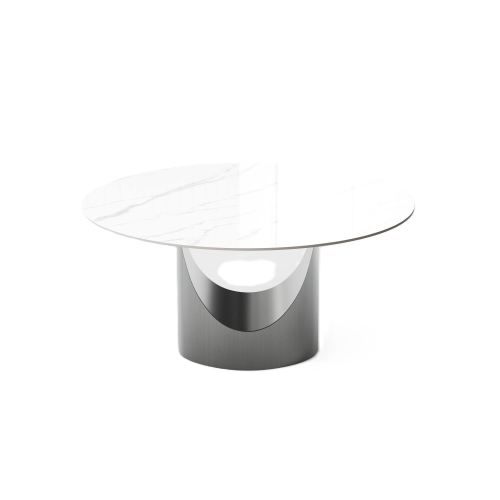

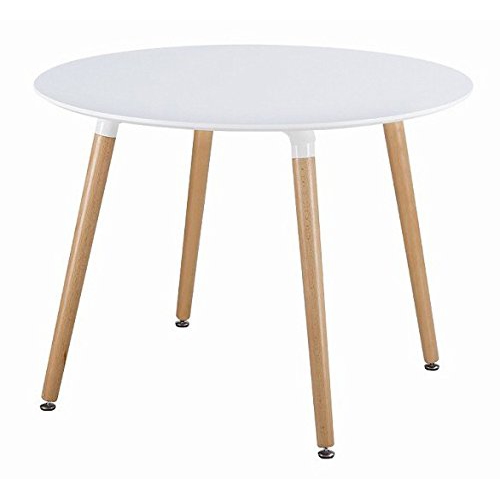
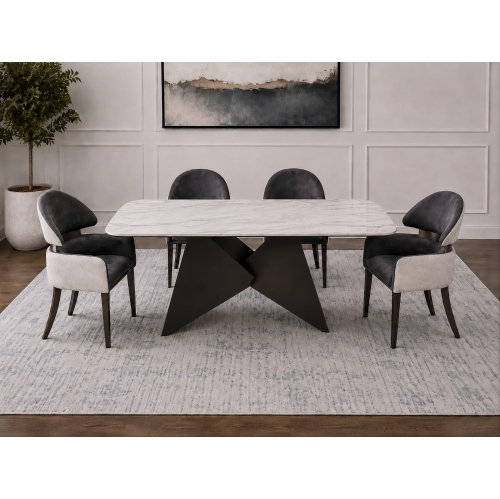
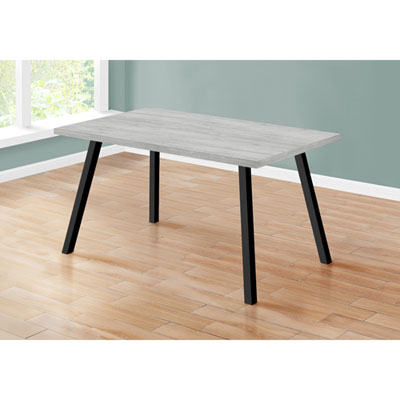
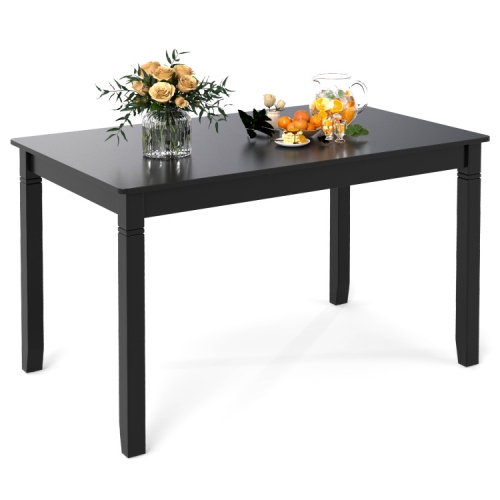
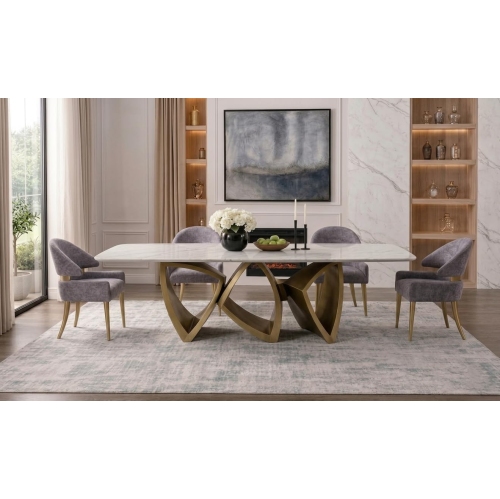

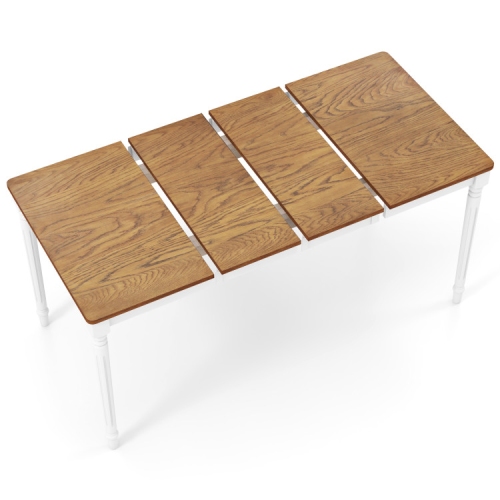
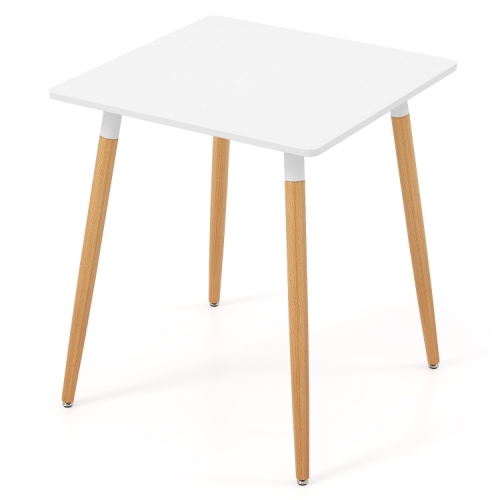
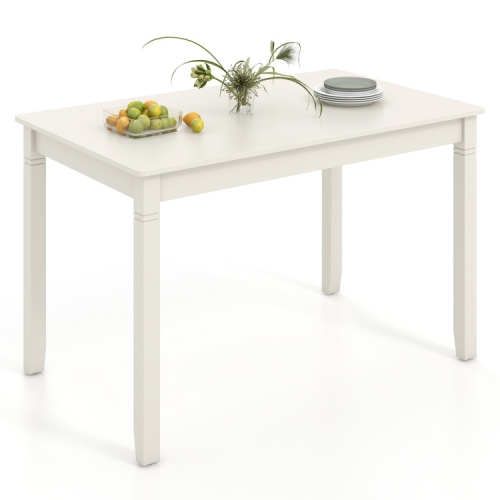
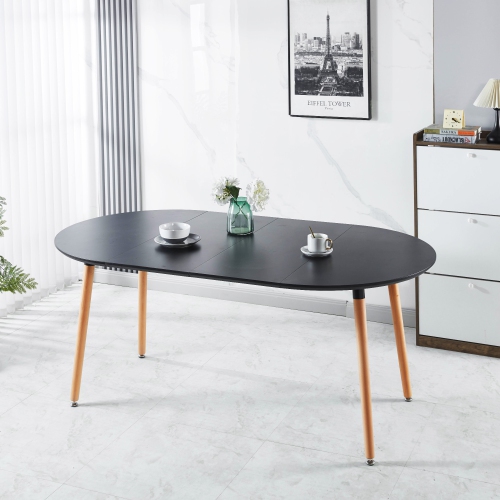
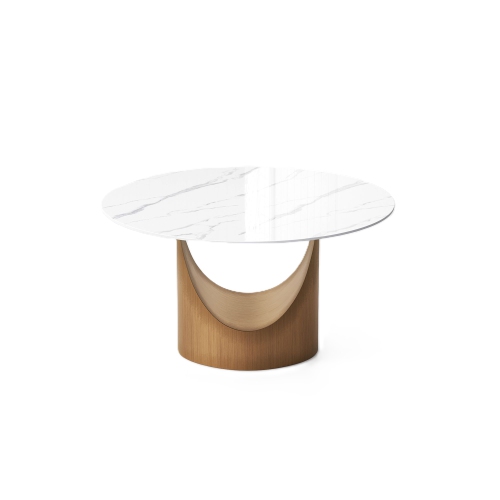
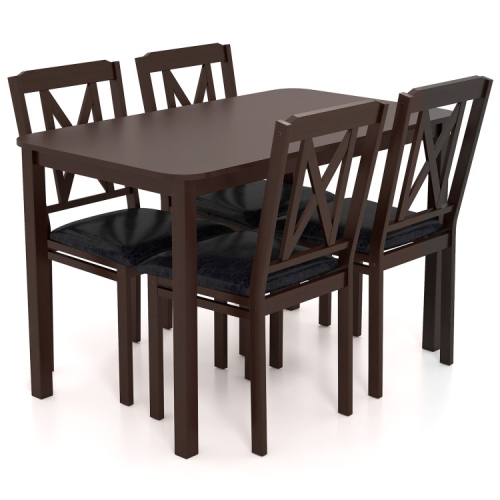
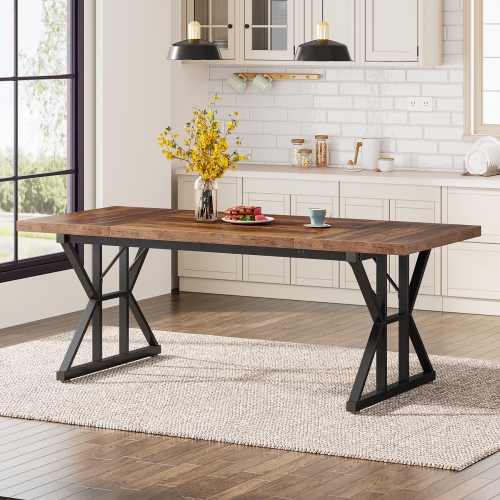
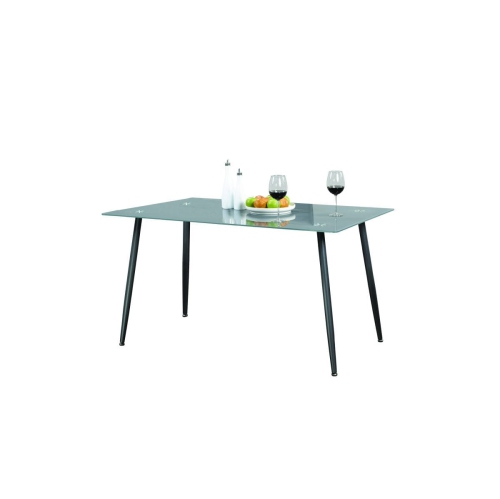
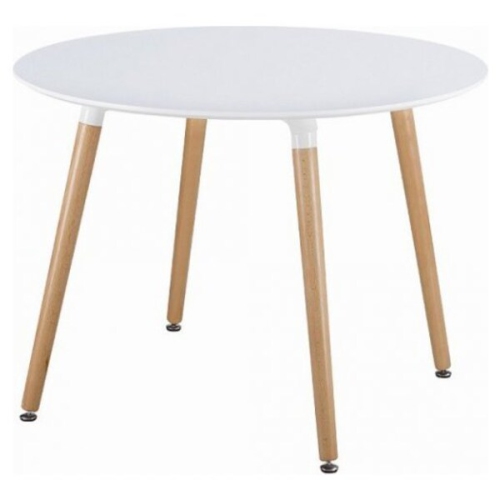
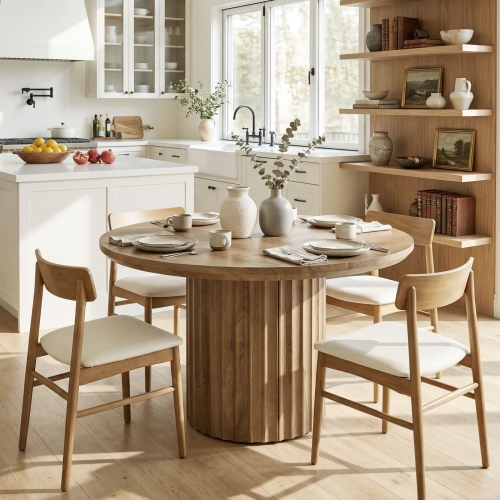
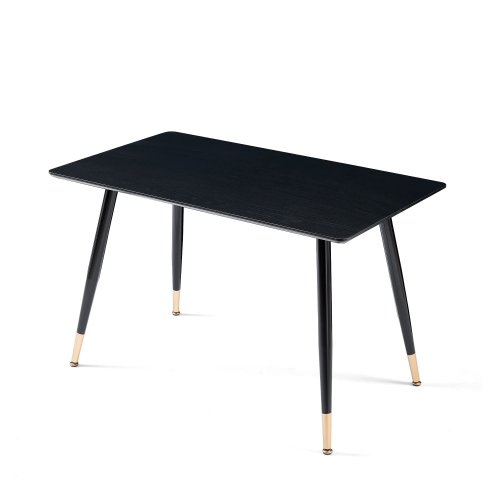
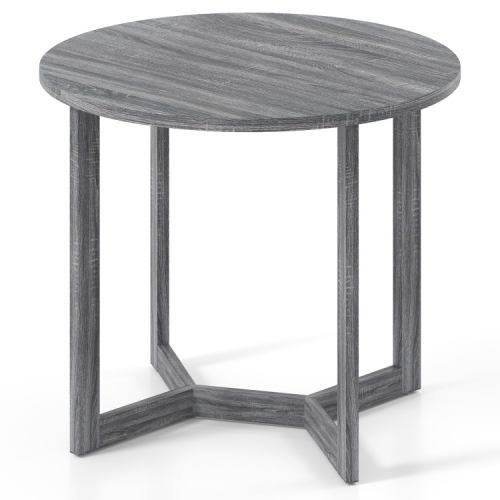
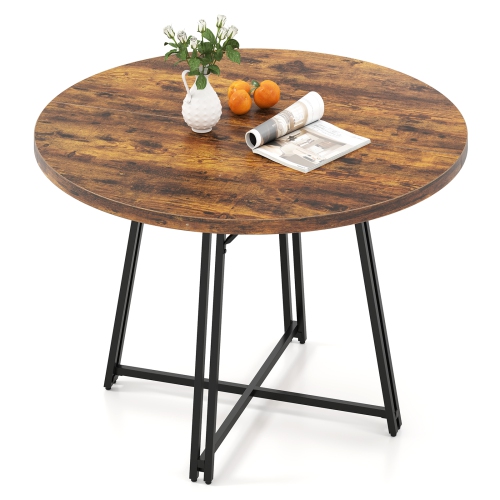
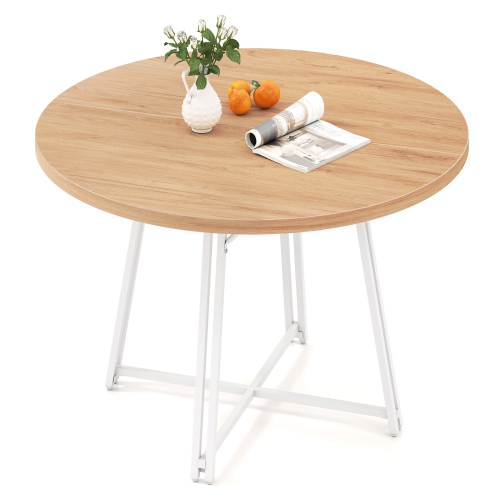
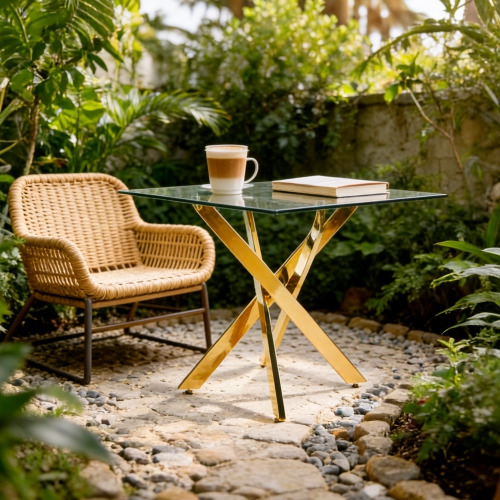
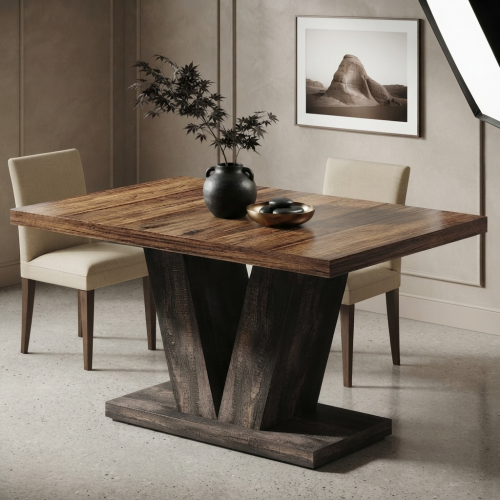
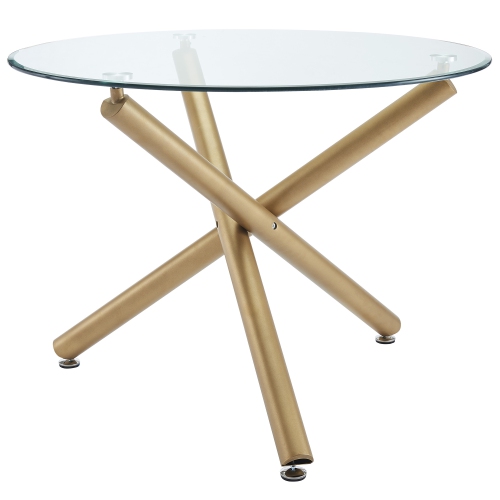
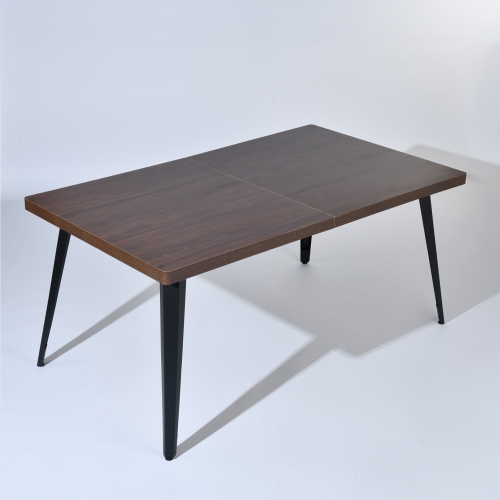
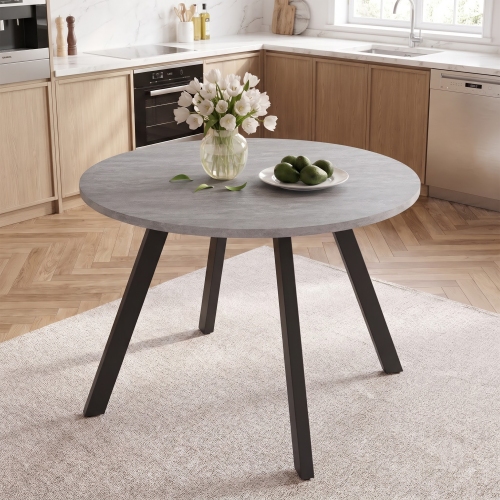
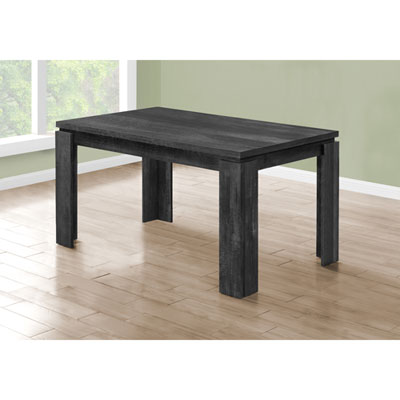
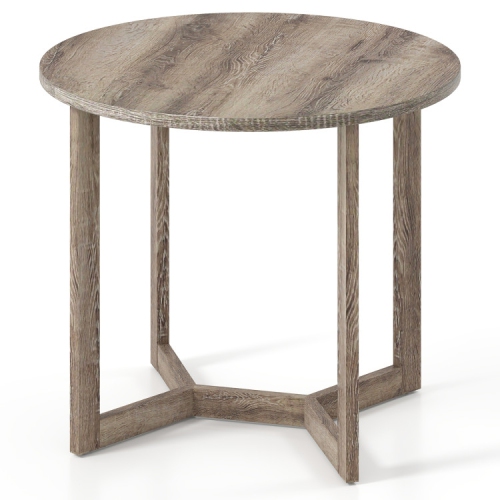
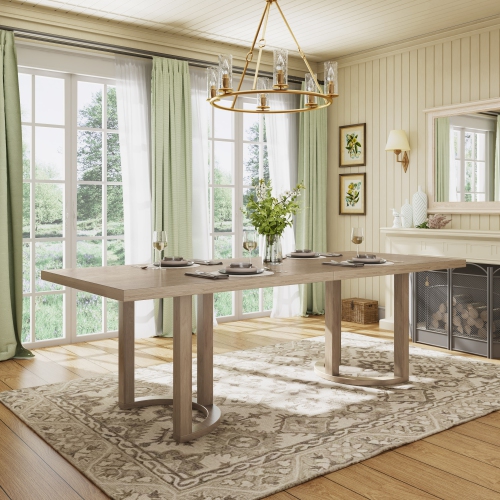

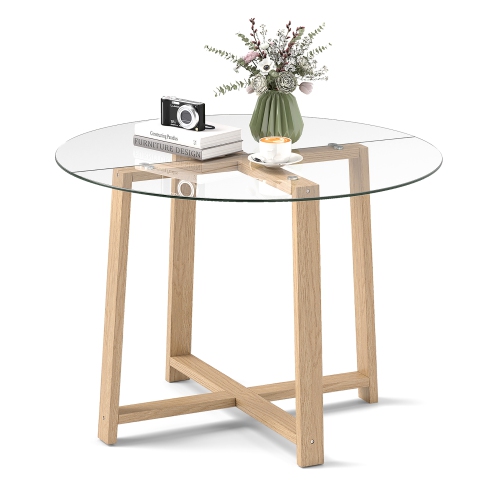
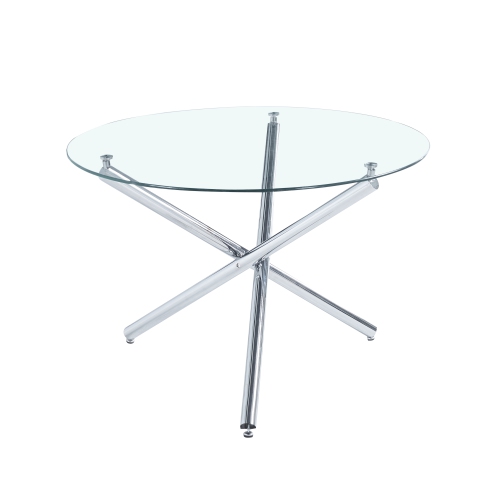
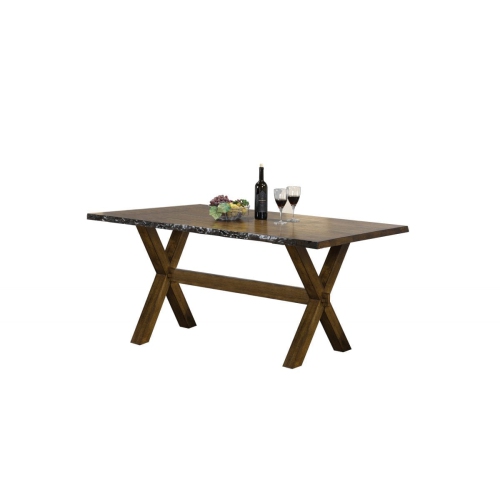
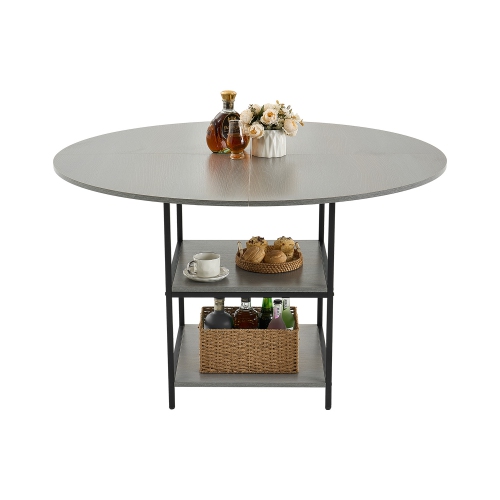
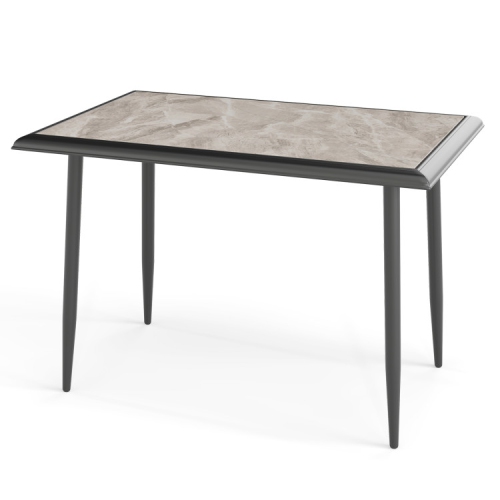
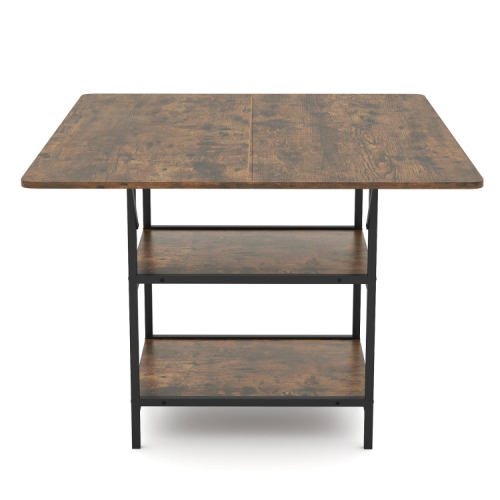
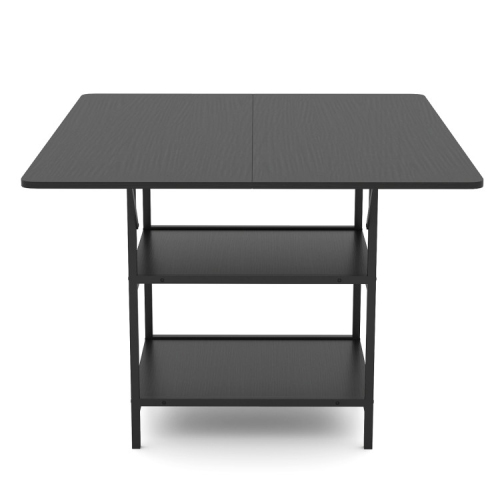
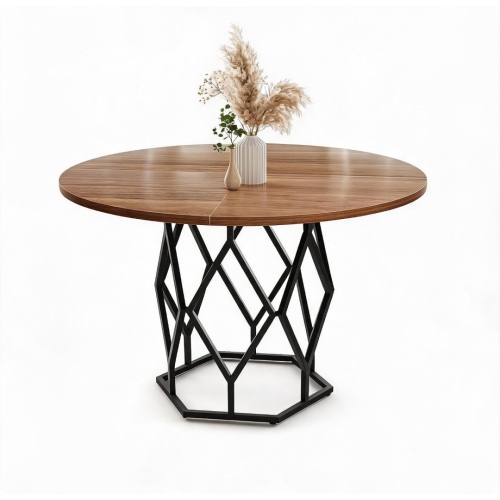
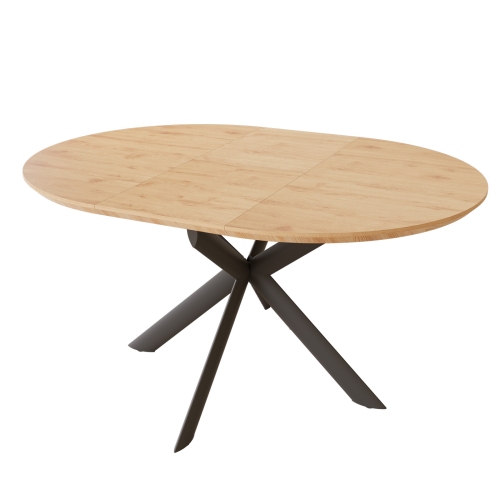
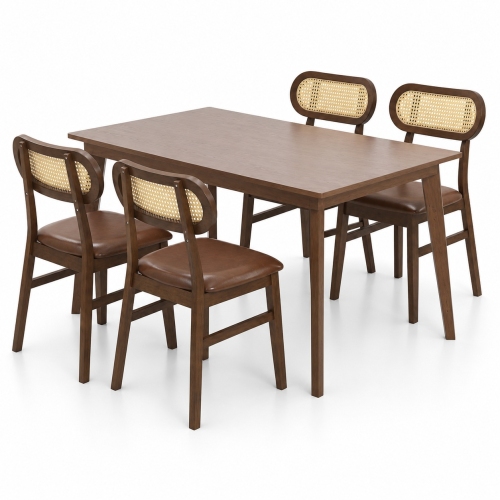
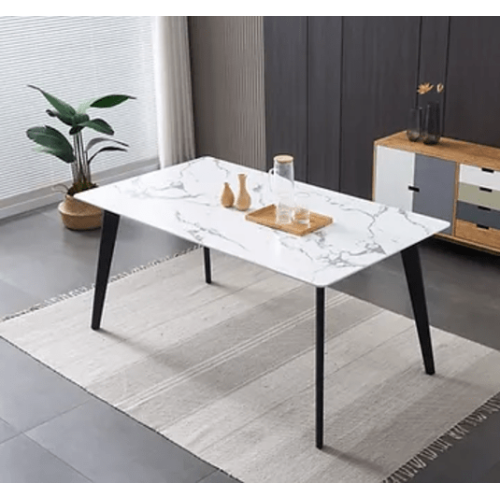
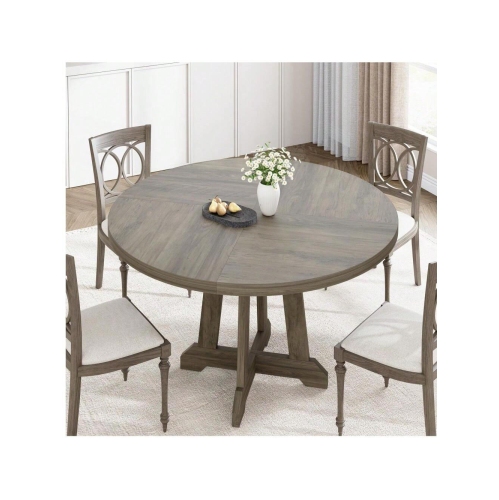
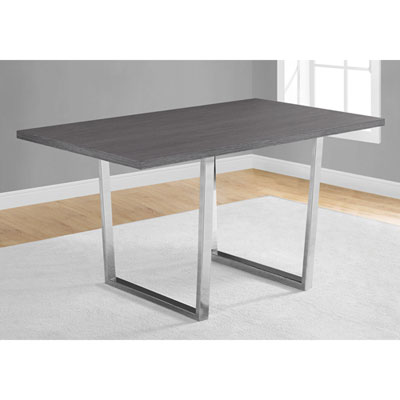
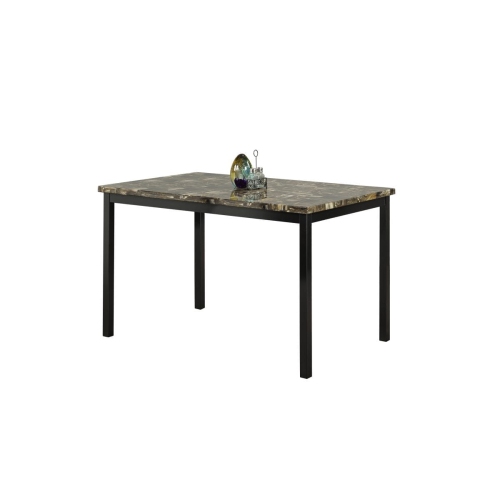
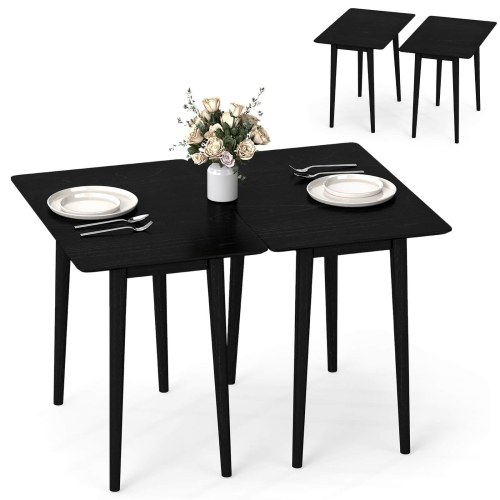
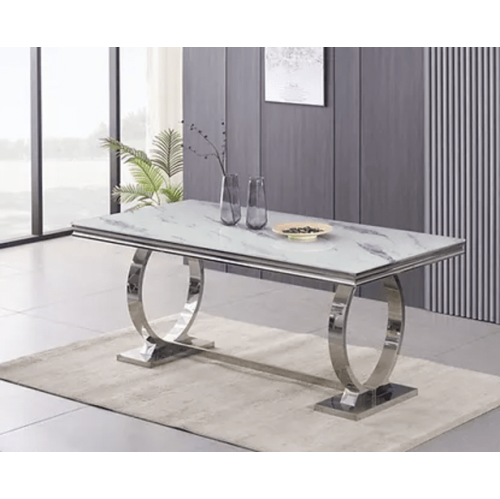

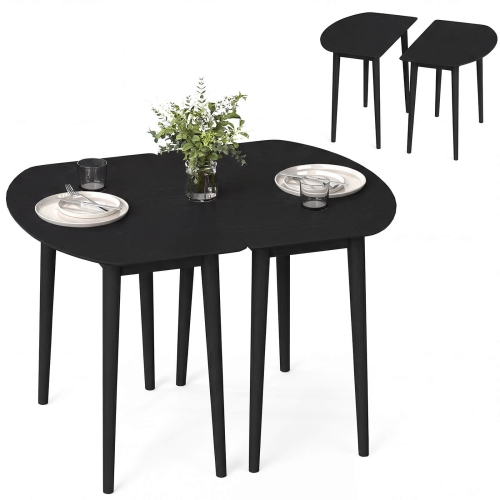
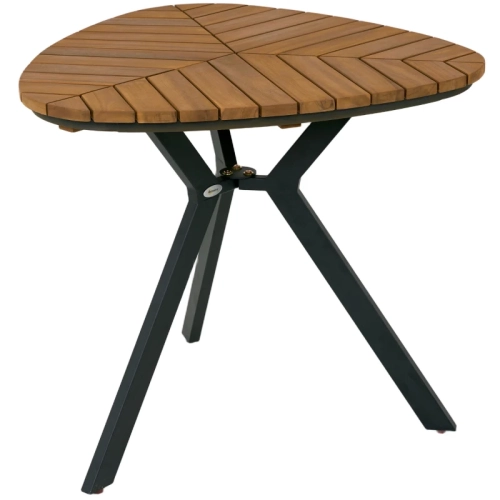
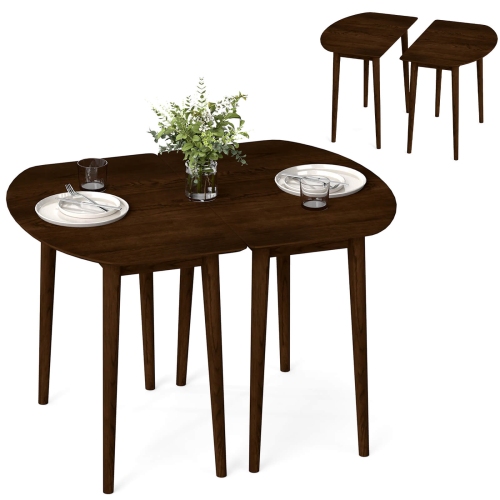
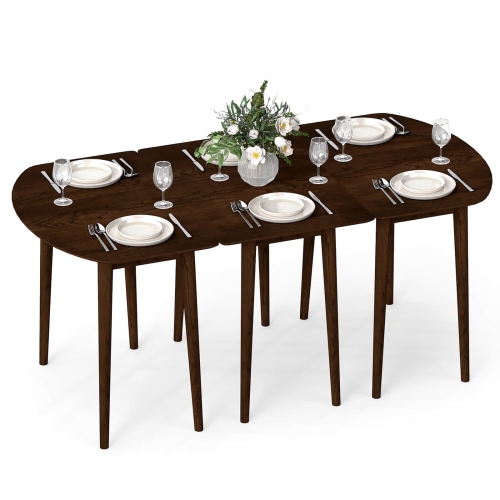
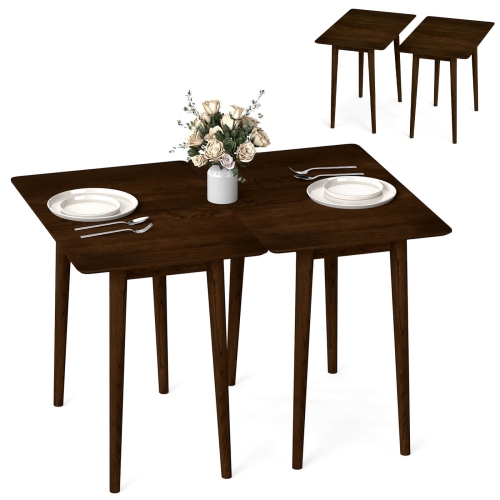
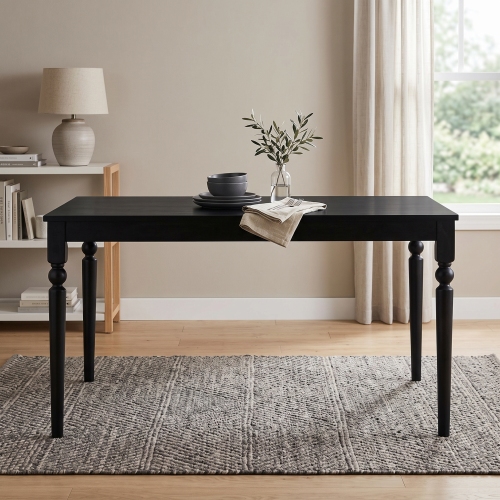
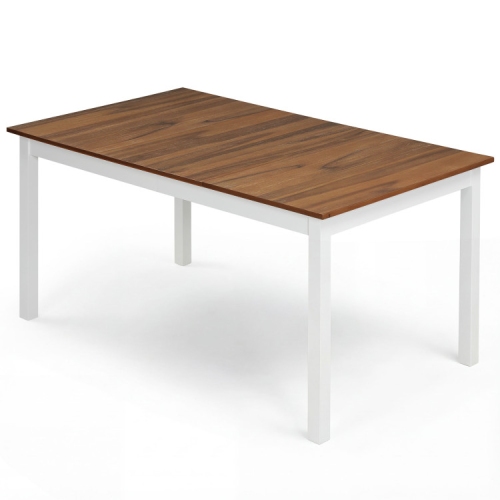
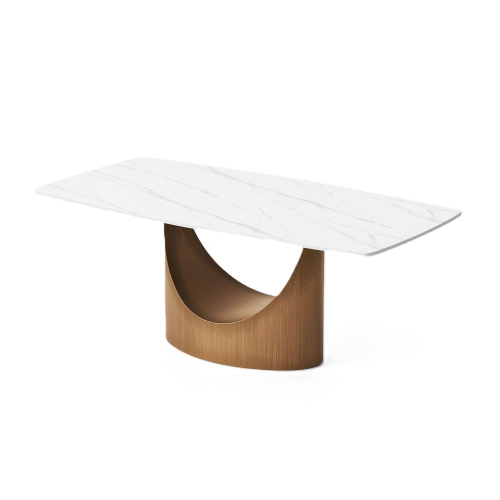
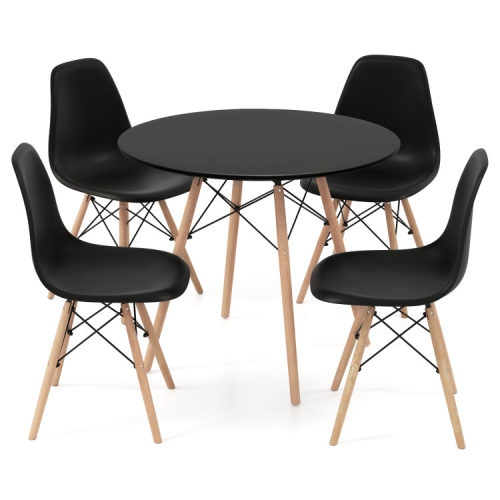
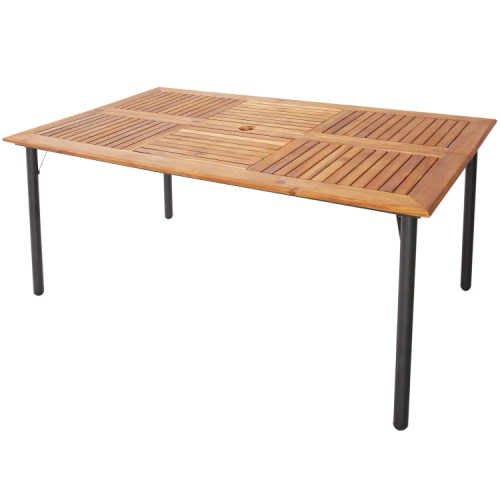
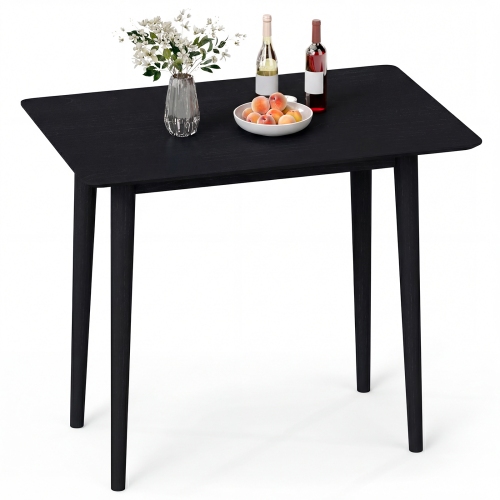
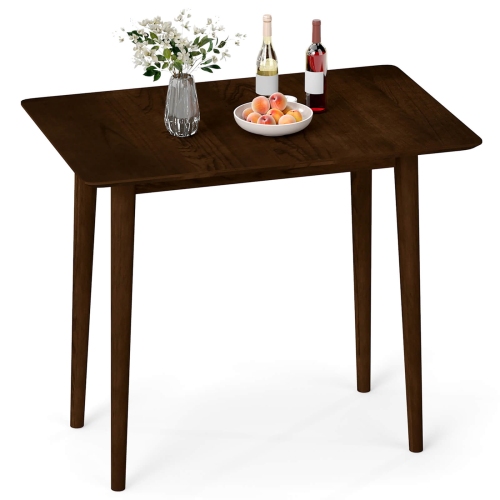

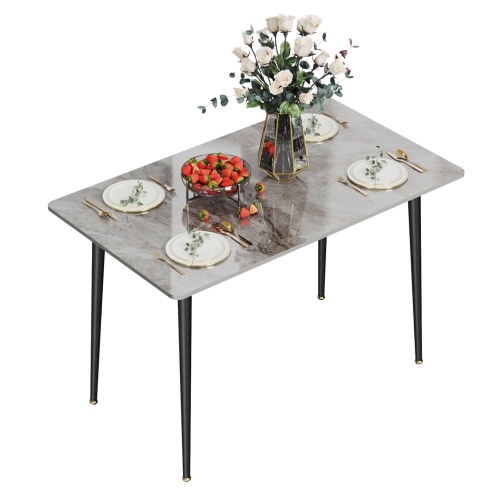
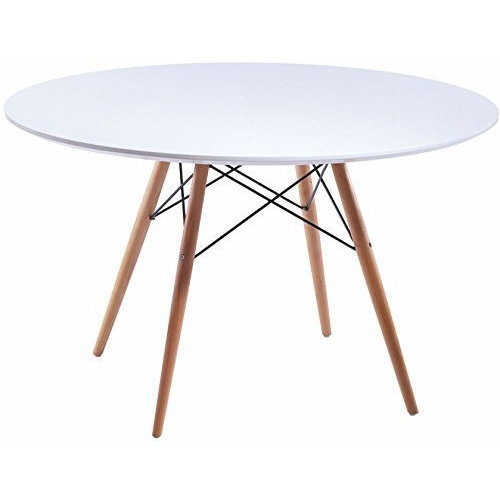
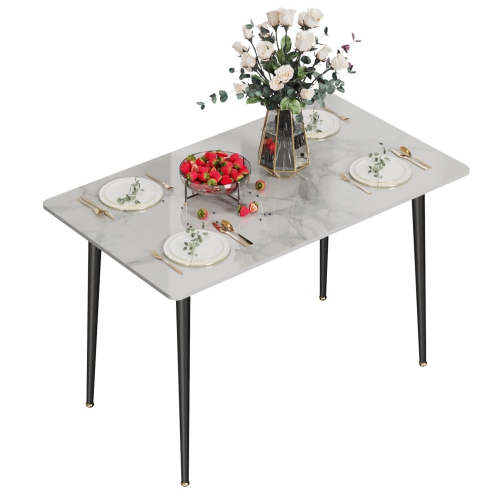
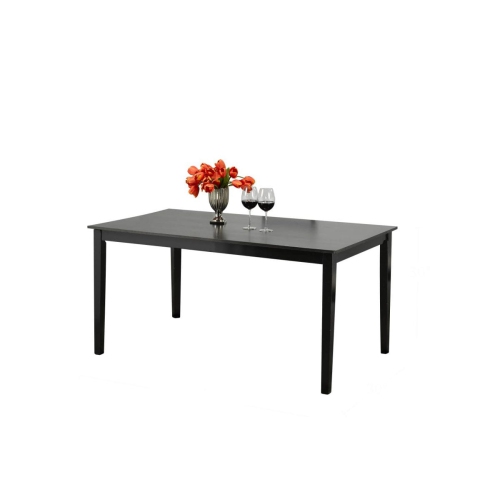
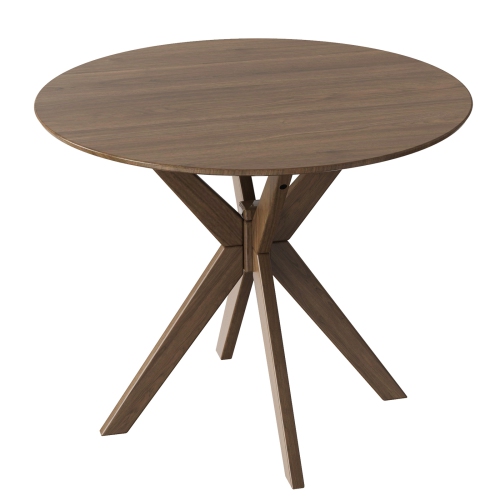
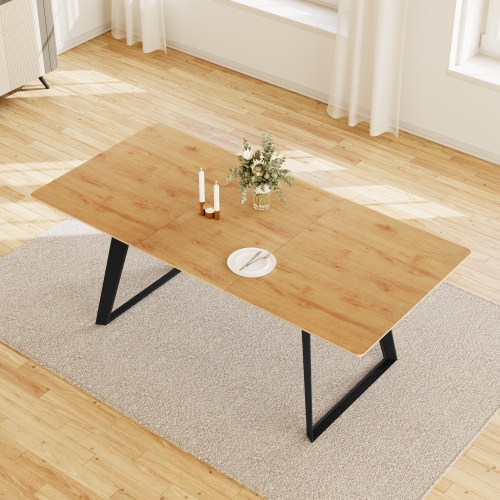
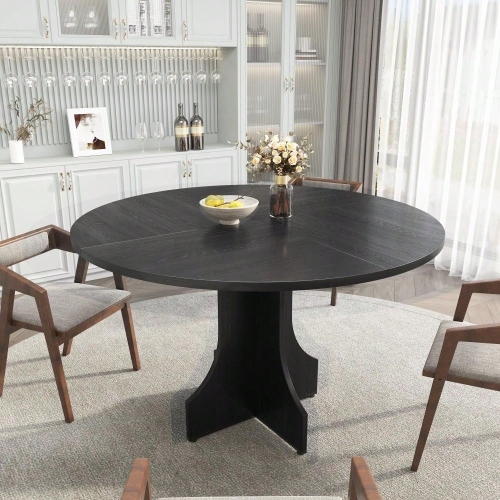
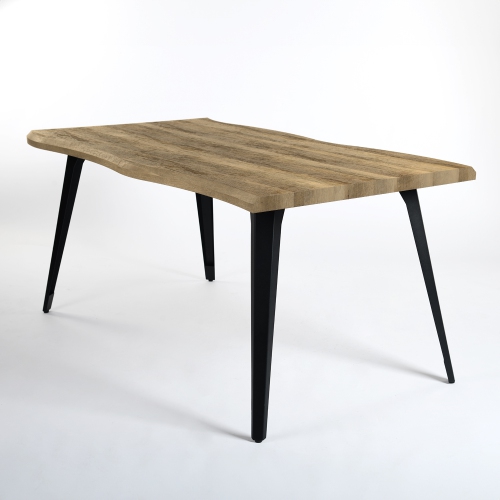
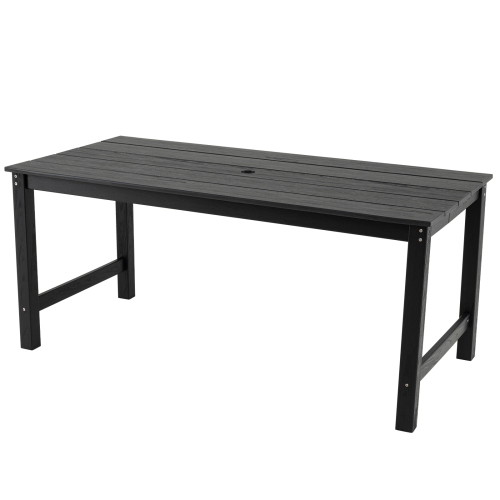
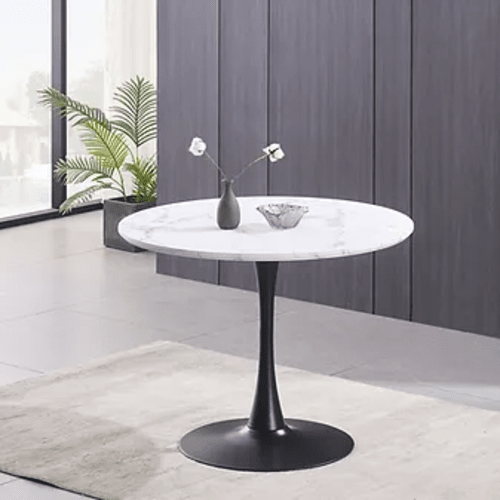
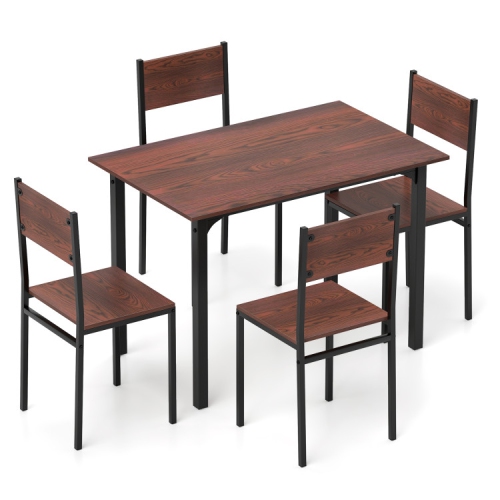
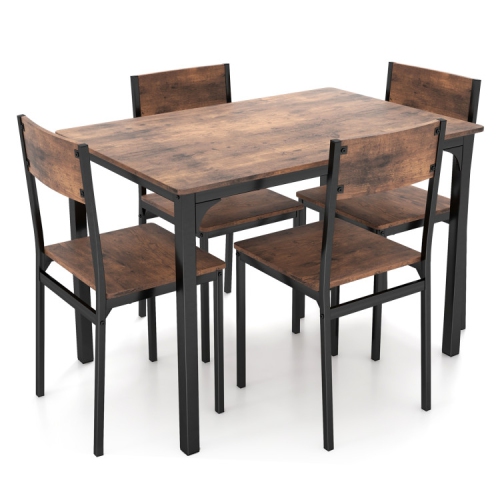
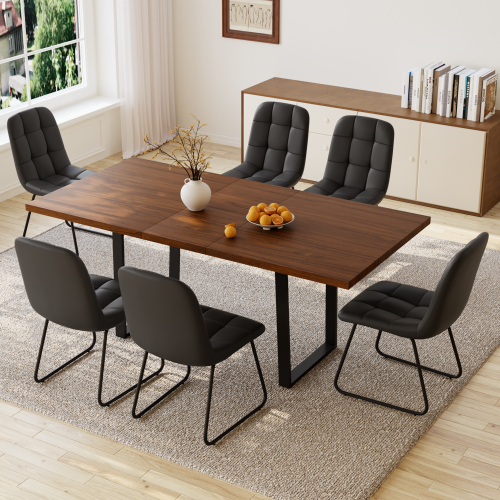
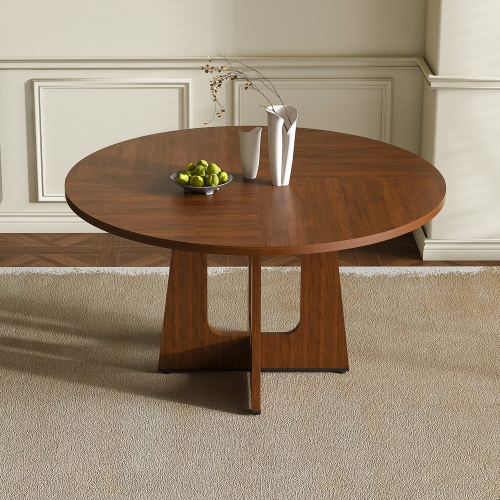
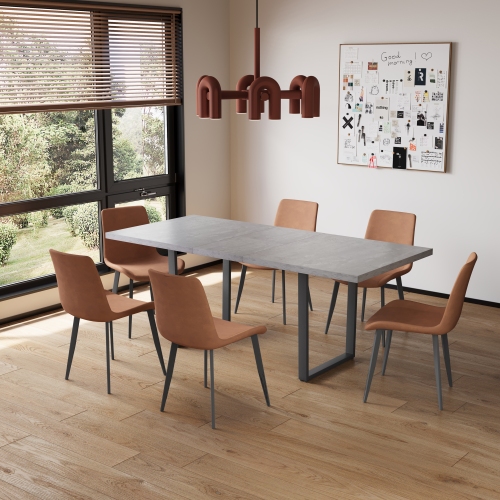
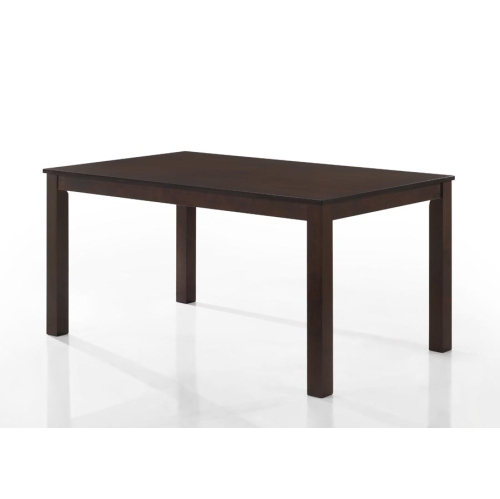
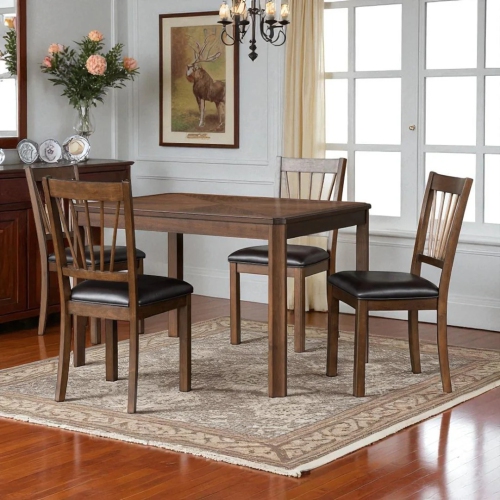
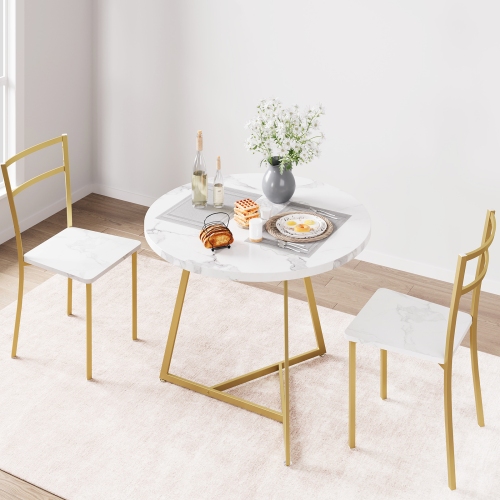
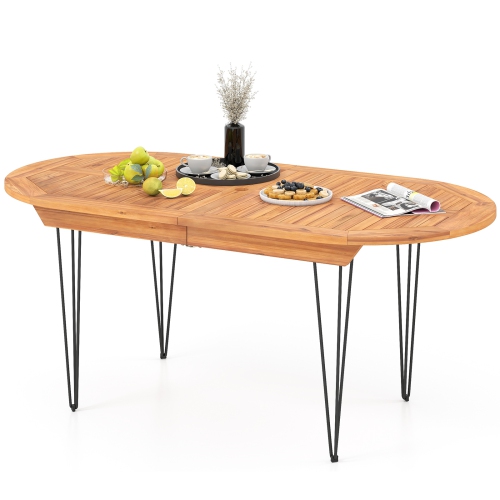
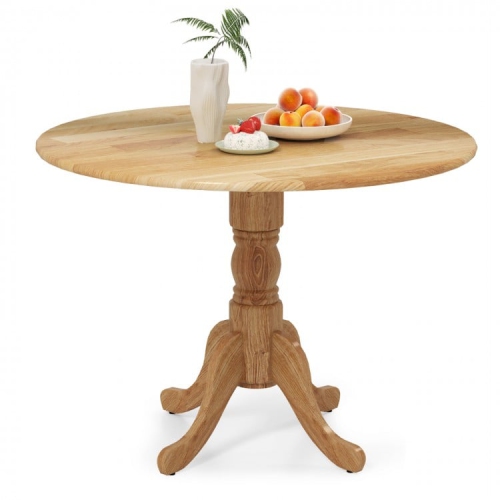
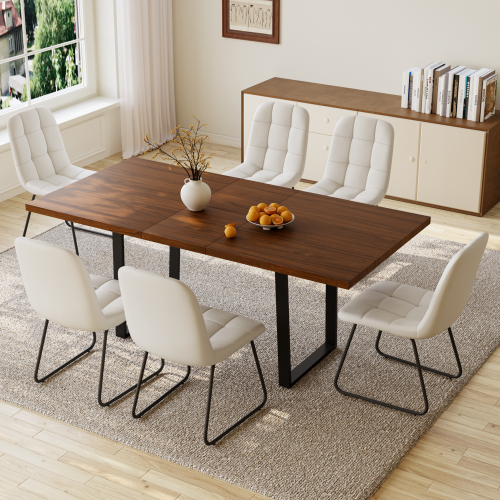
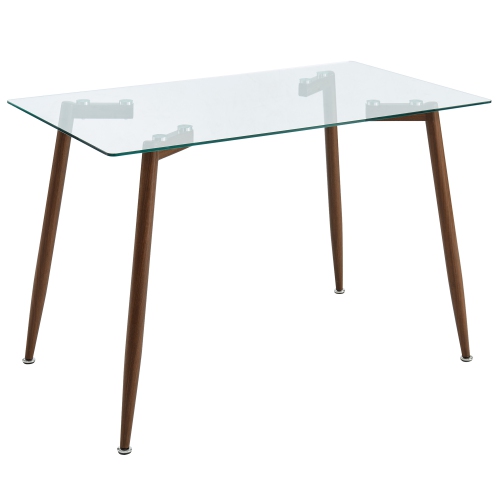
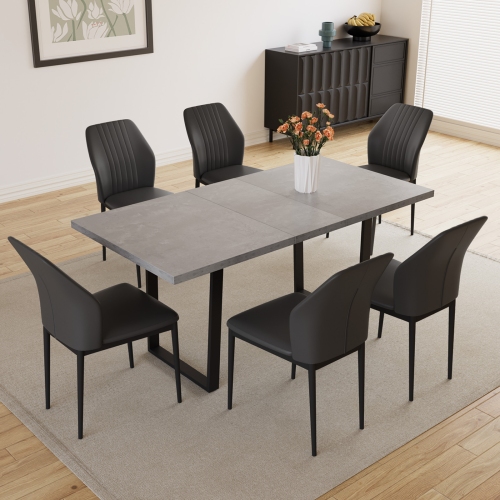
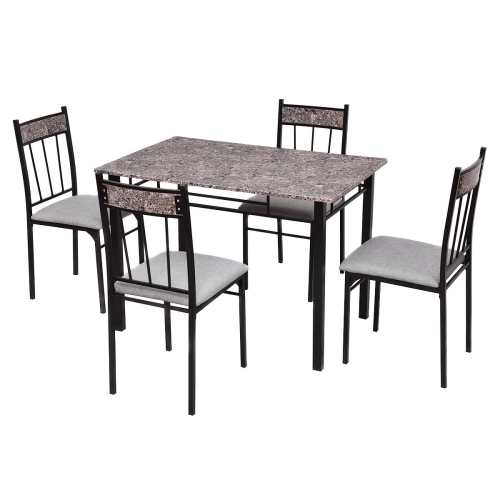
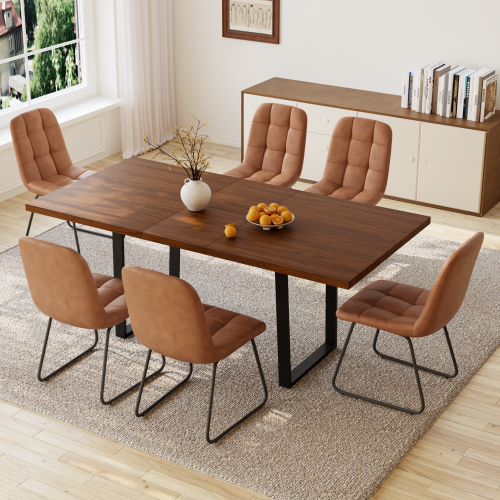
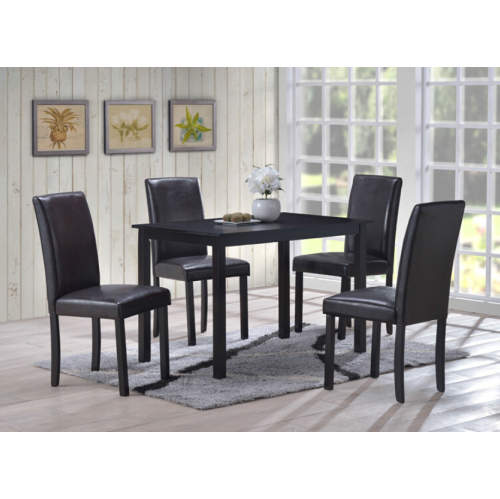
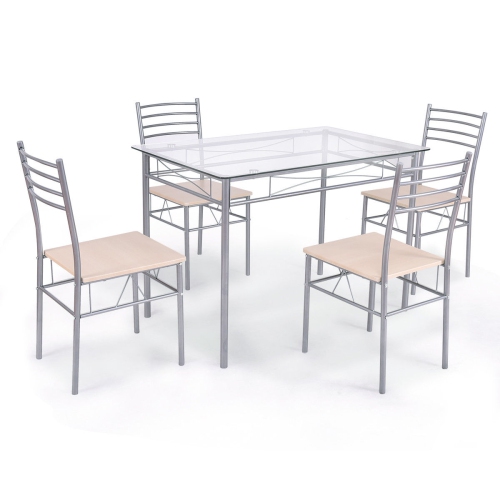
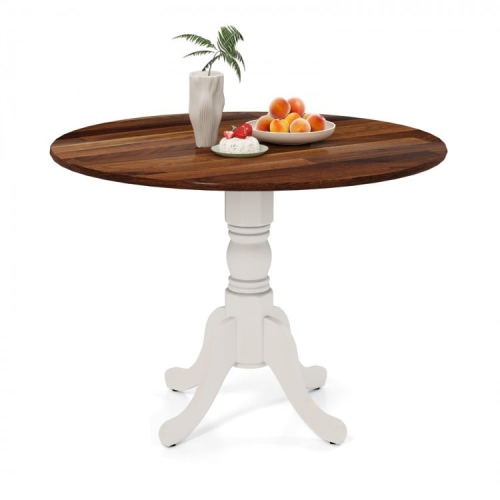
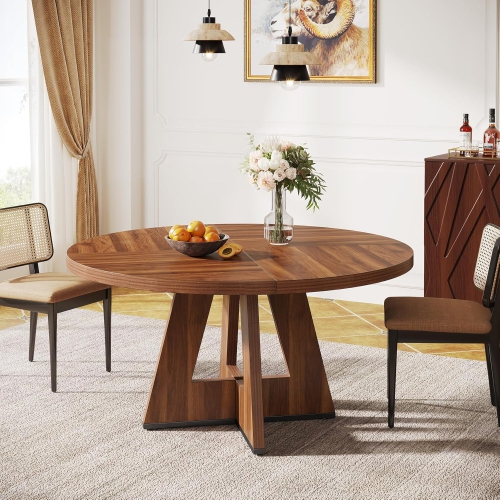
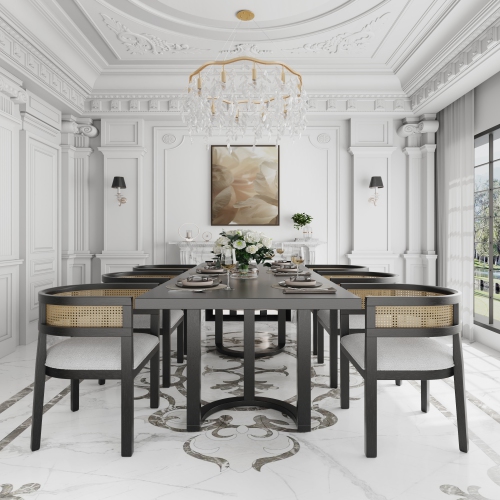
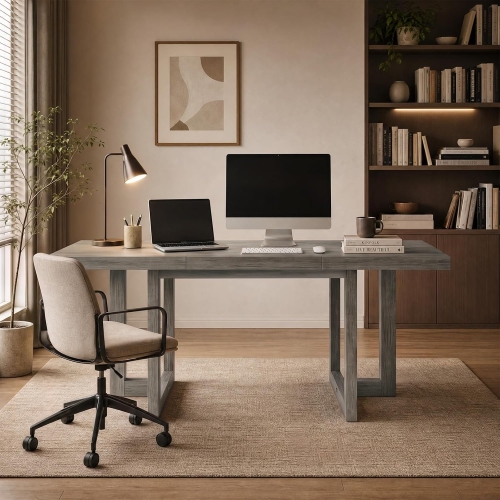
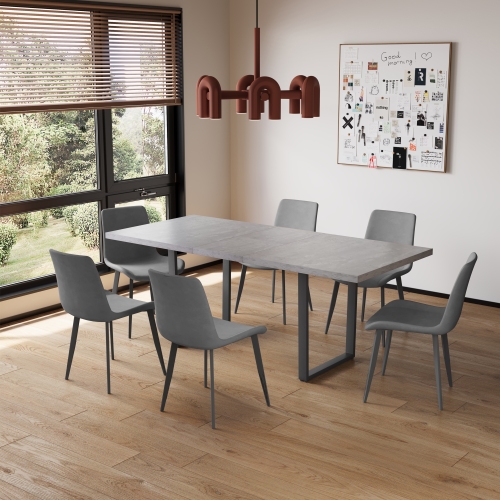
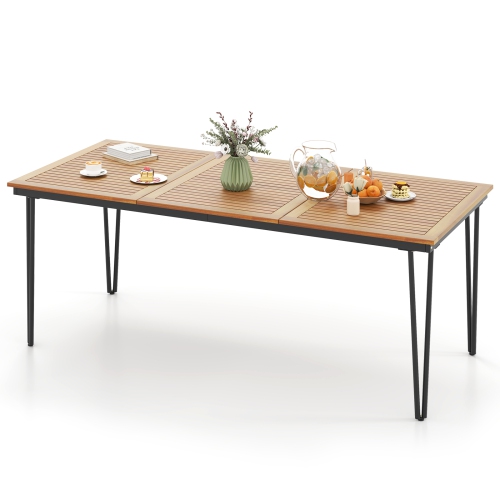
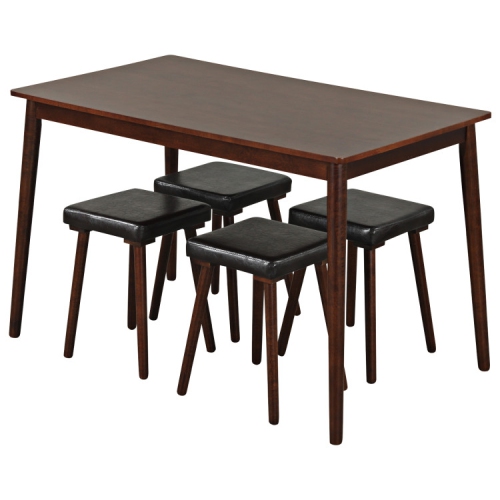
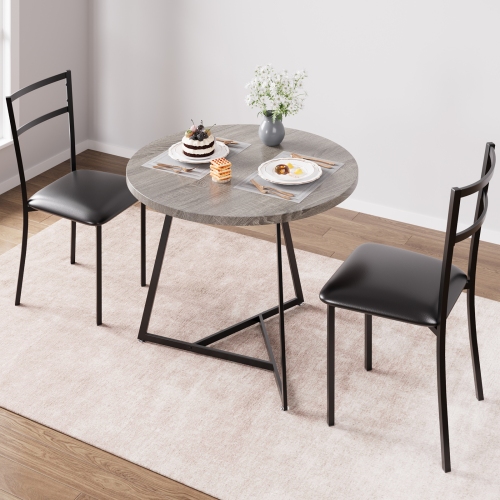
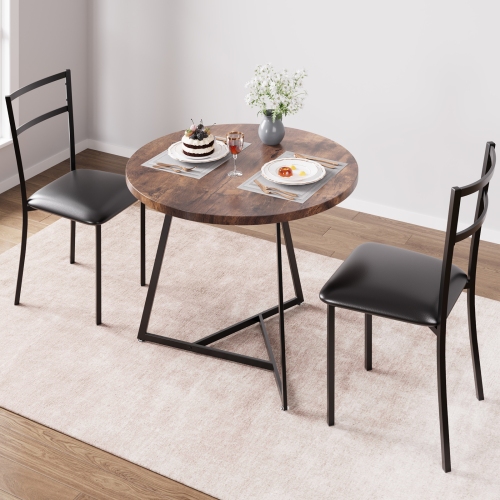
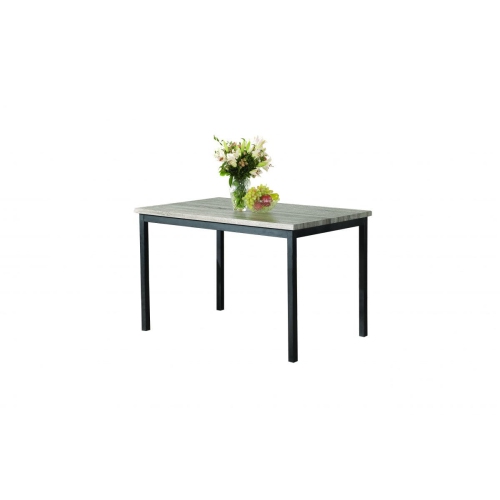
The right table balances character with everyday comfort
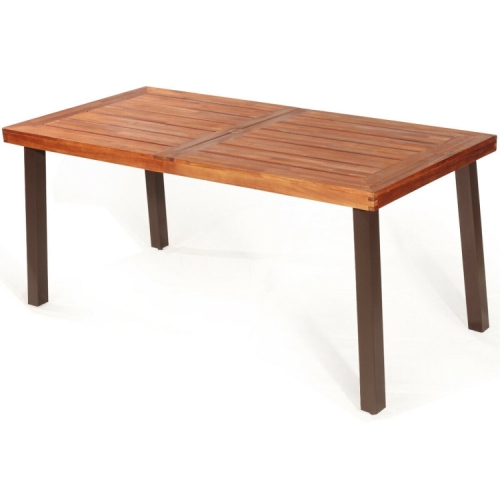
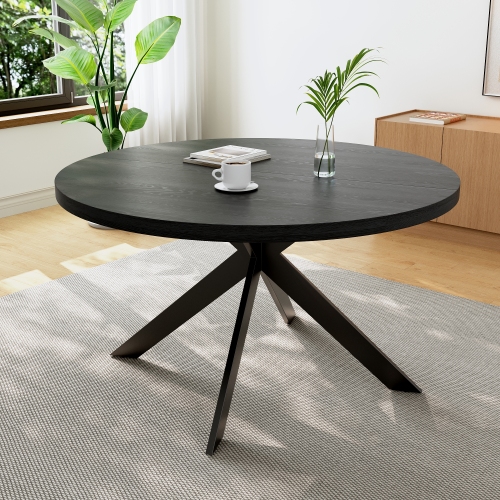
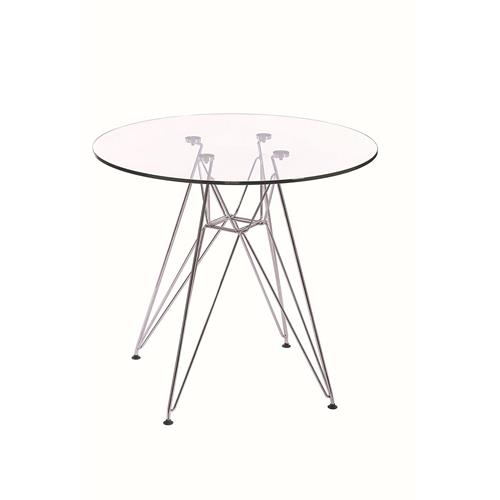
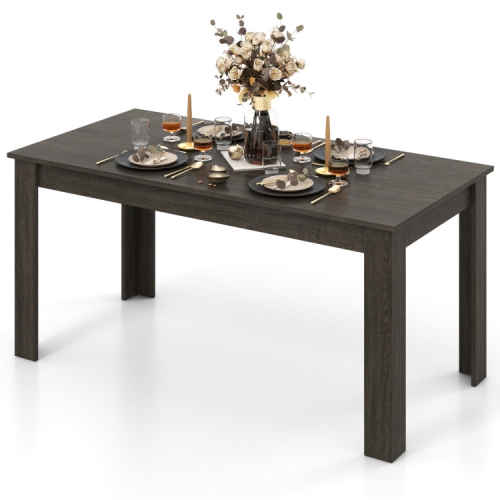
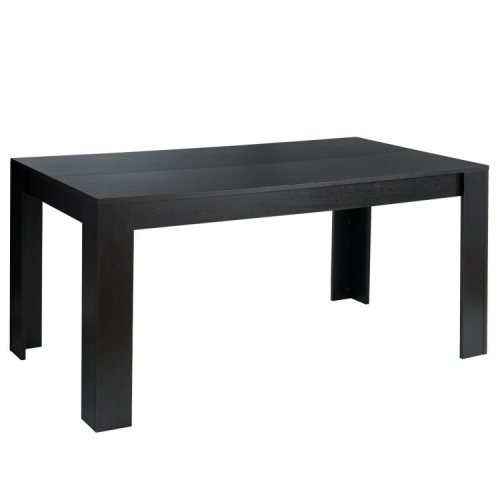
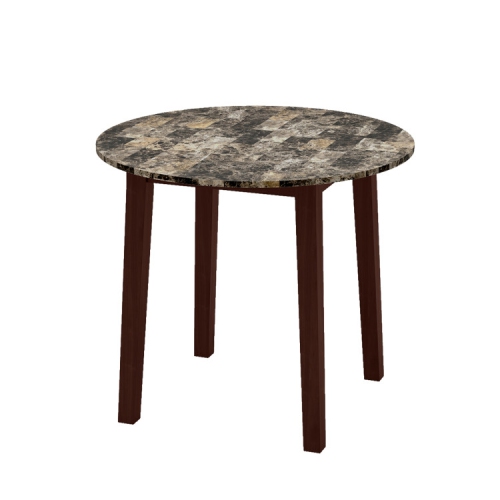
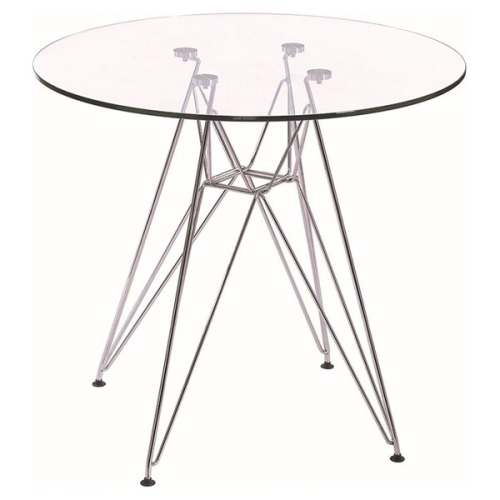
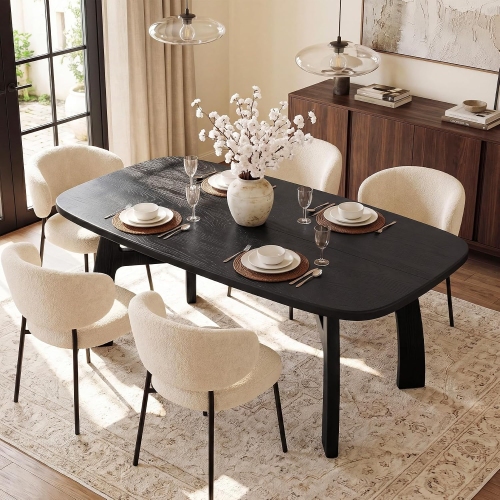
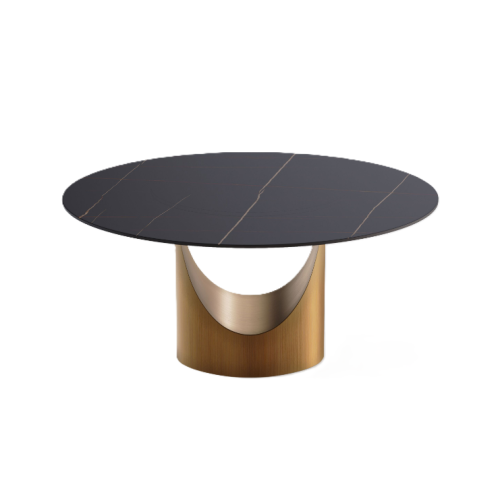
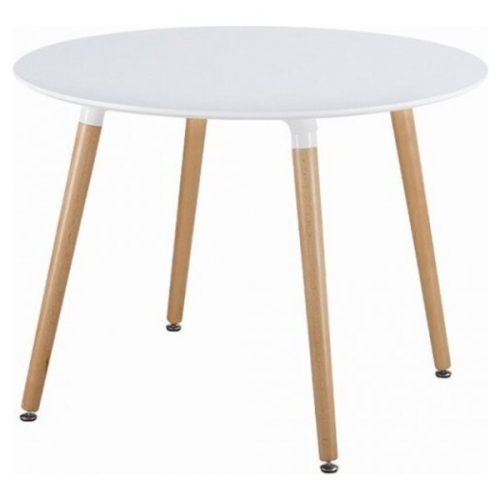
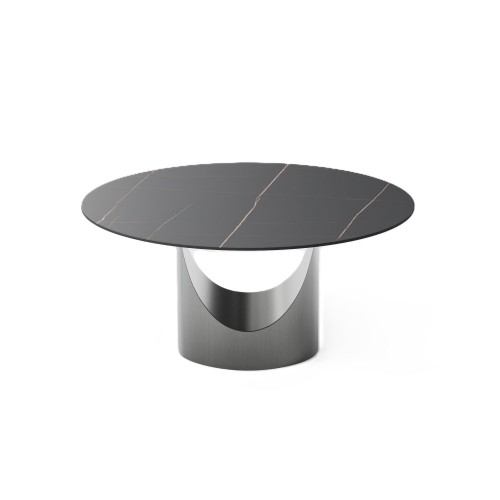
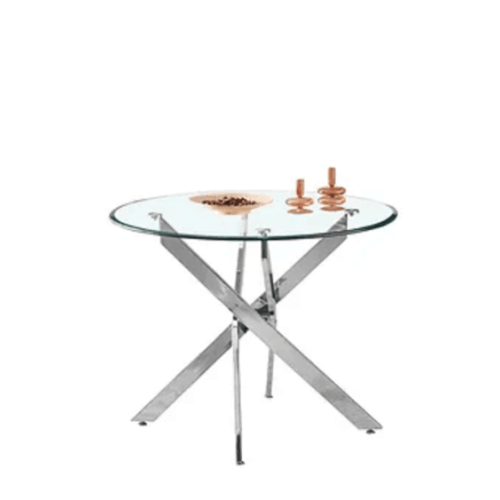
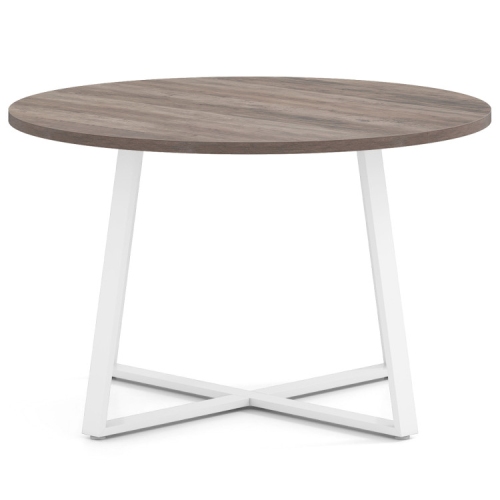
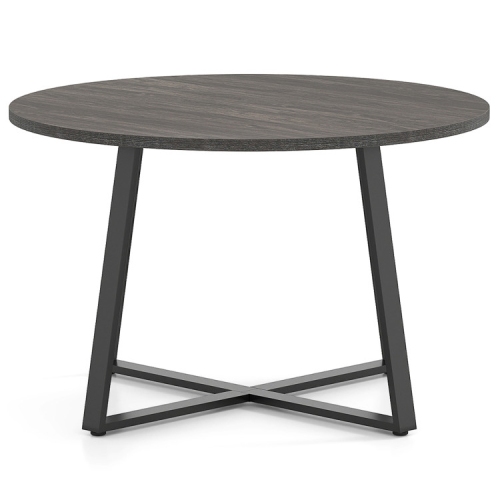
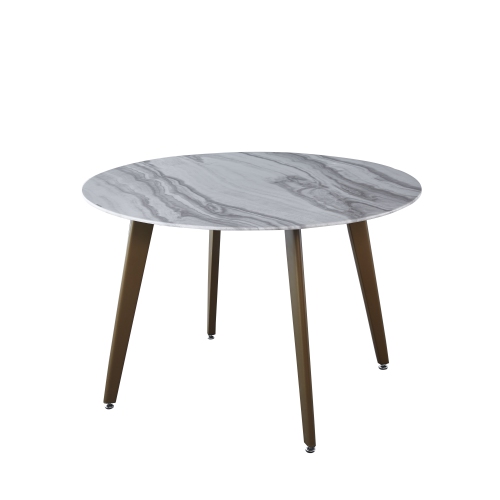
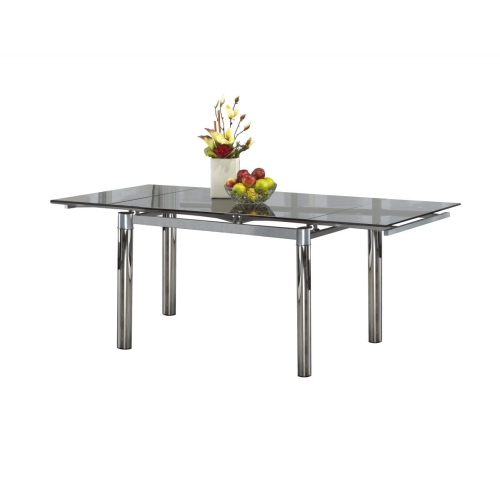
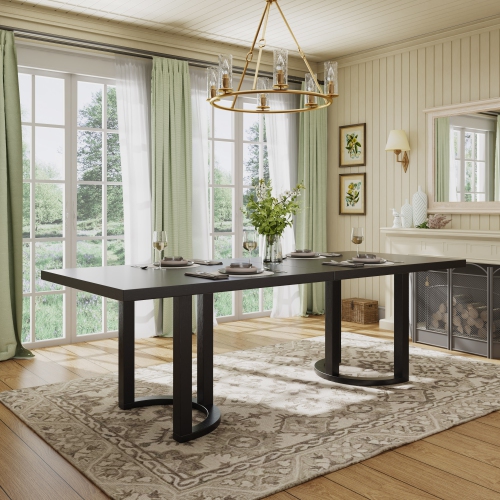
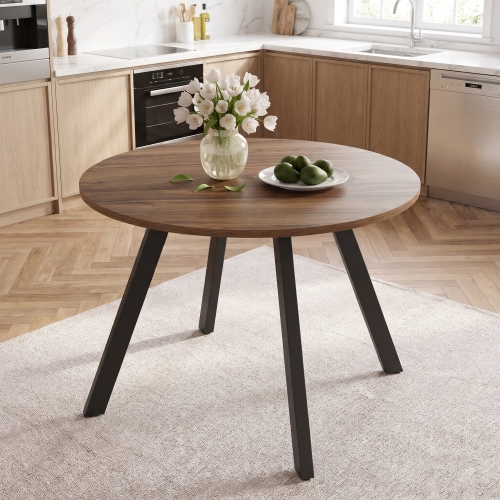
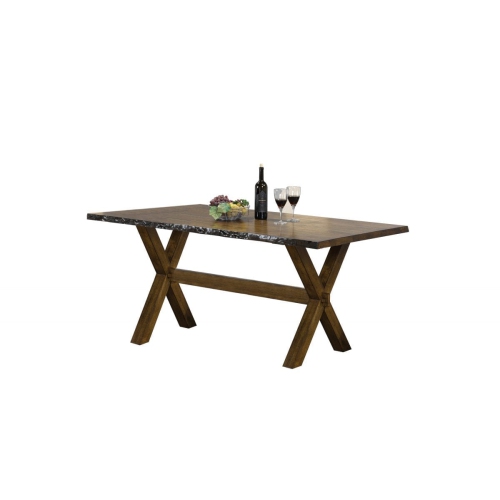
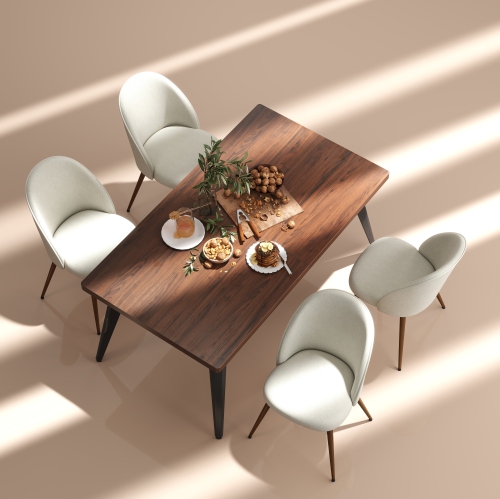
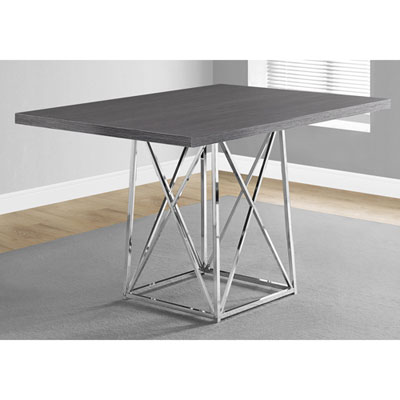
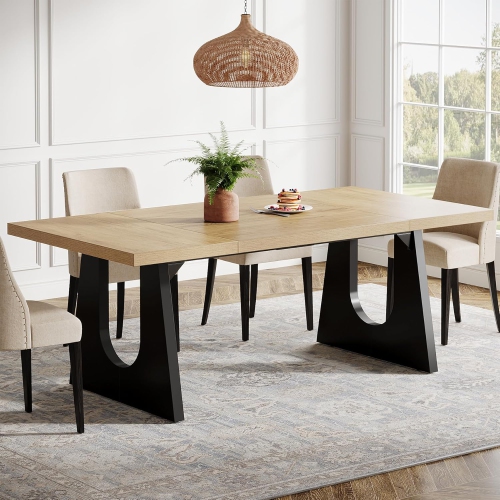
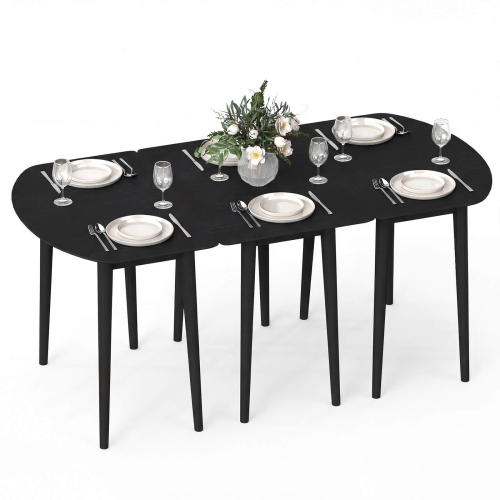
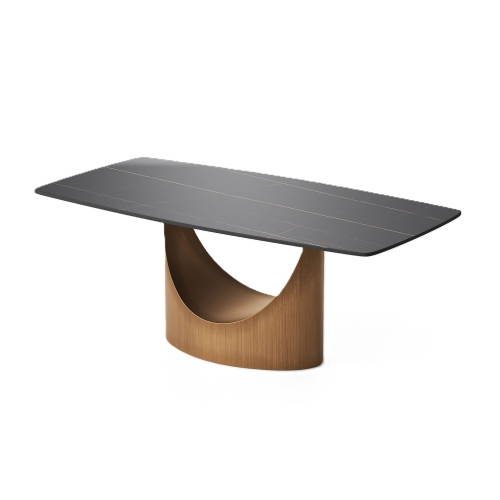
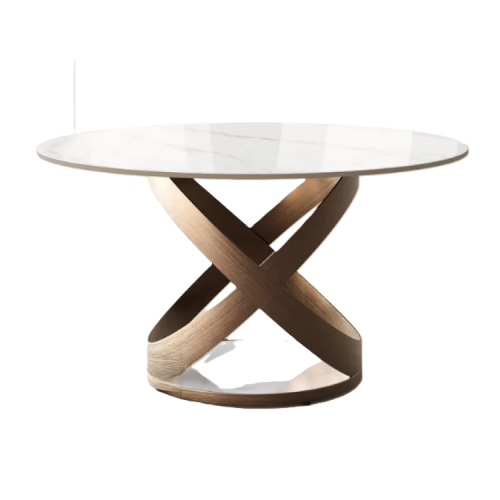
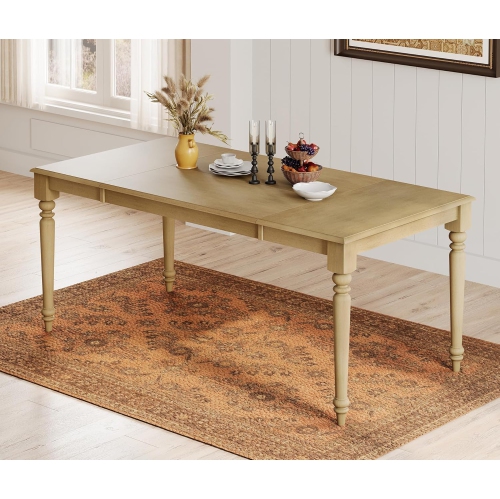
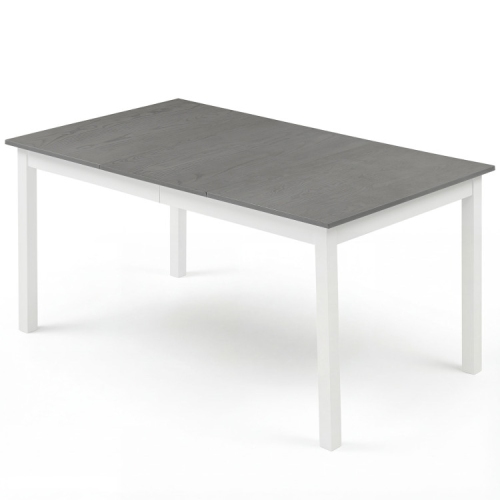
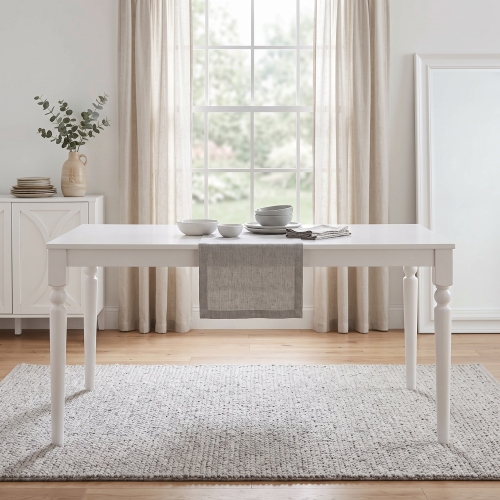
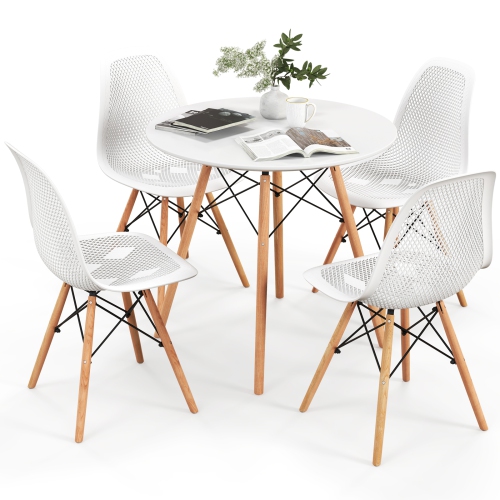
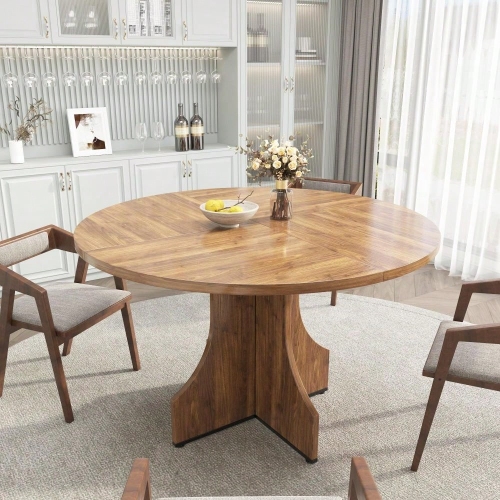
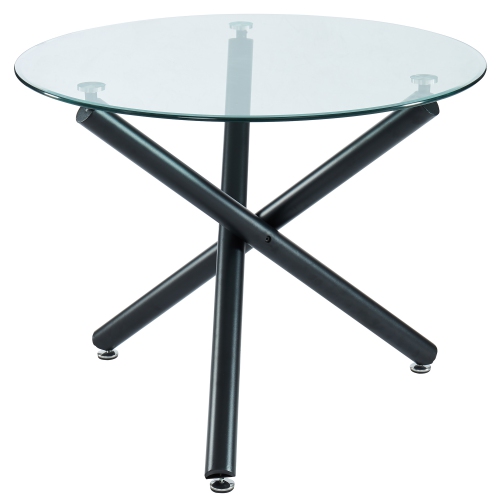
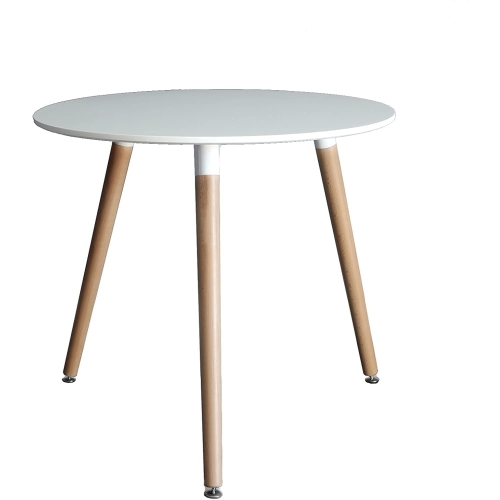
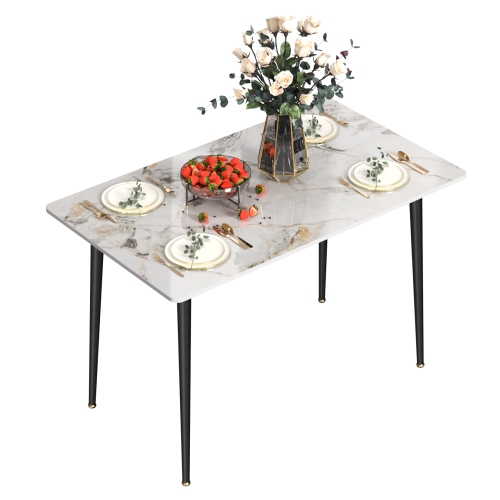
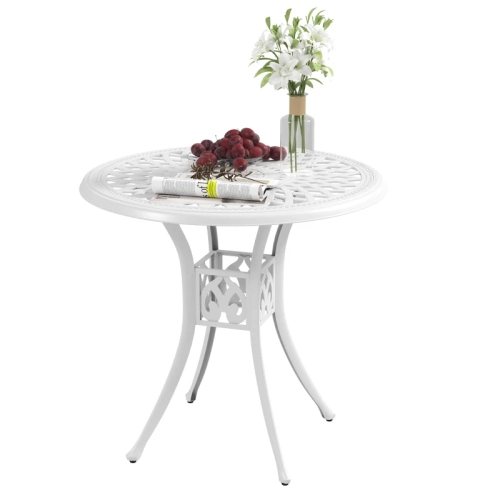
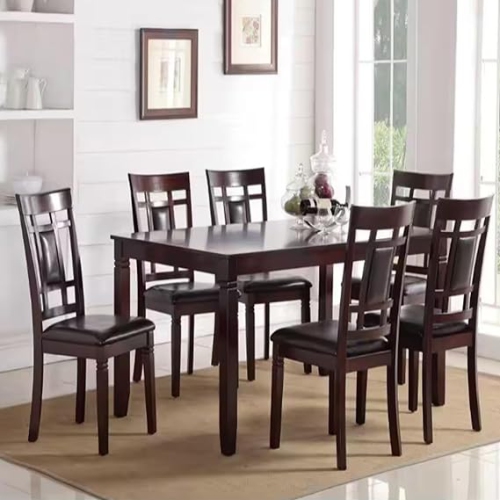
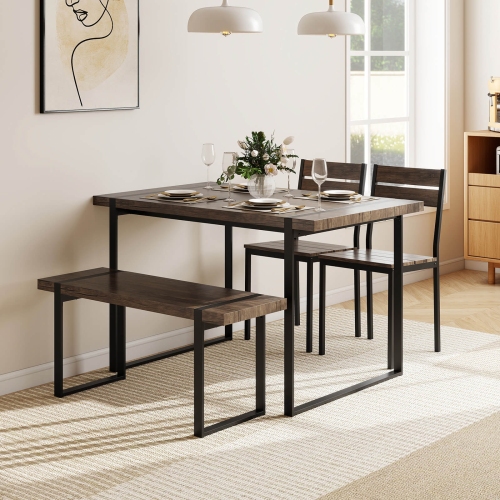
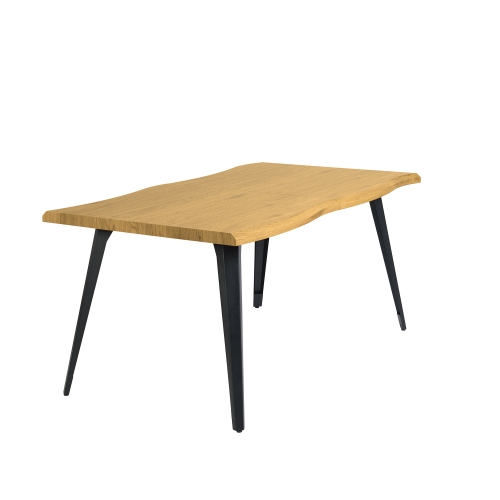
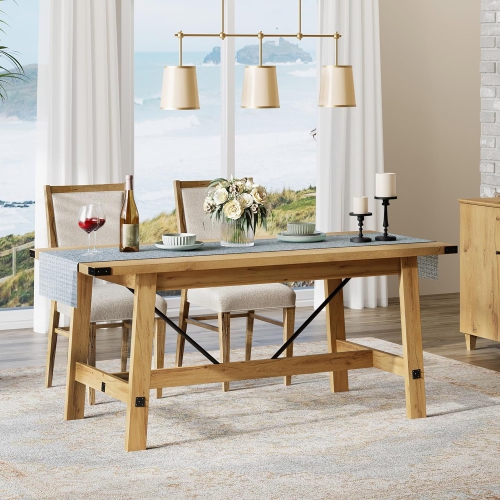
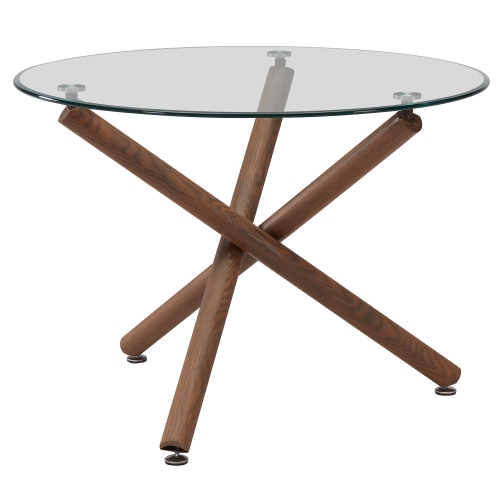
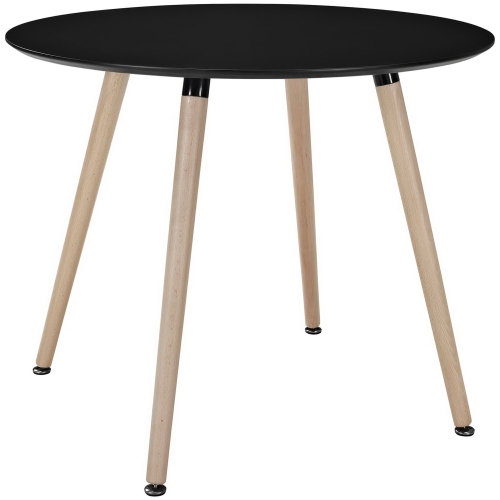
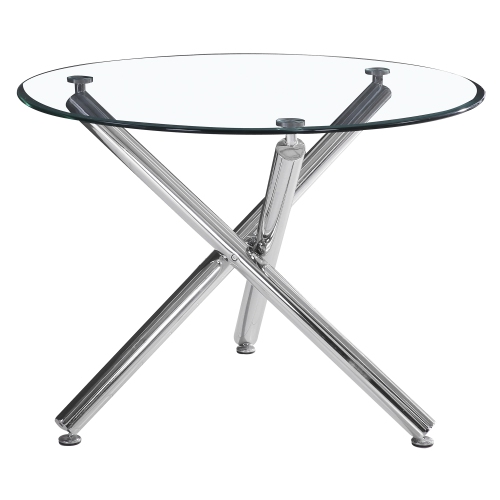
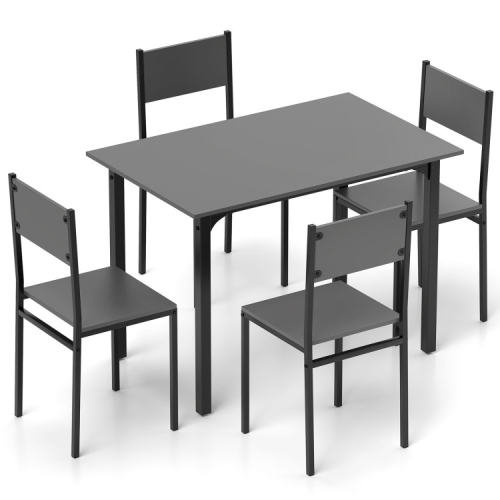
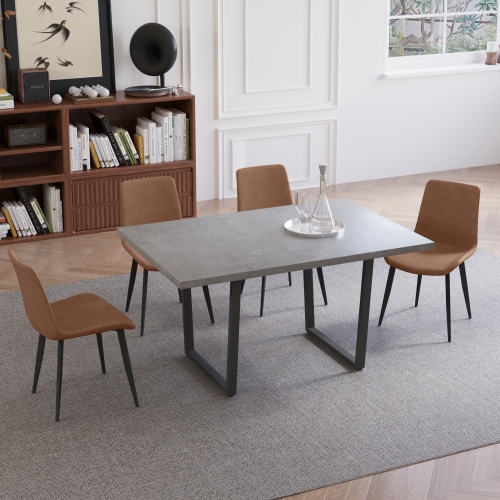
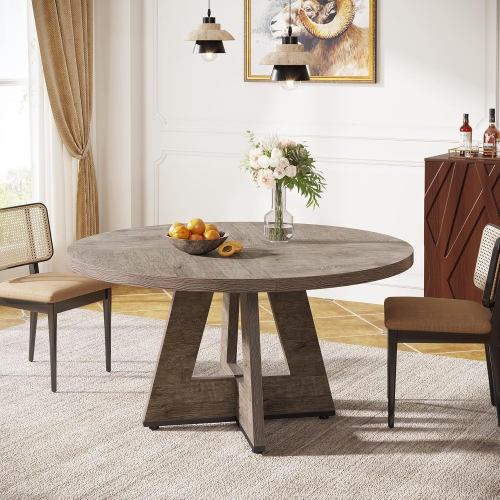
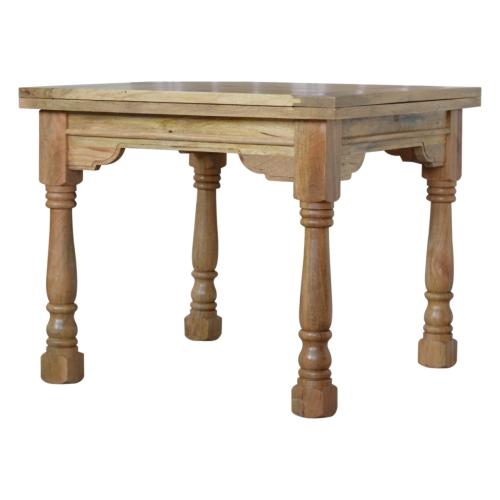
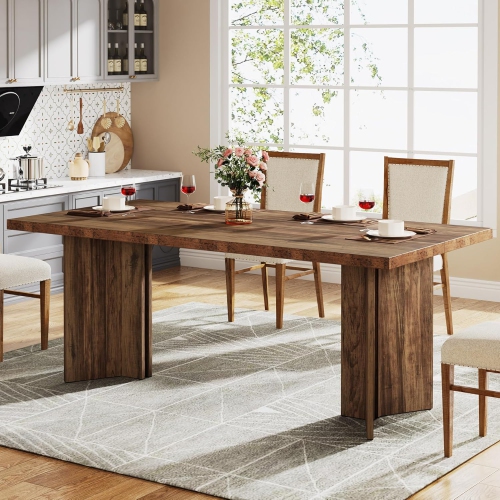
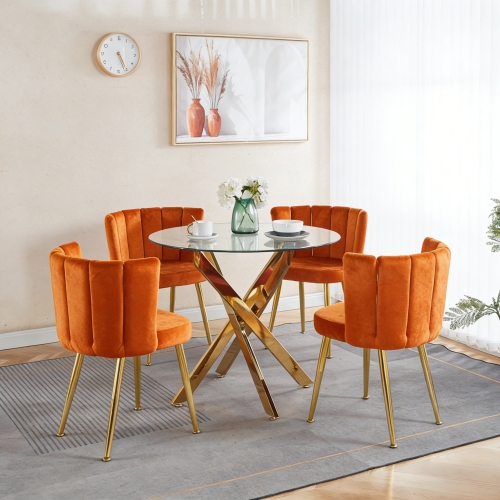
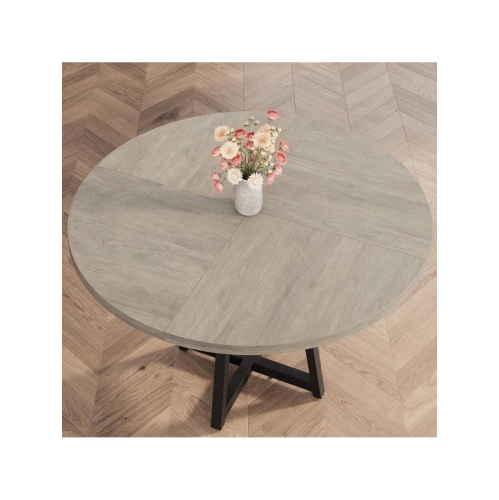
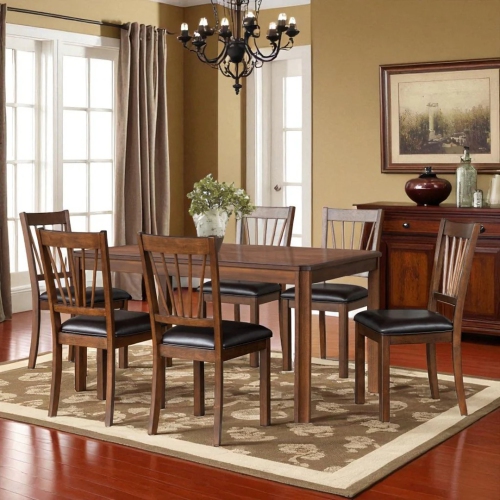
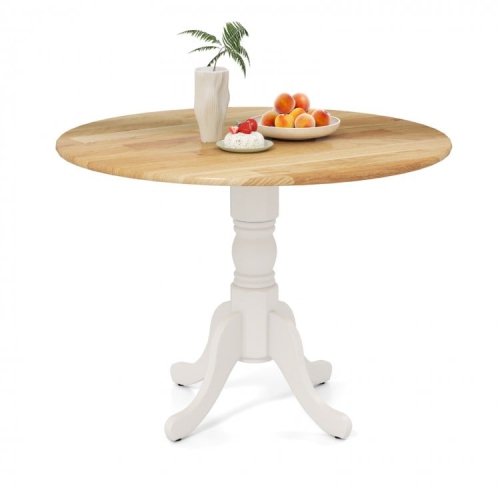
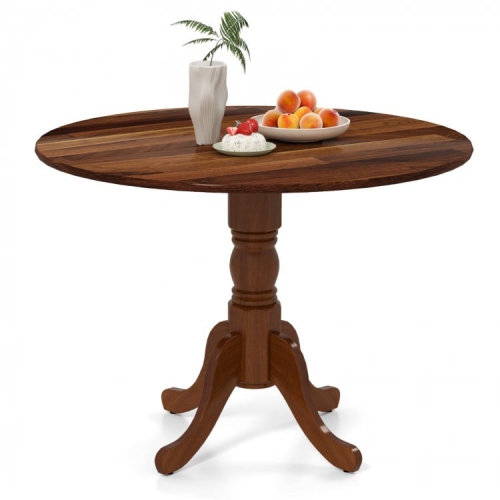
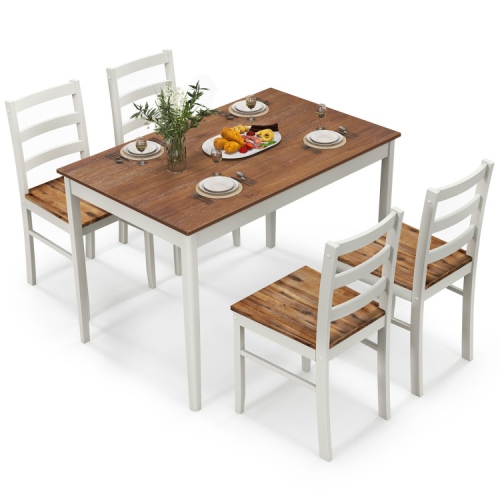
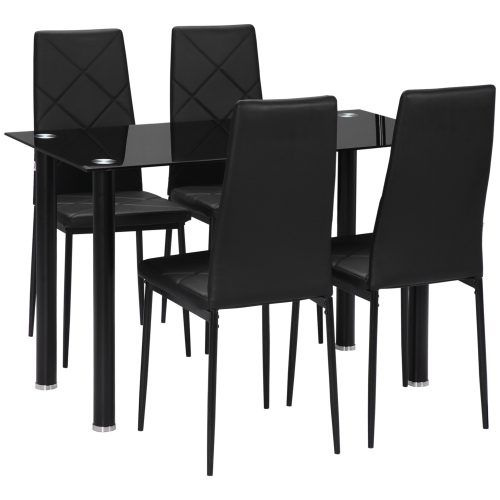
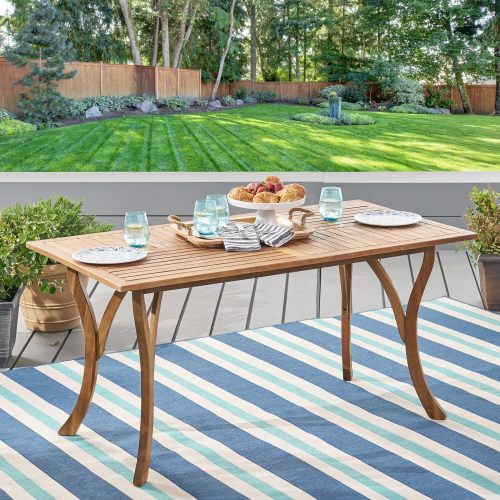
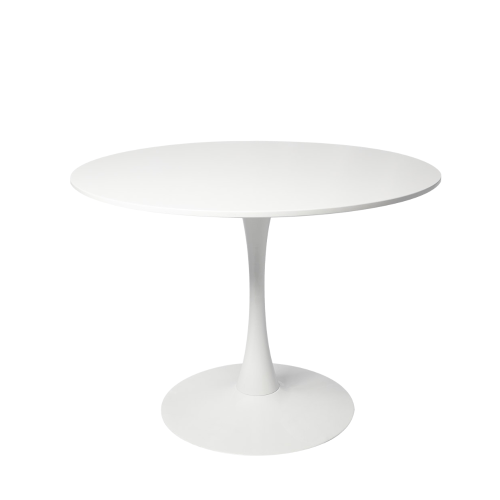
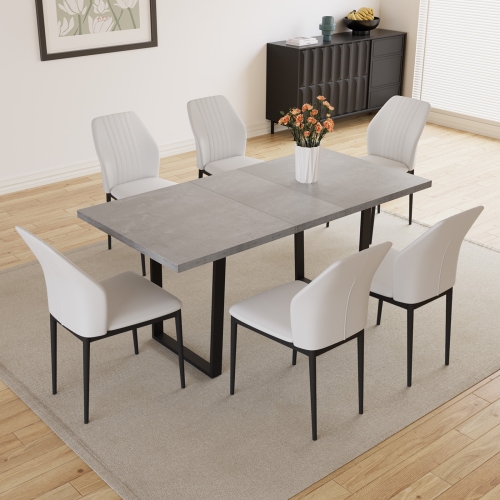
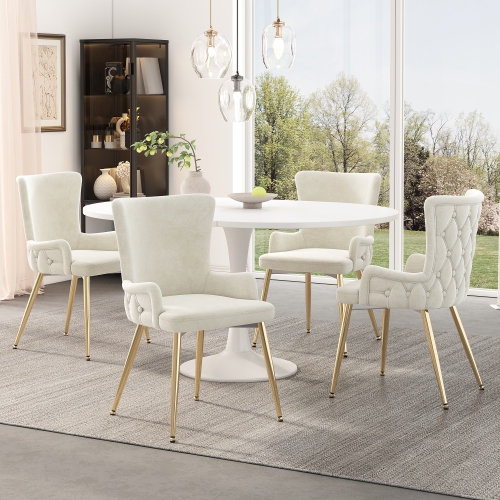
Stylish dining tables bring shape, texture, and personality to a room while giving everyday meals a comfortable place to happen. A well-chosen table feels at home with a quick breakfast, a shared family dinner, or a leisurely evening with friends. Its visual character comes from the relationship between the tabletop, base, finish, and surrounding furniture. Warm oak tones and visible grain lend a relaxed feel, while darker walnut shades create a richer contrast against pale walls and upholstered chairs. A slim top on tapered legs suits a mid-century-inspired interior; a substantial wood surface with a trestle base has a more grounded, rustic presence. Glass, stone, and metal introduce different effects, from an airy silhouette to a bold architectural centrepiece. Shape matters just as much as finish. Round tables create an intimate arrangement with no single head of the table, making them inviting for conversation. Oval tables offer similarly soft outlines with more length, while rectangular tables establish a clear dining zone in an open-concept room. Square tables can feel balanced in compact dining areas, especially when the seating arrangement is simple. For interiors with crisp lines, sculptural bases, and understated detailing, Modern Dining Tables offer a closely related direction. The surrounding chairs do not need to match the table exactly to create a cohesive setting. A shared wood tone, repeated curve, or consistent metal finish can connect different pieces without making the room feel overly coordinated. Upholstered seating softens a stone or metal table, while woven textures and wood chairs add depth around a smooth tabletop. In a smaller space, an open base and slender chair frames help preserve clear sightlines. In a larger room, a broad tabletop or substantial pedestal can give the dining area enough visual weight to feel settled. The most convincing combination reflects both the room’s proportions and the way people actually gather there.
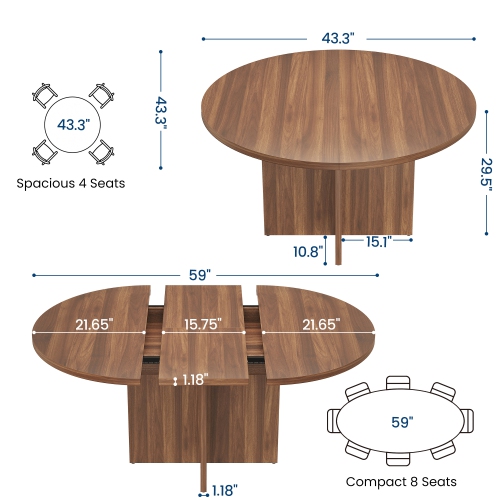
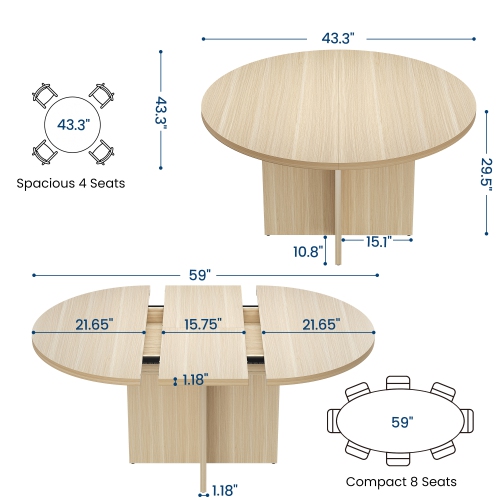
The fit of a dining table involves more than its overall length and width. Chair placement, legroom, nearby cabinets, and the route through the room all influence how comfortably the space works. Around 24 inches of tabletop width per person is a useful starting point for everyday seating, although broad chairs and generous place settings need more room. A rectangular top measuring roughly 60 to 72 inches long may accommodate six people, depending on its width, leg placement, and chair size. A round top measuring approximately 36 to 48 inches across often suits four, with the smaller end feeling more intimate. These dimensions are starting points rather than guarantees, since a thick pedestal or inset legs can change the usable seating space. About 36 inches between the table edge and a wall or cabinet generally allows room to pull out a chair; a route used for walking behind seated diners often benefits from 42 to 48 inches or more. An extendable dining table suits households whose seating needs change between ordinary meals and larger gatherings. Its everyday footprint can remain manageable, while an added leaf creates space for extra place settings when needed. The extended dimensions, leaf storage, and opening mechanism all affect how practical that flexibility feels. Drop-leaf tables serve a different purpose, allowing part of the surface to fold down in a breakfast nook or multipurpose room. Pedestal bases can offer flexible chair placement, though the base still needs enough space for feet. Corner legs define individual seating positions more clearly, and an apron beneath the tabletop may affect whether an armchair slides underneath. Standard dining-height tables are commonly about 28 to 30 inches tall, but chair compatibility depends on the actual clearance beneath the top. A comfortable arrangement leaves space for knees and lets diners sit close enough to eat without leaning forward. Benches can tuck neatly beneath some rectangular tables, while individual chairs are easier to move independently. These details help a dining area support everything from quiet meals for two to a full table of guests without feeling cramped.
Materials influence how a stylish dining table looks, feels, and responds to daily use. Solid wood has natural variation in grain and colour, giving each surface its own character. Depending on the finish and construction, it may be possible to repair or refinish marks over time, though wood can also respond to changes in indoor humidity. Wood veneer provides a real-wood surface over a supporting core; its appearance can be beautifully consistent, but the thin outer layer generally limits deep sanding. Laminate surfaces offer another practical option, with care requirements that depend on the particular finish and edge construction. Glass keeps a room visually open and allows the base beneath it to become part of the design. Fingerprints and crumbs tend to show clearly, and even tempered glass requires protection from sharp impacts, especially at the edges. Natural marble brings distinctive veining, but acidic spills can etch its surface, and sealing requirements vary. Sintered stone and other manufactured stone surfaces have different performance characteristics, so resistance to heat, staining, and scratching should be checked against the manufacturer’s specifications rather than assumed. Metal bases contribute strength and a crisp profile, with painted, brushed, and plated finishes each needing appropriate care. Across materials, stable joints, a well-supported top, secure extension hardware, and a base that sits evenly are important parts of long-term satisfaction. Rounded corners may feel more comfortable in busy family spaces, though they do not replace supervision around young children. Coasters, placemats, and trivets help protect the surface during meals, while prompt spill cleanup reduces the chance of lingering marks. A soft cloth and the recommended cleaner are usually a better choice than abrasive pads or harsh chemicals. Tables that also host homework, puzzles, or occasional laptop use benefit from protective mats that separate those activities from the finish. Everyday durability is not only about resisting wear; it also means having a surface that is straightforward to maintain and a structure suited to repeated use. A table that balances those practical qualities with pleasing proportions can remain a natural gathering place as seating arrangements, room layouts, and household routines change.
Top selling and popular products
-
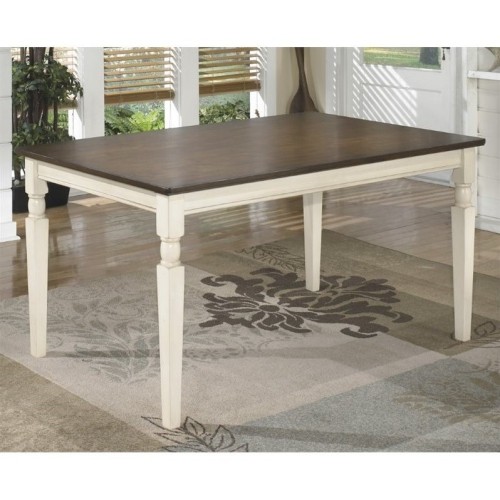 Your price for this item is $399
-
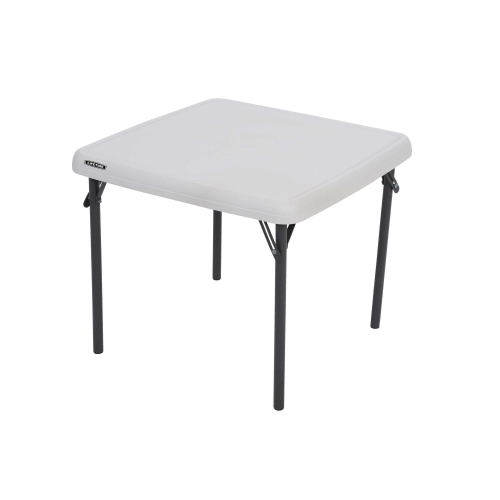 Your price for this item is $74.99
-
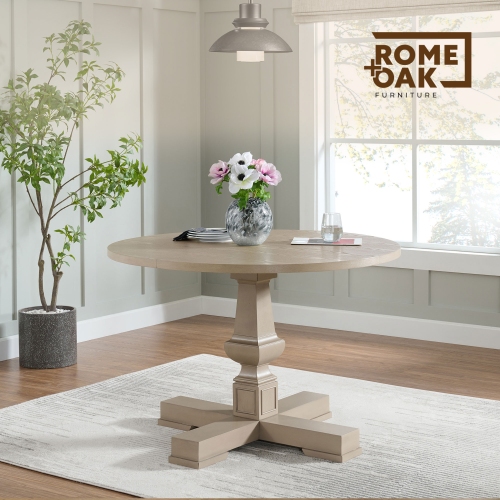 Your price for this item is $971.99
-
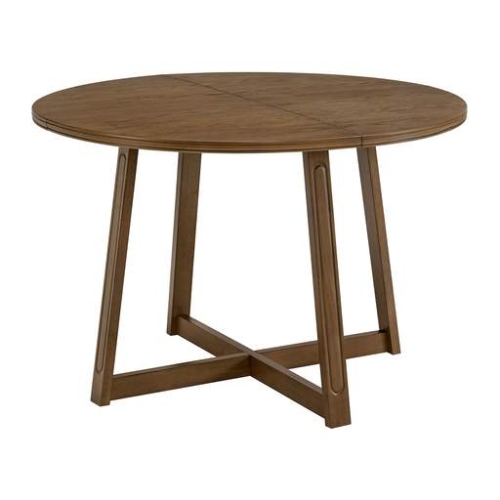 Your price for this item is $796.99
-
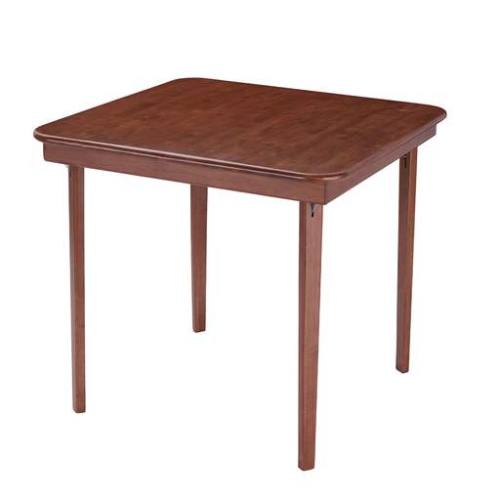 Your price for this item is $413.99
-
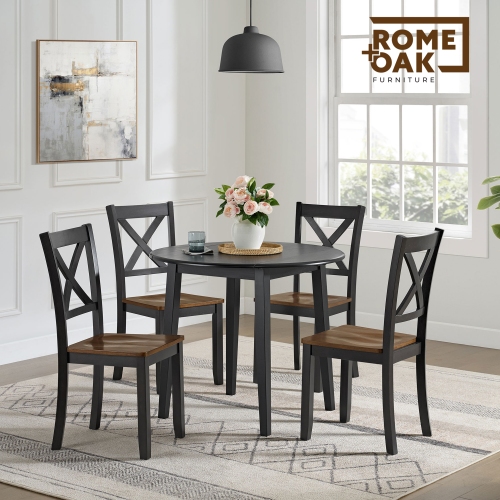 Your price for this item is $392.99
-
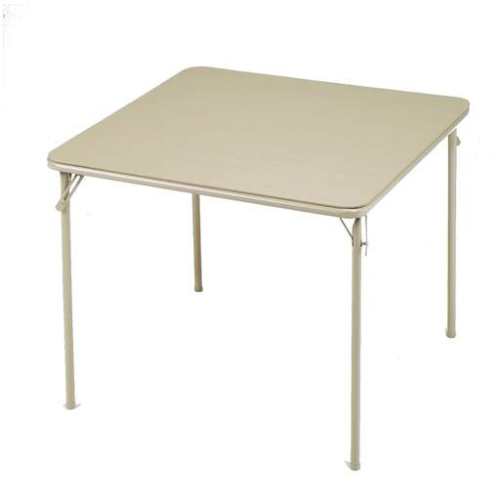 Your price for this item is $243.99
-
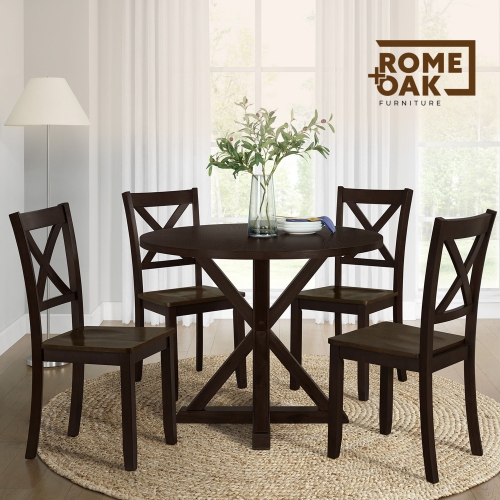 Your price for this item is $827.99
Discover more categories related to Stylish Dining Tables
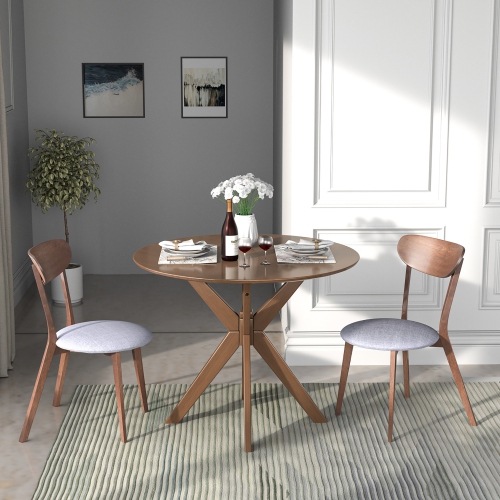
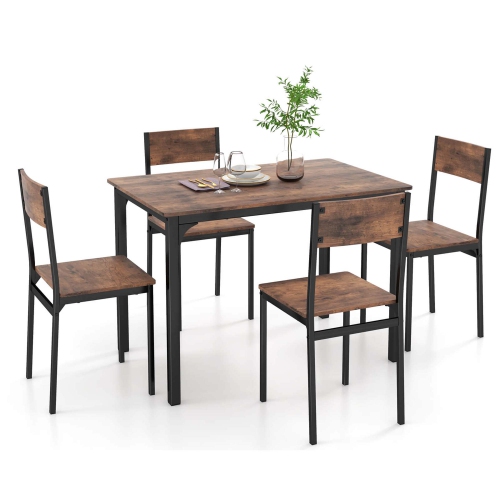
Top Collections:
Best Black Friday Deals This Year, Best Black Friday Deals On Electronics, Kindle Devices, Pokemon Centers, Best Black Friday Deals On Apple Products, Best Cameras for Sports Photography, Dyson Airwrap, Pokémon 30th Celebration Cards, Apple iPhone 17 Pro, Canon G7X Cameras
Some products may be subject to Environmental Handling Fees
(EHF) depending on your province.
Learn more about EHFs.