Stylish Furniture
Looking to add a touch of sophistication and flair to your living space? Look no further than our wide selection of stylish furniture. We understand that furniture plays a vital role in transforming a house into a home, and we are here to help you find the perfect pieces that not only reflect your personal style but also meet your functional needs. From sleek and modern designs to timeless classics, our collection offers something for every taste and budget. Whether you're looking to revamp your entire space or simply add a statement piece, our comprehensive range of stylish furniture is sure to inspire and elevate your home decor game.
Sort

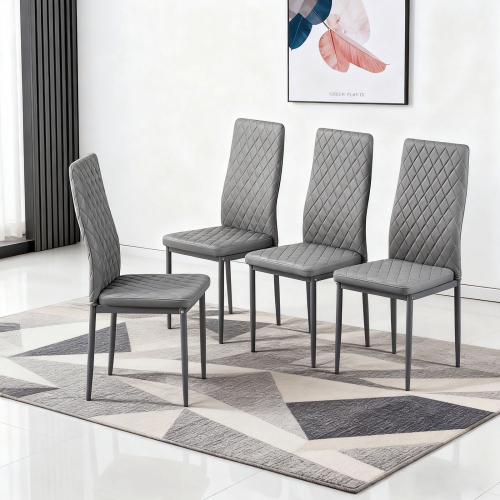
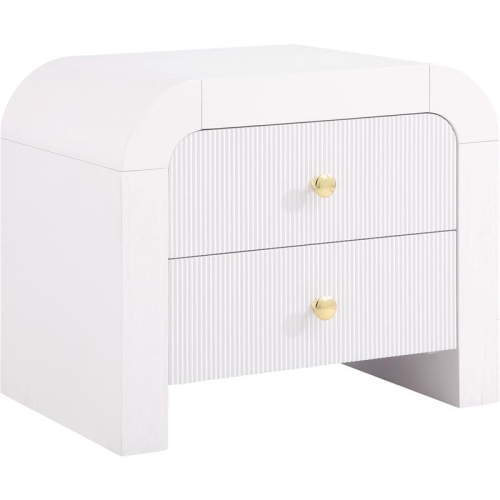
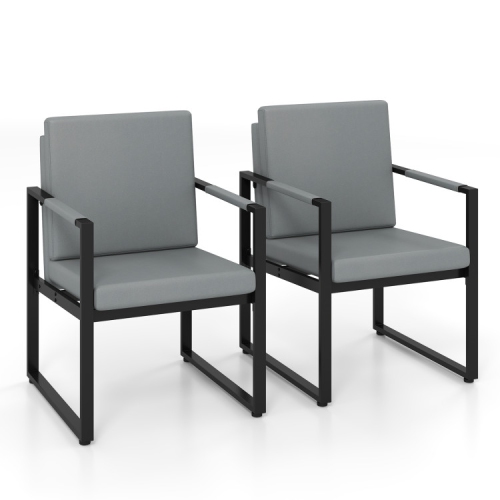
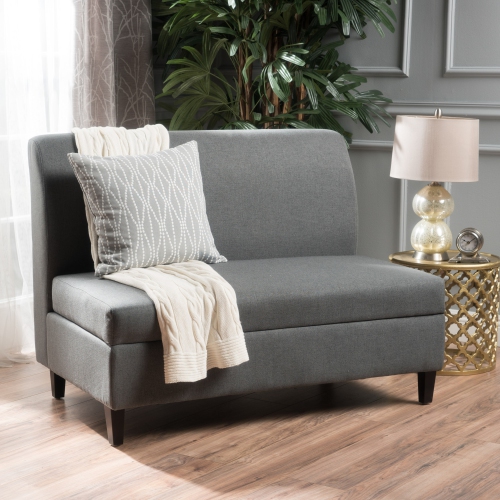
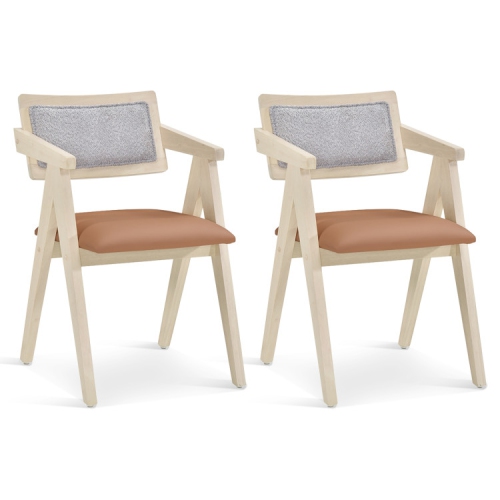

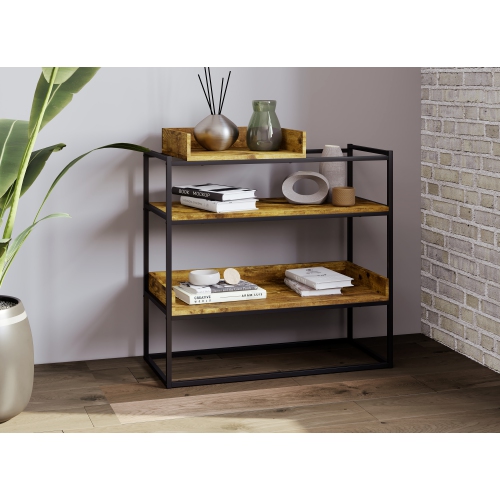
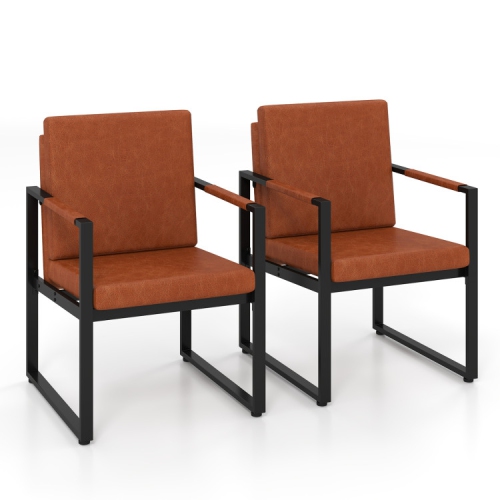

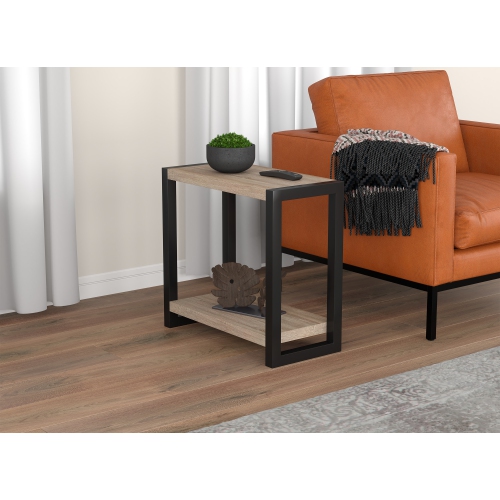
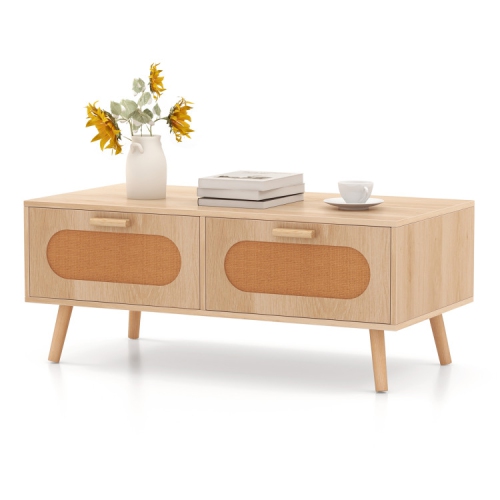
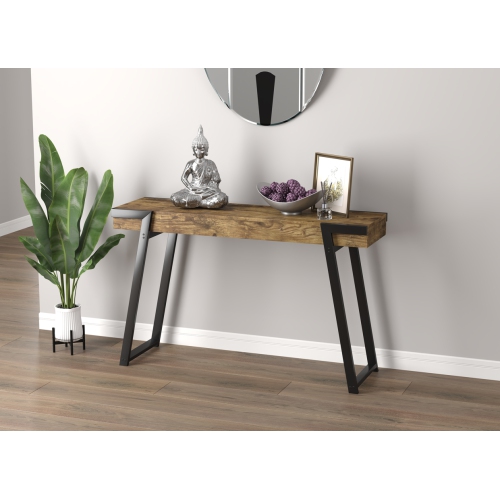
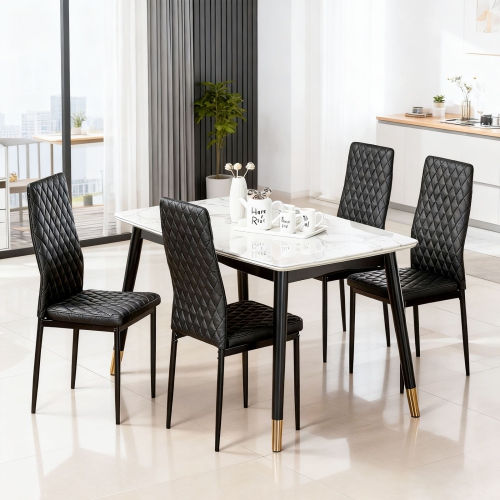
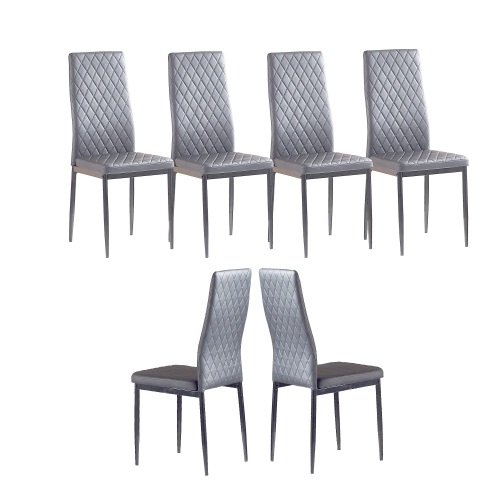
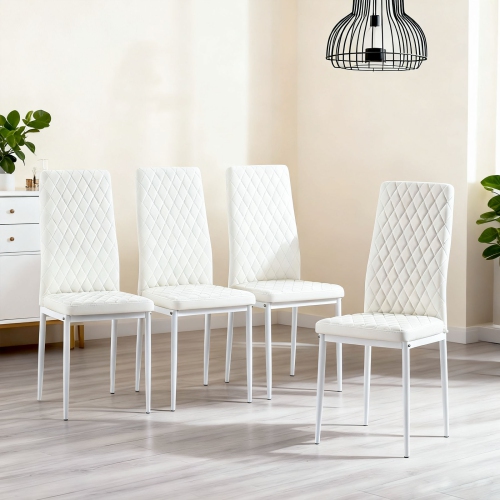
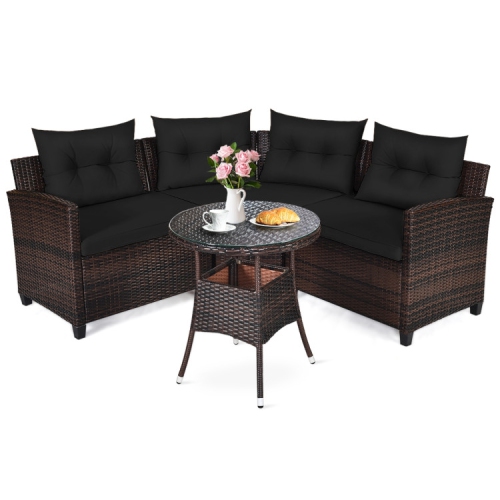
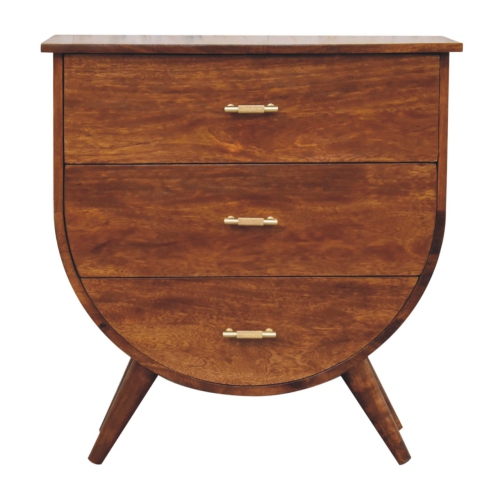
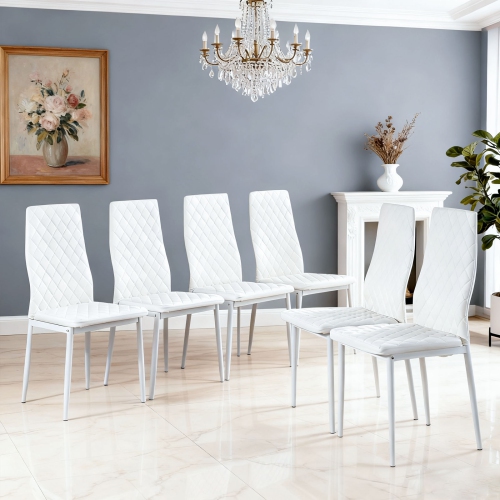
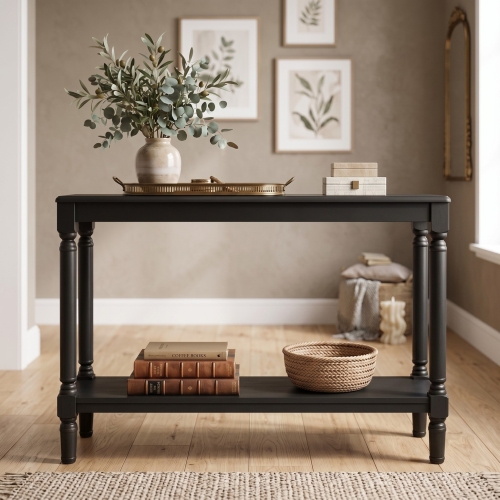
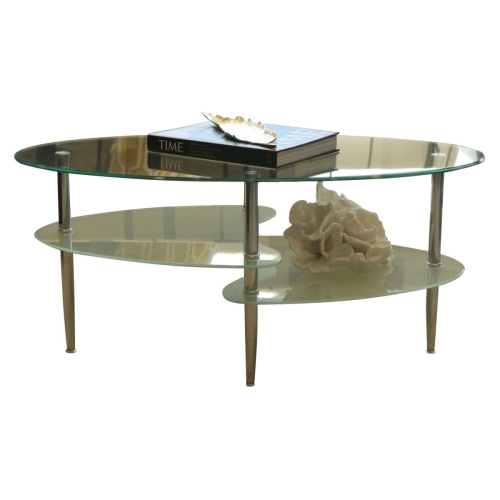
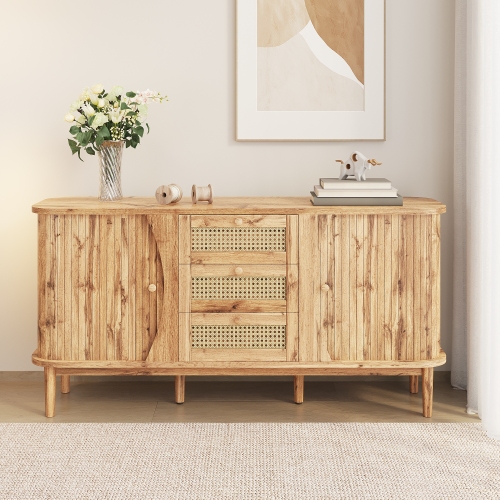
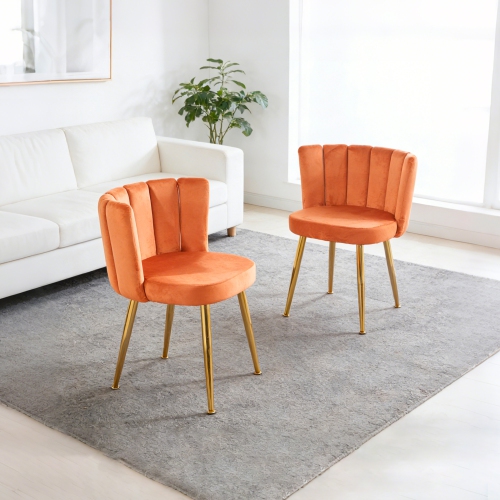
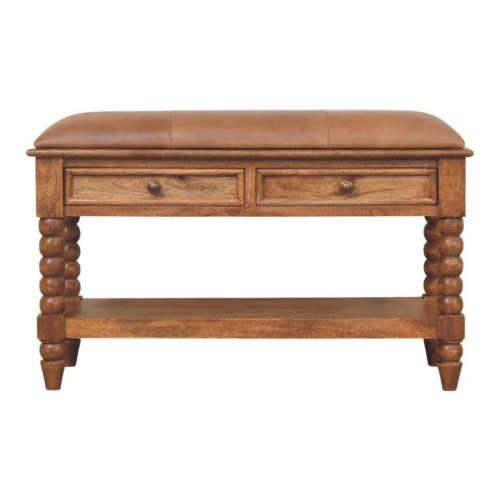
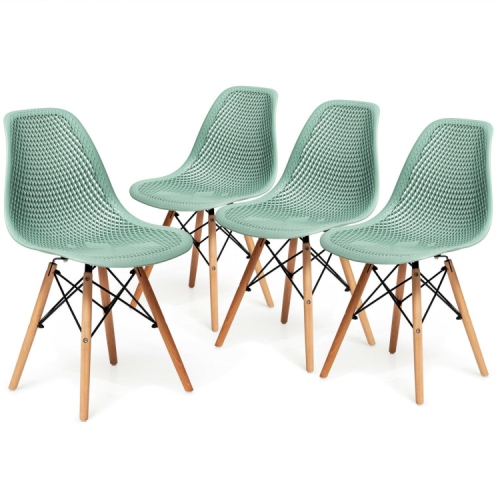
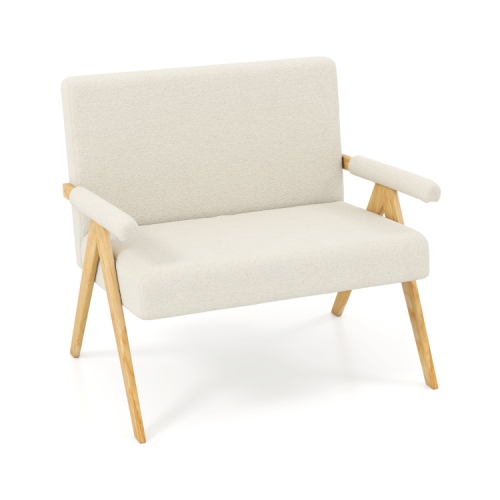
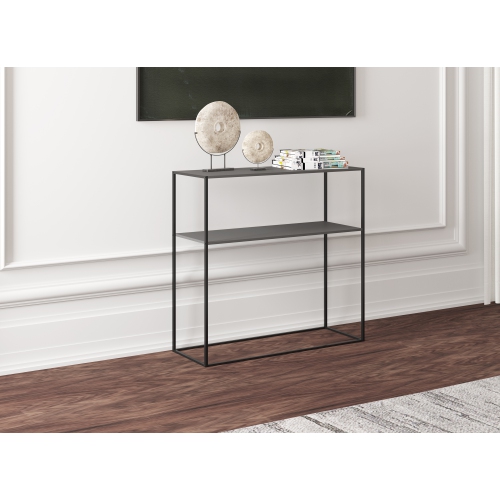

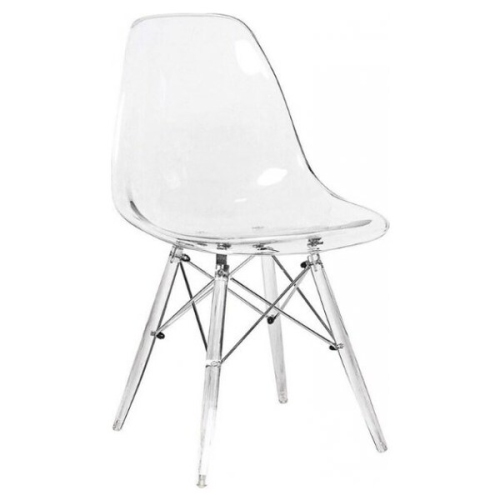
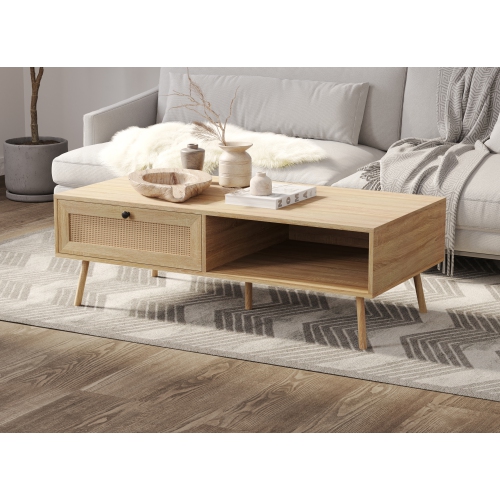
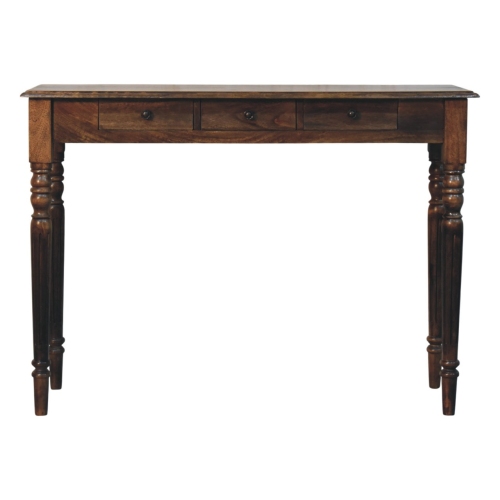

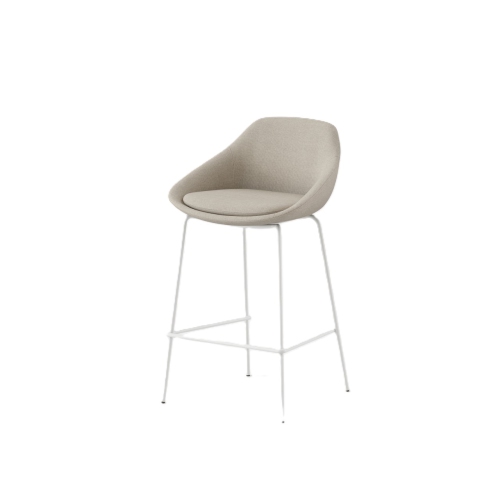
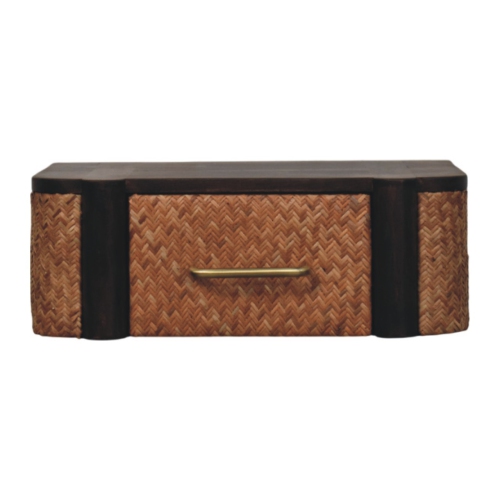
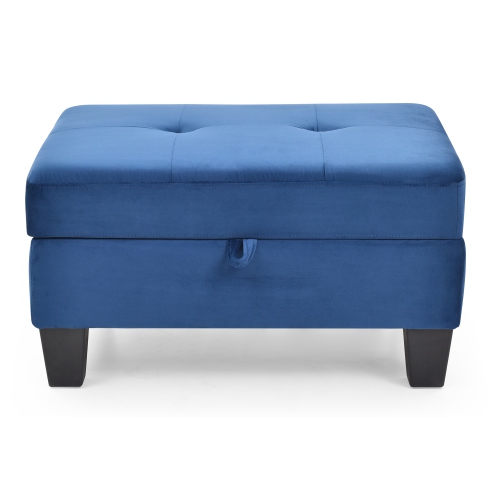
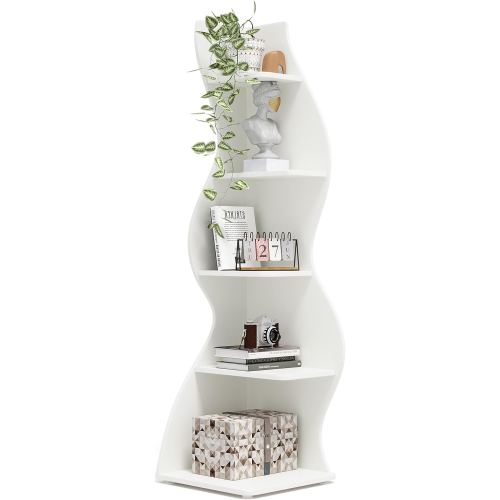
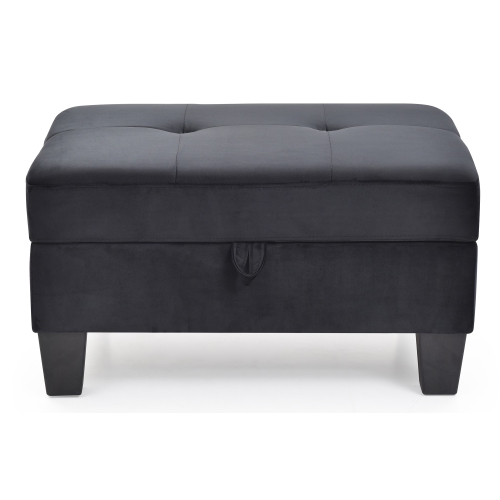
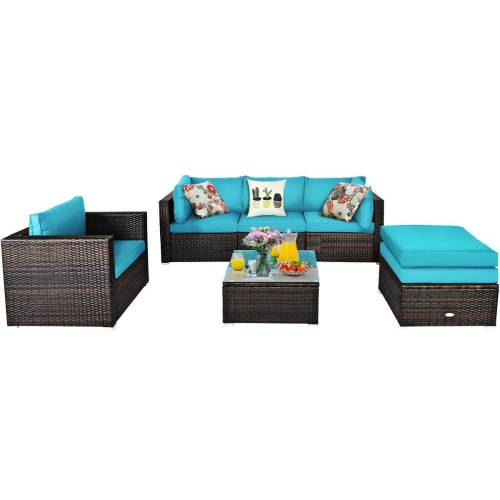
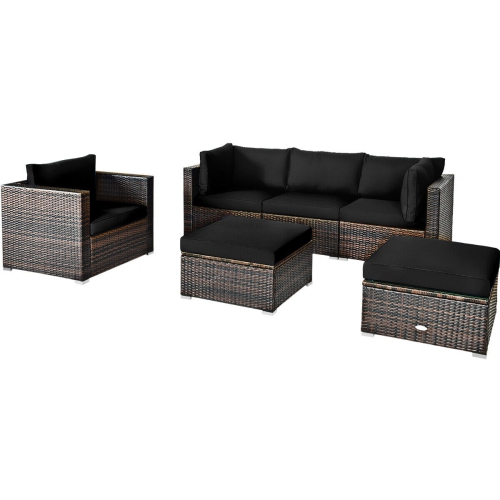
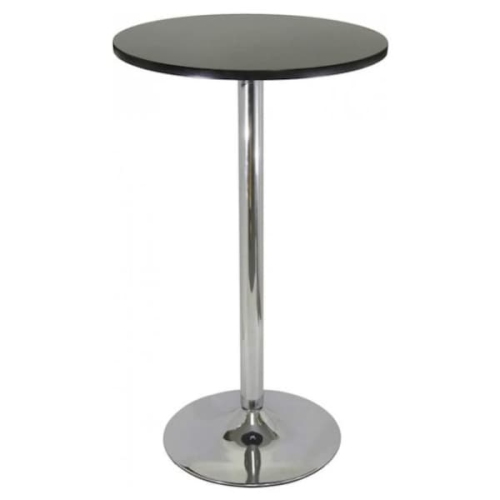
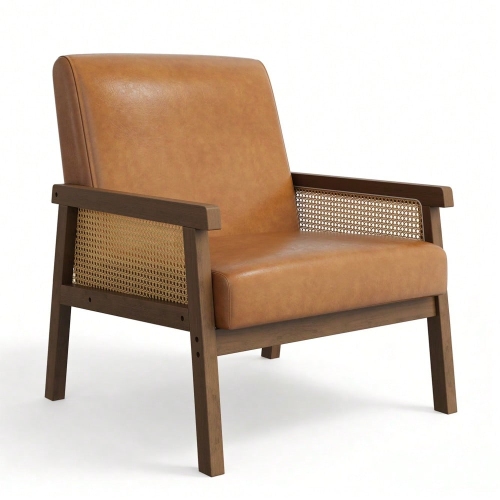
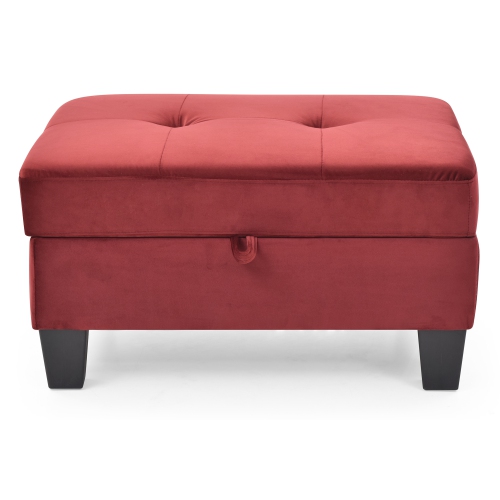
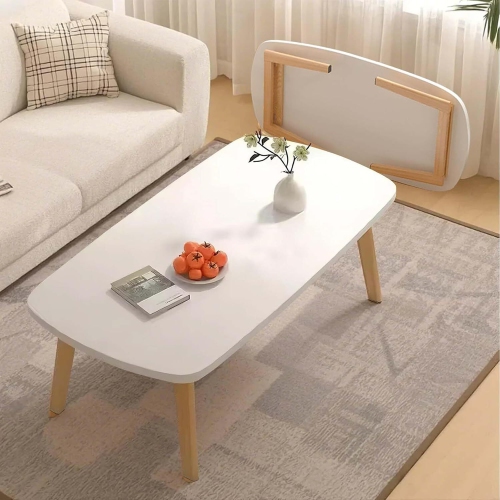
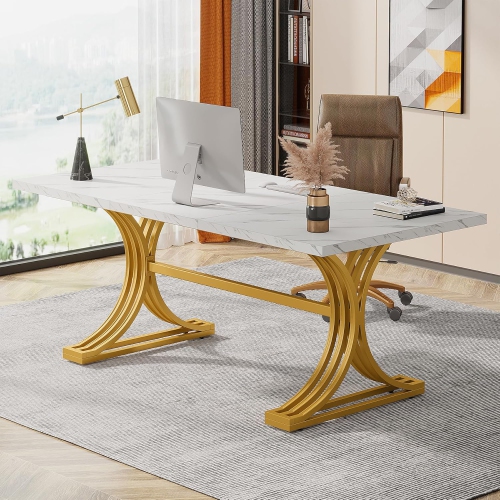

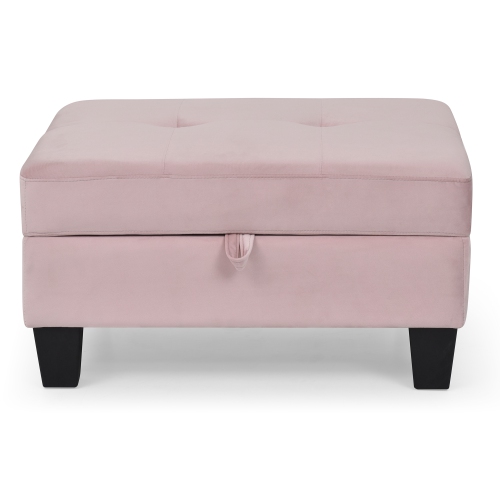
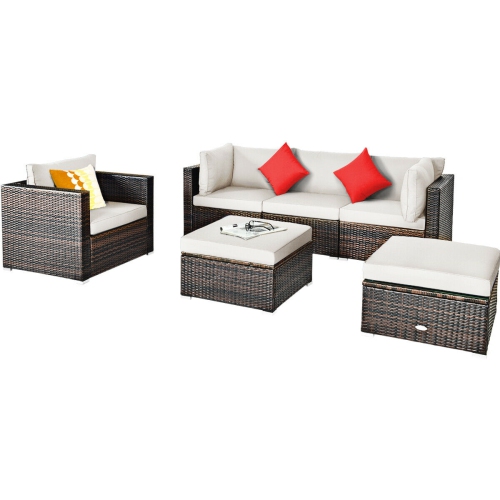
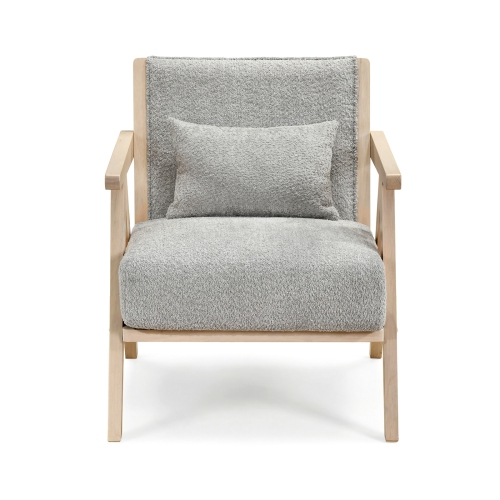
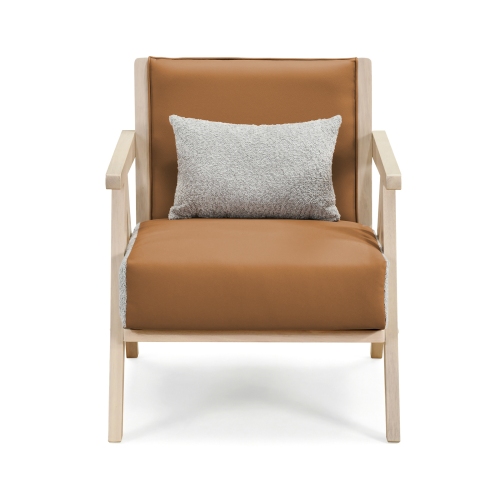
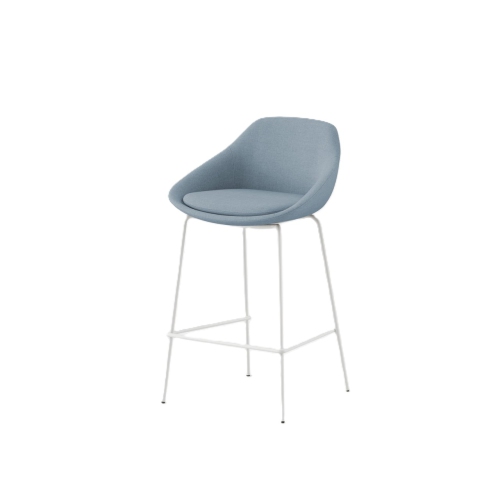
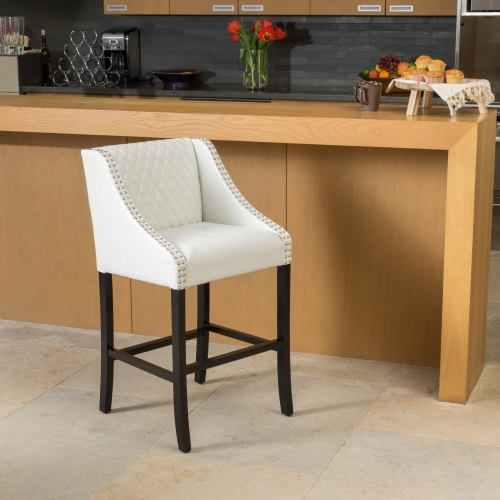
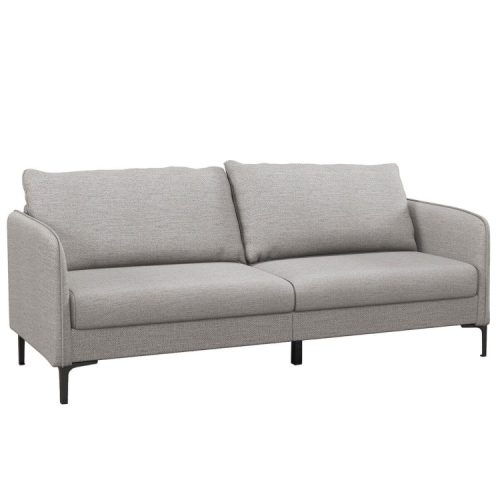
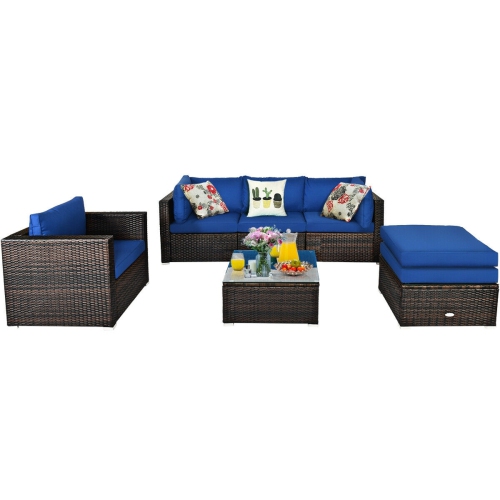
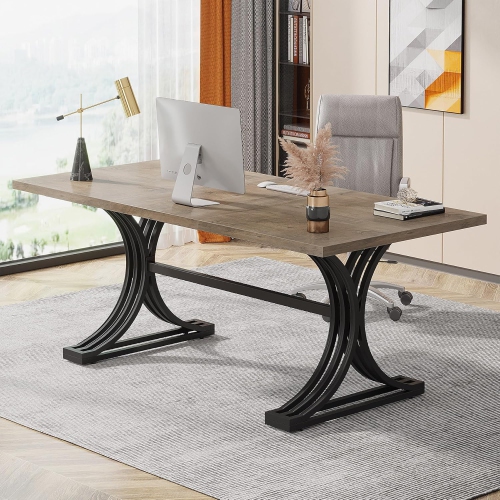
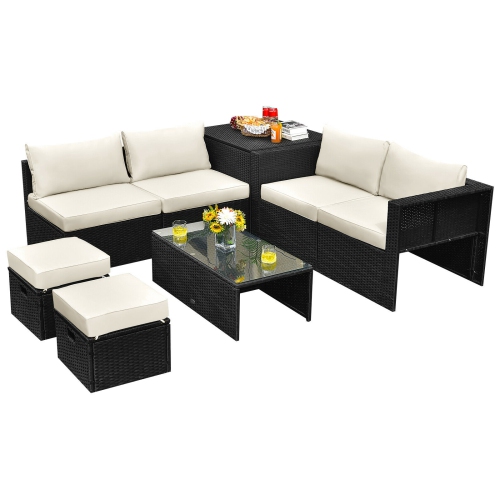

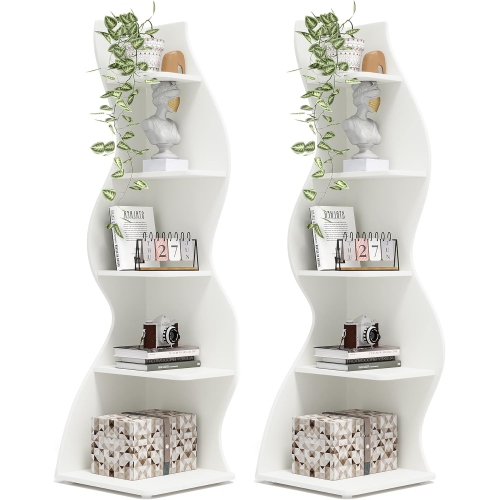
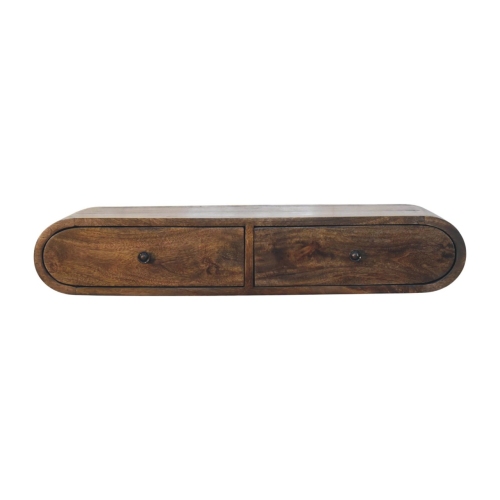
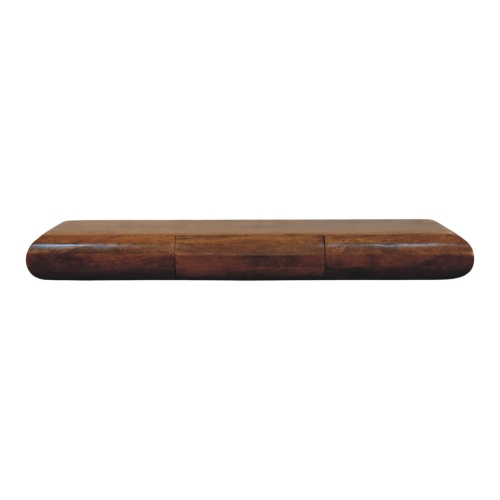
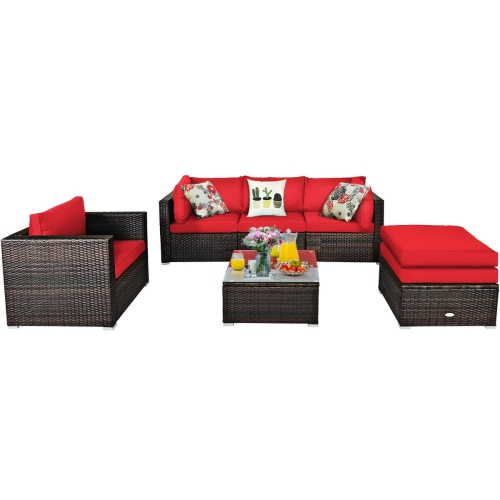

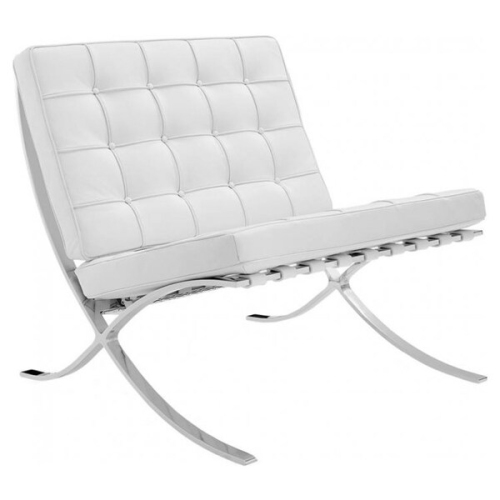
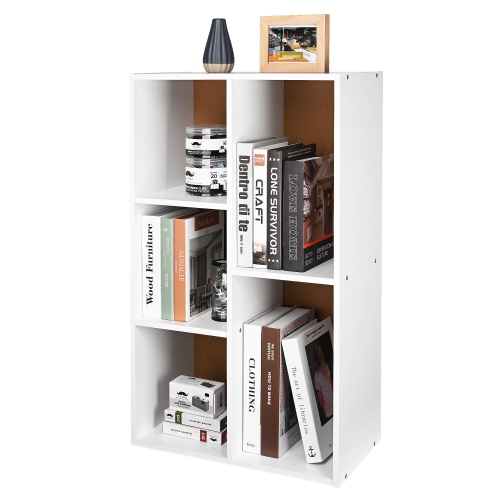
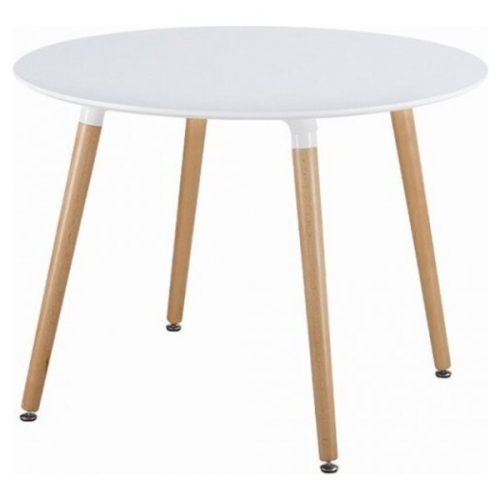
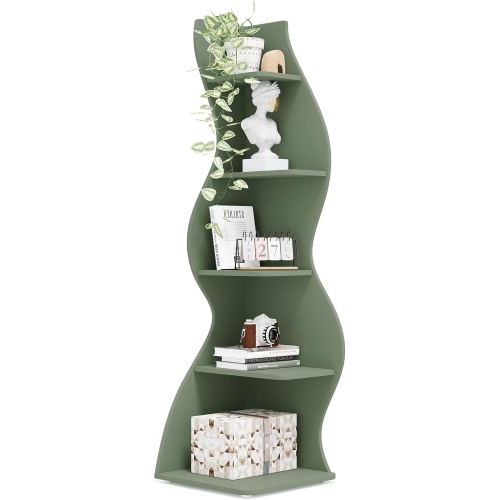
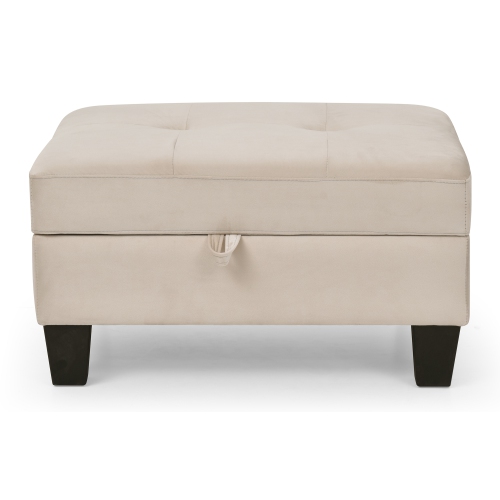
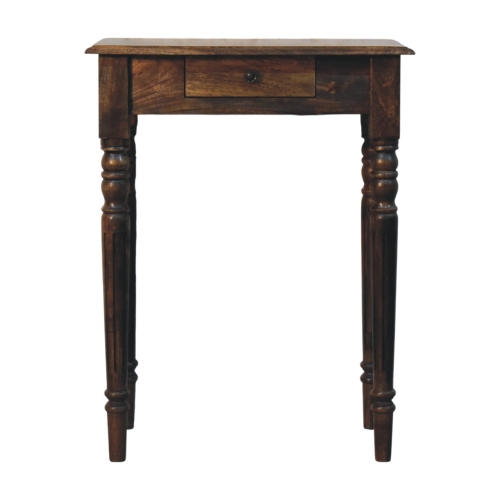
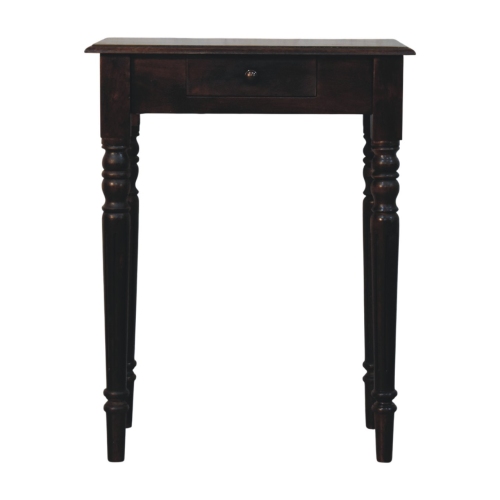
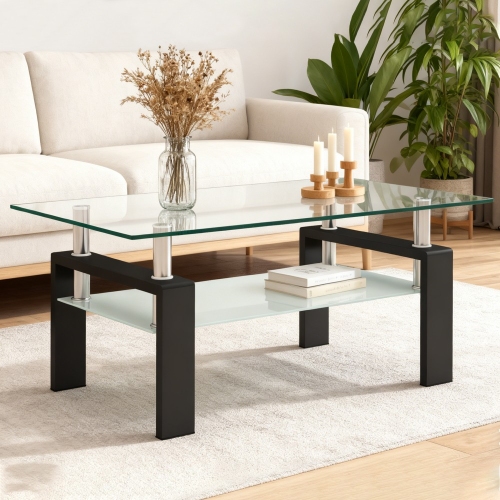
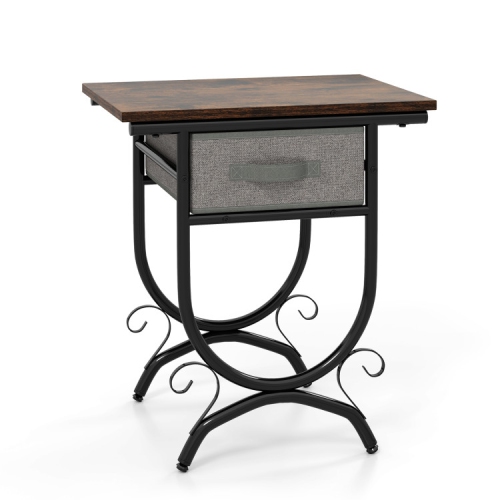
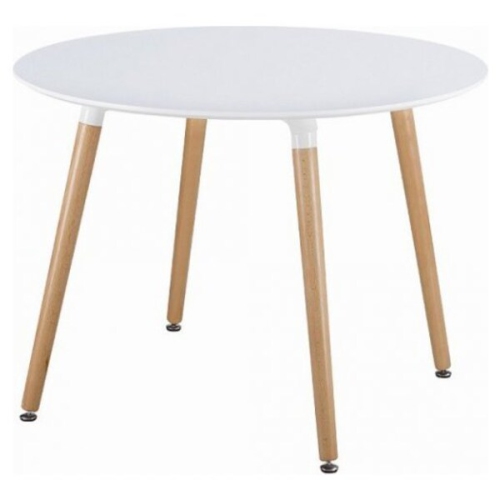
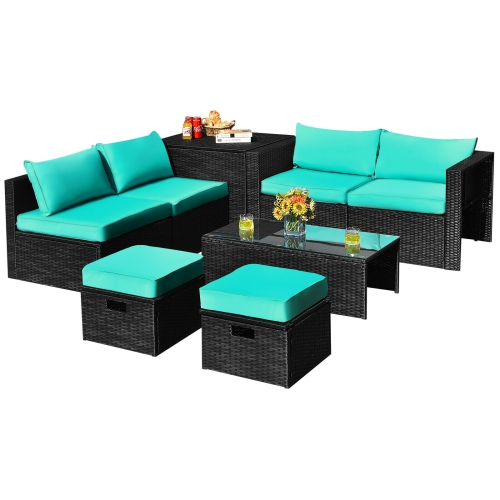
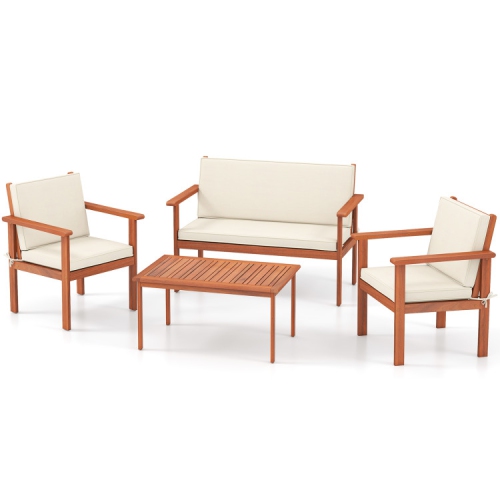
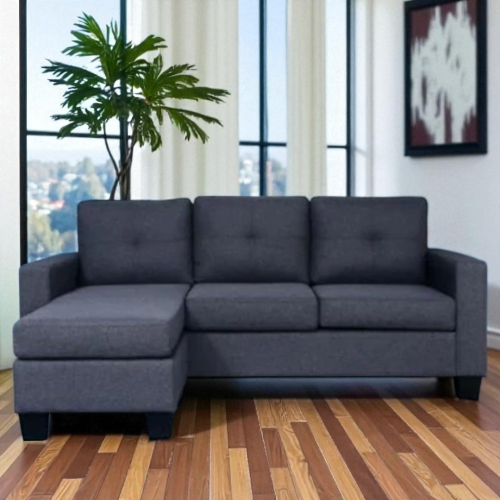
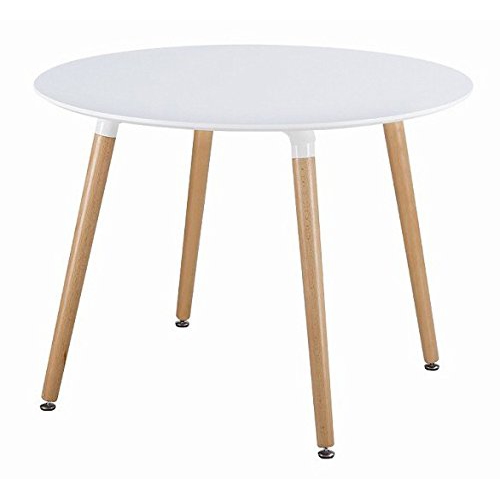

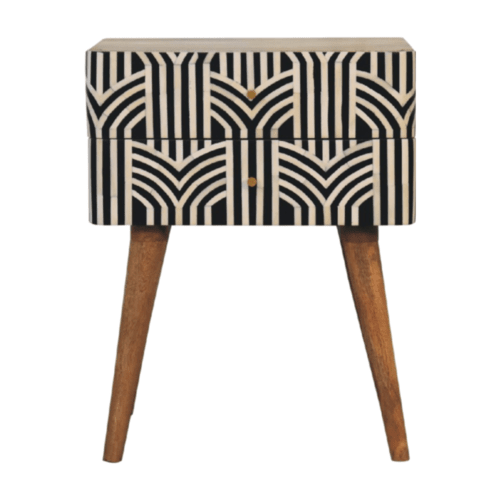
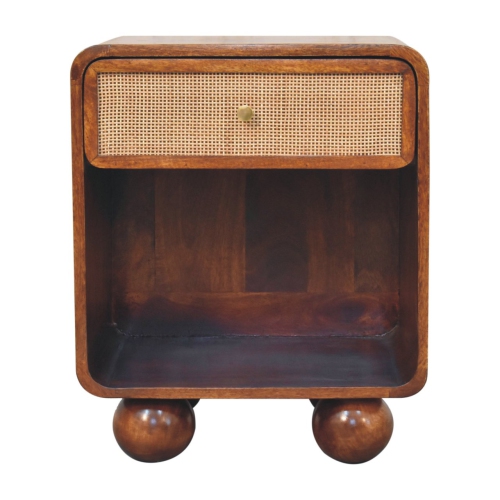
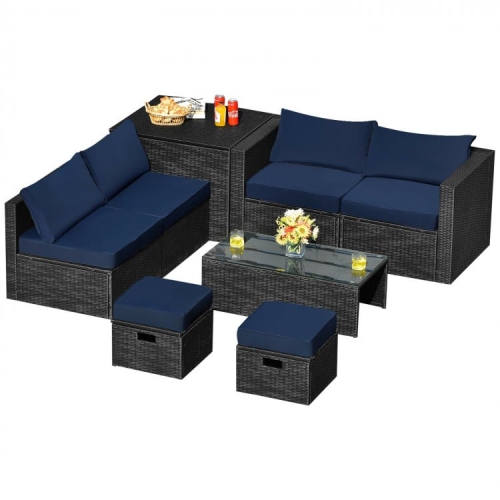
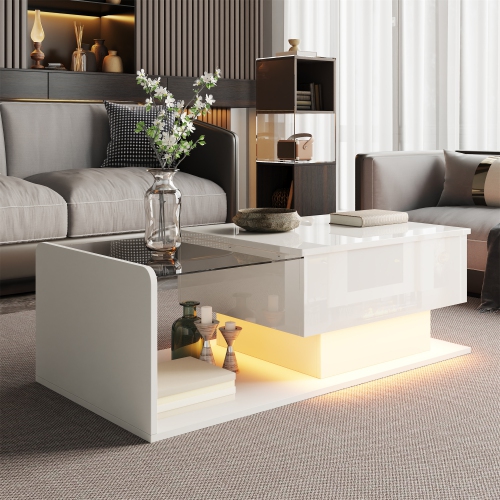

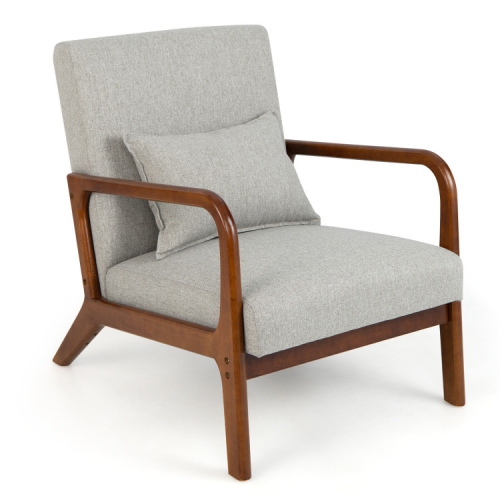


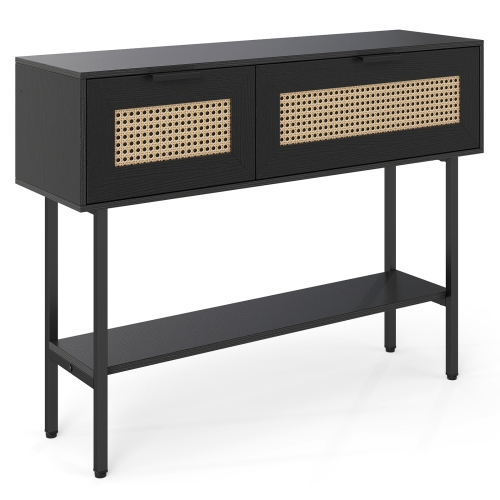
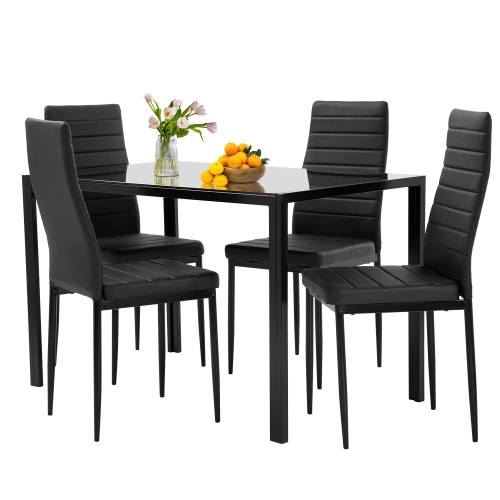
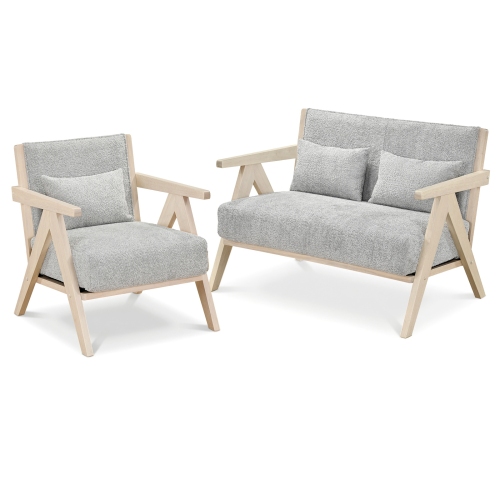
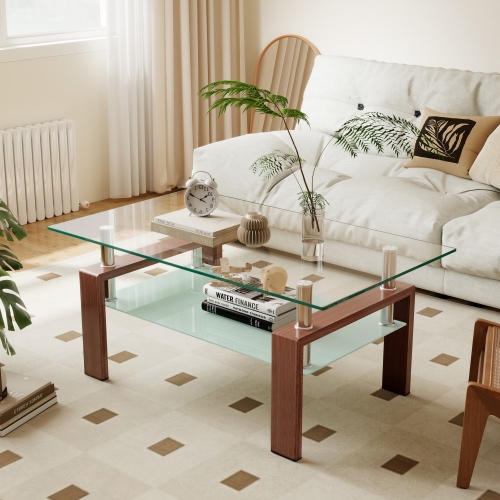
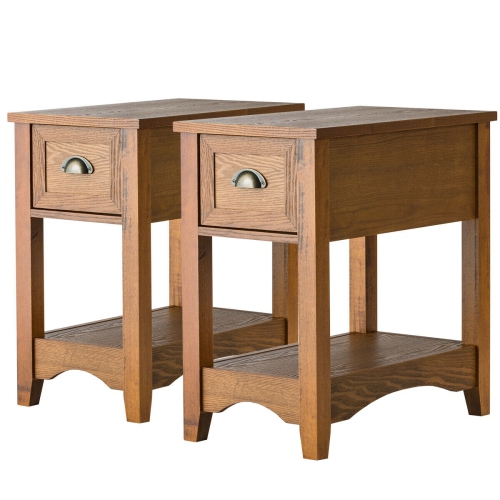
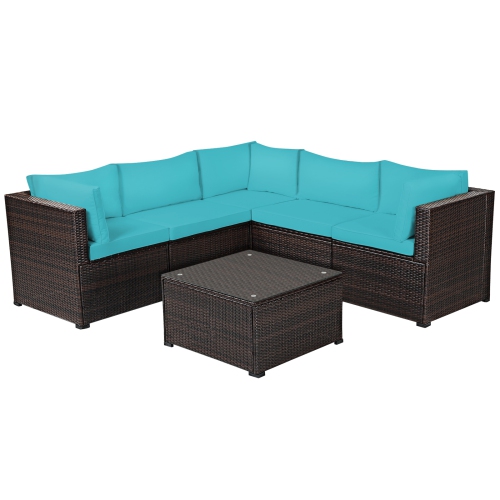
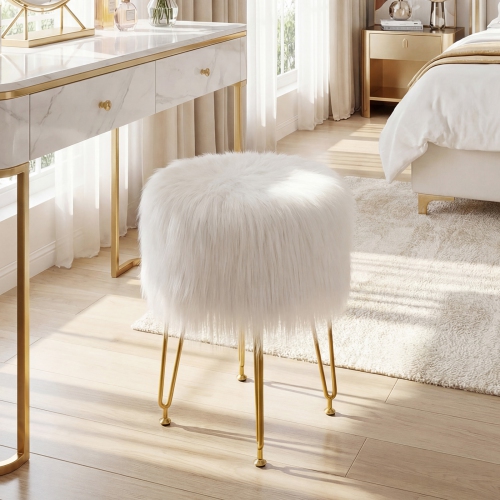
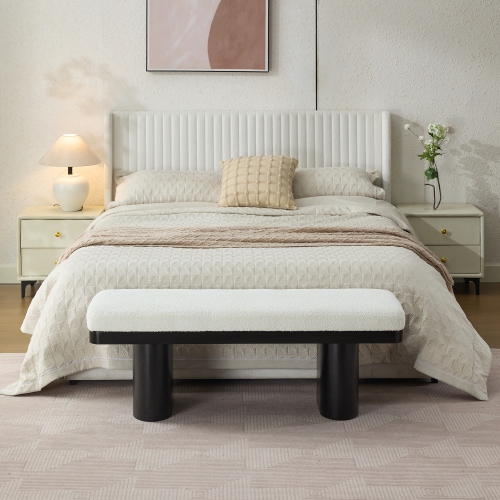
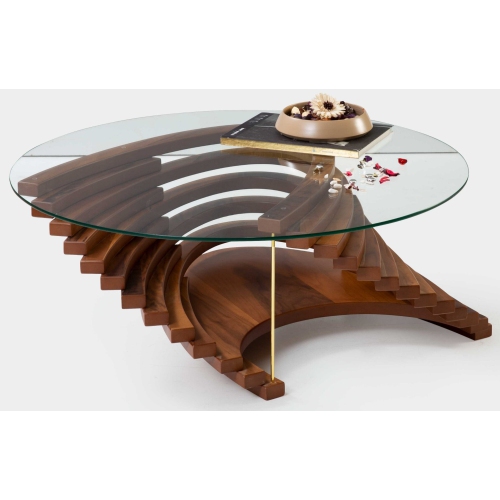
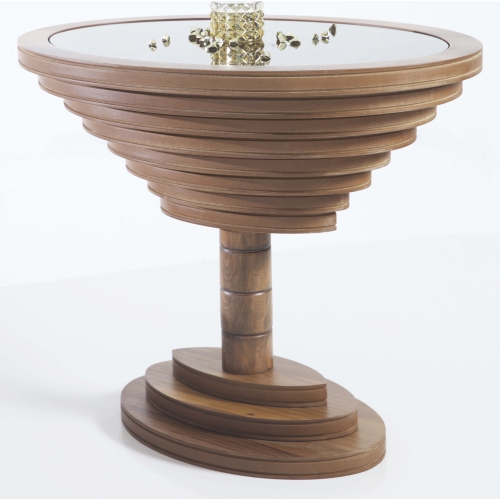
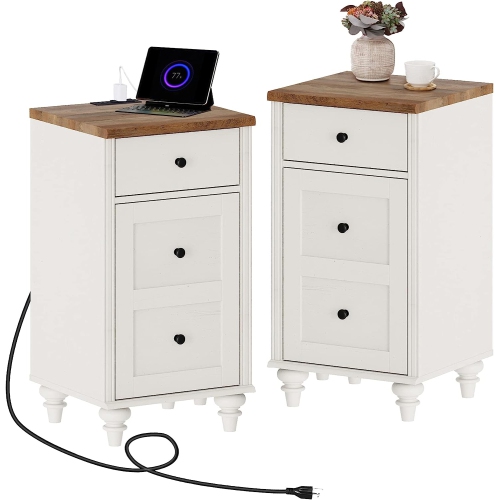
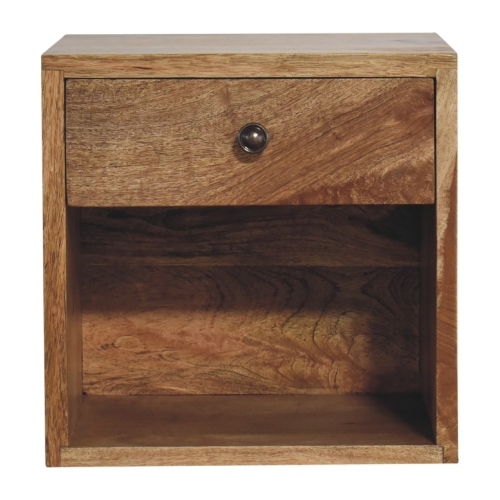
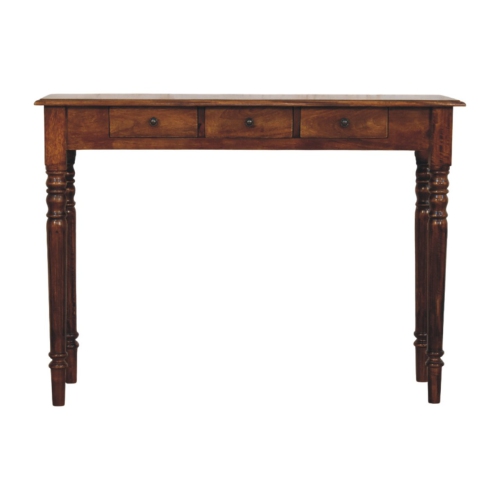
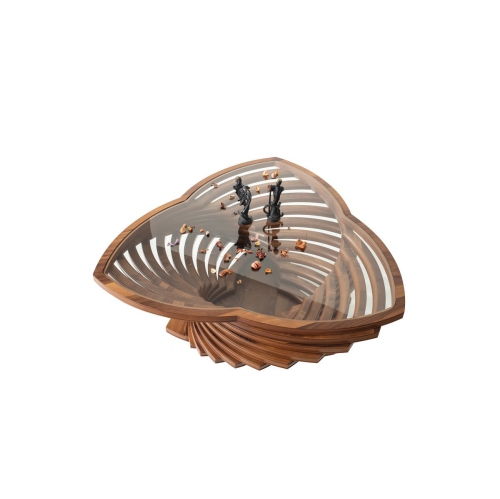
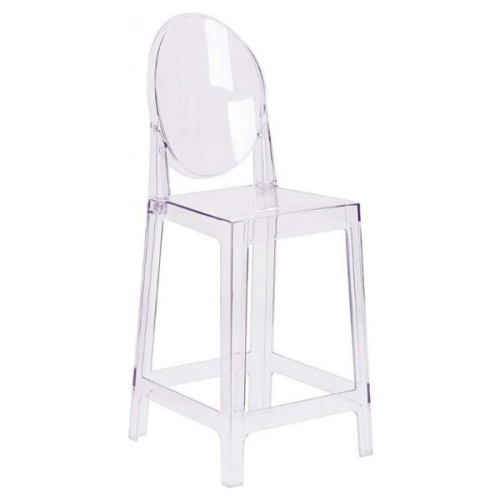
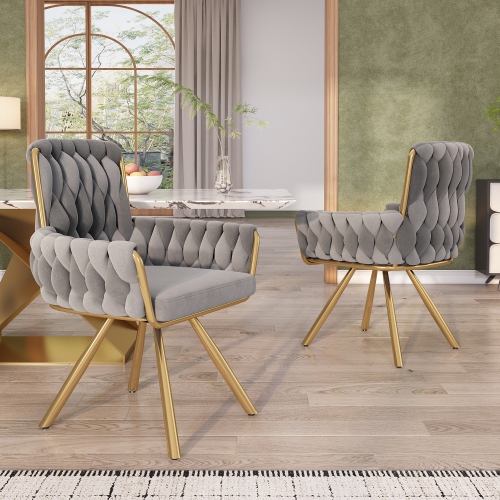
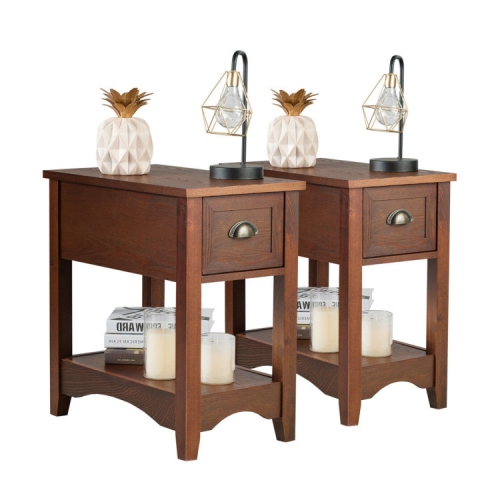
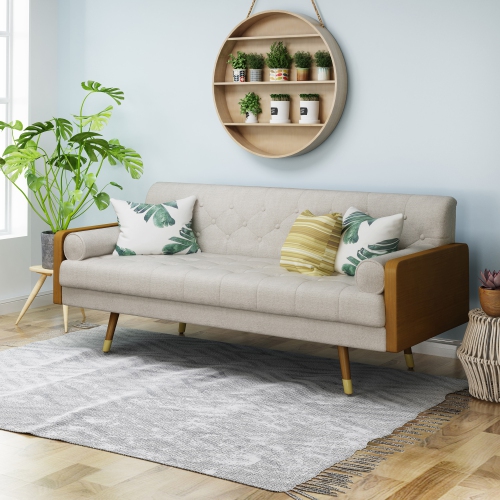
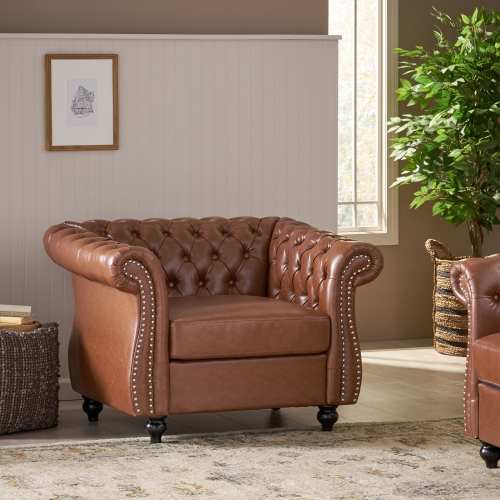
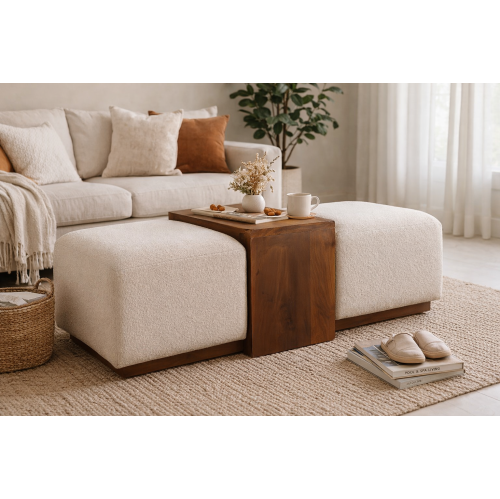
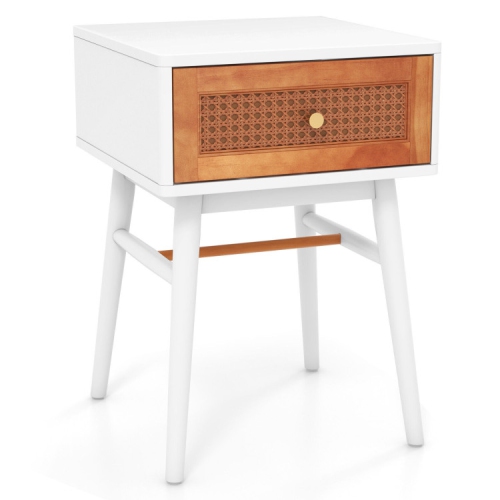

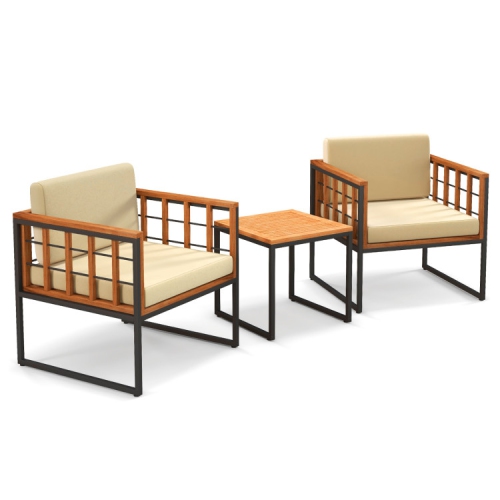
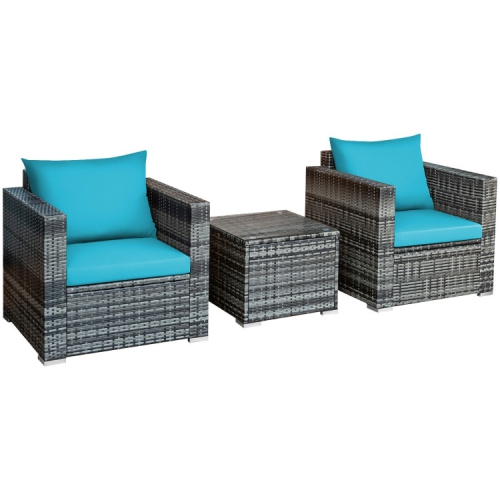
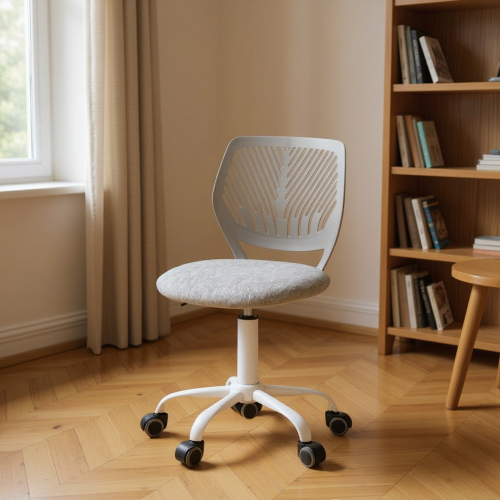
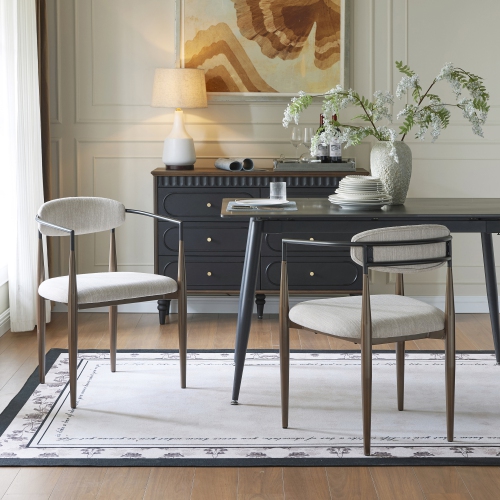
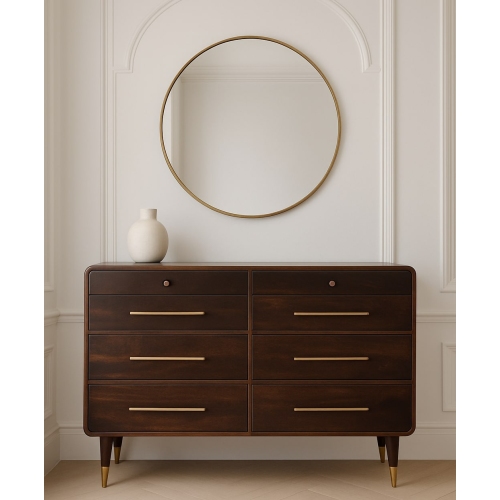
How shared details tie different furniture styles together
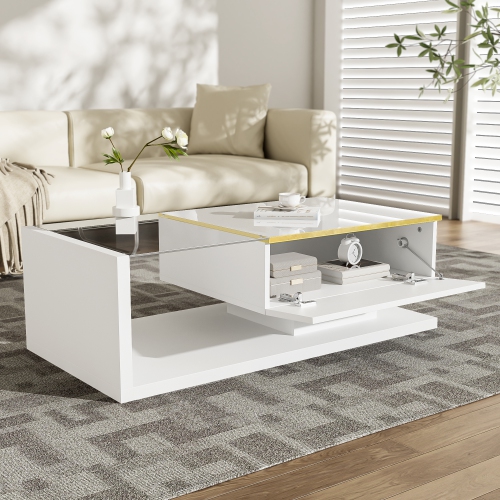
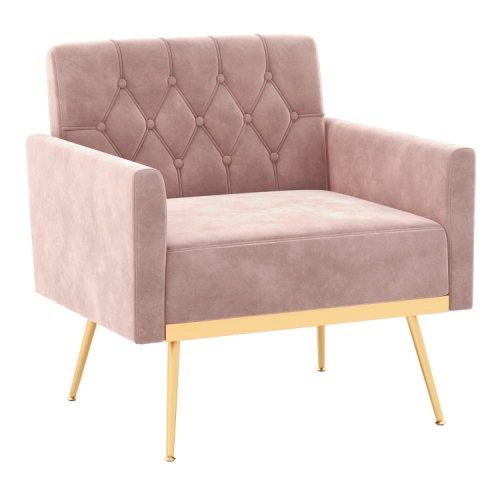
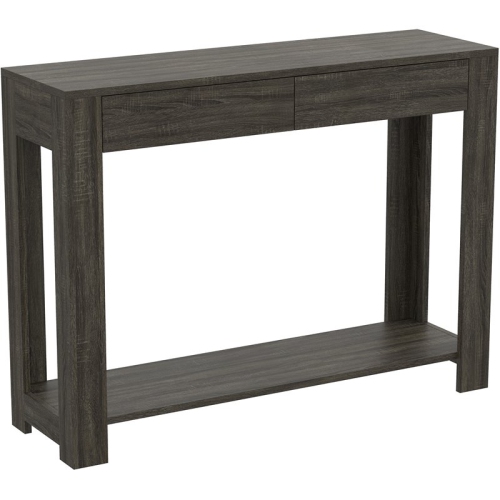
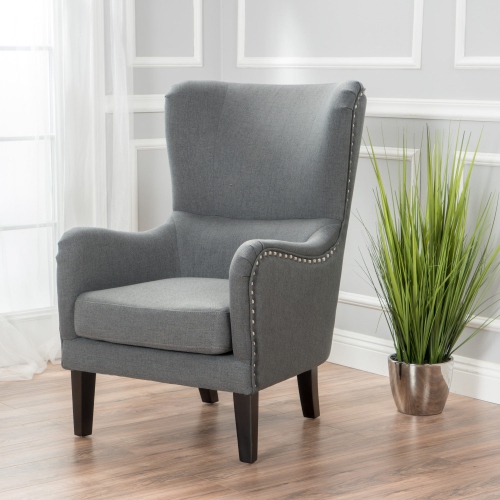
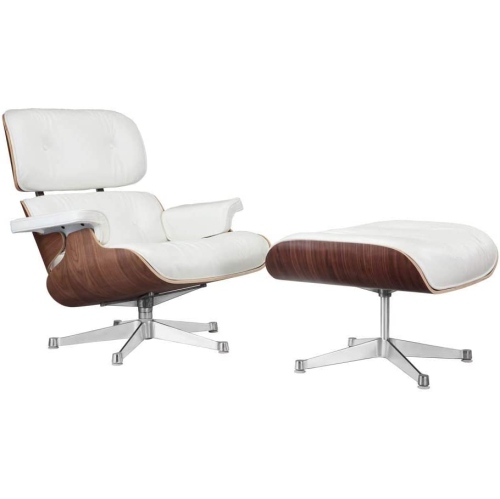
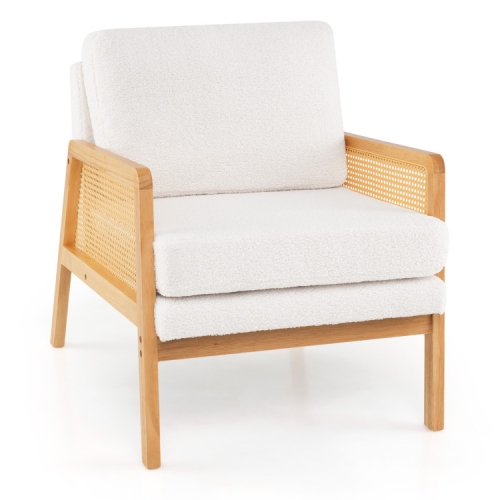
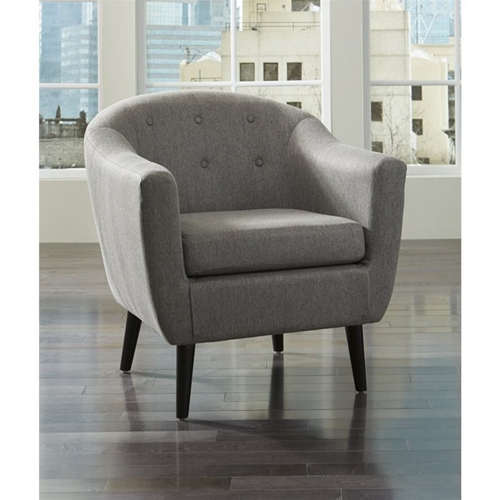
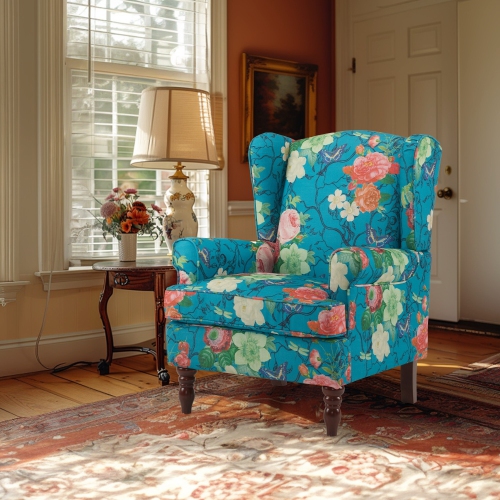
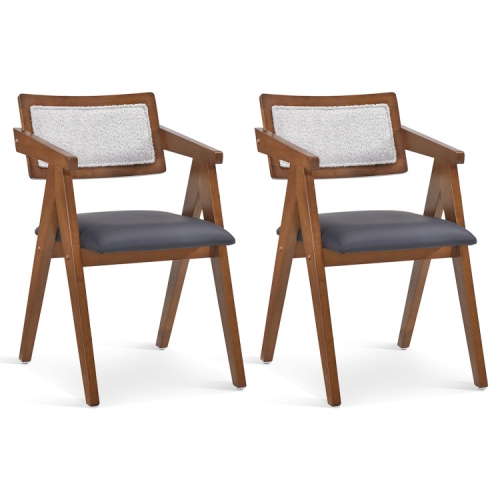
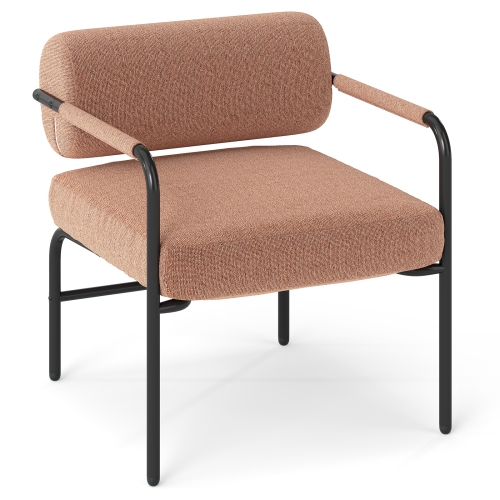
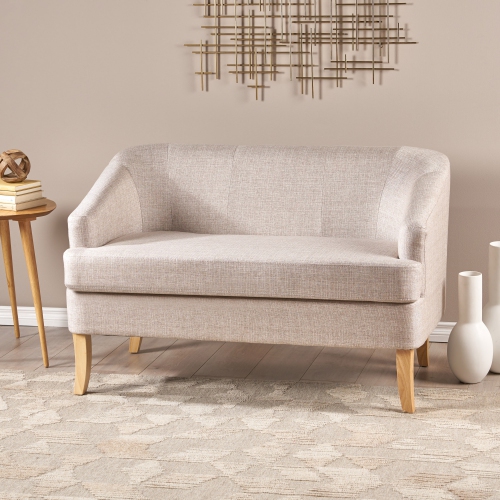
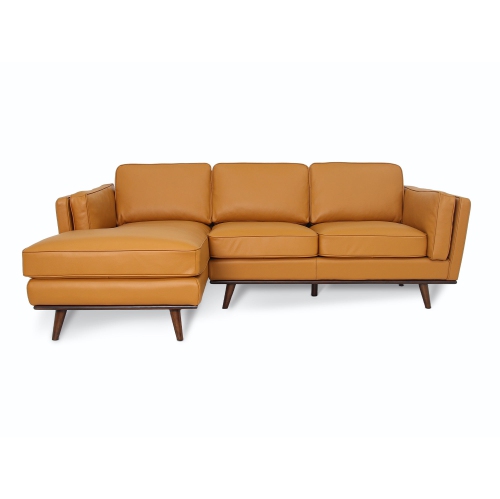
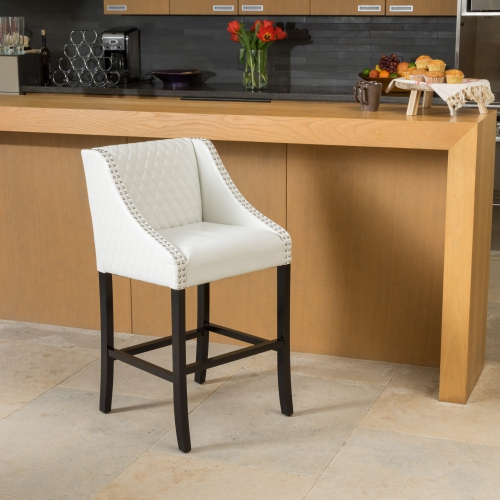
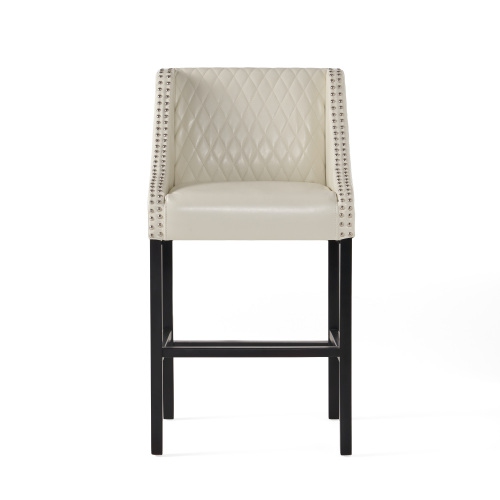
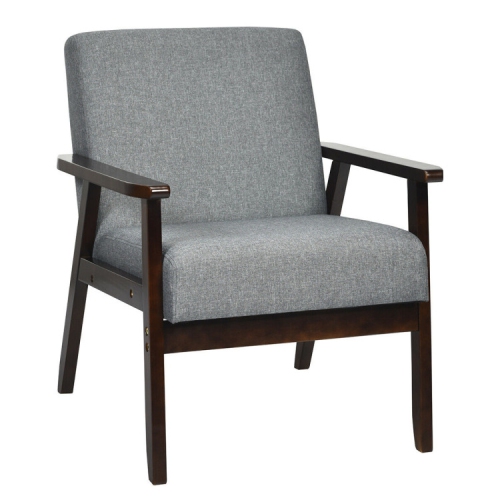
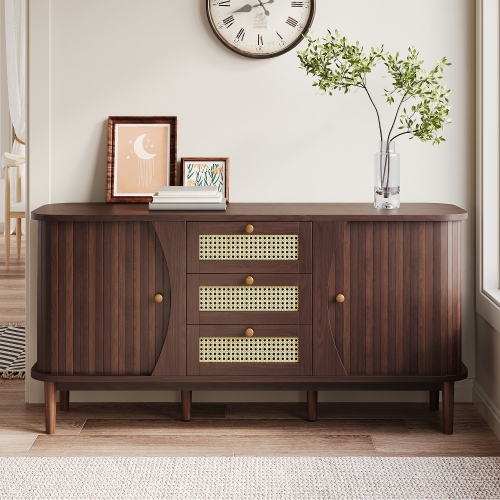
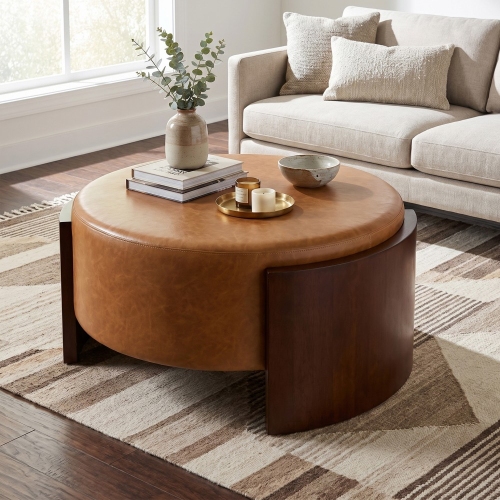
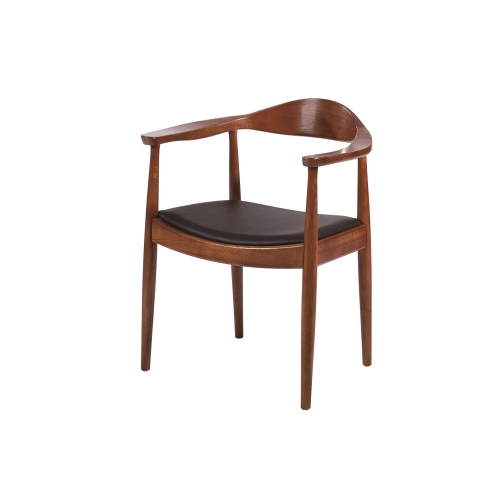
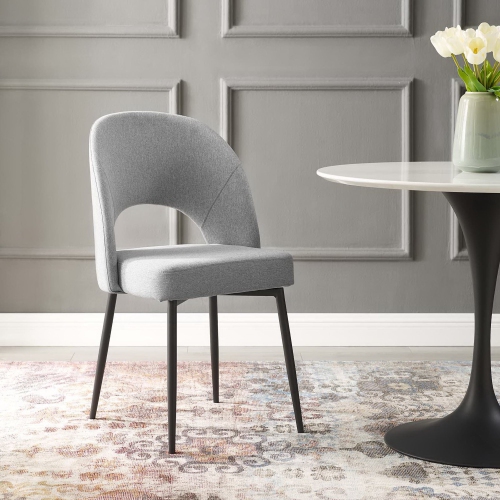
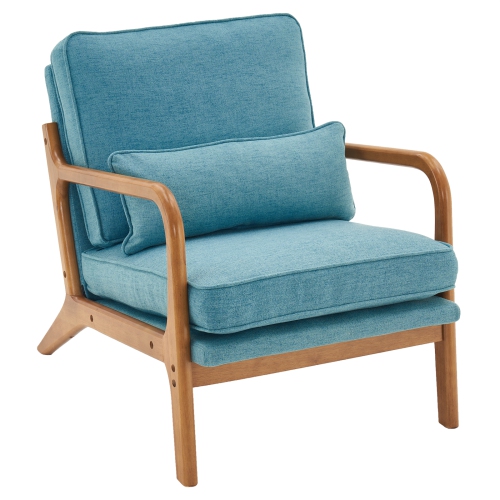
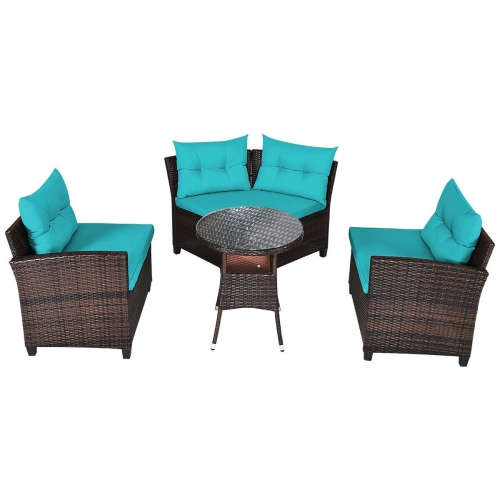
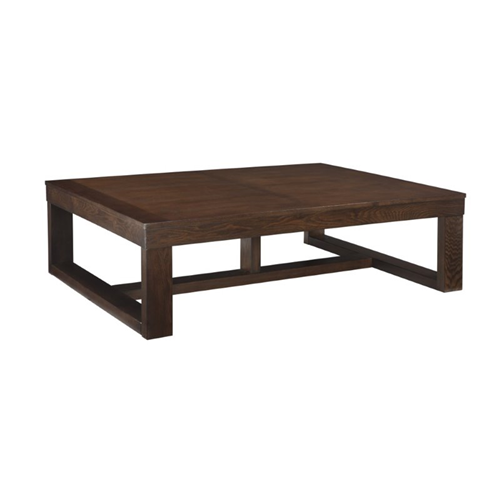
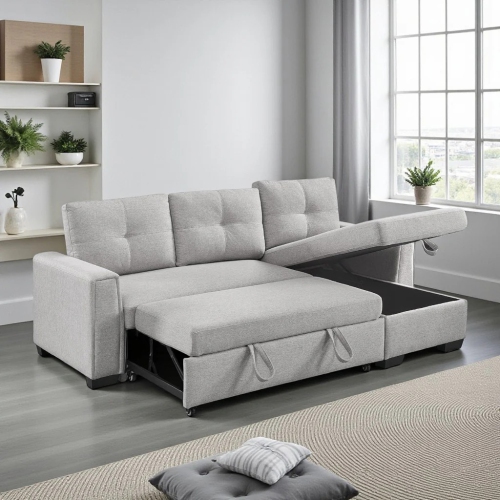
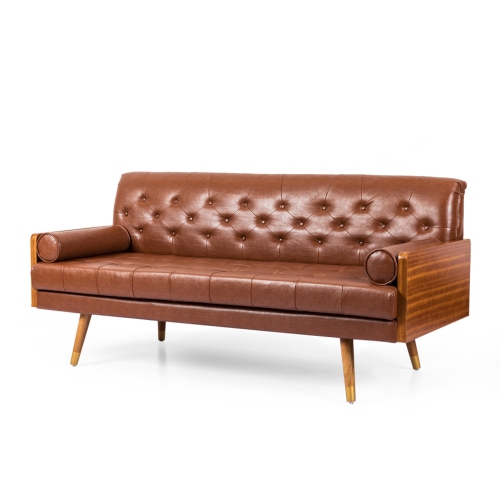
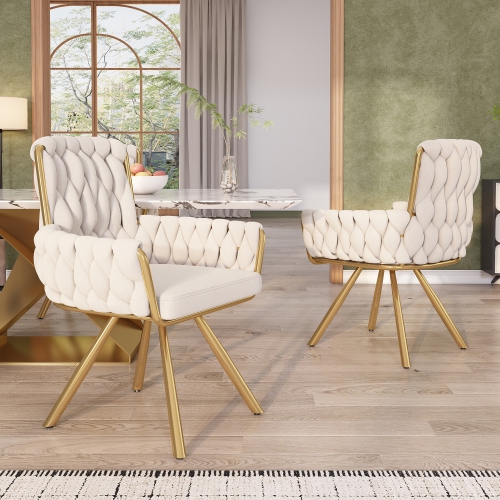
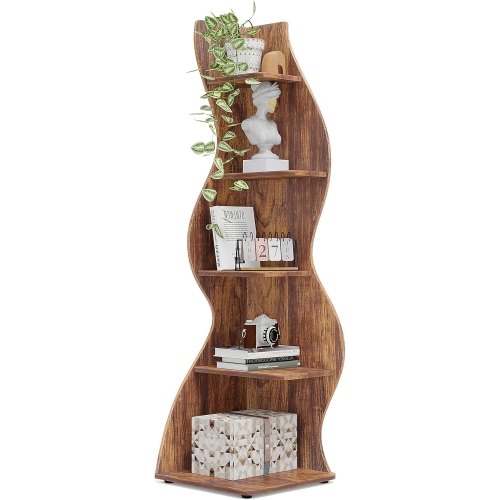
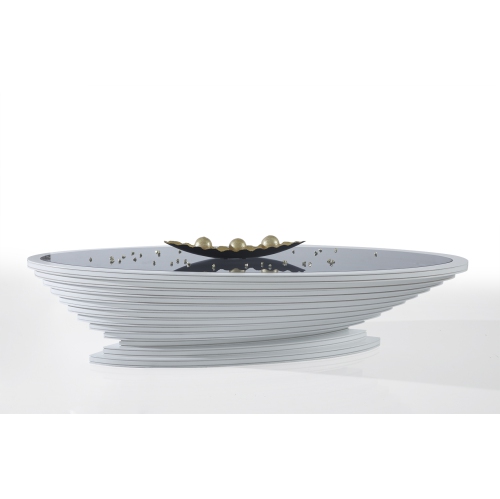
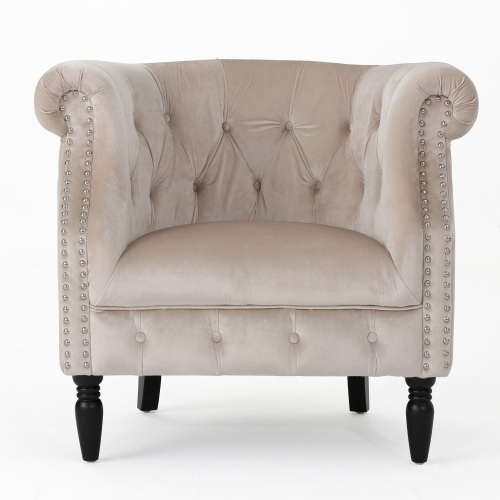
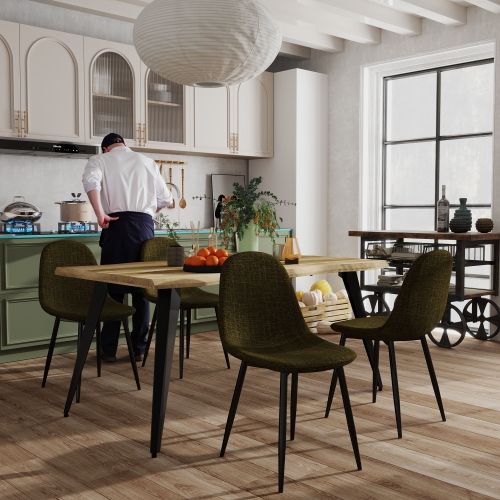
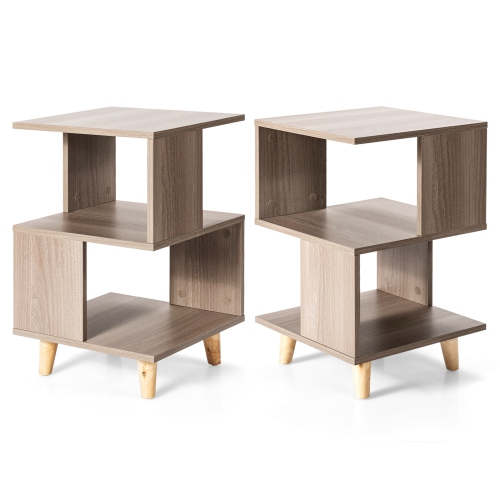
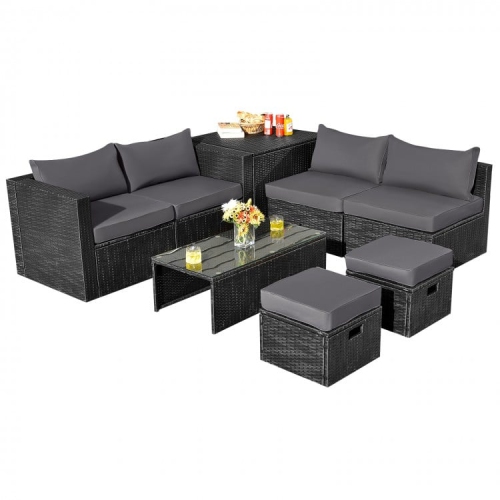
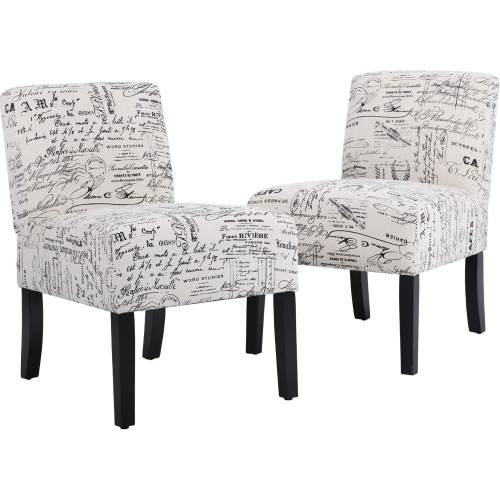
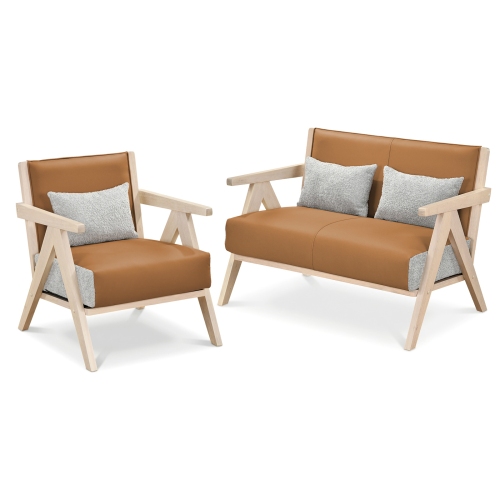
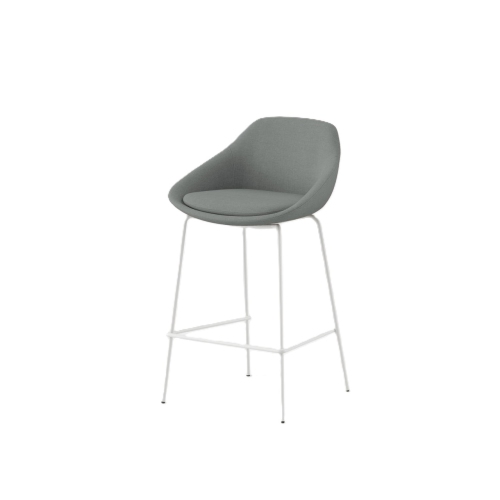
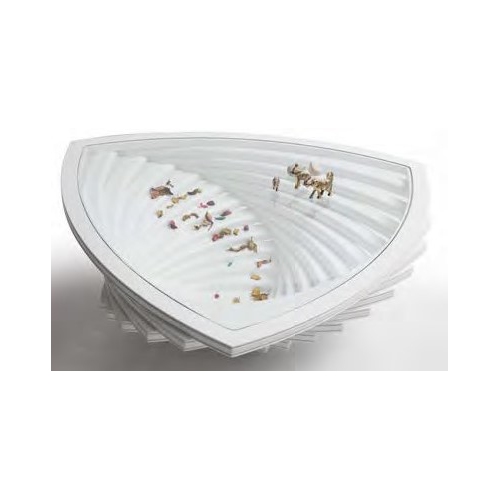
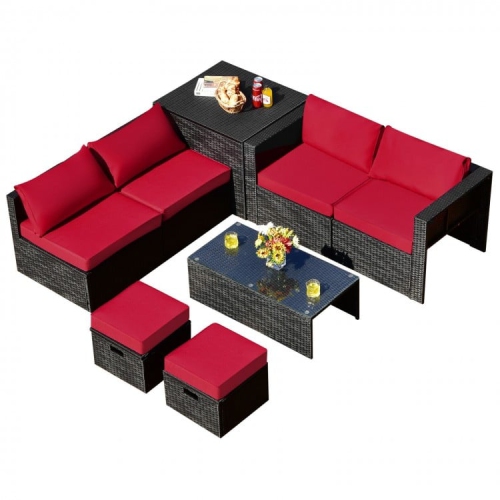
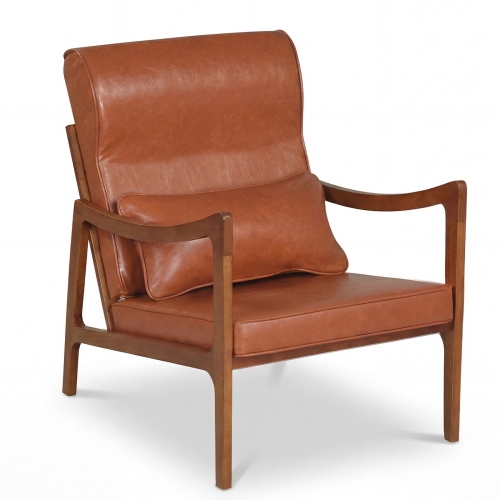
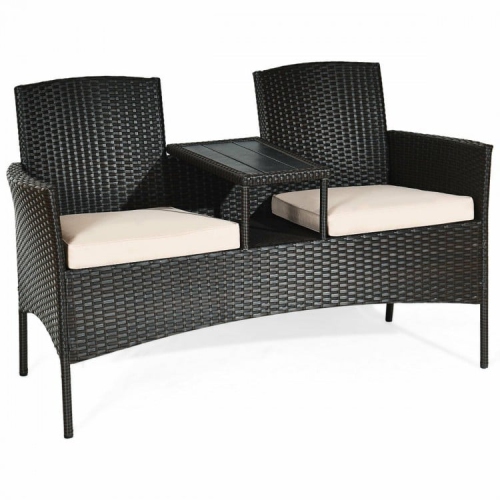
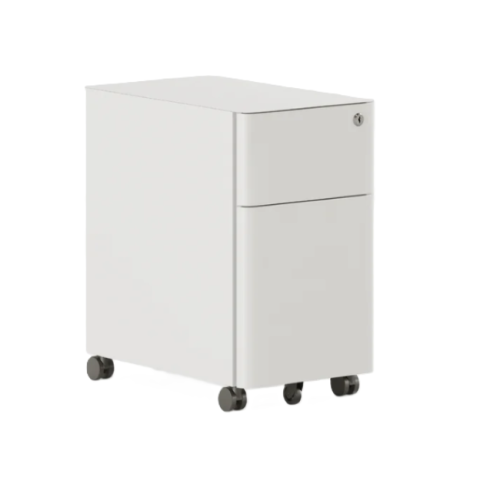
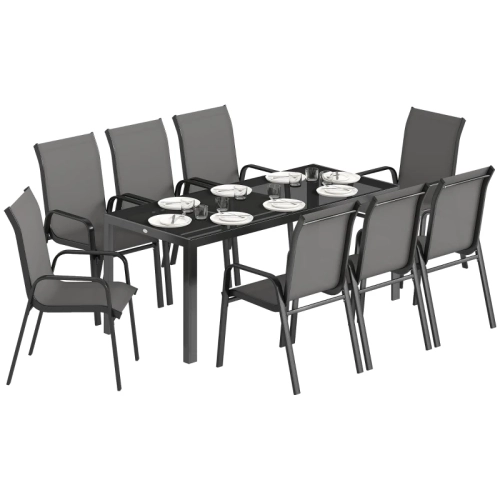
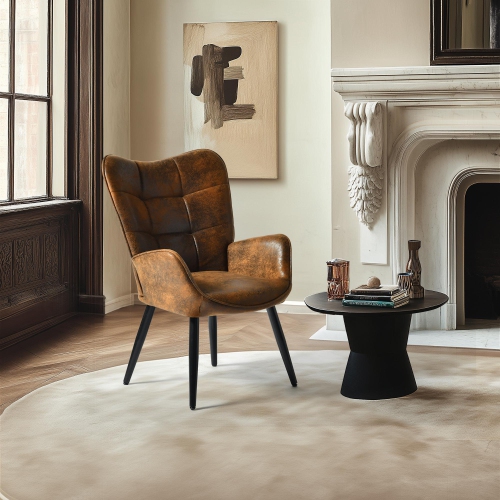
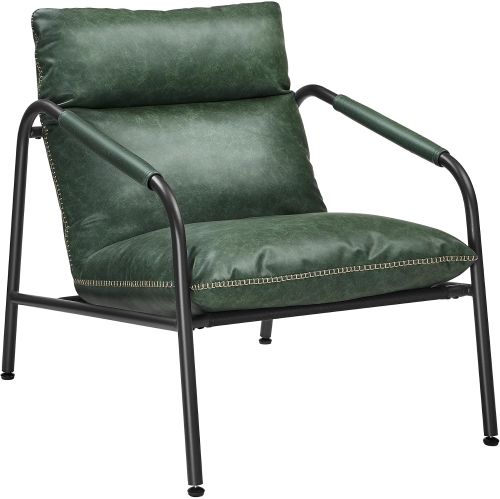
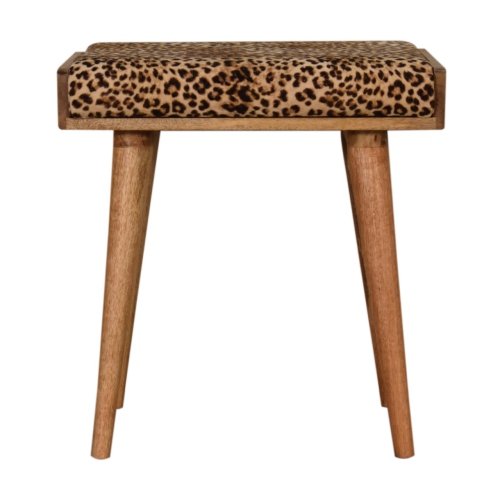
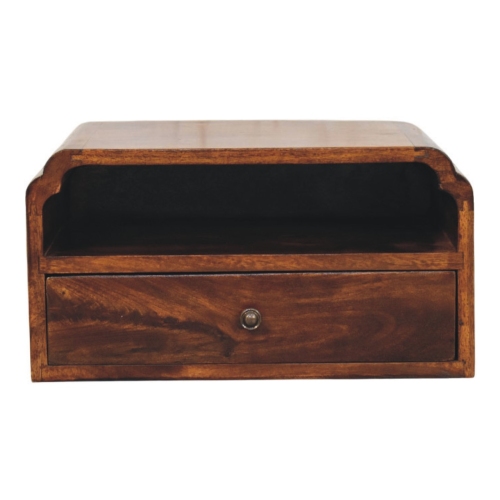
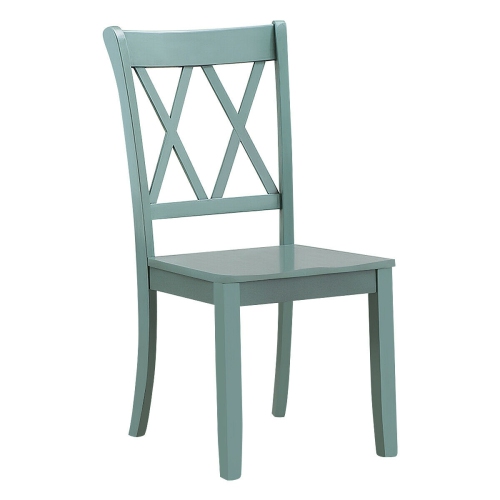
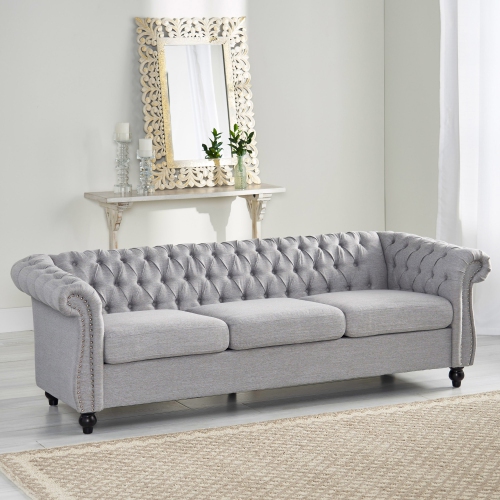
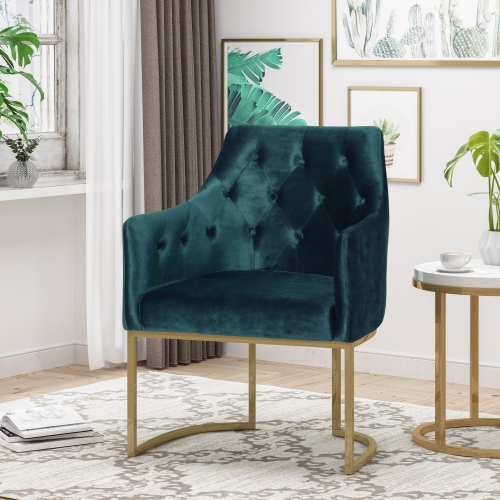
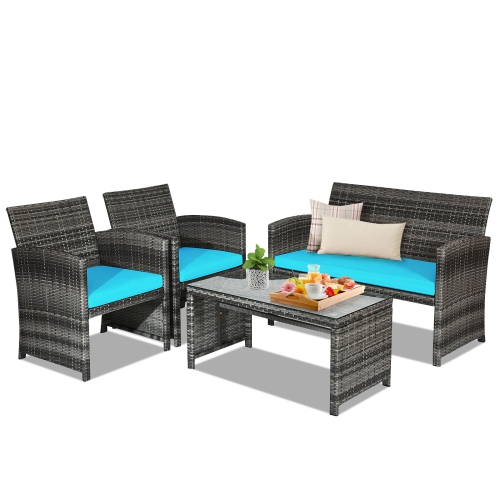
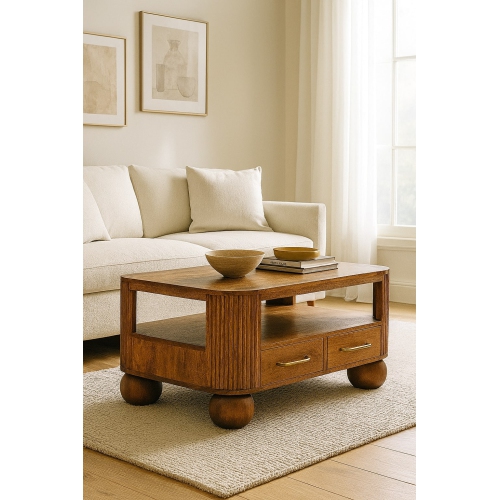
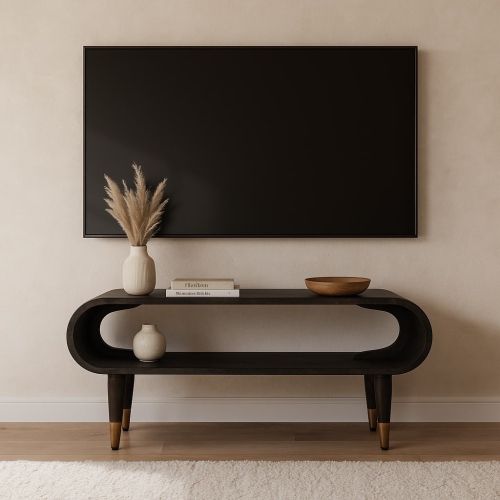
Stylish furniture brings together proportion, texture, colour, and practical comfort to give a room a considered look without making it feel too formal to use. Its appeal is not limited to one design style: contemporary furniture often pairs clean lines with rounded forms, mid-century designs favour tapered legs and warm wood tones, and traditional furniture draws character from shaped profiles and detailed finishes. A room can also mix these influences successfully when its furniture shares a connecting detail, such as a similar wood undertone, a repeated curve, or matching metal finishes. In a living room, a low-profile sofa can create an open sightline, while an armchair with a sculptural back adds interest from more than one angle. Rounded coffee tables soften the appearance of angular seating, and furniture raised on slender legs leaves more floor visible, which can help a compact space feel less crowded. Upholstery changes the mood just as much as shape: a tightly woven neutral fabric looks understated, while a rich colour or pronounced texture gives seating a stronger presence. Stylish living room furniture still needs to suit the people using it. Deep cushions may appeal to someone who likes to curl up with a book, whereas a shallower seat and supportive back can make upright conversation more comfortable. Arm height matters when resting an elbow, and seat height affects how easily someone can sit down and stand up. For households that gather around a screen, the relationship between seating, tables, and media storage deserves as much attention as the furniture’s appearance. A surface within easy reach, concealed cable routing, and storage for everyday clutter help a room look composed while remaining useful. Furniture with restrained detailing and balanced proportions can also sit comfortably alongside Elegant Furniture, particularly where the aim is a polished space that still feels welcoming.
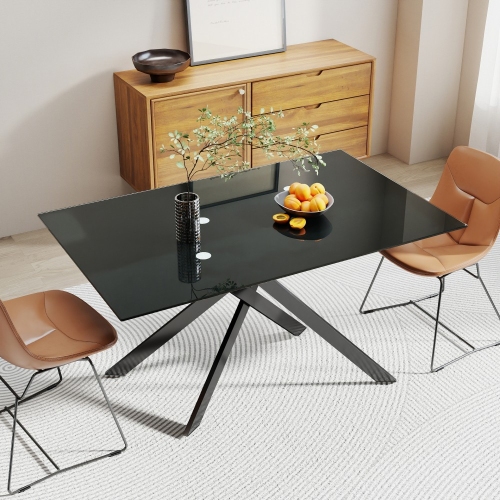
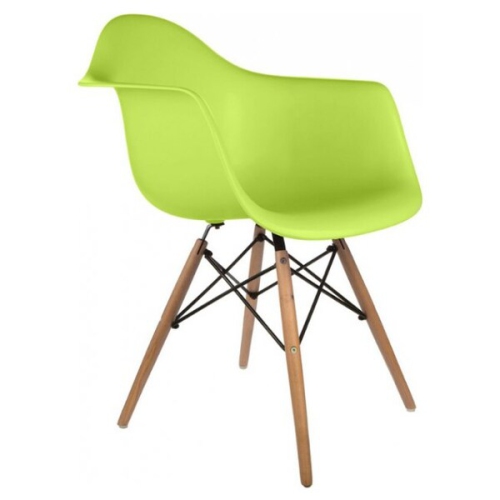
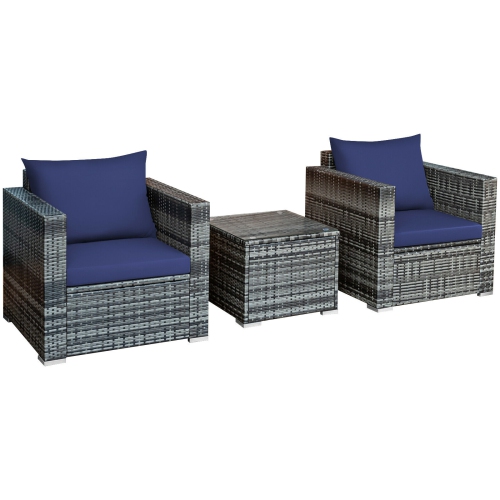
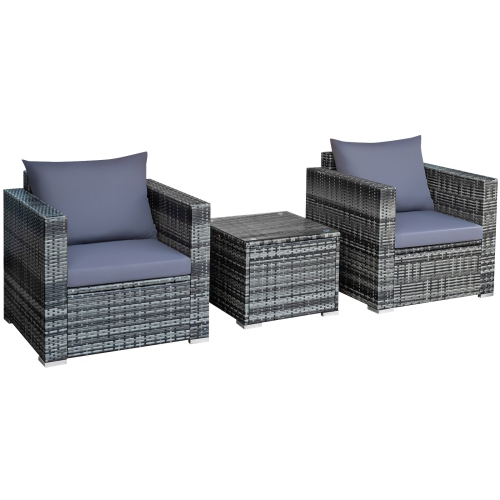
Materials give stylish furniture much of its character, but they also influence weight, maintenance, and how a surface handles daily use. Solid wood offers distinctive grain and can often be refinished, depending on its construction and finish, though it responds to changes in indoor humidity and benefits from protection against standing water. Wood veneer provides a real wood surface over a supporting core, creating opportunities for consistent grain patterns and broad, smooth panels; its thin surface requires care because deep sanding can damage it. Engineered wood varies in density, construction, and surface treatment, so edge finishing and the quality of joins are useful details to examine. Metal frames can provide a slim visual profile, while their coatings and connections affect resistance to scratches and movement. Glass creates a lighter visual impression and lets a rug or table base remain visible, although fingerprints show readily and edges need thoughtful placement in busy rooms. Stone surfaces offer varied patterns and substantial weight, with care needs that depend on the material and whether sealing is required. Upholstered furniture introduces another set of choices. Velvet can shift in appearance as its pile catches the light, textured weaves add depth to simple silhouettes, and smooth fabrics offer a quieter backdrop for patterned cushions. Performance fabrics may be designed for particular demands, such as stain resistance or easier cleaning, but the stated care instructions remain important; the label alone does not mean every spill will wipe away. Leather can develop visible character with use, while coated alternatives have different cleaning needs and wear patterns. Durability comes from the whole construction rather than one material name. Secure joints, suitable support beneath cushions, smoothly operating drawers, and hardware that stays aligned all contribute to furniture that feels dependable. In a dining area used for homework as well as meals, a surface that tolerates frequent wiping may be more practical than a delicate finish. For a pet-friendly household, a close weave may be preferable to a loose texture that catches claws.
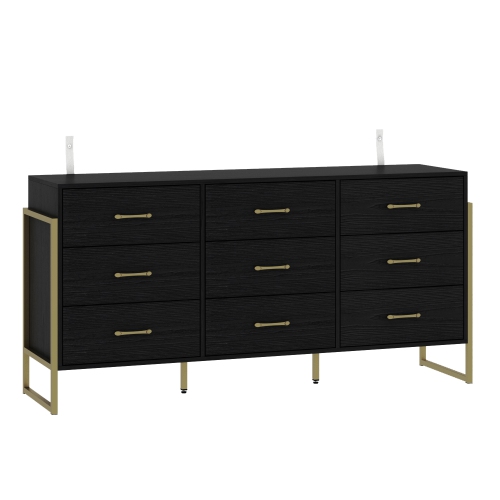
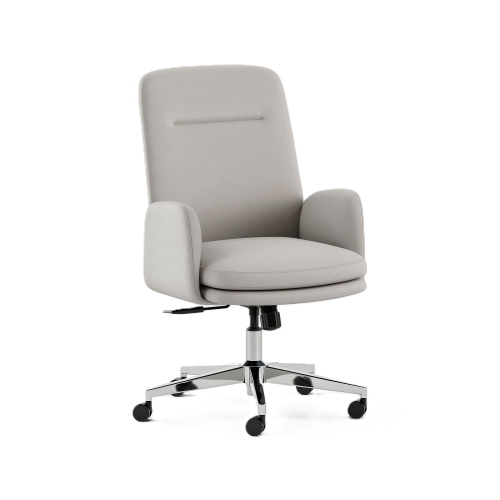
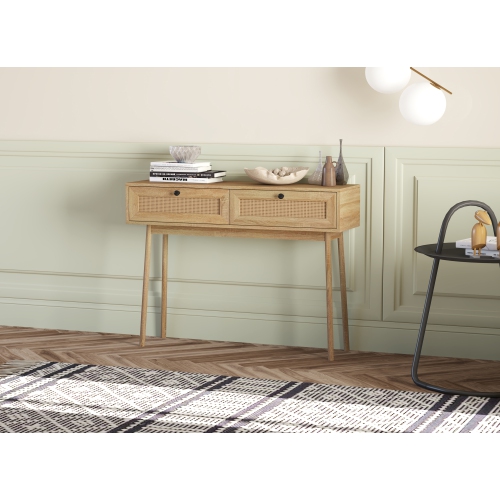
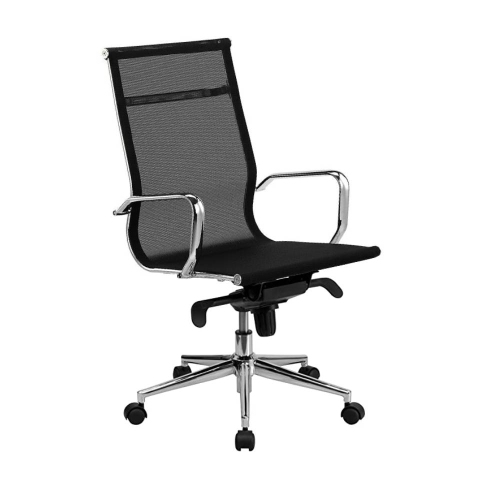
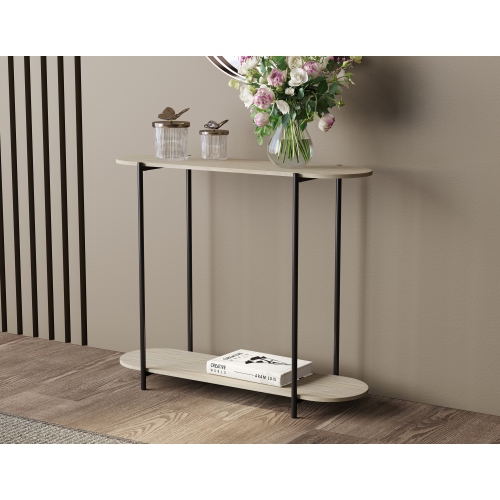
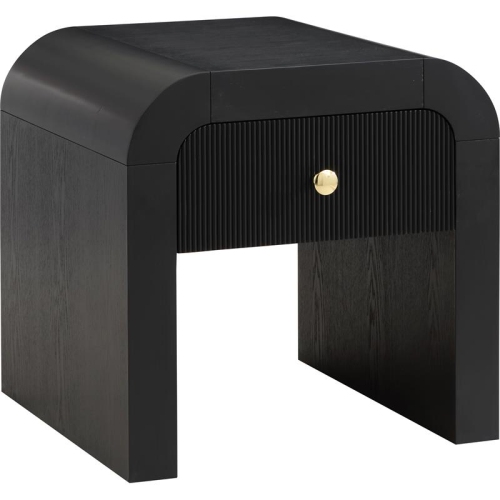
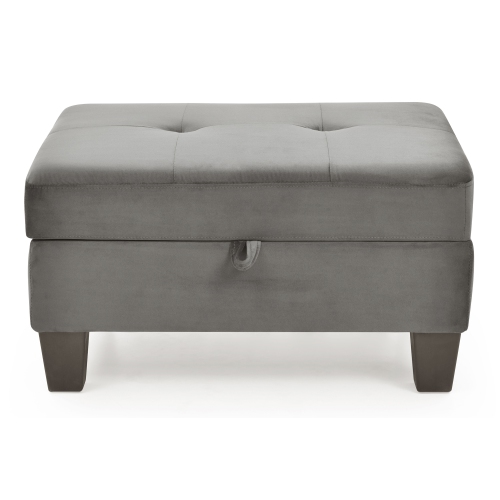
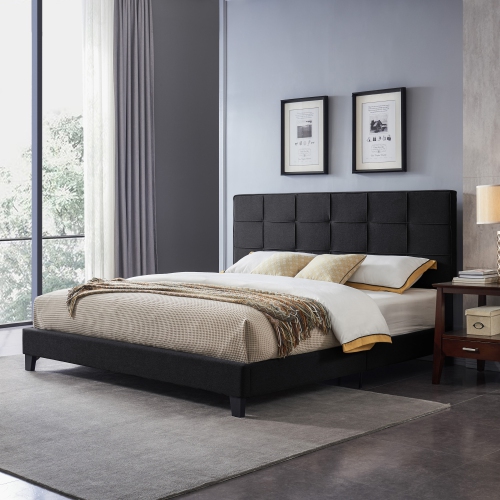
The best fit for a room depends on more than whether a piece fits against a wall. Stylish bedroom furniture needs room for drawers to open, doors to swing, and people to move comfortably around the bed. A bedside surface is easier to use when its height relates well to the top of the mattress, while a dresser’s depth can make a noticeable difference in a narrow room. Dining furniture works best when there is space to pull chairs back without blocking the main route through the home. Table legs and bases influence usable seating space, and chairs with arms need enough clearance beneath the tabletop or apron if they are meant to tuck in. Extendable designs can suit households that host occasionally, provided the room accommodates the table at its full length. In a condo or shared apartment, compact furniture and pieces with built-in storage can support several activities without filling every corner. An entryway bench offers a place to put on shoes, a storage ottoman can keep blankets close to seating, and a console can define an area without the visual weight of a tall cabinet. Home office furniture benefits from the same balance of appearance and purpose: a desk needs sufficient depth for the intended equipment, and a chair should support the user through the tasks it is meant for. Measurements should account for baseboards, nearby outlets, floor vents, and the route through doorways, stairs, or lifts. Paper outlines on the floor can make furniture dimensions easier to picture before committing to a layout. Once furniture is in use, simple habits help preserve its finish. Coasters and placemats limit contact with moisture and heat, felt pads help protect suitable flooring, and prompt spill removal reduces the chance of lasting marks. Upholstery care should follow its cleaning code, while removable covers should only be washed when their instructions permit it. With proportions that suit the space, materials that match household routines, and details that make everyday activities easier, stylish furniture can feel personal, comfortable, and purposeful rather than simply arranged for display.
Top selling and popular products
-
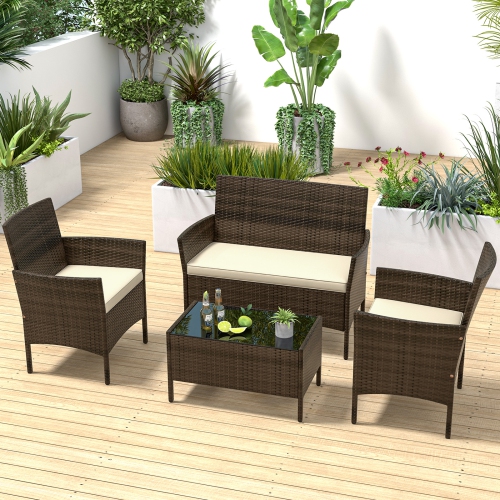 Your price for this item is $246.99
-
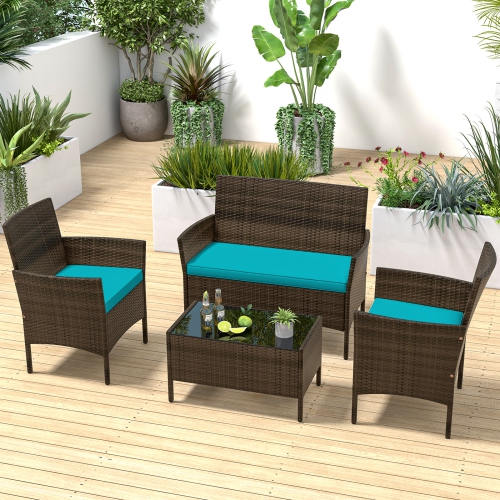 Your price for this item is $243.99
-
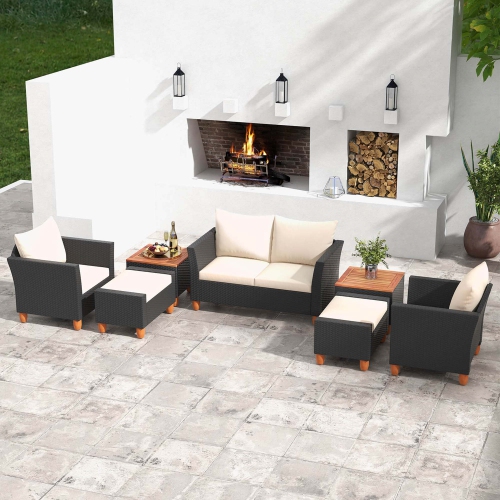 Your price for this item is $629.99
-
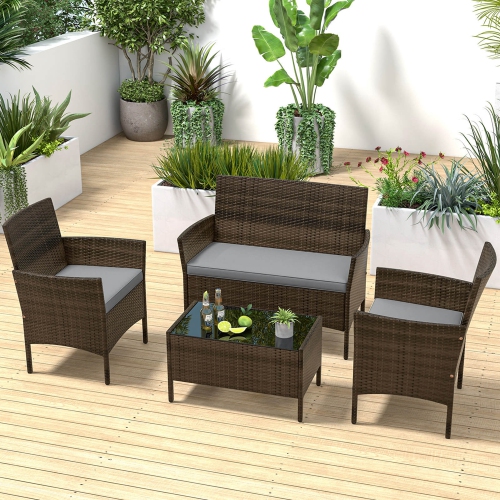 Your price for this item is $236.99
-
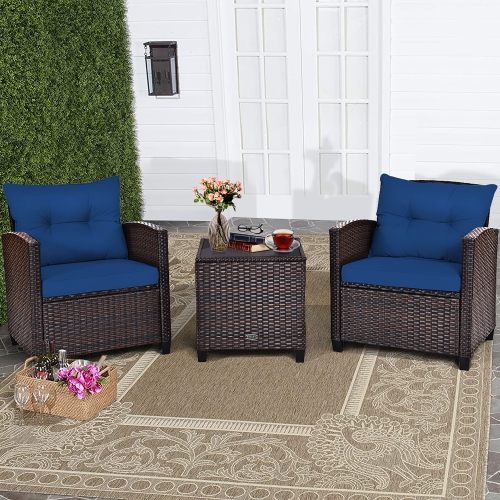 Your price for this item is $220.99
-
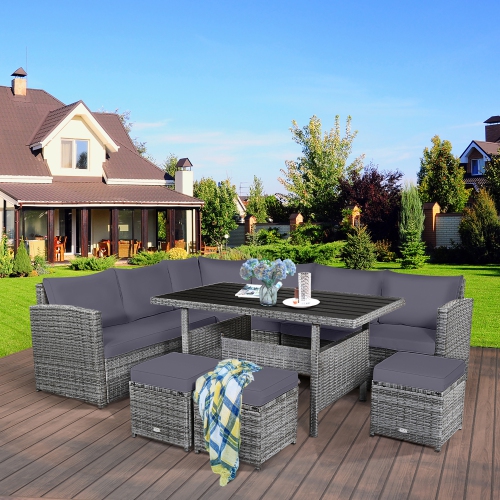 Your price for this item is $899.99
-
 Your price for this item is $654.99
-
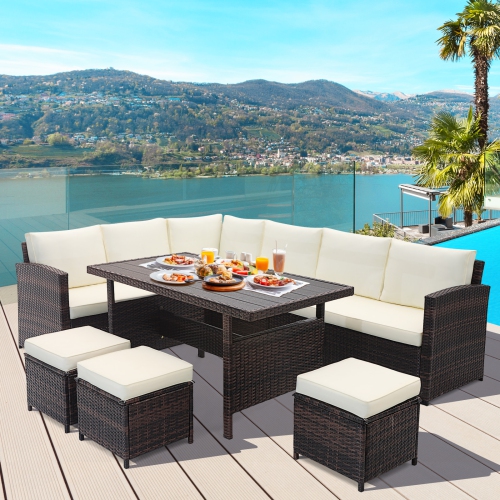 Your price for this item is $828.99
Discover more categories related to Stylish Furniture
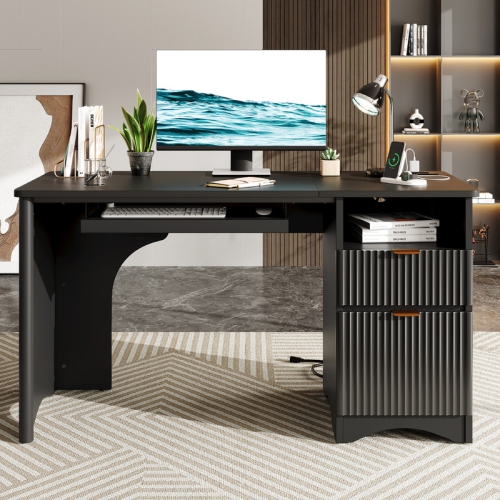
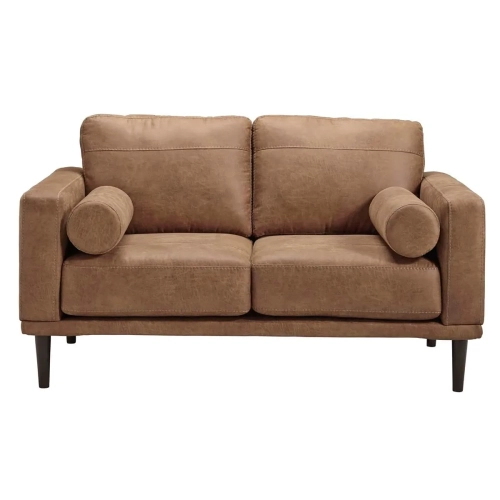

Top Collections:
Best Black Friday Deals This Year, Best Black Friday Deals On Electronics, Kindle Devices, Dyson Airwrap, Best Cameras for Sports Photography, Best Budget Office Chairs, Canon G7X Cameras, PS5 Pro Consoles, Best Black Friday Deals On Apple Products, XBOX One S Consoles
Some products may be subject to Environmental Handling Fees
(EHF) depending on your province.
Learn more about EHFs.