Summer King Size Duvets
Experience a new level of comfort during warmer nights with Summer King Size Duvets. Perfectly sized for spacious beds, these duvets are designed to keep you cozy without overheating when temperatures rise. Explore a range of options that combine style and functionality, making it easy to refresh your bedroom for the season. With Summer King Size Duvets, enjoy restful sleep and a touch of luxury all summer long.
Sort
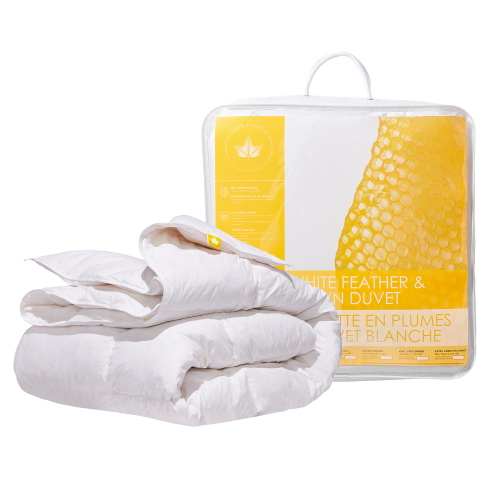
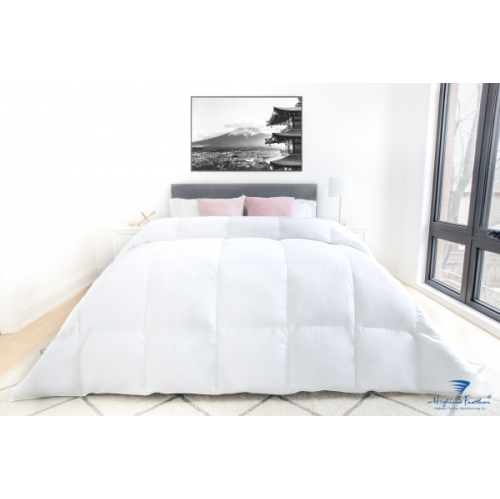
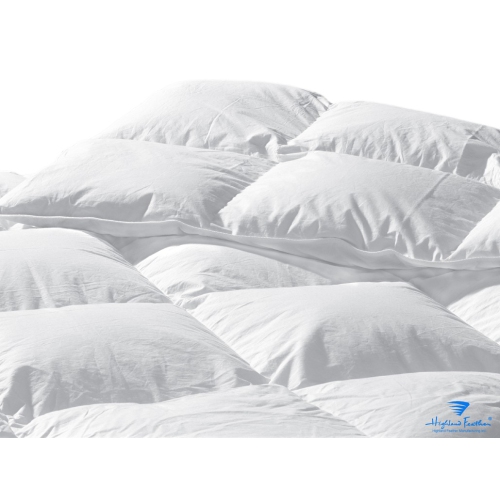
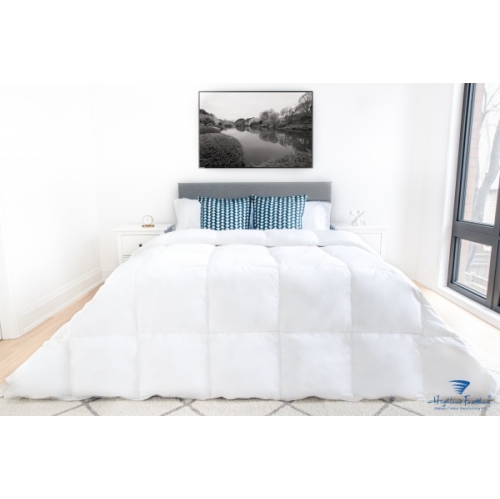


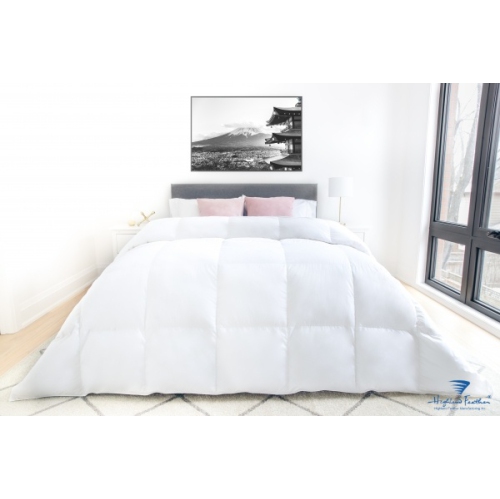
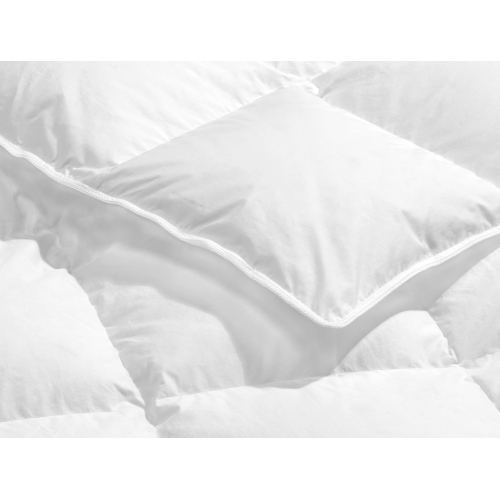
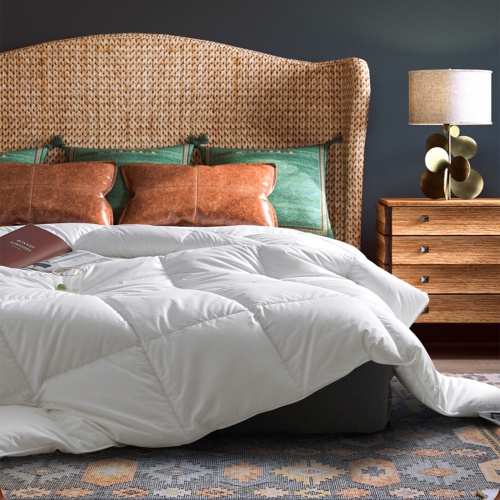


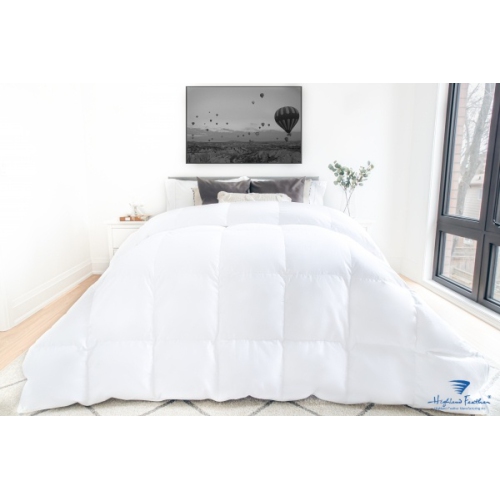

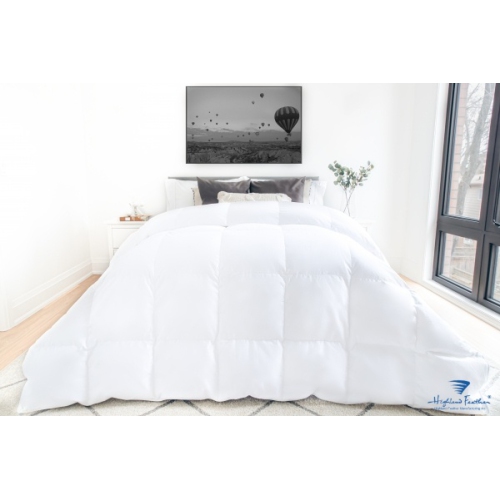
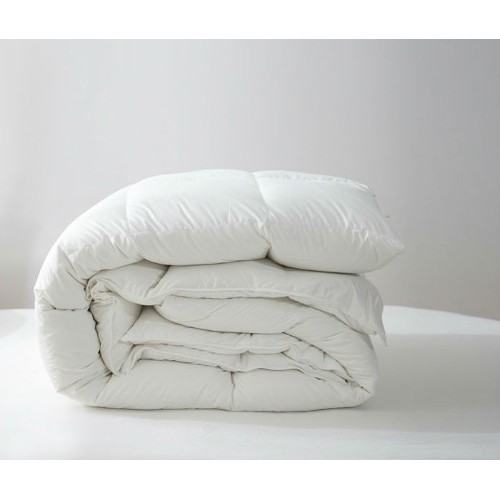
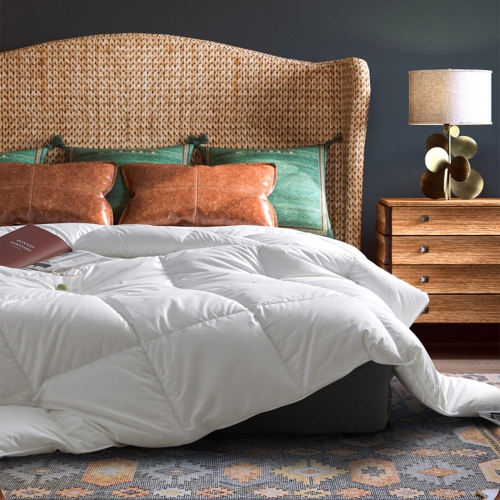
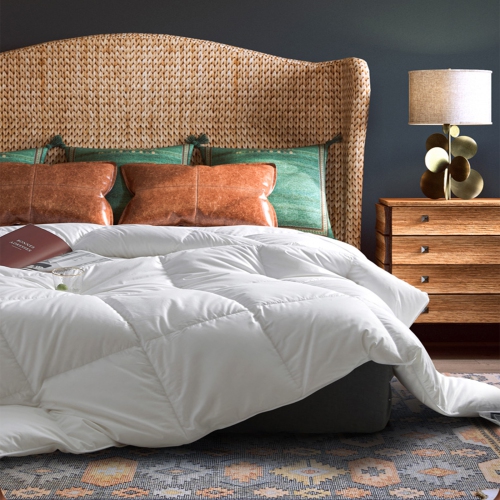
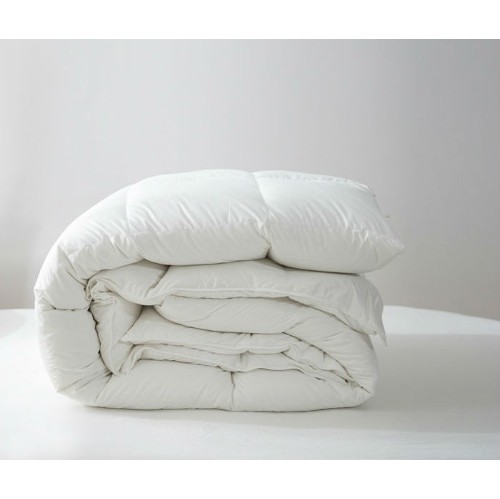
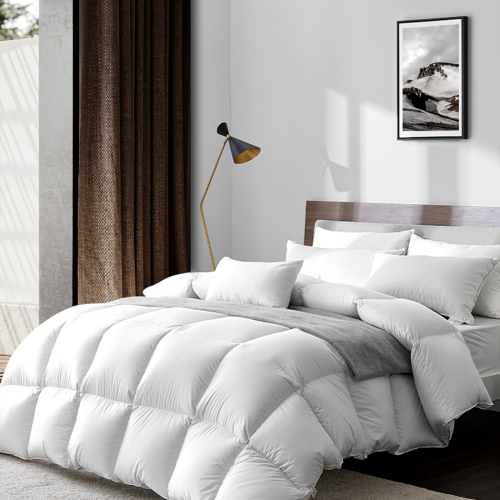

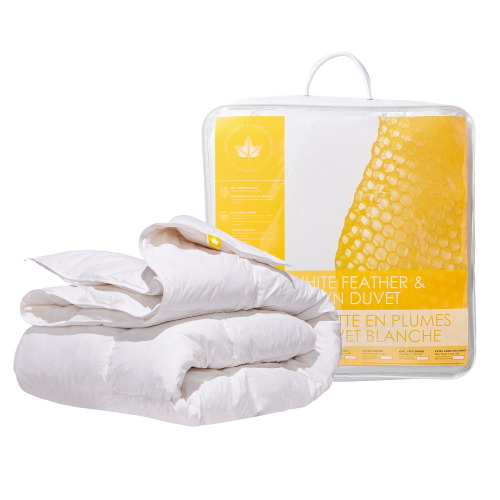
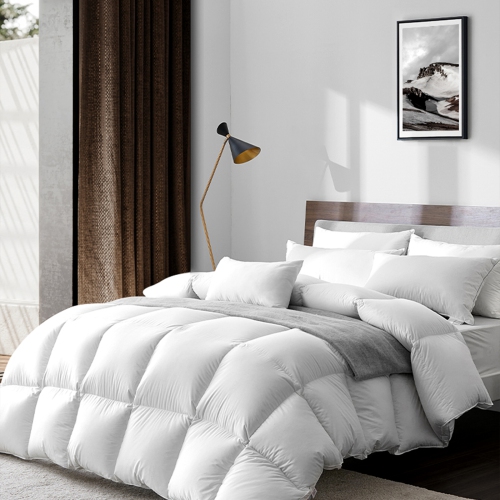
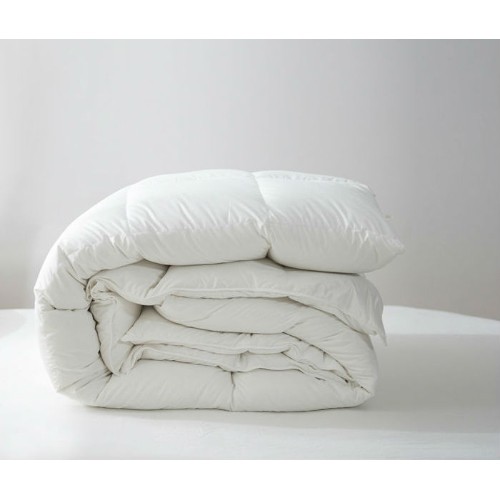
Generous coverage without the weight of winter bedding
Summer king-size duvets provide a lighter layer of bedding for warm nights, combining generous coverage with less insulation than a typical winter duvet. They suit sleepers who like the feeling of being covered but find heavier bedding too warm, whether in a shared primary bedroom, a guest room, or a cottage bedroom. A summer duvet is usually a filled insert intended to sit inside a removable duvet cover; its comfort depends on the filling, outer fabric, construction, and cover used with it. King-size summer duvets often measure around 102 inches by 90 inches to 104 inches by 90 inches, though dimensions vary by manufacturer and some designs are larger. A standard king mattress measures approximately 76 inches by 80 inches, so the duvet’s extra width provides coverage across the sleeping surface and a drape along each side. The size label alone does not establish the fit: a deep mattress, a thick topper, or two sleepers who pull the bedding in opposite directions can make additional width useful. A California king mattress has different proportions, making the stated measurements more reliable than the word “king” on its own. Duvet cover dimensions matter just as much. An insert that is much smaller than its cover can slide around and leave empty fabric at the edges, while an oversized insert may bunch up and feel denser than intended. A close match helps the filling lie evenly from the centre to the corners. For a bed with a tall frame, the preferred drape may also depend on whether the bedding should show the side rails or extend farther down the mattress. These details affect both the finished appearance and the practical experience of turning over at night without losing coverage. Lightweight bedding can still feel substantial and comfortable; the aim is an appropriate balance of coverage, airflow, and insulation rather than simply the thinnest possible insert.
The materials inside and outside a summer king-size duvet influence how that balance feels. Down can provide loft with relatively little weight, but a down duvet is not automatically suitable for summer: the amount of filling and the overall warmth rating remain important. Fill power describes the loft of down rather than the warmth of the finished duvet by itself. Feather blends generally have a different weight and texture, while synthetic fillings such as polyester can offer a soft, even layer and, in some cases, straightforward machine care. Silk-filled duvets often have a flatter profile and a close drape, although their cleaning requirements deserve particular attention. Wool fillings can absorb and release moisture, but the finished duvet’s weight and construction still determine its suitability for someone who sleeps warm. Cotton and lyocell outer fabrics are other considerations, especially when the desired feel is smooth and breathable. Bamboo-derived fabrics may be labelled as viscose or rayon, so the fibre content provides a clearer description than the plant name alone. The duvet cover adds another layer: a crisp cotton percale cover may feel quite different from brushed fabric or a heavier, closely woven cover over the same insert. Thread count is only one detail and does not independently establish softness, airflow, or durability. Where a tog rating is provided, a lower number indicates less thermal insulation; ratings around 2.5 to 4.5 tog are commonly associated with summer bedding. Other duvets state fill weight in grams per square metre, or GSM. A figure such as 250 GSM describes the amount of filling across a given area, not a universal warmth level that can be compared without considering the material. Breathable fabrics and moisture-managing fibres may improve comfort, but no duvet actively cools an entire room. A sunny upstairs bedroom, air conditioning, sleepwear, and personal warmth preferences all affect how a lightweight duvet feels through the night.
Construction and care help determine whether a summer duvet remains comfortable after repeated use. Stitched channels or quilted sections help keep filling distributed, reducing the chance of a thin patch over one sleeper and a heavy clump over the other. Secure seams and neatly finished edges are useful durability details, particularly for a king-size insert that gets pulled and repositioned regularly. Corner loops, when included, can connect to ties inside a compatible cover and help keep the layers aligned. A removable cover takes much of the day-to-day wear and can be washed separately, but the insert still needs care according to its own label. Machine-washable does not necessarily mean a king-size duvet will fit comfortably in a household washer; there needs to be enough room for it to move during washing and rinsing. Some fillings require professional cleaning, while others permit gentle washing and specific drying methods. Thorough drying is particularly important before the duvet returns to the bed or goes into storage, and excessive heat can damage certain fibres or finishes. Regular airing and gentle redistribution of the filling can help maintain an even feel between cleanings. For sleepers with sensitivities, the stated fibre content, washing requirements, and fabric construction are more useful than relying on a broad “hypoallergenic” description. The distinction between a duvet and a comforter also matters when considering everyday upkeep. A duvet insert normally uses a separate cover, while a comforter generally has a finished outer fabric intended to be used without one; Summer King Size Comforters offer that alternative bedding format. With a duvet, changing the cover can introduce a different colour or texture without replacing the insert. A lightweight king-size duvet can also make a thoughtful housewarming or wedding gift when the recipient’s mattress size, preferred warmth, and laundry setup are known. For everyday use, a well-matched insert and cover create a bed that feels generously dressed without unnecessary bulk.
Top selling and popular products
-
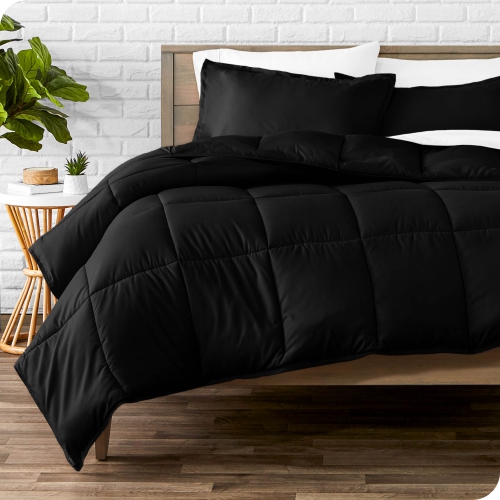 Your price for this item is $114.99
-
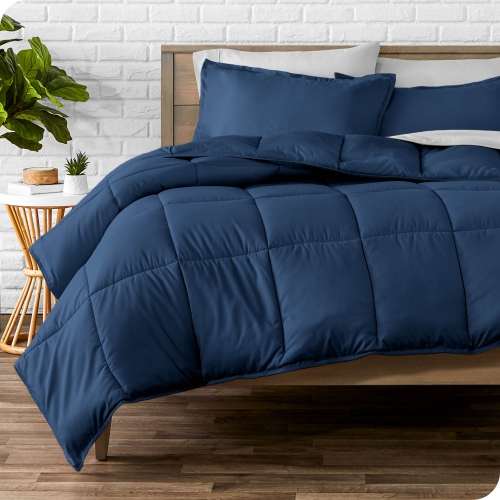 Your price for this item is $114.99
-
 Your price for this item is $69.99
-
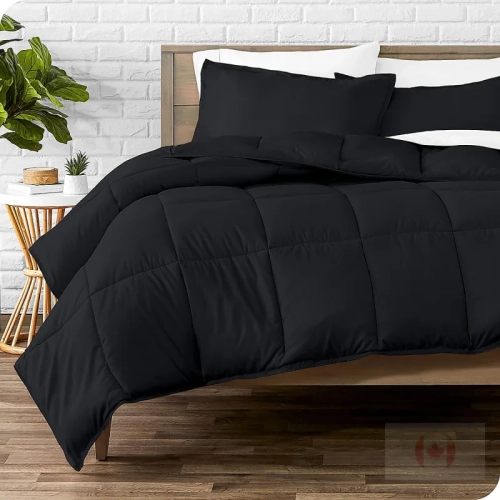 Your price for this item is $97.77
-
 Your price for this item is $114.99
-
 Your price for this item is $122.99
-
 Your price for this item is $125.99
-
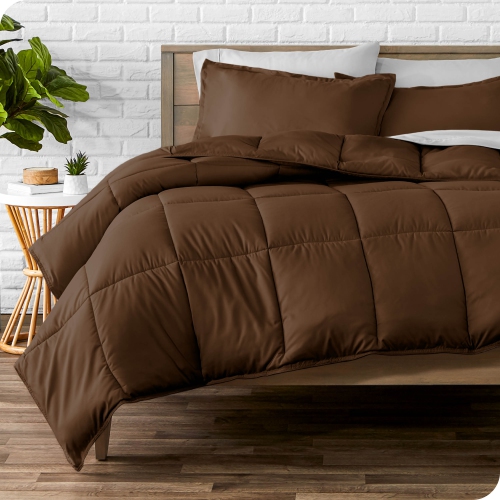 Your price for this item is $124.99
Discover more categories related to Summer King Size Duvets
Top Collections:
Best Black Friday Deals This Year, Best Black Friday Deals On Electronics, Kindle Devices, Best Black Friday Deals On Apple Products, Best Budget Office Chairs, Best Cameras for Sports Photography, Dyson Airwrap, Canon G7X Cameras, Best Laptops for Writers, Samsung Galaxy Phones
Some products may be subject to Environmental Handling Fees
(EHF) depending on your province.
Learn more about EHFs.