Sunshade Canopies
Transform your outdoor space into a relaxing oasis with our collection of sunshade canopies. Whether you're looking to create a shaded retreat in your backyard, protect yourself from the sun's rays at the beach, or add a stylish touch to your patio or deck, our range of sunshade canopies has you covered. With various sizes, styles, and materials to choose from, finding the perfect canopy to suit your needs and enhance your outdoor experience has never been easier. Say goodbye to harsh sunlight and hello to comfortable shade with our selection of versatile sunshade canopies.
Sort

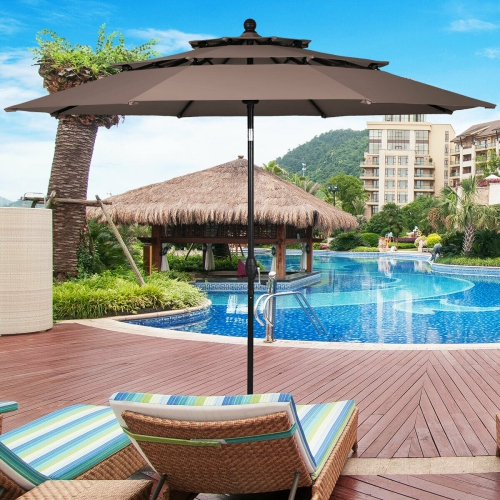

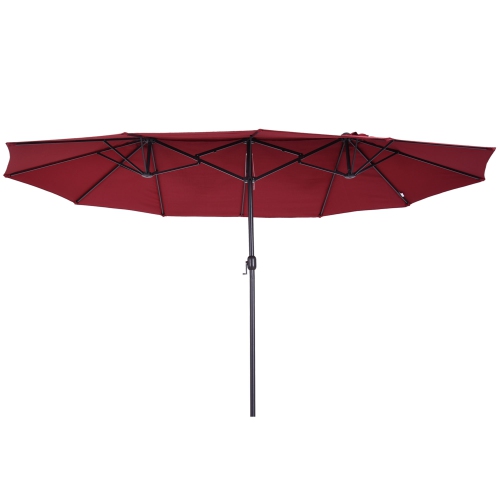
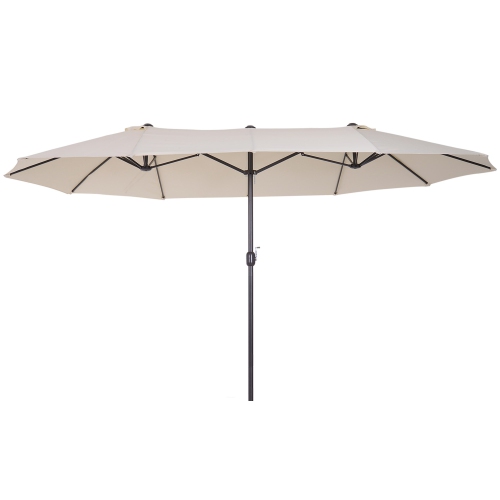
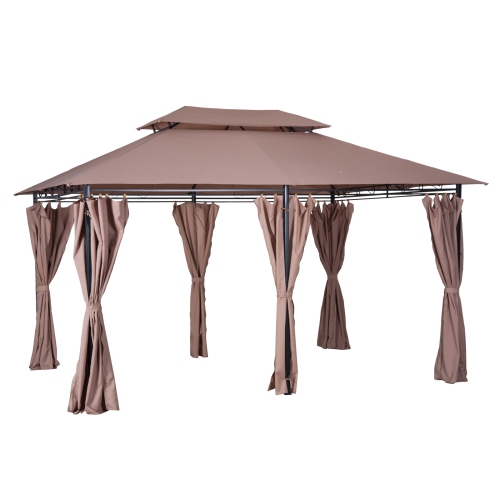

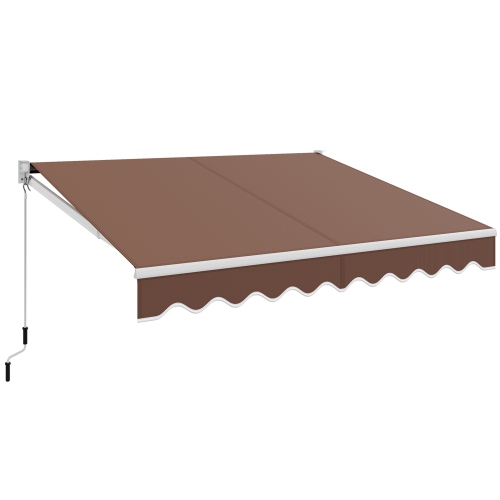
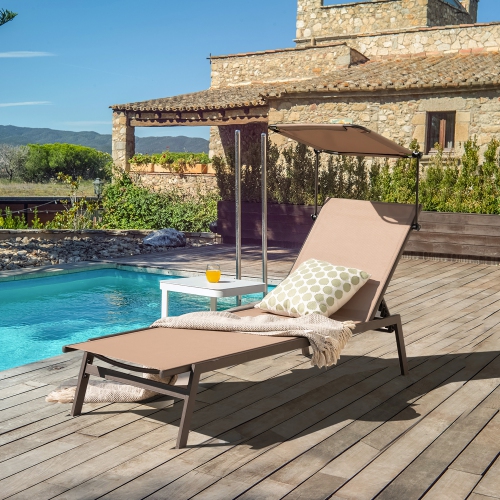
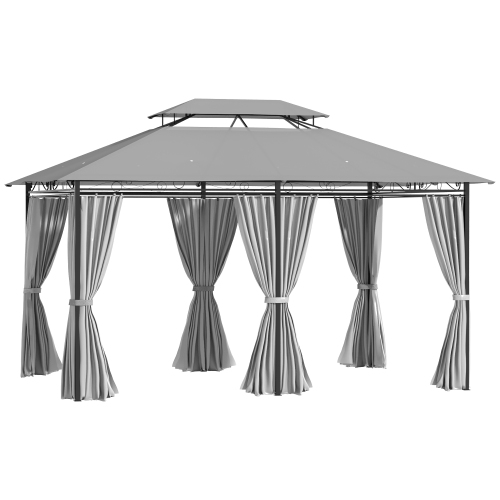
Outdoor shade that fits your space and routine
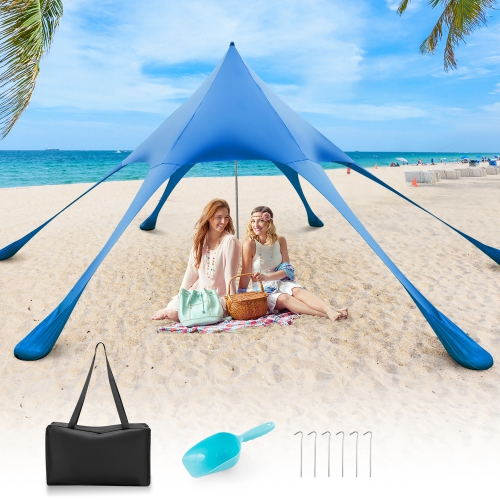
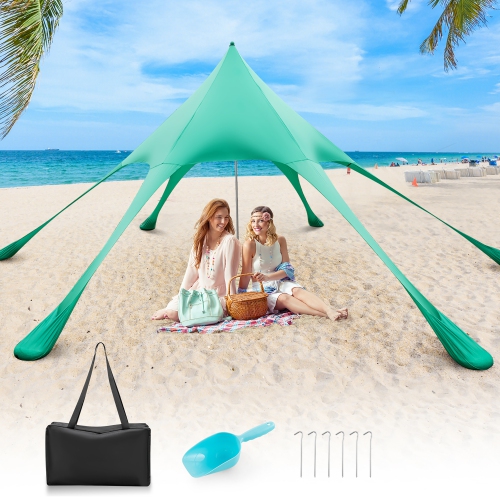
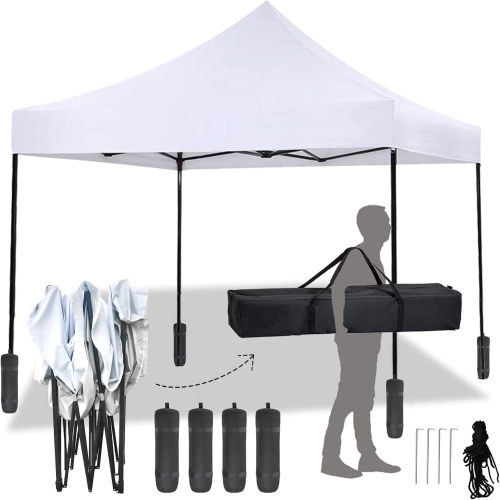
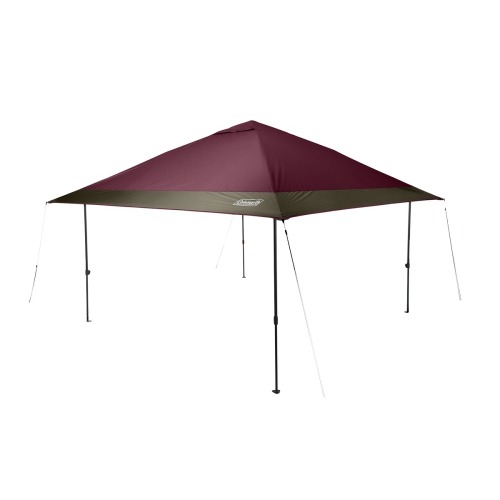
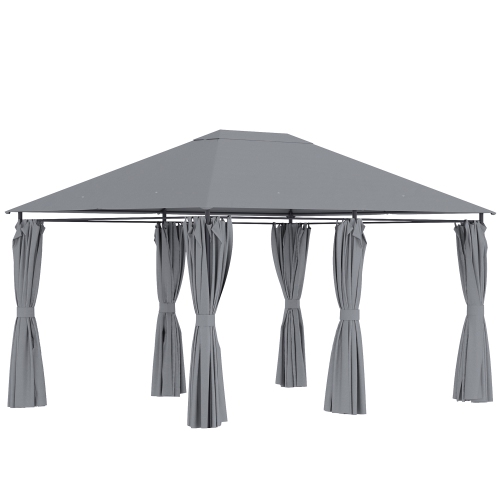
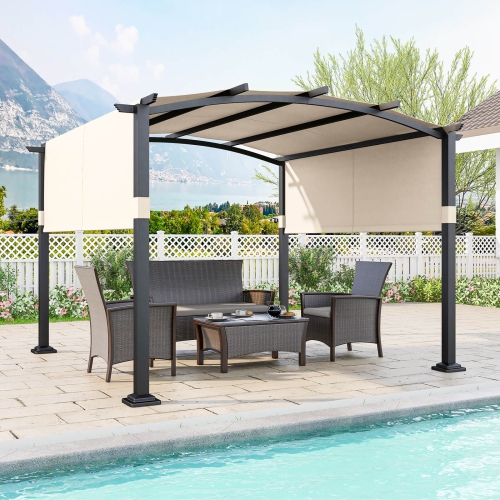
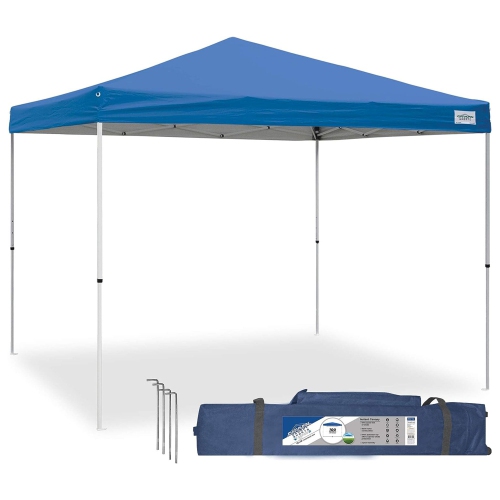
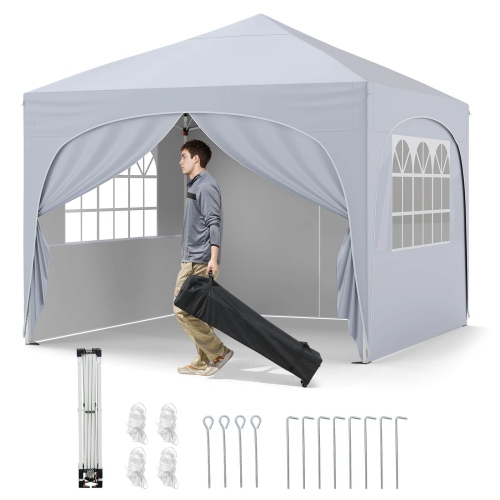
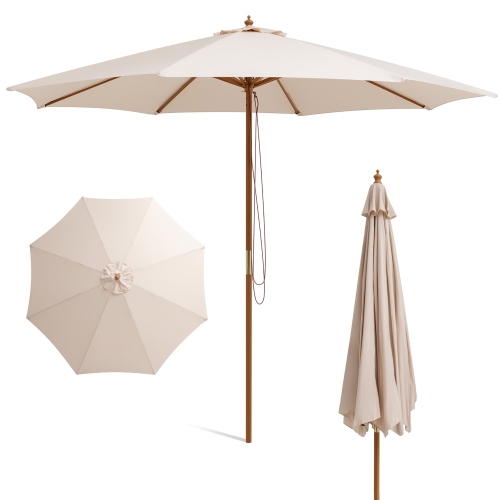
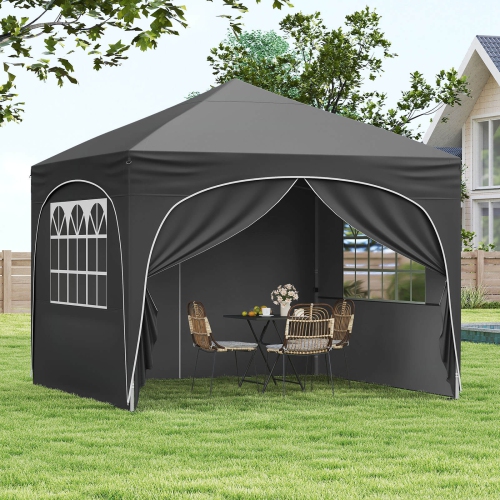
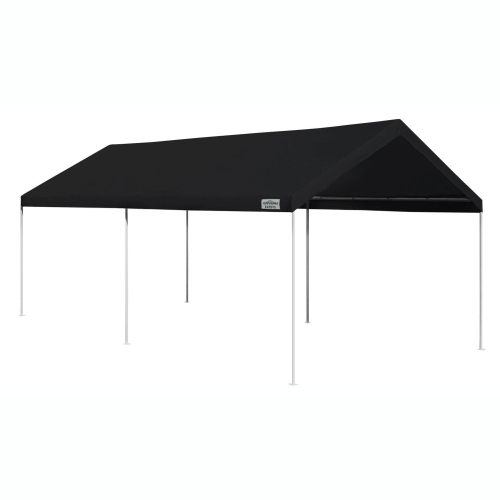
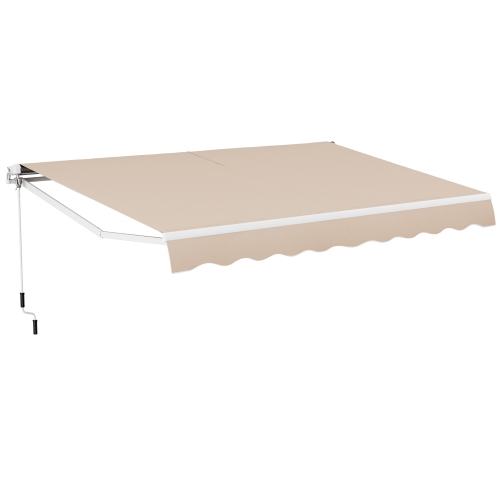
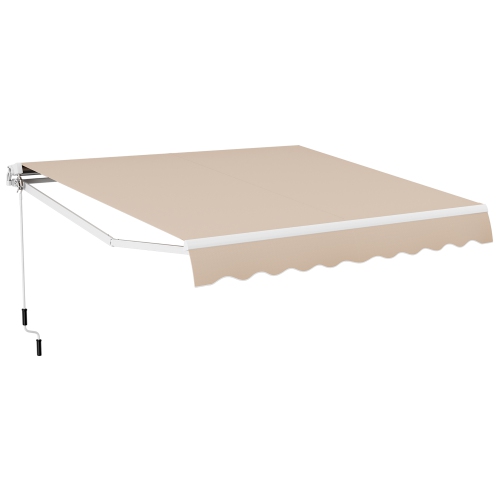
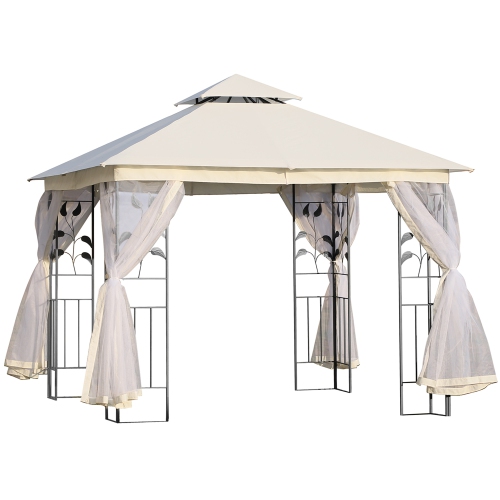
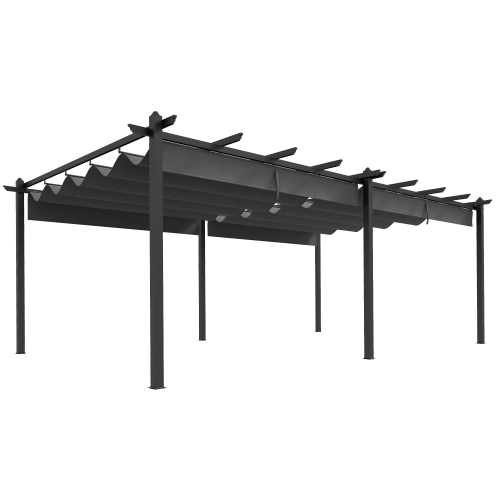
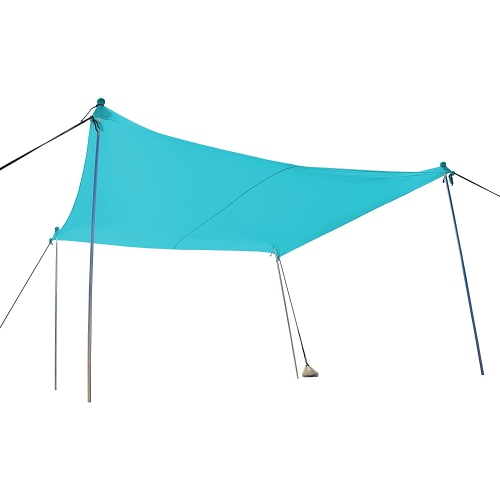
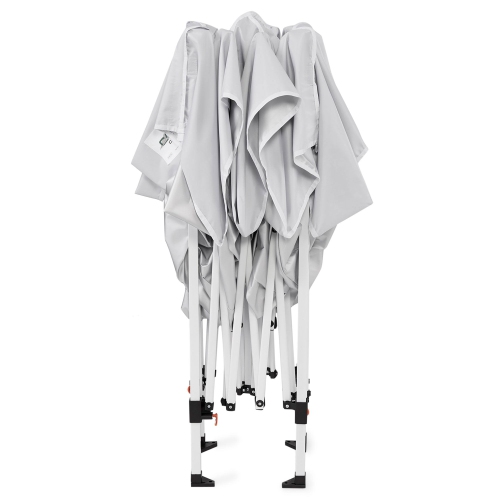
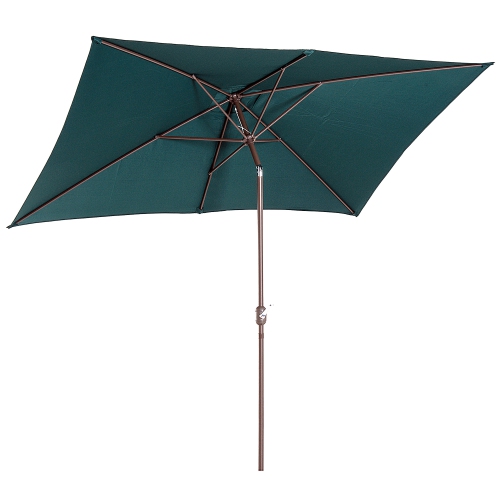
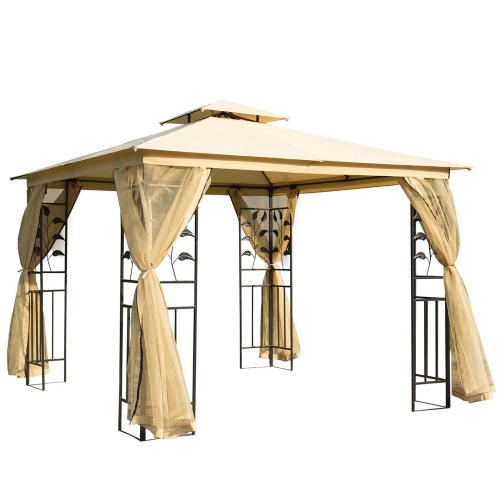
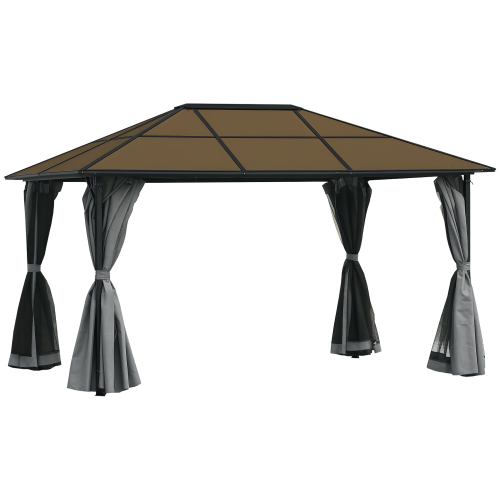
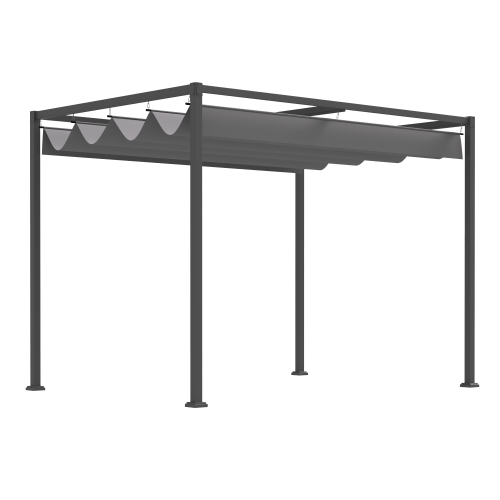
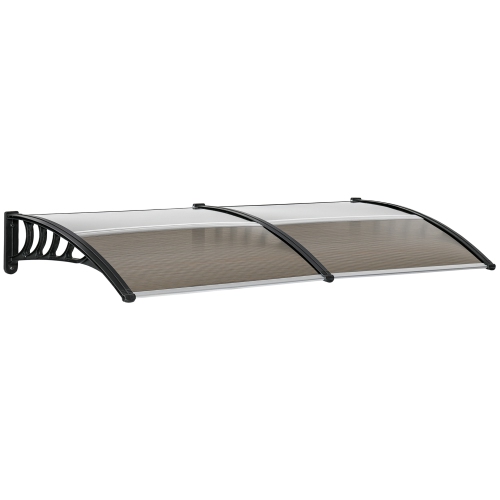
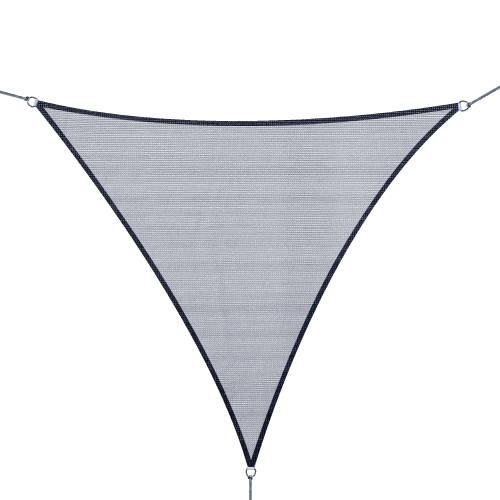
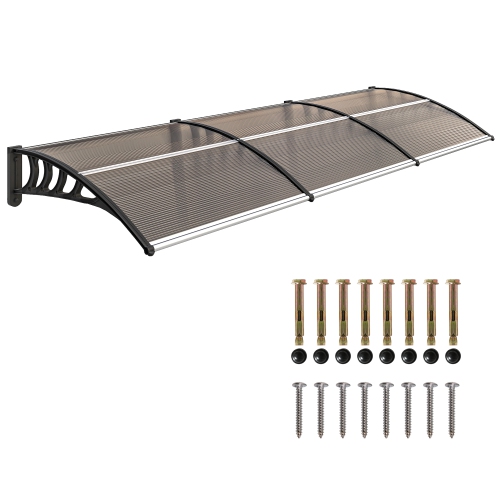
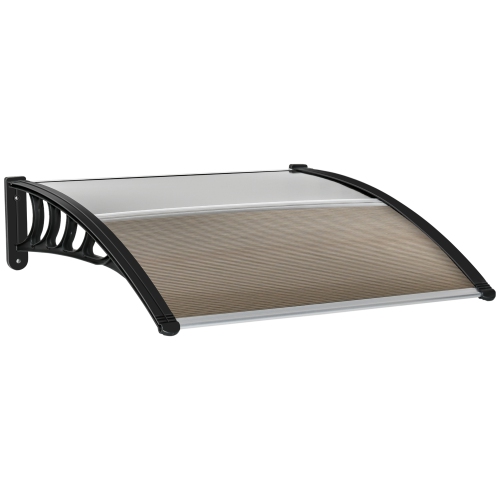
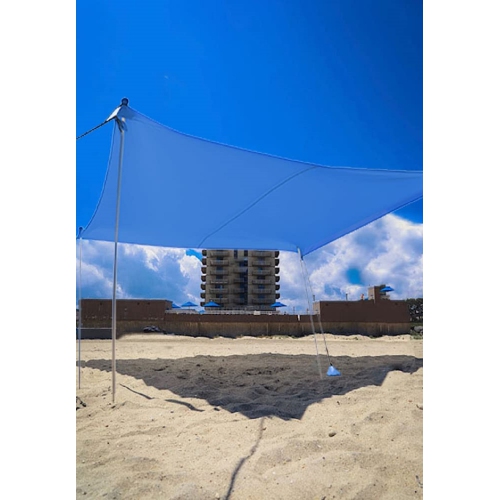
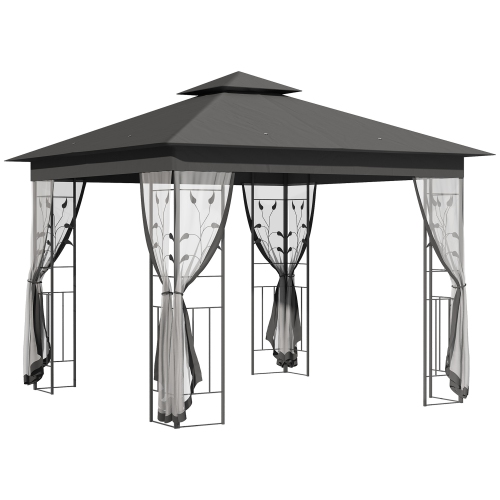
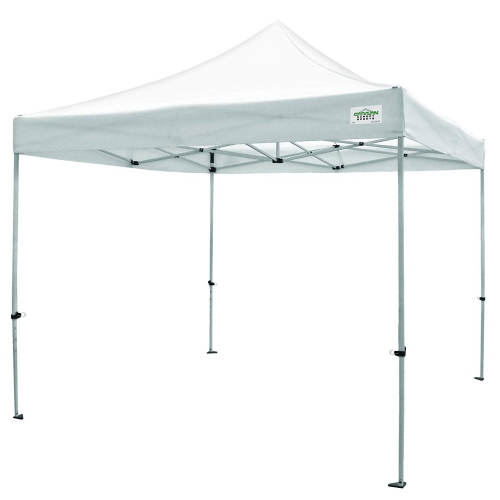
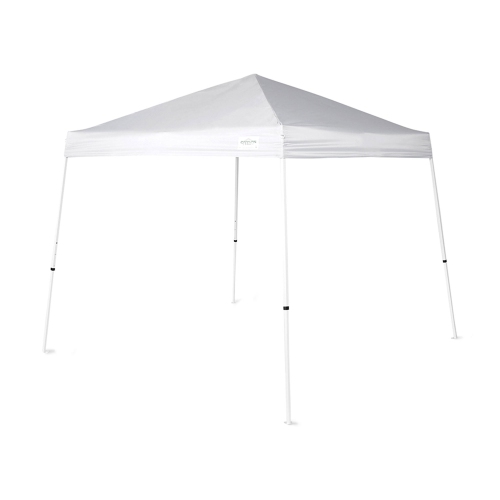
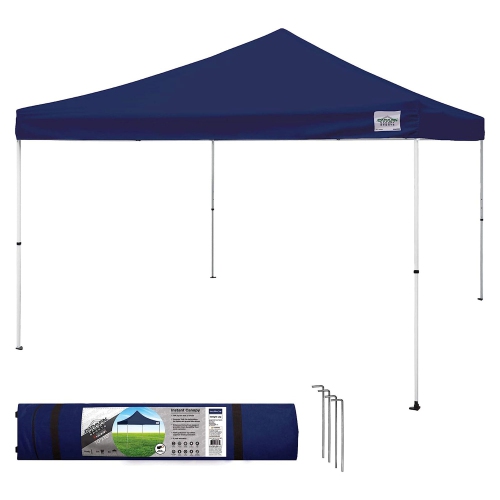
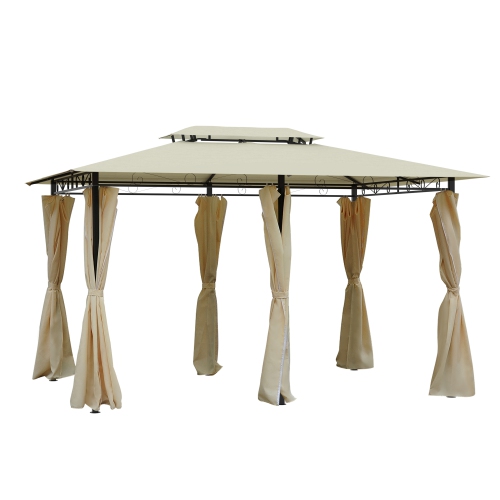
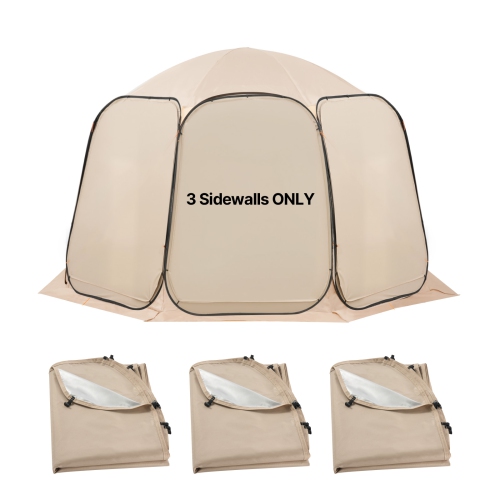
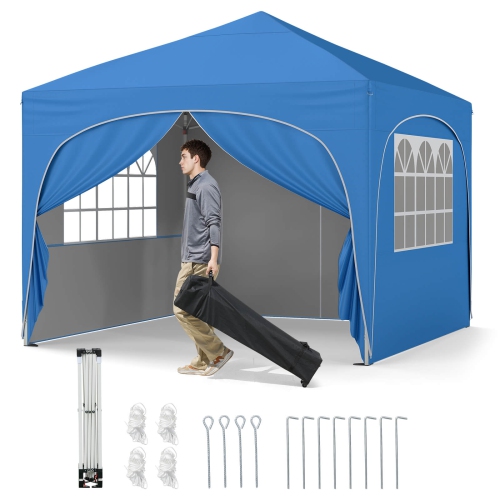
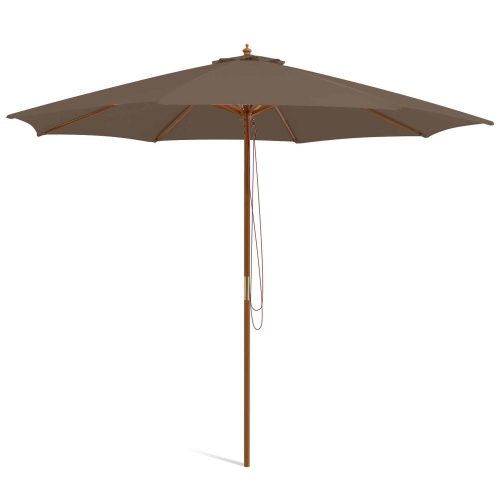
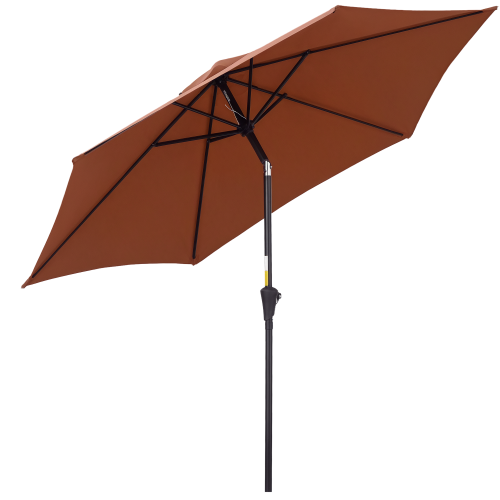
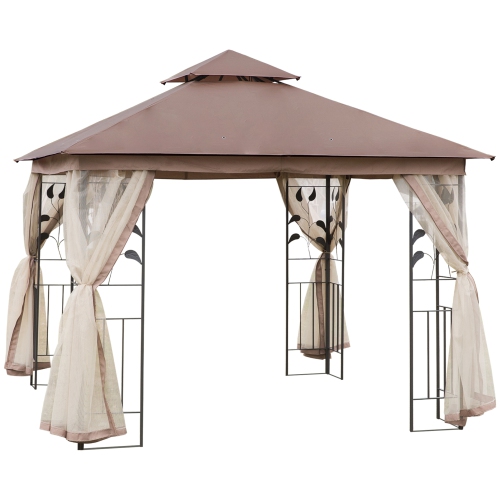
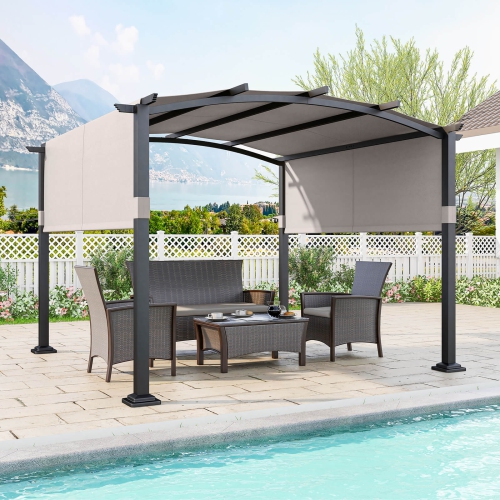
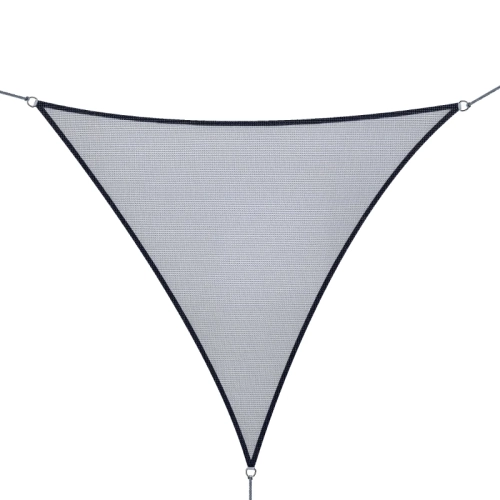
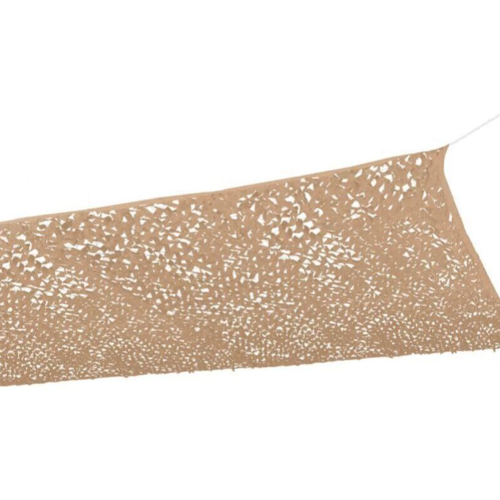
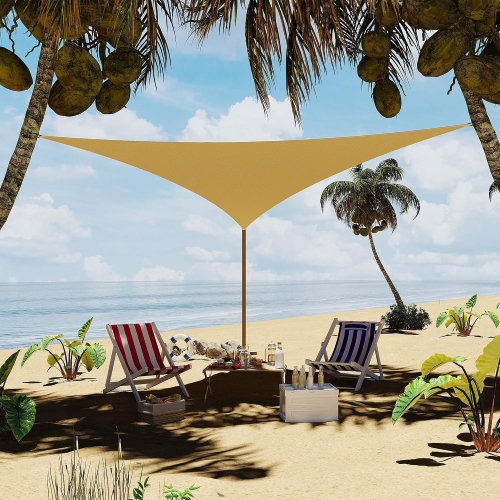
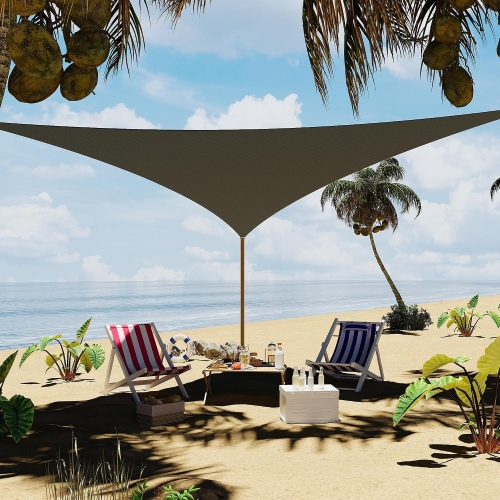
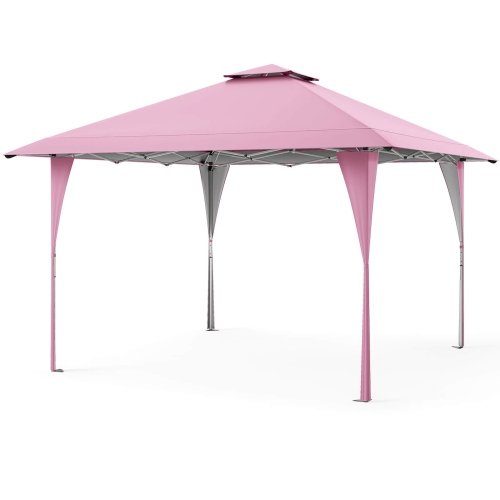
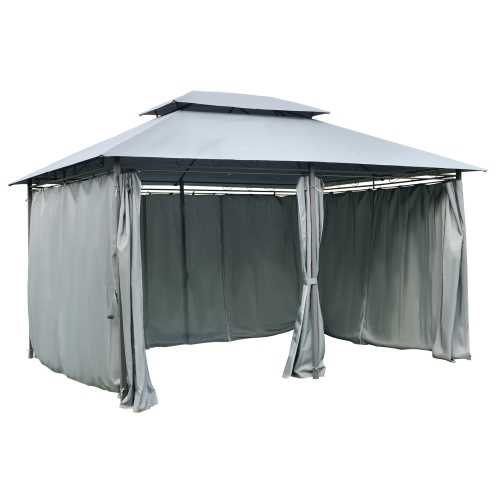
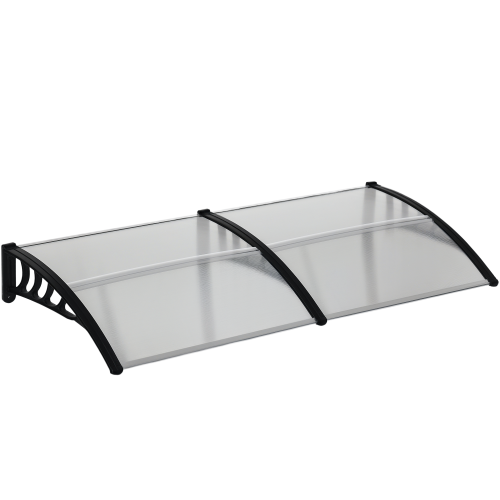
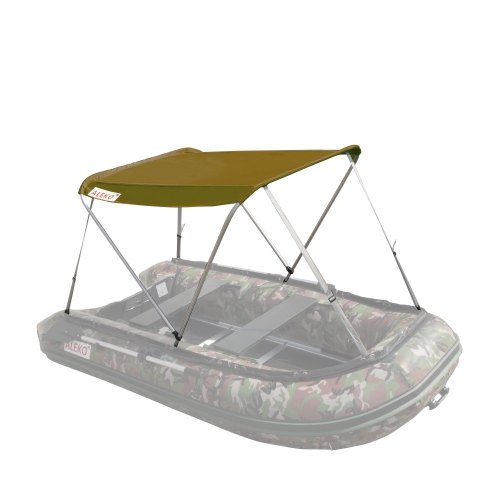
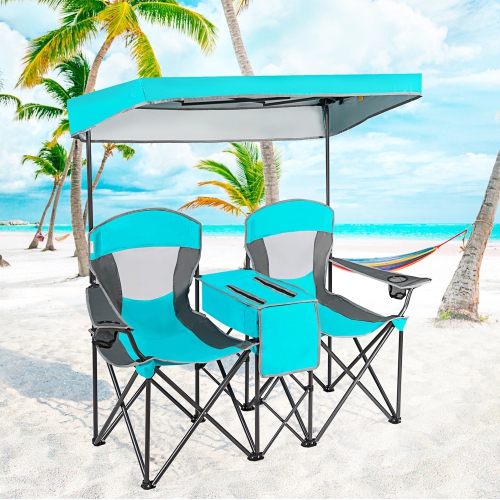
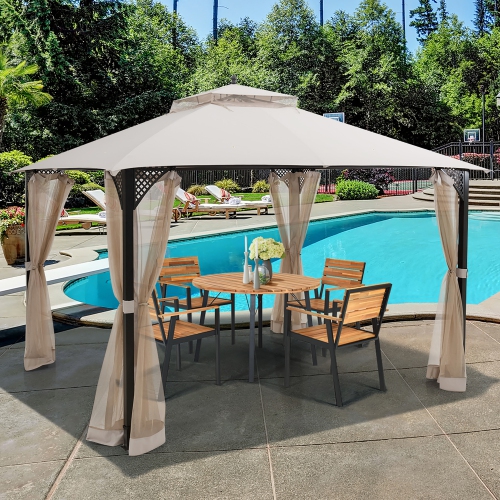
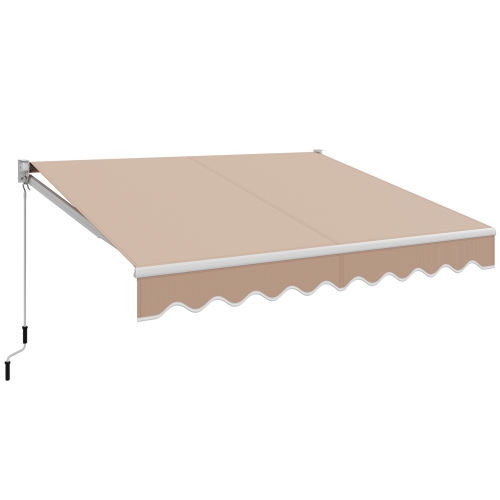
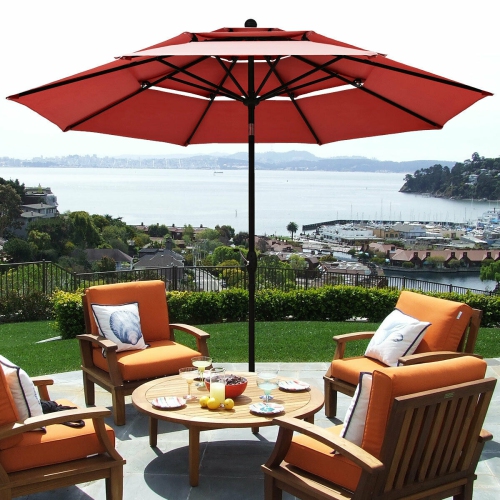
Sunshade canopies are outdoor covers that create shade over seating areas, dining tables, entryways, and other spaces exposed to direct sunlight. Depending on their fabric, shape, and supporting structure, they can soften glare, help reduce heat beneath the cover, and provide a more comfortable place to spend time outside. The category includes portable pop-up canopies, tensioned shade sails, and retractable awnings, each suited to a different layout and routine. A freestanding canopy creates a defined gathering spot on an open lawn or patio without requiring attachment to a building. A shade sail stretches between suitable mounting points, leaving the area below clear of centre poles and giving an outdoor space an open, airy feel. Retractable awnings extend shade from a wall and can be drawn back when more daylight is wanted, while smaller door and window awnings cover a particular opening rather than an entire sitting area. For a household that regularly carries lunch outdoors, coverage over the table and pulled-out chairs matters more than simply matching the tabletop dimensions. For a portable setup at a picnic or outdoor sports event, manageable weight, straightforward assembly, and a carry bag may matter more. Gardeners may appreciate shade beside a potting bench, while families can use a covered sitting area as a place to take breaks between outdoor activities. A canopy does not replace sunscreen, protective clothing, or other sun-safety measures: ultraviolet rays can still reach beneath it through open sides and reflections from nearby surfaces. Where sun protection is a priority, the manufacturer's stated UV-blocking performance or ultraviolet protection factor, when provided, is more useful than fabric colour alone. Related Garden Sunshades can also help define sheltered corners around planting beds, small patios, and backyard seating areas. The most suitable form depends on where shade is needed, how often the cover will move, and whether the space has appropriate supports for a fixed installation.
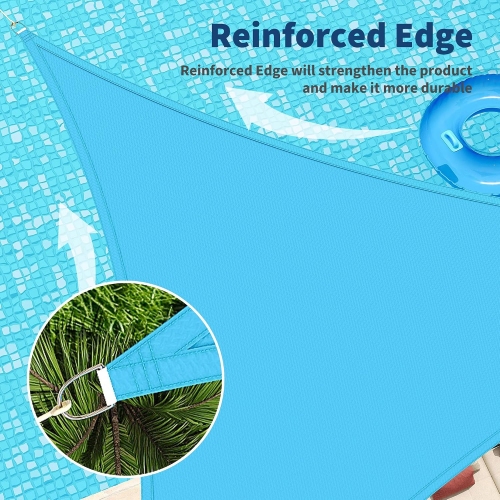
Materials influence how a sunshade canopy handles light, moisture, and everyday wear. Woven high-density polyethylene is commonly used for shade sails because its knitted or mesh-like construction allows air to pass through. That breathability can make a covered area feel less enclosed, but an open weave generally lets rain through as well. Polyester canopy fabrics may have coatings that improve water resistance, while acrylic awning fabrics are often chosen for colour retention and repeated outdoor exposure. These are broad material characteristics rather than guarantees; fabric weight, coatings, stitching, and the care requirements all affect performance. Water-resistant fabric should not be treated as waterproof, and even a waterproof cover needs the correct slope and tension to prevent water from collecting overhead. Seams, attachment points, and the shape of the roof also influence how effectively rain runs off. A light-coloured top can keep a seating area visually bright, while a darker fabric may reduce visible glare; neither appearance alone establishes its level of UV protection. Frame construction matters just as much. Aluminum is relatively light and naturally resists rust, making it practical for structures that need to be carried or moved. Steel can provide a sturdy frame, though it is often heavier, and damaged protective finishes may leave it vulnerable to rust. Reinforced corners, neatly finished seams, secure locking mechanisms, and well-made connectors are useful details to assess for repeated use. Fit goes beyond the advertised roof size. A sloping canopy may have a smaller usable shaded area than its footprint suggests, and angled legs can occupy more ground space than expected. Allow room for people to walk around furniture without brushing against poles, ropes, or anchors. Check both the peak height and the lower edge clearance, especially above doors or along a frequently used path. Shade moves as the sun changes position, so an area covered around midday may receive direct light later in the day. On a balcony or narrow deck, neighbouring walls, railings, and overhead obstructions can further limit the size and position of a canopy.
Intended use helps distinguish a convenient temporary shelter from a shade structure suited to regular use in one place. Pop-up sunshade canopies appeal to people who want a portable gathering area for backyard visits, picnic outings, or outdoor community activities. Their folded length and total carrying weight matter when storage means a hall cupboard or transport means fitting the frame into a car boot alongside chairs and bags. Some designs require more than one adult for safe assembly, even when the frame expands quickly. For a patio used often, a properly installed shade sail or retractable awning can leave more floor space free, but its supports must be suitable for the forces created by wind and fabric tension. Attachment to a wall may require compatible brackets, sound structural backing, and professional installation. Rental agreements, condominium rules, and local requirements may also affect what can be mounted. Portable frames need the manufacturer's specified anchoring method on every permitted surface; a canopy resting on paving stones is not secure simply because its legs feel heavy. Sidewalls can add privacy or block low-angle sunlight, but they also change airflow and wind loading, so compatibility and operating limits matter. Sunshade canopies are not automatically storm shelters or winter roofs. Strong gusts, pooling rain, snow, and ice can damage fabric and frames, and many seasonal covers should be taken down before harsh weather arrives. Care usually begins with removing loose leaves and dirt, then cleaning with a mild solution approved for the fabric. Harsh cleaners, abrasive brushes, and pressure washing can damage coatings or stitching. Let the cover dry fully before folding it away to help prevent mildew and unpleasant odours. Periodic checks of fasteners, tension points, seams, and moving parts can catch wear before the next setup. For someone who enjoys hosting outdoors, a canopy can be a thoughtful household gift when the available space, storage needs, and installation preferences are already known. A well-matched design makes shade a practical part of everyday outdoor living rather than another awkward object to set up and store.
Materials influence how a sunshade canopy handles light, moisture, and everyday wear. Woven high-density polyethylene is commonly used for shade sails because its knitted or mesh-like construction allows air to pass through. That breathability can make a covered area feel less enclosed, but an open weave generally lets rain through as well. Polyester canopy fabrics may have coatings that improve water resistance, while acrylic awning fabrics are often chosen for colour retention and repeated outdoor exposure. These are broad material characteristics rather than guarantees; fabric weight, coatings, stitching, and the care requirements all affect performance. Water-resistant fabric should not be treated as waterproof, and even a waterproof cover needs the correct slope and tension to prevent water from collecting overhead. Seams, attachment points, and the shape of the roof also influence how effectively rain runs off. A light-coloured top can keep a seating area visually bright, while a darker fabric may reduce visible glare; neither appearance alone establishes its level of UV protection. Frame construction matters just as much. Aluminum is relatively light and naturally resists rust, making it practical for structures that need to be carried or moved. Steel can provide a sturdy frame, though it is often heavier, and damaged protective finishes may leave it vulnerable to rust. Reinforced corners, neatly finished seams, secure locking mechanisms, and well-made connectors are useful details to assess for repeated use. Fit goes beyond the advertised roof size. A sloping canopy may have a smaller usable shaded area than its footprint suggests, and angled legs can occupy more ground space than expected. Allow room for people to walk around furniture without brushing against poles, ropes, or anchors. Check both the peak height and the lower edge clearance, especially above doors or along a frequently used path. Shade moves as the sun changes position, so an area covered around midday may receive direct light later in the day. On a balcony or narrow deck, neighbouring walls, railings, and overhead obstructions can further limit the size and position of a canopy.
Intended use helps distinguish a convenient temporary shelter from a shade structure suited to regular use in one place. Pop-up sunshade canopies appeal to people who want a portable gathering area for backyard visits, picnic outings, or outdoor community activities. Their folded length and total carrying weight matter when storage means a hall cupboard or transport means fitting the frame into a car boot alongside chairs and bags. Some designs require more than one adult for safe assembly, even when the frame expands quickly. For a patio used often, a properly installed shade sail or retractable awning can leave more floor space free, but its supports must be suitable for the forces created by wind and fabric tension. Attachment to a wall may require compatible brackets, sound structural backing, and professional installation. Rental agreements, condominium rules, and local requirements may also affect what can be mounted. Portable frames need the manufacturer's specified anchoring method on every permitted surface; a canopy resting on paving stones is not secure simply because its legs feel heavy. Sidewalls can add privacy or block low-angle sunlight, but they also change airflow and wind loading, so compatibility and operating limits matter. Sunshade canopies are not automatically storm shelters or winter roofs. Strong gusts, pooling rain, snow, and ice can damage fabric and frames, and many seasonal covers should be taken down before harsh weather arrives. Care usually begins with removing loose leaves and dirt, then cleaning with a mild solution approved for the fabric. Harsh cleaners, abrasive brushes, and pressure washing can damage coatings or stitching. Let the cover dry fully before folding it away to help prevent mildew and unpleasant odours. Periodic checks of fasteners, tension points, seams, and moving parts can catch wear before the next setup. For someone who enjoys hosting outdoors, a canopy can be a thoughtful household gift when the available space, storage needs, and installation preferences are already known. A well-matched design makes shade a practical part of everyday outdoor living rather than another awkward object to set up and store.
Top selling and popular products
-
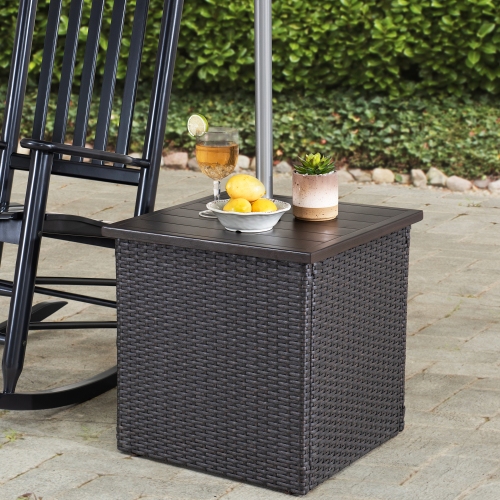 Your price for this item is $160.99
 -
 Your price for this item is $146.95
 -
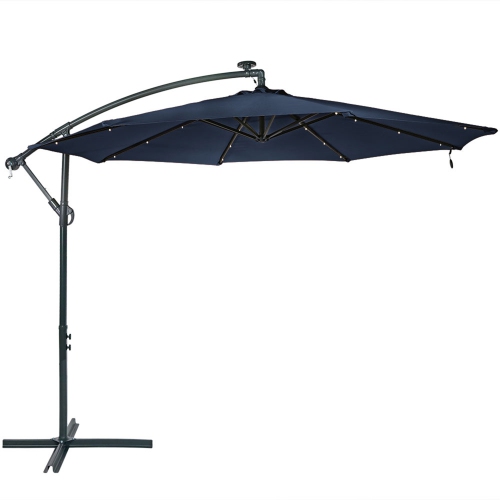 Your price for this item is $248.55
 -
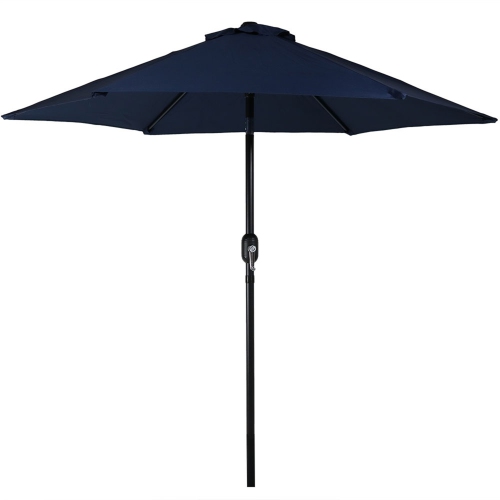 Your price for this item is $146.95
 -
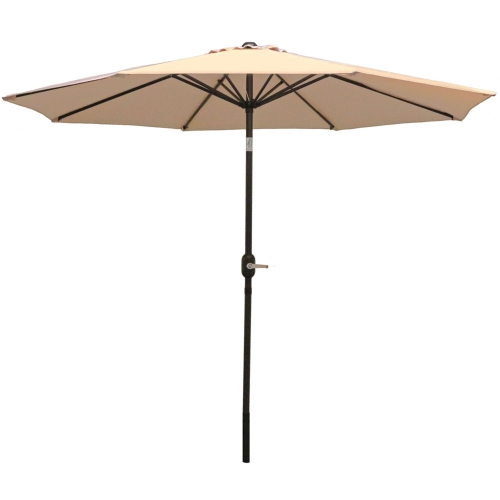 Your price for this item is $146.95
 -
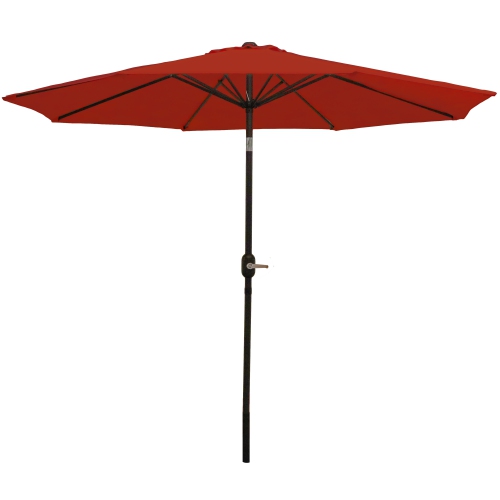 Your price for this item is $146.95
 -
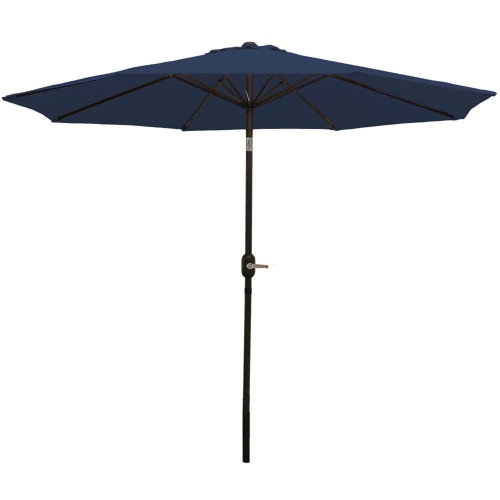 Your price for this item is $146.95
 -
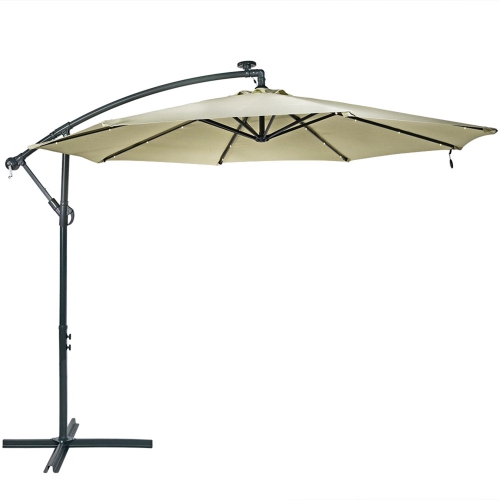 Your price for this item is $248.55
Discover more categories related to Sunshade Canopies
Top Collections:
Pokemon Centers, Kindle Devices, Best Budget Office Chairs, Apple iPhones 16, Best Laptops for Writers, iPhone 15 Apple, Canon G7X Cameras, Refurbished Apple Laptops, Alarm Clock, Motorola Razr Phones
Some products may be subject to Environmental Handling Fees
(EHF) depending on your province.
Learn more about EHFs.