Sunshade Blinds
Sunshade blinds are a versatile and stylish solution for controlling light and privacy in any room of your home. These window coverings come in a variety of materials, colors, and styles to suit your decor preferences and practical needs. Whether you're looking to block out harsh sunlight, reduce glare on screens, or simply add a touch of elegance to your windows, sunshade blinds offer a functional and fashionable option. Explore our selection of sunshade blinds to find the perfect fit for your space and enjoy enhanced comfort and ambiance in every room.
Sort
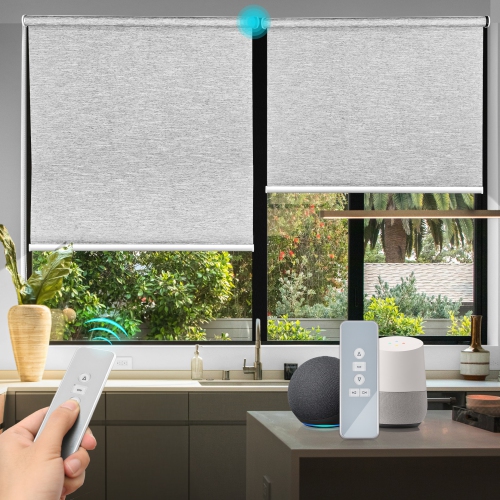
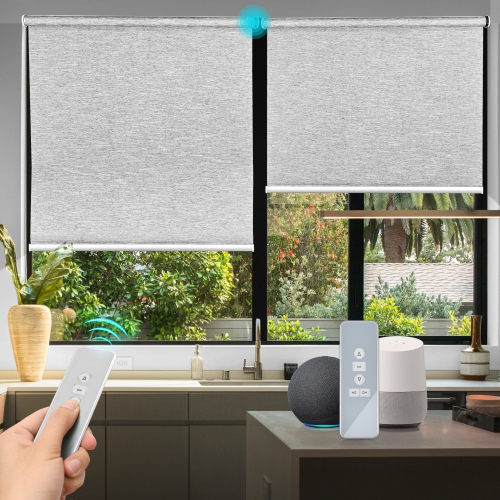
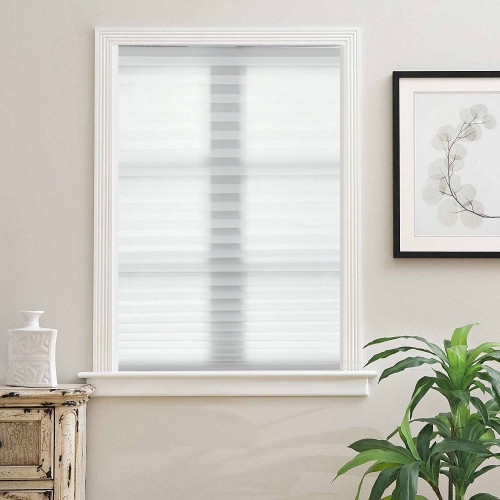
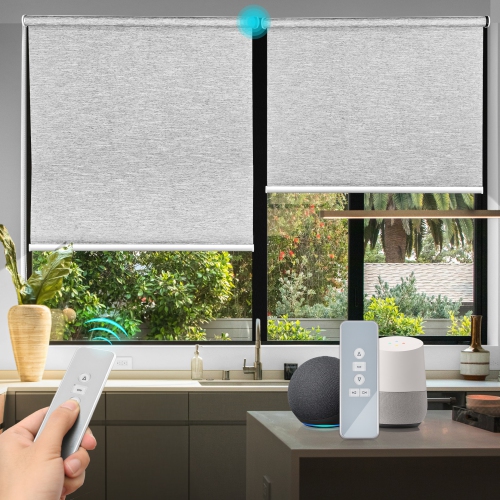
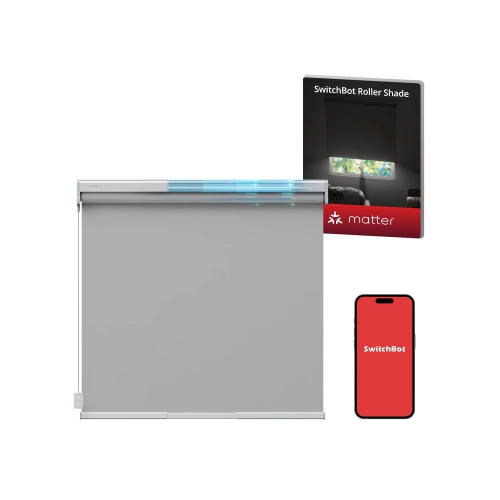
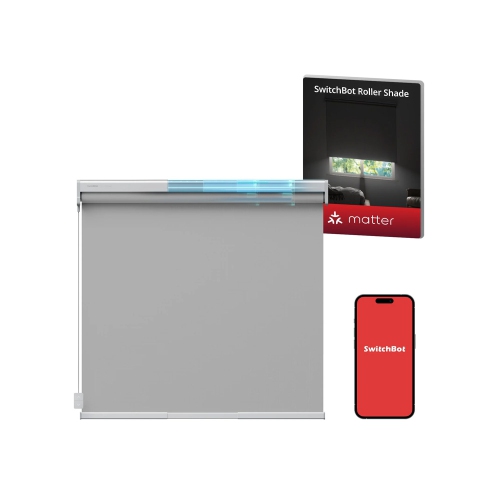
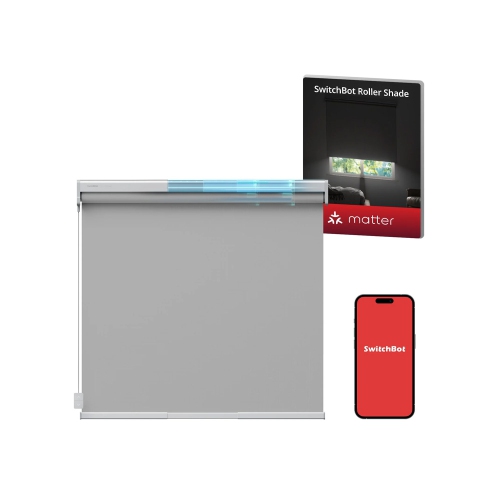
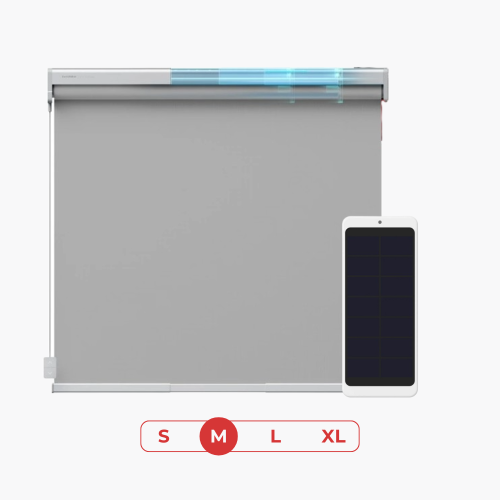
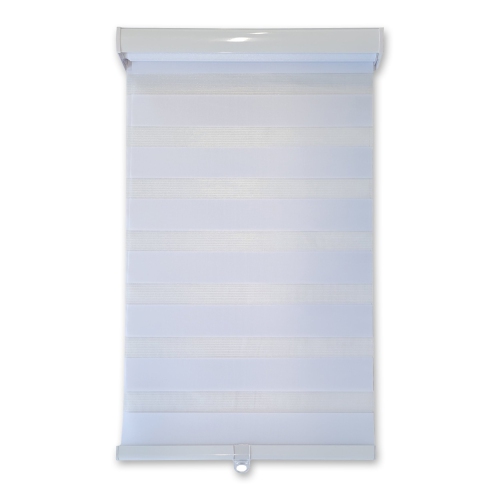
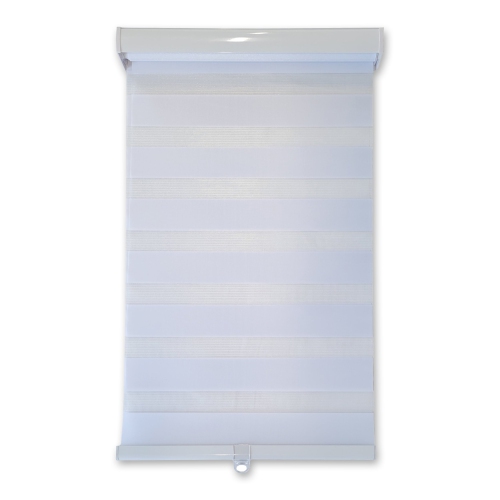
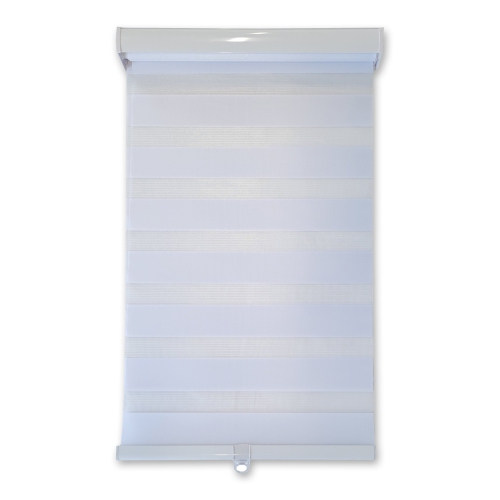
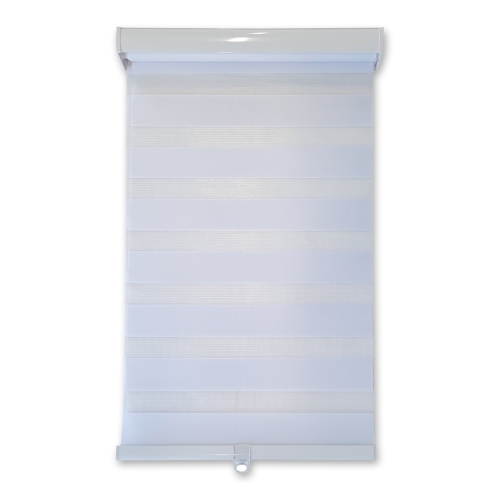
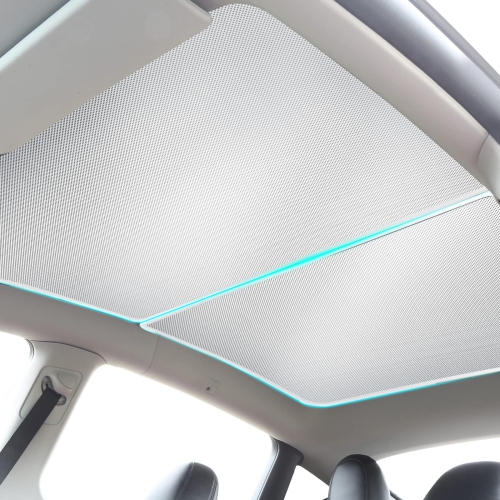
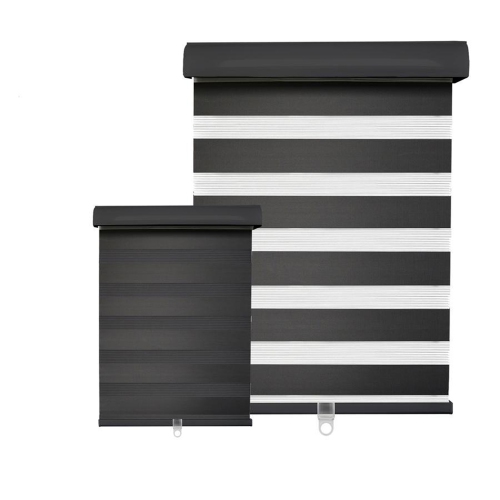
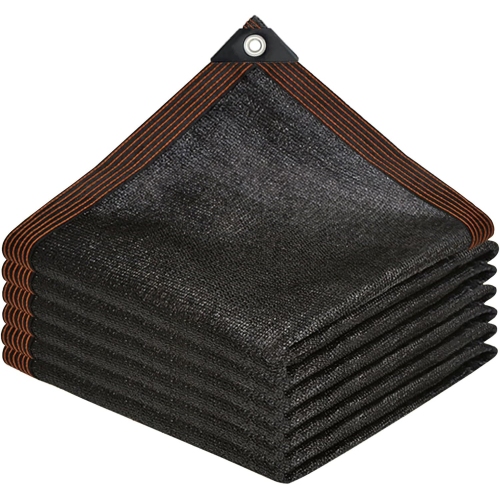
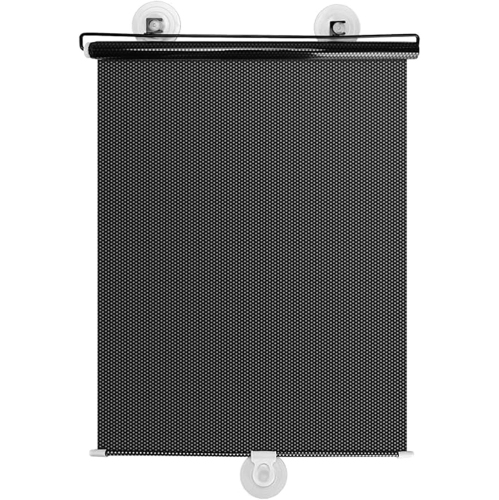
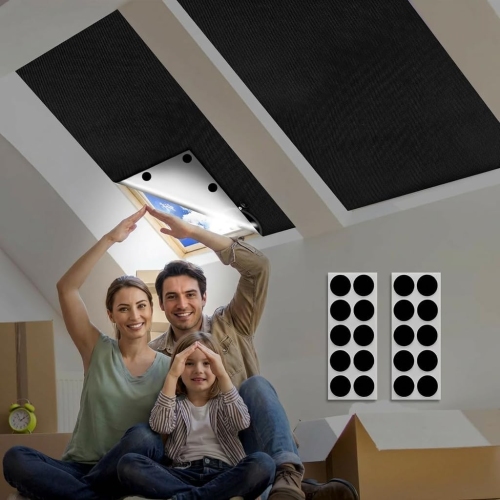
Less glare without shutting out the daylight
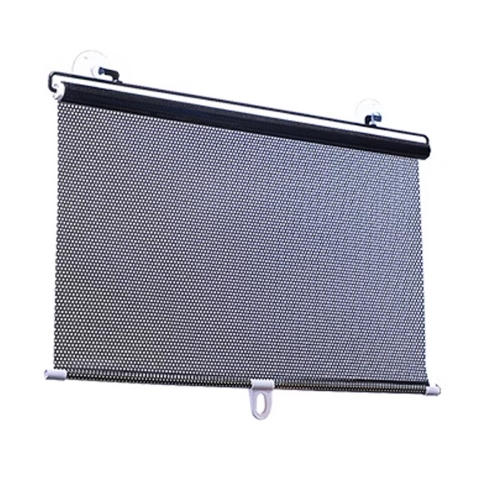
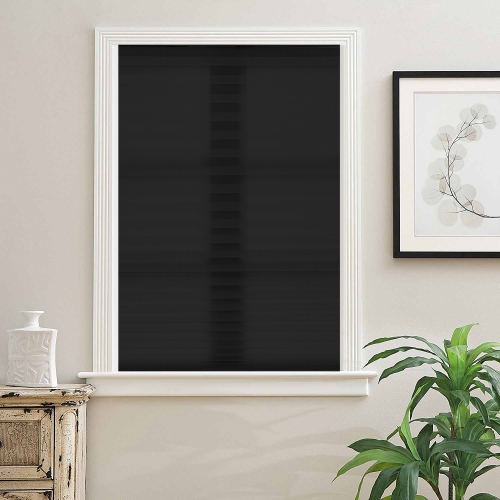
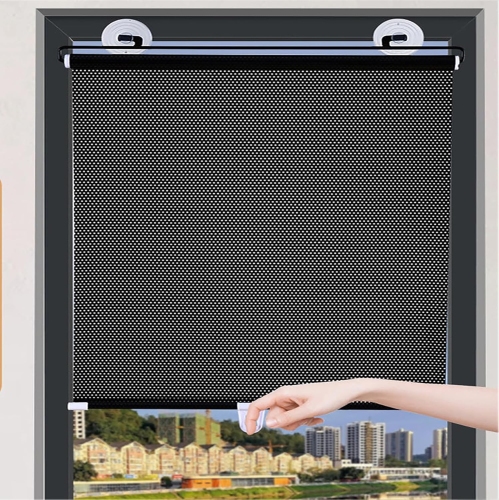
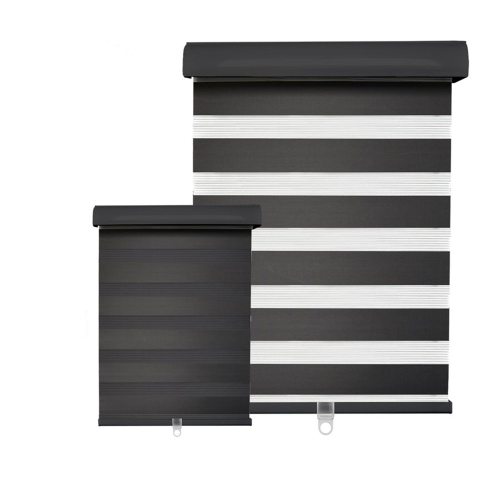
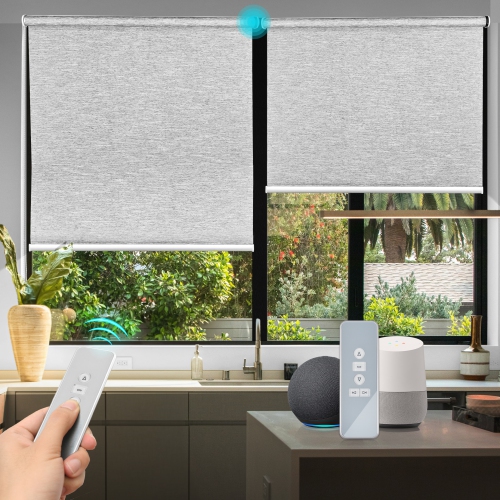
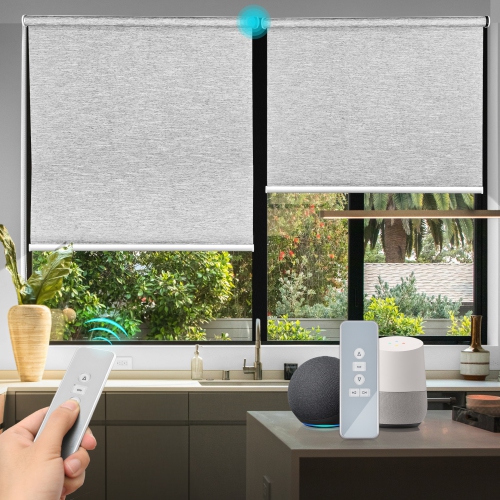
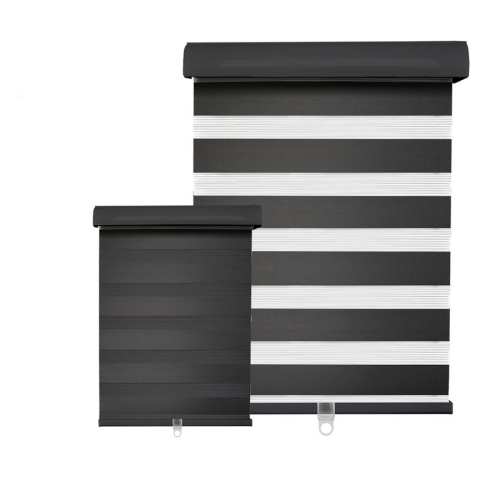
Sunshade blinds are light-filtering window coverings that soften direct sunlight, reduce glare, and preserve some visibility through the window. Often called solar shades or solar roller blinds, they typically use a woven screen fabric that rolls around a tube rather than separate slats. This construction suits rooms where natural light is welcome but strong sun can make everyday activities uncomfortable: a home office with reflections across a monitor, a living room with afternoon glare on the television, or a dining area where direct sunlight falls across the table. The fabric’s openness factor describes the proportion of open space in its weave. A lower percentage generally means a tighter screen with less light transmission and a more obscured view; a higher percentage usually allows more daylight and a clearer view outside. Openness ratings such as 1%, 3%, 5%, or 10% help distinguish fabrics, but colour, construction, and lighting conditions also affect how they look and perform. Darker screen fabrics often make the outward view easier to see and absorb more incoming light, while lighter fabrics generally reflect more light and create a brighter appearance indoors. Neither colour alone nor an openness rating establishes a blind’s exact performance. UV-blocking and solar performance figures need to come from the fabric’s specifications rather than a general claim about all sunshade blinds. Fabrics designed to screen UV rays can help limit one contributor to fading on upholstery, rugs, and wood finishes, although they cannot prevent every cause of discolouration. Sunshade blinds also differ from blackout coverings. Their open weave filters light rather than fully darkening a room, making them well suited to shared living spaces but less suitable on their own for daytime sleep or a dark home theatre. Privacy depends on the difference in brightness on either side of the fabric. A shade that limits views into a bright window during the day may allow people outside to see indoors when interior lights are on at night. Curtains or a separate opaque covering can provide an additional layer where evening privacy matters.
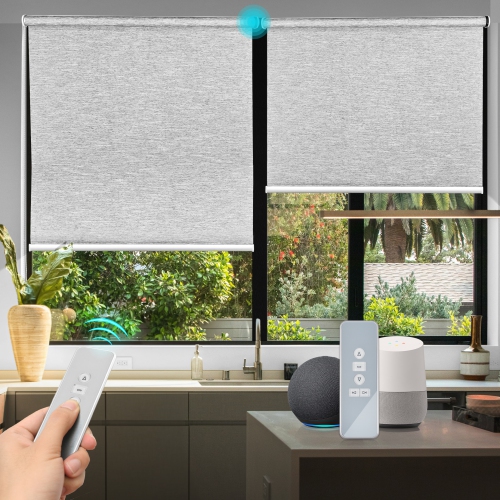
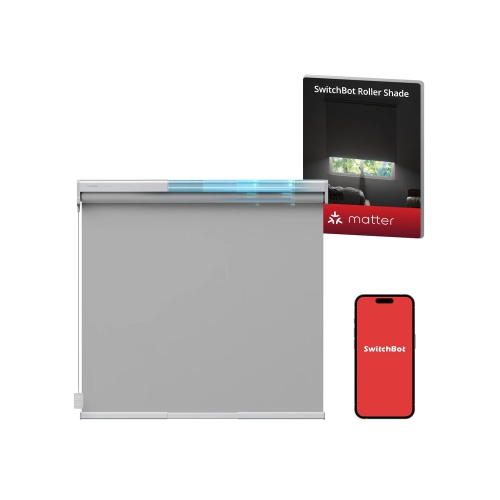
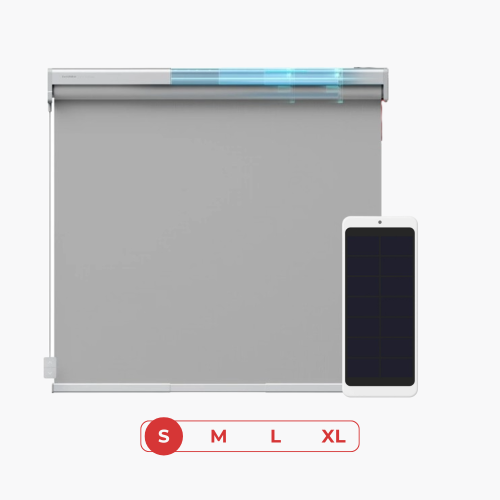
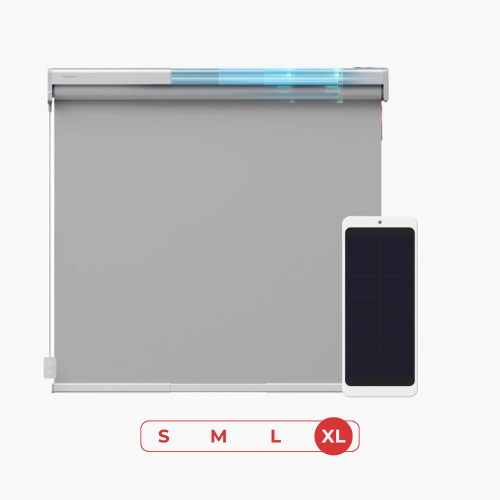
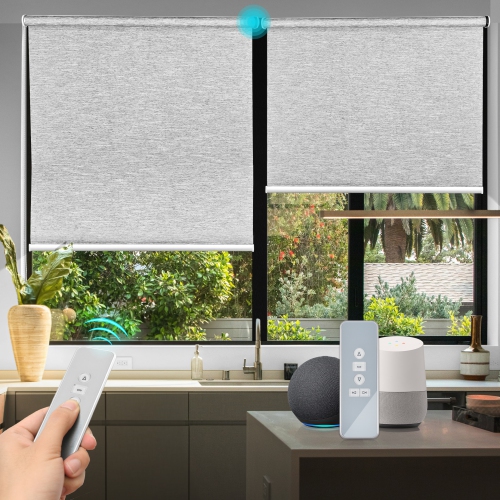
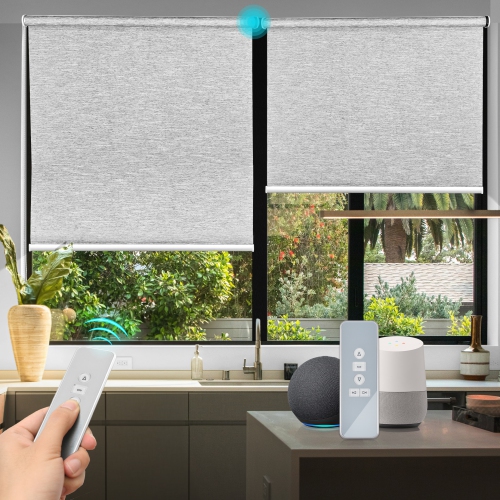
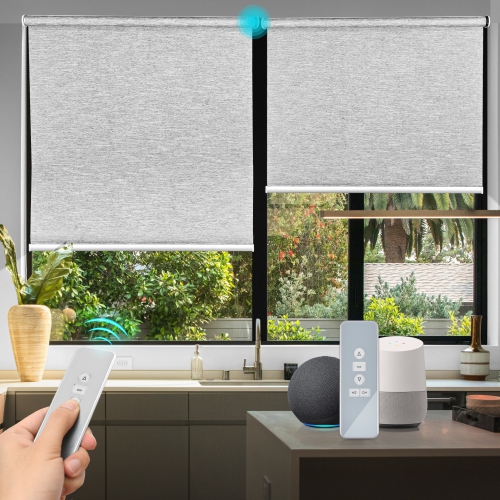
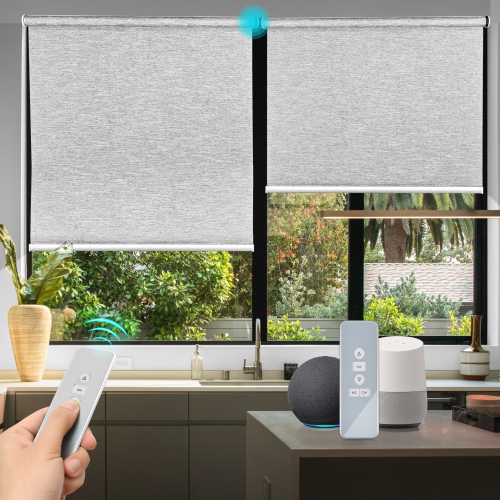
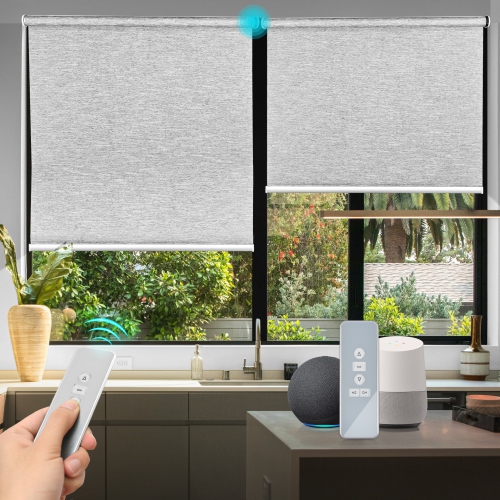
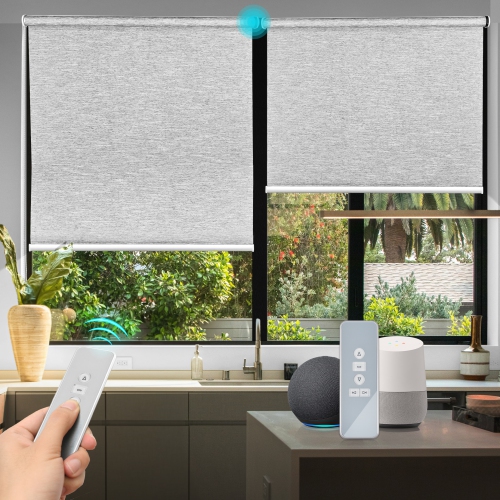
Materials, dimensions, and mounting details shape how sunshade blinds function within a room. Common screen fabrics include coated polyester and coated fibreglass, with coatings and weave structures that help the material hold its shape during repeated rolling. The fabric composition matters alongside the quality of the roller, brackets, bottom rail, and operating mechanism: a straight-hanging screen and a smooth lift make a noticeable difference on windows used every day. An inside mount fits within the window recess for a restrained appearance that leaves surrounding trim visible, provided the recess has enough unobstructed depth for the brackets and roller. An outside mount sits above or around the opening and can cover more of the surrounding area, although the required overlap depends on the space and the mounting instructions. Width descriptions deserve particular attention because the overall blind width may include hardware, leaving the fabric narrower than the stated measurement. Small gaps at the sides are common with roller shades, and these gaps allow some light through even when the blind is fully lowered. Window handles, opening sashes, projecting trim, and nearby cupboards can all affect placement. On a kitchen window above a sink, clearance from splashes and easy access for cleaning matter as much as appearance. Beside a desk, the useful coverage is the area where sunlight reaches the work surface, not simply the centre of the glass. Wide windows and patio doors may suit separate shades that allow one section to remain raised while another filters direct light, as long as the arrangement leaves handles and passageways accessible. Cordless operation avoids dangling operating cords, while motorized controls can make tall or hard-to-reach windows more convenient to adjust. Motorized blinds differ in their power requirements and control options; rechargeable batteries, wired power, remotes, and connected-home functions are not interchangeable features. Any connected controls need compatible equipment and a suitable setup. In homes with children or pets, coverings without accessible cords are an important safety consideration, and secure installation remains essential regardless of the operating method.
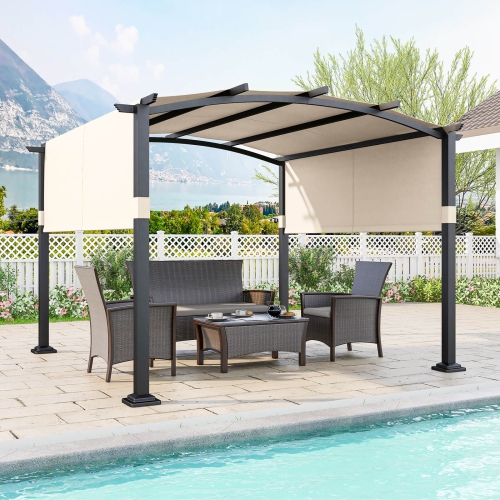
Indoor and outdoor sunshade blinds serve related purposes, but they are not automatically suitable for the same locations. Interior shades manage light after it passes through the glass, while exterior shades intercept some direct sunlight before it reaches the window or the area behind them. Outdoor roller shades can also create a vertical screen beside a covered patio, porch, or balcony, making low-angle sunlight less intrusive around seating and dining areas. They do not provide the same coverage as an overhead structure. Where shade is needed from above rather than along an open side, Sunshade Canopies offer a different form of coverage. Exterior blinds need materials, hardware, and mounting arrangements expressly suited to outdoor use. Resistance to moisture, UV exposure, and corrosion varies by construction, and an outdoor designation does not mean a blind can safely remain extended in every condition. Wind can put considerable strain on a lowered screen and its attachments; approved guides or hold-down fittings may help control movement but do not remove the need to follow operating limits. Snow, ice, or accumulated debris can also interfere with a roller mechanism, so retraction or storage requirements depend on the design. For both indoor and outdoor fabrics, routine care generally begins with gentle dust removal using a soft cloth, brush, or vacuum attachment where permitted. Spot cleaning with a lightly dampened cloth and a mild cleaning solution may be appropriate, but the fabric’s care directions take priority. Abrasive pads, harsh cleaners, and forceful scrubbing can damage coatings or distort the weave. Allowing a cleaned shade to dry fully before rolling it up helps prevent trapped moisture. Occasional checks of brackets, fasteners, and the bottom rail can reveal looseness or uneven movement before everyday operation becomes difficult. With suitable fabric, well-matched dimensions, and an appropriate mounting location, sunshade blinds provide a practical way to moderate bright light while keeping rooms and sheltered outdoor spaces visually open.
Materials, dimensions, and mounting details shape how sunshade blinds function within a room. Common screen fabrics include coated polyester and coated fibreglass, with coatings and weave structures that help the material hold its shape during repeated rolling. The fabric composition matters alongside the quality of the roller, brackets, bottom rail, and operating mechanism: a straight-hanging screen and a smooth lift make a noticeable difference on windows used every day. An inside mount fits within the window recess for a restrained appearance that leaves surrounding trim visible, provided the recess has enough unobstructed depth for the brackets and roller. An outside mount sits above or around the opening and can cover more of the surrounding area, although the required overlap depends on the space and the mounting instructions. Width descriptions deserve particular attention because the overall blind width may include hardware, leaving the fabric narrower than the stated measurement. Small gaps at the sides are common with roller shades, and these gaps allow some light through even when the blind is fully lowered. Window handles, opening sashes, projecting trim, and nearby cupboards can all affect placement. On a kitchen window above a sink, clearance from splashes and easy access for cleaning matter as much as appearance. Beside a desk, the useful coverage is the area where sunlight reaches the work surface, not simply the centre of the glass. Wide windows and patio doors may suit separate shades that allow one section to remain raised while another filters direct light, as long as the arrangement leaves handles and passageways accessible. Cordless operation avoids dangling operating cords, while motorized controls can make tall or hard-to-reach windows more convenient to adjust. Motorized blinds differ in their power requirements and control options; rechargeable batteries, wired power, remotes, and connected-home functions are not interchangeable features. Any connected controls need compatible equipment and a suitable setup. In homes with children or pets, coverings without accessible cords are an important safety consideration, and secure installation remains essential regardless of the operating method.
Indoor and outdoor sunshade blinds serve related purposes, but they are not automatically suitable for the same locations. Interior shades manage light after it passes through the glass, while exterior shades intercept some direct sunlight before it reaches the window or the area behind them. Outdoor roller shades can also create a vertical screen beside a covered patio, porch, or balcony, making low-angle sunlight less intrusive around seating and dining areas. They do not provide the same coverage as an overhead structure. Where shade is needed from above rather than along an open side, Sunshade Canopies offer a different form of coverage. Exterior blinds need materials, hardware, and mounting arrangements expressly suited to outdoor use. Resistance to moisture, UV exposure, and corrosion varies by construction, and an outdoor designation does not mean a blind can safely remain extended in every condition. Wind can put considerable strain on a lowered screen and its attachments; approved guides or hold-down fittings may help control movement but do not remove the need to follow operating limits. Snow, ice, or accumulated debris can also interfere with a roller mechanism, so retraction or storage requirements depend on the design. For both indoor and outdoor fabrics, routine care generally begins with gentle dust removal using a soft cloth, brush, or vacuum attachment where permitted. Spot cleaning with a lightly dampened cloth and a mild cleaning solution may be appropriate, but the fabric’s care directions take priority. Abrasive pads, harsh cleaners, and forceful scrubbing can damage coatings or distort the weave. Allowing a cleaned shade to dry fully before rolling it up helps prevent trapped moisture. Occasional checks of brackets, fasteners, and the bottom rail can reveal looseness or uneven movement before everyday operation becomes difficult. With suitable fabric, well-matched dimensions, and an appropriate mounting location, sunshade blinds provide a practical way to moderate bright light while keeping rooms and sheltered outdoor spaces visually open.
Top selling and popular products
-
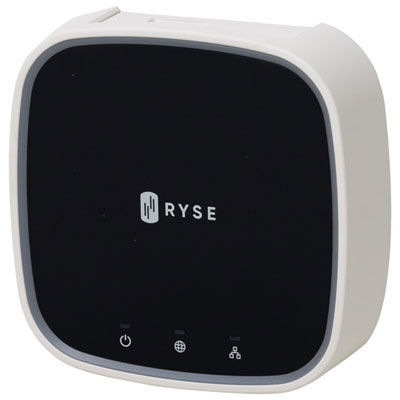 Your price for this item is $69.97
 -
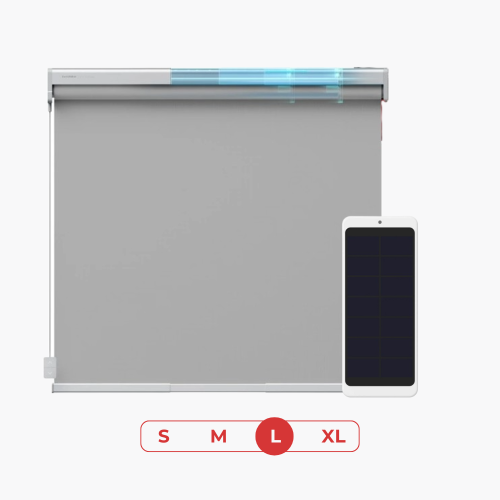 Your price for this item is $374.99
 -
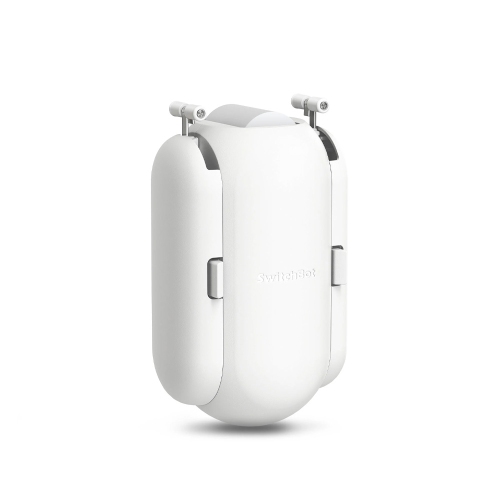 Your price for this item is $99.99
 -
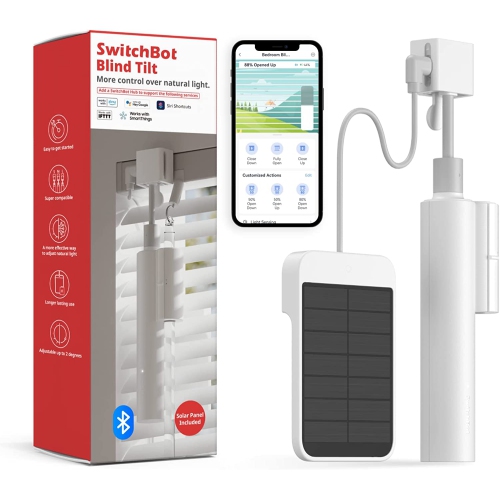 Your price for this item is $99.99
 -
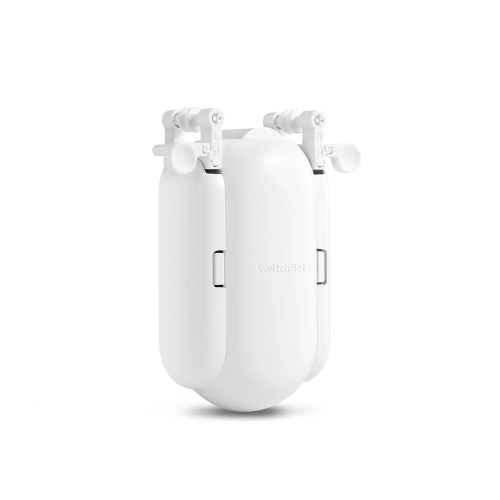 Your price for this item is $99.99
 -
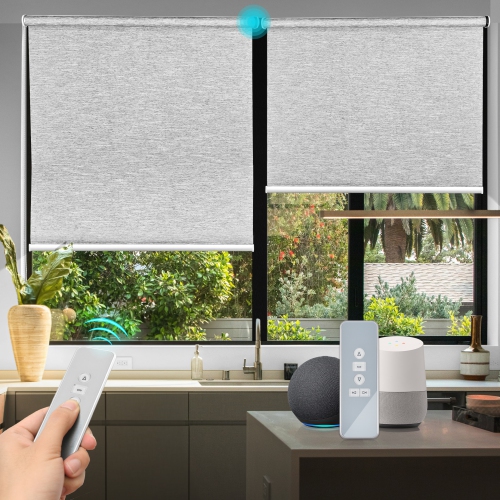 Your price for this item is $135.99
 -
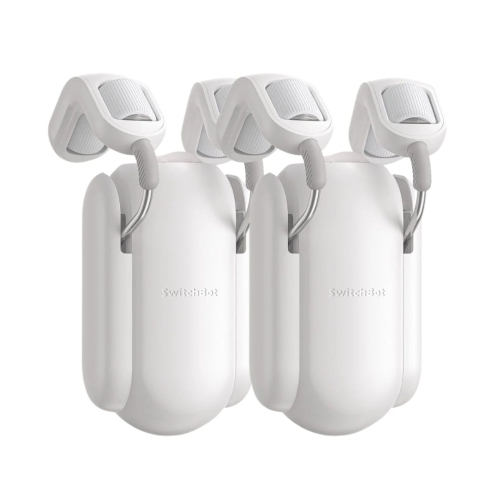 Your price for this item is $139.99
 -
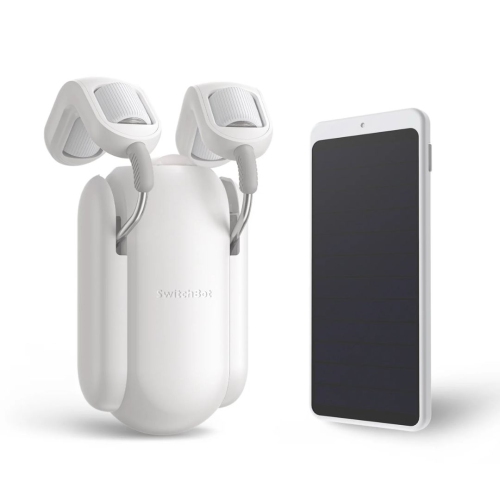 Your price for this item is $89.99
Discover more categories related to Sunshade Blinds
Top Collections:
Pokemon Centers, Kindle Devices, Best Budget Office Chairs, Apple iPhones 16, Canon G7X Cameras, iPhone 15 Apple, Alarm Clock, Refurbished Apple Laptops, Flip Phones, Best Laptops for Writers
Some products may be subject to Environmental Handling Fees
(EHF) depending on your province.
Learn more about EHFs.