Supportive Chair Cushions
Transform your seating experience with supportive chair cushions, designed to enhance comfort and provide the perfect balance of softness and support. Whether you're working from home, enjoying a meal, or simply relaxing in your favorite chair, these cushions offer an ergonomic solution that can help alleviate discomfort during extended periods of sitting. Explore a variety of styles and materials to find the ideal match for your decor while ensuring optimal comfort throughout the day. Discover how supportive chair cushions can make a significant difference in your daily routine.
Sort
Why cushion shape matters as much as softness
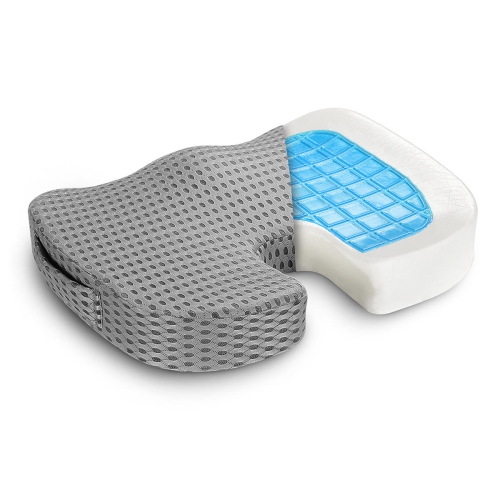
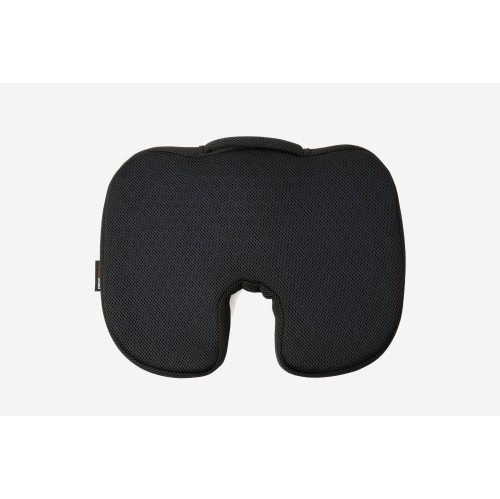
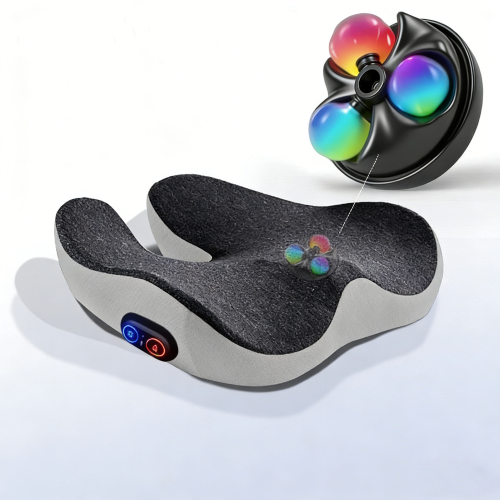
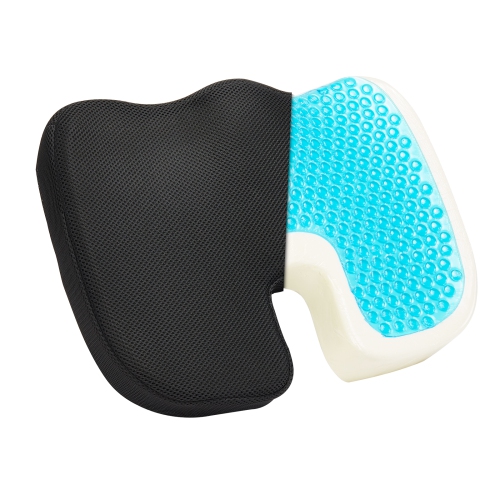
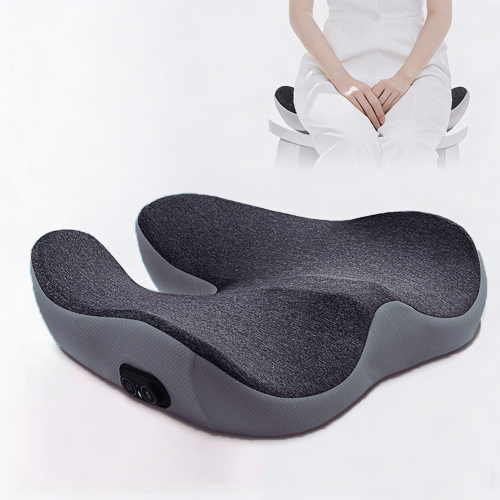
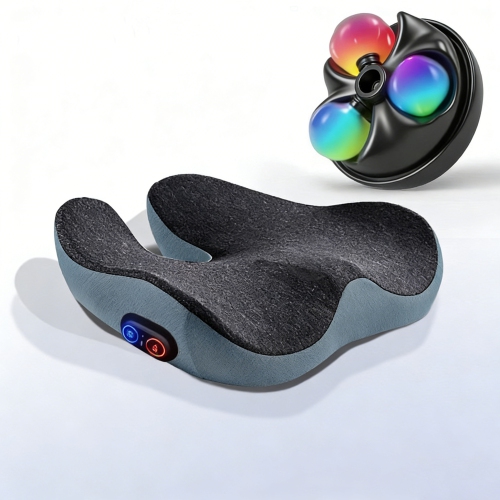
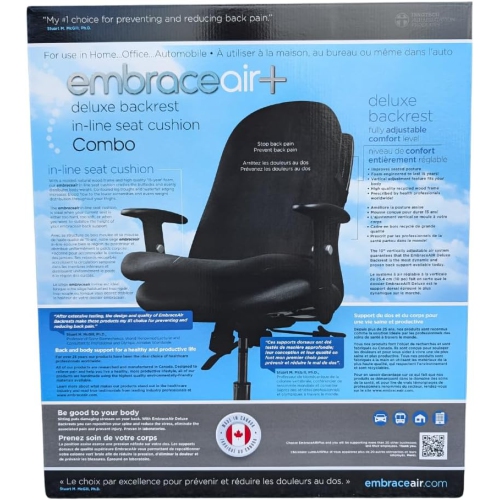
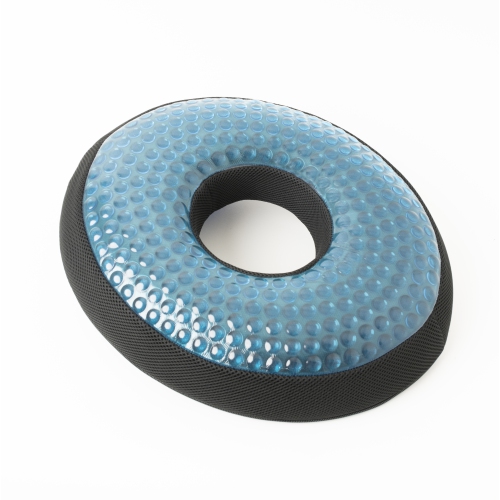
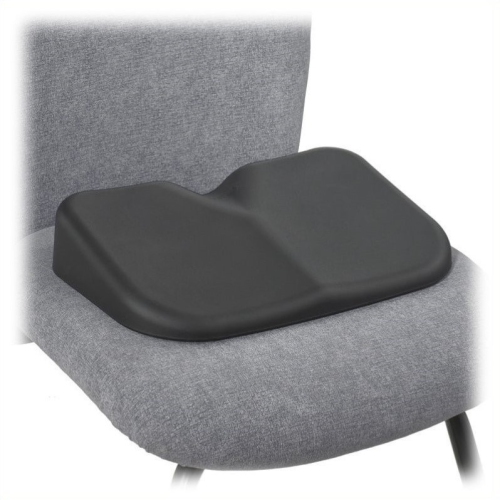
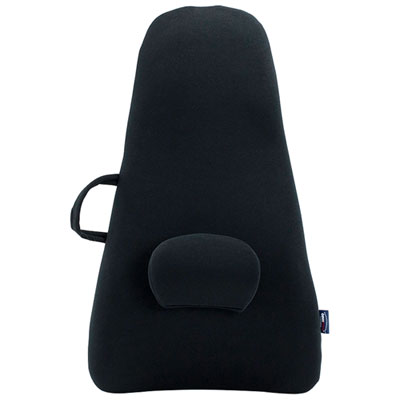
Supportive chair cushions add a layer of cushioning or shaped support to a seat, helping make everyday sitting more comfortable without replacing the chair itself. Depending on their construction, they may distribute weight across a wider area, soften a hard seating surface, or provide targeted support beneath the hips or behind the lower back. Seat cushions sit beneath the body, while lumbar cushions rest against the backrest; paired designs address both areas. These differences matter when a dining chair doubles as a work seat, a desk chair feels too firm, or a favourite reading chair needs a little more structure. A contoured seat cushion typically has raised edges or a shaped surface that helps position the body, whereas a flat pad offers more freedom to shift around. A U-shaped or rear-cutout cushion is designed to limit direct contact beneath the tailbone, though its comfort depends on the cutout’s placement, the chair underneath, and the person using it. A wedge cushion changes the angle of the seating surface, which can feel quite different from simply adding padding. None of these shapes guarantees better posture or relief from pain, but a well-matched cushion can make it easier to settle into a comfortable sitting position. Supportive chair cushions may suit people working at a desk, studying, sewing, gaming, or spending time at a dining table with family. For a workstation, the Office Chair Cushion collection brings the focus to cushioning intended for desk seating. Portable styles can also be useful for moving between a home office and another suitable chair, particularly when they have a carry handle or a manageable weight. The most useful distinction is not simply soft versus firm: it is whether the cushion’s shape and support suit the activity, seating surface, and amount of movement involved.
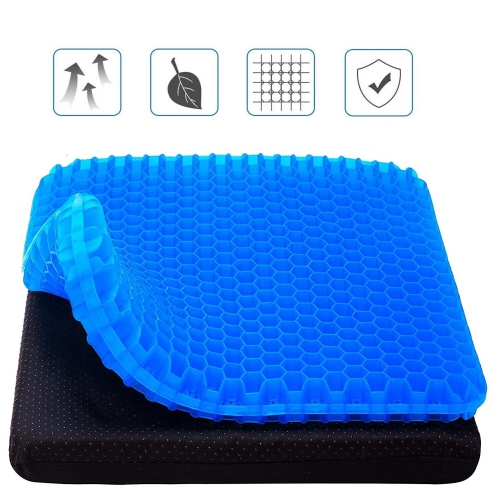
Materials influence how a supportive cushion feels when first sitting down and how it holds up through repeated use. Memory foam gradually conforms under pressure, creating a close-fitting feel around the seated area. Firmer foam tends to allow less sinking, while softer foam provides a more yielding surface; either can feel uncomfortable if it compresses too far or does not give enough for the person using it. High-density foam describes the amount of material within a given volume, not a universal firmness level, so density and firmness should not be treated as interchangeable. Foam thickness also matters, but a thicker cushion is not automatically more supportive. Its performance depends on its construction, the load it carries, and the support provided by the chair. Gel-layer cushions combine a gel component with another supporting material, often foam, while gel-grid designs use a flexible structure that responds differently as weight shifts. Polyester-filled chair pads offer a softer, more familiar padded feel and may suit dining chairs or occasional seating, although they generally provide less defined contouring than a moulded foam design. Covers contribute to everyday comfort as well. Smooth fabrics make it easier to change position, textured covers can offer a more secure feel, and mesh panels allow airflow through the covering. Seams, zippers, and piping are worth considering because a bulky edge near the thighs may be noticeable during longer periods of sitting. Underneath, a grip surface can help reduce sliding, while ties or adjustable straps can hold the cushion against compatible chair seats and backrests. These features work best when the cushion rests fully on the seat rather than hanging over an edge. For shared spaces, a neutral colour can blend into existing furniture, while a more distinctive shade makes a personal cushion easy to identify. A removable cover is especially practical wherever the cushion sees daily use, from a busy study corner to a desk beside the kitchen.
Fit brings all these details together. A cushion should match the usable width and depth of the chair, leaving enough space to sit comfortably without pushing the body too far forward. On a chair with a curved or bucket-shaped seat, a wide, rigid cushion may bridge the contours rather than lie securely against them. A deep cushion can extend too close to the backs of the knees, while a thick one raises the sitting position and changes the relationship between the feet, desk, and armrests. At a workstation, that added height may call for a chair adjustment or a footrest so the feet remain supported and the shoulders can stay relaxed. A lumbar cushion also takes up space: its thickness affects seat depth, and its strap placement determines whether it stays at a comfortable point on the backrest. For someone who frequently leans forward to write or craft, a bulky back cushion may feel more restrictive than a slimmer shape. Care requirements deserve equal attention, particularly for cushions that travel between chairs or are used around food and drinks. A removable cover may be machine washable, but the care label should confirm the washing method and drying requirements. Foam inserts often require spot cleaning rather than immersion, and gel components may have different instructions. Allowing cleaned parts to dry fully before reassembly helps keep the cushion ready for regular use. Durable stitching, a protected zipper, securely attached straps, and filling that regains its shape all contribute to lasting usefulness. Flattened areas, torn seams, or a base that no longer grips can change how the cushion performs. As a practical gift for a student, a home-office worker, or someone who enjoys seated hobbies, a supportive cushion is most thoughtful when the recipient’s chair dimensions and comfort preferences are known. Cushions can complement a well-adjusted chair and regular movement breaks, but they do not correct every seating problem or replace clinical advice. Persistent pain, numbness, or pressure-related skin concerns warrant guidance from a qualified healthcare professional, especially when choosing seating support for wheelchair use or recovery.
Materials influence how a supportive cushion feels when first sitting down and how it holds up through repeated use. Memory foam gradually conforms under pressure, creating a close-fitting feel around the seated area. Firmer foam tends to allow less sinking, while softer foam provides a more yielding surface; either can feel uncomfortable if it compresses too far or does not give enough for the person using it. High-density foam describes the amount of material within a given volume, not a universal firmness level, so density and firmness should not be treated as interchangeable. Foam thickness also matters, but a thicker cushion is not automatically more supportive. Its performance depends on its construction, the load it carries, and the support provided by the chair. Gel-layer cushions combine a gel component with another supporting material, often foam, while gel-grid designs use a flexible structure that responds differently as weight shifts. Polyester-filled chair pads offer a softer, more familiar padded feel and may suit dining chairs or occasional seating, although they generally provide less defined contouring than a moulded foam design. Covers contribute to everyday comfort as well. Smooth fabrics make it easier to change position, textured covers can offer a more secure feel, and mesh panels allow airflow through the covering. Seams, zippers, and piping are worth considering because a bulky edge near the thighs may be noticeable during longer periods of sitting. Underneath, a grip surface can help reduce sliding, while ties or adjustable straps can hold the cushion against compatible chair seats and backrests. These features work best when the cushion rests fully on the seat rather than hanging over an edge. For shared spaces, a neutral colour can blend into existing furniture, while a more distinctive shade makes a personal cushion easy to identify. A removable cover is especially practical wherever the cushion sees daily use, from a busy study corner to a desk beside the kitchen.
Fit brings all these details together. A cushion should match the usable width and depth of the chair, leaving enough space to sit comfortably without pushing the body too far forward. On a chair with a curved or bucket-shaped seat, a wide, rigid cushion may bridge the contours rather than lie securely against them. A deep cushion can extend too close to the backs of the knees, while a thick one raises the sitting position and changes the relationship between the feet, desk, and armrests. At a workstation, that added height may call for a chair adjustment or a footrest so the feet remain supported and the shoulders can stay relaxed. A lumbar cushion also takes up space: its thickness affects seat depth, and its strap placement determines whether it stays at a comfortable point on the backrest. For someone who frequently leans forward to write or craft, a bulky back cushion may feel more restrictive than a slimmer shape. Care requirements deserve equal attention, particularly for cushions that travel between chairs or are used around food and drinks. A removable cover may be machine washable, but the care label should confirm the washing method and drying requirements. Foam inserts often require spot cleaning rather than immersion, and gel components may have different instructions. Allowing cleaned parts to dry fully before reassembly helps keep the cushion ready for regular use. Durable stitching, a protected zipper, securely attached straps, and filling that regains its shape all contribute to lasting usefulness. Flattened areas, torn seams, or a base that no longer grips can change how the cushion performs. As a practical gift for a student, a home-office worker, or someone who enjoys seated hobbies, a supportive cushion is most thoughtful when the recipient’s chair dimensions and comfort preferences are known. Cushions can complement a well-adjusted chair and regular movement breaks, but they do not correct every seating problem or replace clinical advice. Persistent pain, numbness, or pressure-related skin concerns warrant guidance from a qualified healthcare professional, especially when choosing seating support for wheelchair use or recovery.
Top selling and popular products
-
 Your price for this item is $134.99
 -
 Your price for this item is $592.32
 -
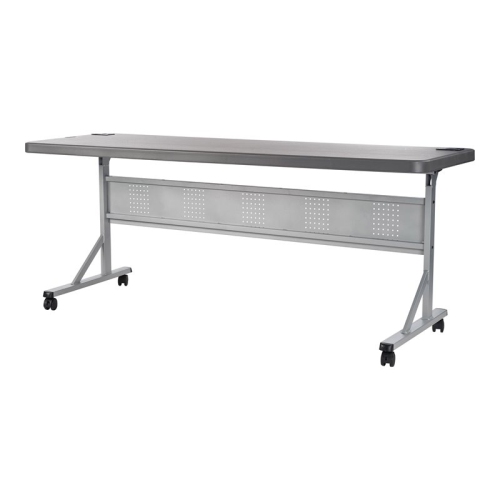 Your price for this item is $793.61
 -
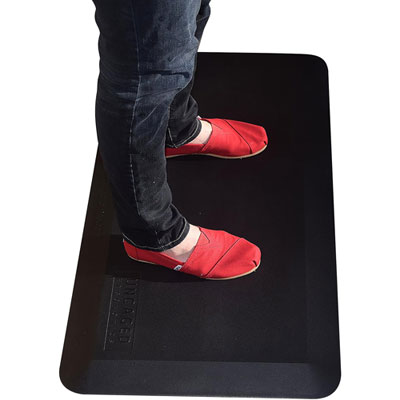 Your price for this item is $94.98
 -
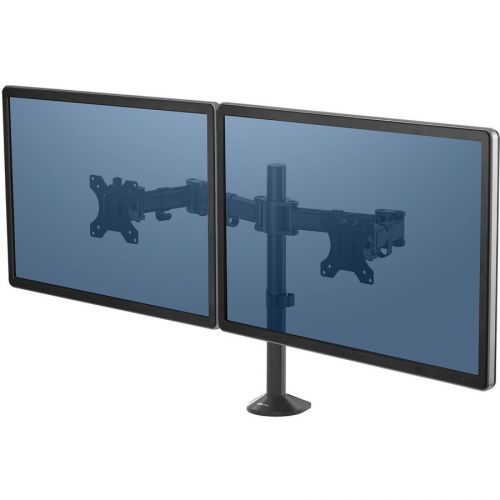 Your price for this item is $145.37
 -
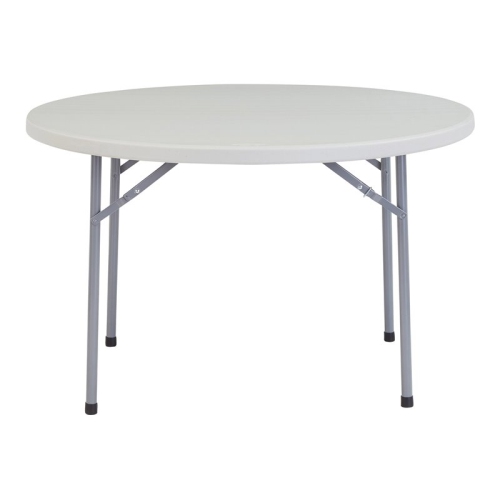 Your price for this item is $577.7
 -
 Your price for this item is $88.99
 -
 Your price for this item is $71.99
Discover more categories related to Supportive Chair Cushions

Top Collections:
Pokemon Centers, Kindle Devices, Best Budget Office Chairs, Apple iPhones 16, Best Laptops for Writers, iPhone 15 Apple, Canon G7X Cameras, Refurbished Apple Laptops, Alarm Clock, Motorola Razr Phones
Some products may be subject to Environmental Handling Fees
(EHF) depending on your province.
Learn more about EHFs.