Supportive Chairs
Discover the perfect blend of comfort and style with our collection of supportive chairs at Best Buy Canada. Whether you're setting up a home office, creating a cozy reading nook, or enhancing your living space, our range of supportive chairs is designed to provide the ultimate seating experience. From ergonomic designs that cater to your posture needs to chic styles that elevate your décor, find the ideal chair that supports both your body and lifestyle. Explore our curated selection today and transform any space into a haven of relaxation and productivity.
Sort
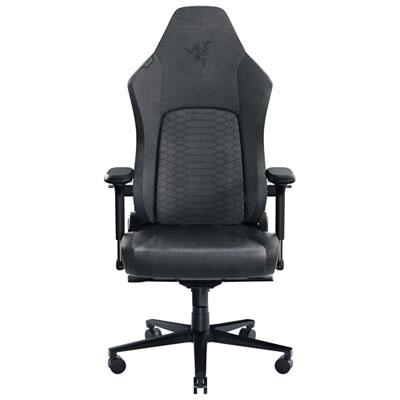
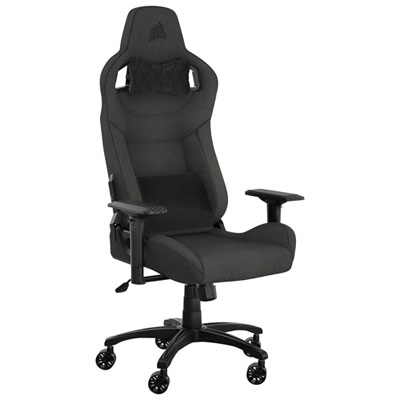
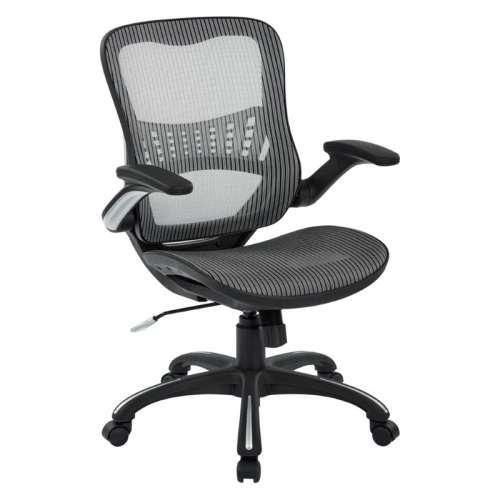
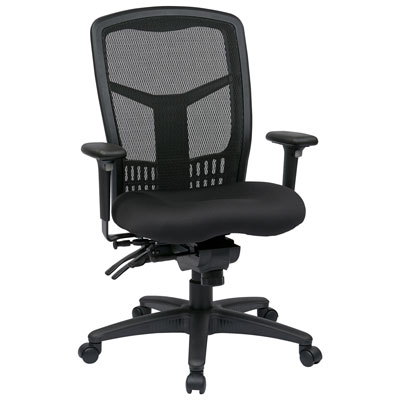
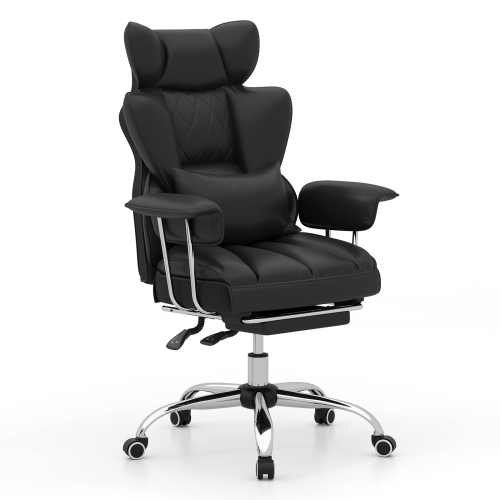
Comfort and posture support for work, study, and relaxation
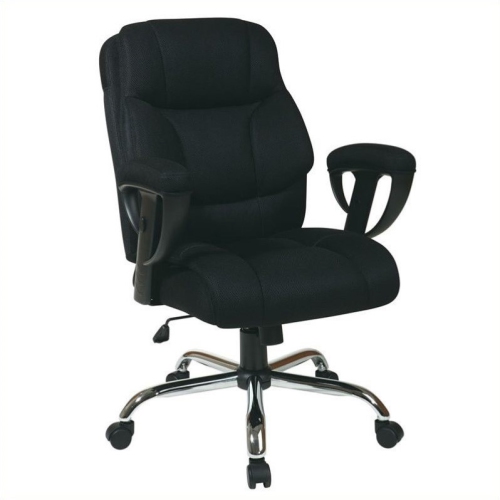
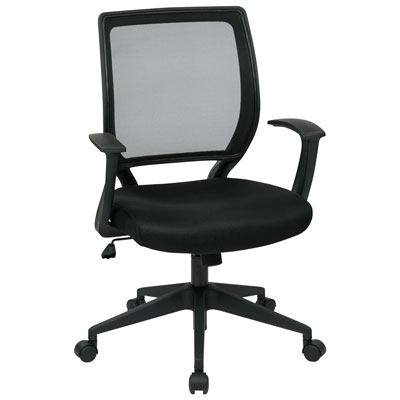
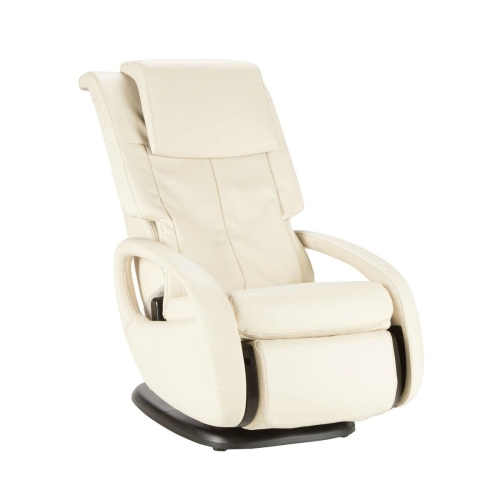
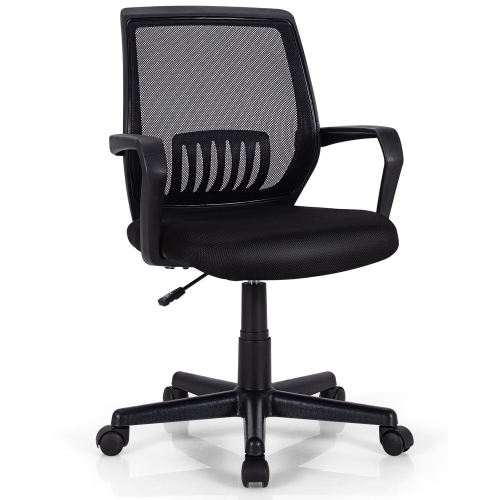
Supportive chairs are designed to make seated time feel more comfortable and balanced, whether you are working at a desk, studying, managing household tasks, gaming, or spending a quiet evening reading. Unlike a chair chosen for appearance alone, supportive seating typically combines a shaped backrest, a stable base, a comfortable seat and features that help you find a posture that suits your body. Adjustable lumbar support can cushion the lower back and follow its natural curve, while a contoured backrest may help distribute pressure more evenly across the shoulders and hips. A chair with a height-adjustable seat lets you place your feet flat on the floor and keep your knees at a comfortable angle. Adjustable armrests can help reduce tension through the shoulders by allowing your elbows to rest close to your sides, while a tilt mechanism gives you the option to sit upright for focused tasks or recline slightly when taking a break. These details are especially useful for people who spend several hours seated, including remote workers, students, creators and anyone setting up a home office during the cooler months. Breathable mesh can promote airflow during long work sessions, while fabric and padded upholstery offer a softer, warmer feel. If you prefer a generously cushioned seat, explore Cushioned Chairs for additional seating styles that place extra emphasis on padding and softness. Supportive chairs can also be a thoughtful gift for someone starting a new job, creating a study space, furnishing a first home or refreshing a home office. A well-chosen chair can make a desk feel more inviting, helping the recipient settle in comfortably for video calls, online courses, creative projects or everyday paperwork.
When comparing supportive chairs, begin with the space available and the way the chair will be used. Measure the desk height, doorway and intended floor area, and check the chair’s overall dimensions, seat width and height range before ordering. A seat should provide enough room to change position without leaving you perched at the edge, but it should not be so deep that the backrest feels too far away. Look for a seat edge that does not press sharply behind the knees, particularly if you expect to remain seated for extended periods. Lumbar support is most useful when it can be positioned to meet the lower back rather than sitting too high or too low, and adjustable tilt tension allows the chair to respond to your weight and preferred sitting style. Some people like a firm, structured seat that keeps them alert through a workday; others prefer thicker padding that feels welcoming at the end of a long day. Materials also affect the experience: mesh panels can feel light and airy, fabric can offer a comfortable everyday texture, and padded surfaces can provide a more cushioned feel. Check the listed weight capacity, caster and floor compatibility, swivel range, assembly requirements and cleaning instructions as part of the decision. A chair that rolls smoothly on a hard floor may need a mat on carpet, while a compact room may benefit from a lower-profile design with arms that fit neatly beneath a desk. If the chair will be shared, prioritise multiple adjustment points so each person can set the seat height, back angle, arm position and lumbar support independently. For a household member with ongoing discomfort or a diagnosed condition, product features should complement—not replace—advice from a qualified health professional. The best supportive chair is the one that fits the user, desk and daily routine: it should encourage natural posture without forcing the body into one rigid position, provide dependable comfort through regular tasks and remain easy to adjust as needs change. During the transition between warmer and cooler seasons, breathable materials can help maintain comfort when indoor temperatures vary, while durable upholstery and a supportive cushion make the chair practical for everyday use. With the right measurements and features in mind, shoppers can narrow the selection to seating that feels stable, comfortable and suited to the way they actually live and work.
When comparing supportive chairs, begin with the space available and the way the chair will be used. Measure the desk height, doorway and intended floor area, and check the chair’s overall dimensions, seat width and height range before ordering. A seat should provide enough room to change position without leaving you perched at the edge, but it should not be so deep that the backrest feels too far away. Look for a seat edge that does not press sharply behind the knees, particularly if you expect to remain seated for extended periods. Lumbar support is most useful when it can be positioned to meet the lower back rather than sitting too high or too low, and adjustable tilt tension allows the chair to respond to your weight and preferred sitting style. Some people like a firm, structured seat that keeps them alert through a workday; others prefer thicker padding that feels welcoming at the end of a long day. Materials also affect the experience: mesh panels can feel light and airy, fabric can offer a comfortable everyday texture, and padded surfaces can provide a more cushioned feel. Check the listed weight capacity, caster and floor compatibility, swivel range, assembly requirements and cleaning instructions as part of the decision. A chair that rolls smoothly on a hard floor may need a mat on carpet, while a compact room may benefit from a lower-profile design with arms that fit neatly beneath a desk. If the chair will be shared, prioritise multiple adjustment points so each person can set the seat height, back angle, arm position and lumbar support independently. For a household member with ongoing discomfort or a diagnosed condition, product features should complement—not replace—advice from a qualified health professional. The best supportive chair is the one that fits the user, desk and daily routine: it should encourage natural posture without forcing the body into one rigid position, provide dependable comfort through regular tasks and remain easy to adjust as needs change. During the transition between warmer and cooler seasons, breathable materials can help maintain comfort when indoor temperatures vary, while durable upholstery and a supportive cushion make the chair practical for everyday use. With the right measurements and features in mind, shoppers can narrow the selection to seating that feels stable, comfortable and suited to the way they actually live and work.
Top selling and popular products
-
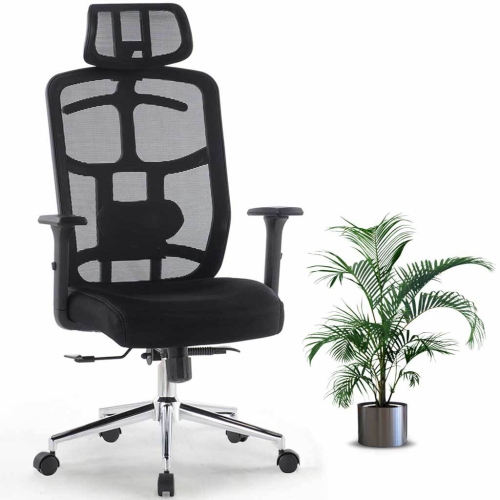 Your price for this item is $114.99
 -
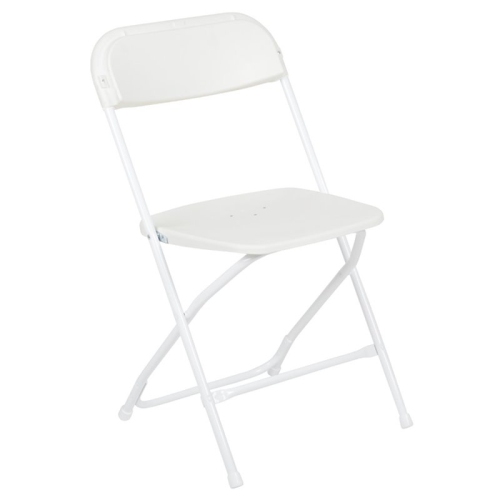 Your price for this item is $123
 -
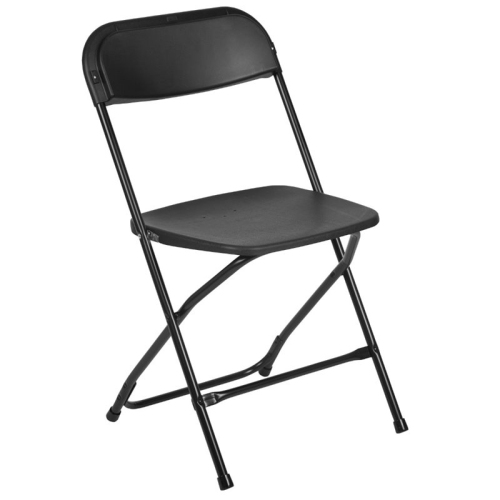 Your price for this item is $139.99
 -
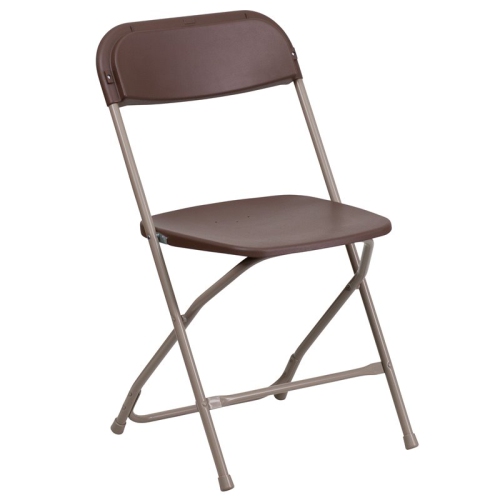 Your price for this item is $139.99
 -
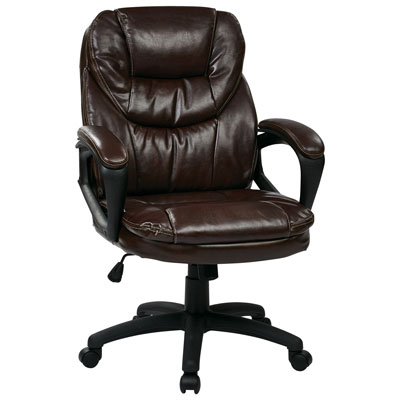 Your price for this item is $203.98
 -
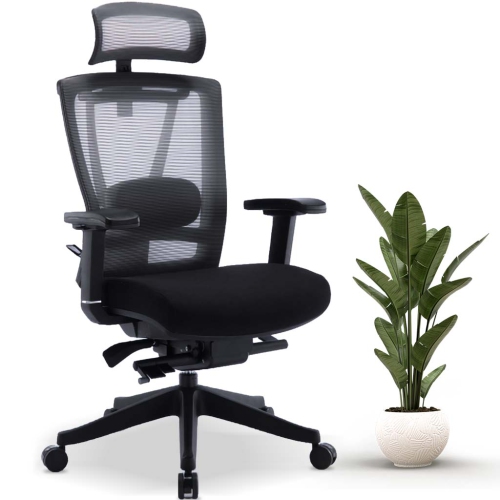 Your price for this item is $379.99
 -
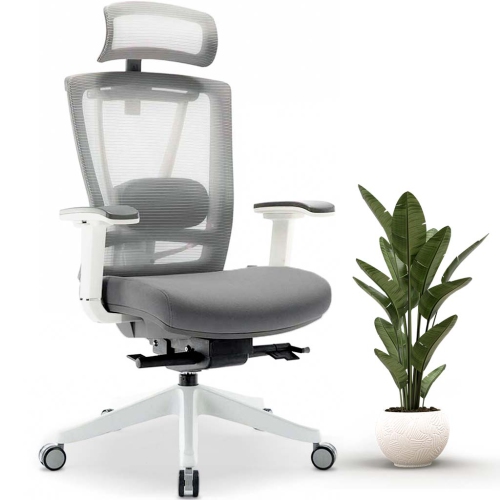 Your price for this item is $379.99
 -
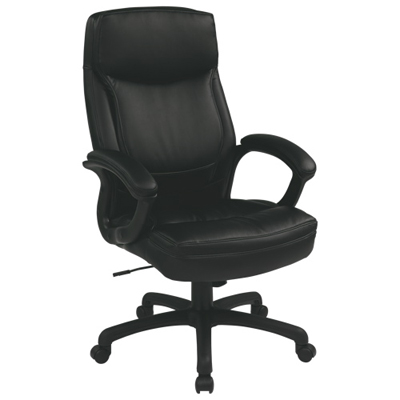 Your price for this item is $594.99
Discover more categories related to Supportive Chairs
Top Collections:
Pokemon Centers, Kindle Devices, Best Budget Office Chairs, Apple iPhones 16, Best Laptops for Writers, iPhone 15 Apple, Canon G7X Cameras, Refurbished Apple Laptops, Alarm Clock, Motorola Razr Phones
Some products may be subject to Environmental Handling Fees
(EHF) depending on your province.
Learn more about EHFs.