Swimming Pool Robots
If you're looking for a hassle-free way to keep your swimming pool sparkling clean and ready for a refreshing dip, look no further than these swimming pool robots. These innovative devices take the hard work out of maintaining your pool, leaving you with more time to relax and enjoy the water. From automated cleaning to advanced filtration systems, these swimming pool robots offer efficient and effective solutions for keeping your pool pristine.
Sort
![DOLPHIN MAYTRONICS Dolphin Explorer E20 Robotic Pool [Vacuum] Cleaner](https://multimedia.bbycastatic.ca/multimedia/products/500x500/165/16568/16568065.jpeg)
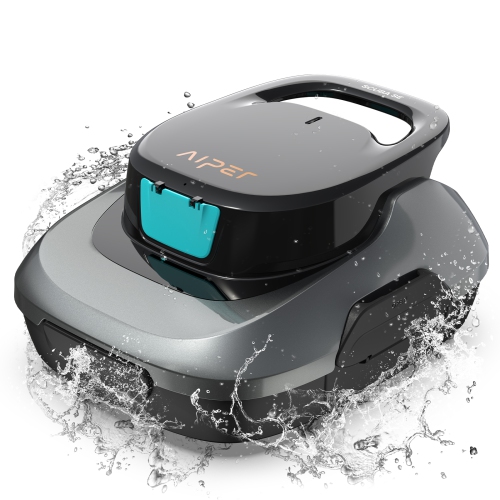
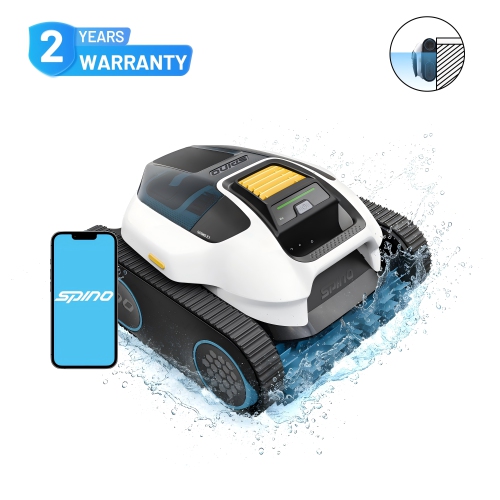
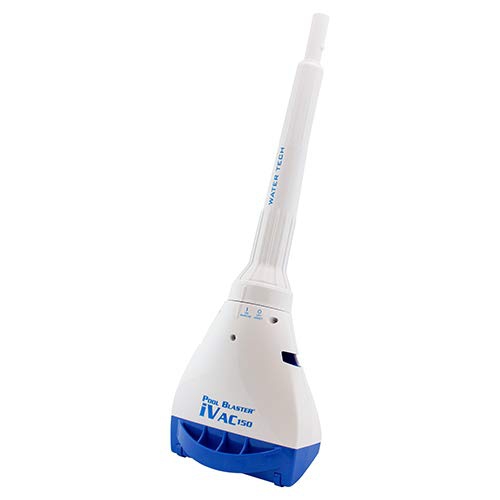
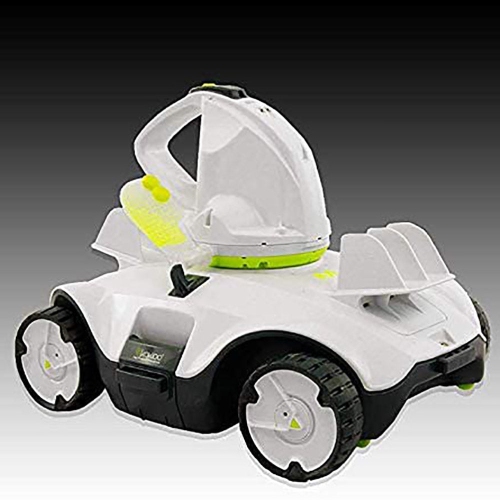
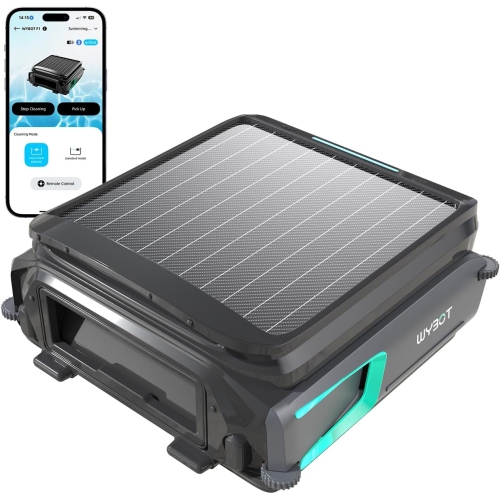
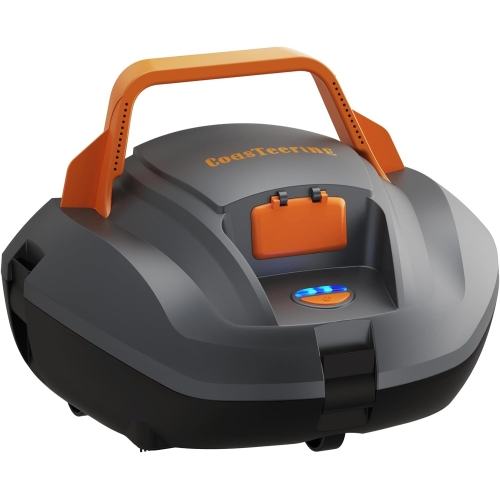
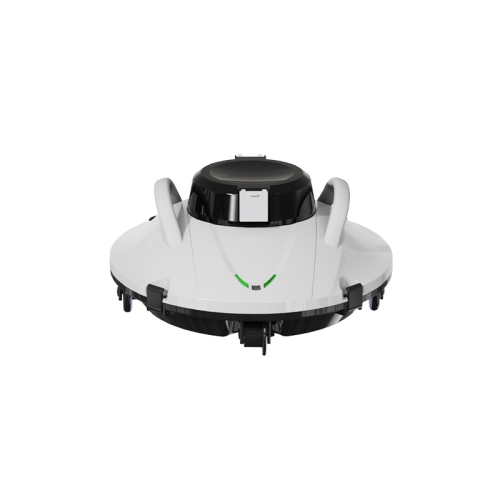
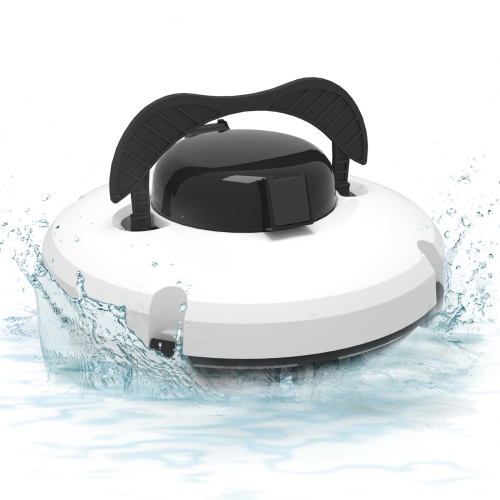
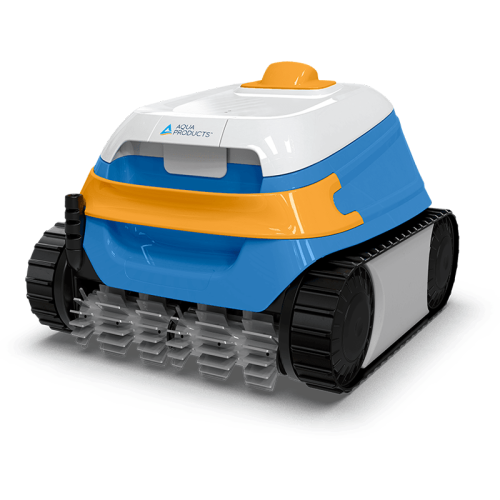
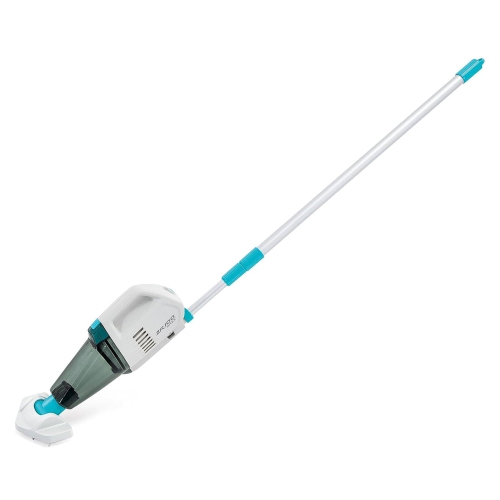
Less manual pool cleaning without skipping essential care
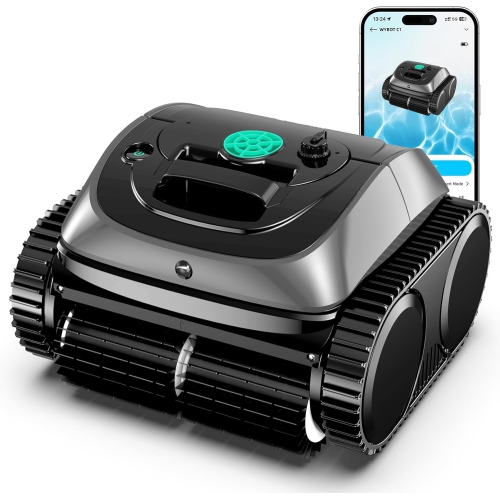
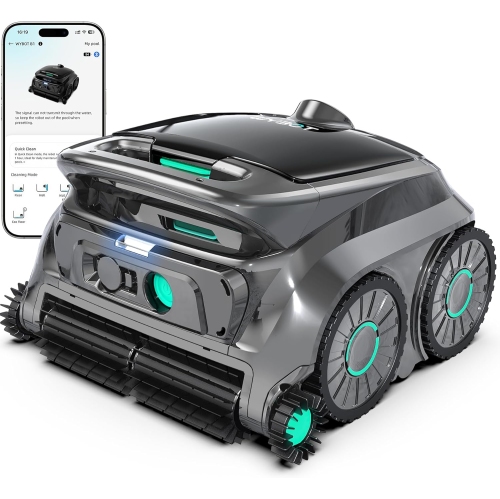
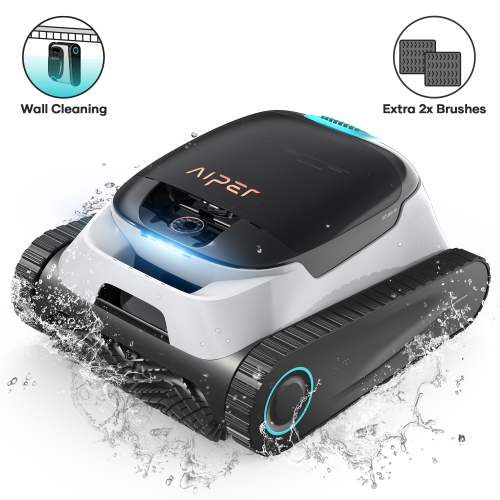
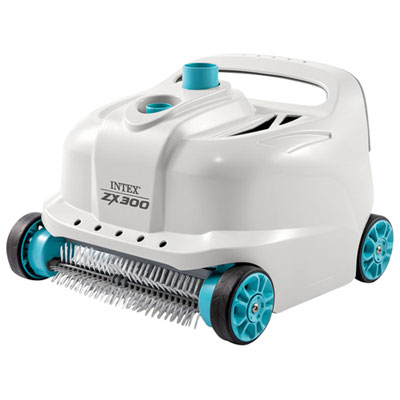
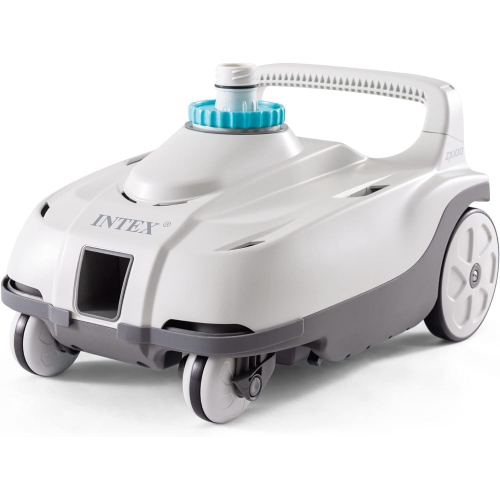
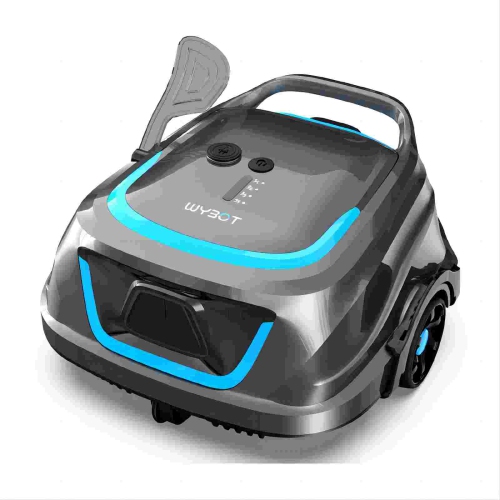
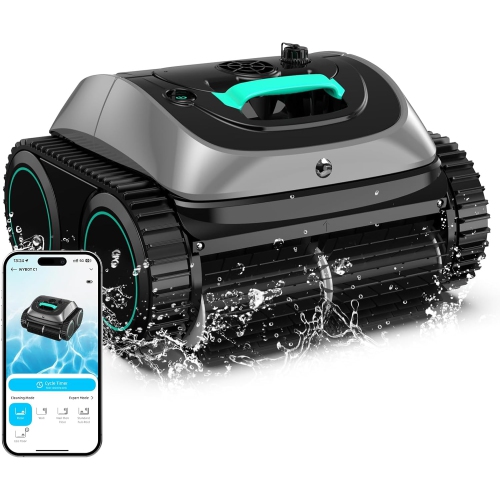
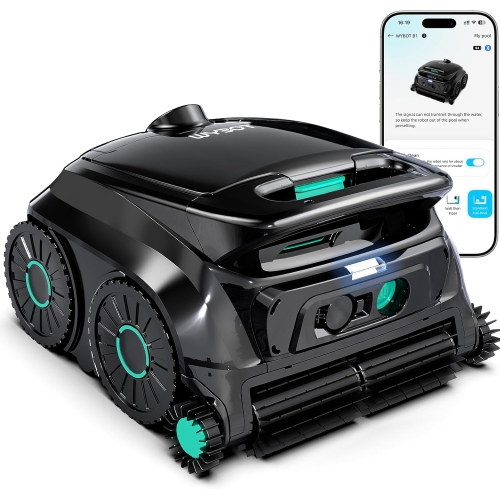
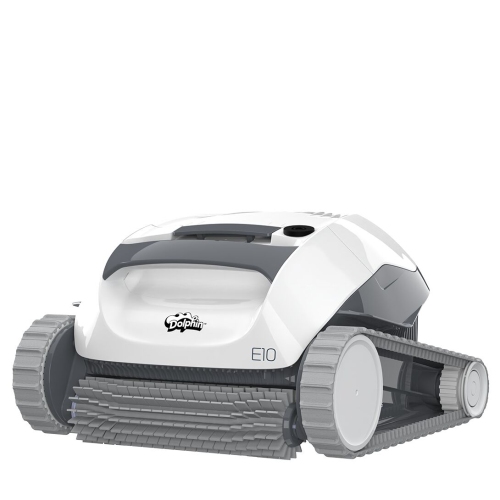
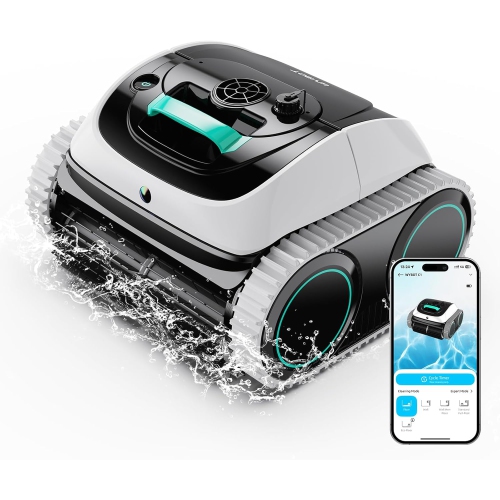
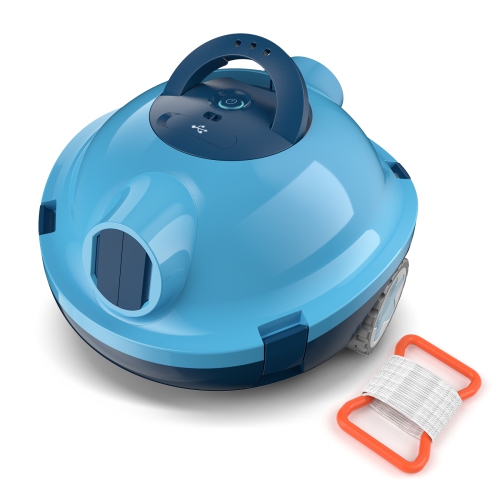
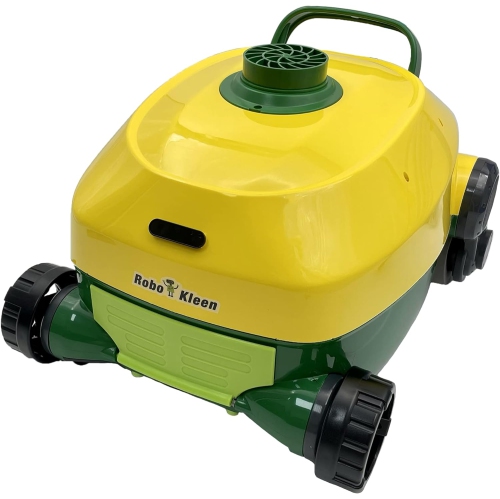
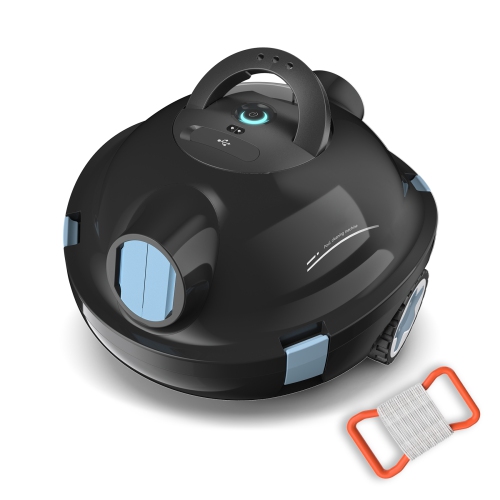
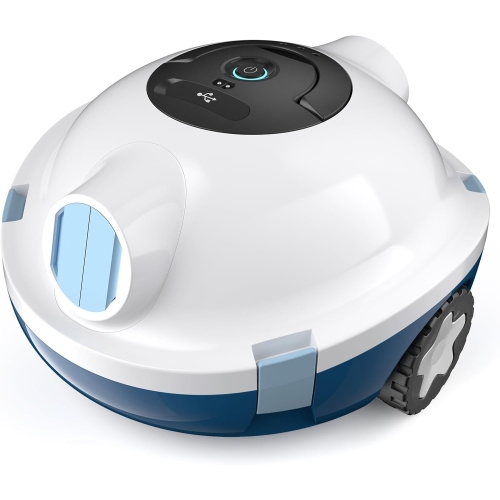
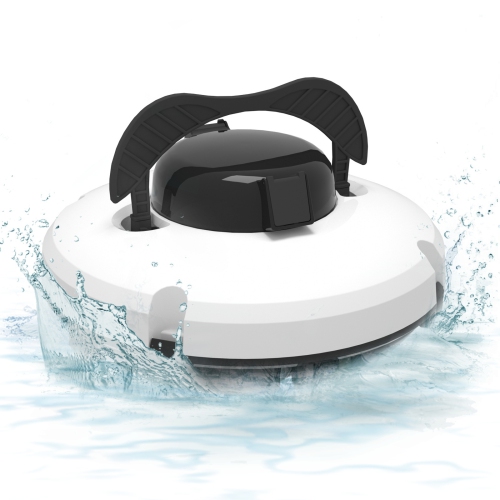
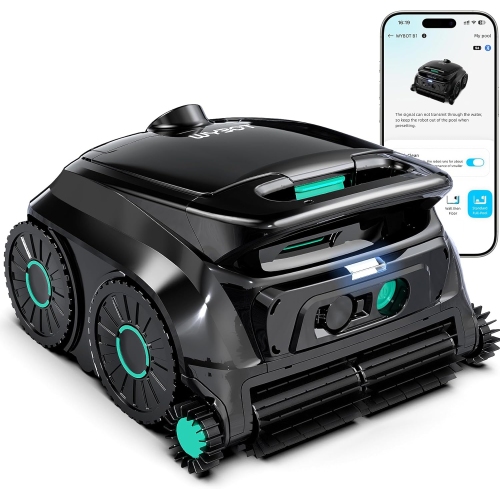
Swimming pool robots are automatic pool cleaners that move through the water to collect debris and scrub supported surfaces, helping reduce the hands-on work involved in regular pool maintenance. Unlike suction-side cleaners that connect to a pool’s filtration system, robotic cleaners generally use their own motor and onboard filtration to capture dirt as they travel. Their cleaning coverage varies: some are designed for the floor, while others can climb walls and clean along the waterline. Rotating brushes loosen dirt, and water drawn through a filter basket or cartridge leaves collected debris inside the machine for removal after a cycle. For a backyard pool beneath leafy trees, that can mean picking up small leaves and windblown material before they accumulate across the bottom. In a pool surrounded by paving stones, fine grit and dust may be the more frequent concern. The filter design matters as much as the movement of the cleaner, since a basket intended for larger debris may not retain the finest particles. Swimming pool robots suit homeowners who want a more consistent cleaning routine, families whose pools see frequent use, and people who find repeated manual vacuuming physically demanding. They can also be useful for indoor pools, where regular surface cleaning remains necessary even without falling leaves. Related Robotic Pool Sweepers offer another way to explore this category of automatic cleaning equipment. A robot handles part of pool care rather than replacing it entirely: water testing, proper sanitizer levels, circulation, and maintenance of the main filtration system still matter. Floating leaves may still need skimming, and corners, steps, or built-in seating may need occasional brushing. The practical benefit is a cleaner that takes on repetitive underwater work while leaving the owner responsible for checking water conditions and addressing areas outside the machine’s rated capabilities. That distinction is especially useful for busy households seeking less manual cleaning without assuming that pool care becomes completely hands-free.
The right fit depends on the pool’s construction, dimensions, and layout, not simply whether a cleaner is described as robotic. Above-ground and in-ground pools can have different requirements, and compatibility should extend to the actual surface, whether that is vinyl, fibreglass, tile, or concrete. Brushes, wheels, and tracks need to be suitable for that finish, particularly where liners or coated surfaces require gentler contact. A flat-bottomed pool presents a different task from one with a deep end, sloping transitions, tight curves, or a safety ledge. Wall-climbing capability does not necessarily include reliable cleaning of stairs or shallow tanning shelves, so the stated coverage should match the areas that need attention. Pool size ratings also deserve close attention: maximum length, surface area, and depth limits are not interchangeable, and each can affect whether a robot completes its intended route. Corded designs operate through an external power supply and require enough cable to reach the full cleaning area when positioned according to the manufacturer’s directions. Cordless designs remove the trailing power cable during operation, but their usefulness depends on battery runtime, charging time, and the effort needed to retrieve and recharge the cleaner. Actual cleaning time can vary with the selected mode, pool shape, debris load, and water conditions. Navigation features may help a cleaner cover the pool more methodically, while selectable floor-only or broader cleaning modes can suit different maintenance needs. App controls and scheduling, where included, add convenience, although wireless connectivity and supported functions vary by design. Everyday handling is just as important as coverage. A cleaner that feels manageable when dry can be more awkward as it comes out of the water, making drainage, handle placement, and retrieval methods worth considering. An accessible filter basket is particularly helpful after a windy day, when a quick emptying may be needed between cycles. For someone choosing a pool robot as a practical household gift, confirming the recipient’s pool specifications and preferred handling style is more useful than choosing on features alone.
Materials, maintenance access, and storage requirements all influence how well a swimming pool robot holds up over repeated use. Housings are commonly made from moulded plastics, with brush and traction components selected for submerged operation, but suitability for pool water does not mean every part can tolerate unlimited chemical exposure or outdoor storage. Saltwater compatibility, permitted water temperatures, and acceptable water chemistry ranges should be confirmed in the manufacturer’s documentation. A pool robot is not a substitute for correcting unbalanced water, and it should only be used during chemical treatments when the manufacturer specifically permits it. After a cleaning cycle, emptying the basket and rinsing the filter helps prevent trapped debris from restricting water flow during the next run. Fine-filter inserts may need more frequent attention when collecting silt, while small twigs, hair, or fibrous material can gather around moving parts. Periodic checks of brushes, tracks, rollers, and accessible intake openings help reveal wear or blockages before cleaning performance noticeably drops. Serviceable wear components and clearly documented care procedures are useful durability considerations, especially for a cleaner expected to run often. Safe handling includes switching off or disconnecting the machine as directed before maintenance, using the intended lifting point rather than pulling on a cable, and keeping swimmers out of the pool while it operates unless the manufacturer expressly allows otherwise. Electrical connections and charging equipment must stay in their designated dry locations, with the required electrical protection and clearance from the water. During the cooler months, outdoor pool owners also need to account for minimum operating temperatures and pool-closing routines. A robot should not remain submerged in a closed pool or be left where trapped water can freeze. Cleaning, draining, and drying it before storage helps protect internal passages and removable filters, while cordless versions may have specific battery storage and charging requirements. With a suitable match between pool shape, surface material, debris type, and cleaning coverage, these machines can become a dependable part of routine upkeep, from collecting grit on the floor to reducing the dirt that gathers along supported walls and waterlines.
The right fit depends on the pool’s construction, dimensions, and layout, not simply whether a cleaner is described as robotic. Above-ground and in-ground pools can have different requirements, and compatibility should extend to the actual surface, whether that is vinyl, fibreglass, tile, or concrete. Brushes, wheels, and tracks need to be suitable for that finish, particularly where liners or coated surfaces require gentler contact. A flat-bottomed pool presents a different task from one with a deep end, sloping transitions, tight curves, or a safety ledge. Wall-climbing capability does not necessarily include reliable cleaning of stairs or shallow tanning shelves, so the stated coverage should match the areas that need attention. Pool size ratings also deserve close attention: maximum length, surface area, and depth limits are not interchangeable, and each can affect whether a robot completes its intended route. Corded designs operate through an external power supply and require enough cable to reach the full cleaning area when positioned according to the manufacturer’s directions. Cordless designs remove the trailing power cable during operation, but their usefulness depends on battery runtime, charging time, and the effort needed to retrieve and recharge the cleaner. Actual cleaning time can vary with the selected mode, pool shape, debris load, and water conditions. Navigation features may help a cleaner cover the pool more methodically, while selectable floor-only or broader cleaning modes can suit different maintenance needs. App controls and scheduling, where included, add convenience, although wireless connectivity and supported functions vary by design. Everyday handling is just as important as coverage. A cleaner that feels manageable when dry can be more awkward as it comes out of the water, making drainage, handle placement, and retrieval methods worth considering. An accessible filter basket is particularly helpful after a windy day, when a quick emptying may be needed between cycles. For someone choosing a pool robot as a practical household gift, confirming the recipient’s pool specifications and preferred handling style is more useful than choosing on features alone.
Materials, maintenance access, and storage requirements all influence how well a swimming pool robot holds up over repeated use. Housings are commonly made from moulded plastics, with brush and traction components selected for submerged operation, but suitability for pool water does not mean every part can tolerate unlimited chemical exposure or outdoor storage. Saltwater compatibility, permitted water temperatures, and acceptable water chemistry ranges should be confirmed in the manufacturer’s documentation. A pool robot is not a substitute for correcting unbalanced water, and it should only be used during chemical treatments when the manufacturer specifically permits it. After a cleaning cycle, emptying the basket and rinsing the filter helps prevent trapped debris from restricting water flow during the next run. Fine-filter inserts may need more frequent attention when collecting silt, while small twigs, hair, or fibrous material can gather around moving parts. Periodic checks of brushes, tracks, rollers, and accessible intake openings help reveal wear or blockages before cleaning performance noticeably drops. Serviceable wear components and clearly documented care procedures are useful durability considerations, especially for a cleaner expected to run often. Safe handling includes switching off or disconnecting the machine as directed before maintenance, using the intended lifting point rather than pulling on a cable, and keeping swimmers out of the pool while it operates unless the manufacturer expressly allows otherwise. Electrical connections and charging equipment must stay in their designated dry locations, with the required electrical protection and clearance from the water. During the cooler months, outdoor pool owners also need to account for minimum operating temperatures and pool-closing routines. A robot should not remain submerged in a closed pool or be left where trapped water can freeze. Cleaning, draining, and drying it before storage helps protect internal passages and removable filters, while cordless versions may have specific battery storage and charging requirements. With a suitable match between pool shape, surface material, debris type, and cleaning coverage, these machines can become a dependable part of routine upkeep, from collecting grit on the floor to reducing the dirt that gathers along supported walls and waterlines.
Top selling and popular products
-
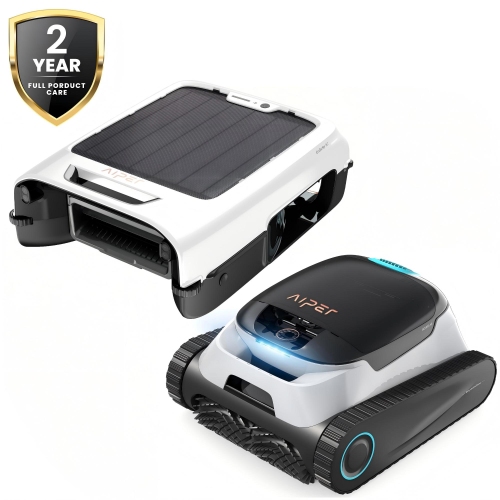 Your price for this item is $1159.99
 -
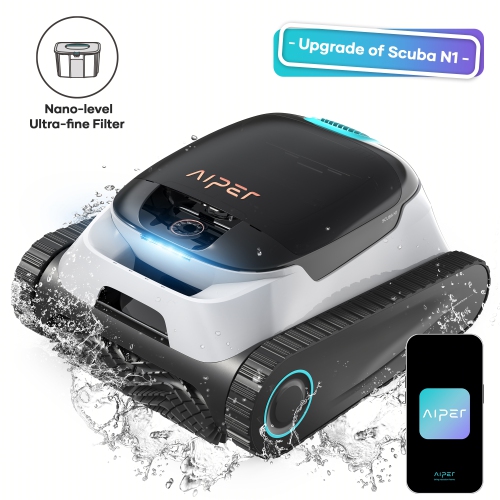 Your price for this item is $749.98
 -
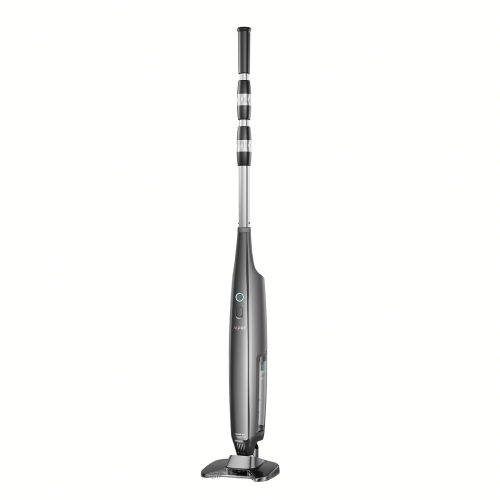 Your price for this item is $299.98
 -
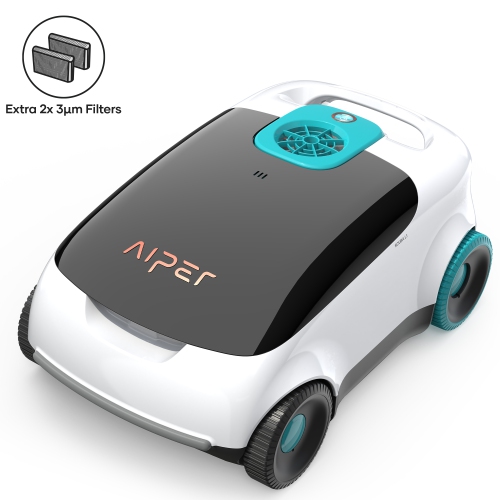 Your price for this item is $319.99
 -
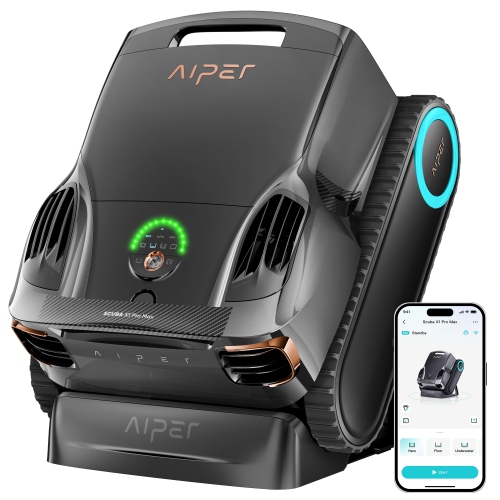 Your price for this item is $2299.98
 -
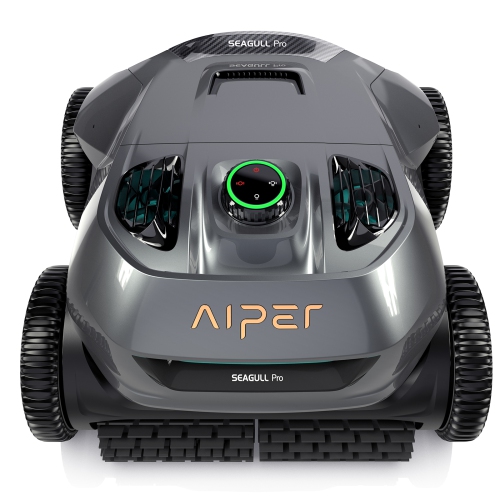 Your price for this item is $599.98
 -
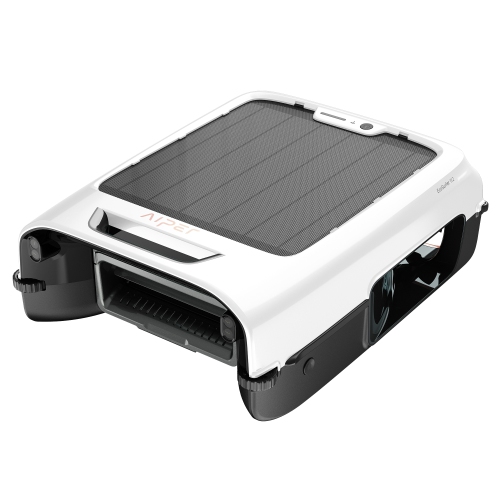 Your price for this item is $479.98
 -
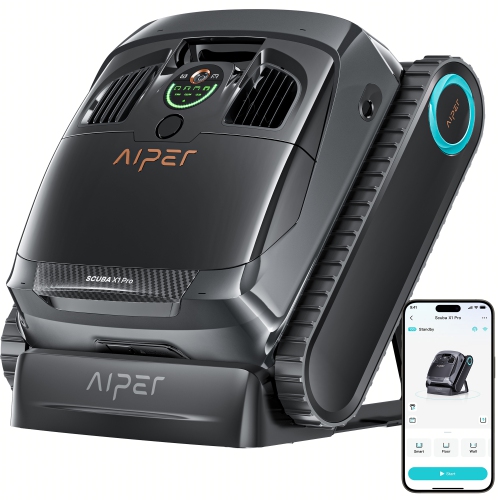 Your price for this item is $1199.98
Discover more categories related to Swimming Pool Robots
Top Collections:
Pokemon Centers, Kindle Devices, Best Budget Office Chairs, Apple iPhones 16, Best Laptops for Writers, iPhone 15 Apple, Canon G7X Cameras, Refurbished Apple Laptops, Alarm Clock, Motorola Razr Phones
Some products may be subject to Environmental Handling Fees
(EHF) depending on your province.
Learn more about EHFs.