Swing Chairs With Canopy
Create your own personal oasis with swing chairs with canopy. These stylish and comfortable additions to your outdoor space provide the perfect spot to relax and unwind. Whether you're looking to lounge in the sun, enjoy a good book, or simply take in the beauty of nature, swing chairs with canopy offer a cozy and shaded retreat. With their durable construction and adjustable features, these swing chairs are designed to provide hours of comfort and enjoyment for years to come. Explore our wide selection of swing chairs with canopy and find the perfect addition to your outdoor sanctuary today.
Sort
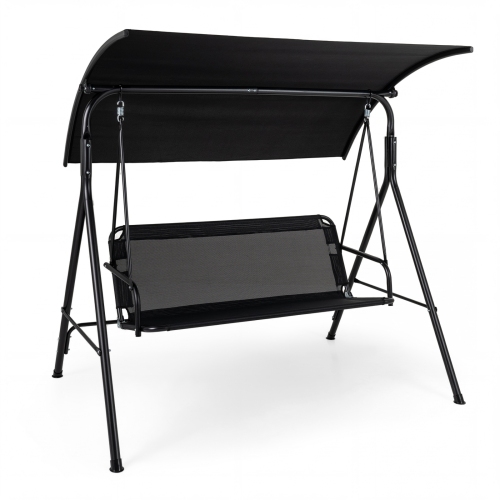
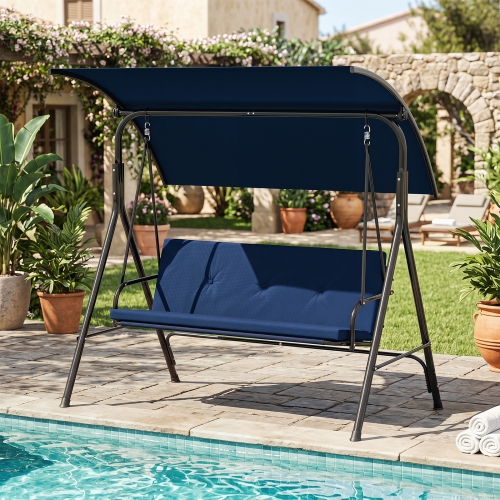
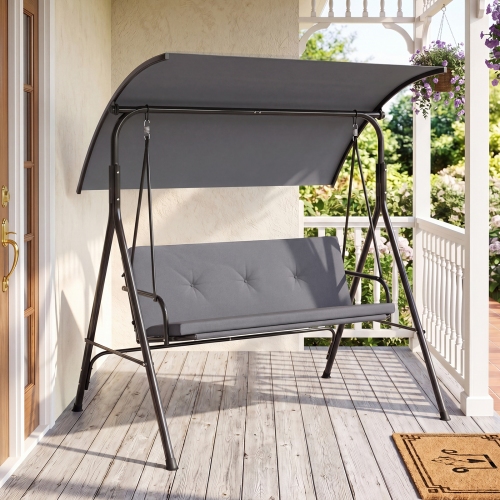
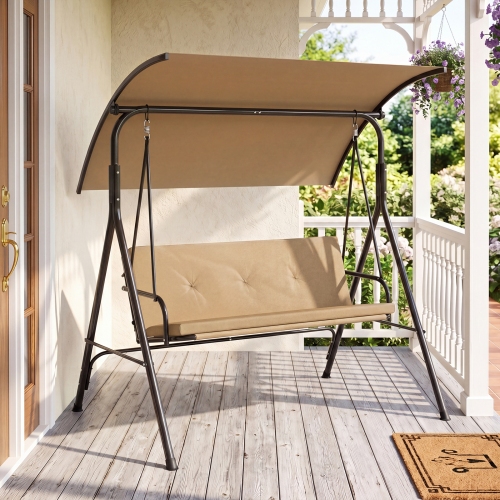
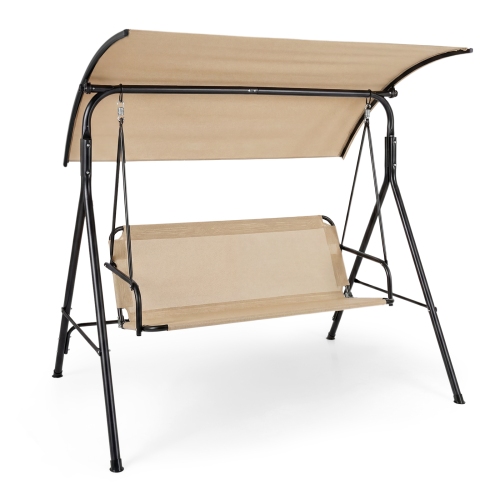


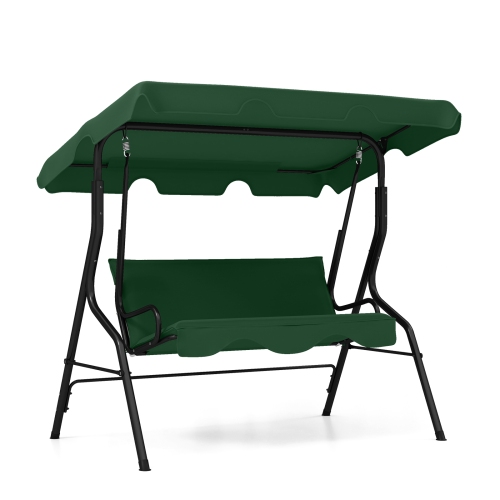
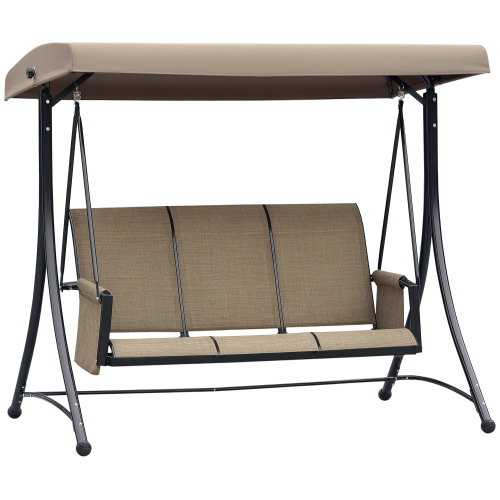
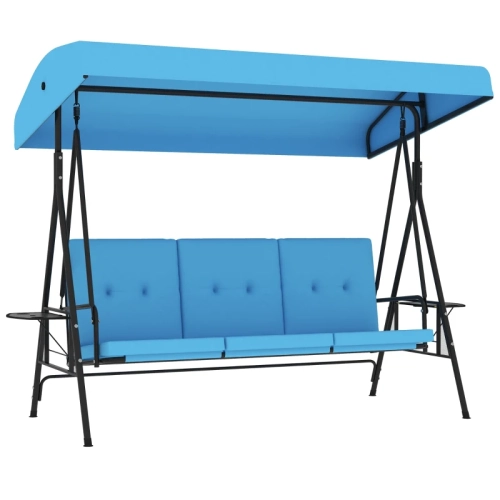
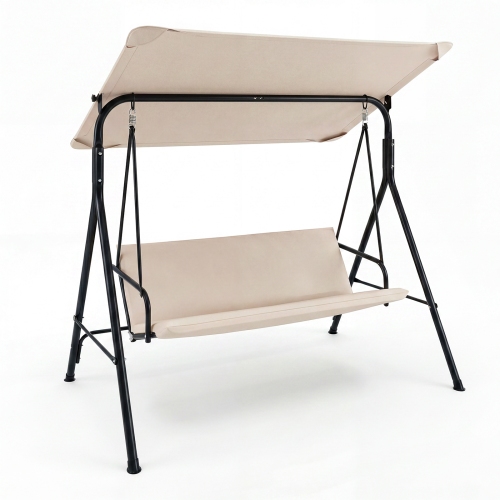

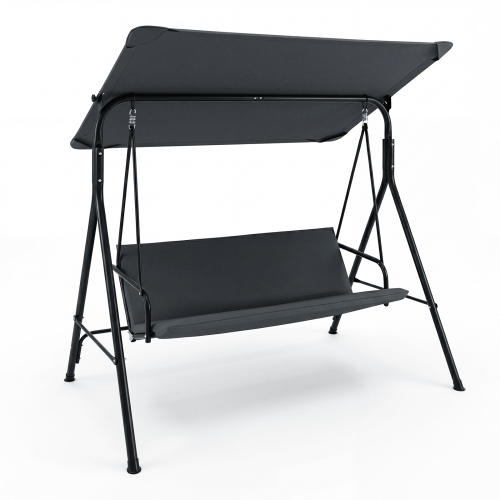

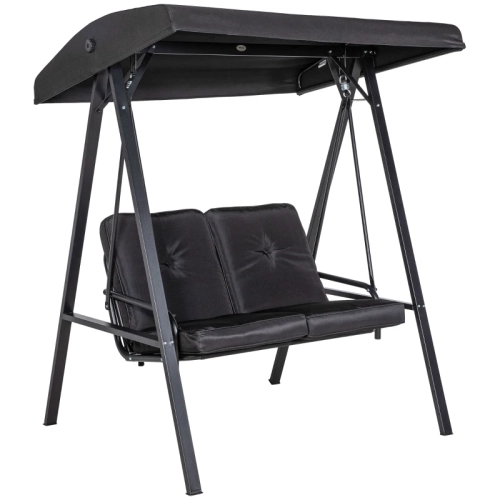

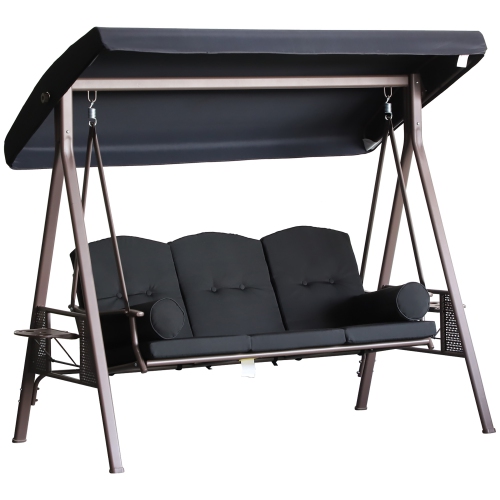
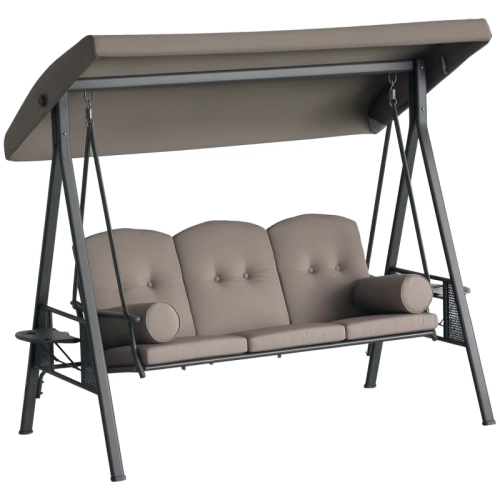


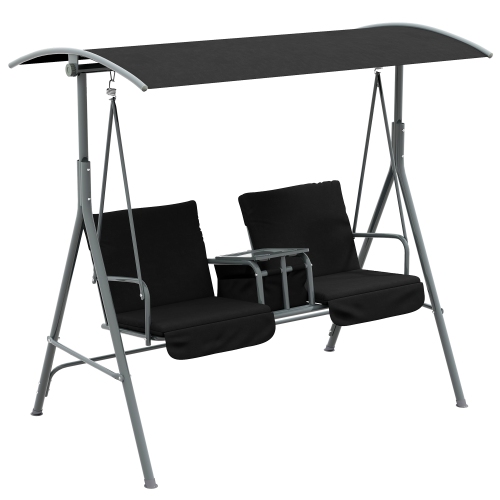
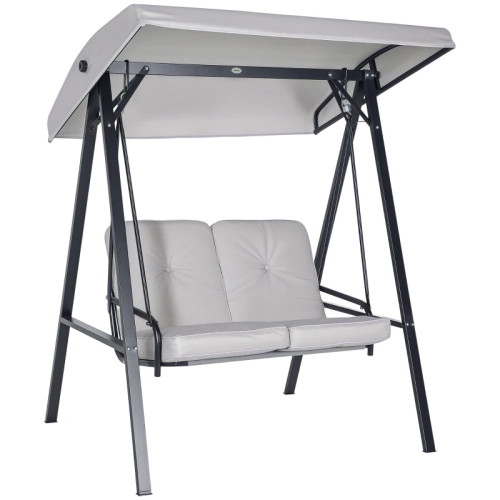


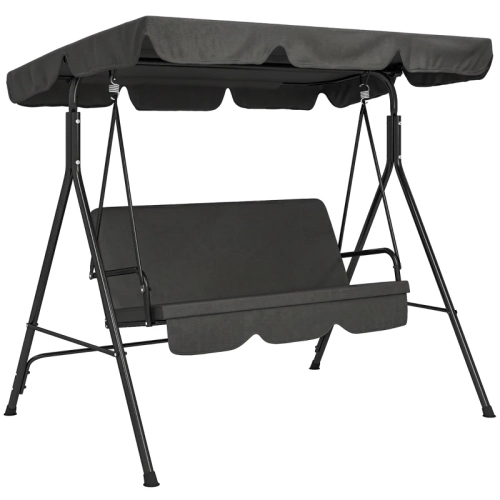


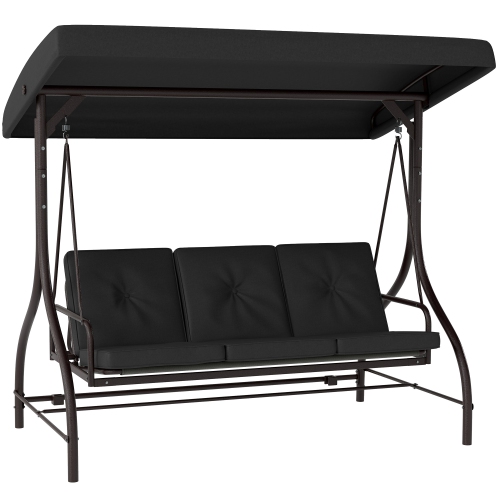


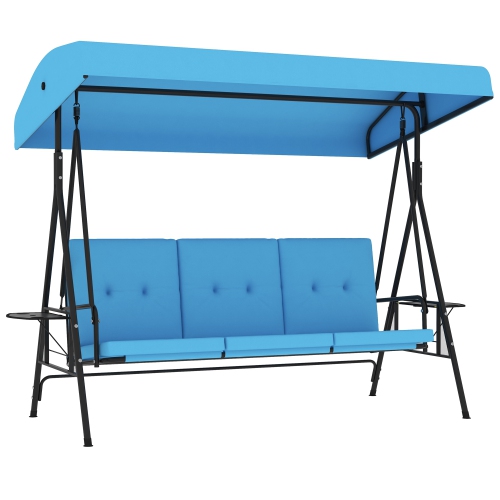


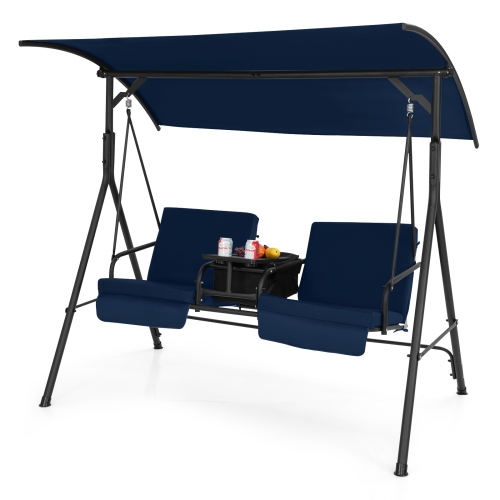
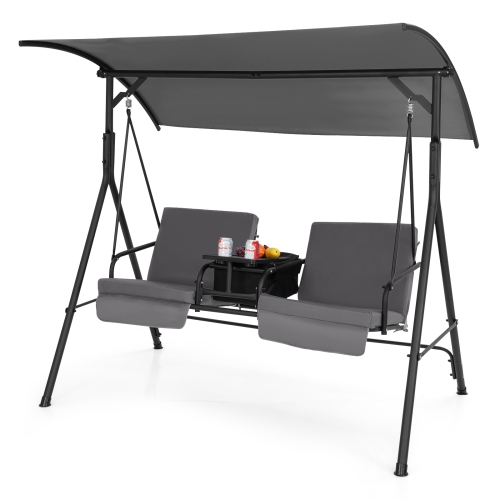
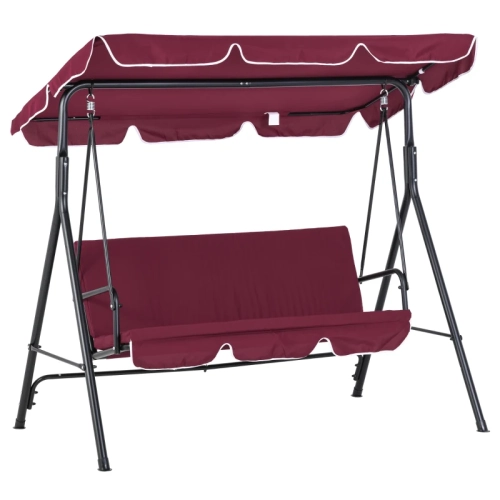

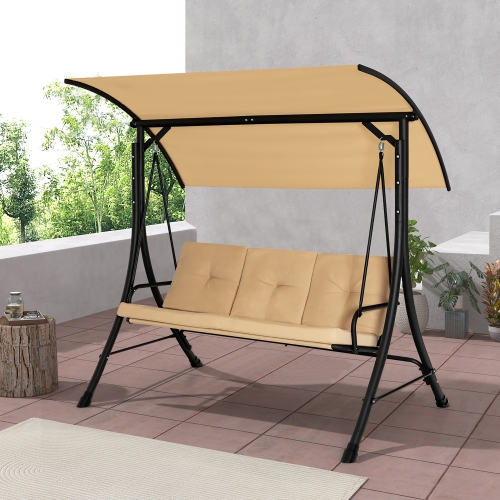


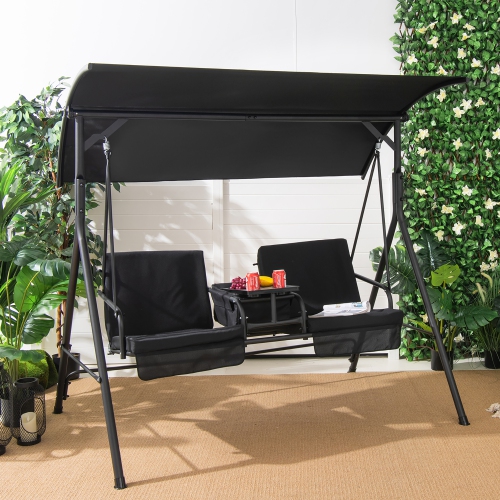
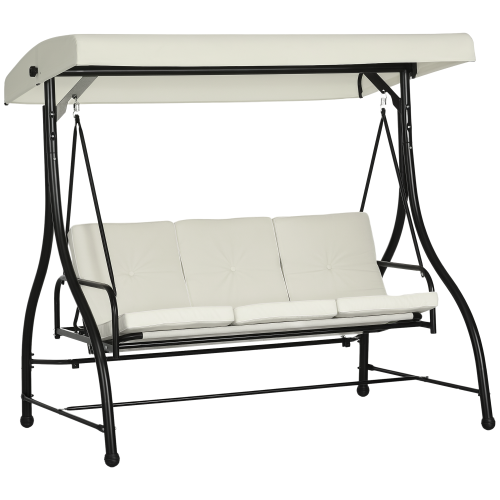
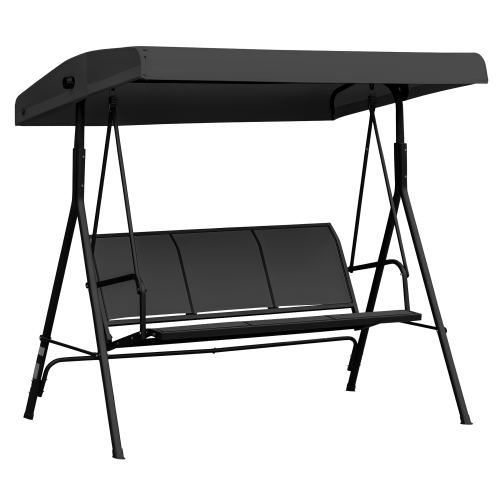


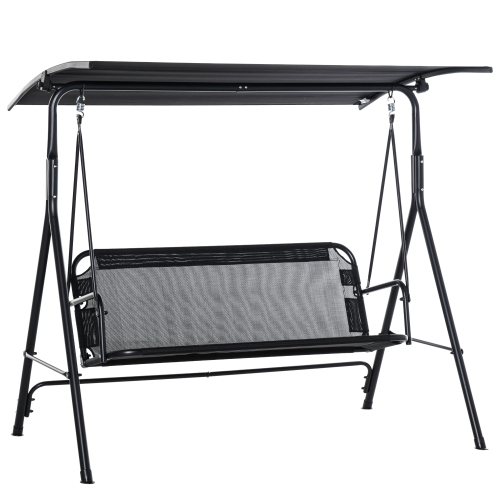

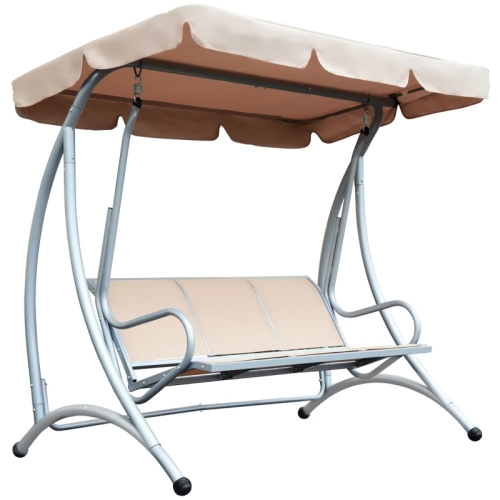

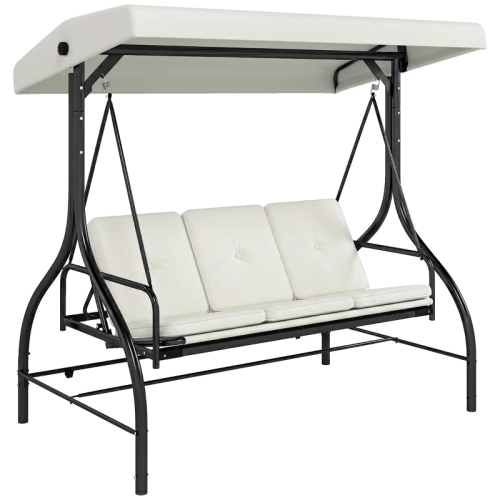


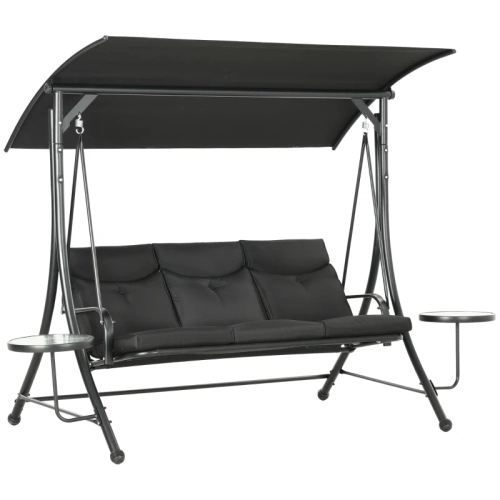
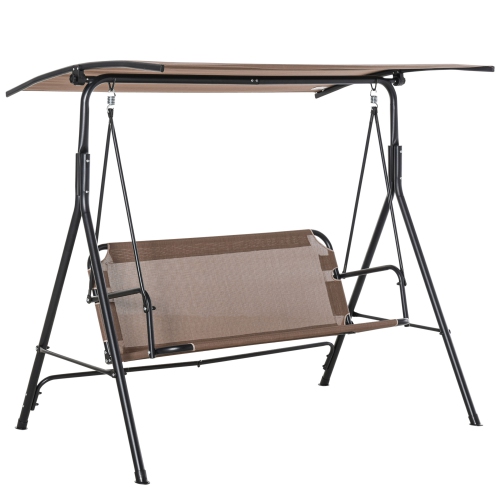
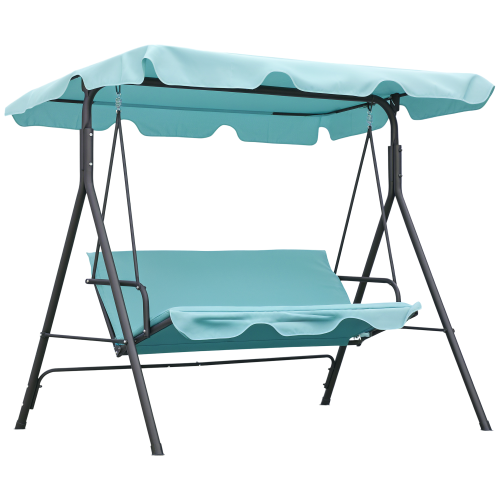


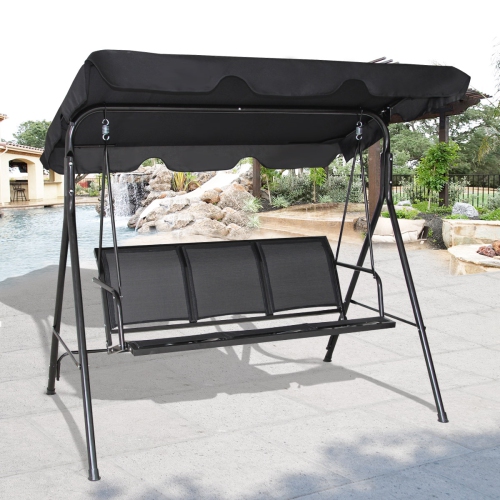
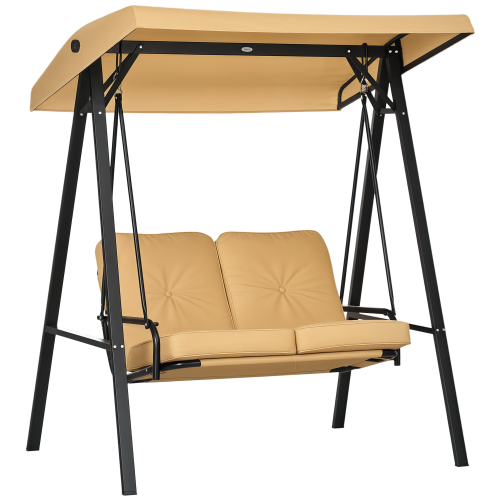


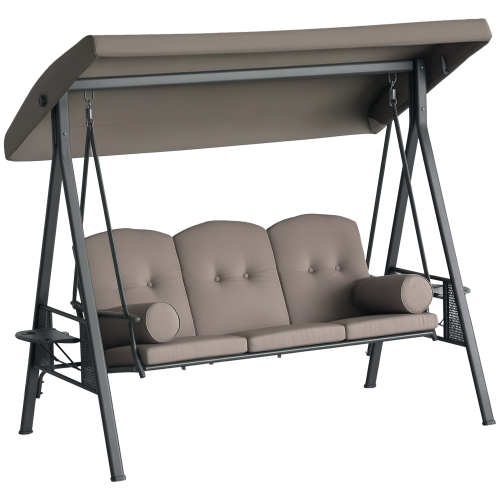

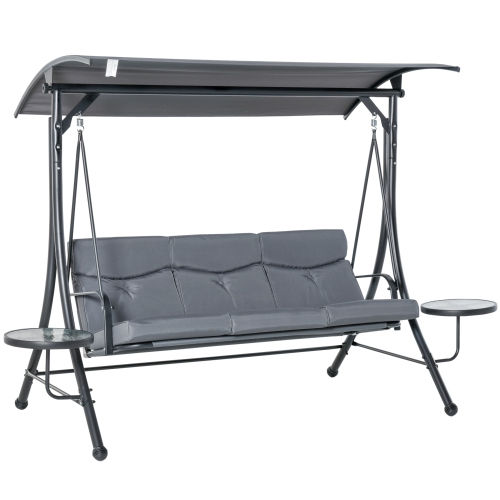
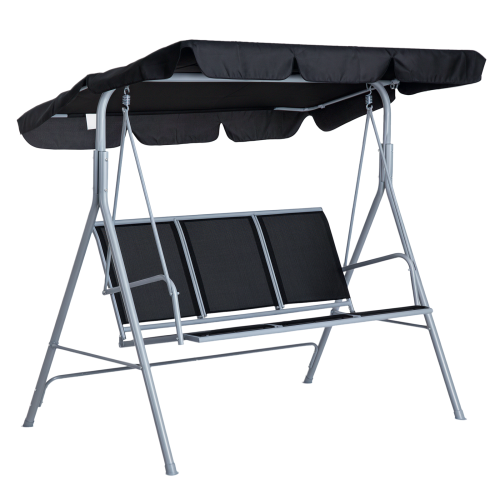


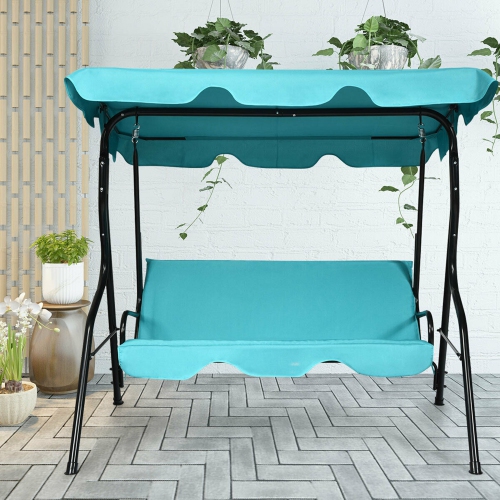
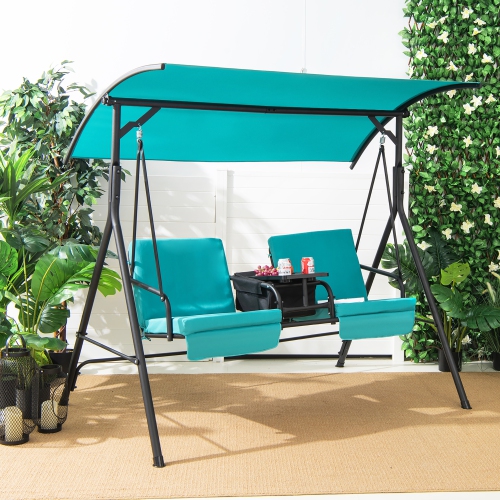
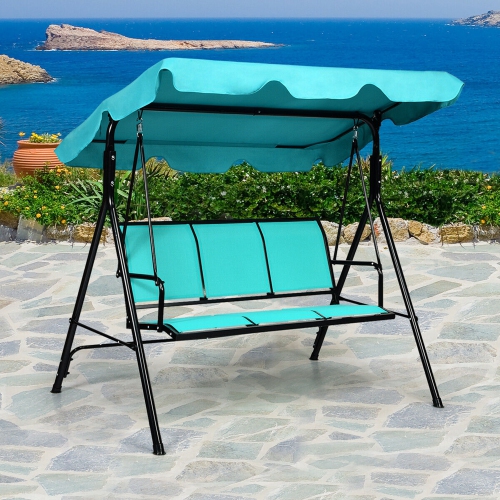


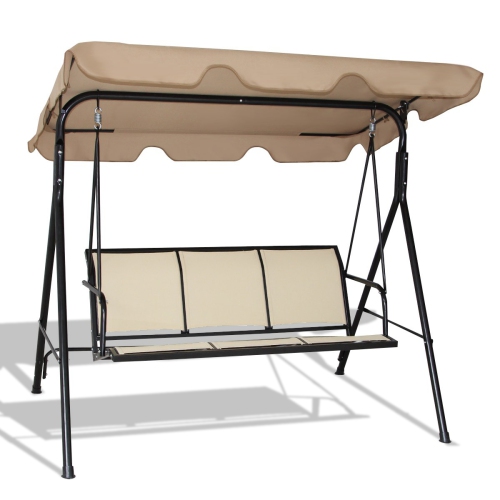

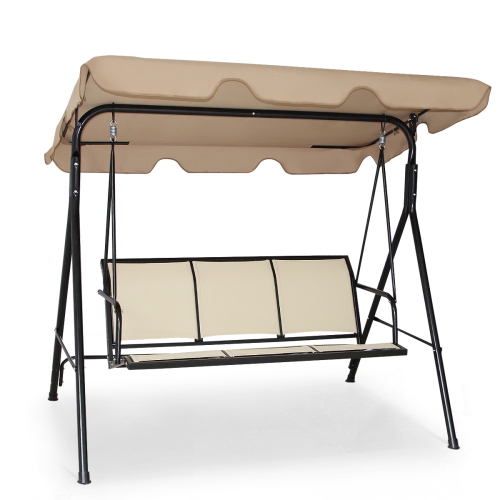
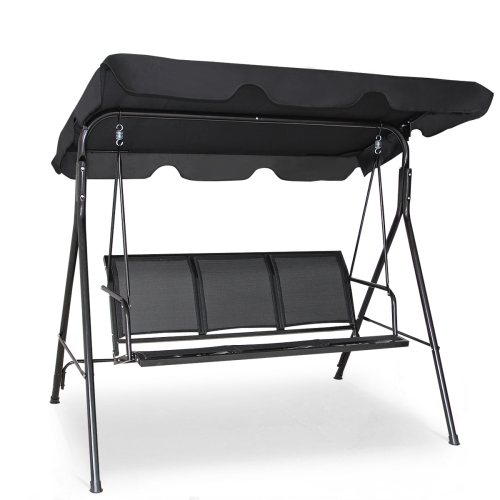


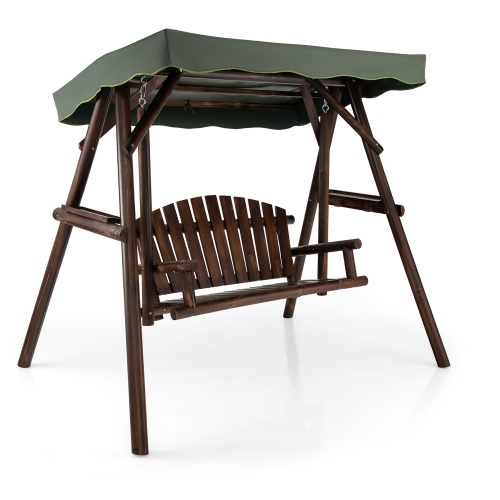

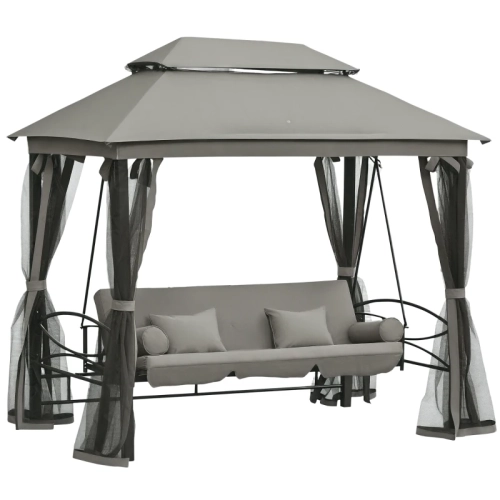

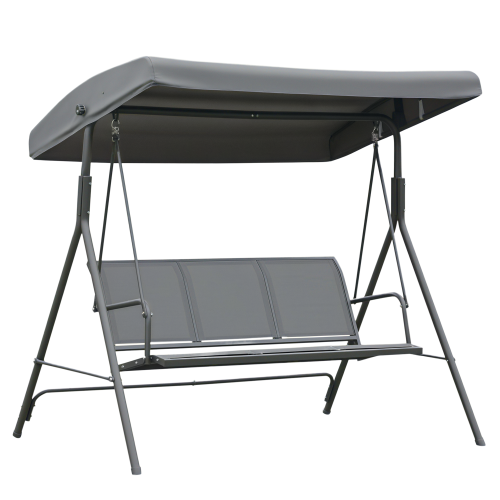

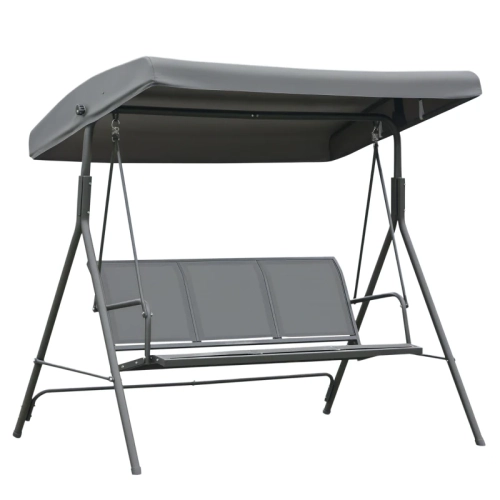
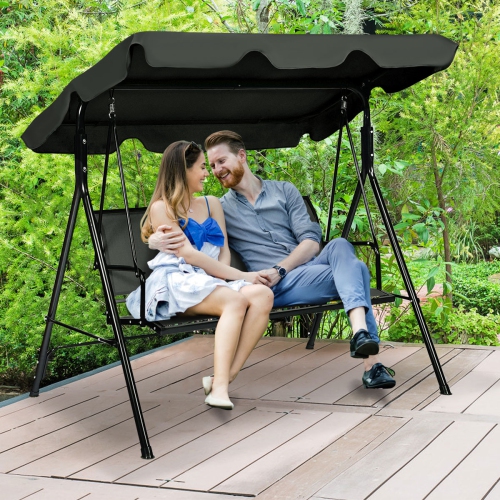


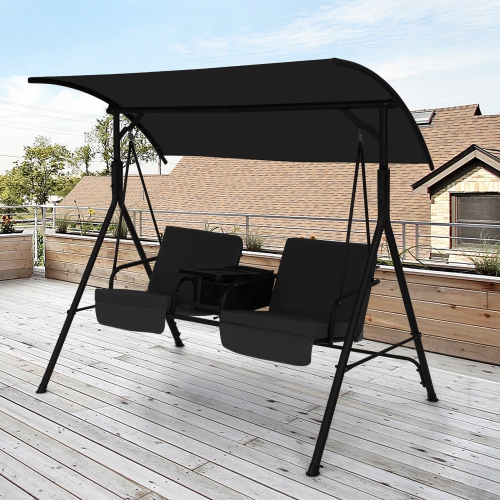
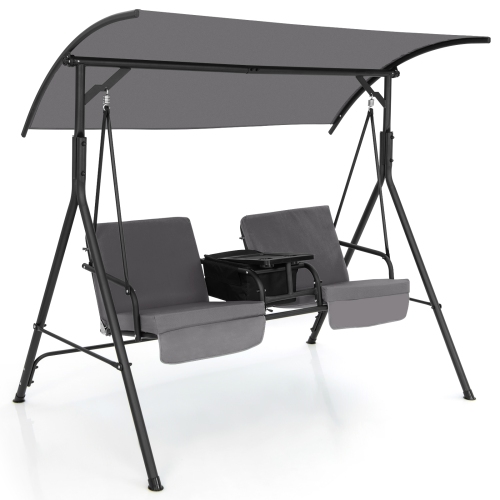
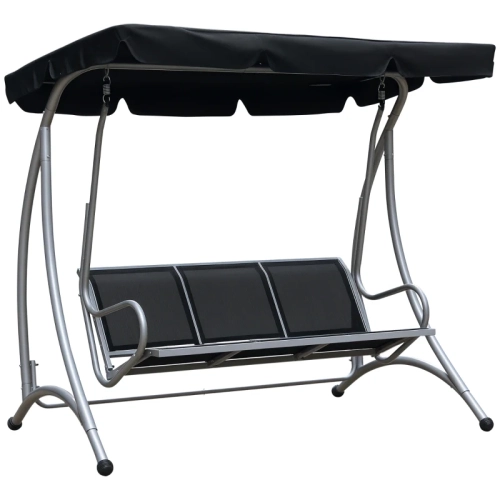
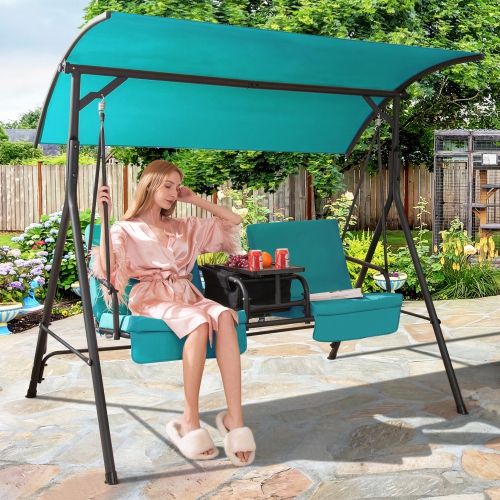


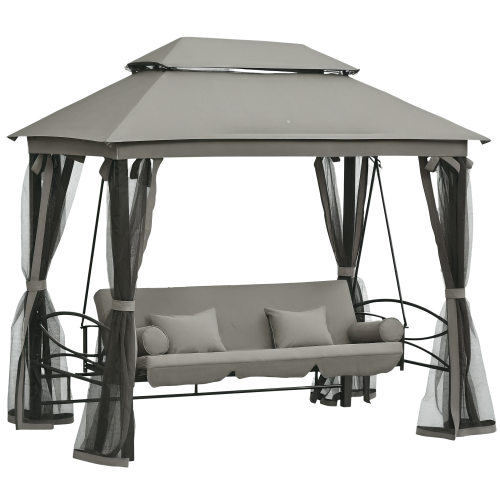


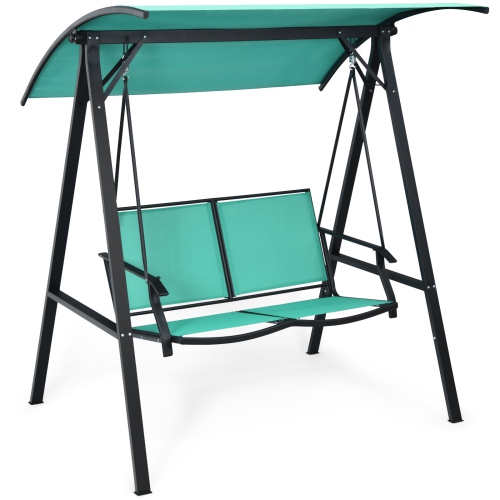

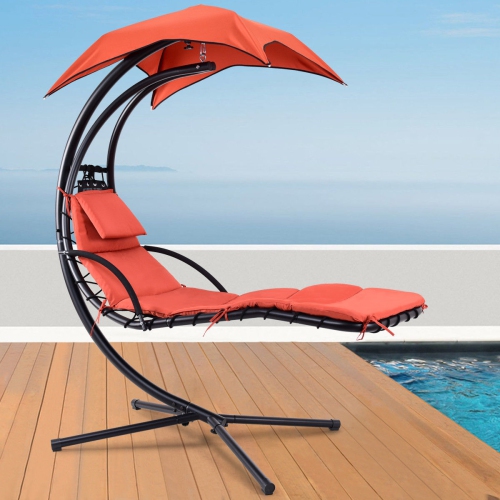
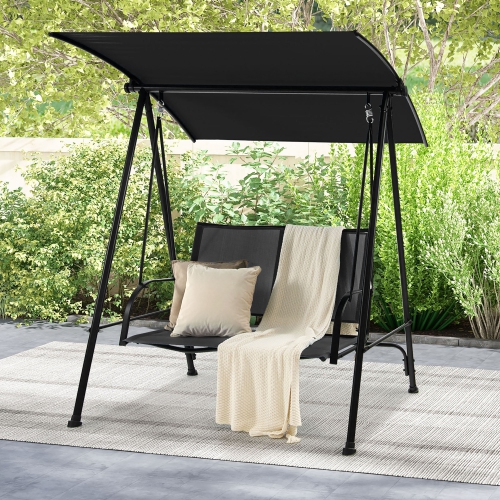
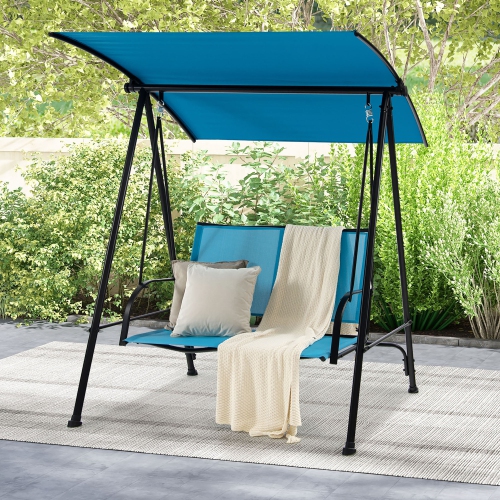


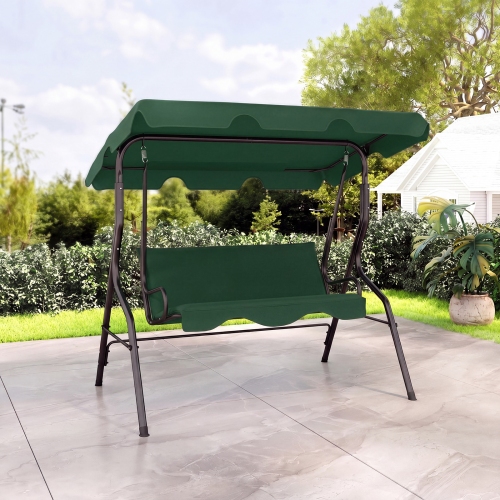
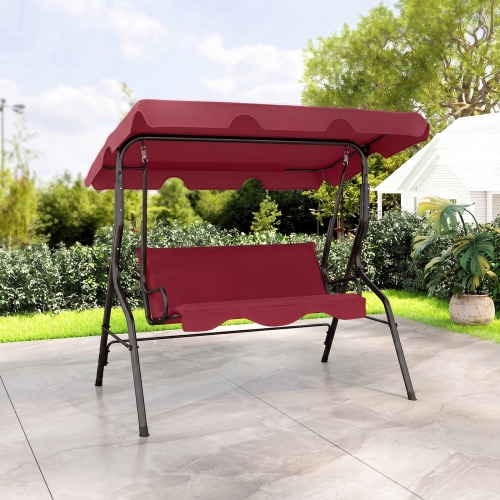


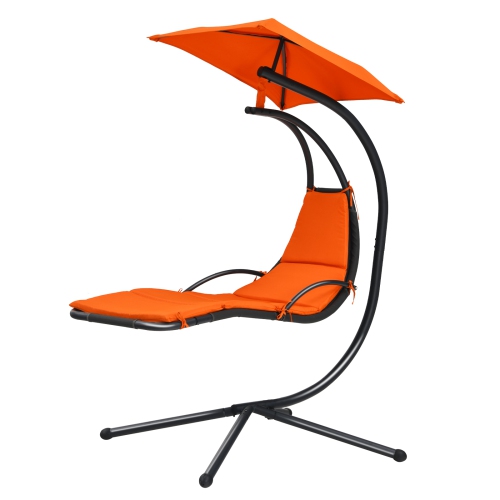


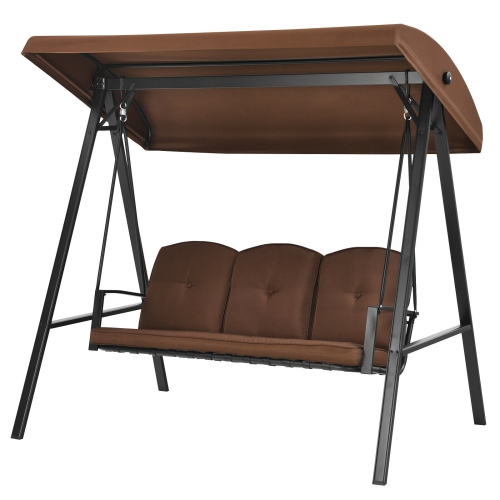




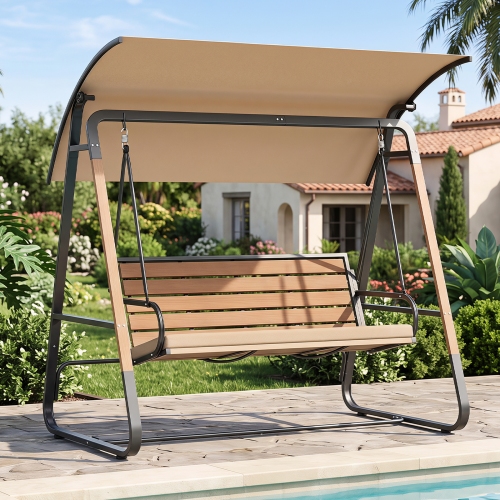


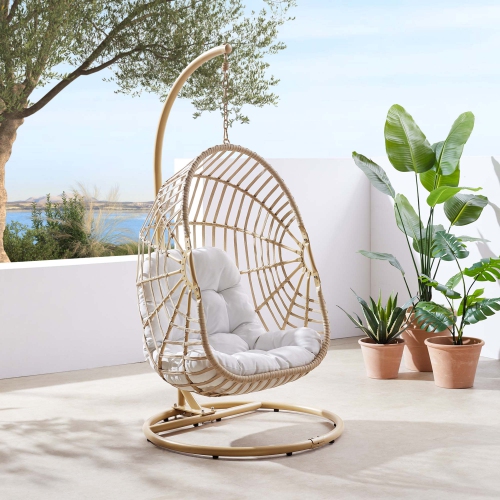

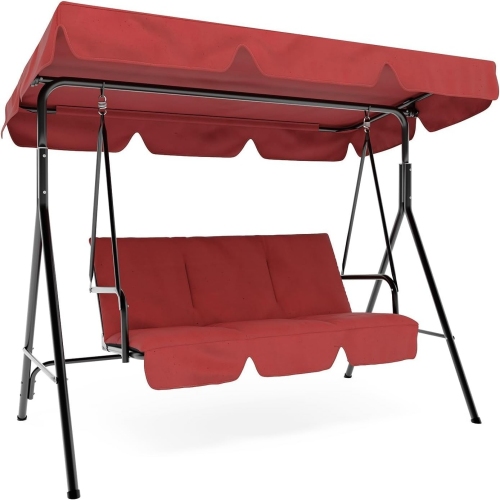


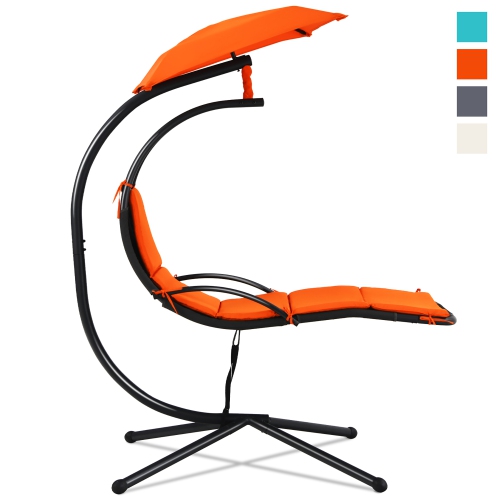

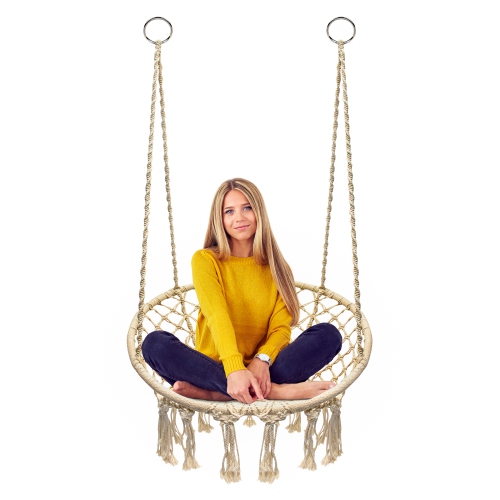

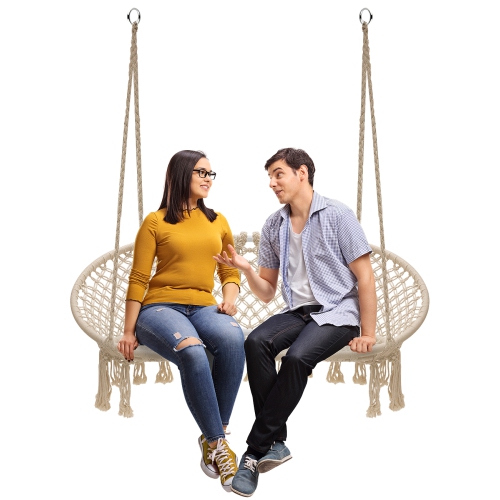


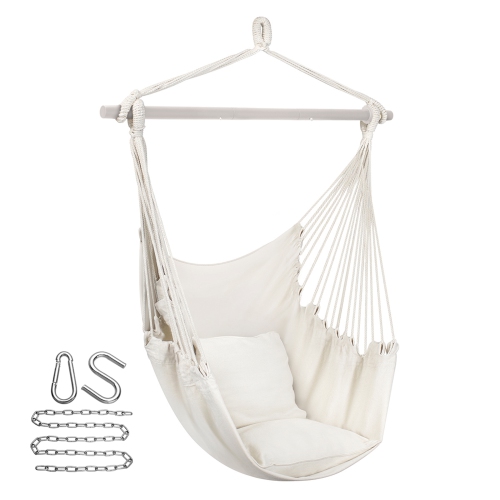
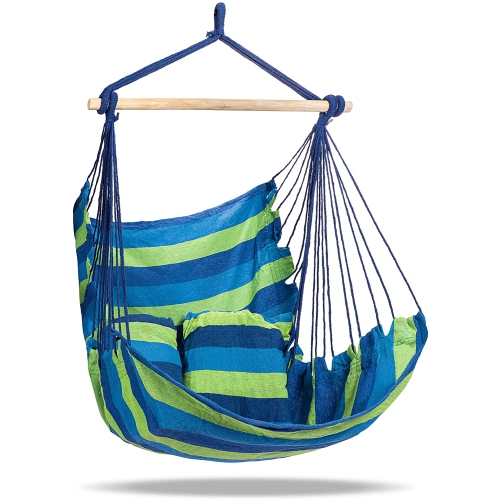
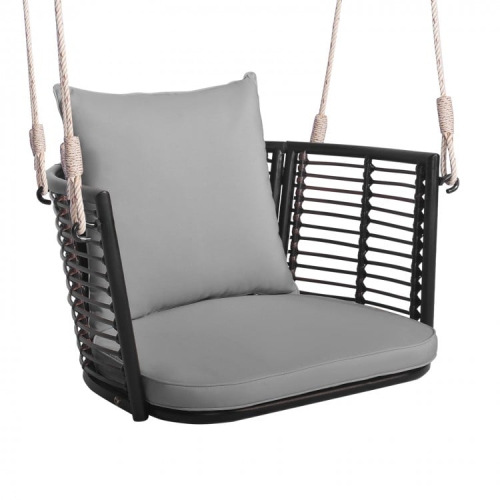
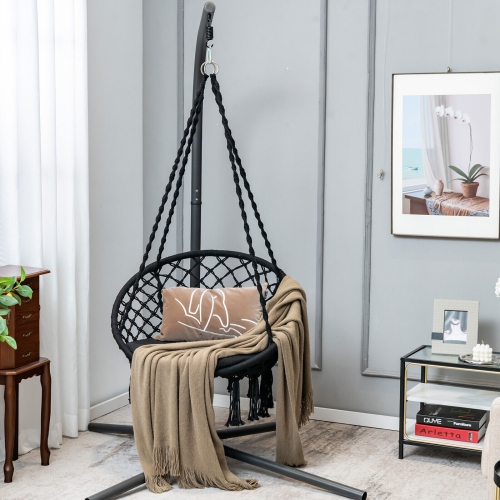


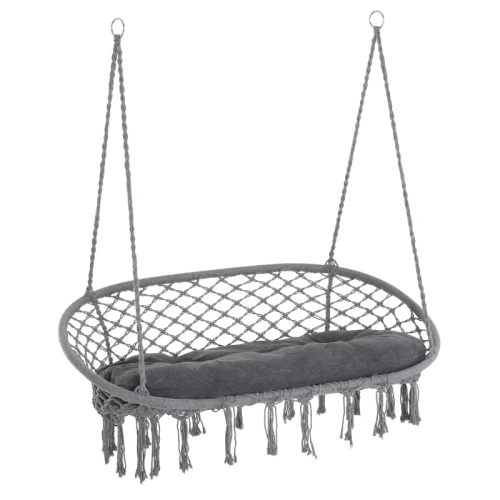


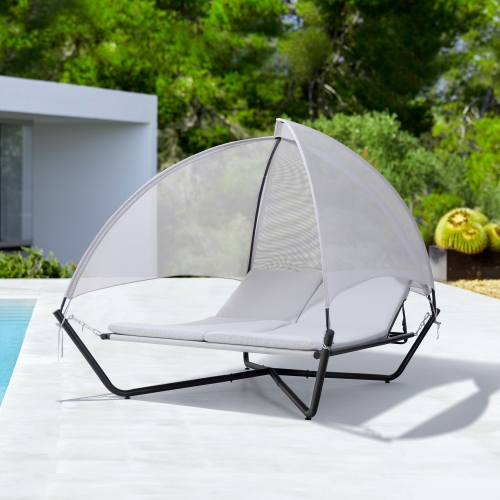
Gentle motion and shade for quiet patio moments
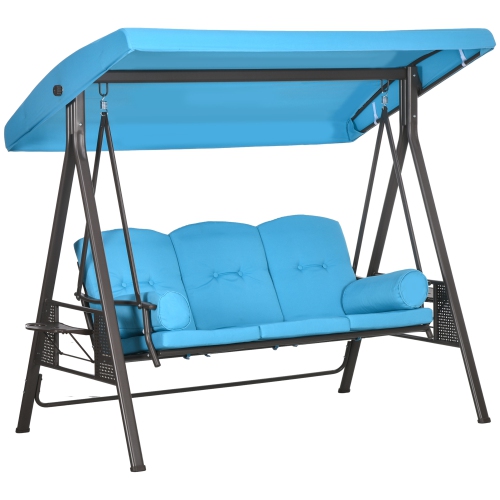
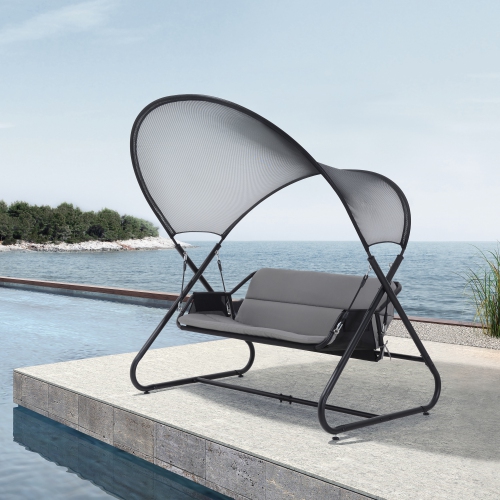
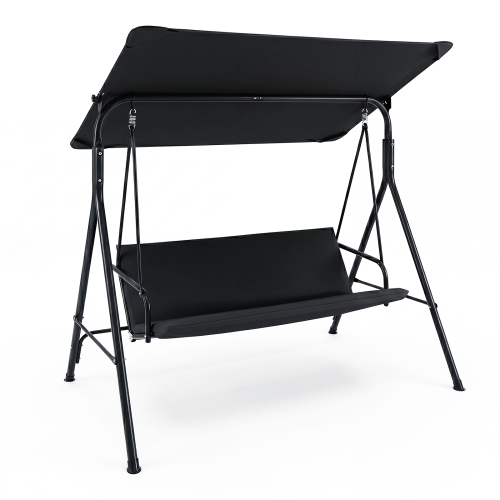
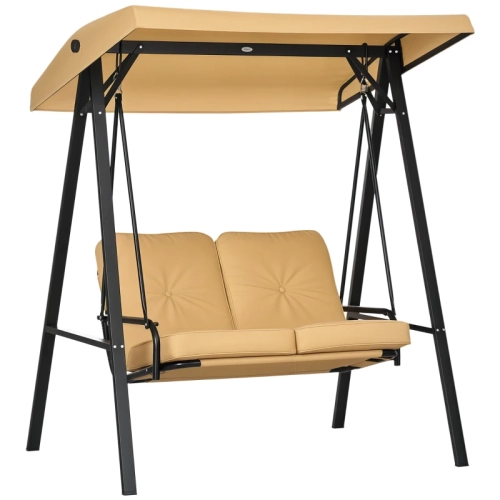
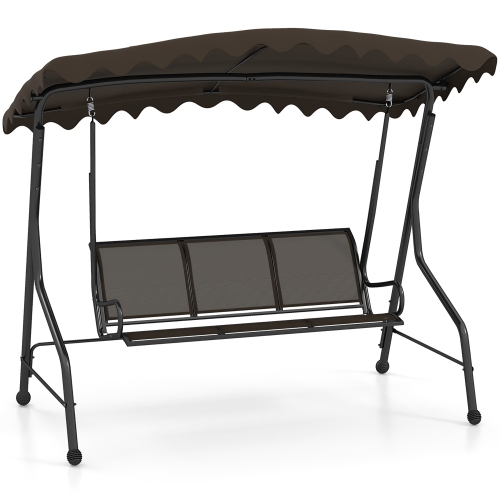
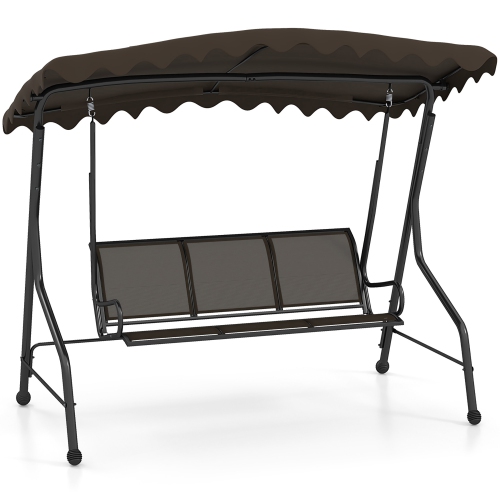
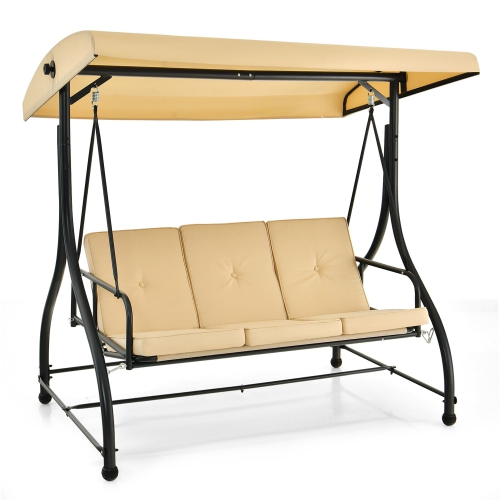
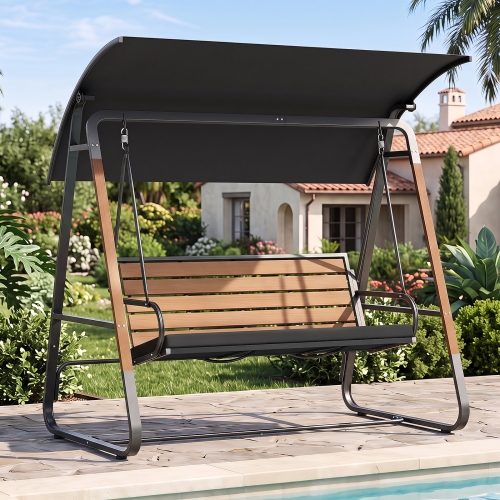
Swing chairs with canopy combine suspended seating with an overhead shade cover, creating a comfortable place to relax on a patio, deck, or in a backyard. Unlike a stationary garden bench, a swing seat moves gently within its frame, adding a soothing rhythm to a quiet coffee break, an afternoon with a book, or a conversation with a friend. The canopy helps reduce direct sunlight over the seating area, although its coverage depends on the angle of the sun, the size of the cover, and how the chair is positioned. Common styles include single-seat swings, two-person seats, and wider bench swings designed for three people. A single seat suits someone who wants a personal retreat beside a garden, while a shared bench can become a gathering spot near an outdoor dining area. Some designs have a reclining backrest or a seat that converts into a flat lounging surface; those functions depend on the construction and should only be used as the manufacturer specifies. Seat width, depth, and backrest height shape the experience as much as the overall size. A deeper seat offers room to curl up, while a more upright backrest may feel better for reading or sitting with feet resting comfortably near the ground. Cushions soften the seat and back, whereas woven mesh seating offers a more open, breathable surface with fewer padded pieces to bring inside. Armrests can provide a comfortable place to rest elbows, and integrated side surfaces, where included, keep a drink or paperback nearby without placing a separate table in the swing’s path. For couples, families, or anyone furnishing a quiet outdoor corner, the appeal lies in having shade and gentle movement in one piece of furniture. A canopy swing can also make a thoughtful housewarming or shared household gift when the recipient’s space, seating preferences, and ability to store and maintain it are already known.
Materials and construction influence how a canopy swing feels day to day and how much attention it needs over time. Powder-coated steel is a common frame material because it supports substantial structures and allows for a range of curved or straight frame designs. The coating helps protect the metal, but scratches, exposed joints, and prolonged moisture can still lead to corrosion. Aluminium frames are generally lighter and resist rust, though connections and hardware still need regular inspection. The frame material alone does not establish seating capacity: the stated weight limit applies to the complete assembly, including the seat, suspension, and supports. Outdoor polyester is frequently used for canopy fabric because it can provide shade in a relatively lightweight, removable panel. Fabric density, protective treatments, stitching, and tension all affect performance, so water resistance and protection from ultraviolet light should be confirmed in the product specifications rather than assumed. A canopy intended for shade is not necessarily waterproof, and an adjustable top does not make a swing suitable for exposed, windy locations. Tilting canopies allow the shaded area to be shifted as sunlight comes from different directions, while fixed covers offer a simpler structure with fewer adjustment points. Cushion covers made for outdoor use may tolerate occasional splashes, but the filling can take longer to dry if water reaches it. Removable covers can simplify cleaning when their care instructions permit washing; otherwise, gentle spot cleaning and thorough drying help keep the seating pleasant to use. Mesh seats usually need less cushion storage, although their attachment points and edges deserve the same attention as padded seating. Colour also contributes to the overall look: neutral upholstery can sit quietly beside stone paving and wood decking, while a richer shade can give a simple patio a clear focal point. Consistent care includes clearing debris from the canopy, checking fasteners, and addressing damage before it affects safe use. Replacement covers and cushions need to match the original dimensions and attachment system, not just the general seating size.
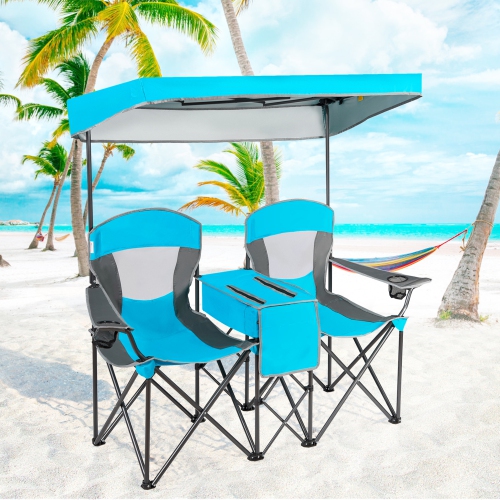
The right fit for a canopy swing includes the space around it, not simply the footprint of its legs. A bench may fit neatly between a railing and a planting bed when still, yet need considerably more room once it starts moving. Manufacturer-specified clearance in front, behind, and above the seat helps keep the swing away from walls, branches, furniture, and passing foot traffic. A firm, level surface supports stable placement; uneven paving, soft soil, and narrow deck edges can make an otherwise suitable location impractical. On a deck or balcony, the structure’s load limits and any building rules also matter, particularly when the weight of the frame and everyone seated on it are combined. Freestanding designs avoid the need for an overhead suspension point, but they still require correct assembly, secure hardware, and any anchoring specified by the manufacturer. Seat height deserves attention for households with different needs: a seat that is easy for one person to settle into may be awkward for someone with limited mobility, and moving seating is not a substitute for a stable chair when firm support is necessary. Children should be supervised, and a patio swing is designed for controlled seating movement rather than playground-style swinging. For outdoor spaces where shade matters more than motion, Sunshade Chairs With Canopy offer a related seating category to consider alongside a suspended bench. Practical ownership also includes room to remove and store cushions, access to canopy fasteners, and enough clearance to fit a protective cover without stretching it tightly over corners. During extended periods without use, clean, fully dry fabric is better prepared for storage than damp cushions packed into a closed container. Snow accumulation and strong wind can damage a canopy or strain its frame, so removal or sheltered storage should follow the manufacturer’s directions. With proportions that suit the setting and materials that match the household’s care routine, a canopy swing can serve as a comfortable outdoor seat without crowding the space around it.
Top selling and popular products
-
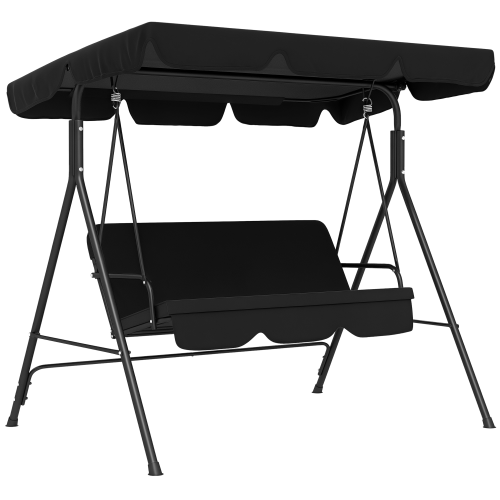 Your price for this item is $139
-
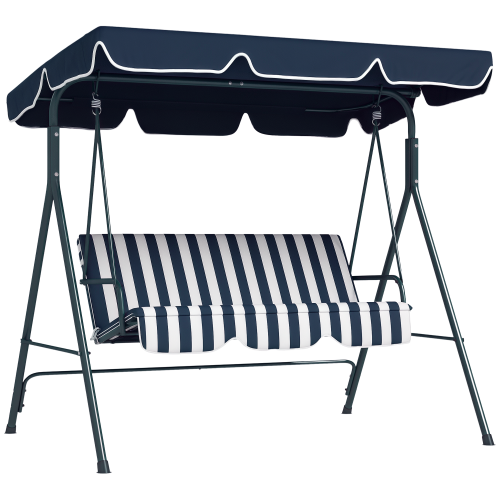 Your price for this item is $149.99
-
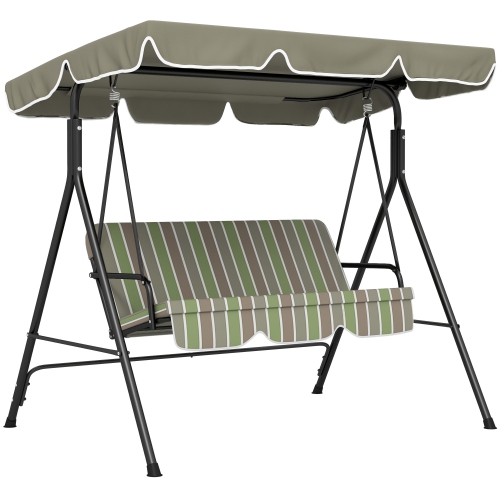 Your price for this item is $156.99
-
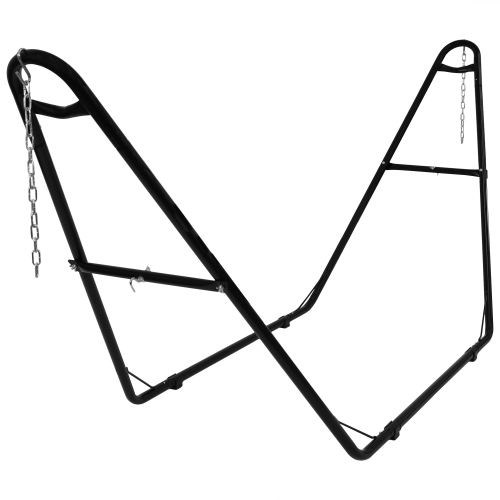 Your price for this item is $182.55
-
 Your price for this item is $182.55
-
 Your price for this item is $182.55
-
 Your price for this item is $182.55
-
 Your price for this item is $276.45
Discover more categories related to Swing Chairs With Canopy


Top Collections:
Pokemon Centers, Best Cameras for Sports Photography, Kindle Devices, Samsung Galaxy Phones, Canon G7X Cameras, Pokémon 30th Celebration Cards, Refurbished Apple Laptops, iPhone 15 Apple, Laptops for Students, Budget Smartphones
Some products may be subject to Environmental Handling Fees
(EHF) depending on your province.
Learn more about EHFs.