Swivel Faux Leather Bar Stools
Swivel Faux Leather Bar Stools bring a touch of modern elegance and versatile comfort to any kitchen, dining area, or entertainment space. Designed to blend seamlessly with a variety of décor styles, these stools offer a sleek, contemporary look that elevates your home’s atmosphere. Perfect for casual gatherings or everyday meals, Swivel Faux Leather Bar Stools make it easy to create a stylish and inviting seating area for family and guests alike. Explore a wide selection to find the ideal height, design, and finish to complement your space.
Sort
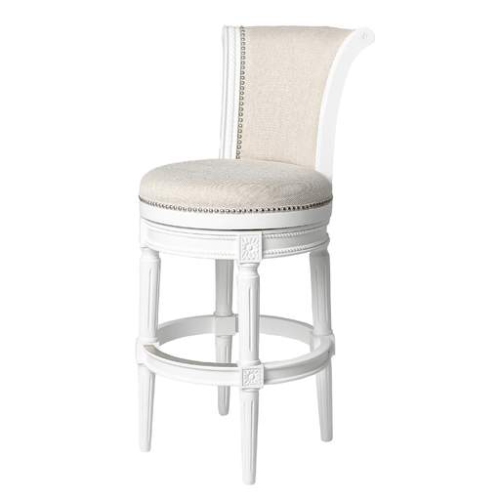



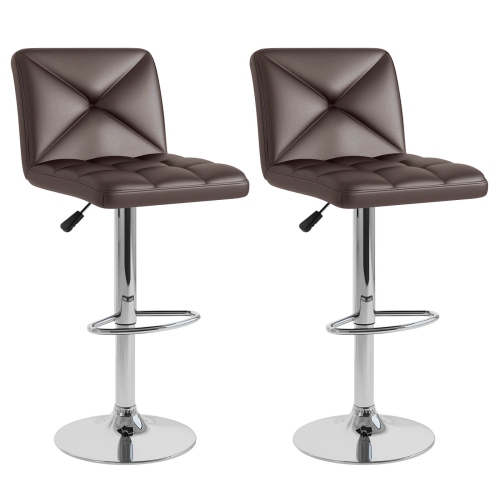
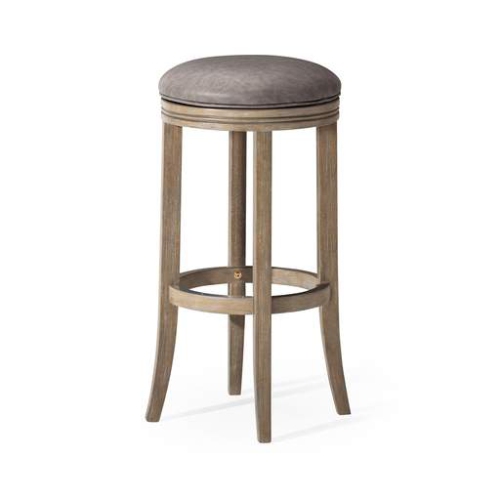
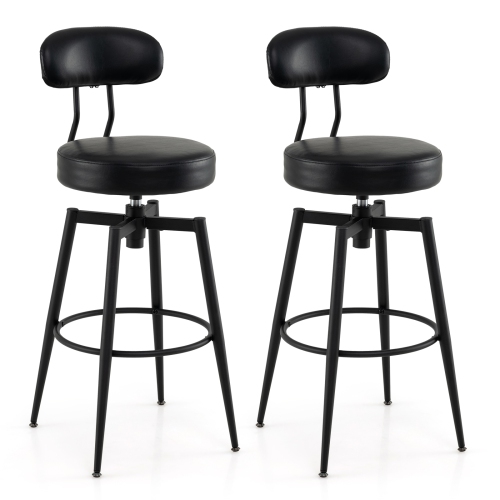

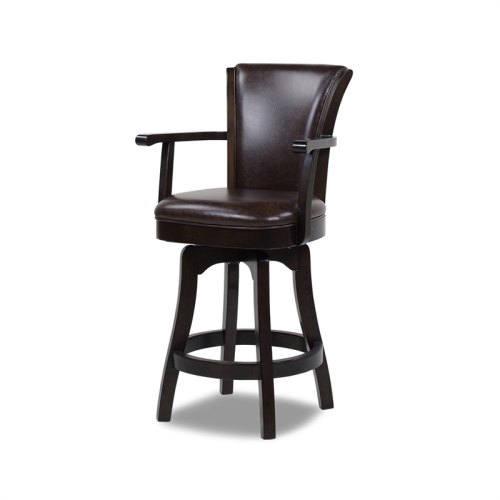
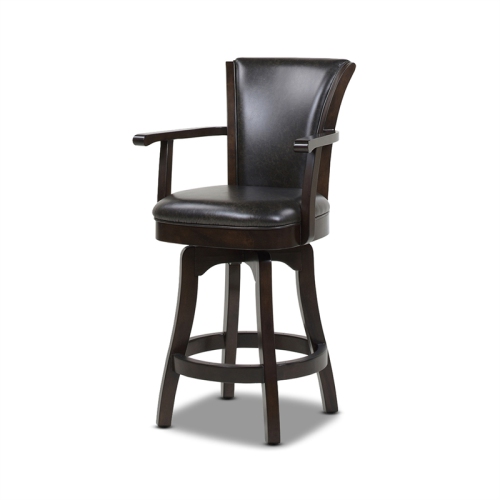
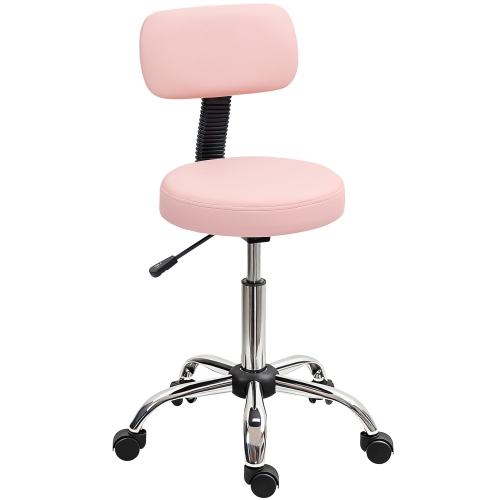
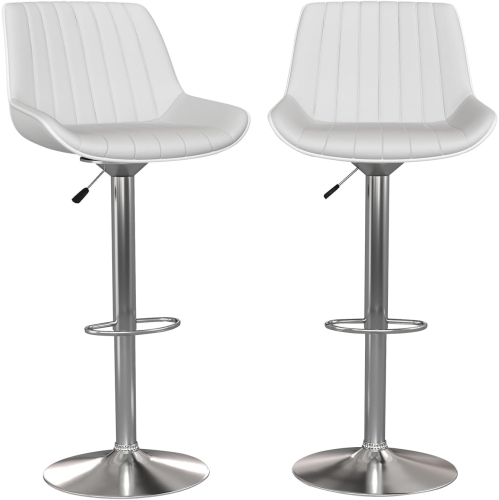
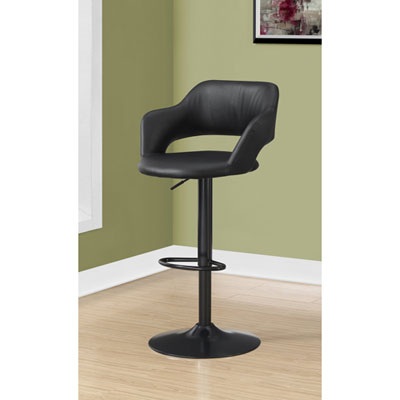
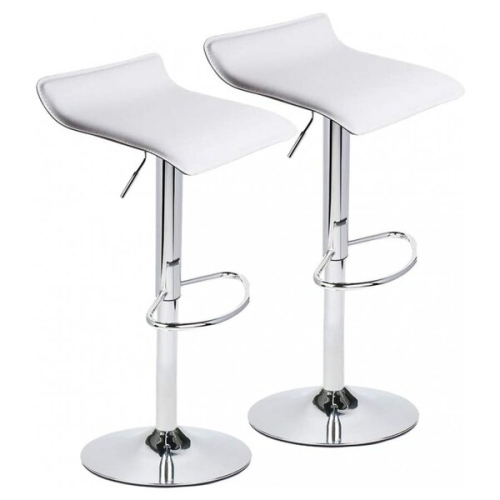
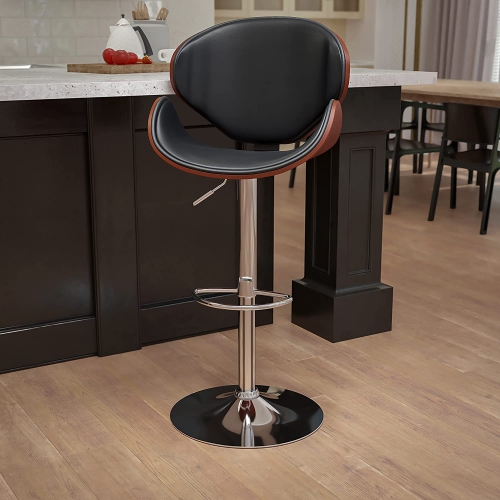
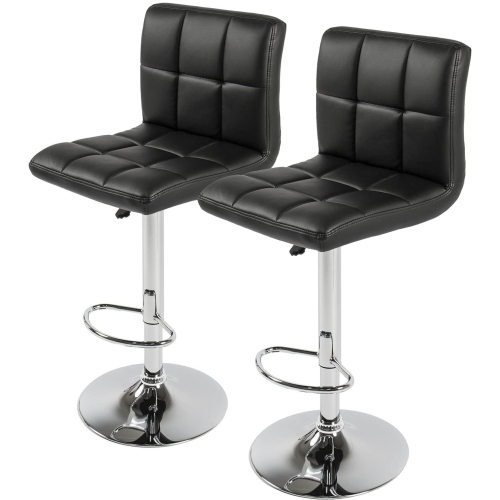
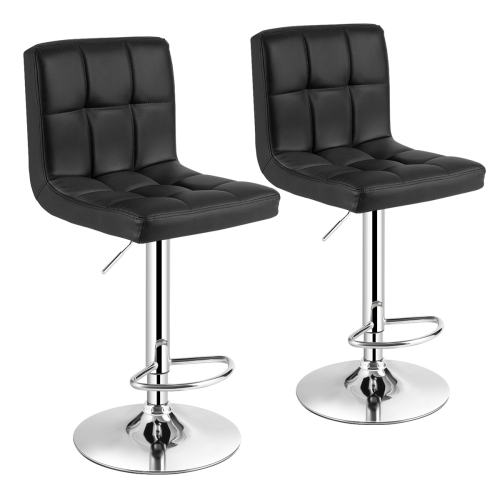
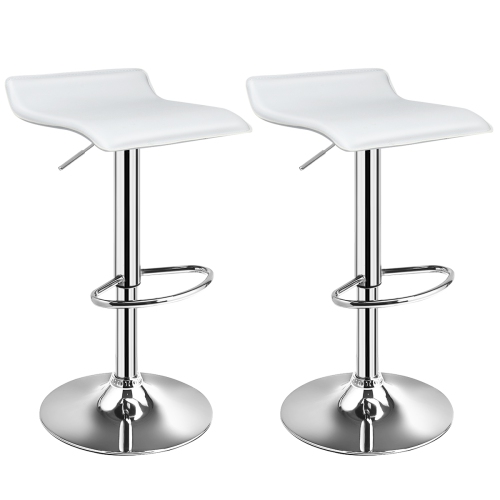
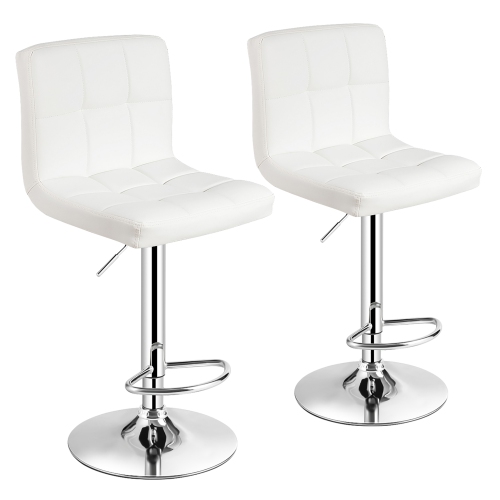
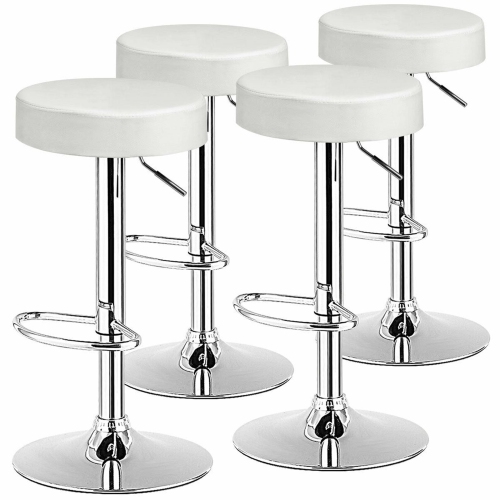
Seating that turns from breakfast to conversation
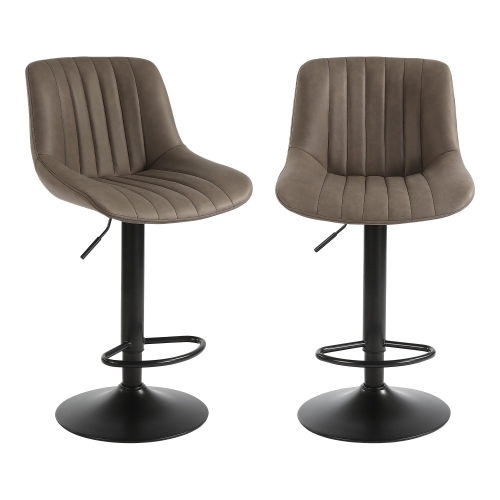
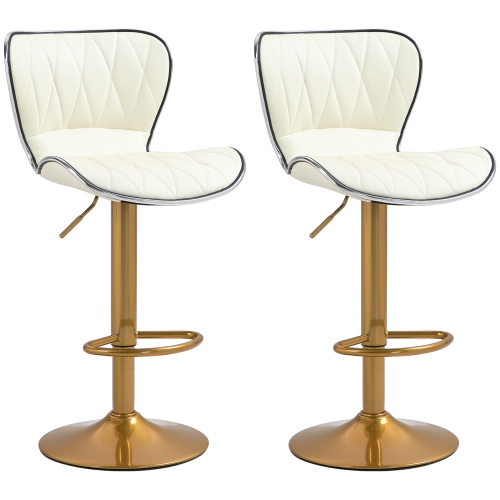
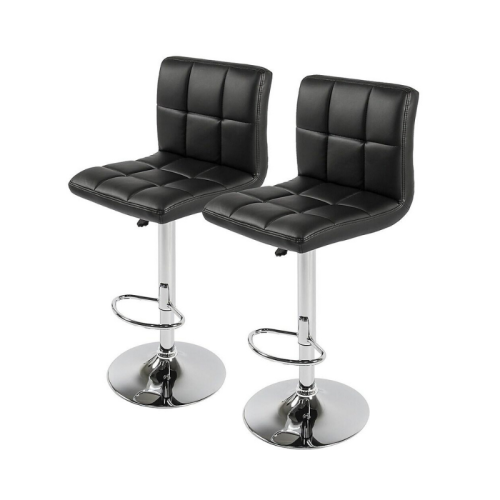
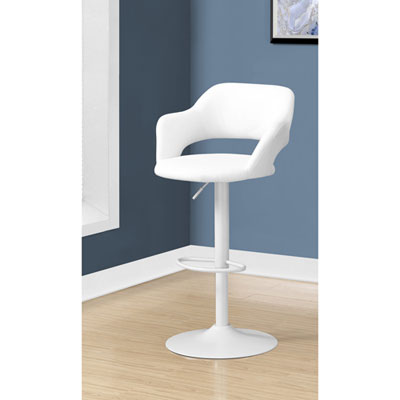
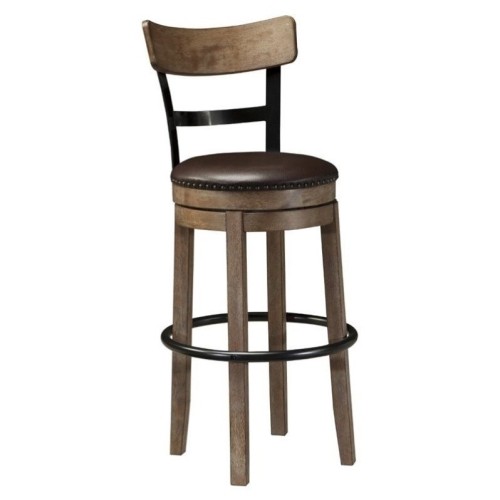
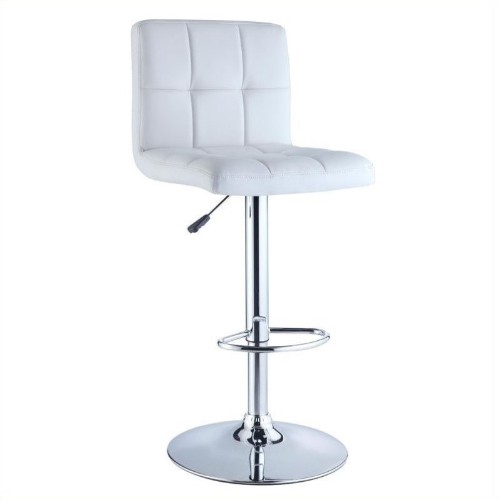
Swivel faux leather bar stools bring flexible seating to kitchen islands, breakfast counters, home bars, and open-plan dining spaces. Their rotating seats make it easier to turn towards a conversation or step away from the counter without dragging the entire stool across the floor. That movement is especially useful where a kitchen opens onto a living room: someone sitting at the island can face the counter for a meal, then turn towards family or guests. Faux leather upholstery adds a smooth, tailored finish that works with a range of interiors, from simple cabinetry and brushed metal hardware to warm wood surfaces and richly coloured walls. Depending on its composition and finish, the material may have a fine grain, a subtle sheen, or a softer matte appearance. It is typically made with a synthetic surface, often polyurethane or PVC, over a backing material, rather than an animal hide. The upholstery’s feel, flexibility, and resistance to wear vary, so its construction matters as much as its appearance. A lightly padded seat can suit brief breakfasts and casual conversation, while deeper cushioning and a supportive backrest may feel more comfortable during a leisurely meal or an evening spent catching up. Backless designs tuck neatly beneath a counter when their dimensions allow, keeping sightlines open in a smaller kitchen. Low backs offer some support without creating a tall visual barrier, while higher backs give the seating area a more substantial presence. Arms can add support, though they also need enough clearance to slide beneath the counter. Colour helps set the tone, too. Black, brown, and grey upholstery can sit quietly alongside other finishes, while White Faux Leather Bar Stools can create a crisp contrast with darker cabinetry or repeat the lighter tones of a kitchen. Stitching, tufting, and shaped seat edges add further character, whether the space calls for clean lines or a more cushioned, lounge-like look.
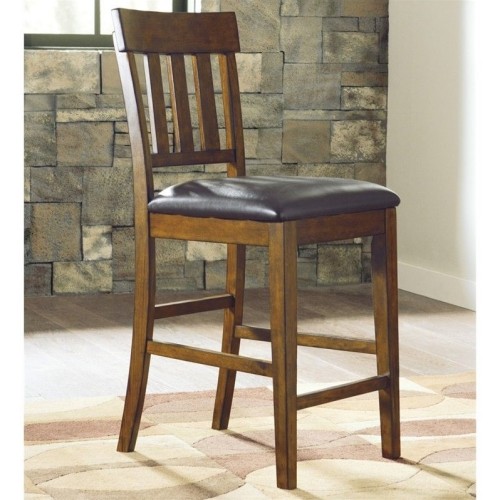
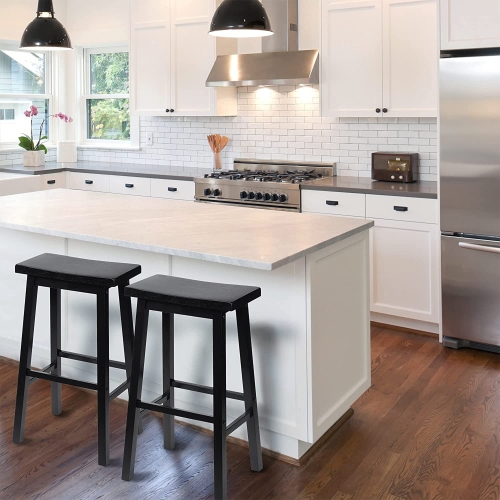
A comfortable fit begins with the relationship between the seat, the counter, and the space around them. Although bar stool is often used as a broad category name, counter-height and bar-height seating are not interchangeable. Counters around 36 inches high commonly pair with seats roughly 24 to 27 inches from the floor, while taller bars around 40 to 42 inches generally need higher seating. These are starting points rather than guarantees: measuring the actual surface and checking each stool’s stated seat height is more useful than relying on a category label alone. Around 10 to 12 inches between the seat and the underside of the surface often provides comfortable legroom, but a thick countertop, supporting apron, or shallow overhang can change the fit. Seat width and depth matter just as much, particularly for people who prefer room to shift position rather than sit squarely in one spot. A footrest gives the feet a supported place to land instead of leaving them dangling, and its height should feel natural relative to the seat. Adjustable-height designs can help accommodate different users or surfaces within their specified range, but the lowest and highest settings still need to match the intended setup. Swivel movement also needs room. A seat that fits comfortably when facing forward may bring its arms or back close to a neighbouring stool, wall, or cabinet when turned. Some mechanisms allow a full rotation; others have a limited turning range or return the seat towards its original position. Those differences affect everyday use, especially at a narrow island or beside a busy walkway. Leaving space between seats gives people room for their elbows and makes entering and leaving less awkward. Clearance behind the seating should also allow for normal movement through the kitchen, including opening nearby drawers or using appliances. For a compact breakfast nook, a slim backless silhouette may make better use of the footprint. For a counter used regularly for meals, a supportive back, generous seat, and accessible footrest may deserve greater priority than the smallest possible dimensions.
The frame and base influence how swivel faux leather bar stools feel in daily use as well as how they look. Metal frames can provide a slender profile, while wood frames introduce visible grain and a warmer furniture finish. Four-legged designs and pedestal bases distribute support differently, and both depend on sound construction, proper assembly, and a level surface. A broad pedestal base may occupy more floor space than expected, so its diameter is worth considering alongside the seat dimensions. The stated weight capacity, attachment points, and swivel mechanism are practical details to check, particularly for seating used frequently by different members of a household. Floor protectors can help limit marks, but they should be appropriate for the flooring and kept free of grit. A rotating seat reduces the need to pull a stool out repeatedly, though it does not eliminate the need to protect the floor beneath it. Care is usually straightforward when spills are addressed promptly and the upholstery is treated according to its care instructions. A soft cloth can lift crumbs and everyday dust, and many faux leather surfaces can be wiped with a lightly damp cloth. Mild soap should be used only where the manufacturer permits it, with excess moisture removed afterwards. Abrasive pads, strong solvents, and leather conditioners intended for genuine hide may damage a synthetic finish. Seams and tufted sections need a little extra attention because crumbs can settle into the recesses. Sharp clothing hardware, pet claws, and repeated rubbing against a counter edge can also wear the surface, while prolonged direct sunlight may affect its colour or finish. Faux leather is not immune to cracking or peeling, and careful handling helps preserve its appearance. Periodic checks of fasteners and moving parts, following the assembly and maintenance instructions, help keep seating dependable. In a household with children, rotating seats and raised footrests call for supervision; bar stools are not climbing furniture or substitutes for age-appropriate child seating. With suitable proportions and thoughtful construction, these stools can serve as everyday breakfast seats, a place for guests to gather during meal preparation, or comfortable seating at a dedicated home bar.
A comfortable fit begins with the relationship between the seat, the counter, and the space around them. Although bar stool is often used as a broad category name, counter-height and bar-height seating are not interchangeable. Counters around 36 inches high commonly pair with seats roughly 24 to 27 inches from the floor, while taller bars around 40 to 42 inches generally need higher seating. These are starting points rather than guarantees: measuring the actual surface and checking each stool’s stated seat height is more useful than relying on a category label alone. Around 10 to 12 inches between the seat and the underside of the surface often provides comfortable legroom, but a thick countertop, supporting apron, or shallow overhang can change the fit. Seat width and depth matter just as much, particularly for people who prefer room to shift position rather than sit squarely in one spot. A footrest gives the feet a supported place to land instead of leaving them dangling, and its height should feel natural relative to the seat. Adjustable-height designs can help accommodate different users or surfaces within their specified range, but the lowest and highest settings still need to match the intended setup. Swivel movement also needs room. A seat that fits comfortably when facing forward may bring its arms or back close to a neighbouring stool, wall, or cabinet when turned. Some mechanisms allow a full rotation; others have a limited turning range or return the seat towards its original position. Those differences affect everyday use, especially at a narrow island or beside a busy walkway. Leaving space between seats gives people room for their elbows and makes entering and leaving less awkward. Clearance behind the seating should also allow for normal movement through the kitchen, including opening nearby drawers or using appliances. For a compact breakfast nook, a slim backless silhouette may make better use of the footprint. For a counter used regularly for meals, a supportive back, generous seat, and accessible footrest may deserve greater priority than the smallest possible dimensions.
The frame and base influence how swivel faux leather bar stools feel in daily use as well as how they look. Metal frames can provide a slender profile, while wood frames introduce visible grain and a warmer furniture finish. Four-legged designs and pedestal bases distribute support differently, and both depend on sound construction, proper assembly, and a level surface. A broad pedestal base may occupy more floor space than expected, so its diameter is worth considering alongside the seat dimensions. The stated weight capacity, attachment points, and swivel mechanism are practical details to check, particularly for seating used frequently by different members of a household. Floor protectors can help limit marks, but they should be appropriate for the flooring and kept free of grit. A rotating seat reduces the need to pull a stool out repeatedly, though it does not eliminate the need to protect the floor beneath it. Care is usually straightforward when spills are addressed promptly and the upholstery is treated according to its care instructions. A soft cloth can lift crumbs and everyday dust, and many faux leather surfaces can be wiped with a lightly damp cloth. Mild soap should be used only where the manufacturer permits it, with excess moisture removed afterwards. Abrasive pads, strong solvents, and leather conditioners intended for genuine hide may damage a synthetic finish. Seams and tufted sections need a little extra attention because crumbs can settle into the recesses. Sharp clothing hardware, pet claws, and repeated rubbing against a counter edge can also wear the surface, while prolonged direct sunlight may affect its colour or finish. Faux leather is not immune to cracking or peeling, and careful handling helps preserve its appearance. Periodic checks of fasteners and moving parts, following the assembly and maintenance instructions, help keep seating dependable. In a household with children, rotating seats and raised footrests call for supervision; bar stools are not climbing furniture or substitutes for age-appropriate child seating. With suitable proportions and thoughtful construction, these stools can serve as everyday breakfast seats, a place for guests to gather during meal preparation, or comfortable seating at a dedicated home bar.
Top selling and popular products
-
 Your price for this item is $416.61
 -
 Your price for this item is $666.4
 -
 Your price for this item is $538.99
 -
 Your price for this item is $207.99
 -
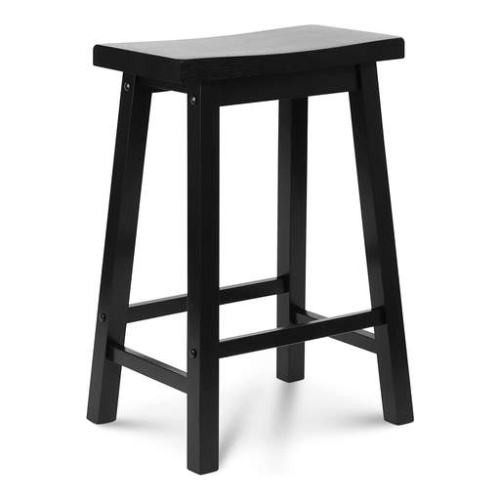 Your price for this item is $88.99
 -
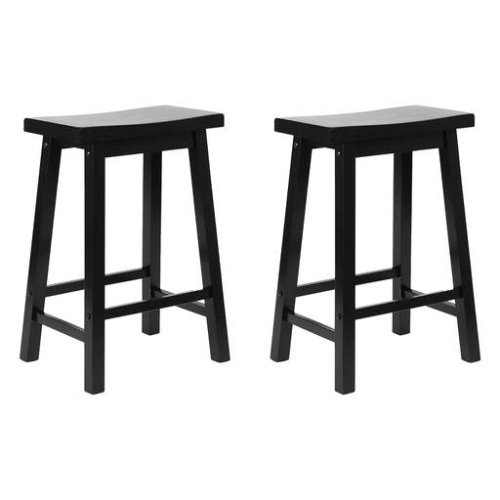 Your price for this item is $214.99
 -
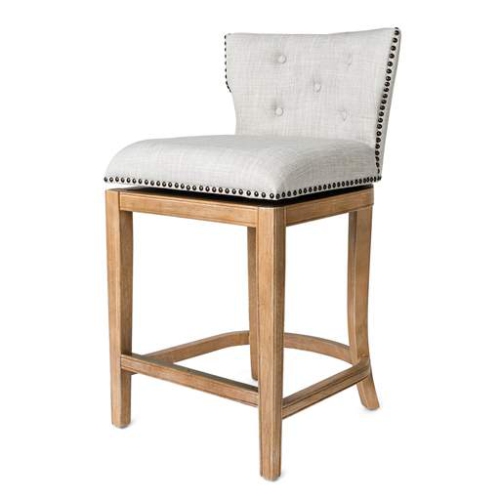 Your price for this item is $529.99
 -
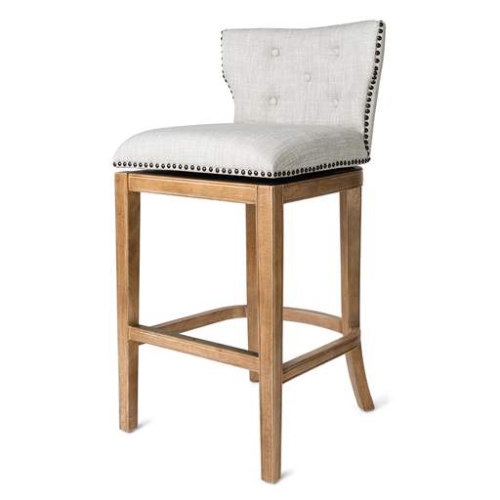 Your price for this item is $406.99
Discover more categories related to Swivel Faux Leather Bar Stools
Top Collections:
Pokemon Centers, Kindle Devices, Best Budget Office Chairs, Apple iPhones 16, Best Laptops for Writers, iPhone 15 Apple, Canon G7X Cameras, Refurbished Apple Laptops, Alarm Clock, Motorola Razr Phones
Some products may be subject to Environmental Handling Fees
(EHF) depending on your province.
Learn more about EHFs.