T Cushion Sofa Slipcovers
Transform the look of your living space with our collection of t-cushion sofa slipcovers. Whether you're looking to protect your sofa from spills and stains or simply want to give it a fresh new look, our wide range of slipcovers has got you covered. These stylish and versatile pieces are designed to fit t-cushion sofas perfectly, providing a snug and seamless fit. With a variety of colors, patterns, and materials to choose from, you can easily find the perfect slipcover to match your existing decor and personal style. Upgrade your sofa effortlessly with our t-cushion sofa slipcovers and enjoy a whole new level of comfort and style in your home.
Sort
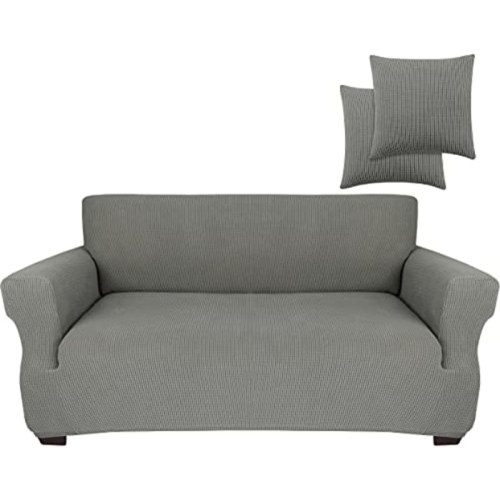
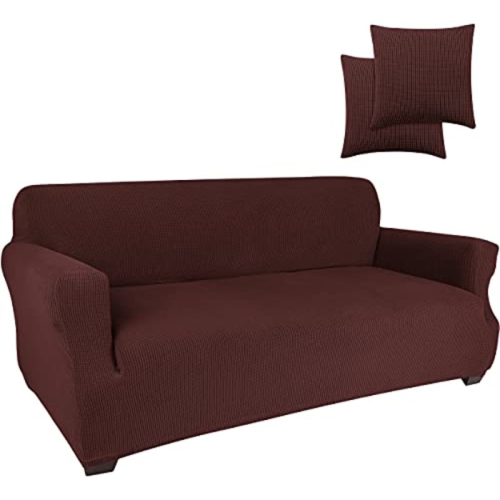
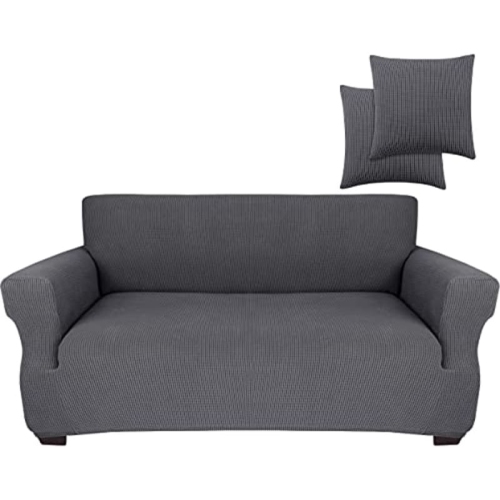
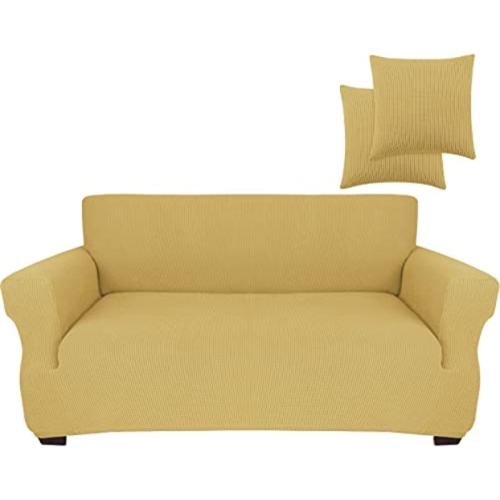
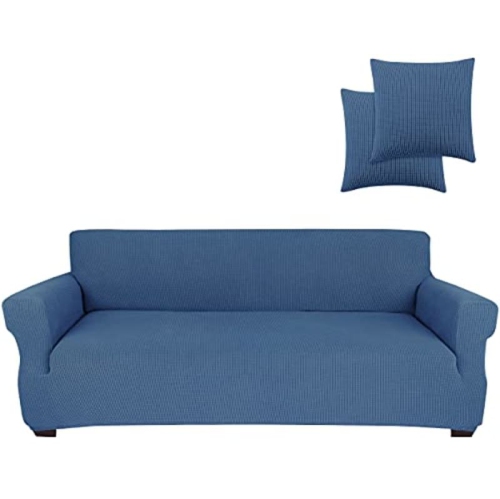
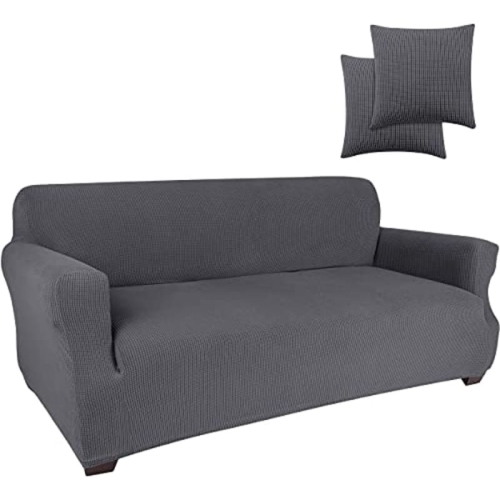
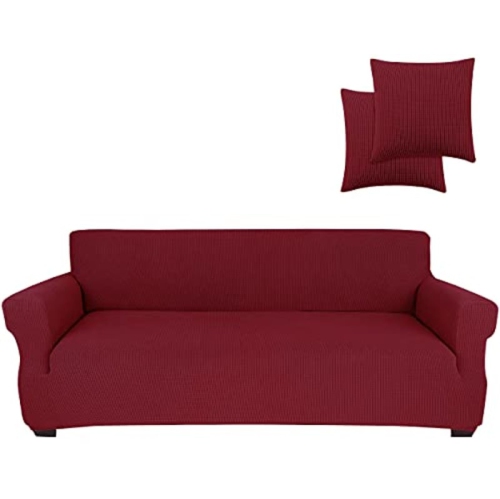
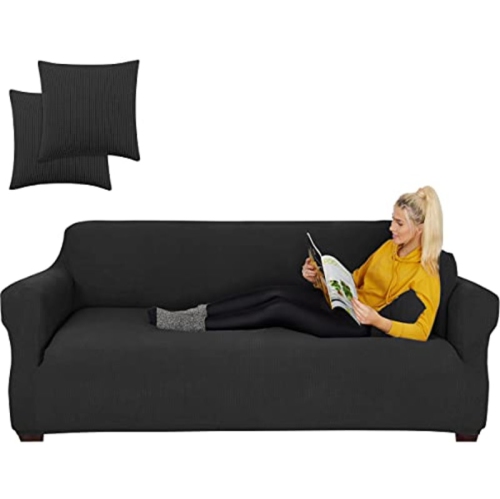
Why cushion corners matter for a well-fitting cover
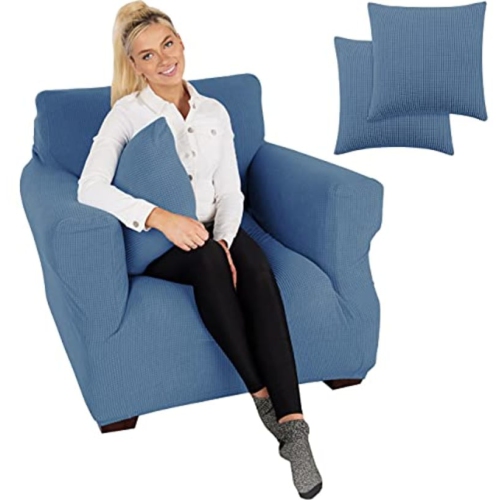
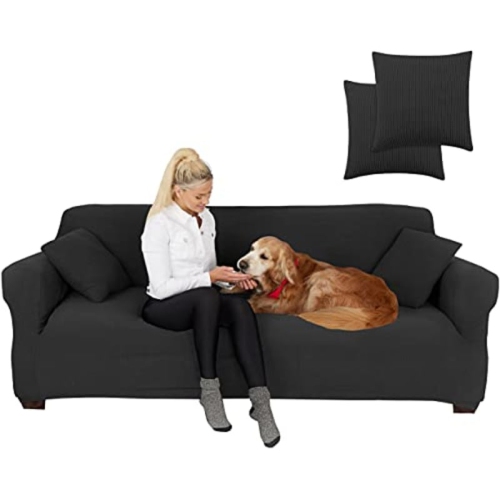
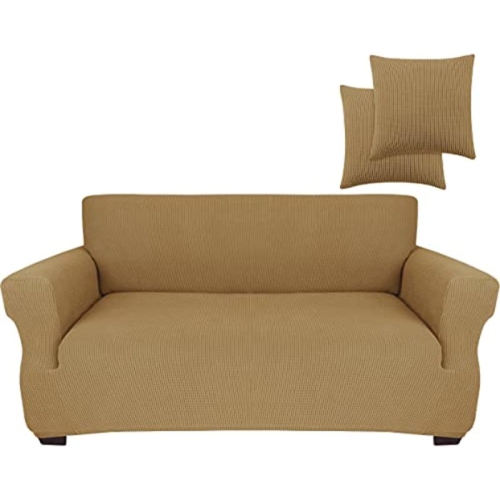
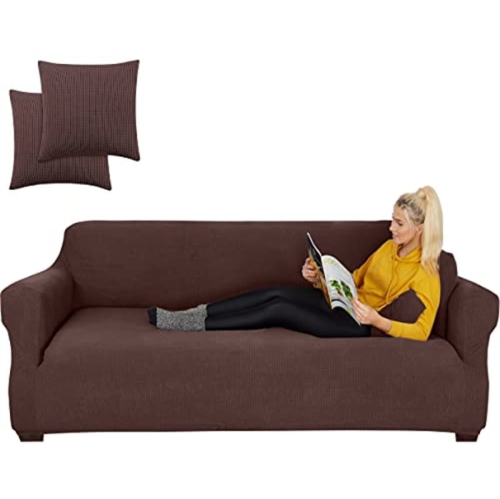
T-cushion sofa slipcovers are fabric covers shaped to accommodate sofas with seat cushions that extend around the front of the arms, creating a distinctive T-shaped outline rather than a simple rectangle. Those projecting corners give the seat its familiar wraparound appearance, but they also make cushion shape an important part of finding a well-fitting cover. A slipcover intended only for straight-edged cushions may pull tightly across the extensions, leave extra fabric in the wrong places, or work loose with regular sitting. Covers designed for T-cushions account for that outline while giving the sofa a different colour, texture, or finish. They can help protect upholstery from everyday contact, crumbs, and pet hair, or conceal cosmetic wear on a sofa that remains comfortable and structurally sound. The effect can be subtle, such as replacing a busy-looking surface with a plain neutral, or more noticeable, such as adding a rich textured fabric to a simple room. Fit starts with the furniture beneath the cover: overall width from outside arm to outside arm, back height, seat depth, and the shape and size of the arms all matter. For separate cushion covers, useful measurements include cushion thickness, front-to-back depth, the width across the projecting corners, and the narrower width behind those corners. A sofa described as a three-seater does not necessarily have three removable seat cushions, so seating capacity alone is not enough to establish compatibility. Two wide cushions, three narrower cushions, and a single bench cushion each call for a different cover arrangement. Attached cushions and loose cushions also require different approaches. Matching the stated dimensions and construction details is more reliable than choosing by a room photo or a general sofa size label. For a household refreshing a much-used living room, these distinctions help determine whether the finished result looks neatly fitted or needs frequent adjustment.
Fabric and construction influence both the appearance of T-cushion sofa covers and how they feel during daily use. Stretch polyester blends containing spandex can follow curved arms and cushion extensions, with some flexibility for variations in shape. That stretch is useful around the wider front corners of a T-cushion, although it cannot make a cover suitable for dimensions outside its stated fit range. More structured woven fabrics offer a different look, sometimes with visible seams or a looser drape that suits relaxed interiors. Cotton-rich fabrics can have a familiar, soft hand, while velvet-style surfaces add a plush feel and a pile that may look lighter or darker depending on its direction. Jacquard patterns and textured knits bring detail to a solid colour without the visual impact of a large print. Fabric weight and opacity deserve attention when the original upholstery has bold stripes, dark colours, or a pronounced texture, since a thin, pale cover may not fully disguise what is underneath. Construction is equally important. A one-piece slipcover generally covers the sofa as a whole, with fabric tucked into the gaps around the seat and arms. A multi-piece arrangement separates the frame cover from individual cushion covers, helping preserve the outline of each cushion and making it possible to straighten one section without rearranging the entire sofa. The stated piece count should be checked against what is included; it does not automatically indicate the number of seat cushion covers. Elastic edges, ties, and compatible tuck-in inserts may help keep fabric positioned, but no fastening method guarantees that a cover will stay perfectly still. A smooth underlying upholstery surface, shallow gaps, or cushions that move easily can all affect how often it needs adjusting. In a TV room where people stretch out or children climb onto the sofa, adequate fabric allowance around the arms and cushion corners can make a noticeable difference to everyday comfort and fit.
Care requirements are especially relevant for slipcovers used in busy households, rental homes, or shared living spaces. A removable cover provides a washable layer only when its care label permits washing, and cleaning instructions can vary between fabrics and constructions. Machine-washable does not necessarily mean suitable for every cycle or for tumble drying. Water temperature, drying method, and any restrictions on bleach or ironing should be checked before cleaning, particularly with stretch fabrics and plush finishes. Large frame covers can also require more washing-machine capacity than individual cushion covers. Where the care instructions allow it, washing coordinating pieces together can help maintain a consistent appearance over time. Everyday upkeep may include removing crumbs from seams, lifting pet hair with a fabric-appropriate tool, and dealing with spills promptly according to the care label. A standard fabric slipcover should not be treated as a waterproof barrier: liquid can pass through unless the construction specifically provides suitable protection, and even water-resistant fabric may have unprotected seams. Similarly, covering worn upholstery will not repair sagging cushion foam, loose joints, or damaged springs. Durability depends on more than fabric thickness; secure stitching, sufficient stretch recovery, appropriate sizing, and care suited to the material all contribute to how well a cover handles repeated use. Pet owners may prefer a surface that is straightforward to clean and less likely to catch claws, while households with frequent visitors may value a neat finish that is easy to reset between uses. For a sofa used mainly for reading, softness against bare arms and a smooth seat surface may take priority. Colour choices can support those practical needs as well as the room’s style, with mid-tone shades and subtle textures often making small marks less conspicuous than a very light, smooth finish. Furniture layout remains a separate consideration from cushion shape: an L-shaped sofa or a sofa with a chaise may need Sectional Sofa Slipcovers configured for its sections rather than a cover intended for a conventional sofa. The most suitable T-cushion slipcover brings together the correct cushion outline, compatible sofa dimensions, a comfortable fabric, and a care routine that fits the way the seating is used.
Fabric and construction influence both the appearance of T-cushion sofa covers and how they feel during daily use. Stretch polyester blends containing spandex can follow curved arms and cushion extensions, with some flexibility for variations in shape. That stretch is useful around the wider front corners of a T-cushion, although it cannot make a cover suitable for dimensions outside its stated fit range. More structured woven fabrics offer a different look, sometimes with visible seams or a looser drape that suits relaxed interiors. Cotton-rich fabrics can have a familiar, soft hand, while velvet-style surfaces add a plush feel and a pile that may look lighter or darker depending on its direction. Jacquard patterns and textured knits bring detail to a solid colour without the visual impact of a large print. Fabric weight and opacity deserve attention when the original upholstery has bold stripes, dark colours, or a pronounced texture, since a thin, pale cover may not fully disguise what is underneath. Construction is equally important. A one-piece slipcover generally covers the sofa as a whole, with fabric tucked into the gaps around the seat and arms. A multi-piece arrangement separates the frame cover from individual cushion covers, helping preserve the outline of each cushion and making it possible to straighten one section without rearranging the entire sofa. The stated piece count should be checked against what is included; it does not automatically indicate the number of seat cushion covers. Elastic edges, ties, and compatible tuck-in inserts may help keep fabric positioned, but no fastening method guarantees that a cover will stay perfectly still. A smooth underlying upholstery surface, shallow gaps, or cushions that move easily can all affect how often it needs adjusting. In a TV room where people stretch out or children climb onto the sofa, adequate fabric allowance around the arms and cushion corners can make a noticeable difference to everyday comfort and fit.
Care requirements are especially relevant for slipcovers used in busy households, rental homes, or shared living spaces. A removable cover provides a washable layer only when its care label permits washing, and cleaning instructions can vary between fabrics and constructions. Machine-washable does not necessarily mean suitable for every cycle or for tumble drying. Water temperature, drying method, and any restrictions on bleach or ironing should be checked before cleaning, particularly with stretch fabrics and plush finishes. Large frame covers can also require more washing-machine capacity than individual cushion covers. Where the care instructions allow it, washing coordinating pieces together can help maintain a consistent appearance over time. Everyday upkeep may include removing crumbs from seams, lifting pet hair with a fabric-appropriate tool, and dealing with spills promptly according to the care label. A standard fabric slipcover should not be treated as a waterproof barrier: liquid can pass through unless the construction specifically provides suitable protection, and even water-resistant fabric may have unprotected seams. Similarly, covering worn upholstery will not repair sagging cushion foam, loose joints, or damaged springs. Durability depends on more than fabric thickness; secure stitching, sufficient stretch recovery, appropriate sizing, and care suited to the material all contribute to how well a cover handles repeated use. Pet owners may prefer a surface that is straightforward to clean and less likely to catch claws, while households with frequent visitors may value a neat finish that is easy to reset between uses. For a sofa used mainly for reading, softness against bare arms and a smooth seat surface may take priority. Colour choices can support those practical needs as well as the room’s style, with mid-tone shades and subtle textures often making small marks less conspicuous than a very light, smooth finish. Furniture layout remains a separate consideration from cushion shape: an L-shaped sofa or a sofa with a chaise may need Sectional Sofa Slipcovers configured for its sections rather than a cover intended for a conventional sofa. The most suitable T-cushion slipcover brings together the correct cushion outline, compatible sofa dimensions, a comfortable fabric, and a care routine that fits the way the seating is used.
Top selling and popular products
-
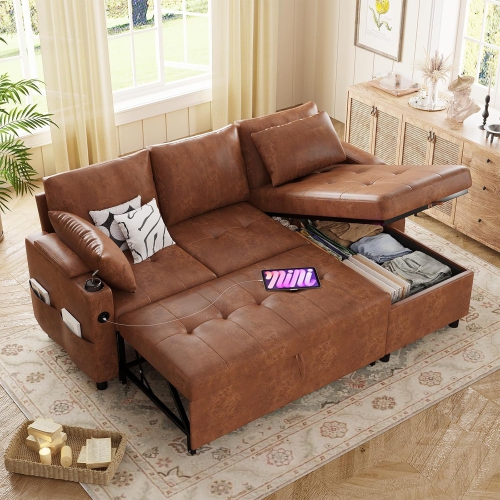 Your price for this item is $689.99
 -
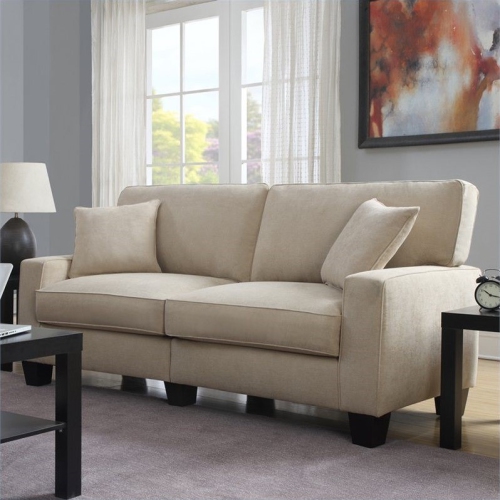 Your price for this item is $1707.8
 -
 Your price for this item is $265.99
 -
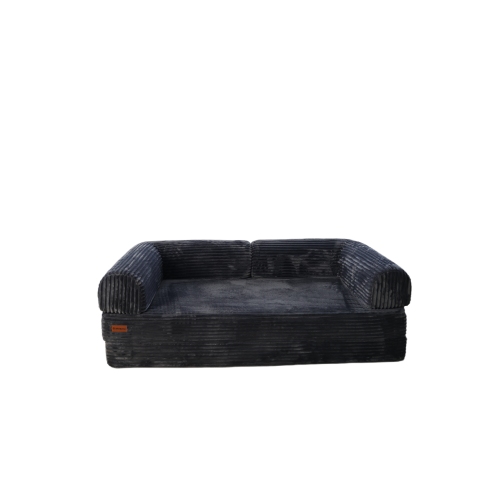 Your price for this item is $599.97
 -
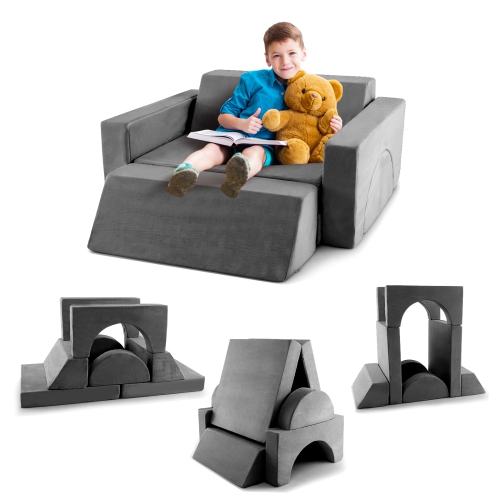 Your price for this item is $167.99
 -
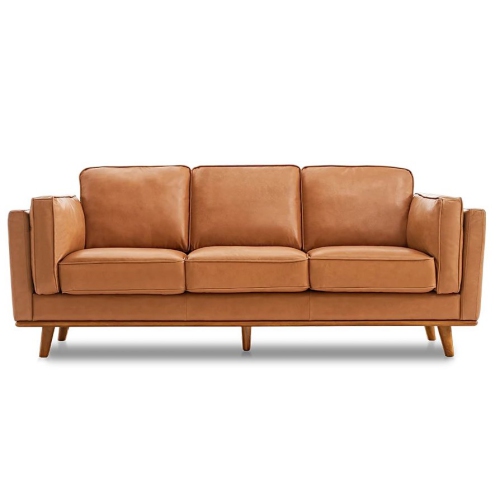 Your price for this item is $2399.99
 -
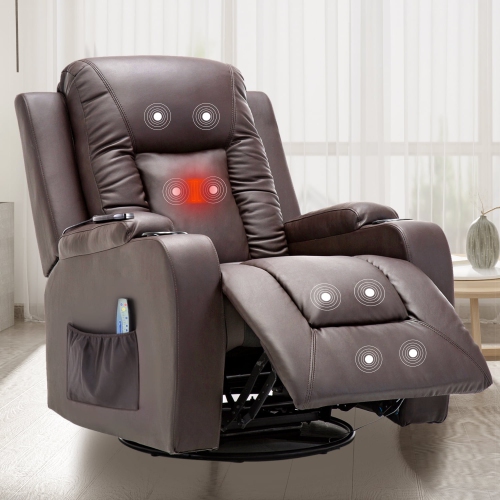 Your price for this item is $599.99
 -
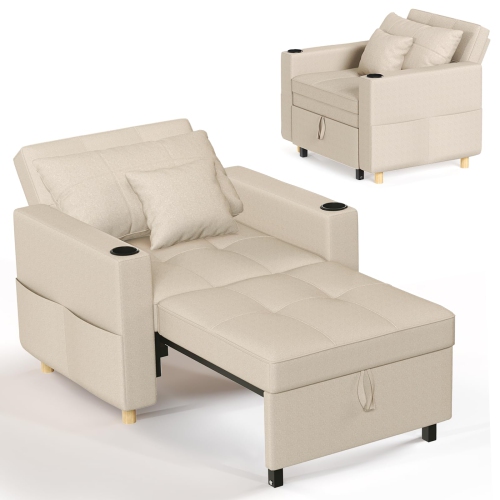 Your price for this item is $329.99
Discover more categories related to T Cushion Sofa Slipcovers
Top Collections:
Pokemon Centers, Kindle Devices, Best Budget Office Chairs, Apple iPhones 16, Best Laptops for Writers, iPhone 15 Apple, Canon G7X Cameras, Refurbished Apple Laptops, Alarm Clock, Motorola Razr Phones
Some products may be subject to Environmental Handling Fees
(EHF) depending on your province.
Learn more about EHFs.