Table Basse Salon
Transformez votre espace de vie avec une table basse salon qui allie style et fonctionnalité. Élément central du séjour, la table basse salon complète votre décoration tout en offrant un espace pratique pour accueillir vos moments de détente, vos réunions entre amis ou vos soirées cinéma en famille. Parcourez une sélection variée de modèles conçus pour répondre à toutes les envies et sublimer l’ambiance de votre intérieur. Trouvez la table basse salon idéale pour rehausser le confort et l’esthétique de votre pièce principale.
Sort
How coffee table proportions shape your seating area
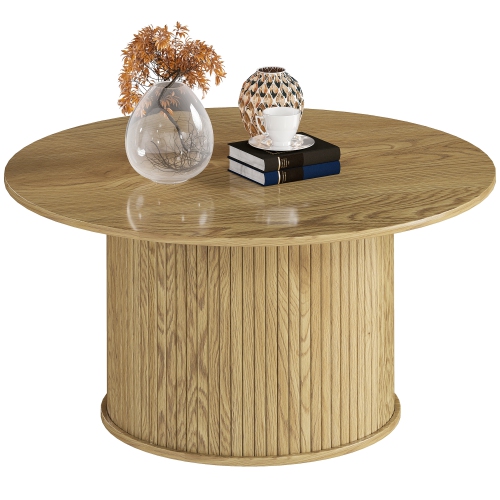
Living room coffee tables bring a seating area together, providing a convenient surface for drinks, books, remote controls, and the small essentials that tend to gather near a sofa. Their low profile keeps conversation and views across the room open, while their shape helps define how people move through the space. A rectangular coffee table often suits a long sofa, offering a useful surface within reach of several seats without extending too far into the room. Square tables can work well with larger sectionals or seating arranged on two sides, especially where a narrow table would leave an awkward gap. Round and oval shapes soften an arrangement of straight-lined furniture and remove projecting corners from busy walking routes. For compact seating areas or layouts where people approach the table from several directions, round living room tables offer a shape worth considering, although the full diameter still needs to fit comfortably within the space. As a starting point, a coffee table approximately two-thirds the length of the sofa tends to create balanced proportions. A tabletop close to the height of the sofa seat, or slightly lower, usually feels comfortable for everyday use. Leaving approximately 16 to 18 inches between the sofa and table provides room for legs while keeping a cup or remote within reach; main walking routes may need more clearance. These proportions are useful reference points rather than fixed requirements, since deep cushions, reclining seats, and chaise sections change how the space functions. Measuring with a recliner fully extended helps prevent interference, while outlining the table’s footprint on the floor with removable tape makes its size easier to picture. In a small apartment, an open base can keep the seating area feeling less crowded. In a spacious family room, a broader surface may better match substantial upholstered furniture and leave enough room for a tray without taking over the entire tabletop.
Materials influence both the appearance of a coffee table and how it handles daily contact. Solid wood offers natural grain variation and a substantial feel, with different species and finishes producing anything from a pale, understated surface to a darker, more pronounced pattern. Wood can respond to moisture and changes in indoor humidity, so prompt spill cleanup and protection beneath drinks remain important. Veneered furniture combines a thin layer of real wood with a supporting core, creating a wood-grain surface whose care requirements depend on the finish and construction. Engineered wood with a laminate surface can provide a consistent colour or pattern, although edges and seams still deserve attention because standing liquid can cause damage if it reaches the core. Glass tops allow a rug’s pattern to remain visible and can make a table appear lighter within the seating arrangement. Fingerprints and smudges tend to show readily, and glass edges require care during cleaning and moving. Tempered glass is stronger than ordinary glass, but it is not scratchproof or unbreakable. Metal frames range from slender legs to broader structural bases, adding contrast beside soft upholstery; the quality of joints, protective finishes, and floor-contact points matters as much as their appearance. Natural stone brings distinctive veining and weight, while some stone surfaces require sealing or particular cleaning products to limit staining and etching. A marble top, for example, needs protection from acidic spills as well as abrasive cleaners. Mixed-material tables combine these qualities, such as a wood surface supported by a metal base or glass paired with a lower shelf. For durability, stable construction, securely fitted hardware, and a finish suited to the household’s routines are more useful indicators than appearance alone. Felt pads can help protect hard flooring, while coasters and trays reduce direct contact with moisture. Cleaning methods should follow the manufacturer’s care directions, with soft cloths and gentle products used where appropriate rather than a single treatment applied to every material.
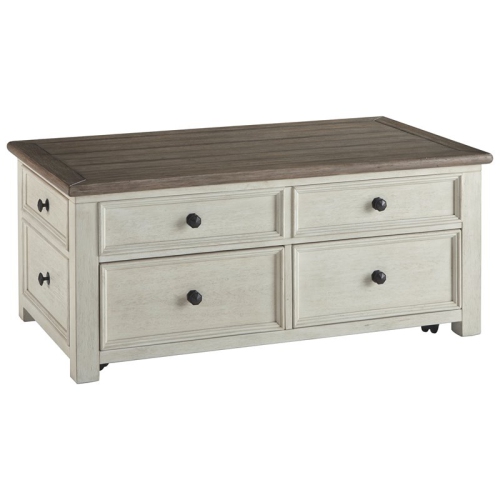
The most useful coffee table layout depends on what happens around the sofa. In a household where the living room is used for reading and conversation, a simple tabletop may provide all the space needed for a mug, a book, and a small arrangement of personal objects. Shared family rooms often benefit from drawers or enclosed compartments that keep remotes, charging cables, and game controllers out of sight. An open lower shelf makes frequently used books or baskets easy to reach, although it also leaves their contents visible and adds another surface to dust. Lift-top coffee tables bring part of the surface closer to a seated user, which can be convenient for an occasional meal, a puzzle, or brief laptop use. Their suitability depends on the raised height, knee clearance, lifting mechanism, and stated load limits; they do not necessarily provide the positioning or legroom of a desk. Clearance behind and above the moving top matters, particularly near sofa arms or other furniture. Nesting tables offer a different kind of flexibility, with smaller surfaces that can be moved beside an armchair when guests visit and tucked away afterwards. In homes with children, rounded edges may reduce sharp contact points, but they do not replace attention to stability, pinch points, glass components, or access to stored contents. Pet owners may appreciate a straightforward base and enough clearance to remove fur from beneath the table. For anyone who prefers an uncluttered room, concealed storage and a tabletop with space left clear can make daily tidying simpler. Appearance still plays a role: a warm wood tone can balance smooth upholstery, a dark frame can echo nearby shelving, and a curved silhouette can interrupt a room full of right angles. Matching every finish is not essential when the proportions and colours feel connected. A coffee table can also be a thoughtful housewarming or wedding gift when the recipient’s measurements, preferred style, and storage needs are known. Ultimately, the right fit leaves everyday essentials close at hand while preserving comfortable seating, easy movement, and room to enjoy the living space.
Materials influence both the appearance of a coffee table and how it handles daily contact. Solid wood offers natural grain variation and a substantial feel, with different species and finishes producing anything from a pale, understated surface to a darker, more pronounced pattern. Wood can respond to moisture and changes in indoor humidity, so prompt spill cleanup and protection beneath drinks remain important. Veneered furniture combines a thin layer of real wood with a supporting core, creating a wood-grain surface whose care requirements depend on the finish and construction. Engineered wood with a laminate surface can provide a consistent colour or pattern, although edges and seams still deserve attention because standing liquid can cause damage if it reaches the core. Glass tops allow a rug’s pattern to remain visible and can make a table appear lighter within the seating arrangement. Fingerprints and smudges tend to show readily, and glass edges require care during cleaning and moving. Tempered glass is stronger than ordinary glass, but it is not scratchproof or unbreakable. Metal frames range from slender legs to broader structural bases, adding contrast beside soft upholstery; the quality of joints, protective finishes, and floor-contact points matters as much as their appearance. Natural stone brings distinctive veining and weight, while some stone surfaces require sealing or particular cleaning products to limit staining and etching. A marble top, for example, needs protection from acidic spills as well as abrasive cleaners. Mixed-material tables combine these qualities, such as a wood surface supported by a metal base or glass paired with a lower shelf. For durability, stable construction, securely fitted hardware, and a finish suited to the household’s routines are more useful indicators than appearance alone. Felt pads can help protect hard flooring, while coasters and trays reduce direct contact with moisture. Cleaning methods should follow the manufacturer’s care directions, with soft cloths and gentle products used where appropriate rather than a single treatment applied to every material.
The most useful coffee table layout depends on what happens around the sofa. In a household where the living room is used for reading and conversation, a simple tabletop may provide all the space needed for a mug, a book, and a small arrangement of personal objects. Shared family rooms often benefit from drawers or enclosed compartments that keep remotes, charging cables, and game controllers out of sight. An open lower shelf makes frequently used books or baskets easy to reach, although it also leaves their contents visible and adds another surface to dust. Lift-top coffee tables bring part of the surface closer to a seated user, which can be convenient for an occasional meal, a puzzle, or brief laptop use. Their suitability depends on the raised height, knee clearance, lifting mechanism, and stated load limits; they do not necessarily provide the positioning or legroom of a desk. Clearance behind and above the moving top matters, particularly near sofa arms or other furniture. Nesting tables offer a different kind of flexibility, with smaller surfaces that can be moved beside an armchair when guests visit and tucked away afterwards. In homes with children, rounded edges may reduce sharp contact points, but they do not replace attention to stability, pinch points, glass components, or access to stored contents. Pet owners may appreciate a straightforward base and enough clearance to remove fur from beneath the table. For anyone who prefers an uncluttered room, concealed storage and a tabletop with space left clear can make daily tidying simpler. Appearance still plays a role: a warm wood tone can balance smooth upholstery, a dark frame can echo nearby shelving, and a curved silhouette can interrupt a room full of right angles. Matching every finish is not essential when the proportions and colours feel connected. A coffee table can also be a thoughtful housewarming or wedding gift when the recipient’s measurements, preferred style, and storage needs are known. Ultimately, the right fit leaves everyday essentials close at hand while preserving comfortable seating, easy movement, and room to enjoy the living space.
Top selling and popular products
-
 Your price for this item is $2899
 -
 Your price for this item is $1899.99
 -
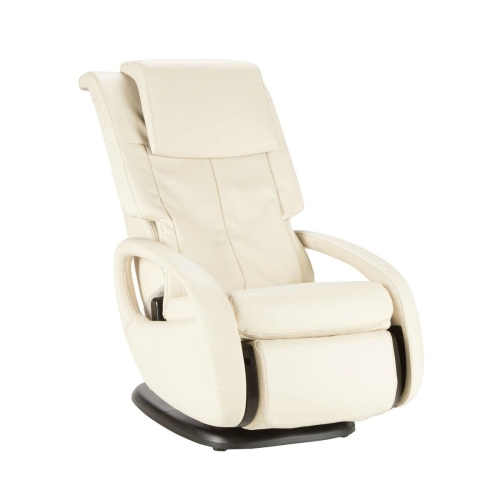 Your price for this item is $3799
 -
 Your price for this item is $1889
 -
 Your price for this item is $2499.99
 -
 Your price for this item is $1899.99
 -
 Your price for this item is $2799
 -
 Your price for this item is $1889
Discover more categories related to Table Basse Salon
Top Collections:
Pokemon Centers, Kindle Devices, Apple iPhones 16, Samsung Galaxy Phones, Canon G7X Cameras, iPhone 15 Apple, Flip Phones, Apple Wired Earphones, Best Budget Office Chairs, Refurbished Apple Laptops
Some products may be subject to Environmental Handling Fees
(EHF) depending on your province.
Learn more about EHFs.