Tables for Small Spaces
If you live in a small apartment or house, you know that it's often hard to fit a full-sized table into your living space. But that doesn't mean you can't have a functional dining room table or work area. Here are some of our favorite tables for small spaces.
Sort
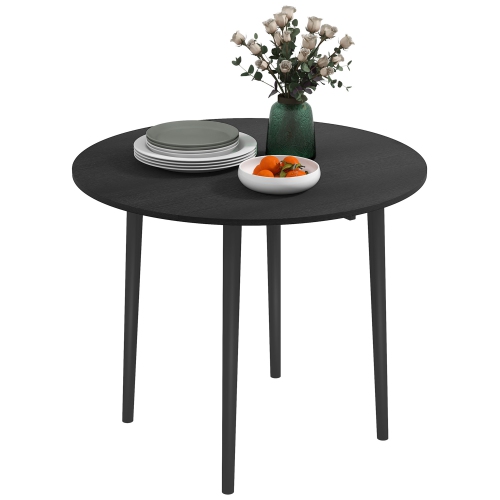
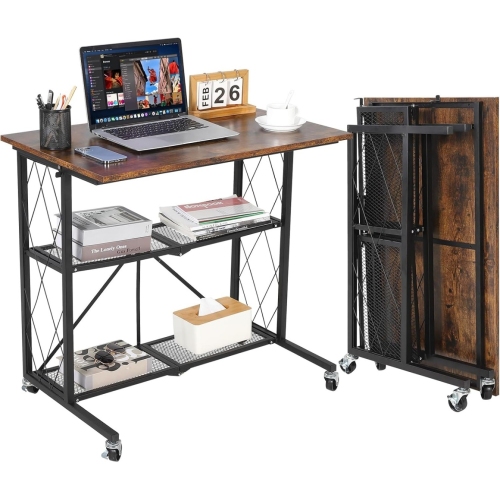
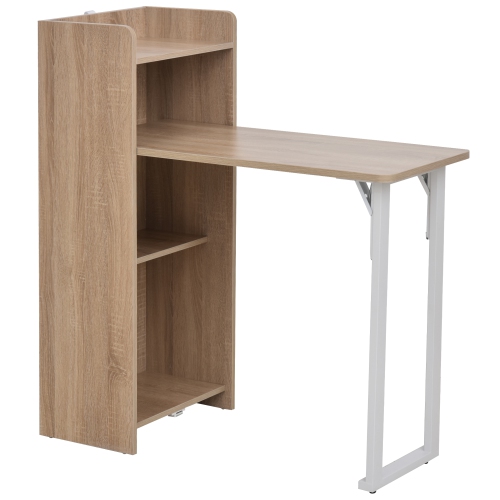
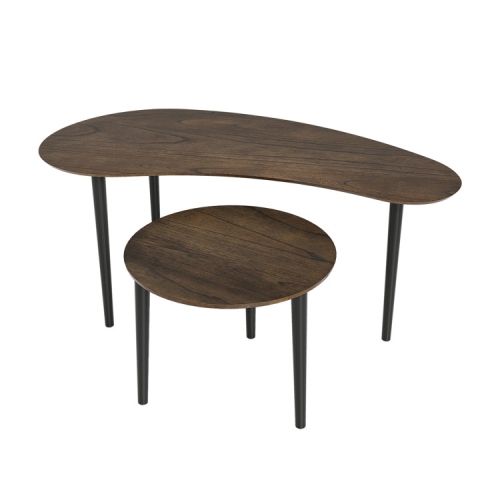
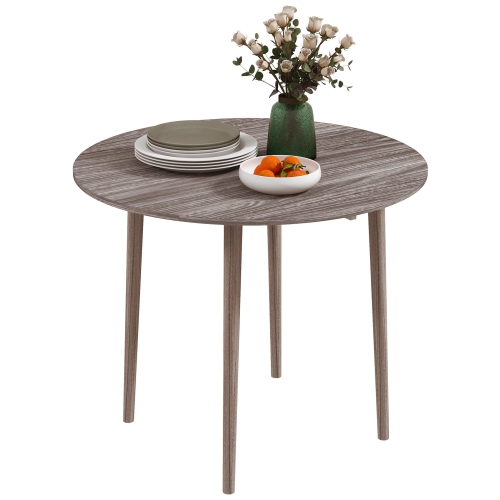
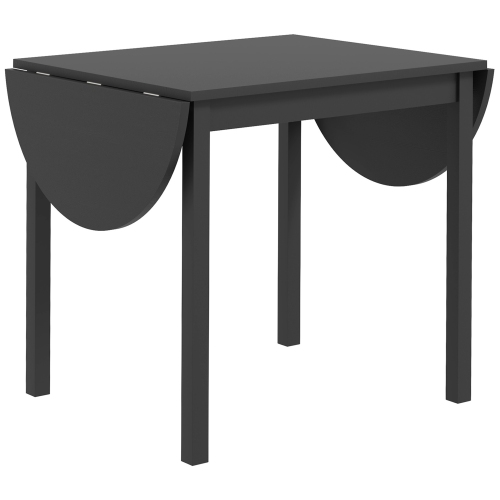
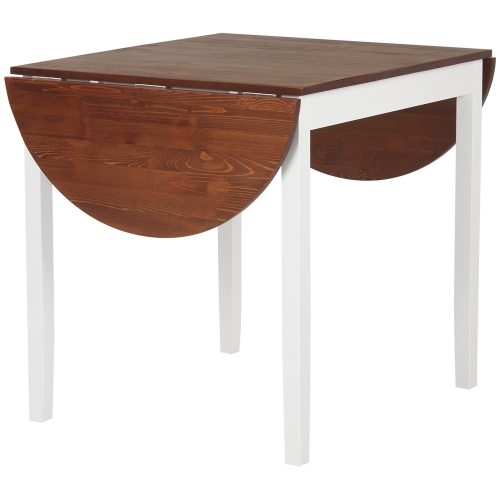

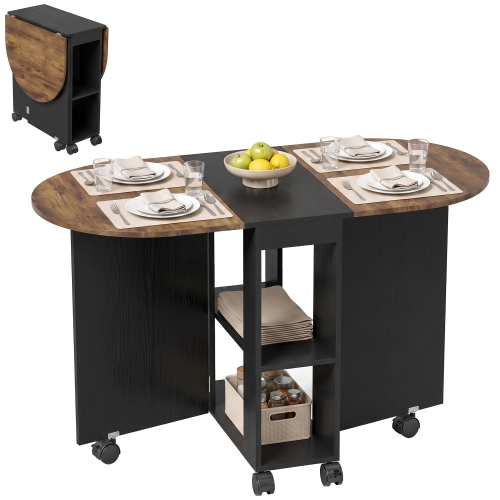
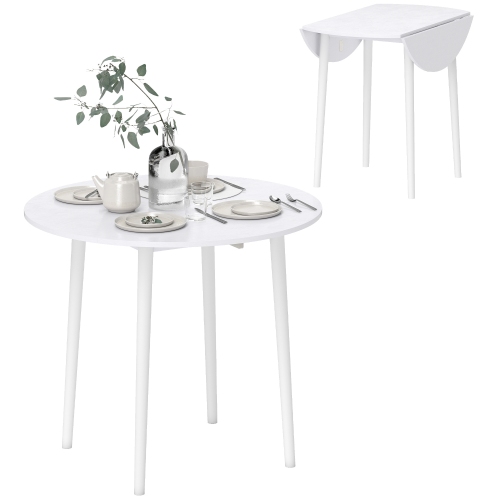
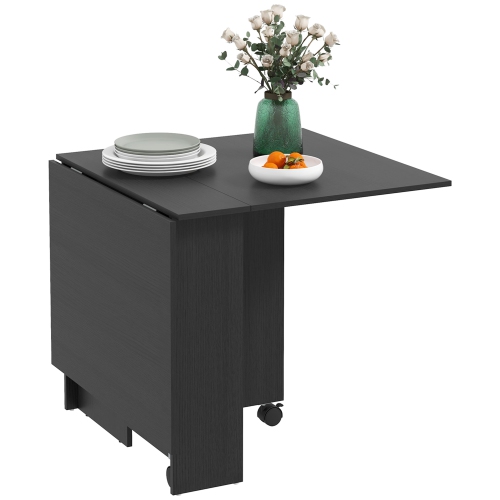
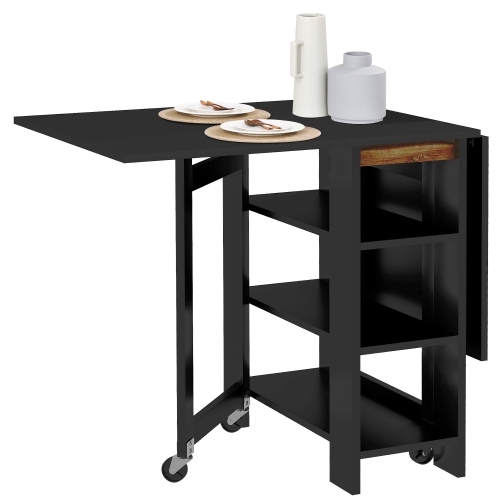
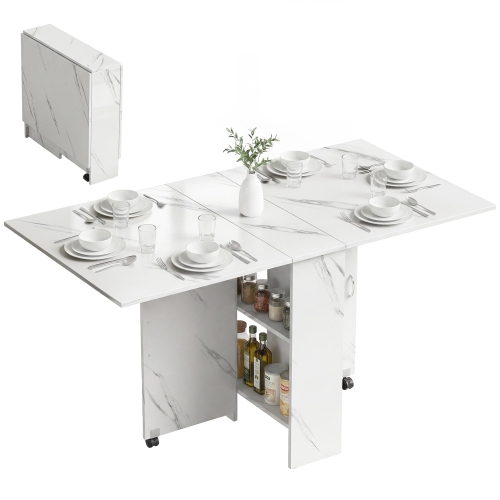
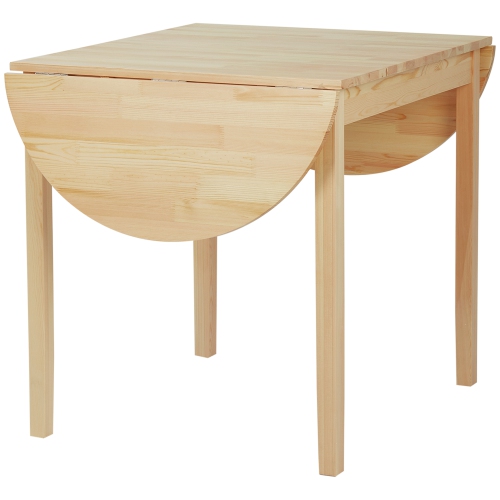
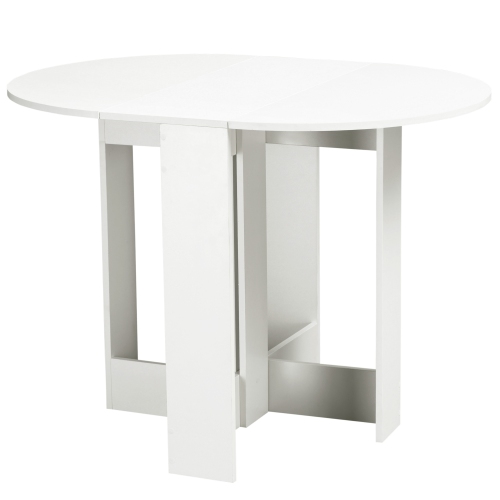
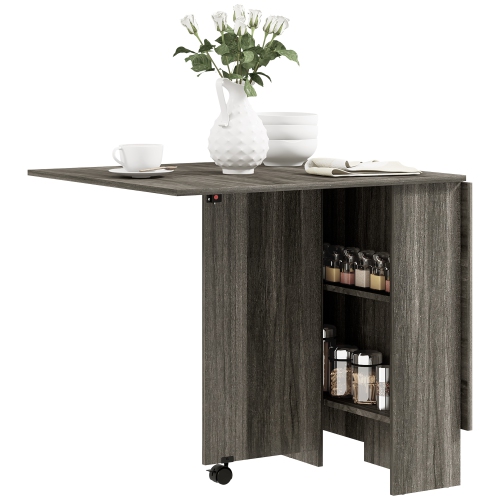
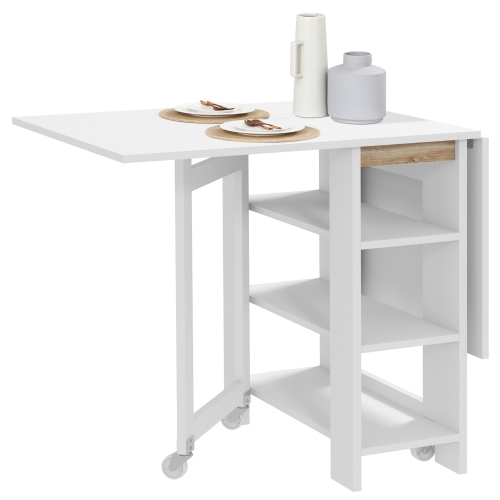
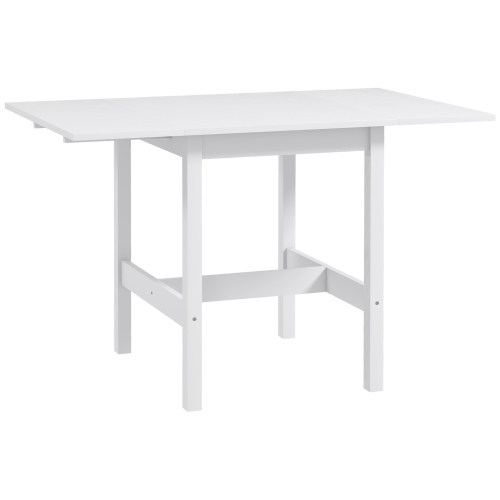
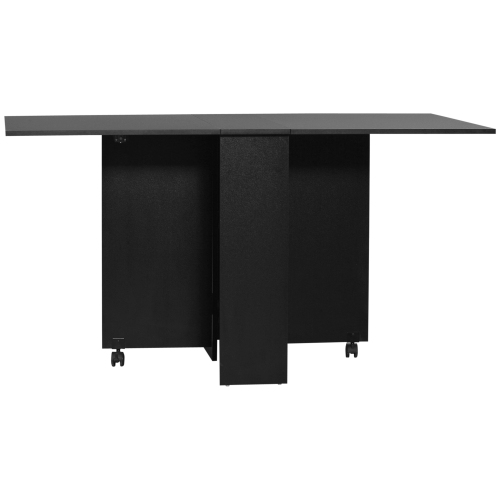
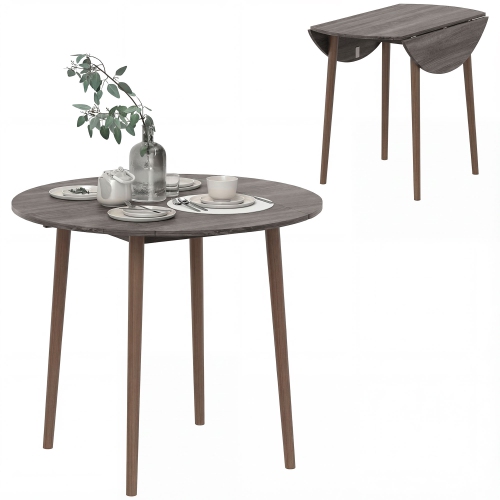
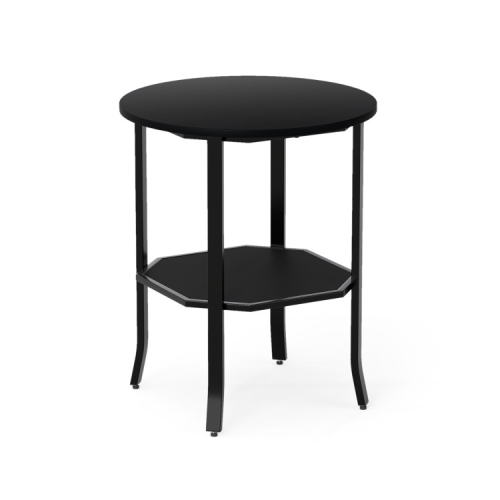
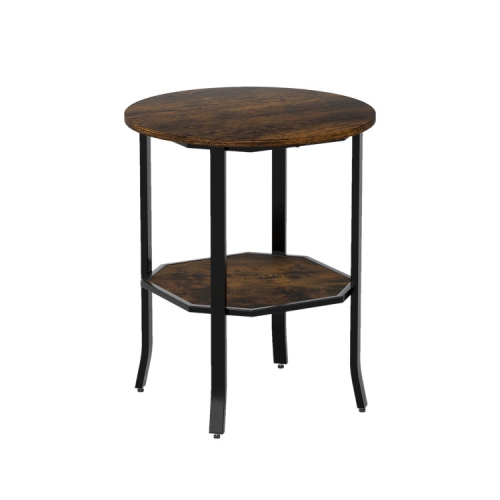

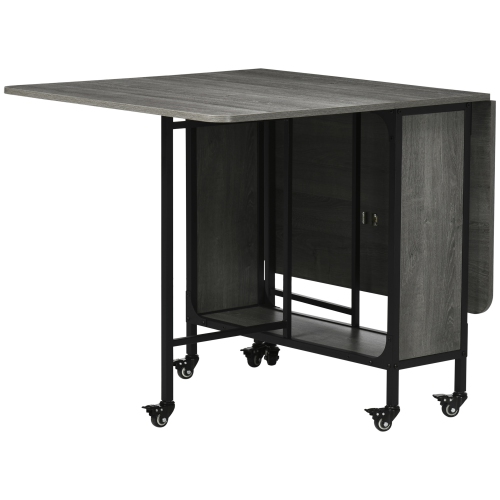
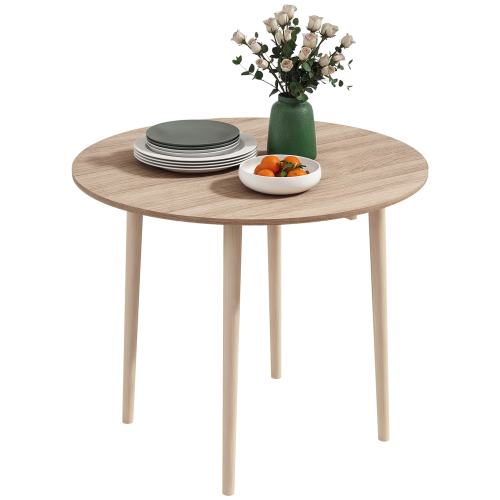
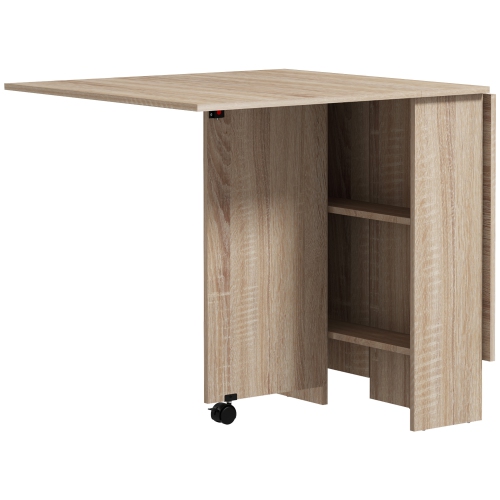
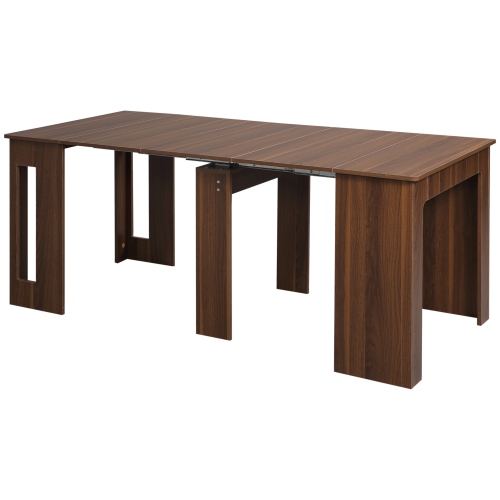
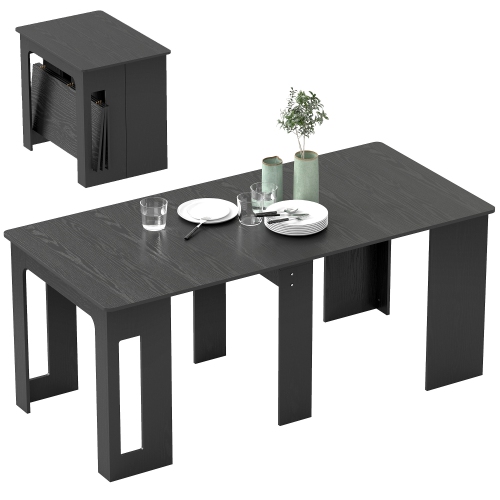
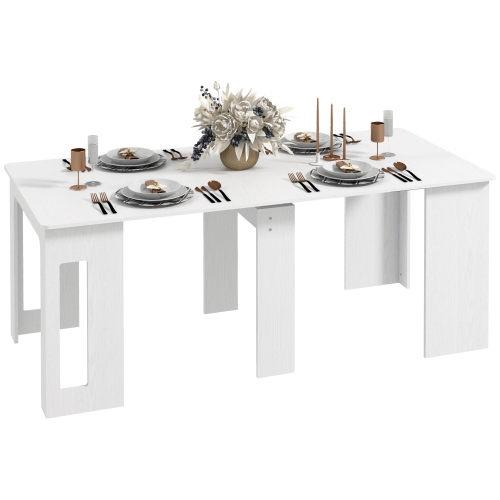
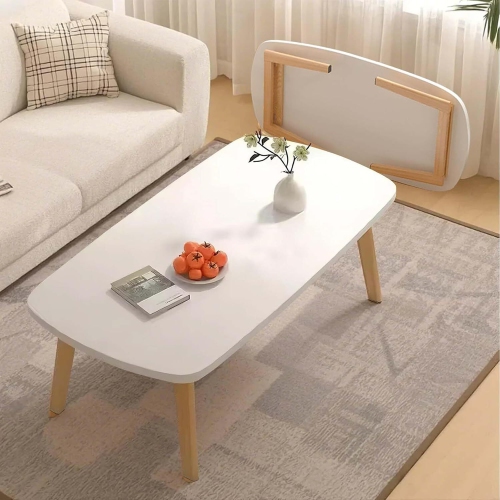
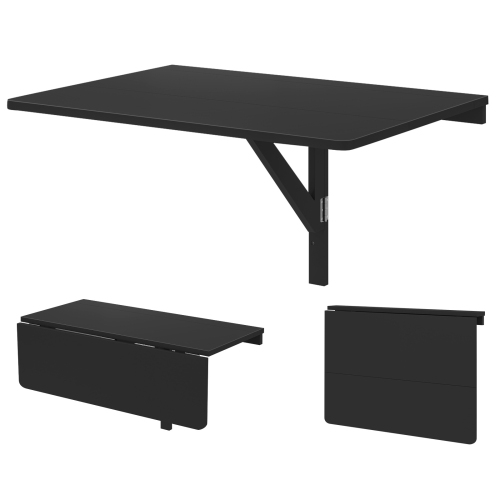
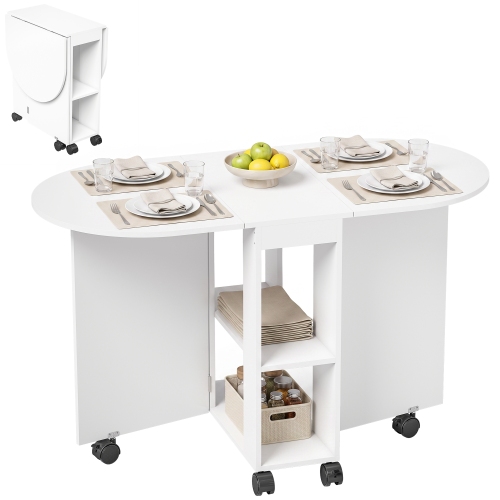
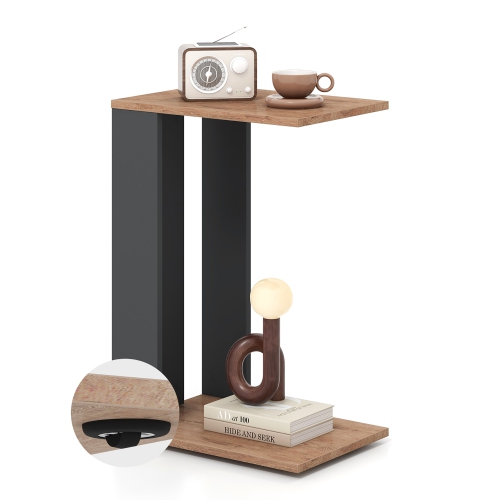
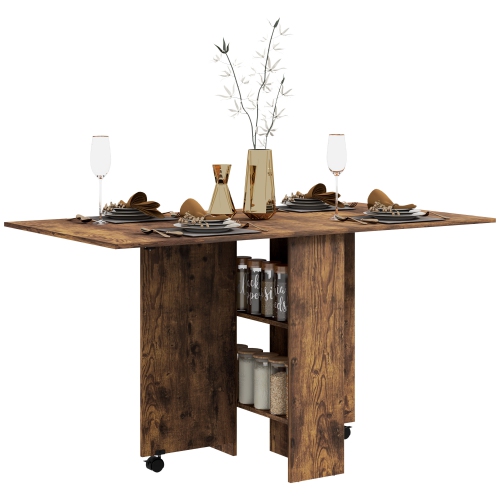
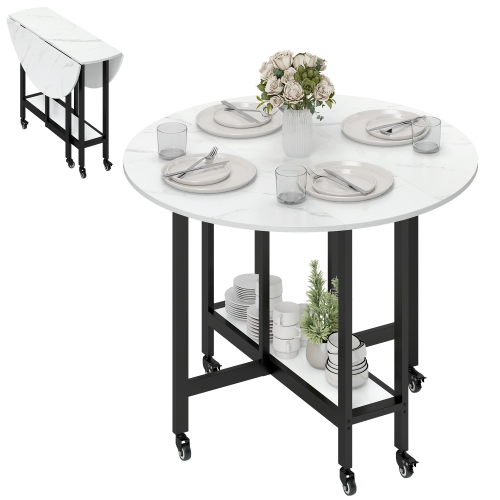
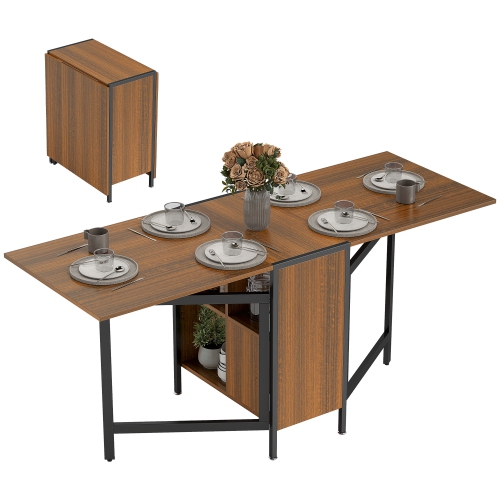
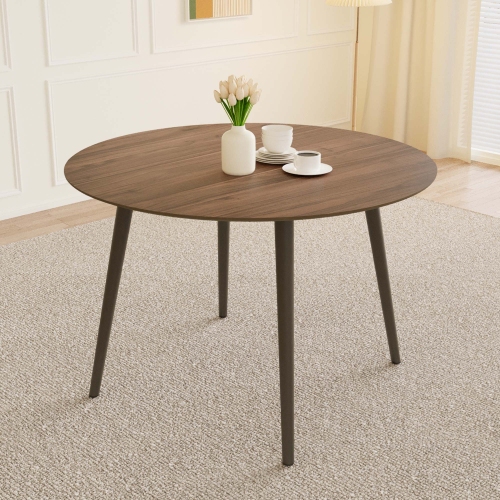
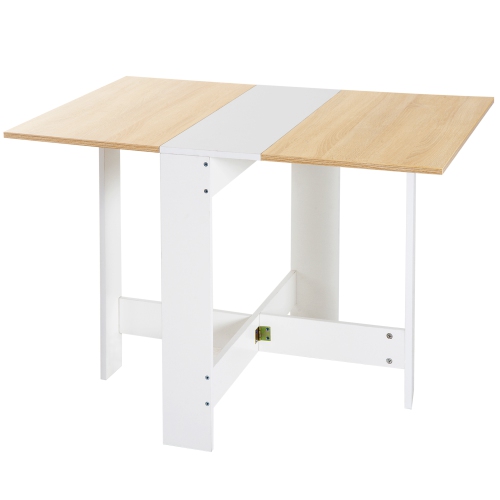
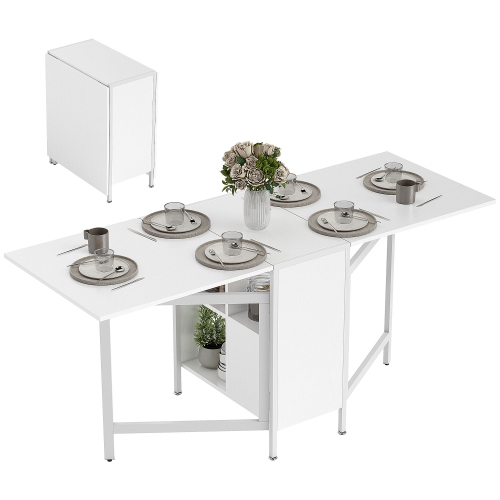
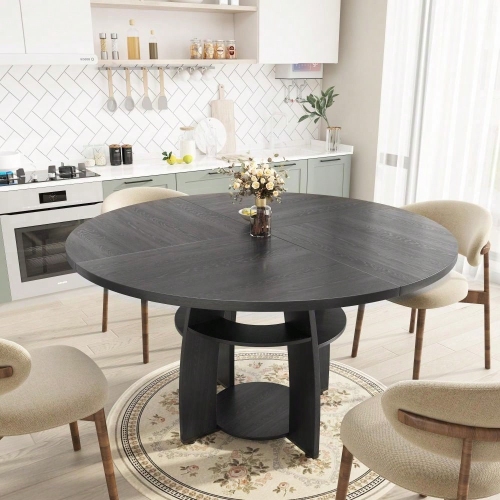
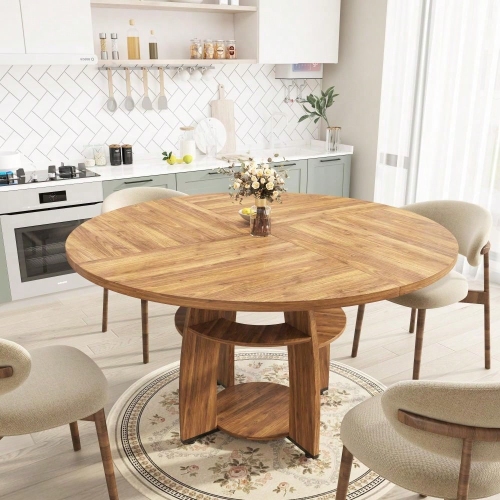
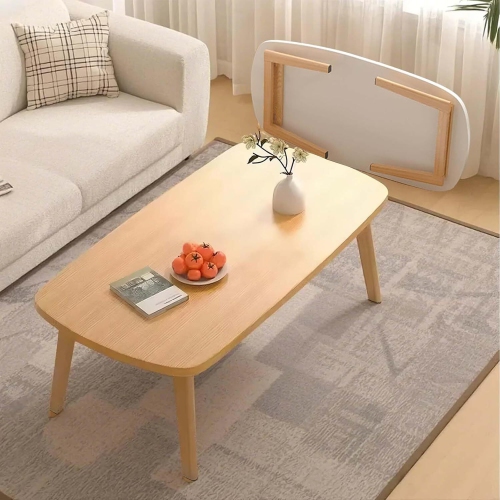
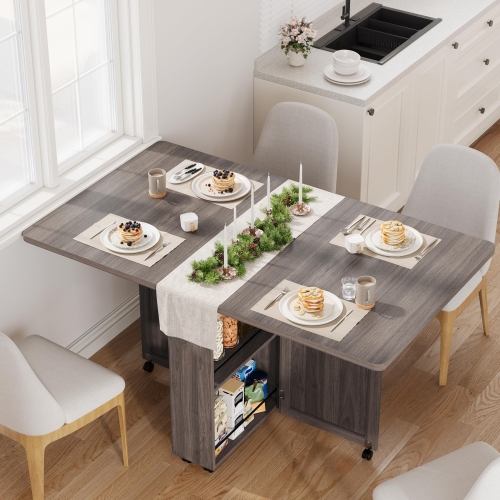
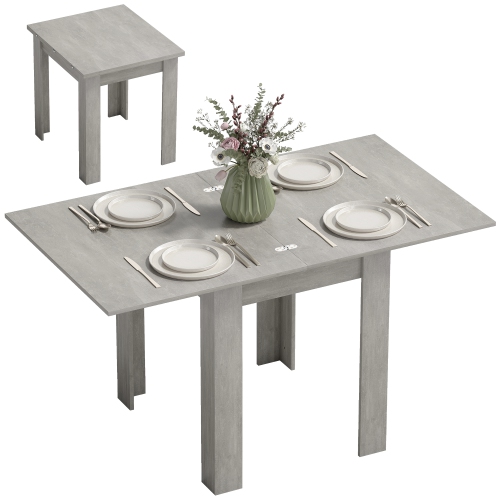
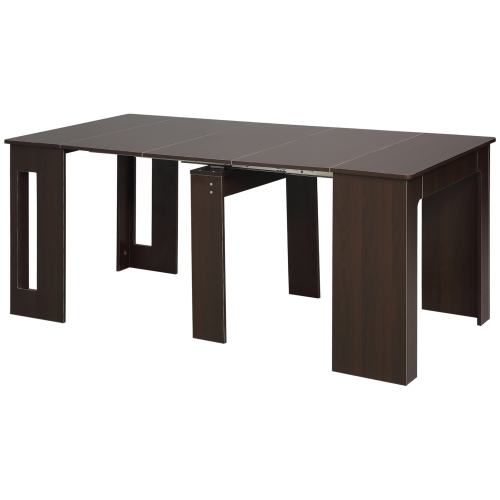
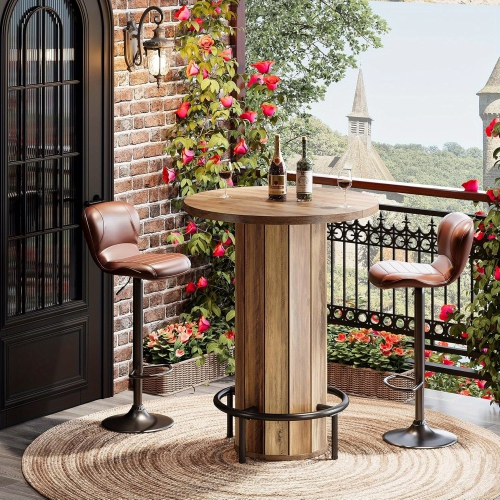
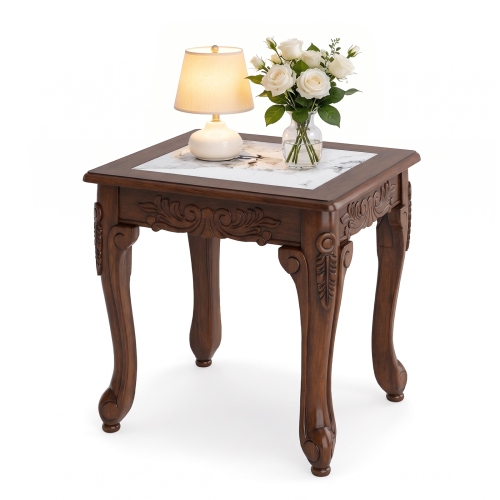
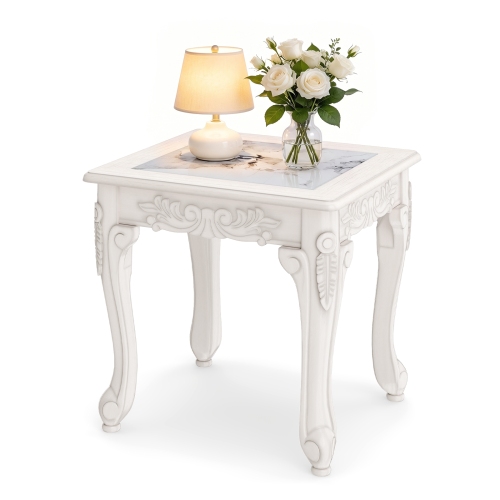
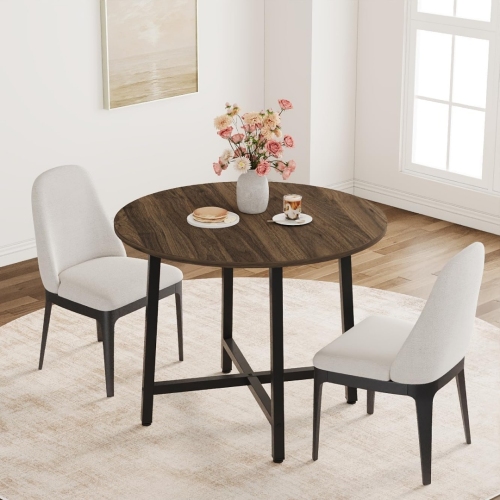
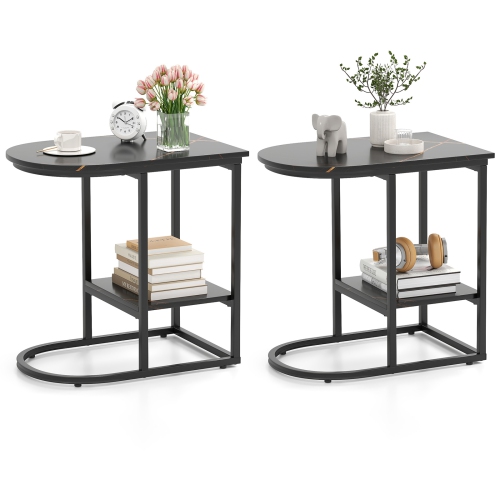
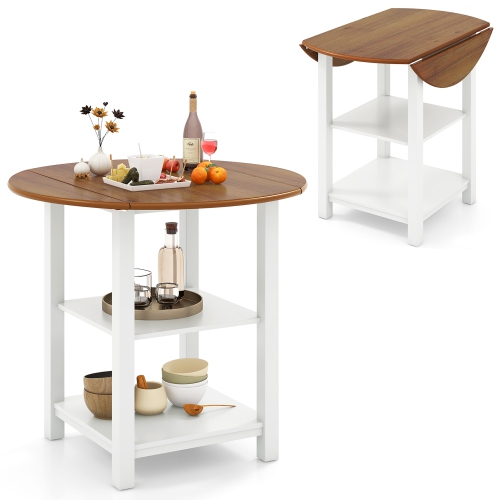
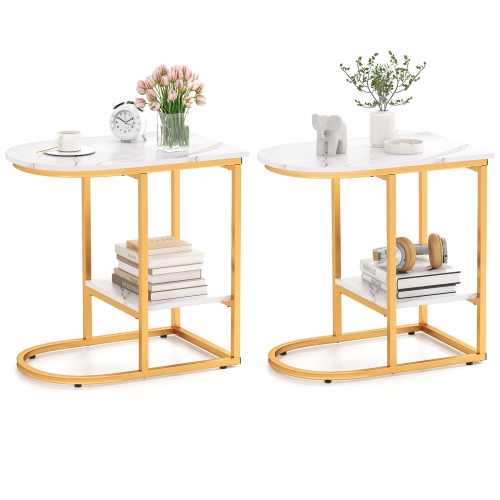
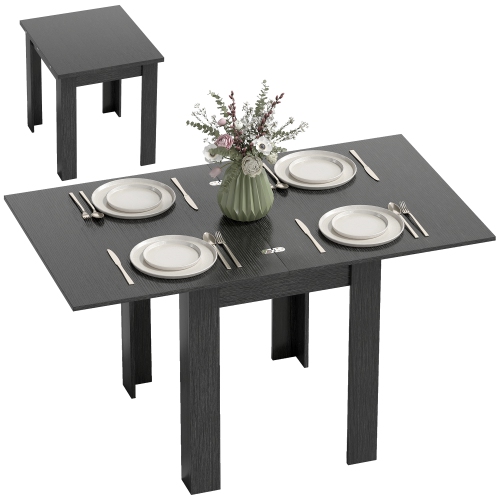
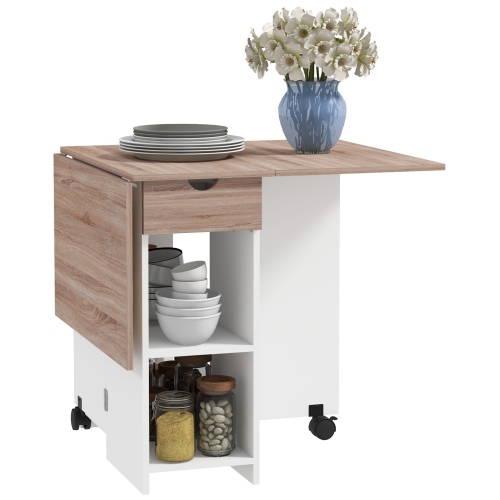
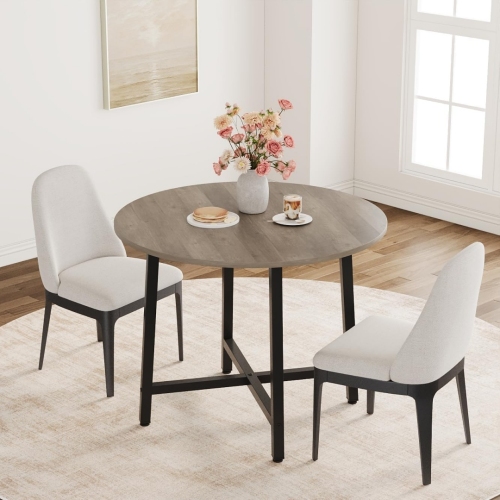
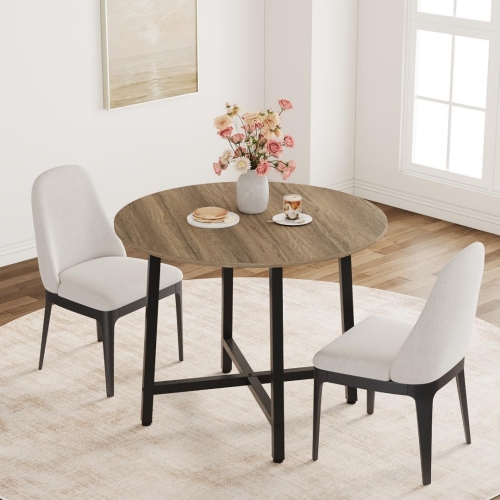
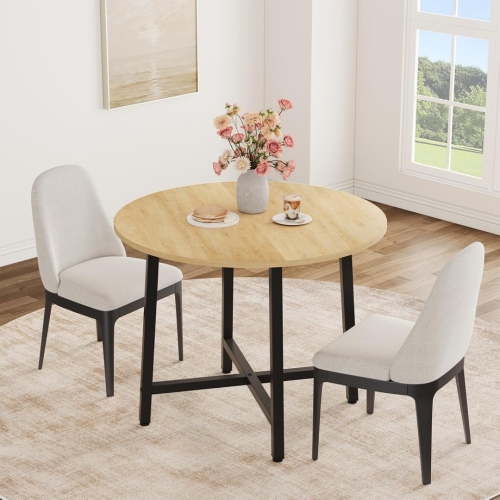
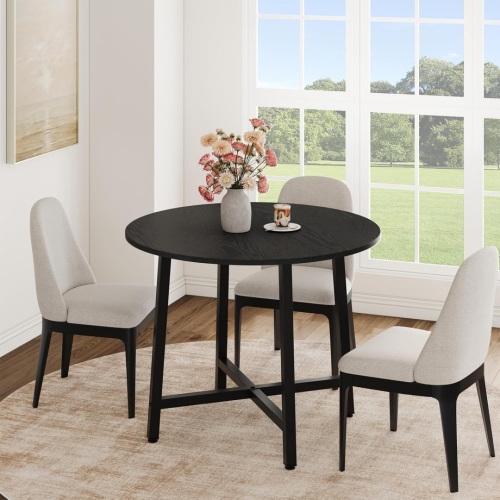
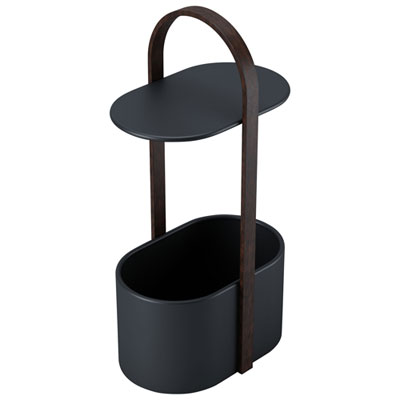
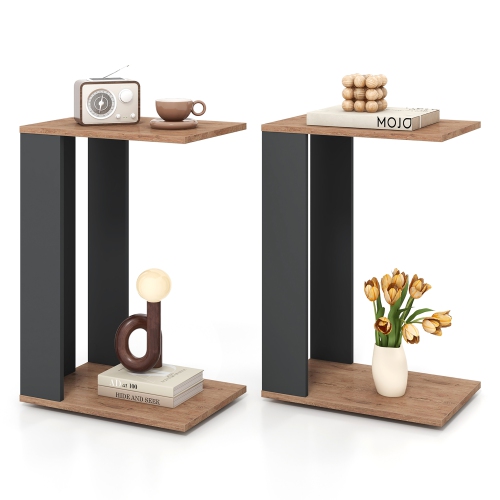
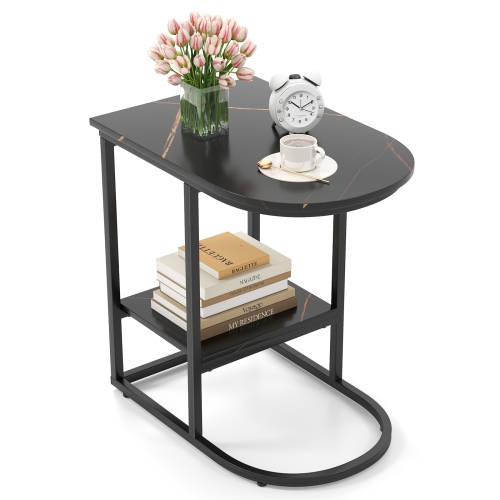
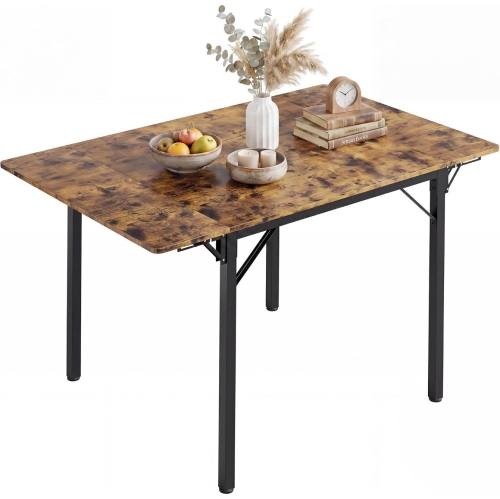
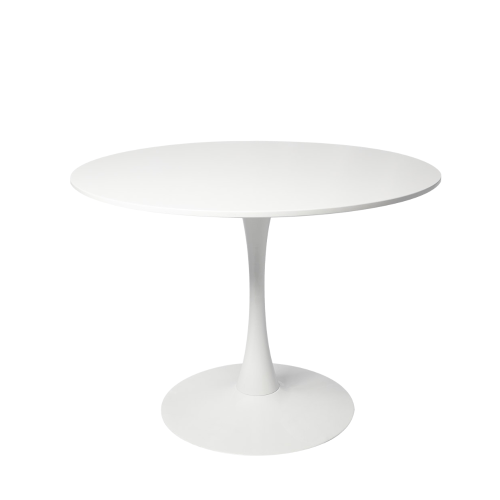
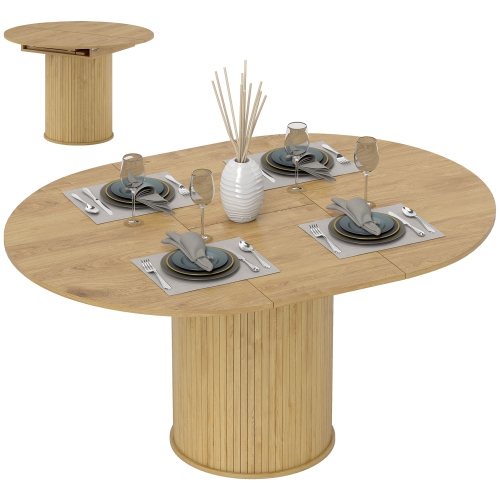
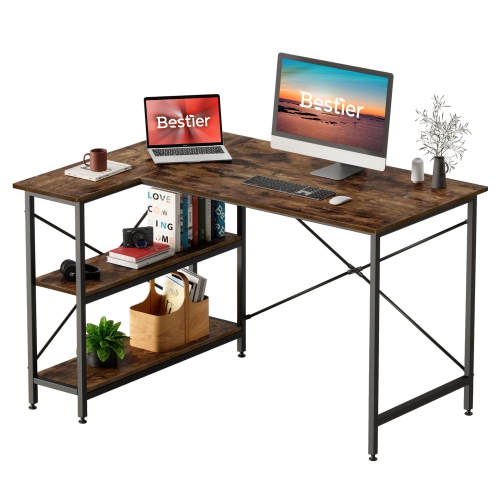
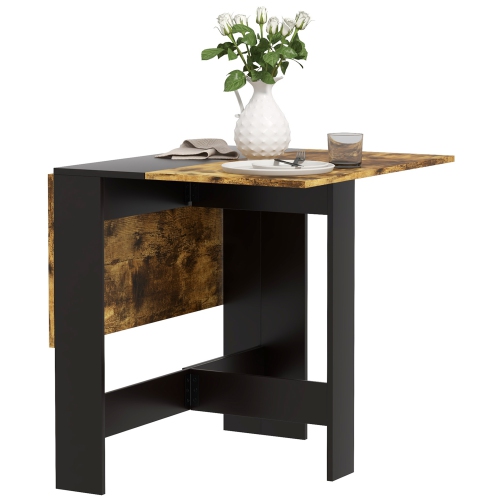
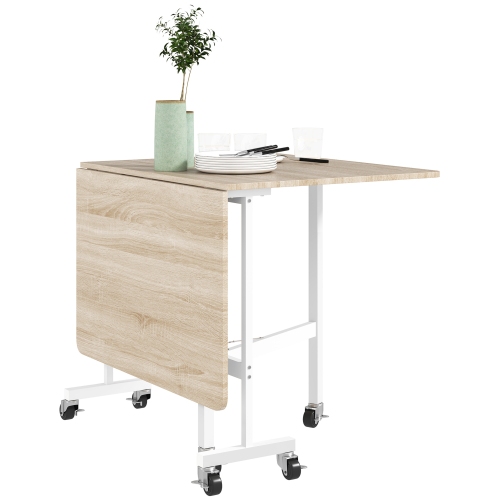

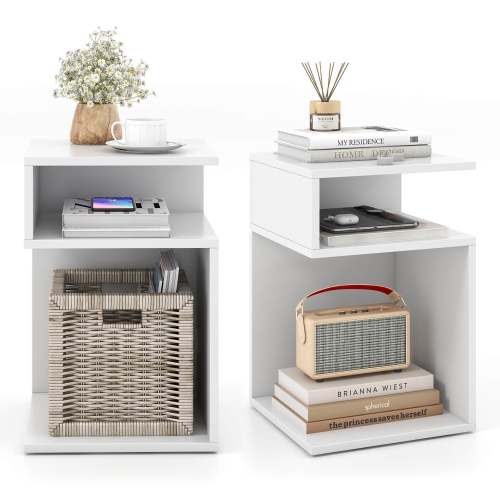
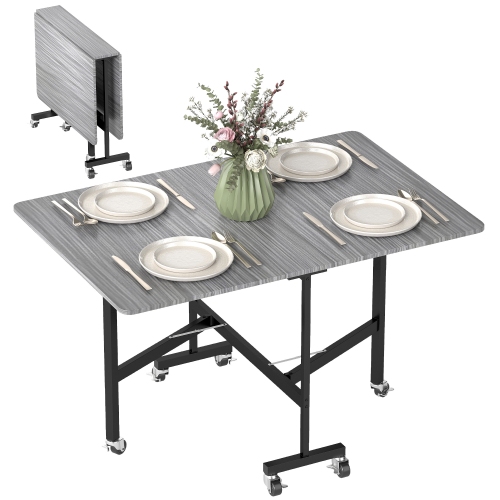

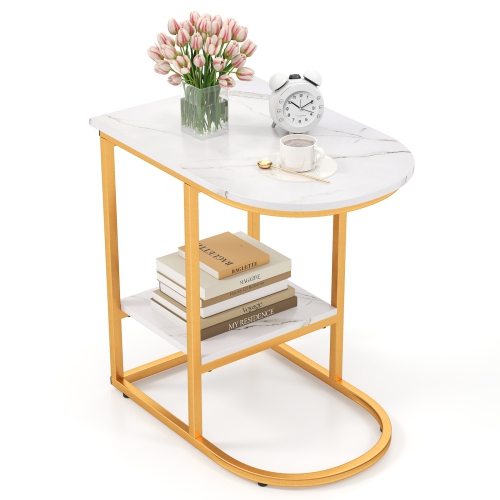
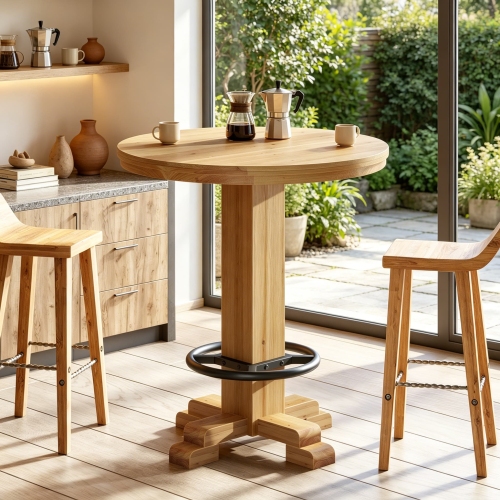
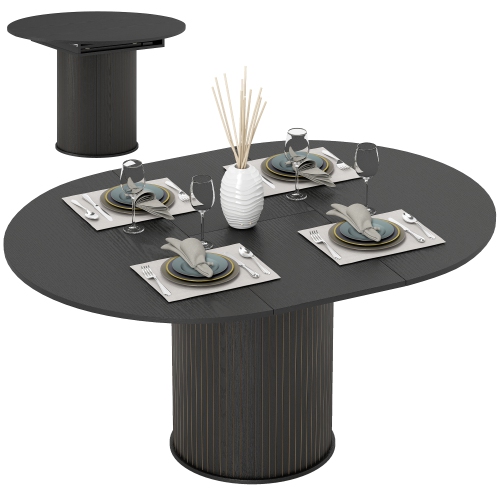
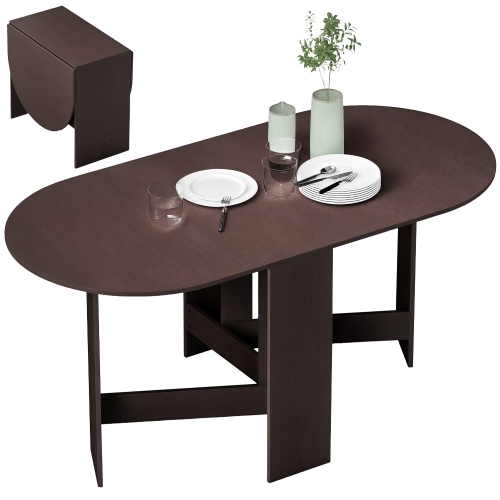
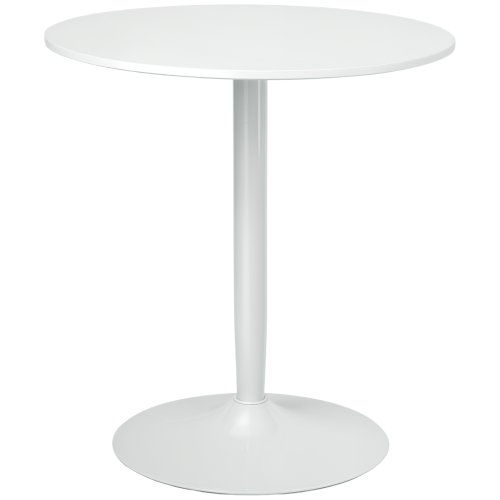
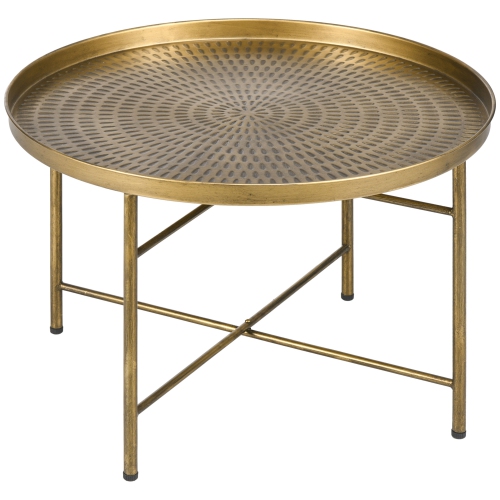
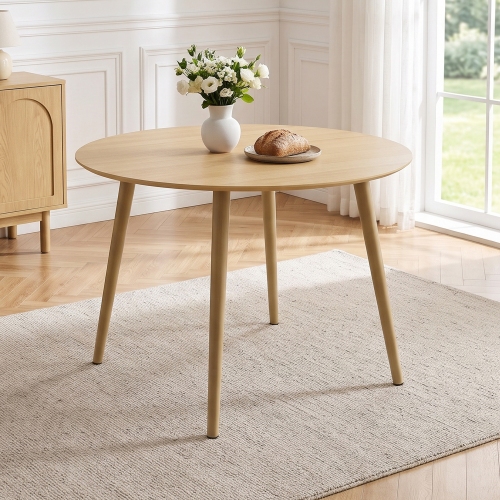

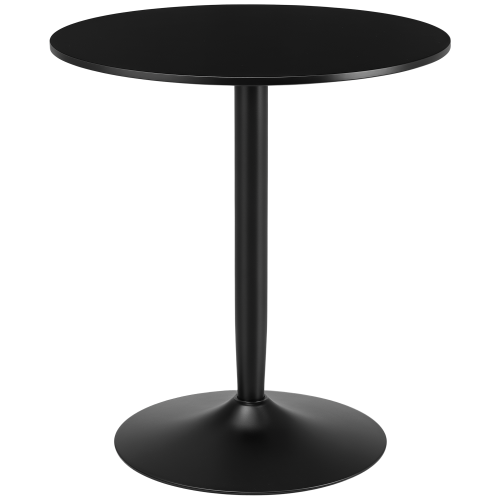
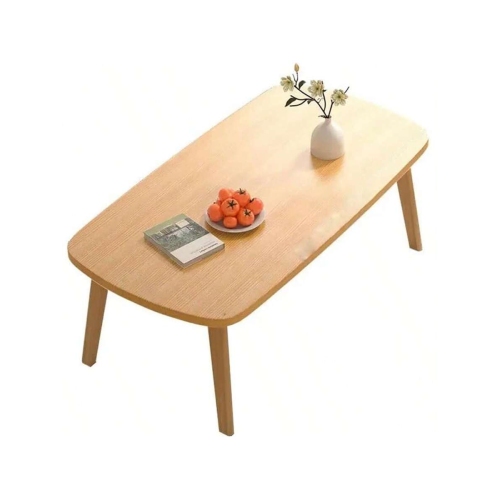
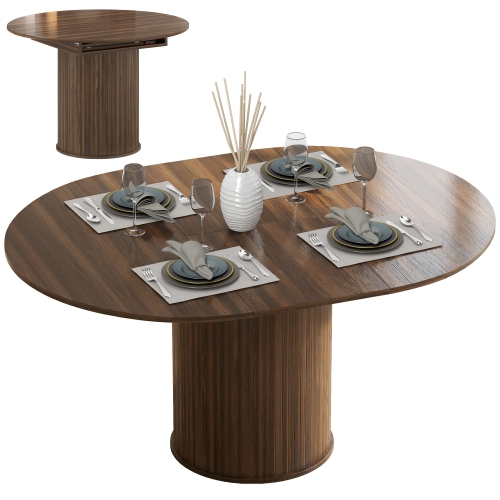
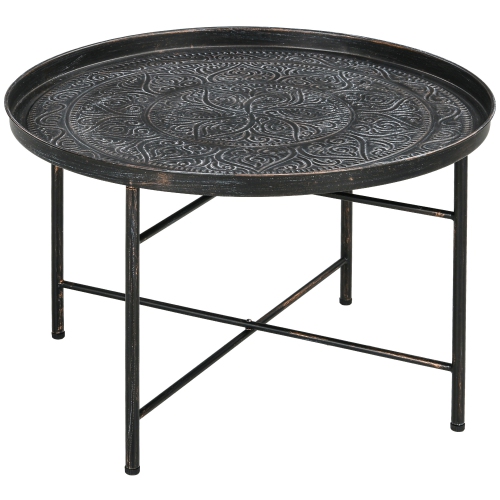

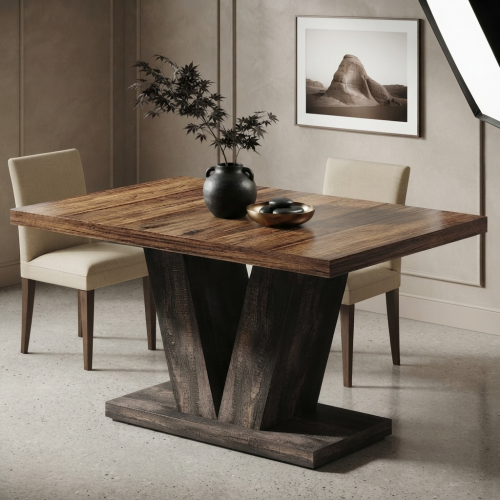
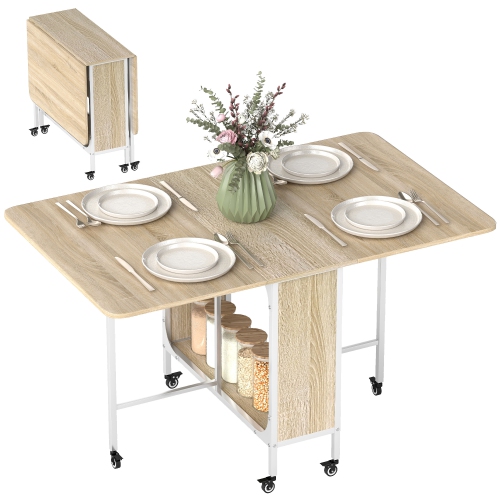
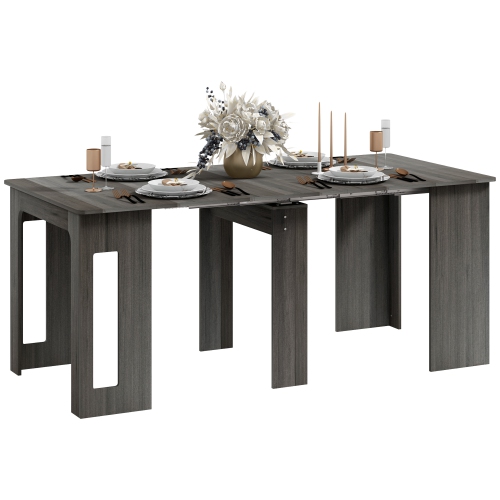
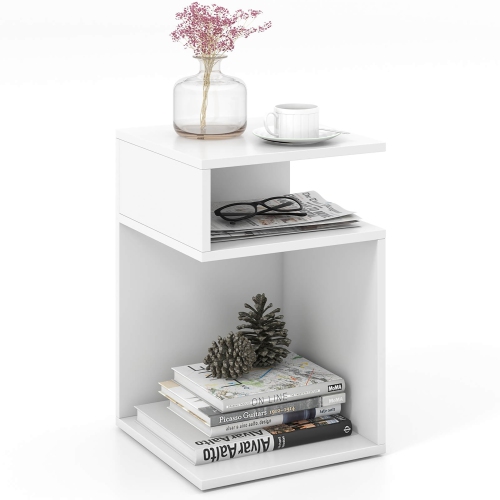
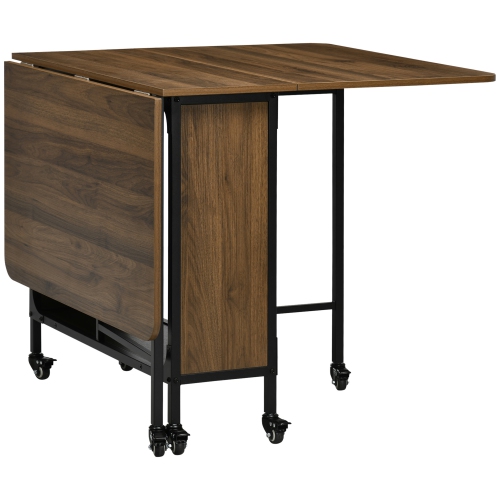
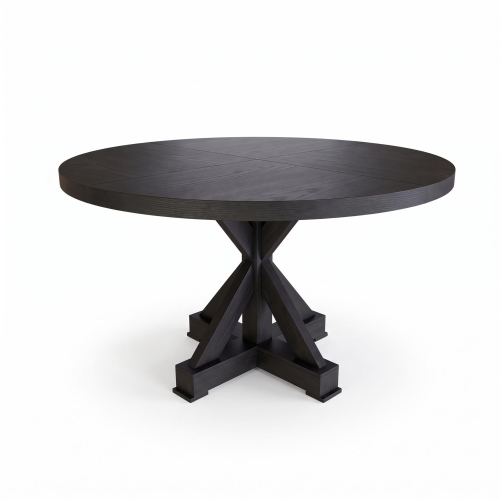
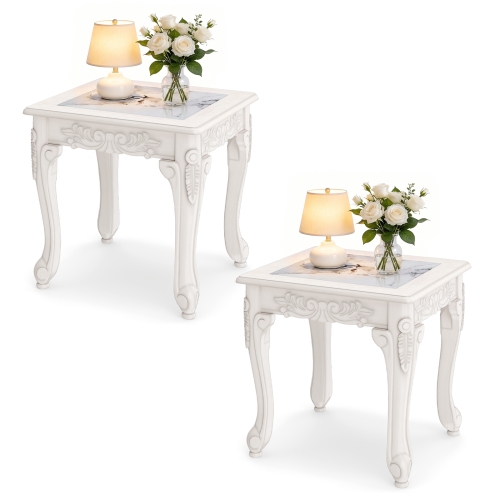
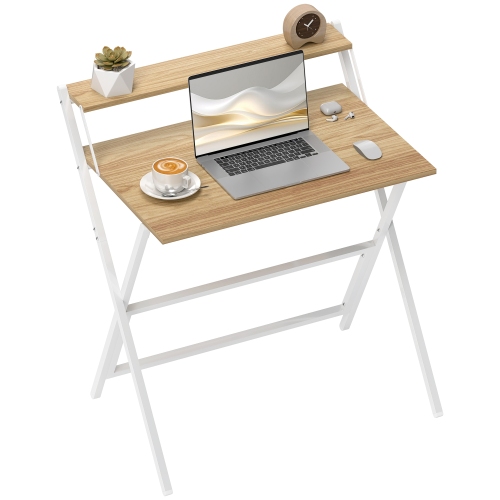
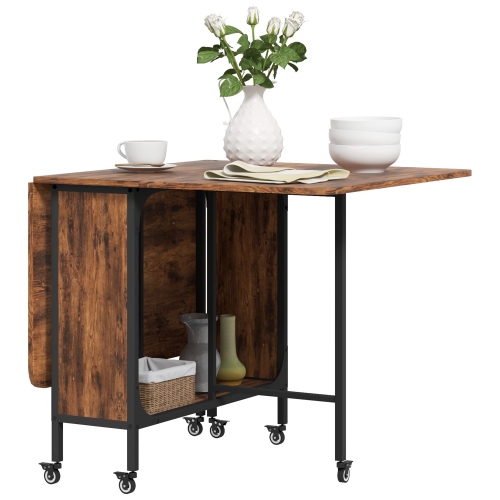
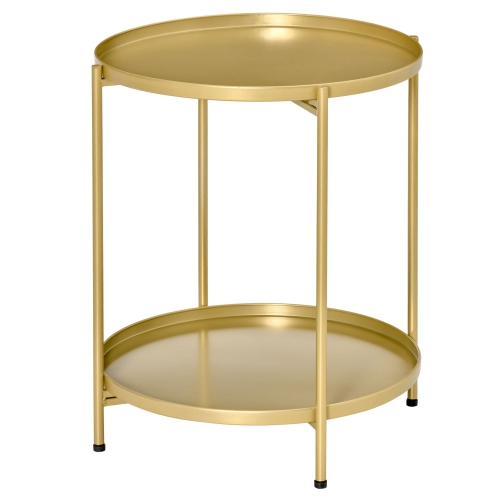
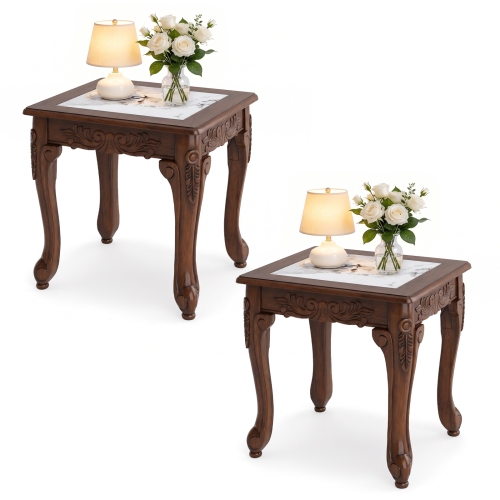
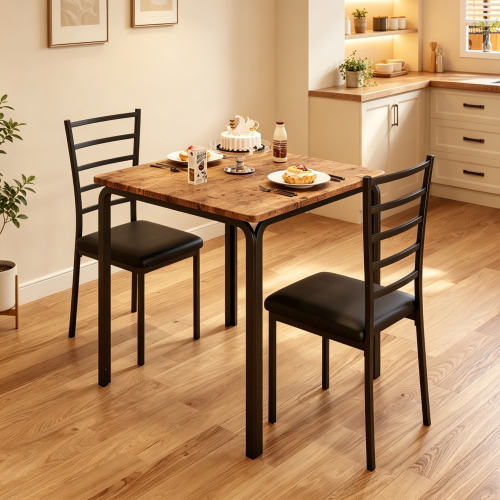
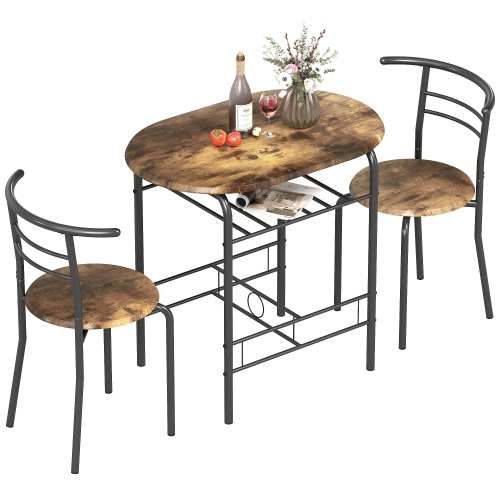
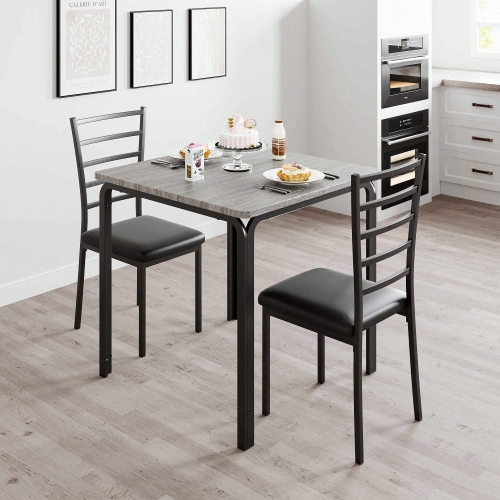
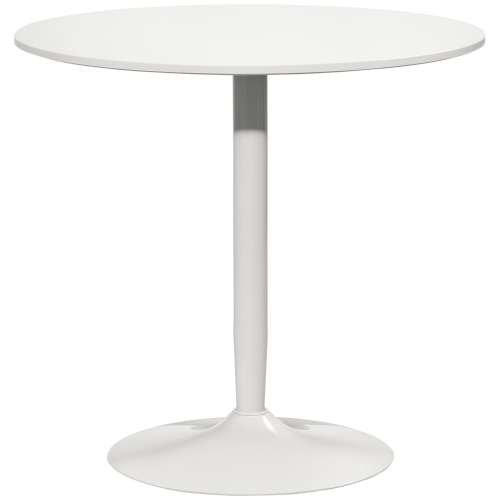
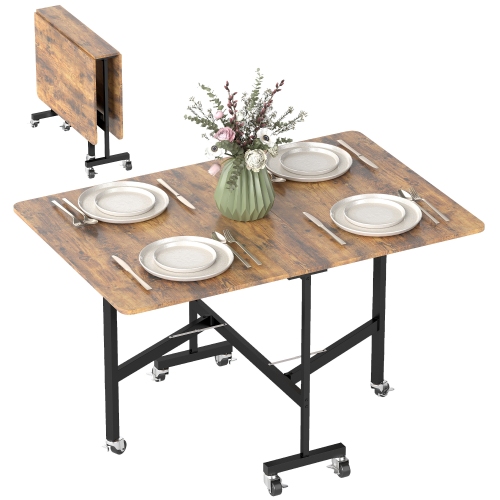
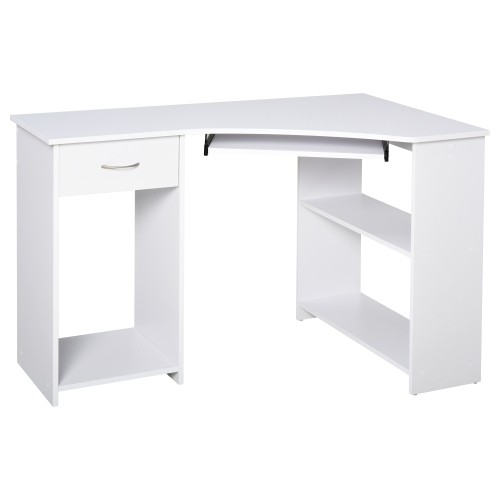
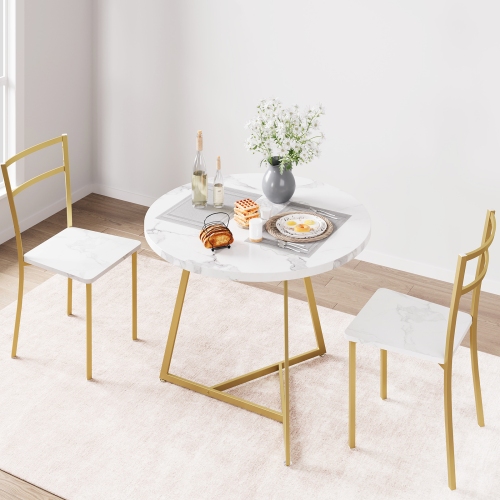
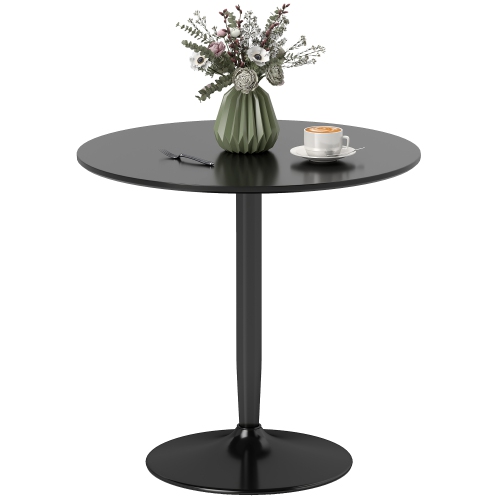
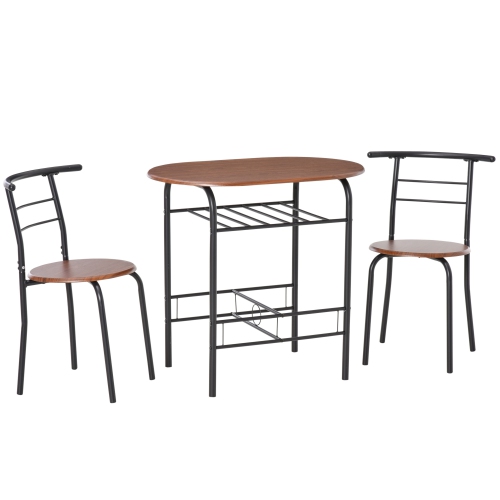
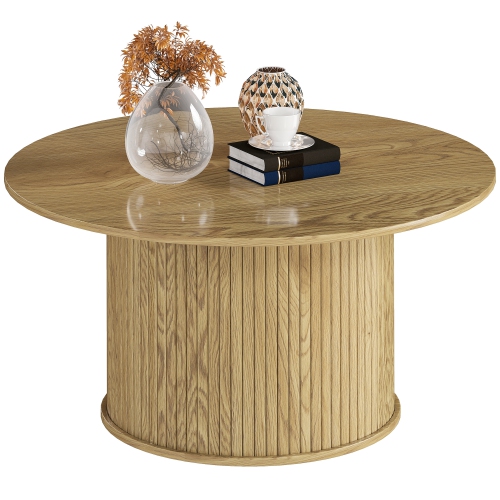
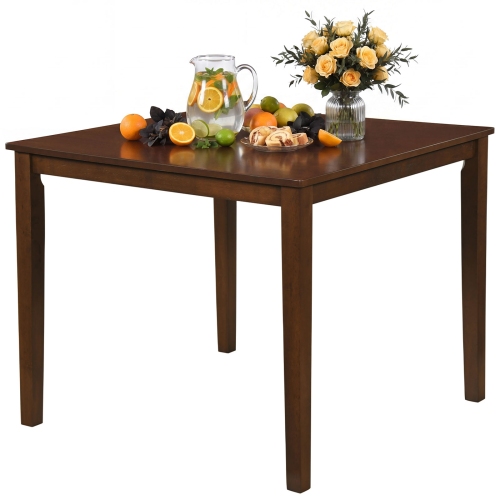
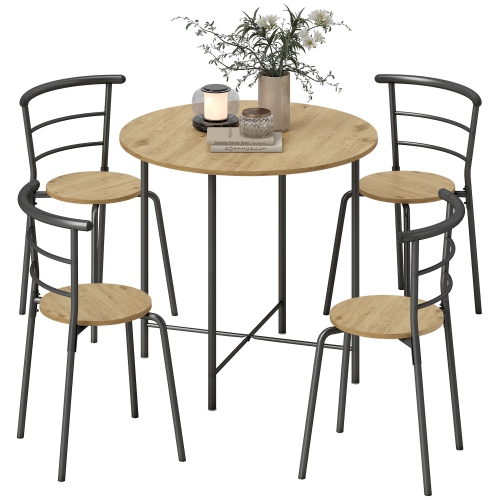
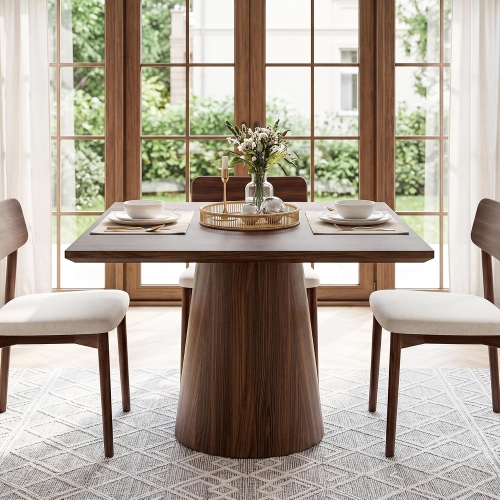
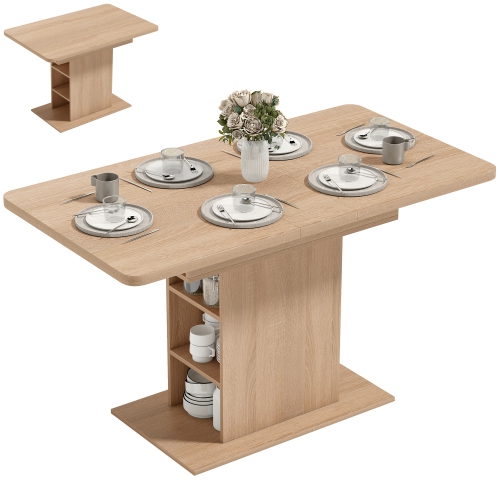
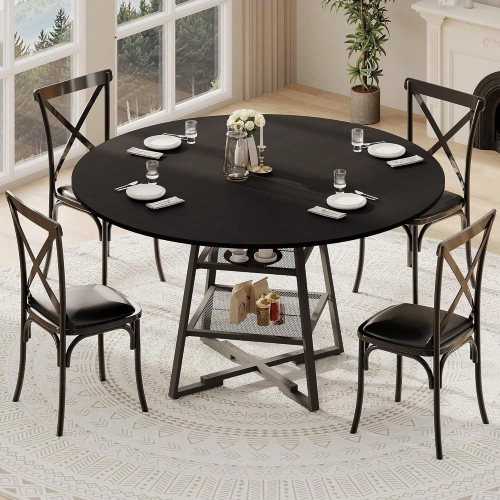
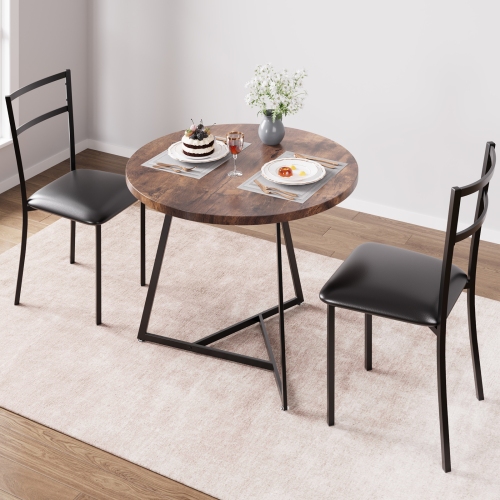
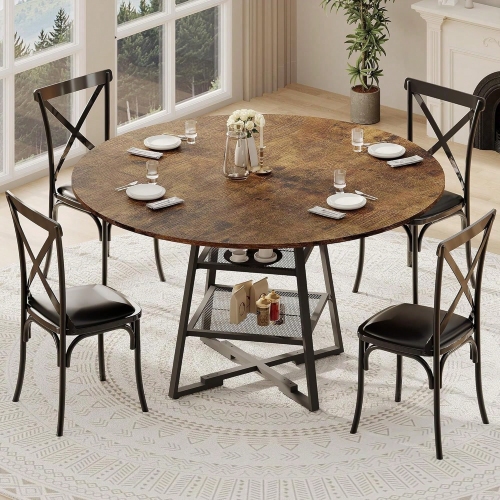
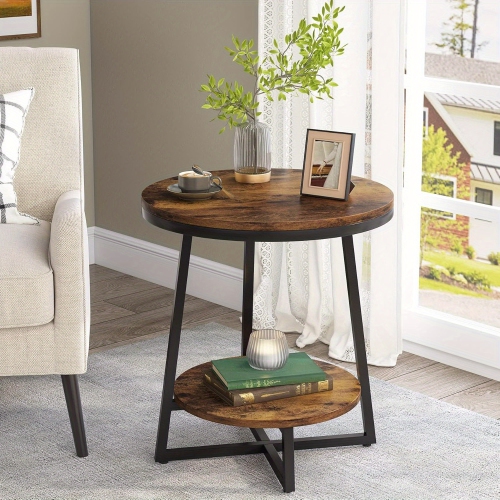
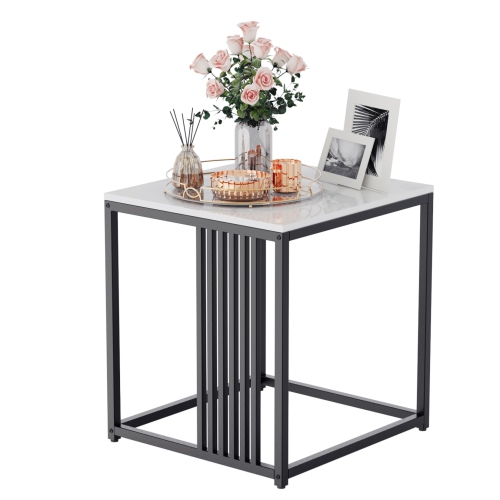
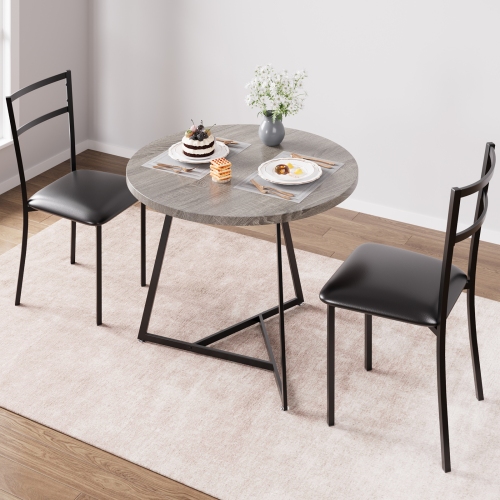
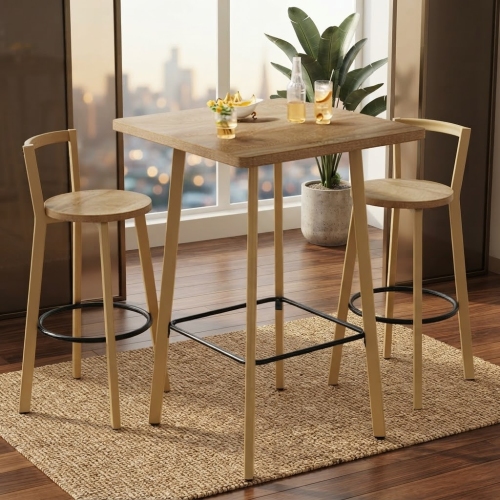
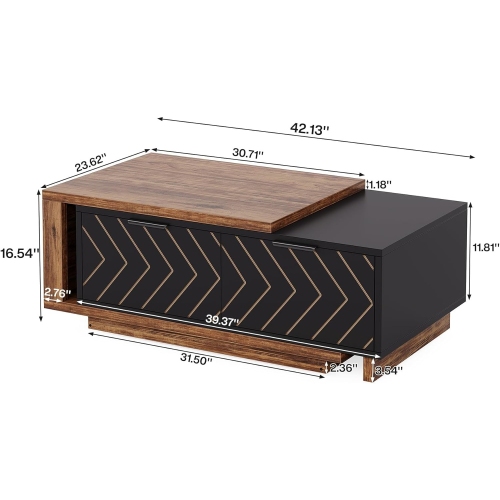
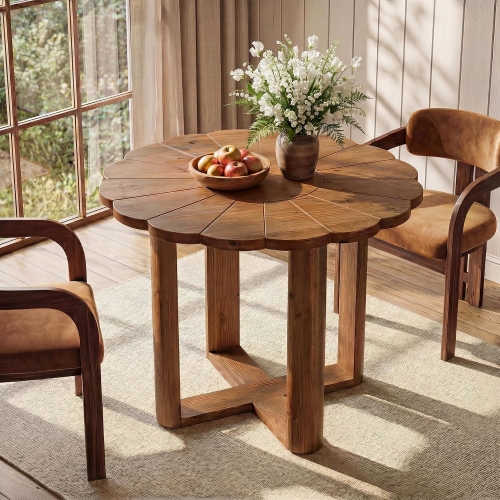
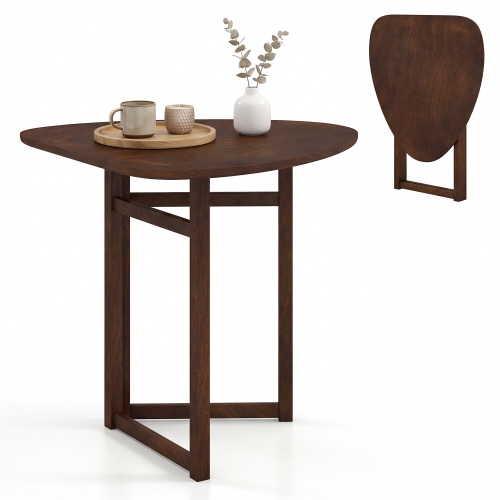
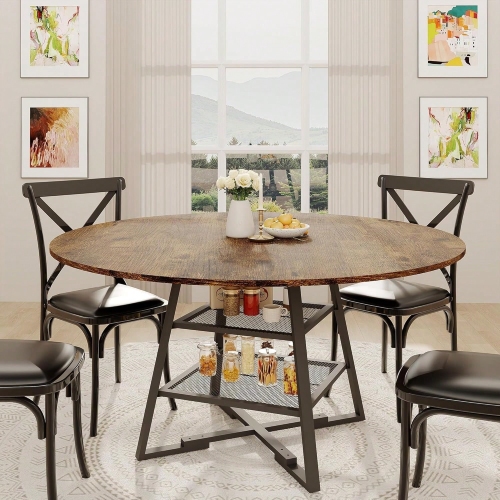
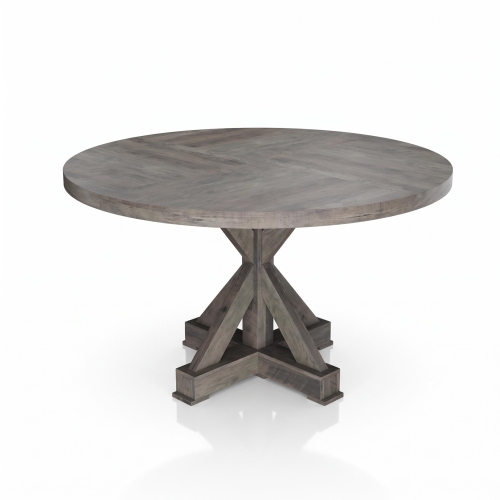
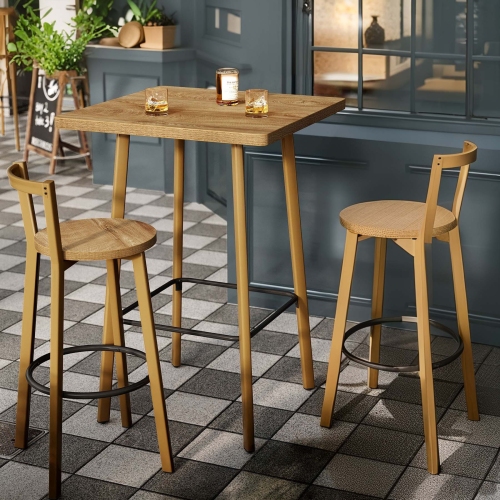
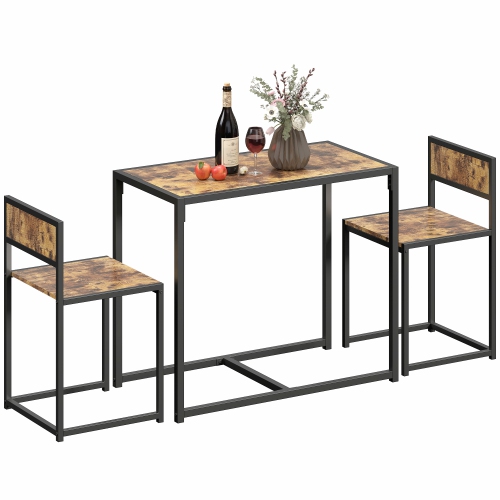
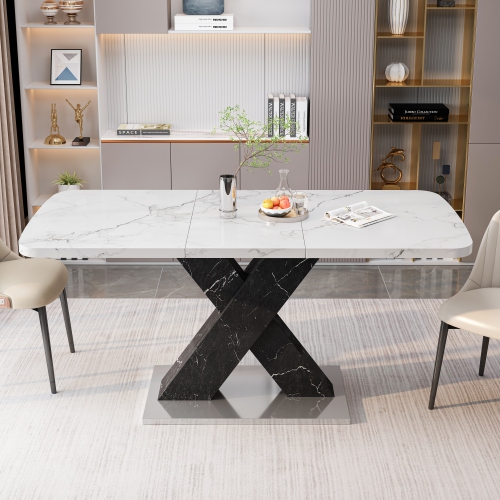
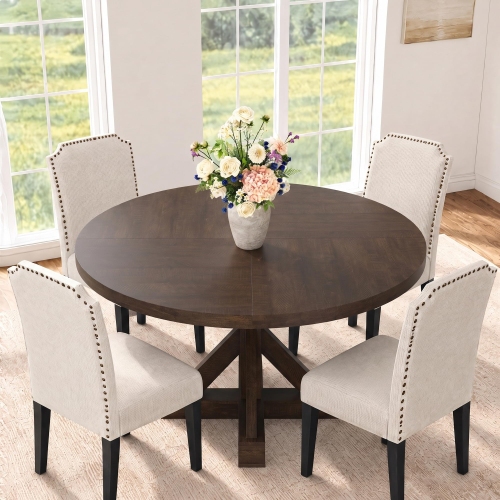

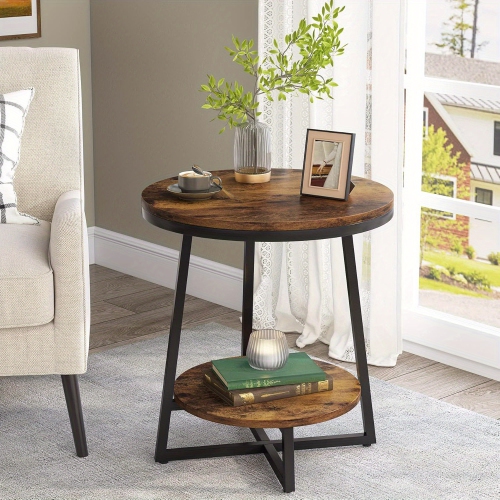
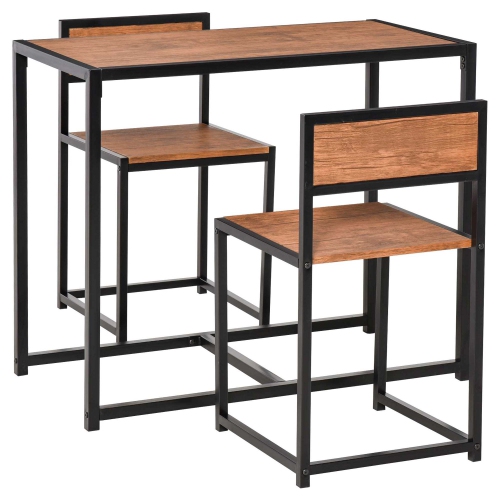
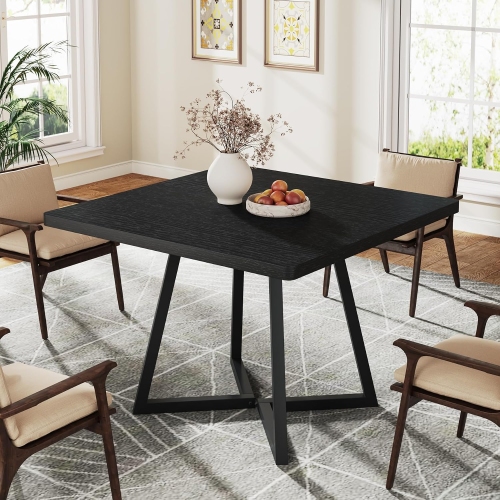
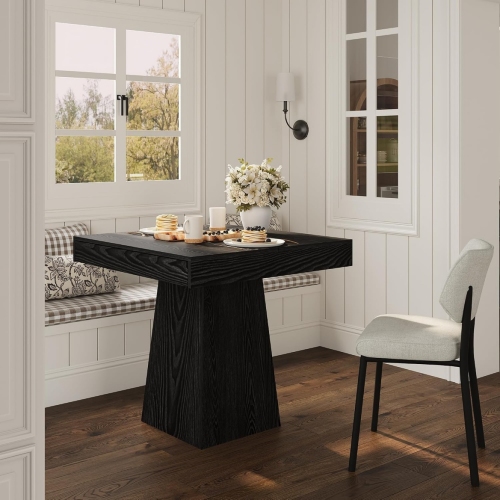
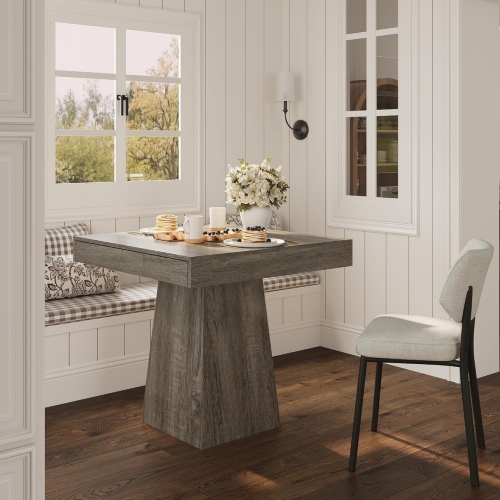
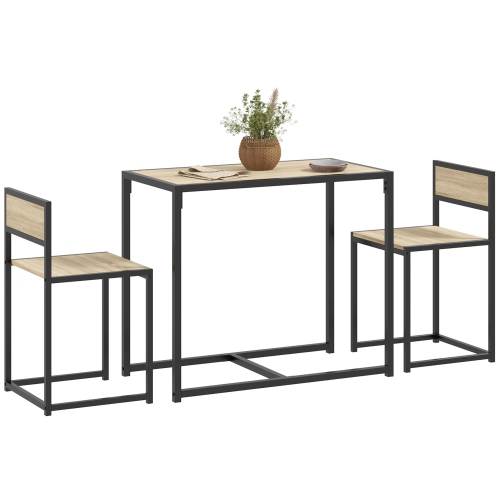
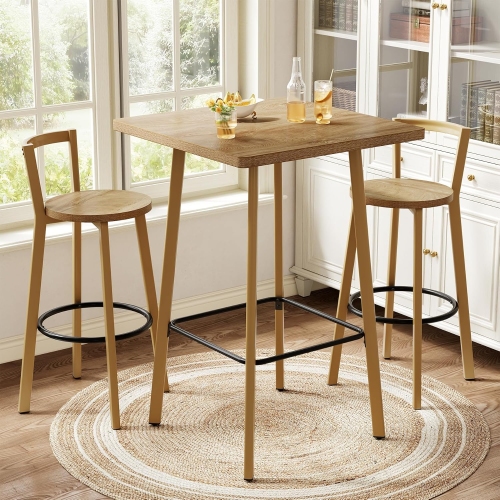
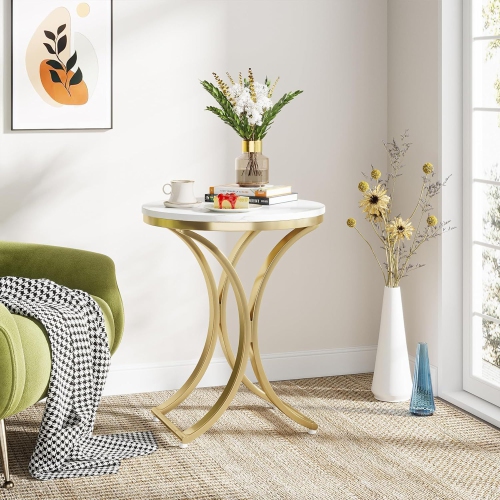
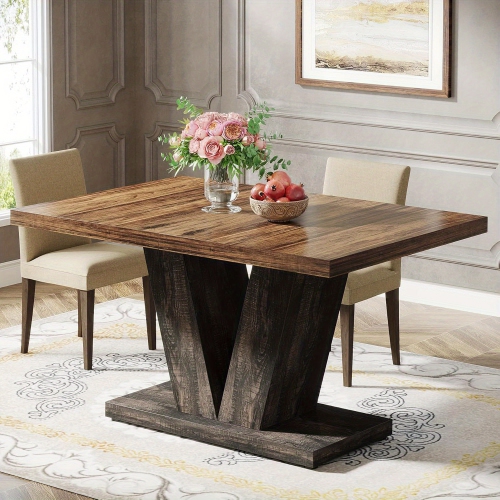
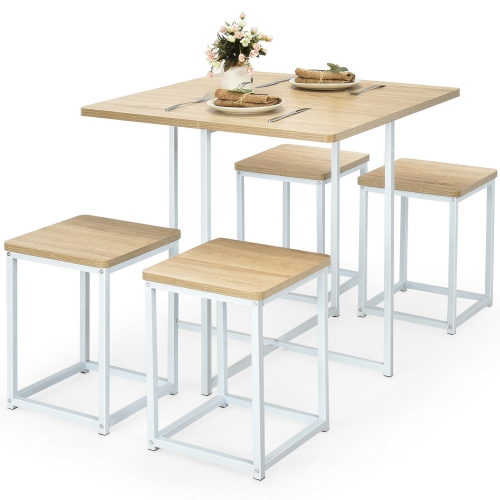
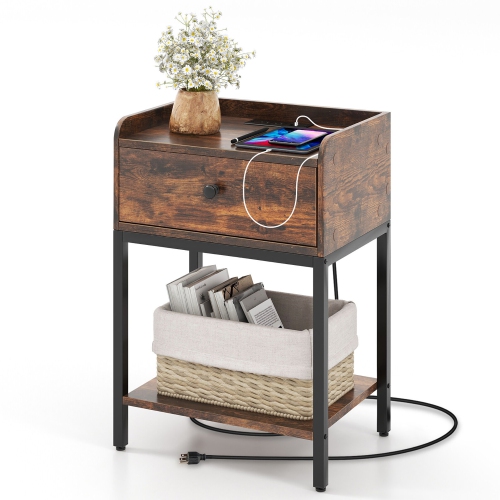
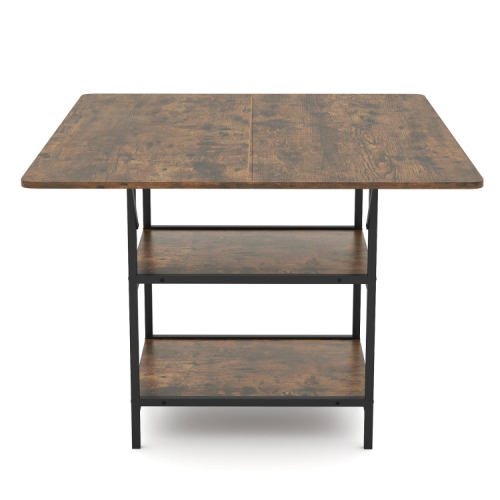
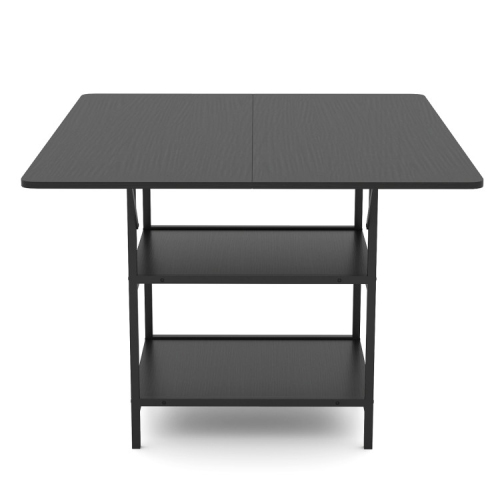
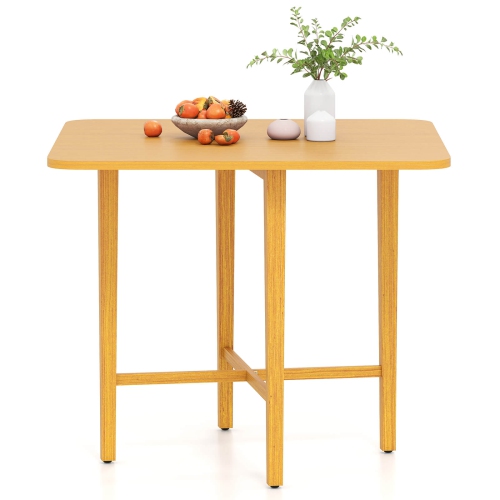
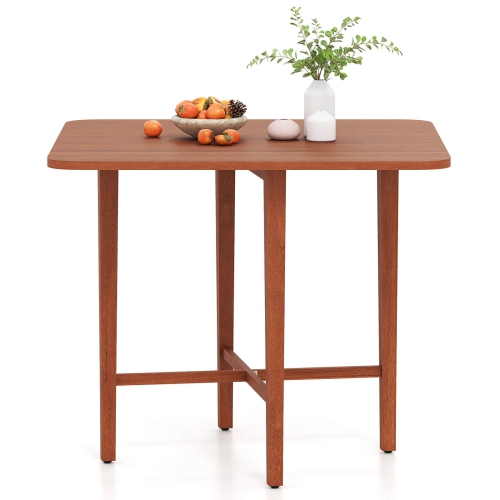
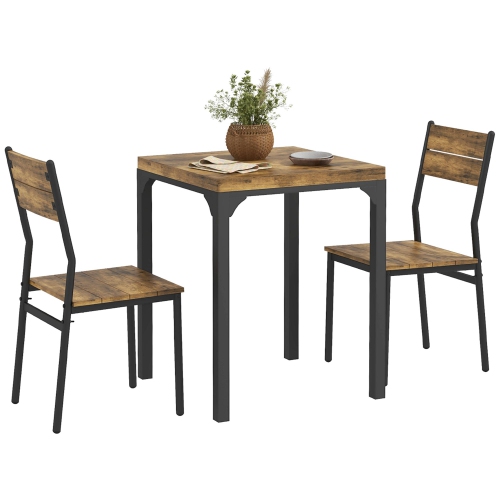
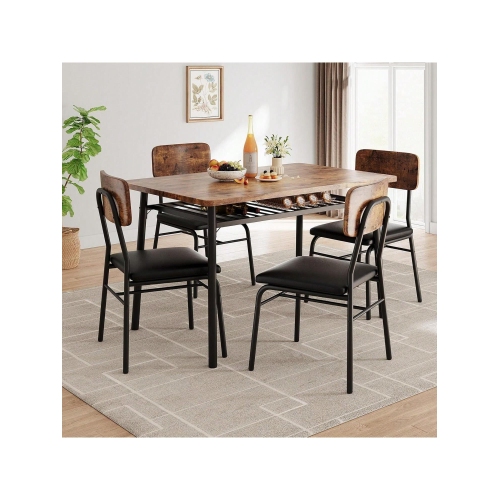
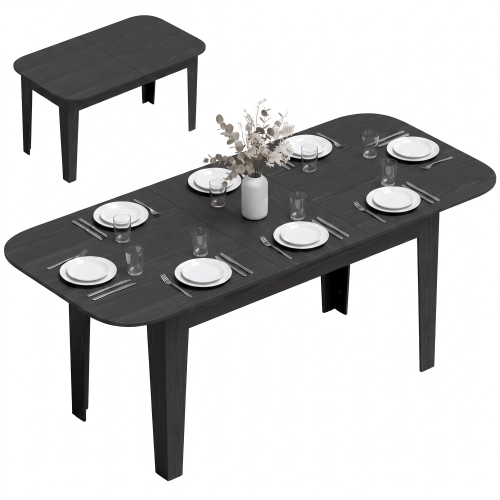
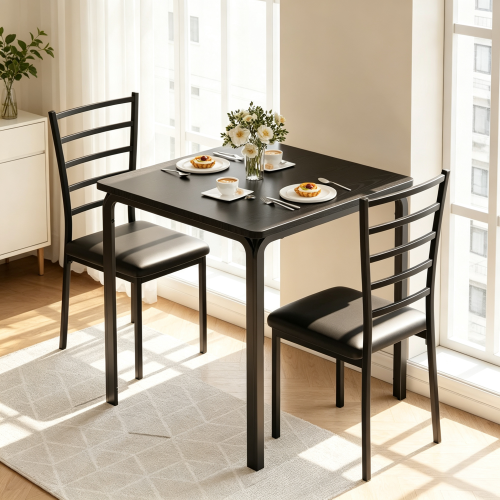
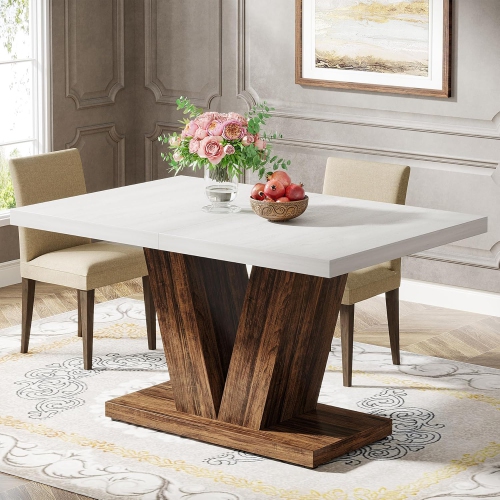
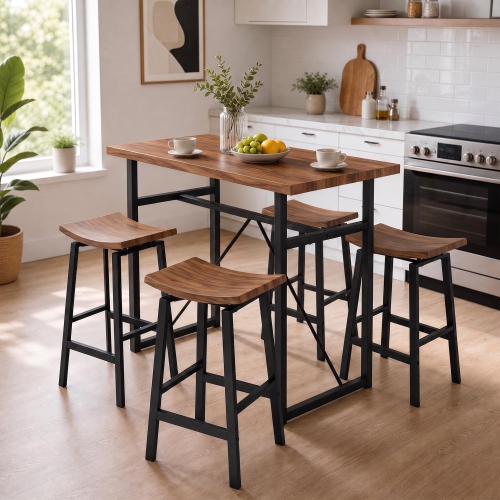
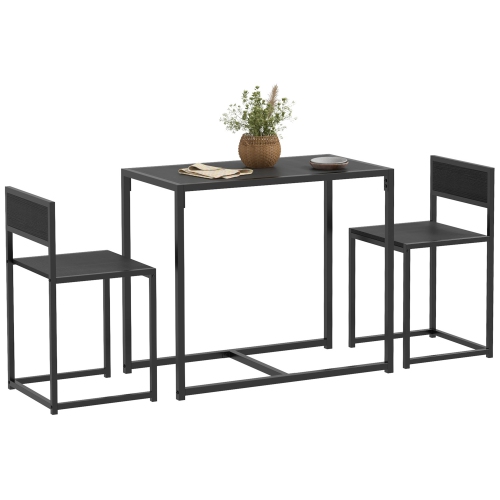
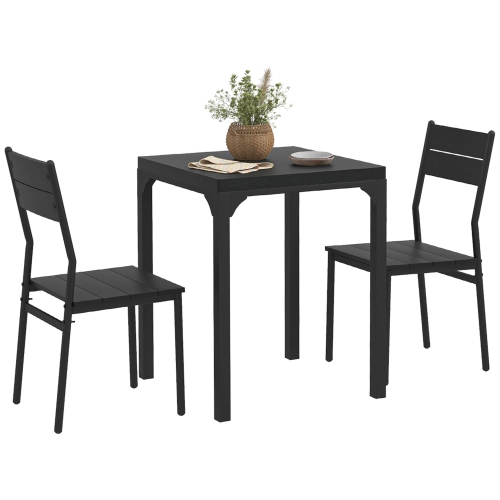
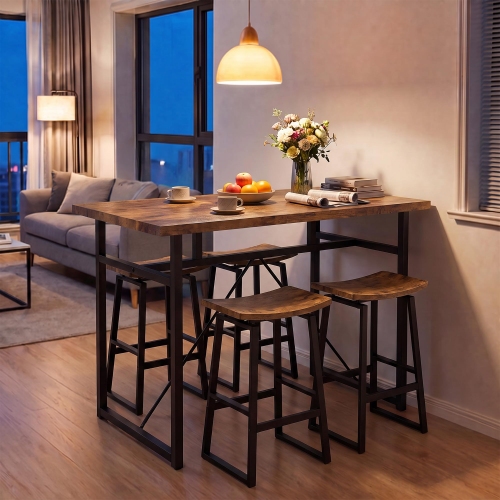
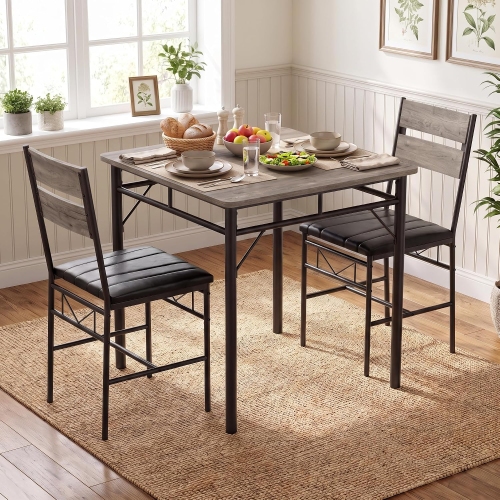
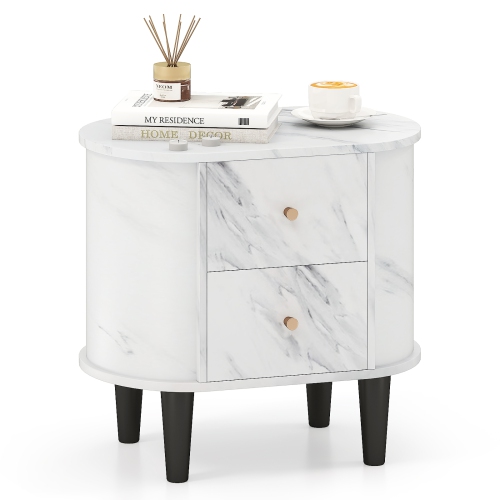

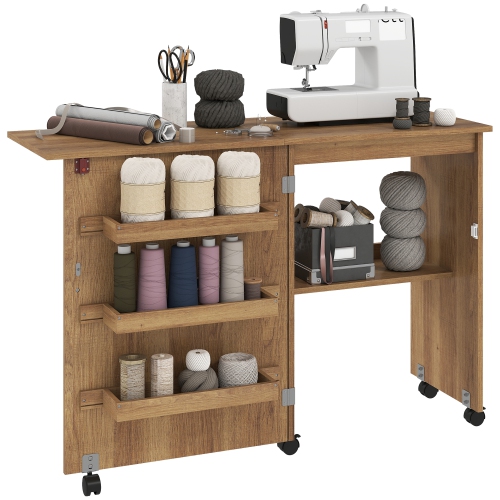
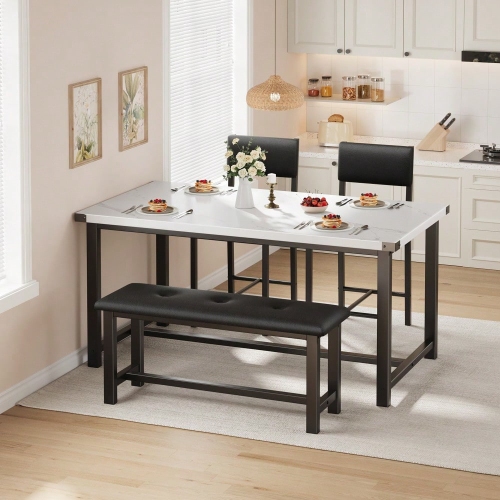
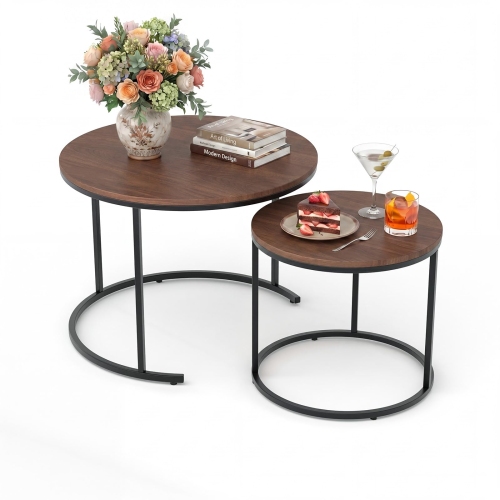
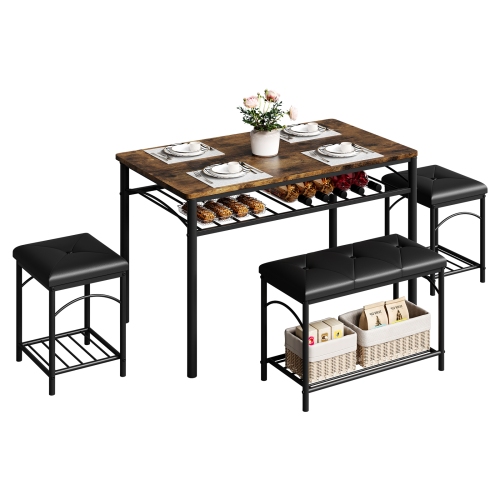
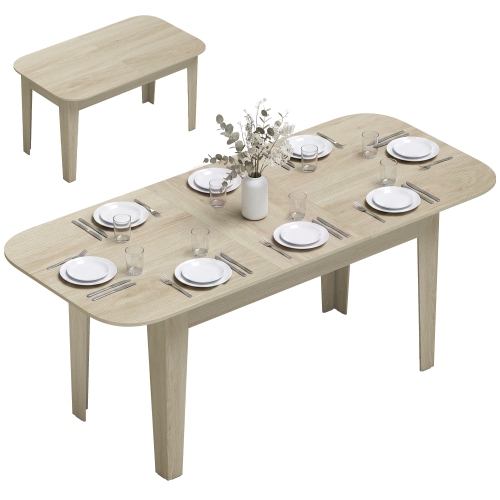
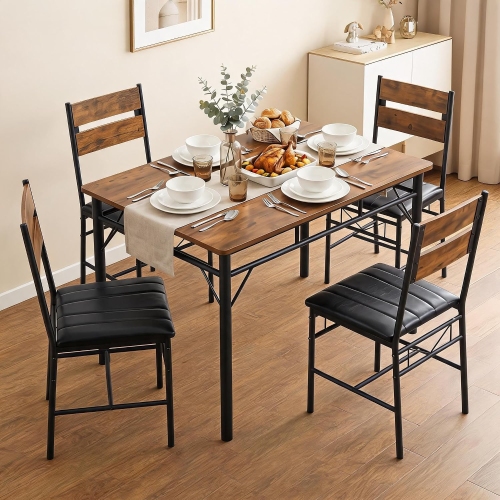
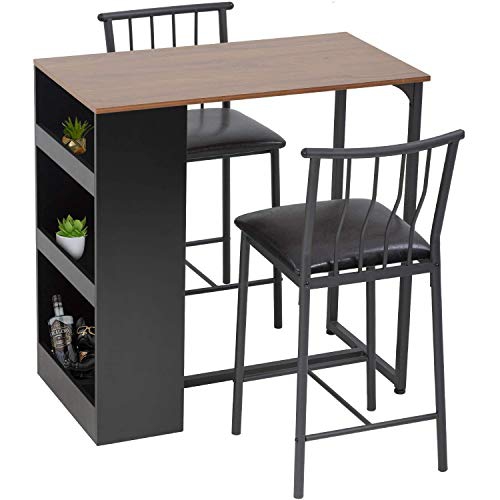
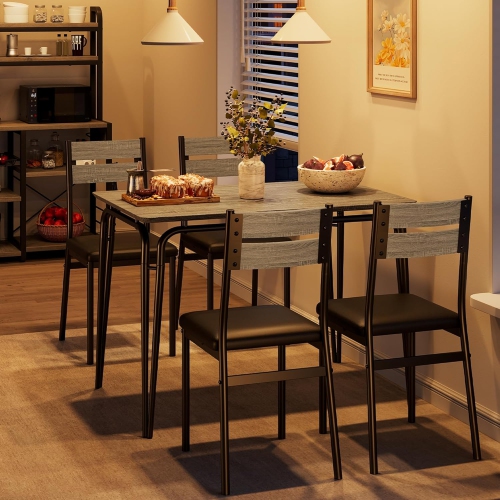
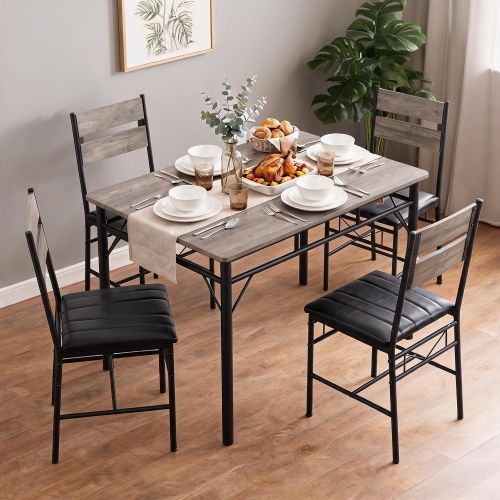
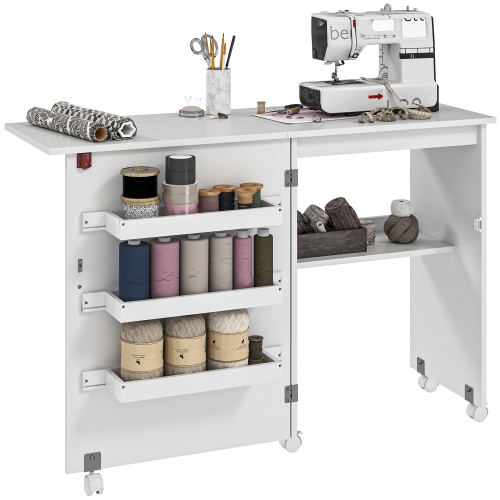
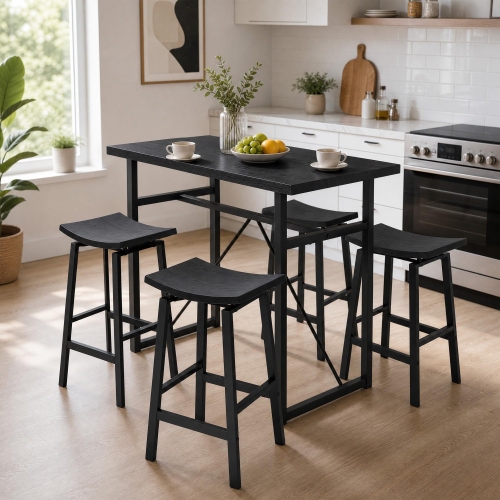
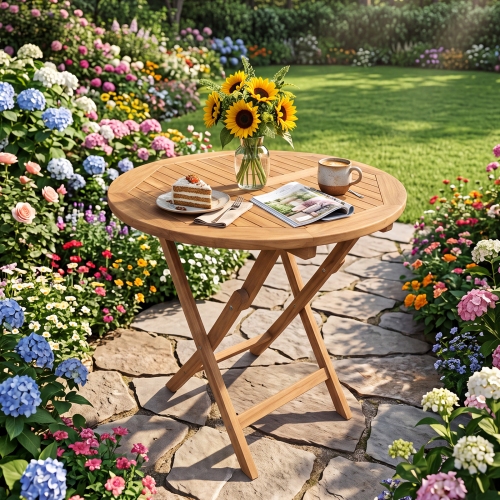
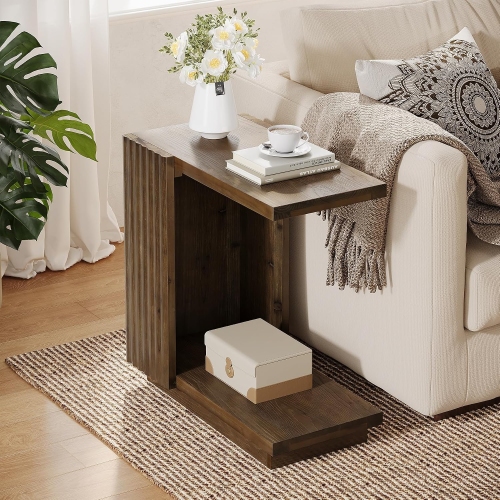
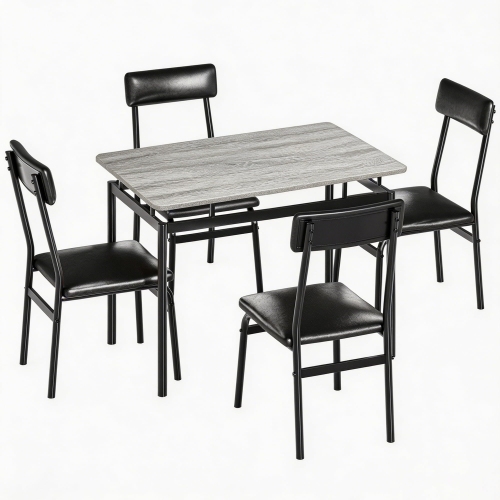
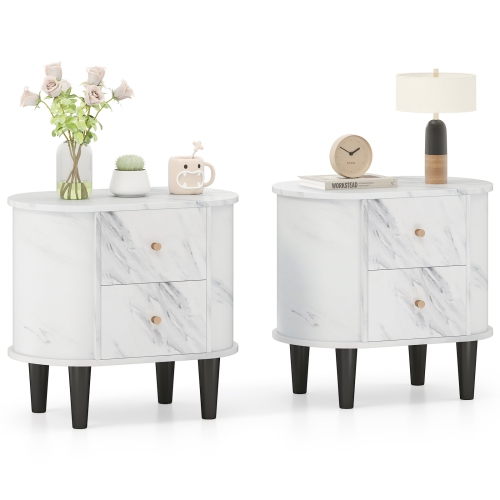
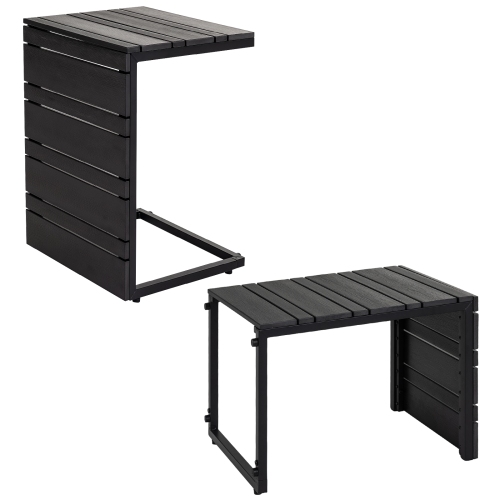
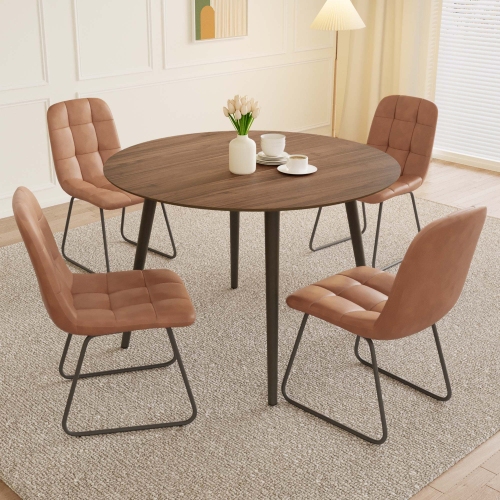
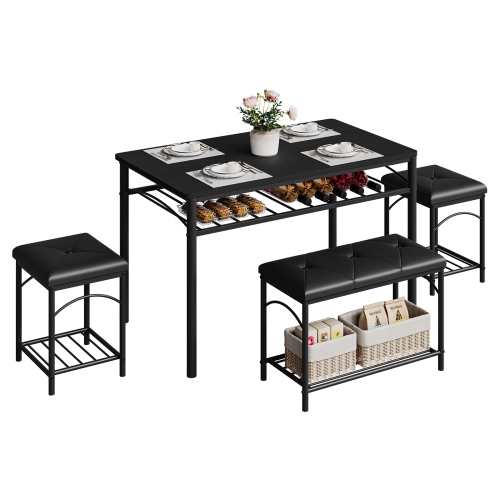
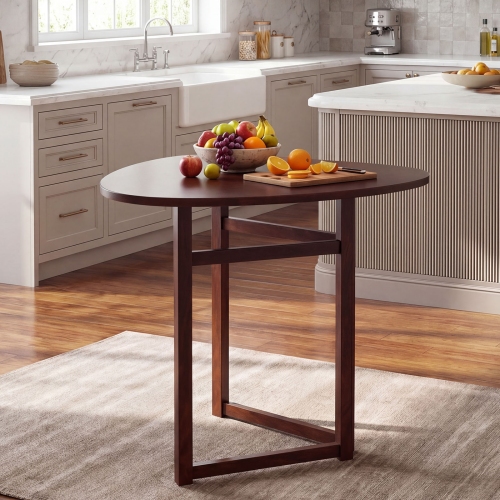
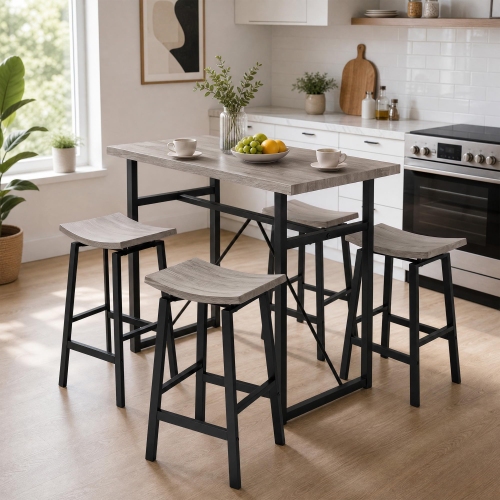
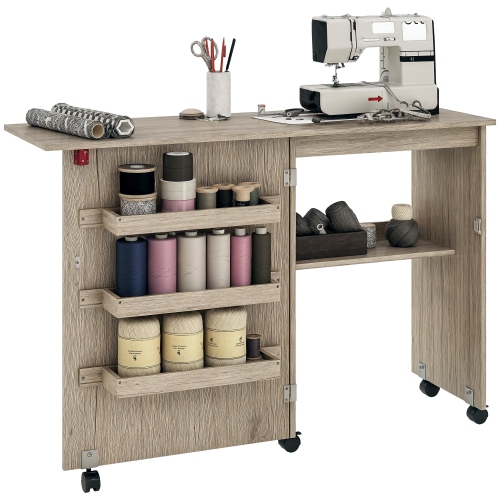
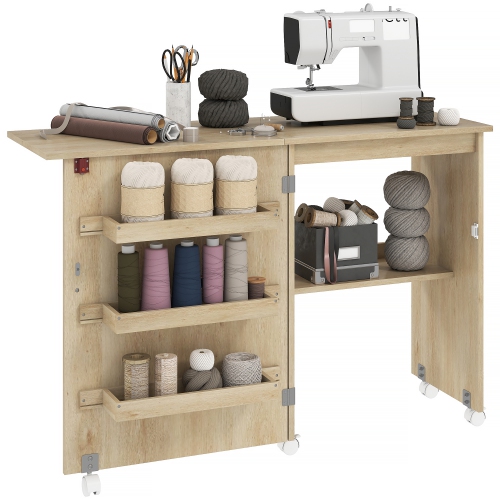
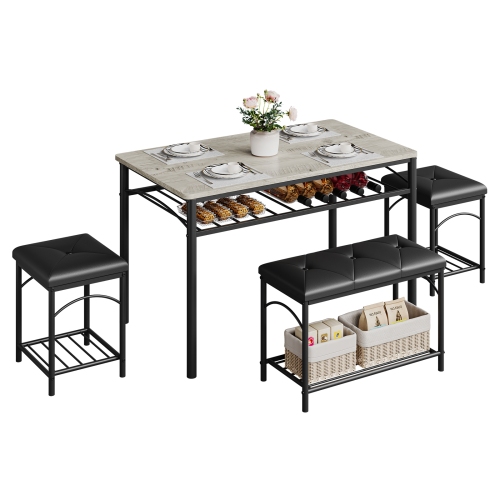
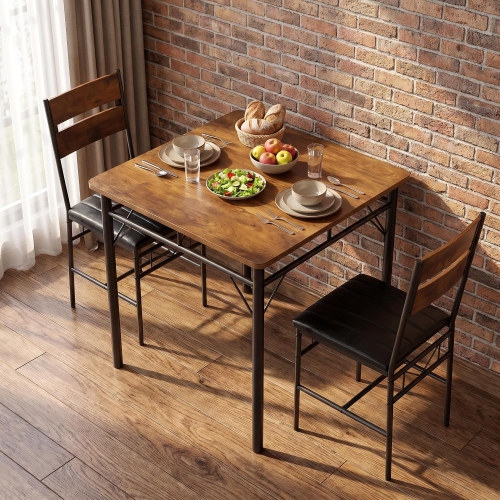
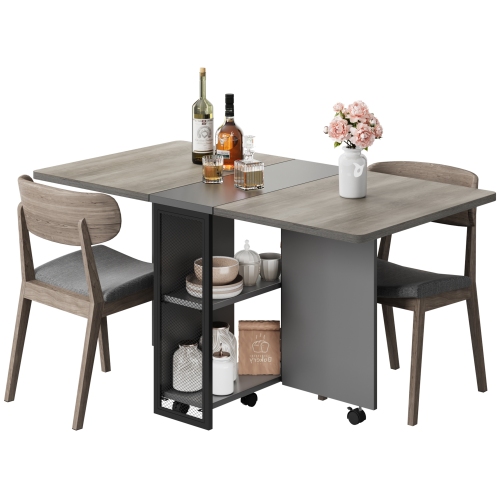
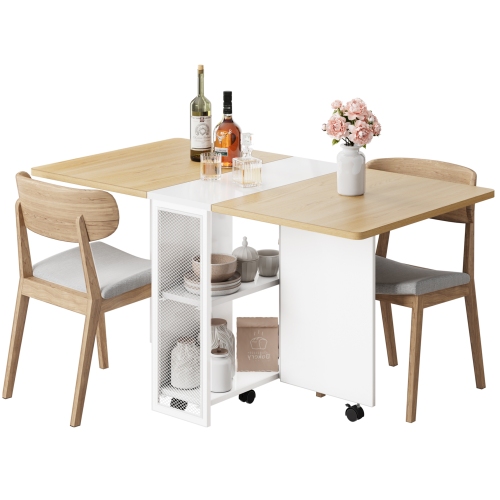
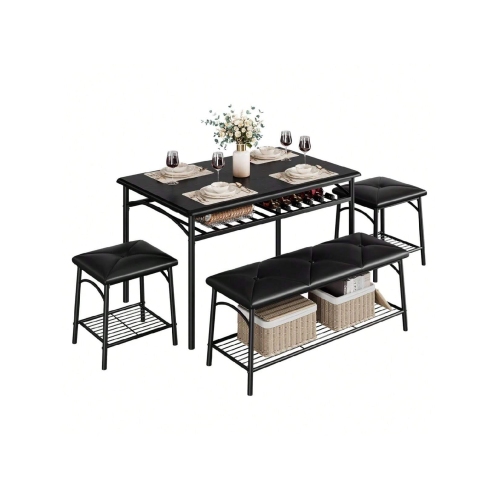
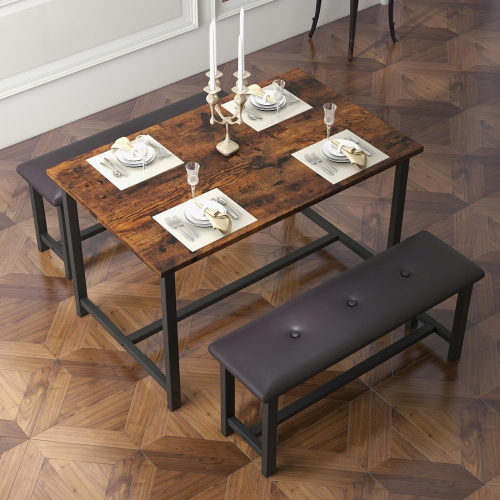
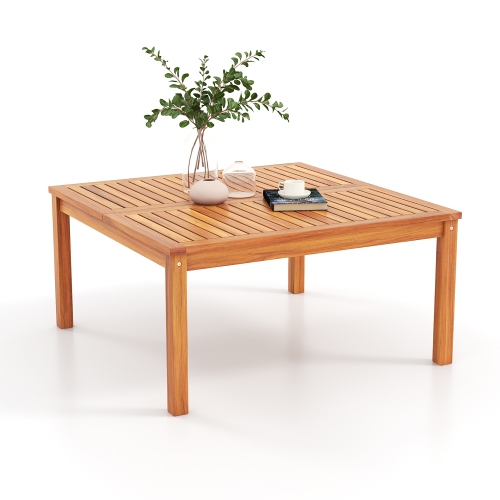
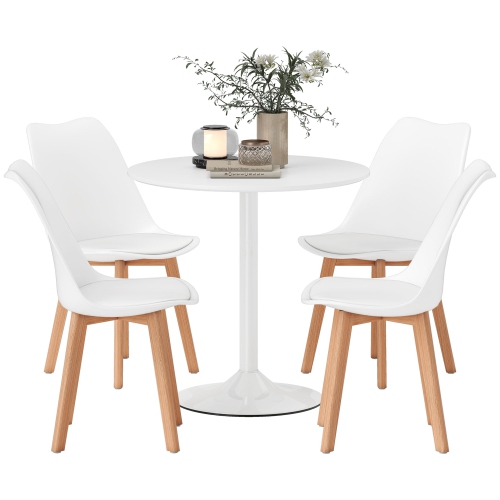

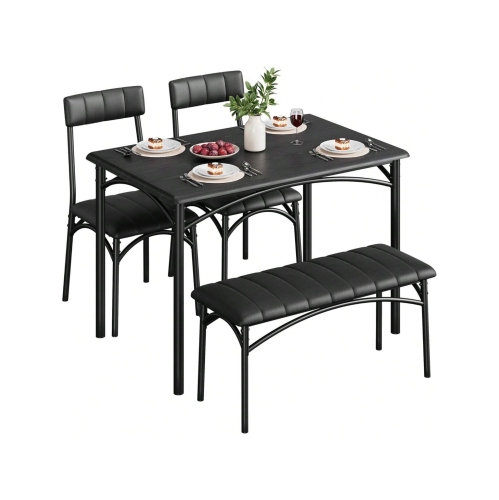
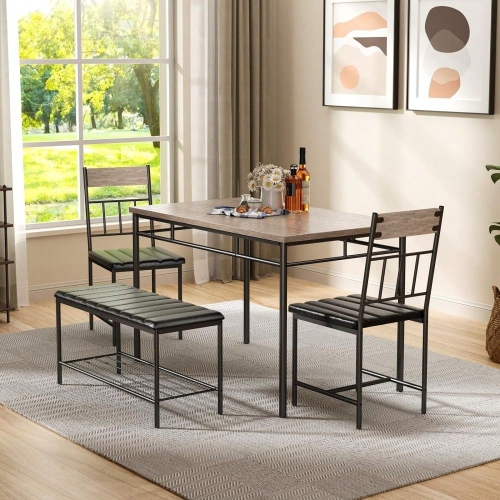
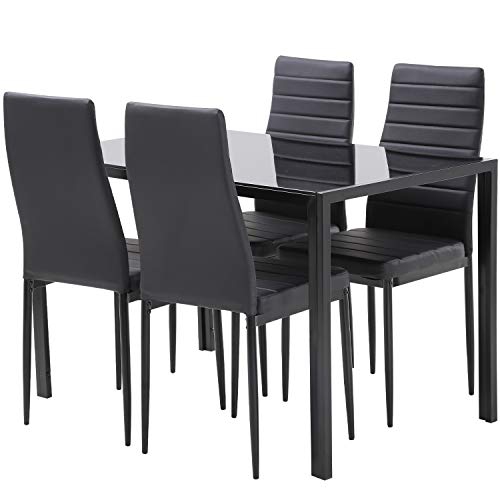
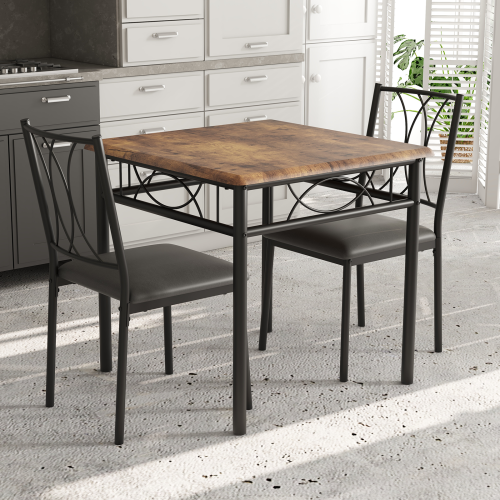
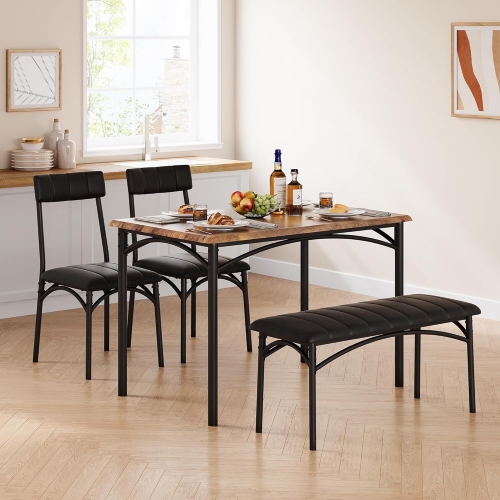
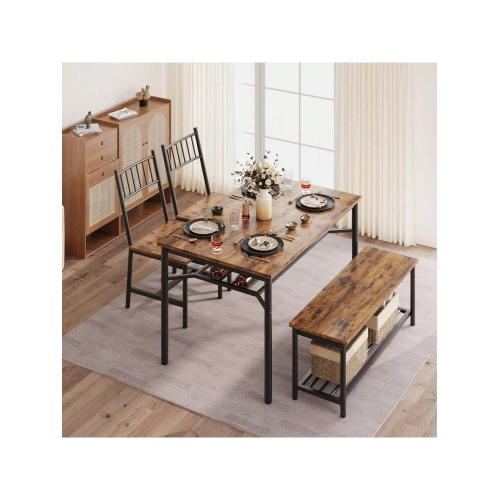
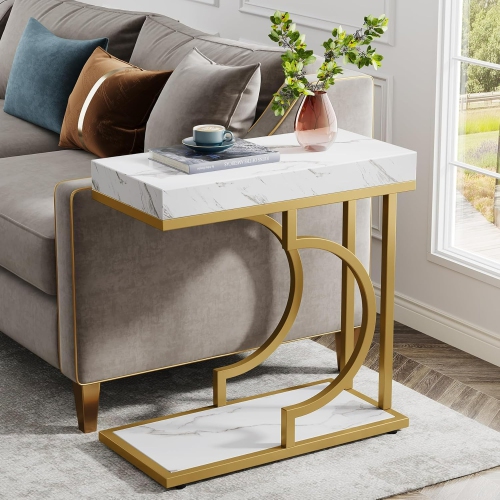
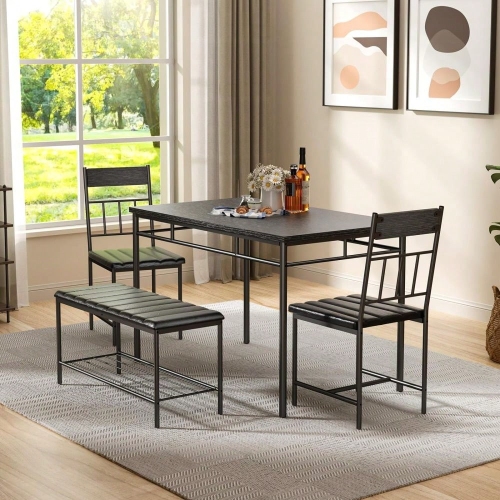
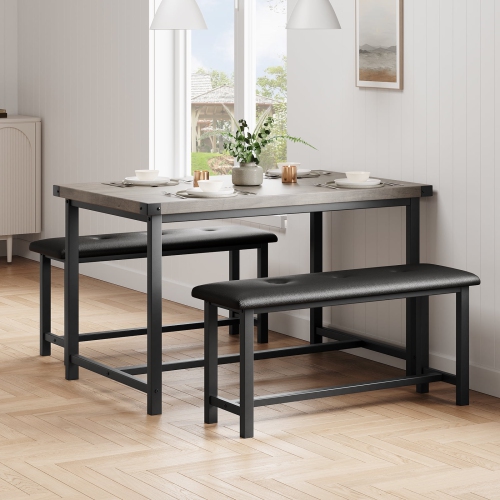
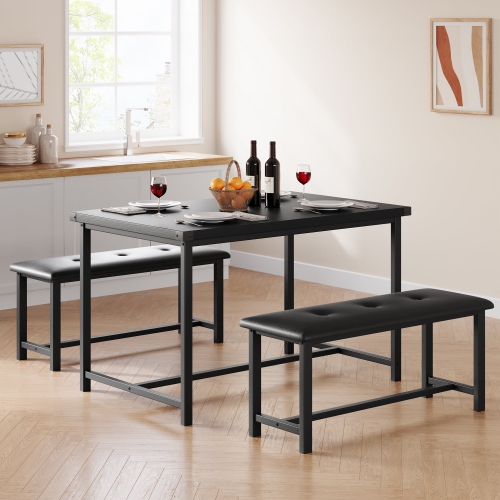
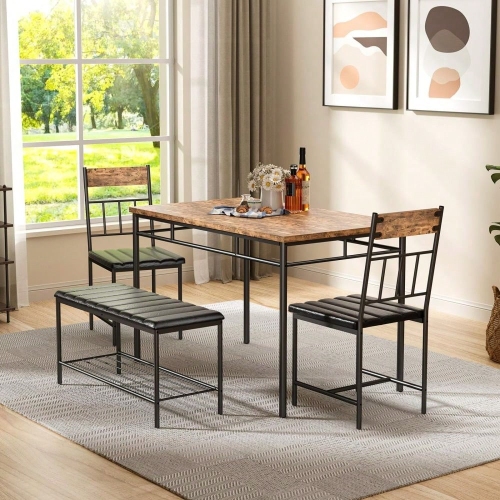
Flexible table designs help compact rooms work harder
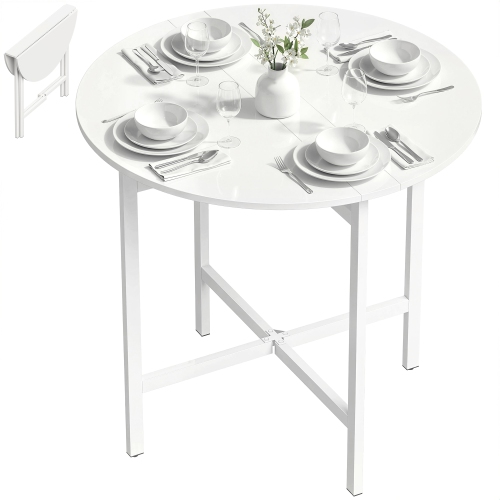
Tables for small spaces can make a home feel more functional without overwhelming the room. Whether you live in a compact apartment, a condo, a student residence or a home with an open-concept layout, the right table can provide a comfortable place to eat, work, read, organize daily essentials or welcome a guest. Start by considering how much floor space is available and how the table will fit into the paths you use most often. A small dining table is commonly about 30 to 36 inches wide, although the ideal size depends on the number of people it needs to serve and whether chairs must be placed on more than one side. Round tables are often especially practical in tight layouts because they have no sharp corners to catch clothing or bump against as people move around them. A round pedestal base can also provide more flexible legroom than a table with four corner legs, making it easier to pull up chairs or tuck the table into a breakfast nook. Square tables suit compact rooms with defined corners, while narrow rectangular designs can work well against a wall or behind a sofa. Before choosing a table, measure the available area from several angles, including the distance to nearby doors, kitchen cabinets and other furniture. It is generally helpful to leave at least 36 inches of open space around the table so chairs can slide out and people can walk past without squeezing through. If the room is particularly busy, a little extra clearance can make everyday use feel noticeably more comfortable. Table height matters as well: dining-height tables pair with standard dining chairs, while counter-height options may be better suited to an elevated kitchen or entertaining area.
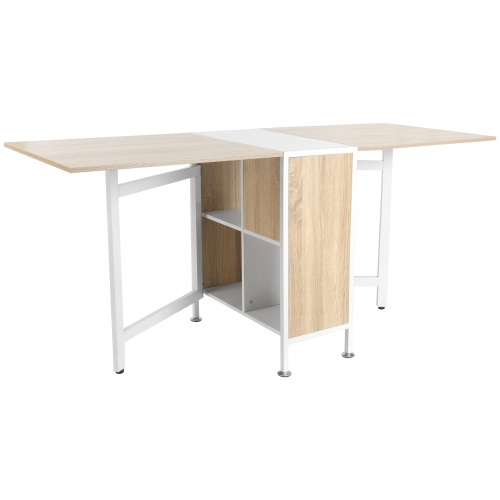
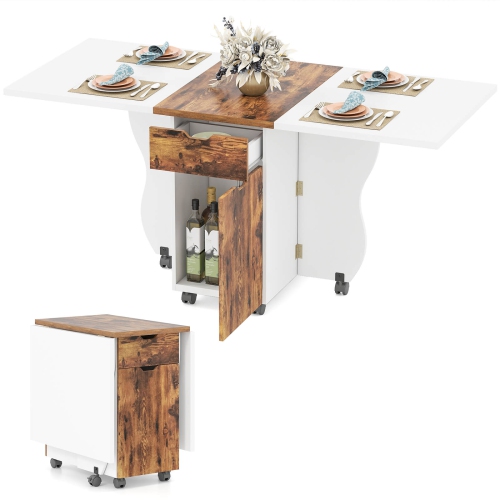
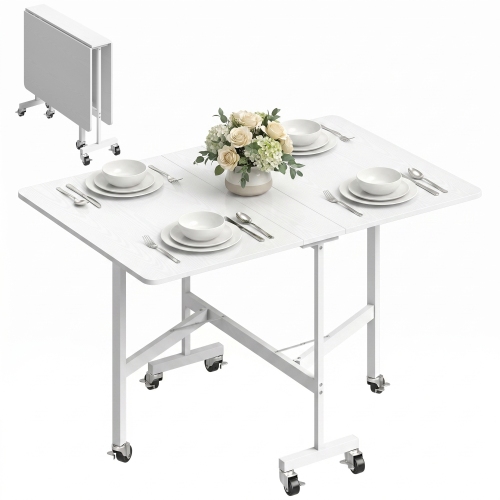
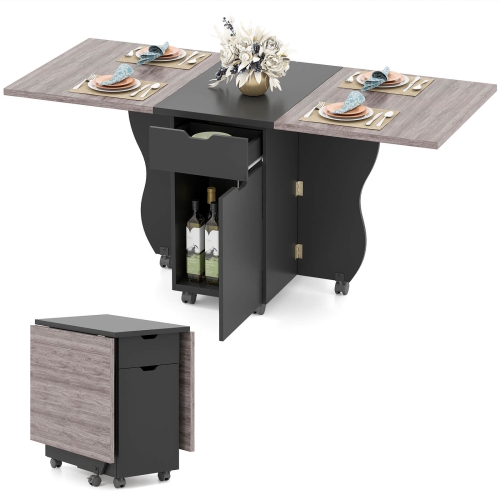
Flexible designs are useful when one piece of furniture needs to serve several purposes. Drop-leaf tables have hinged sections that fold down when the surface is not needed, allowing the table to sit neatly against a wall or function as a slim console. When mealtime arrives, one or both leaves can be raised to create more room for plates, serving dishes and drinks. Nesting tables offer a similar advantage in the living room, where smaller tables can be separated for snacks, laptops or reading materials and then tucked together when the room needs to be cleared. A wall-mounted or fold-down table can free up nearly all of the floor beneath it, which is helpful in a studio apartment, narrow kitchen, laundry area or multipurpose room. These tables are also practical for occasional work or hobbies, although the wall and mounting hardware must be suitable for the table’s weight and intended use. Expanding console tables start with a compact footprint for an entryway or hallway and open out when extra dining space is required, making them a useful choice for people who host guests but do not want a large table taking up room every day. Consider how easy each mechanism is to operate, where the folded leaves or extensions will be stored, and whether the table remains stable in both its compact and expanded positions. Finish, colour and visual weight can influence how spacious the room feels. Slim legs, open bases and lighter finishes tend to keep sightlines clear, while glass or acrylic tops can reflect light and create a more open appearance. A darker wood or solid finish can add warmth and definition, especially in a bright room, but may look visually heavier if the table is oversized. For coordinated dining, browse Compact Dining Sets for Small Spaces to find table-and-chair combinations designed with limited floor plans in mind.
Tables for small spaces can be useful for many different households and make thoughtful gifts for someone moving into a first apartment, setting up a home office or furnishing a guest room. A narrow occasional table beside a sofa can hold a lamp, book or cup of tea without blocking the walkway. A compact desk-style table can create a dedicated place for a laptop, paperwork or creative projects, then serve as a console when the workday is finished. In a family home, a small table in an entryway can provide a landing spot for keys, mail and charging accessories, while a sturdy activity table can give children a defined place for drawing, puzzles or crafts. Look at the table’s weight capacity, surface dimensions, assembly requirements and care instructions before purchasing, particularly if it will be used for everyday dining or work. Smooth, easy-to-clean surfaces are helpful in kitchens and dining areas, while textured finishes can add character in a living room or bedroom. Check that the table’s height is compatible with the chairs or stools already in the home, and think about whether the base leaves enough room for knees and feet. If the table will be moved often, casters or a lighter construction may be convenient, provided the design remains steady while in use. During the warmer part of the year, a compact table can move onto a balcony, patio or covered outdoor area if its materials are rated for that setting; during the cooler months, it can return indoors as a breakfast surface, craft station or extra serving area. The best choice is one that fits the room not only when it is fully in use, but also when it is folded, nested or pushed aside. With careful measurements and a clear idea of daily routines, a small table can turn an unused corner into a welcoming, practical part of the home.
Top selling and popular products
-
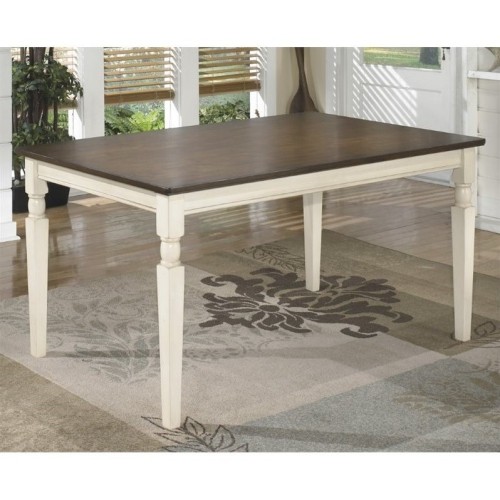 Your price for this item is $399
-
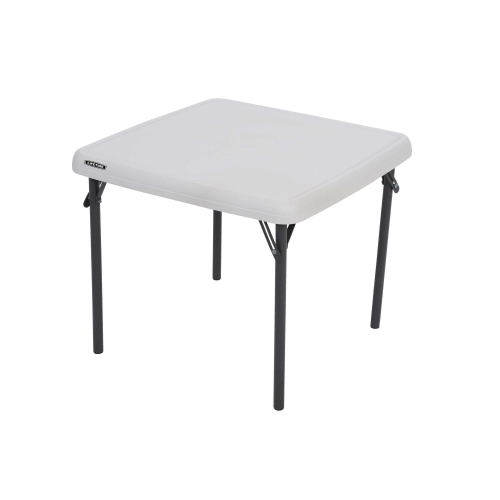 Your price for this item is $74.99
-
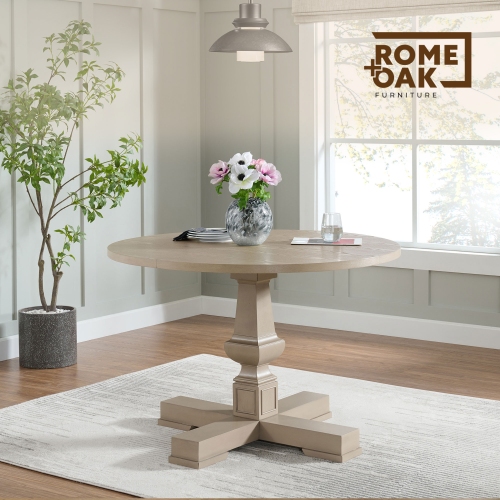 Your price for this item is $971.99
-
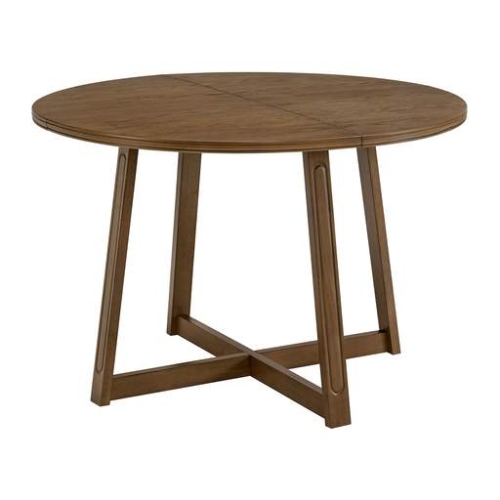 Your price for this item is $796.99
-
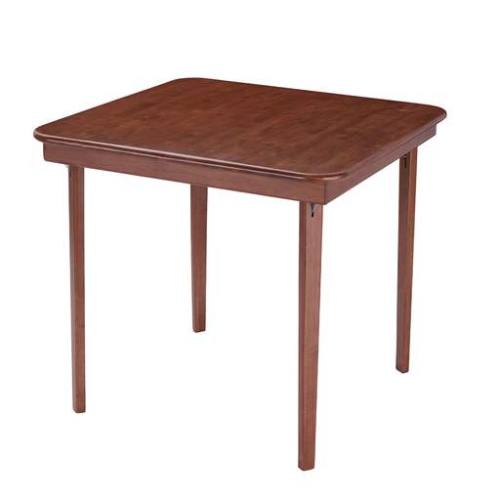 Your price for this item is $413.99
-
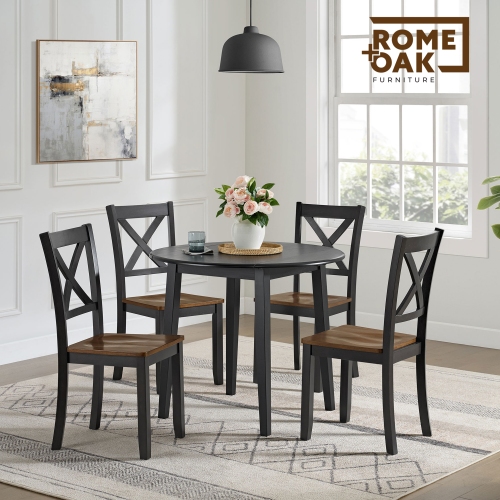 Your price for this item is $392.99
-
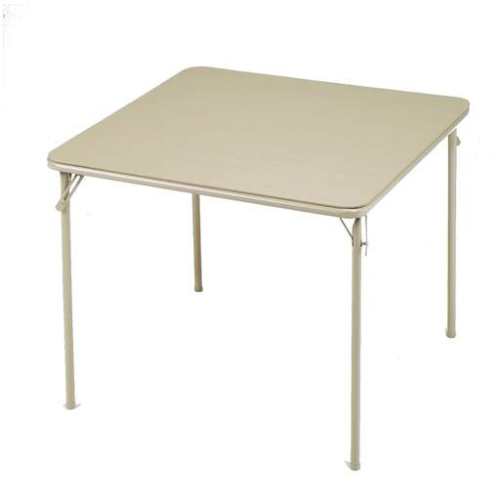 Your price for this item is $243.99
-
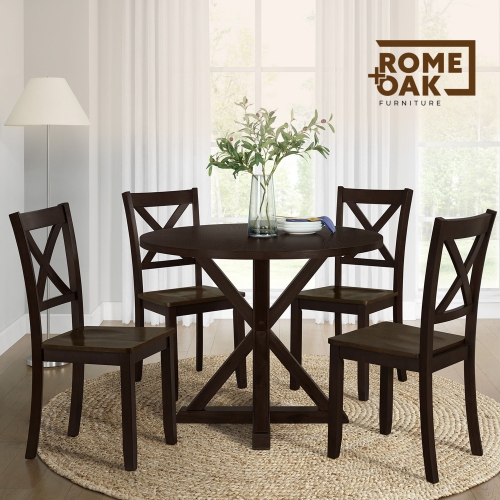 Your price for this item is $827.99
Discover more categories related to Tables for Small Spaces
Top Collections:
Best Black Friday Deals This Year, Best Black Friday Deals On Electronics, Kindle Devices, Pokemon Centers, Best Black Friday Deals On Apple Products, Best Cameras for Sports Photography, Dyson Airwrap, Pokémon 30th Celebration Cards, Apple iPhone 17 Pro, Canon G7X Cameras
Some products may be subject to Environmental Handling Fees
(EHF) depending on your province.
Learn more about EHFs.