Tables With Wheels
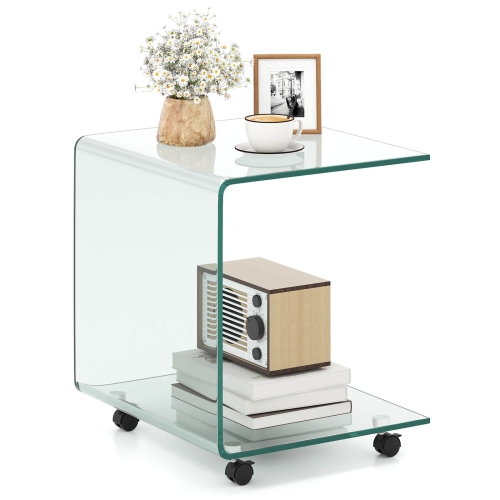
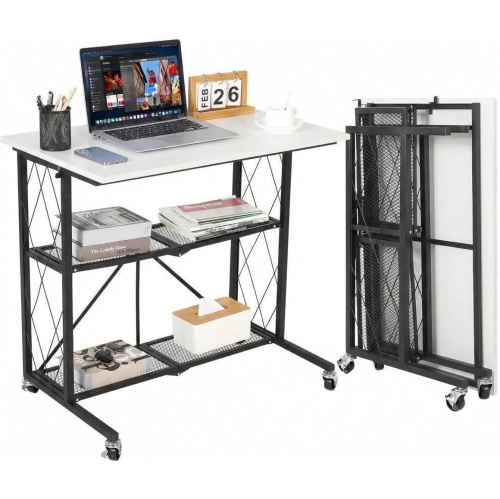
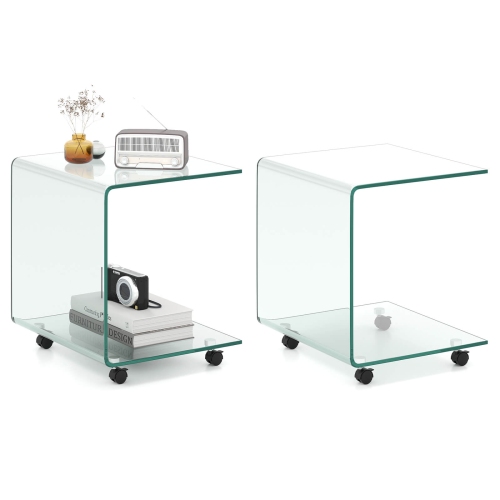
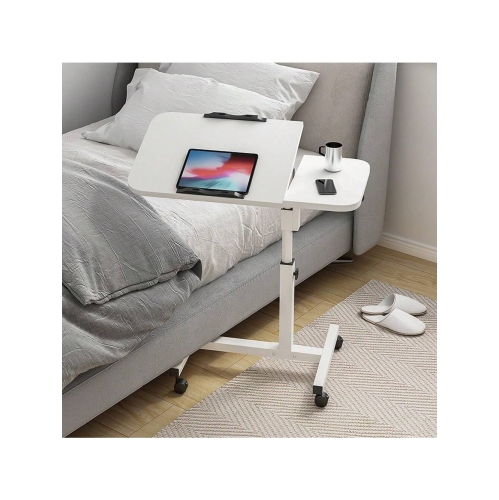
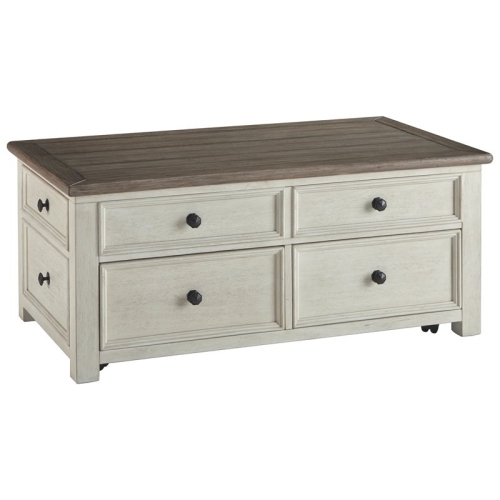
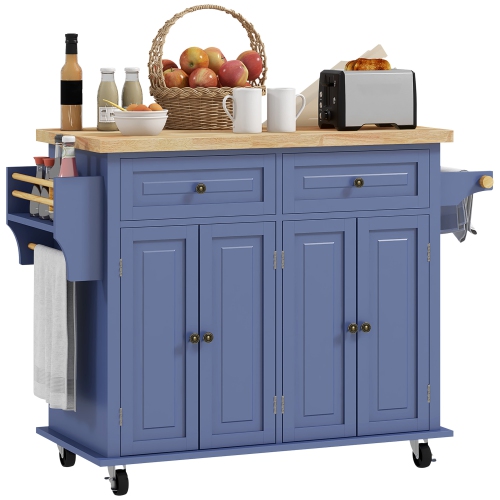
Tables with wheels offer the convenience of mobility, allowing them to be easily moved around a space for different uses or storage. This can provide flexibility and adaptability in almost any setting. Here are some of the tables with wheels we offer:
Sort

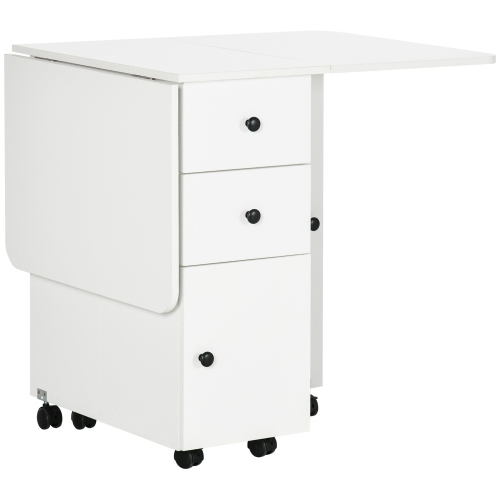
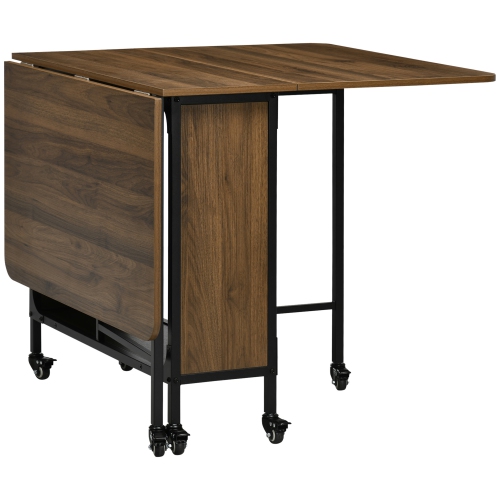
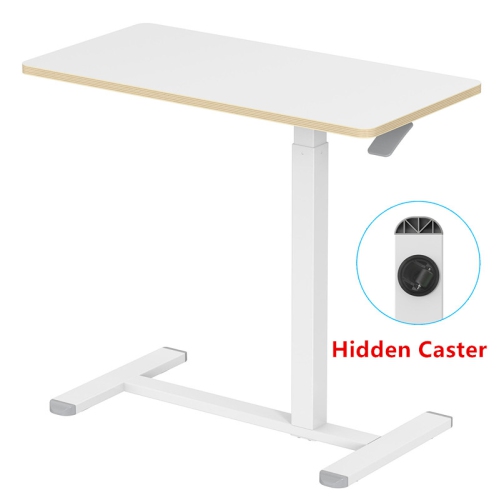
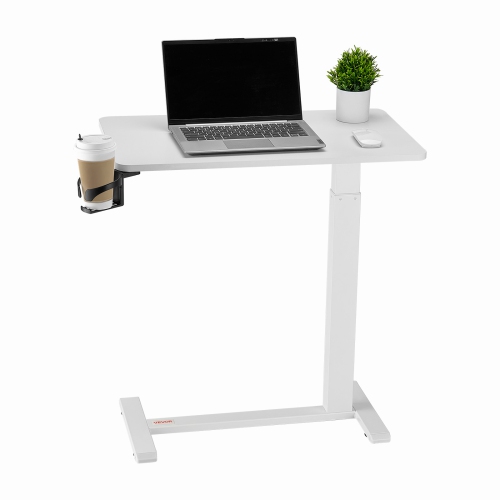
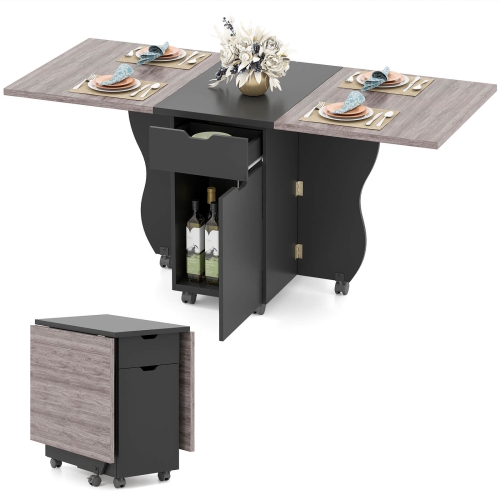
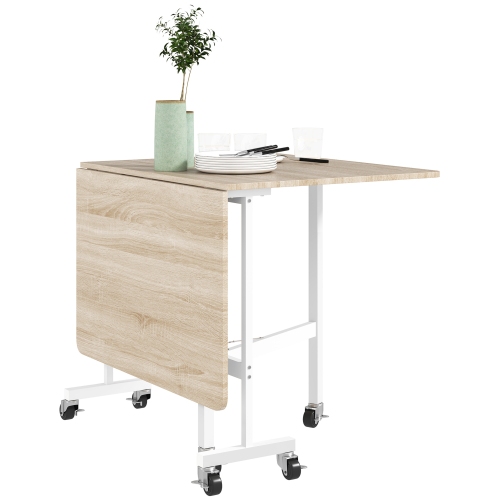

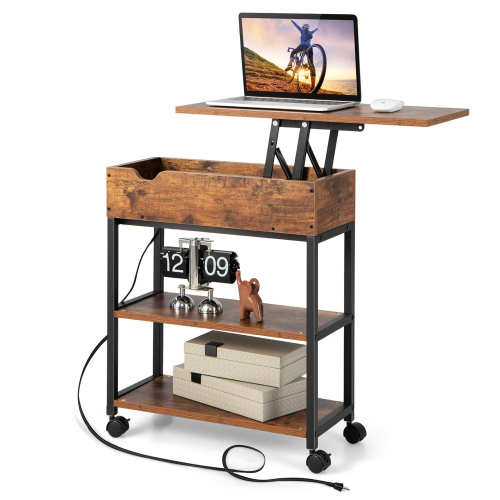
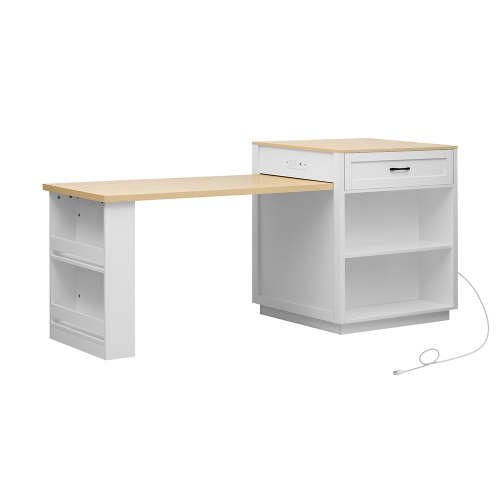


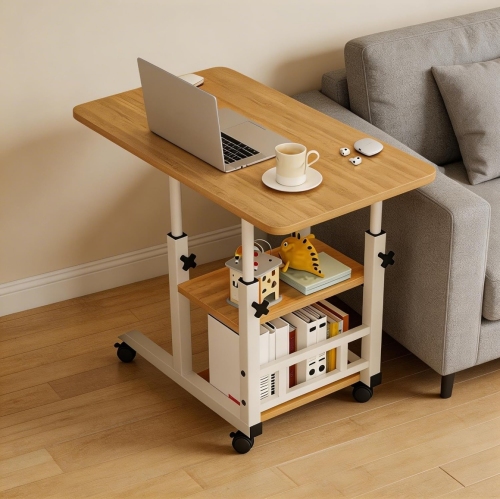

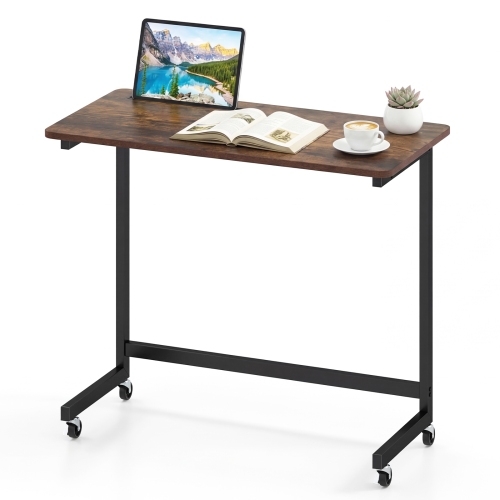
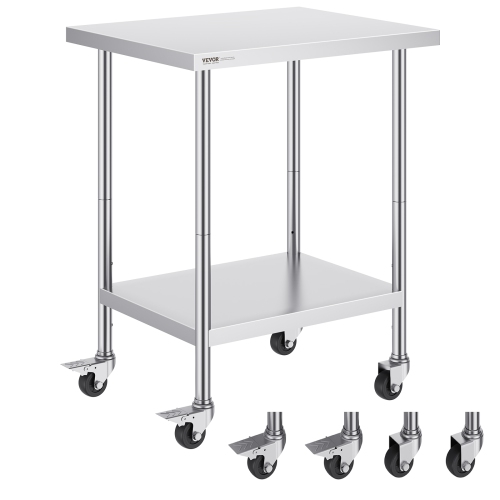
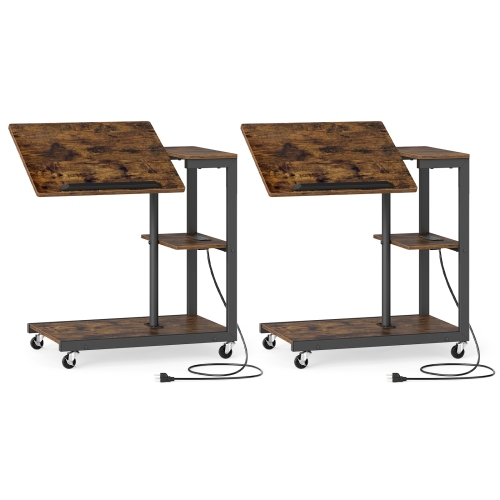
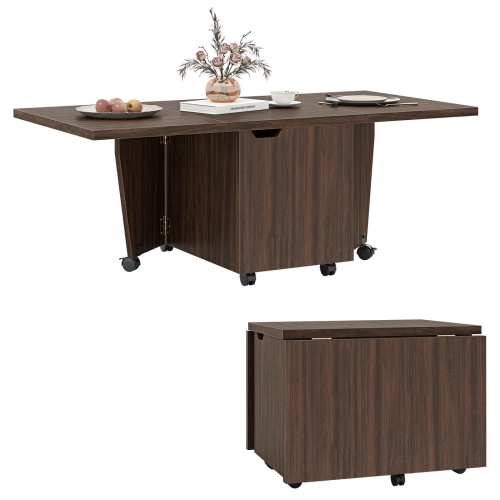
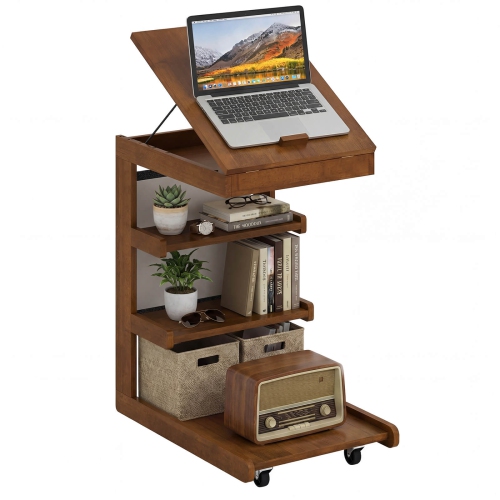
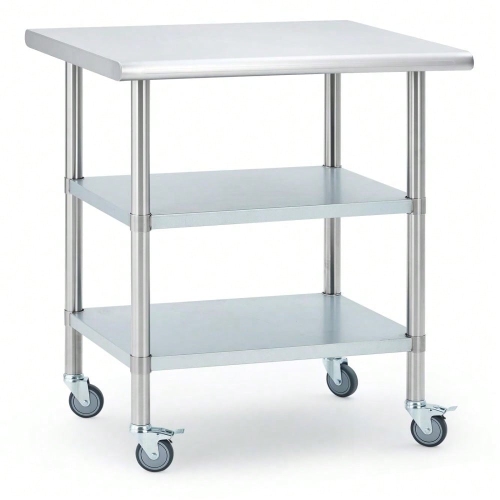
A practical surface that moves with your day
Tables with wheels are mobile tables fitted with casters, allowing a surface to move between positions without being lifted each time. They bring flexibility to living rooms, kitchens, home offices, and multipurpose spaces, where one piece of furniture may serve different purposes throughout the day. A rolling side table can hold a book and reading glasses beside an armchair, then move closer to the sofa when needed. A larger mobile table can provide room for paperwork, craft supplies, or serving dishes, while a compact design can keep essentials within reach without permanently occupying the centre of a room. The right proportions depend on both the intended use and the space the table needs to travel through. Width and depth determine how much usable surface it offers, but the overall footprint includes projecting handles, shelves, legs, and casters. Clearance matters around doorways, chair legs, rugs, and other furniture, especially in a condo or apartment where turning space may be limited. Table height also changes how comfortably a surface works: a table beside a sofa should be easy to reach from a seated position, while one used for laptop work needs enough room for comfortable arm placement and leg movement. Some designs have a base that slides beneath seating, although the gap under the sofa and the position of its feet must accommodate that base. Adjustable-height tables offer another way to adapt a space, provided the adjustment range suits the intended activity. Lower shelves and drawers add storage, but they can also reduce knee clearance. For a table that will move frequently, an accessible grip and a clear route can matter just as much as the tabletop dimensions. A slim profile may fit neatly beside a chair yet offer less room for larger objects, so the surface should suit what it will actually hold.
Materials influence the appearance, weight, care requirements, and durability of tables with wheels. Solid wood brings visible grain and a substantial feel, while engineered wood with a laminate or veneer finish can offer a consistent colour and a smooth surface. The finish is important: edges, seams, and exposed areas may respond differently to moisture, so spills should be wiped up promptly rather than left around a cup or planter. Metal frames can provide a slim structure with an open appearance, though joints, fasteners, and the connection between the frame and tabletop all contribute to stability. Glass surfaces create a lighter visual effect in a small room but tend to show fingerprints, and their edges need protection from knocks. A kitchen table used for serving or extra preparation space needs a surface suited to that task; not every decorative tabletop is intended for direct food contact, cutting, or hot cookware. Cutting boards, trivets, and coasters help protect suitable surfaces during everyday use. Cleaning should follow the material and finish requirements, using a soft cloth and an appropriate cleaner rather than soaking the surface or applying an abrasive product. The wheels deserve equal attention. Caster size, tread material, swivel movement, and compatibility with the flooring affect how a table rolls and how easily it can be positioned. Small wheels may catch at a rug edge or doorway threshold, while debris trapped in a wheel can interfere with movement or mark a floor. Locking casters help hold a table in place when it is being used, but the locking mechanism varies by design. Some locks stop the wheel from rolling without stopping it from swivelling. The stated weight capacity should cover the tabletop and any storage areas, with heavier belongings positioned low and evenly where the design permits. A rolling table is not a substitute for a seat, step, or support rail. Periodic checks for loose fasteners, worn wheels, and an uneven stance help keep everyday use predictable.
The most practical layout depends on what happens around the table, not simply where it looks best when parked. In a home office, a mobile surface can keep a printer, notebooks, or frequently used supplies near a desktop without taking over the main work surface. Equipment dimensions, ventilation space, and cable length need consideration, and power cords should be disconnected or safely managed before the table moves. For students and people who share a workspace, a table that rolls aside can make room for another activity after work is finished. In a living room, a smaller table can provide a convenient landing spot beside different seats, particularly when a fixed coffee table would block a walkway. For a compact surface beside a sofa or armchair, End Tables With Wheels offer a focused option for keeping everyday essentials close. An open shelf can hold reading material, while enclosed storage can keep small accessories out of view. In a dining area, a rolling table may provide an extra serving surface, provided dishes sit securely and the table is stationary before food or drinks are placed on it. Moving hot liquids or tall, loosely stacked objects creates avoidable spill risks. Crafting and hobby spaces benefit from surfaces that can be brought close to a project, with supplies organized in shallow containers rather than piled along an edge. Households with children or pets may prefer rounded corners and a design without easily accessible pinch points, while anyone who finds lifting furniture difficult may appreciate a table that rolls smoothly with little effort. Wheels still require control, particularly near stairs, slopes, or changes in floor level. Visually, matching a table’s wood tone, metal finish, or colour to nearby furniture can help it feel settled even when its position changes. A well-suited mobile table balances reachable storage, a useful surface, manageable movement, and a stable place to pause, making everyday rooms easier to adapt without requiring a complete rearrangement.
Top selling and popular products
-
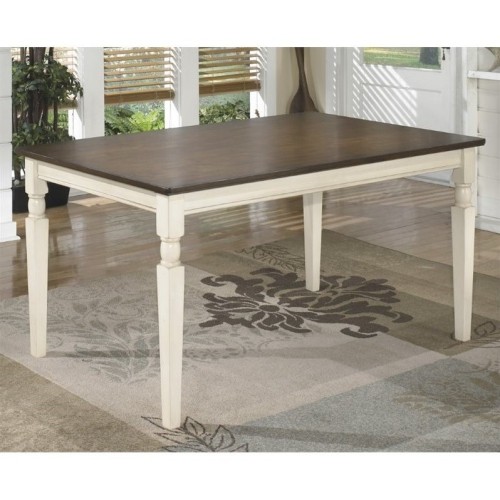 Your price for this item is $399
-
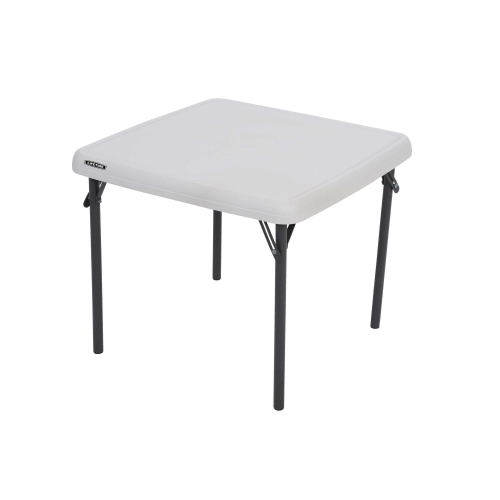 Your price for this item is $71.99
-
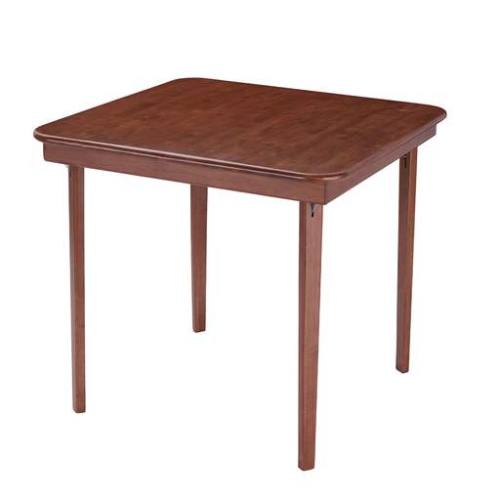 Your price for this item is $413.99
-
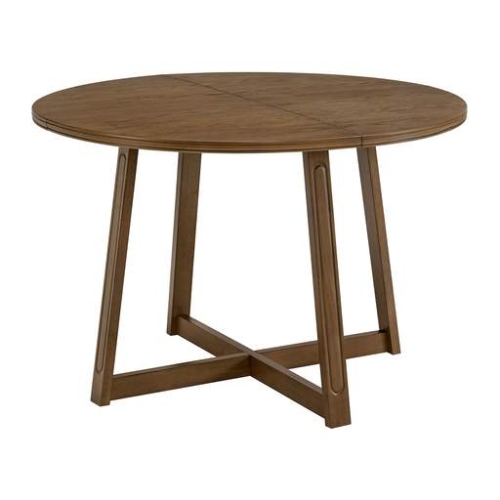 Your price for this item is $796.99
-
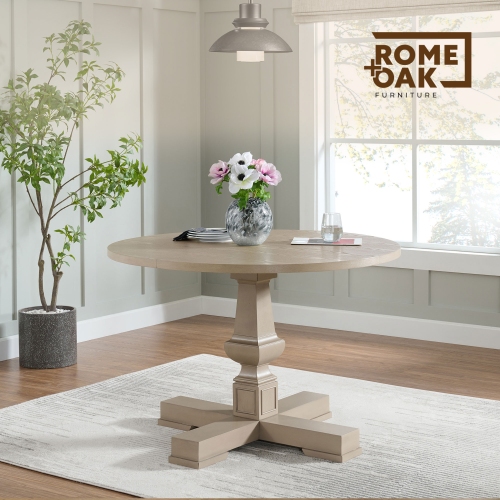 Your price for this item is $971.99
-
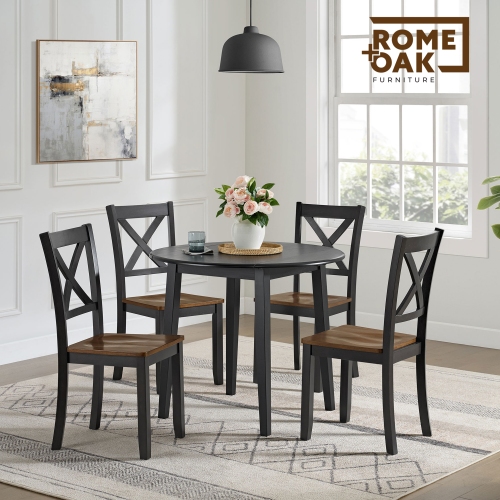 Your price for this item is $404.99
-
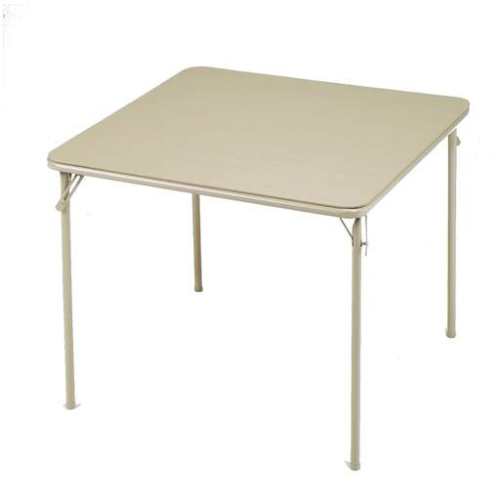 Your price for this item is $243.99
-
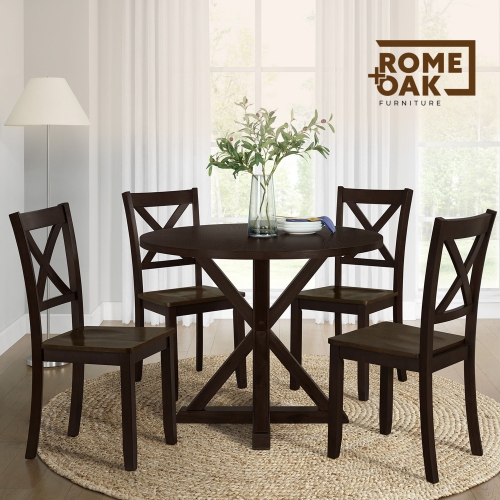 Your price for this item is $826.99
Discover more categories related to Tables With Wheels
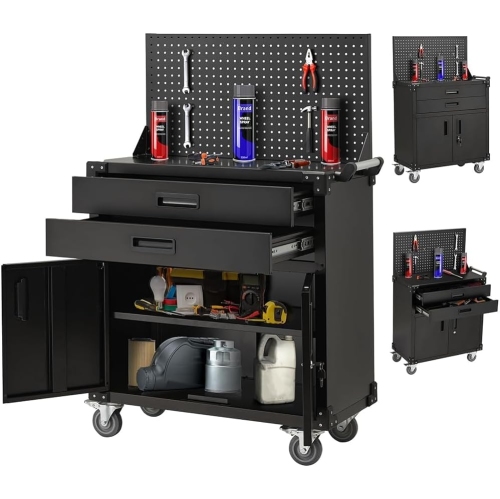

Top Collections:
Best Black Friday Deals This Year, Best Black Friday Deals On Electronics, Kindle Devices, Dyson Airwrap, Best Cameras for Sports Photography, Best Budget Office Chairs, Canon G7X Cameras, PS5 Pro Consoles, Best Black Friday Deals On Apple Products, XBOX One S Consoles
Some products may be subject to Environmental Handling Fees
(EHF) depending on your province.
Learn more about EHFs.