Tabletop Plants
Enhance your living or workspace with the natural beauty and calming presence of tabletop plants. Whether you're looking to add a touch of greenery to your desk, coffee table, or bookshelf, these small plants are perfect for bringing the outdoors inside. From succulents that require minimal care to leafy greens that thrive in various light conditions, there's a tabletop plant to suit every style and space. Brighten up your surroundings and enjoy the many benefits of having plants around with our selection of tabletop plants.
Sort
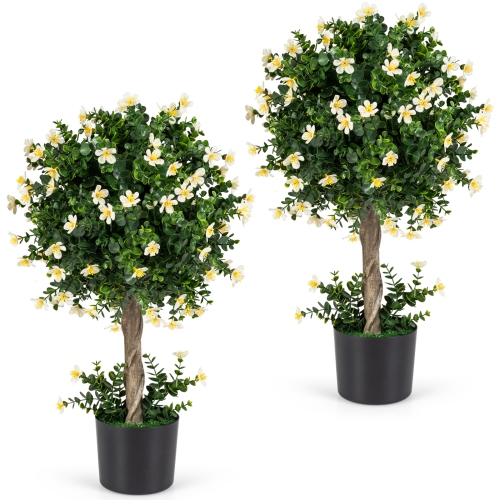
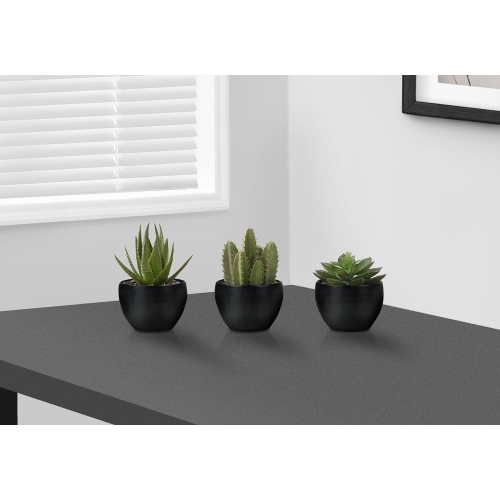

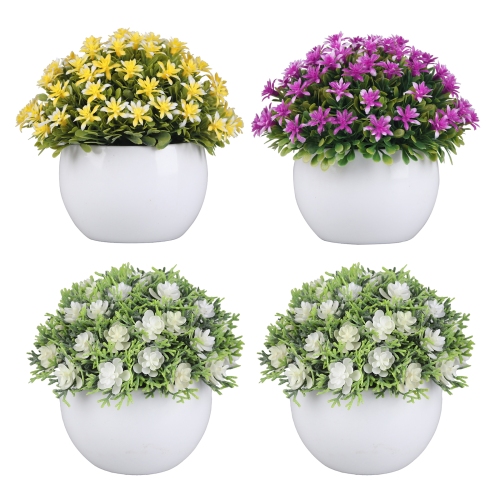
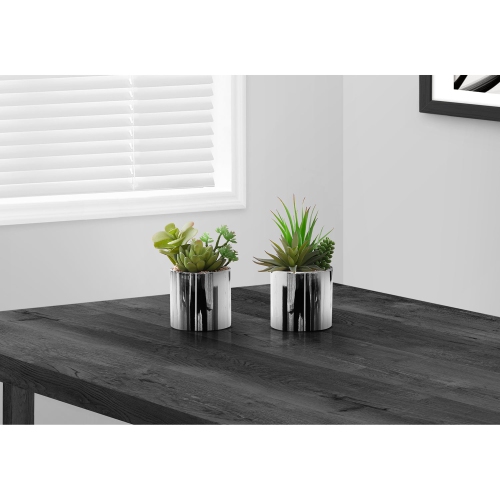
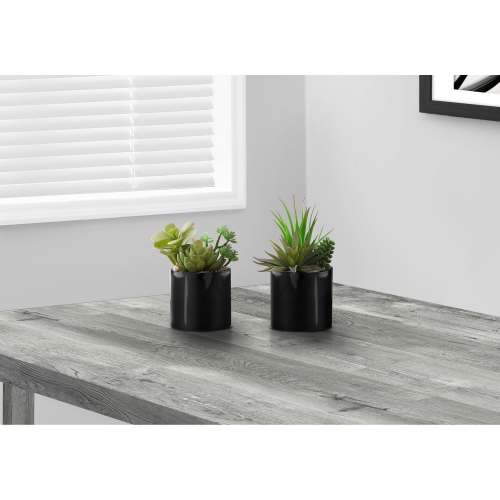
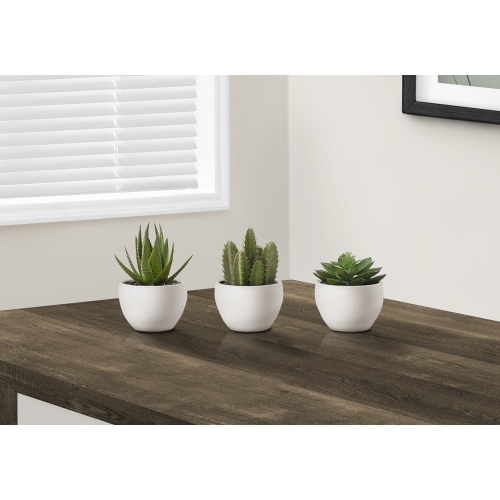
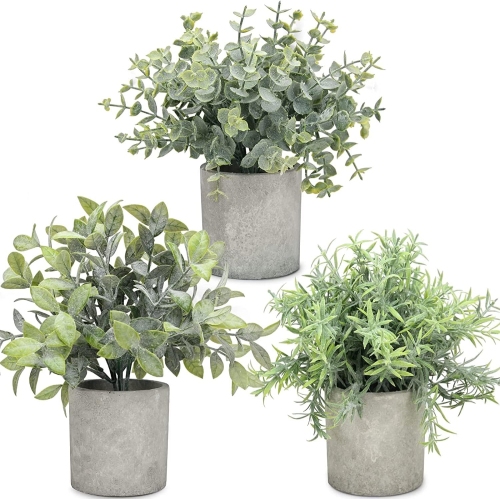
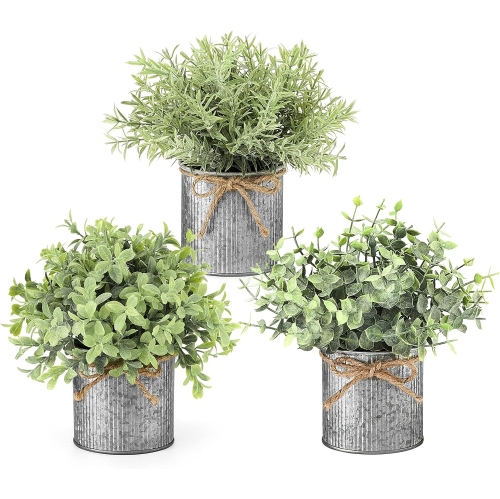
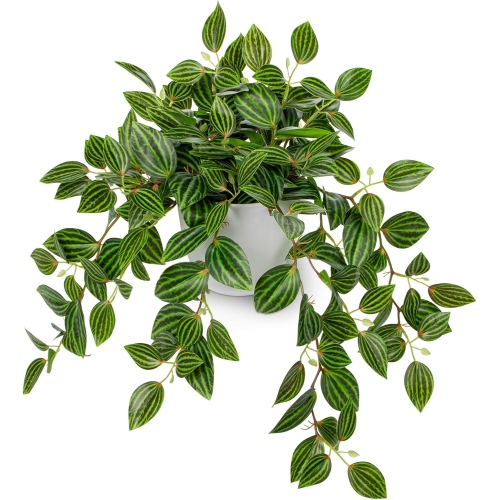
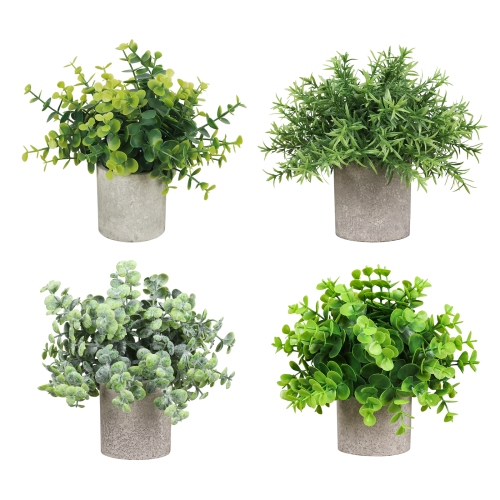
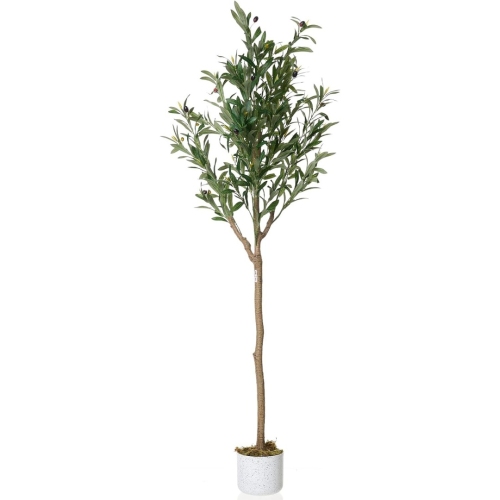
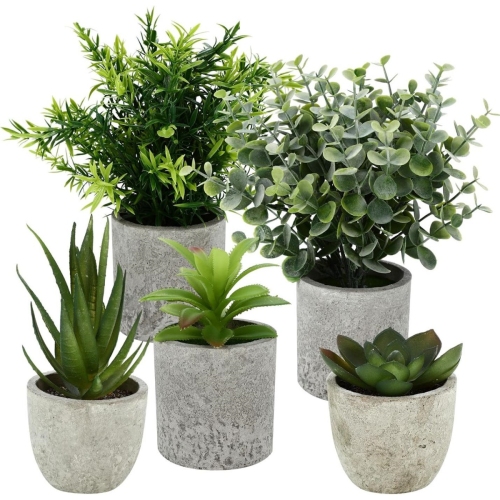
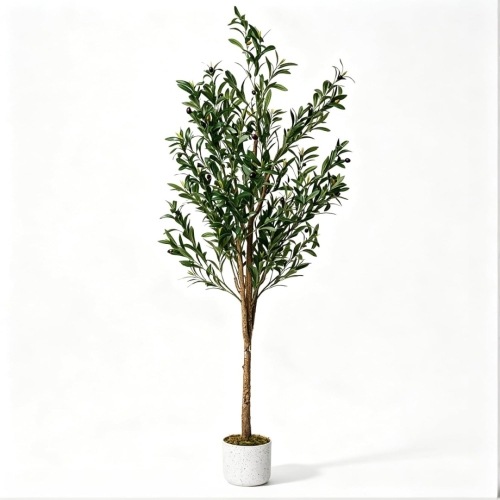
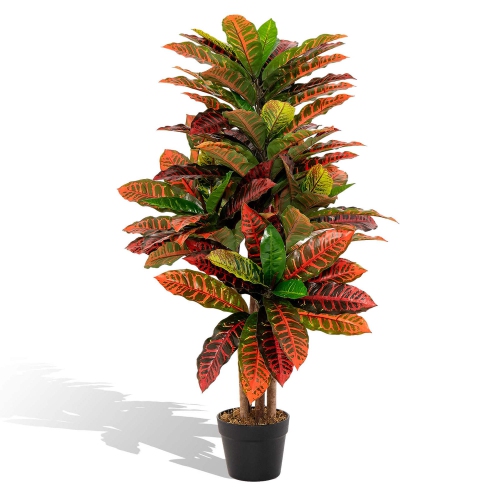
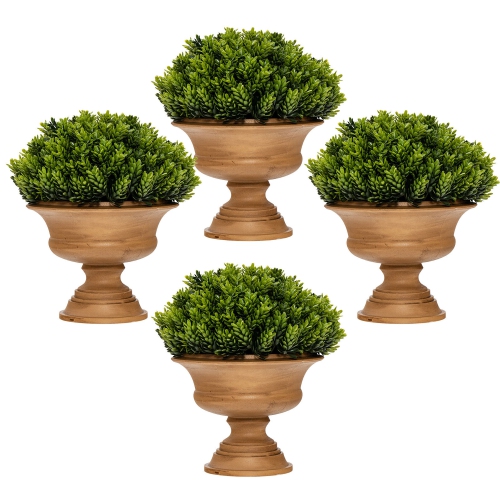
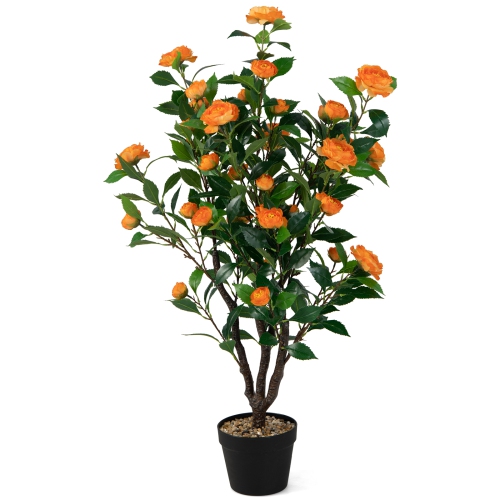
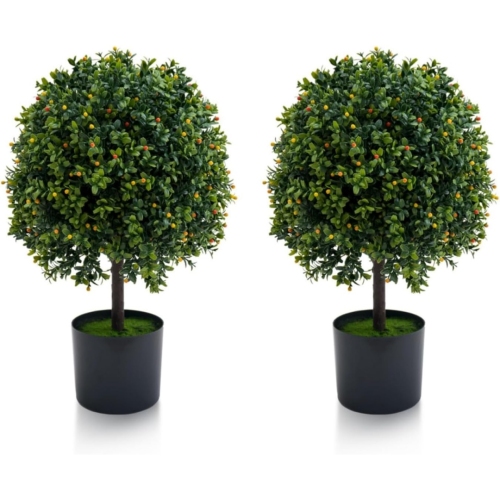
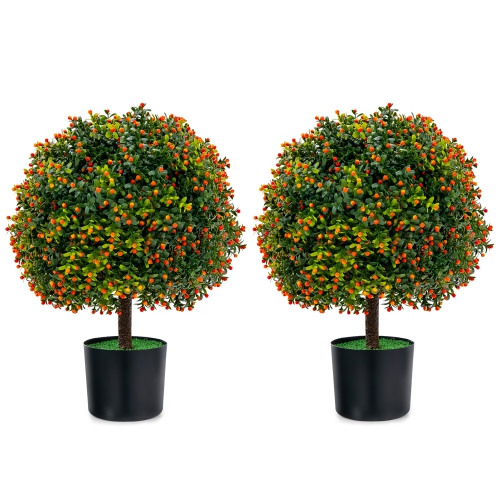
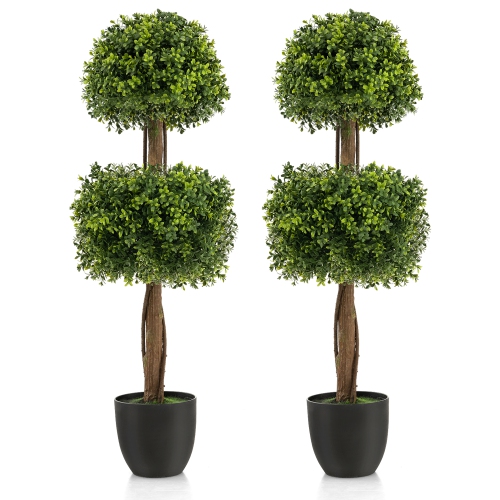
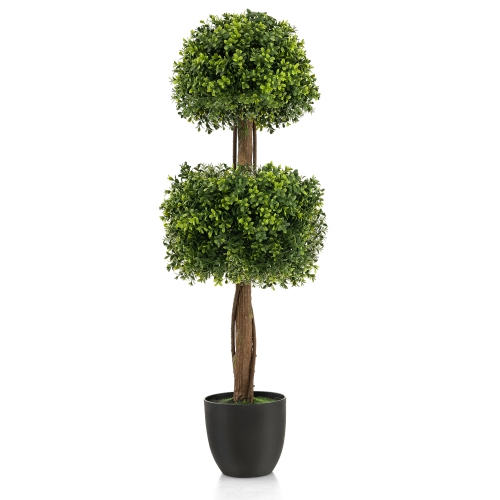

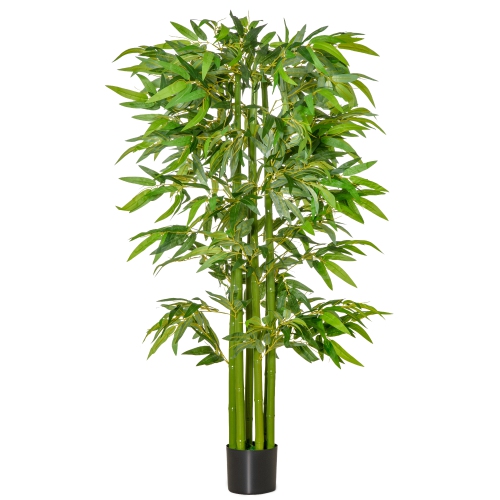
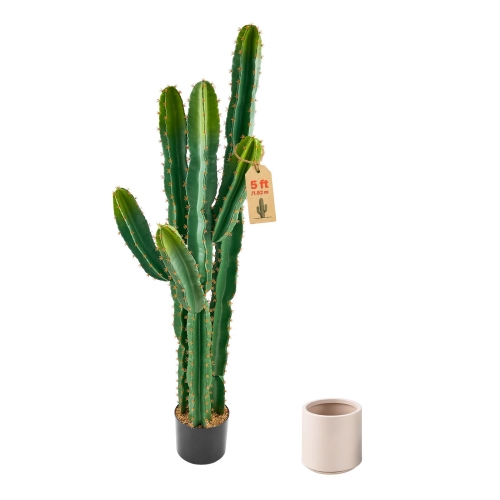
Greenery that fits your furniture and your routine
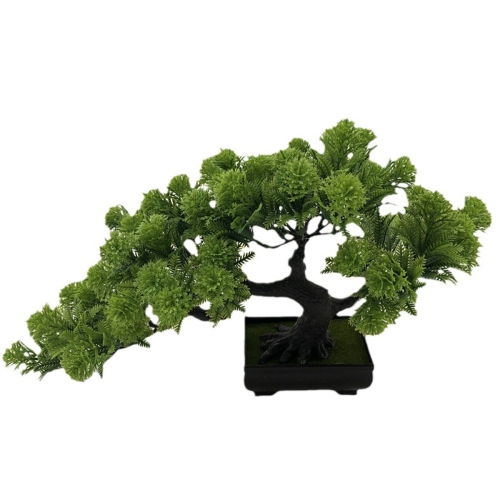
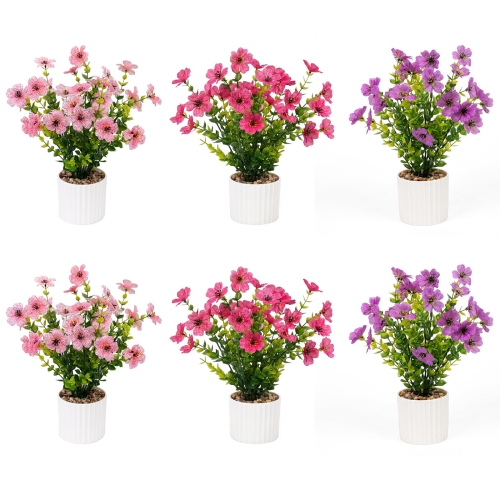
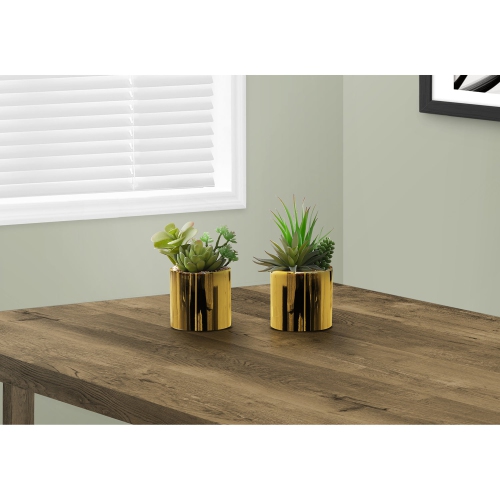
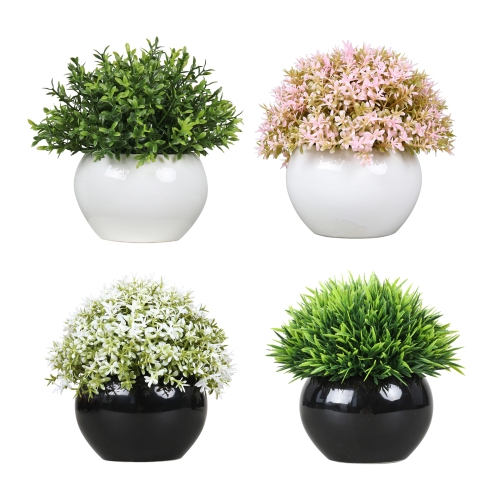
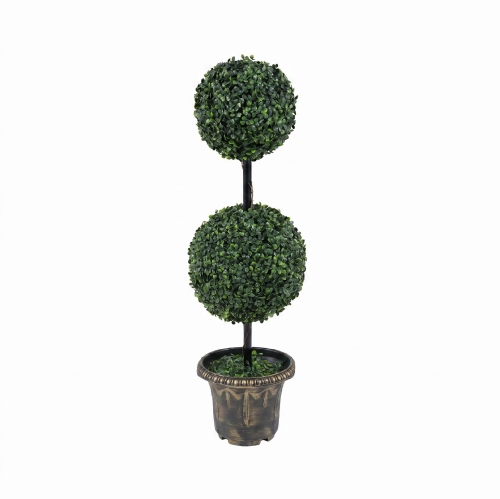
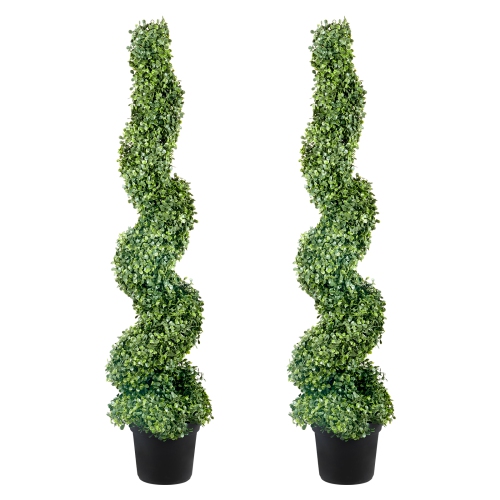
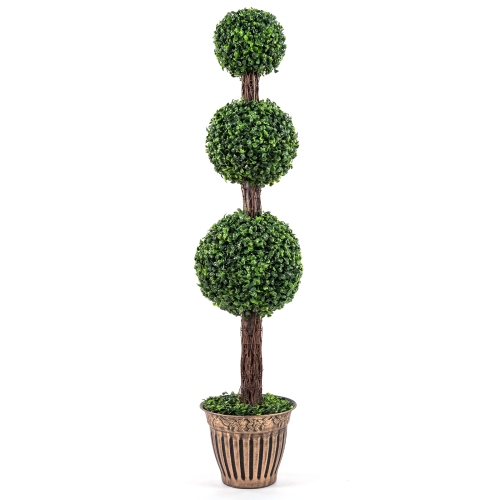
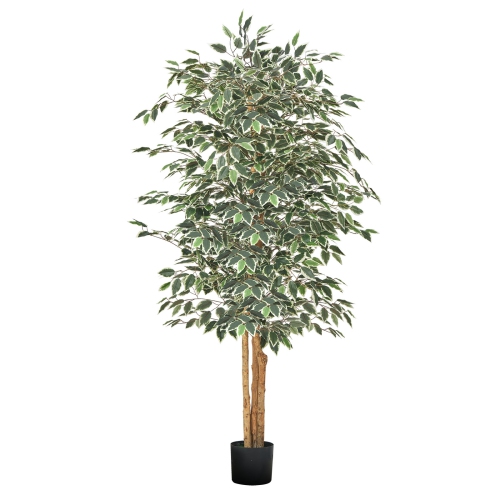
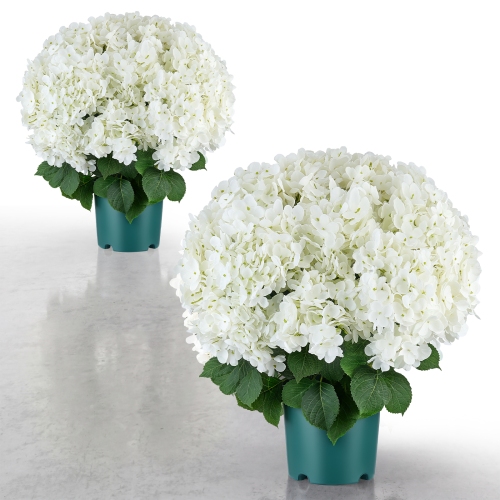
Tabletop plants are small potted plants and artificial botanical arrangements sized for desks, coffee tables, shelves, and other raised surfaces. Their compact proportions make it possible to add greenery without giving up the floor space needed for furniture, storage, or everyday movement. A leafy accent beside a monitor can soften the appearance of a work area, while a low arrangement on a dining table adds texture without blocking conversation. The best fit depends on more than the width of the pot: foliage may spread beyond the container, trailing stems need room to hang, and upright leaves can extend into the space used by a lamp or screen. On a busy desk, a narrow plant with an upright shape leaves more room for a keyboard and notebook. On a broad coffee table, a fuller shape can balance a stack of books or a shallow tray. Living tabletop plants vary in their care needs, so compact size does not necessarily mean minimal upkeep. Many cacti and succulents suit bright locations and need their growing medium to dry between waterings, while some leafy tropical plants prefer indirect light and more consistent moisture. Even plants described as tolerant of lower light still need enough light to support healthy growth. Artificial tabletop plants offer a different option for dim corners, rooms without suitable windows, or spaces where regular watering is impractical. Their appeal lies in a consistent appearance rather than growth, with leaf shape, colour variation, and the finish of the stems contributing to a convincing effect. For either type, the overall height and spread matter as much as the container’s footprint. A plant that looks compact in isolation may feel crowded beside a bedside lamp, whereas the same silhouette can look balanced on an open console. Considering the surrounding furniture helps greenery feel like part of the room rather than something squeezed into leftover space.
Containers influence both the appearance and everyday practicality of tabletop plants. Ceramic and glazed stoneware can provide a substantial base, particularly for foliage that spreads upward or outward. Terracotta has a porous surface that allows moisture to evaporate through the pot, which can suit plants that prefer to dry out between waterings but may call for closer attention to moisture levels. Lightweight plastic is easier to move for watering or cleaning, though a tall arrangement needs a stable base to reduce the chance of tipping. Metal, woven, and wood-look outer containers offer different textures, but their suitability for direct planting depends on the lining and drainage design. A decorative outer pot can conceal a separate nursery pot, allowing a living plant to be removed for watering and returned once excess water has drained. This distinction matters on wood furniture, where trapped moisture, overflow, or condensation can leave marks. A waterproof liner or suitable protective tray adds a barrier, while a drainage saucer should still be checked after watering rather than left holding standing water. Living plants generally need a container and growing medium suited to their roots; a much larger pot is not automatically better, because unused soil can retain moisture longer than expected. Care also includes removing damaged growth, checking for pests, and occasionally clearing dust from leaves so light can reach their surfaces. Artificial foliage needs no watering, but it is not entirely maintenance-free. Dust can collect along leaf veins, between stems, and around decorative stones or imitation soil. A soft brush or dry cloth often suits routine cleaning, with any deeper cleaning guided by the material and care information. Some fabric leaves and painted finishes can be damaged by soaking or harsh cleaners. Durability also depends on placement: a frequently handled arrangement on a shared desk faces different wear from one displayed on a quiet sideboard. Firmly secured stems, a stable container, and foliage that holds its shape are useful qualities wherever the plant may be moved regularly.
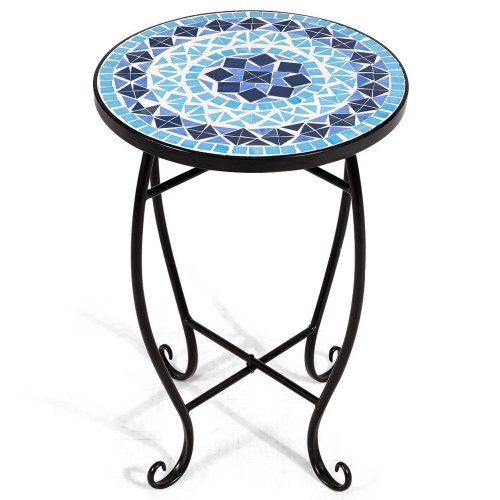
The visual character of tabletop greenery can range from restrained and sculptural to soft and abundant. Thick, rounded leaves create a different impression from fine fronds or trailing vines, even when the plants occupy a similar amount of space. A single upright form in a plain container suits a clear, uncluttered desk, while a loose grouping of varied leaf shapes can make a wide sideboard feel more layered. Repeating one pot colour across a room helps connect different arrangements; mixing a smooth glazed finish with a woven texture creates contrast without relying on bright colour. Practical details remain important in shared spaces. Dining arrangements work best when they leave room for serving dishes and do not interrupt sightlines across the table. Bedside greenery should leave easy access to a lamp, phone, and glass of water, while plants near electronics need a watering routine that keeps moisture away from cables and devices. Where a tabletop is already occupied, Plant Tables can provide a separate surface for displaying greenery while keeping the main work or dining area clear. Tabletop plants can also make thoughtful housewarming, thank-you, or office gifts when their care needs suit the recipient. Someone who enjoys tending plants may appreciate living foliage with room to develop, whereas an artificial arrangement may be more practical for a person who travels often or prefers decorative accents without a watering schedule. In homes with pets or young children, both plant selection and placement deserve attention: some living plants are harmful if chewed, and loose stones, detachable leaves, or fragile pots can present additional hazards. Checking the identity of a living plant and the construction of an artificial arrangement helps match it to its intended setting. The most useful tabletop accent is one whose size, upkeep, and finish fit comfortably into daily life, whether it brings a small patch of green to a work surface or a fuller focal point to a living room.
Top selling and popular products
-
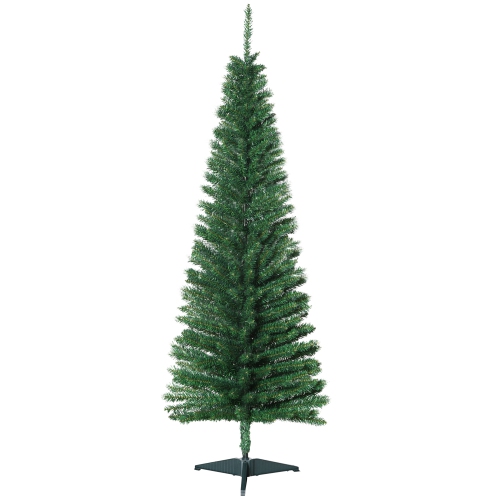 Your price for this item is $49.99
-
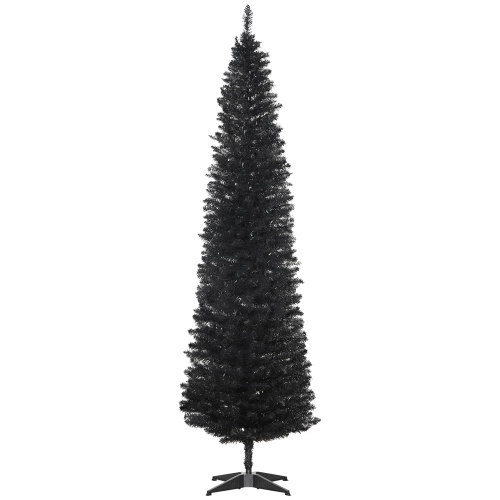 Your price for this item is $69.99
-
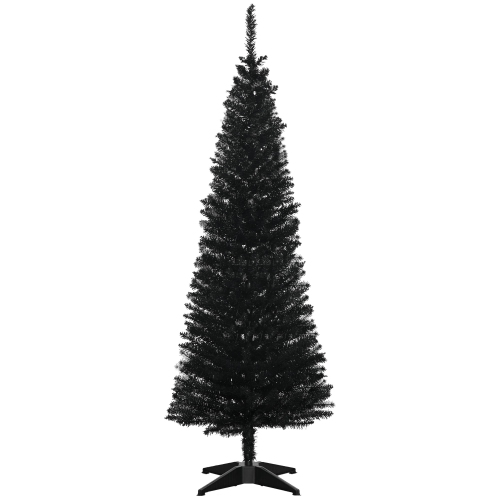 Your price for this item is $51.99
-
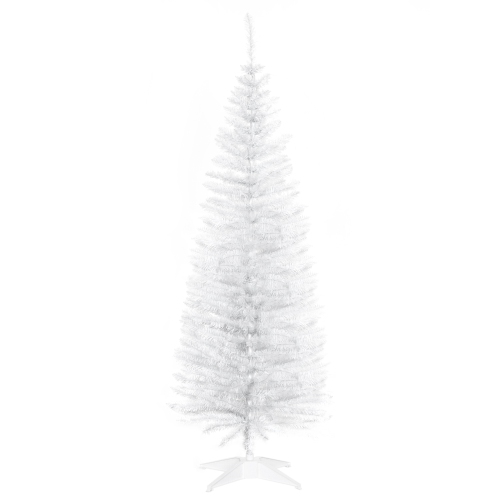 Your price for this item is $49.99
-
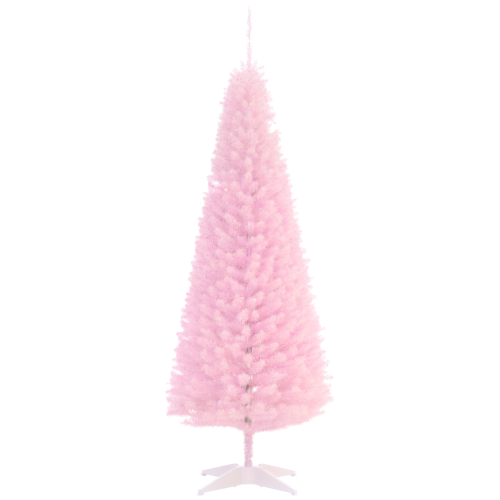 Your price for this item is $48
-
 Your price for this item is $130.99
-
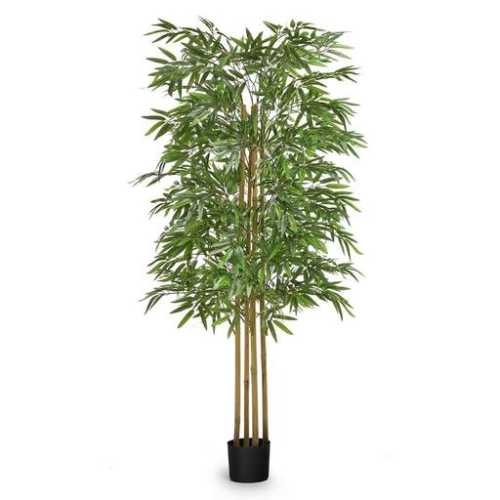 Your price for this item is $167.99
-
 Your price for this item is $112.99
Discover more categories related to Tabletop Plants

Top Collections:
Best Black Friday Deals This Year, Best Black Friday Deals On Electronics, Kindle Devices, Pokemon Centers, Best Black Friday Deals On Apple Products, Best Cameras for Sports Photography, Dyson Airwrap, Pokémon 30th Celebration Cards, Apple iPhone 17 Pro, Canon G7X Cameras
Some products may be subject to Environmental Handling Fees
(EHF) depending on your province.
Learn more about EHFs.