Tall Cabinets With Sliding Doors
Maximize your storage space while adding a touch of modern elegance to your home with our collection of tall cabinets with sliding doors. Whether you need extra room for organizing your electronics, displaying your favourite décor pieces, or storing everyday essentials, these sleek and functional cabinets are designed to meet all your needs. Check out these great options for you.
Sort

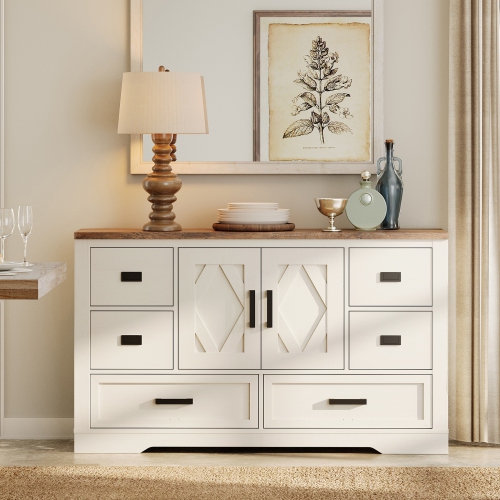
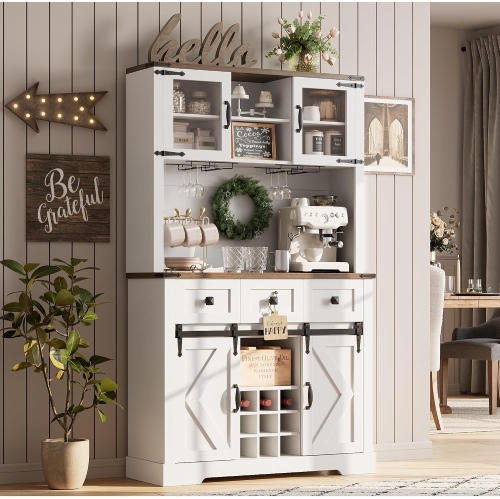
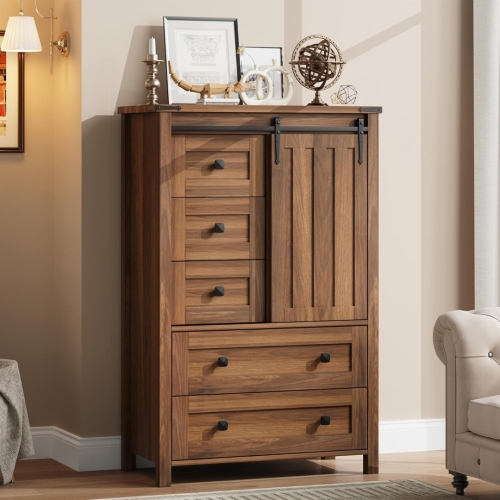

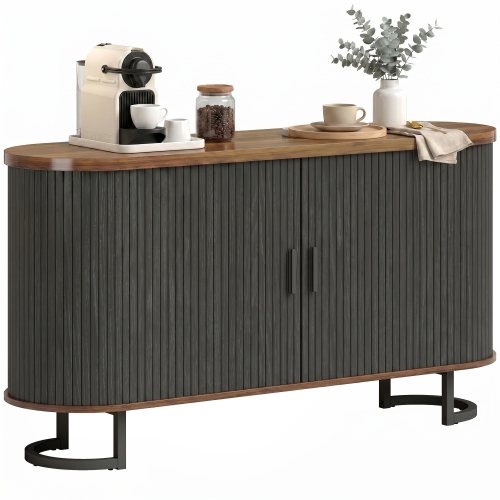

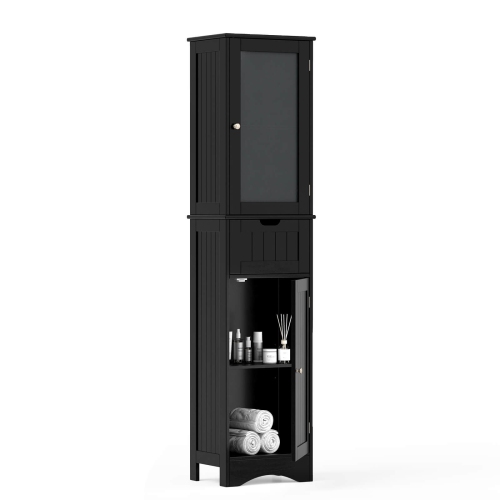
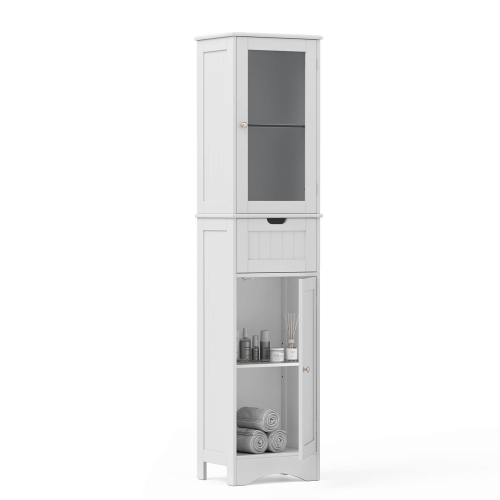

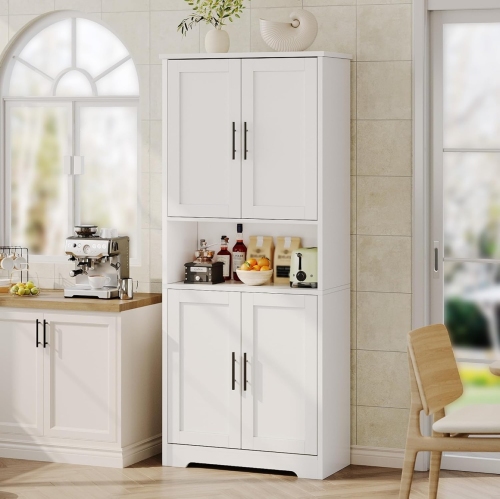
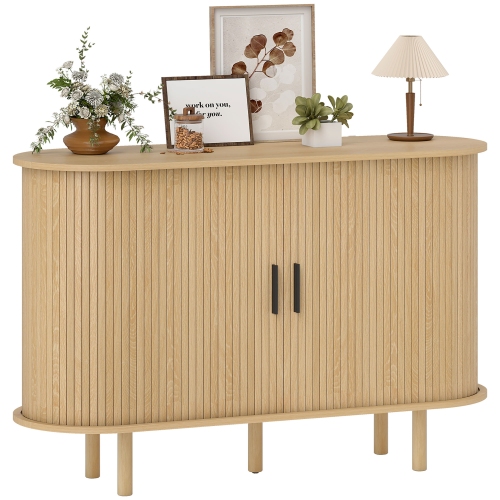

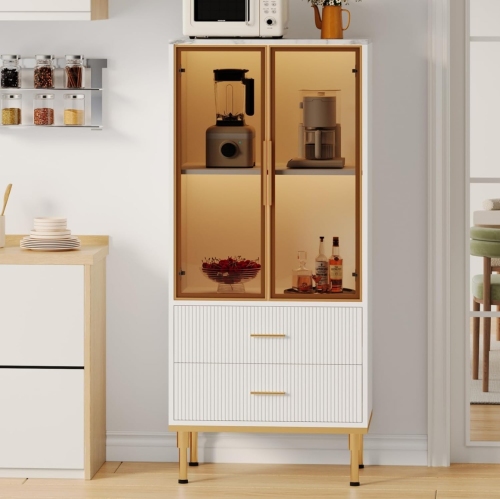
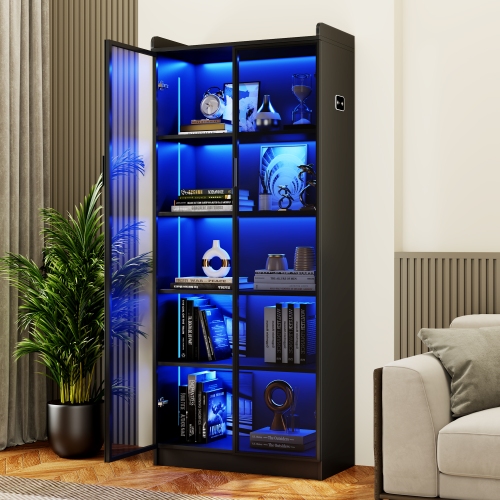
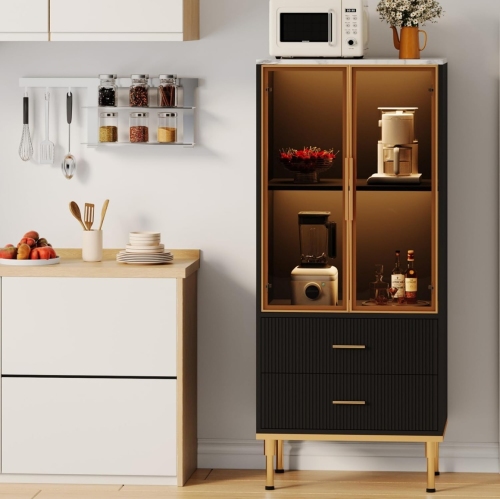

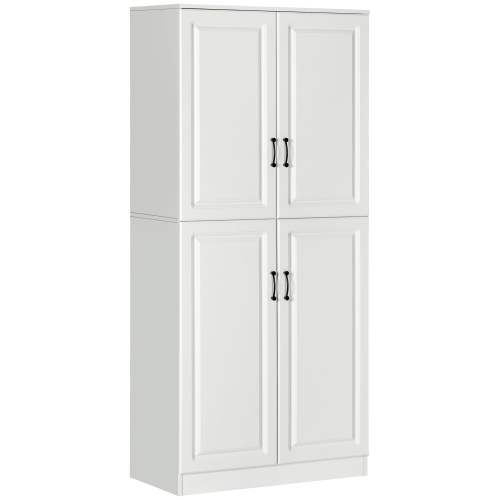


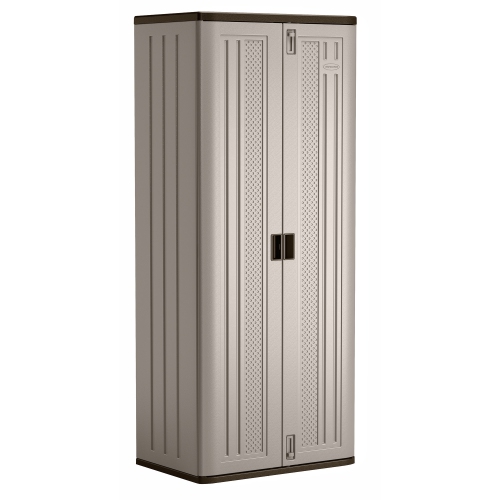

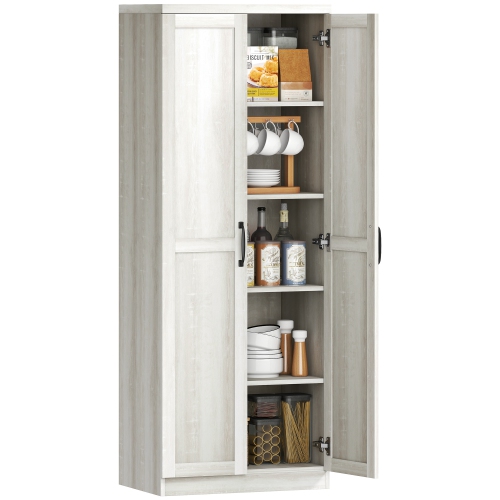


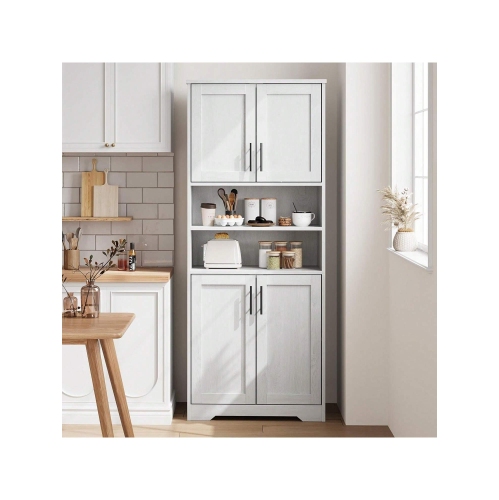
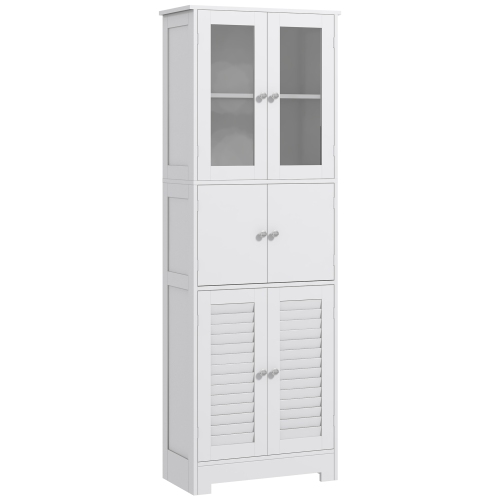
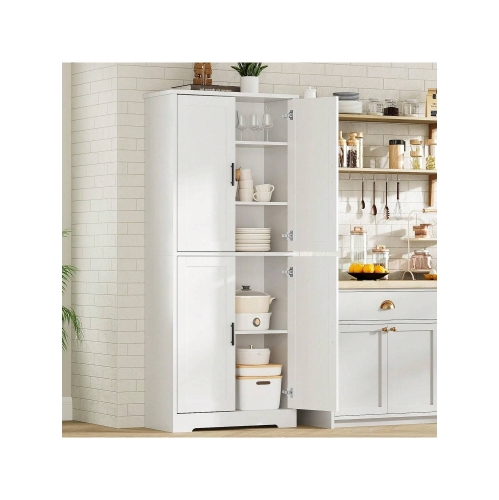
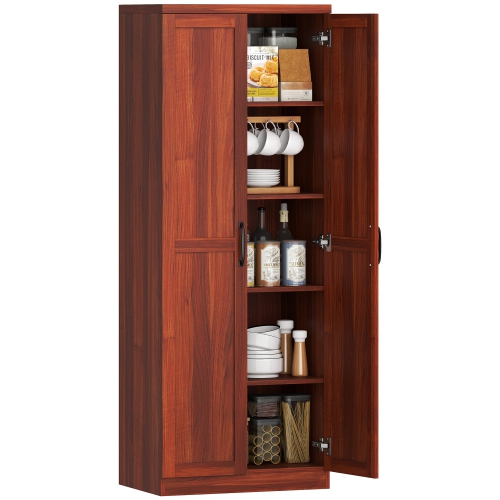


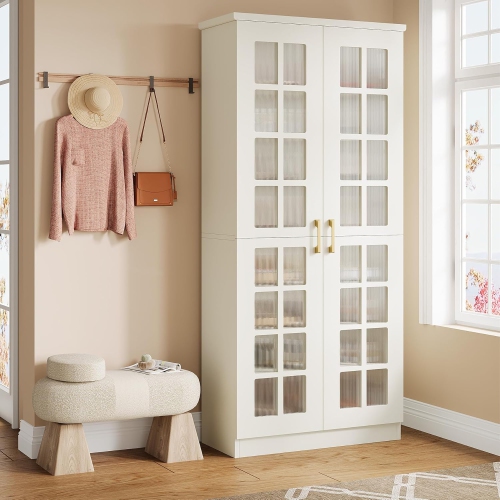
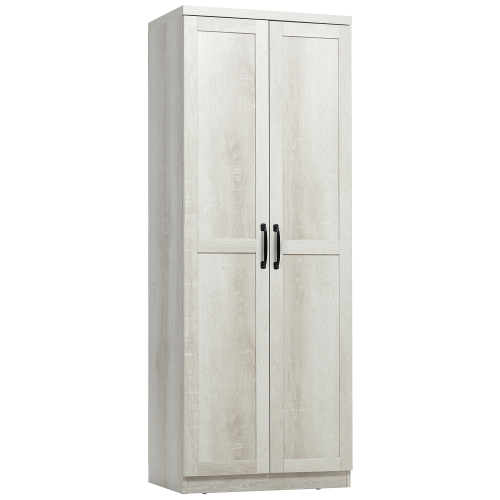
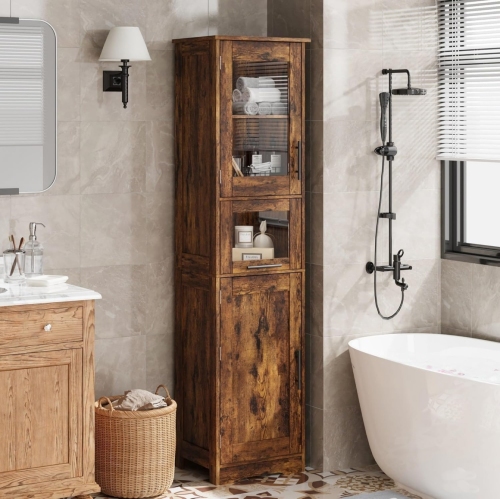
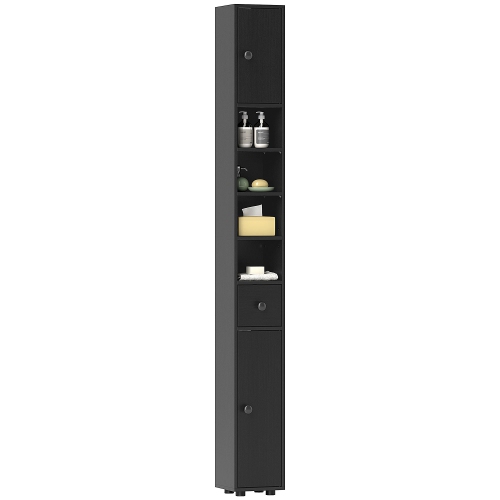
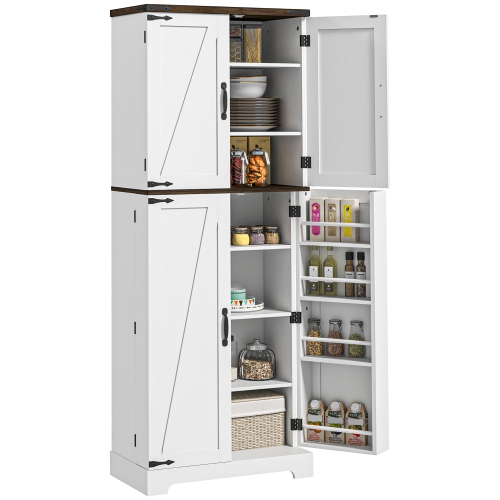
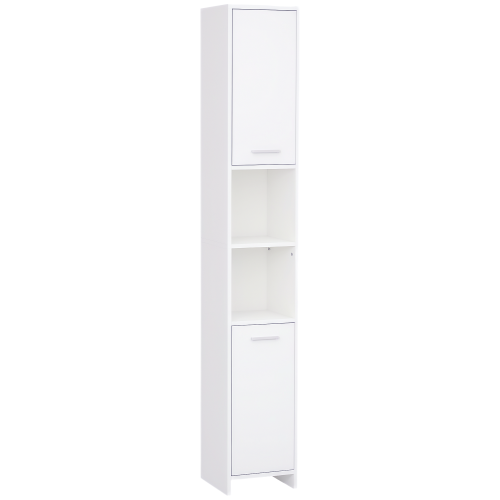
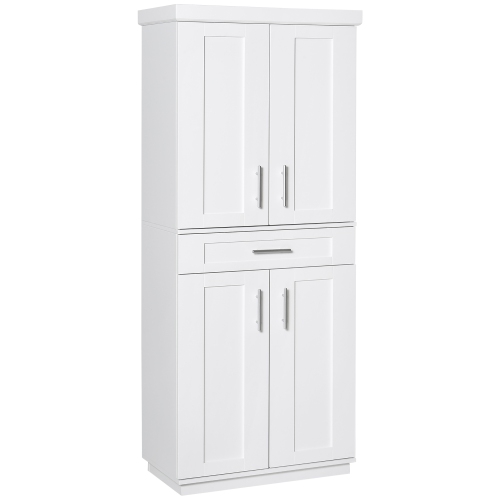

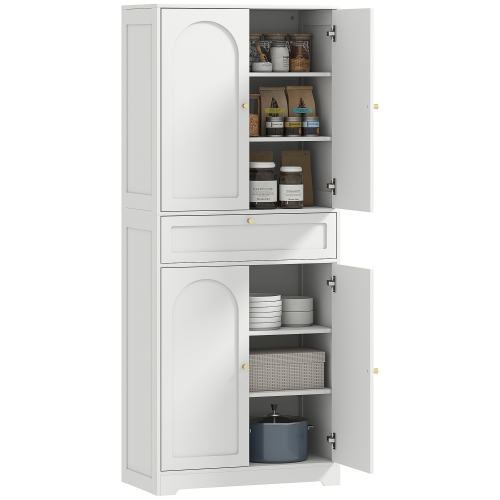
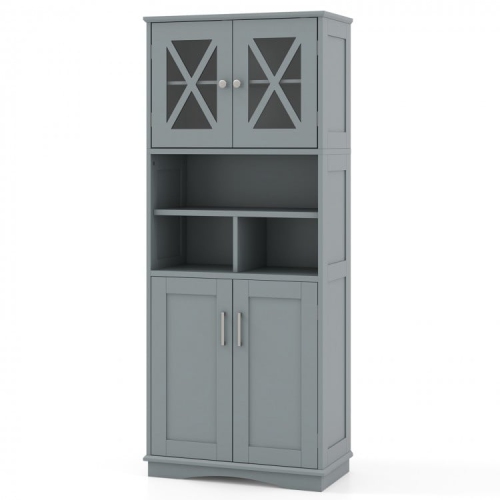
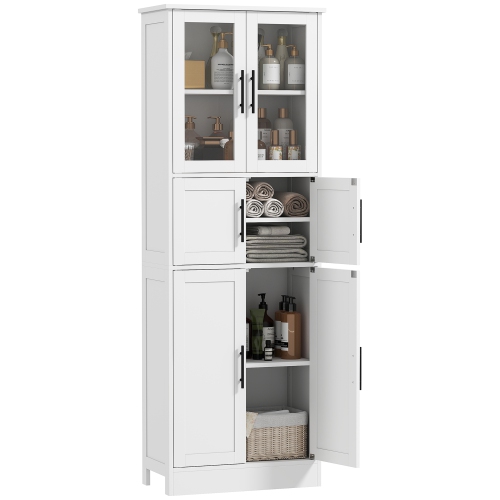

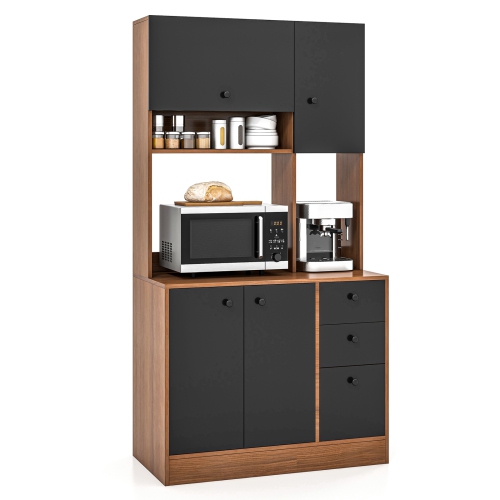
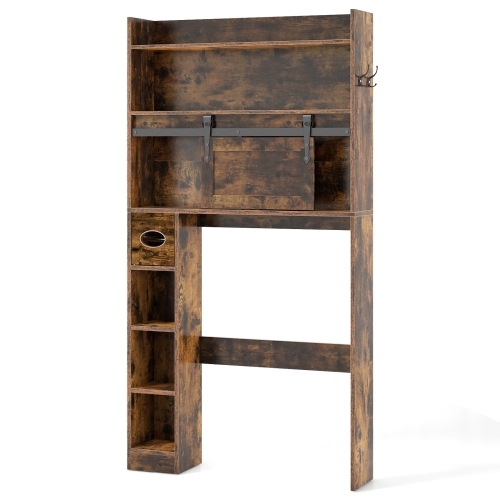
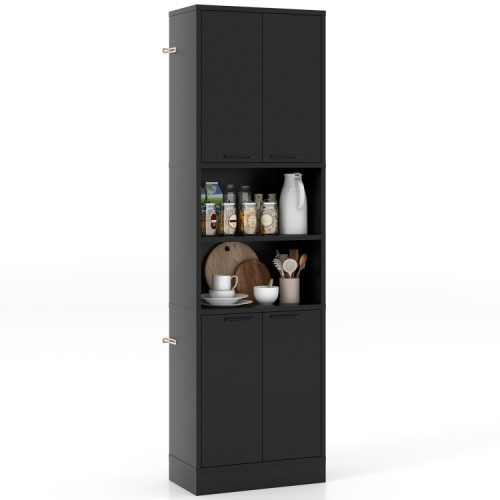
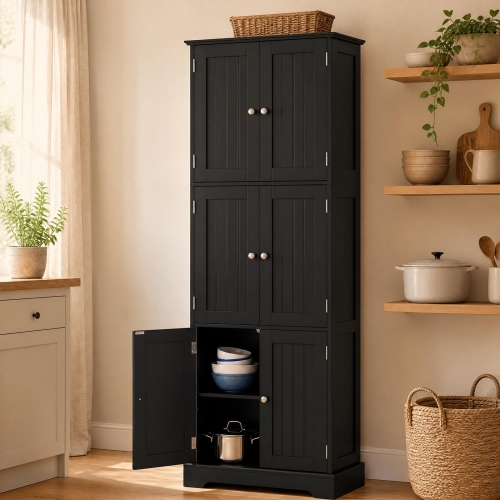

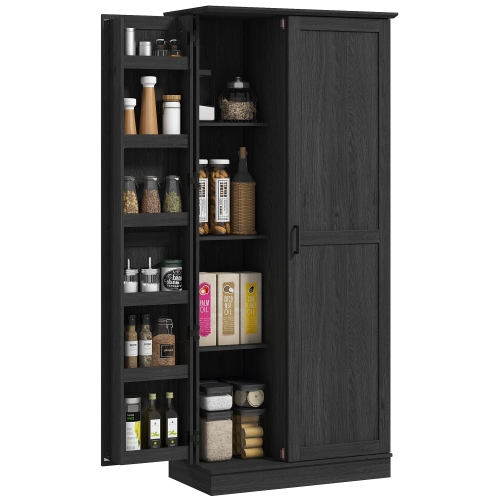
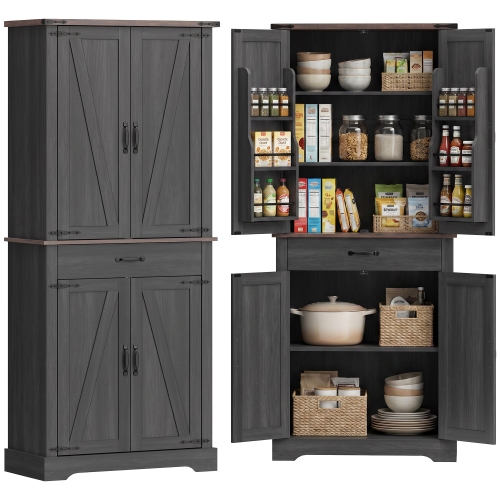
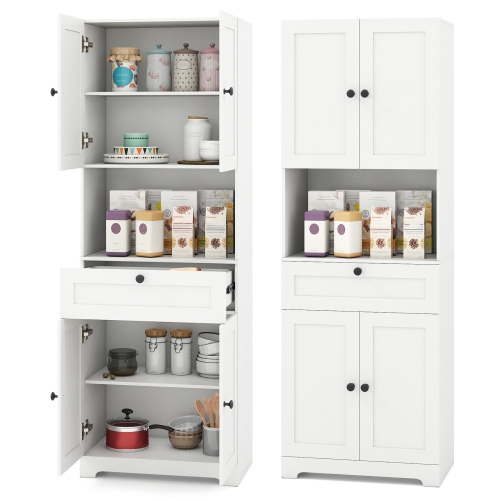
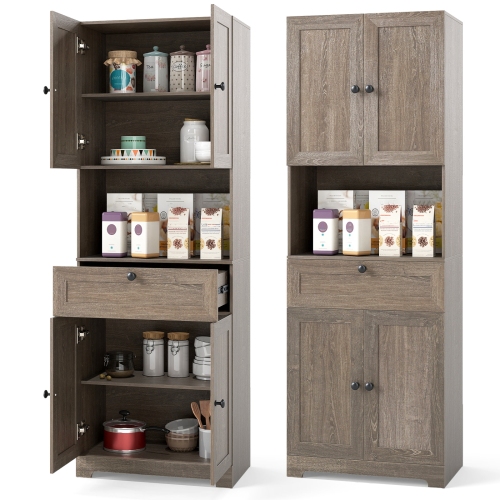
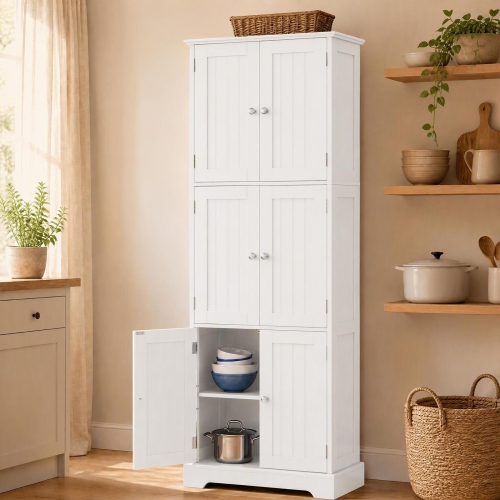
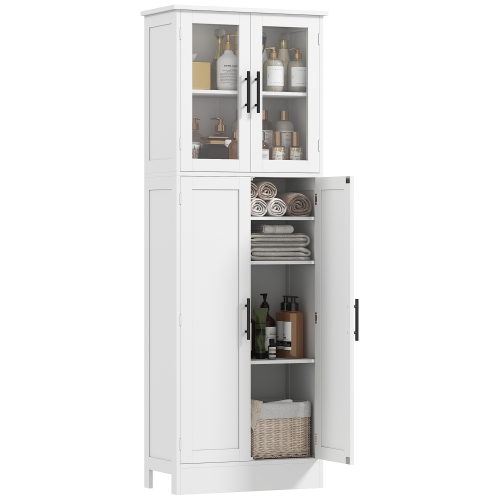
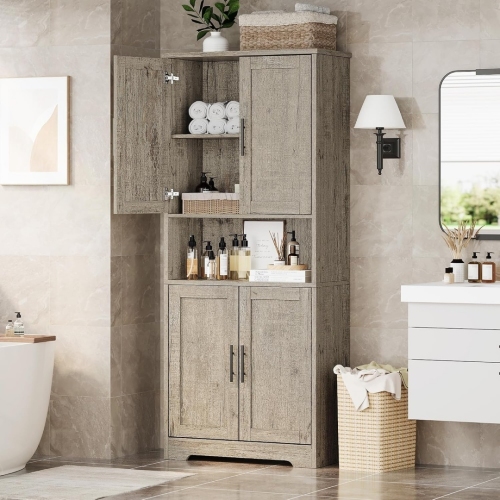

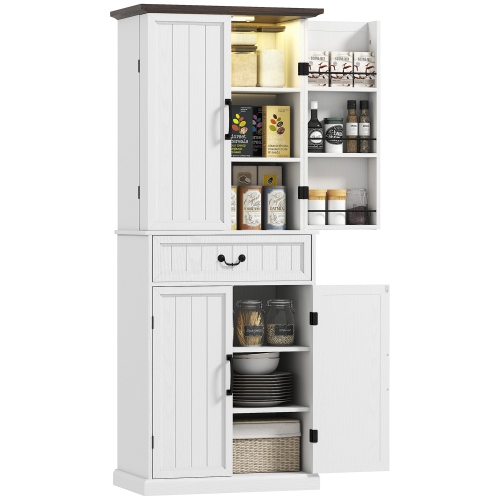



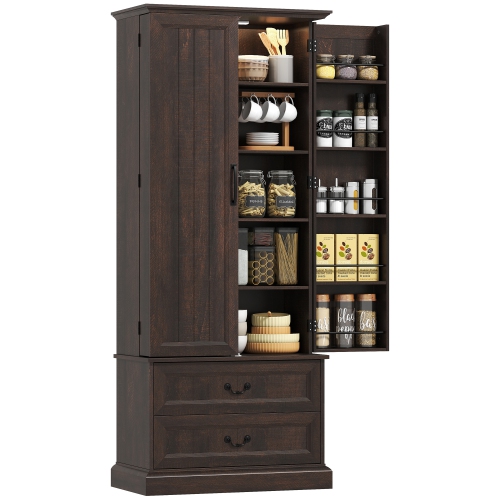
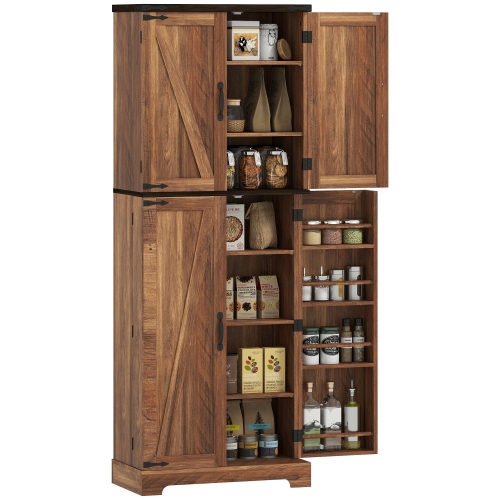
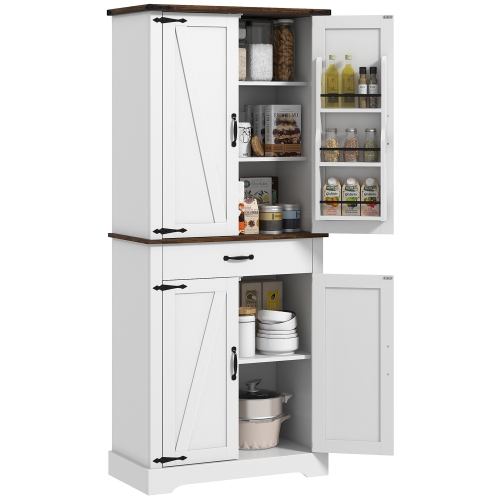
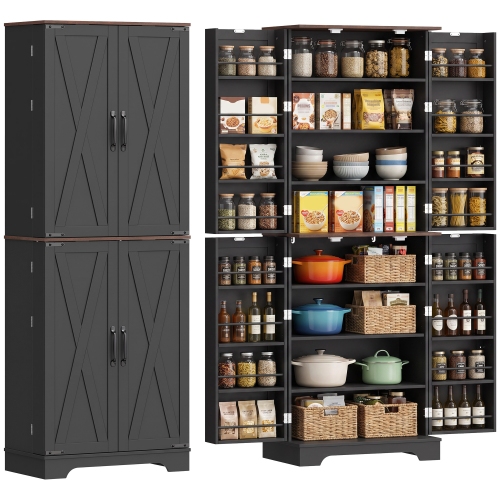

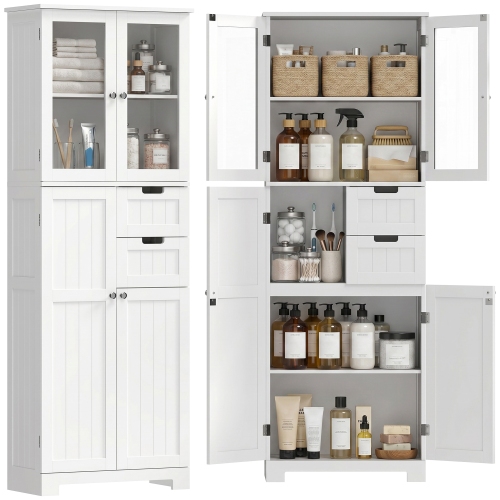
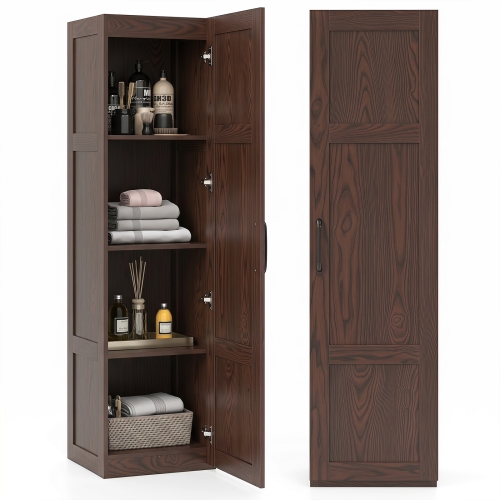
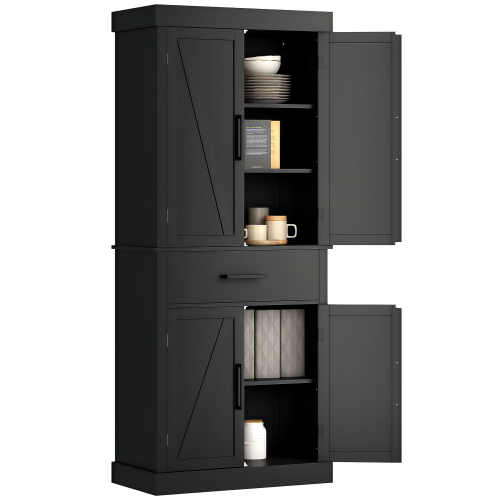
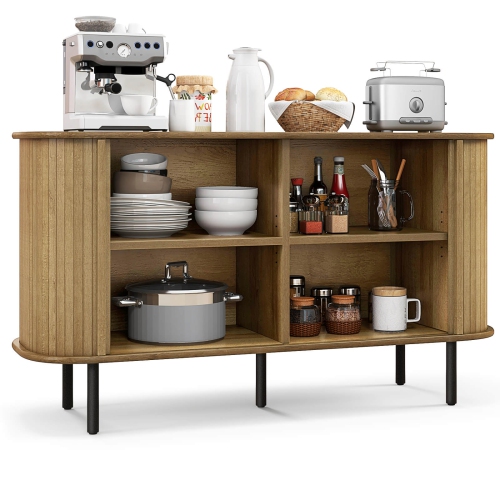
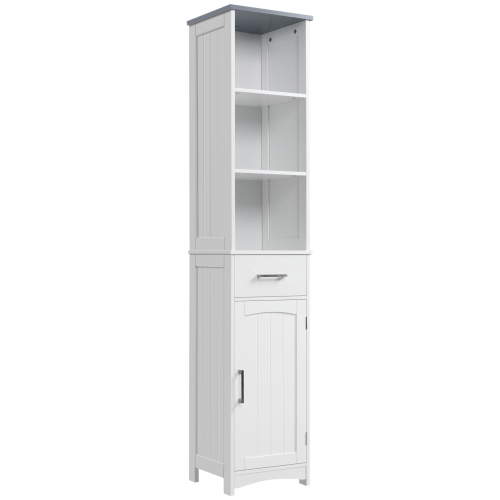
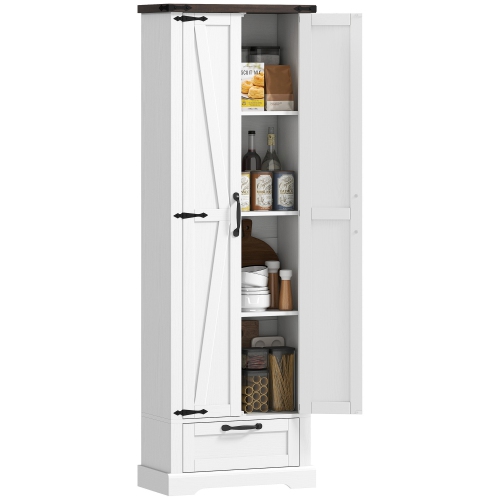
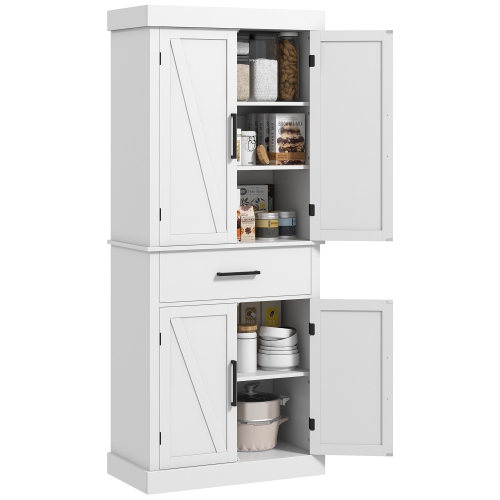
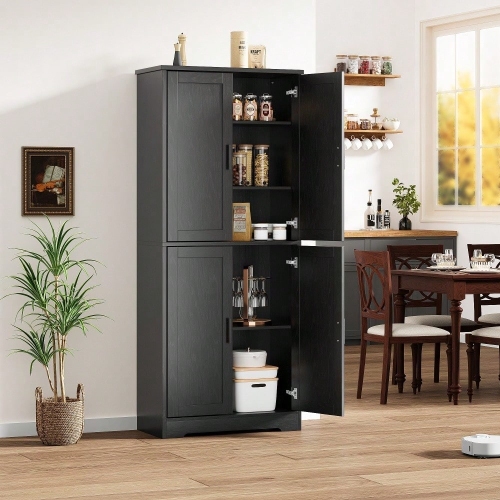
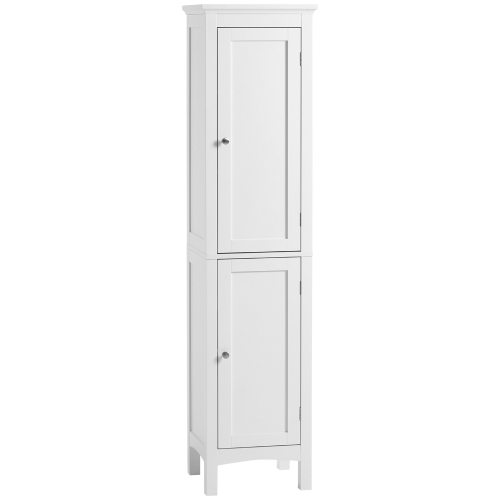
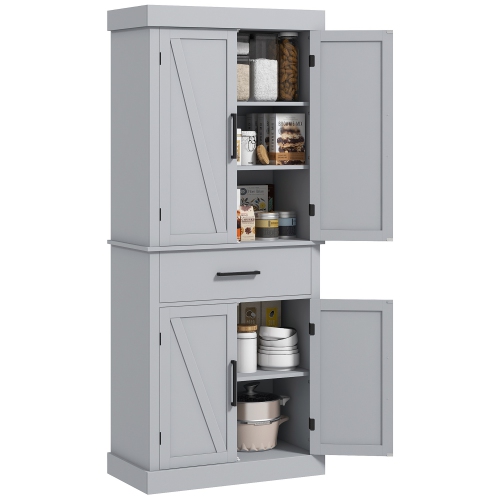
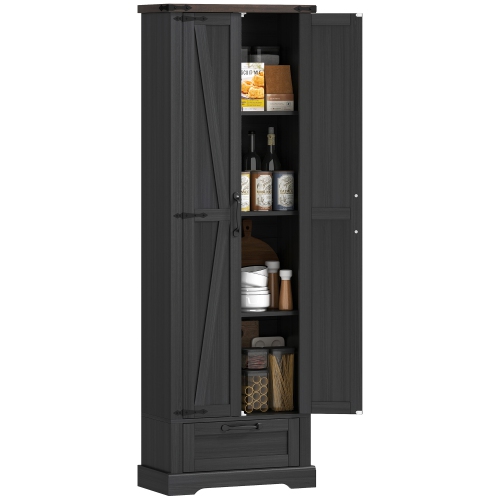
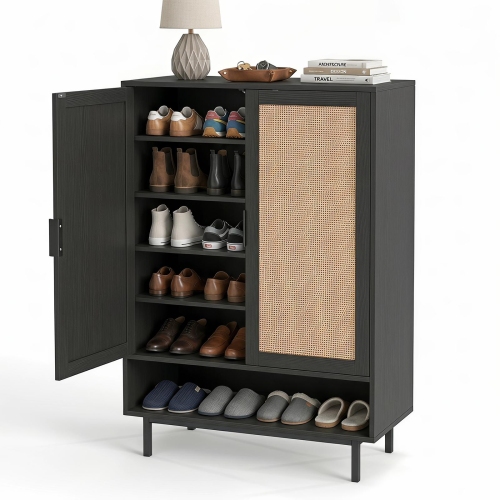

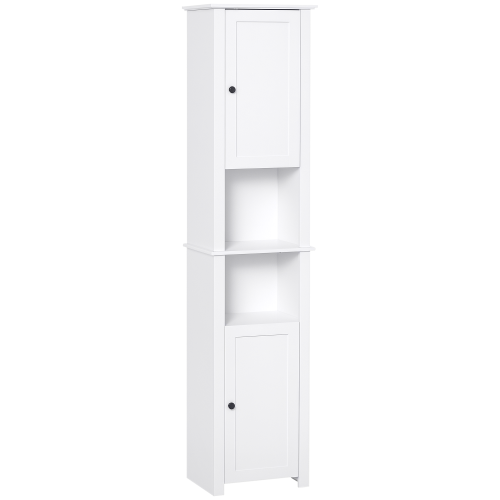
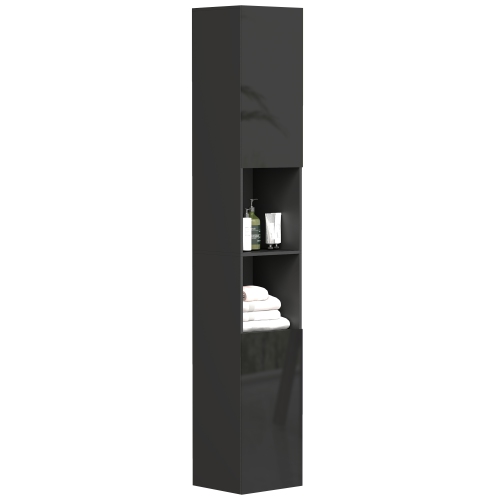
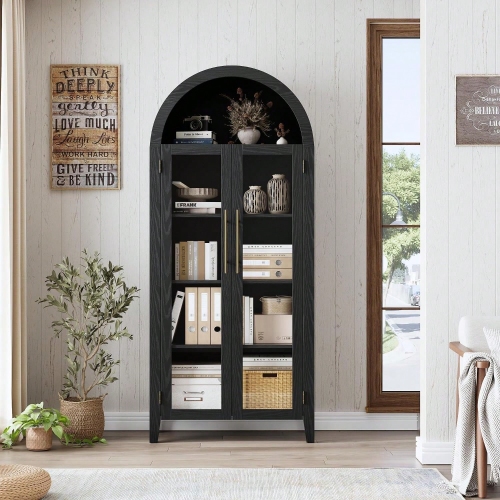
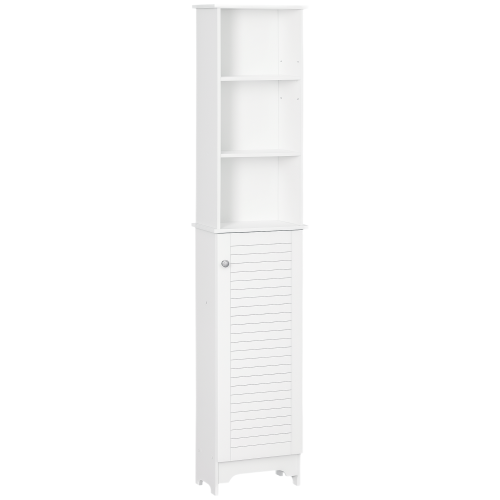
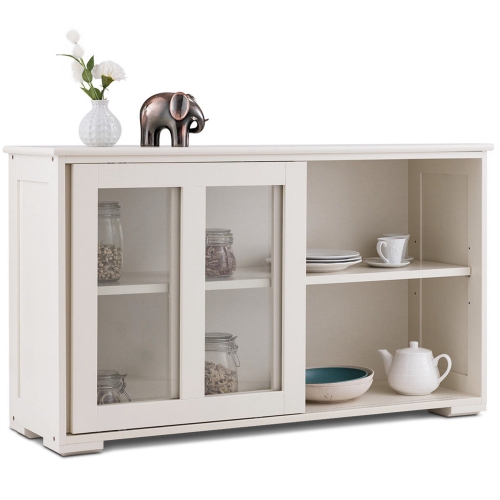
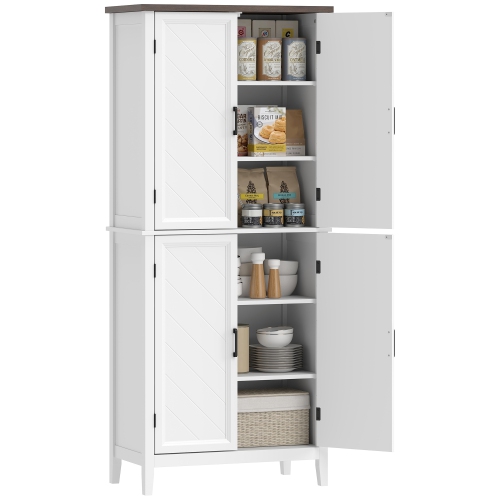
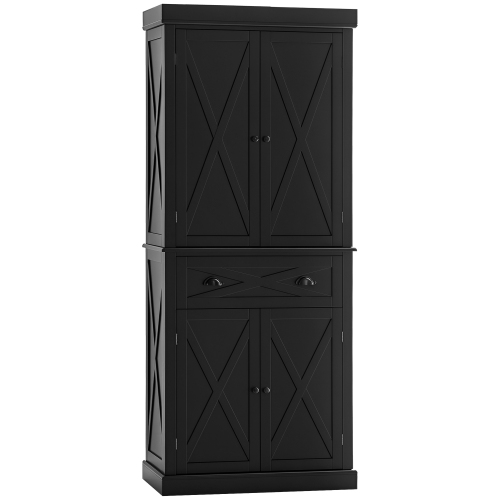

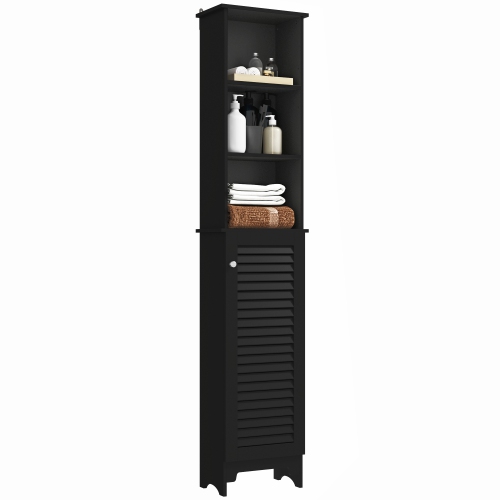
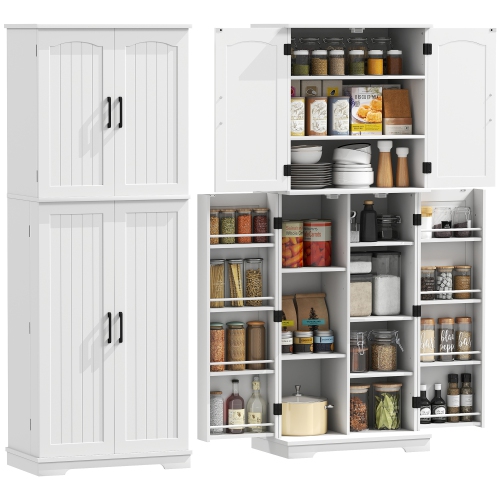
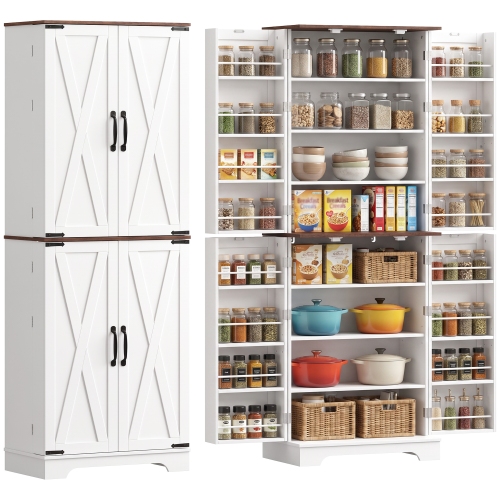
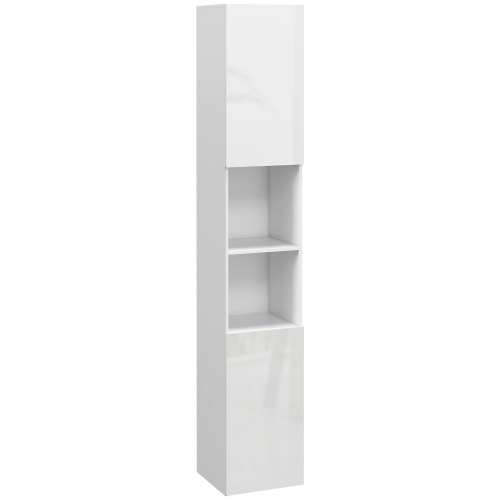

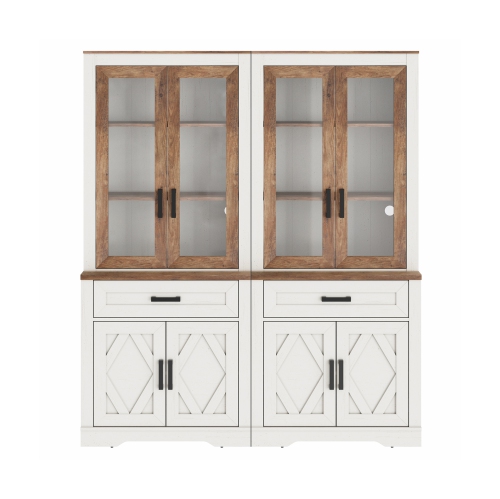
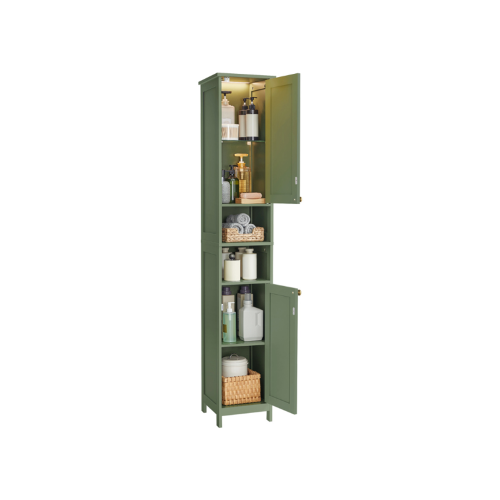


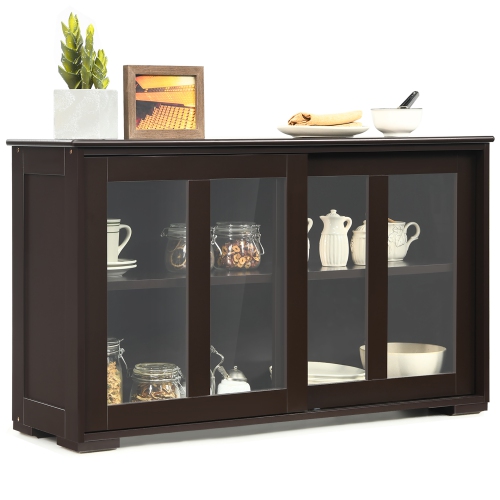
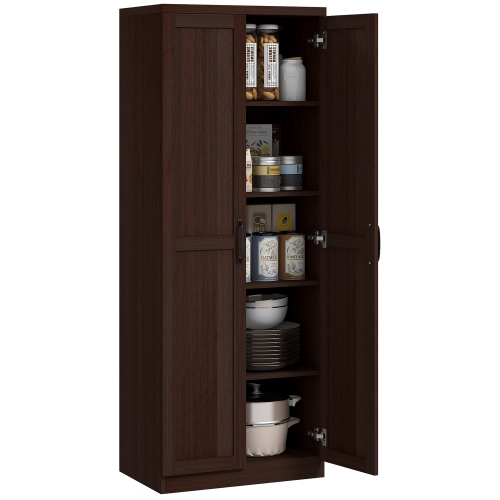
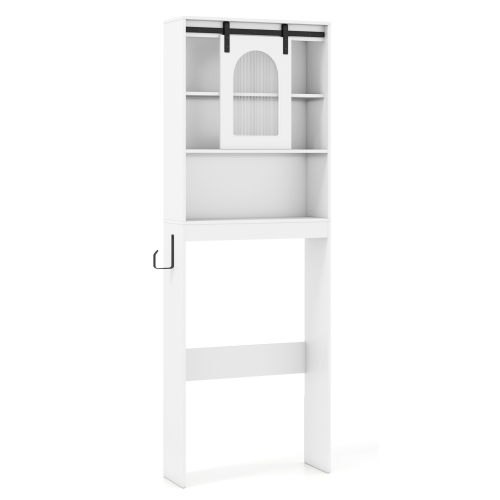
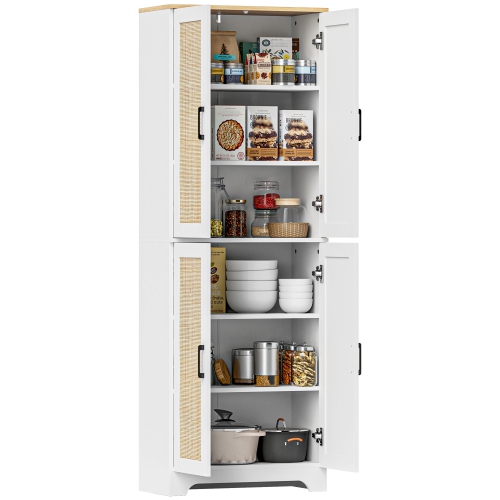
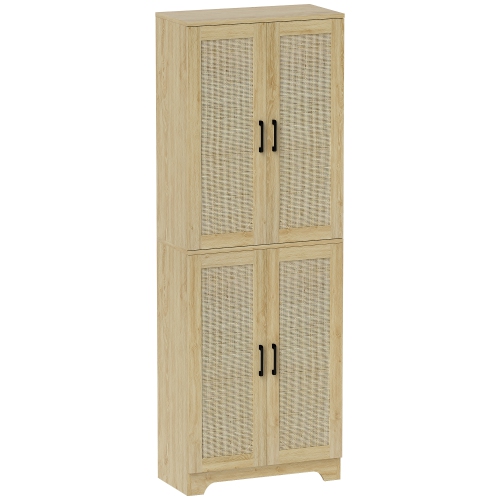
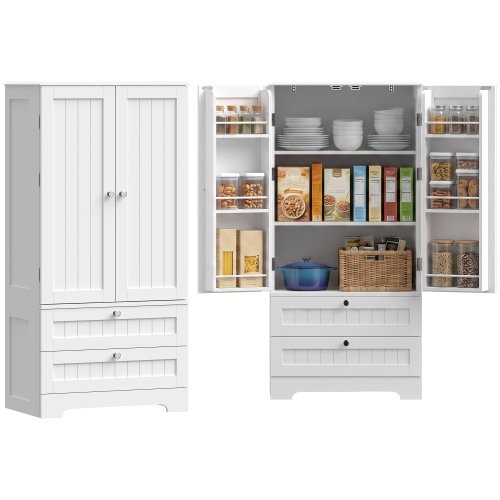
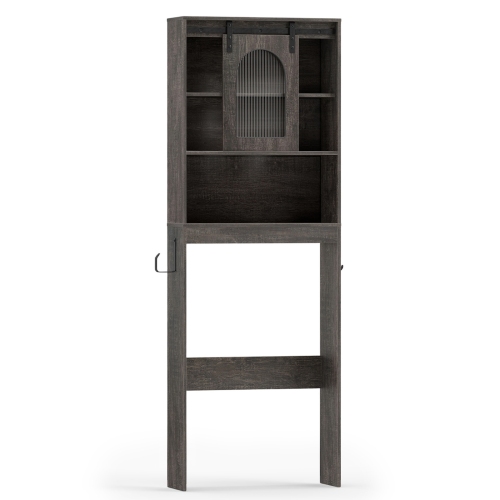


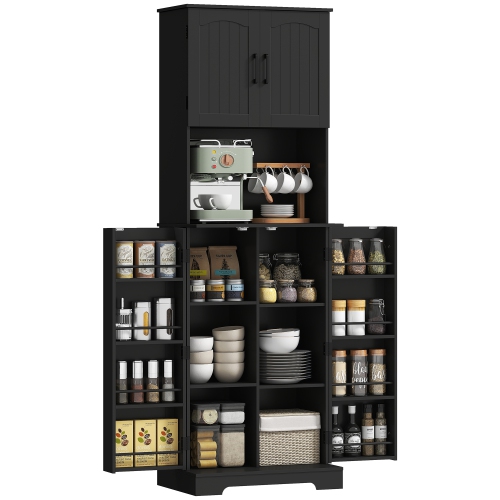
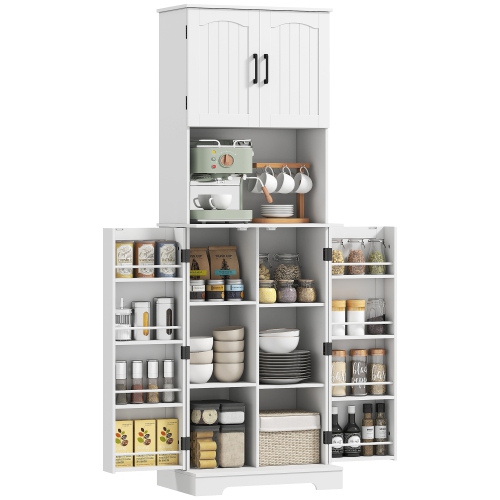
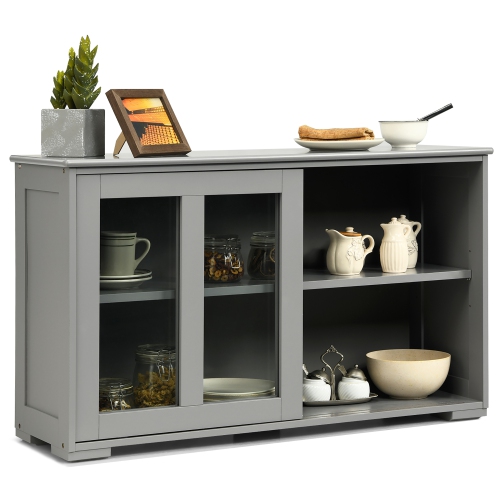
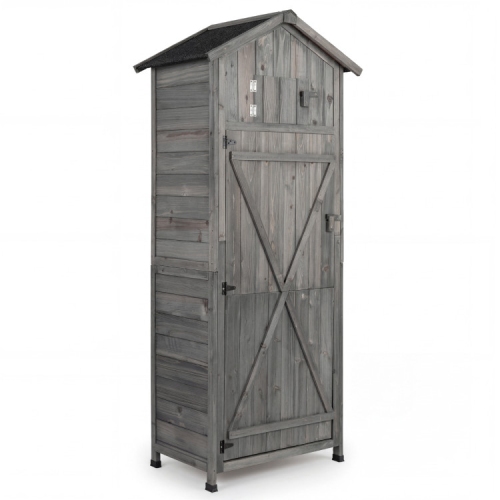




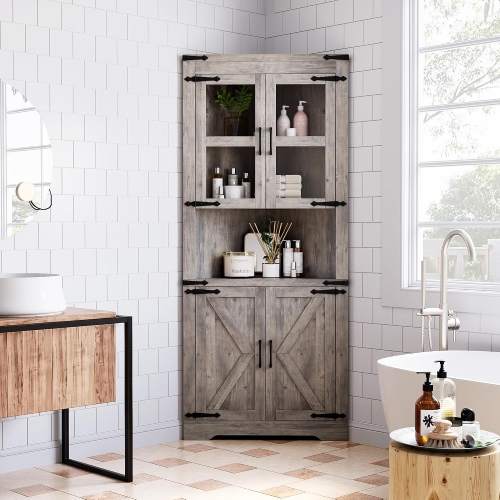

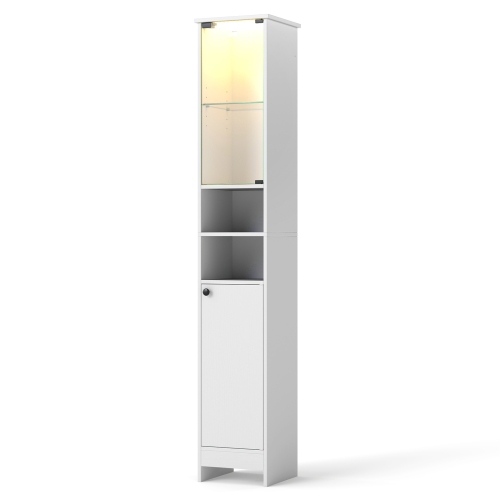
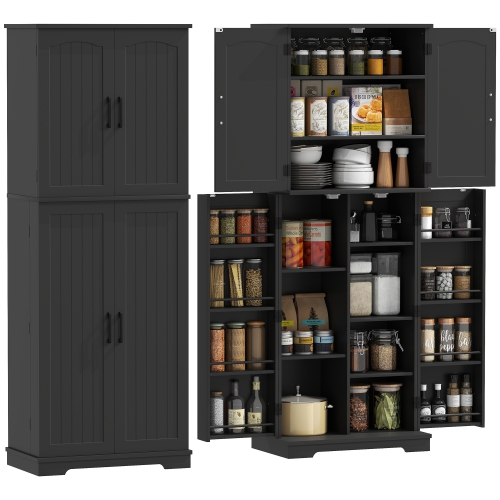
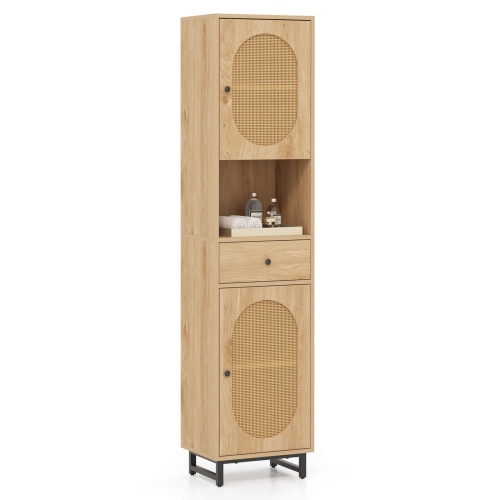
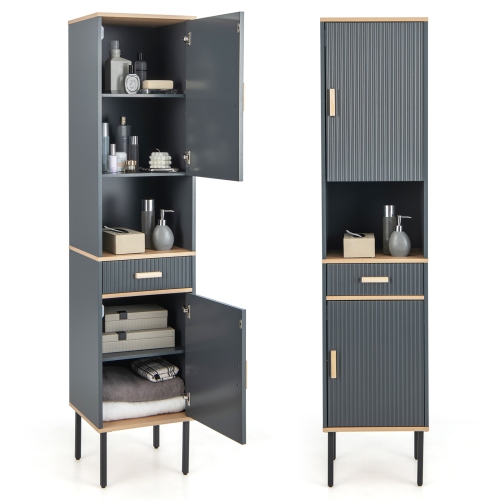
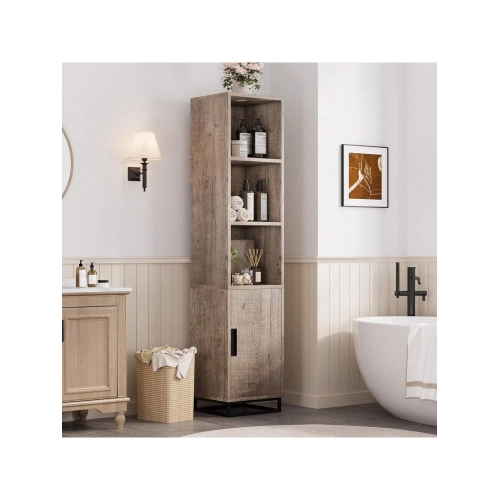
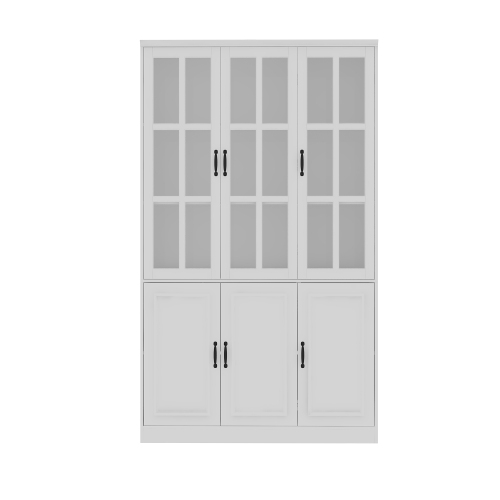
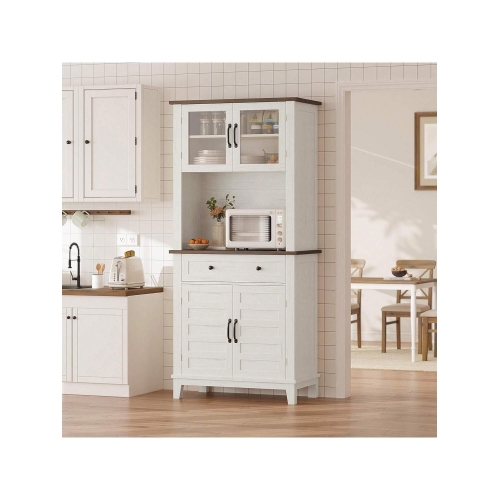
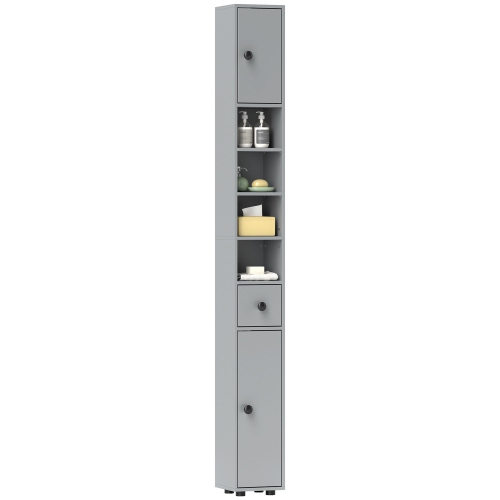
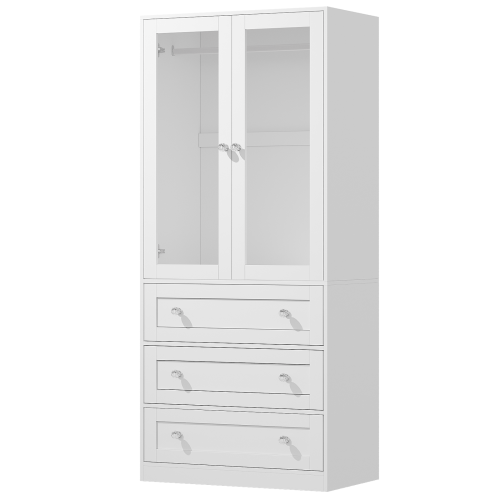
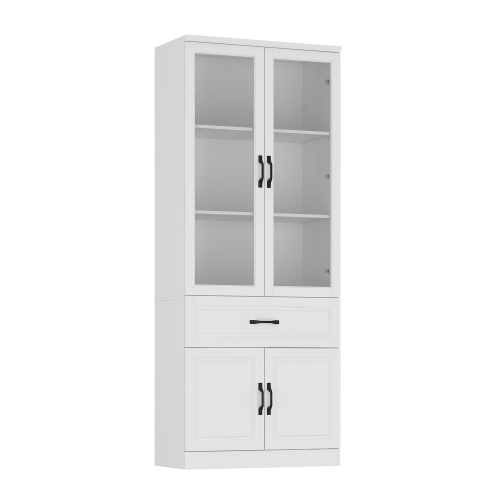
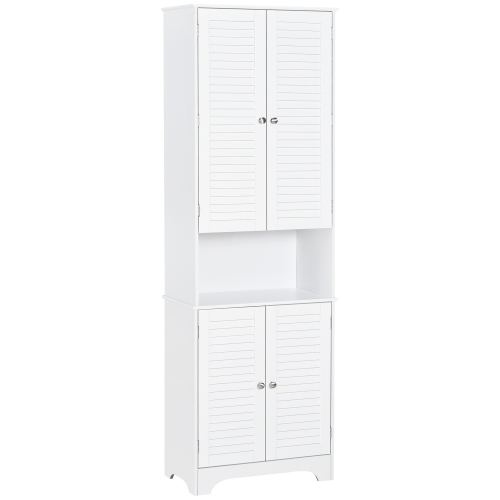
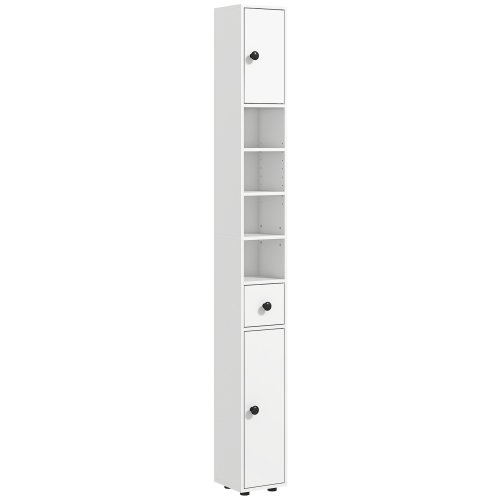

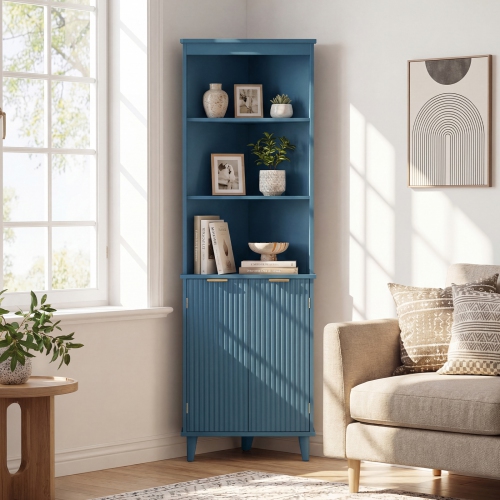
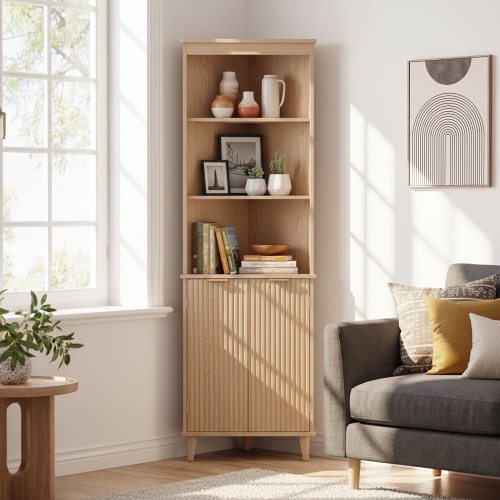
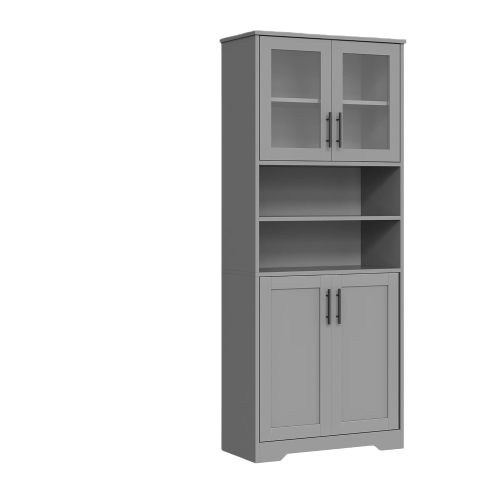

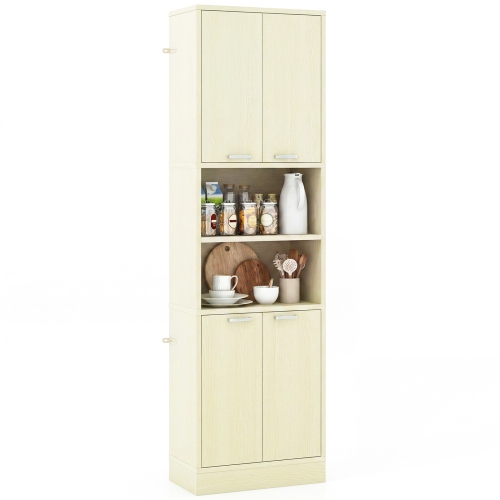

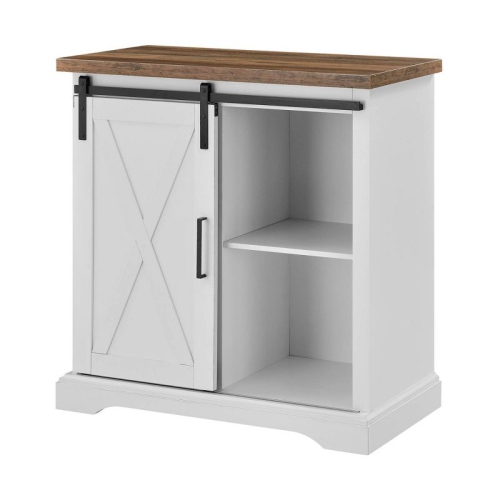
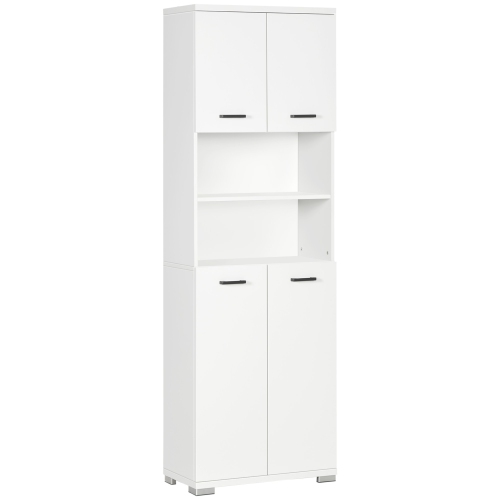


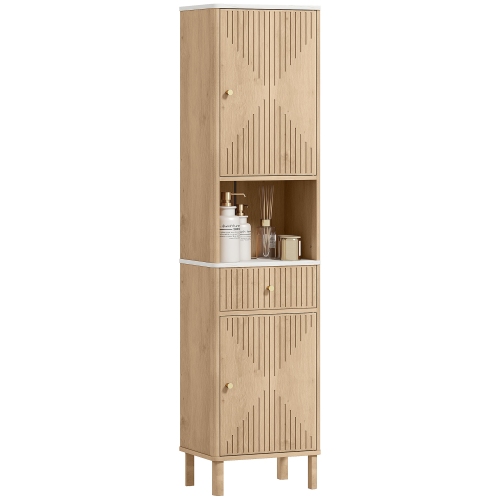
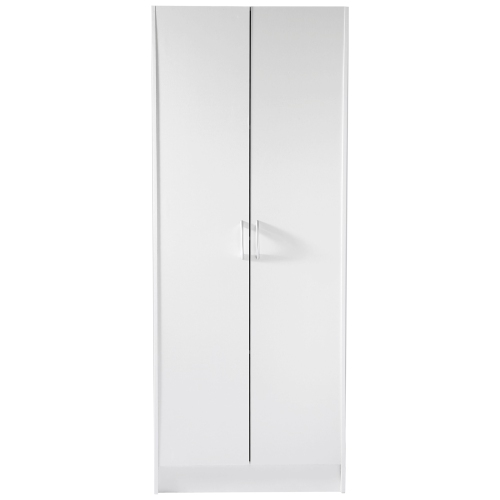

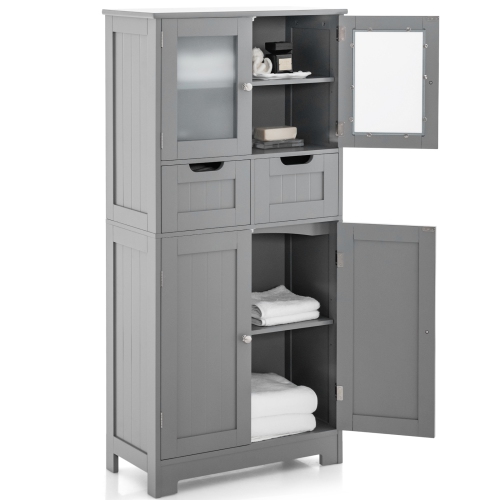
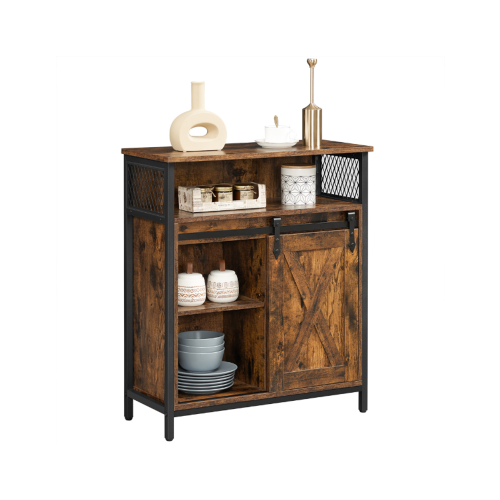
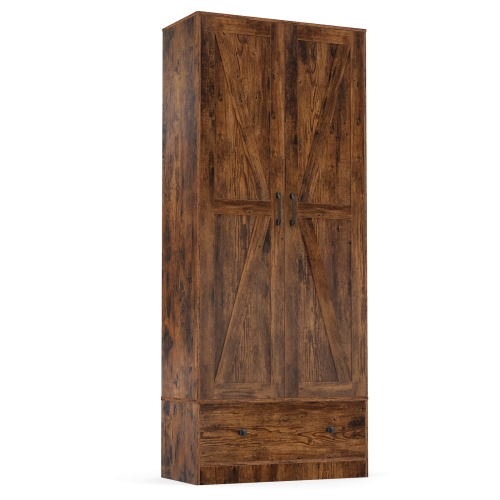
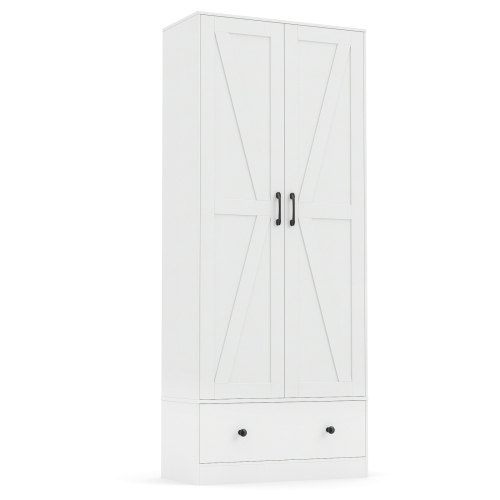
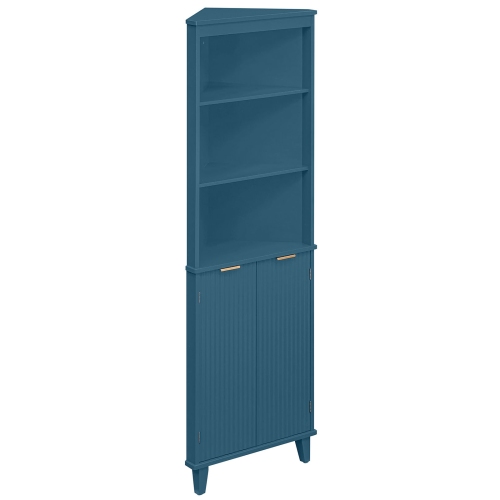
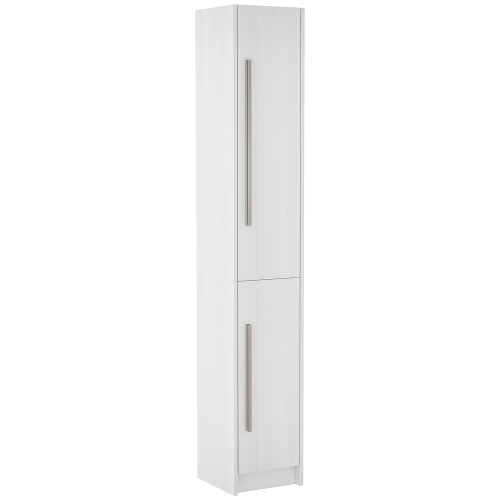
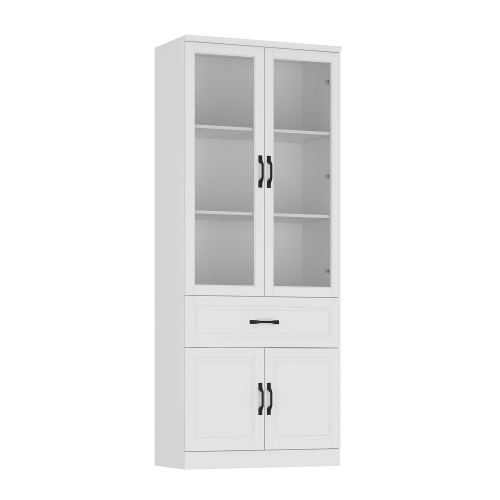
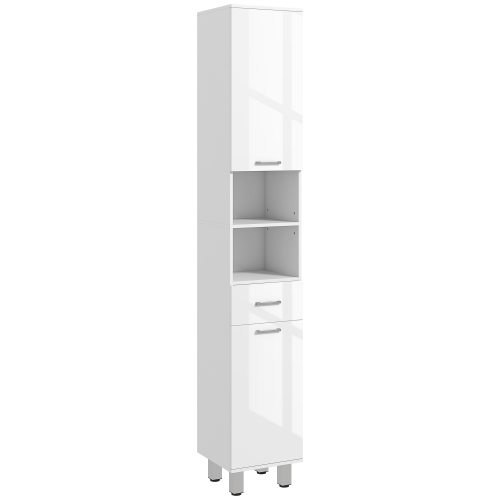

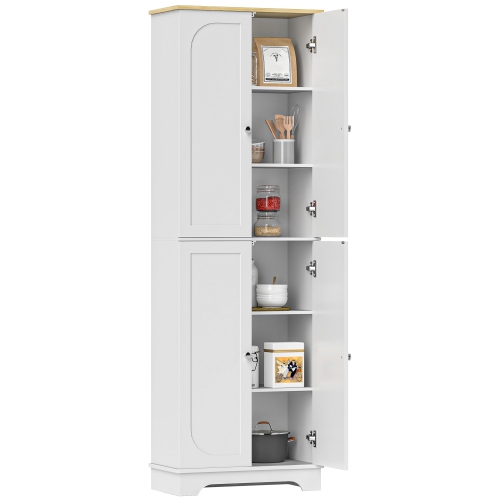
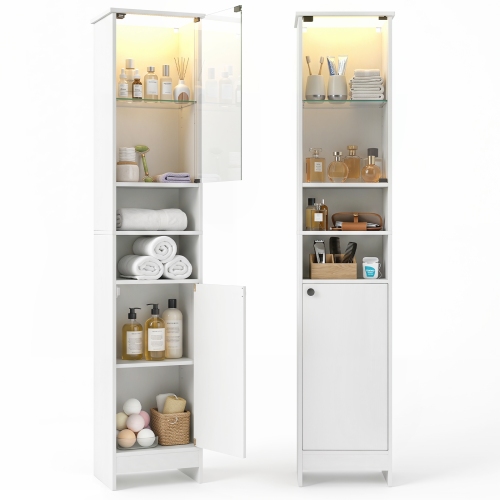
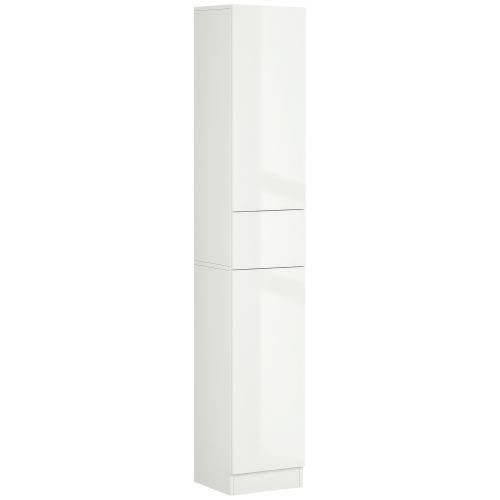

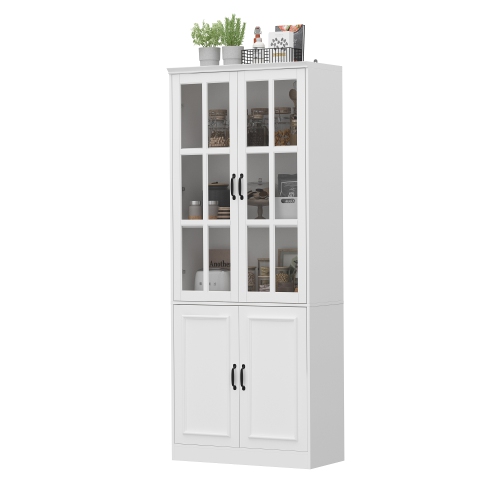
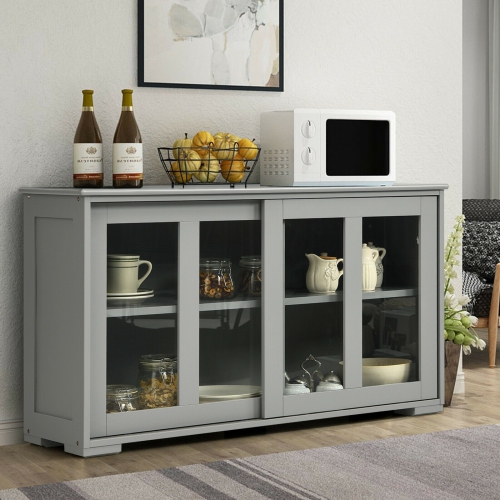


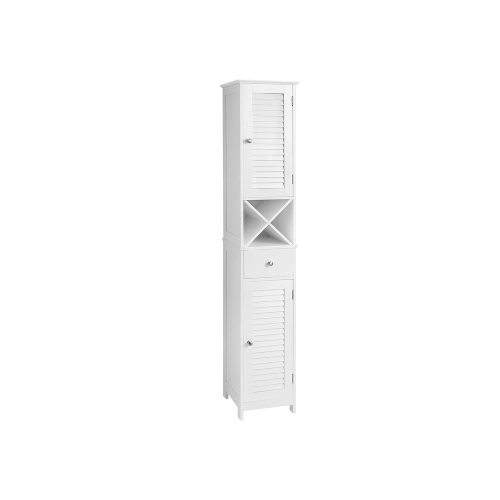
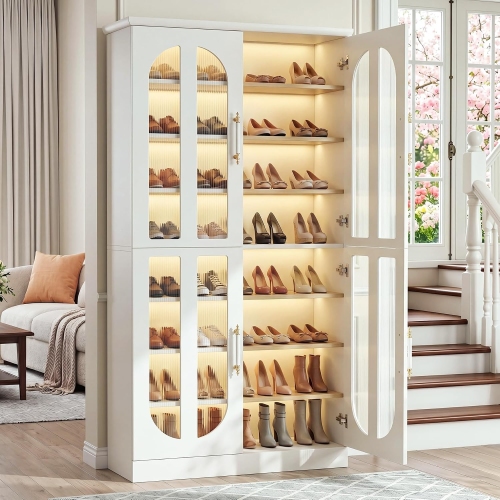
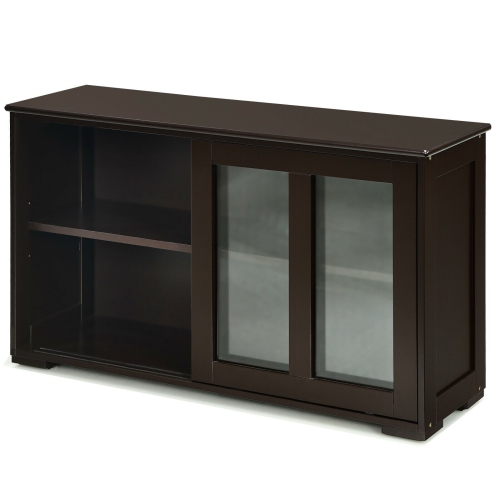
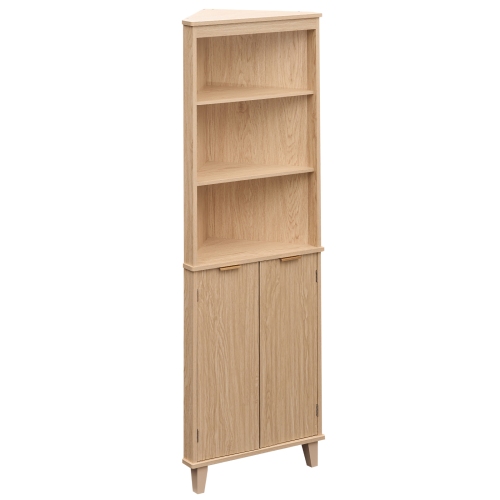
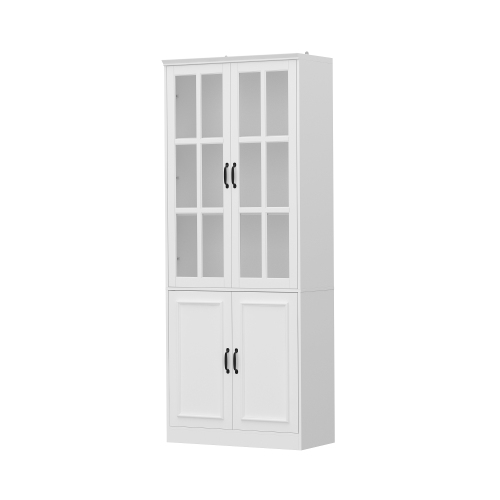

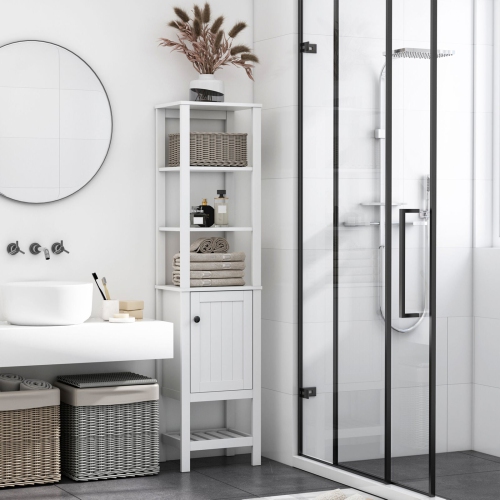
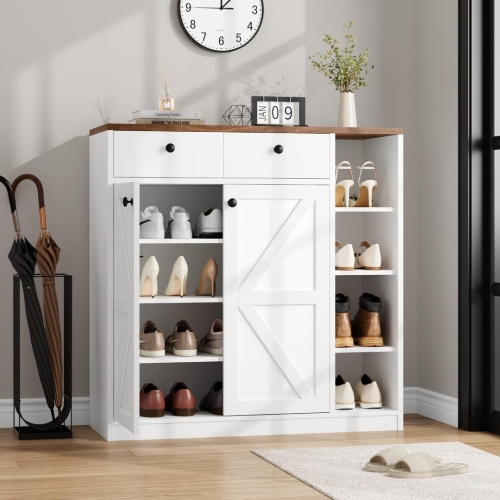
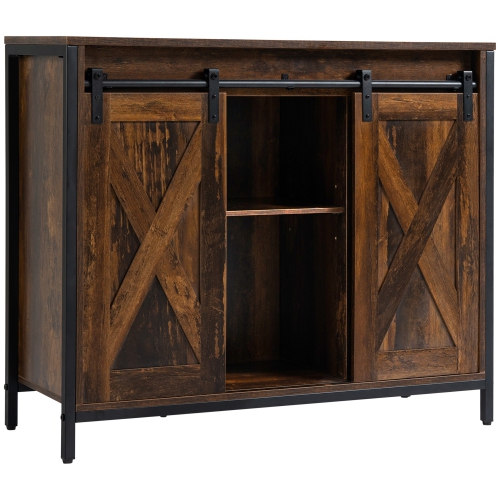

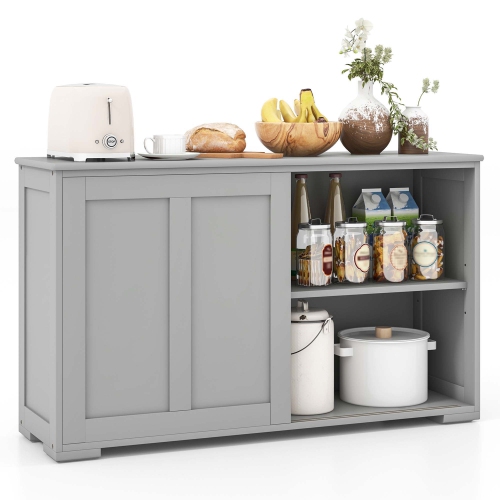
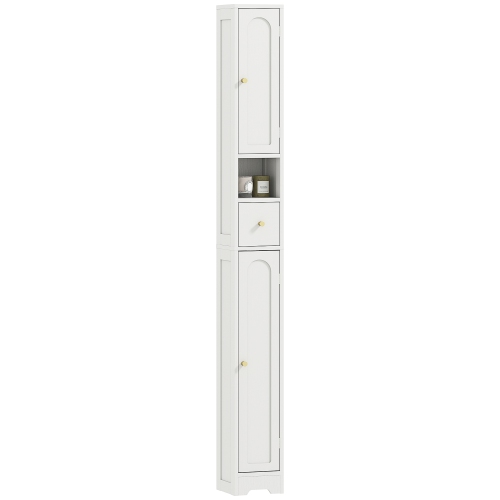
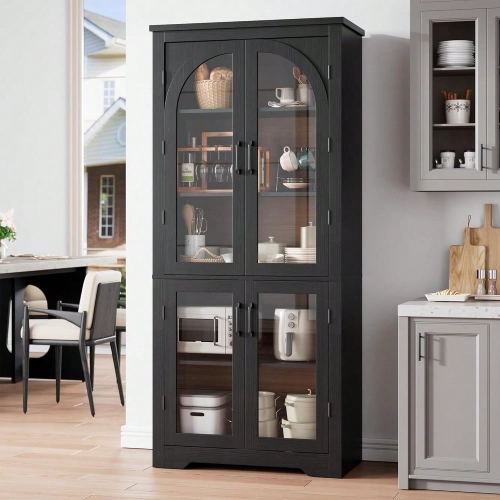
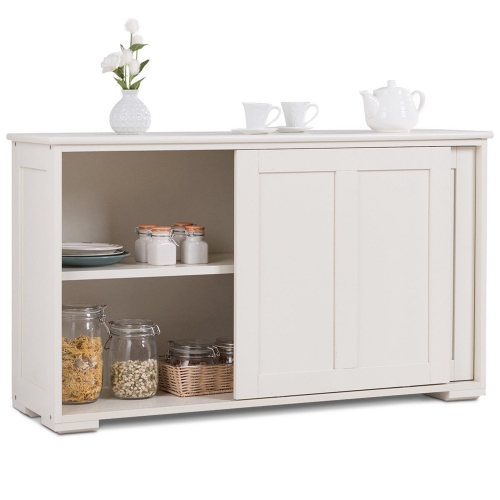
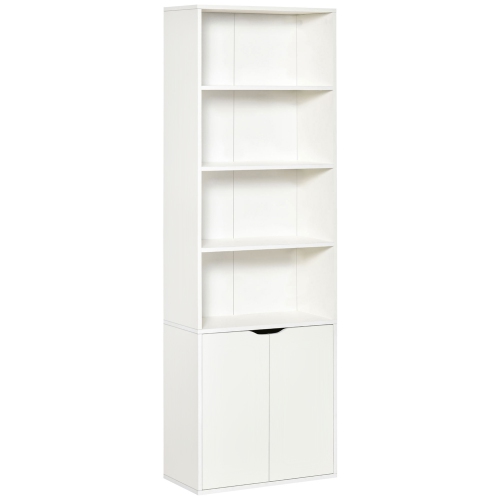

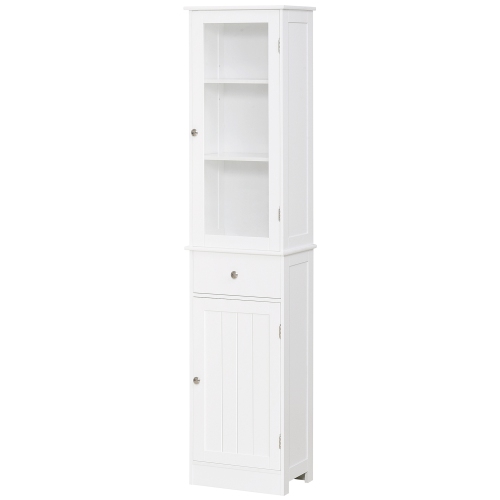
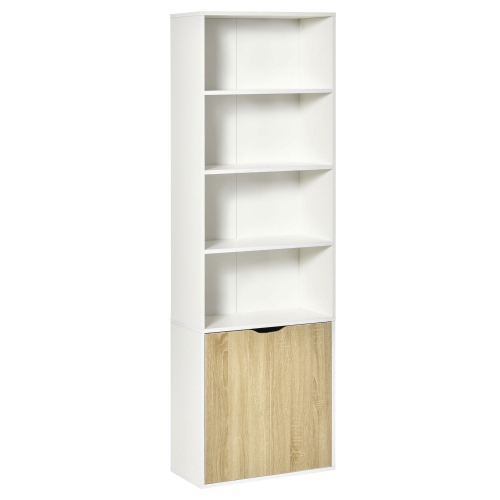


Vertical storage without doors swinging into your room
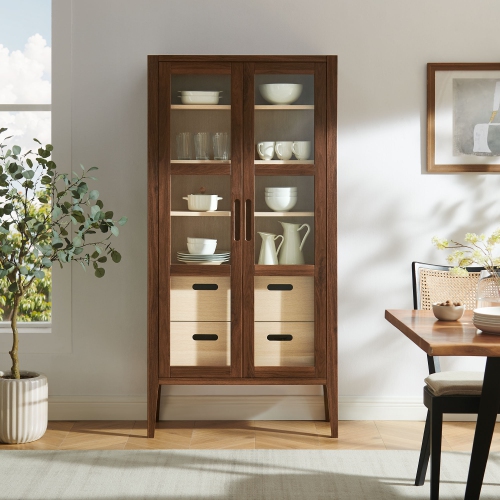
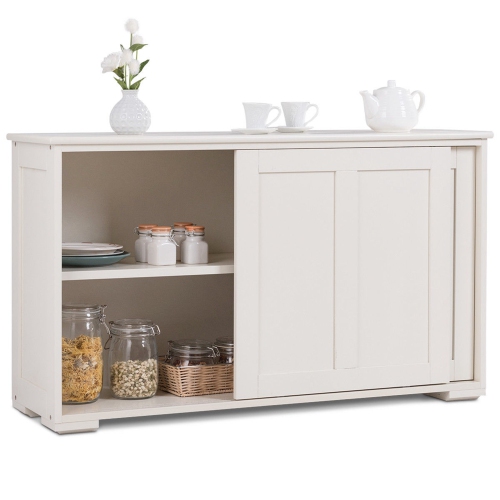
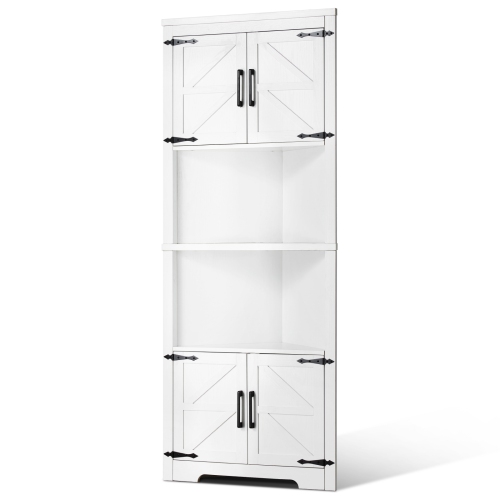
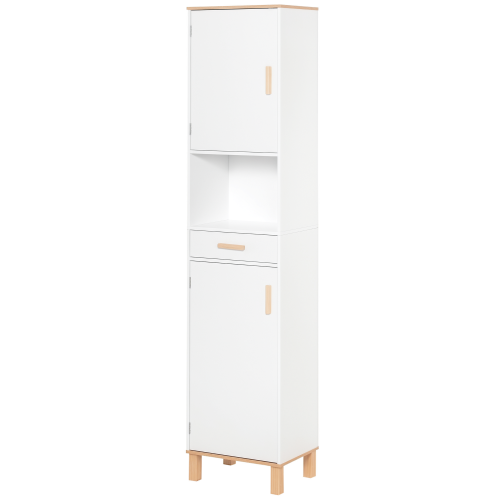
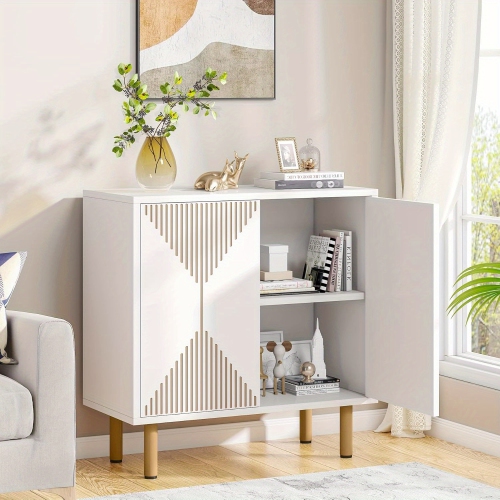
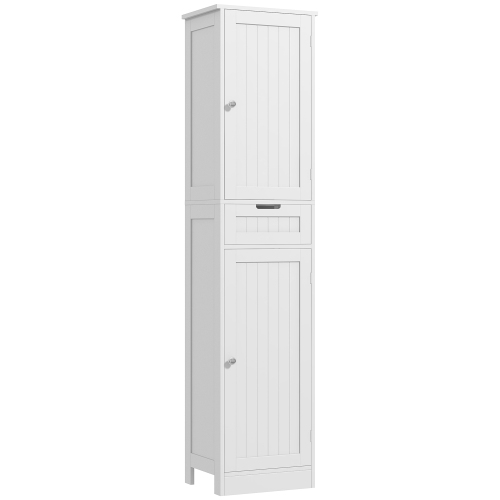
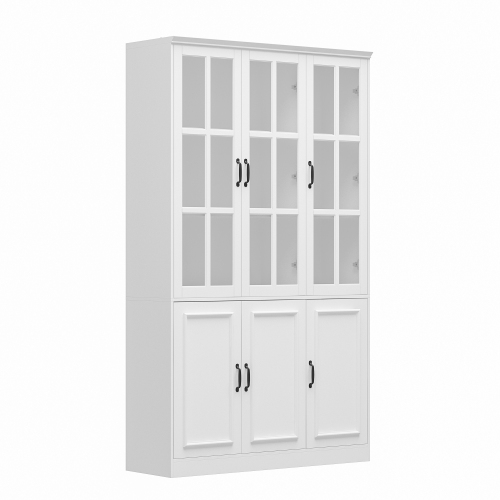
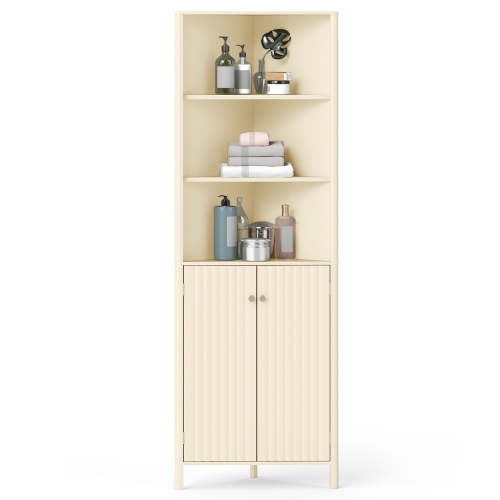
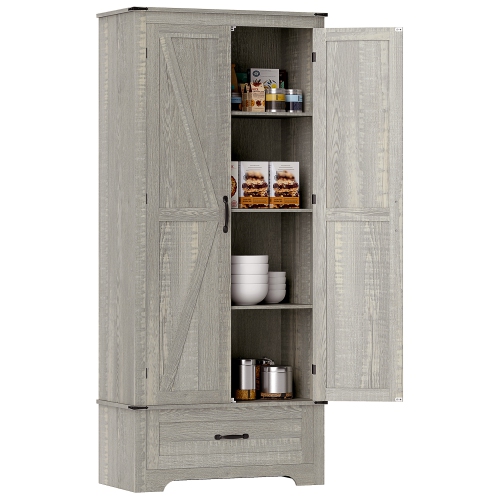
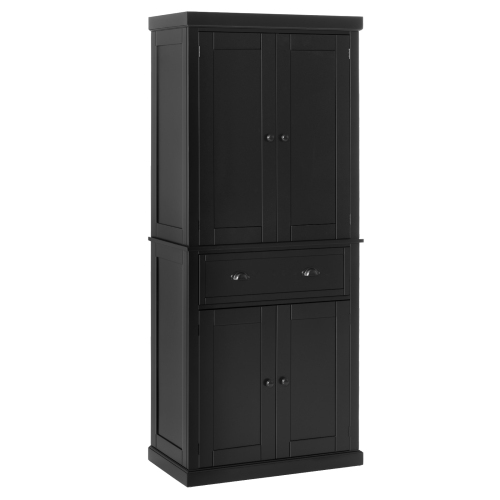
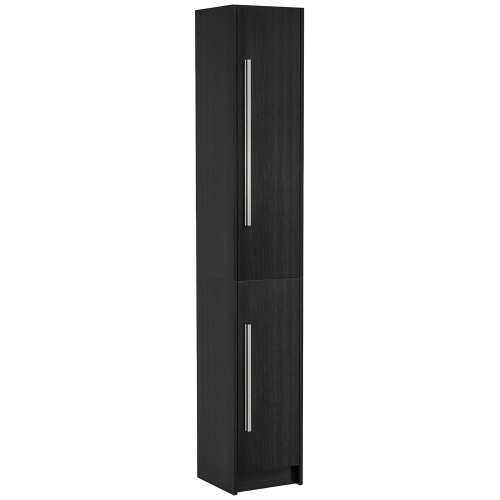
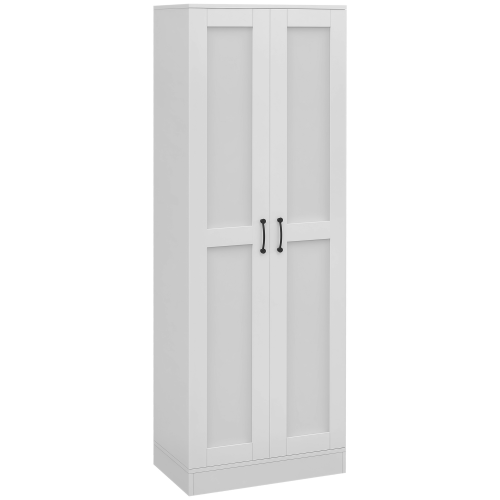
Tall cabinets with sliding doors combine vertical storage with door panels that move sideways rather than swinging into the room. That design can make a meaningful difference beside a dining table, across from a bed, or along a home office wall where an open hinged door would interrupt the space. The cabinet still needs adequate floor area and room for comfortable access, but its doors do not require the same outward clearance. By making use of wall height, a tall storage cabinet can bring books, table linens, paperwork, or household supplies together without the wider footprint of a low sideboard. Inside, adjustable shelves offer flexibility for objects of different heights, while fixed shelves provide a set arrangement that may suit neatly folded linens or regularly sized storage bins. Sliding doors also let the front serve different purposes: solid panels conceal everyday clutter, glass panels keep collections visible, and designs combining open and closed sections provide space for both display and tucked-away storage. The way the panels overlap matters as much as their appearance. Many sliding-door cabinets expose only part of the interior at a time, so the accessible opening may be narrower than the cabinet itself. A wide serving tray or storage basket needs to fit through that opening, not simply sit within the interior dimensions. In a dining area, keeping frequently used dishes behind one panel and occasional-use linens behind another can make this layout feel natural. In a shared workspace, separate shelf sections can help divide stationery, reference materials, and personal belongings. Tall cabinets are useful for households that need more organized storage without adding several smaller pieces of furniture, though the best fit depends on what needs storing and how often it is reached. Everyday essentials belong within comfortable reach; upper shelves are better suited to lightweight belongings used less often, with heavier objects positioned lower down in accordance with the cabinet’s load limits.
Materials and construction influence how a tall cabinet looks, feels, and holds up to regular use. Solid wood brings natural grain and variation, while wood veneer offers a real-wood surface over a supporting core. Engineered wood with a laminate or other applied finish can provide a consistent colour and a smooth surface that is straightforward to wipe down, provided care follows the manufacturer’s directions. Metal cabinets have a different character, often fitting well in utility spaces or work areas, though their suitability depends on the finish and intended use. Glass doors can make a tall piece look less visually solid and allow favourite objects to remain visible behind closed panels. Where glass is included, the specifications should identify its type and any particular handling requirements. Regardless of the outer material, durability also depends on the shelf supports, joints, back panel, hardware, and quality of assembly. Shelf thickness and rated capacity deserve attention when the cabinet will hold books, dishes, or other dense belongings; a shelf intended for light display should not be assumed to support a row of heavy binders. Sliding hardware is another important detail because the doors are a moving part used repeatedly. Properly aligned tracks and correctly fitted rollers help panels travel as intended, while stops or guides help control their movement. Soft-close hardware, where included, can reduce abrupt closing, but it does not replace careful handling or keeping fingers clear of the panel edges. Style choices range from simple flat fronts and recessed pulls to framed glass panels and barn-style doors with visible hardware. A pale finish may blend into a light-coloured wall, while a darker wood tone can give the cabinet a stronger presence beside upholstered furniture. Barn-style hardware can project beyond the cabinet front or require lateral clearance, depending on the design, so its full dimensions matter. Handles, rails, and decorative trim should be considered part of the furniture’s usable footprint rather than treated as purely visual details.
A good fit starts with the cabinet’s overall height, width, and depth, followed by the dimensions of the shelves and door opening. Baseboards can prevent the back from sitting flush against a wall, and nearby outlets, switches, vents, or door trim may affect placement. Allow space to stand in front of the cabinet, slide the panels, and remove belongings without scraping nearby furniture. A hallway installation still needs to leave a clear passage, even though the doors do not swing outward. For rooms where cabinet width is the main constraint, Tall Narrow Cabinets With Doors offers a related storage category, with door style and opening clearance remaining important points of comparison. Delivery and assembly access also deserve a little planning: a tall cabinet must pass through the necessary doorways and turns, and some designs require extra clearance to assemble flat before being raised upright. Once positioned, a tall unit should be level and secured against tipping as directed by the manufacturer, using appropriate hardware for the wall construction. Sliding doors avoid an outward-swinging panel, but they do not remove tipping risks or the need to keep children from climbing shelves. Care is generally easier when it becomes part of the room’s regular routine. Dust shelves and door surfaces with a soft cloth, remove debris from accessible tracks, and clean spills promptly using methods suited to the finish. Avoid soaking panel edges or applying abrasive cleaners unless the care instructions permit them, and use lubricant only if the hardware instructions recommend it. Glass panels may need a suitable cleaner applied to a cloth rather than sprayed towards surrounding wood or tracks. In kitchens, bathrooms, or utility rooms, choose a cabinet specifically suited to the conditions and keep it clear of direct splashes unless designed for that exposure. With the right proportions, shelf arrangement, and door mechanism, a tall sliding-door cabinet can turn an awkward stretch of wall into useful storage while keeping the room comfortable to move through.
Top selling and popular products
-
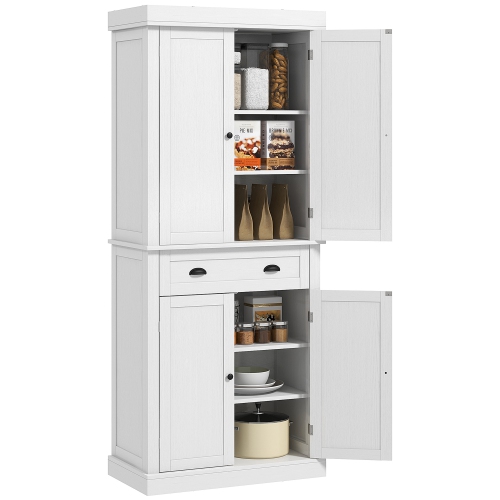 Your price for this item is $274.99
-
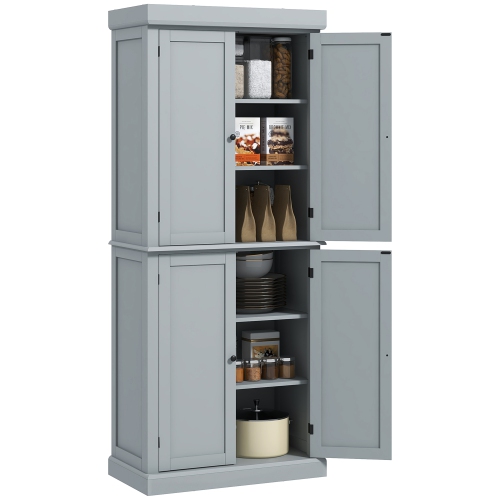 Your price for this item is $299.99
-
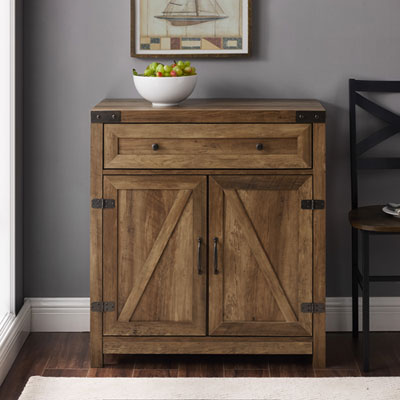 Your price for this item is $401.99
-
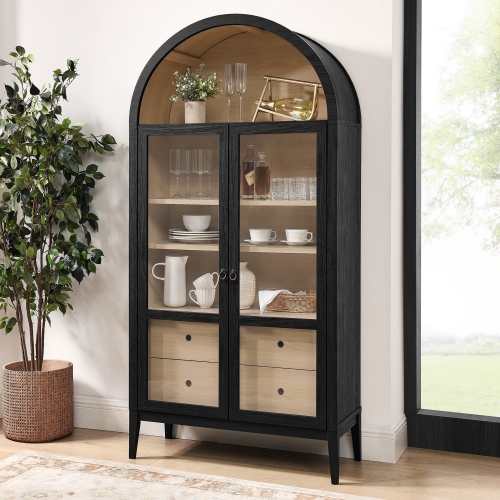 Your price for this item is $1155.71
-
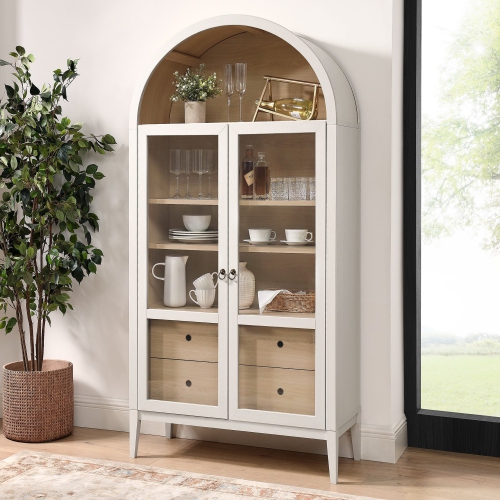 Your price for this item is $1155.71
-
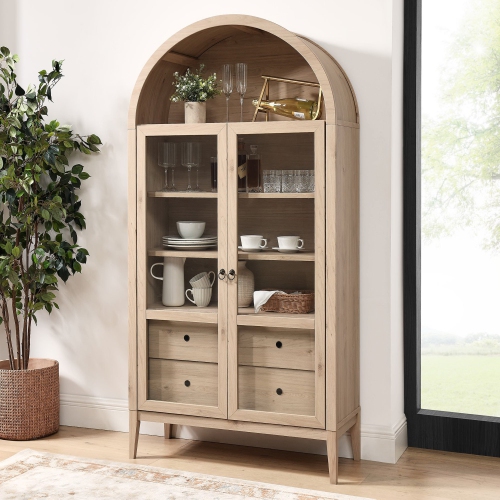 Your price for this item is $1155.71
-
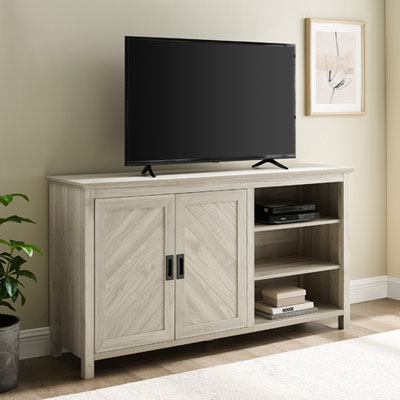 Your price for this item is $593.99
-
 Your price for this item is $144.99
Discover more categories related to Tall Cabinets With Sliding Doors
Top Collections:
Pokemon Centers, Best Cameras for Sports Photography, Kindle Devices, Samsung Galaxy Phones, Canon G7X Cameras, Pokémon 30th Celebration Cards, Refurbished Apple Laptops, iPhone 15 Apple, Laptops for Students, Budget Smartphones
Some products may be subject to Environmental Handling Fees
(EHF) depending on your province.
Learn more about EHFs.