Tall Cabinets for Laundry Room
If you have a small laundry room, you may be looking for ways to maximize your space. One way to do this is by using tall cabinets to store laundry supplies. These cabinets can help you save space while keeping your laundry area organized. Here are some of our favorites.
Sort
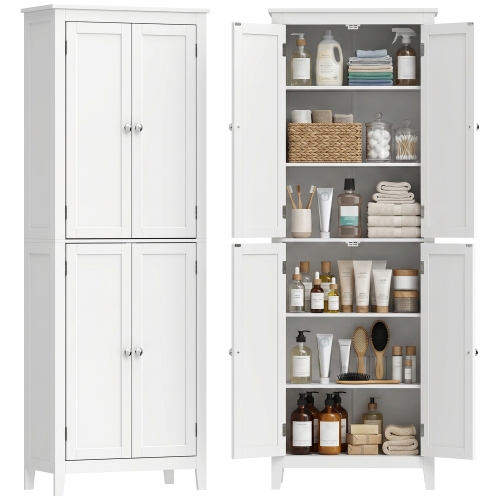
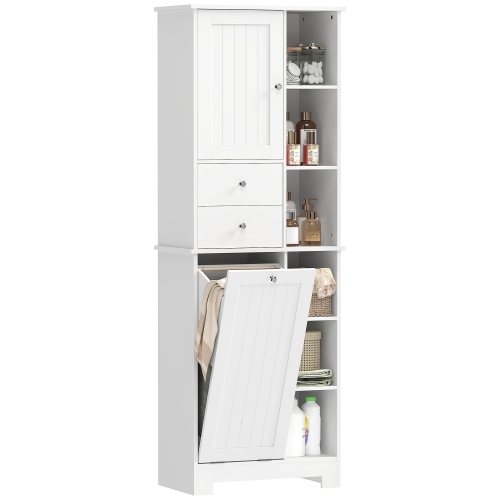
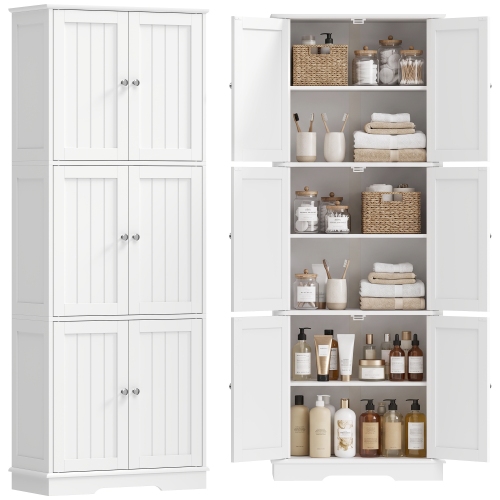
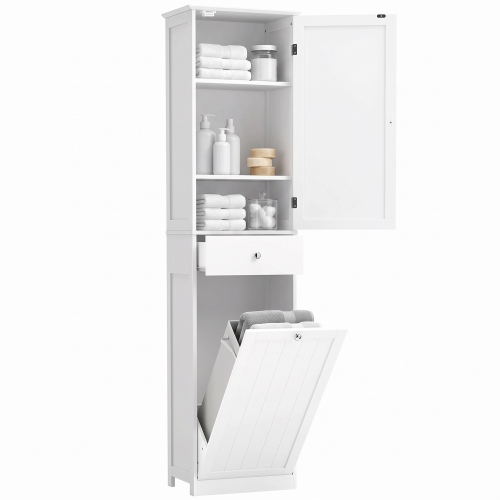
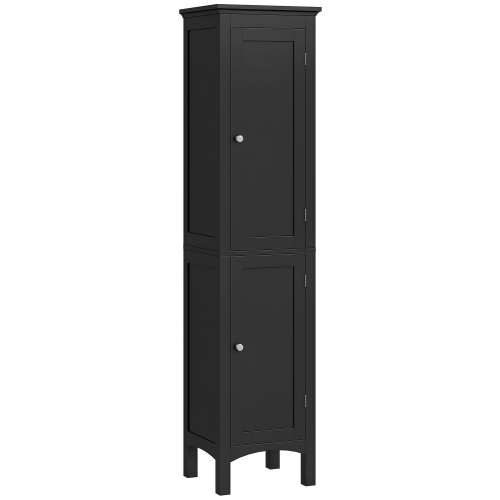
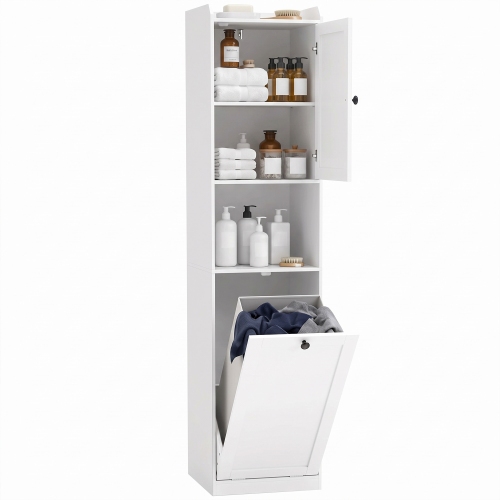
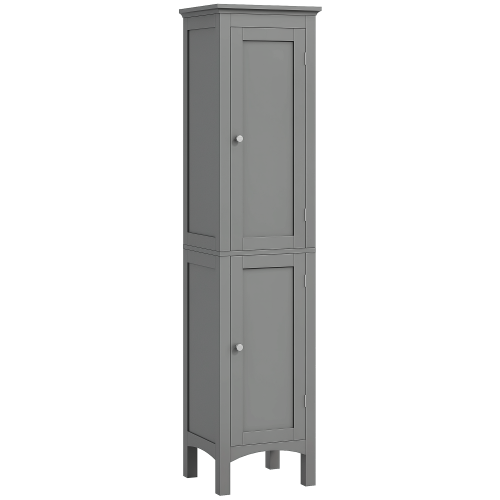
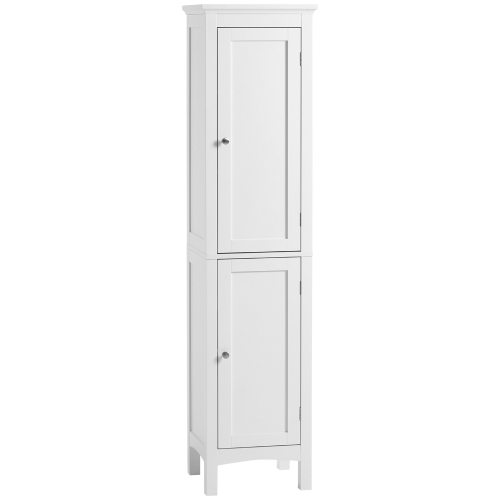
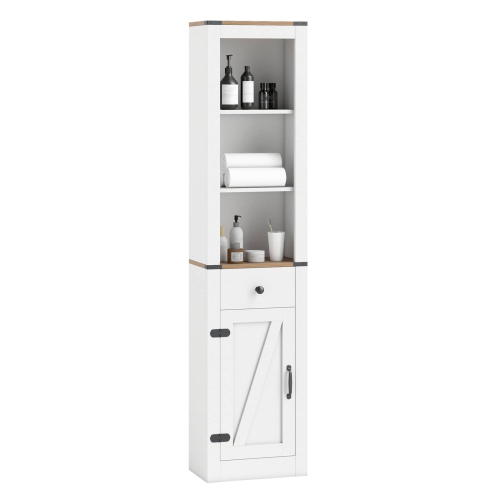
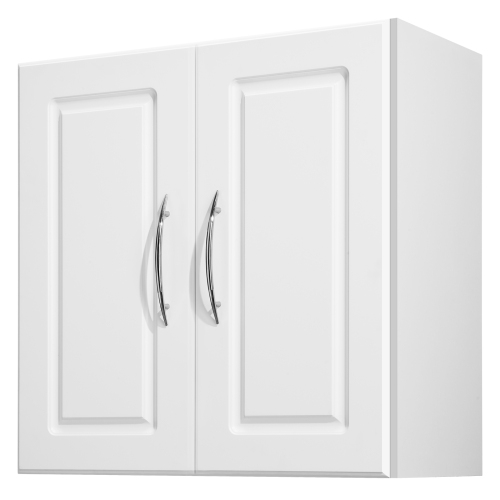
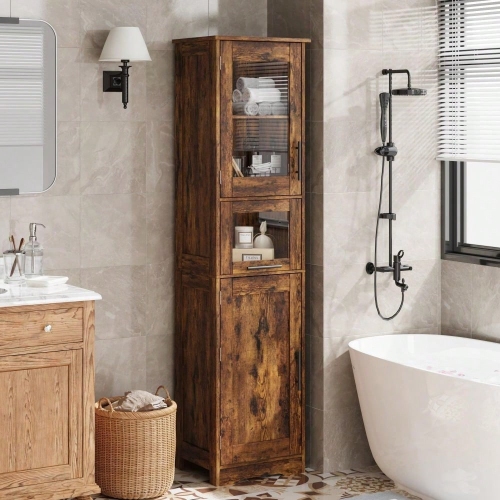
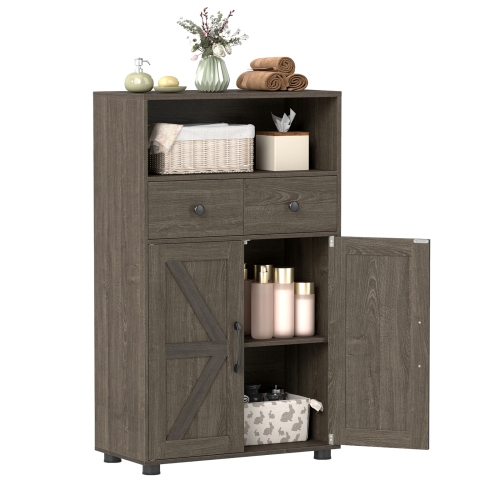
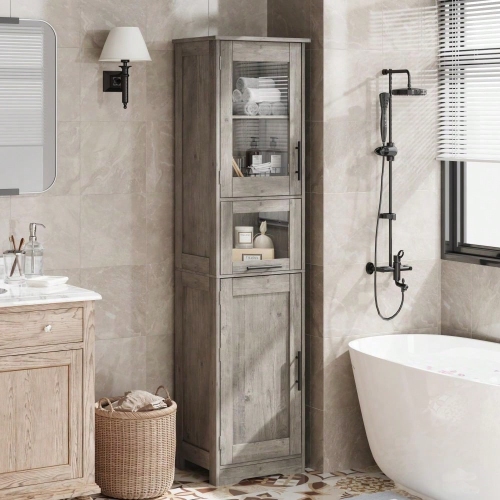
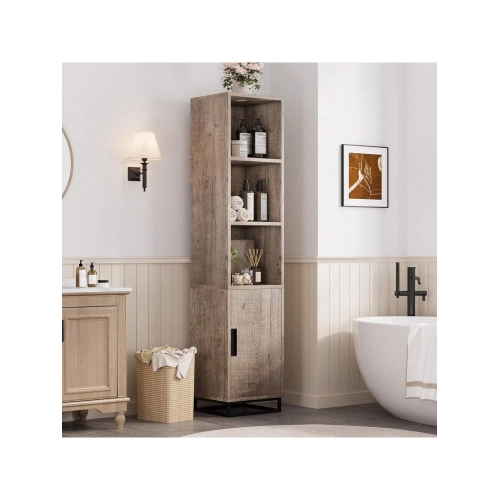
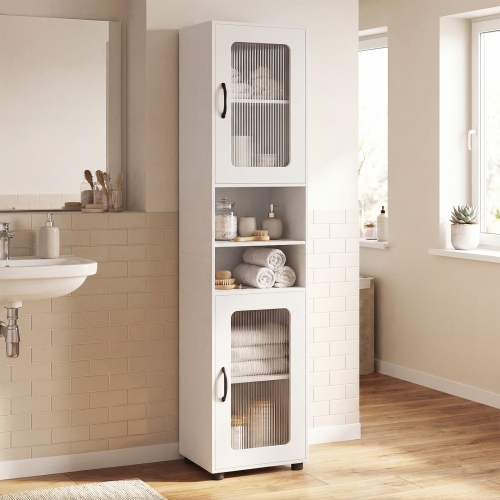
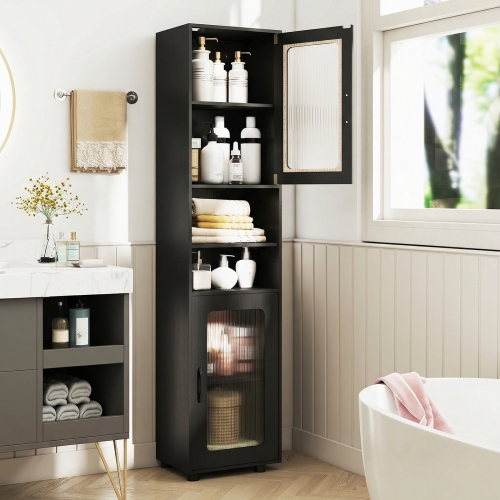
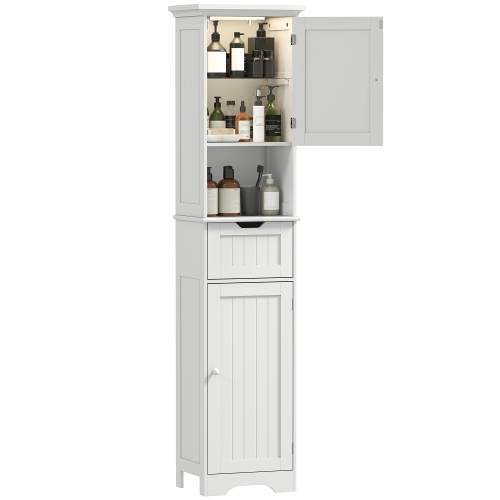

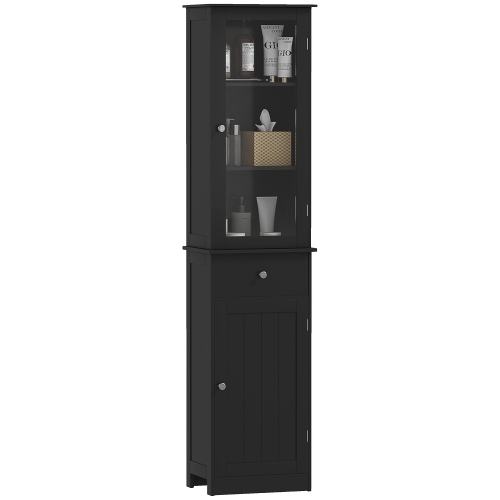
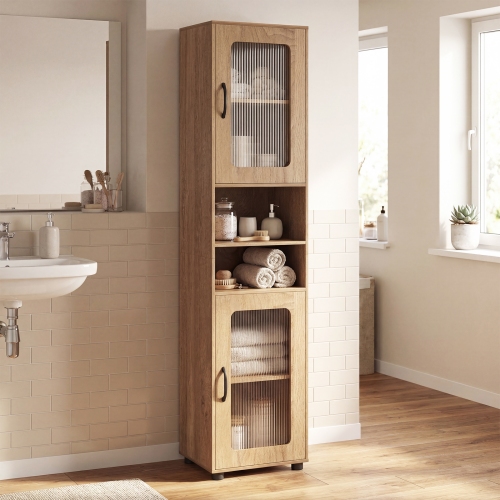
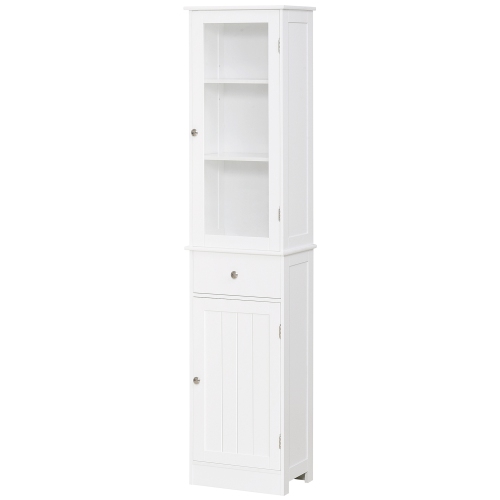
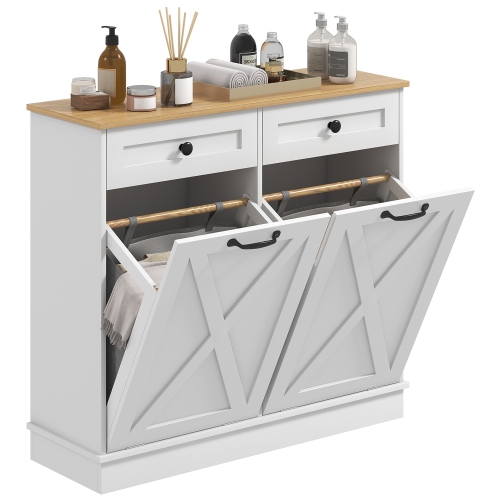
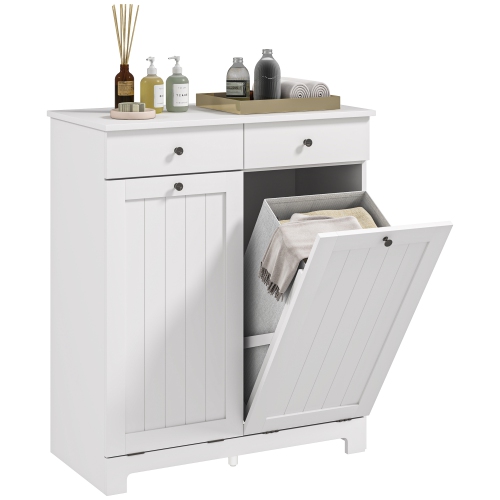
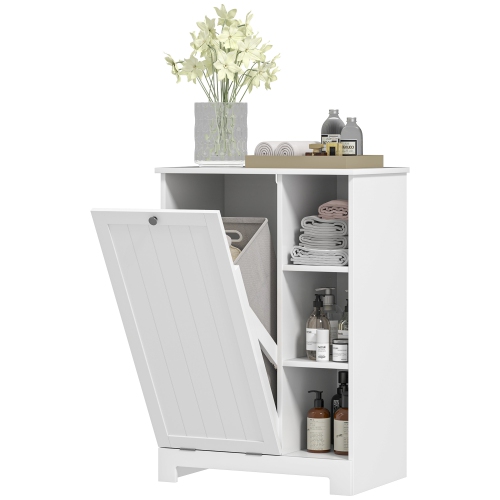
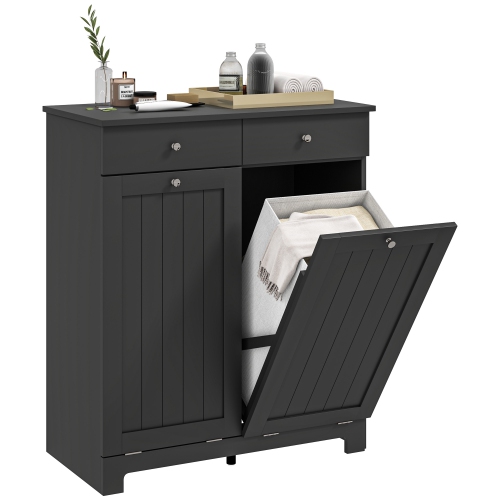
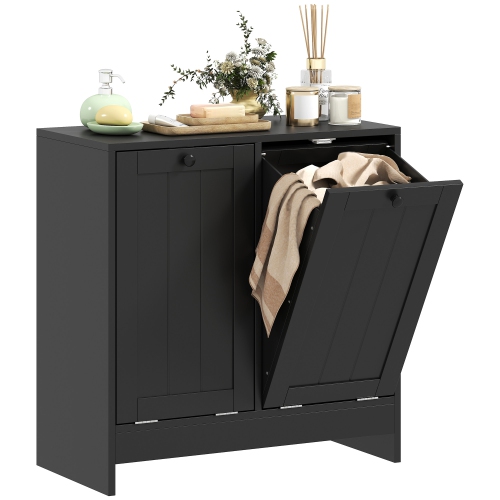
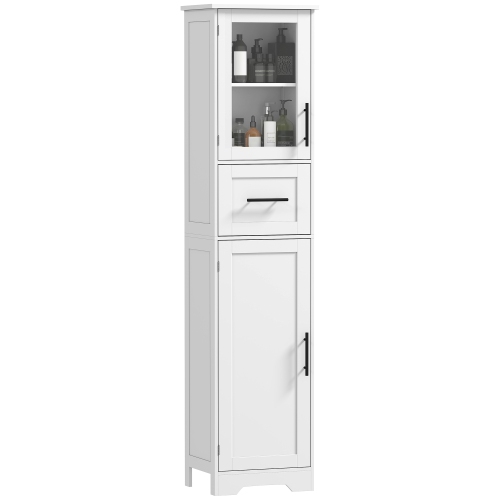
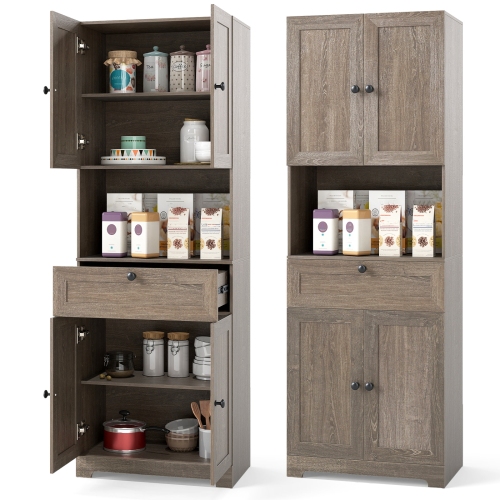
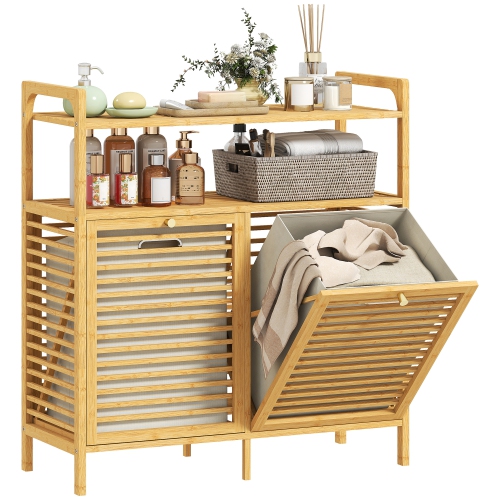
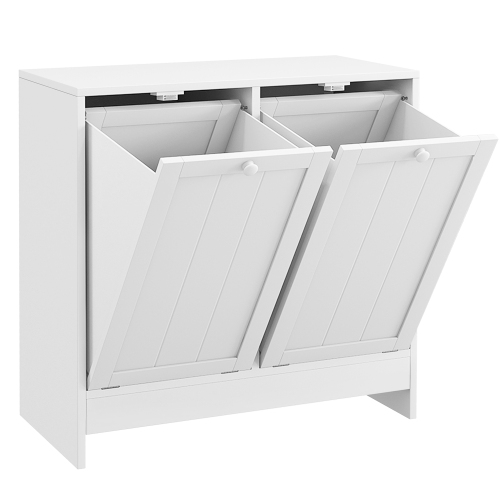
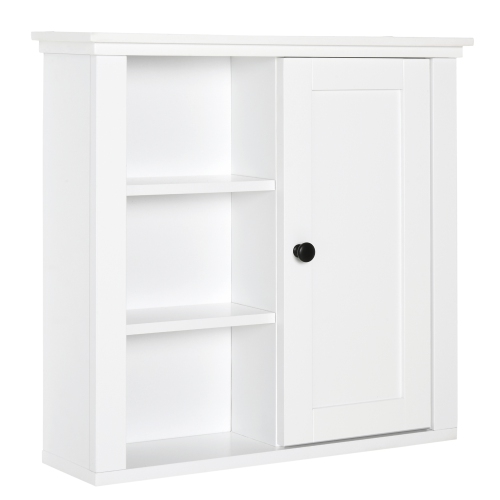
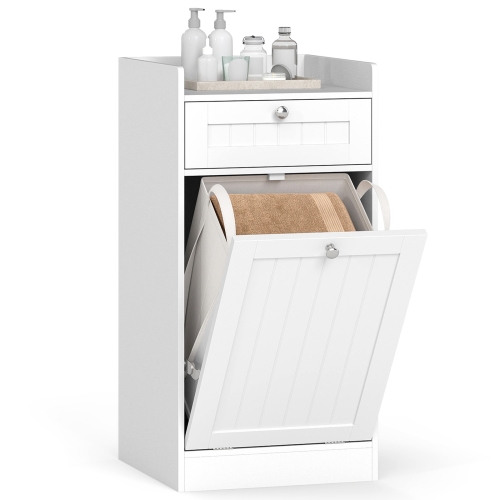
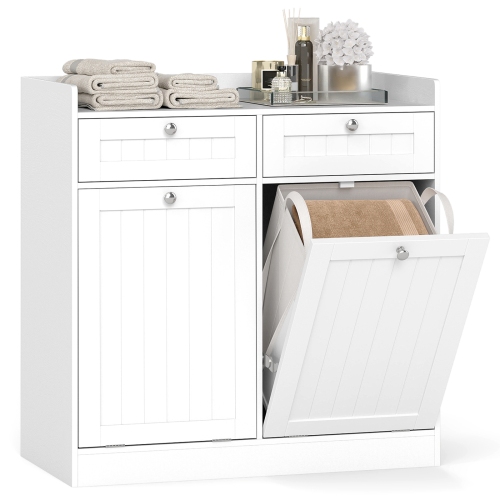

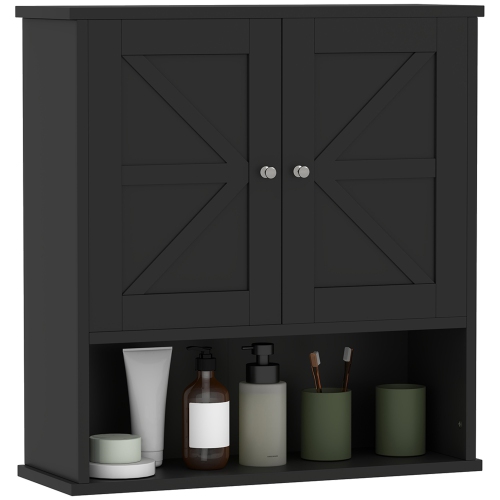
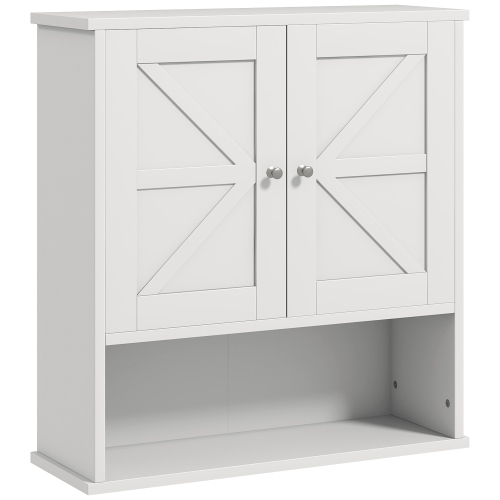
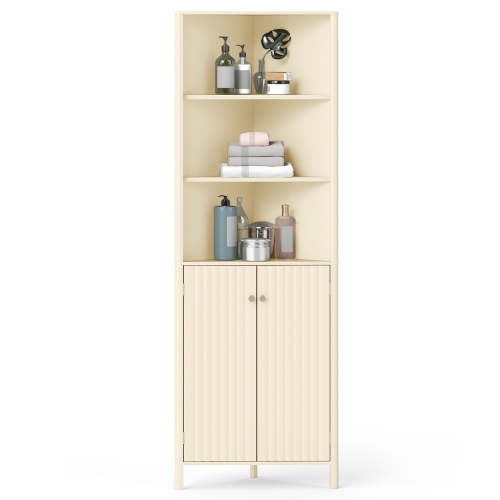
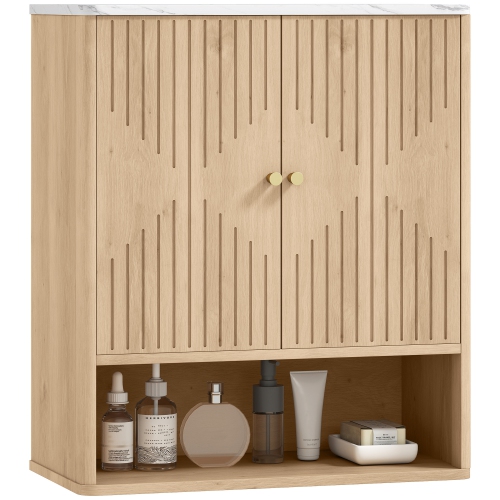
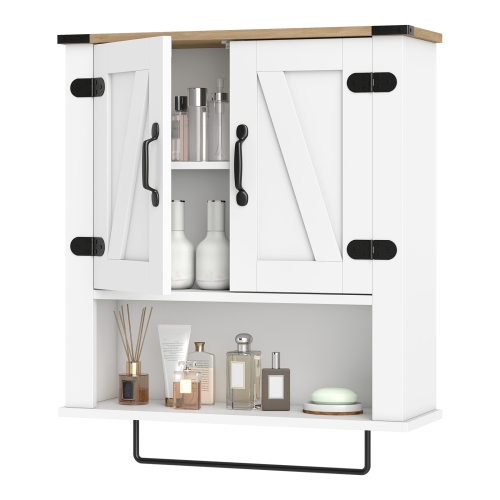
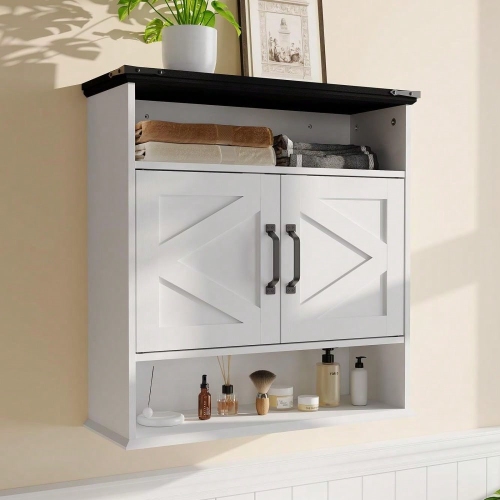
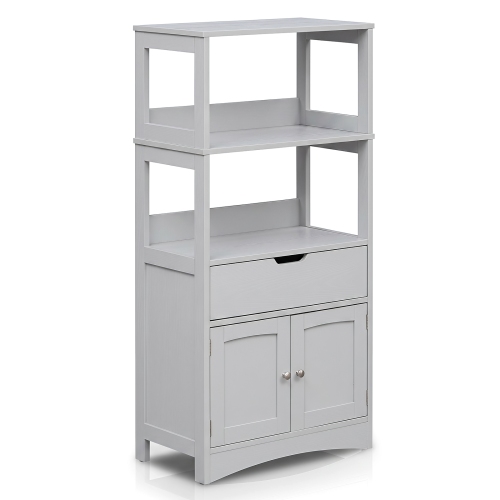
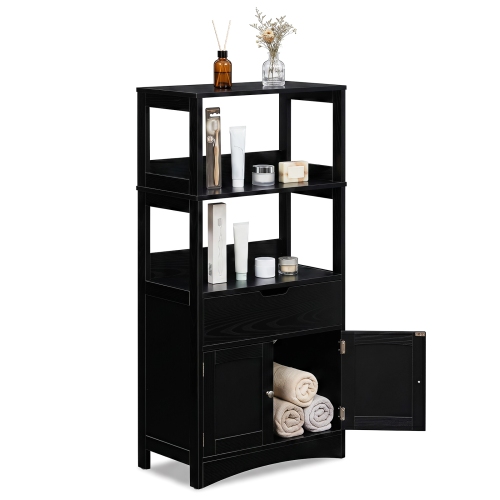
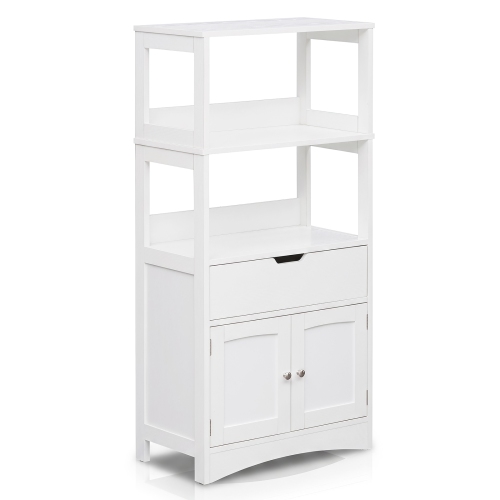
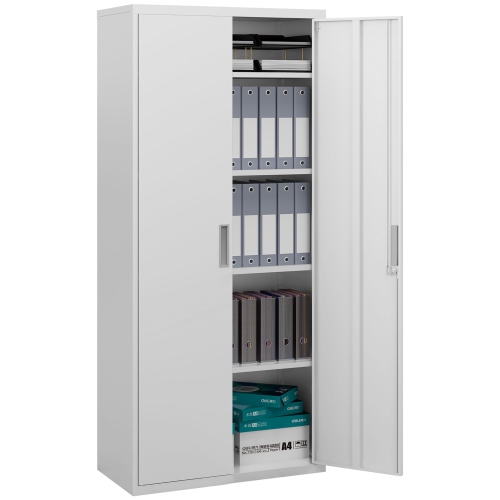
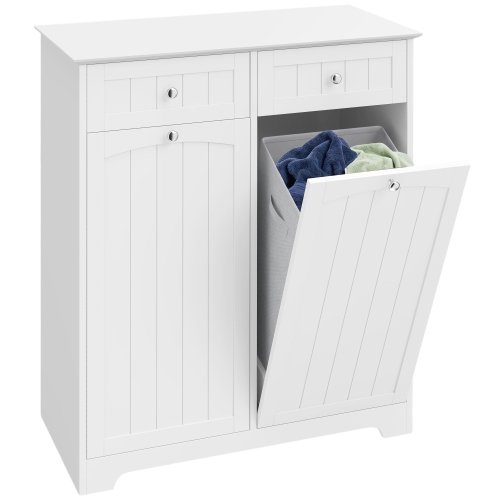
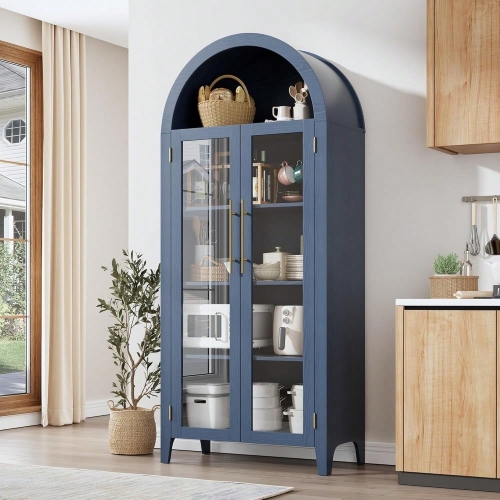
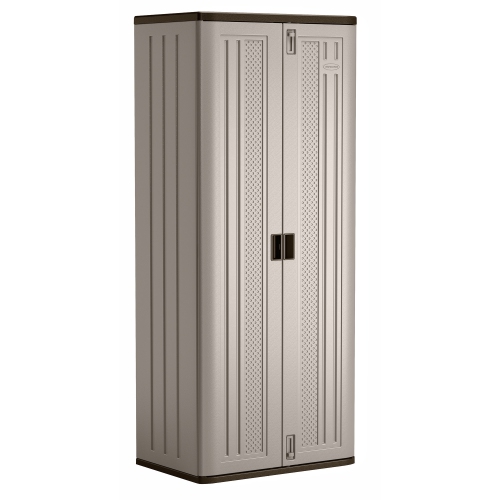
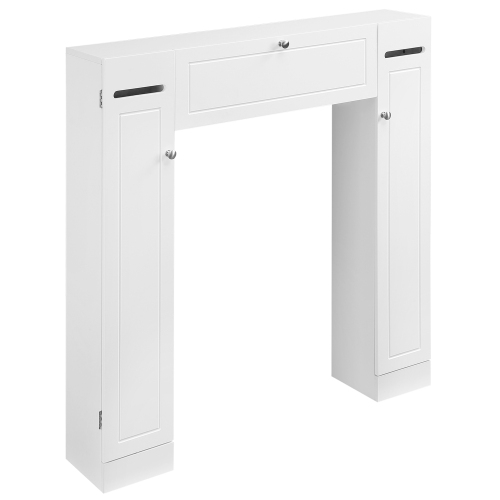
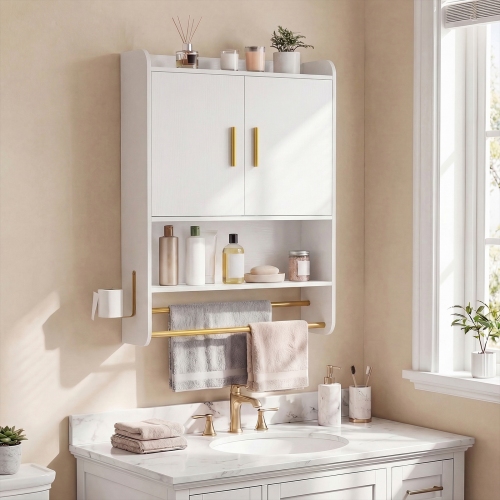
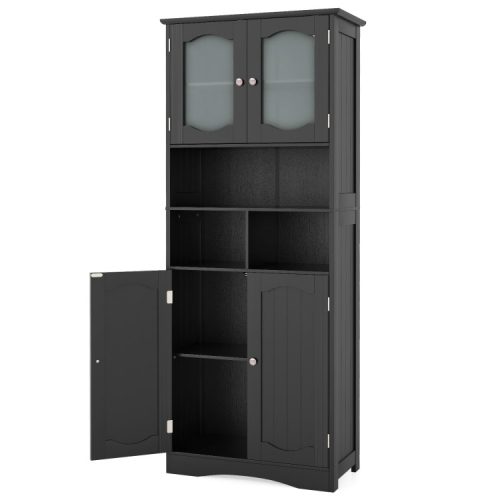
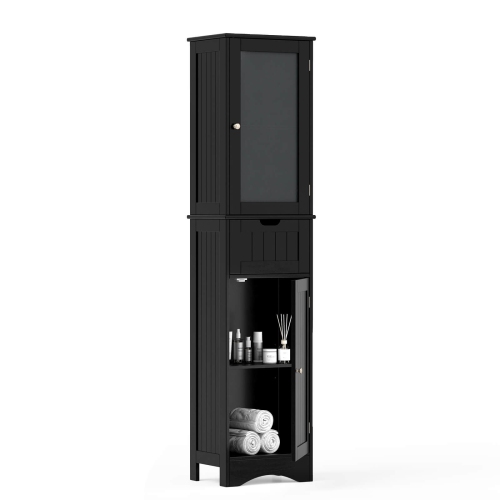
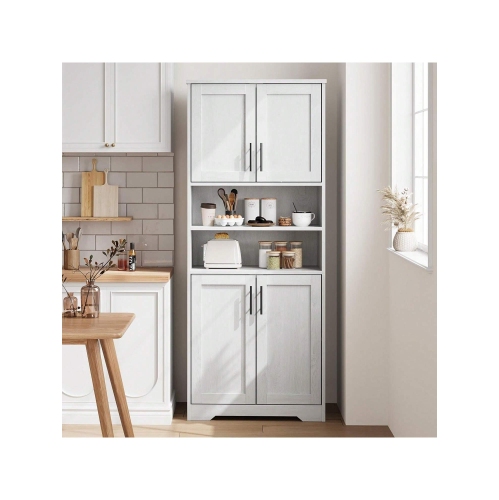
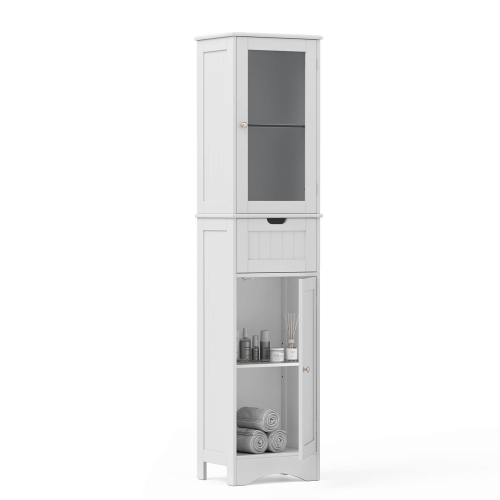
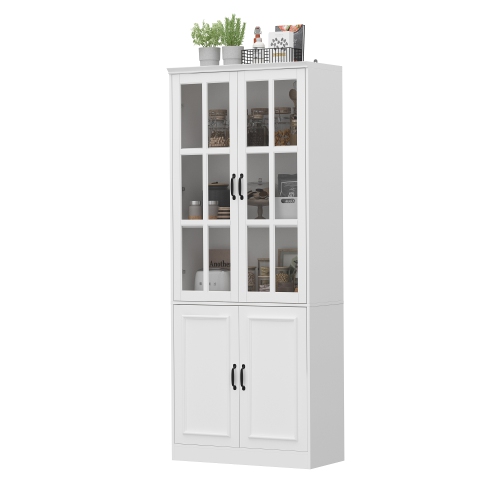
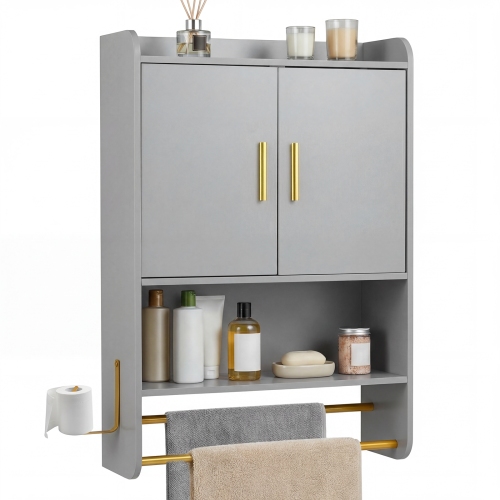
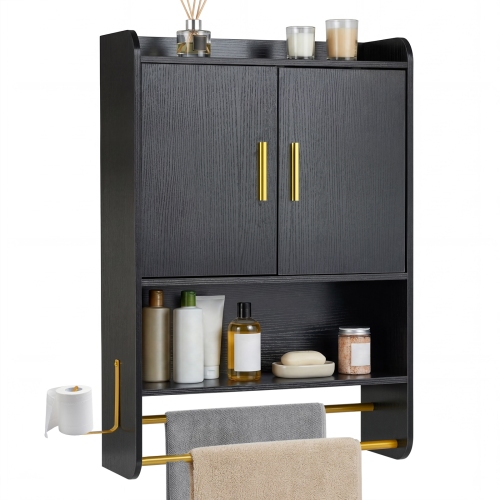
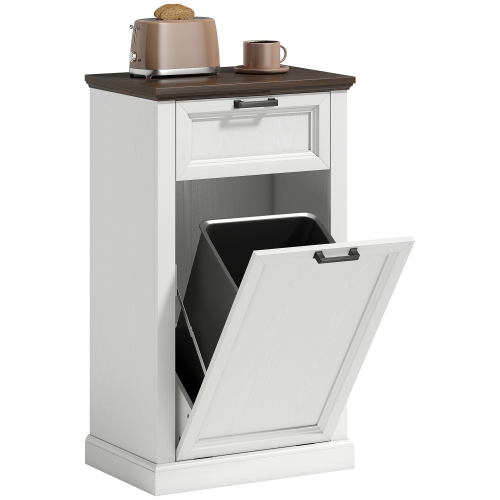
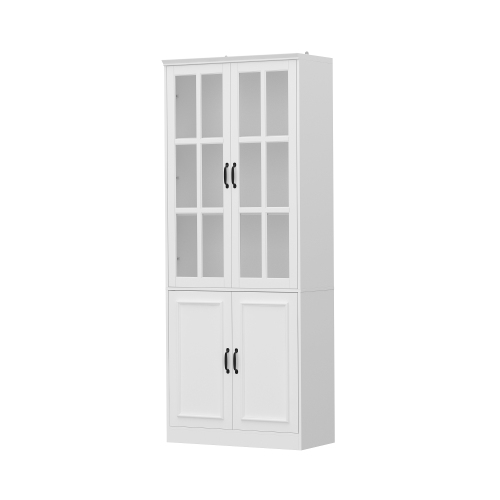
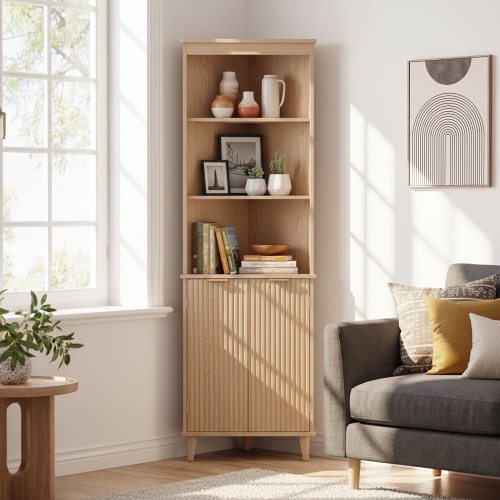
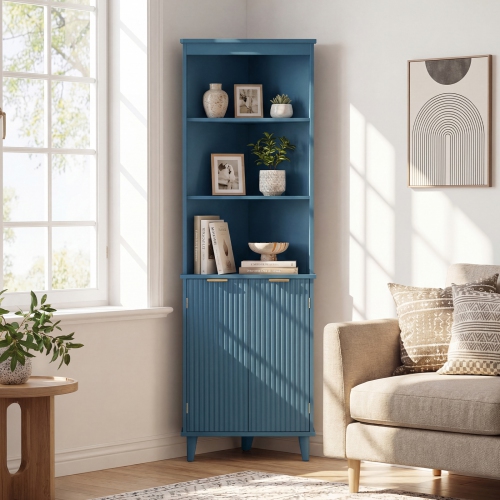
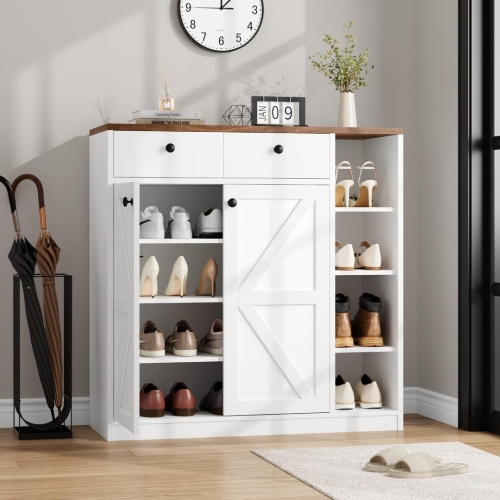
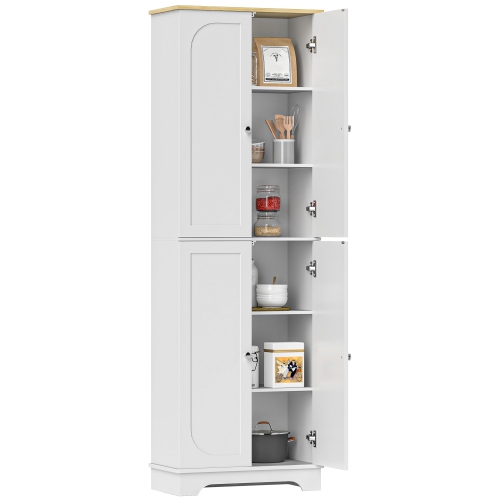
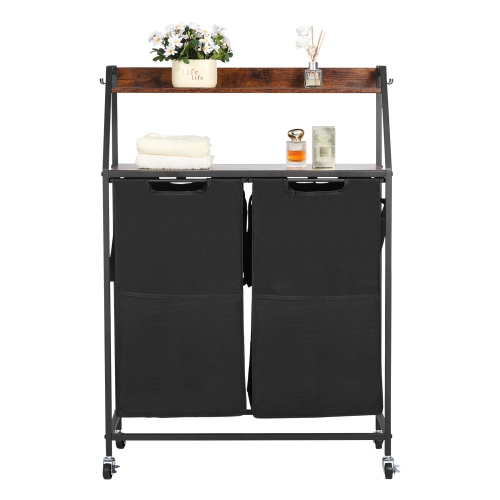
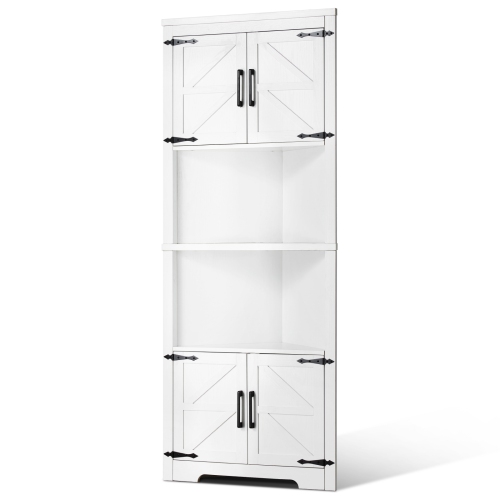
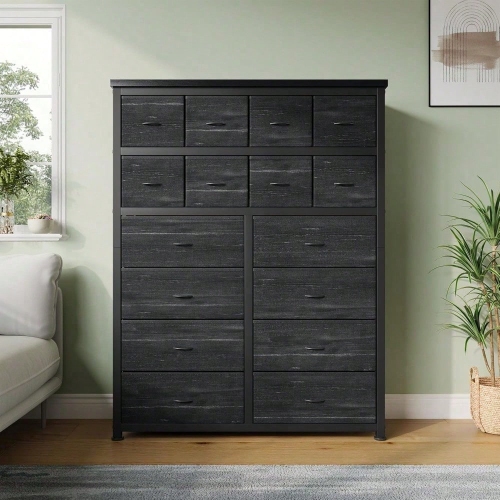
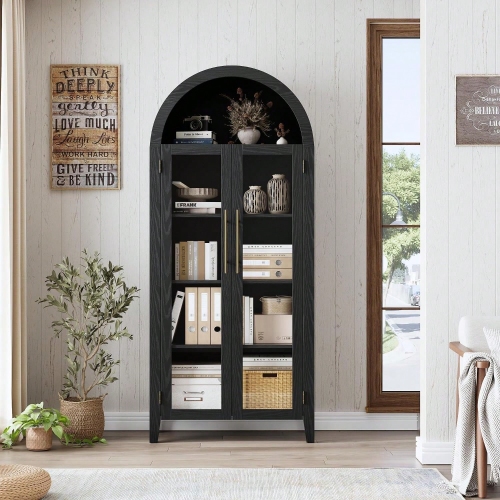
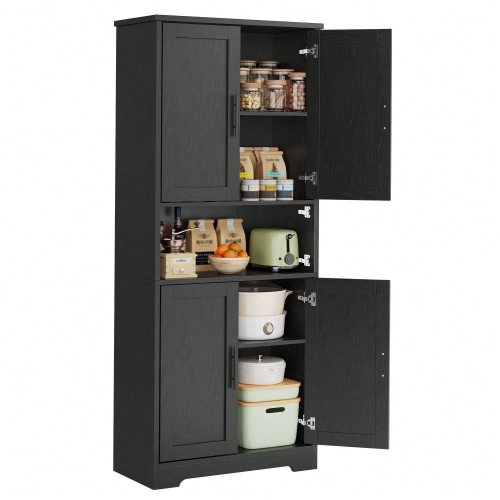
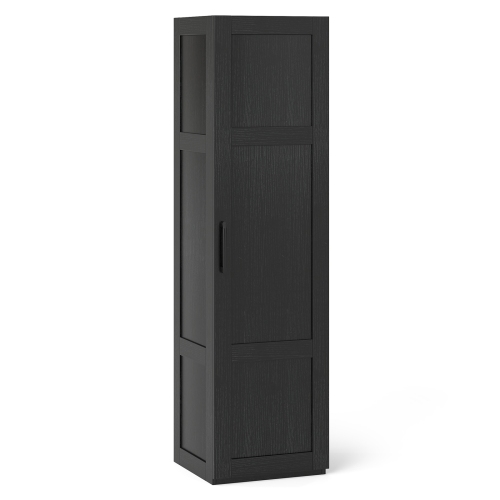
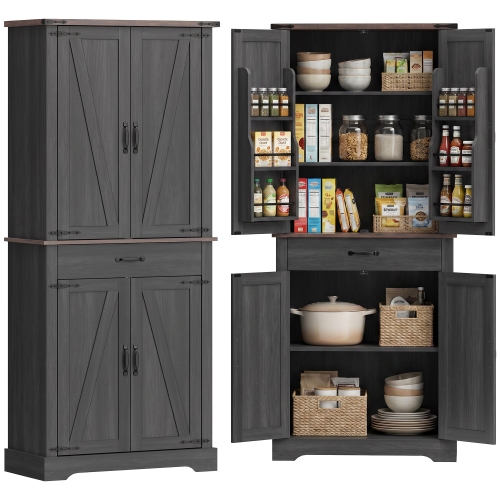
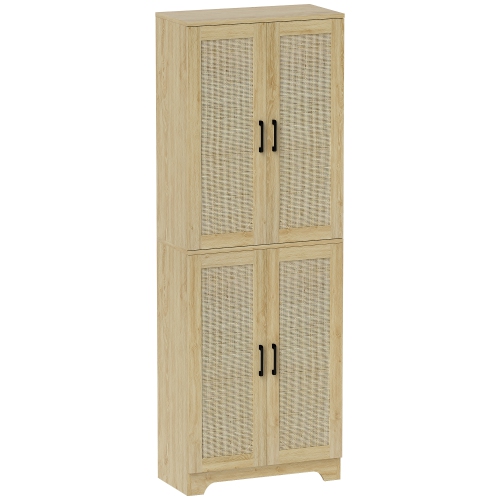
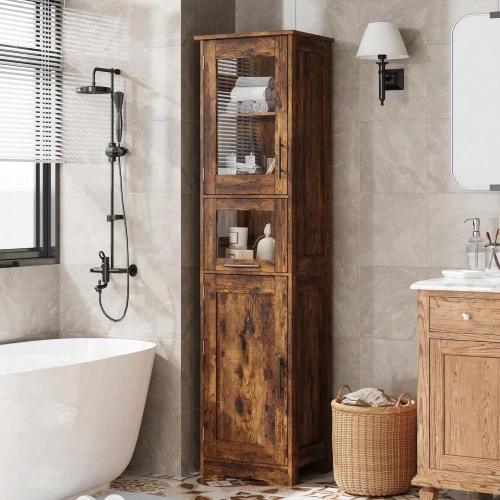
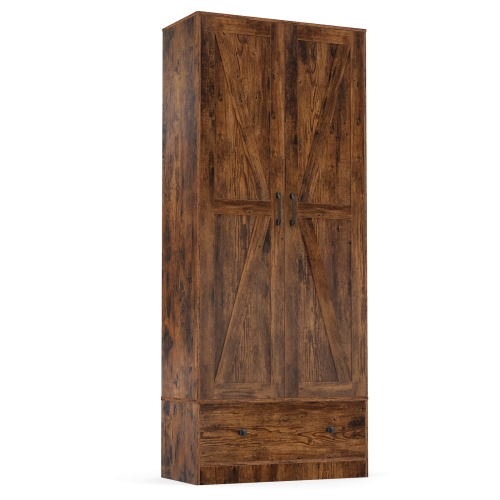
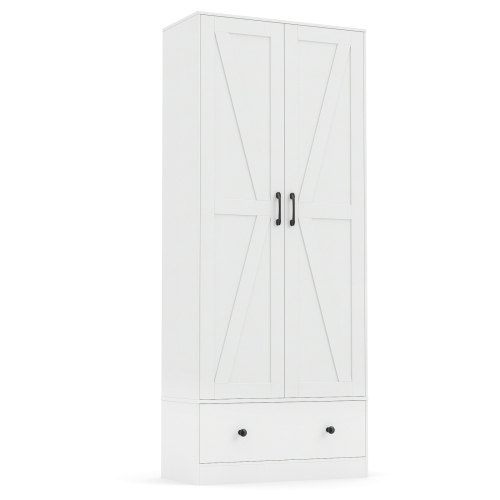
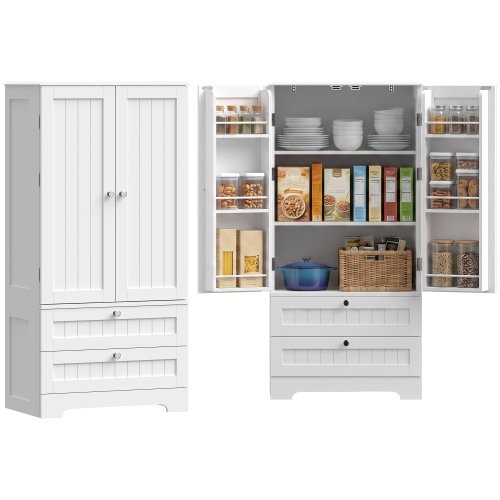
Vertical storage that leaves room for laundry day
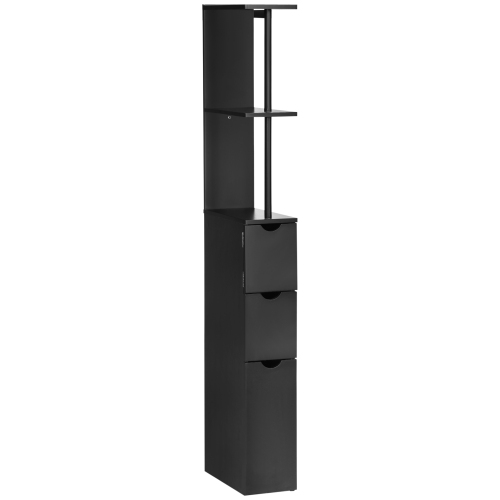
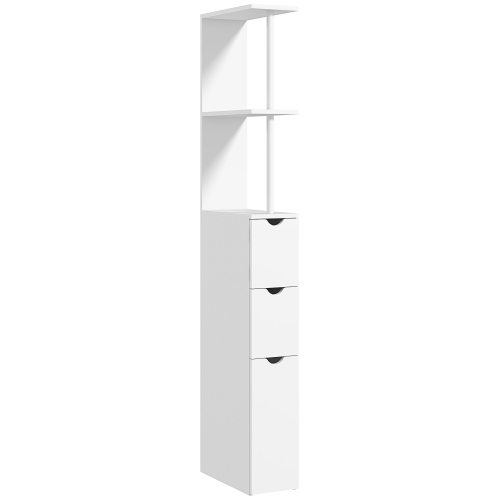
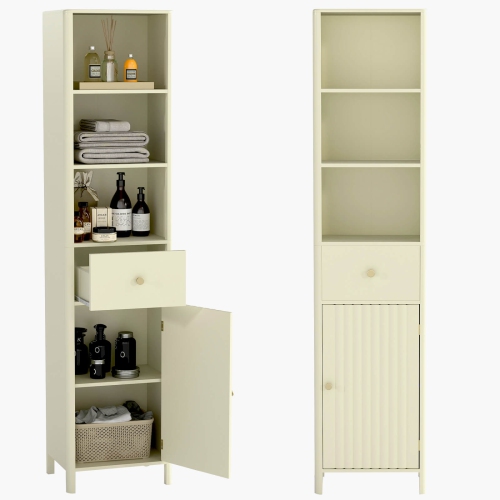
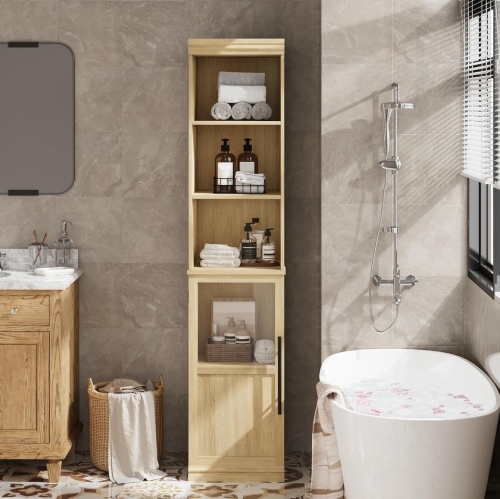
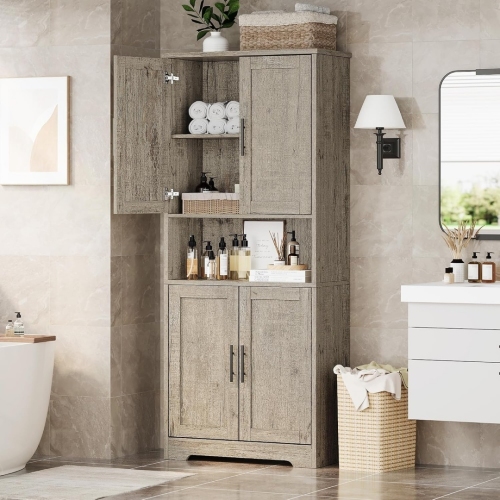
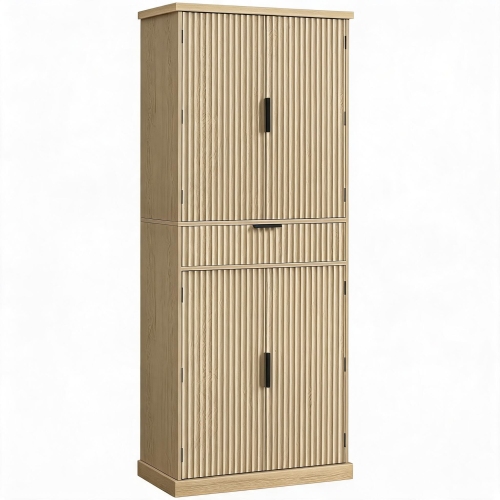
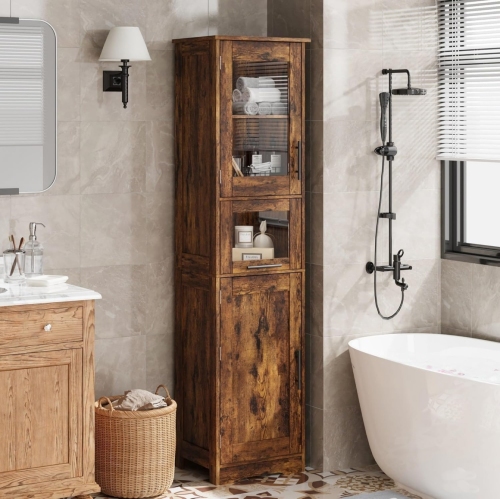
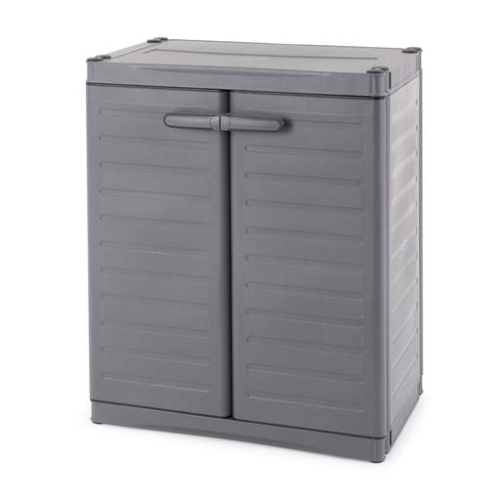
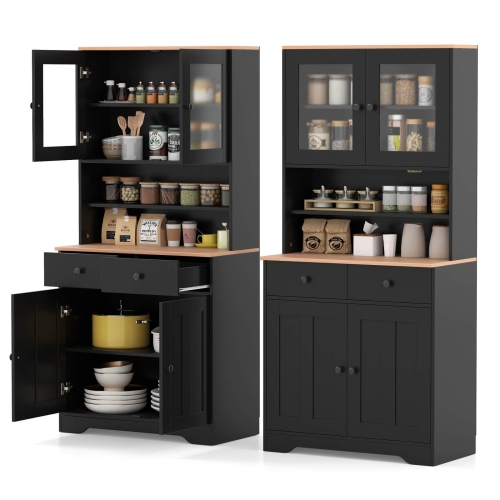
Tall cabinets for a laundry room make use of vertical space, bringing everyday supplies together without spreading storage across the floor. A full-height cupboard can hold folded towels, detergent bottles, cleaning cloths, and spare linens, while a cabinet with an uninterrupted lower compartment can accommodate a broom or mop. The most useful layout depends on what needs a home: several adjustable shelves suit a mix of bottles and baskets, whereas a divided interior can keep long-handled tools separate from smaller supplies. Closed doors create a tidier backdrop around washing machines and dryers, especially when the laundry area also serves as a passageway, mudroom, or household utility space. Open compartments offer quicker access to frequently used essentials, though their contents remain visible and may need more frequent dusting. Narrow cabinets can suit an unused stretch of wall beside an appliance, while wider cupboards provide more room for grouped supplies and folded textiles. Fit involves more than the cabinet’s stated width. Overall height, depth, door swing, and the space needed to carry the cabinet into the room all matter, as does clearance beneath any ceiling bulkhead. A shallow cabinet may leave a more comfortable walking route, but its usable interior depth still needs to accommodate the bottles or storage baskets intended for it. Handles, hinges, and the thickness of the back panel can affect that usable space. Along the wall, a baseboard may prevent the cabinet from sitting flush unless its design allows for the projection. Near appliances, cabinet doors should open without blocking the washer door, dryer door, detergent drawer, or access to water shut-off valves. Top-loading washers also need unobstructed space above the lid. Manufacturer-specified appliance clearances, ventilation openings, and service access remain important, even when a cabinet appears to fit neatly into a gap. In a compact laundry room, these small clearance details often determine whether tall storage feels convenient or becomes an obstacle during a full load of washing.
Materials and construction influence how a tall laundry cabinet handles regular use, occasional splashes, and the weight of its contents. Engineered wood cabinets may use particleboard or medium-density fibreboard beneath a painted, laminated, or melamine surface. These finishes can provide a smooth, wipeable exterior, but exposed edges, damaged coatings, and unsealed joints may be vulnerable to moisture. A cabinet described as moisture-resistant is not necessarily waterproof, so it still belongs away from standing water and persistent leaks. Solid wood offers a different appearance and may be repairable or refinishable, depending on its finish and construction, though it also needs protection from prolonged dampness. Metal cabinets can suit a hardworking utility area, particularly where sturdy shelving and a simple finish are priorities. Their resistance to rust depends on the metal, coating, and condition of the surface; scratches and chipped edges deserve attention. Whatever the material, shelf thickness, shelf supports, hinges, and the cabinet back all contribute to how solid the unit feels. Large detergent containers can place considerable weight on a shelf, making the stated load limit more useful than appearance alone. Adjustable shelving adds flexibility, but each shelf still needs to be securely seated and loaded within the manufacturer’s limits. Smooth interior surfaces and accessible corners make routine cleaning easier when powder spills or a bottle leaves a sticky ring. A soft cloth and a cleaner approved for the finish are generally preferable to abrasive pads, with spills wiped up promptly and surfaces dried afterwards. Cleaning liquids should remain tightly closed in their original labelled containers rather than being poured into decorative bottles. A washable tray beneath frequently handled containers can help contain small drips without replacing the need to clean them. Damp mops, wet cloths, and unfinished loads of laundry need an appropriate place to dry before being enclosed; a tall cupboard is useful storage, not a substitute for ventilation or drying space.
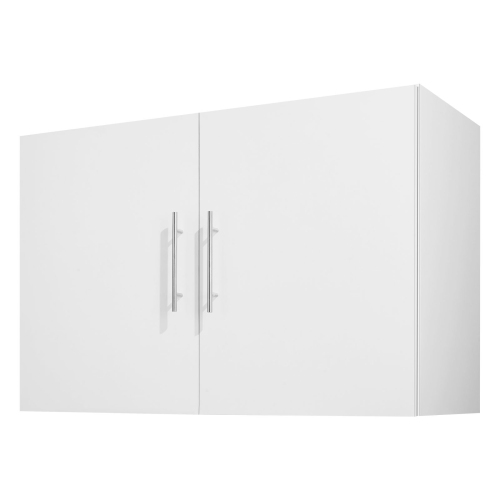
Interior details make the difference between a cabinet that simply conceals clutter and one that supports the household’s routine. A reachable middle shelf can hold frequently used laundry supplies, leaving higher shelves for lighter, less frequently needed linens. Heavy containers are better kept low, provided they remain inaccessible to children and pets. In designs with a full-height storage section, check whether fixed shelves interrupt the space needed for a broom, mop, or ironing board; an adjustable shelf does not always mean every internal divider can be removed. Cabinets with integrated hampers can keep sorting contained, while removable liners or baskets may make carrying laundry easier. Their capacity and access deserve attention, especially where a tilt-out compartment opens into a narrow walkway. Folded towels benefit from shelf spacing that allows a stack to be lifted out without pulling everything above it loose. These practical distinctions matter in family homes with frequent loads, smaller apartments where storage space is shared, and accessible laundry layouts where everyday supplies need to stay within comfortable reach. Stability is equally important. Tall freestanding cabinets should be secured using the manufacturer’s specified anti-tip hardware and installation method, with fasteners suited to the wall construction. Adjustable feet can help accommodate a slightly uneven floor, but they do not replace anchoring. Wall-mounted cabinets require suitable structural support and installation appropriate to their loaded weight. Where laundry storage is visible from an adjoining kitchen or utility area, door style, handle shape, and colour can help the rooms feel connected. Related tall kitchen cabinets with doors may offer useful style comparisons, although suitability for laundry use depends on each cabinet’s materials, dimensions, and care requirements. A simple slab door creates a clean-lined appearance, while framed doors add definition. The strongest choice is a cabinet whose proportions suit the room, whose interior accommodates the supplies actually used, and whose construction supports safe, straightforward daily access.
Top selling and popular products
-
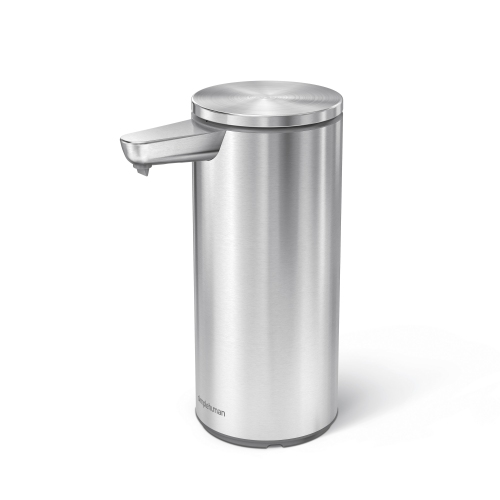 Your price for this item is $70
-
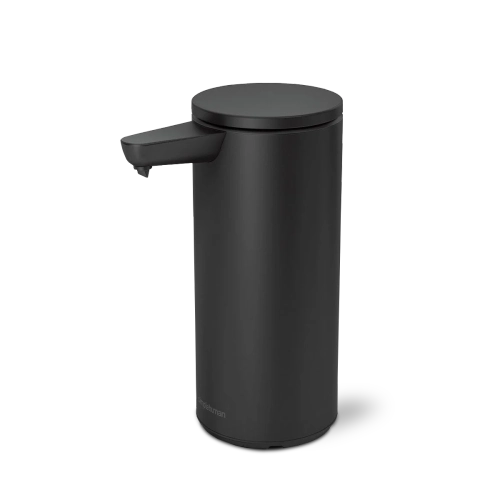 Your price for this item is $80
-
 Your price for this item is $80
-
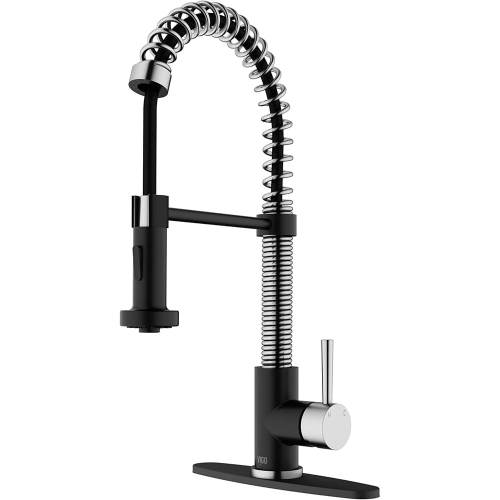 Your price for this item is $426.55
-
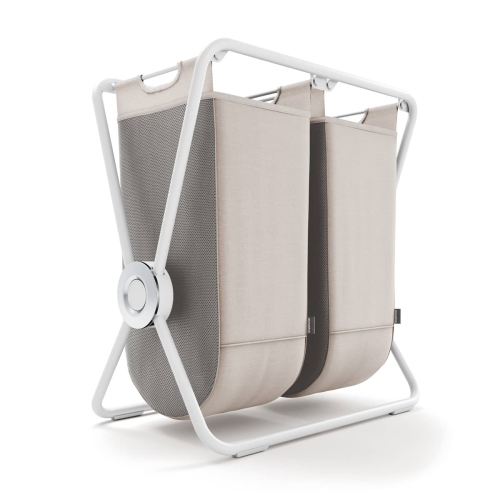 Your price for this item is $300
-
 Your price for this item is $120
-
 Your price for this item is $120
-
 Your price for this item is $135
Discover more categories related to Tall Cabinets for Laundry Room

Top Collections:
Best Black Friday Deals This Year, Best Black Friday Deals On Electronics, Kindle Devices, Dyson Airwrap, Best Cameras for Sports Photography, Best Budget Office Chairs, Canon G7X Cameras, PS5 Pro Consoles, Best Black Friday Deals On Apple Products, XBOX One S Consoles
Some products may be subject to Environmental Handling Fees
(EHF) depending on your province.
Learn more about EHFs.