Tall Linen Cabinets
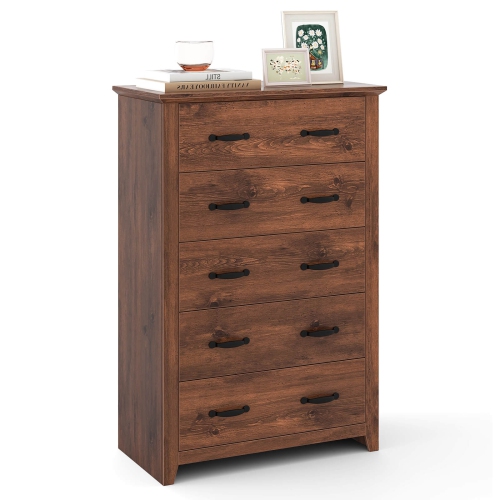
Looking to maximize your storage space while adding a touch of elegance to your bathroom? Look no further than our selection of tall linen cabinets. These versatile and stylish cabinets are the perfect solution for keeping your towels, toiletries, and linens organized and easily accessible. With their tall design, they offer ample storage without taking up too much floor space. Here are some great options available.
Sort
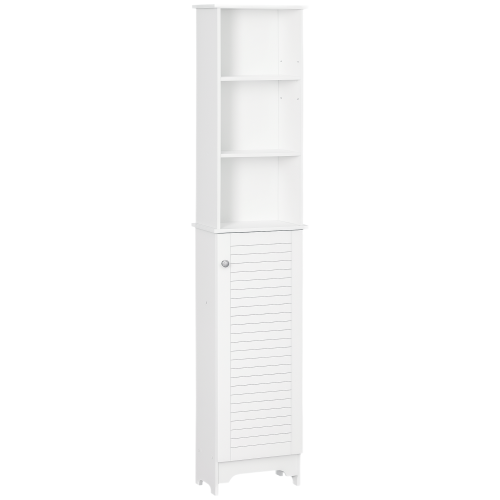

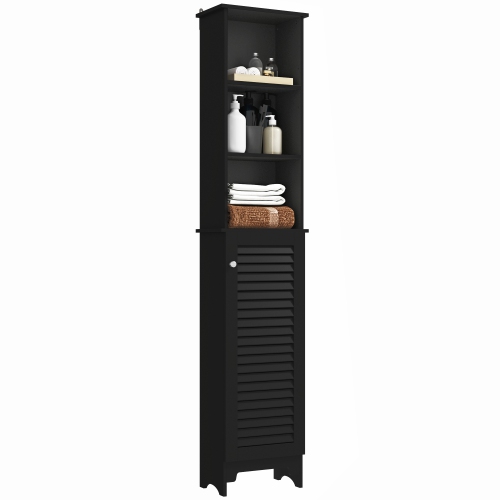
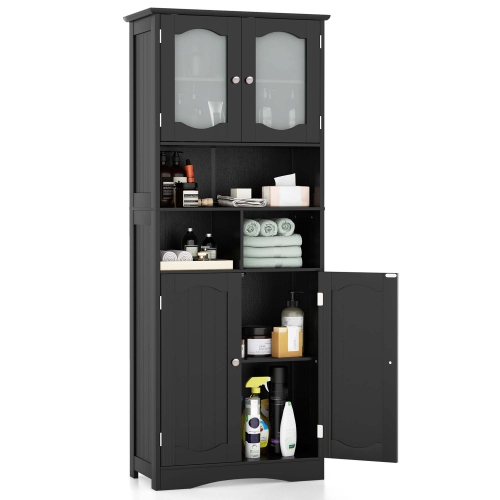
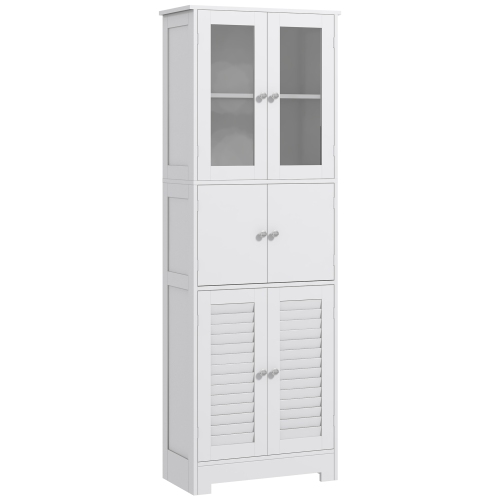

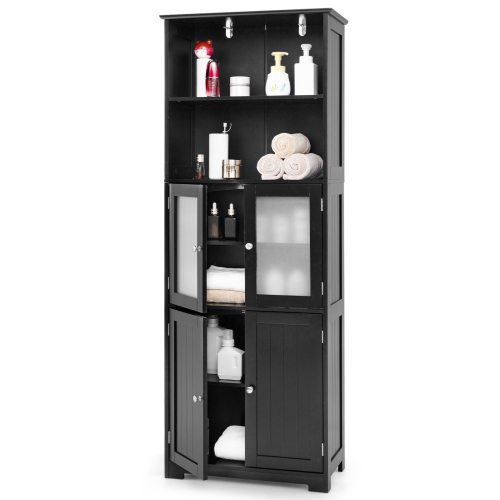

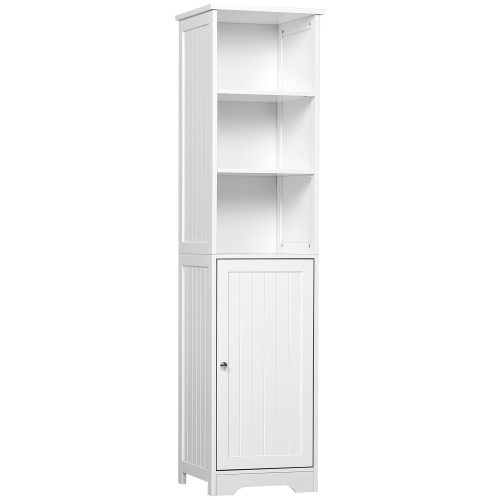
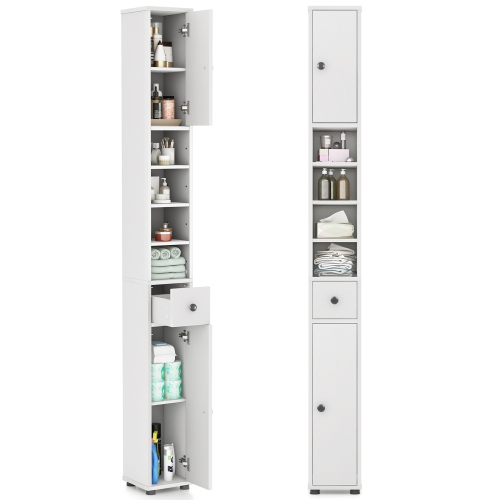
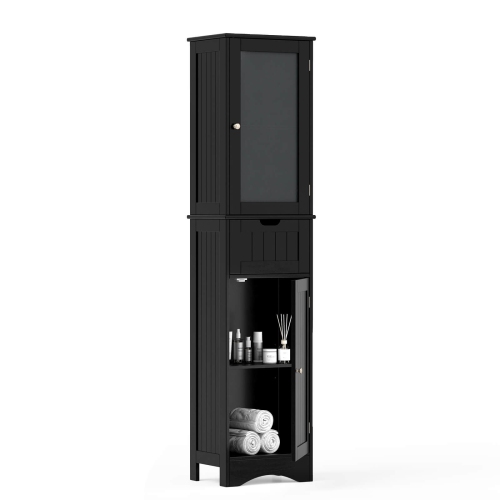
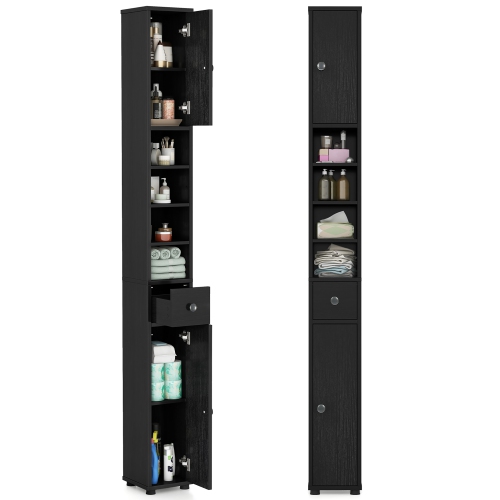
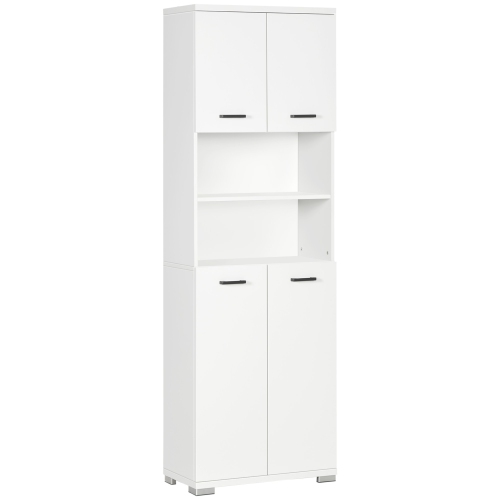
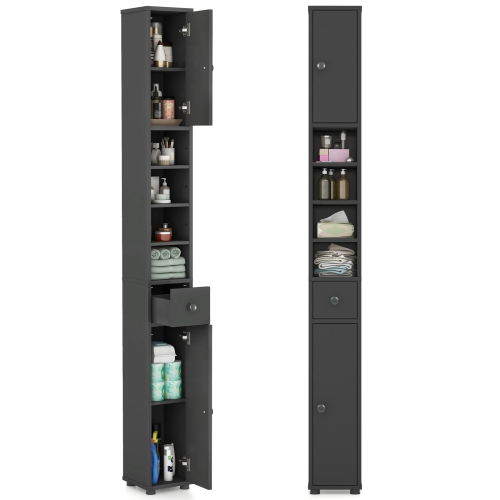
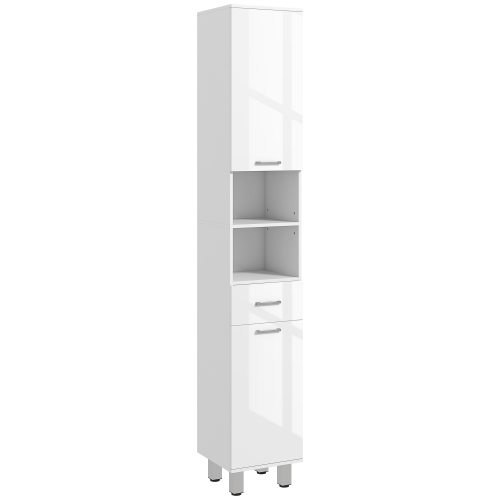

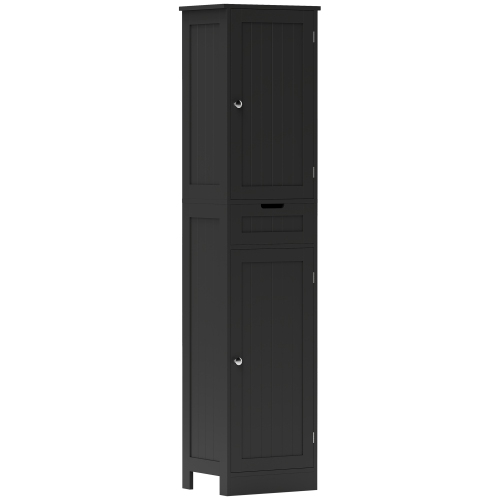
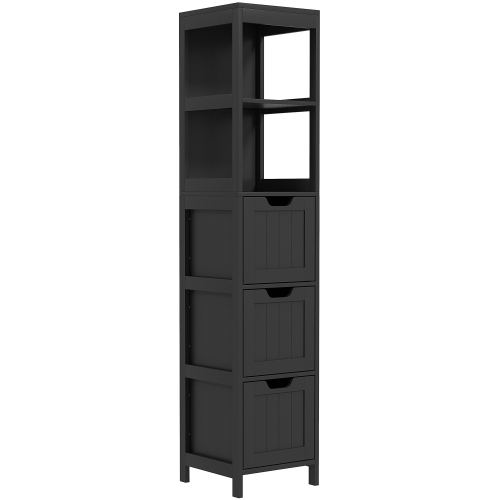
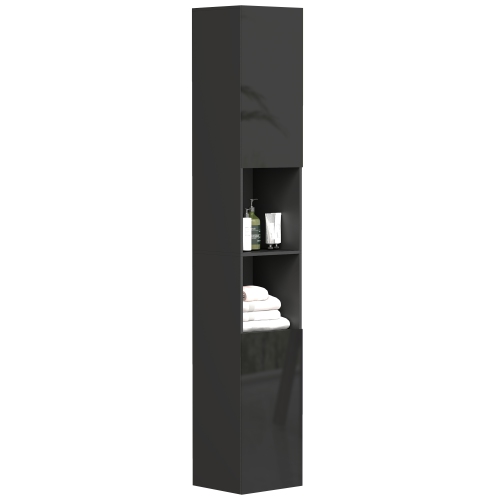
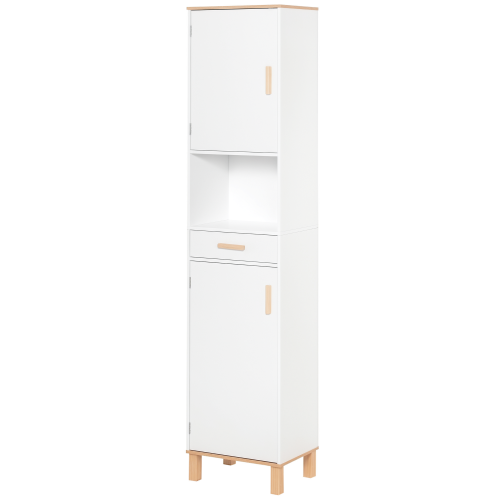
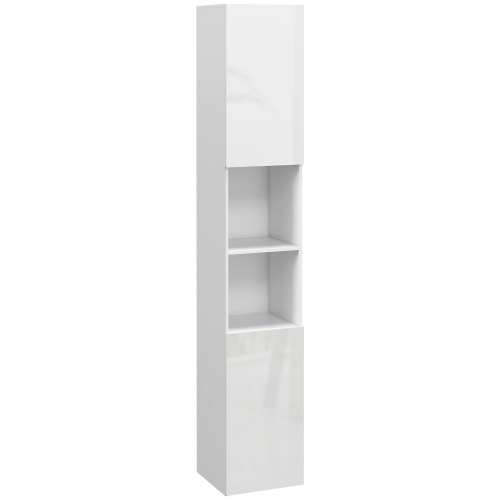
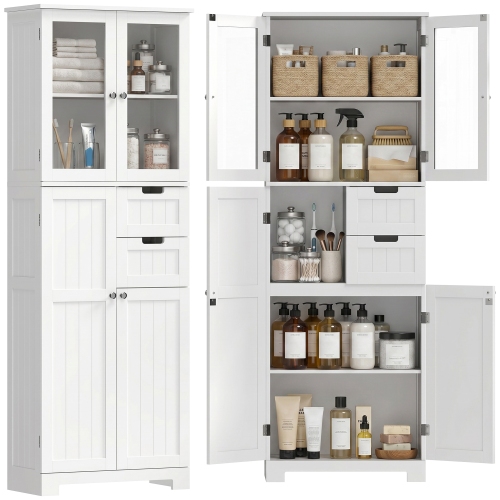
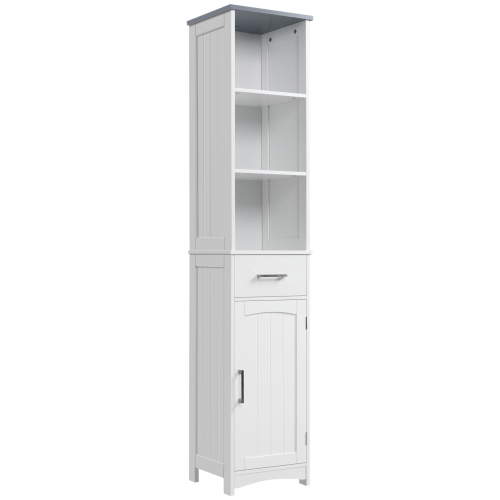
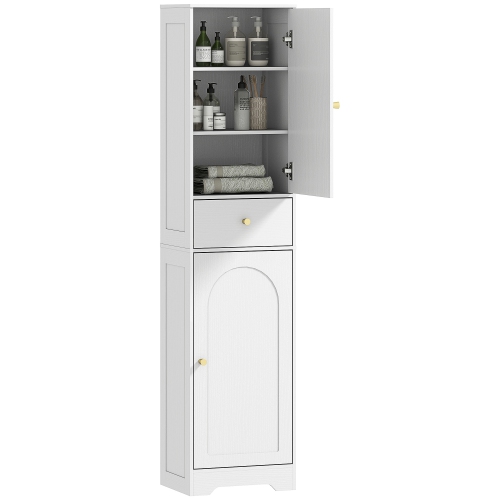
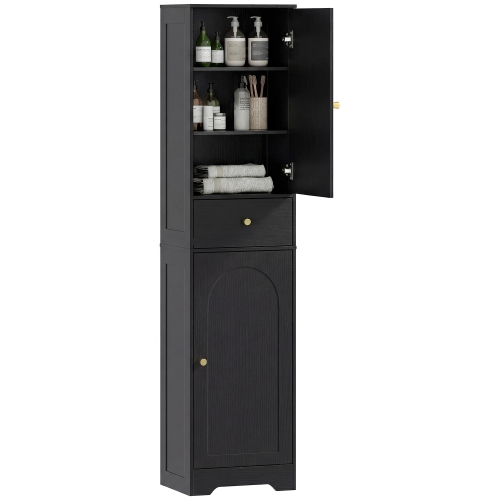
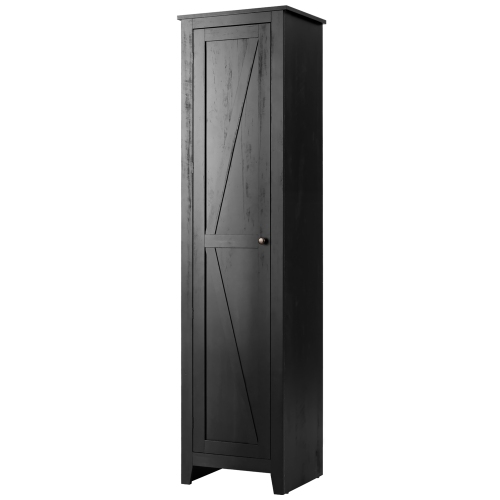
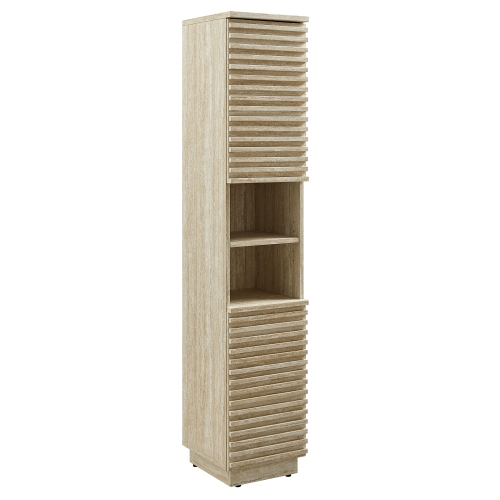
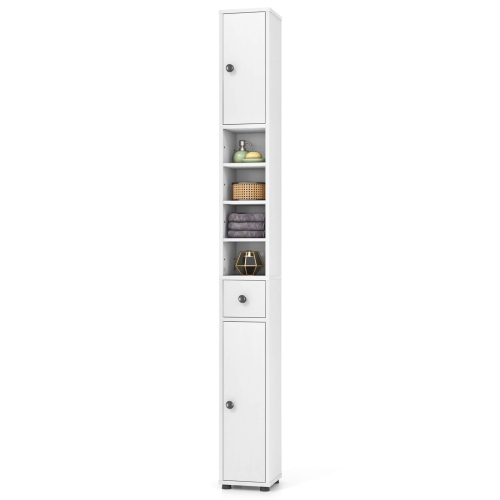
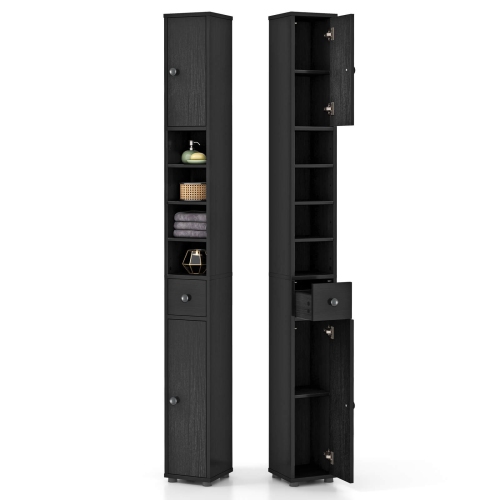
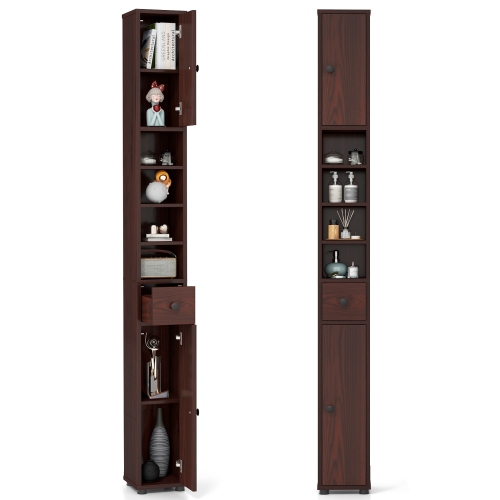
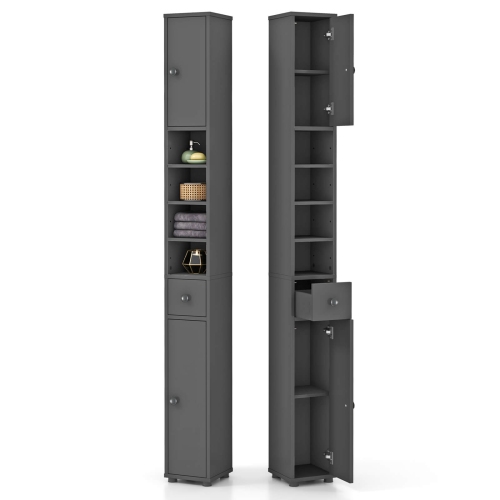
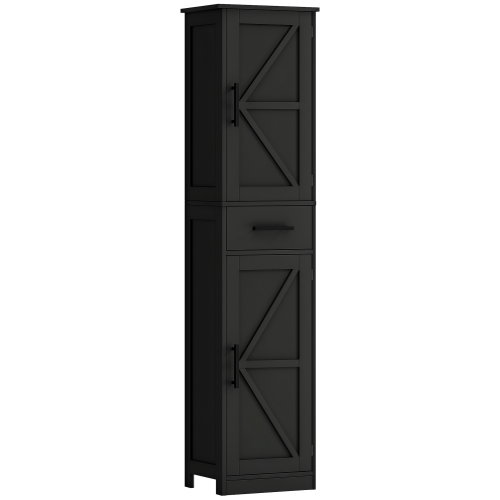

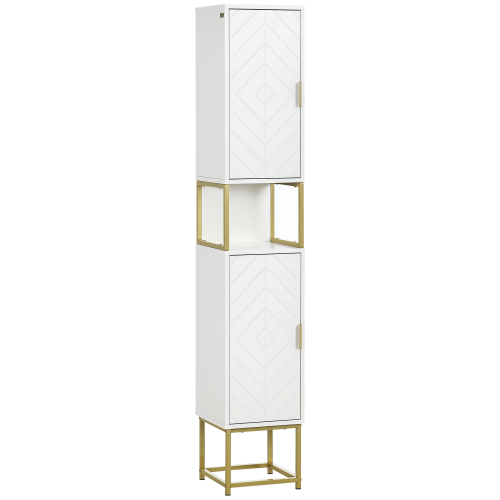
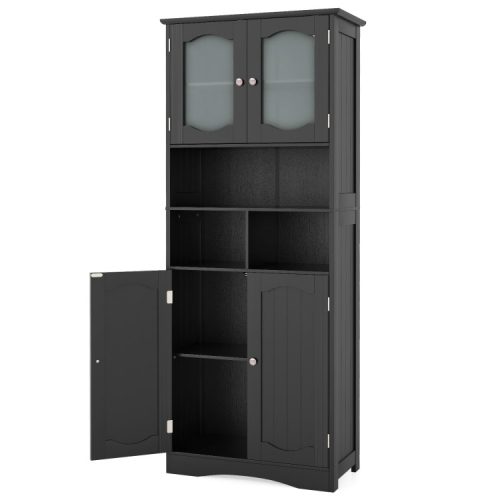
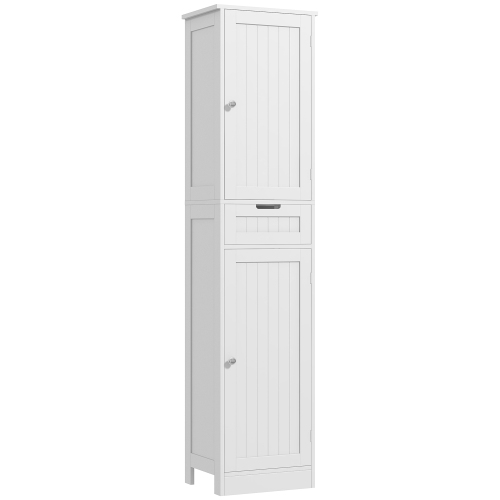
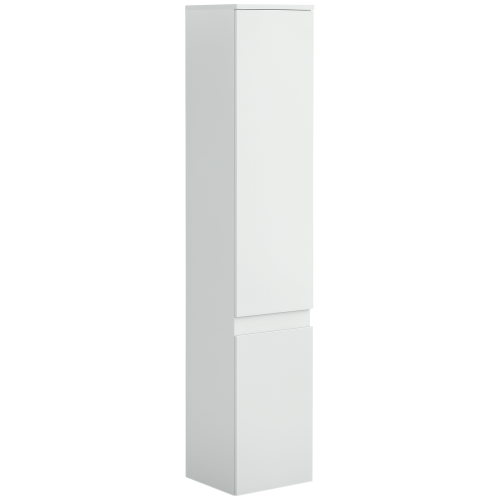
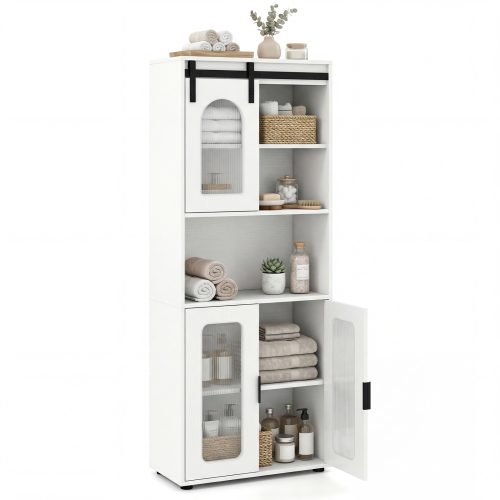
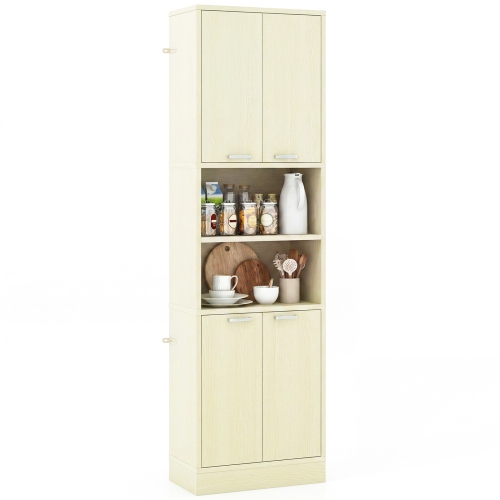


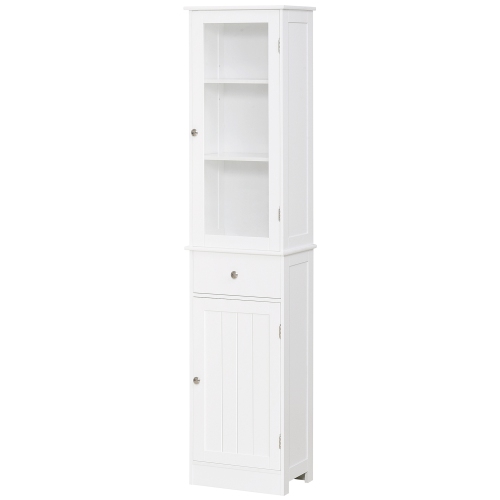
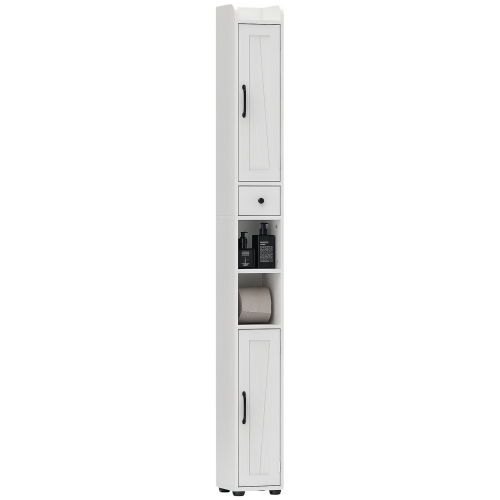
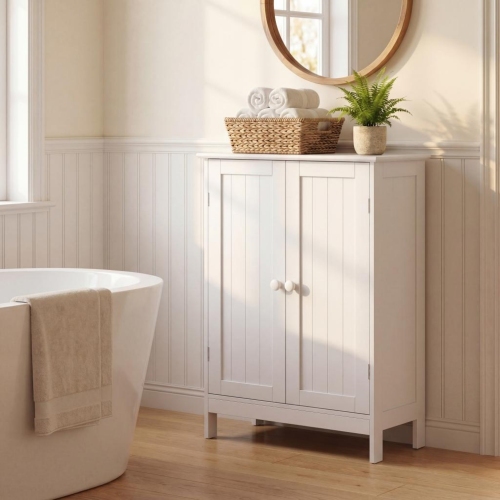
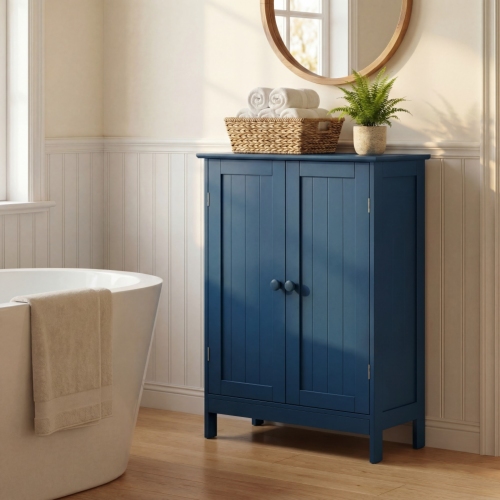
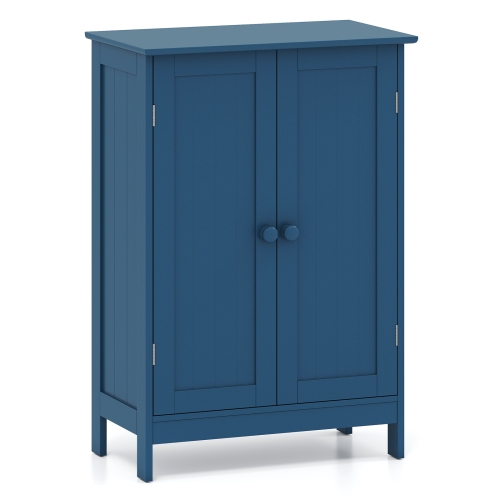
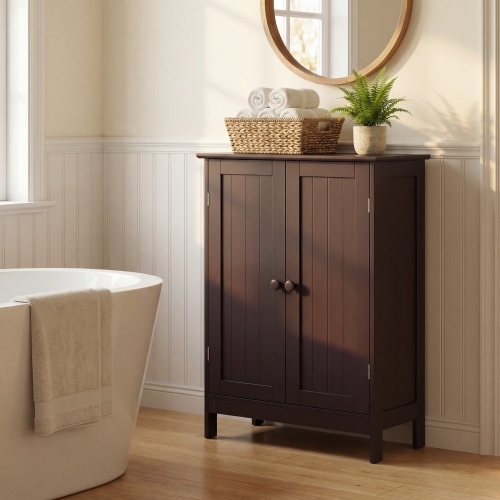
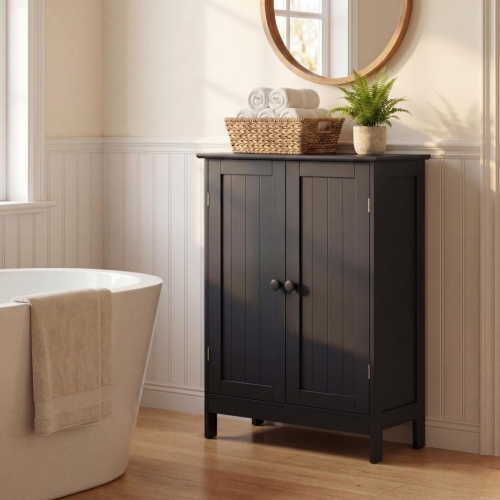
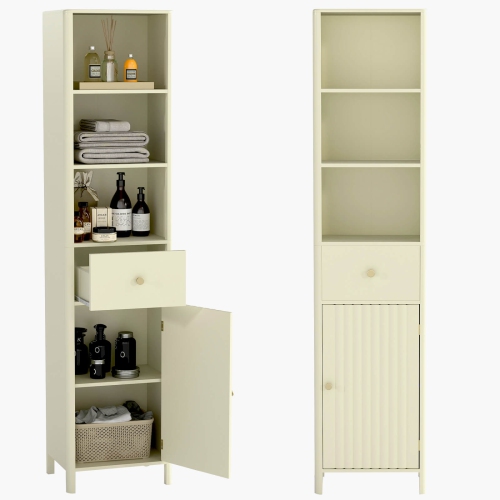
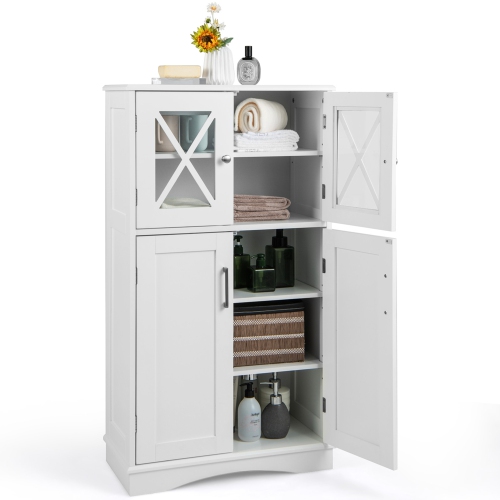

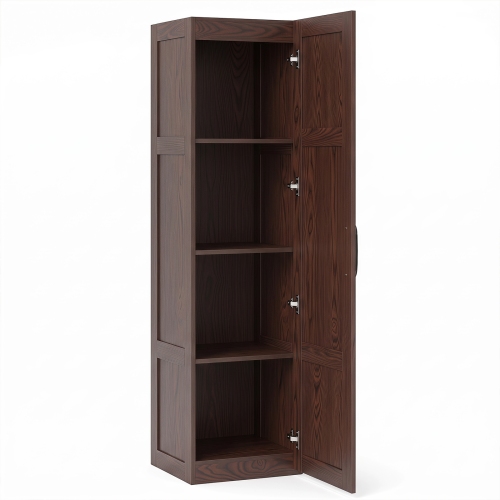



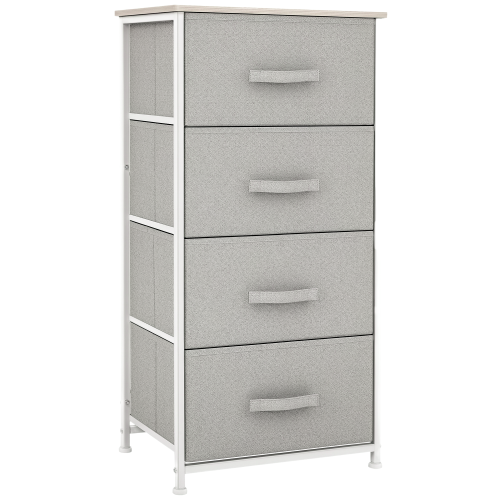
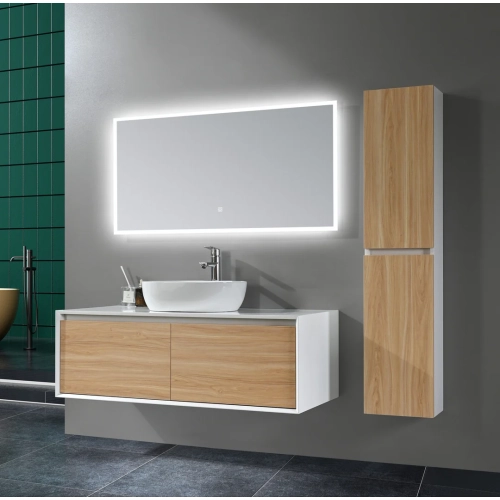
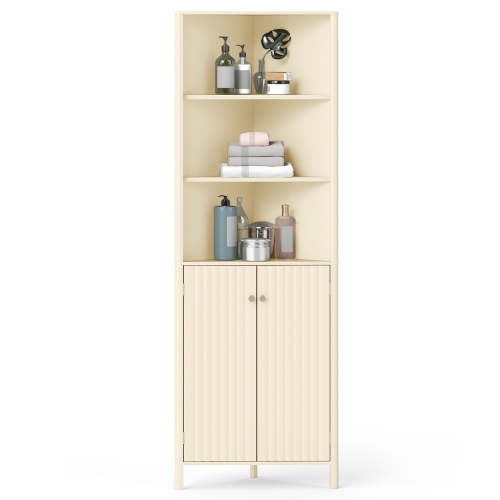
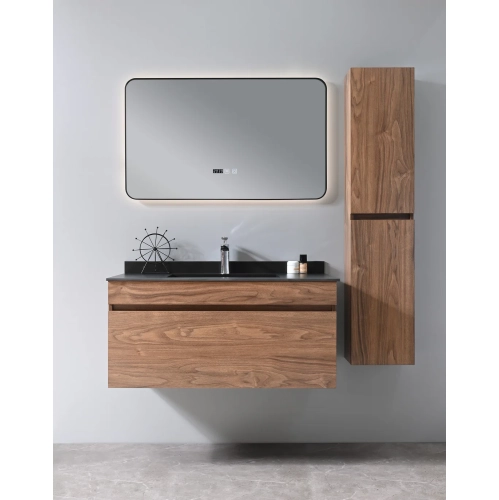
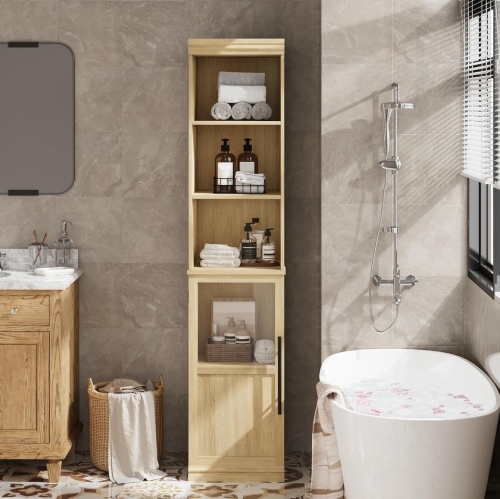
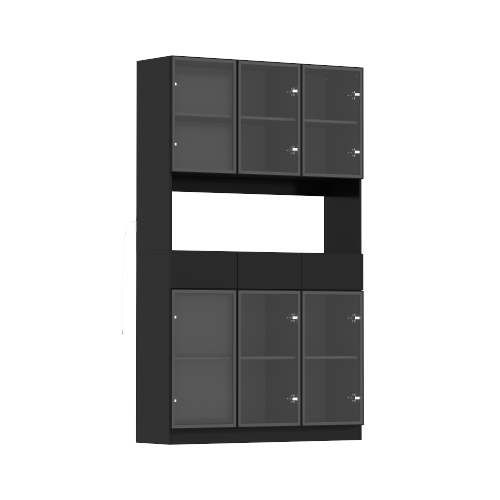
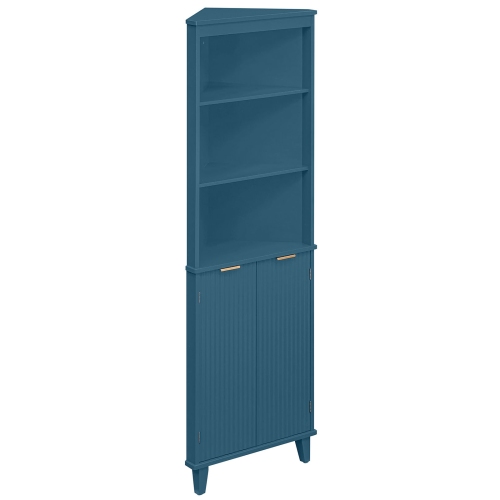
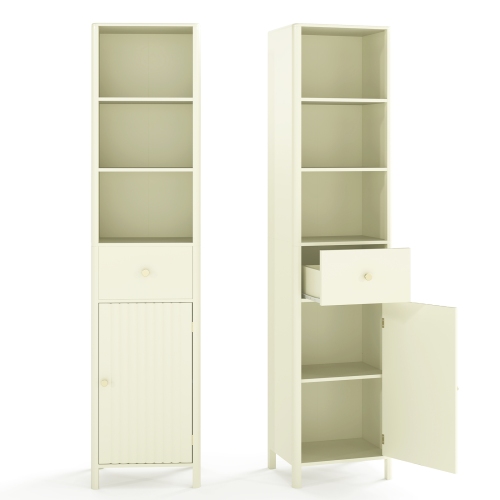
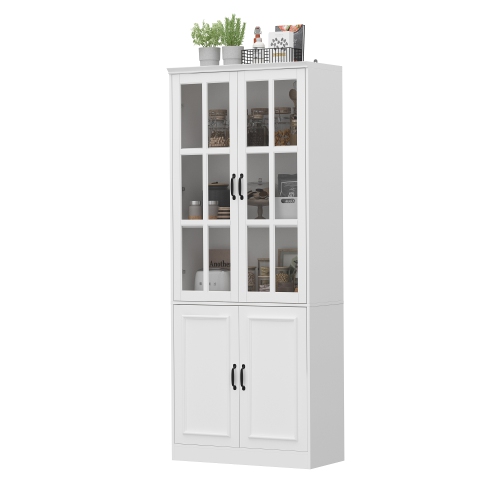
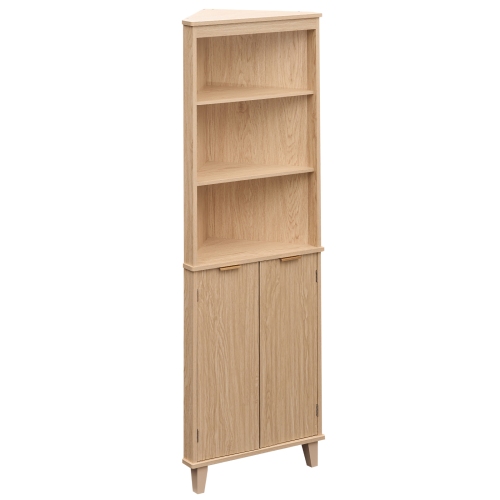
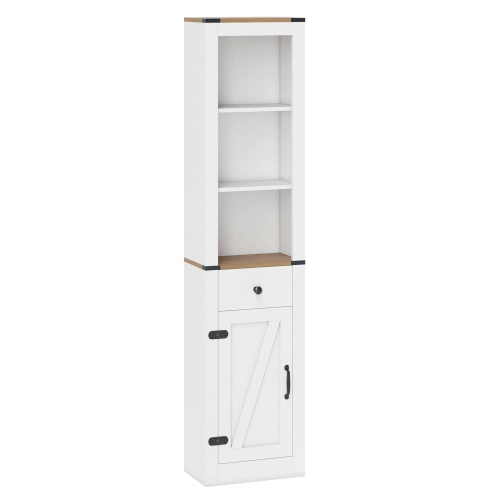
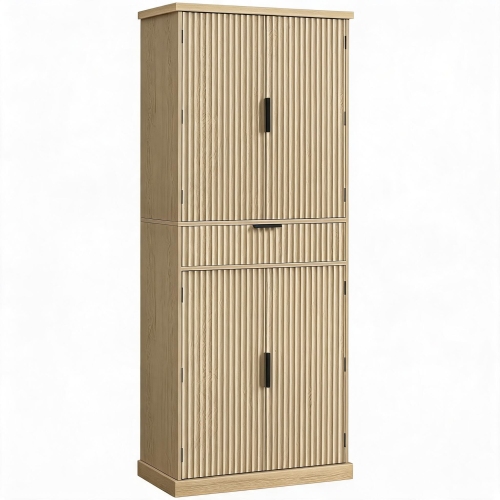
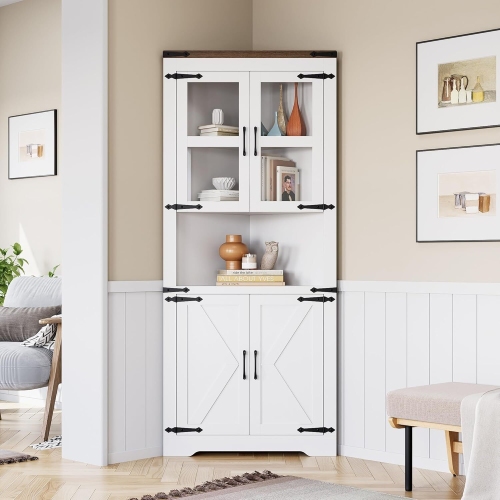
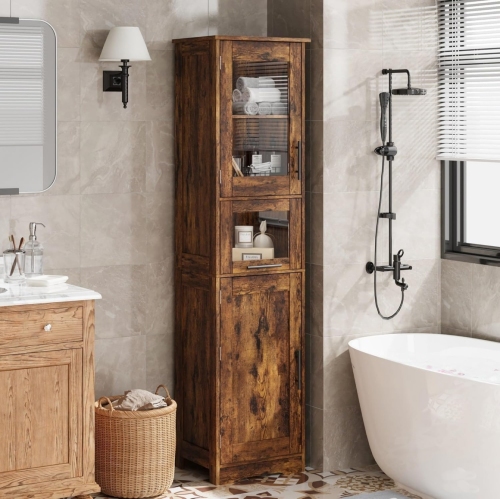
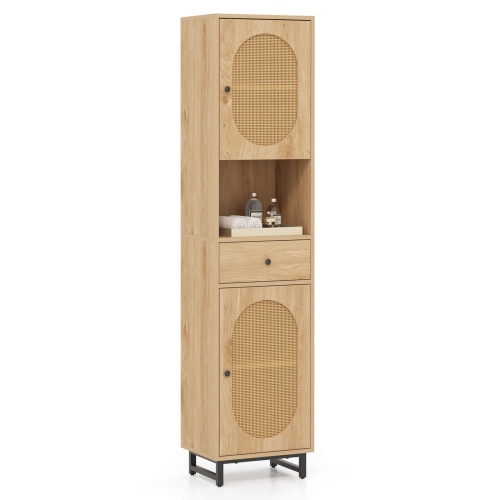
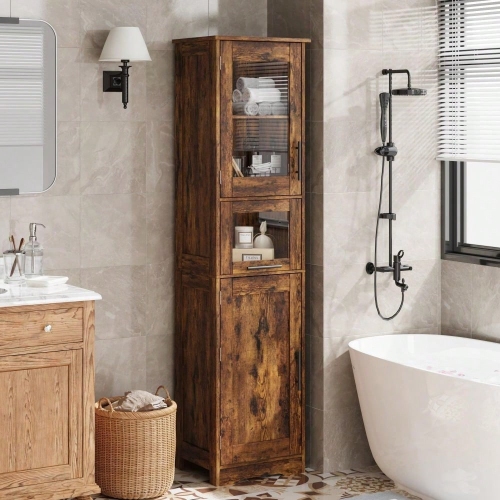
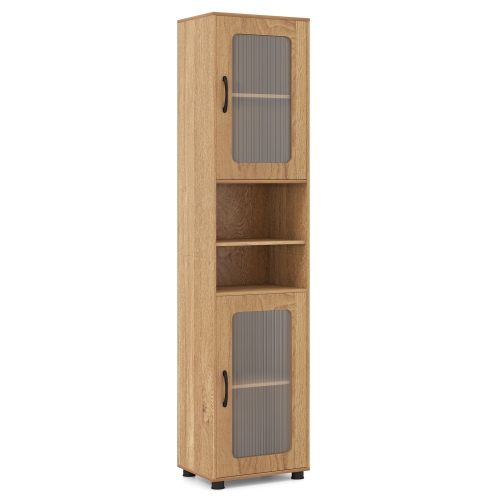
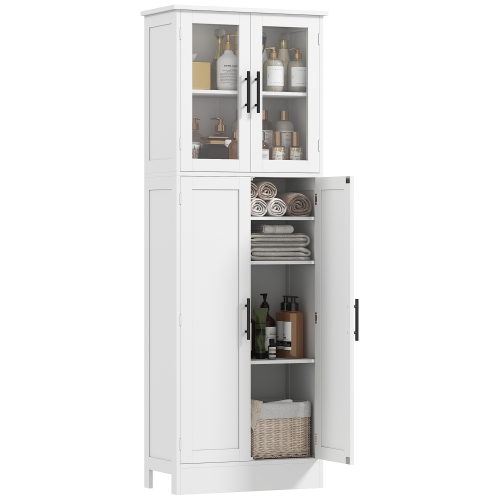
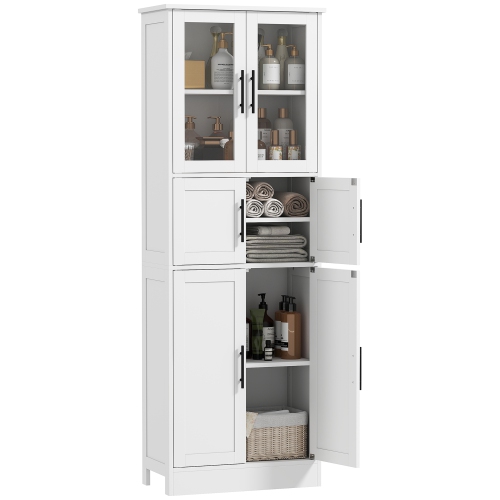
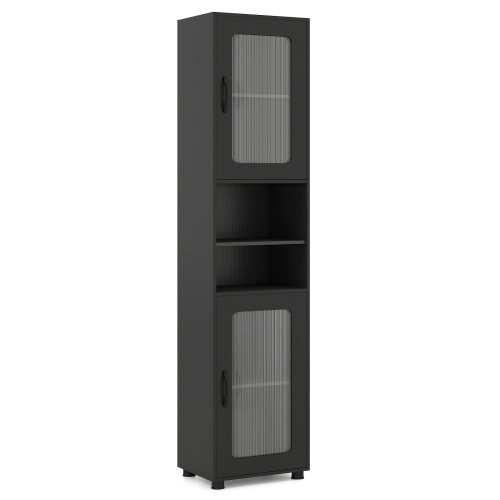
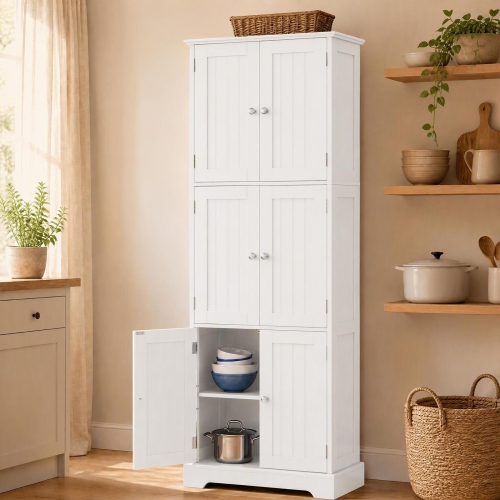
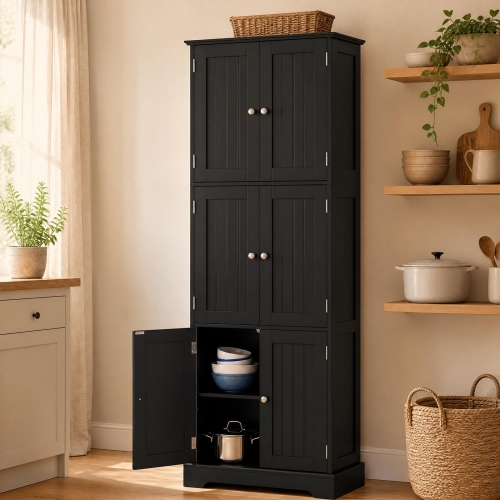
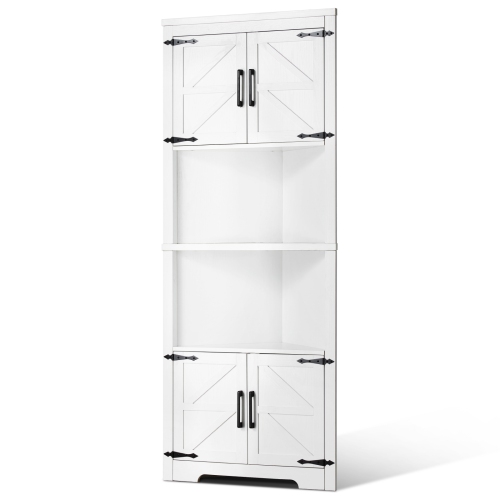
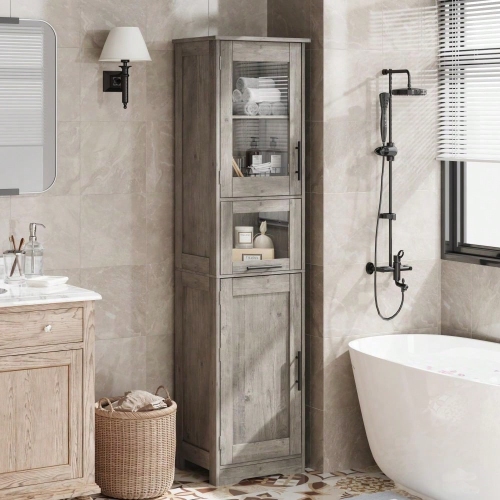
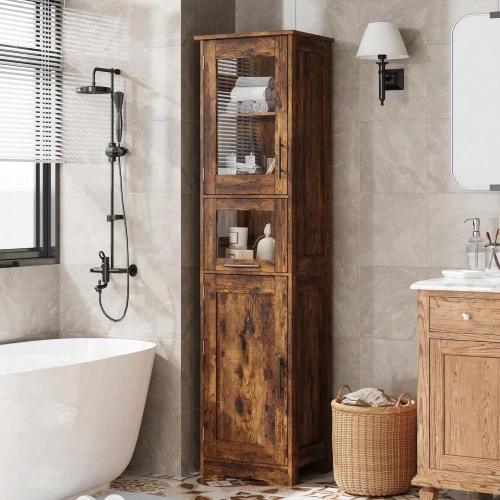
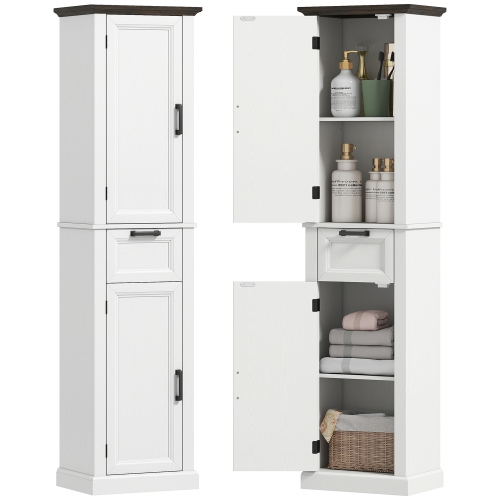
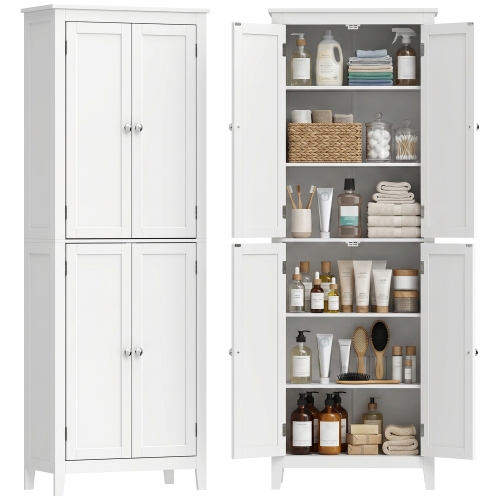
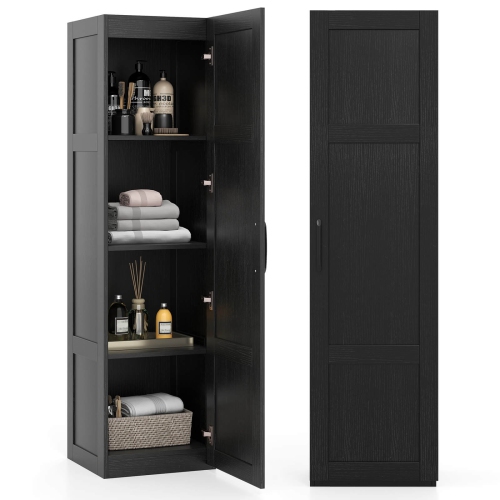
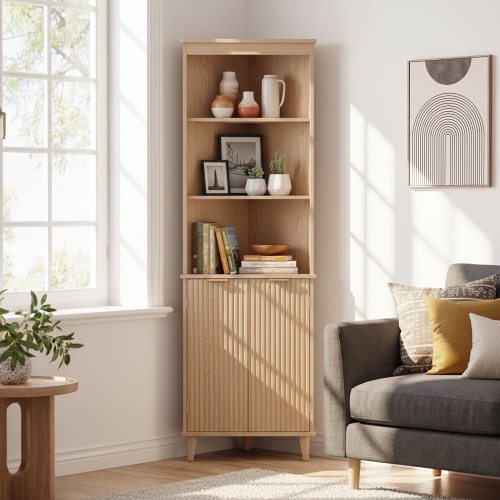

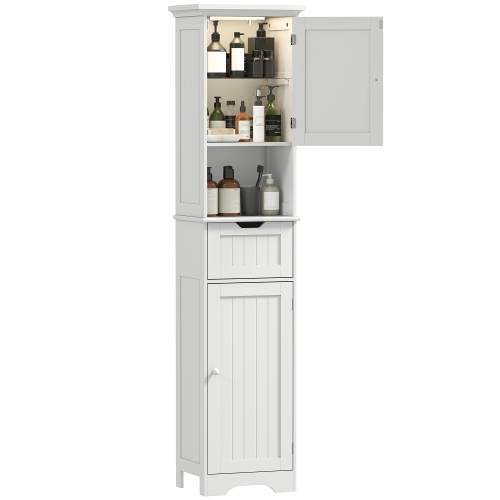
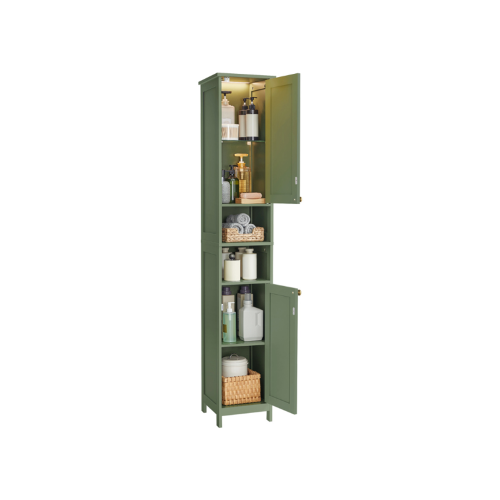
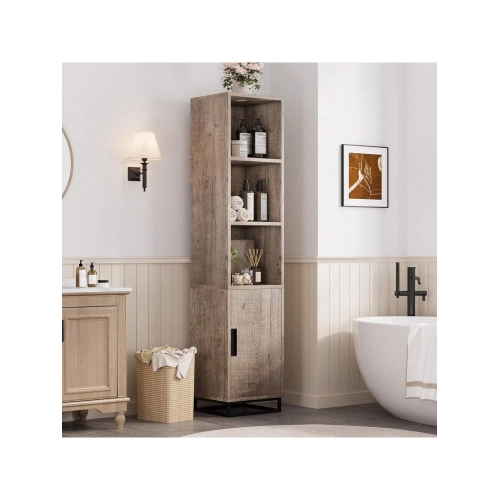
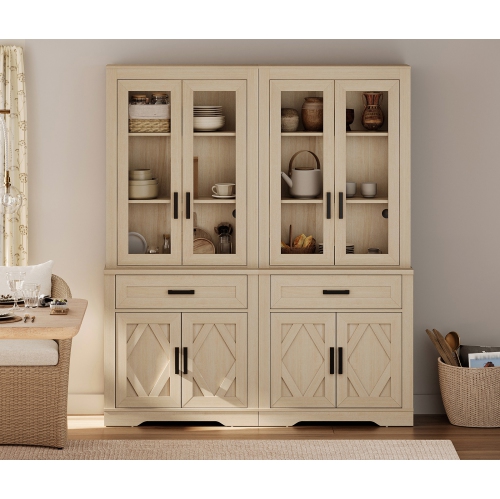
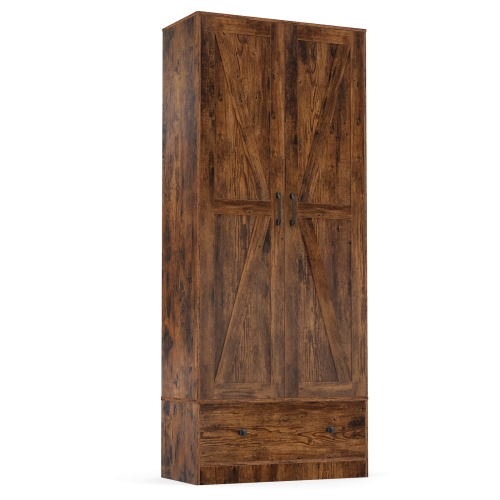
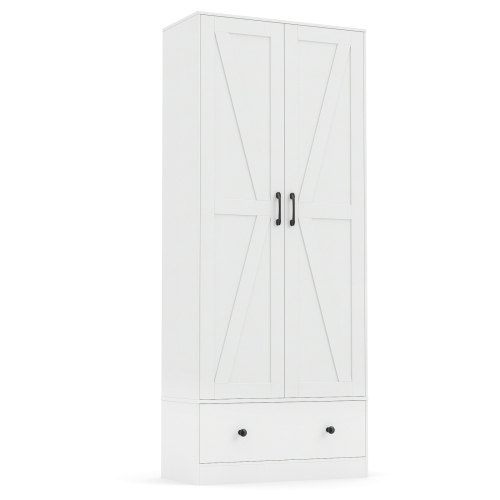
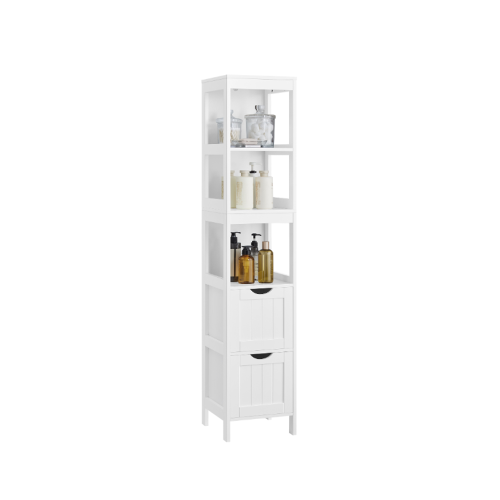



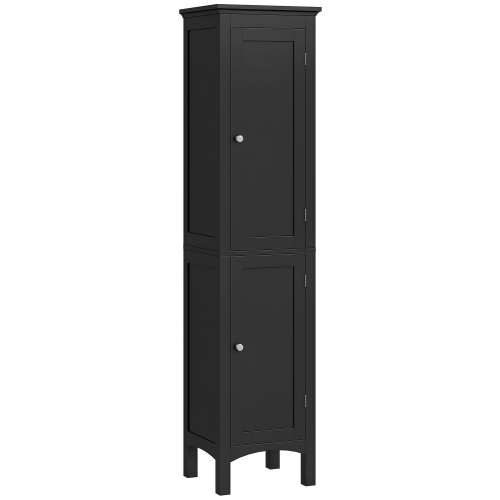
More room for linens with less floor space
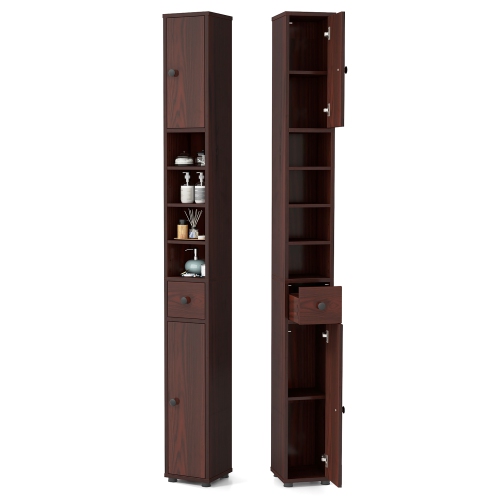
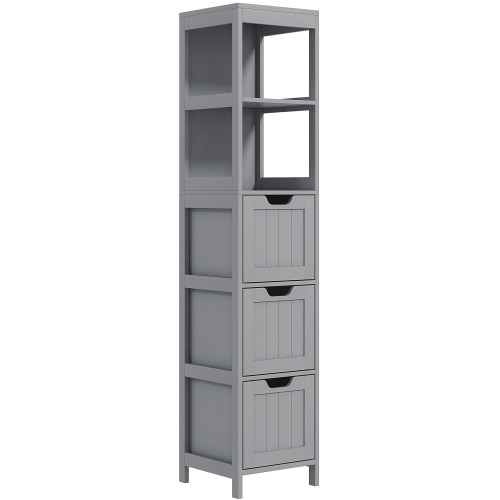
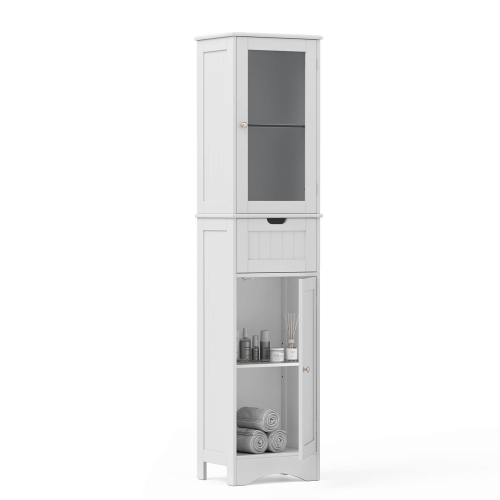
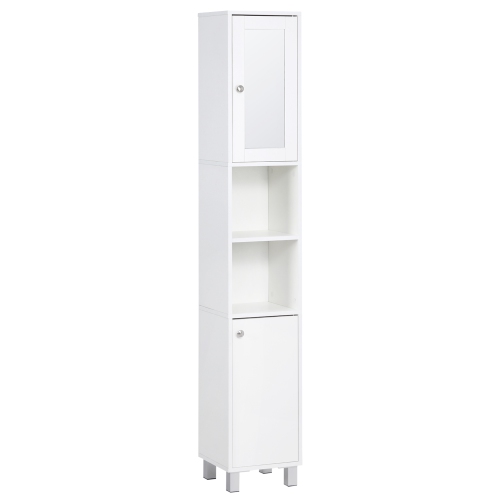
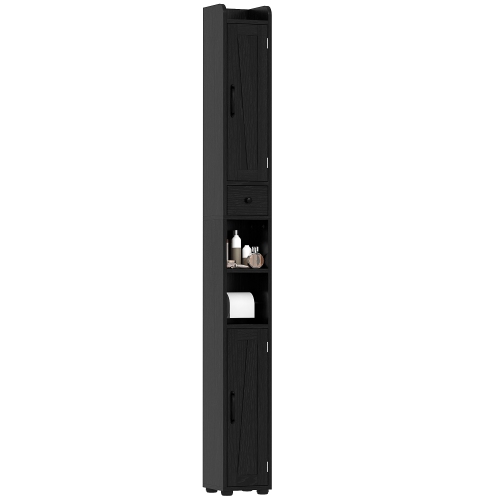
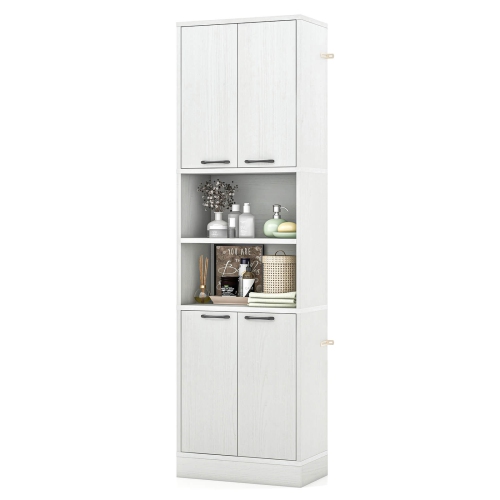
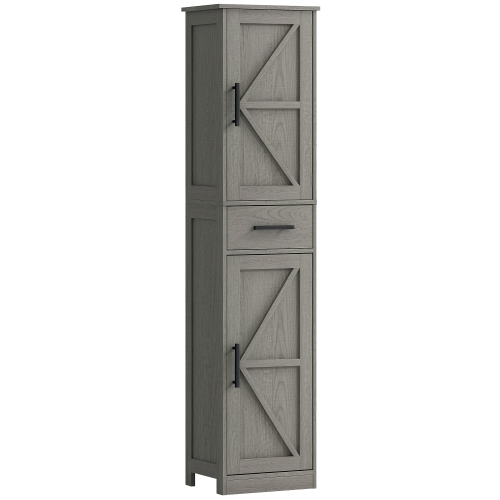
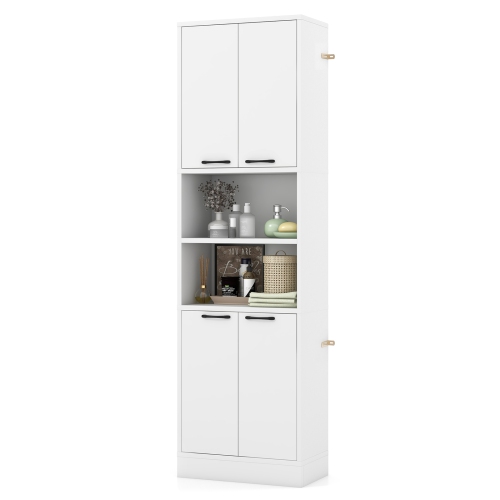
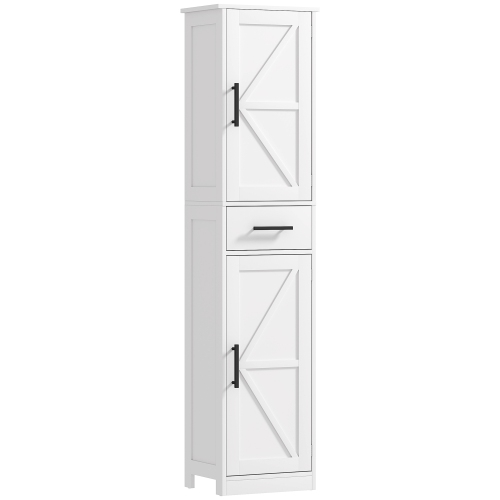
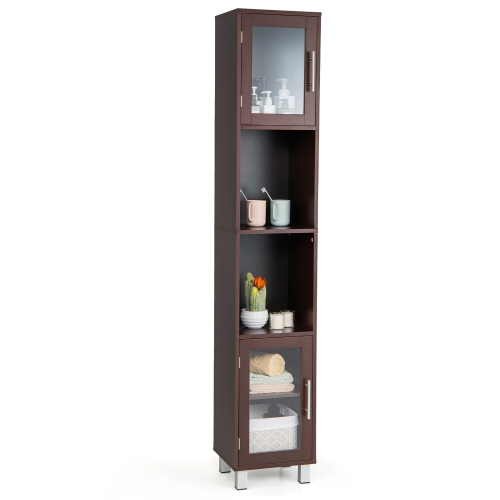
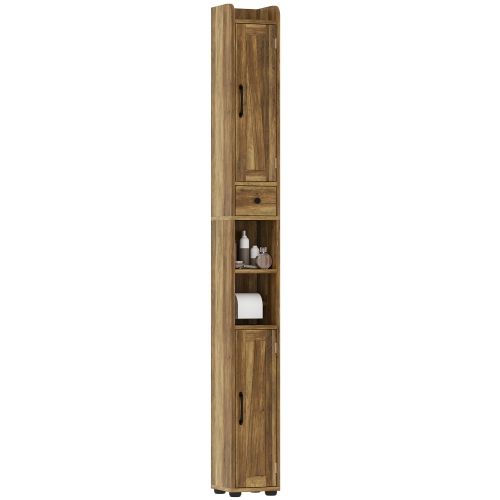
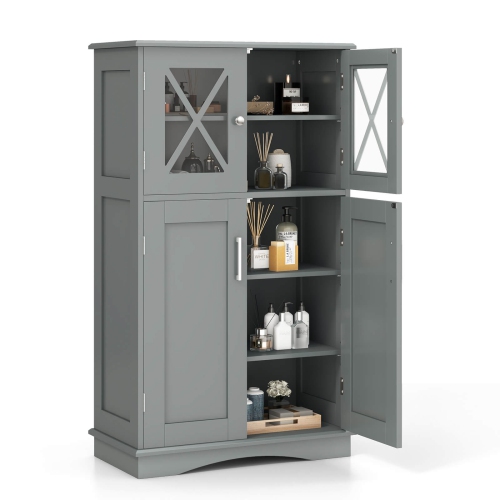
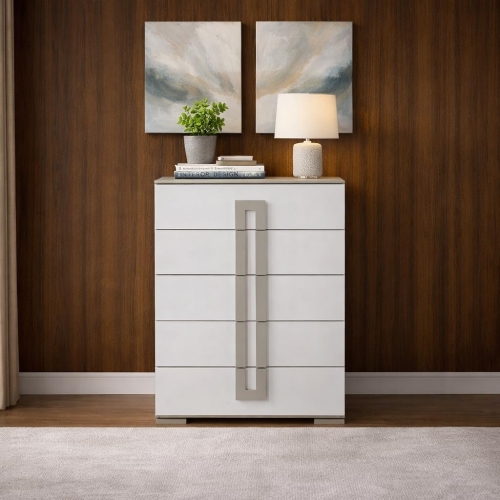
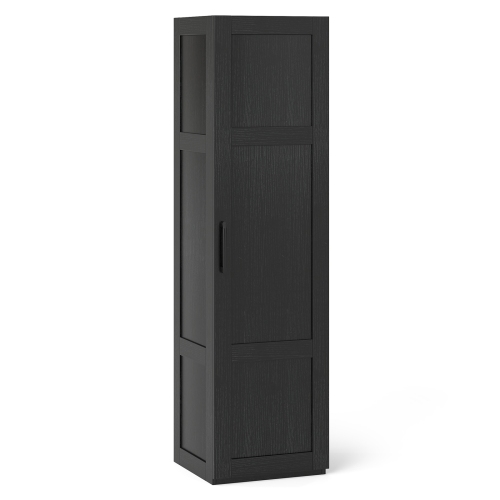
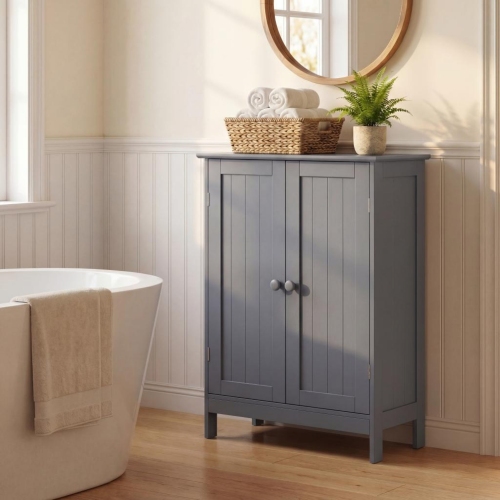
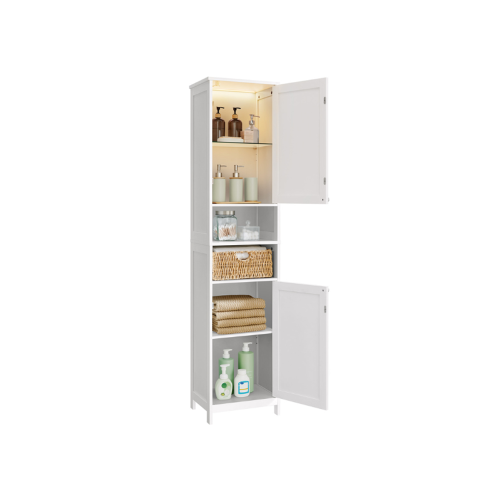
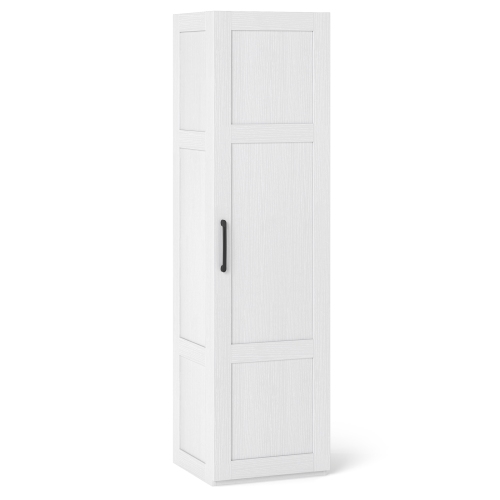
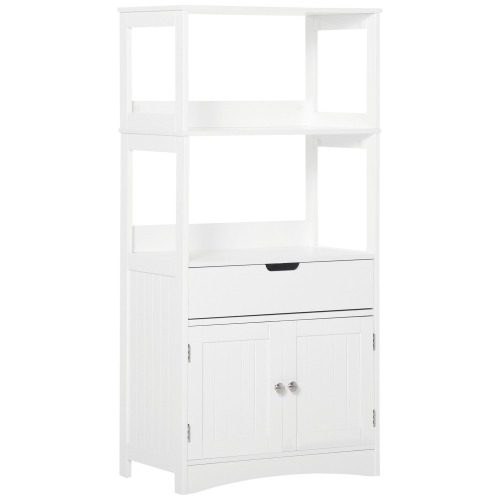
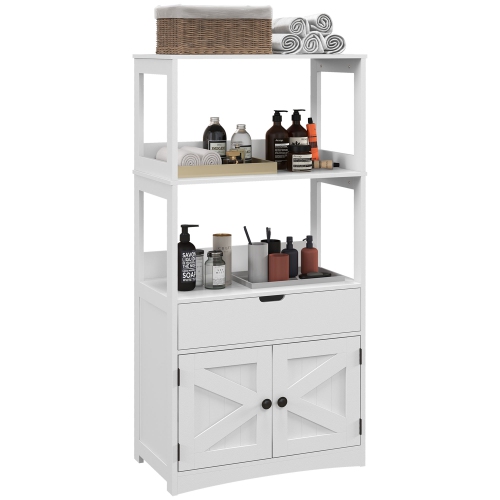
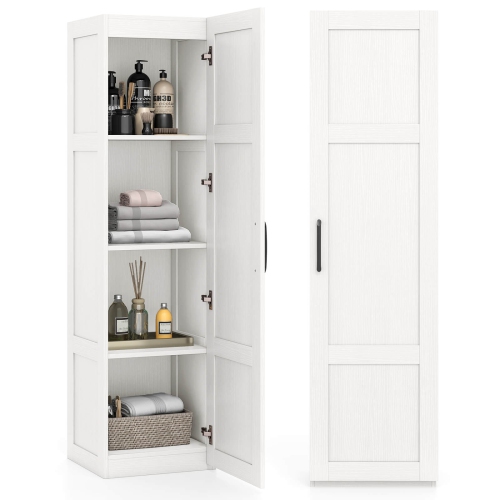
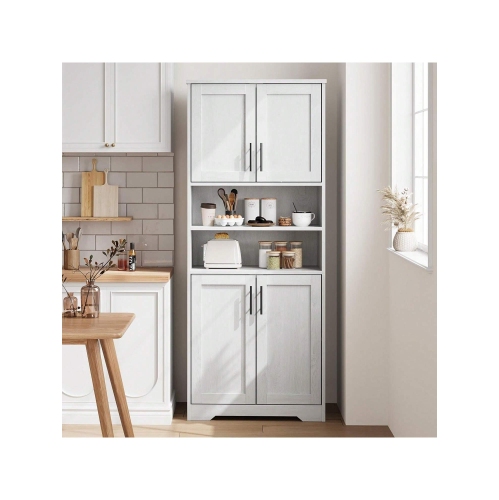
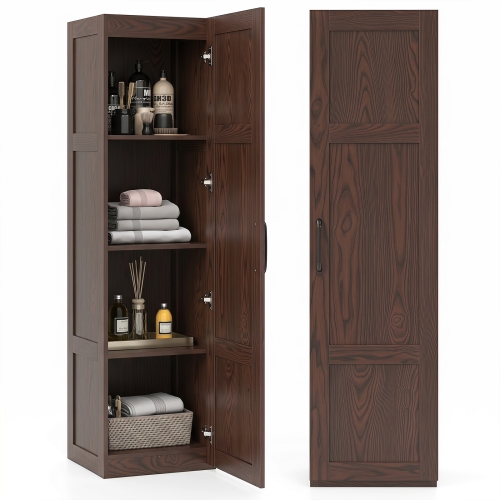
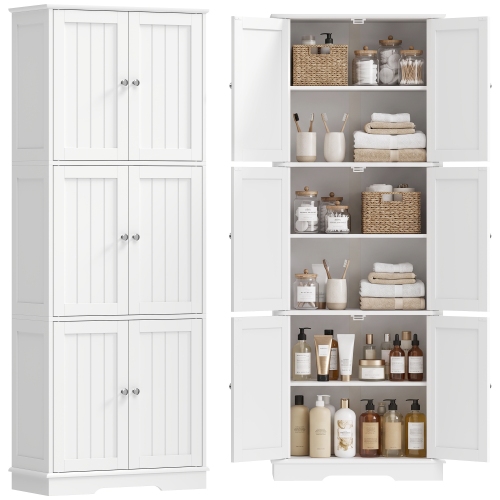
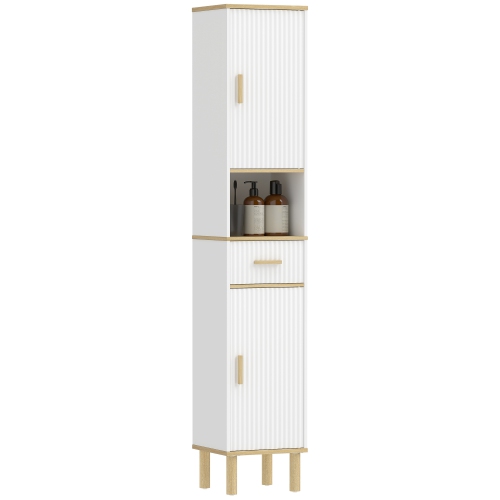
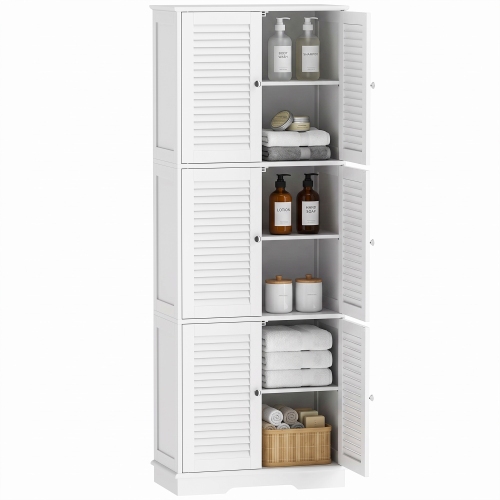
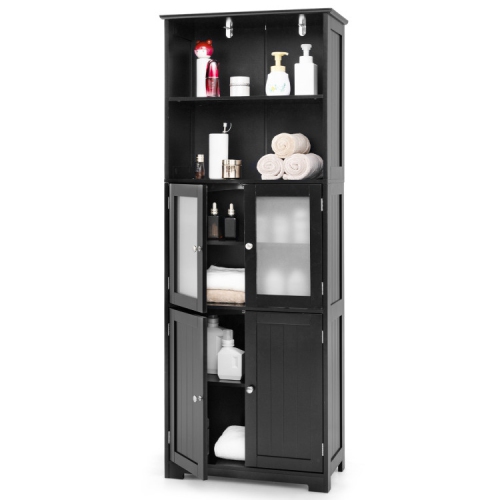
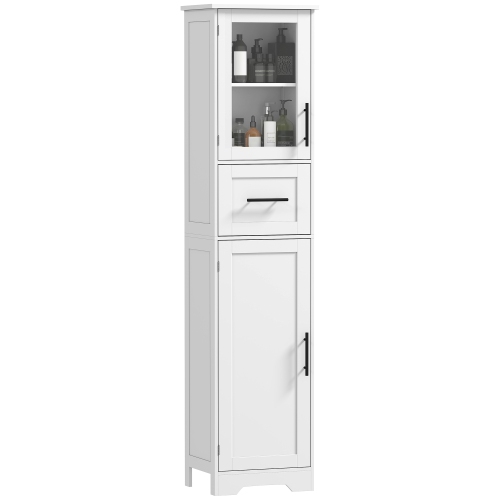
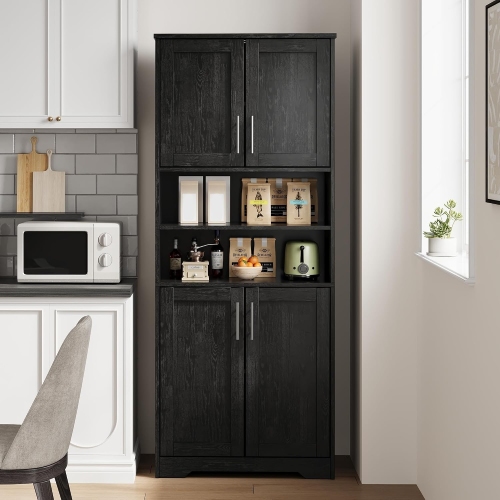
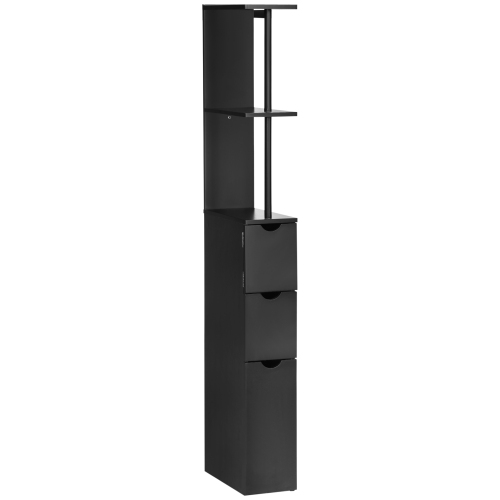
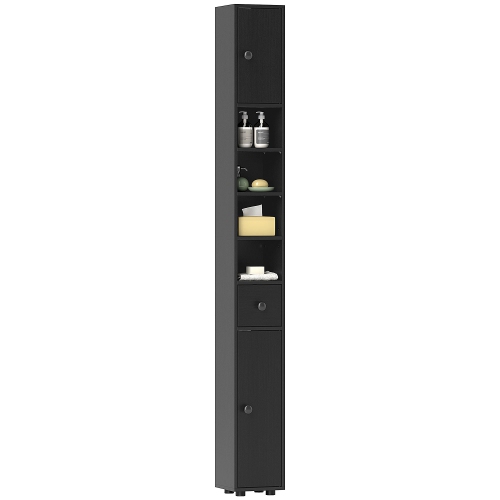
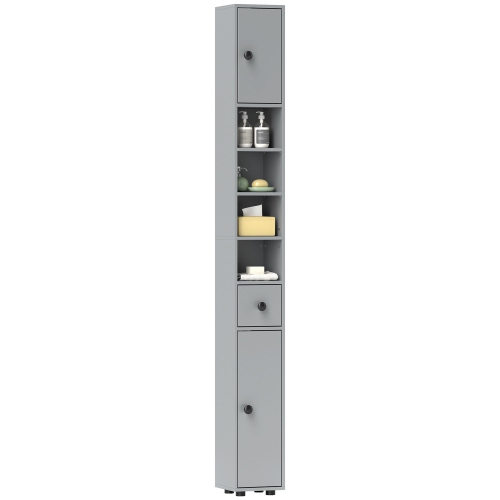
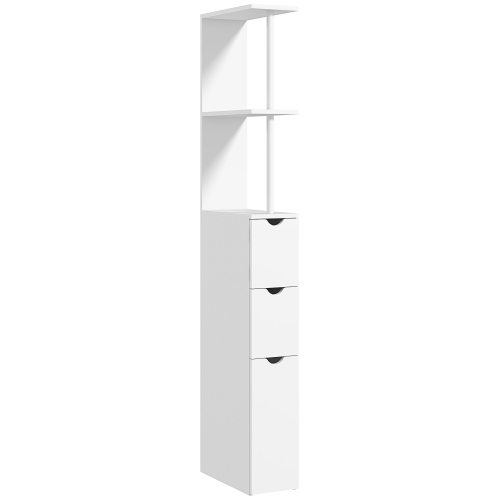
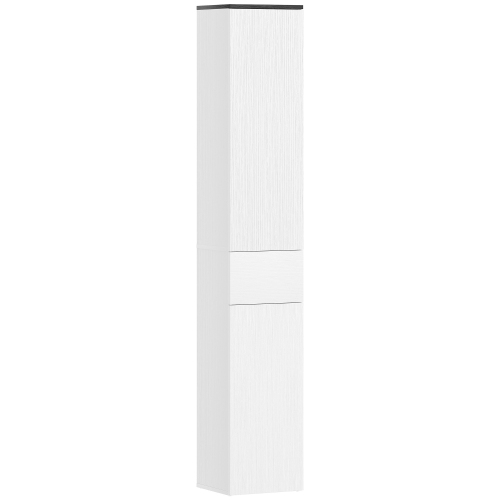
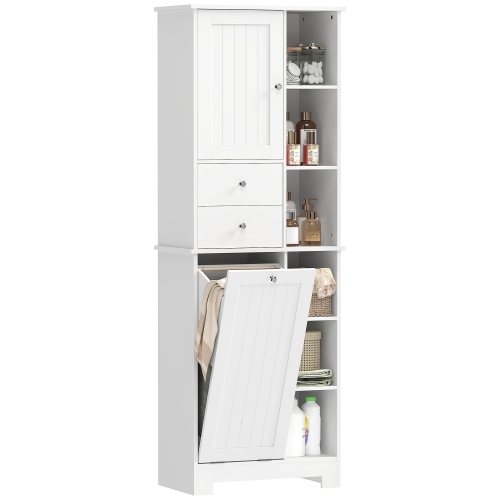
Tall linen cabinets provide vertical storage for towels, bedding, toiletries, and other household essentials without requiring the broad footprint of a dresser or sideboard. Their upright proportions make them especially useful in bathrooms, narrow hallways, laundry rooms, and bedrooms where cupboard space is limited. Many designs stand roughly 57 to 72 inches tall, although dimensions vary, and taller or shorter cabinets can suit different layouts. Slim towers may measure less than 16 inches wide, while broader cabinets can exceed 20 inches and accommodate larger stacks of folded linens. Height alone does not determine capacity: usable shelf depth, the space between shelves, and the size of door openings all affect what fits comfortably inside. A shallow cabinet can keep hand towels and toiletries within easy reach, while deeper shelves are better suited to bath sheets, pillowcases, and folded bedding. For a bathroom with little room beside the vanity, a narrow linen tower can turn an unused strip of floor into practical storage. In a hallway, a wider cabinet can serve several bedrooms, keeping spare sheets and guest towels together rather than scattered across different closets. A tall cabinet also helps separate personal supplies in a shared bathroom, giving each person a shelf or drawer without crowding the sink. When comparing proportions, account for baseboards, nearby trim, electrical outlets, and any fixtures that prevent the cabinet from sitting close to the wall. The doors need enough clearance to open without striking a toilet, vanity, or neighbouring door, and drawers should extend without blocking the main walkway. Measure the route into the room as well as the final location, particularly if the cabinet arrives assembled. Ceiling clearance matters when a cabinet must be raised from a horizontal position during assembly. For storage intended specifically for a washroom, Bathroom Linen Cabinets offer a useful starting point for comparing layouts that keep daily necessities close to where they are used.
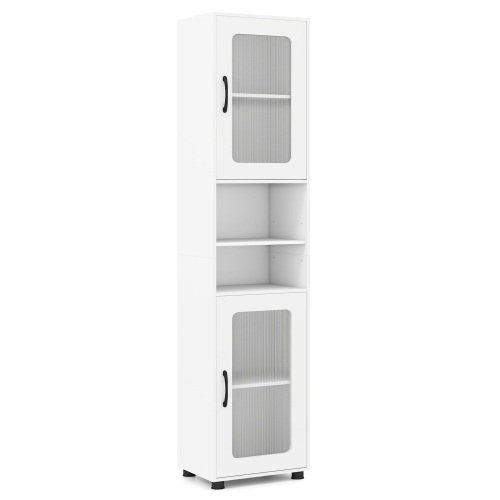
Materials and construction influence how a tall linen cabinet looks, feels, and stands up to everyday use. Solid wood brings natural grain and variation, while wood veneer provides a real wood surface over a supporting core. Engineered wood, including medium-density fibreboard and particleboard, is common in painted, laminated, and other finished cabinets; performance depends on the core, surface finish, edge sealing, and overall build. No material name by itself guarantees suitability for a damp bathroom. A cabinet described as moisture-resistant is not necessarily waterproof, so its care requirements and intended placement deserve attention, especially near a shower or bathtub. Well-finished edges, secure joints, and a back panel that sits firmly in place contribute to a cabinet that feels sturdy rather than loose when a door is opened. Shelf thickness and stated weight limits matter when storing heavier supplies, and adjustable shelves should rest securely on their supports. Hardware makes a noticeable difference in daily use, too. Hinges that allow alignment adjustments can help doors sit evenly, while smooth drawer runners make smaller compartments easier to access. Soft-close hardware, where included, reduces the abrupt sound of closing doors and drawers, but should not be assumed from appearance alone. The exterior can either blend into the room or introduce a distinct furniture element. White and light neutral finishes sit easily alongside many bathroom fixtures, dark finishes create contrast against pale walls, and wood tones add visual warmth. Shaker-style doors offer a simple framed profile, flat fronts look clean and understated, and fluted surfaces bring texture to a narrow piece. Glass-front doors make contents more visible, while frosted glass softens the view without concealing everything. Open shelves suit neatly folded towels and baskets, whereas solid doors keep mixed packaging and spare supplies out of sight. Handles should be comfortable to grip and positioned where they will not catch on clothing in a tight passage. Matching every finish is not essential; repeating a cabinet colour, wood tone, or hardware finish elsewhere in the room can help the space feel coordinated.
The most useful storage configuration depends on what needs a home and how often it is reached for. A tall linen cabinet with enclosed upper and lower compartments can separate fresh linens from toiletries, while a combination of shelves and drawers gives smaller supplies a place where they will not disappear behind towel stacks. Adjustable shelving is particularly helpful when storage needs change: a shelf spaced for folded hand towels may later need to accommodate taller bottles or a basket of washcloths. Interior measurements are worth comparing with the linens already in use, since a generous exterior width can conceal a much narrower opening between hinges and door frames. Frequently used towels belong at a comfortable reaching height, with less-used bedding above and heavier supplies lower down. Avoid making the top shelf part of a daily routine for anyone who would need to stretch or climb to reach it. In a family bathroom, low shelves can give children access to their own towels, but cleaners, medicines, and other potentially harmful supplies require appropriately secured storage rather than simply a higher position. Tall freestanding furniture should be anchored to a suitable wall structure according to the manufacturer's instructions, using hardware appropriate for the wall type; do not assume an anchoring kit is included or suitable for every surface. A level floor and correctly adjusted feet, where provided, also help the cabinet sit properly, but do not replace anchoring. Routine care is usually straightforward: remove dust with a soft cloth, wipe up splashes promptly, and use only cleaning methods approved for the finish. Abrasive pads and excessive water can damage surfaces or exposed edges. Put towels and bedding away only when fully dry, and leave enough room around stacks for easy removal without pulling neighbouring linens onto the floor. Open shelves benefit from regular dusting, while drawers and enclosed compartments are easier to keep tidy when their contents are grouped by use. With suitable dimensions, secure installation, and a practical shelf arrangement, a tall linen cabinet can make everyday routines simpler while keeping household textiles neatly contained.
Top selling and popular products
-
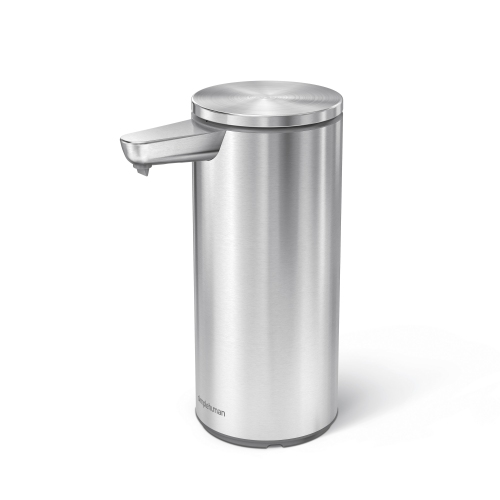 Your price for this item is $90
-
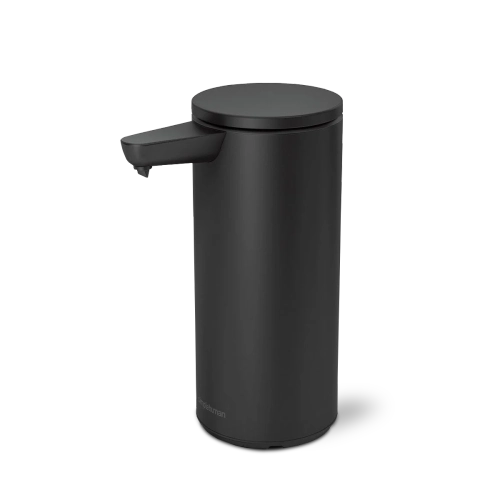 Your price for this item is $100
-
 Your price for this item is $100
-
 Your price for this item is $426.55
-
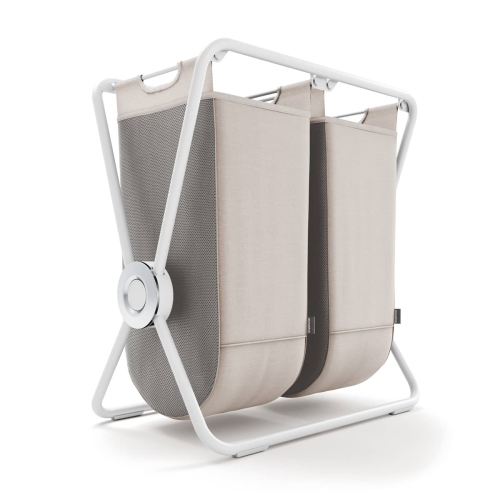 Your price for this item is $300
-
 Your price for this item is $120
-
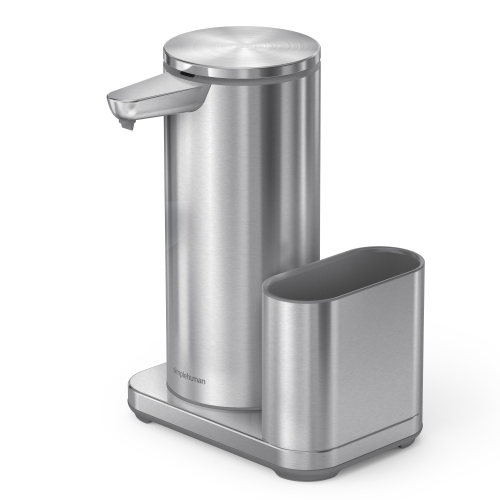 Your price for this item is $160
-
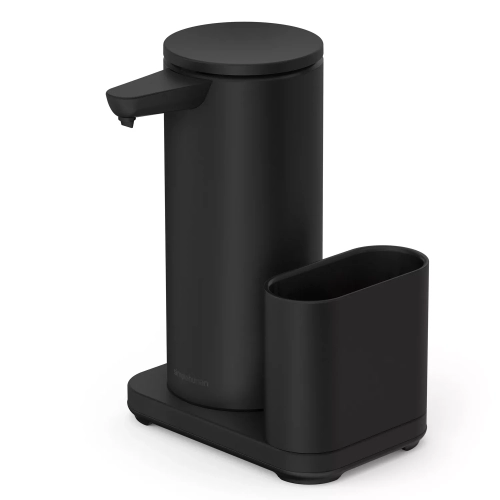 Your price for this item is $180
Discover more categories related to Tall Linen Cabinets


Top Collections:
Best Black Friday Deals This Year, Best Black Friday Deals On Electronics, Kindle Devices, Pokemon Centers, Best Black Friday Deals On Apple Products, Best Cameras for Sports Photography, Dyson Airwrap, Pokémon 30th Celebration Cards, Apple iPhone 17 Pro, Canon G7X Cameras
Some products may be subject to Environmental Handling Fees
(EHF) depending on your province.
Learn more about EHFs.