Tall Open Shelving Units
Tall Open Shelving Units offer a versatile solution for organizing and displaying items in any room. Perfect for maximizing vertical space, these shelving units provide ample room to showcase books, décor, electronics, or everyday essentials. Whether you’re looking to enhance your living area, office, or bedroom, Tall Open Shelving Units blend seamlessly with various interior styles while helping keep spaces tidy and visually appealing. Explore a range of sizes and finishes to find the ideal fit for your storage and display needs.
Sort
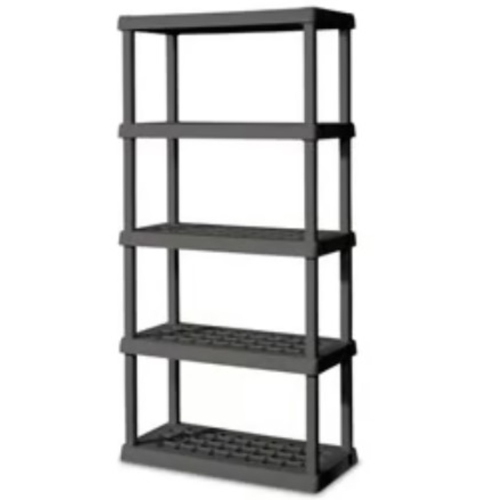
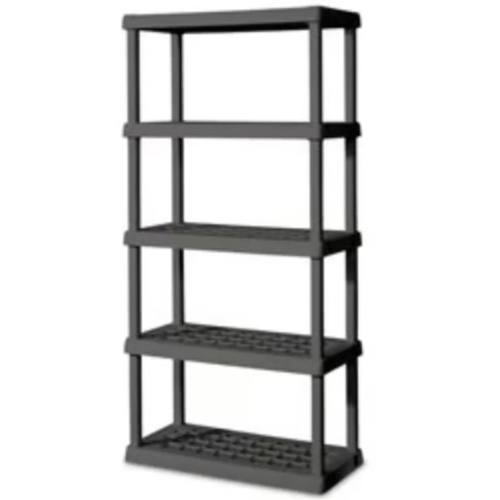
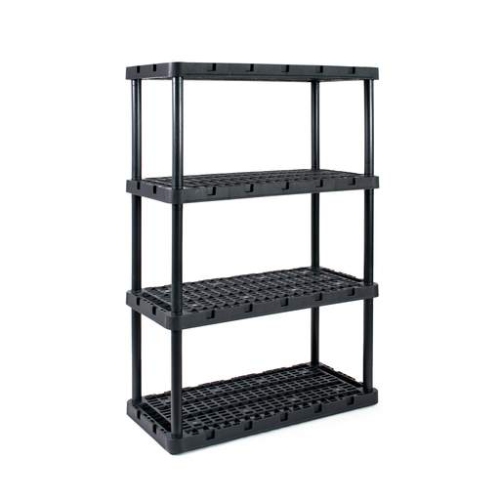
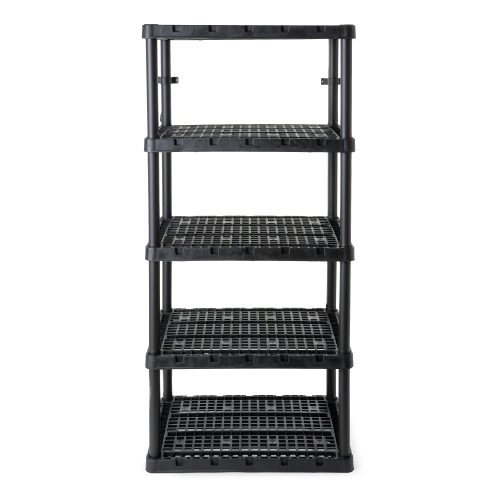
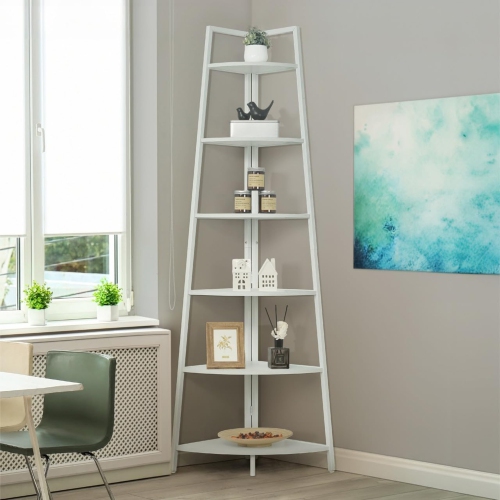
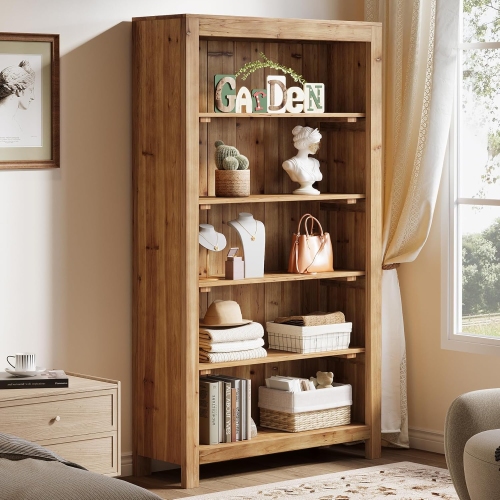

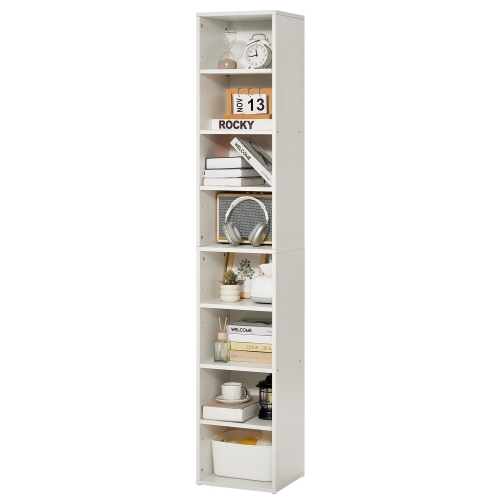
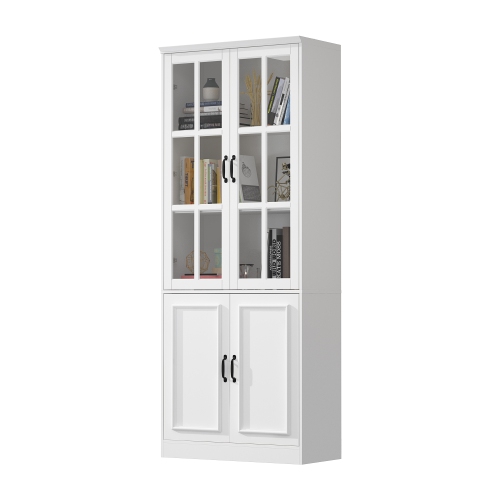
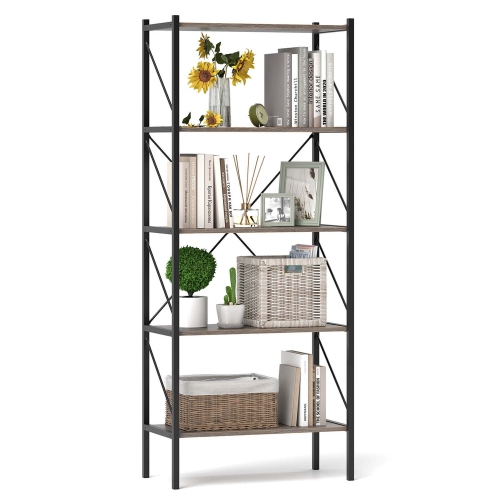
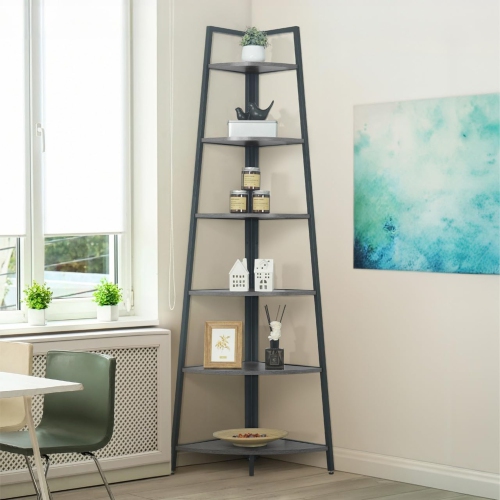
Vertical storage that keeps everyday essentials in view
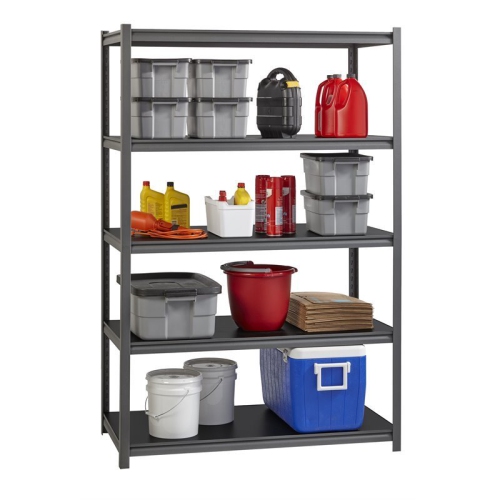
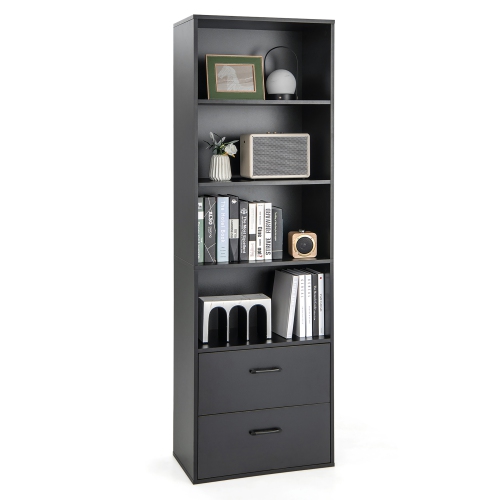
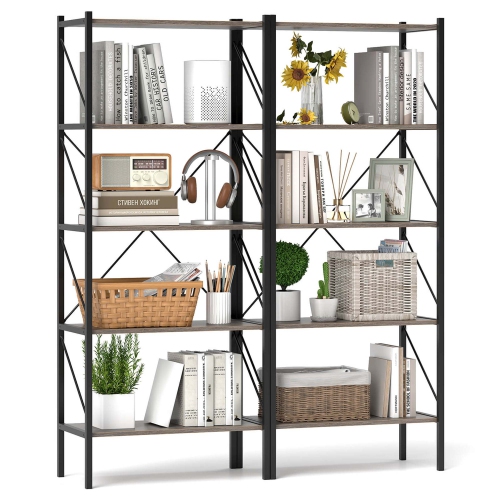
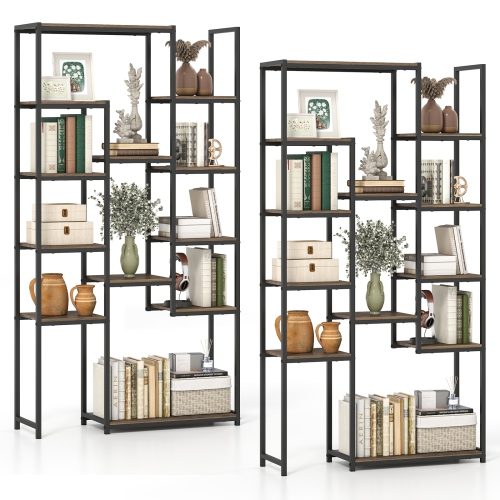
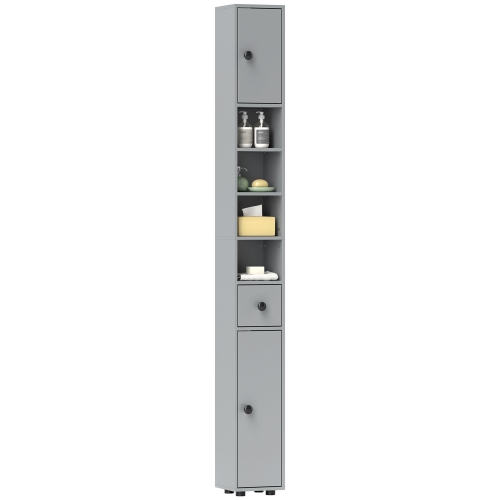
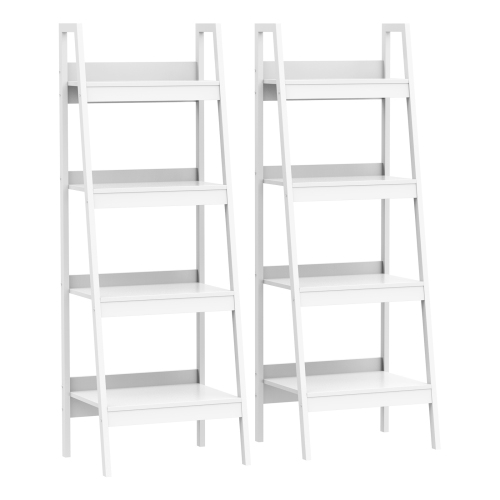
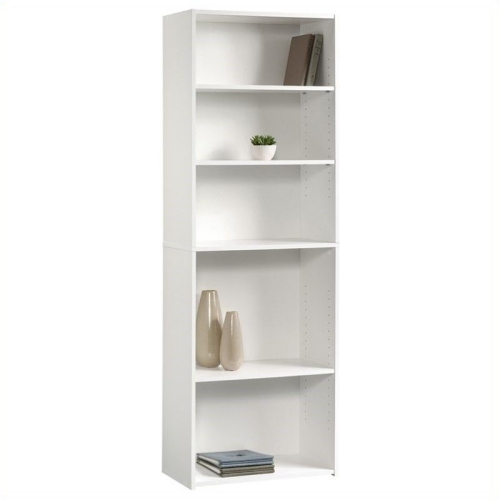
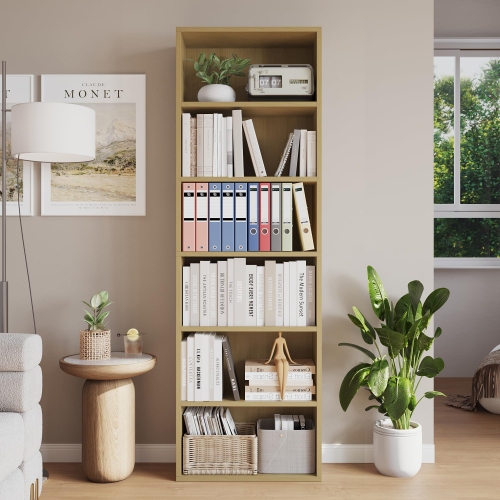
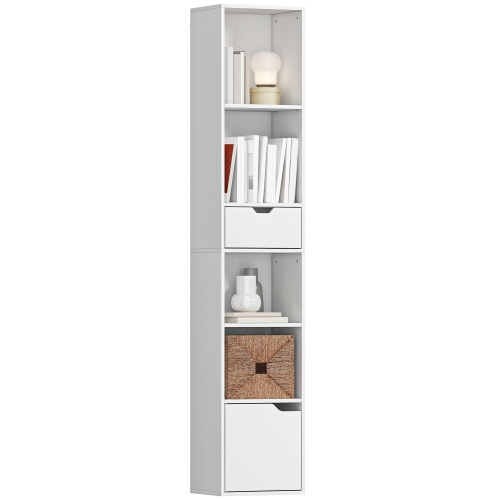
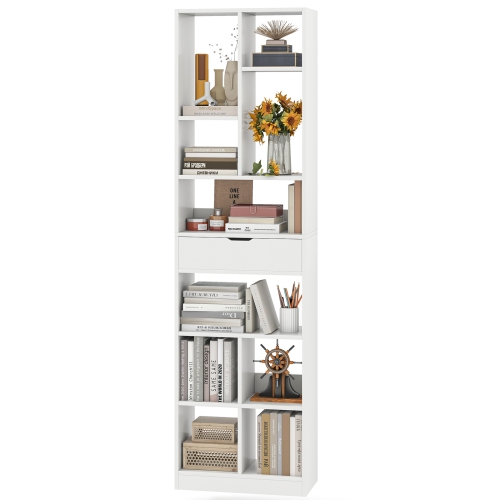
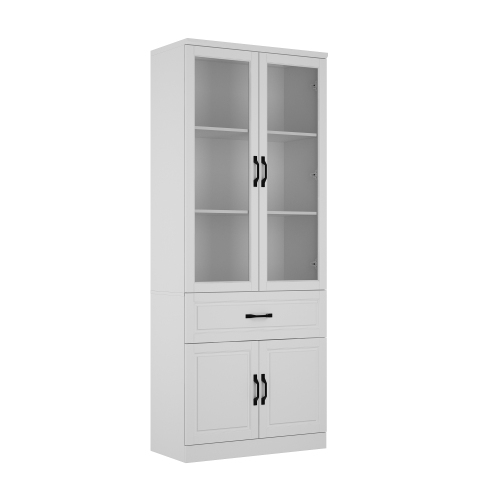
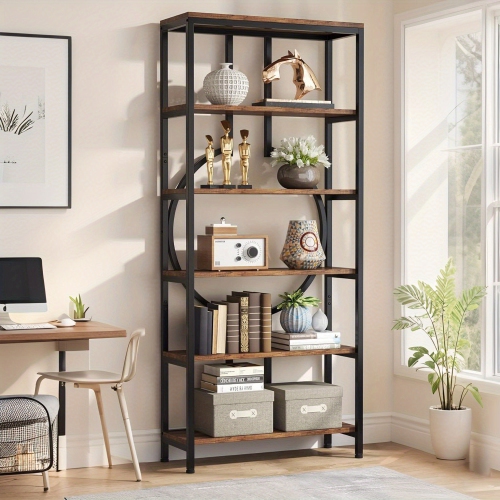
Tall open shelving units provide vertical storage with exposed shelves that keep books, baskets, and everyday essentials visible and within reach. Their upright proportions make them useful where floor space is limited, whether beside a living room sofa, along a home office wall, or in a dining area without room for a large cabinet. Unlike enclosed storage, open shelving leaves the contents on view, so the shape of the frame and the way each shelf is arranged both contribute to the room’s appearance. A slender metal frame can create a light, understated outline, while thicker wood shelves bring a more substantial presence. Open-backed designs allow the wall colour to show through and can look less visually imposing than a solid-backed bookcase of similar size. The most useful dimensions to compare are overall height, width, and depth, along with the usable space between shelves. Many tall shelving designs stand around 60 to 72 inches high, although dimensions vary considerably and taller options need additional clearance. Measure the intended location against the unit’s listed measurements, allowing for baseboards, nearby door swings, electrical outlets, and enough space to walk past comfortably. Shelf depth matters just as much as height: a shallow shelf may suit paperbacks and small framed photographs, while larger books or storage baskets need more support beneath them. Adjustable shelves offer flexibility when the contents vary in height, whereas fixed shelves establish a consistent arrangement and may contribute to the structure of the frame. Ladder-style shelving can have progressively shallower upper tiers, making the dimensions of each level worth checking rather than relying on the overall depth alone. Where there is more wall space than vertical clearance, Wide Shelving Units offer a different proportion for spreading storage across a room. Either shape works best when its usable shelf area matches what it will hold, rather than simply filling an empty patch of wall.
Materials and construction influence how tall open shelving looks, feels, and stands up to daily use. Solid wood brings natural grain and variation, with finishes ranging from pale tones to deeper browns that coordinate with desks, dining tables, or other furniture. Wood veneer provides a real wood surface over a core material, while laminate-covered engineered wood can offer a smooth, consistent finish that is straightforward to wipe clean according to the care instructions. MDF and particleboard are common shelf materials, but their performance depends on thickness, support, assembly, and the quality of the finished edges. Metal frames create anything from a fine, minimal outline to a more pronounced industrial look. Powder-coated steel has a coated surface whose durability depends partly on keeping it free from chips and scratches, especially in rooms where damp objects might be placed nearby. Mixed-material shelving pairs the defined lines of metal supports with the warmer appearance of wood or wood-look shelves. For practical storage, the shelf surface deserves close attention. Solid shelves support small objects evenly, while wire shelves may need compatible liners or trays to keep narrow objects upright. In a home office, tall shelving can hold reference books, document boxes, and supplies without occupying the same footprint as a broad filing cabinet. In a living room, it can combine a personal library with ceramics and photographs, leaving some space between groupings so the arrangement remains easy to use. A dining area may benefit from accessible storage for serving pieces, provided the shelves are rated for their weight. Utility spaces call for materials and finishes suited to the intended conditions; shelving designed for a dry living area should not automatically be treated as appropriate for a damp laundry room. Students, readers, hobbyists, and people furnishing compact homes may all find vertical shelving useful, but the best fit depends on the contents. A row of heavy textbooks places different demands on a shelf than a few lightweight display pieces.
Weight capacity, stability, and everyday upkeep are essential considerations for any tall freestanding shelving unit. Check both the maximum load per shelf and the total capacity of the assembled unit, since these limits are not interchangeable. A metal frame alone does not establish how much weight the shelves can carry, and load ratings often assume that weight is distributed evenly rather than concentrated in the centre. Heavy books, stacked dishes, and filled storage bins can add up quickly. Keeping heavier contents on lower shelves helps reduce top-heaviness and makes them easier to lift, while lightweight objects that are used less often can sit higher. Secure tall shelving to the wall according to the manufacturer’s instructions, using anti-tip hardware and fasteners appropriate for the wall construction. Included hardware may not suit every wall type, so the attachment needs to be suitable for the actual installation. Wall anchoring is particularly important in homes with children or pets, but it is a safety consideration in any household. Open-backed shelving may look appealing as a room divider, yet it should only be used away from a wall if the design and installation instructions explicitly permit that arrangement. Assemble the frame on a suitable surface, fit all braces and supports as directed, and confirm that the finished unit sits level before loading it. For daily use, keep frequently reached objects at a comfortable height and avoid arrangements that encourage climbing on shelves. Baskets can contain loose supplies, but their handles and rims should fit within the shelf opening without catching on the frame. Open shelves also collect dust, so leaving enough space to wipe around the contents makes routine care easier. Use a soft cloth and cleaning methods approved for the material, wipe up spills promptly, and avoid soaking finished edges or joints. Protective pads beneath rough-bottomed pottery can help prevent surface scratches. With appropriate loading, secure installation, and care suited to the finish, tall open shelving can serve as both practical storage and a considered part of a room’s layout.
Materials and construction influence how tall open shelving looks, feels, and stands up to daily use. Solid wood brings natural grain and variation, with finishes ranging from pale tones to deeper browns that coordinate with desks, dining tables, or other furniture. Wood veneer provides a real wood surface over a core material, while laminate-covered engineered wood can offer a smooth, consistent finish that is straightforward to wipe clean according to the care instructions. MDF and particleboard are common shelf materials, but their performance depends on thickness, support, assembly, and the quality of the finished edges. Metal frames create anything from a fine, minimal outline to a more pronounced industrial look. Powder-coated steel has a coated surface whose durability depends partly on keeping it free from chips and scratches, especially in rooms where damp objects might be placed nearby. Mixed-material shelving pairs the defined lines of metal supports with the warmer appearance of wood or wood-look shelves. For practical storage, the shelf surface deserves close attention. Solid shelves support small objects evenly, while wire shelves may need compatible liners or trays to keep narrow objects upright. In a home office, tall shelving can hold reference books, document boxes, and supplies without occupying the same footprint as a broad filing cabinet. In a living room, it can combine a personal library with ceramics and photographs, leaving some space between groupings so the arrangement remains easy to use. A dining area may benefit from accessible storage for serving pieces, provided the shelves are rated for their weight. Utility spaces call for materials and finishes suited to the intended conditions; shelving designed for a dry living area should not automatically be treated as appropriate for a damp laundry room. Students, readers, hobbyists, and people furnishing compact homes may all find vertical shelving useful, but the best fit depends on the contents. A row of heavy textbooks places different demands on a shelf than a few lightweight display pieces.
Weight capacity, stability, and everyday upkeep are essential considerations for any tall freestanding shelving unit. Check both the maximum load per shelf and the total capacity of the assembled unit, since these limits are not interchangeable. A metal frame alone does not establish how much weight the shelves can carry, and load ratings often assume that weight is distributed evenly rather than concentrated in the centre. Heavy books, stacked dishes, and filled storage bins can add up quickly. Keeping heavier contents on lower shelves helps reduce top-heaviness and makes them easier to lift, while lightweight objects that are used less often can sit higher. Secure tall shelving to the wall according to the manufacturer’s instructions, using anti-tip hardware and fasteners appropriate for the wall construction. Included hardware may not suit every wall type, so the attachment needs to be suitable for the actual installation. Wall anchoring is particularly important in homes with children or pets, but it is a safety consideration in any household. Open-backed shelving may look appealing as a room divider, yet it should only be used away from a wall if the design and installation instructions explicitly permit that arrangement. Assemble the frame on a suitable surface, fit all braces and supports as directed, and confirm that the finished unit sits level before loading it. For daily use, keep frequently reached objects at a comfortable height and avoid arrangements that encourage climbing on shelves. Baskets can contain loose supplies, but their handles and rims should fit within the shelf opening without catching on the frame. Open shelves also collect dust, so leaving enough space to wipe around the contents makes routine care easier. Use a soft cloth and cleaning methods approved for the material, wipe up spills promptly, and avoid soaking finished edges or joints. Protective pads beneath rough-bottomed pottery can help prevent surface scratches. With appropriate loading, secure installation, and care suited to the finish, tall open shelving can serve as both practical storage and a considered part of a room’s layout.
Top selling and popular products
-
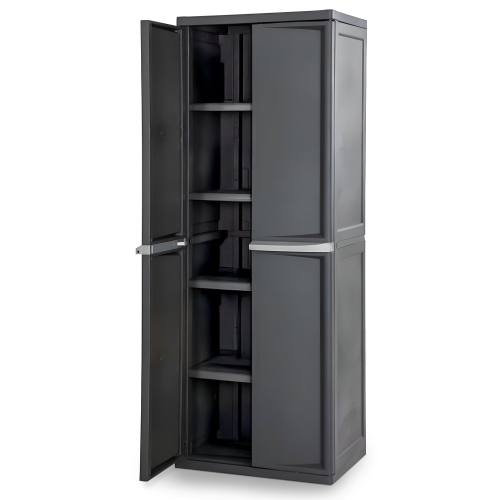 Your price for this item is $772.99
 -
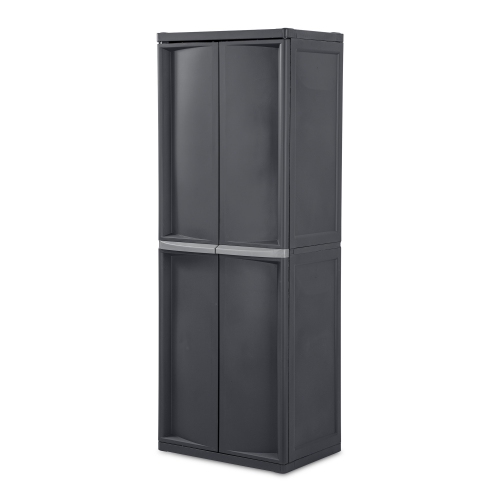 Your price for this item is $1522.99
 -
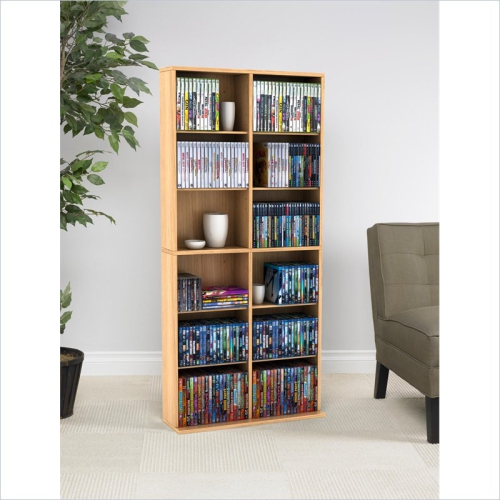 Your price for this item is $234.68
 -
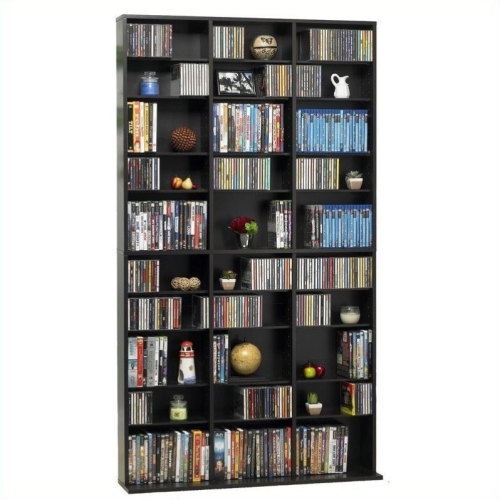 Your price for this item is $365.38
 -
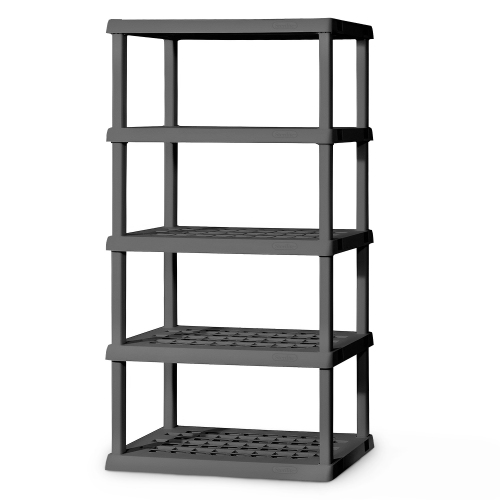 Your price for this item is $468.99
 -
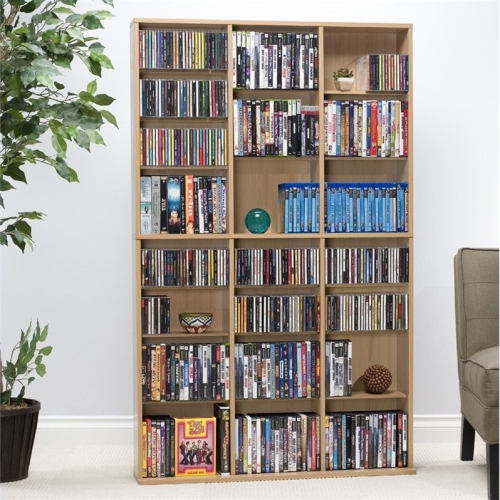 Your price for this item is $295.84
 -
 Your price for this item is $999.77
 -
 Your price for this item is $998.43
Discover more categories related to Tall Open Shelving Units

Top Collections:
Pokemon Centers, Kindle Devices, Best Budget Office Chairs, Apple iPhones 16, Best Laptops for Writers, iPhone 15 Apple, Canon G7X Cameras, Refurbished Apple Laptops, Alarm Clock, Motorola Razr Phones
Some products may be subject to Environmental Handling Fees
(EHF) depending on your province.
Learn more about EHFs.