Wide Shelving Units
Organize your space efficiently with our selection of wide shelving units, designed to provide ample storage and display options for any room in your home. Whether you're looking to declutter your living room, organize your home office, or showcase your favorite decor pieces, these shelving units offer both style and functionality. With various sizes, materials, and finishes to choose from, you can find the perfect shelving solution to suit your needs and complement your existing decor seamlessly. Explore our wide shelving units collection and elevate the organization and aesthetic appeal of your living space today.
Sort











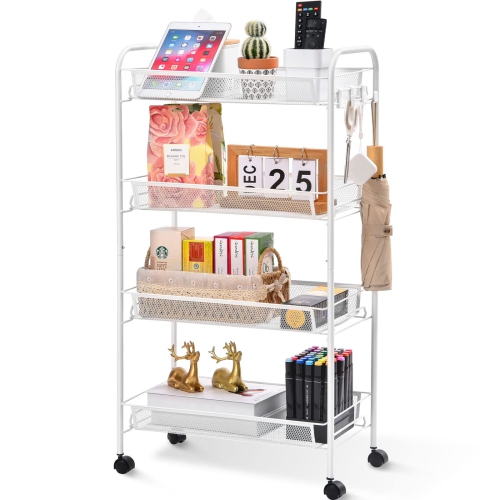
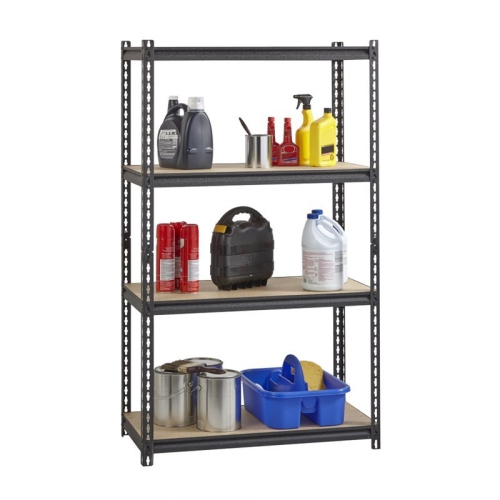
Usable shelf space matters more than width alone
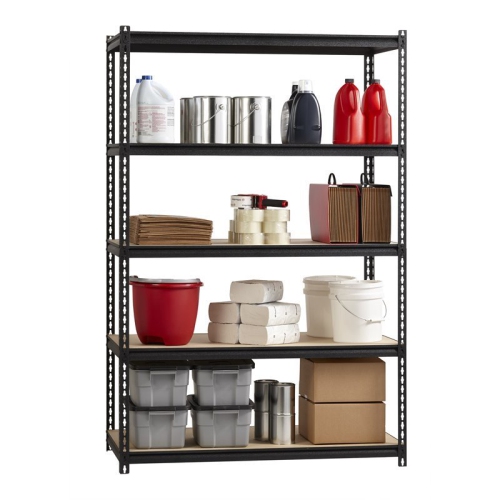
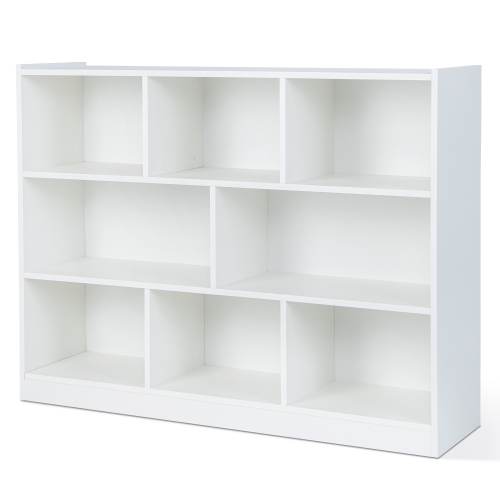
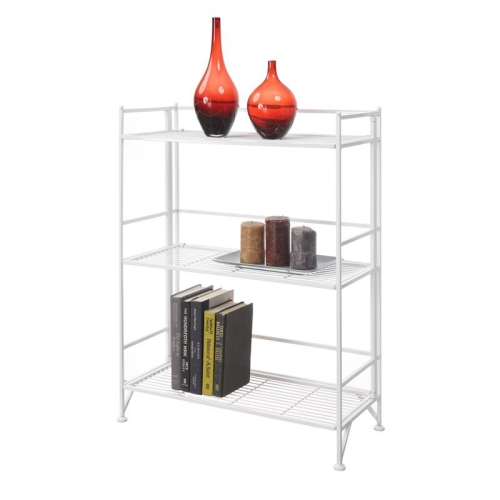
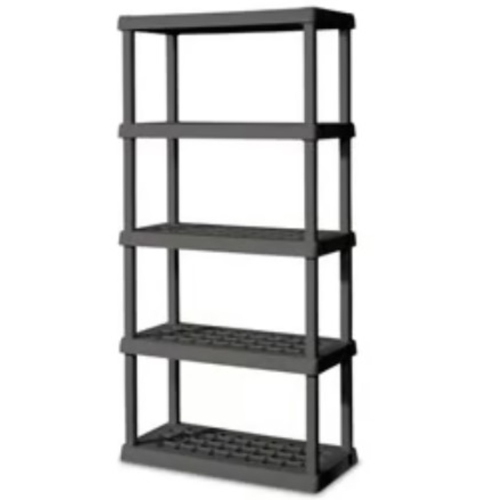
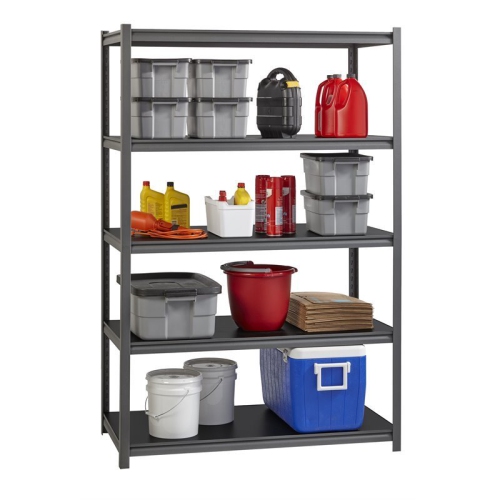
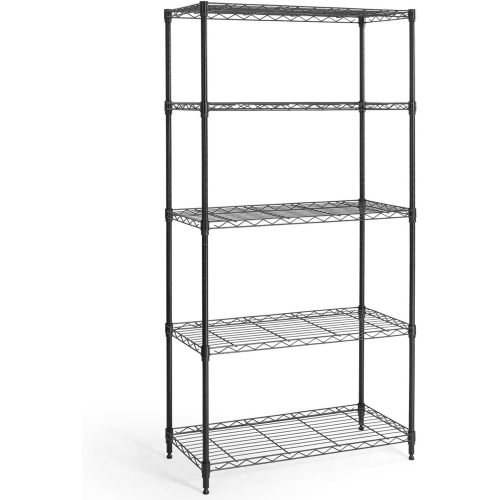
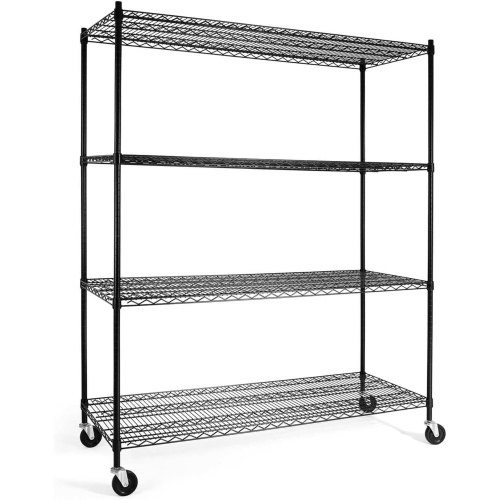
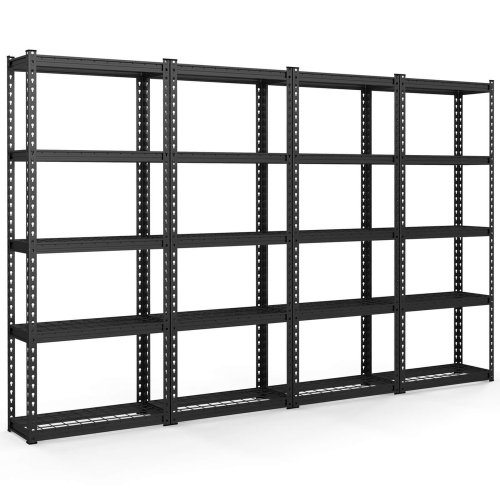
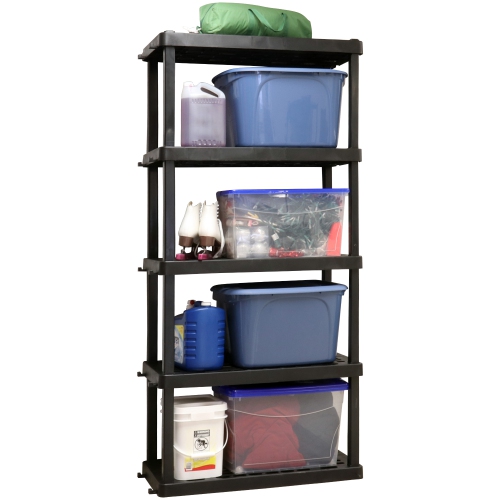
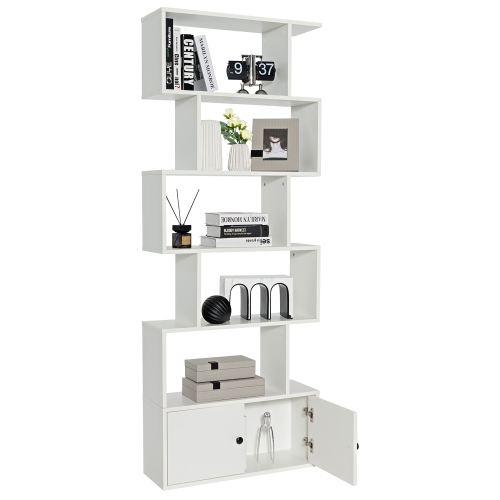
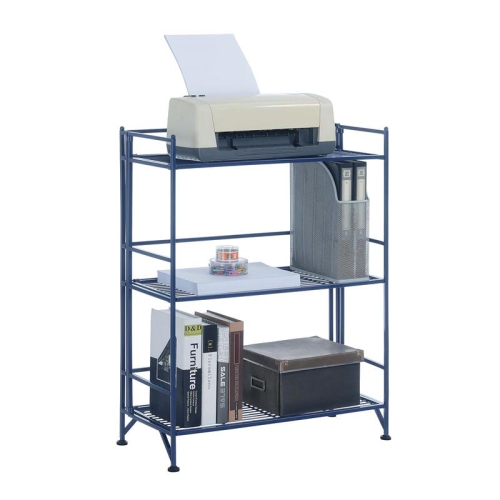
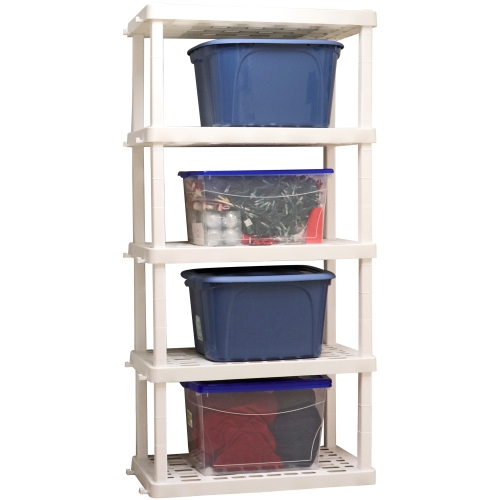
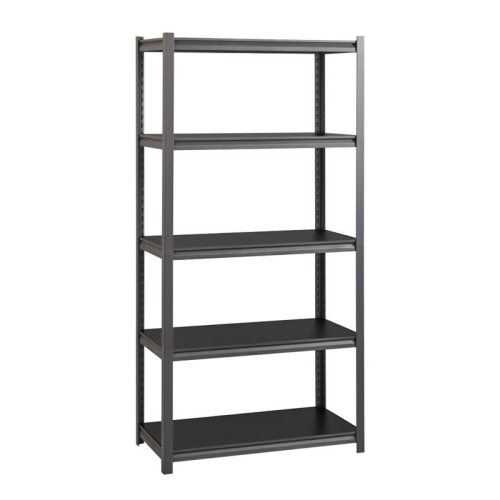
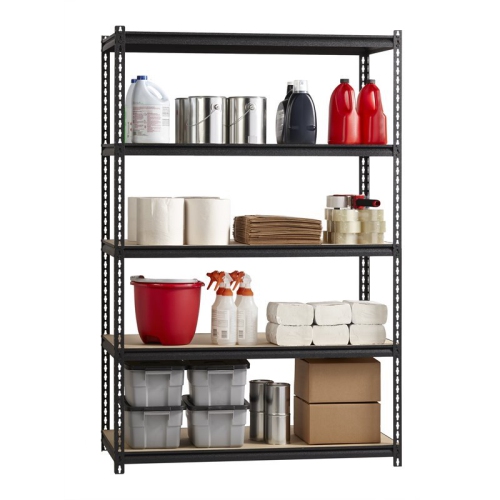
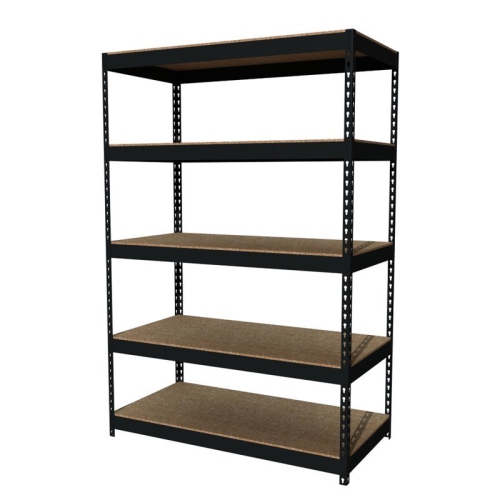
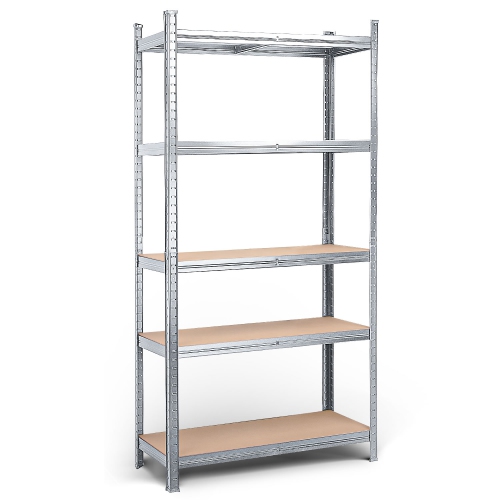
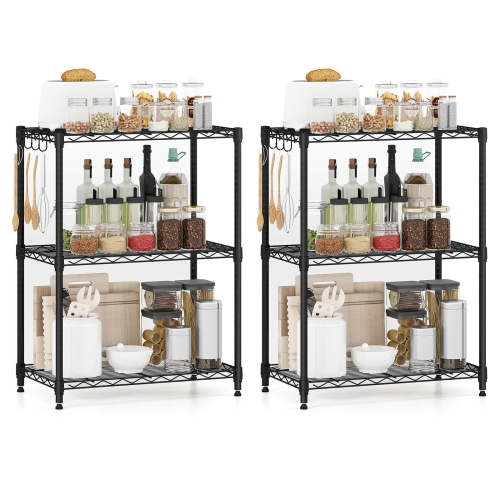
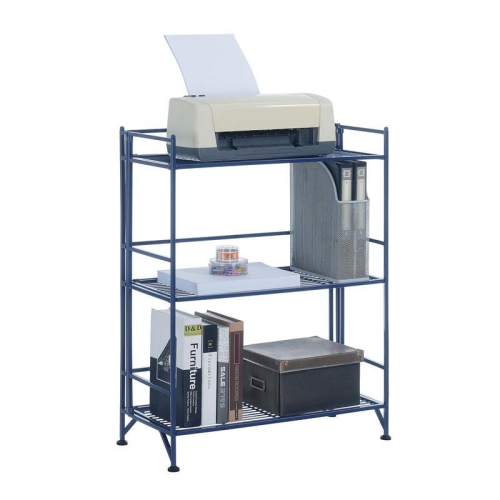
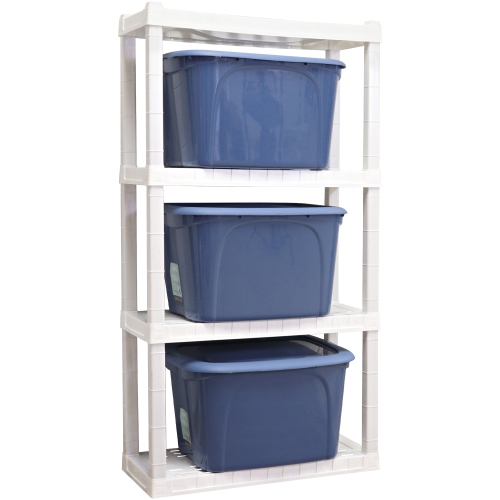
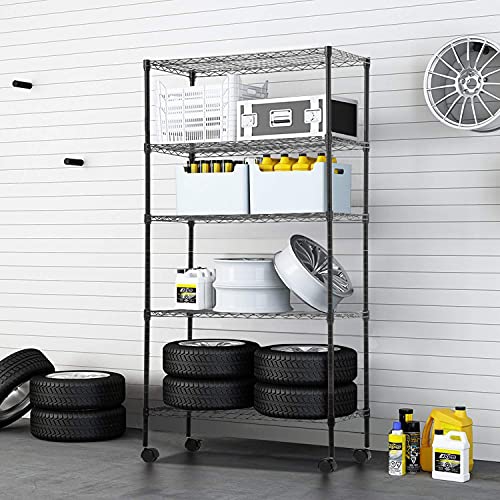
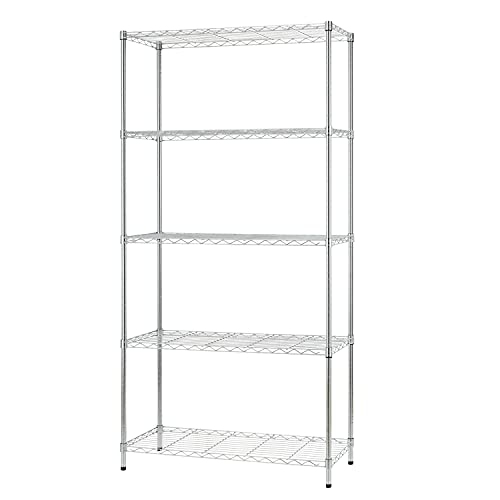
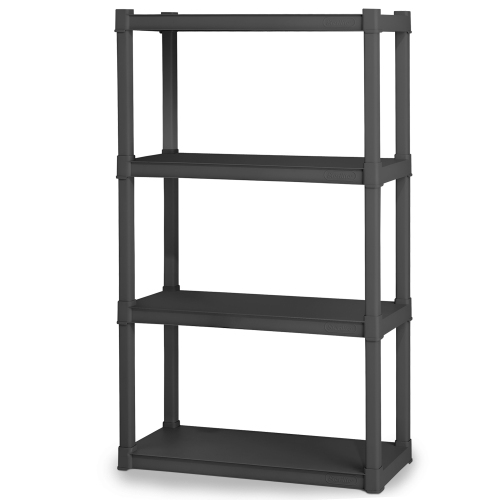
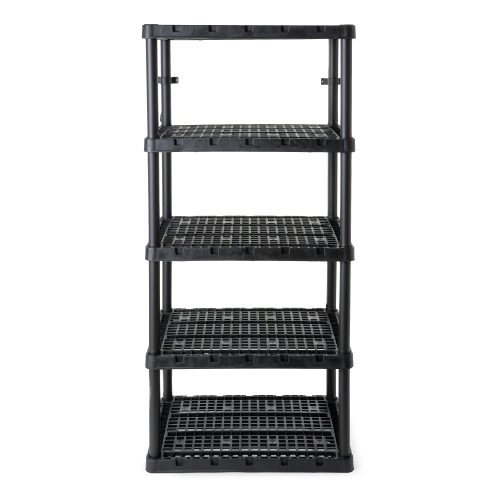
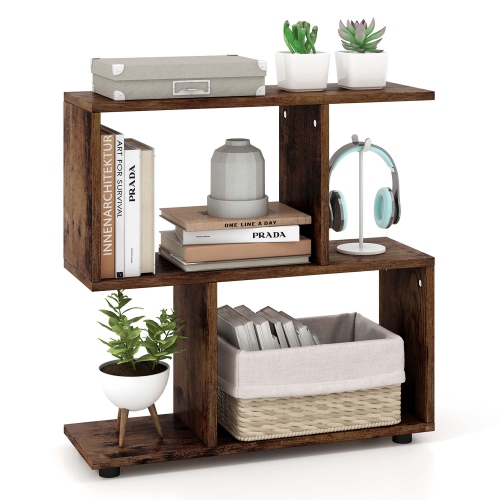
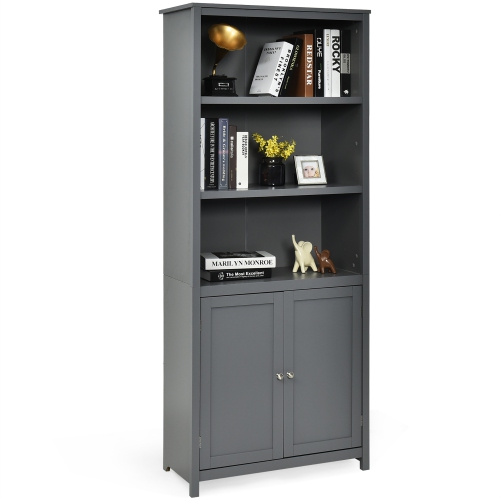
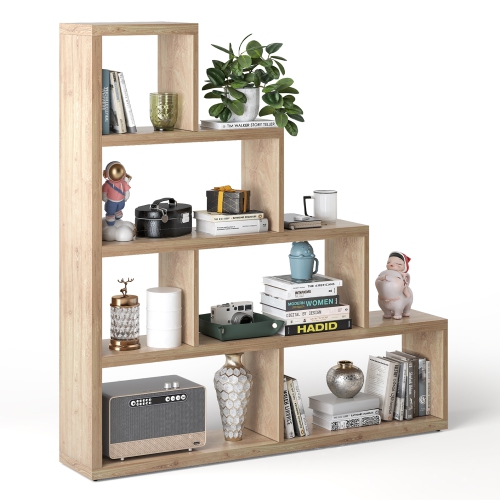
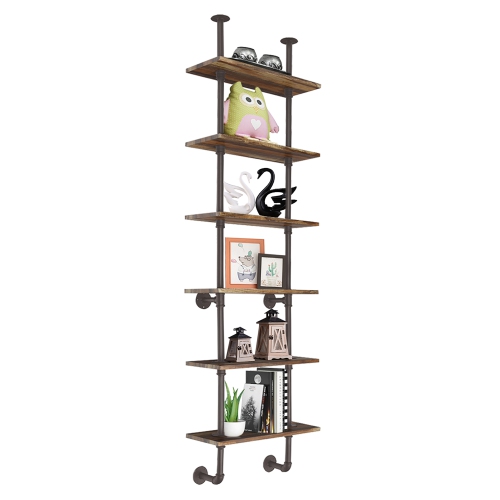
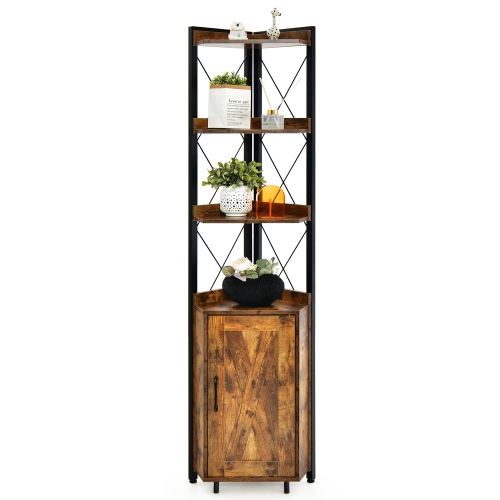
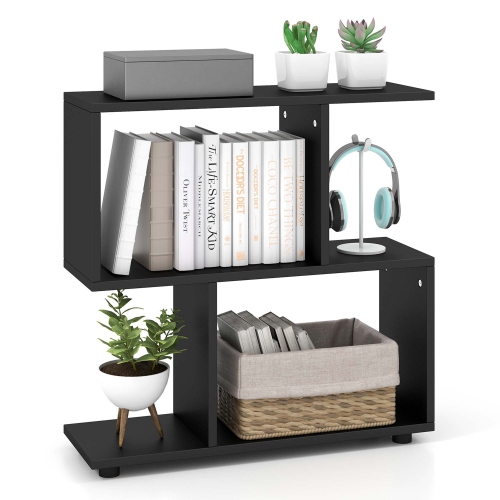
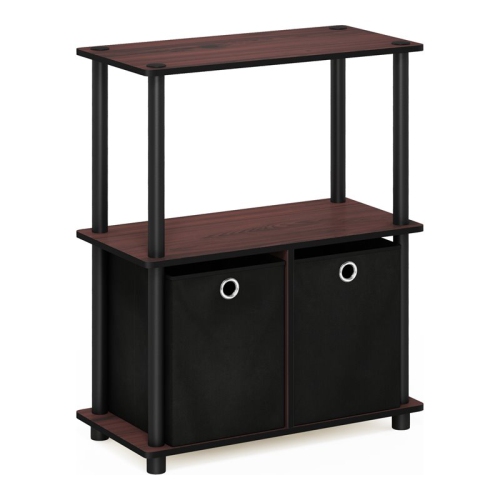
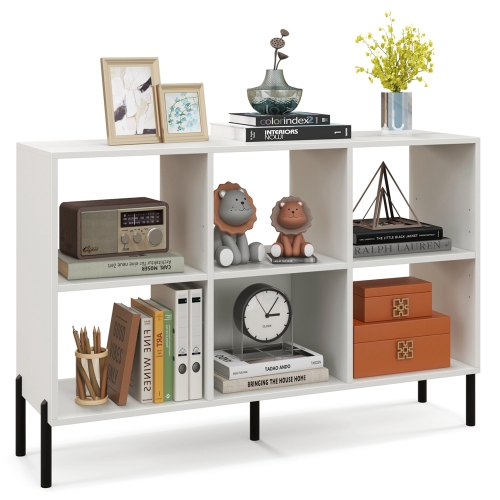
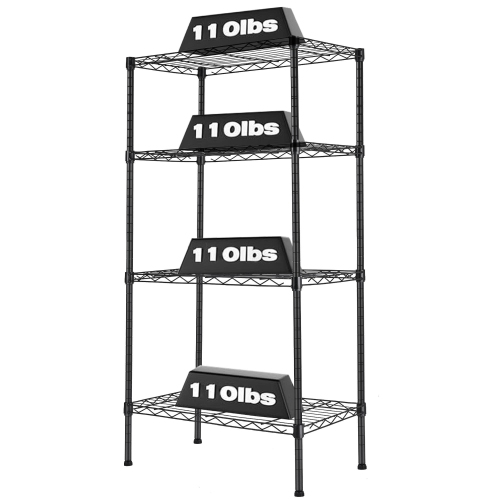
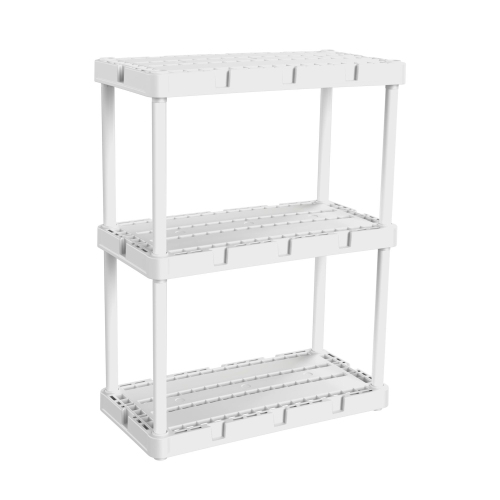
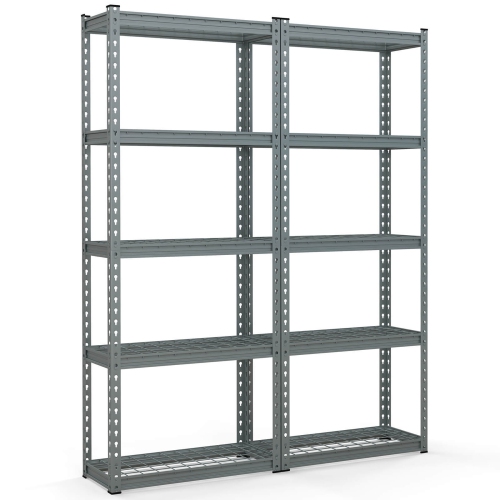
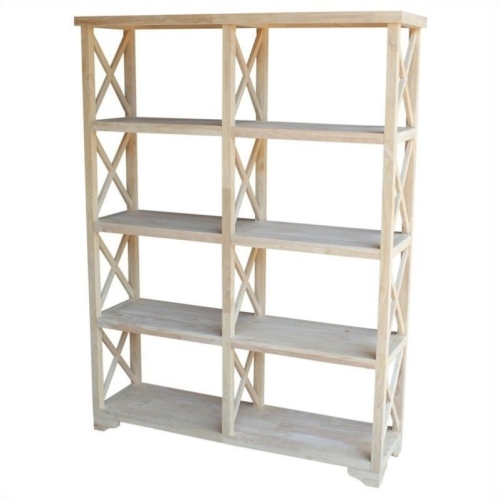
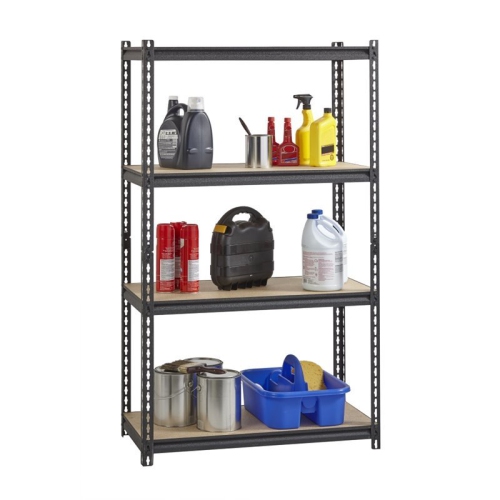
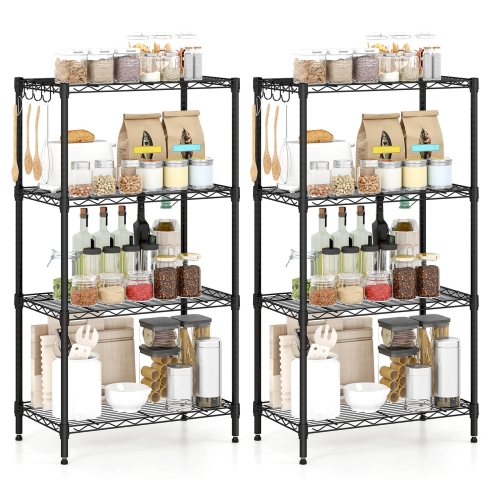
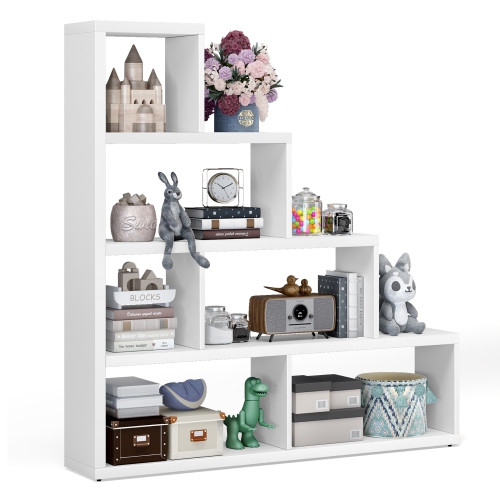
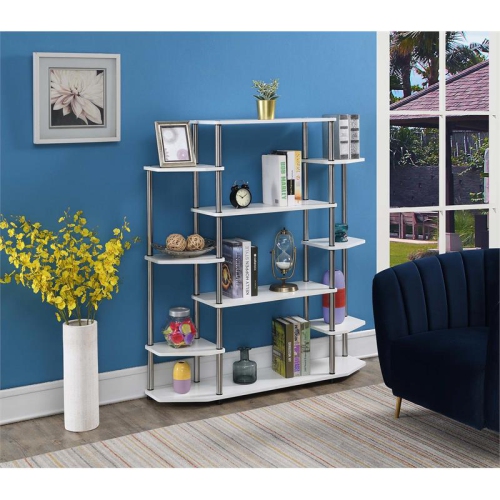
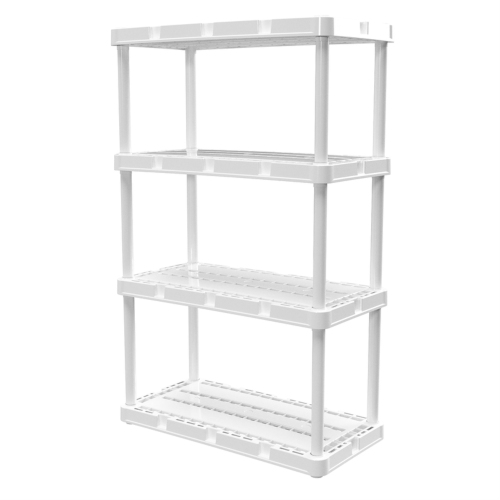
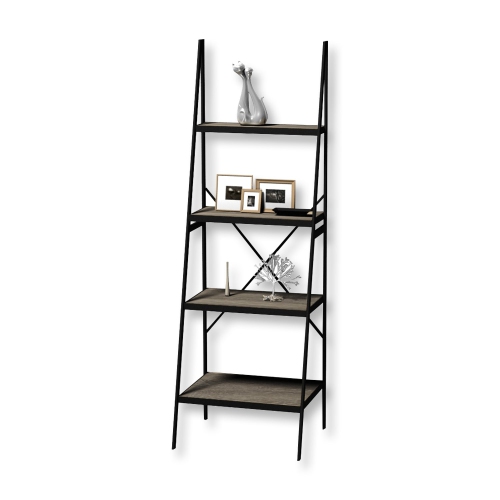
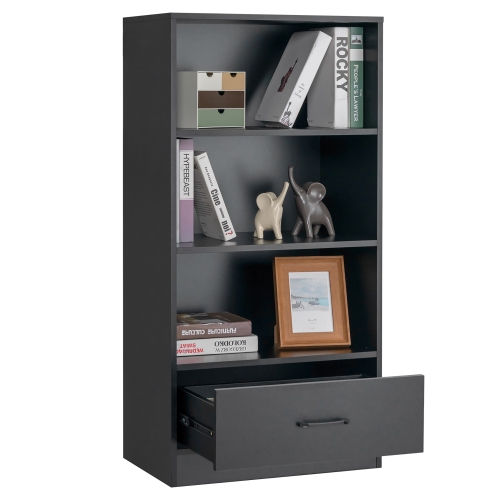
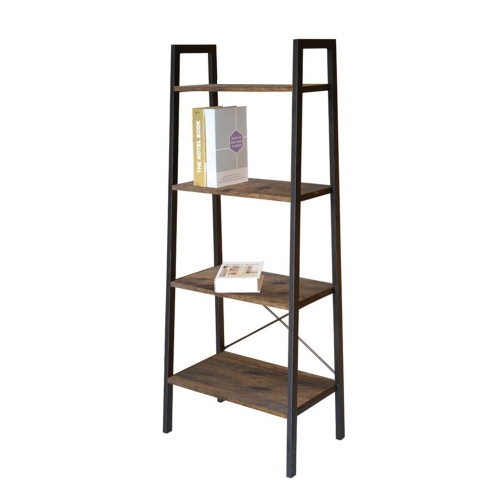
Wide shelving units provide generous horizontal storage for rooms where a narrow bookcase or compact rack would leave too little usable space. Their broad shelves can keep books, baskets, office supplies, and display pieces together, making them useful in living rooms, home offices, dining areas, and utility spaces. The most suitable design depends on what the shelves will hold, how much floor space is available, and whether the unit will be a visible part of the room or mainly serve practical storage needs. A low, wide unit can sit beneath wall art and leave the upper wall open, while a taller model uses more vertical space without extending farther across the floor. There is no single measurement that defines a wide shelving unit, so comparing the stated width, height, and depth is more useful than relying on the category name alone. Measure the intended position at floor level and account for baseboards, nearby outlets, door swings, and access to drawers or cupboards. Depth deserves particular attention: a shelf that fits neatly against a wall may still project into a busy walkway, while a shallow shelf may not fully support larger storage containers. Internal dimensions matter, too, since side panels and vertical dividers reduce the usable shelf space. For a row of matching baskets or a collection of large art books, the clear opening between supports is the measurement that determines fit. Adjustable shelves offer flexibility when storage needs change, although adjustment intervals vary by design. Fixed shelves create consistent compartments and may contribute to the structure of the unit. In a shared home office, separate sections can give each person a clear place for reference materials and supplies; in a living area, a mixture of upright books, closed baskets, and open space can keep a wide arrangement from feeling crowded. Checking both the exterior footprint and the usable openings helps distinguish a piece that simply fits the wall from one that works well every day.
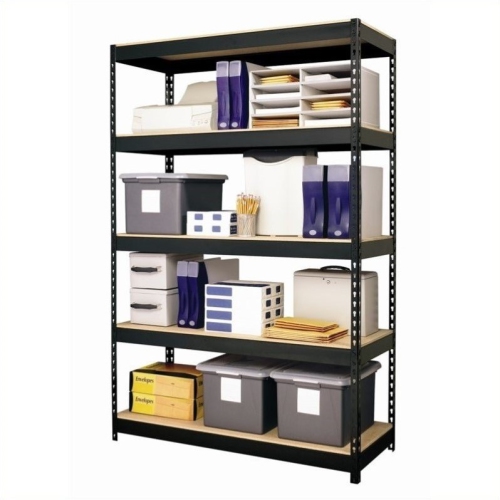
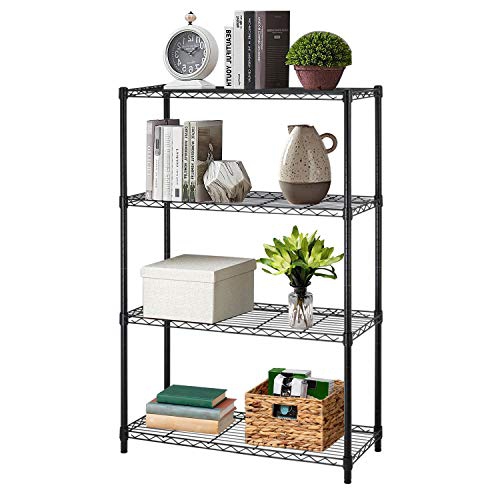
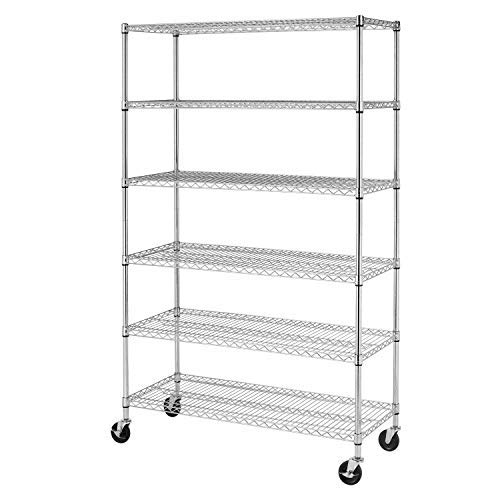
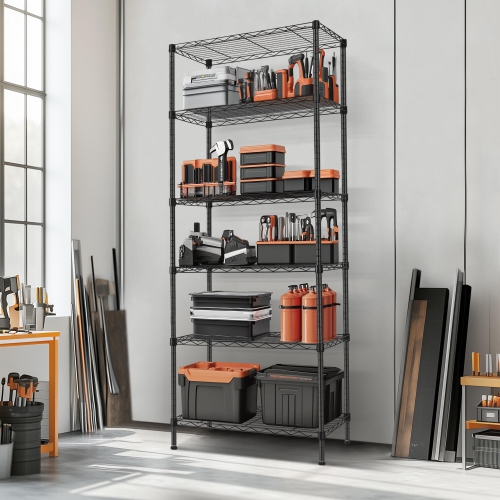
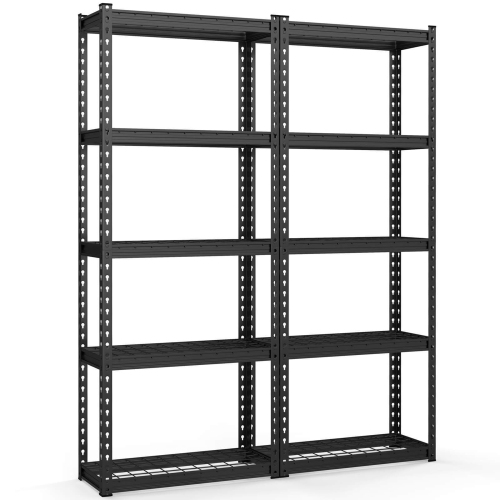
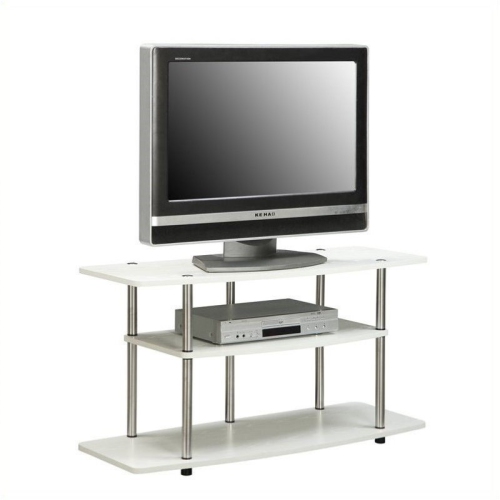
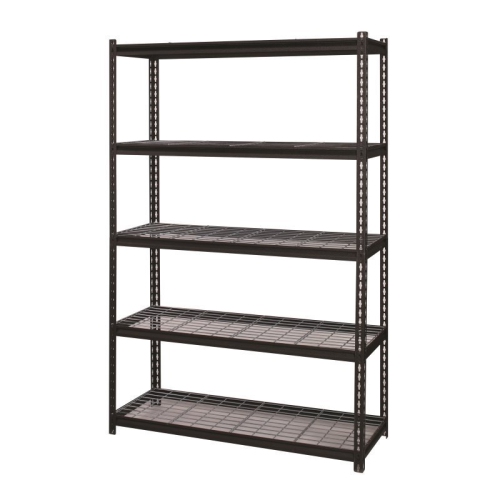
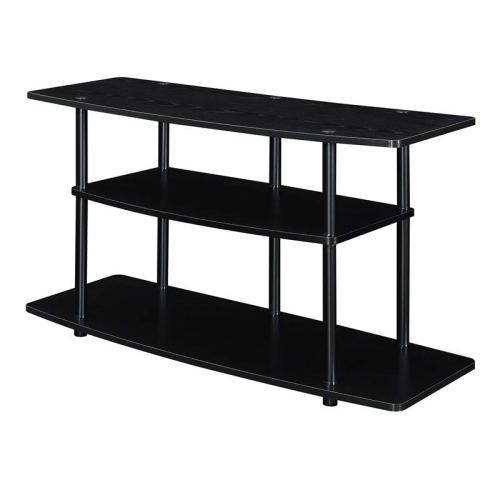
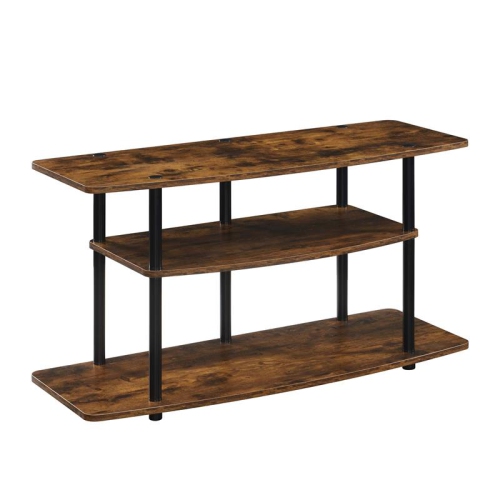
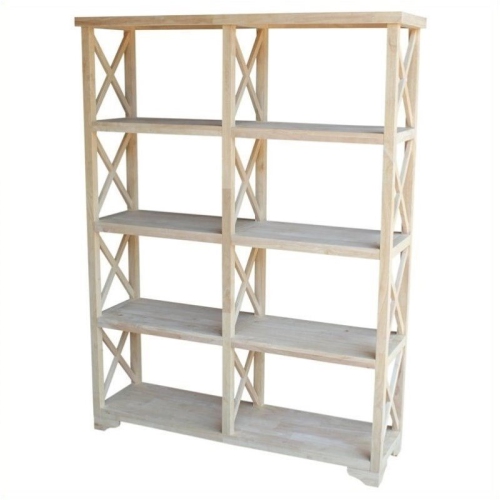
Materials and construction shape both the appearance and the practical limits of wide shelving units. Solid wood brings visible grain and natural variation, with finishes ranging from light tones to deeper colours. Engineered wood can provide a smooth, uniform surface, often with a veneer or laminate finish; its durability depends on the panel construction, edge treatment, assembly, and intended load. For a living room or study where grain and finish are central to the look, Wood Shelving Units offer another way to explore this material family. Metal shelving often suits utility rooms, workshops, and workspaces where a straightforward frame and accessible storage are priorities. However, a metal frame alone does not establish how much a unit can safely hold. Shelf material, support placement, connections, and the overall design all affect performance. A long shelf with no intermediate support can behave differently under weight than a similarly wide unit divided into shorter spans. Manufacturer weight ratings are therefore more reliable than appearance or material alone. Check whether a rating applies to each shelf or to the complete unit, and whether it assumes an evenly distributed load. A dense row of books, a compact printer, and a few lightweight display pieces place different demands on a shelf, even when they occupy similar amounts of space. Heavy objects generally belong on lower shelves, with their weight spread as directed rather than concentrated at the centre of a long span. Solid shelf surfaces support small objects without gaps, while open wire surfaces may need a compatible liner for anything with narrow feet or an uneven base. Back panels can create a defined backdrop and, in some designs, add rigidity. Open-backed units provide easier access to wall outlets and cables but leave the wall visible through the display. Neither style should be assumed suitable for every purpose: a shelving unit used near electronics still needs adequate ventilation and suitable support, and a standard storage shelf is not automatically designed to carry a television.
Everyday usability comes down to details that are easy to overlook when focusing on width alone. In a home office, shelf spacing should accommodate upright folders without forcing them into a slant, and frequently used supplies should sit within comfortable reach. In a dining area, broad shelves can keep serving pieces together, provided the shelf depth and load rating suit their size and weight. A utility space may benefit from accessible lower shelves for bulky containers, with smaller supplies grouped above so they do not disappear behind larger objects. Families can use separate compartments to organize shared belongings, although shelving is not a climbing surface and accessible placement does not replace proper securing. Follow the assembly and anchoring instructions, using hardware suitable for the wall construction where wall attachment is required. A wide stance does not eliminate tipping risk, particularly when a unit is tall or unevenly loaded. Level placement also matters: adjustable feet, where included, can help address minor floor irregularities within the manufacturer's limits. Before bringing a large unit into place, check the delivery path through doorways and around corners, as well as the space needed to assemble it. Some designs require room to be built flat before being raised upright. Once installed, care should match the material and finish. Dust shelves regularly with a soft cloth, wipe spills promptly, and avoid leaving moisture along panel edges or beneath containers. Use only cleaners recommended for the surface, since abrasive pads and harsh chemicals can damage coatings or dull a finish. Protective pads beneath rough-bottomed objects can help reduce scratches, while lifting rather than dragging containers protects shelf surfaces during rearranging. Periodically check accessible fasteners and shelf supports as directed, especially after moving the unit or changing its contents. Moving a loaded unit can strain its joints, so emptying it first is the safer approach unless the manufacturer specifies otherwise. With suitable dimensions, appropriate load support, and a layout that keeps daily essentials easy to reach, wide shelving can bring useful order to both busy work areas and comfortably furnished rooms.
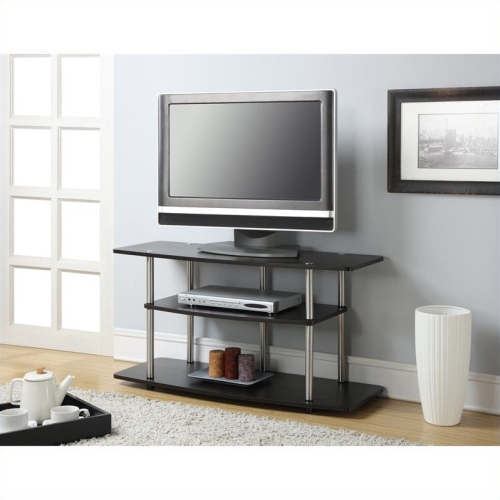
Materials and construction shape both the appearance and the practical limits of wide shelving units. Solid wood brings visible grain and natural variation, with finishes ranging from light tones to deeper colours. Engineered wood can provide a smooth, uniform surface, often with a veneer or laminate finish; its durability depends on the panel construction, edge treatment, assembly, and intended load. For a living room or study where grain and finish are central to the look, Wood Shelving Units offer another way to explore this material family. Metal shelving often suits utility rooms, workshops, and workspaces where a straightforward frame and accessible storage are priorities. However, a metal frame alone does not establish how much a unit can safely hold. Shelf material, support placement, connections, and the overall design all affect performance. A long shelf with no intermediate support can behave differently under weight than a similarly wide unit divided into shorter spans. Manufacturer weight ratings are therefore more reliable than appearance or material alone. Check whether a rating applies to each shelf or to the complete unit, and whether it assumes an evenly distributed load. A dense row of books, a compact printer, and a few lightweight display pieces place different demands on a shelf, even when they occupy similar amounts of space. Heavy objects generally belong on lower shelves, with their weight spread as directed rather than concentrated at the centre of a long span. Solid shelf surfaces support small objects without gaps, while open wire surfaces may need a compatible liner for anything with narrow feet or an uneven base. Back panels can create a defined backdrop and, in some designs, add rigidity. Open-backed units provide easier access to wall outlets and cables but leave the wall visible through the display. Neither style should be assumed suitable for every purpose: a shelving unit used near electronics still needs adequate ventilation and suitable support, and a standard storage shelf is not automatically designed to carry a television.
Everyday usability comes down to details that are easy to overlook when focusing on width alone. In a home office, shelf spacing should accommodate upright folders without forcing them into a slant, and frequently used supplies should sit within comfortable reach. In a dining area, broad shelves can keep serving pieces together, provided the shelf depth and load rating suit their size and weight. A utility space may benefit from accessible lower shelves for bulky containers, with smaller supplies grouped above so they do not disappear behind larger objects. Families can use separate compartments to organize shared belongings, although shelving is not a climbing surface and accessible placement does not replace proper securing. Follow the assembly and anchoring instructions, using hardware suitable for the wall construction where wall attachment is required. A wide stance does not eliminate tipping risk, particularly when a unit is tall or unevenly loaded. Level placement also matters: adjustable feet, where included, can help address minor floor irregularities within the manufacturer's limits. Before bringing a large unit into place, check the delivery path through doorways and around corners, as well as the space needed to assemble it. Some designs require room to be built flat before being raised upright. Once installed, care should match the material and finish. Dust shelves regularly with a soft cloth, wipe spills promptly, and avoid leaving moisture along panel edges or beneath containers. Use only cleaners recommended for the surface, since abrasive pads and harsh chemicals can damage coatings or dull a finish. Protective pads beneath rough-bottomed objects can help reduce scratches, while lifting rather than dragging containers protects shelf surfaces during rearranging. Periodically check accessible fasteners and shelf supports as directed, especially after moving the unit or changing its contents. Moving a loaded unit can strain its joints, so emptying it first is the safer approach unless the manufacturer specifies otherwise. With suitable dimensions, appropriate load support, and a layout that keeps daily essentials easy to reach, wide shelving can bring useful order to both busy work areas and comfortably furnished rooms.
Top selling and popular products
-
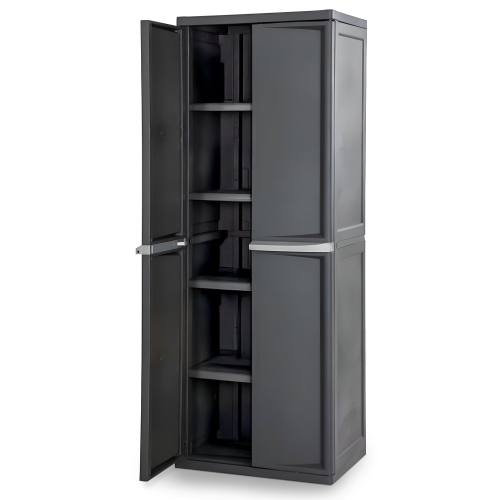 Your price for this item is $772.99
 -
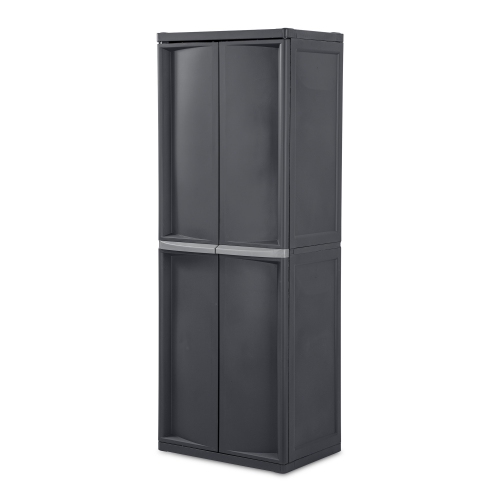 Your price for this item is $1522.99
 -
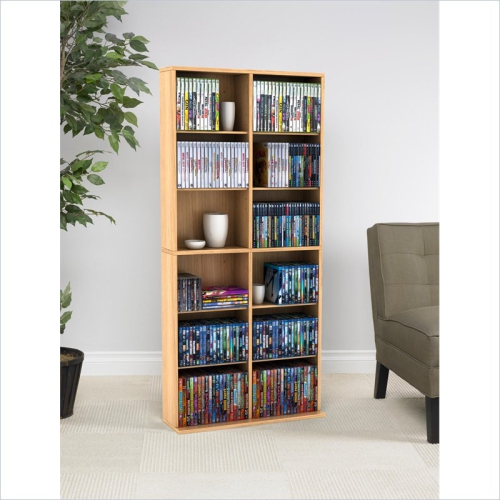 Your price for this item is $234.68
 -
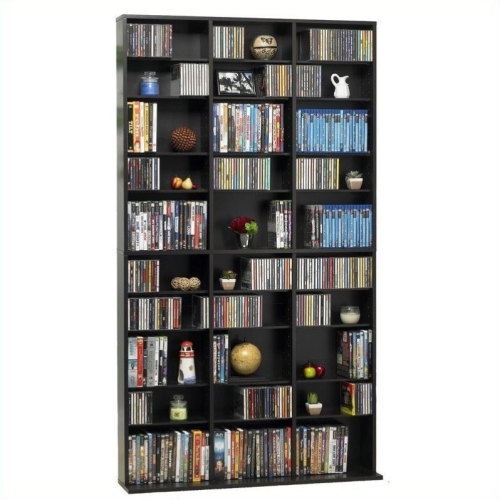 Your price for this item is $365.38
 -
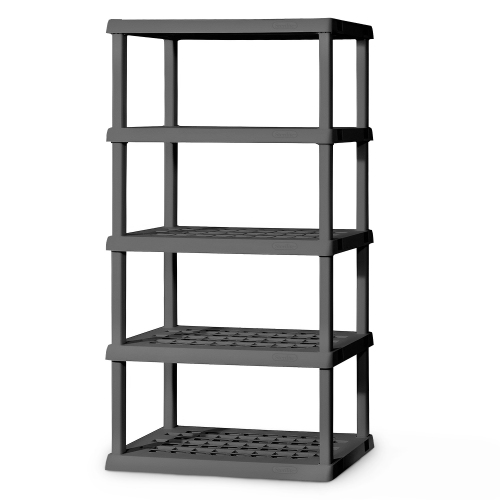 Your price for this item is $468.99
 -
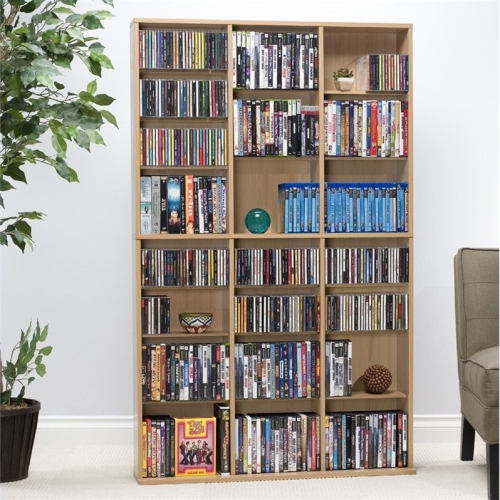 Your price for this item is $295.84
 -
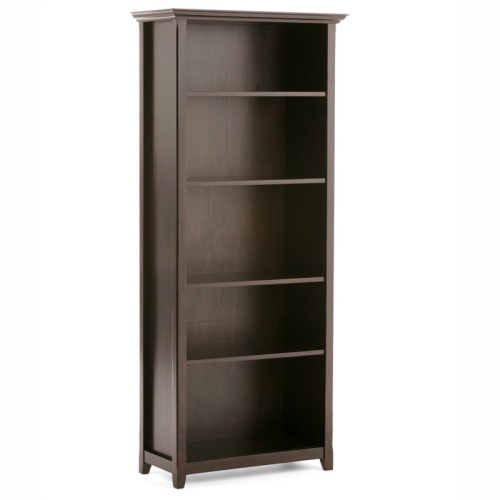 Your price for this item is $999.77
 -
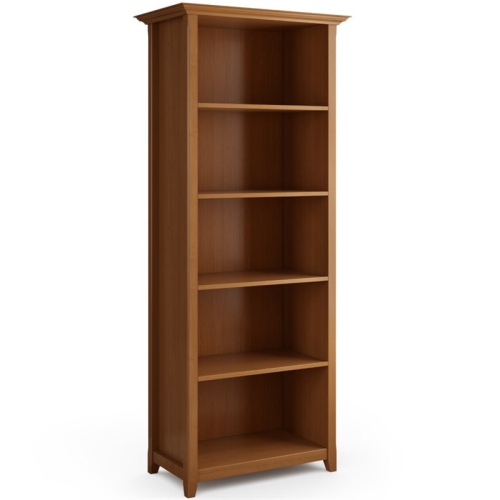 Your price for this item is $998.43
Discover more categories related to Wide Shelving Units
Top Collections:
Pokemon Centers, Kindle Devices, Best Budget Office Chairs, Apple iPhones 16, Best Laptops for Writers, iPhone 15 Apple, Canon G7X Cameras, Refurbished Apple Laptops, Alarm Clock, Motorola Razr Phones
Some products may be subject to Environmental Handling Fees
(EHF) depending on your province.
Learn more about EHFs.