Tall Slim Artificial Christmas Trees
Tall Slim Artificial Christmas Trees offer a stylish and space-saving way to bring festive cheer to any room. Perfect for apartments, entryways, or areas with limited floor space, these trees create an elegant holiday focal point without overwhelming your decor. With their slender profile and impressive height, Tall Slim Artificial Christmas Trees are a popular choice for those looking to maximize vertical space while still enjoying the classic look of a beautifully decorated tree. Explore a wide selection to find the ideal fit for your home this season.
Sort
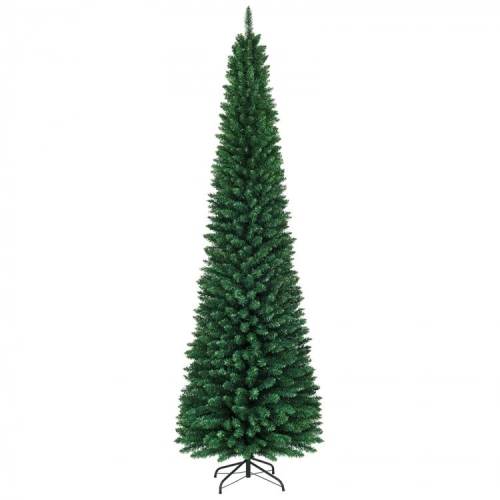
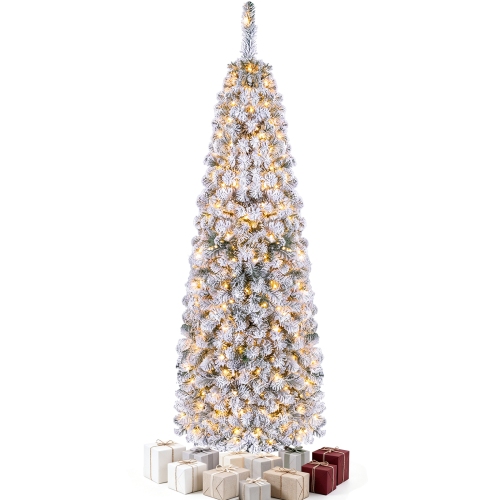


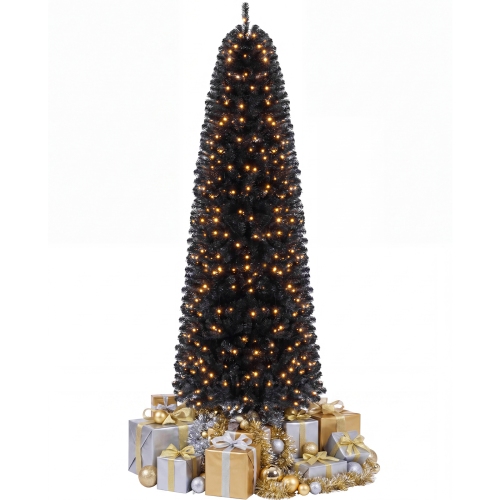


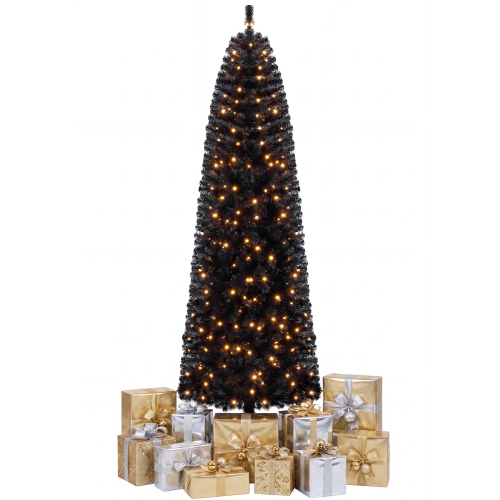






A festive focal point that leaves room to gather
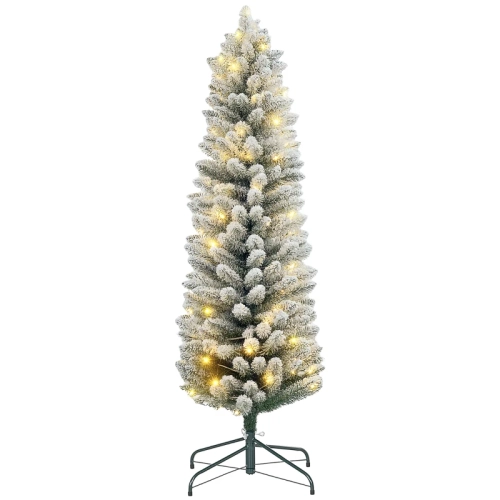
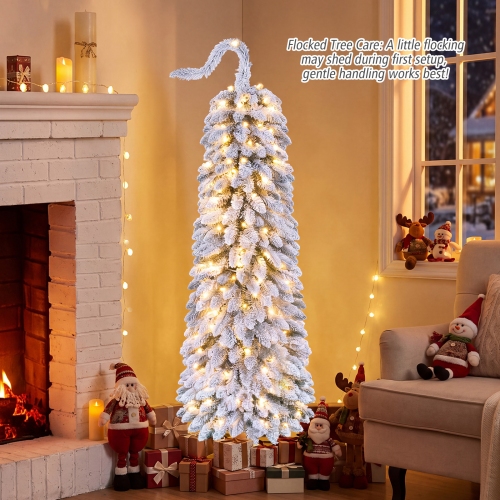
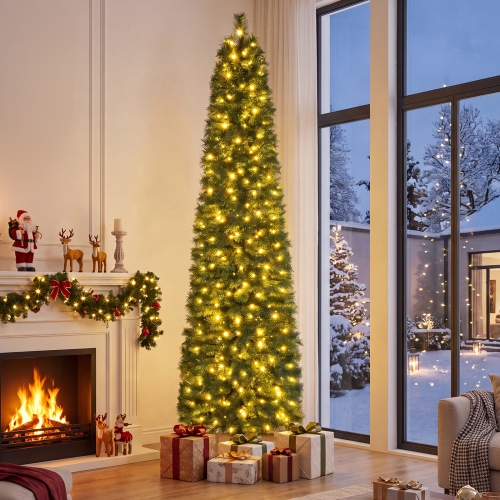
Tall slim artificial Christmas trees bring height and a festive focal point to rooms where a wide tree would take up too much floor space. Their narrow profiles work especially well in apartments, condos, entryways, and living rooms with limited space between furniture. A tree beside a bookcase or tucked into a dining room corner can create a generous Christmas display without crowding the centre of the room. The distinction is in the proportions: a slim tree has a narrower base relative to its height, while a pencil-style tree generally has an even more slender outline. These descriptions are not standardized measurements, so the listed height and widest branch diameter are more useful than the shape name alone. A tall tree can still need substantial room at its base, particularly after the branches have been shaped and ornaments added. Measuring the intended location helps establish how much width is comfortable beside a sofa, console table, or doorway. Ceiling clearance matters just as much, with room needed for a star, angel, or other topper above the uppermost branch. Check whether the stated tree height includes its stand, and account for any raised platform used beneath it. A narrow canopy does not necessarily mean a narrow stand, so both dimensions deserve attention. In a room with high ceilings, a slender tree draws the eye upward without requiring a broad circle of open floor. In smaller rooms, its vertical outline leaves more room for seating and wrapped gifts, provided the base remains clear of walking routes. For a broader look at this space-conscious shape, Slim Christmas Trees includes the same emphasis on a narrower silhouette. The most comfortable fit leaves space to move around nearby furniture, open doors fully, and enjoy the tree from the places where people naturally gather. Positioning also affects the finished appearance: a tree viewed from several sides benefits from evenly arranged branches, while one near a wall can be shaped with particular attention to its visible front and sides.
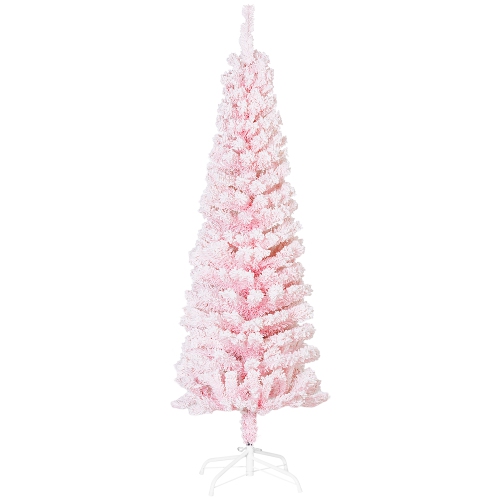
Materials and branch construction influence how a tall slim artificial Christmas tree looks, feels, and holds decorations. Polyethylene, often called PE, is commonly used for moulded branch tips that reproduce the contours of natural needles, while polyvinyl chloride, or PVC, is often used for flatter cut needles that help create coverage. Some trees combine these materials, with more detailed tips on the outside and denser foliage closer to the trunk. Neither material alone determines the finished appearance; branch spacing, tip placement, colour variation, and careful shaping all contribute. Hinged branches fold outward from the centre pole and can make assembly more straightforward, while hook-on designs require individual branches to be fitted into designated positions. With either construction, separating compressed tips and spreading smaller shoots helps soften gaps and develop a balanced outline. On a slender tree, this shaping is particularly noticeable because each branch contributes to the silhouette. Green foliage suits a traditional Christmas setting, while frosted or flocked finishes give the branches a snowy appearance. Flocking can shed during assembly and handling, making the finish worth considering in homes where easy cleanup is a priority. Lighting changes the character of the display as well. Pre-lit designs combine the tree and lights in one setup, although connections, controls, and replacement requirements vary. Unlit trees allow more freedom to choose light colour, spacing, and placement. Warm white lights create a gentle glow beside wood furniture and soft textiles, while multicoloured lights complement a playful collection of family ornaments. Smaller ornaments often sit comfortably on narrow branches without overwhelming the outline, and a few larger accents can add depth where the foliage offers sufficient support. Lightweight ribbon, placed in loose sections rather than tightly wrapped bands, can give the display movement while keeping the greenery visible. Heavier ornaments belong on sturdier branches nearer the trunk, with delicate pieces positioned away from busy pathways. Keeping decorations proportionate to the tree helps preserve its slender shape rather than turning the lower branches into a crowded ring.
A tall, narrow tree can suit a main Christmas display, a quiet reading corner, or an additional gathering space where a full-width tree would be impractical. Its usefulness depends on stable placement as much as appearance. A level surface and a correctly assembled stand help support the height, and all trunk sections and fasteners should be secured according to the manufacturer’s directions before decorating begins. A tree skirt or decorative collar can finish the base, but it should not interfere with the stand or conceal a loose connection. Homes with children or pets may benefit from shatter-resistant ornaments on lower branches and careful placement away from furniture that invites climbing or reaching. Artificial foliage and electrical components should be kept clear of fireplaces, radiators, and other heat sources, and a tree should never obstruct an exit or staircase. For lighted displays, an accessible outlet makes it easier to avoid trailing cords across the room; light sets, extension cords, and timers should be compatible and used within their stated ratings. Indoor trees and lights should remain indoors unless they are specifically rated for another setting. Routine care is usually simple, but the finish and construction determine the right approach. Light dust can often be removed with a soft, dry cloth or gentle duster, while flocked branches require a lighter touch to avoid disturbing their coating. Cleaning sprays, water, and abrasive tools may damage foliage or electrical parts, so the care instructions remain the best reference. After Christmas, removing ornaments and separate light strings before disassembly reduces strain on the branches. Folding sections gently, rather than forcing them into a tight container, helps protect tips, hinges, and wiring. A suitably sized storage bag or box keeps the sections together and shields them from dust in a dry storage area. For households that enjoy a familiar decorating tradition, thoughtful assembly and storage help preserve the tree’s shape and make it easier to recreate a welcoming display each Christmas.
Top selling and popular products
-
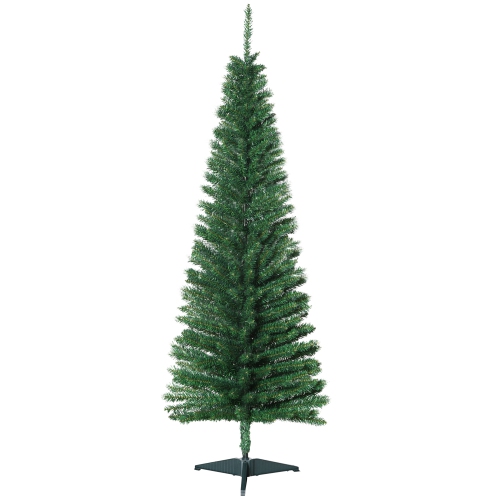 Your price for this item is $49.99
-
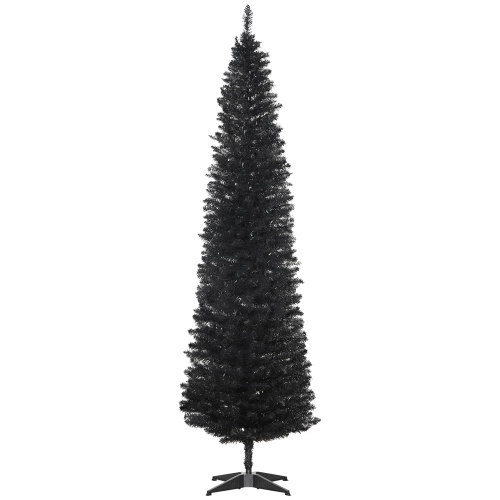 Your price for this item is $69.99
-
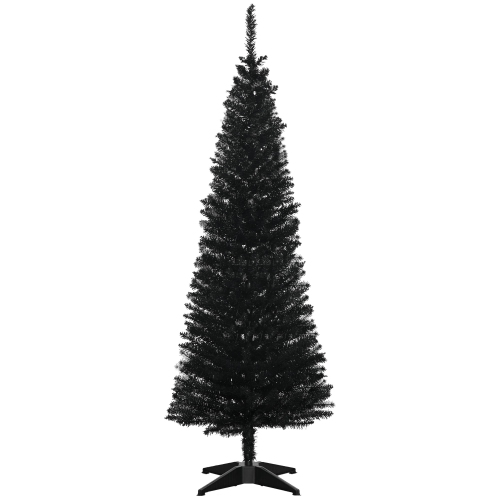 Your price for this item is $51.99
-
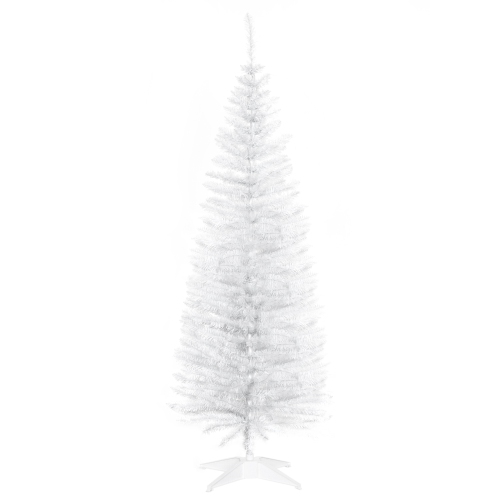 Your price for this item is $49.99
-
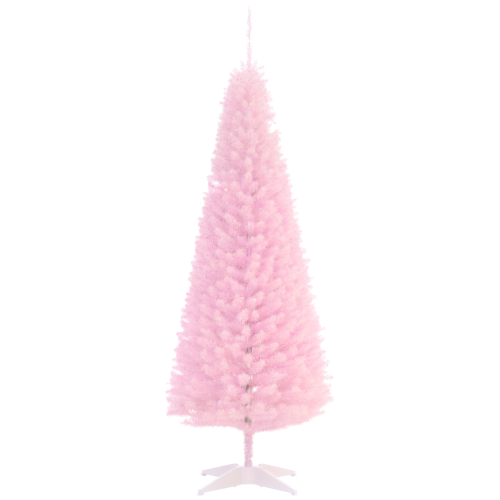 Your price for this item is $48
-
 Your price for this item is $130.99
-
 Your price for this item is $167.99
-
 Your price for this item is $112.99
Discover more categories related to Tall Slim Artificial Christmas Trees

Top Collections:
Best Black Friday Deals This Year, Best Black Friday Deals On Electronics, Kindle Devices, Pokemon Centers, Best Black Friday Deals On Apple Products, Best Cameras for Sports Photography, Dyson Airwrap, Pokémon 30th Celebration Cards, Apple iPhone 17 Pro, Canon G7X Cameras
Some products may be subject to Environmental Handling Fees
(EHF) depending on your province.
Learn more about EHFs.