Tempered Glass Bookshelf
Enhance the elegance of your living space with tempered glass bookshelves. Crafted with sleek lines and contemporary design, these versatile pieces effortlessly combine style and functionality. Explore a variety of options to find the perfect fit for your home.
Sort

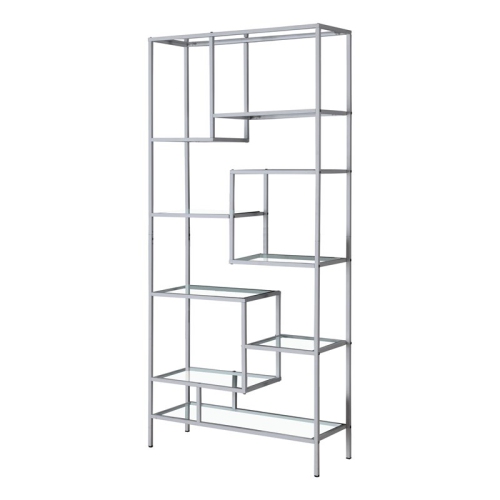
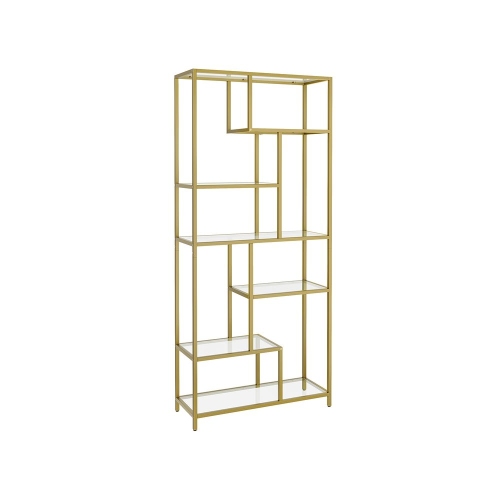
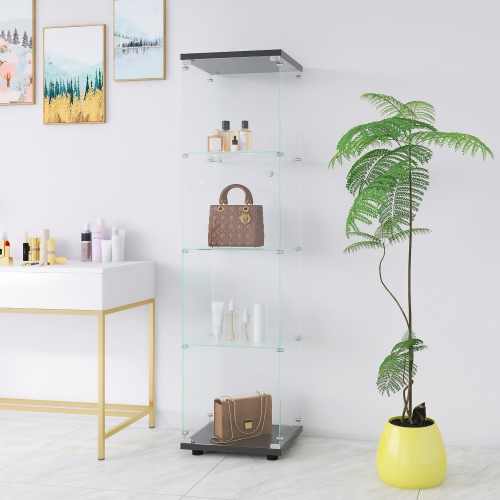
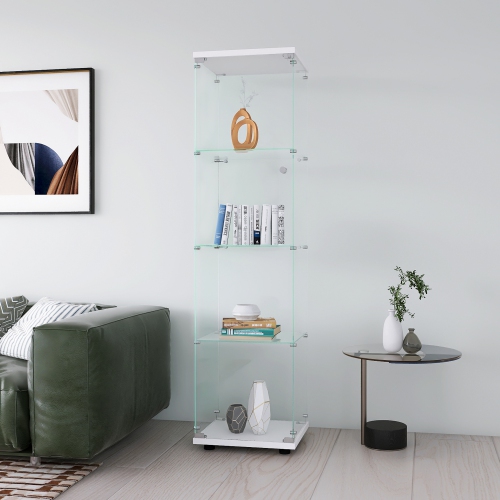
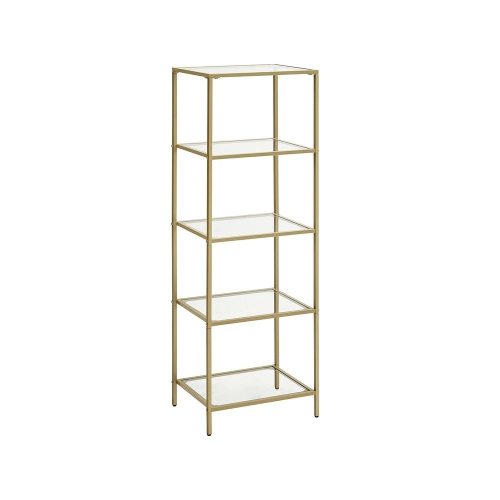
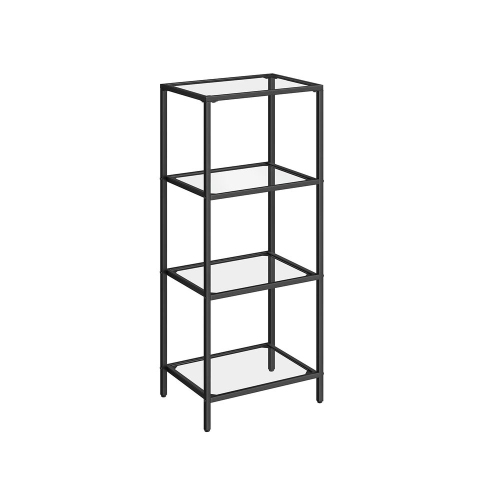
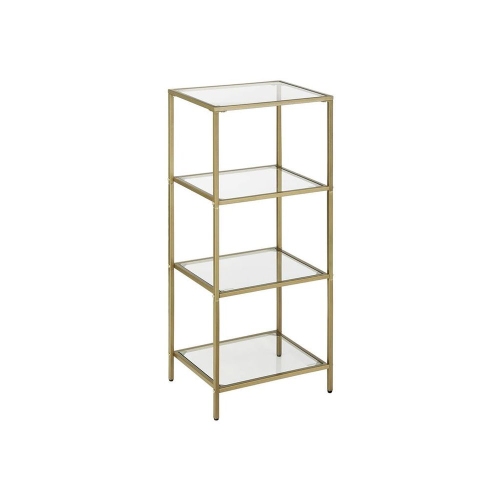
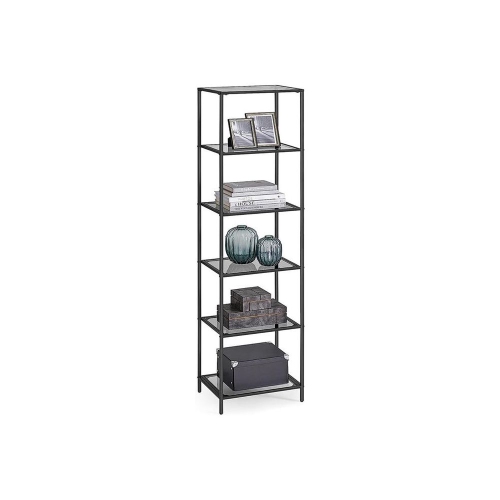

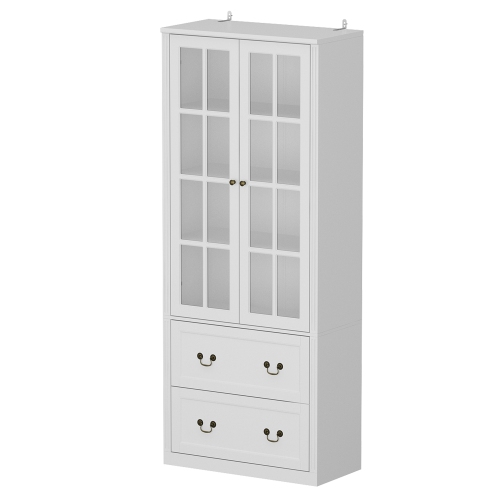

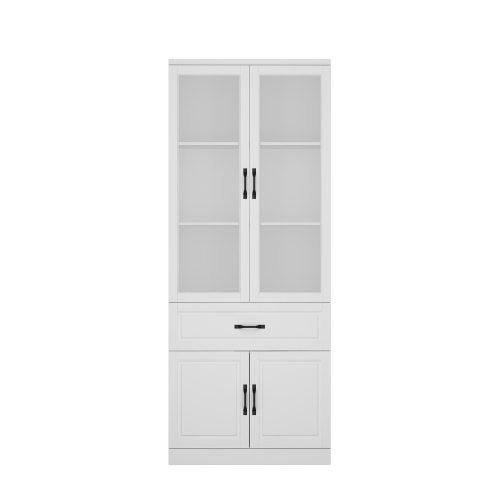
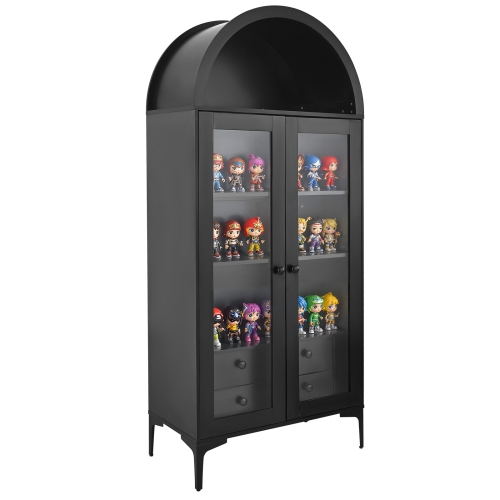
Light-catching storage that leaves your walls in view
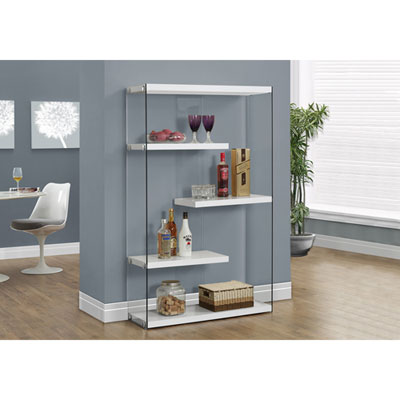
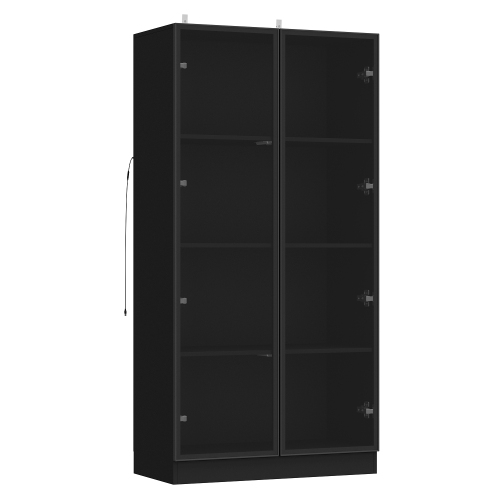
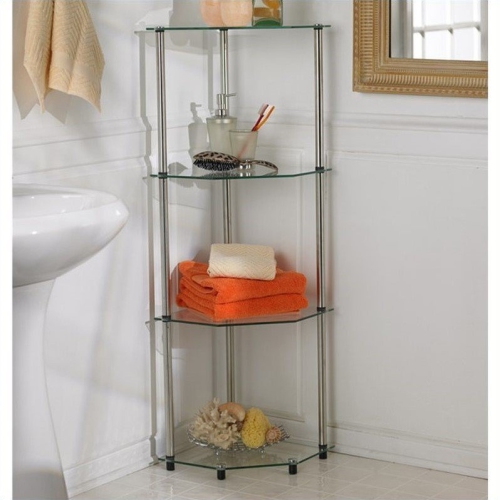
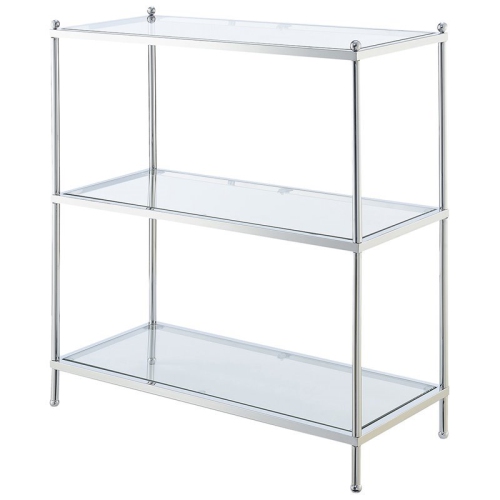
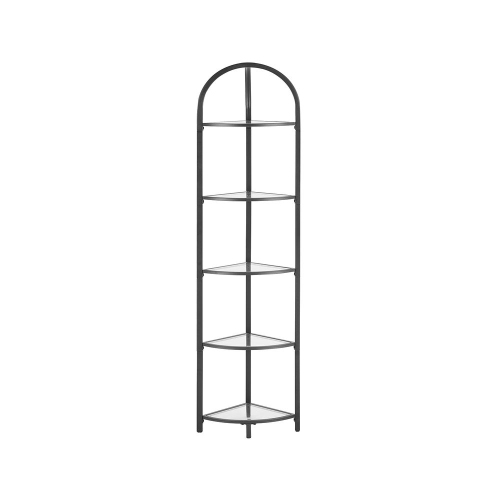
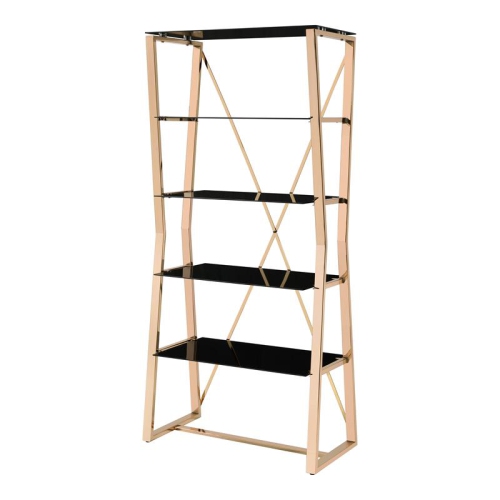
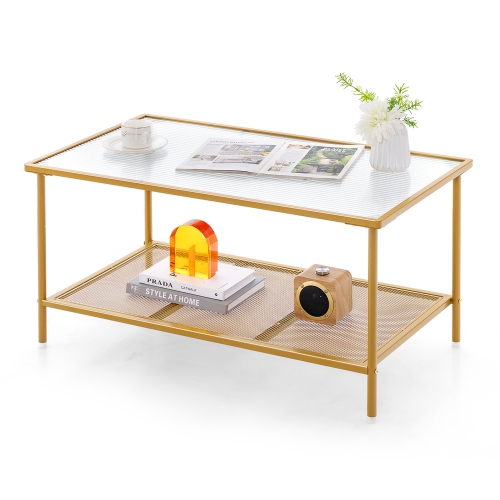
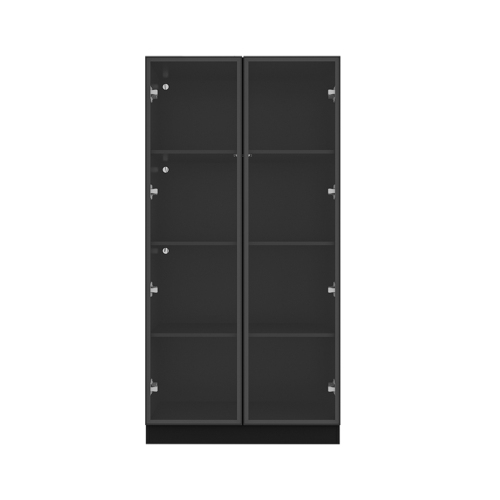
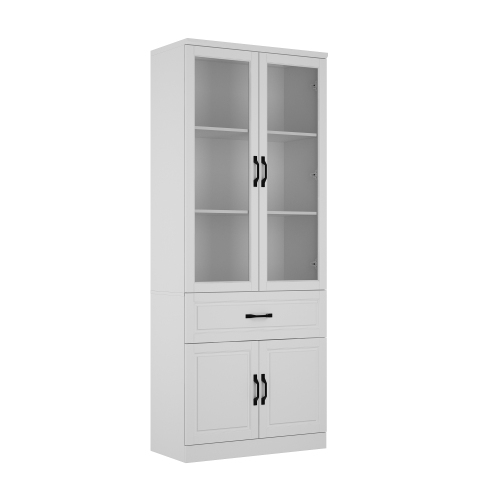
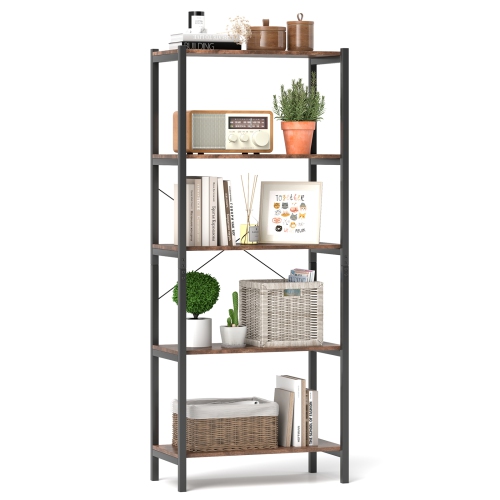
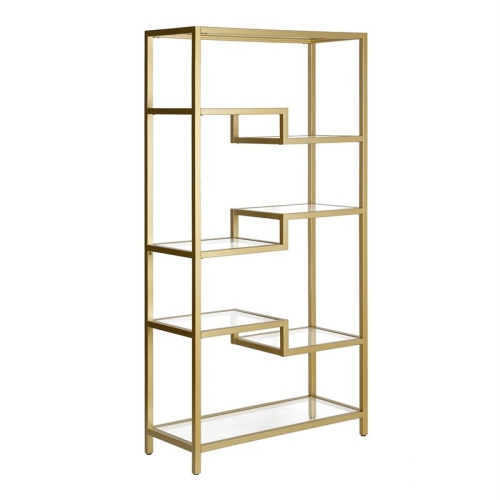
A tempered glass bookshelf combines practical storage with an open, light-catching appearance, making it a natural fit for rooms where a solid bookcase might feel visually heavy. Transparent shelves let the wall colour, wallpaper, or architectural details behind them remain visible, while the supporting frame gives the piece its shape and character. Tempered glass is glass that has been treated to increase its strength compared with ordinary untreated glass. If it breaks, it generally fragments into small pieces rather than long, sharp shards, although breakage can still cause injury. That distinction makes it useful for furniture, but it does not mean every glass bookshelf has the same strength or load capacity. Glass thickness, shelf dimensions, frame construction, and the way each shelf is supported all contribute to how the finished unit performs. The term can describe furniture with tempered glass shelves, as well as designs that combine glass with other materials, so the construction details matter as much as the overall silhouette. Slim metal uprights can create a crisp, understated look, while wood accents bring warmth alongside the reflective surfaces. Clear glass keeps the focus on book spines and displayed objects; tinted glass changes the contrast and can make pale ceramics or light-coloured bindings stand out. Open-sided designs suit a living room reading corner, a home office, or a dining area used for cookbooks and serving pieces. A taller profile draws the eye upward, whereas a low, wide bookshelf can sit comfortably beneath artwork without competing with it. For a broader look at this furniture style, the Glass Bookshelf collection provides a related starting point. Within the tempered glass category, the most useful distinction is often between a bookshelf intended to hold a substantial reading collection and a display-oriented unit meant for a lighter mix of books, photographs, and decorative objects. Both can look inviting, but their storage demands are quite different.
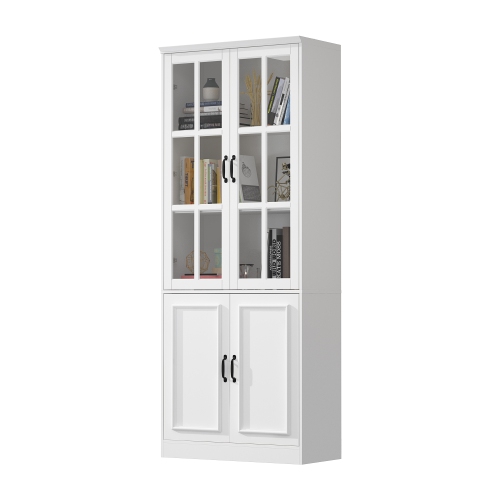
Fit involves more than finding enough wall space for the frame. The overall width, height, and depth determine where a tempered glass bookshelf can sit, while the usable shelf dimensions determine what it can actually hold. A row of paperbacks needs less depth and vertical clearance than oversized art books, binders, or photo albums. Fixed shelves give a consistent arrangement, while adjustable shelves, where included, allow different spacing for taller objects. The space between shelves also affects everyday convenience: a book that fits tightly beneath the shelf above may be awkward to remove without brushing its cover against the glass. In a compact condo, a narrow unit can make use of an otherwise empty stretch of wall, but it still needs enough clearance around doorways, seating, and walking routes. Baseboards, nearby outlets, and the reach of cabinet doors can all affect placement. A glass bookshelf may appear almost weightless, yet a full collection of hardcovers places considerable demand on its shelves. The stated weight limit for each shelf, along with any total limit for the unit, is more useful than judging strength by appearance alone. Evenly distributed weight is not the same as a heavy object concentrated in one spot, and stacking books in a small area can create a load the shelf was not designed to support. Heavier books generally belong on lower shelves, within the specified limits, to help keep the arrangement stable. Bookends are especially useful on open shelves without side panels, provided their bases are suitable for glass and do not scratch the surface. For households with young children or pets, secure placement and the supplied wall-anchoring provisions deserve particular attention. An anti-tip restraint should be installed according to the furniture instructions, with fixings appropriate to the wall. Glass doors, rounded corners, cross-bracing, and adjustable feet are other details that can influence everyday use, though none replaces proper assembly or adherence to the bookshelf’s intended load.
The appeal of a tempered glass bookshelf is closely tied to how it looks in daily use, including what remains visible around the objects on its shelves. Clear surfaces reveal fingerprints, dust, and marks on both sides, so access for cleaning is worth considering before the unit is filled. A soft, lint-free cloth and a cleaner approved for the glass and surrounding frame can help maintain a clear finish without damaging adjacent materials. Spraying onto the cloth rather than directly toward joints or fittings helps control where the cleaner goes. Abrasive pads and gritty cloths can scratch surfaces, and metal trim or wood components may need a different cleaning method from the glass itself. Tempered glass is stronger than ordinary glass, but it is not scratchproof or unbreakable; impacts along an exposed edge are a particular concern. Lowering bookends, pottery, and other hard objects gently onto the shelf helps avoid unnecessary knocks. Protective pads may be useful beneath decorative pieces when they are compatible with the surface and the furniture instructions. A chipped edge, crack, loose support, or wobbling frame should be addressed before the shelf continues to carry weight. When moving the bookshelf, emptying it first and following the assembly instructions helps protect both the glass and its fittings. In terms of styling, a few deliberate gaps between groups of books preserve the open quality that makes glass furniture distinctive. A horizontal stack beside an upright row can create variety without filling every shelf, while a framed photograph or small sculpture gives the arrangement a personal connection. Felt-lined trays or suitably backed storage boxes can keep reading glasses, charging cables, and stationery together without leaving loose objects scattered across the surface. For an avid reader, a student setting up a study space, or someone furnishing a first home, this type of bookshelf can offer a useful blend of storage and display. As a gift, it works best when the recipient’s room dimensions, preferred finish, and assembly needs are already known. The right match feels purposeful: books are easy to reach, favourite objects have room to be seen, and the furniture complements the room without overwhelming it.
Fit involves more than finding enough wall space for the frame. The overall width, height, and depth determine where a tempered glass bookshelf can sit, while the usable shelf dimensions determine what it can actually hold. A row of paperbacks needs less depth and vertical clearance than oversized art books, binders, or photo albums. Fixed shelves give a consistent arrangement, while adjustable shelves, where included, allow different spacing for taller objects. The space between shelves also affects everyday convenience: a book that fits tightly beneath the shelf above may be awkward to remove without brushing its cover against the glass. In a compact condo, a narrow unit can make use of an otherwise empty stretch of wall, but it still needs enough clearance around doorways, seating, and walking routes. Baseboards, nearby outlets, and the reach of cabinet doors can all affect placement. A glass bookshelf may appear almost weightless, yet a full collection of hardcovers places considerable demand on its shelves. The stated weight limit for each shelf, along with any total limit for the unit, is more useful than judging strength by appearance alone. Evenly distributed weight is not the same as a heavy object concentrated in one spot, and stacking books in a small area can create a load the shelf was not designed to support. Heavier books generally belong on lower shelves, within the specified limits, to help keep the arrangement stable. Bookends are especially useful on open shelves without side panels, provided their bases are suitable for glass and do not scratch the surface. For households with young children or pets, secure placement and the supplied wall-anchoring provisions deserve particular attention. An anti-tip restraint should be installed according to the furniture instructions, with fixings appropriate to the wall. Glass doors, rounded corners, cross-bracing, and adjustable feet are other details that can influence everyday use, though none replaces proper assembly or adherence to the bookshelf’s intended load.
The appeal of a tempered glass bookshelf is closely tied to how it looks in daily use, including what remains visible around the objects on its shelves. Clear surfaces reveal fingerprints, dust, and marks on both sides, so access for cleaning is worth considering before the unit is filled. A soft, lint-free cloth and a cleaner approved for the glass and surrounding frame can help maintain a clear finish without damaging adjacent materials. Spraying onto the cloth rather than directly toward joints or fittings helps control where the cleaner goes. Abrasive pads and gritty cloths can scratch surfaces, and metal trim or wood components may need a different cleaning method from the glass itself. Tempered glass is stronger than ordinary glass, but it is not scratchproof or unbreakable; impacts along an exposed edge are a particular concern. Lowering bookends, pottery, and other hard objects gently onto the shelf helps avoid unnecessary knocks. Protective pads may be useful beneath decorative pieces when they are compatible with the surface and the furniture instructions. A chipped edge, crack, loose support, or wobbling frame should be addressed before the shelf continues to carry weight. When moving the bookshelf, emptying it first and following the assembly instructions helps protect both the glass and its fittings. In terms of styling, a few deliberate gaps between groups of books preserve the open quality that makes glass furniture distinctive. A horizontal stack beside an upright row can create variety without filling every shelf, while a framed photograph or small sculpture gives the arrangement a personal connection. Felt-lined trays or suitably backed storage boxes can keep reading glasses, charging cables, and stationery together without leaving loose objects scattered across the surface. For an avid reader, a student setting up a study space, or someone furnishing a first home, this type of bookshelf can offer a useful blend of storage and display. As a gift, it works best when the recipient’s room dimensions, preferred finish, and assembly needs are already known. The right match feels purposeful: books are easy to reach, favourite objects have room to be seen, and the furniture complements the room without overwhelming it.
Top selling and popular products
-
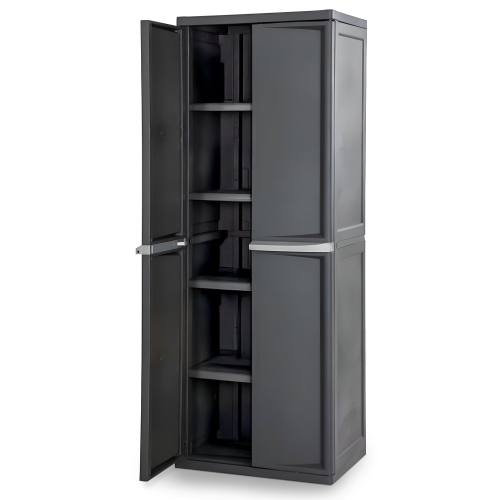 Your price for this item is $772.99
 -
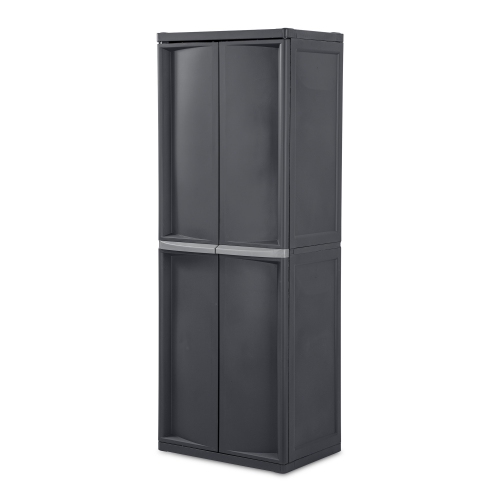 Your price for this item is $1522.99
 -
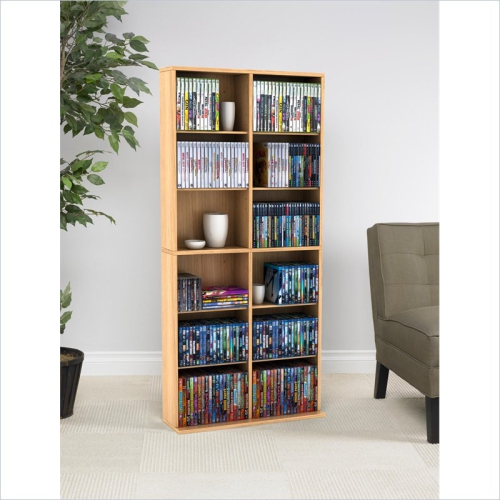 Your price for this item is $234.68
 -
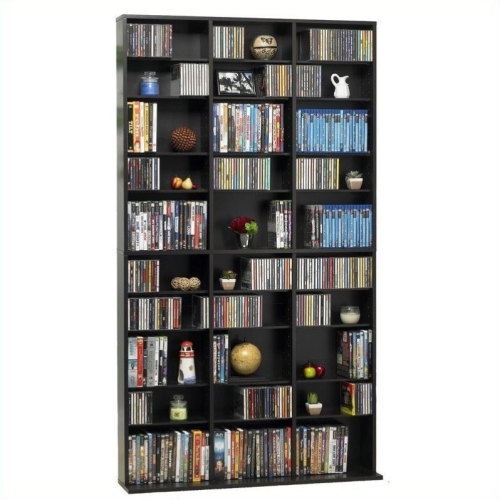 Your price for this item is $365.38
 -
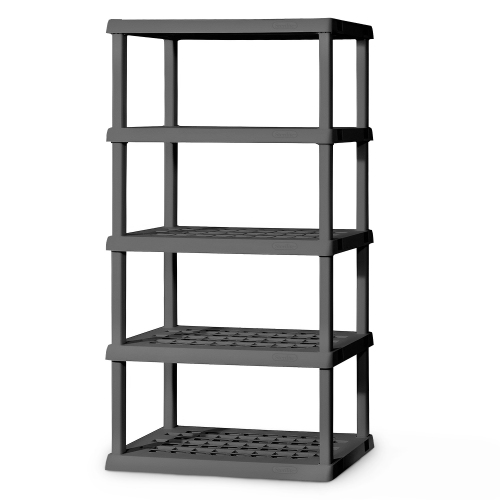 Your price for this item is $468.99
 -
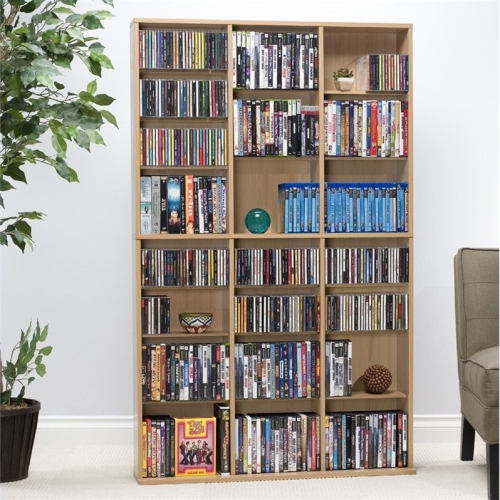 Your price for this item is $295.84
 -
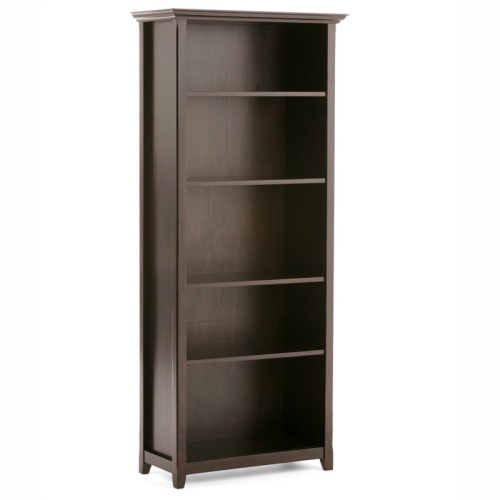 Your price for this item is $999.77
 -
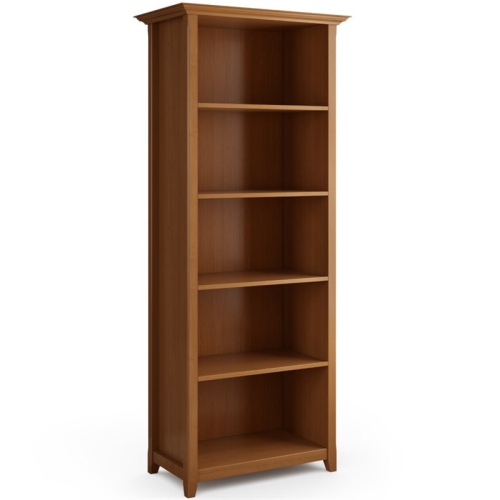 Your price for this item is $998.43
Discover more categories related to Tempered Glass Bookshelf
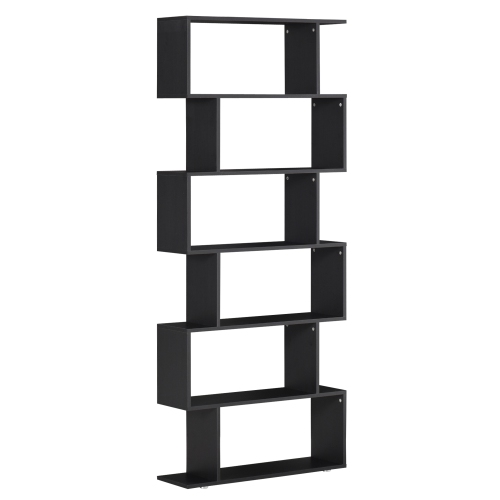
Top Collections:
Pokemon Centers, Kindle Devices, Best Budget Office Chairs, Apple iPhones 16, Best Laptops for Writers, iPhone 15 Apple, Canon G7X Cameras, Refurbished Apple Laptops, Alarm Clock, Motorola Razr Phones
Some products may be subject to Environmental Handling Fees
(EHF) depending on your province.
Learn more about EHFs.