Tempered Glass Shelves
When it comes to stylish and functional storage solutions, tempered glass shelves are a top choice. These versatile shelves offer a sleek and modern design that can seamlessly blend into almost any space, whether it is a living room, kitchen, or bathroom. Not only do they provide an elegant way to display your belongings, but they also offer durability and strength. These are stronger than regular glass; they are much less likely to break or shatter. Here are some great options available.
Sort


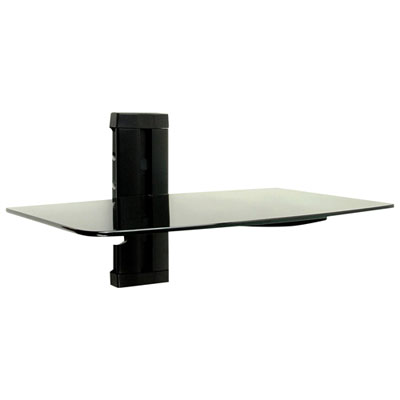
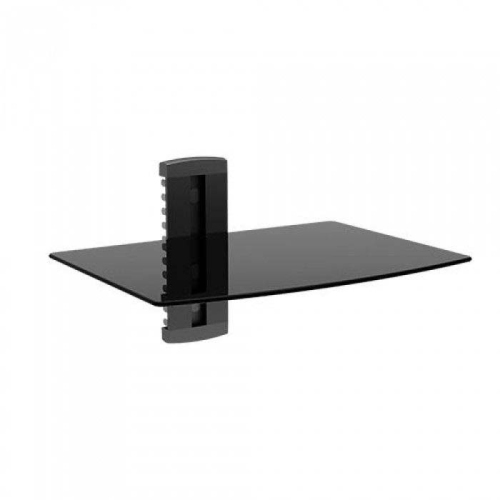
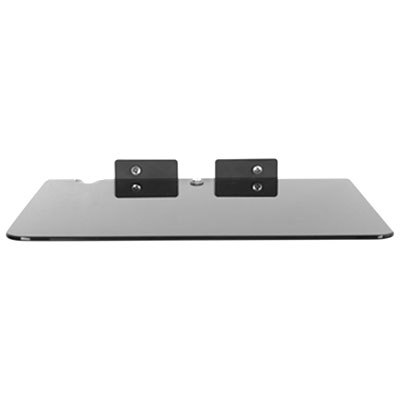

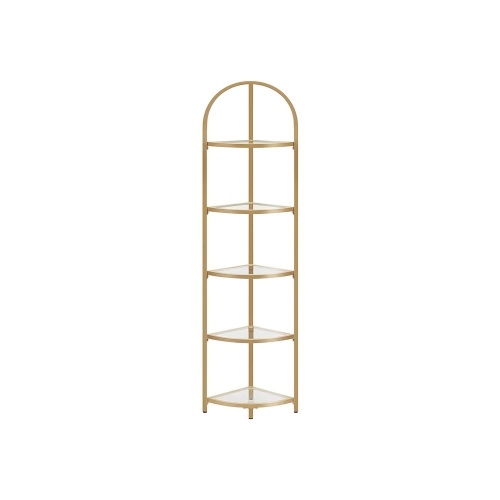
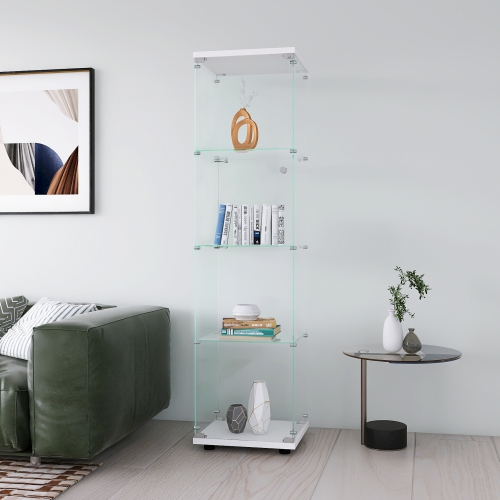
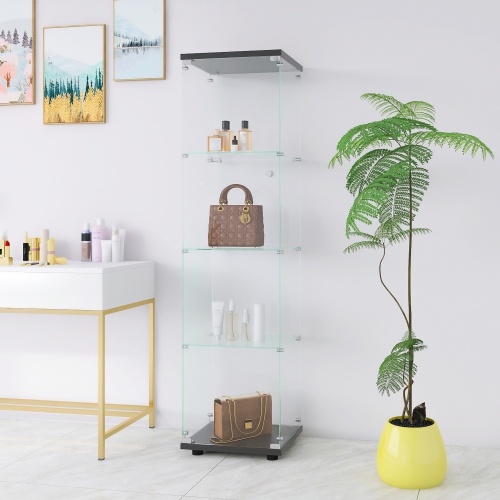
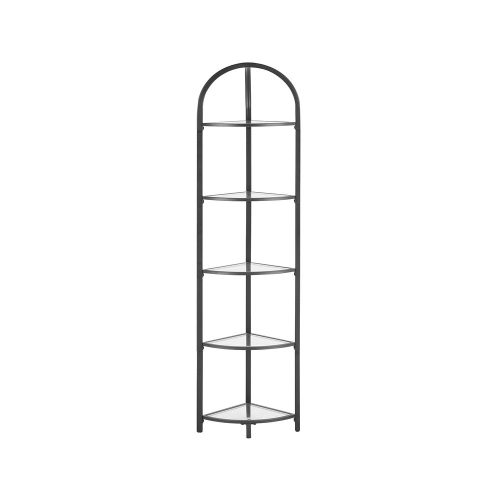
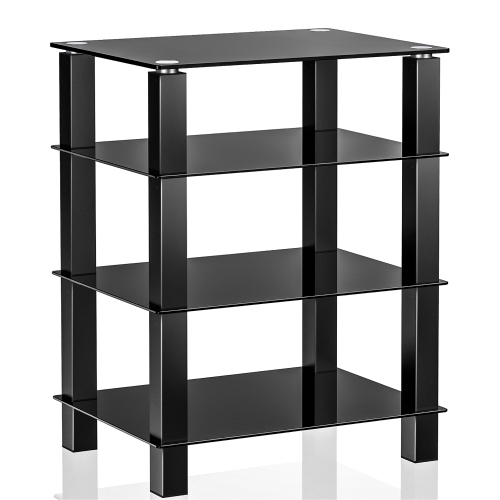
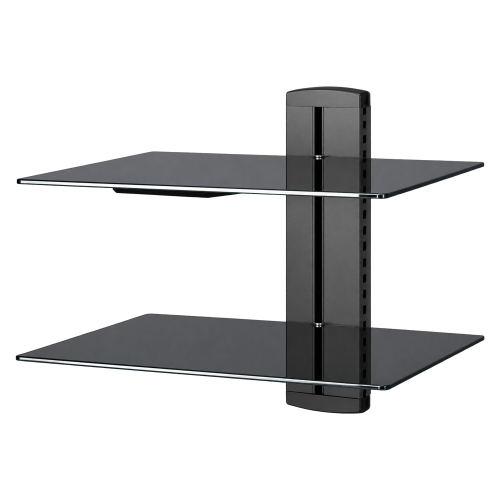
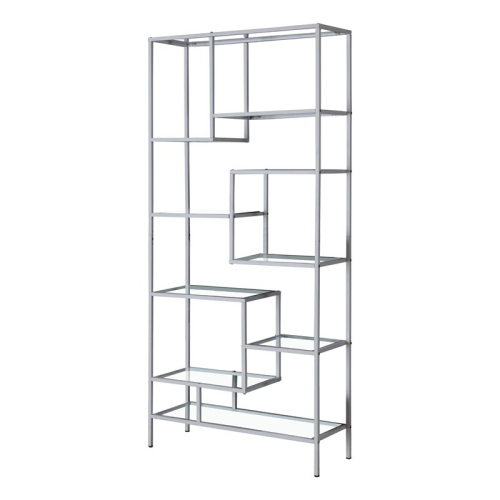
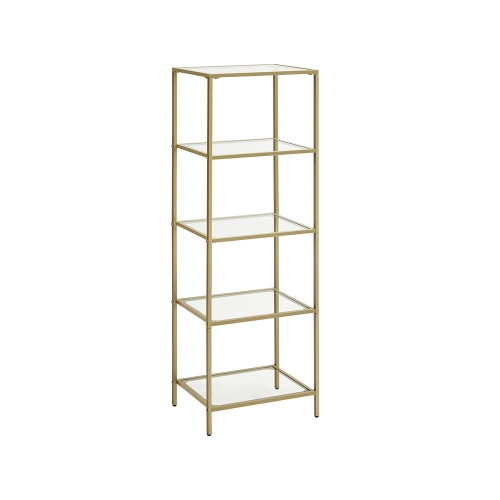
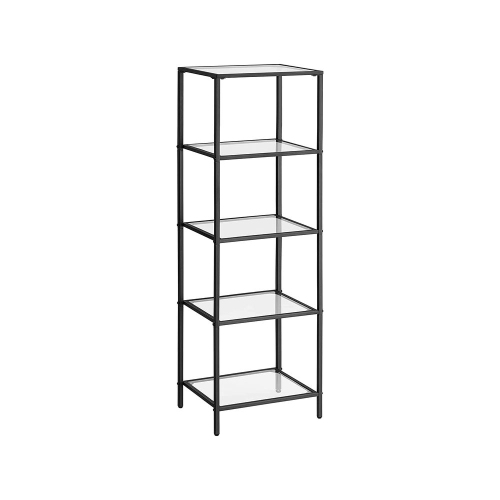

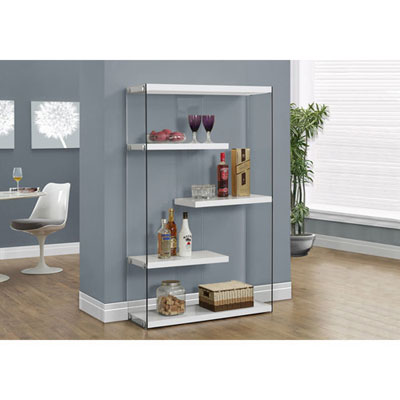

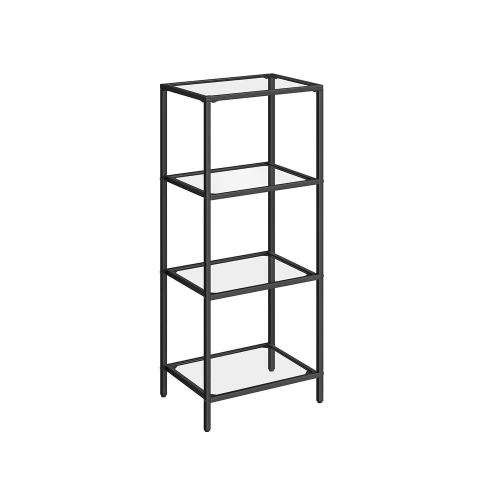
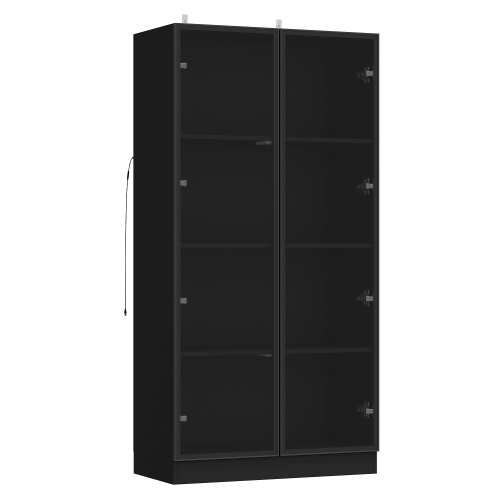

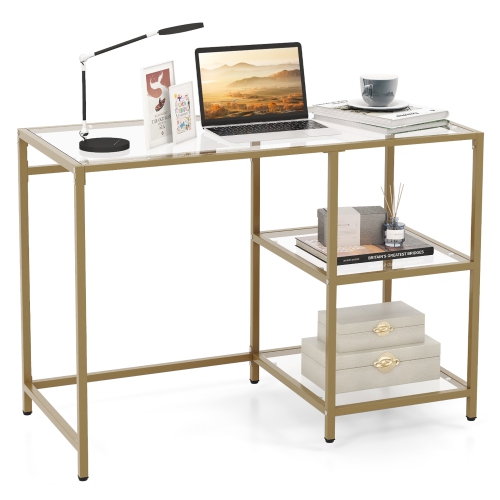

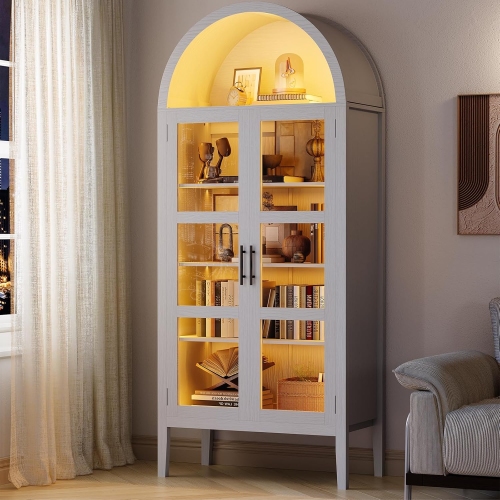
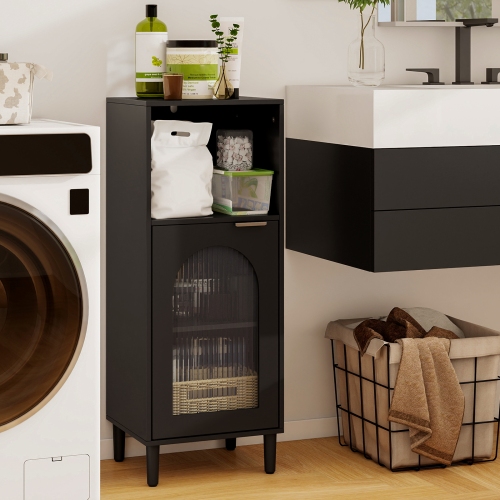
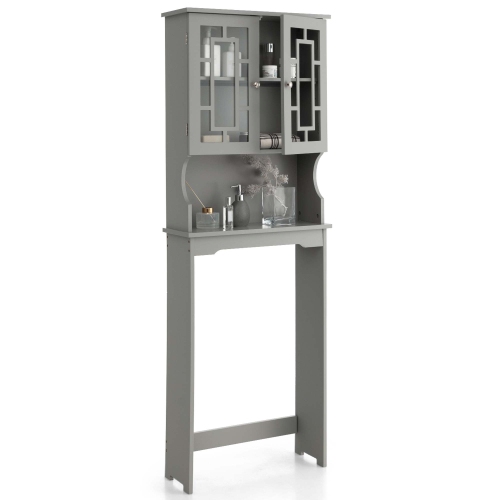



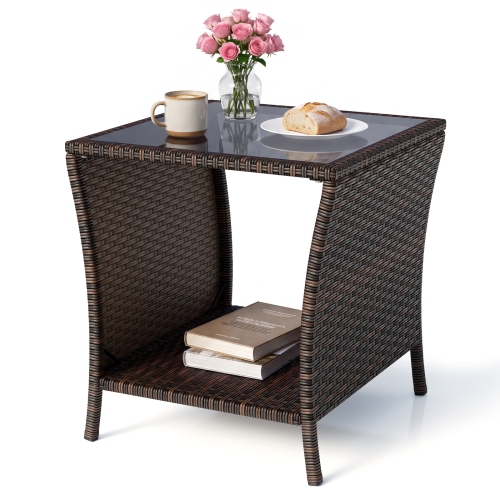


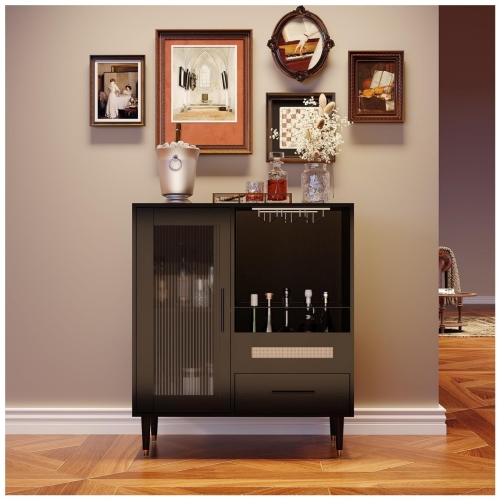
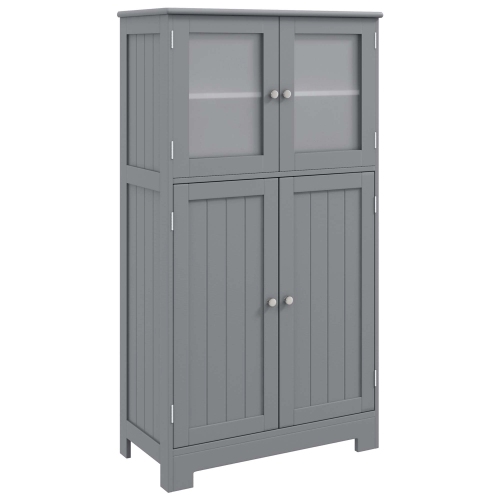
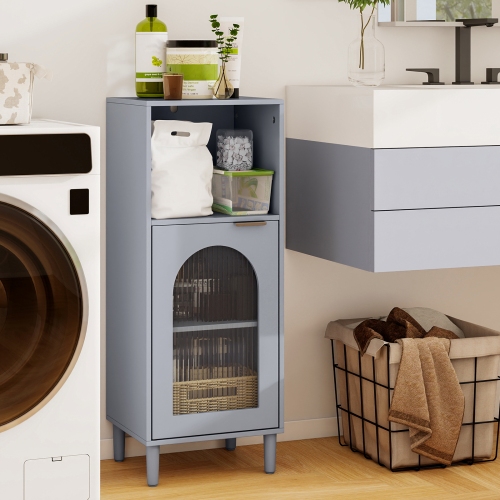
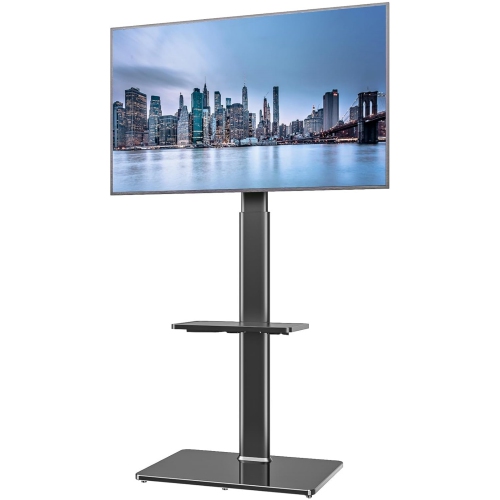
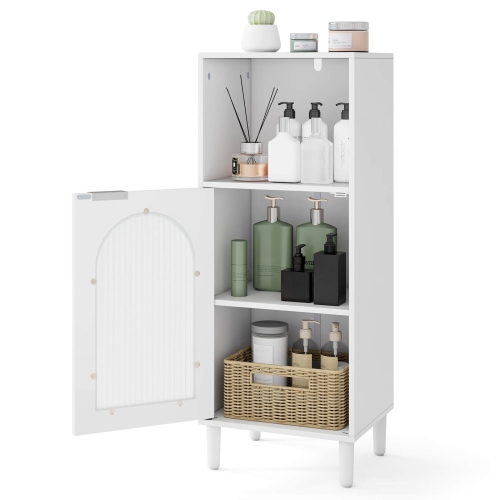
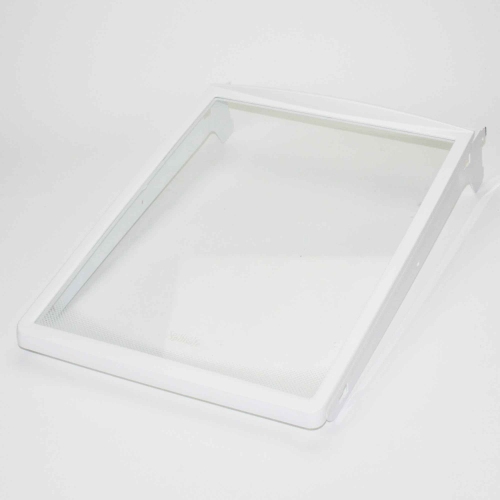
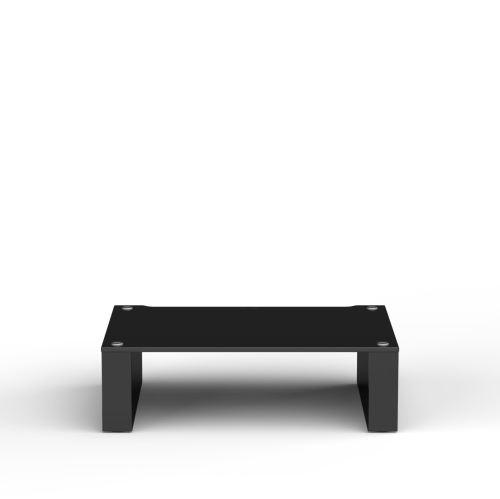
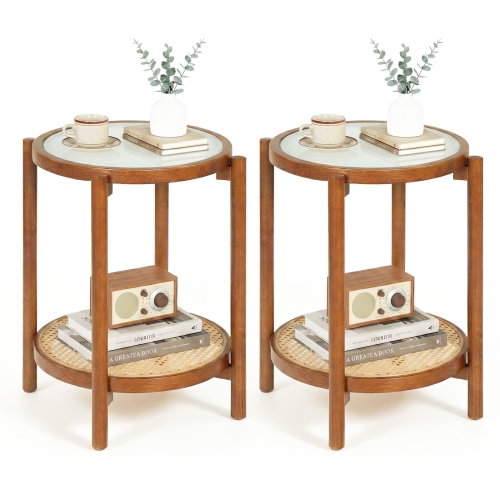
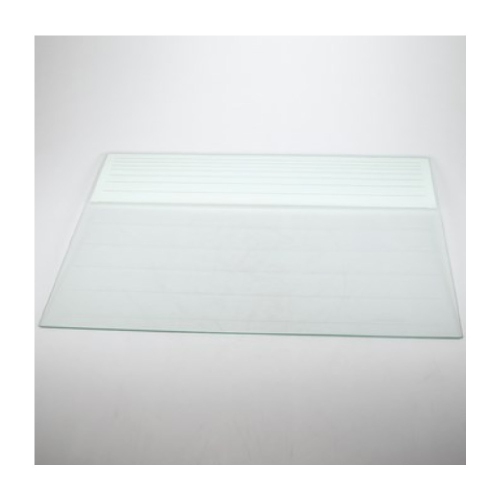
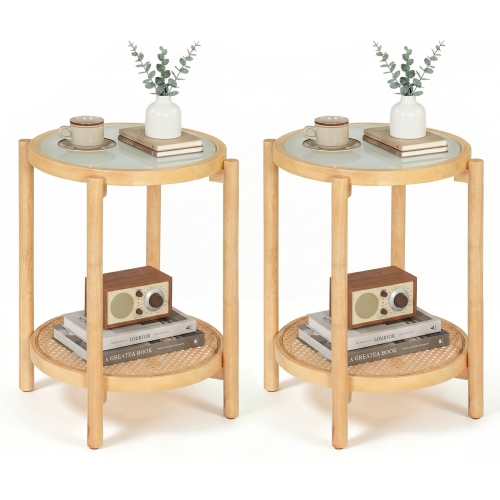
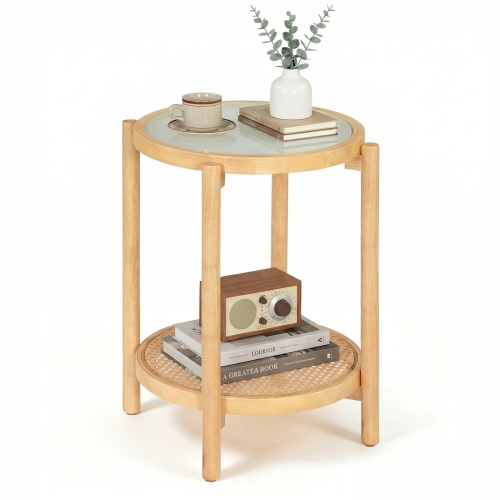
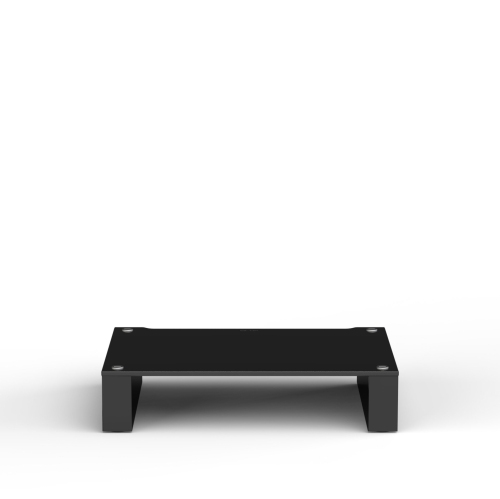
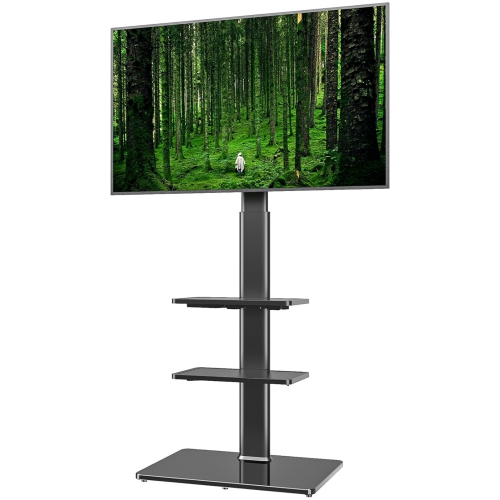
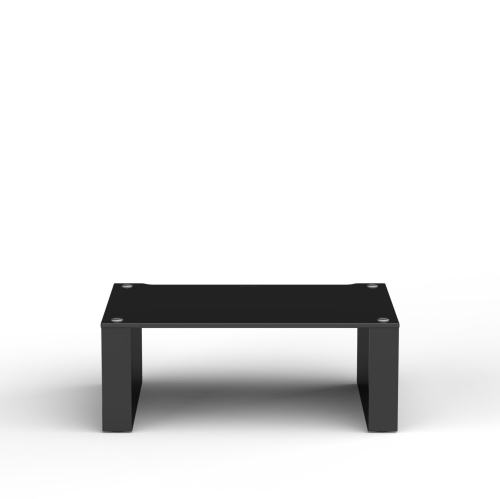
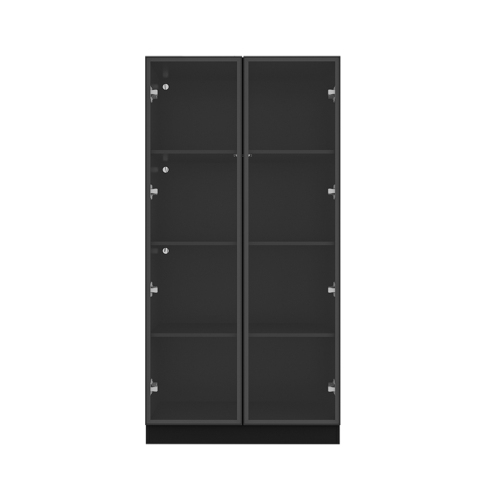
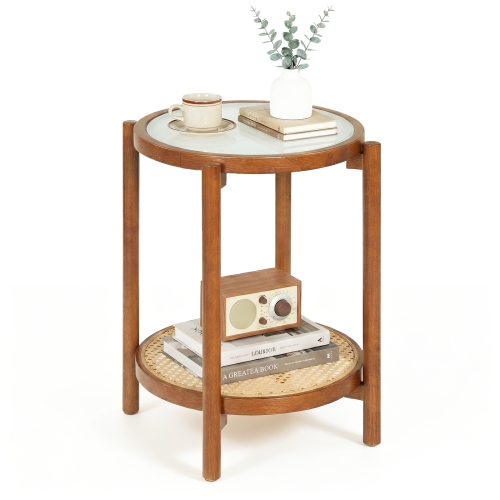
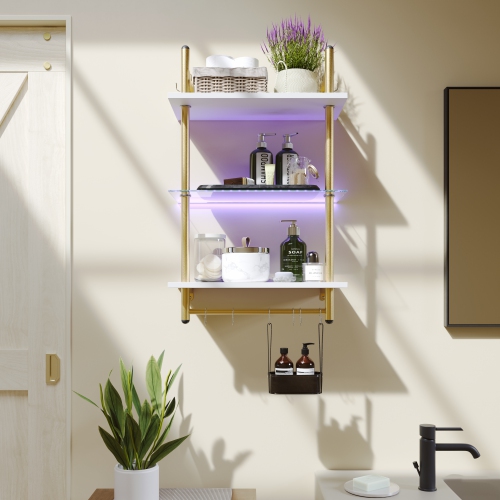
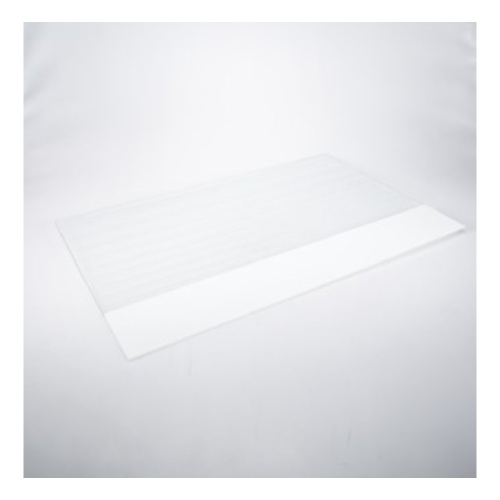
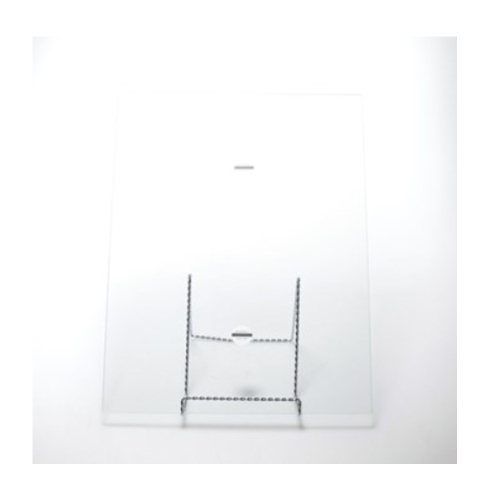
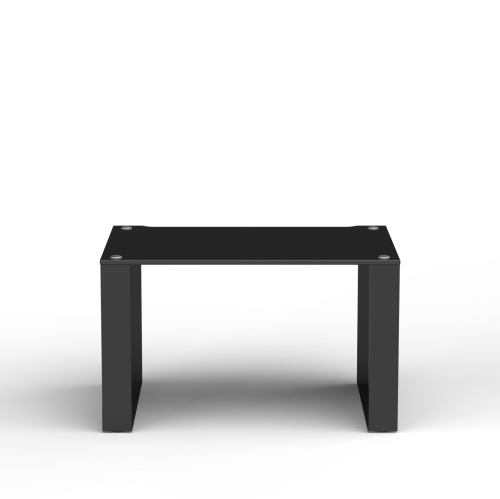
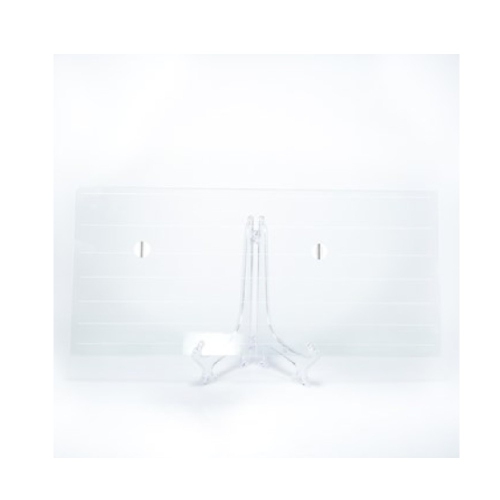
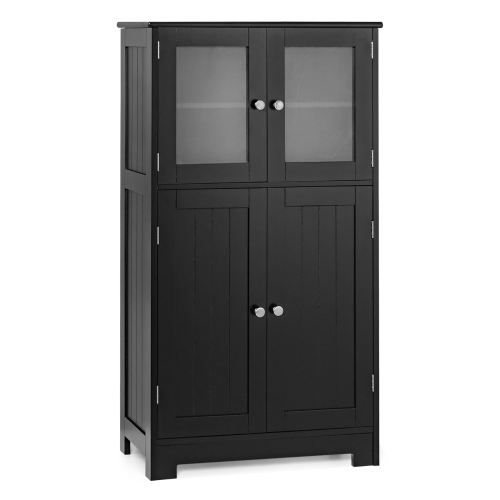


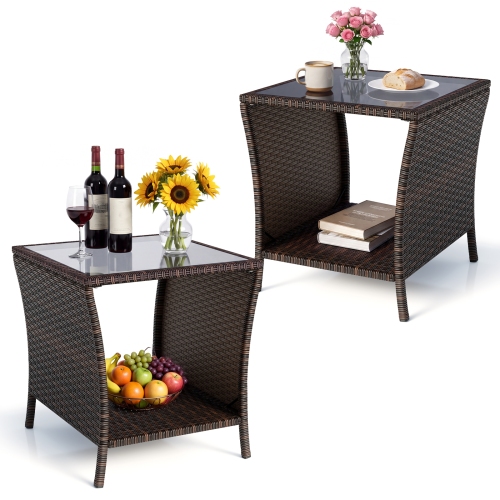
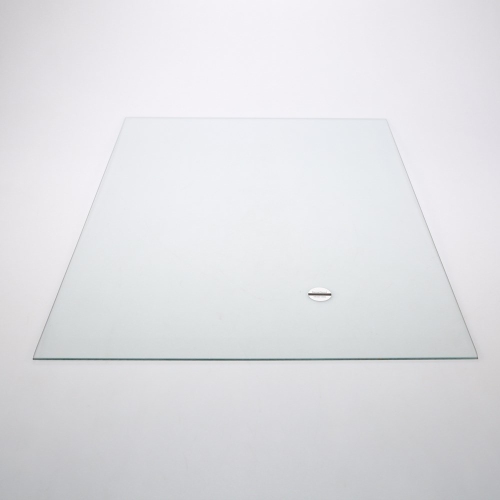
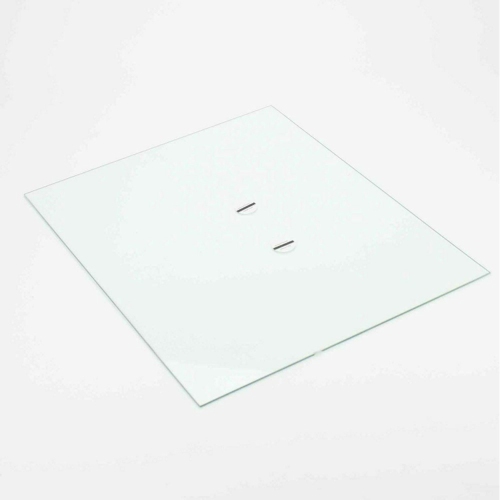
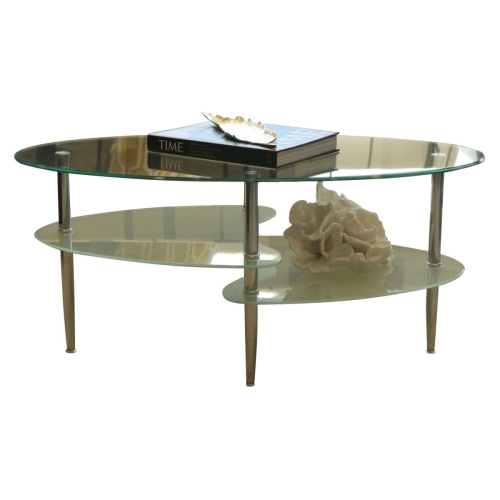
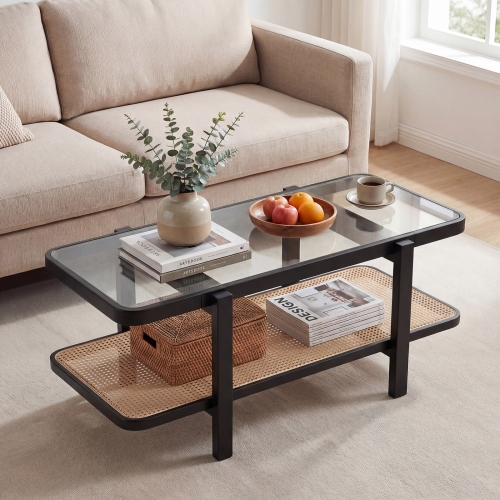
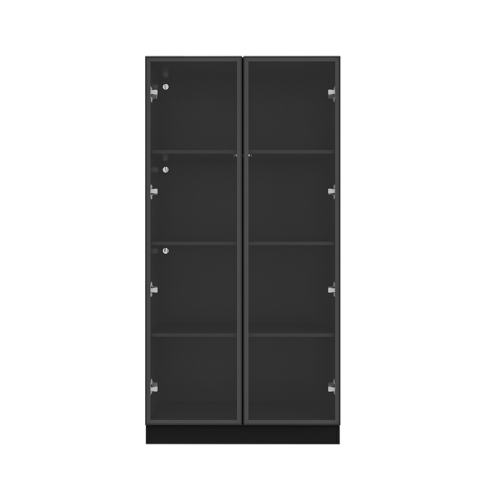
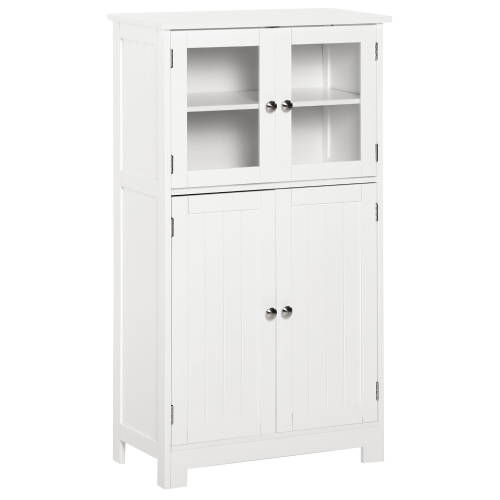


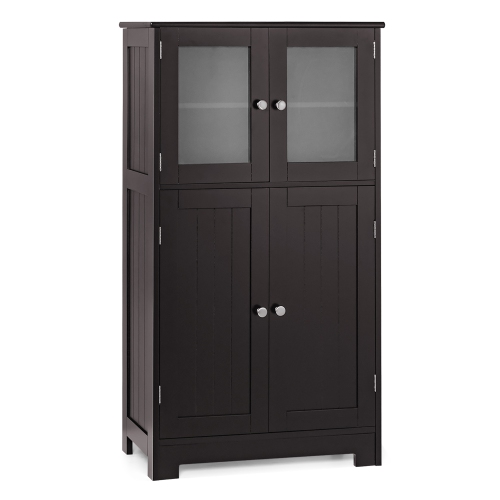

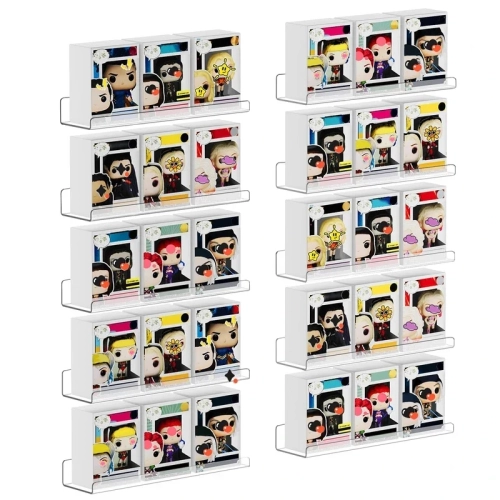
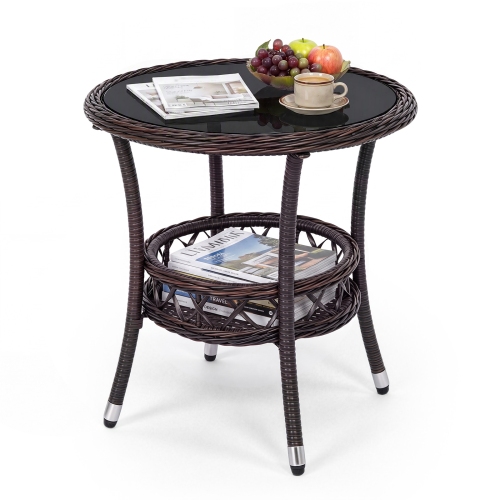

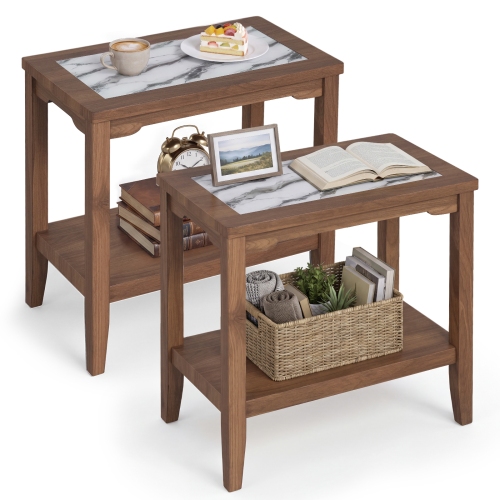
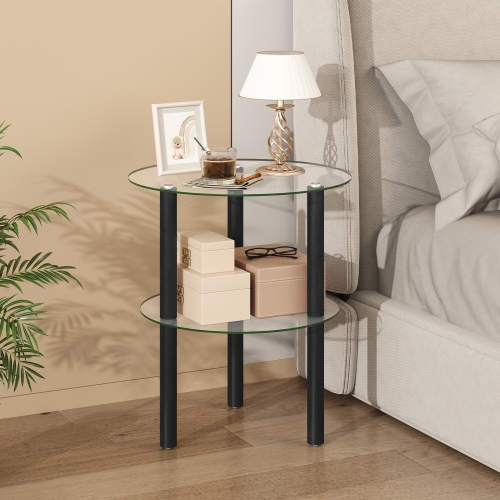
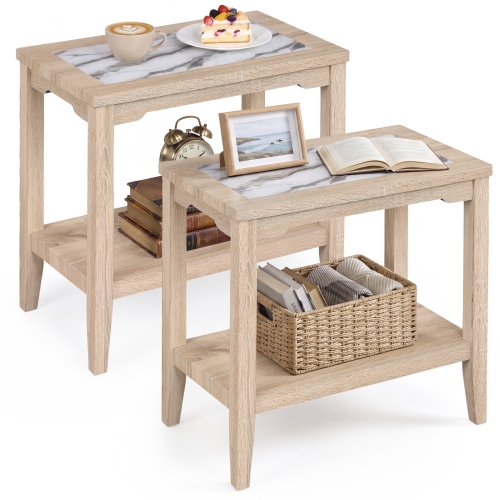
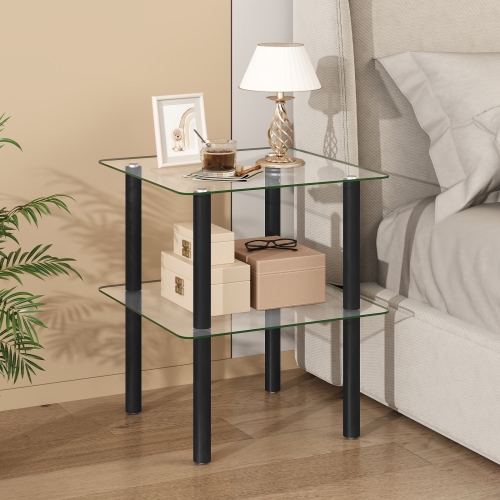


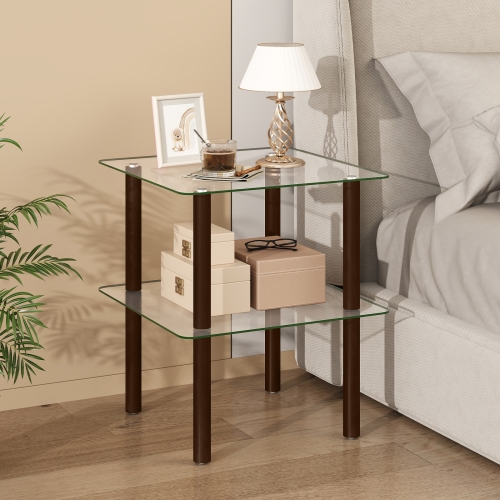
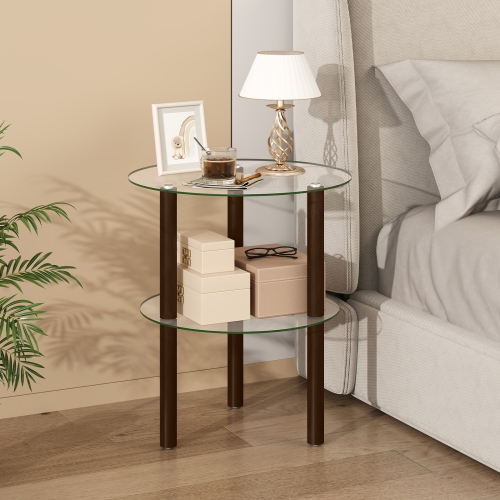
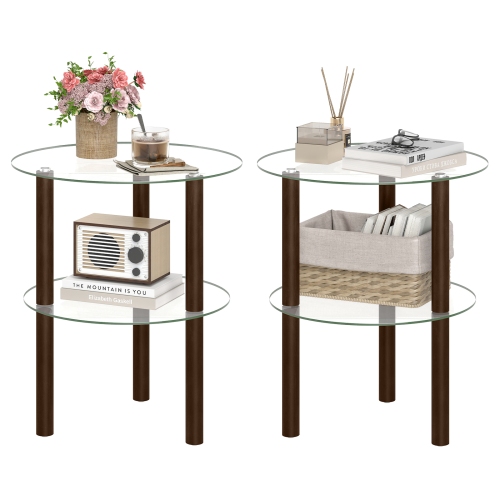
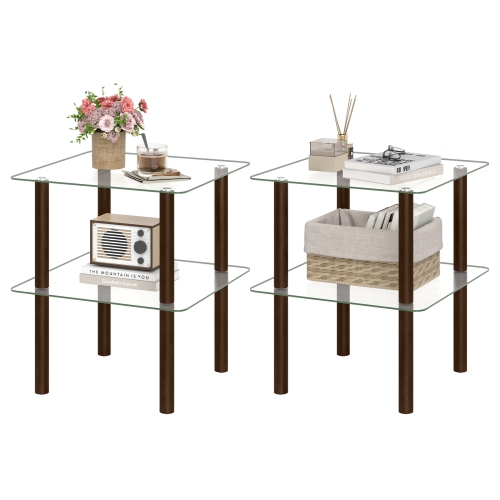
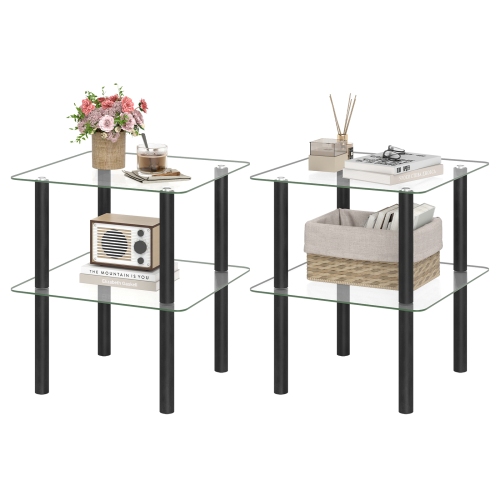
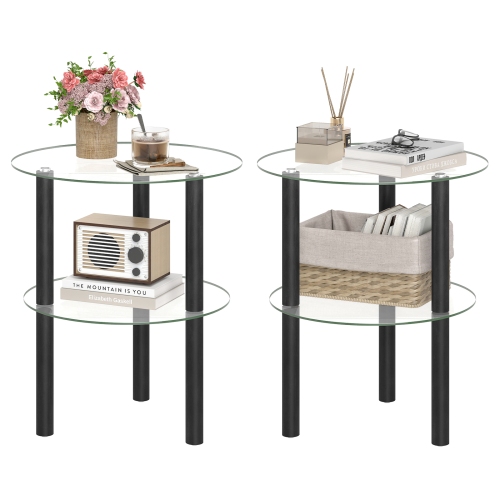
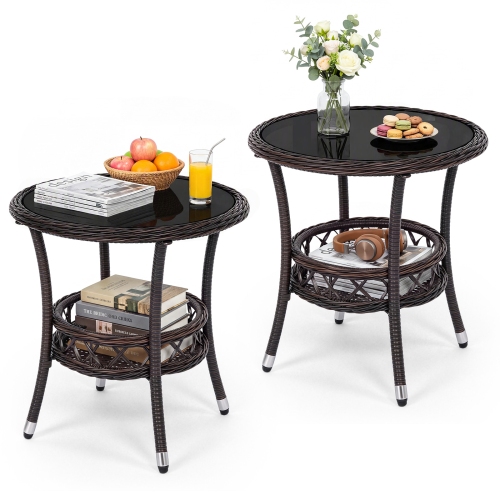
Sturdy storage that leaves your space feeling open
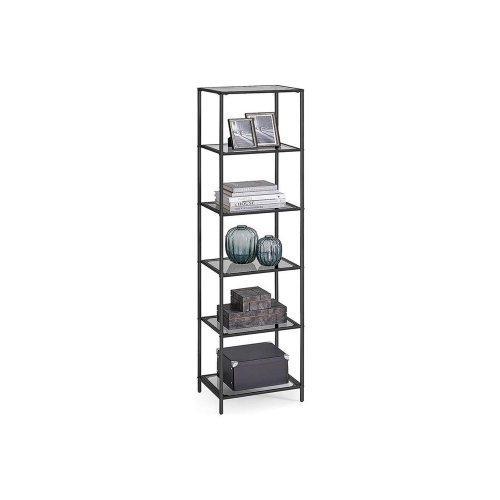
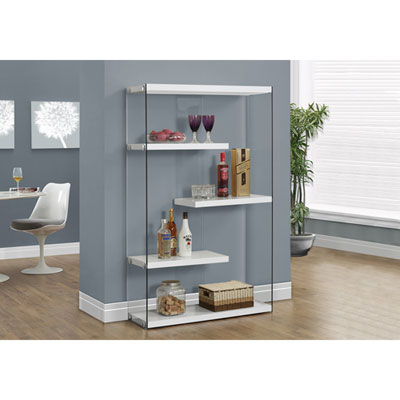
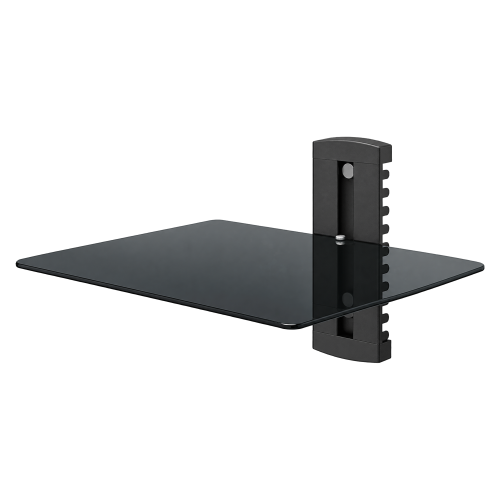
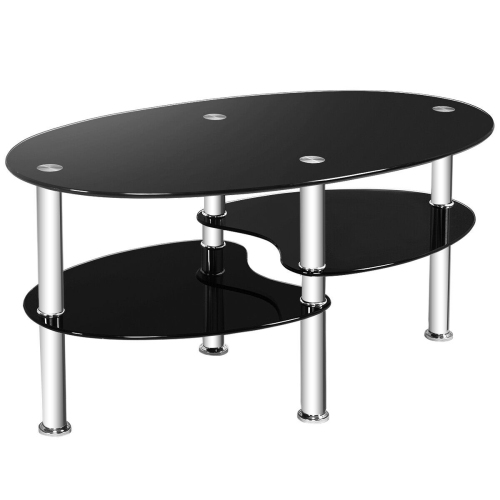
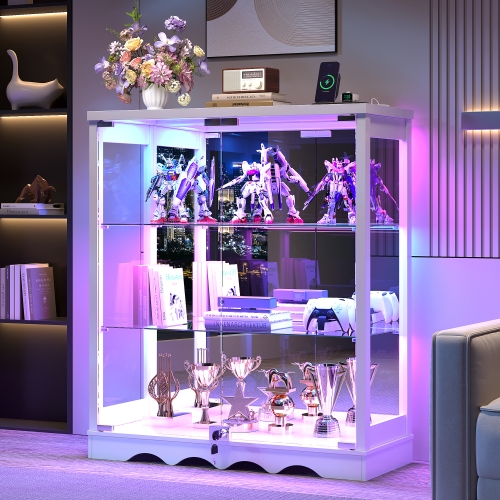
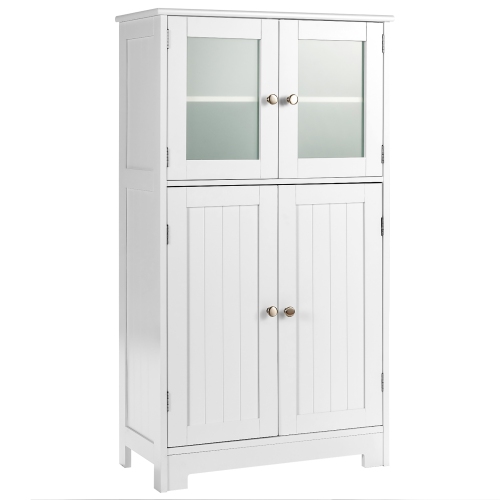
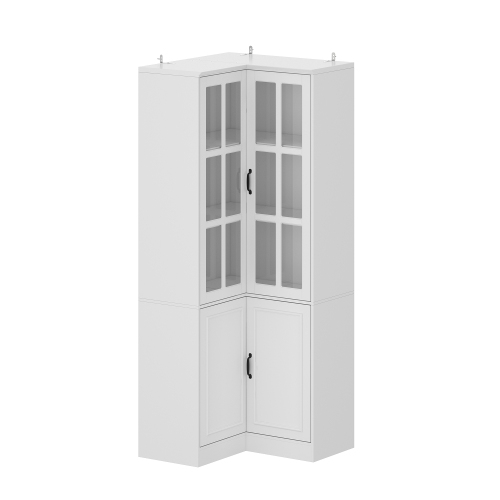
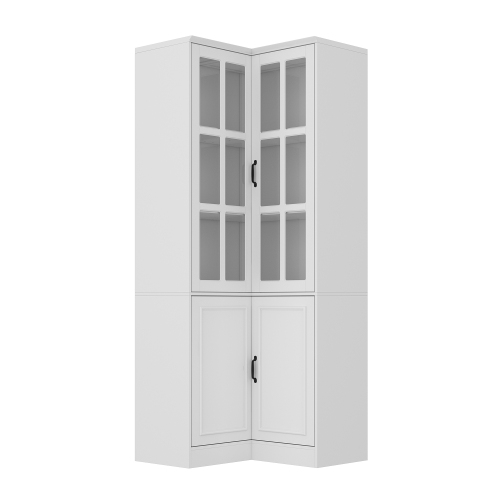
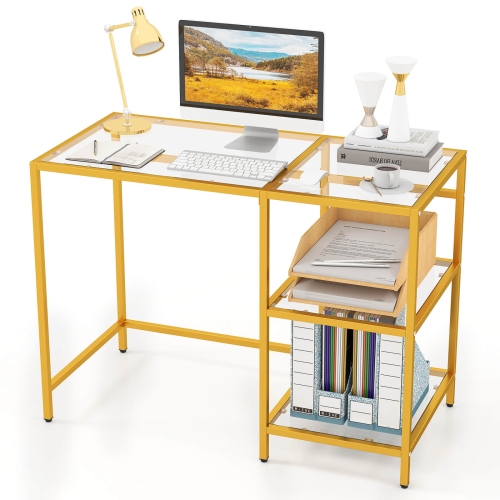
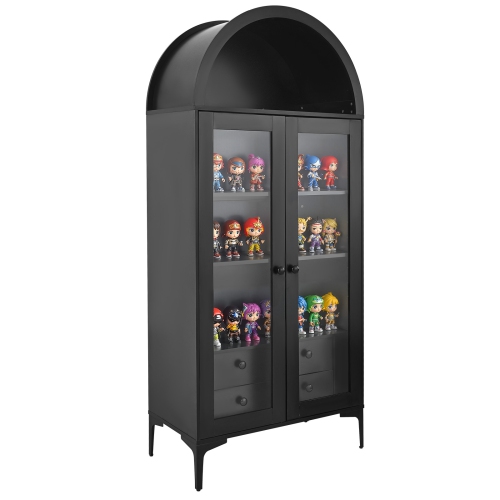
Tempered glass shelves provide a sturdy surface for everyday storage while keeping the space around them visually open. Made from glass that has been heat-treated and rapidly cooled, they are typically about four to five times stronger than ordinary annealed glass of the same thickness. The tempering process also changes how the glass breaks: rather than forming long, sharp shards, it generally fragments into small pieces, although broken tempered glass can still cause injury. This combination of strength and a light appearance makes tempered glass shelving useful in bathrooms, living rooms, kitchens, offices, and display cabinets. Clear glass allows wall colours, tile patterns, and lighting to remain visible through the shelf, so even a narrow alcove can feel less crowded. Frosted finishes offer a softer look and partially obscure objects viewed from below, while tinted glass can add contrast to pale walls or coordinate with darker furniture. Exposed edges may have a slight green cast, depending on the glass composition and thickness; lower-iron glass generally has a clearer appearance where that distinction matters. Polished edges provide a finished look, and rounded corners can be helpful near walkways or at shoulder height, though neither feature makes a shelf impact-proof. Designs range from simple panels supported by small brackets to glass tiers set within metal frames. A wall-mounted shelf can keep toiletries off a vanity, while shelves inside a cabinet can display glassware without blocking as much light as an opaque panel. In a living room, a few framed photographs and ceramic pieces can appear to float against the wall rather than sit on a heavy ledge. The broader Glass Shelve collection provides another way to explore glass shelving styles, with tempered construction remaining an important detail to confirm in the specifications. The right appearance depends as much on the supports and surrounding finishes as on the glass itself.
Fit and support determine how well tempered glass shelves work in daily use. Width, depth, and thickness all matter, but the distance between supports and the mounting method are equally important. A thicker panel is not automatically suitable for a heavier load, and the glass alone does not establish the capacity of the complete shelf. Weight limits should come from the manufacturer and apply to the installed assembly, including its brackets, fasteners, and supporting surface. Unless the instructions say otherwise, that limit should be treated as a total, evenly distributed load rather than permission to place one heavy object in the centre. Books, filled bottles, and stone ornaments can add substantial weight, even on a small shelf. Measuring the intended contents helps avoid a ledge that is too shallow for a storage basket or too close to the shelf above for a tall dispenser. Around a sink, there should also be enough clearance to use taps comfortably and wipe the wall behind them. Cabinet installations require accurate measurements of the interior opening, shelf-pin spacing, and any hinges that intrude into the usable area. Replacement panels need to match the specified dimensions and support arrangement, not simply fit through the door. Tempered glass cannot be cut or drilled after tempering without a high risk of shattering, so any required holes, notches, and finished dimensions must be established during manufacture. Wall-mounted designs need hardware suited to the wall construction; tile, masonry, and plasterboard each present different fastening requirements. Fixing into studs or an appropriate solid backing may be necessary, depending on the design and load. Clamps, pads, and gaskets should be fitted exactly as directed to prevent hard contact or uneven pressure against the glass. Where wiring, plumbing, tile drilling, or uncertain wall construction complicates installation, a qualified installer can help establish a secure mounting arrangement. A shelf should never be used as a handhold or climbing support.
Everyday use is easier when the shelf’s construction matches the room and its contents. In bathrooms, glass provides a non-porous surface that is straightforward to wipe, but brackets and fasteners must also be suitable for exposure to moisture. A shelf near a shower needs a design approved for that location, with attention to secure attachment and any retaining rail intended to help keep bottles in place. In kitchens, glass shelving can hold frequently used cups or display serving pieces, provided the rated capacity and clearance are appropriate. It should not be assumed suitable beside a heat source or for direct contact with hot cookware simply because the glass is tempered. In a home office, a shallow shelf can keep small supplies within reach without taking over the desk, while a framed shelving unit may offer more space for display. Households with children or pets benefit from placing breakable objects out of reach and positioning projecting shelf edges away from busy routes. Freestanding shelving should be secured against tipping whenever the manufacturer requires it. Care is generally simple: remove loose dust with a clean, soft cloth, then use a glass cleaner or mild cleaning solution approved for both the panel and its hardware. Drying the surface and edges helps reduce streaks and water marks, especially around a basin. Abrasive pads, gritty cloths, and harsh cleaners can scratch the surface or damage finishes. Lift objects rather than sliding them, and use suitable protective pads beneath rough ceramic bases. Regularly check for loose brackets, missing cushions, chips, or cracks, particularly along exposed edges. Damaged glass should be taken out of use and replaced rather than repaired at home. Tempered glass is durable, not unbreakable, and careful handling remains important throughout its life. With correctly matched dimensions, reliable support, and a manageable load, these shelves can provide practical storage that leaves attention on the objects displayed rather than the structure beneath them.
Top selling and popular products
-
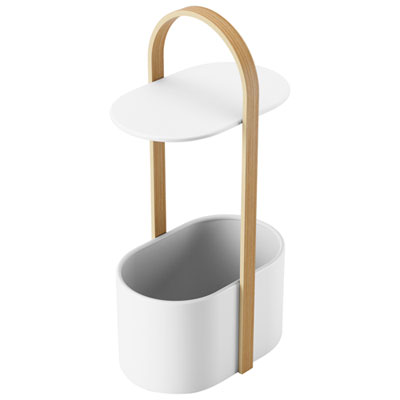 Your price for this item is $69.98
-
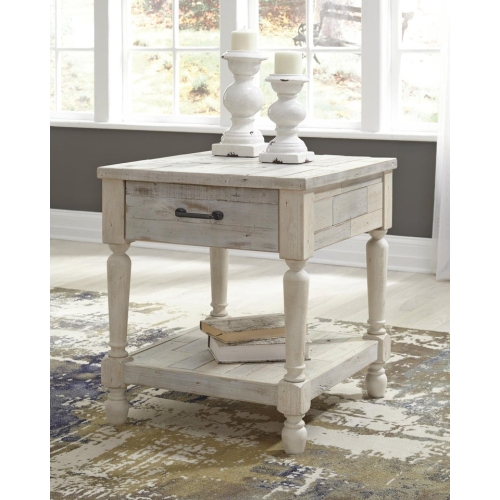 Your price for this item is $159
-
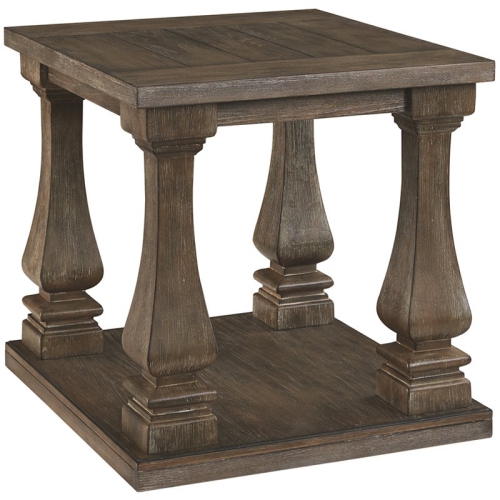 Your price for this item is $375
-
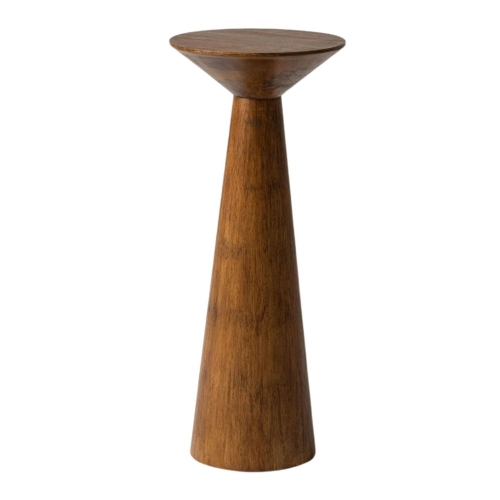 Your price for this item is $181.99
-
 Your price for this item is $199
-
 Your price for this item is $211.99
-
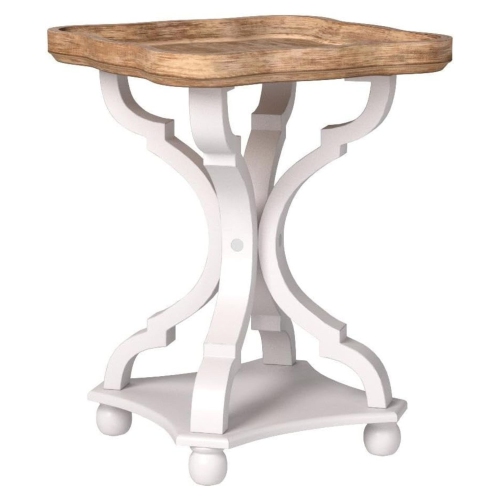 Your price for this item is $233.99
-
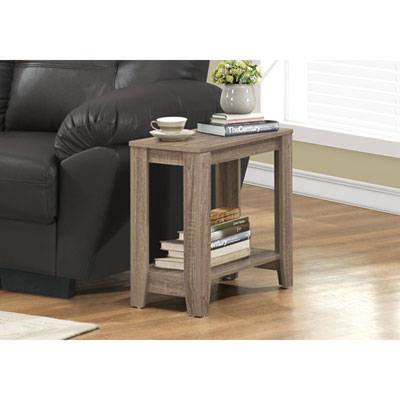 Your price for this item is $121.99
Discover more categories related to Tempered Glass Shelves

Top Collections:
Best Black Friday Deals This Year, Best Black Friday Deals On Electronics, Kindle Devices, Dyson Airwrap, Best Cameras for Sports Photography, Best Budget Office Chairs, Canon G7X Cameras, PS5 Pro Consoles, Best Black Friday Deals On Apple Products, XBOX One S Consoles
Some products may be subject to Environmental Handling Fees
(EHF) depending on your province.
Learn more about EHFs.