Toddler Mattresses
A toddler mattress is one that provides a safe, comfortable place for your child to sleep. Toddler mattresses are often made of soft materials and have rounded corners, as well as other features that make them easier to sleep on. Here are some of the best toddler mattresses for your babies' good night's sleep.
Sort
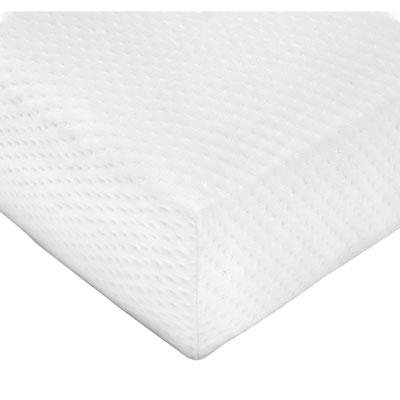
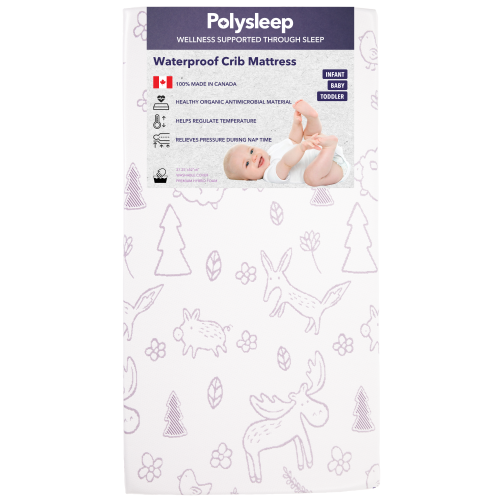
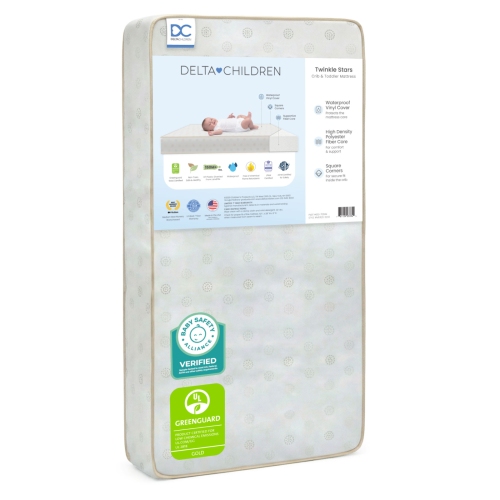
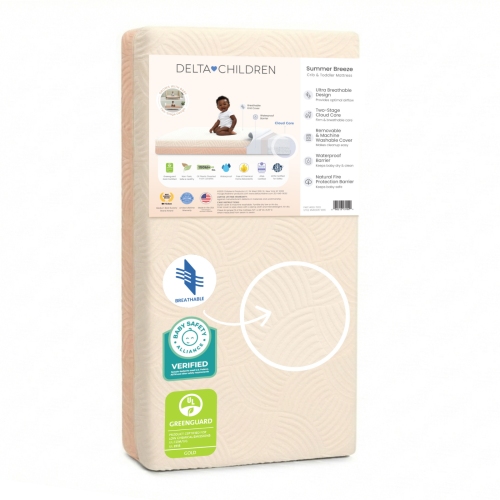







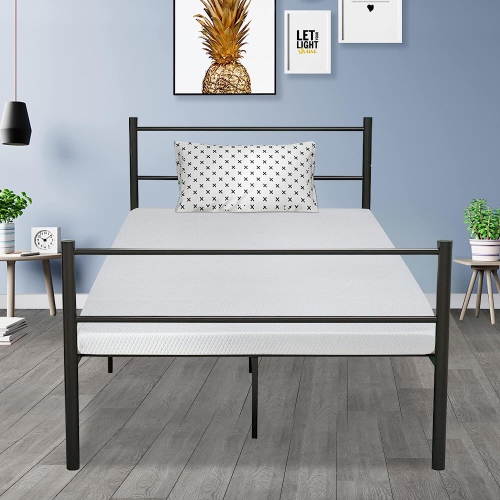


Why mattress fit matters when moving beyond the crib
Toddler mattresses provide a supportive sleep surface for children moving from a crib to a toddler bed, with dimensions that often allow a familiar mattress to move into a new frame. A standard crib and toddler mattress is commonly described as approximately 28 inches wide by 52 inches long, although exact measurements vary. The bed manufacturer’s specified mattress dimensions and thickness are the most important reference for a proper fit. A mattress should sit flat on the bed base and fit snugly within the frame, without gaps that could create an entrapment risk. Compact cribs, travel beds, and other smaller frames may require different sizes, so the word “toddler” alone does not confirm compatibility. A twin mattress is a separate size intended for a larger bed, rather than a direct replacement for a crib-sized toddler mattress. For families making the transition, the right fit keeps the sleeping area familiar while giving a child easier access to a low bed. Mattress height matters, too: an overly thick mattress can affect how much of a safety rail extends above the sleep surface. Firm, even support is a key consideration, but there is no universal firmness number that applies to every toddler mattress. Age suitability and the manufacturer’s intended use are more useful than an unexplained numerical rating. Dual-sided crib and toddler mattresses may have a firm infant side and a different comfort surface for the toddler stage. These designs should have clear side labels, and the change between surfaces should follow the manufacturer’s directions rather than a child’s preference alone. A mattress used for an infant must remain firm, flat, and suitable for infant sleep; a softer toddler surface is not interchangeable with the infant side. For a child already using a toddler bed, the mattress forms part of a straightforward bedtime setup that supports reading together, settling down, and independent movement into and out of bed.
Materials influence a toddler mattress’s weight, feel, cleaning requirements, and ability to hold its shape through daily use. Foam mattresses are often relatively light, which can make lifting a corner for a fitted sheet or removing the mattress for cleaning more manageable. Their construction varies, however, and thickness alone does not establish support or durability. Innerspring mattresses use a coil system beneath cushioning layers and may feel heavier or more structured when lifted. Some constructions include reinforced edges, although edge support should not replace a correctly fitted bed frame or suitable guardrails. Fibre-based cores offer another construction type, with performance depending on the complete mattress design rather than the material name alone. Covers may use woven fabrics, coated surfaces, or removable zippered layers, each with different care requirements. Cotton content can affect the feel of a cover, while a smooth, wipe-clean outer surface may simplify everyday cleanup. Waterproof and water-resistant are not interchangeable descriptions: a waterproof barrier is intended to prevent liquid penetration, while water resistance offers a more limited level of protection. During toilet learning, that distinction can matter when an accident is not noticed until morning. Seams, zips, and the underside also deserve attention because a protected top surface does not necessarily mean every part of the mattress has the same protection. Removable covers can be convenient, but some are machine washable while others require spot cleaning, and drying instructions can differ. Material testing and independently verified certifications can provide useful information when their scope is clear. A certification might apply to foam content, chemical emissions, or a particular fabric rather than the entire finished mattress. Similarly, claims such as “breathable” or “hypoallergenic” need context; neither term guarantees that a mattress will prevent allergies or remove sleep-related risks. For a child with known sensitivities, specific material disclosures are more useful than broad comfort claims. A clear description of the core, cover, protective barrier, and care method makes it easier to understand how a mattress will function in a child’s room.
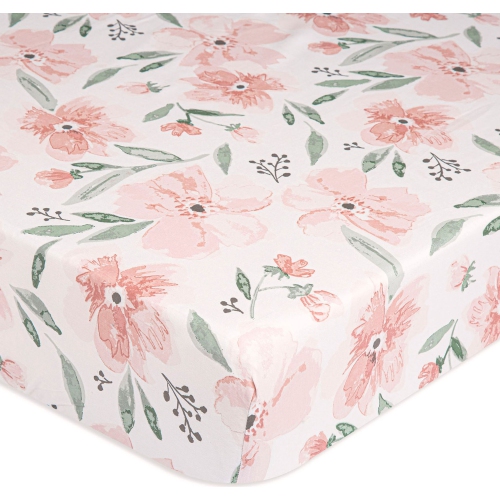
Daily care is where many differences between toddler mattresses become noticeable. A fitted sheet needs to match both the mattress’s length and width and its depth, so the corners stay secure rather than pulling loose when a child turns over. Coordinating toddler bedding can help complete the bed, with size compatibility and age-appropriate use taking priority over colour or pattern. If a separate mattress protector is permitted by the manufacturer, it should fit securely and should not introduce loose material or substantial padding. An added topper is not a substitute for an appropriate mattress and may change the fit or firmness of the sleeping surface. Keeping a spare fitted sheet and an approved protective cover within reach can make an overnight change less disruptive, especially during toilet learning. Cleaning should follow the mattress label: soaking a core that is designed only for surface cleaning can leave moisture trapped inside, while unsuitable cleaning agents may damage a protective coating. All cleaned parts should dry fully before the bed is made again. Some compressed foam mattresses also require time after unpacking to reach their intended dimensions, and they should not be used before the manufacturer’s setup requirements are met. Over time, routine sheet changes provide an opportunity to check for sagging, tears, split seams, damaged zips, or a cover that no longer closes properly. A mattress that retains a lasting hollow or no longer fits the frame correctly needs attention rather than extra padding to disguise the problem. For families hoping to use a crib mattress through the toddler years, continued suitability depends on its condition and the instructions for both the mattress and the bed. A mattress for a grandparent’s home deserves the same checks, even if it is used only for occasional visits. As a gift for a growing child, a toddler mattress is most practical when caregivers have confirmed the bed measurements, preferred care features, and intended stage of use. Those details help create a bed that is simple to maintain and suited to everyday family routines.
Top selling and popular products
-
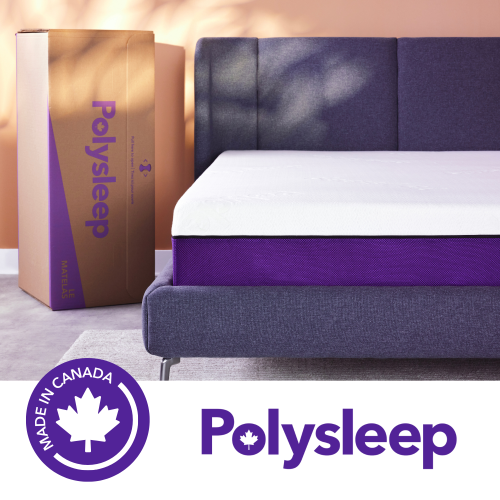 Your price for this item is $1195
-
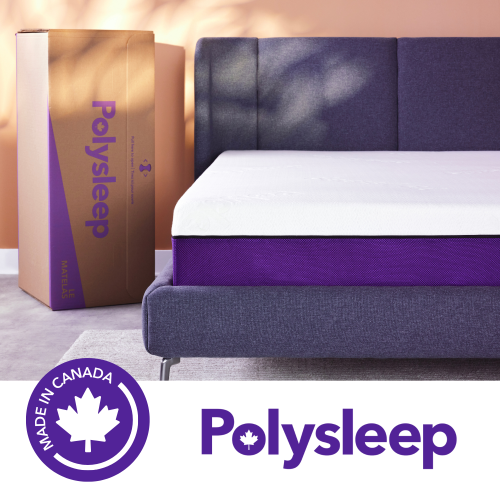 Your price for this item is $1095
-
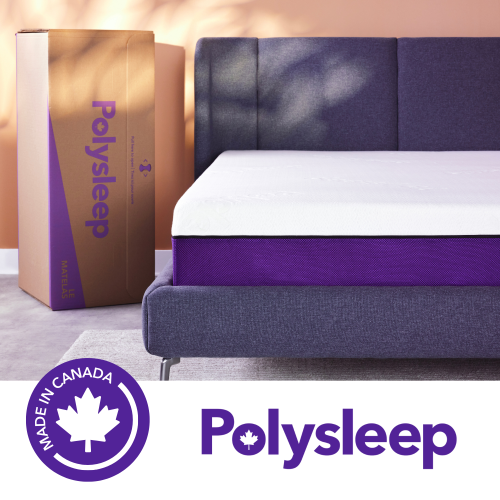 Your price for this item is $945
-
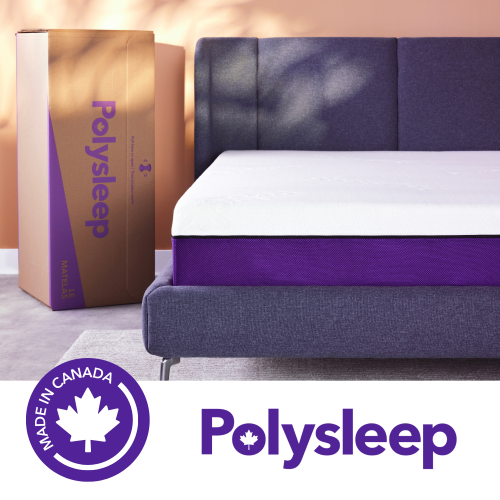 Your price for this item is $1395
-
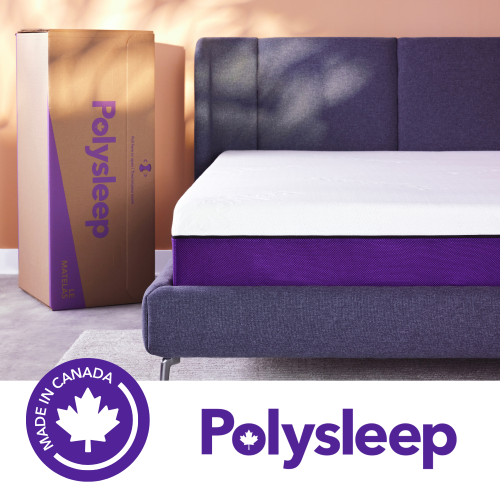 Your price for this item is $895
-
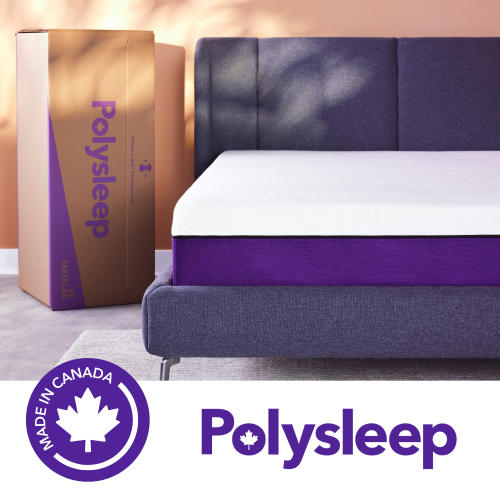 Your price for this item is $1395
-
 Your price for this item is $1199
-
 Your price for this item is $920
Discover more categories related to Toddler Mattresses
Top Collections:
Pokemon Centers, Best Cameras for Sports Photography, Kindle Devices, Samsung Galaxy Phones, Canon G7X Cameras, Pokémon 30th Celebration Cards, Refurbished Apple Laptops, iPhone 15 Apple, Laptops for Students, Budget Smartphones
Some products may be subject to Environmental Handling Fees
(EHF) depending on your province.
Learn more about EHFs.