Tools for Plumbers
Tools for plumbers are essential for tackling a wide range of plumbing projects, from routine repairs to complex installations. Whether you’re a professional plumber or a dedicated DIYer, having the right tools on hand makes every job more efficient and precise. Explore a comprehensive selection of tools for plumbers designed to support your work in residential, commercial, and industrial settings. Find the equipment you need to keep water systems running smoothly and efficiently.
Sort
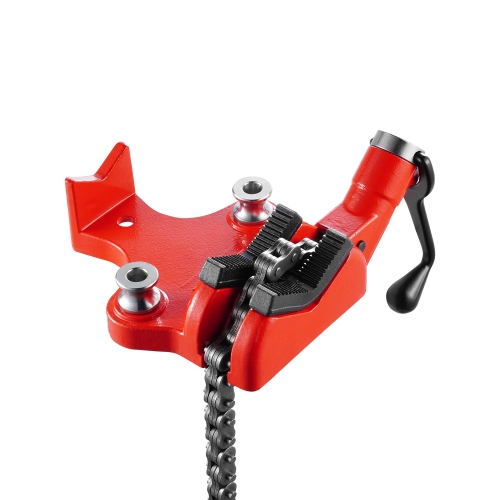
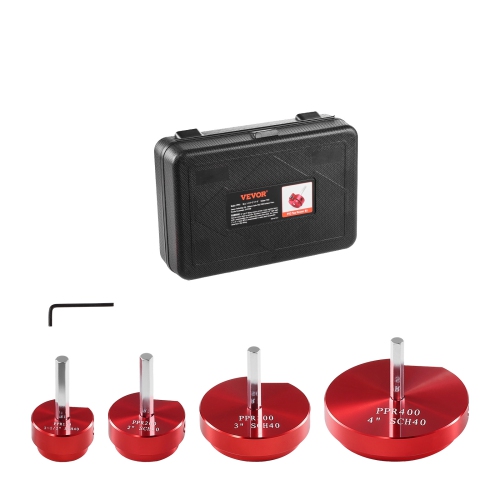
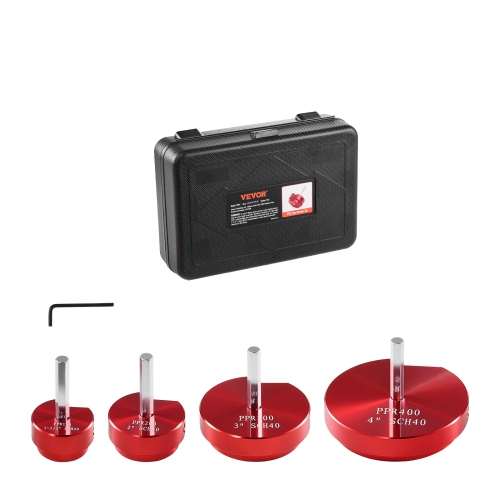
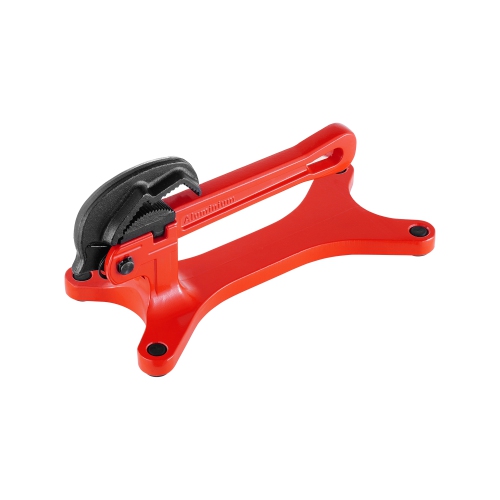
How pipe materials and tight spaces shape your toolkit
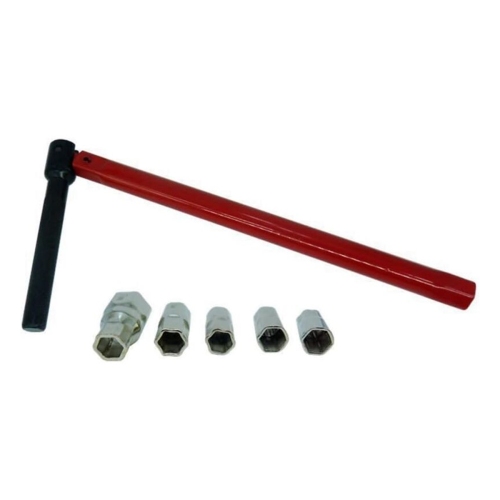
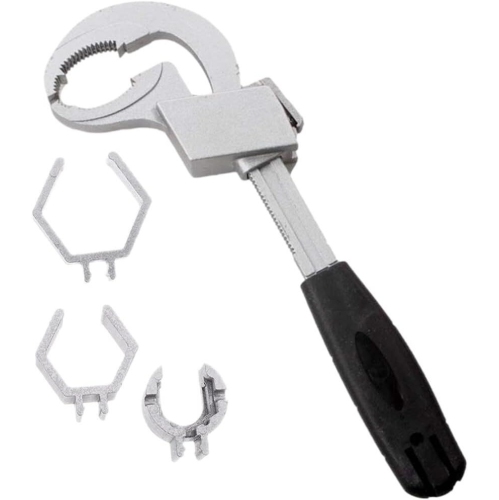
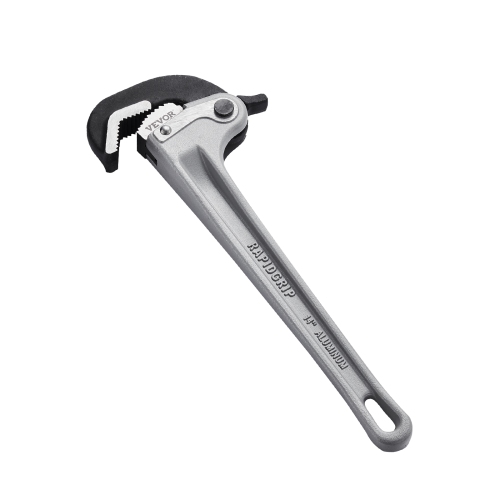
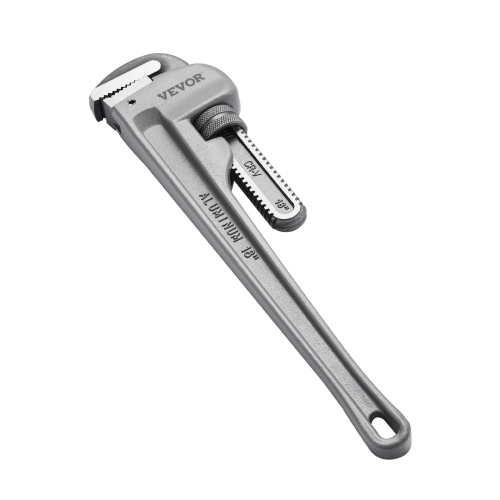
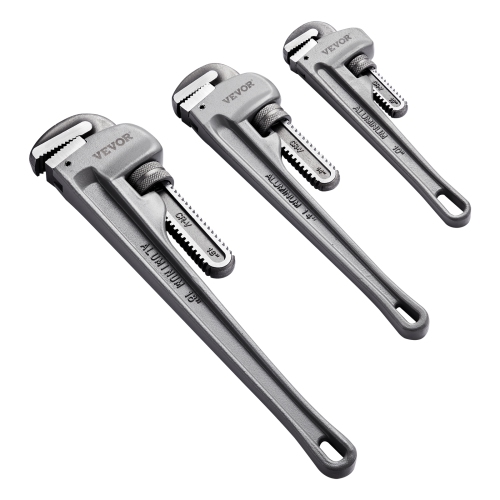
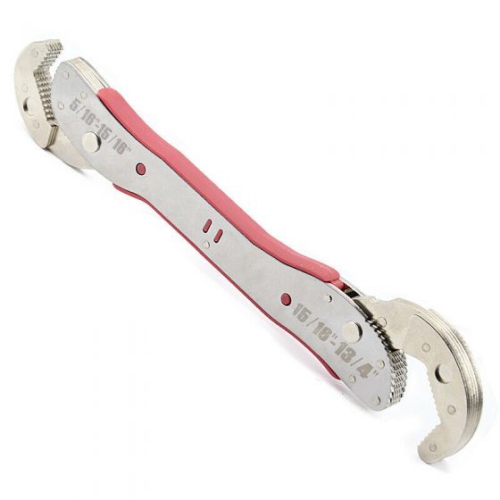
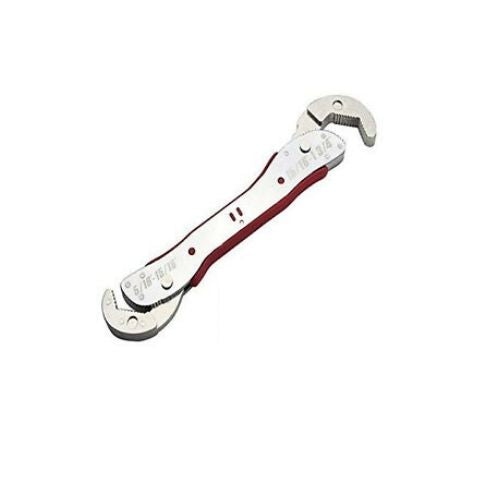
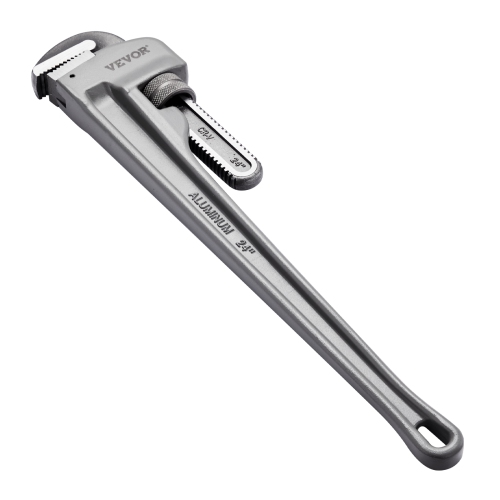
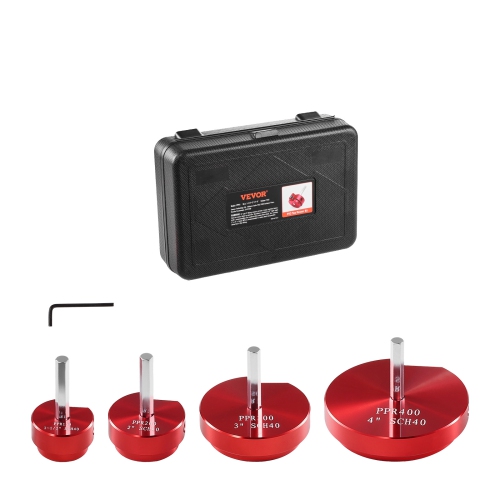
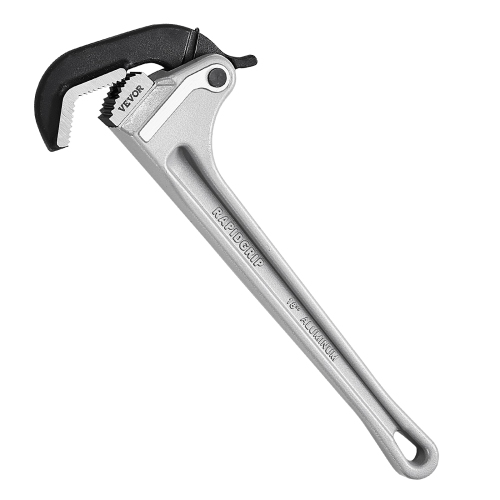
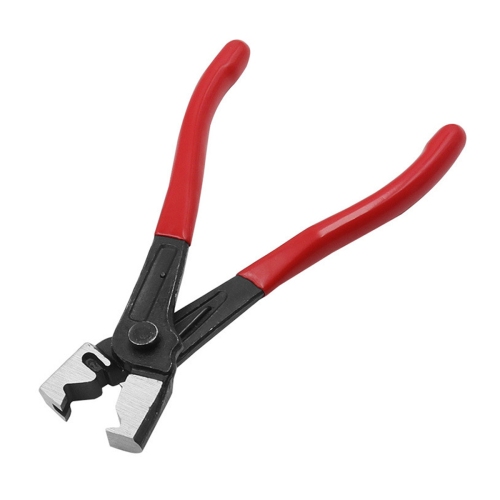
Tools for plumbers support three core jobs: gripping and turning connections, cutting and preparing pipe, and clearing drains. The right combination depends on the pipe material, the type of fitting, and the space around the work. A repair beneath a crowded kitchen sink calls for different reach and handling than a threaded connection in an open utility room. Pipe wrenches have toothed jaws designed to grip threaded metal pipe and suitable fittings, while basin wrenches use a long shaft and pivoting jaw to reach faucet mounting nuts behind a sink bowl. Water pump pliers offer adjustable jaw openings for holding and turning a range of shapes, although their teeth can mark decorative finishes. Smooth-jaw tools or suitable protective jaw covers are a better match where preserving a visible surface matters. For gripping tools, jaw capacity is just as important as overall length: a longer handle offers leverage but may be awkward between a cabinet wall and a drain assembly. A compact tool can fit the space yet still lack the opening needed for the connection. Steel construction provides strength for demanding work, while an aluminium-bodied pipe wrench can reduce carrying weight without changing the need to respect its rated capacity. Handle shape, grip texture, and adjustment mechanisms also affect comfort when hands are wet or gloved. Secure adjustment and controlled pressure matter more than simply choosing the largest tool. Professional plumbers and apprentices often need several sizes to cover different installations, whereas homeowners handling permitted minor maintenance may benefit from a smaller assortment matched to their fixtures. These distinctions make plumbing hand tools useful beyond a single repair, particularly when their dimensions suit the spaces where they will be used. Tools intended for plumbing should still be matched to the task; a gripping tool is not a substitute for the correct fitting wrench, and extra leverage can damage a connection rather than improve it.
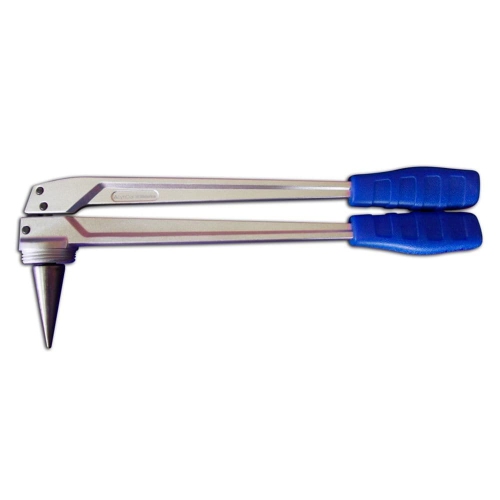
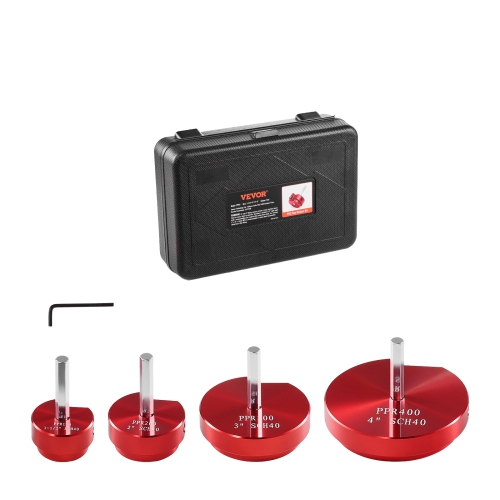
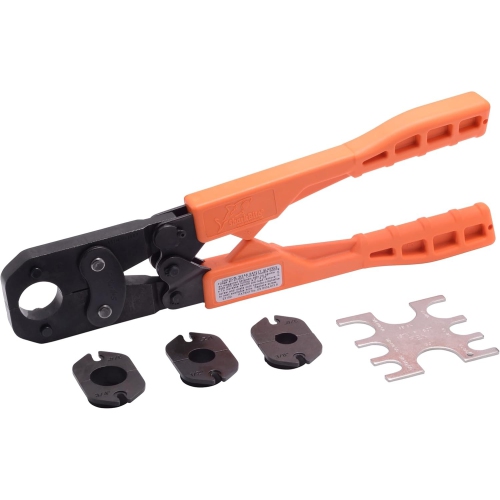
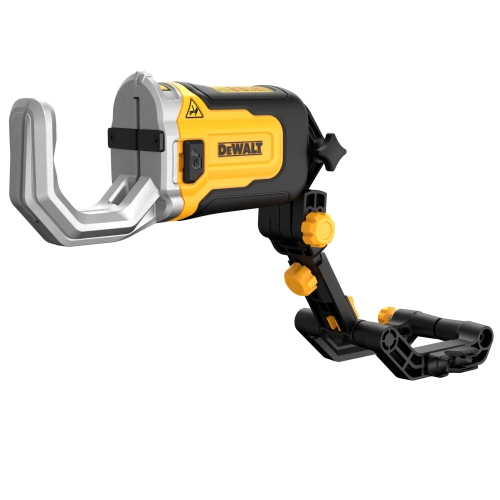
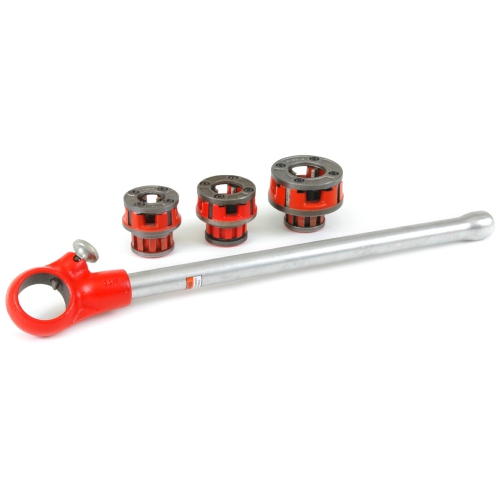
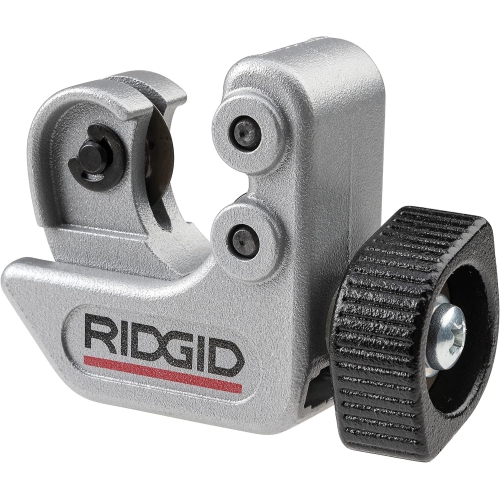
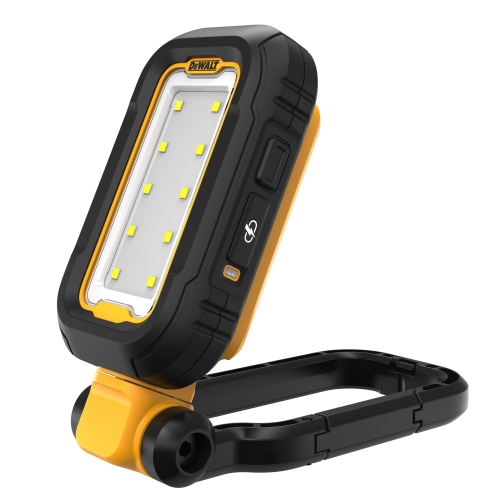
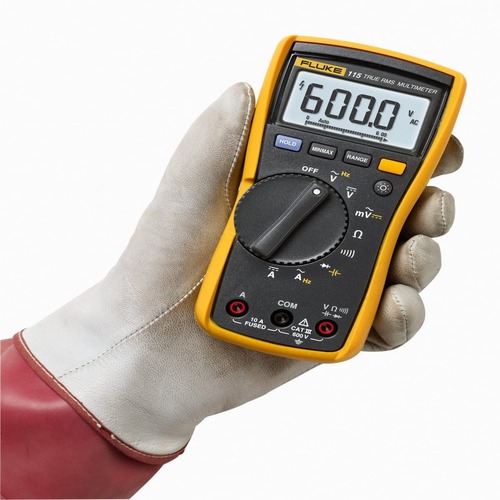
Cutting and pipe-preparation tools are selected around material compatibility, pipe diameter, wall thickness, and clearance. A rotary tubing cutter can make a controlled cut in copper tubing, with compact designs suited to places where a full-sized frame cannot turn. Cutting wheels are material-specific, so a cutter suitable for copper should not automatically be treated as suitable for steel or every other metal. Plastic pipe and tubing cutters vary too. Flexible PEX tubing and rigid PVC pipe have different cutting requirements, and the blade design and stated capacity should match the material. Sharp, undamaged blades help produce clean, square ends without excessive crushing. A hacksaw offers flexibility for suitable metal and plastic cutting tasks, but blade selection and room for a steady stroke affect the result. After cutting, deburring and preparation tools help remove sharp edges and ready pipe ends for the intended connection. Preparation requirements differ between soldered, compression, push-fit, crimped, and expanded connections, making a matched system more useful than a collection of tools chosen only by appearance. PEX crimping and expansion tools, for example, serve different connection methods and are not interchangeable simply because they work with the same nominal tubing size. Some joining tools also require periodic checks or calibration according to their manufacturer's directions. Measuring tools, levels, and compact work lights complement this equipment by helping users check alignment and see connections at the back of a cabinet. Thread-sealing tape and suitable joint compounds have a role on compatible threaded pipe connections, but they do not replace the washers, gaskets, or other sealing components used by many fixtures. For shoppers comparing plumbing tools, clear size markings, replaceable cutting components, and straightforward maintenance requirements are practical details worth considering. Eye protection and task-appropriate gloves belong alongside cutting and preparation equipment. Work involving gas lines, concealed piping, or regulated installations requires the appropriate qualifications and local approvals; owning the tools does not make every plumbing task suitable for a household repair.
Drain-clearing tools form another distinct part of a plumbing toolkit. Cup plungers are generally suited to flat drain openings such as those in sinks, while flange plungers are shaped to seal more effectively around many toilet outlets. A drain snake or auger uses a flexible cable to reach an obstruction beyond the opening, but cable length, diameter, and head design need to suit the fixture and drain. Toilet augers have a protective guide designed for use in a toilet bowl; a general-purpose cable is not automatically an appropriate substitute on porcelain. Powered drain-cleaning equipment brings additional handling requirements and is better matched to trained users who understand cable control and the equipment's limits. Mechanical clearing tools should not be used where drain-cleaning chemicals could splash back onto the user. Care and storage matter across all these tool categories. Clean, dry surfaces help limit corrosion, while cutters, hinges, and adjustment mechanisms benefit from the maintenance specified by their manufacturers. Drain equipment needs separate cleaning and storage from tools used around clean fixtures and water-supply connections. A structured tool bag or organizer can keep sharp blades protected, prevent smaller parts from disappearing beneath heavy wrenches, and make frequently used tools easier to reach. Reinforced handles, durable stitching, and a base that stands securely are useful features for someone moving between service calls. For an apprentice building a first kit or an experienced tradesperson replacing a well-used tool, familiarity with their preferred sizes and connection systems makes a gift more personal and practical. The Presents for Plumbers page offers a related starting point for gift shopping. A useful choice reflects the recipient's work, storage space, and existing equipment rather than duplicating a specialist tool they cannot use. Across everyday repairs and professional installations, the strongest toolkit is one built around compatible materials, comfortable handling, and dependable performance in the spaces the job actually presents.
Top selling and popular products
-
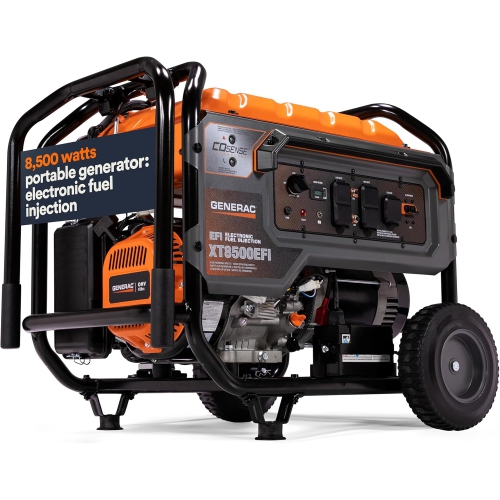 Your price for this item is $3000
-
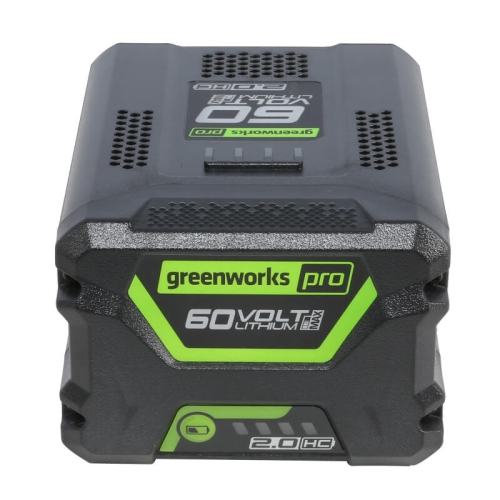 Your price for this item is $152.99
-
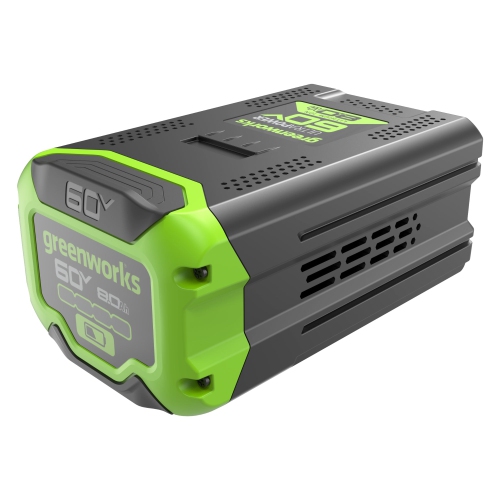 Your price for this item is $329.99
-
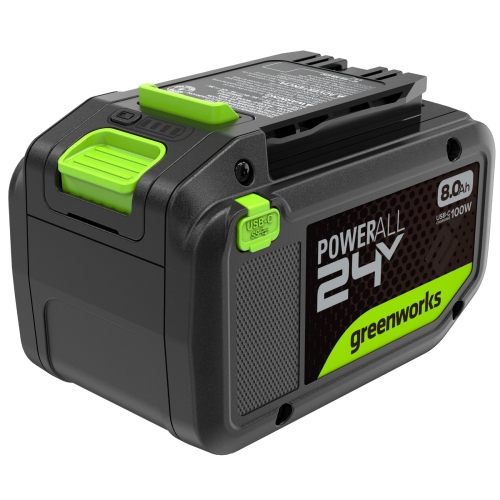 Your price for this item is $144.49
-
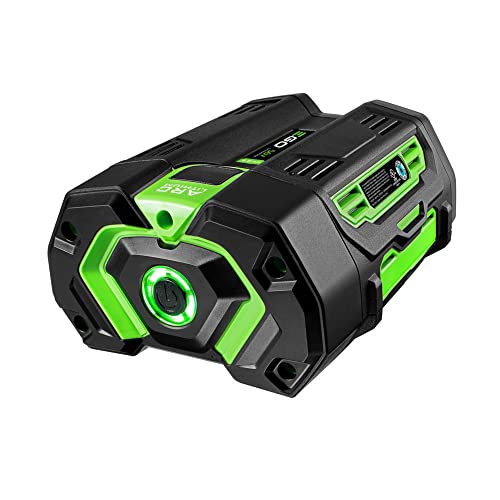 Your price for this item is $255
-
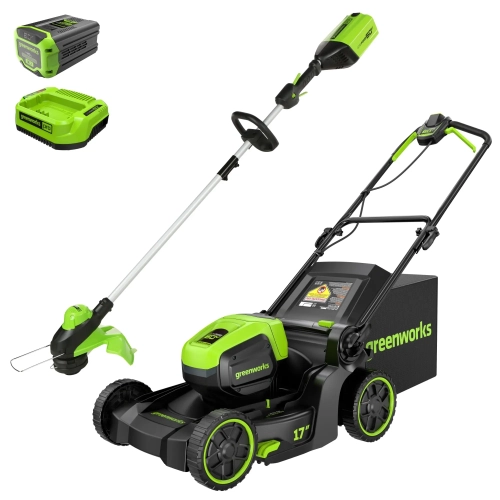 Your price for this item is $779.99
-
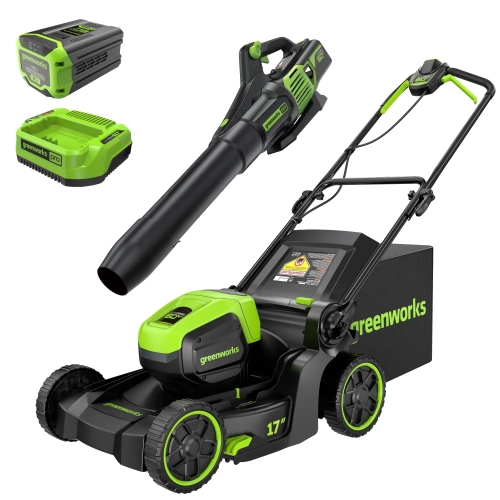 Your price for this item is $659.99
-
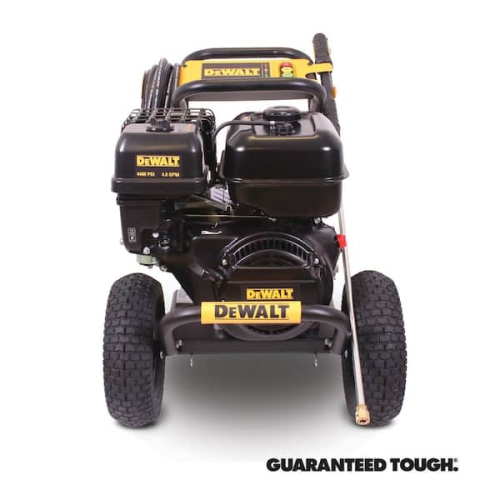 Your price for this item is $999.99
Discover more categories related to Tools for Plumbers
Top Collections:
Best Black Friday Deals This Year, Best Black Friday Deals On Electronics, Kindle Devices, Pokemon Centers, Best Black Friday Deals On Apple Products, Best Cameras for Sports Photography, Dyson Airwrap, Pokémon 30th Celebration Cards, Apple iPhone 17 Pro, Canon G7X Cameras
Some products may be subject to Environmental Handling Fees
(EHF) depending on your province.
Learn more about EHFs.