Tools for Studying
Unlock the potential for academic success with a curated selection of study tools designed to enhance your learning experience. Whether you're diving into textbooks, tackling complex equations, or preparing for exams, having the right tools at your fingertips can make all the difference. From ergonomic furniture that ensures comfort during long study sessions to tech gadgets that streamline research and note-taking, these essentials are crafted to support and elevate your educational journey. Explore a range of options that cater to diverse study styles and environments, empowering you to achieve your academic goals with ease and efficiency.
Sort
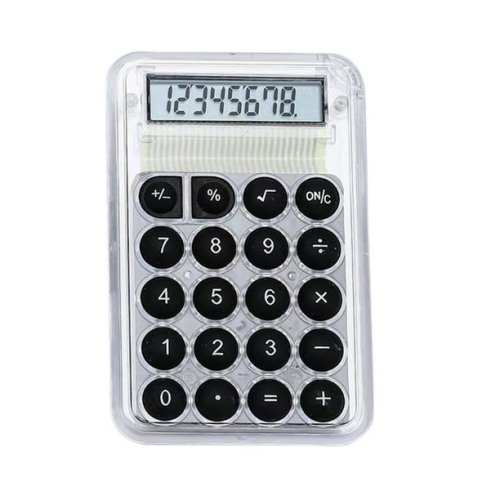
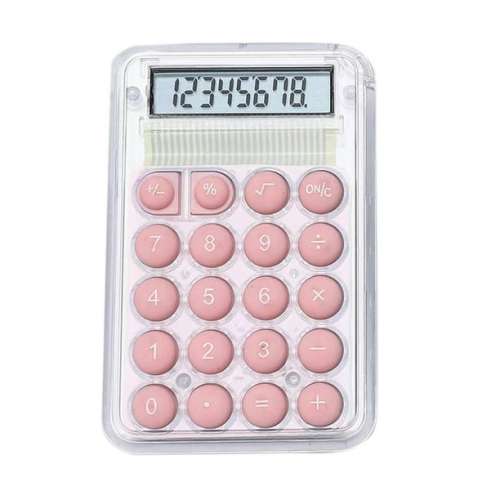
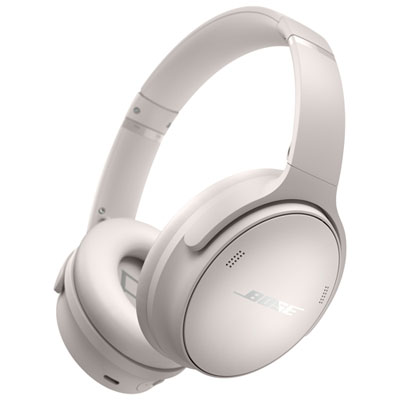
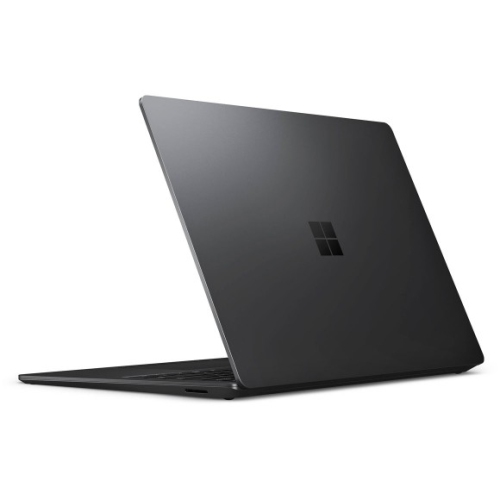
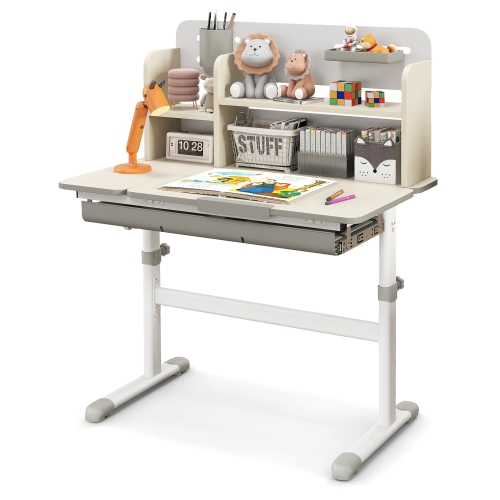
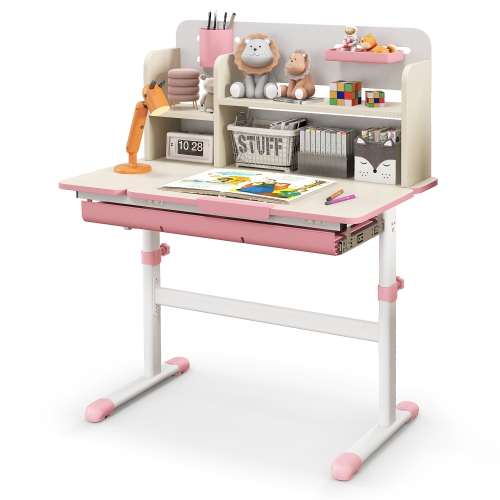
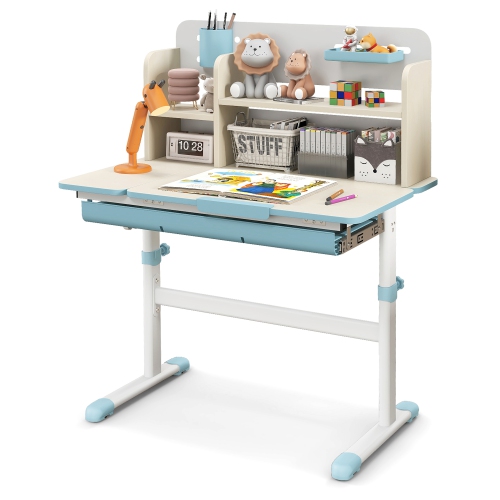
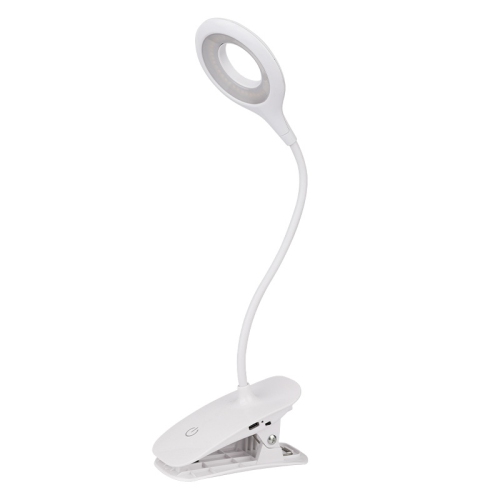
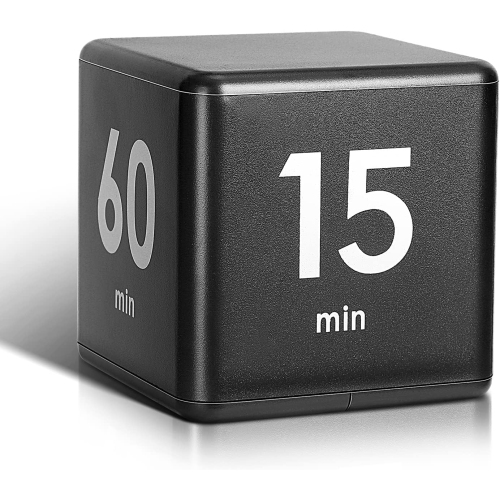
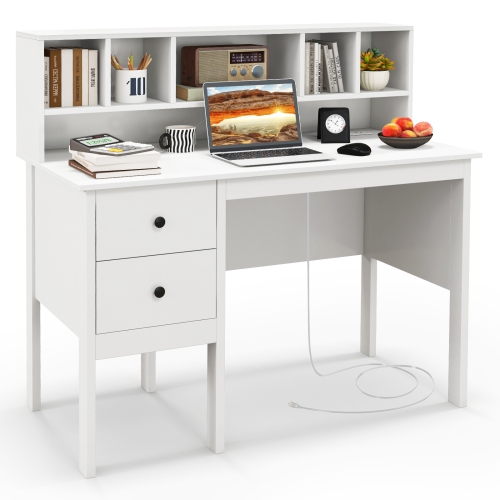
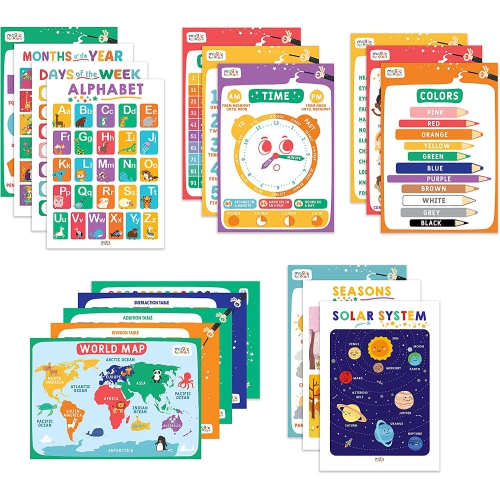
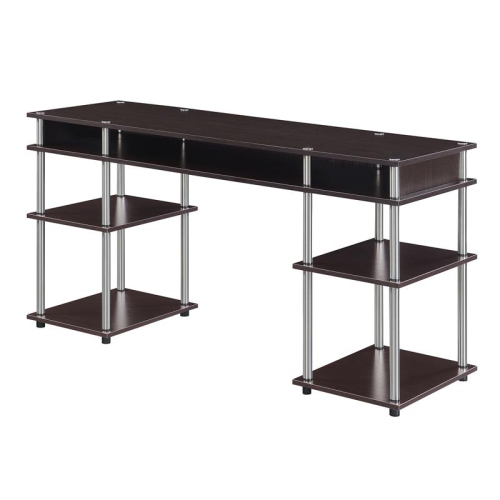
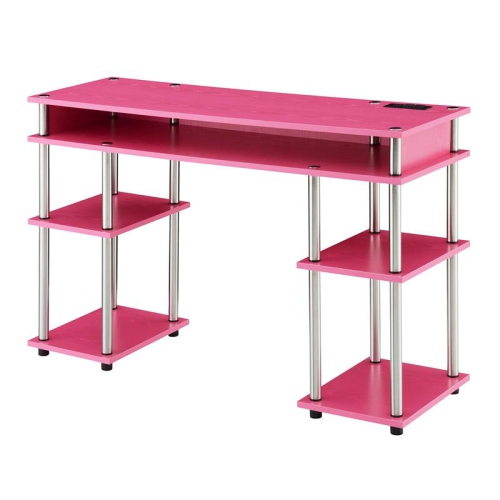
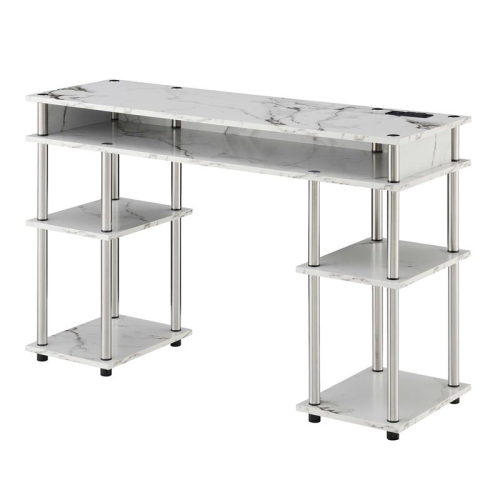
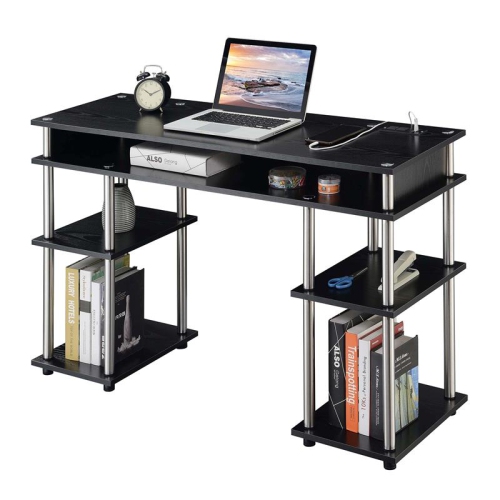
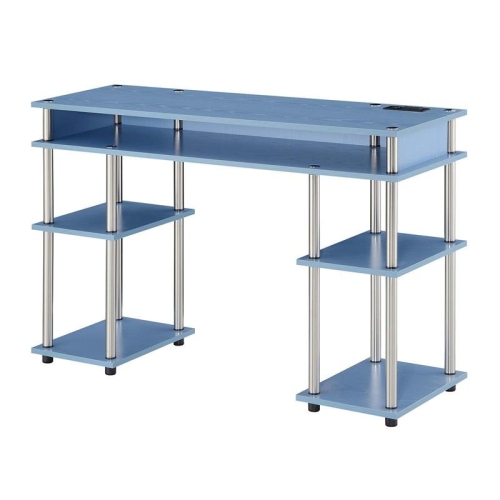
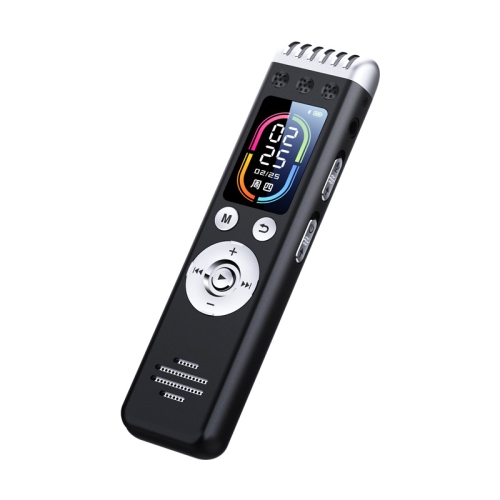
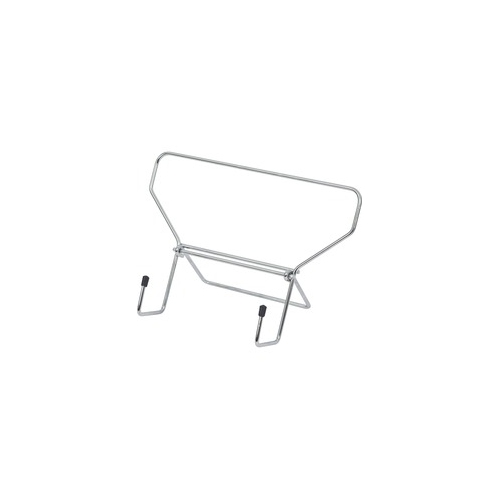
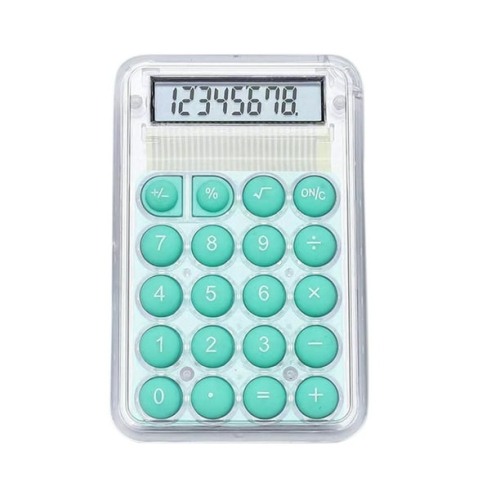

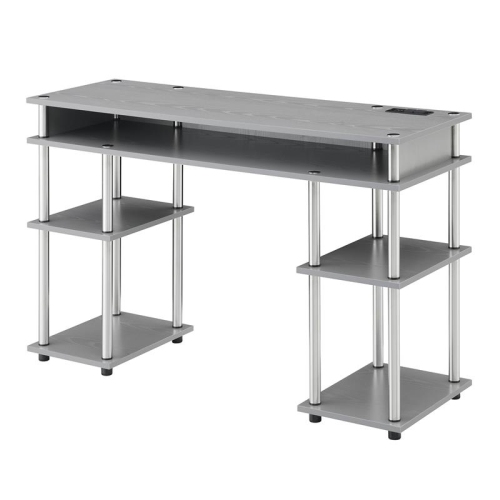
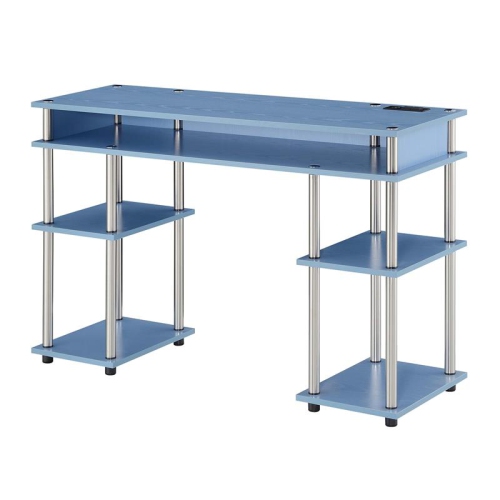
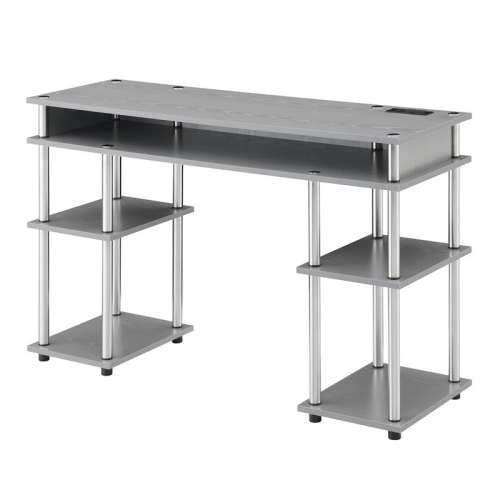
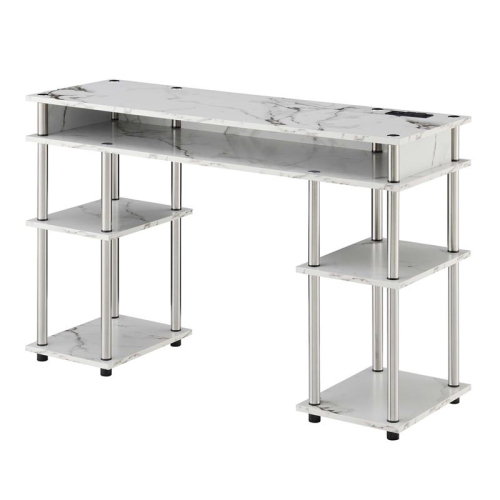
Study tools that organize learning and strengthen recall
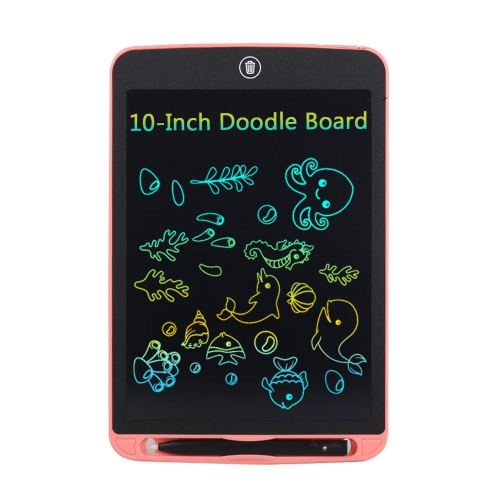
Tools for studying can make it easier to organize information, maintain concentration, and turn scattered class materials into a routine that feels manageable. The right mix may include digital and physical resources, depending on the learner’s age, subject, workspace, and preferred way of processing information. Students who learn best by seeing relationships between tasks may appreciate calendar tools, planning boards, or assignment trackers that display due dates, project stages, and dedicated study blocks in one place. A visual schedule can be especially useful when several courses compete for attention, helping a learner divide a large project into smaller steps such as reading, outlining, drafting, reviewing, and submitting. Digital note-taking tools can also help organize lecture notes, readings, diagrams, and reference materials so they are easier to search later. Some platforms use artificial intelligence to summarize lengthy readings, lecture notes, or recorded lessons, then create review prompts, flashcards, or practice quizzes from that material. These features can support revision, but students should still compare summaries with their original course content and follow any classroom or school policies regarding AI. Flashcard and quiz tools are helpful for active recall, a study method that asks learners to retrieve information rather than simply reread it. Recalling a formula, vocabulary word, historical date, definition, or set of steps strengthens familiarity with the material and can reveal which topics need another look. A useful study setup often works best when digital planning and review tools are paired with a quiet, comfortable place to work and a few dependable supplies within easy reach. Explore Learning Tools for resources that can support classroom learning, homework, exam preparation, and independent practice.
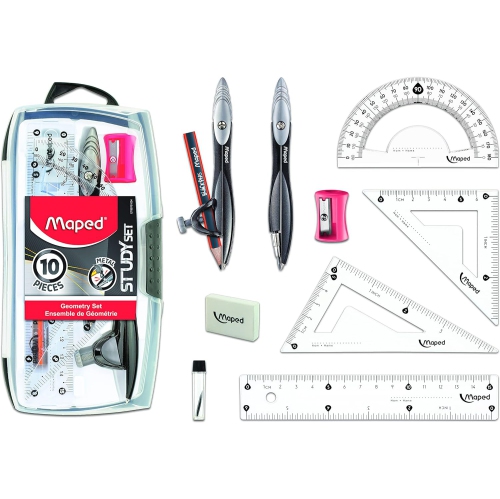
Physical study supplies remain valuable for learners who prefer writing by hand, marking important passages, or spreading notes across a desk to see the bigger picture. Highlighters with comfortable grips can help separate key ideas, supporting details, definitions, and examples without requiring a student to reread every line. A selection of colours may be useful for creating a personal system, although using too many can make a page feel busy; a simple approach with one colour for main points and another for terms to review is often easier to maintain. Notebooks, folders, index cards, sticky notes, pencils, erasers, sharpeners, and writing instruments can support everything from daily homework to long-term exam preparation. Learners working on mathematics, geometry, design, or technical subjects may also need a basic measurement and drawing kit containing tools such as a ruler, compass, protractor, pencil, eraser, and sharpener. Keeping these items together in a case or pouch can prevent the familiar scramble through drawers before an assignment is due. Younger students may benefit from writing tools with textured grips or sensory features that make handwriting more comfortable and provide a small, satisfying point of focus during seated work. These supplies can also be thoughtful gifts for students starting a new grade, moving into a residence, preparing for post-secondary studies, or building a dedicated homework station at home. For a child, a fresh set of writing materials can make a kitchen-table study space feel like their own; for an older student, practical organization tools can bring order to a crowded backpack and a demanding schedule. When choosing supplies, consider durability, ease of use, portability, and whether the learner prefers compact essentials or a broader assortment for different subjects.
The most useful study tools are the ones that fit naturally into a student’s habits instead of adding unnecessary steps. A learner who spends long periods reading may benefit from tools that make annotation, bookmarking, and note retrieval straightforward, while someone preparing for a test may prefer flashcards, timed practice questions, and progress tracking. Students balancing classes with work, sports, family responsibilities, or commuting often need flexible planning tools that can be adjusted when an afternoon changes unexpectedly. Parents and caregivers can look for supplies that match a child’s developmental stage, handwriting comfort, and classroom requirements, while university and college students may prioritize lightweight options that travel easily between home, campus, libraries, and shared study areas. During the transition into the cooler months, a well-organized study kit can be useful wherever coursework happens, whether that is at a desk near a bright window, in a library corner, or at the dining table after the rest of the household has settled down. Good lighting, comfortable seating, water nearby, and short planned breaks can make these tools more effective, but the goal is not to create a perfect routine. It is to give learners practical ways to capture information, sort priorities, practise recall, and see steady progress. A calendar can hold the plan, a task board can show the next step, digital tools can help review large amounts of material, and stationery can turn ideas into visible notes and worked examples. Together, these resources can support elementary students learning foundational skills, secondary students managing several subjects, post-secondary learners preparing for exams, and anyone taking a course or developing a new skill independently.
Physical study supplies remain valuable for learners who prefer writing by hand, marking important passages, or spreading notes across a desk to see the bigger picture. Highlighters with comfortable grips can help separate key ideas, supporting details, definitions, and examples without requiring a student to reread every line. A selection of colours may be useful for creating a personal system, although using too many can make a page feel busy; a simple approach with one colour for main points and another for terms to review is often easier to maintain. Notebooks, folders, index cards, sticky notes, pencils, erasers, sharpeners, and writing instruments can support everything from daily homework to long-term exam preparation. Learners working on mathematics, geometry, design, or technical subjects may also need a basic measurement and drawing kit containing tools such as a ruler, compass, protractor, pencil, eraser, and sharpener. Keeping these items together in a case or pouch can prevent the familiar scramble through drawers before an assignment is due. Younger students may benefit from writing tools with textured grips or sensory features that make handwriting more comfortable and provide a small, satisfying point of focus during seated work. These supplies can also be thoughtful gifts for students starting a new grade, moving into a residence, preparing for post-secondary studies, or building a dedicated homework station at home. For a child, a fresh set of writing materials can make a kitchen-table study space feel like their own; for an older student, practical organization tools can bring order to a crowded backpack and a demanding schedule. When choosing supplies, consider durability, ease of use, portability, and whether the learner prefers compact essentials or a broader assortment for different subjects.
The most useful study tools are the ones that fit naturally into a student’s habits instead of adding unnecessary steps. A learner who spends long periods reading may benefit from tools that make annotation, bookmarking, and note retrieval straightforward, while someone preparing for a test may prefer flashcards, timed practice questions, and progress tracking. Students balancing classes with work, sports, family responsibilities, or commuting often need flexible planning tools that can be adjusted when an afternoon changes unexpectedly. Parents and caregivers can look for supplies that match a child’s developmental stage, handwriting comfort, and classroom requirements, while university and college students may prioritize lightweight options that travel easily between home, campus, libraries, and shared study areas. During the transition into the cooler months, a well-organized study kit can be useful wherever coursework happens, whether that is at a desk near a bright window, in a library corner, or at the dining table after the rest of the household has settled down. Good lighting, comfortable seating, water nearby, and short planned breaks can make these tools more effective, but the goal is not to create a perfect routine. It is to give learners practical ways to capture information, sort priorities, practise recall, and see steady progress. A calendar can hold the plan, a task board can show the next step, digital tools can help review large amounts of material, and stationery can turn ideas into visible notes and worked examples. Together, these resources can support elementary students learning foundational skills, secondary students managing several subjects, post-secondary learners preparing for exams, and anyone taking a course or developing a new skill independently.
Top selling and popular products
-
 Your price for this item is $304.99
 -
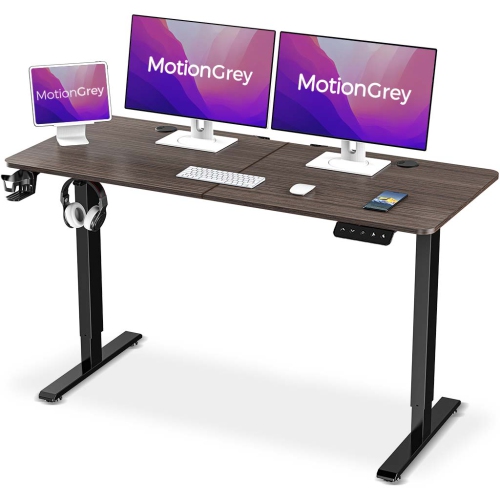 Your price for this item is $93.99
 -
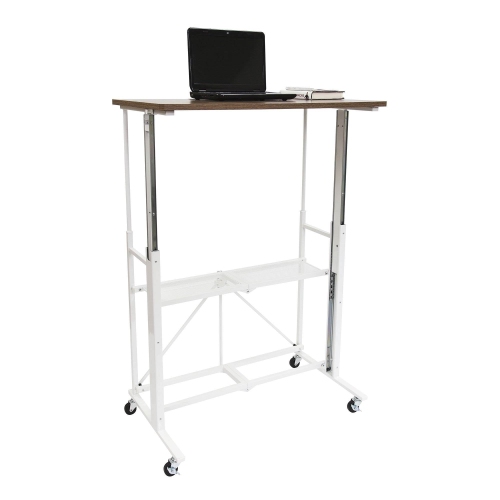 Your price for this item is $248.99
 -
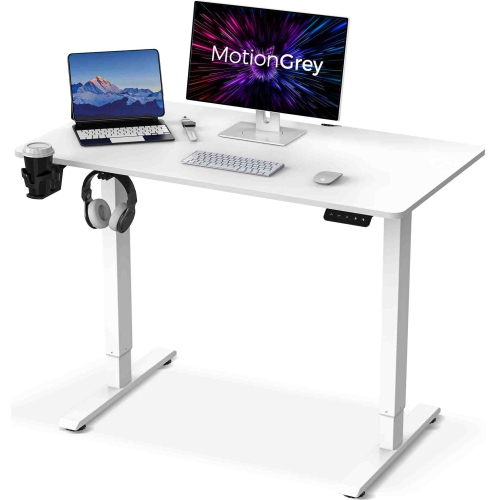 Your price for this item is $83.99
 -
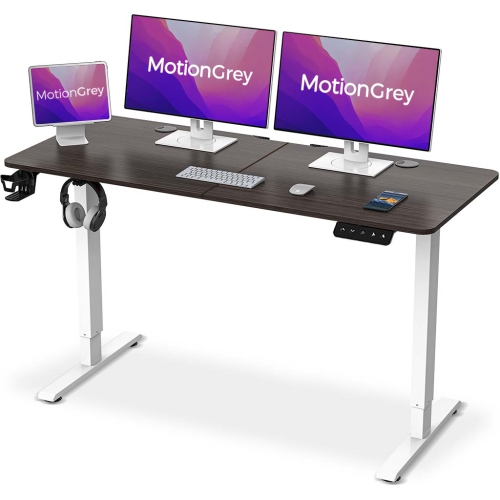 Your price for this item is $108.99
 -
 Your price for this item is $94.99
 -
 Your price for this item is $74.97
 -
 Your price for this item is $83.95
Discover more categories related to Tools for Studying
Top Collections:
Pokemon Centers, Kindle Devices, Best Budget Office Chairs, Apple iPhones 16, Best Laptops for Writers, iPhone 15 Apple, Canon G7X Cameras, Refurbished Apple Laptops, Alarm Clock, Motorola Razr Phones
Some products may be subject to Environmental Handling Fees
(EHF) depending on your province.
Learn more about EHFs.