Torque Screwdrivers for Electricians
Torque Screwdrivers for Electricians are essential tools designed to help professionals achieve accurate and consistent results on every job. Whether working on residential wiring or complex commercial installations, having the right torque screwdriver ensures precision and reliability. Explore a wide selection of options tailored to meet the demands of electricians, making it easier to tackle projects efficiently and confidently. Find the perfect fit for your toolkit and enhance your workflow with dependable Torque Screwdrivers for Electricians.
Sort






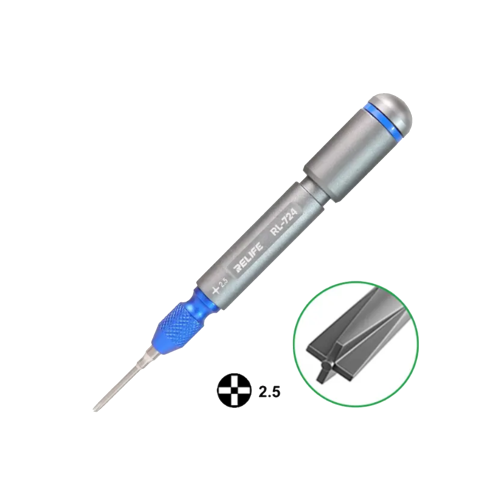

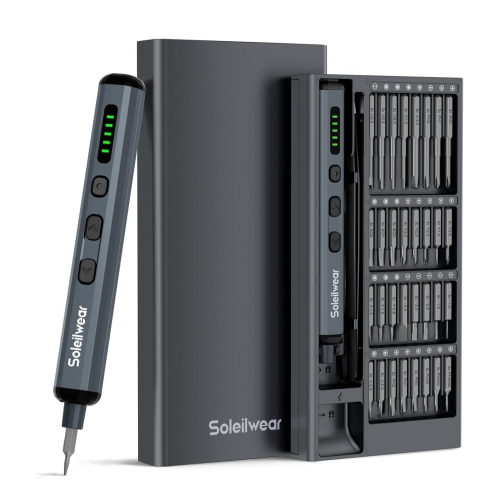
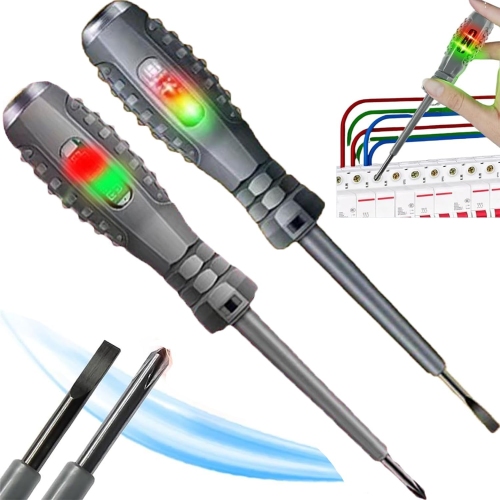


Why terminal connections need more than hand feel
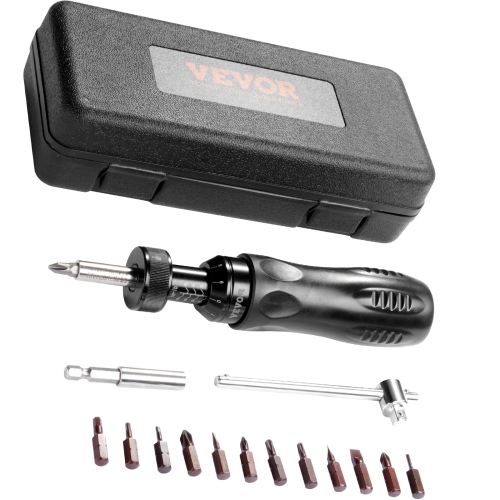
Torque screwdrivers for electricians are precision hand tools designed to tighten electrical terminal screws to the equipment manufacturer’s specified torque. Rather than relying on hand feel alone, they provide a controlled way to apply the turning force required for a particular connection. That matters at circuit breaker terminals, terminal blocks, switches, receptacles, and other screw-clamped connections where insufficient tightening can leave a loose connection, while excessive force can damage threads, distort components, or harm conductors. Correct torque is one part of a sound electrical connection, alongside compatible conductors, proper preparation, and installation according to the equipment instructions. These tools suit licensed electricians, electrical contractors, maintenance technicians, and apprentices working under appropriate supervision. Residential installations may involve a mix of receptacle terminals and panel connections, while commercial and industrial work can include compact control terminals with much lower torque requirements. The useful range therefore depends on the equipment being serviced, not simply on the size of the screwdriver. Torque specifications commonly appear in newton-metres, written as N·m, or inch-pounds, often shown as in-lb or lbf·in. Inch-pounds and foot-pounds are different units, so a clearly marked scale that matches the equipment documentation reduces the chance of a costly mix-up. An adjustable torque screwdriver can cover several specified settings within its rated range, while a fixed-setting tool may suit repeated work on the same type of approved connection. Neither approach makes one torque setting suitable for every terminal. Larger connections may call for a torque wrench or another tool rather than a screwdriver. For an electrician moving between a distribution panel and a small control enclosure, a useful tool is one whose range, bit compatibility, and physical reach match the actual fasteners. A readable terminal label, accessible equipment instructions, and a suitable calibrated tool belong together; the screwdriver’s maximum rating alone says little about whether it fits the task.
The differences between torque screwdriver designs become especially noticeable during repetitive terminal work. Mechanical versions may signal the selected torque with a click, a tactile release, or a slipping mechanism, depending on their construction. A click does not necessarily prevent additional tightening, so the tool’s operating instructions determine how its signal should be interpreted. Digital designs can provide an electronic reading and audible or visual alerts, with features that vary by design. Display legibility, straightforward unit selection, and controls that are difficult to change accidentally can matter as much as the number of available settings. An adjustment lock helps keep a selected value from shifting as the tool moves between connections. Handle shape also affects comfort: a contoured grip can support controlled turning, while a bulky handle may feel awkward beside closely spaced components. Grip texture should offer secure handling without making the tool difficult to wipe clean. Bit fit is equally important. Slotted, Phillips, and square-drive screws require matching tips, and the correct tip size helps maintain engagement without damaging the screw head. Square-drive fasteners are familiar in Canadian electrical work, but matching the actual terminal remains more important than assuming a particular drive type. Interchangeable blades and bits offer flexibility, although every component must be compatible with the torque system and its intended application. Slim shafts can improve access to recessed screws, provided their dimensions and ratings suit the equipment. Hardened steel tips, durable shafts, clear markings, and secure bit retention are practical construction details to compare. Where insulation is required, look for documented voltage ratings and applicable certification, such as compliance with IEC 60900, for the complete tool configuration. An ordinary comfort grip is not electrical insulation, and a rated handle does not automatically make an unapproved blade or extension suitable. Electrical work should be performed with circuits de-energized and verified safe, following applicable procedures; insulated tools are an additional protective measure, not permission to work on energized equipment.
Durability in a torque screwdriver includes both physical condition and dependable torque performance. A tool can still look tidy after regular use while needing its accuracy checked, which makes calibration documentation and access to appropriate servicing meaningful considerations for professional work. A calibration certificate can document measured performance at the time of testing, but it does not guarantee accuracy indefinitely. The manufacturer’s stated accuracy, calibration conditions, service intervals, and handling requirements provide a better basis for comparison than a general claim of precision. Heavy use, a hard drop, or suspected overload may justify inspection or testing before the screwdriver returns to critical work. Storage and care also affect service life. A fitted case helps protect the adjustment mechanism, display, blades, and insulating surfaces from impacts and loose hardware inside a tool bag. Clean, undamaged tips engage more securely, while cracked insulation, worn drive profiles, or an unreliable release mechanism warrant attention before further use. Cleaning methods and storage settings should follow the tool manufacturer’s directions, including whether an adjustable mechanism needs to be returned to a specified setting after use. Torque screwdrivers are measuring tools as well as drivers, so using one as a pry bar or a general-purpose loosening tool can compromise its intended function. They also serve a different role from Electric Screwdrivers, which can help with repetitive screwdriving but should not be assumed to deliver verified terminal torque merely because they have adjustable clutch settings. Where permitted by the equipment instructions, powered fastening and precision final tightening may be separate parts of the job. For an electrical maintenance kit, useful accessories include compatible replacement tips, protective storage, and clear calibration records rather than an assortment of unrelated attachments. A well-matched torque screwdriver brings together the right measurement range, dependable feedback, suitable access, and documented performance for the connections an electrician encounters most often.
Top selling and popular products
-
 Your price for this item is $59.99
-
 Your price for this item is $199.99
-
 Your price for this item is $159.99
-
 Your price for this item is $139.99
-
 Your price for this item is $339
-
 Your price for this item is $549.99
-
 Your price for this item is $135
-
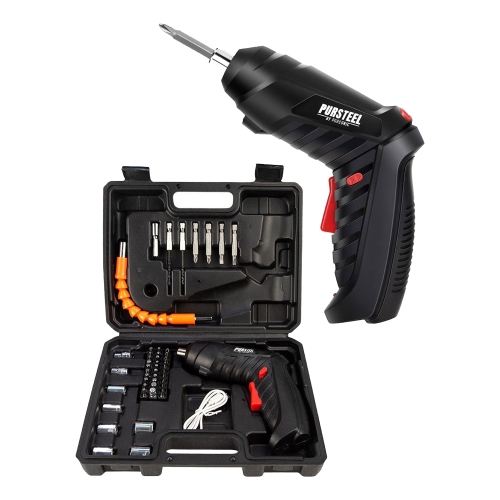 Your price for this item is $47.99
Discover more categories related to Torque Screwdrivers for Electricians
Top Collections:
Best Black Friday Deals This Year, Best Black Friday Deals On Electronics, Kindle Devices, Pokemon Centers, Best Black Friday Deals On Apple Products, Best Cameras for Sports Photography, Dyson Airwrap, Pokémon 30th Celebration Cards, Apple iPhone 17 Pro, Canon G7X Cameras
Some products may be subject to Environmental Handling Fees
(EHF) depending on your province.
Learn more about EHFs.