Touch Light Lamps
Illuminate your living space with our collection of touch light lamps, designed to effortlessly blend style and functionality. Say goodbye to fumbling for switches in the dark – simply tap these sleek lamps to adjust brightness levels and create the perfect ambiance for any room. With a variety of designs to choose from, you can easily find a touch light lamp that complements your decor while providing convenient and modern lighting solutions. Experience the ease and elegance of touch control technology with our range of touch light lamps.
Sort
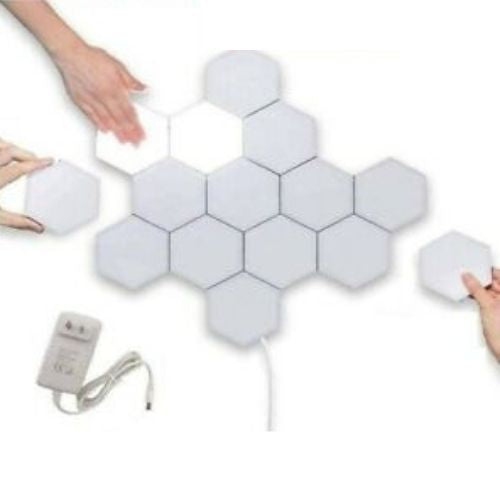
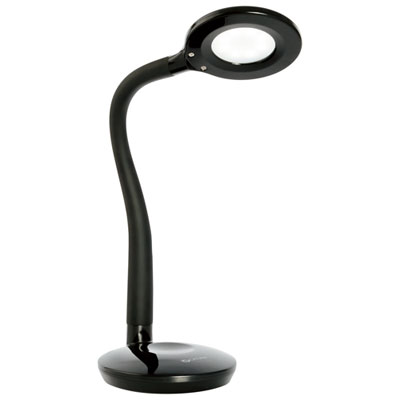
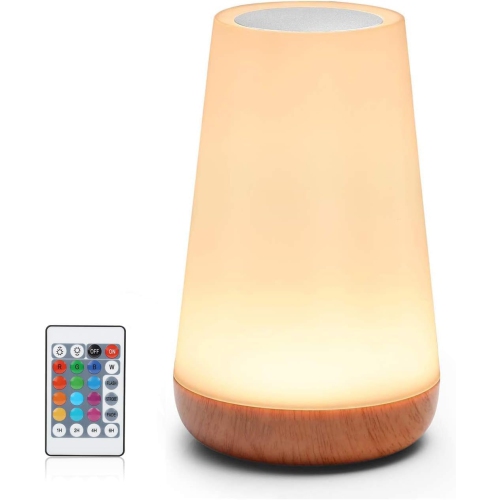
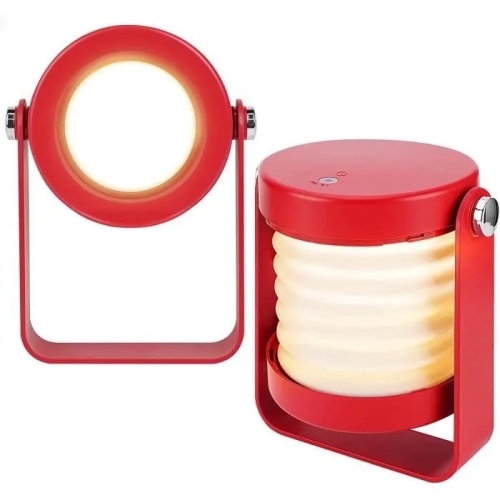

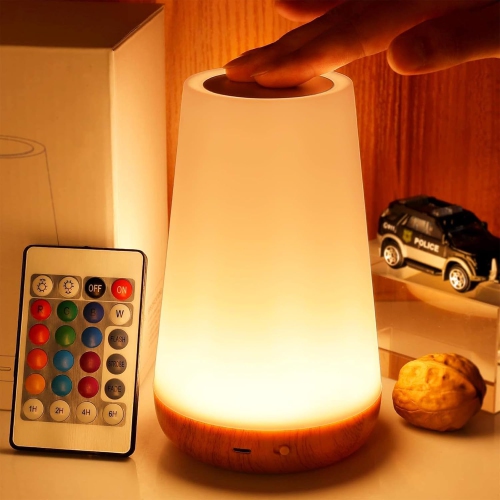
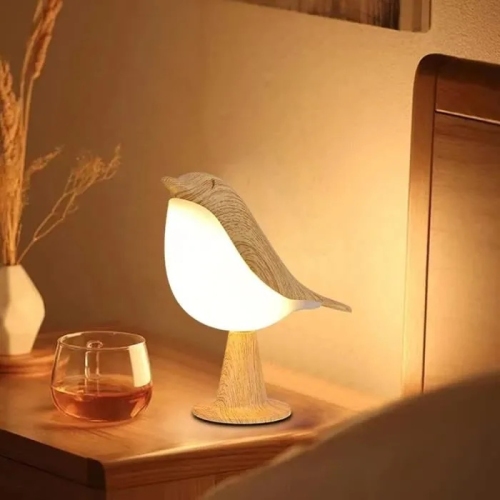
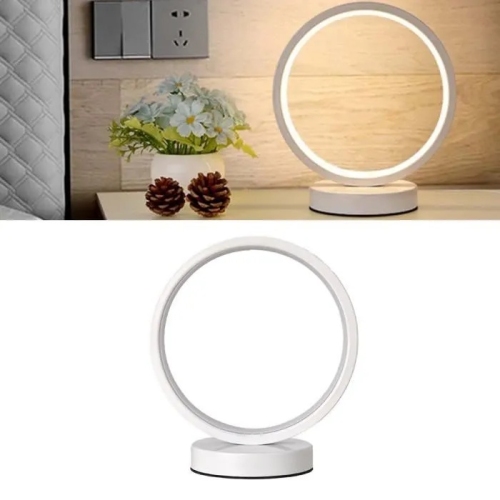
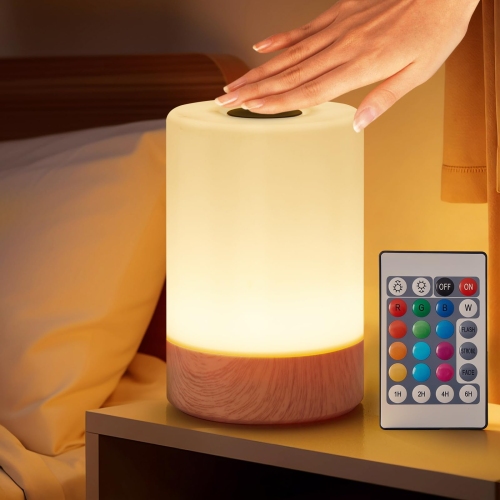
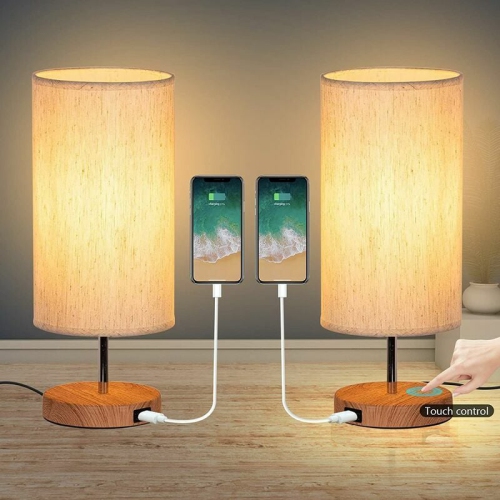
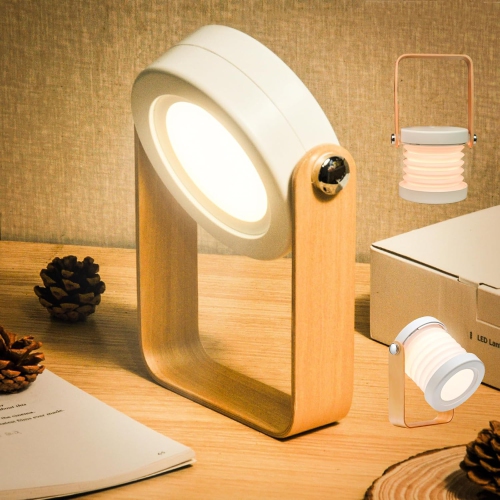
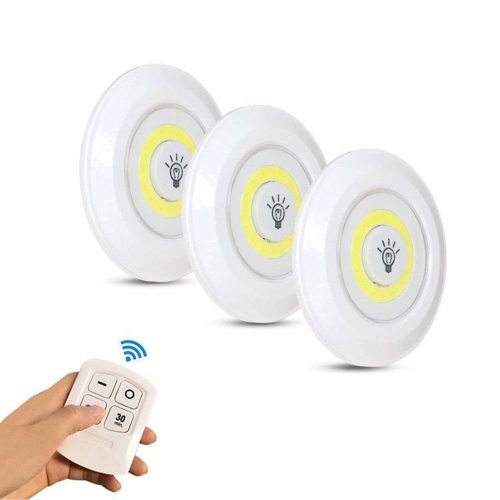
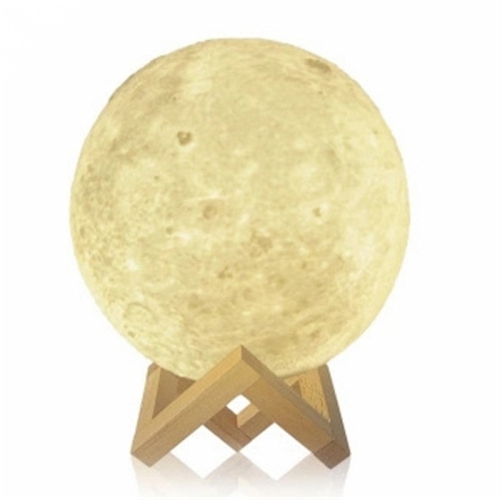
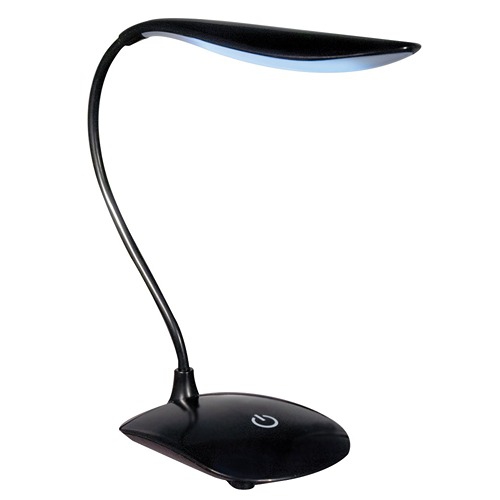
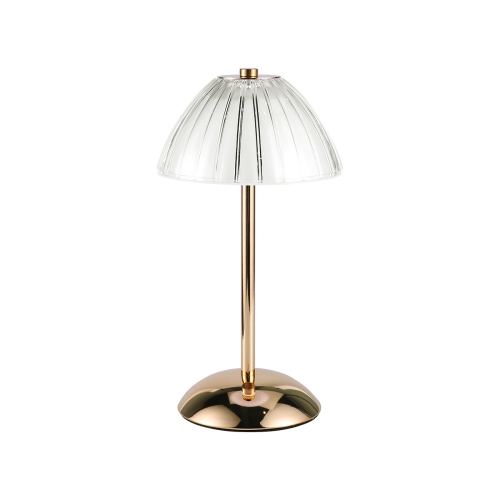
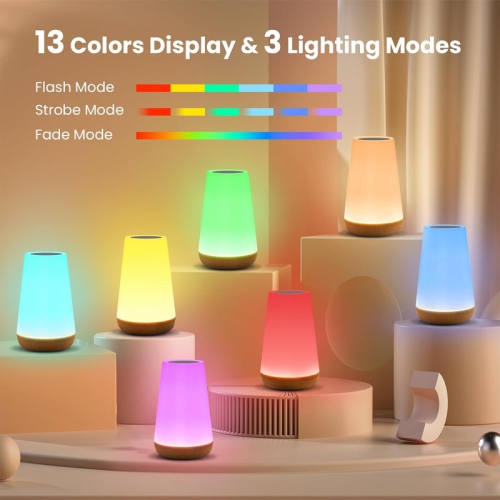
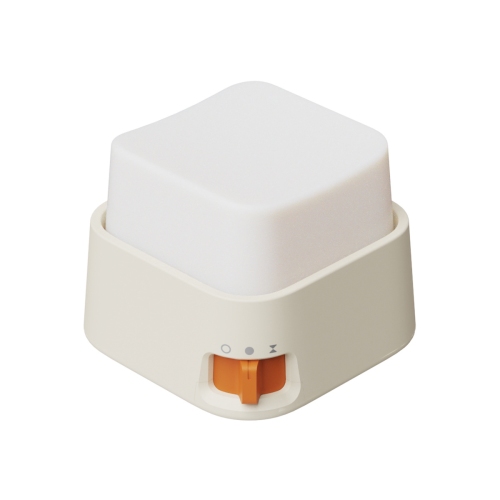
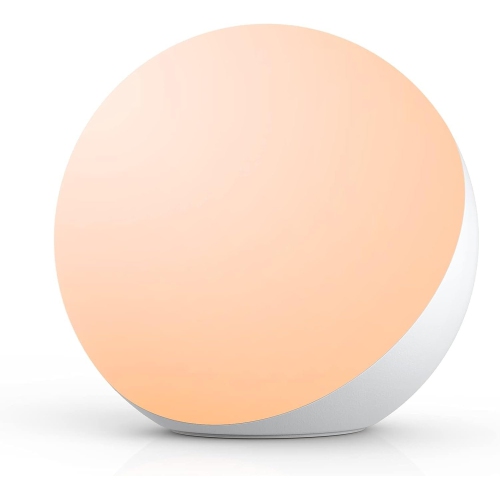
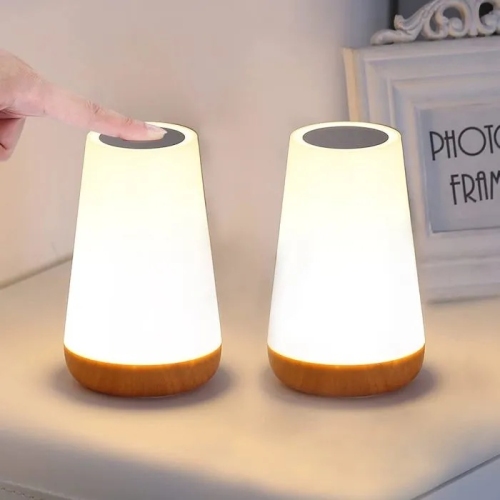
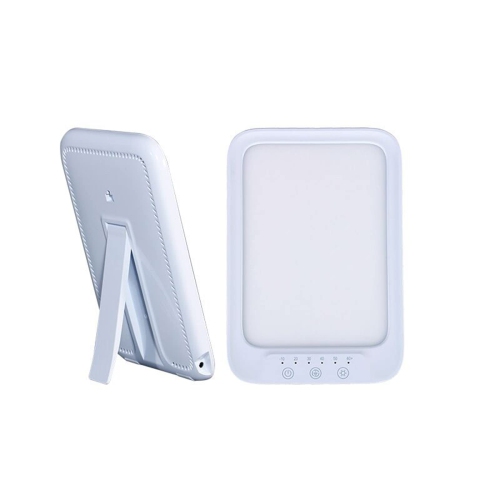
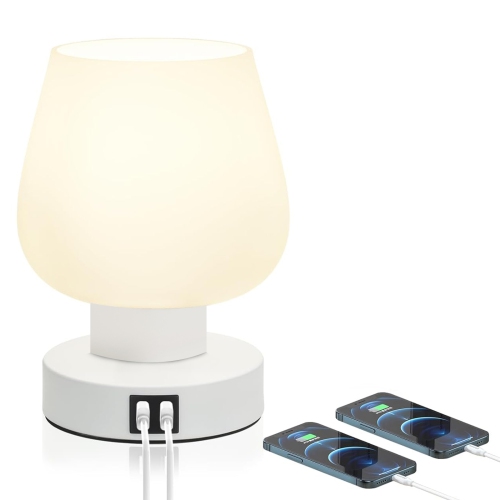
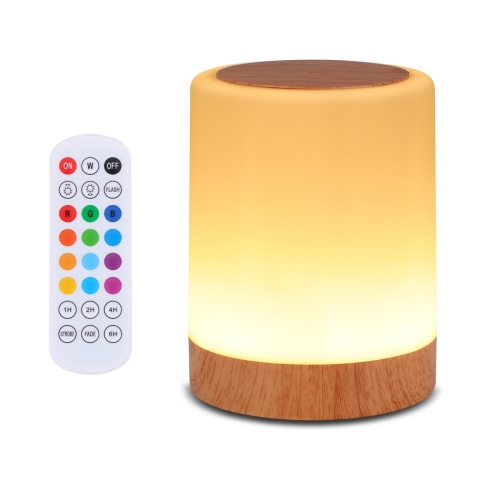
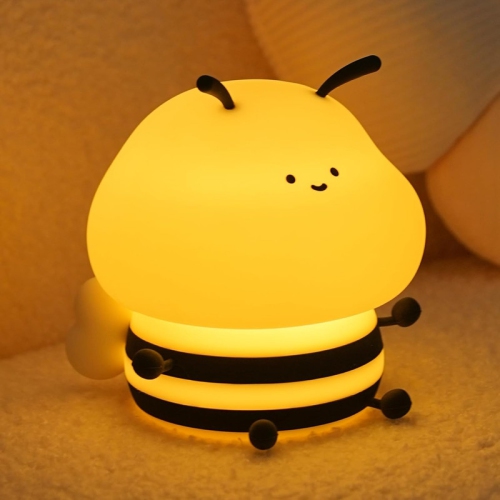
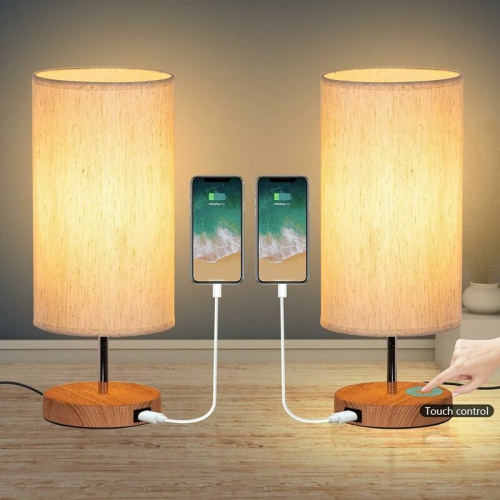
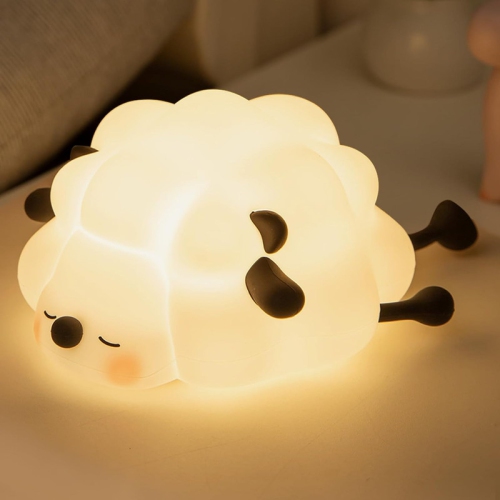
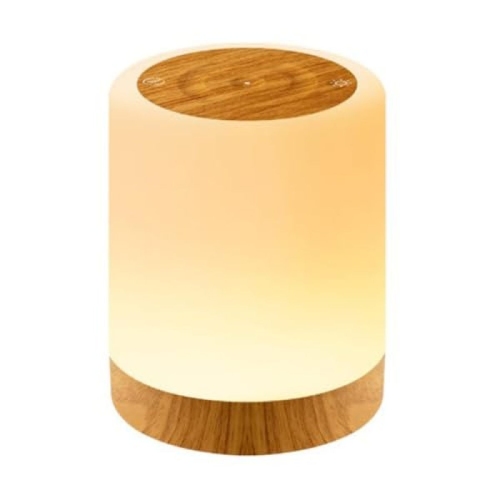
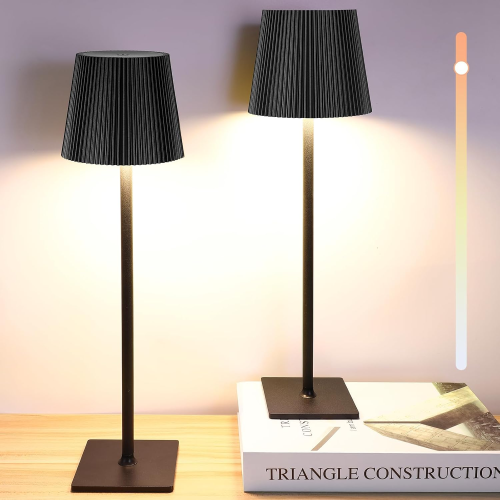
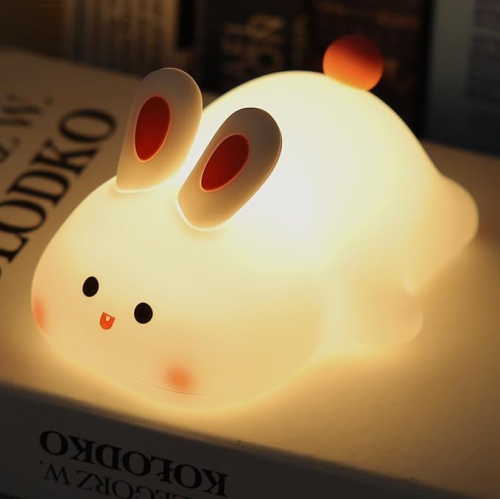



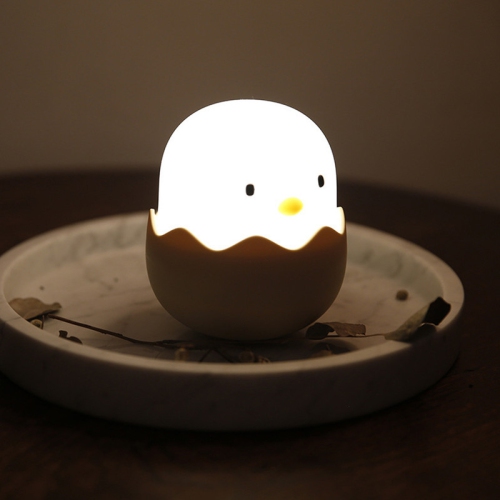
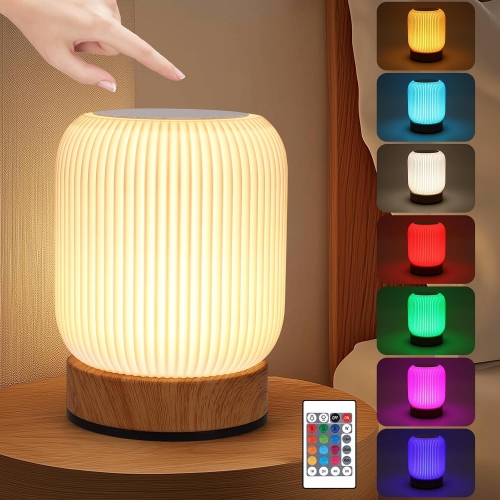
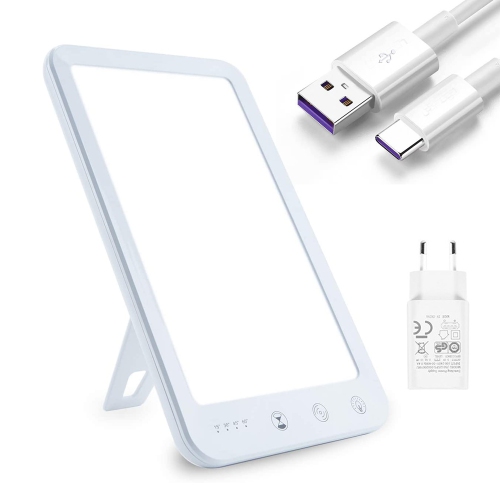
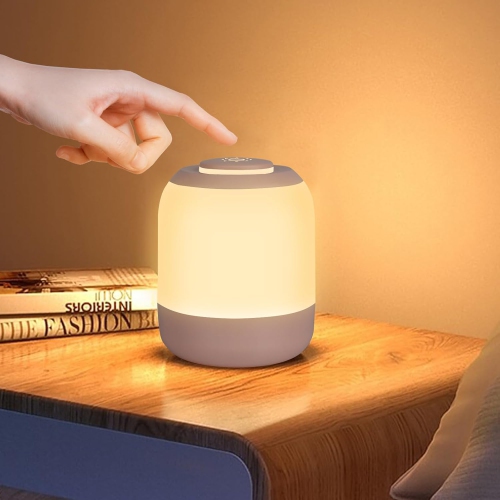

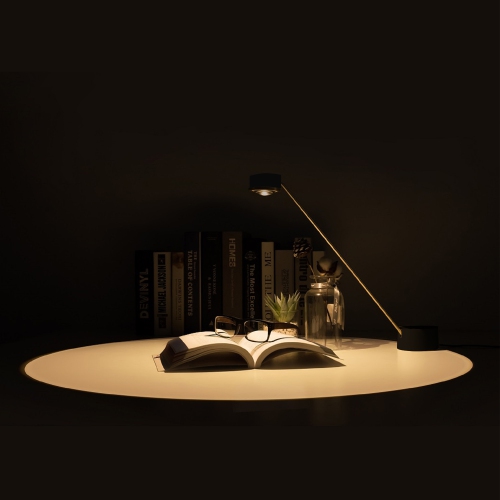
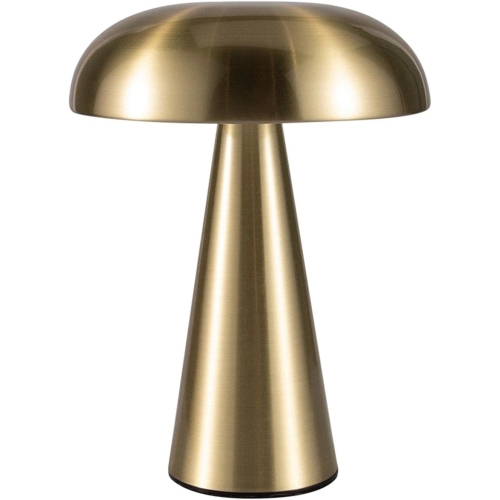
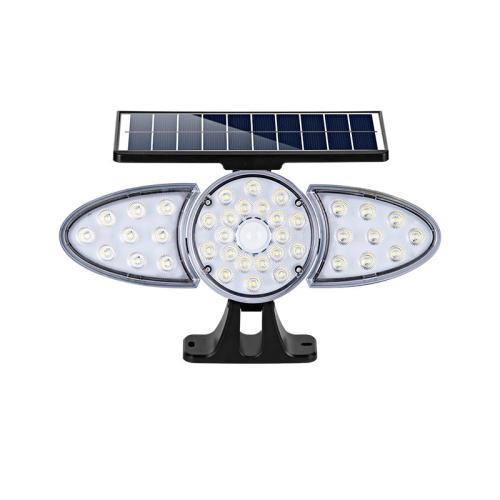
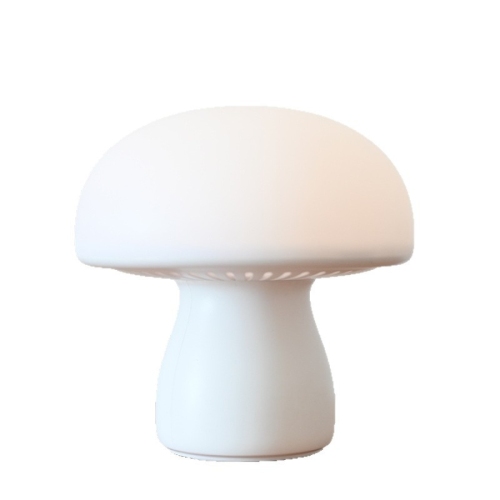


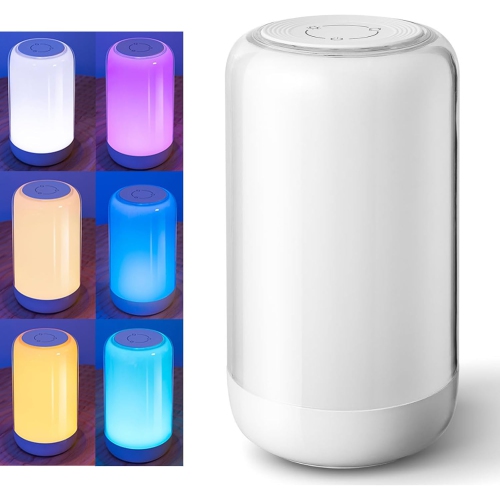
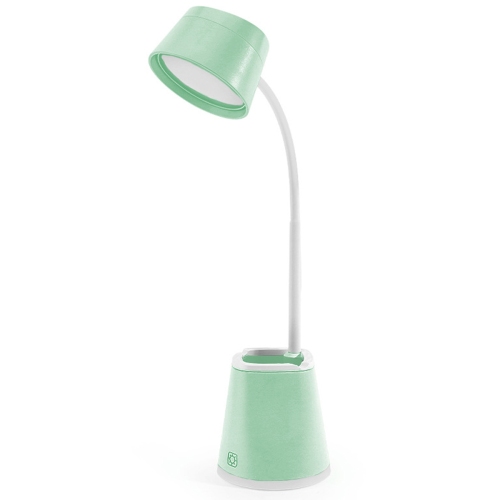
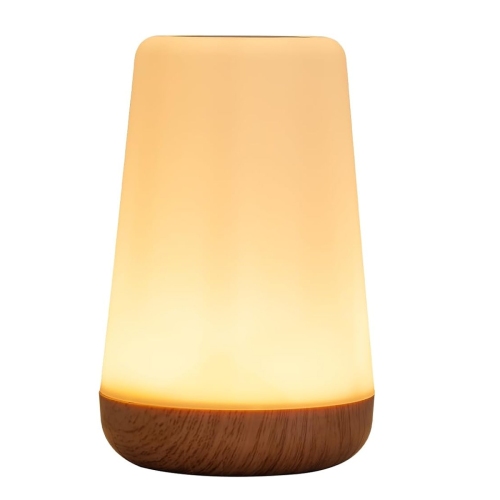
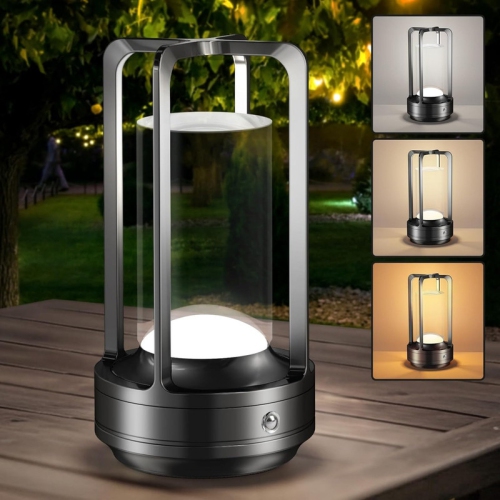


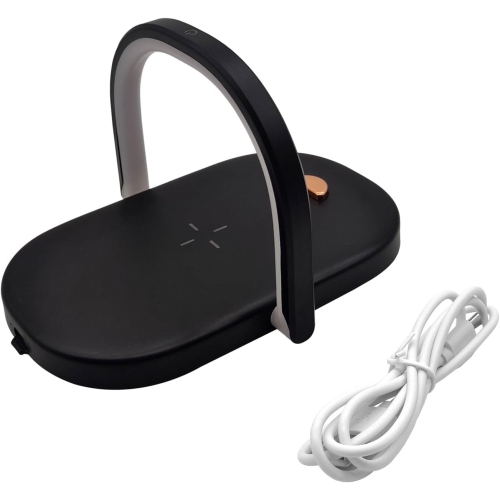
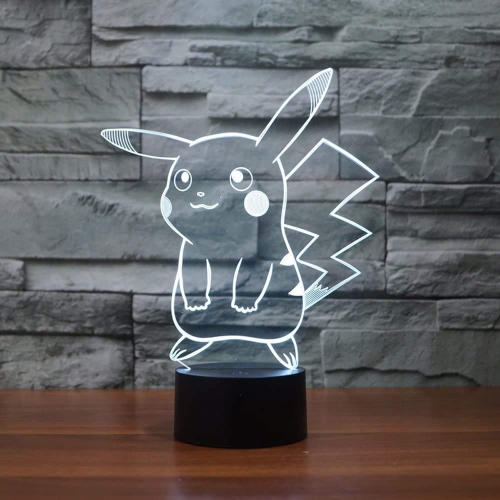

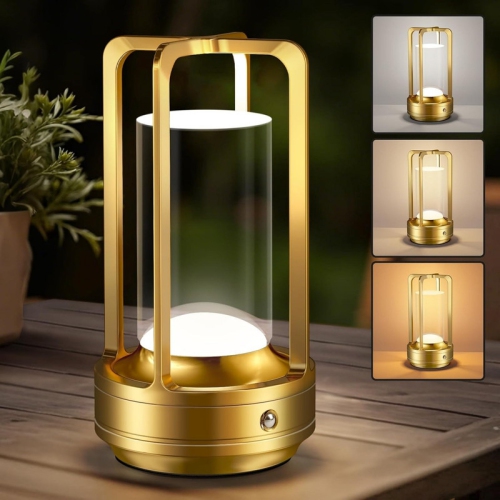
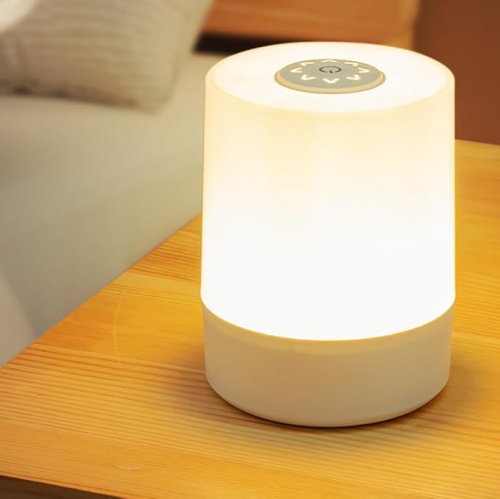
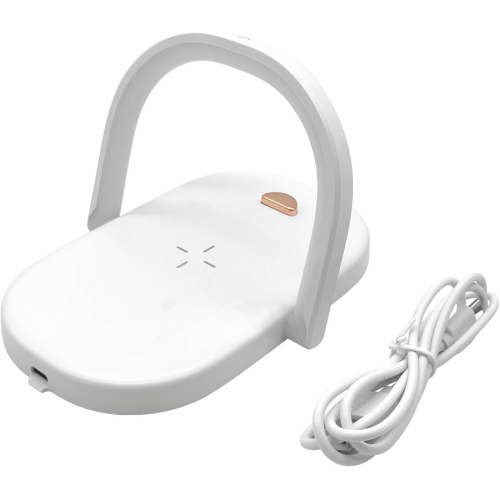
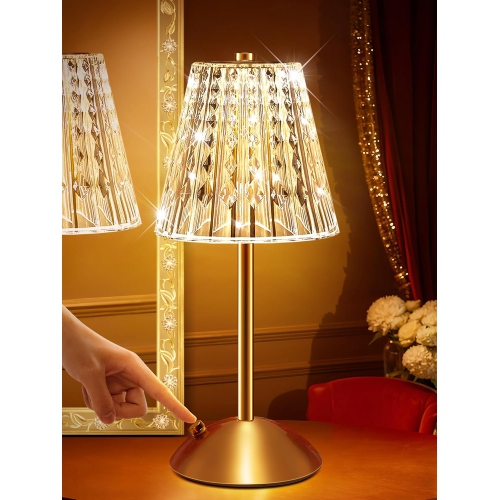
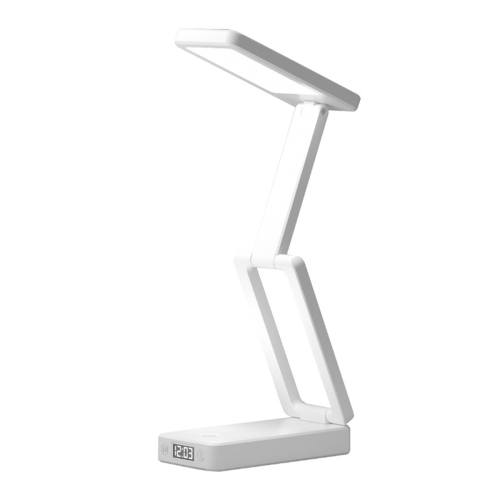
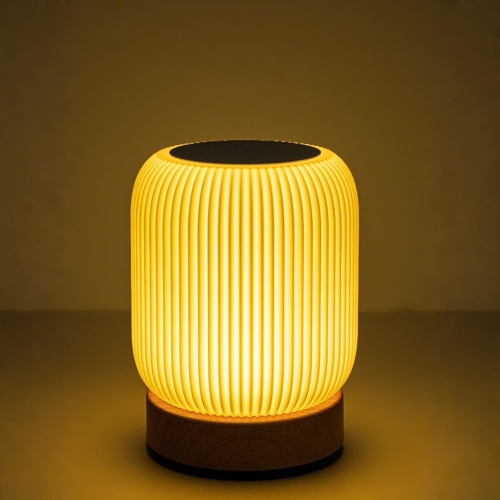
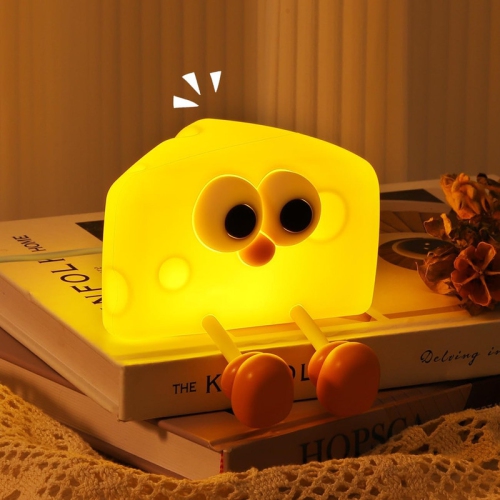
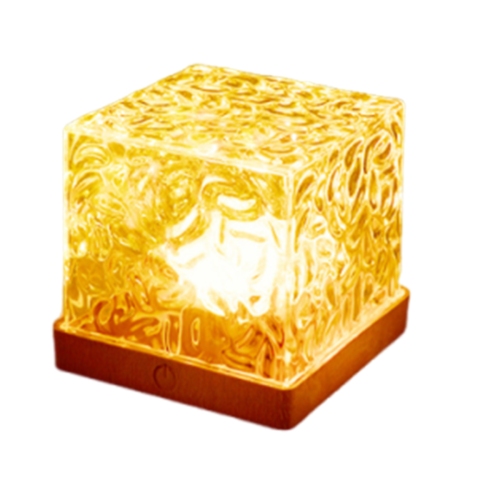
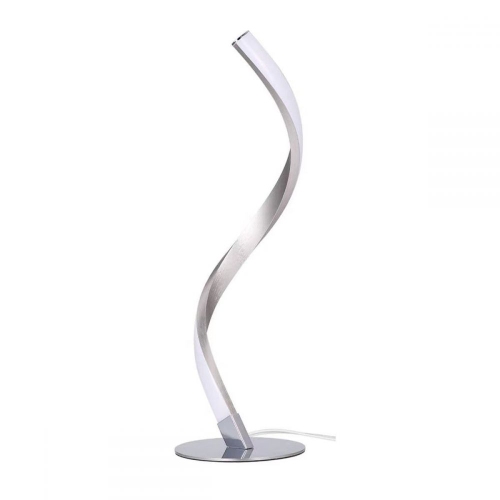
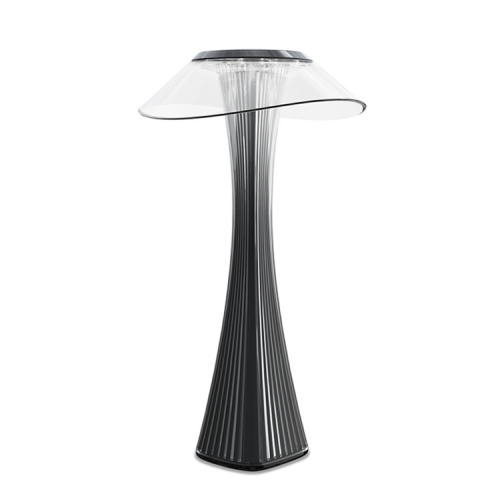
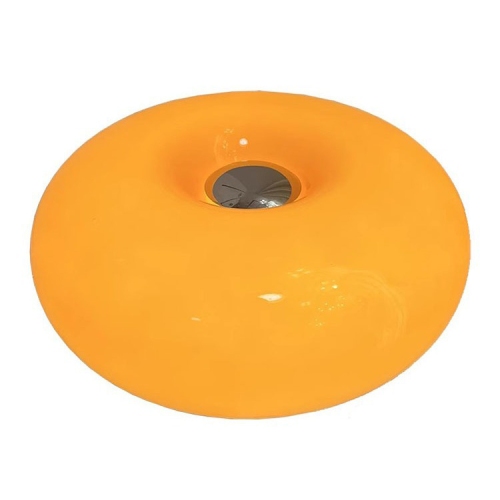
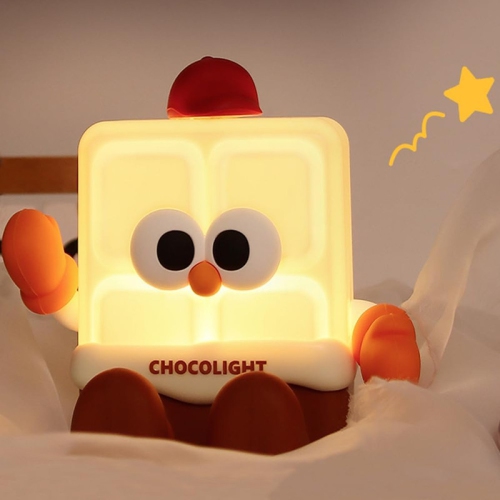

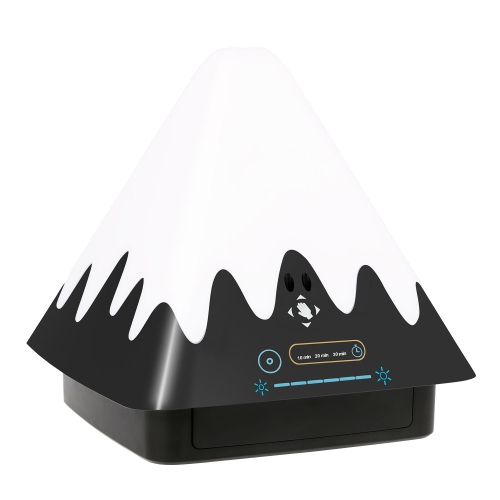
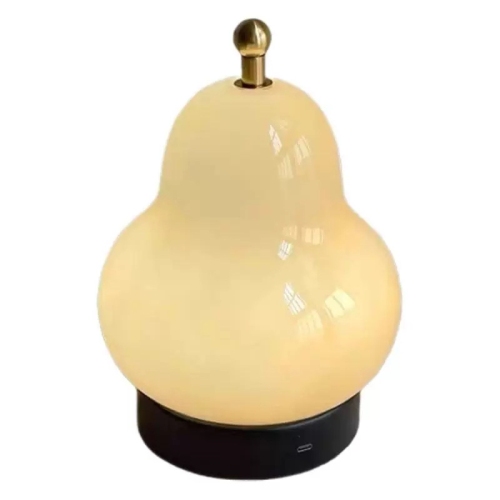
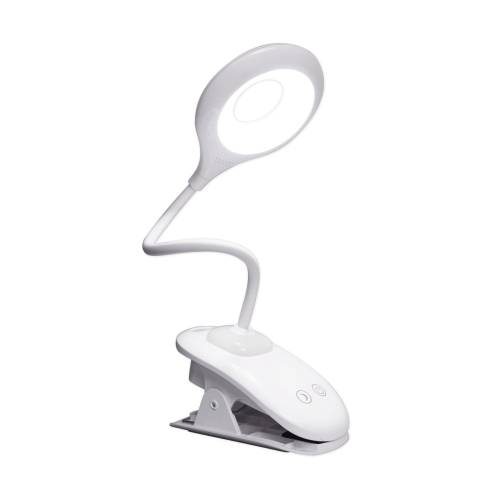
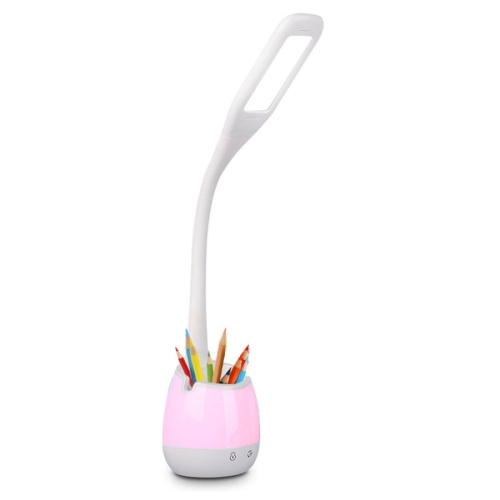
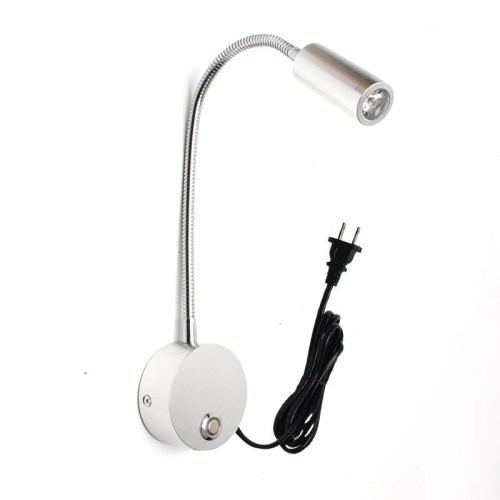
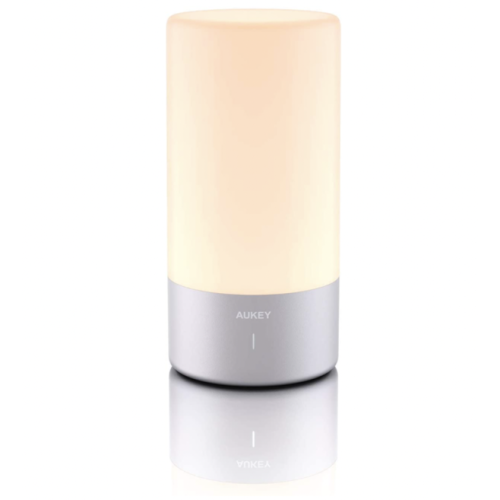
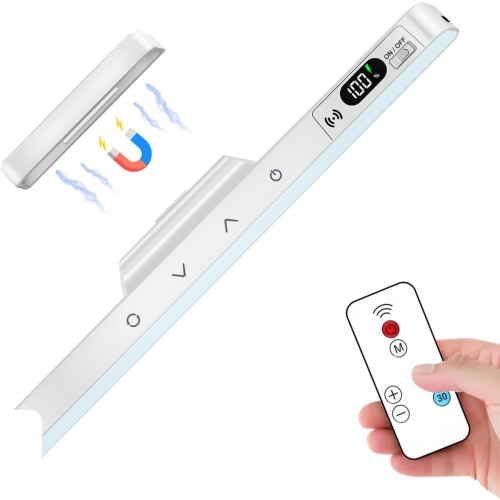

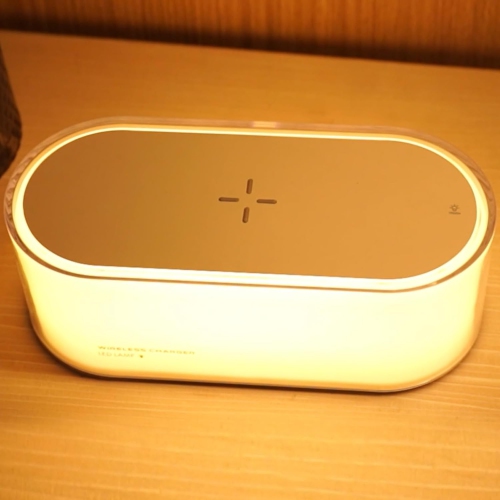

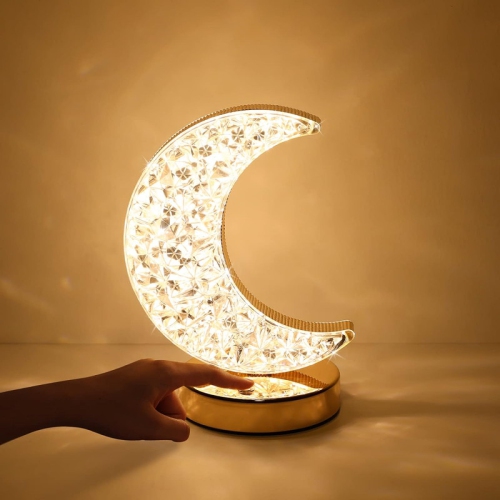
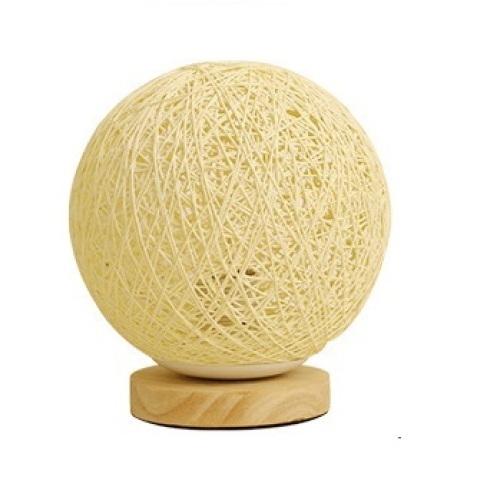
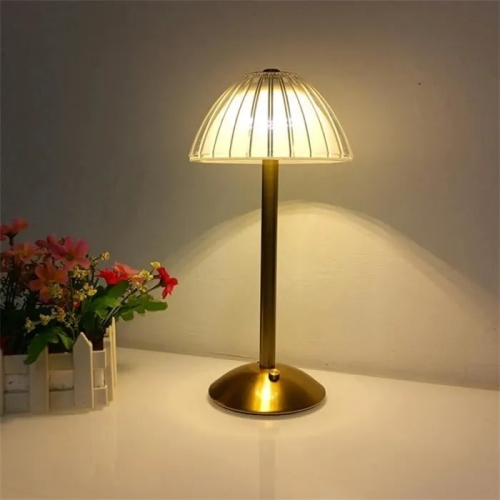
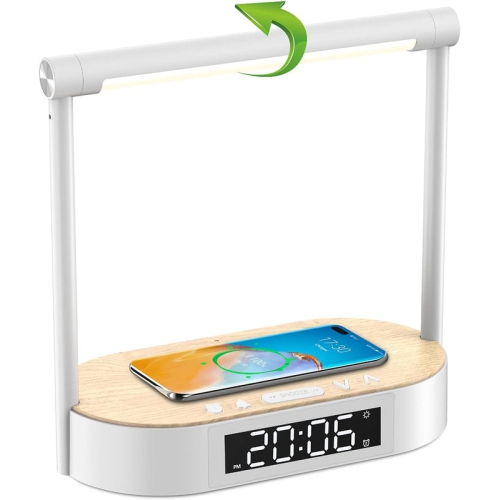
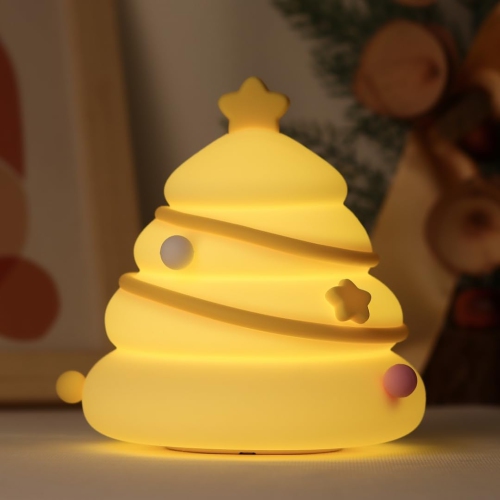
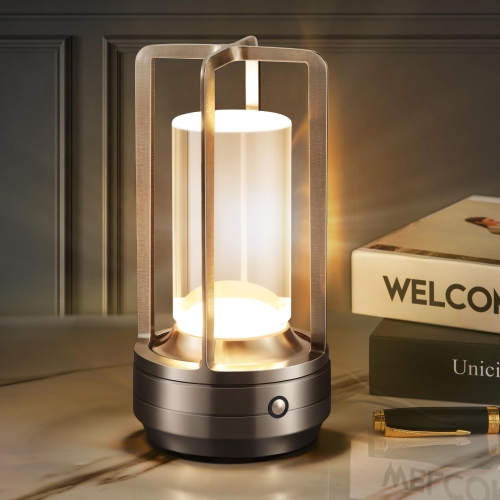
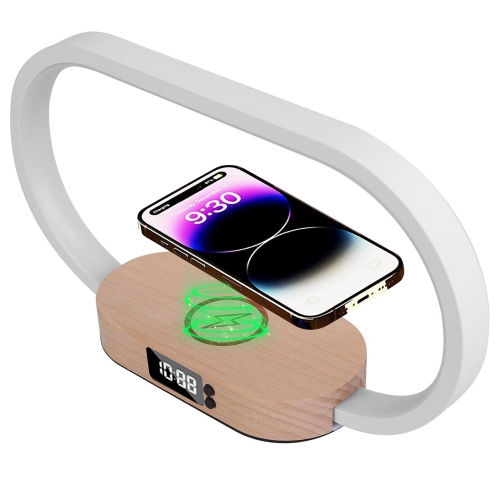
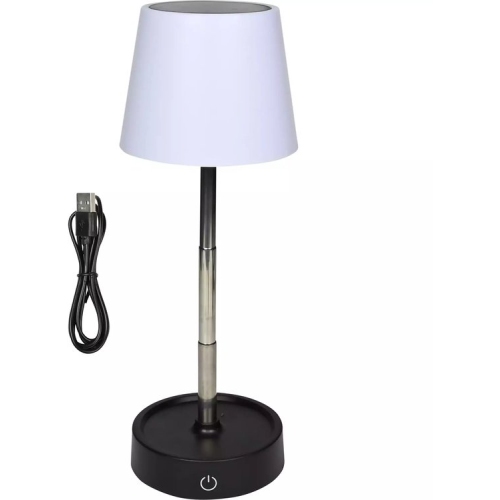
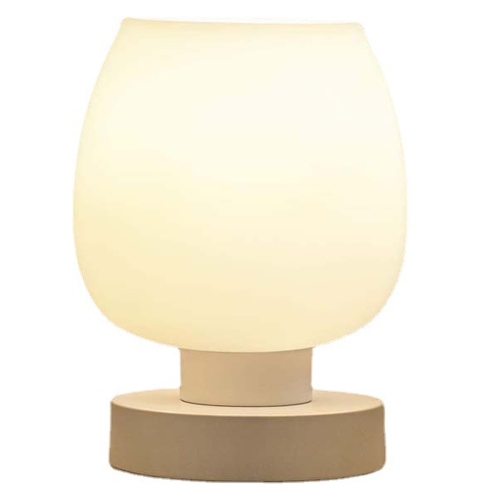
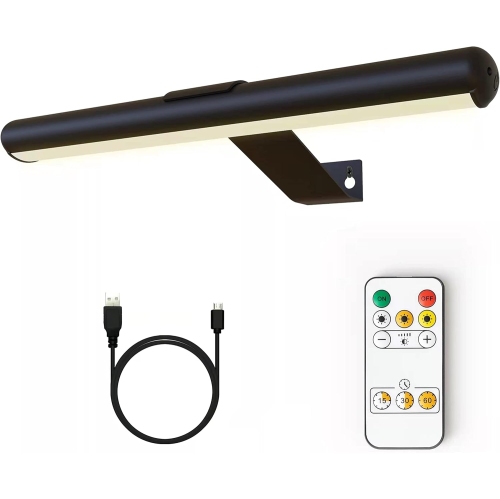
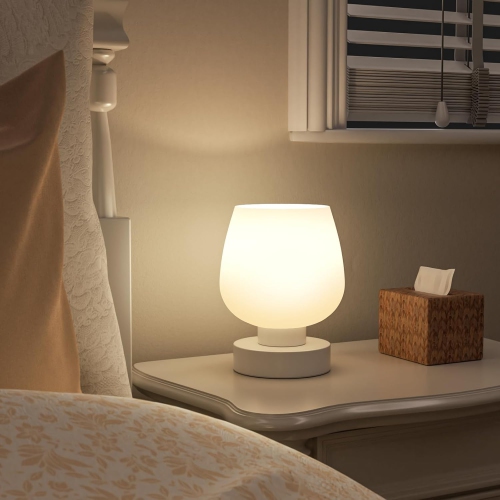
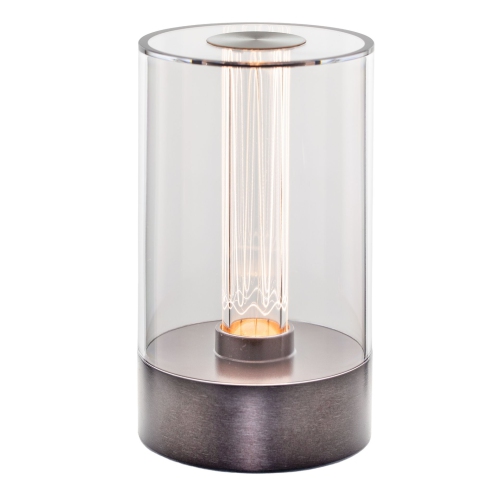
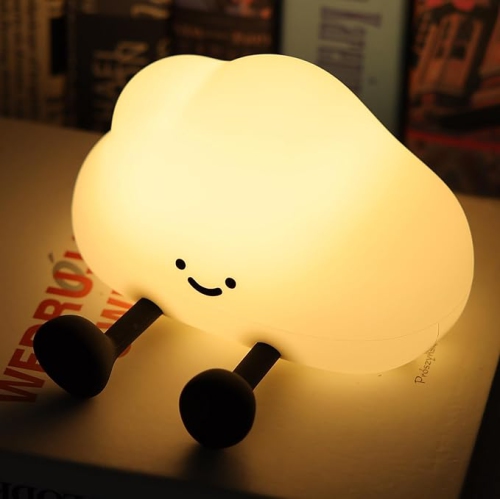

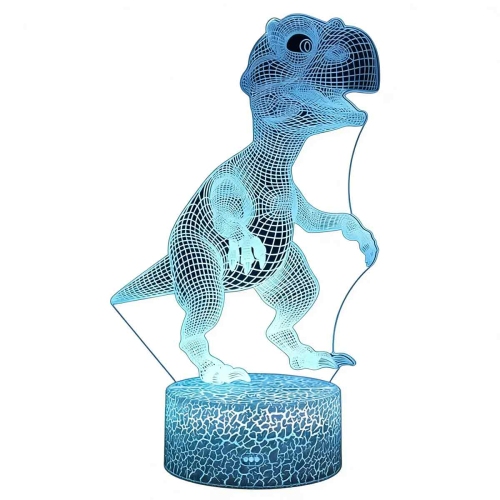



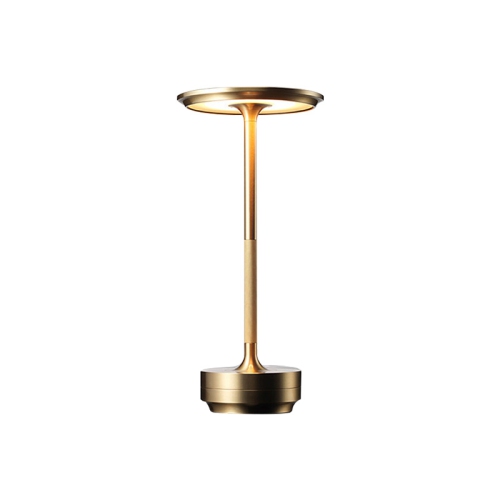
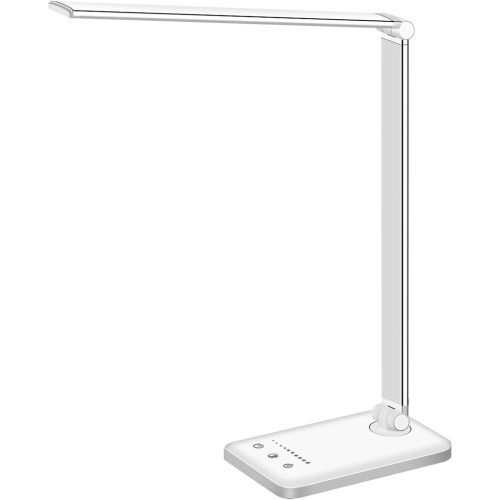
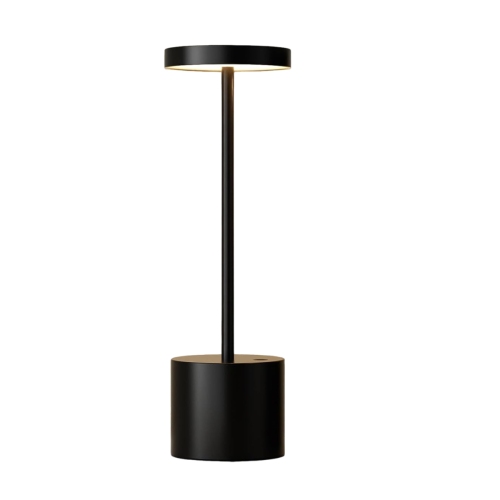
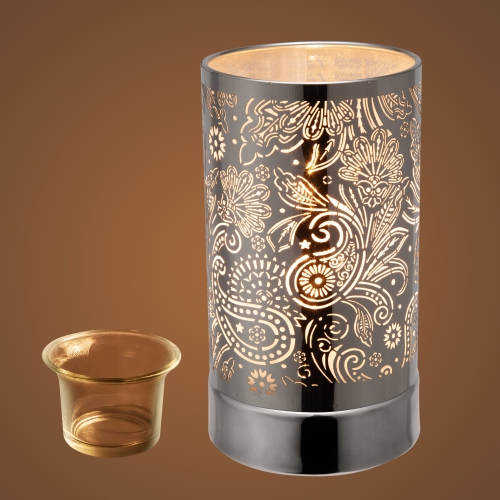
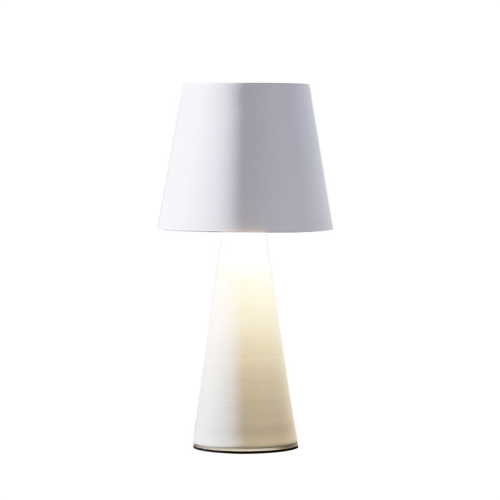
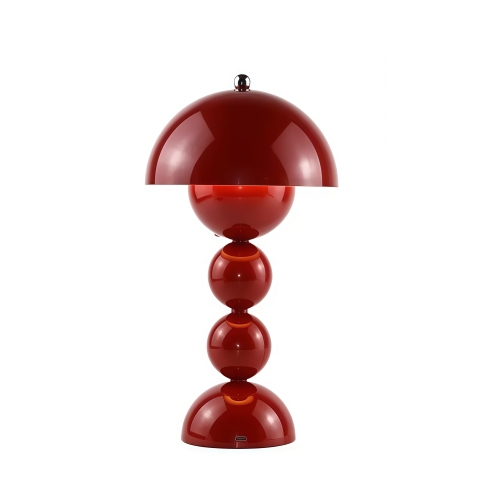
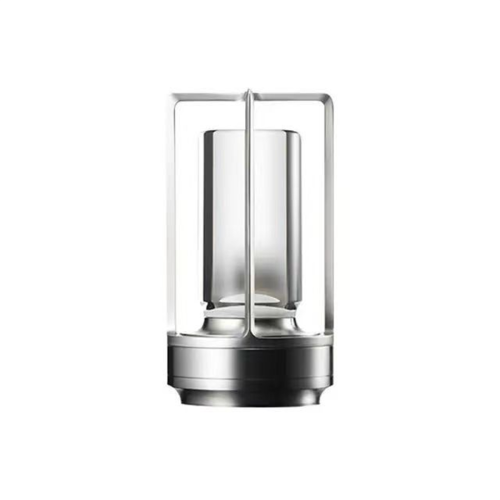
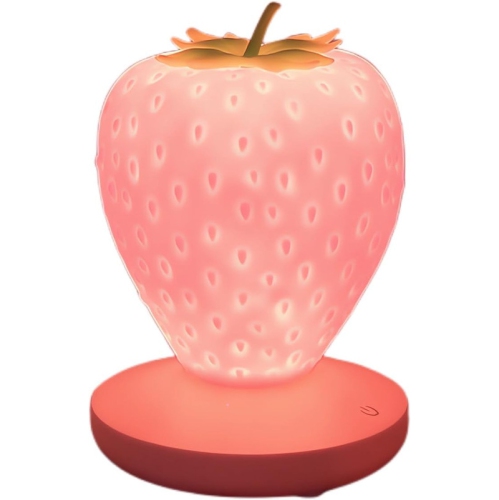
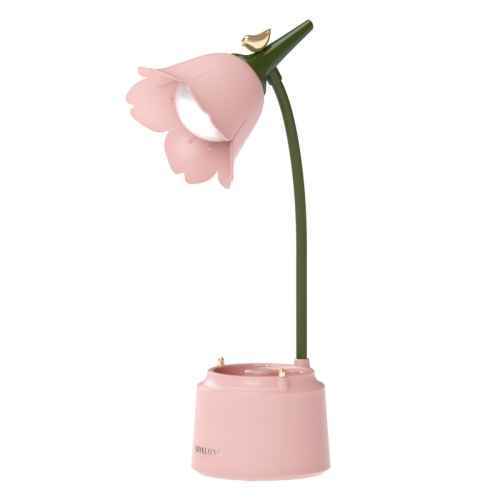

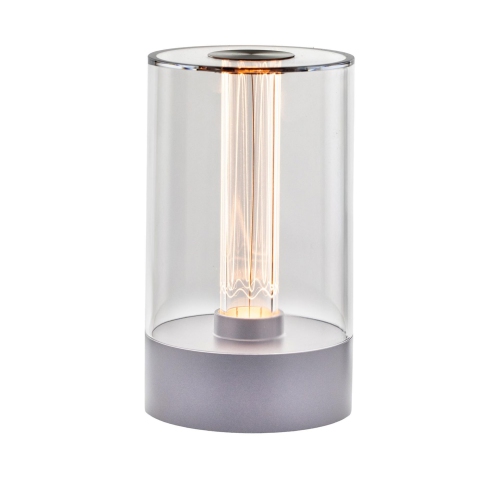
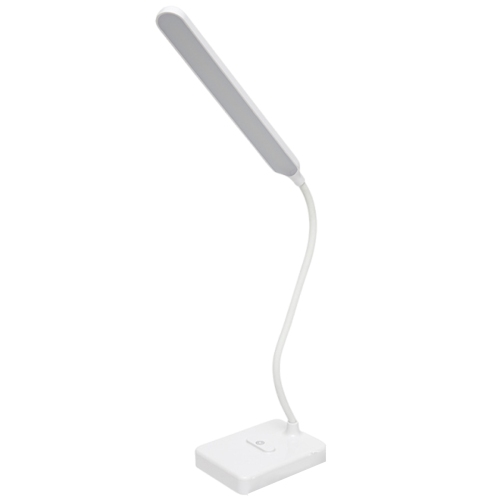
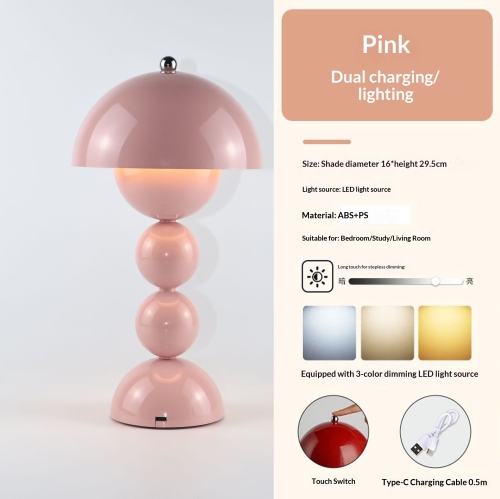

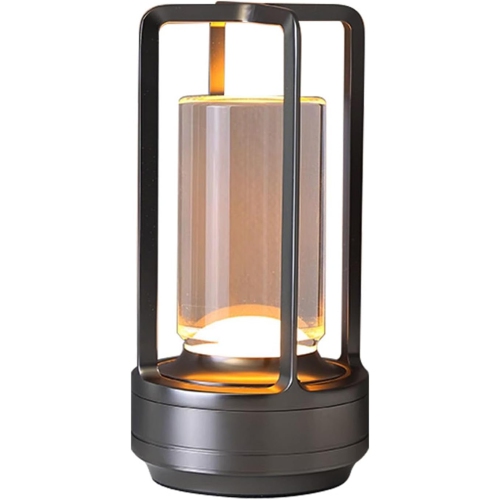
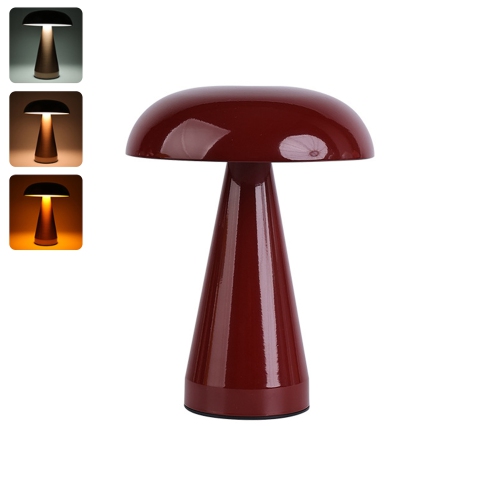
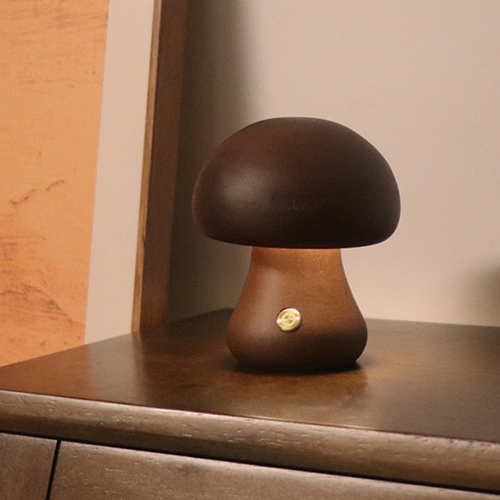
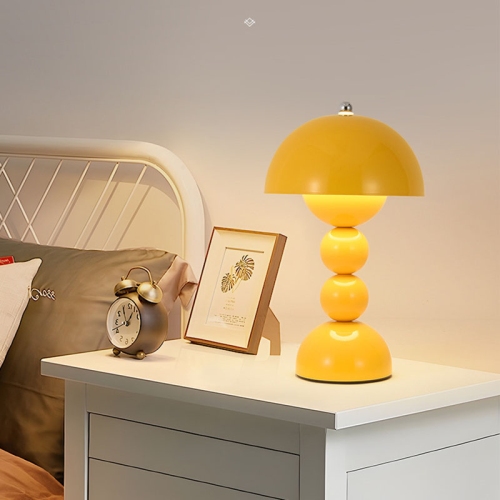
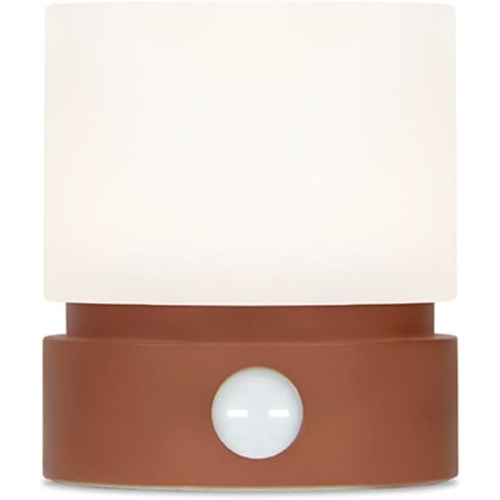
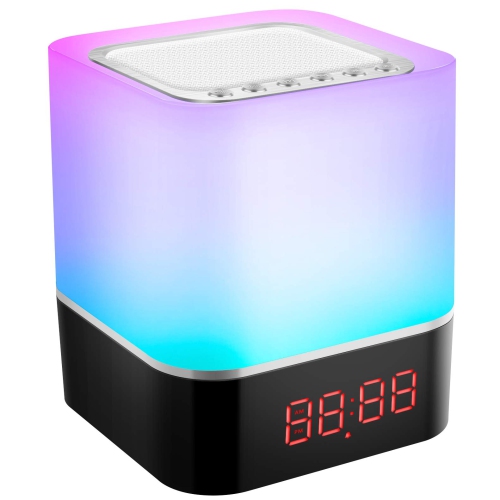
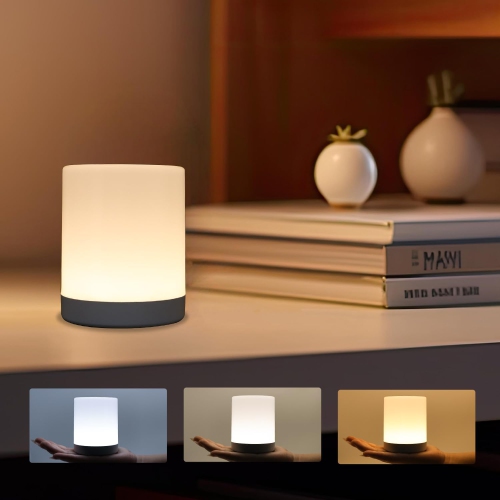
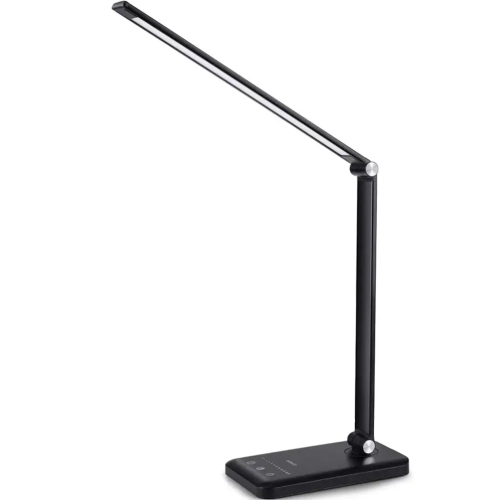
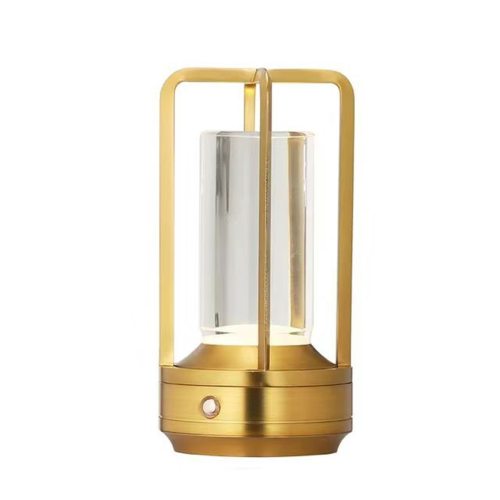
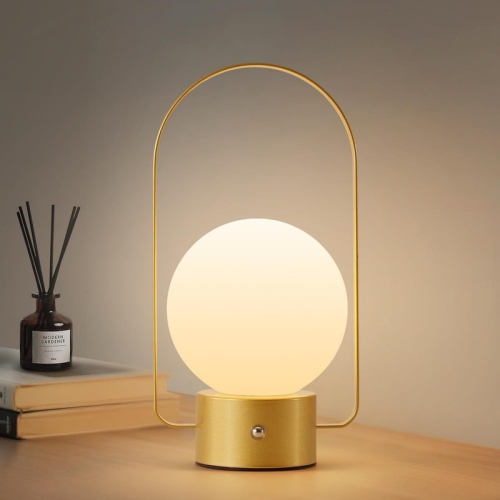
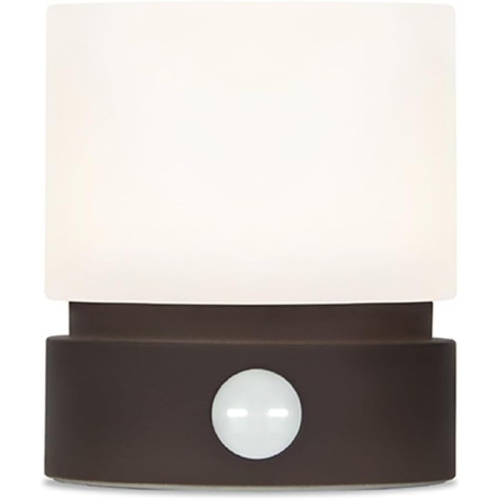
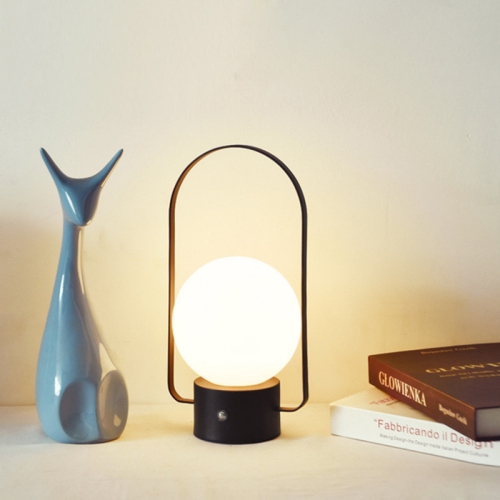
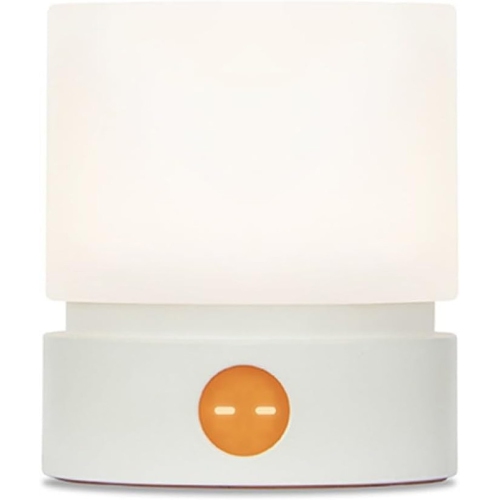
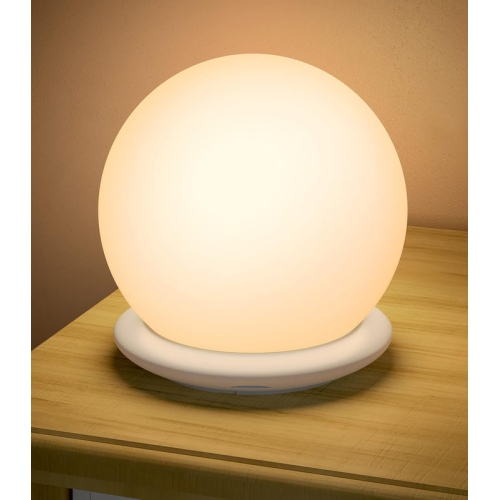
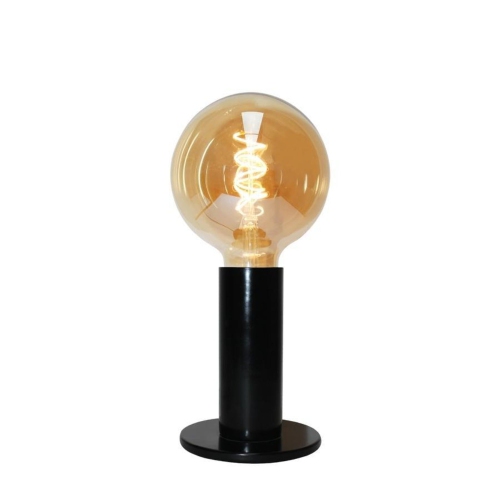
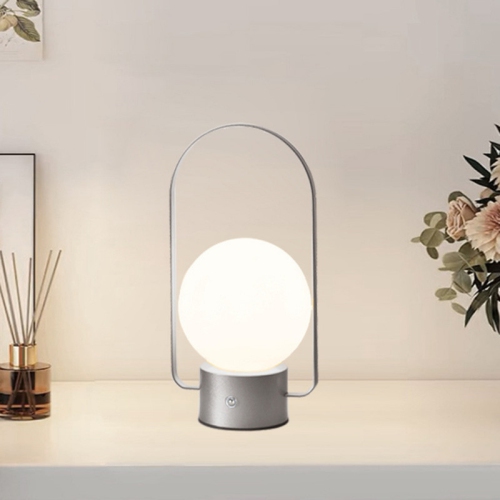
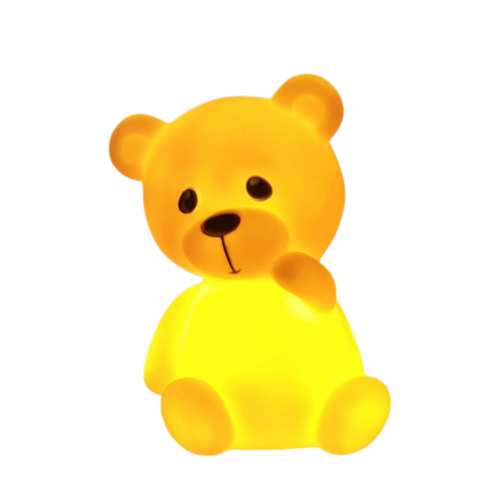
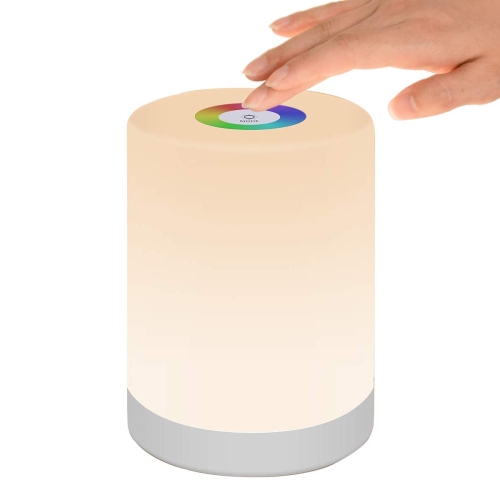
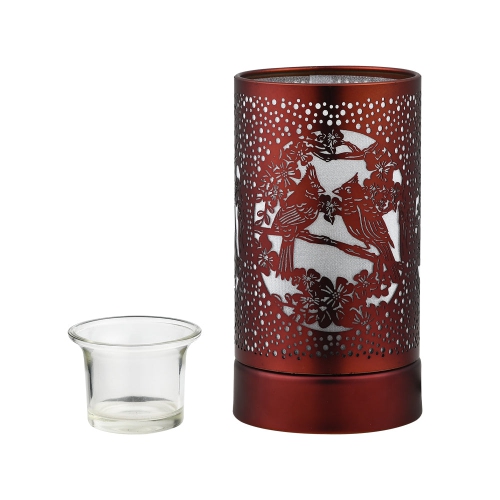
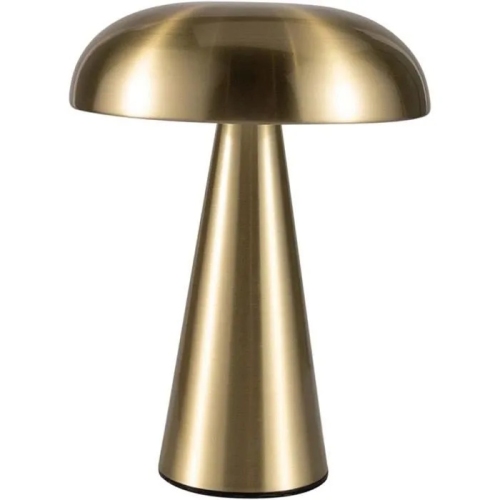
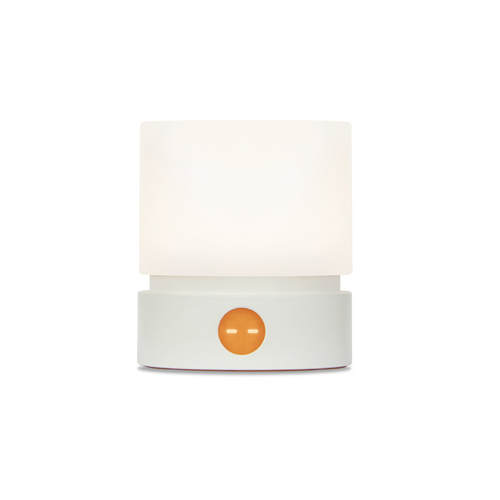
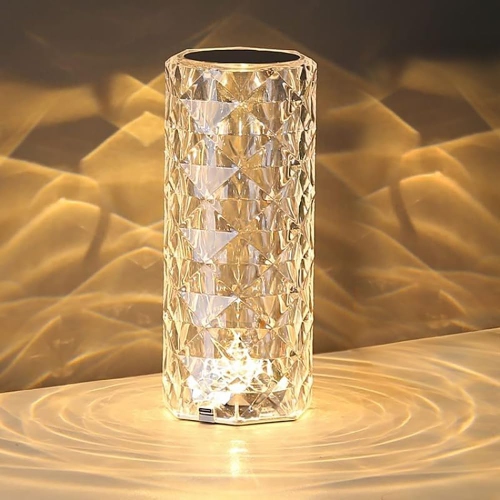

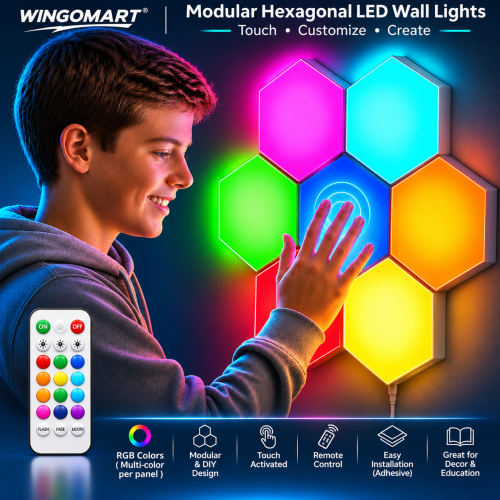
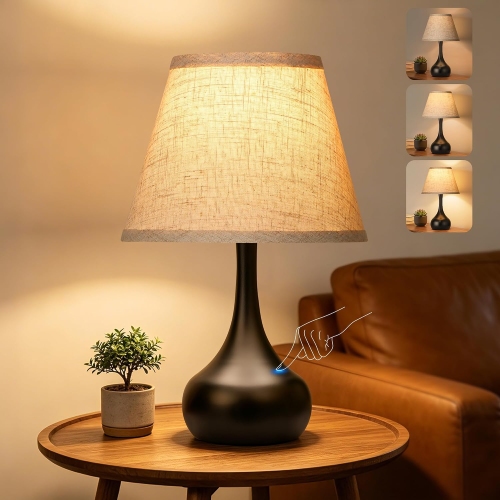

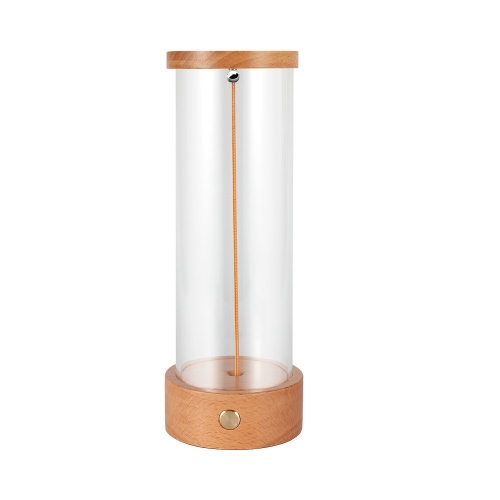
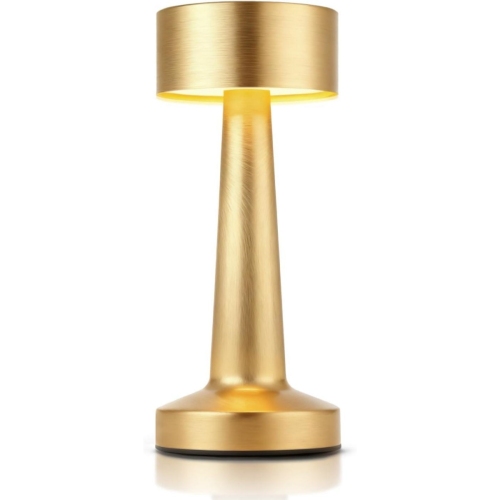
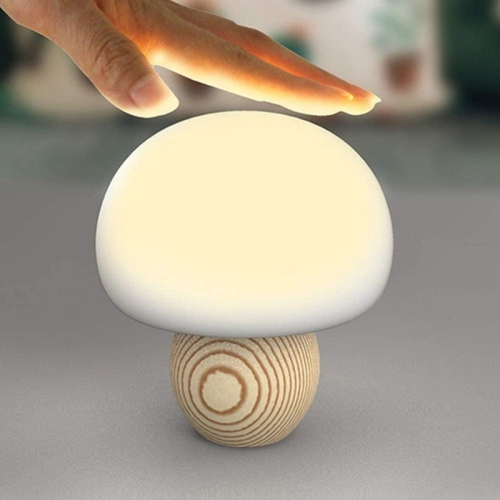
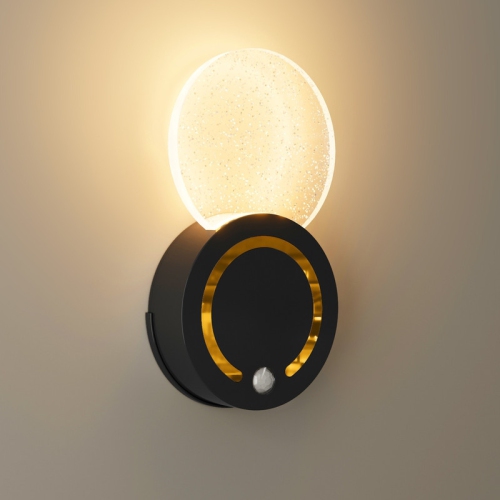

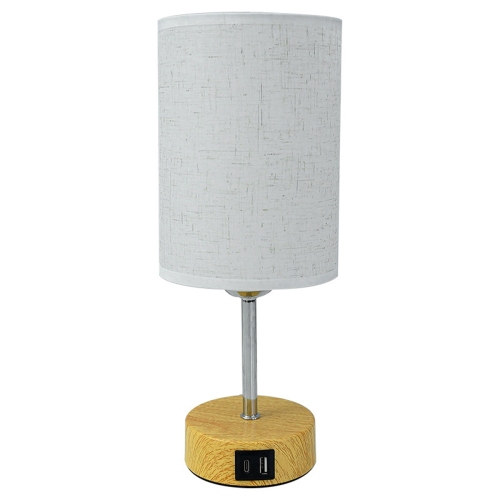



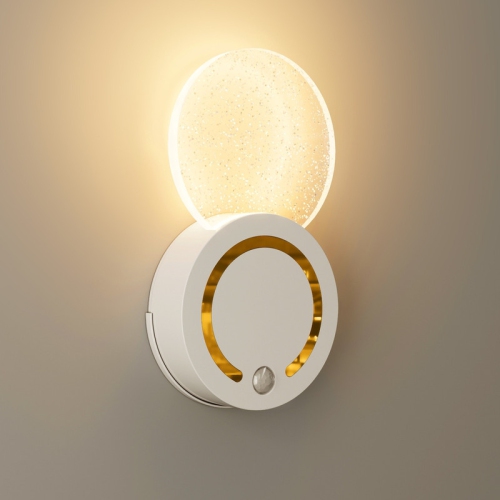

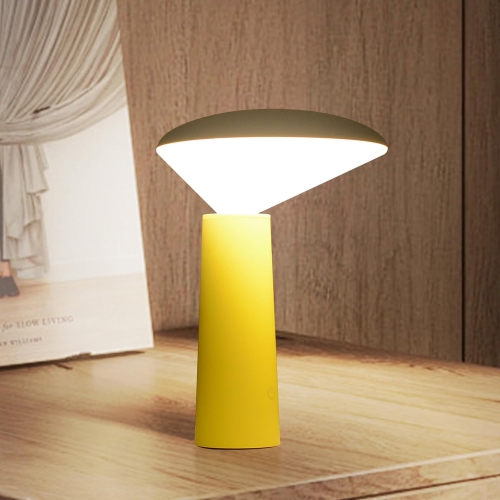

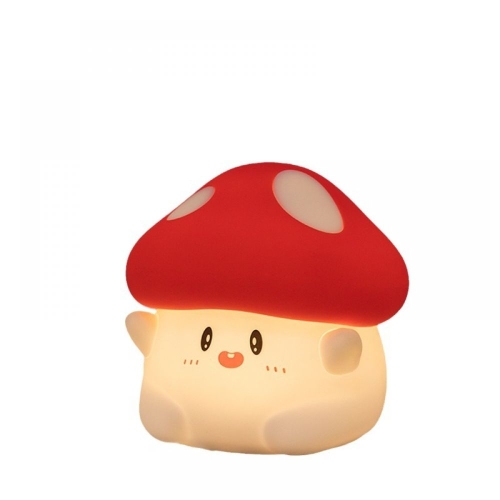
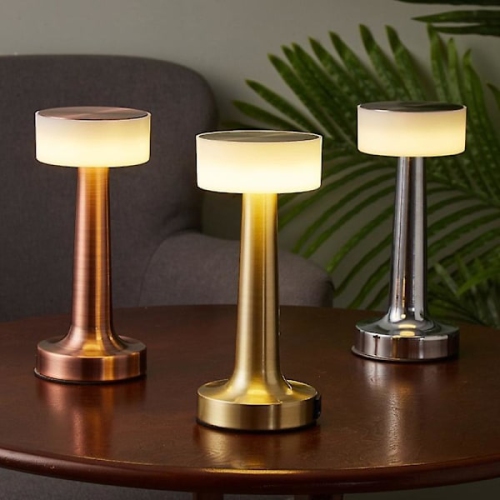

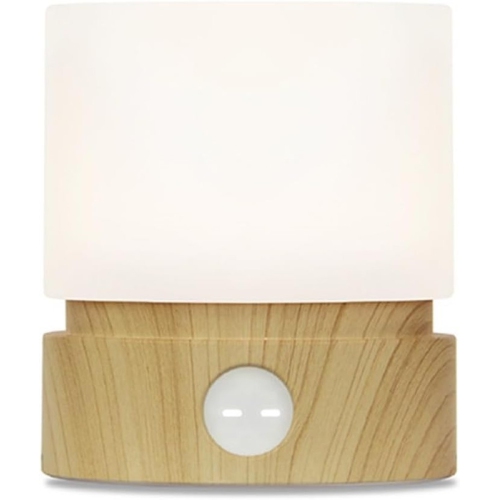
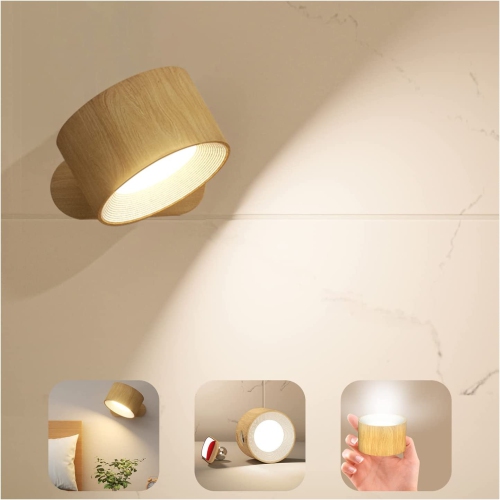
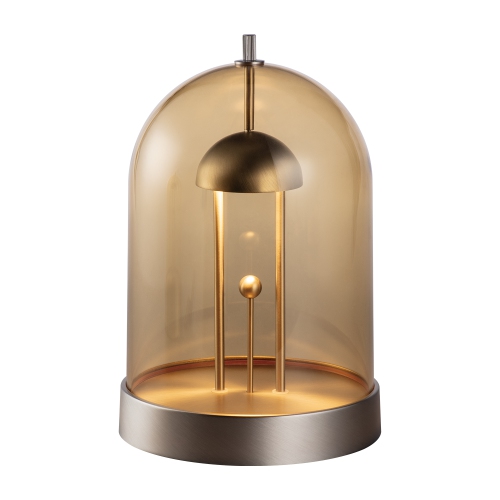
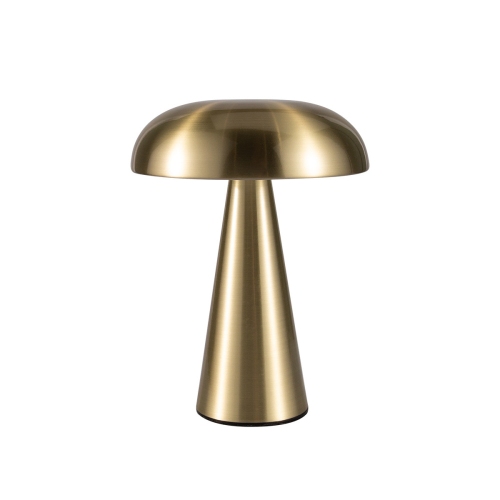
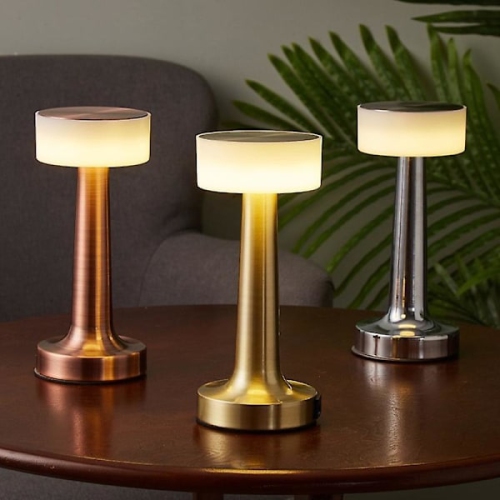
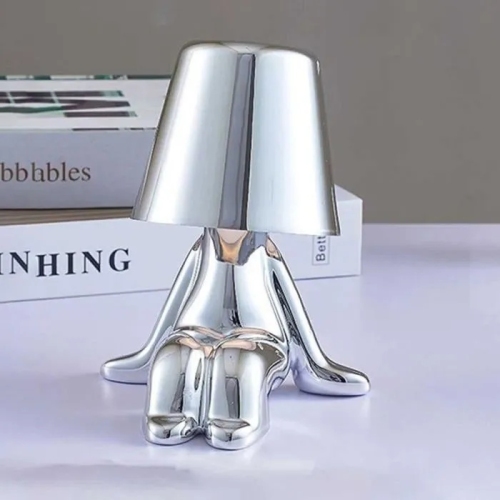
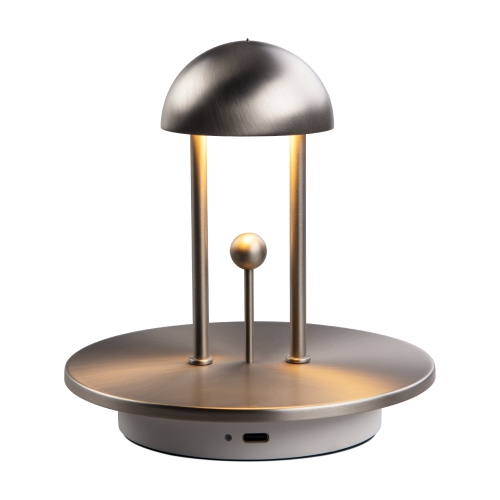
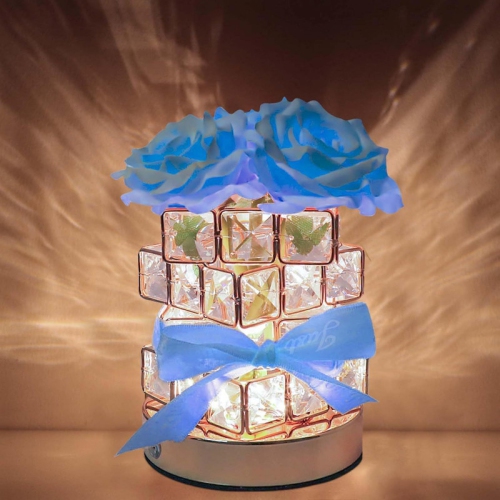
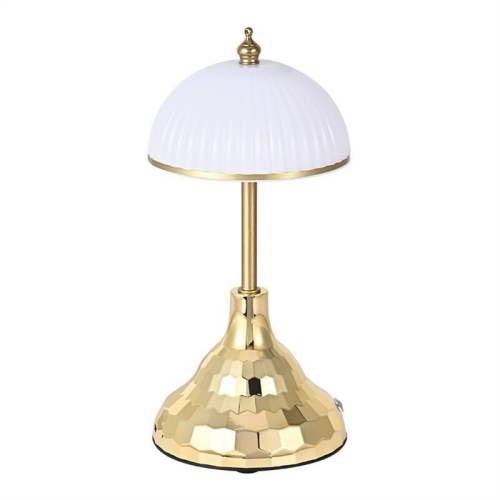
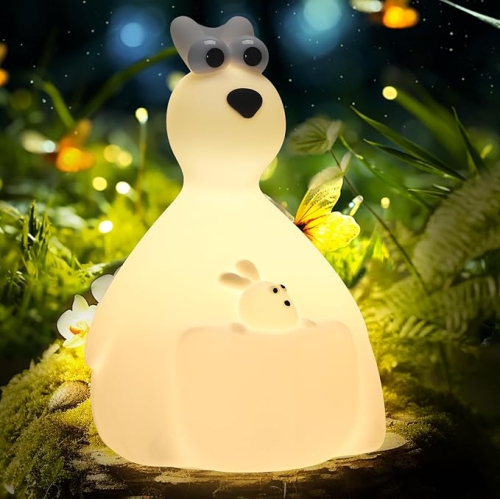
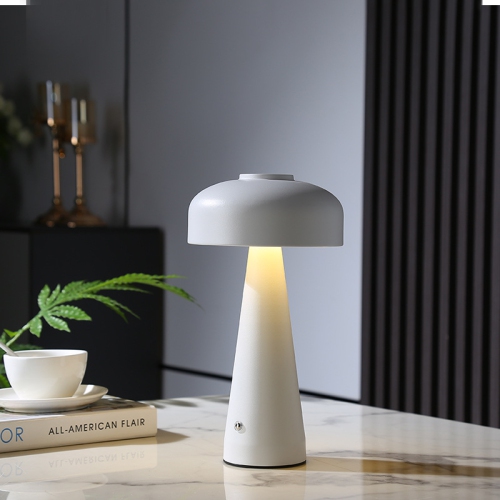

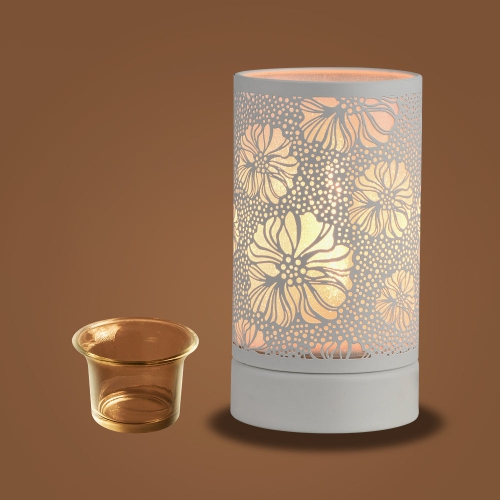
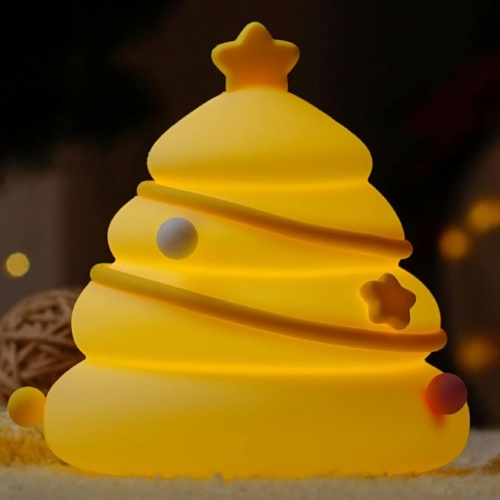
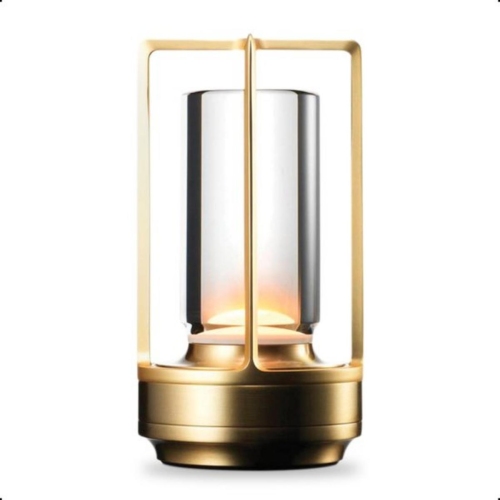

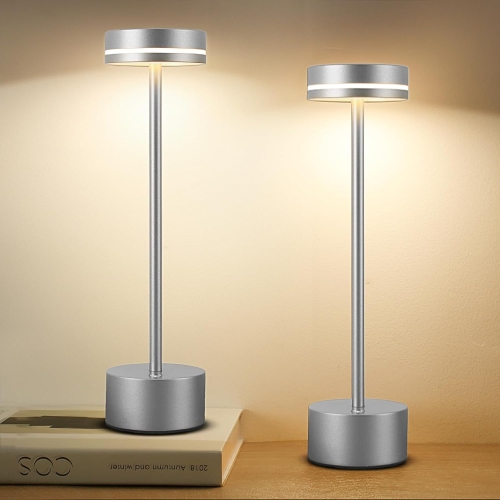

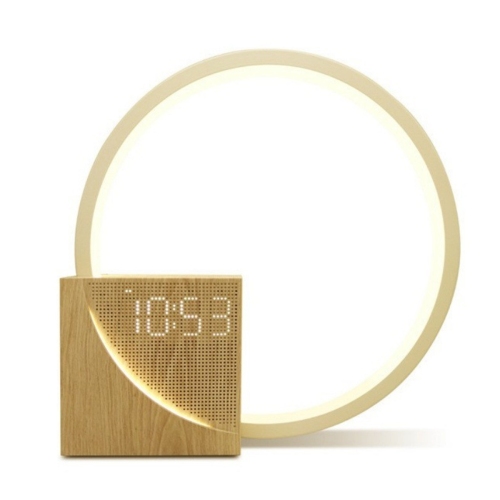
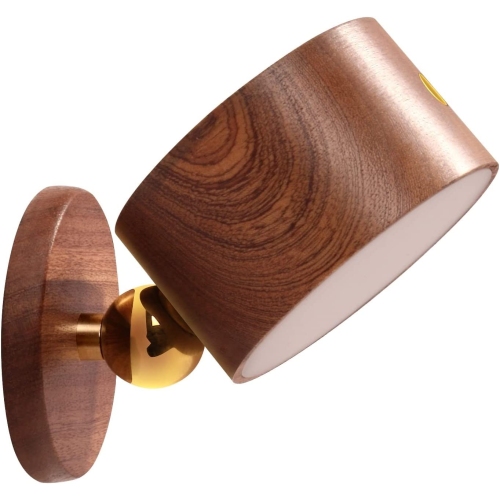
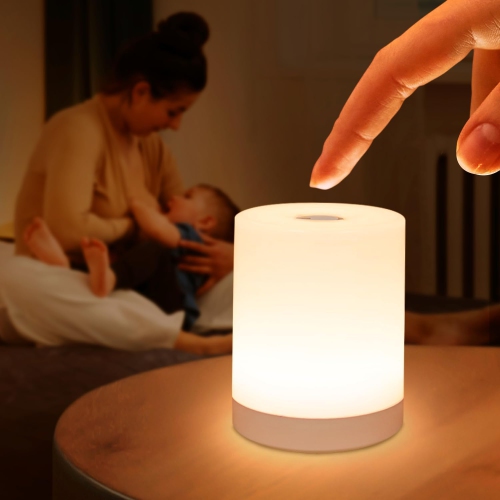
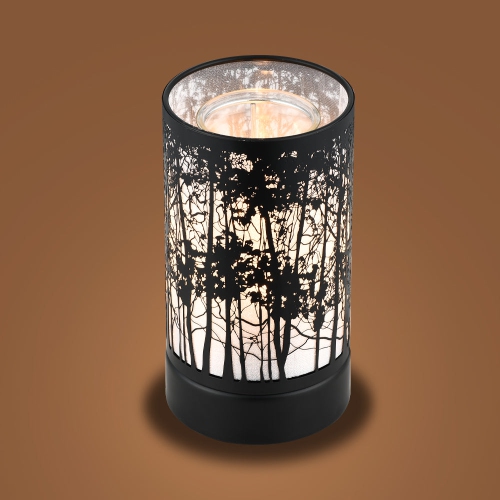
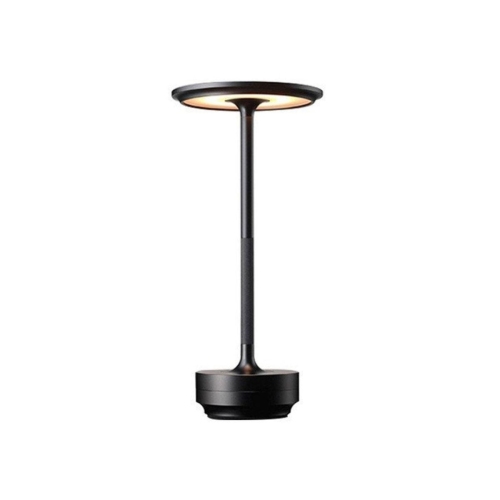
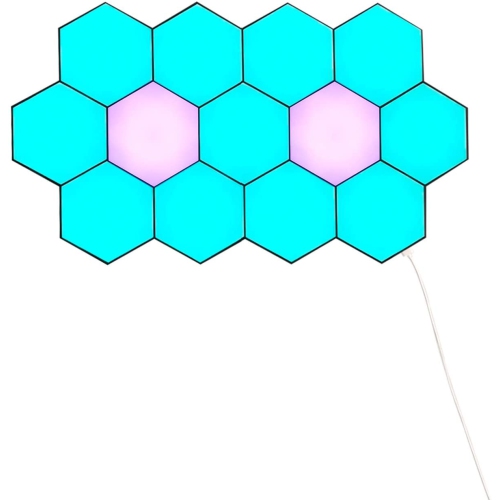
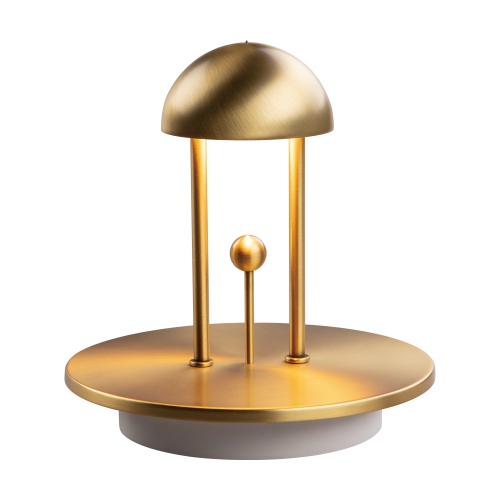

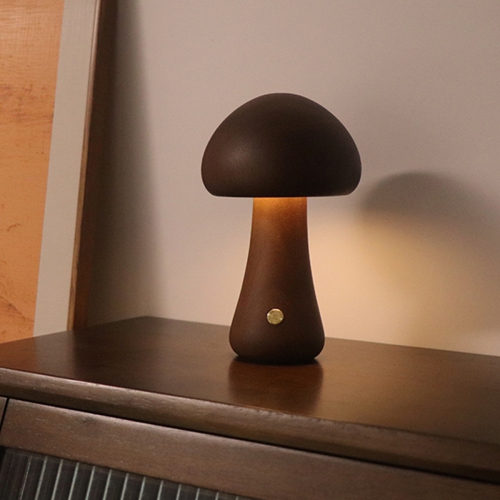
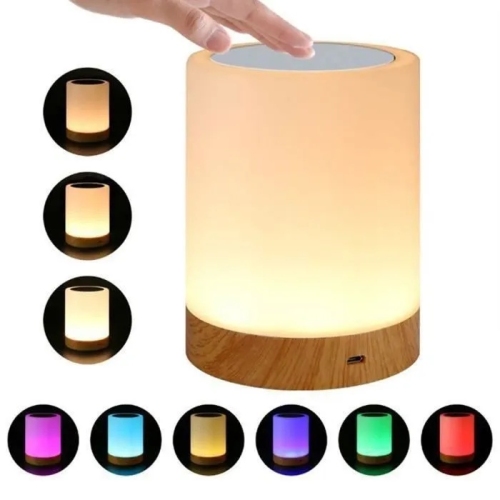
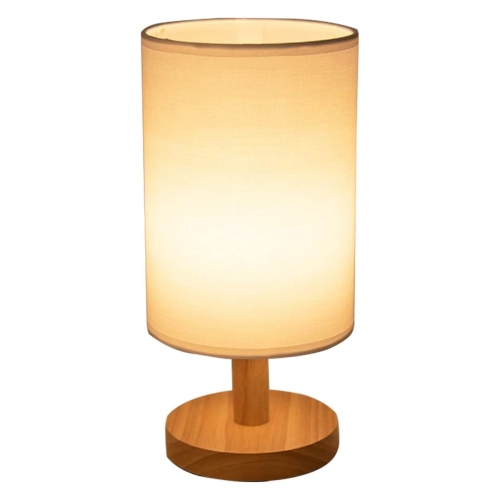
There’s more to tap-controlled lighting than the switch
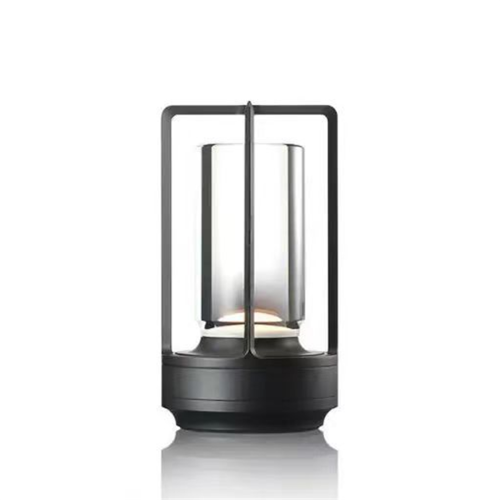
Touch light lamps use a touch-sensitive control to switch the light on or off, and many also let you adjust brightness with a tap. Rather than turning a small knob or reaching for a cord switch, you touch a designated area on the base, stem, or control panel. Many designs work through capacitive sensing, which detects a change in electrical capacitance when a hand contacts the sensing surface. The responsive area varies by design, so a metal finish does not necessarily mean that every part of the lamp acts as a switch. Some lamps offer simple on-and-off operation, while others cycle through several brightness levels or provide continuous dimming. This makes them useful wherever lighting needs change throughout the day: a side table beside a reading chair, a bedroom dresser, or a desk that doubles as a place to unwind. A low setting can provide gentle background light, while a brighter setting may suit reading or other close-up activities, provided the lamp delivers enough light to the task area. Brightness and light colour are separate considerations. Lumens describe light output, while colour temperature, measured in Kelvin, describes whether the light appears warmer or cooler. Warm white light often complements relaxed seating areas, whereas a more neutral white can suit a workspace. Neither the number of touch settings nor the bulb’s wattage alone tells you how bright the lamp will appear in the room. Shade material, shade shape, and the direction of the light also matter. An opaque metal shade can direct light towards a book or keyboard, while a translucent fabric shade spreads a softer glow around the table. For a lamp beside a television, a covered light source can help limit distracting reflections. In a reading corner, a shade that conceals the bulb from a seated position can make the light more comfortable without leaving the page in shadow.
The best fit depends as much on proportions and construction as on the touch control itself. A compact base leaves room for a phone, glasses, and a glass of water, while a broader base may offer better stability on a larger table. Check the full height and shade width rather than judging size from the base alone, especially when the lamp needs to sit below a shelf or beside a tall headboard. On a desk, the shade should leave enough clearance for a monitor and avoid blocking the main work area. On a side table, the touch surface should be easy to reach without stretching across other objects. Materials influence both appearance and upkeep. Brushed metal can provide a clean, understated finish, while polished metal and glass add reflected light and a more decorative presence. Ceramic bodies offer colour and texture, and wood details can soften the look of a lamp with a visible metal touch panel. Fabric shades bring texture to a room, although open weaves and pale colours may show dust more readily. Smooth bases are generally straightforward to wipe clean, while grooves, joints, and decorative detailing need more careful attention. A stable base, secure shade fittings, and a well-supported stem are useful signs of practical construction, particularly on tables that are bumped or moved often. For routine care, switch off and unplug the lamp before cleaning, use a soft cloth suited to the finish, and keep moisture away from electrical components. Let the bulb cool before handling it. Bulb requirements also deserve attention: a touch dimmer may need a compatible dimmable bulb, and a three-level touch control does not automatically require a traditional three-way bulb. Follow the lamp’s stated bulb type and maximum wattage. With integrated LED designs, check whether the light source is replaceable and what servicing options are described, since that affects long-term maintenance.
In bedrooms, Touch Bedside Lamps can make everyday routines simpler by putting the light control within easy reach of the mattress. A clearly defined touch area is helpful when settling in with a book or turning off the light without searching behind a nightstand. For someone who finds small switches awkward to grip, a touch control may be easier to operate, though sensitivity and the size of the sensing area differ between designs. The position of the control matters just as much as its responsiveness: a base hidden behind a stack of books will be less convenient than an exposed panel near the front of the table. In a shared bedroom, separate lamps let each person control their own light, and a directional shade can help keep illumination closer to one side of the bed. Consider how the lamp behaves when switched on, too. Some return to the previous brightness level, while others start at a preset setting, a distinction that can affect comfort when using the light in a dark room. Additional features, where included, should suit the intended use rather than add clutter. Built-in charging ports can reduce the need for a separate charger, but connector type and charging output need to match the device. Rechargeable designs can provide flexibility where a nearby outlet is inconvenient, although operating time varies with brightness and battery capacity. For corded lamps, allow a clear route to an outlet without stretching the cable across a walkway or trapping it beneath furniture. In children’s rooms, place lamps securely and keep cords out of reach of young children; touch operation does not make a lamp a toy. As a housewarming or practical gift, a touch lamp is easiest to match when its dimensions, finish, and light output suit the recipient’s space. A restrained shape and a shade that works with existing furnishings can make it a useful addition without requiring the rest of the room to change.
Top selling and popular products
-
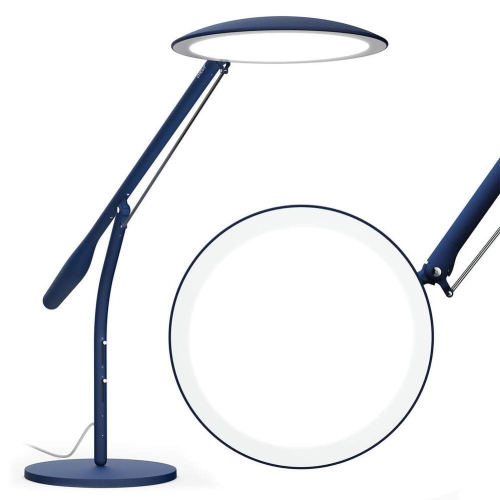 Your price for this item is $198.55
-
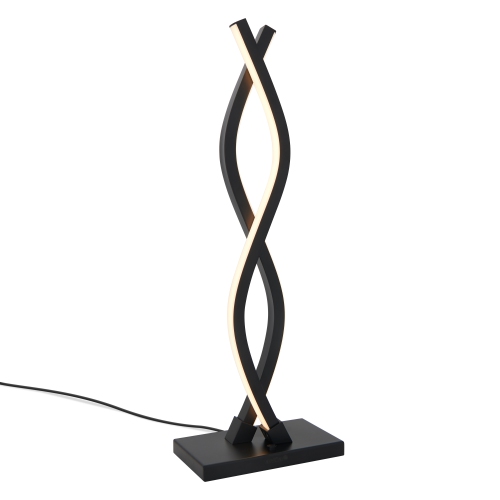 Your price for this item is $79.99
-
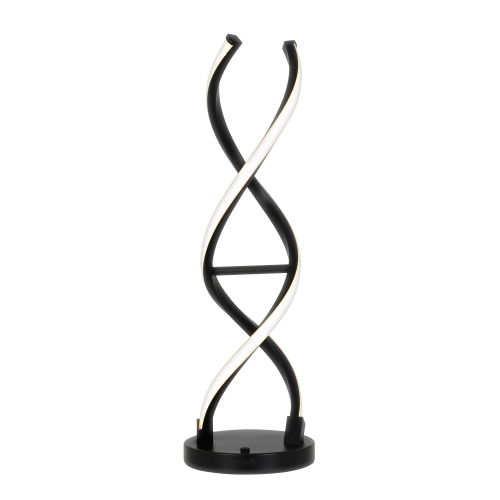 Your price for this item is $119.99
-
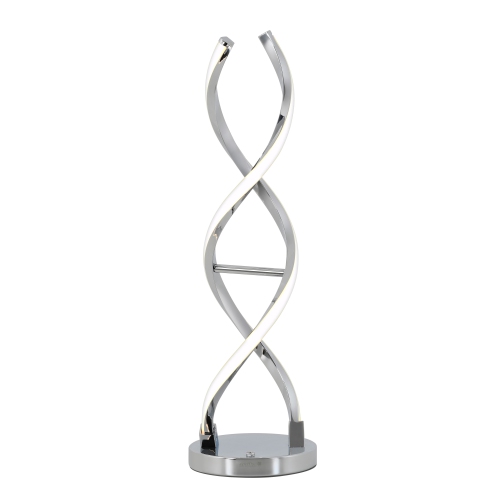 Your price for this item is $119.99
-
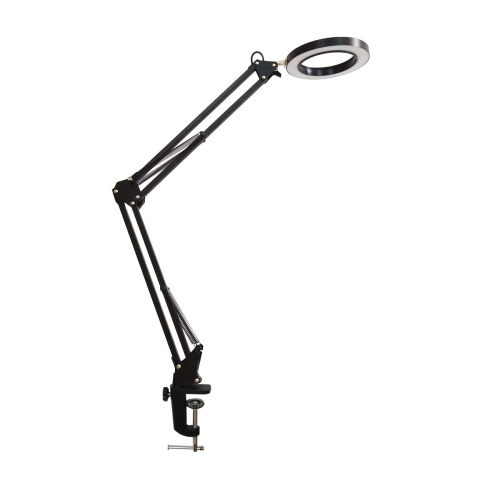 Your price for this item is $29.99
-
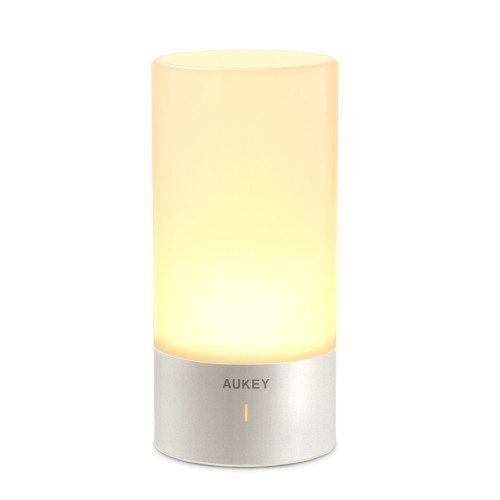 Your price for this item is $44.93
-
 Your price for this item is $10.99
-
 Your price for this item is $98.35
Discover more categories related to Touch Light Lamps
Top Collections:
Best Black Friday Deals This Year, Best Black Friday Deals On Electronics, Kindle Devices, Pokemon Centers, Best Black Friday Deals On Apple Products, Best Cameras for Sports Photography, Dyson Airwrap, Pokémon 30th Celebration Cards, Apple iPhone 17 Pro, Canon G7X Cameras
Some products may be subject to Environmental Handling Fees
(EHF) depending on your province.
Learn more about EHFs.