Traditional Coffee Tables
Looking to add a touch of timeless elegance to your living space? Traditional coffee tables are here to help you create a warm and inviting atmosphere in your home. These classic pieces are designed to bring together both style and functionality, offering the perfect balance between sophistication and practicality. Whether you're looking for a rich wood finish, intricate detailing, or a sturdy construction, traditional coffee tables are sure to be the centerpiece of your living room.
Sort
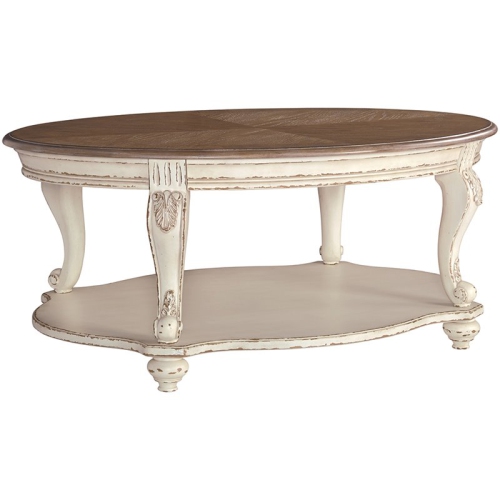
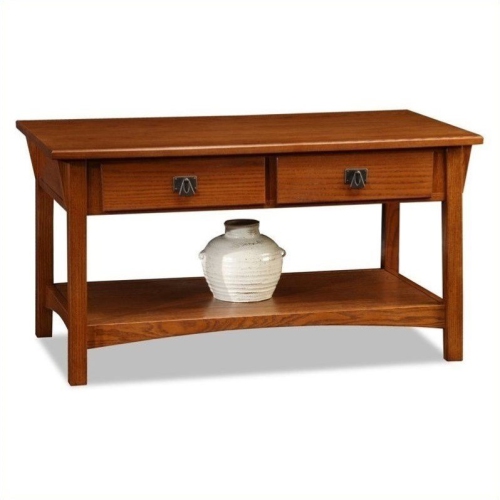
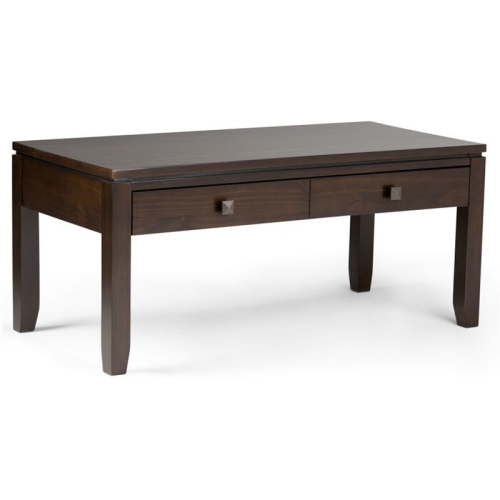
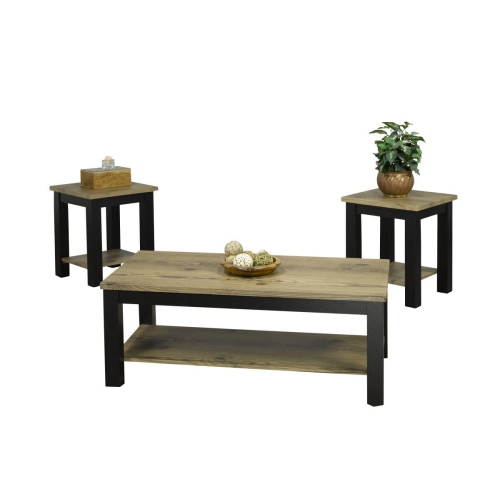
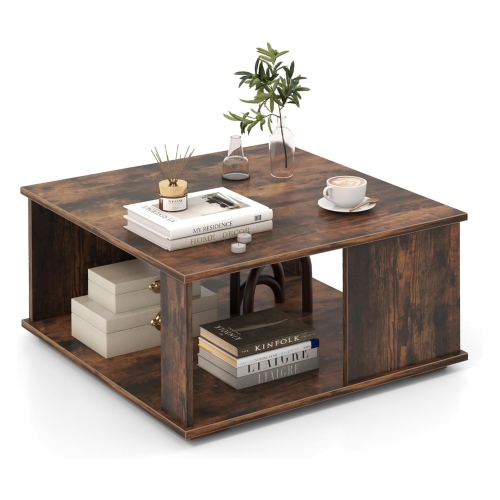
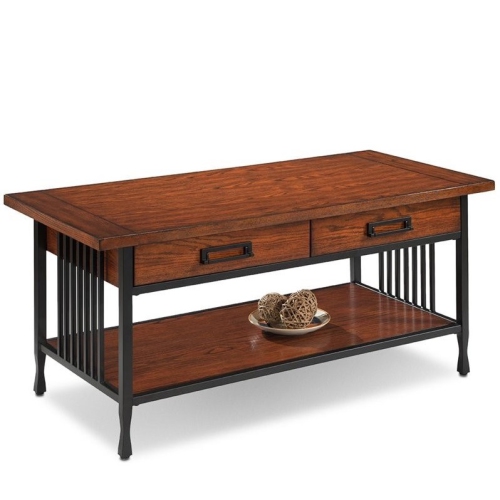
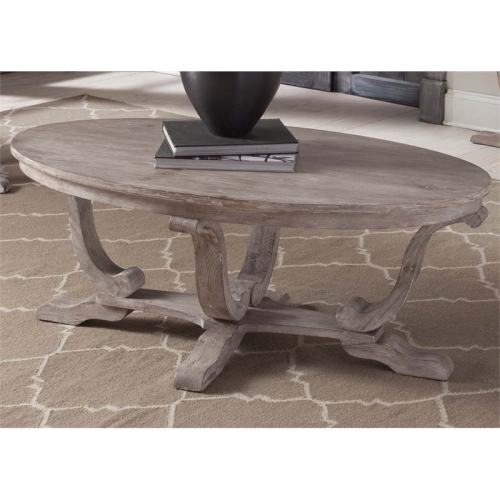
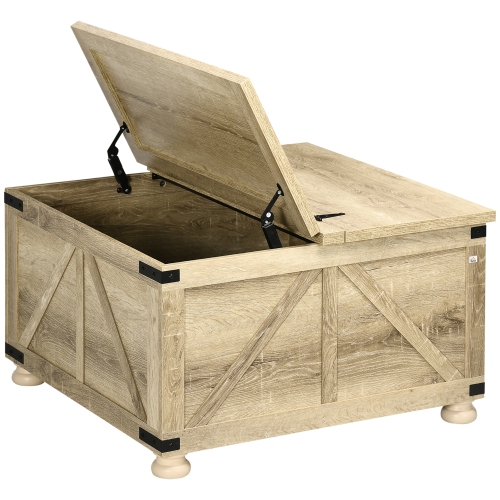
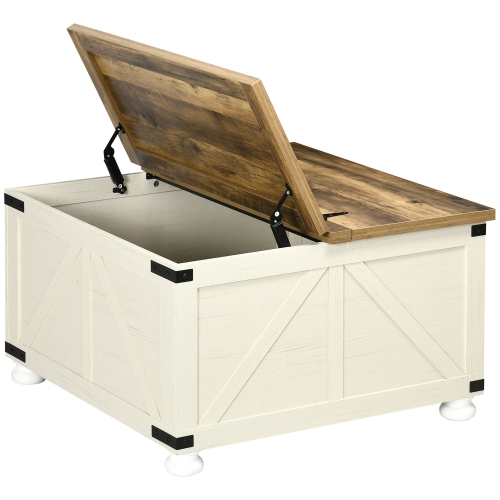
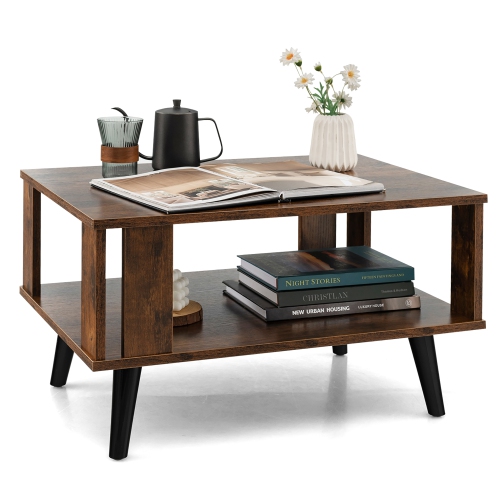
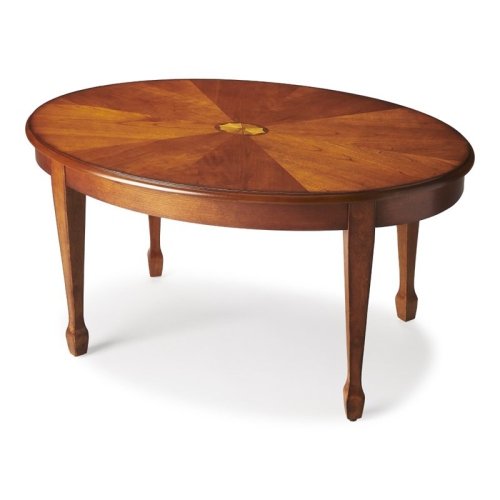
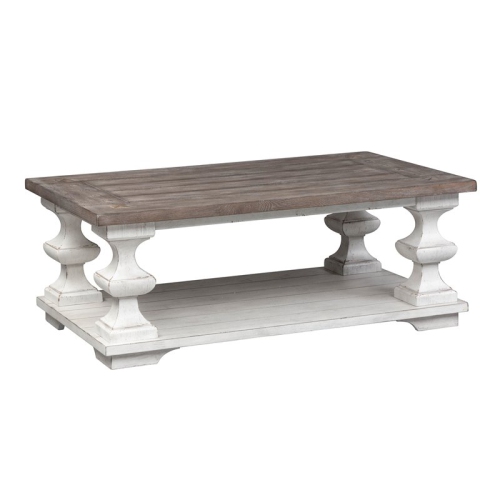
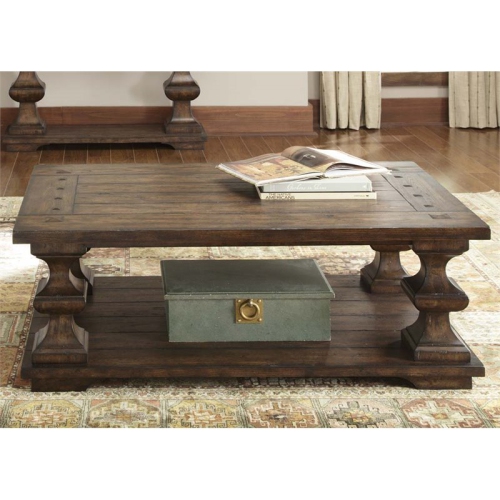
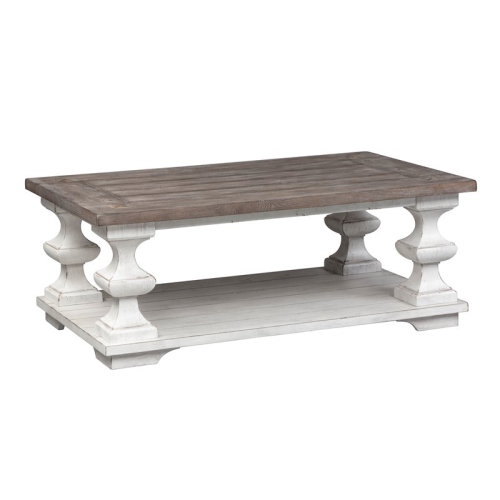
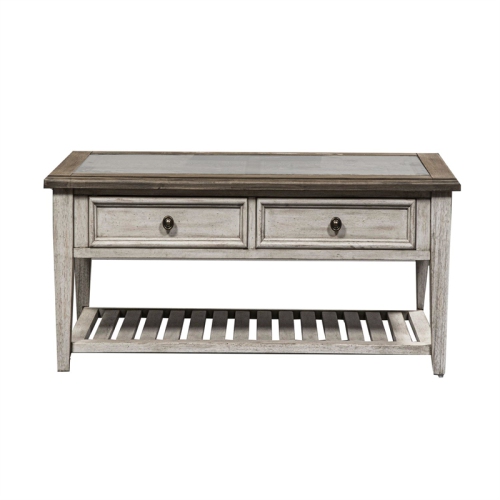
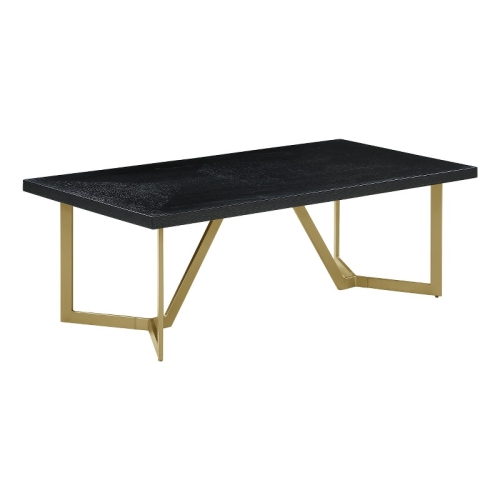
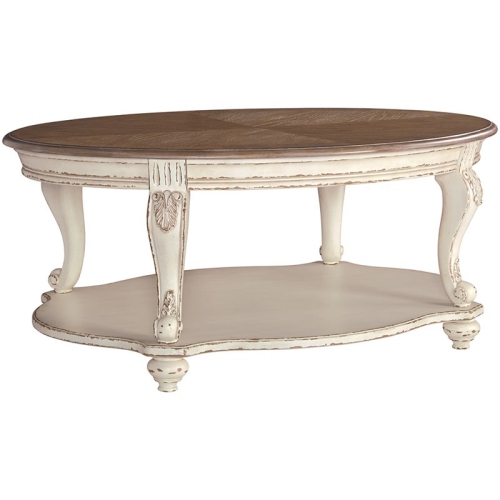
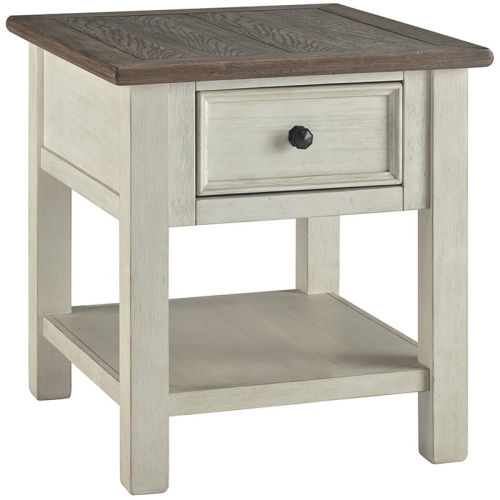
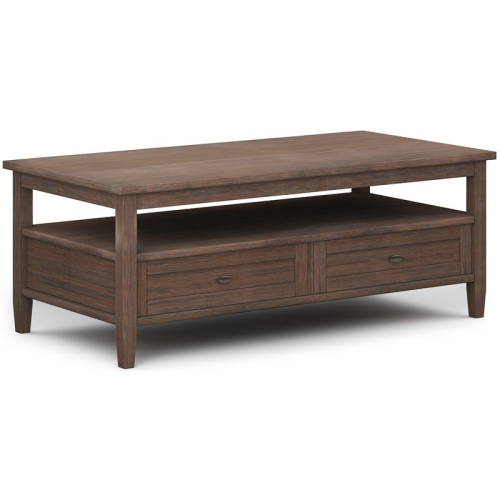
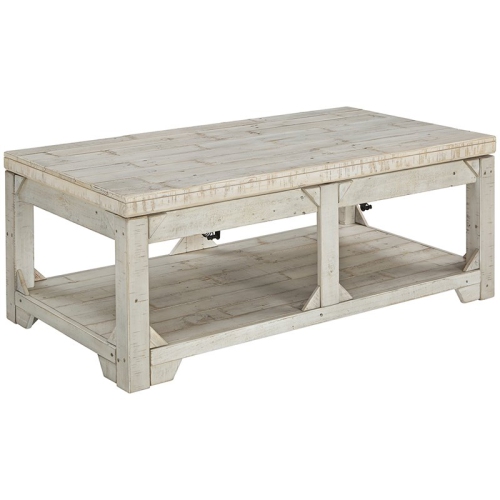
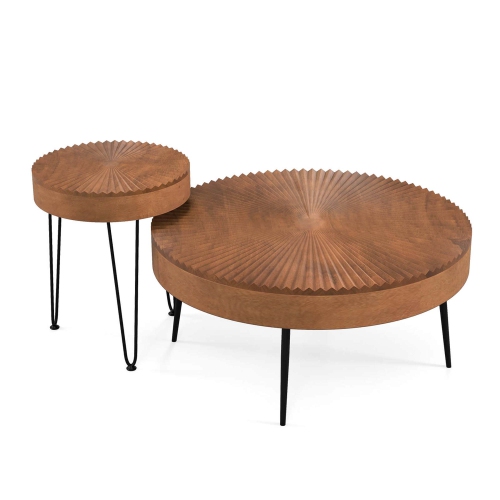
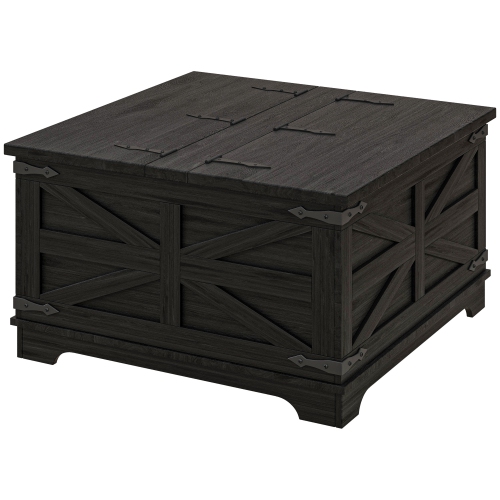
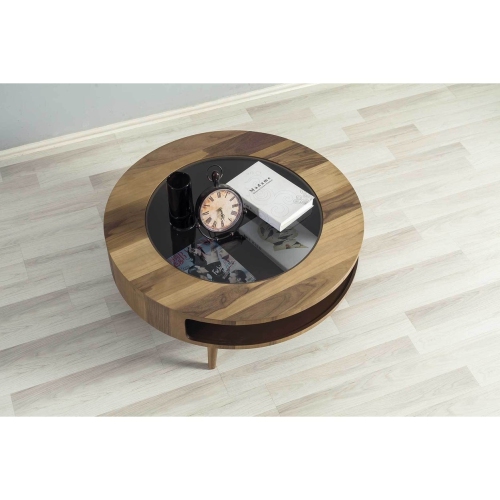
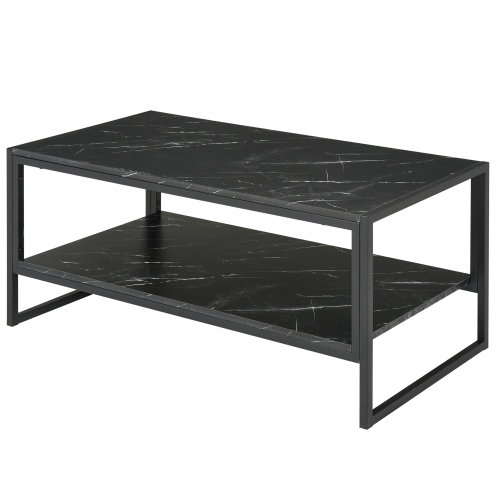
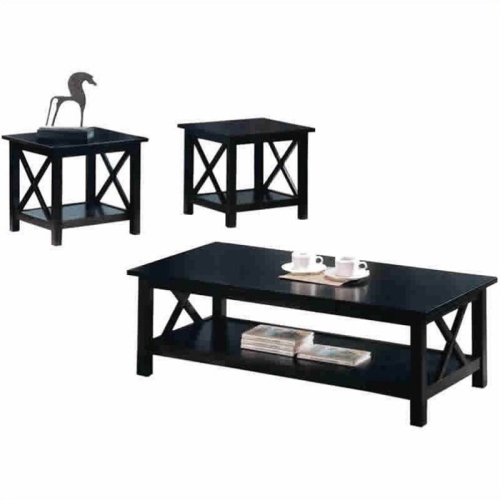
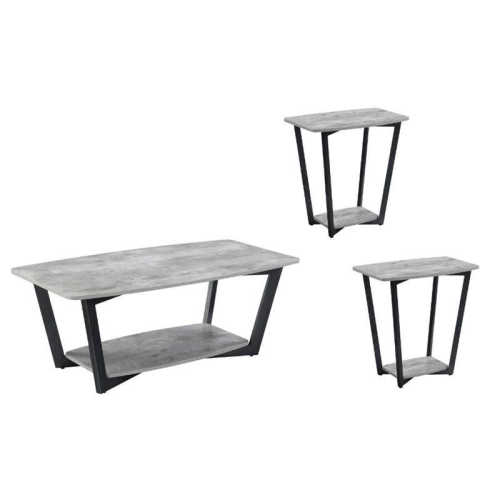
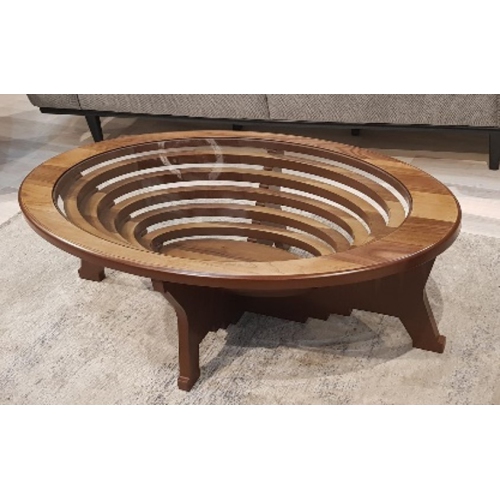
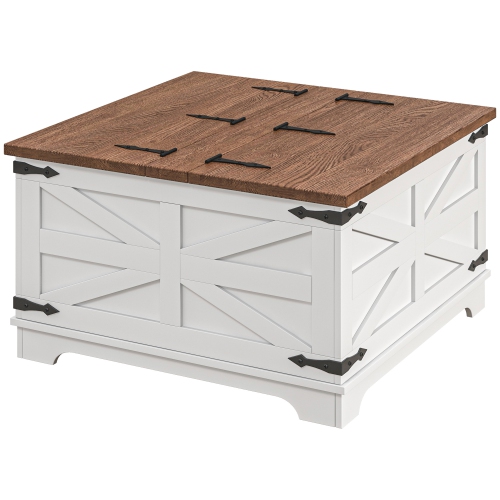
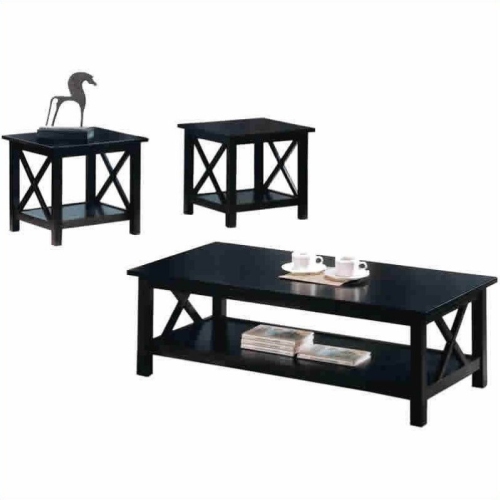
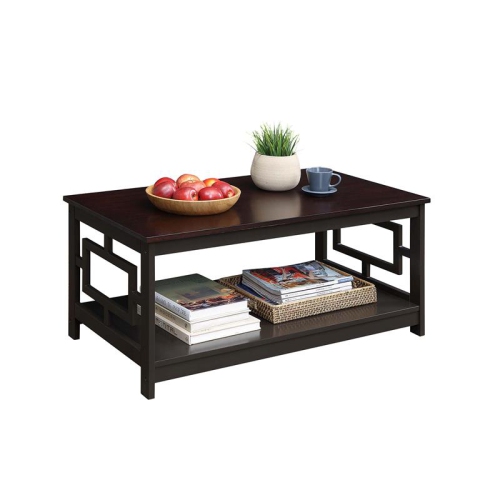
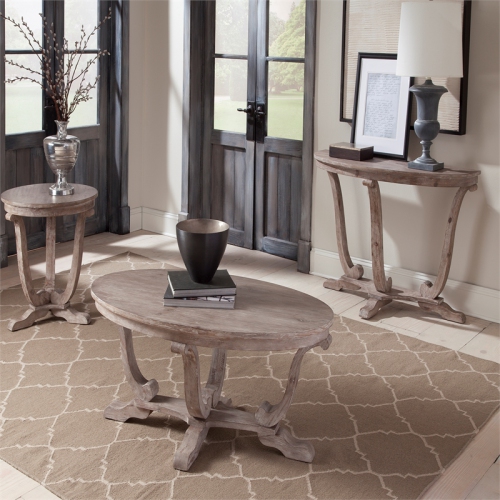
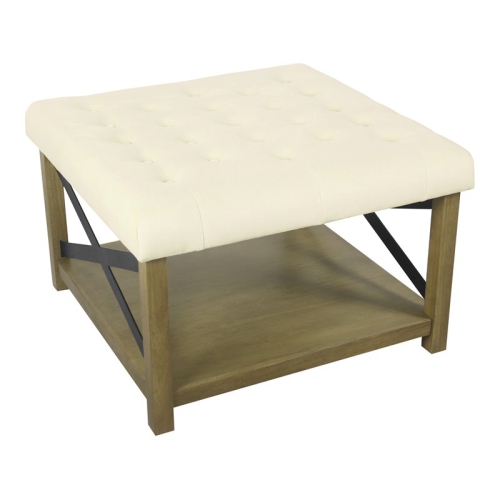
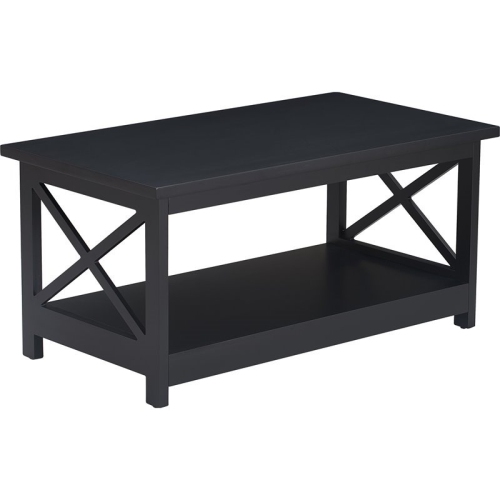
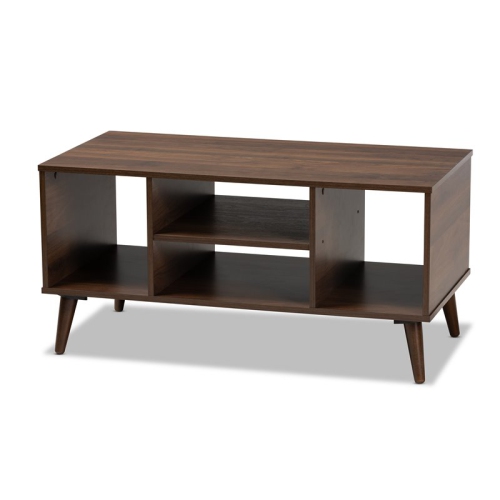
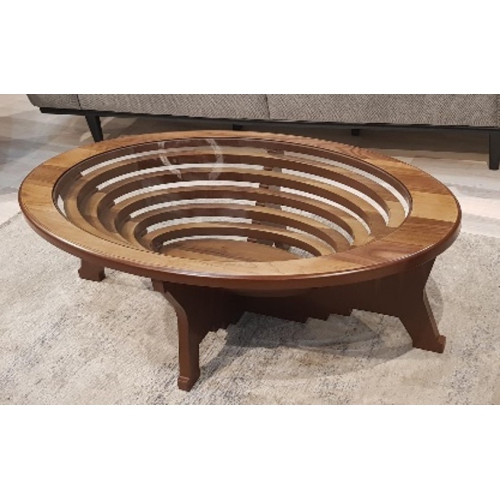
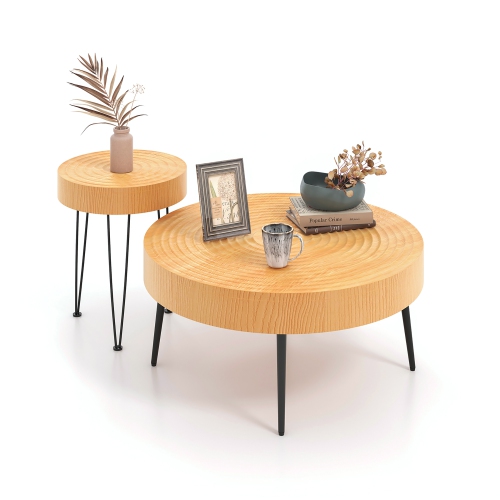
Classic details, thoughtful proportions, and practical living room storage
Traditional coffee tables bring a sense of permanence and familiar comfort to a living room. While contemporary tables often focus on minimal lines and understated shapes, traditional coffee tables are known for warm wood tones, graceful profiles, and decorative details that make the centre of the room feel thoughtfully furnished. Many are made with solid hardwood or high-quality wood veneers, including finishes inspired by oak, cherry, mahogany, walnut, and other richly coloured woods. Turned legs, reeded columns, curved cabriole legs, beveled edges, rope detailing, moulded aprons, and subtle metallic accents can all contribute to a classic look without making the room feel overly formal. A rectangular coffee table is a natural choice for a standard sofa, particularly in a living room arranged around a six- to seven-foot couch, while square tables can work especially well with large sectional sofas. Round and oval tables soften spaces filled with straight lines, sharp corners, bookcases, and angular seating. Choosing the right shape can make a room easier to move through while helping the furniture feel balanced from every angle. For a coordinated look, consider the existing wood tones, upholstery colours, flooring, and other details in the room. A deep espresso or mahogany-style finish can add richness to neutral seating, while a lighter brown finish can brighten a room with darker sofas and accent chairs. Traditional styling also pairs easily with patterned rugs, table lamps, framed artwork, and decorative accessories collected over time. For another classic approach with a lighter, more relaxed character, explore Natural Coffee Tables.
Size and proportion are just as important as appearance when choosing traditional coffee tables. As a practical starting point, look for a table that is approximately two-thirds the length of the sofa. This guideline helps the table relate to the seating without extending too far beyond it or appearing lost in front of the couch. The ideal height is generally level with the sofa cushions, or within about three inches higher or lower, so drinks, books, remotes, and snacks remain easy to reach without awkward stretching. Leave approximately 12 to 18 inches between the table and the edge of the sofa or chairs. This creates enough room to sit comfortably, pull out a footstool, and walk around the table without making the arrangement feel cramped. In a smaller living room, a compact rectangular, oval, or round table may provide the surface area you need while preserving a clear walkway. In a spacious family room, a larger table with a lower shelf can anchor the seating area and give the room a more finished appearance. Before ordering, measure the available floor space, the width of doorways, and the route the table will take through the home. It is also helpful to mark the intended footprint with painter’s tape or sheets of newspaper, especially when comparing a square table with a rectangular one. Think about how the table will be used throughout the day. A household that gathers for board games, homework, or casual meals may appreciate a broad, sturdy surface, while a more decorative sitting room may call for a table chosen primarily for its sculpted legs and elegant finish. If the table will be used around children or pets, rounded corners and a stable base can make the arrangement more comfortable for everyday life.
Storage can add useful function while preserving the welcoming character associated with traditional furniture. A lower shelf provides space for baskets, folded throws, albums, or a small stack of coffee-table books, keeping the top clear for everyday use. Drawers or lift-top sections can offer discreet room for remotes, chargers, stationery, and other items that tend to gather in the living room. Open shelving works well when you want favourite books or decorative objects to remain visible, while enclosed compartments create a more orderly appearance. Pay attention to the construction details that affect day-to-day enjoyment, including the stability of the legs, the smoothness of drawers, the quality of the finish, and the amount of support beneath the tabletop. A substantial wood table can become a long-term focal point, but it should still be easy for the people in your home to use. Place coasters beneath drinks, use trays for candles or small accessories, and follow the care instructions for the finish to help protect the surface from rings, scratches, and heat marks. During the cooler months, a traditional coffee table can make a living room feel especially inviting, giving everyone a natural place to gather with a warm drink, a puzzle, or a stack of books. It can also be a thoughtful housewarming or wedding gift for someone settling into a new home, particularly when its classic styling can work with furniture they already own. Whether you are furnishing a formal sitting room, refreshing a family space, or completing a reading corner, traditional coffee tables offer a practical surface and a strong visual anchor with details that continue to feel at home as the room evolves.
Size and proportion are just as important as appearance when choosing traditional coffee tables. As a practical starting point, look for a table that is approximately two-thirds the length of the sofa. This guideline helps the table relate to the seating without extending too far beyond it or appearing lost in front of the couch. The ideal height is generally level with the sofa cushions, or within about three inches higher or lower, so drinks, books, remotes, and snacks remain easy to reach without awkward stretching. Leave approximately 12 to 18 inches between the table and the edge of the sofa or chairs. This creates enough room to sit comfortably, pull out a footstool, and walk around the table without making the arrangement feel cramped. In a smaller living room, a compact rectangular, oval, or round table may provide the surface area you need while preserving a clear walkway. In a spacious family room, a larger table with a lower shelf can anchor the seating area and give the room a more finished appearance. Before ordering, measure the available floor space, the width of doorways, and the route the table will take through the home. It is also helpful to mark the intended footprint with painter’s tape or sheets of newspaper, especially when comparing a square table with a rectangular one. Think about how the table will be used throughout the day. A household that gathers for board games, homework, or casual meals may appreciate a broad, sturdy surface, while a more decorative sitting room may call for a table chosen primarily for its sculpted legs and elegant finish. If the table will be used around children or pets, rounded corners and a stable base can make the arrangement more comfortable for everyday life.
Storage can add useful function while preserving the welcoming character associated with traditional furniture. A lower shelf provides space for baskets, folded throws, albums, or a small stack of coffee-table books, keeping the top clear for everyday use. Drawers or lift-top sections can offer discreet room for remotes, chargers, stationery, and other items that tend to gather in the living room. Open shelving works well when you want favourite books or decorative objects to remain visible, while enclosed compartments create a more orderly appearance. Pay attention to the construction details that affect day-to-day enjoyment, including the stability of the legs, the smoothness of drawers, the quality of the finish, and the amount of support beneath the tabletop. A substantial wood table can become a long-term focal point, but it should still be easy for the people in your home to use. Place coasters beneath drinks, use trays for candles or small accessories, and follow the care instructions for the finish to help protect the surface from rings, scratches, and heat marks. During the cooler months, a traditional coffee table can make a living room feel especially inviting, giving everyone a natural place to gather with a warm drink, a puzzle, or a stack of books. It can also be a thoughtful housewarming or wedding gift for someone settling into a new home, particularly when its classic styling can work with furniture they already own. Whether you are furnishing a formal sitting room, refreshing a family space, or completing a reading corner, traditional coffee tables offer a practical surface and a strong visual anchor with details that continue to feel at home as the room evolves.
Top selling and popular products
-
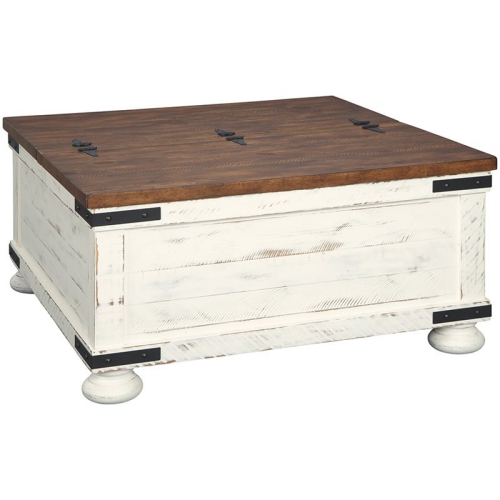 Your price for this item is $1030.03
 -
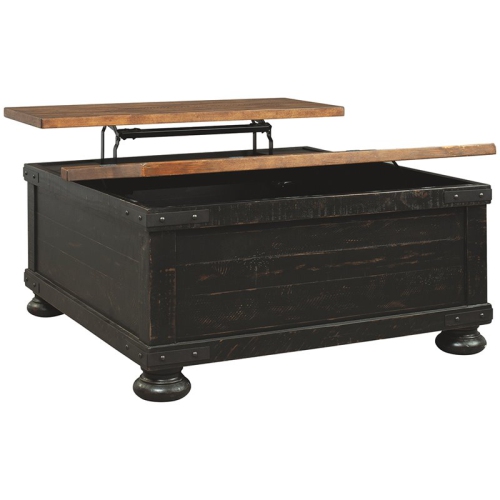 Your price for this item is $1070.91
 -
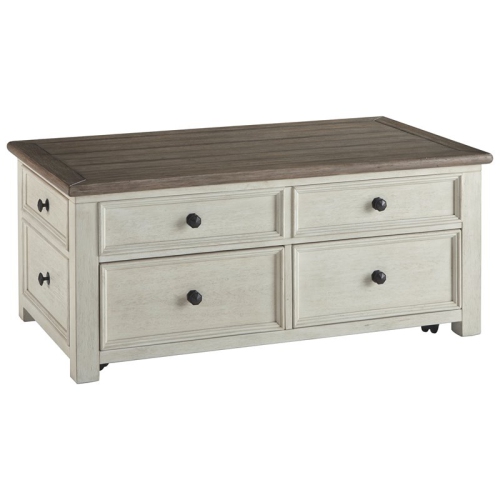 Your price for this item is $949
 -
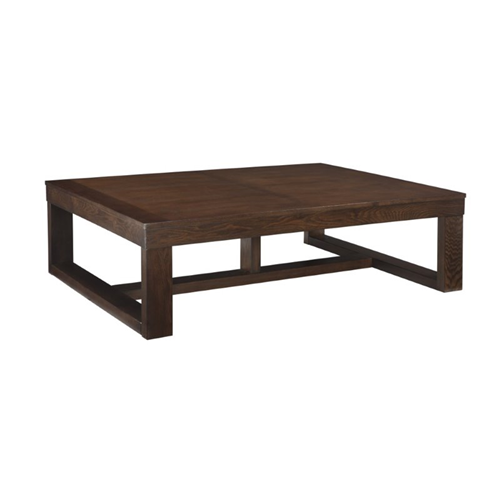 Your price for this item is $449
 -
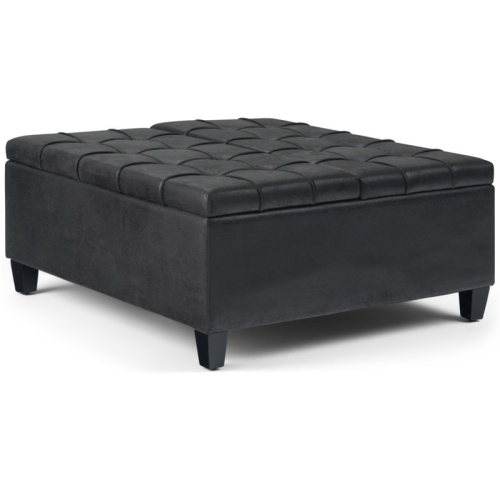 Your price for this item is $1042.91
 -
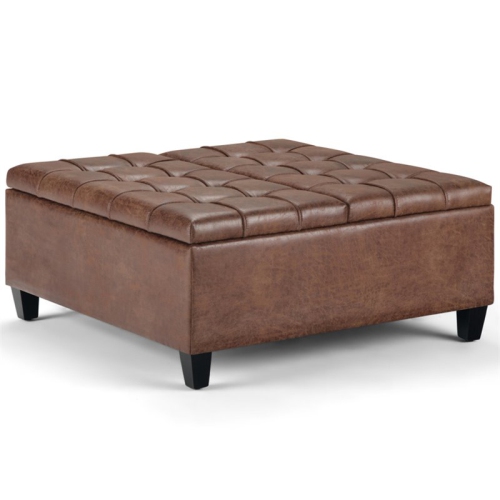 Your price for this item is $1013.77
 -
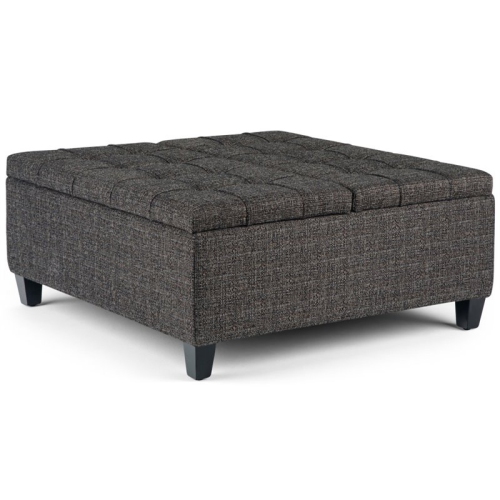 Your price for this item is $1021.17
 -
 Your price for this item is $1022.03
Discover more categories related to Traditional Coffee Tables
Top Collections:
Pokemon Centers, Kindle Devices, Best Budget Office Chairs, Apple iPhones 16, Best Laptops for Writers, iPhone 15 Apple, Canon G7X Cameras, Refurbished Apple Laptops, Alarm Clock, Motorola Razr Phones
Some products may be subject to Environmental Handling Fees
(EHF) depending on your province.
Learn more about EHFs.