Traditional Floor Lamps
Add a touch of elegance and sophistication to almost any room with these traditional floor lamps. These timeless pieces are designed to complement a variety of decor styles, from classic to contemporary. Illuminate your space with warm, ambient lighting that creates a cozy atmosphere for reading, relaxing, or entertaining. With their beautiful craftsmanship and intricate details, these traditional floor lamps are not only functional but also serve as stunning decorative accents in almost any home.
Sort
How shades and finishes shape a lamp’s character
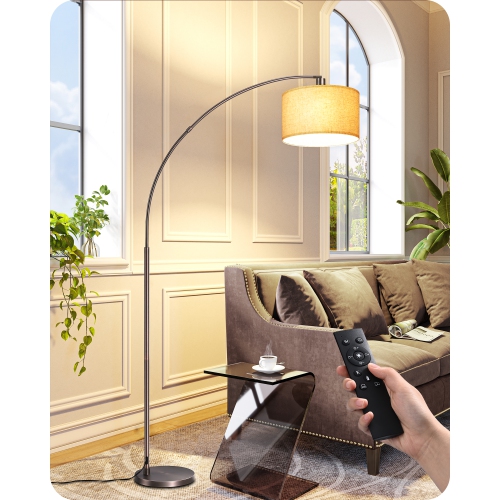
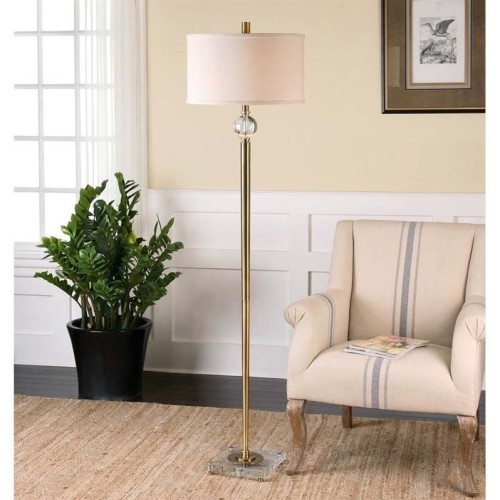
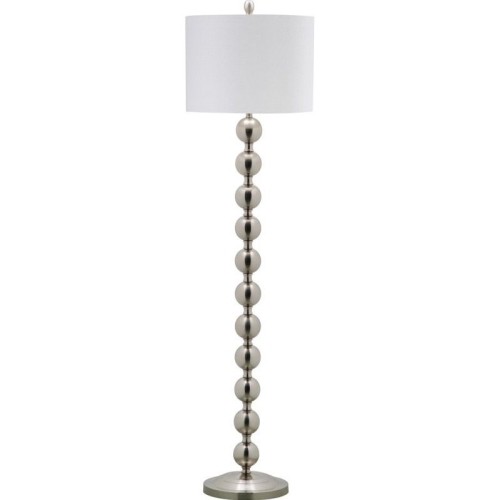
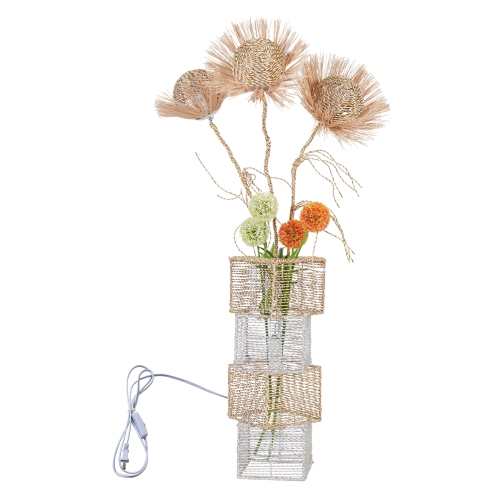
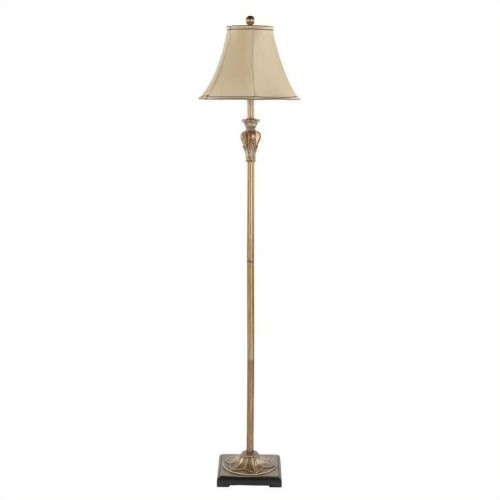
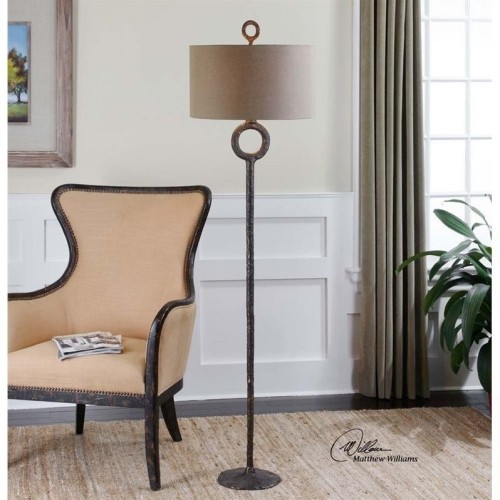
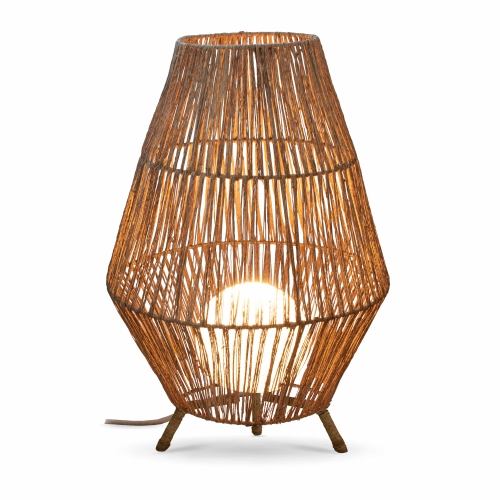
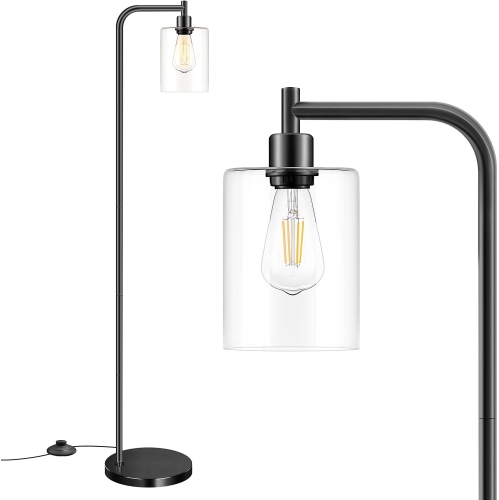
Traditional floor lamps bring classic proportions, familiar materials, and softly shaded light to living rooms, bedrooms, and sitting areas. Their defining features often include antique brass or bronze finishes, turned columns, curved arms, and fabric bell, empire, or drum shades. Some have restrained silhouettes that blend easily with everyday furnishings, while others feature fluted stems, scrollwork, or sculpted bases that make the lamp a more prominent part of the room. A slender column beside a rolled-arm sofa adds height without competing with patterned upholstery; a substantial wood base can feel at home next to a bookcase or an upholstered reading chair. Traditional styling does not require every furnishing to match. A brass-toned lamp can sit comfortably alongside dark wood tables, framed artwork, and a contemporary sofa when its shape or finish repeats another detail in the space. Materials contribute as much to the effect as ornament. Metal stems offer a crisp outline, turned wood introduces visible grain, and glass accents add a lighter visual touch. A brass finish describes the surface appearance and does not necessarily mean the lamp is made from solid brass, so construction details matter when comparing materials. Likewise, a bronze-toned finish can range from nearly black to warm brown, changing how strongly the lamp stands out against a wall. Shades influence both the look of the fixture and the character of its light. Linen-textured fabric creates a relaxed impression, while a smooth, lined shade can feel more formal. Pleats, piping, and gently flared edges add detail without requiring an elaborate base. Pale shades generally let more light pass through their sides, whereas darker or densely lined shades tend to direct more of the light through the top and bottom. These differences help explain why two lamps with similar dimensions can create quite different effects beside the same sofa. The shade’s shape also matters visually: a broad bell shade has a more pronounced traditional profile, while a simple drum shade can connect classic furniture with cleaner-lined pieces.
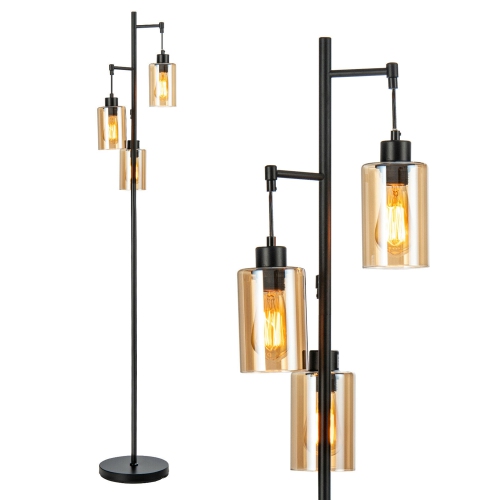
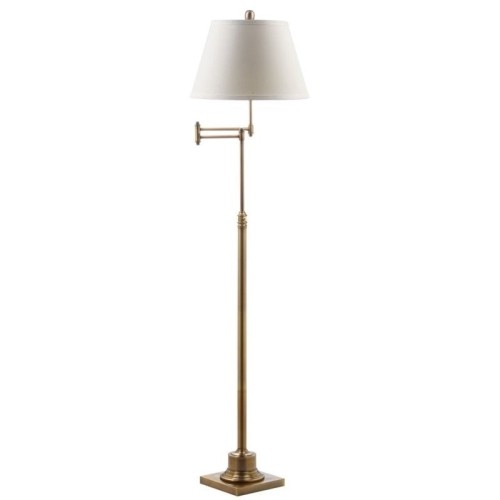
The intended use of a traditional floor lamp helps distinguish the main styles. A shaded column lamp usually provides a pool of ambient light around a seating area, making it useful for conversation, quiet evenings, or balancing the brightness of overhead fixtures. Swing-arm lamps allow the shade to move closer to a book or craft project while the base stays beside the chair. Pharmacy-style lamps typically use a smaller, directional shade and an adjustable arm or stem, concentrating light on a particular surface rather than spreading it throughout the room. For spaces where page-level illumination is the priority, Reading Floor Lamps offer another way to explore lighting suited to books, magazines, and other close-up activities. Candelabra and multi-light floor lamps bring a more ornamental presence, with branching arms or several bulbs that can provide broader illumination depending on their arrangement and shades. An upward-facing shade directs light towards the ceiling, where it reflects back into the room; the result depends partly on the ceiling’s height and colour. Bulb choice affects all of these styles. Lumens indicate light output, while wattage describes power use, so wattage alone is not a reliable way to compare brightness across bulb types. Warm white light often complements brass, wood, and cream fabrics, while a more neutral light may suit detailed tasks. The bulb base, permitted wattage, and enclosed-fixture requirements need to match the lamp’s specifications. Dimming also depends on compatibility between the bulb and the lamp’s controls; a dimmable bulb does not make every lamp dimmable. Some traditional floor lamps have separate switches for multiple lights, allowing a brighter setting for an activity and a softer setting for general room lighting. Switch placement is another everyday consideration. A socket switch may suit someone who can reach beside the shade, while a foot switch or accessible stem control can be more convenient in a different seating arrangement. From a seated position, a well-placed shade helps keep the bulb out of direct view while allowing useful light to reach the page, reducing the distraction of a bright exposed light source.
Fit involves the whole lamp, not just its height. The base needs a stable, level resting place, and the shade needs enough clearance from walls, curtains, shelving, and passing shoulders. Beside a deep armchair, an extended swing arm may bring the light into a useful position without placing the base in the walking path. In a narrow corner, a compact base can save floor space, but the shade may still project beyond it. Overall width, shade diameter, and arm reach therefore matter as much as the footprint. A floor lamp can also free a small side table for a cup, glasses, or a book, which makes it practical in apartments and smaller sitting rooms. Cord length and outlet location affect placement: the cord should not cross a doorway, run beneath a rug, or sit where chair legs can pinch it. Homes with children or pets benefit from particular attention to stability and positioning, although a heavy base alone does not prevent tipping. Durability depends on secure connections, sound shade supports, a finish appropriate for regular handling, and adjustment points that hold their position during normal use. Care is usually straightforward but varies by material. With the lamp unplugged and the bulb cool, a soft, dry cloth can remove dust from many bases, while fabric shades may need gentle dusting according to their care instructions. Abrasive cleaners and metal polish can damage lacquered or plated finishes, and moisture can mark some fabrics or wood surfaces. The ability to replace a bulb or fit a compatible replacement shade can make ongoing upkeep simpler, though shade attachment types and clearances are not universal. Traditional floor lamps suit readers, people furnishing a first home, and anyone adding a softer layer of light to an established room. They can also make a thoughtful housewarming gift when the recipient’s space, finish preferences, and lighting needs are known. Whether placed beside a favourite chair or at the end of a sofa, a well-proportioned lamp combines a familiar furnishing style with light that serves the way the room is used.
The intended use of a traditional floor lamp helps distinguish the main styles. A shaded column lamp usually provides a pool of ambient light around a seating area, making it useful for conversation, quiet evenings, or balancing the brightness of overhead fixtures. Swing-arm lamps allow the shade to move closer to a book or craft project while the base stays beside the chair. Pharmacy-style lamps typically use a smaller, directional shade and an adjustable arm or stem, concentrating light on a particular surface rather than spreading it throughout the room. For spaces where page-level illumination is the priority, Reading Floor Lamps offer another way to explore lighting suited to books, magazines, and other close-up activities. Candelabra and multi-light floor lamps bring a more ornamental presence, with branching arms or several bulbs that can provide broader illumination depending on their arrangement and shades. An upward-facing shade directs light towards the ceiling, where it reflects back into the room; the result depends partly on the ceiling’s height and colour. Bulb choice affects all of these styles. Lumens indicate light output, while wattage describes power use, so wattage alone is not a reliable way to compare brightness across bulb types. Warm white light often complements brass, wood, and cream fabrics, while a more neutral light may suit detailed tasks. The bulb base, permitted wattage, and enclosed-fixture requirements need to match the lamp’s specifications. Dimming also depends on compatibility between the bulb and the lamp’s controls; a dimmable bulb does not make every lamp dimmable. Some traditional floor lamps have separate switches for multiple lights, allowing a brighter setting for an activity and a softer setting for general room lighting. Switch placement is another everyday consideration. A socket switch may suit someone who can reach beside the shade, while a foot switch or accessible stem control can be more convenient in a different seating arrangement. From a seated position, a well-placed shade helps keep the bulb out of direct view while allowing useful light to reach the page, reducing the distraction of a bright exposed light source.
Fit involves the whole lamp, not just its height. The base needs a stable, level resting place, and the shade needs enough clearance from walls, curtains, shelving, and passing shoulders. Beside a deep armchair, an extended swing arm may bring the light into a useful position without placing the base in the walking path. In a narrow corner, a compact base can save floor space, but the shade may still project beyond it. Overall width, shade diameter, and arm reach therefore matter as much as the footprint. A floor lamp can also free a small side table for a cup, glasses, or a book, which makes it practical in apartments and smaller sitting rooms. Cord length and outlet location affect placement: the cord should not cross a doorway, run beneath a rug, or sit where chair legs can pinch it. Homes with children or pets benefit from particular attention to stability and positioning, although a heavy base alone does not prevent tipping. Durability depends on secure connections, sound shade supports, a finish appropriate for regular handling, and adjustment points that hold their position during normal use. Care is usually straightforward but varies by material. With the lamp unplugged and the bulb cool, a soft, dry cloth can remove dust from many bases, while fabric shades may need gentle dusting according to their care instructions. Abrasive cleaners and metal polish can damage lacquered or plated finishes, and moisture can mark some fabrics or wood surfaces. The ability to replace a bulb or fit a compatible replacement shade can make ongoing upkeep simpler, though shade attachment types and clearances are not universal. Traditional floor lamps suit readers, people furnishing a first home, and anyone adding a softer layer of light to an established room. They can also make a thoughtful housewarming gift when the recipient’s space, finish preferences, and lighting needs are known. Whether placed beside a favourite chair or at the end of a sofa, a well-proportioned lamp combines a familiar furnishing style with light that serves the way the room is used.
Top selling and popular products
-
 Your price for this item is $164.99
 -
 Your price for this item is $165
 -
 Your price for this item is $144.56
 -
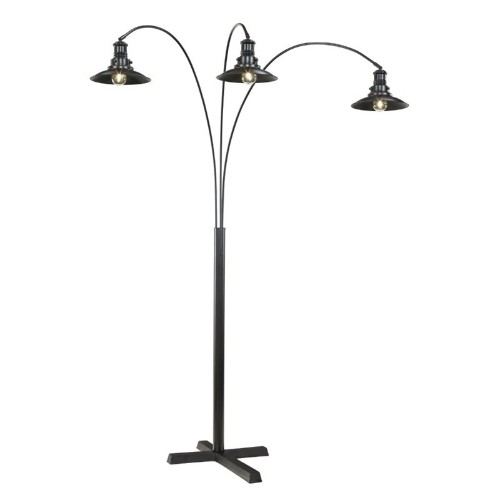 Your price for this item is $637.1
 -
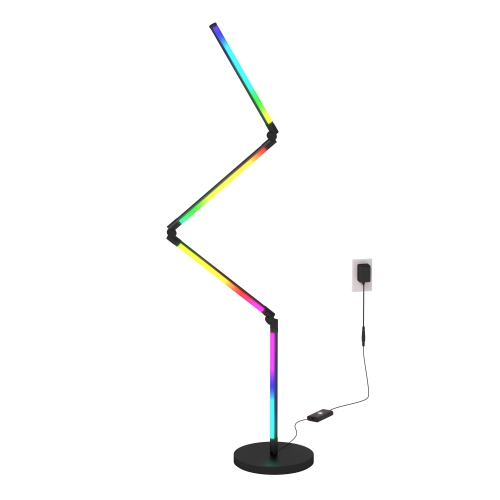 Your price for this item is $79.99
 -
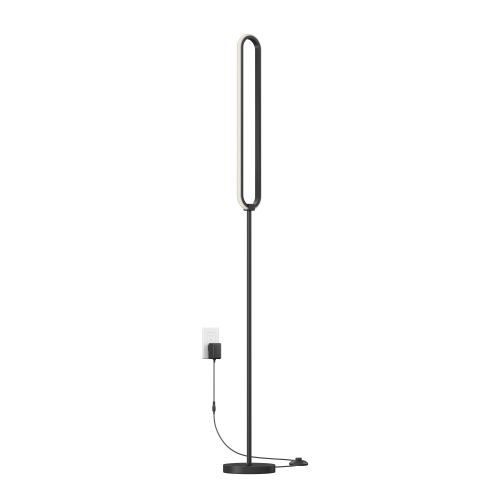 Your price for this item is $69.99
 -
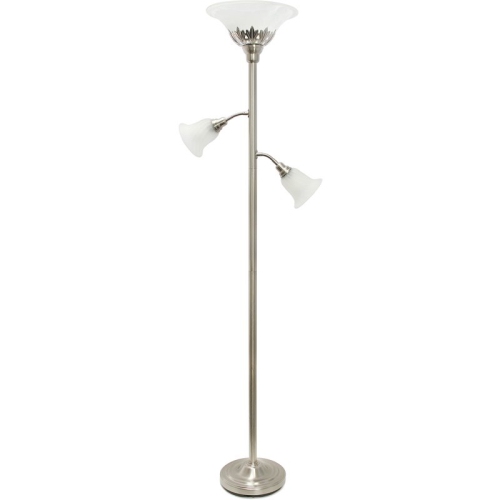 Your price for this item is $158.56
 -
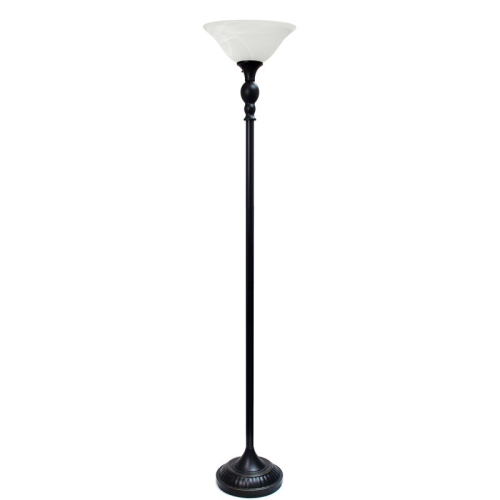 Your price for this item is $136.56
Discover more categories related to Traditional Floor Lamps
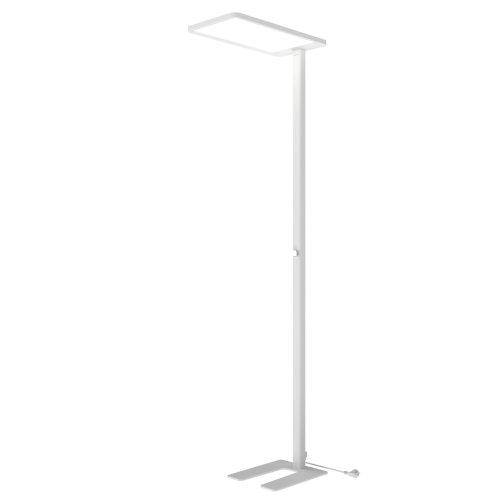
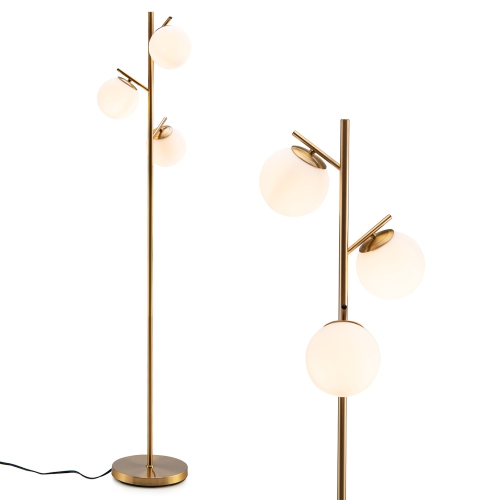
Top Collections:
Pokemon Centers, Kindle Devices, Best Budget Office Chairs, Apple iPhones 16, Best Laptops for Writers, iPhone 15 Apple, Canon G7X Cameras, Refurbished Apple Laptops, Alarm Clock, Motorola Razr Phones
Some products may be subject to Environmental Handling Fees
(EHF) depending on your province.
Learn more about EHFs.