Transitional Entryway Benches
If you're looking for a way to add seating and style to your entryway, but don't want to sacrifice function, then these transitional entryway benches are a great option. These pieces of furniture are designed to be both functional and stylish and they can help you get the most out of your space. Here are some of the best options.
Sort




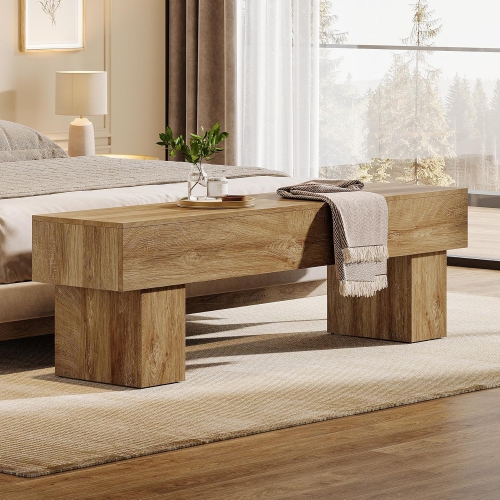
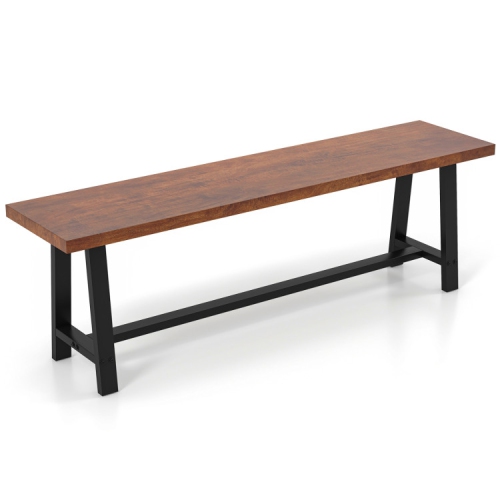
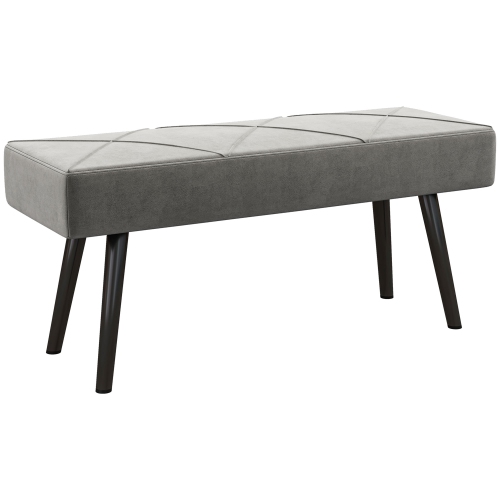
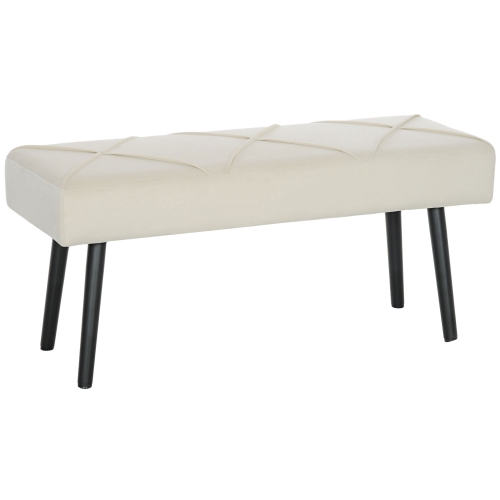
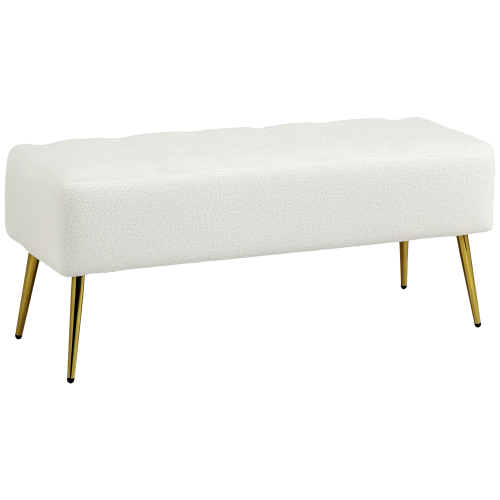
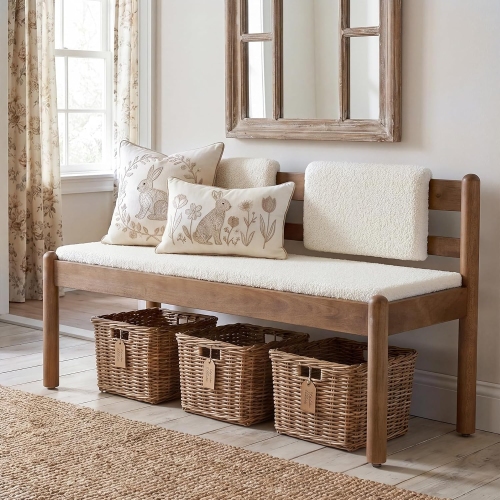
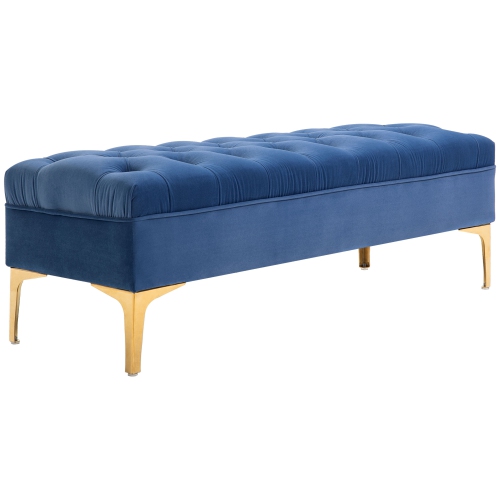
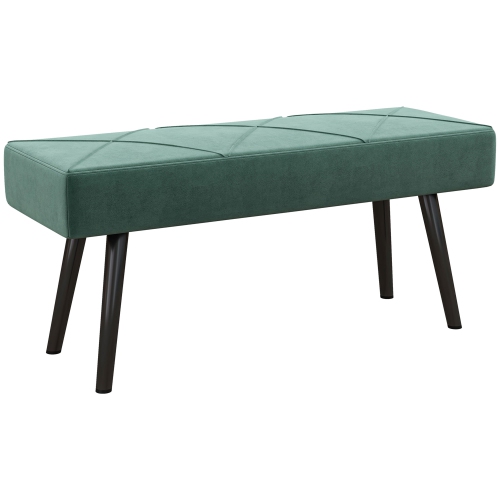
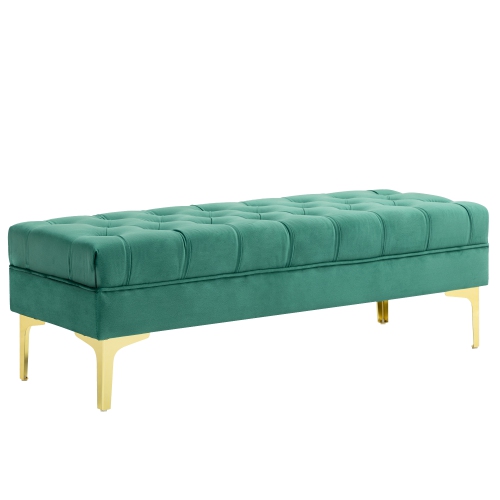


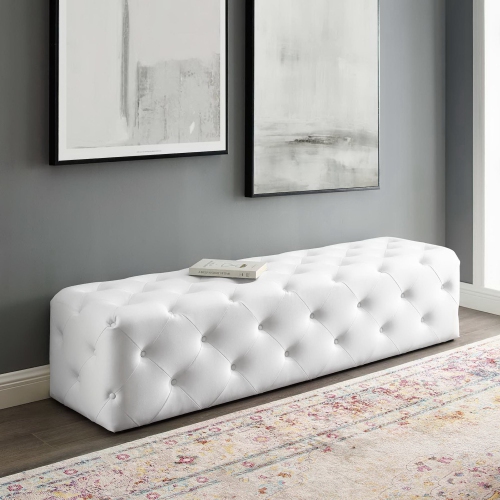
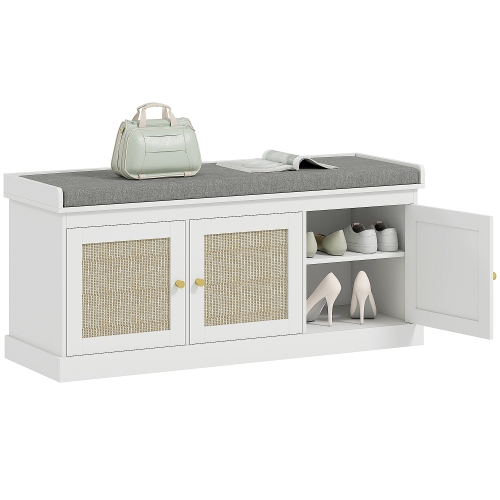
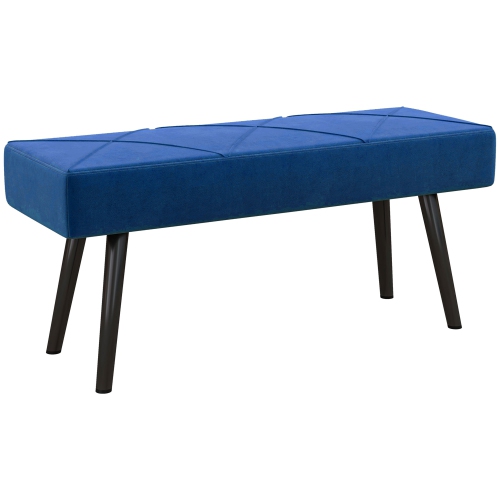

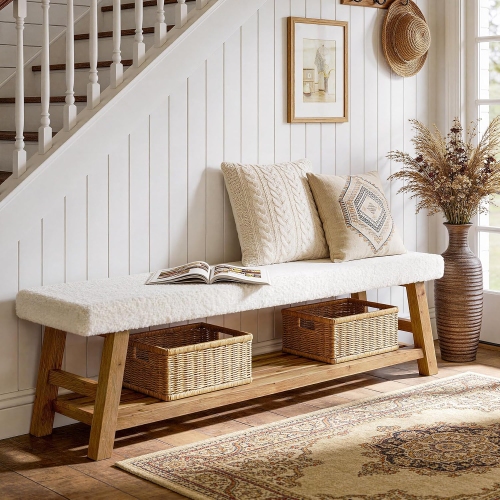


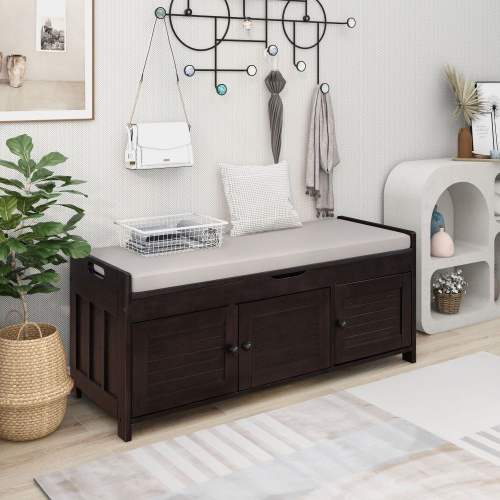
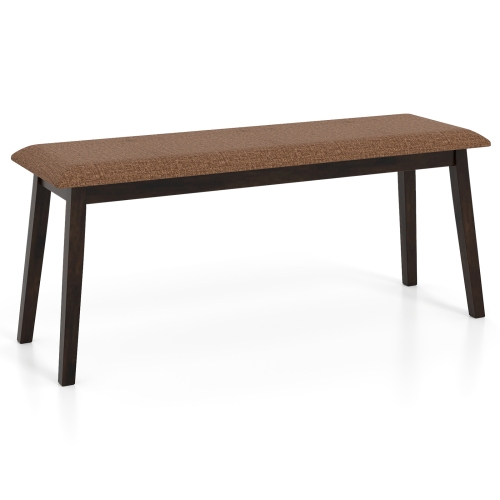

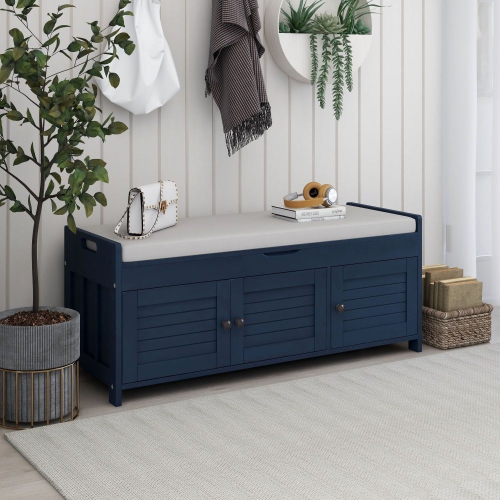
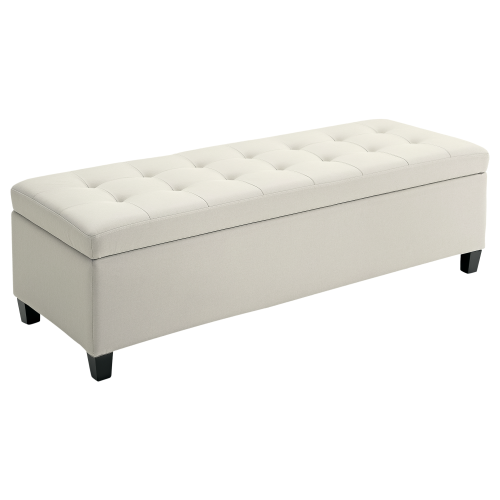
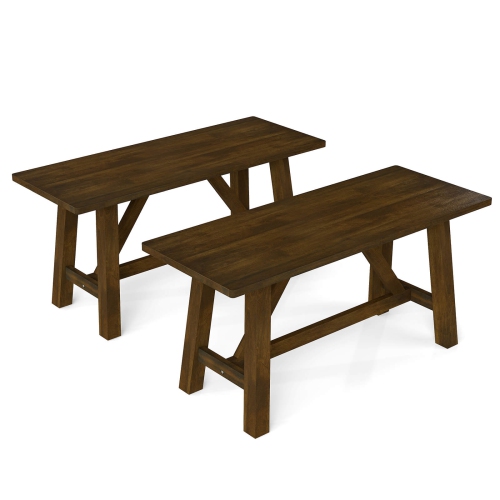
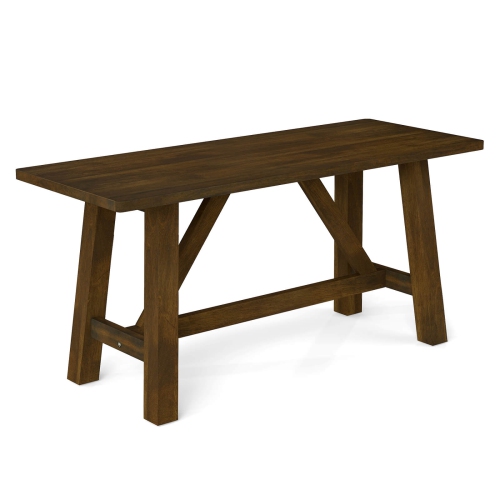
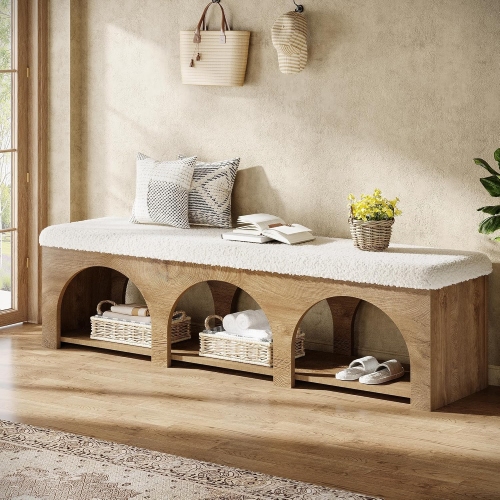
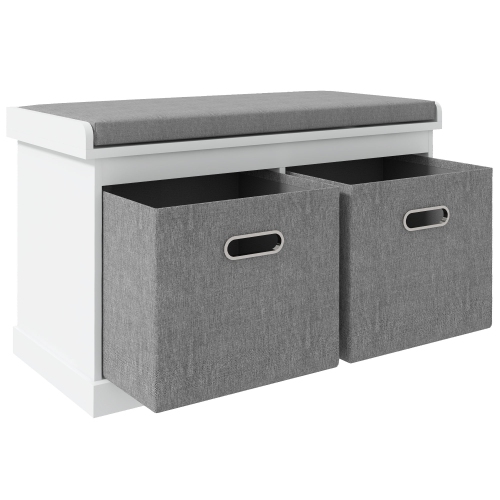
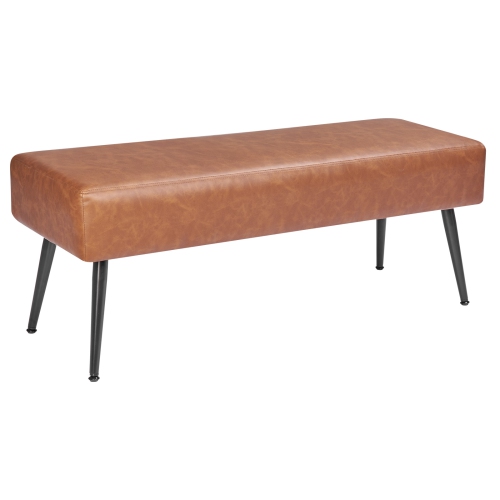
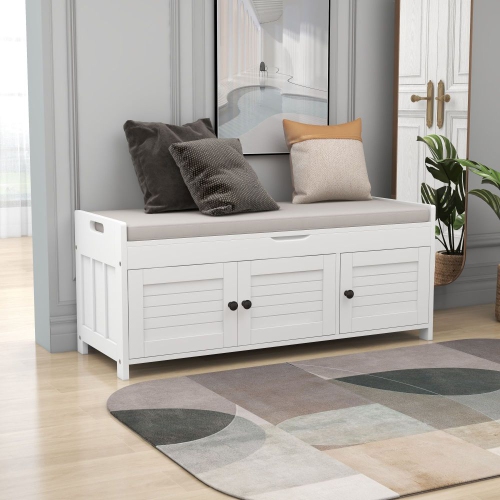
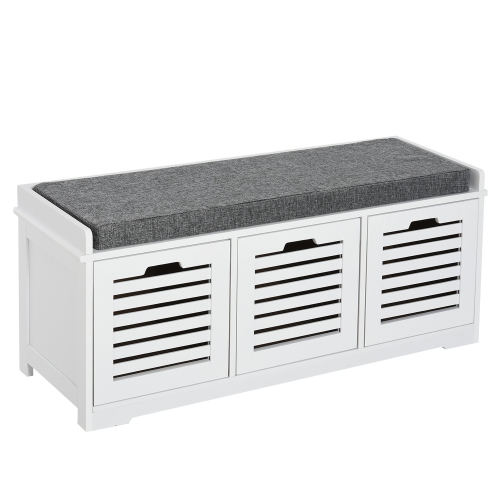
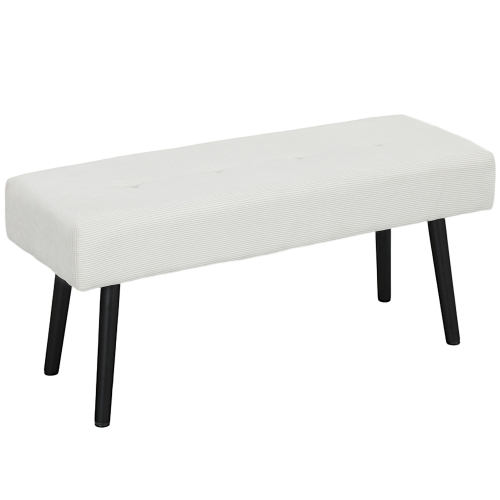
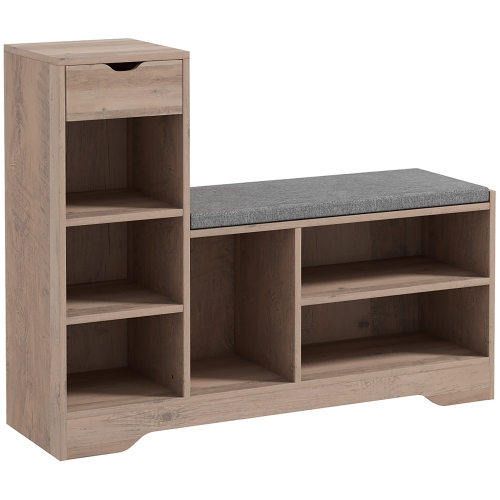

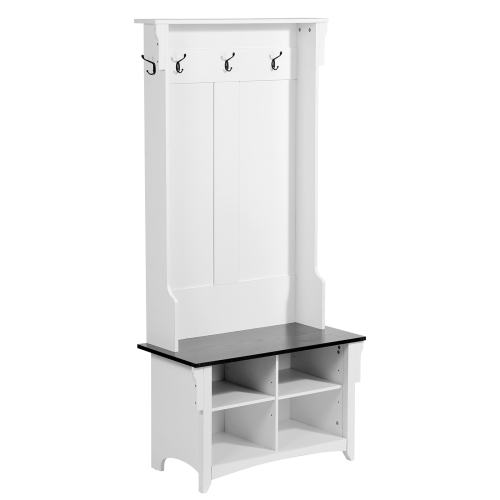

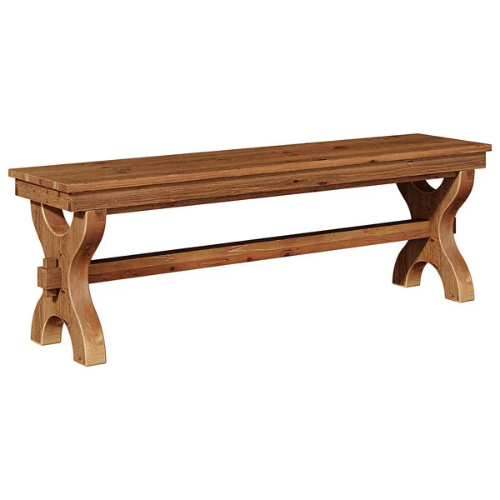

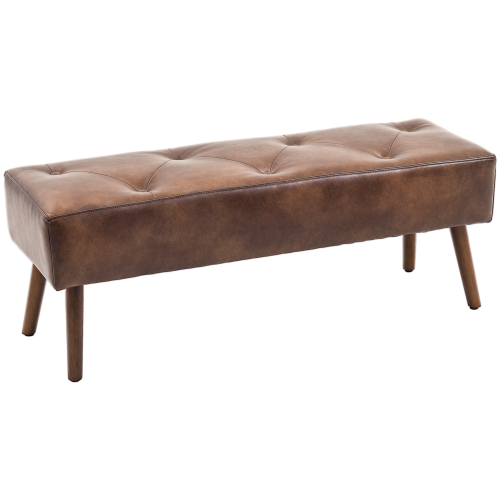
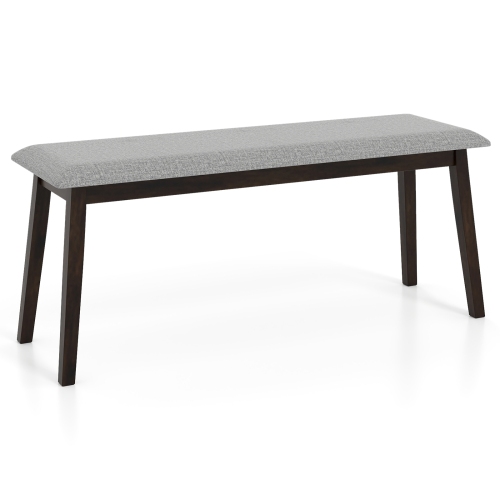


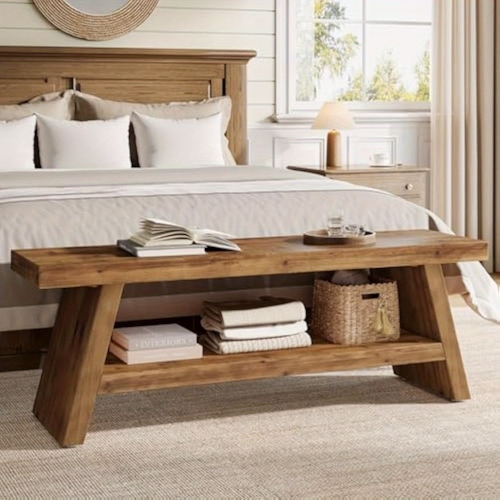


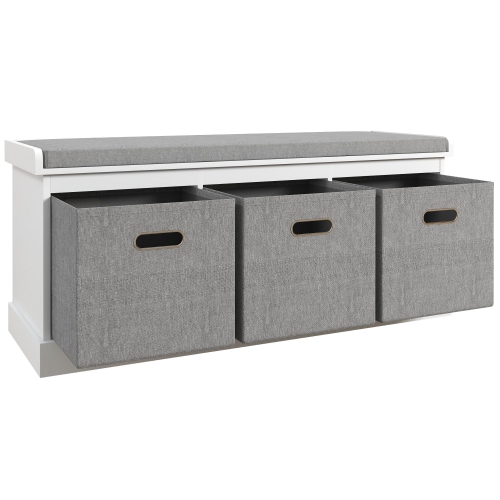
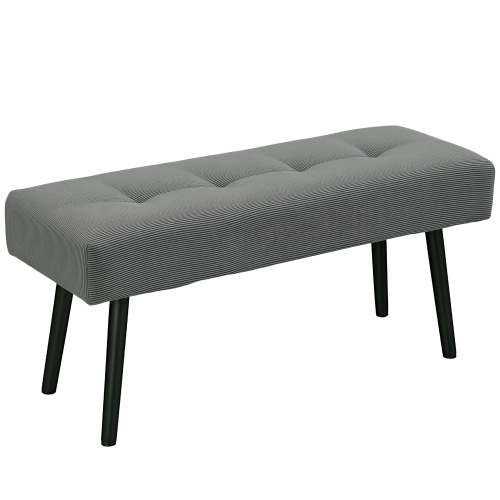


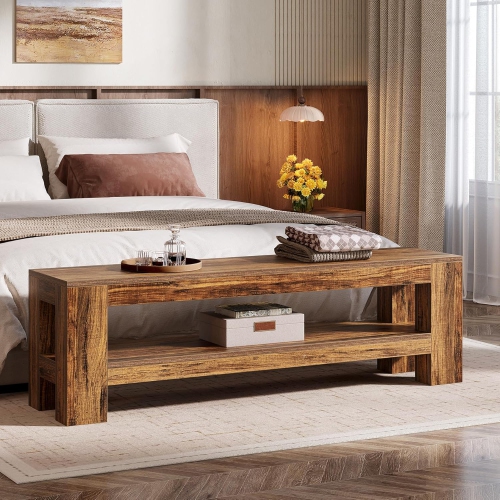
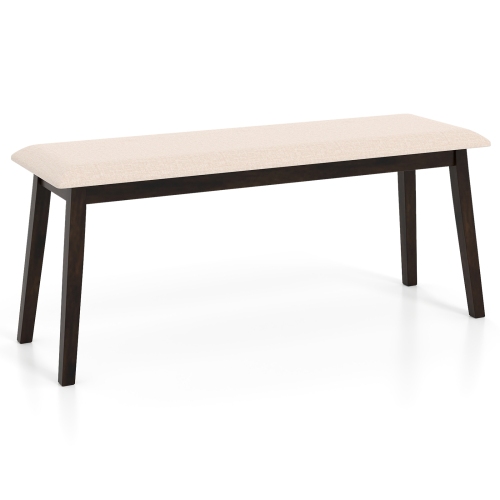
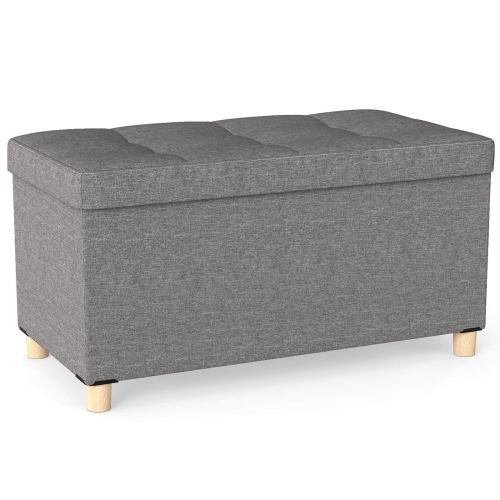






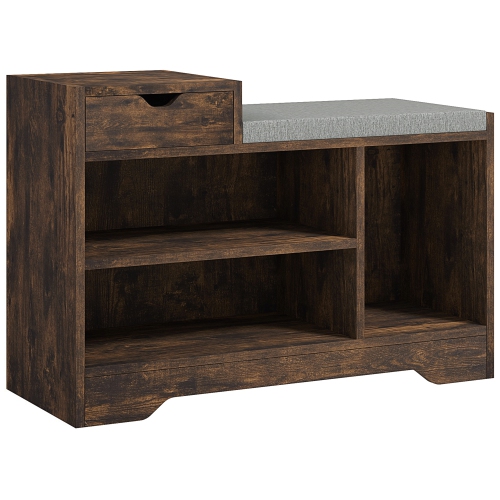
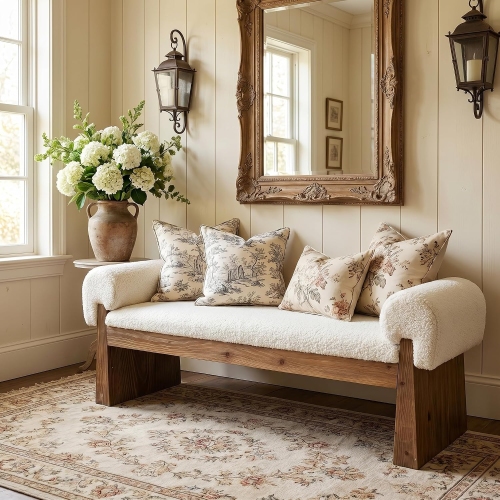

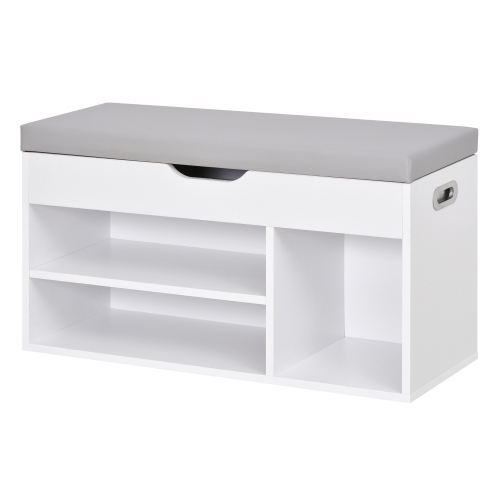
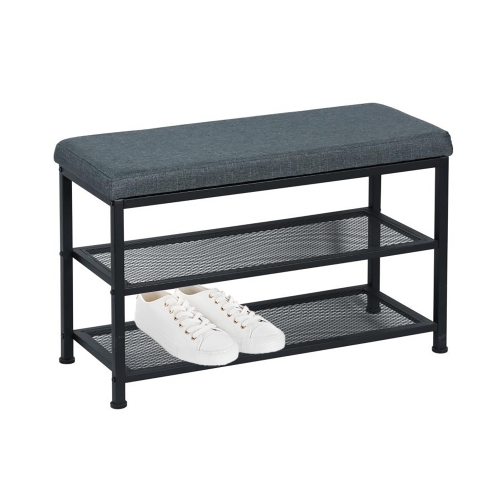
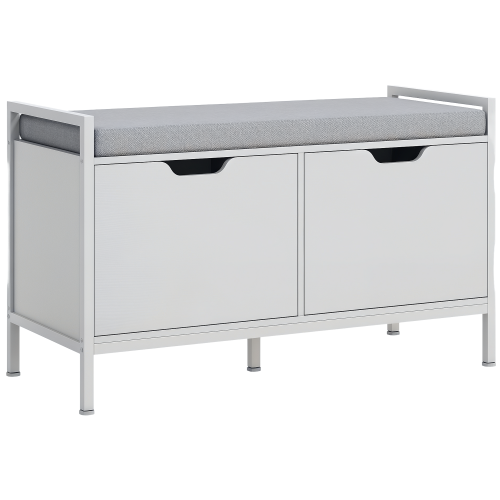
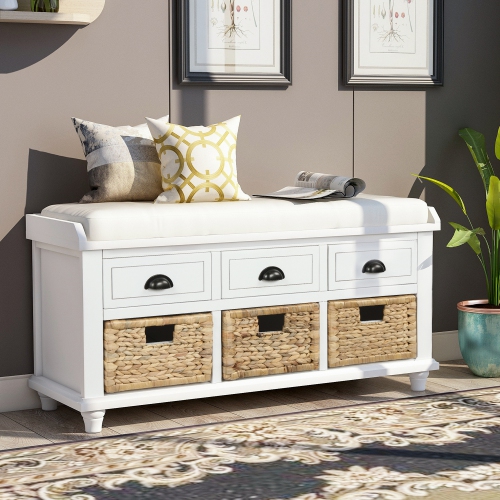

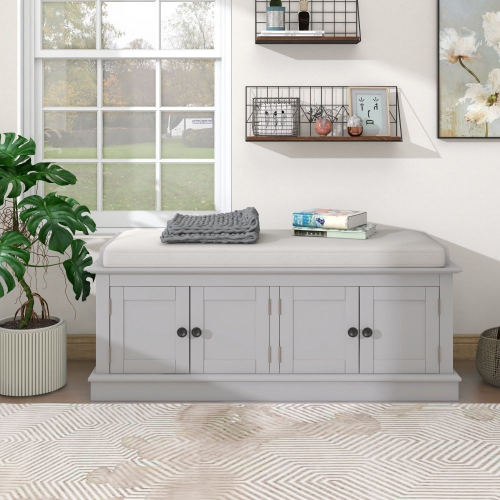
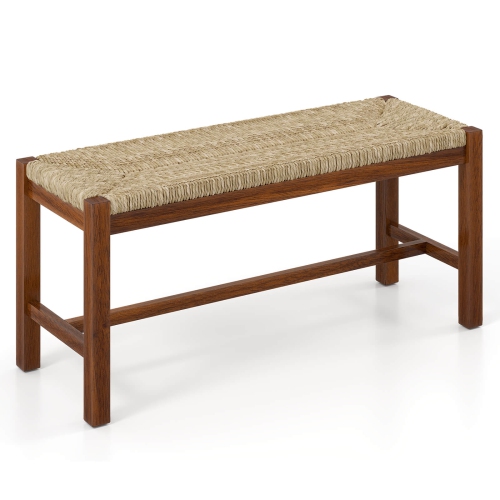
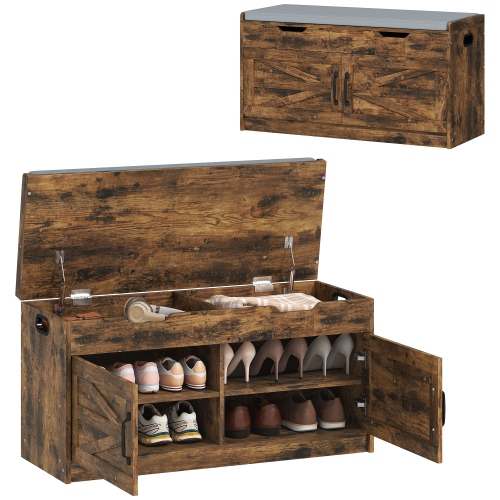

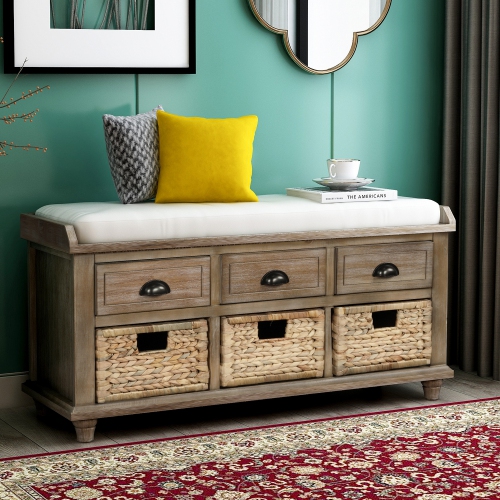
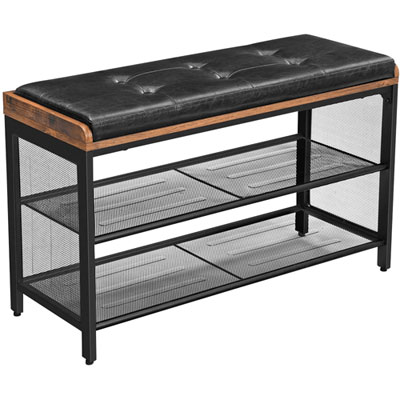


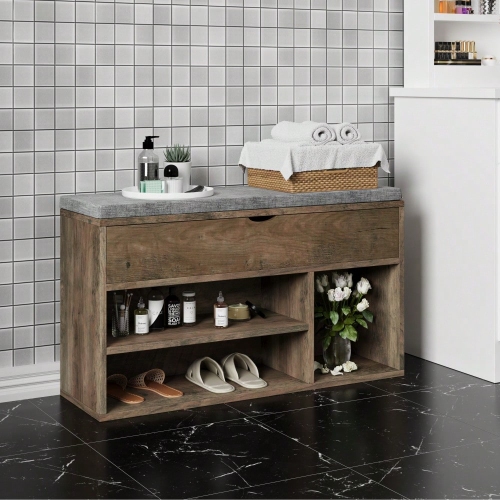

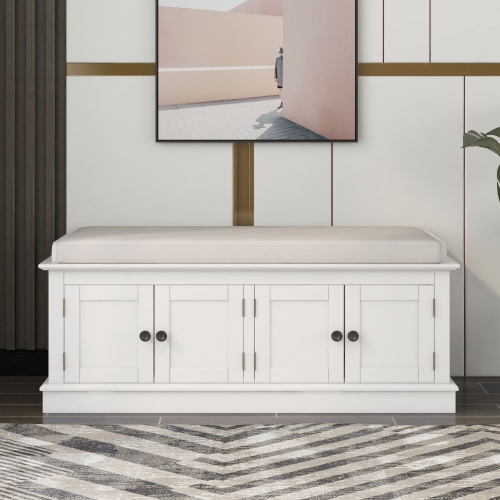
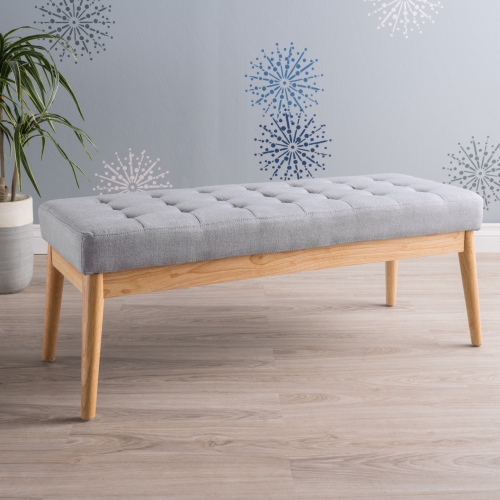
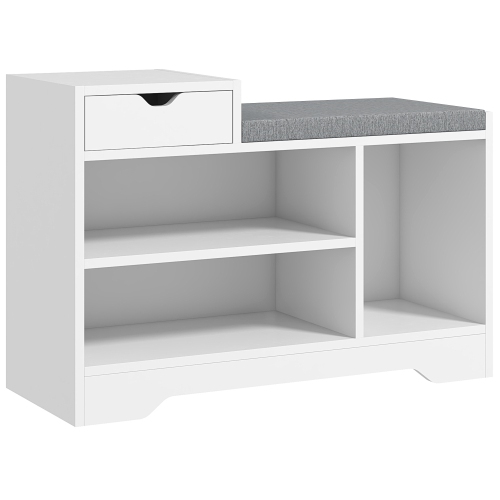
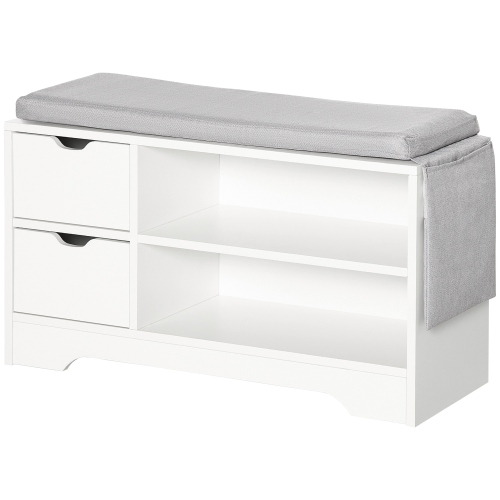
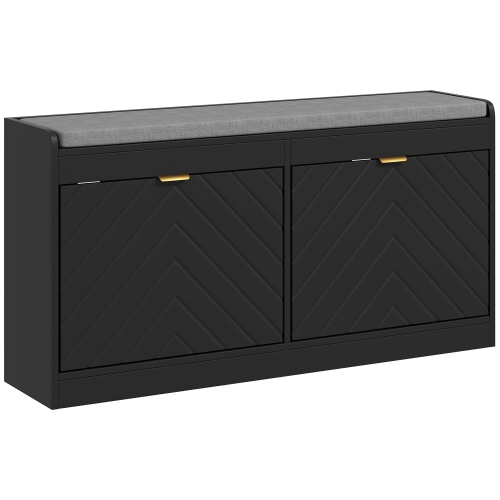
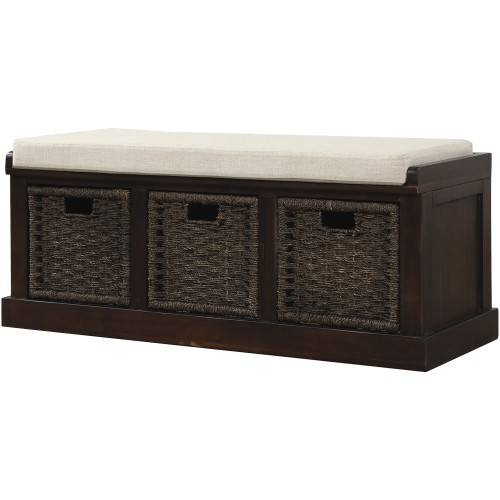

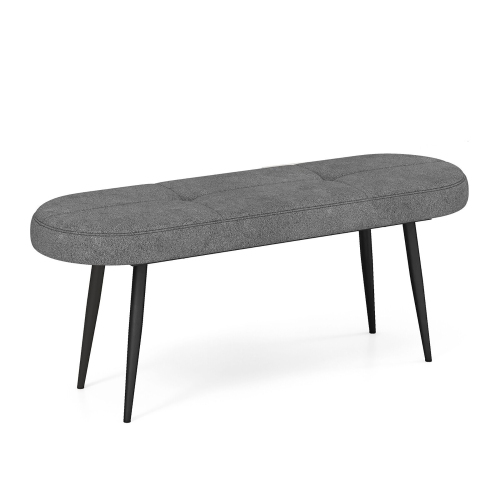
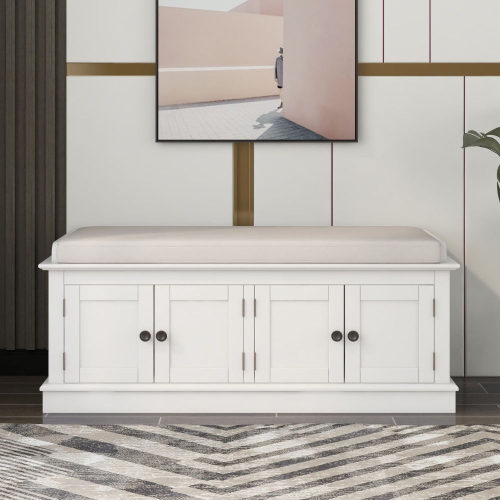
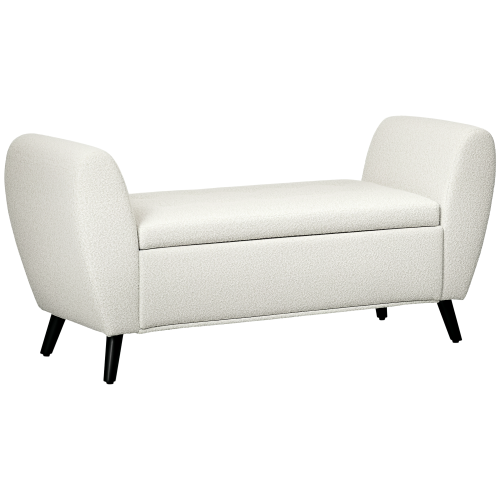
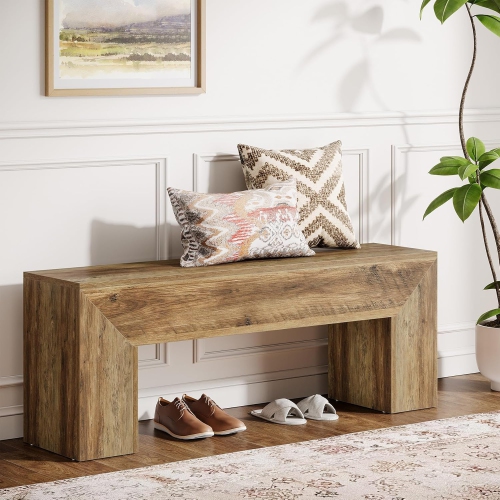

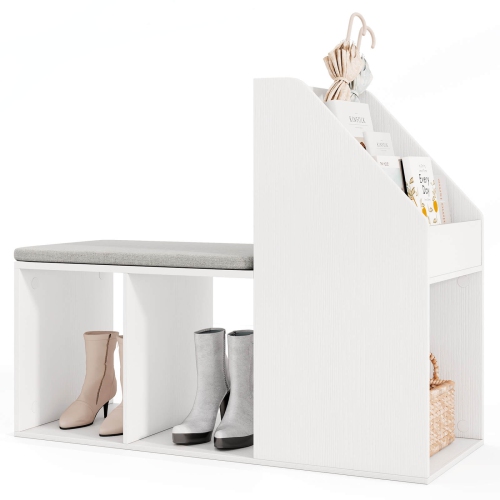


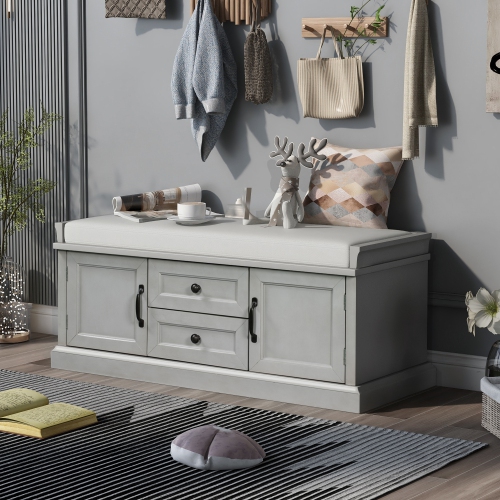
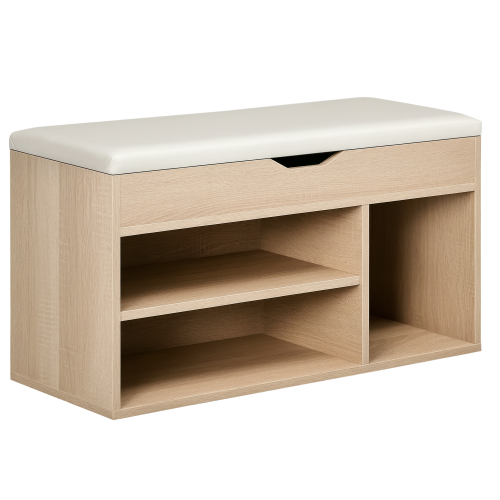
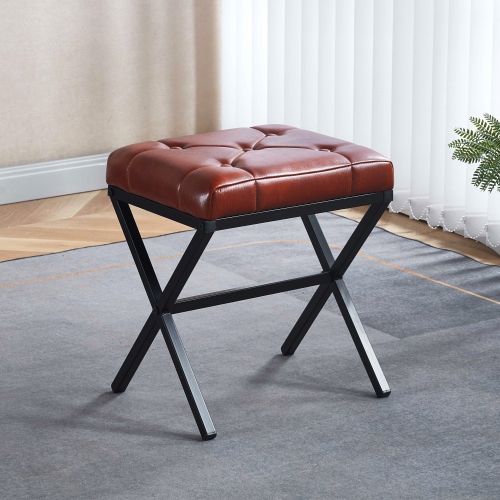
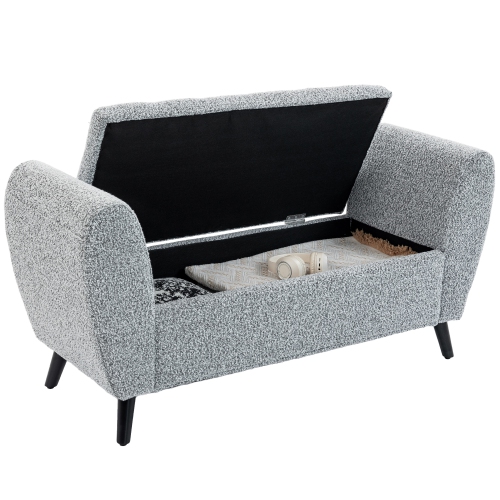
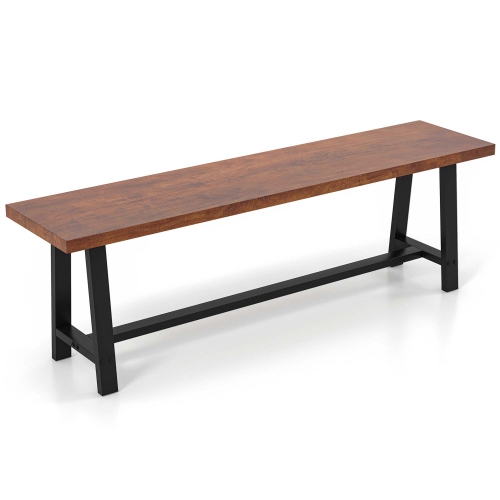
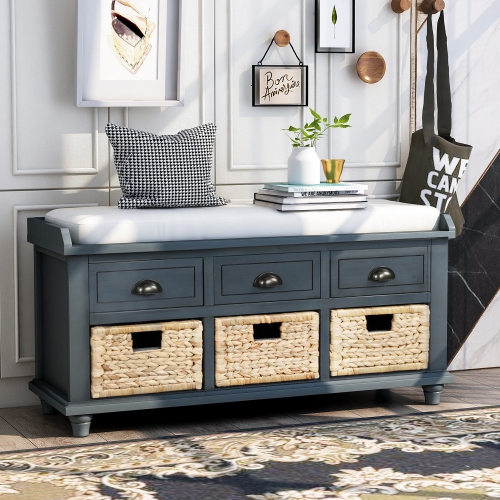

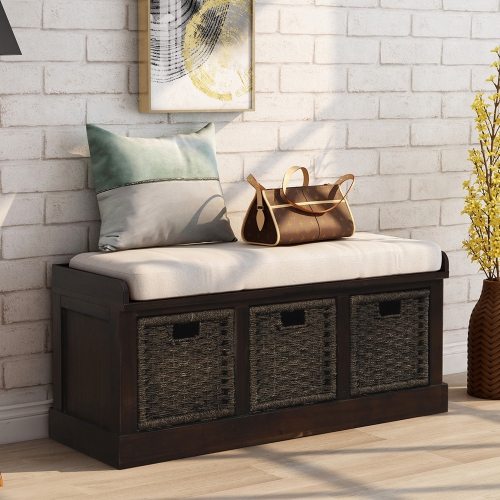
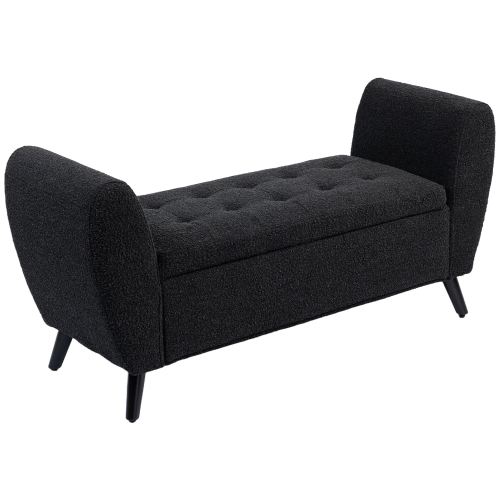
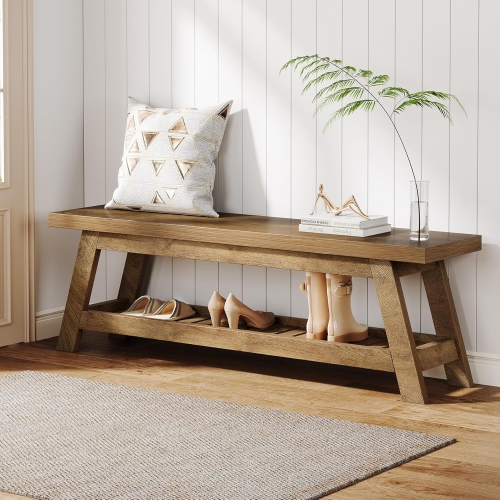
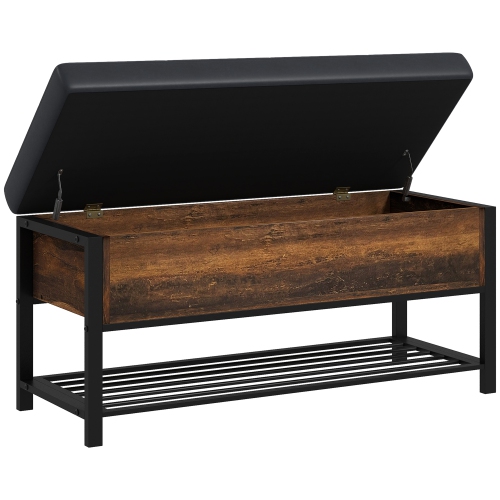
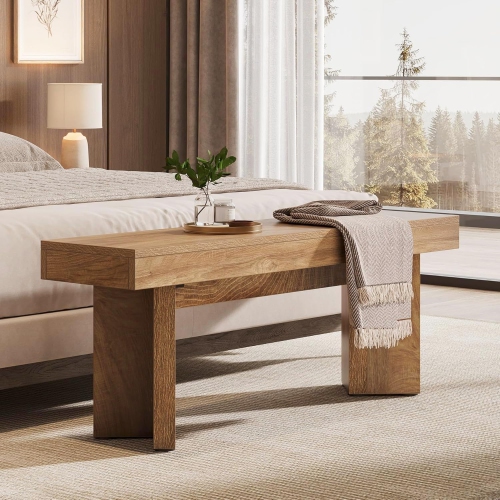
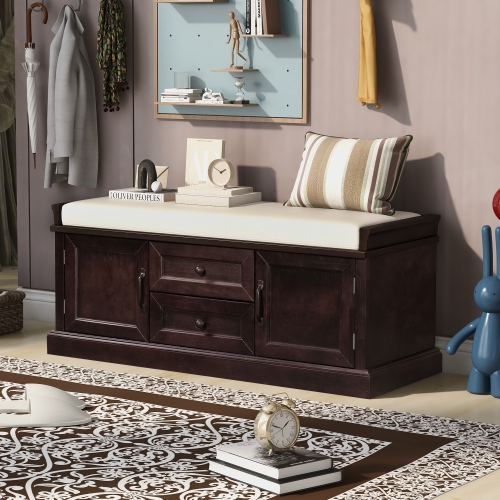
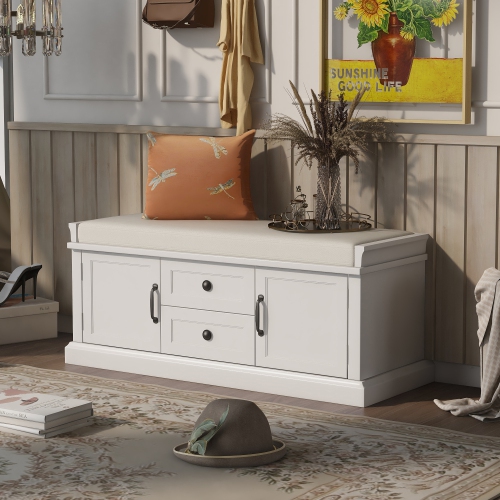

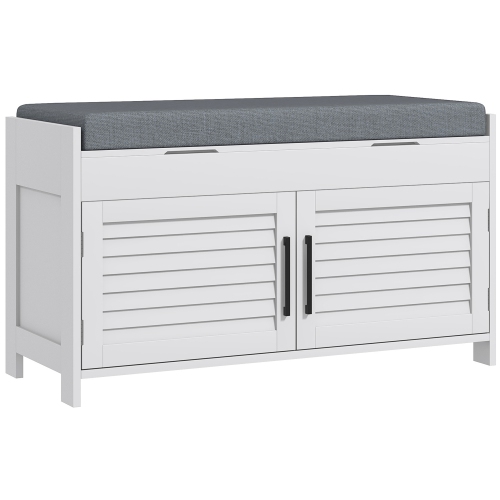
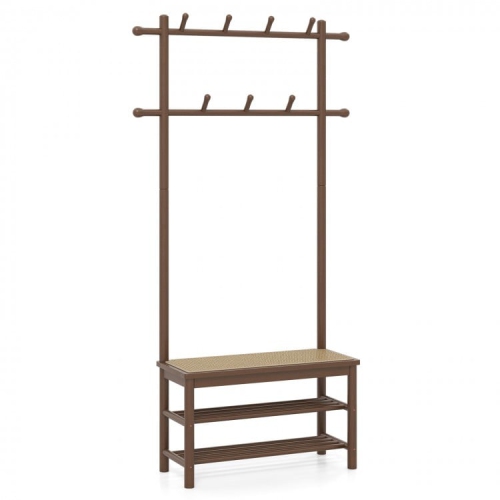

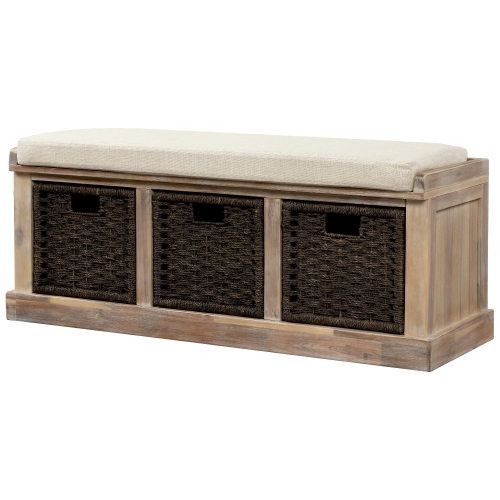
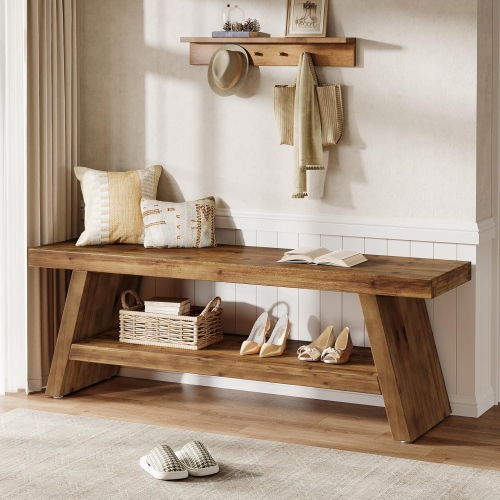
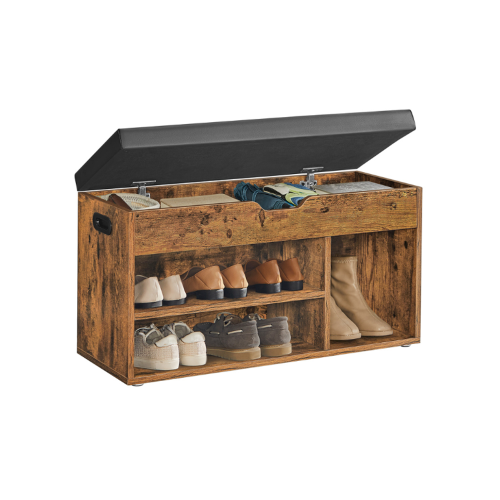

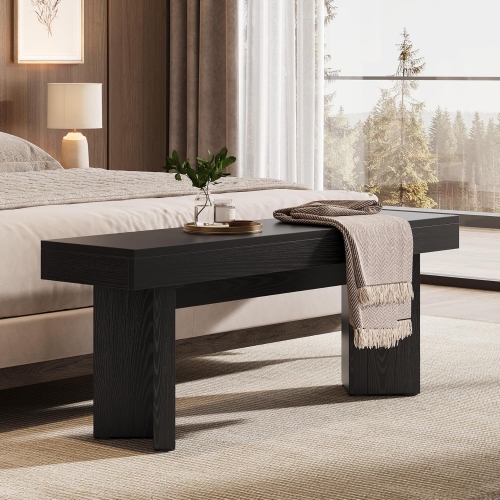
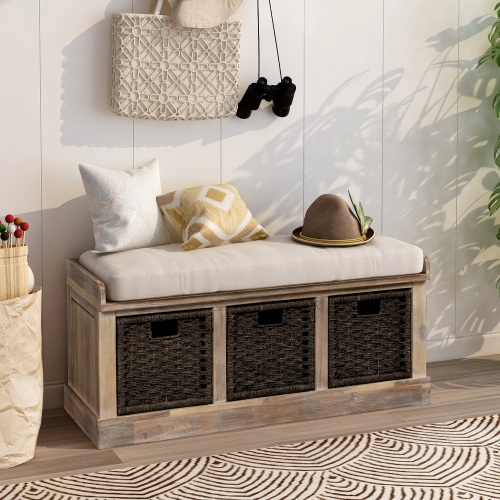
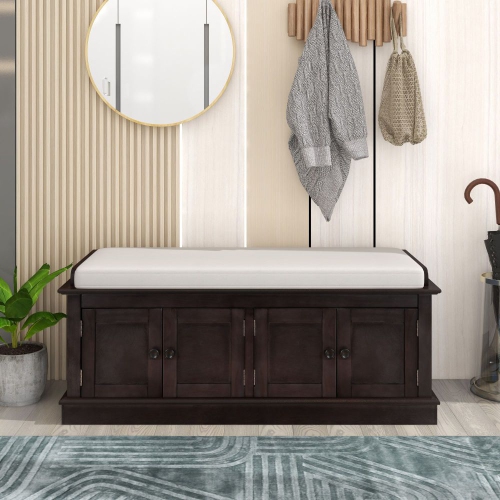
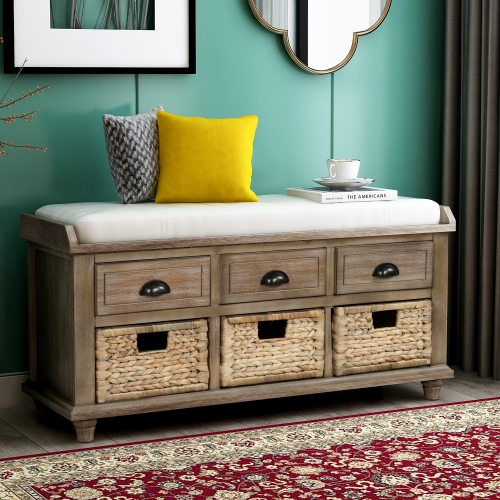
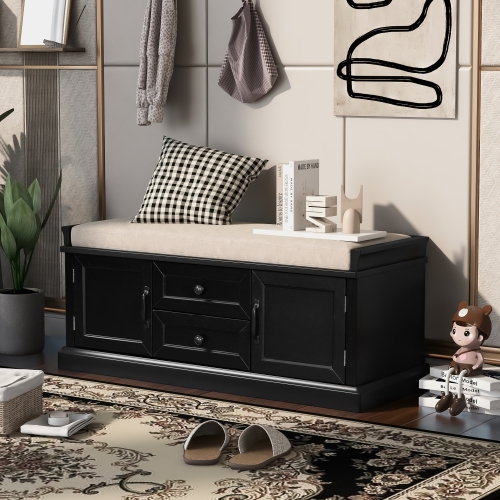


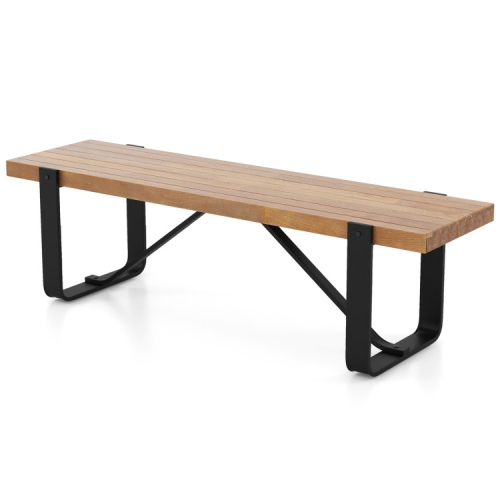
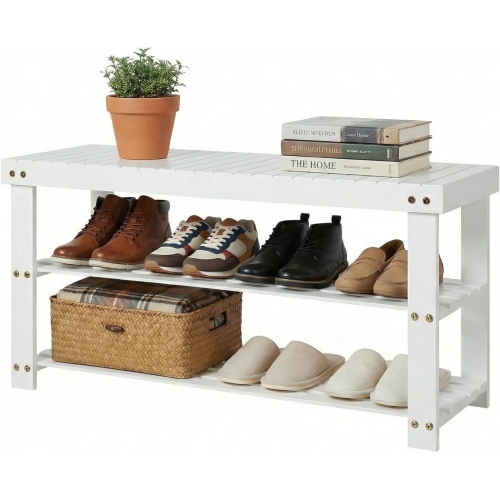
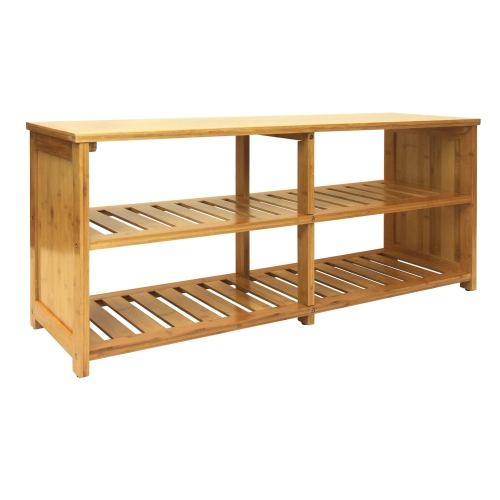

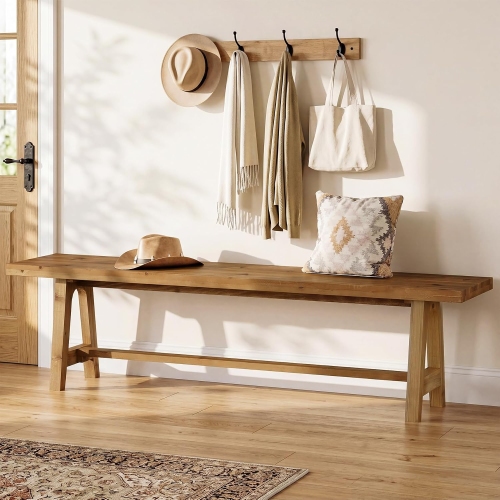

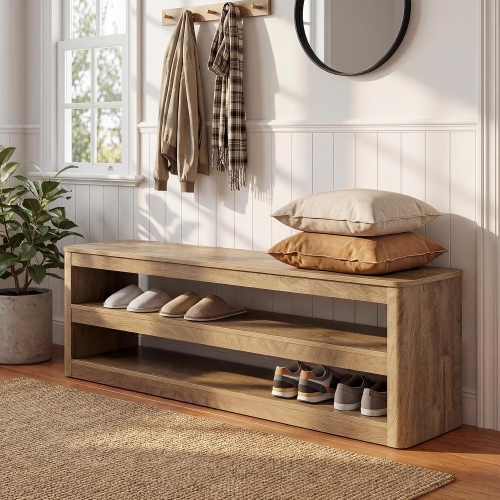
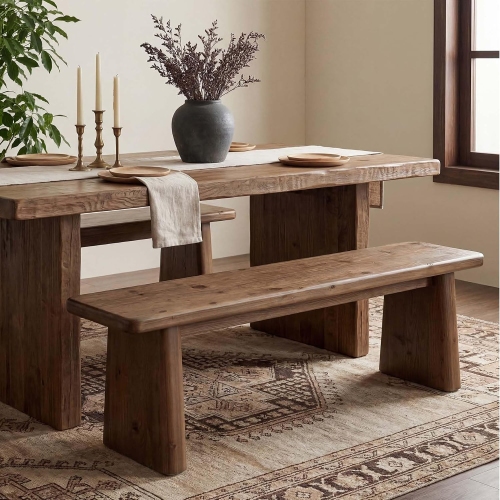
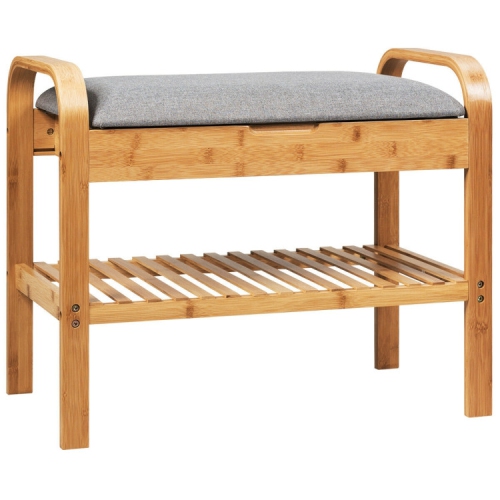

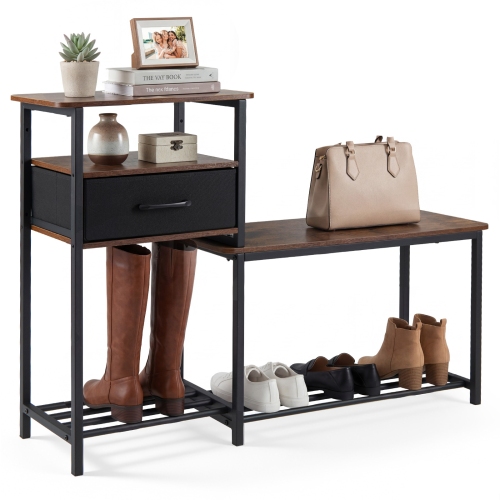
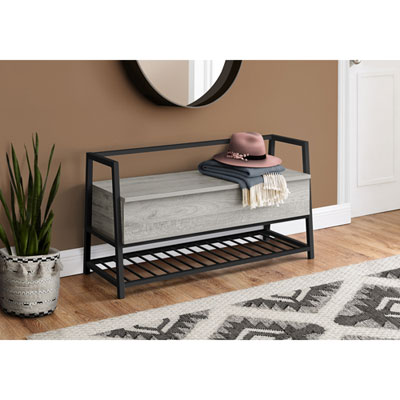

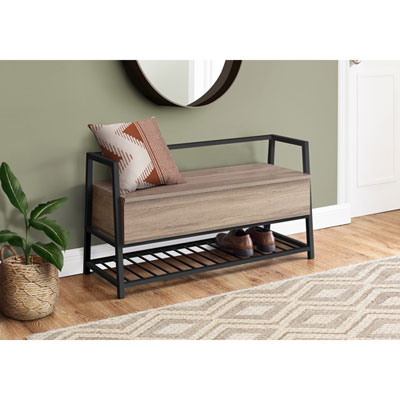
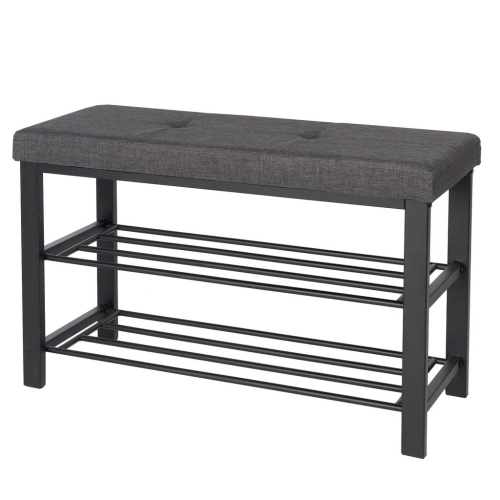

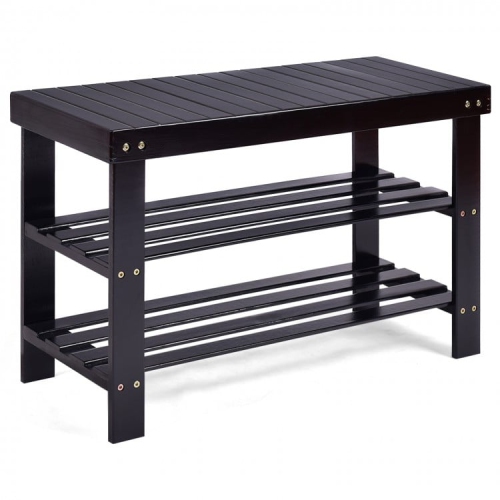

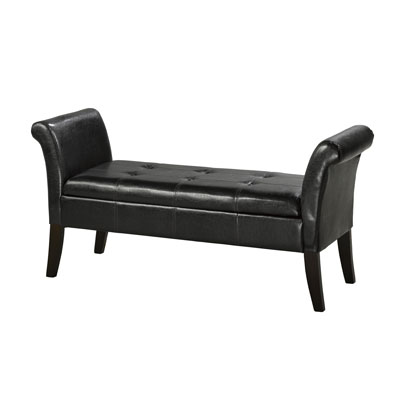
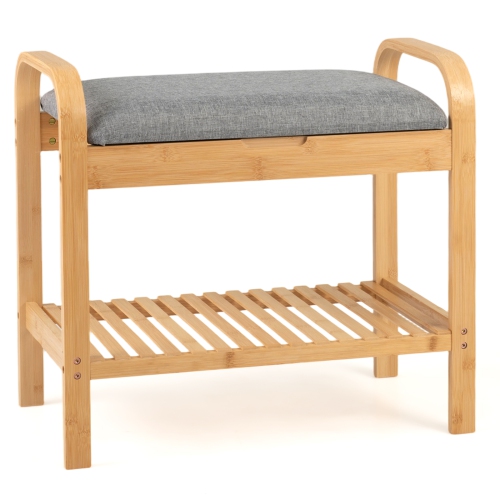
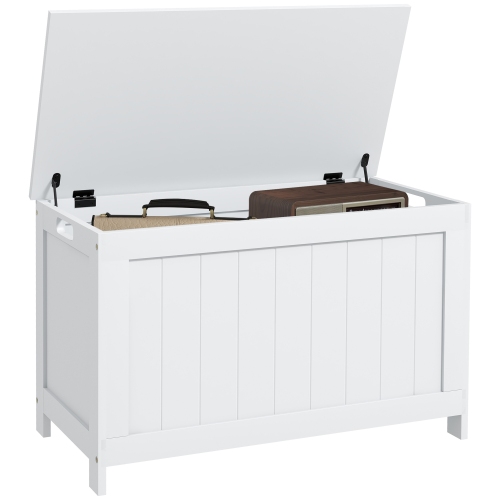
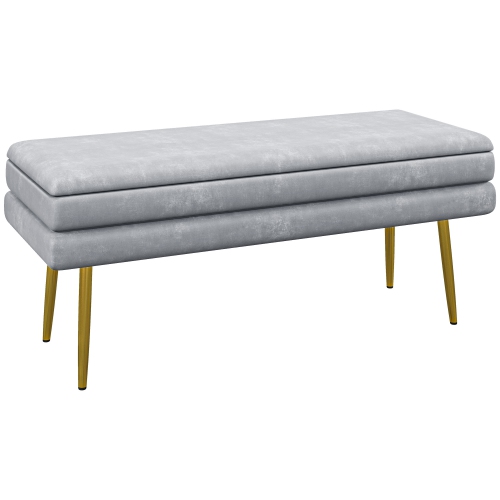
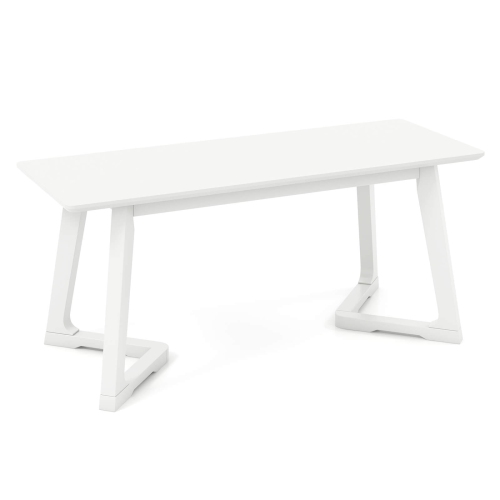
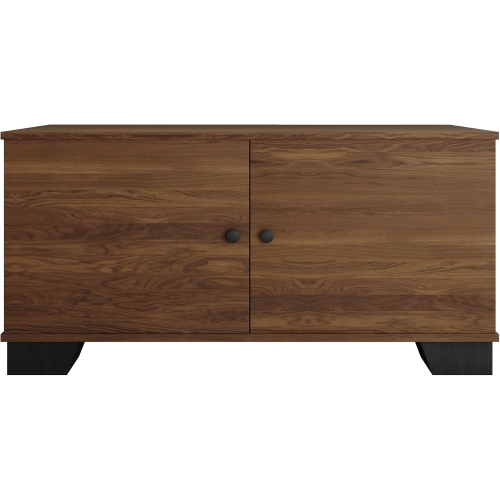
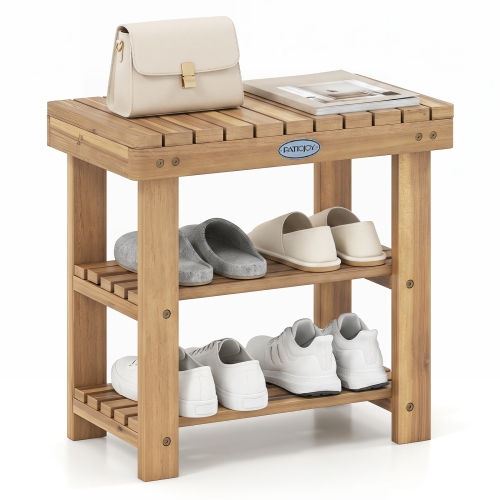


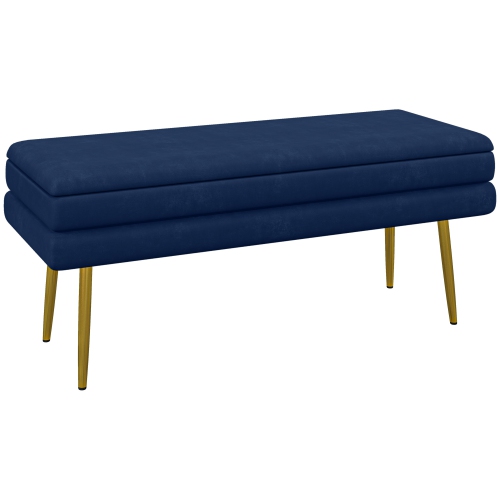
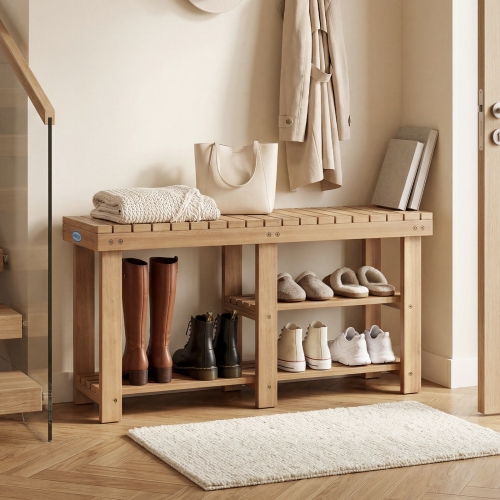

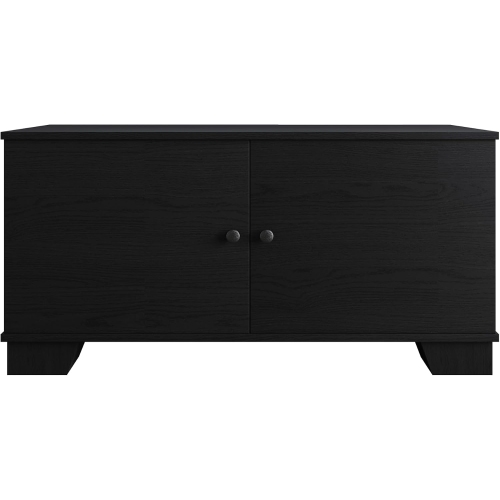
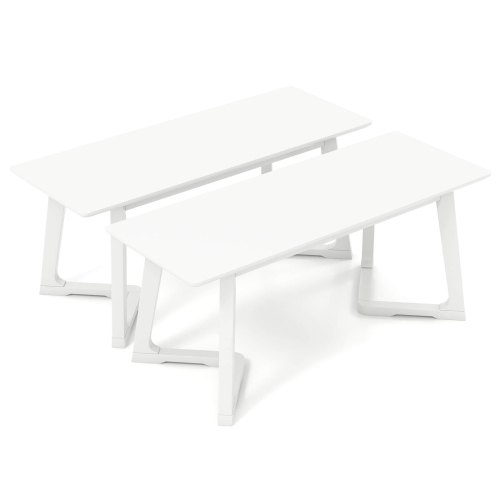
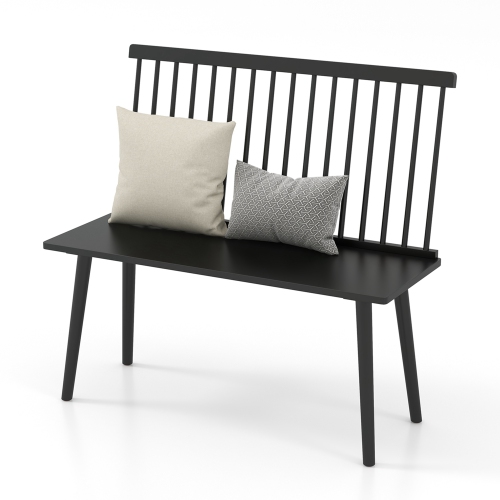
Classic warmth meets clean lines at the front door
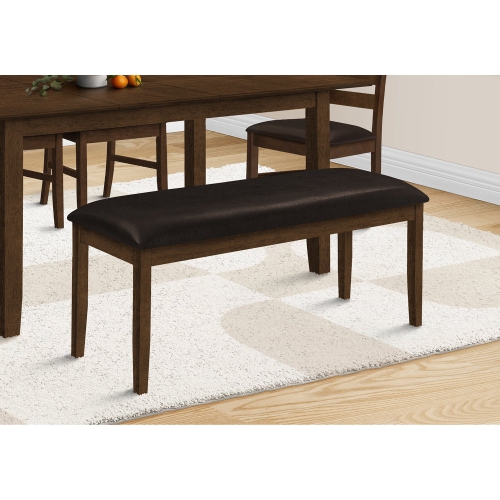
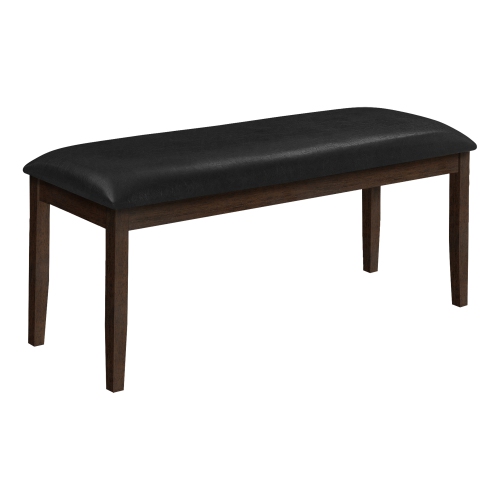
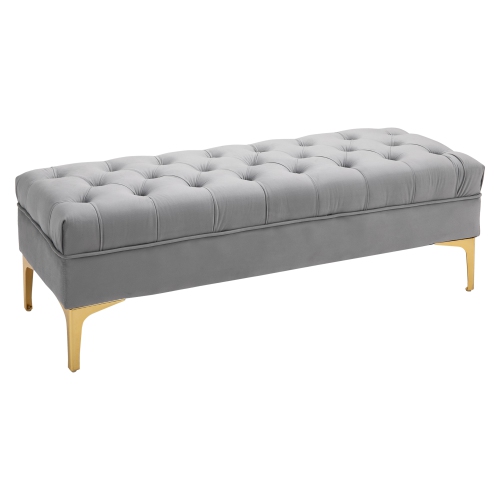
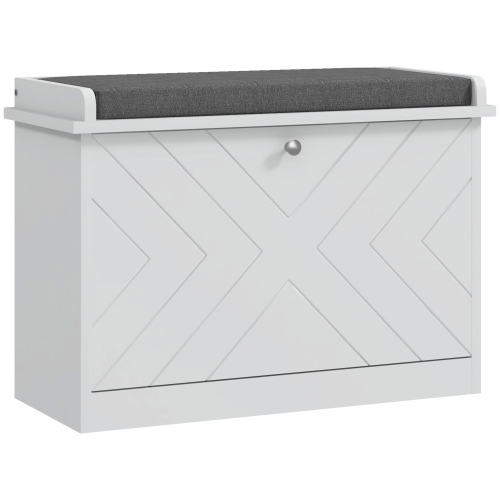
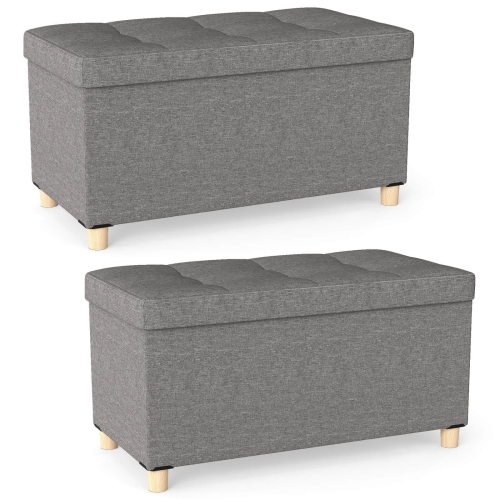
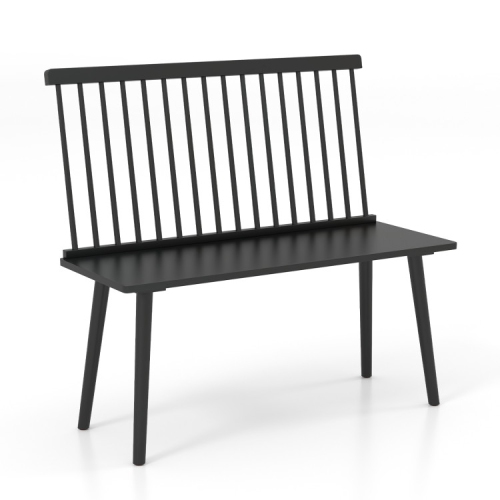
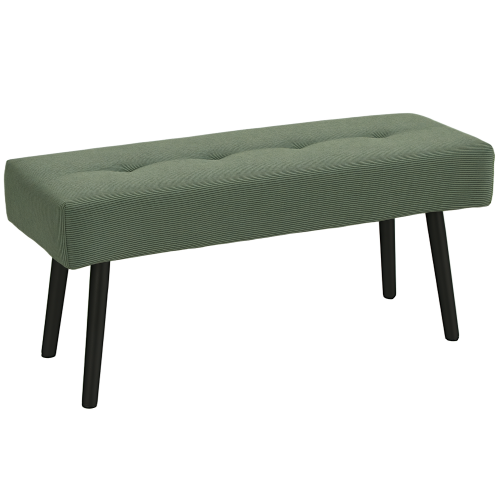
Transitional entryway benches combine the familiar warmth of traditional furniture with the simpler shapes and restrained details of modern design. The result is seating that feels welcoming without looking overly formal, making it a natural fit beside panelled doors, streamlined cabinetry, framed artwork, or a mix of older and newer furnishings. A typical transitional silhouette might pair a rectangular upholstered seat with gently tapered legs, or a wood frame with a lightly shaped apron and an open shelf beneath. Details tend to be subtle: a narrow border of nailhead trim, a shallow tufted cushion, a softened corner, or a small curve in an otherwise straight frame. These touches give a bench character without turning it into the dominant feature of the entrance. Materials play a large part in that balance. Wood brings visible grain and warmth, while metal accents can add definition around the base or legs. Upholstery softens the outline and creates a comfortable place to pause while putting on shoes. A woven fabric has a different feel from smooth leather or a leather-look covering, and each can suit the transitional style when the overall shape remains balanced. Neutral colours such as cream, taupe, charcoal, and warm brown are easy to coordinate, but a muted blue or green can also sit comfortably within this style. The most useful colour connection is often to an existing detail, such as the stair railing, flooring, or nearby cabinet, rather than an exact match to every finish in the room. A pale upholstered seat can lighten the appearance of a darker wood frame, while a medium-toned wood bench can bring warmth to an entrance with tile flooring and painted trim. Among Beautiful Entryway Benches, transitional designs offer a flexible middle ground for homes where ornate furniture feels too elaborate and very minimal seating feels too stark.
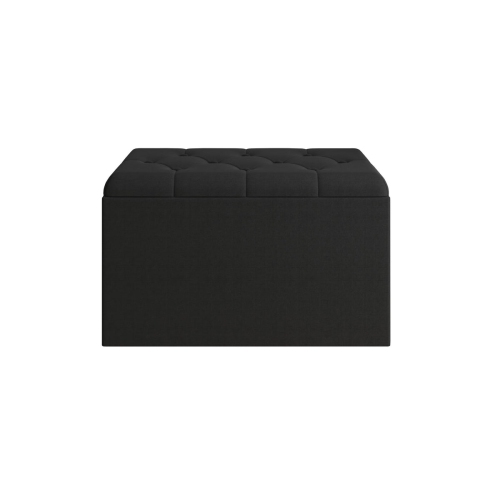
The right fit depends as much on the space around an entryway bench as on the bench itself. Width determines how much seating is possible, but depth often has the greater effect on an entrance: a deep seat can intrude into the walking route even when it fits neatly against the wall. Door swings, closet access, nearby drawers, and the path between rooms all need usable clearance. In a narrow condo hallway, a slim bench with an open base can keep the floor visible and make the arrangement feel less crowded. A wider foyer may accommodate a more substantial frame or a backrest that gives the seating area a defined outline. Seat height and firmness also affect everyday comfort. A seat that is too low or very soft can make standing up more difficult, while a firm, supportive surface provides a steadier place to fasten shoes. Armrests may offer a convenient hand position, although the frame must be designed to handle any support placed on it. Storage changes how the bench serves a household. Open shelves keep frequently worn shoes easy to reach, while drawers and compartments conceal smaller belongings that otherwise gather near the door. Lift-top seating offers enclosed storage but needs enough space above it to open freely; its hinges and closing mechanism deserve attention, especially in homes with children. Shoe storage works best when shelf height and depth suit the footwear being stored, rather than simply the number of pairs pictured. A bench used by several people also needs an appropriate stated weight capacity, whether it is intended for one seated person or more. These practical differences matter during ordinary moments: a child learning to tie laces, a guest setting down a handbag, or someone returning home with both hands full. A bench positioned near hooks or a small landing surface can make those routines easier without requiring a large entrance or an elaborate furniture arrangement.
Durability comes from the combination of frame construction, joints, seating materials, and how closely the design matches its intended use. Solid wood can develop small marks through daily contact, while veneers and engineered wood surfaces have their own care requirements and may be less suited to abrasive cleaning or prolonged moisture exposure. A metal base can provide a slender profile, but its finish still needs protection from scratches and harsh cleaning products. For upholstered benches, a tightly woven fabric may be practical for frequent use, though stain resistance and cleaning methods depend on the material rather than appearance alone. Removable cushions or covers can simplify care when they are designed for removal; fixed upholstery generally calls for regular vacuuming and prompt attention to spills using the manufacturer’s directions. Leather and leather-look coverings should not automatically receive the same treatment, since conditioners suitable for one may damage another. Grit carried on shoes can scratch lower shelves and frames, so routine dusting and cleaning around the base help preserve the finish. Floor protectors suited to the flooring can reduce scuffs, and assembled benches benefit from occasional checks that fasteners remain secure. An entryway bench is intended for seated use and storage within its stated limits, not as a step stool or climbing surface. Those distinctions are especially useful in busy family homes, shared entrances, and spaces where visitors may use the bench differently from the people who live there. Styling can remain simple enough to preserve its function: one small cushion may add comfort, but a seat crowded with accessories leaves little room to sit. The same restraint helps transitional furniture blend into a home over time. A well-proportioned bench with a comfortable seat, suitable storage, and manageable care needs can continue to serve the entrance even when surrounding colours, artwork, or rugs change. Its lasting appeal is practical as well as visual: a clear place to sit, somewhere to organize everyday belongings, and a welcoming first impression.
Top selling and popular products
-
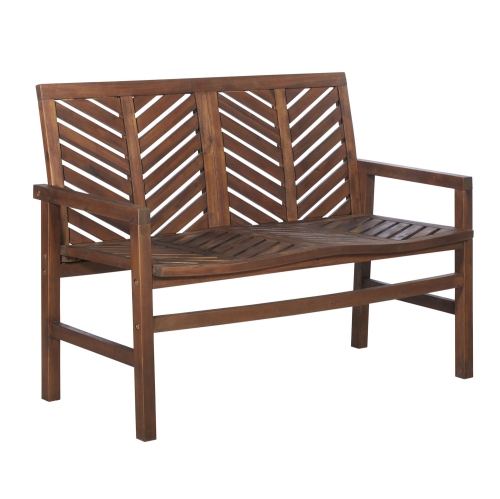 Your price for this item is $403.48
-
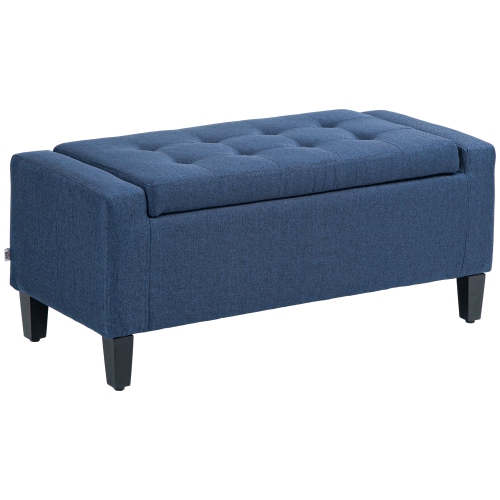 Your price for this item is $139.99
-
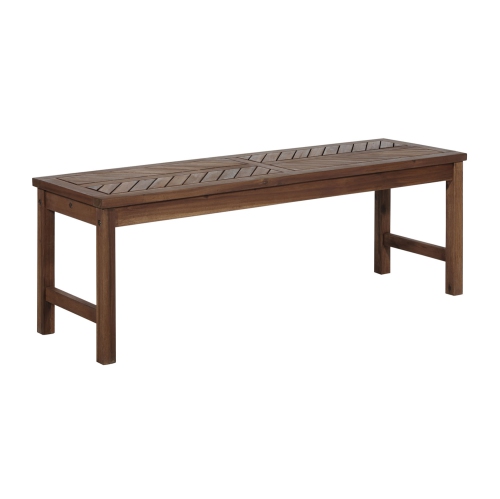 Your price for this item is $365.36
-
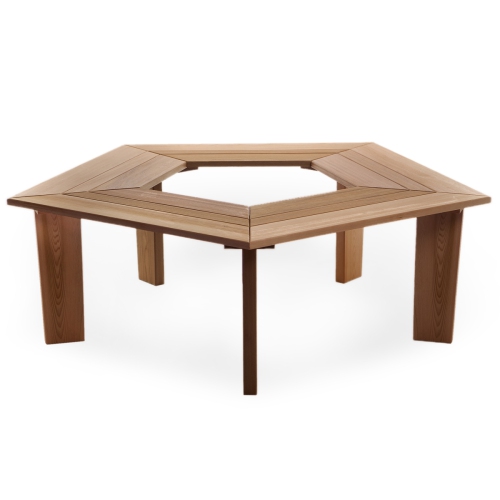 Your price for this item is $551.99
-
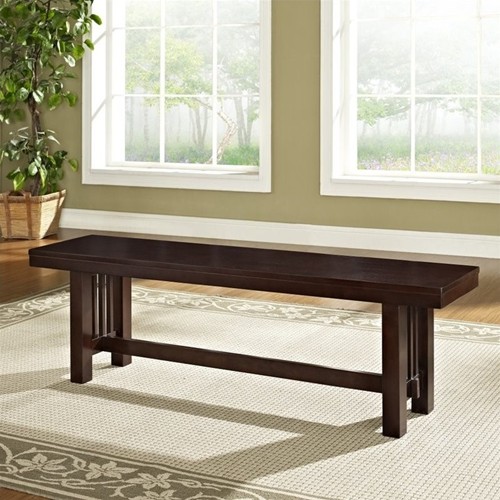 Your price for this item is $292.72
-
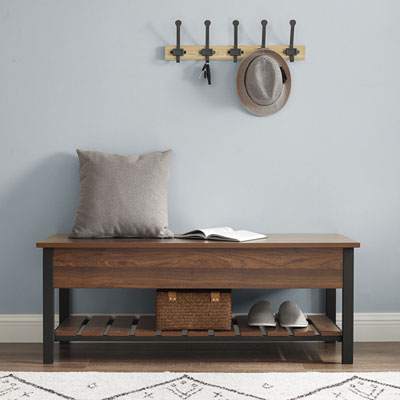 Your price for this item is $339.99
-
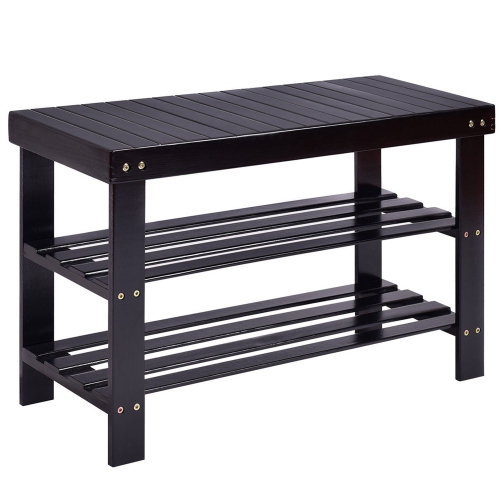 Your price for this item is $73.99
-
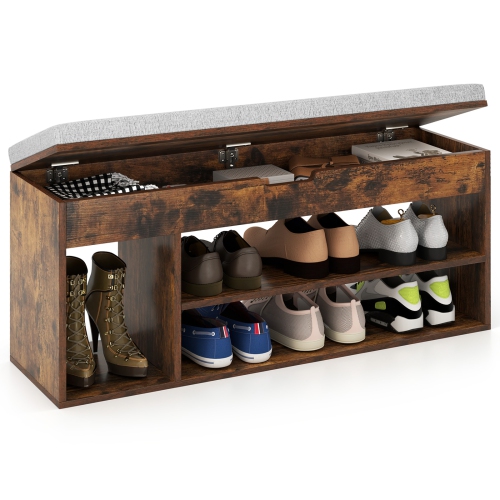 Your price for this item is $139.99
Discover more categories related to Transitional Entryway Benches
Top Collections:
Pokemon Centers, Kindle Devices, Best Cameras for Sports Photography, Pokémon 30th Celebration Cards, Apple iPhones 16, Canon G7X Cameras, iPhone 15 Apple, Flip Phones, Samsung Galaxy Phones, Alarm Clock
Some products may be subject to Environmental Handling Fees
(EHF) depending on your province.
Learn more about EHFs.