Tree Saw
Tackle outdoor projects with ease by choosing the right tree saw for your needs. Whether you’re pruning branches, clearing overgrowth, or preparing firewood, a reliable tree saw is essential for efficient and precise cutting. Find options designed to help make yard work and landscaping tasks more manageable, so you can keep your trees and property looking their best. Explore a wide selection of tree saws to suit everything from light gardening to heavy-duty jobs.
Sort
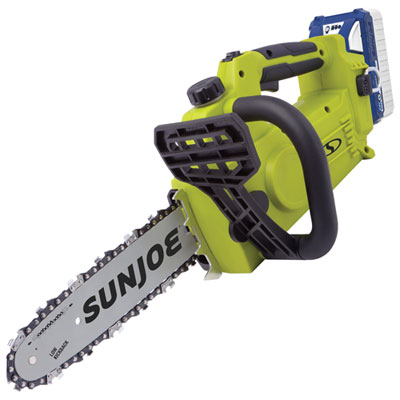
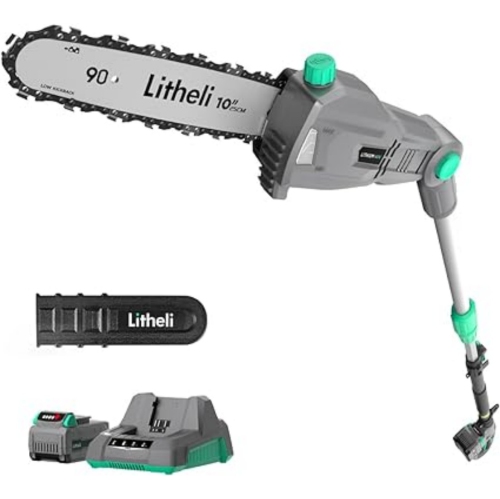
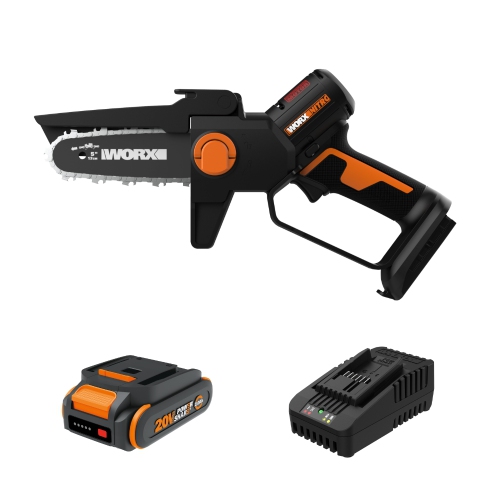
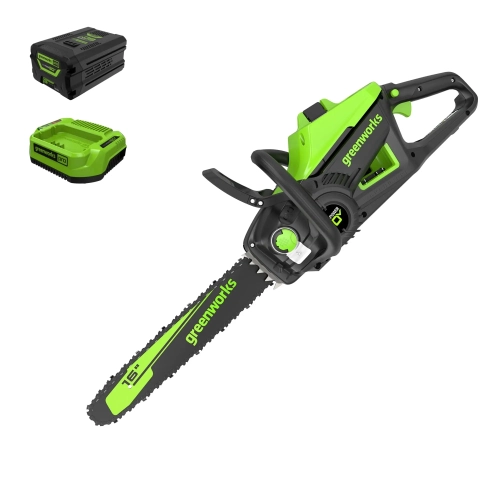
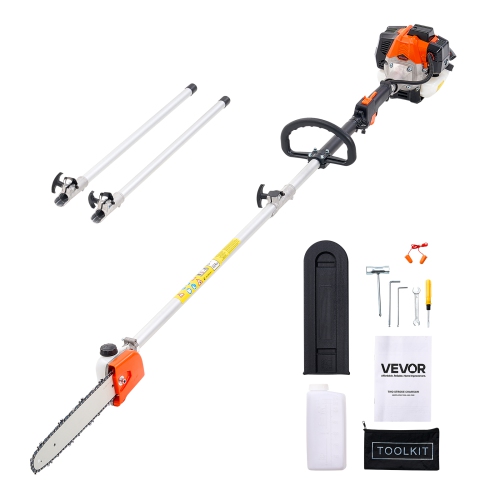
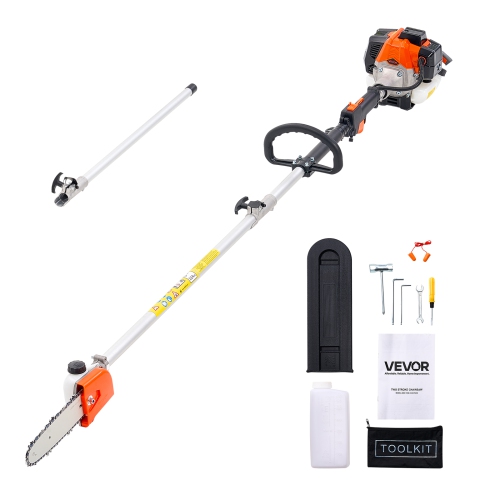
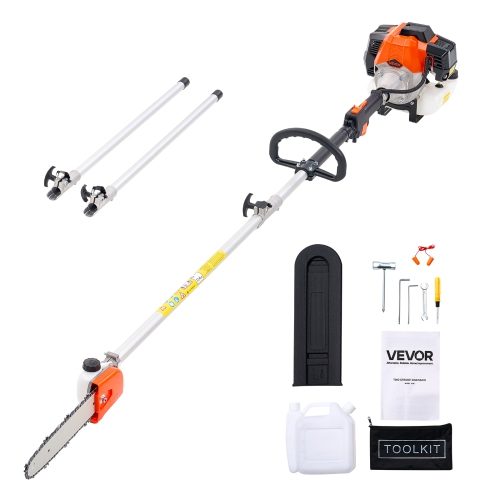
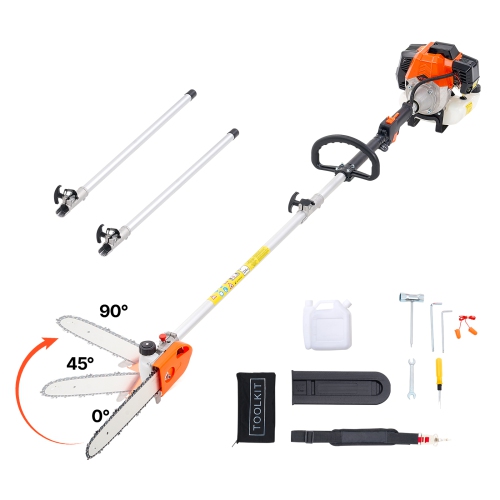
The right pruning tool depends on more than reach
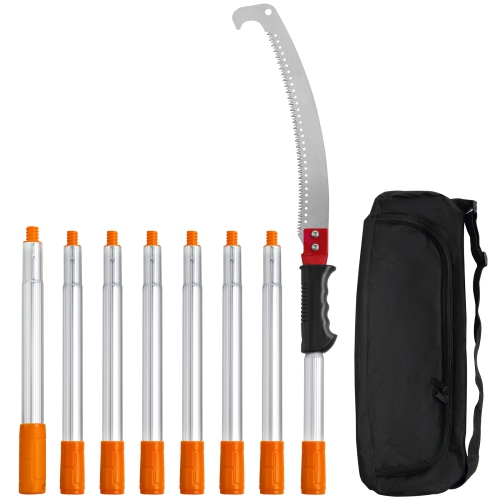
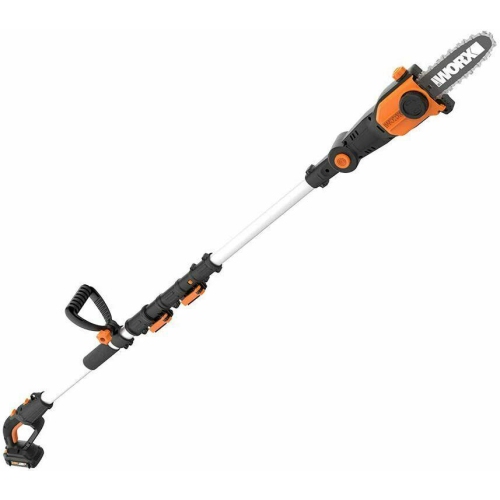
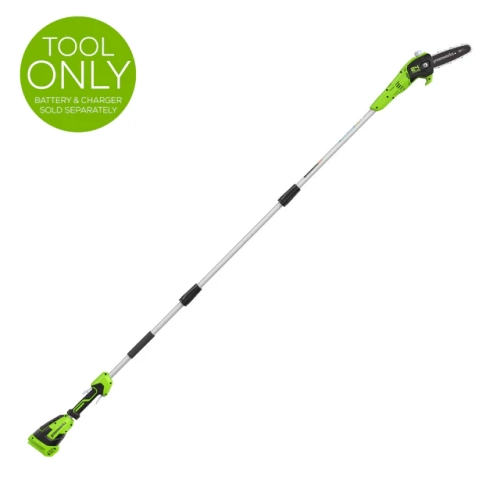
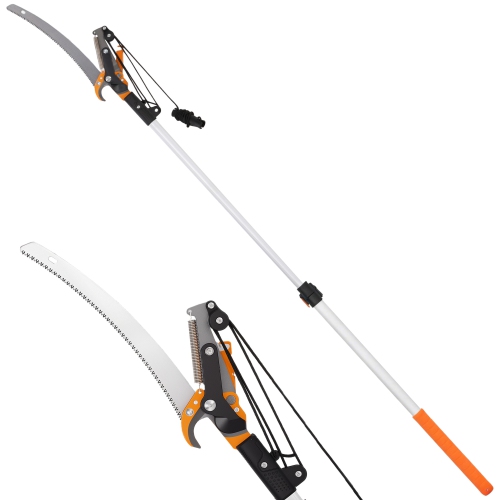
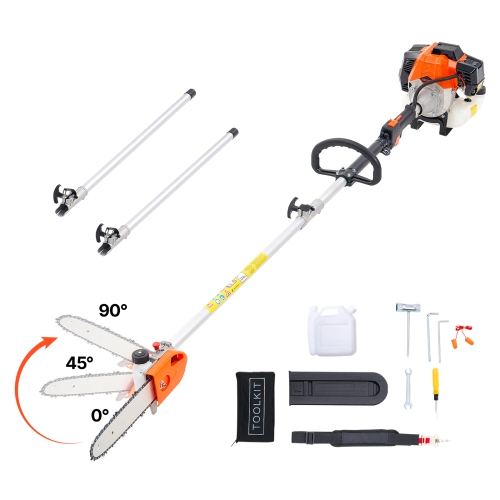
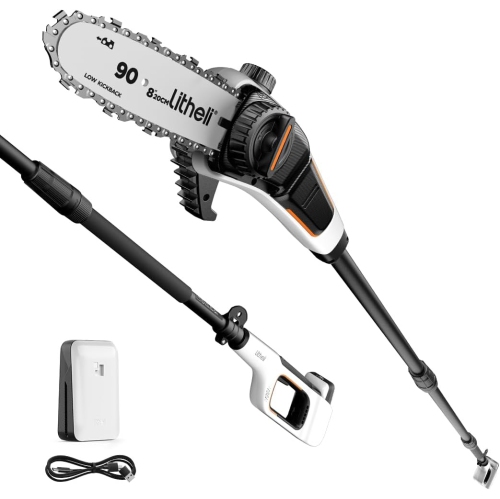
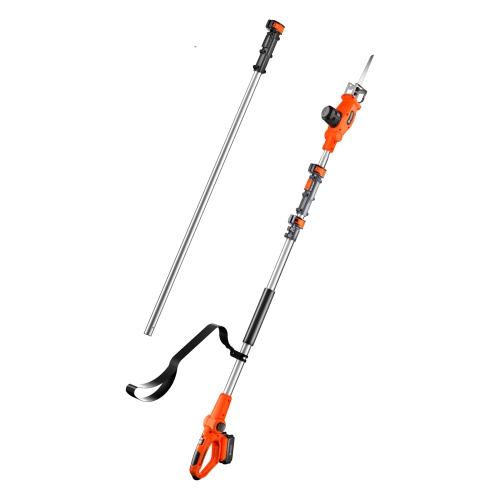
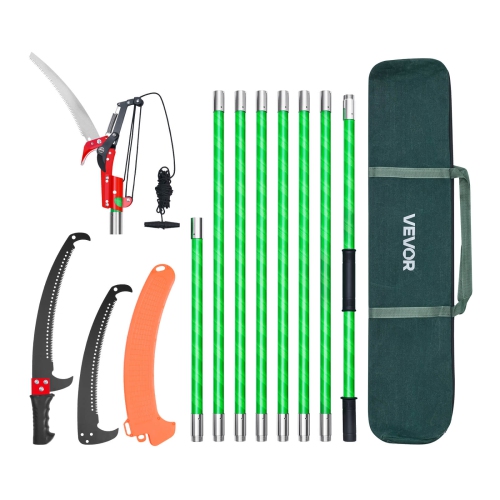
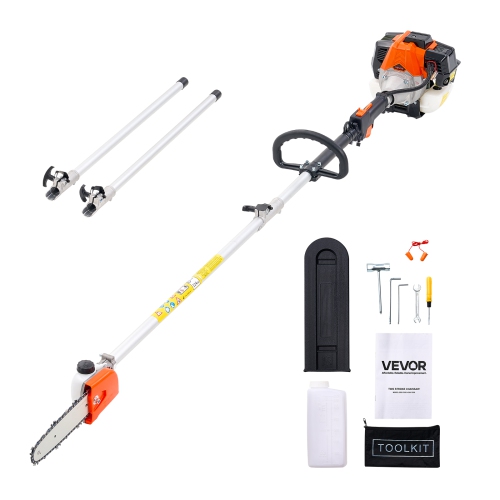
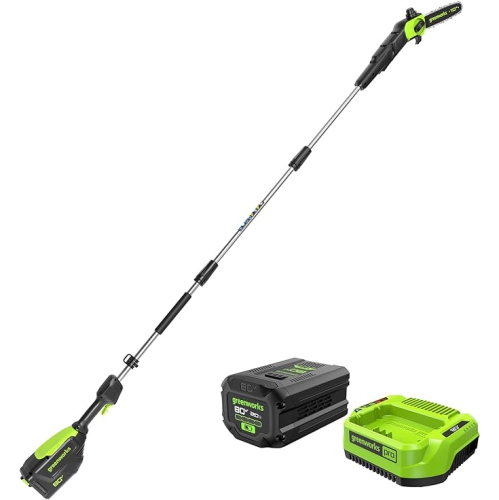
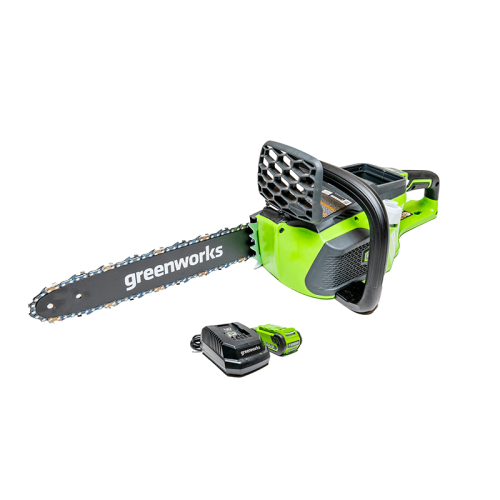
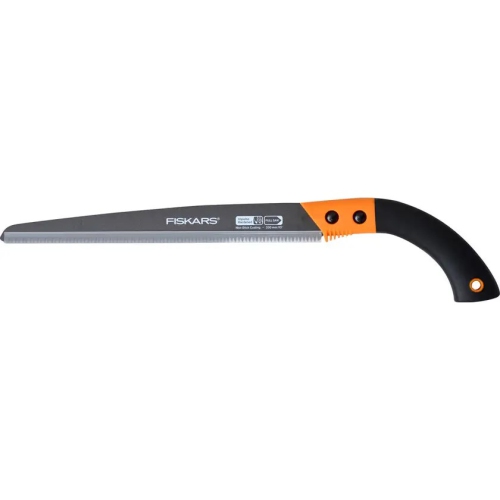
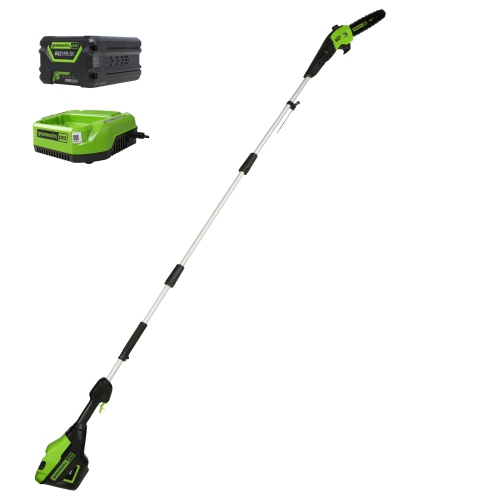
A tree saw is a cutting tool designed for woody branches, limbs, and other tree growth that is too thick for pruning shears. The category includes hand pruning saws, manual pole saws, and powered pole saws, with each type suited to a different combination of branch size, working height, and cutting frequency. For a homeowner tidying low growth beside a garden path, a compact hand saw offers direct control without a motor, cord, or battery. A straight blade can be practical where there is room for a steady stroke, while a curved blade can help maintain contact with a rounded branch, particularly on pull cuts. Folding designs cover the teeth when closed and take up less space in a tool bag; fixed-blade designs typically need a fitted sheath for storage and carrying. A manual pole saw places a pruning blade at the end of a long handle, giving access to some higher branches while the operator remains on the ground. Powered pole saws use a motor-driven chain and can reduce the physical effort of repeated cuts, although the cutting head, pole, and battery or motor add weight. These distinctions matter more than reach alone. A light tool that feels manageable beside the shed may feel quite different when extended towards a branch, especially during a longer job. Tree saws are useful to gardeners, property owners, and people maintaining small outdoor spaces, but they are not interchangeable with tools for every kind of woodcutting. Pruning live growth, cutting dry fallen limbs, and preparing firewood place different demands on the blade or chain. Large limbs, tree felling, storm-damaged trees, and work near buildings or overhead wires call for professional assessment rather than simply a longer or more powerful saw. For routine pruning, the most useful match is a tool whose intended cutting capacity, reach, and handling suit the actual work.
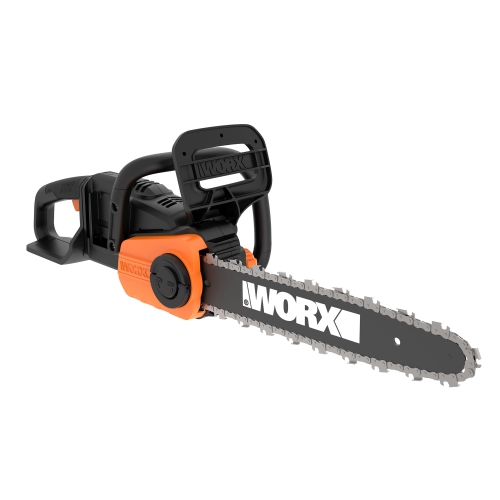
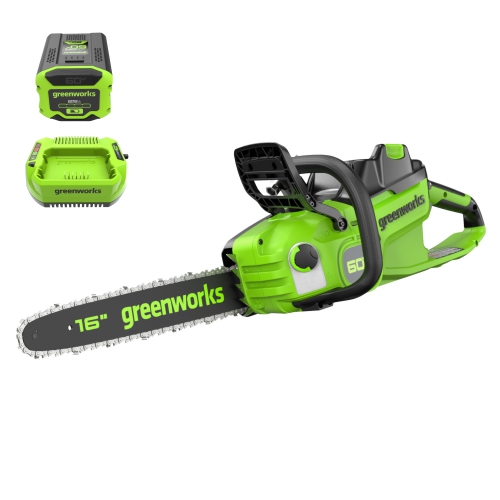
Blade construction and handle design shape how a tree saw feels through a cut and how well it stands up to regular use. Many pruning blades use hardened steel, with tooth patterns designed to clear wood fibres rather than produce the fine finish expected from a woodworking saw. Coarser teeth generally favour faster cutting through larger branches, while finer teeth can offer a more controlled finish on smaller growth. Tooth spacing, blade thickness, and the type of wood all affect performance, so blade length alone does not define cutting capacity. A blade needs enough working room for its stroke; in the narrow gap between a fence and a shrub, a long blade may be awkward even when the branch itself is small. Some blades have surface treatments that help resist rust or reduce friction, but no coating removes the need for cleaning and dry storage. Handles with a textured grip and a shape that supports a natural wrist position can be helpful when hands are gloved during cooler weather. Fit is personal: a bulky handle may feel secure in a large hand yet tiring in a smaller one. On folding saws, a positive locking mechanism helps keep the blade in its intended working position. On pole saws, secure extension locks and a rigid connection between sections contribute to control, while aluminium and fibreglass constructions offer different weight and stiffness characteristics. No pole material makes a tree saw safe to use near electrical lines. For powered options, useful considerations include the weight of the complete tool, battery compatibility where applicable, chain tension adjustment, and the manufacturer's stated cutting limits. Corded designs require a suitable outdoor power connection and careful cord placement away from the cutting area. Cordless designs remove that trailing cord, but working time varies with battery capacity, wood hardness, branch diameter, temperature, and tool condition. A longer bar or greater advertised reach is not automatically a better fit for occasional yard maintenance.
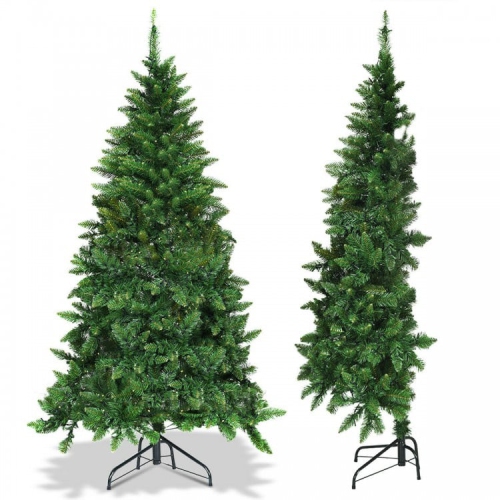
Durability depends as much on care and appropriate use as it does on the original materials. Sap left on a pruning blade can make subsequent cuts feel sticky, while damp storage can encourage corrosion around teeth, hinges, and fasteners. Cleaning according to the manufacturer's directions, drying the tool, and protecting exposed cutting edges help keep it ready for its next outing. A folding joint should move freely and lock securely, and a sheath should retain the saw without leaving teeth exposed. Blade replacement is worth considering for tools expected to see frequent use, since some hardened tooth designs are intended to be replaced rather than sharpened with a standard file. Powered pole saws have additional care requirements, including chain lubrication, correct tension, and inspection for wear. Batteries should be removed and corded tools unplugged before cleaning or adjustment, with all maintenance following the tool's instructions. Storage also matters in Canadian homes, where an unheated shed can experience substantial temperature changes; battery storage and charging limits should follow the manufacturer's specifications. In use, stable footing, eye protection, suitable footwear, and a clear area beneath the branch are essential considerations. Extra reach does not make overhead cutting risk-free, and a pole saw is not a substitute for safe access equipment or an arborist's expertise. Work should stay within the tool's intended use, away from power lines and without standing directly beneath a limb being cut. Wet leaves, ice, and uneven ground can turn an otherwise modest pruning task into unsuitable work. For gifting, a tree saw is most appropriate for someone who already enjoys garden maintenance and has a clear use for it; comfortable handling and compatibility with existing equipment matter more than sheer size. Outdoor tree care is distinct from choosing decorative greenery for the home. For an indoor display where floor space is limited, Half Trees offers a separate decorating direction, without any need to reshape a full tree with a saw.
Blade construction and handle design shape how a tree saw feels through a cut and how well it stands up to regular use. Many pruning blades use hardened steel, with tooth patterns designed to clear wood fibres rather than produce the fine finish expected from a woodworking saw. Coarser teeth generally favour faster cutting through larger branches, while finer teeth can offer a more controlled finish on smaller growth. Tooth spacing, blade thickness, and the type of wood all affect performance, so blade length alone does not define cutting capacity. A blade needs enough working room for its stroke; in the narrow gap between a fence and a shrub, a long blade may be awkward even when the branch itself is small. Some blades have surface treatments that help resist rust or reduce friction, but no coating removes the need for cleaning and dry storage. Handles with a textured grip and a shape that supports a natural wrist position can be helpful when hands are gloved during cooler weather. Fit is personal: a bulky handle may feel secure in a large hand yet tiring in a smaller one. On folding saws, a positive locking mechanism helps keep the blade in its intended working position. On pole saws, secure extension locks and a rigid connection between sections contribute to control, while aluminium and fibreglass constructions offer different weight and stiffness characteristics. No pole material makes a tree saw safe to use near electrical lines. For powered options, useful considerations include the weight of the complete tool, battery compatibility where applicable, chain tension adjustment, and the manufacturer's stated cutting limits. Corded designs require a suitable outdoor power connection and careful cord placement away from the cutting area. Cordless designs remove that trailing cord, but working time varies with battery capacity, wood hardness, branch diameter, temperature, and tool condition. A longer bar or greater advertised reach is not automatically a better fit for occasional yard maintenance.
Durability depends as much on care and appropriate use as it does on the original materials. Sap left on a pruning blade can make subsequent cuts feel sticky, while damp storage can encourage corrosion around teeth, hinges, and fasteners. Cleaning according to the manufacturer's directions, drying the tool, and protecting exposed cutting edges help keep it ready for its next outing. A folding joint should move freely and lock securely, and a sheath should retain the saw without leaving teeth exposed. Blade replacement is worth considering for tools expected to see frequent use, since some hardened tooth designs are intended to be replaced rather than sharpened with a standard file. Powered pole saws have additional care requirements, including chain lubrication, correct tension, and inspection for wear. Batteries should be removed and corded tools unplugged before cleaning or adjustment, with all maintenance following the tool's instructions. Storage also matters in Canadian homes, where an unheated shed can experience substantial temperature changes; battery storage and charging limits should follow the manufacturer's specifications. In use, stable footing, eye protection, suitable footwear, and a clear area beneath the branch are essential considerations. Extra reach does not make overhead cutting risk-free, and a pole saw is not a substitute for safe access equipment or an arborist's expertise. Work should stay within the tool's intended use, away from power lines and without standing directly beneath a limb being cut. Wet leaves, ice, and uneven ground can turn an otherwise modest pruning task into unsuitable work. For gifting, a tree saw is most appropriate for someone who already enjoys garden maintenance and has a clear use for it; comfortable handling and compatibility with existing equipment matter more than sheer size. Outdoor tree care is distinct from choosing decorative greenery for the home. For an indoor display where floor space is limited, Half Trees offers a separate decorating direction, without any need to reshape a full tree with a saw.
Top selling and popular products
-
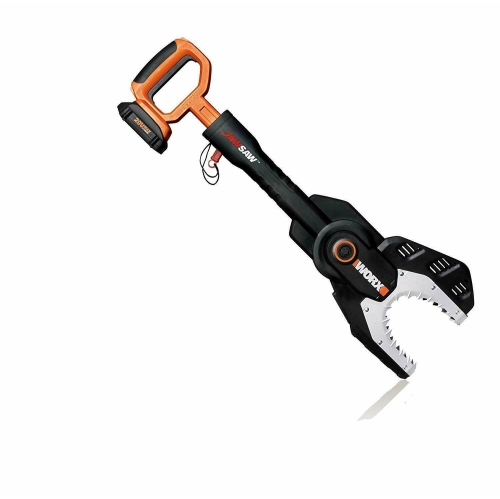 Your price for this item is $279.99
 -
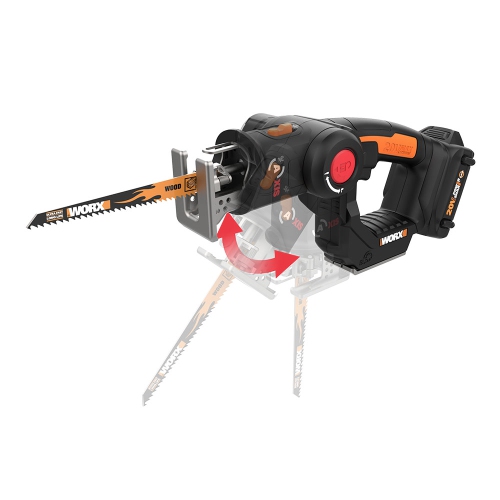 Your price for this item is $179.99
 -
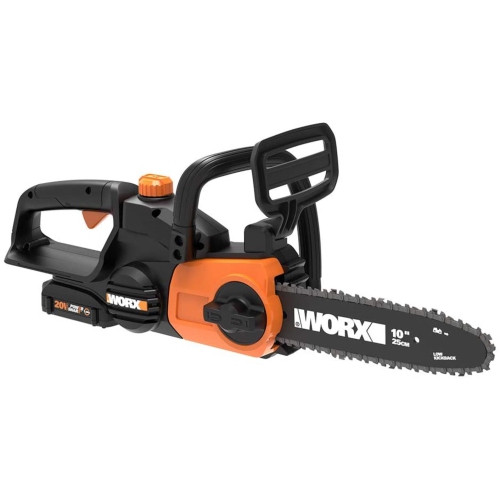 Your price for this item is $199.99
 -
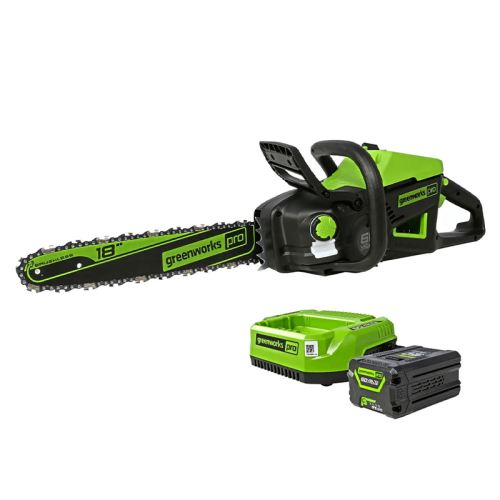 Your price for this item is $389.99
 -
 Your price for this item is $299.99
 -
 Your price for this item is $449.99
 -
 Your price for this item is $499
 -
 Your price for this item is $299.99
Discover more categories related to Tree Saw


Top Collections:
Pokemon Centers, Budget 4K TVs, Best Budget Office Chairs, Kindle Devices, Canon G7X Cameras, Apple iPhones 16, iPhone 15 Apple, Laptops for Business Work, Xiaomi Phones, Flip Phones
Some products may be subject to Environmental Handling Fees
(EHF) depending on your province.
Learn more about EHFs.