Tree Stands
Transform your holiday setup with the perfect foundation for your festive centerpiece by exploring our selection of tree stands. Designed to provide stability and support, these stands ensure your tree remains securely in place throughout the season, allowing you to enjoy worry-free celebrations. Whether you prefer a traditional look or something more modern, our variety of tree stands offers options that cater to every style and size of tree. Embrace the joy of decorating with confidence, knowing your tree is ready to shine bright all season long.
Sort
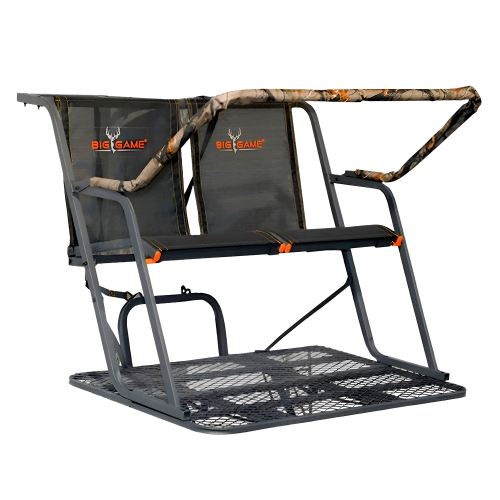
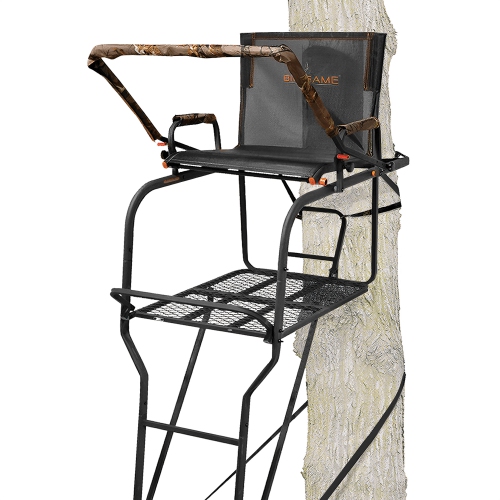
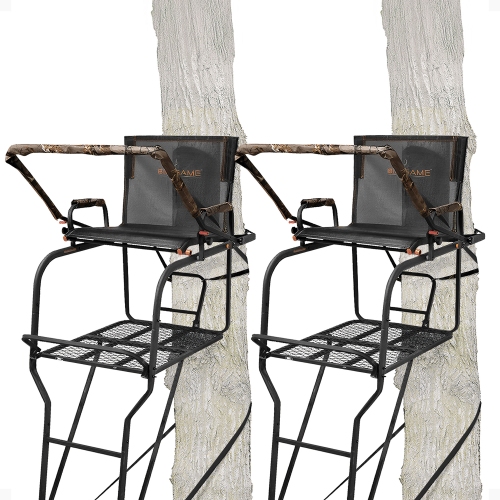
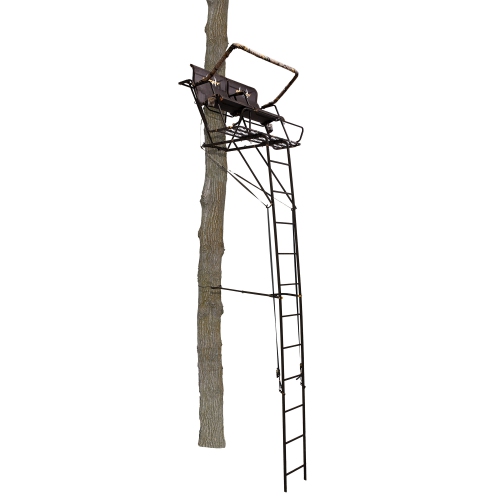


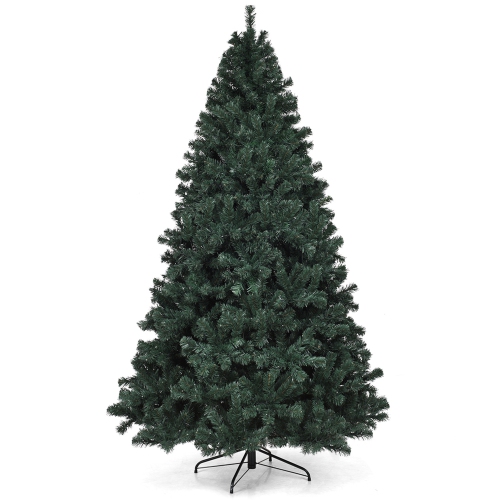
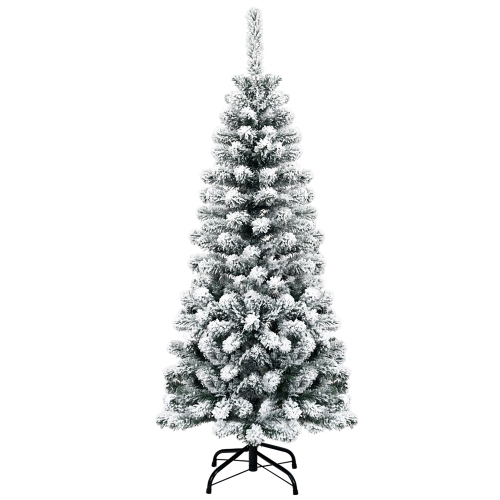
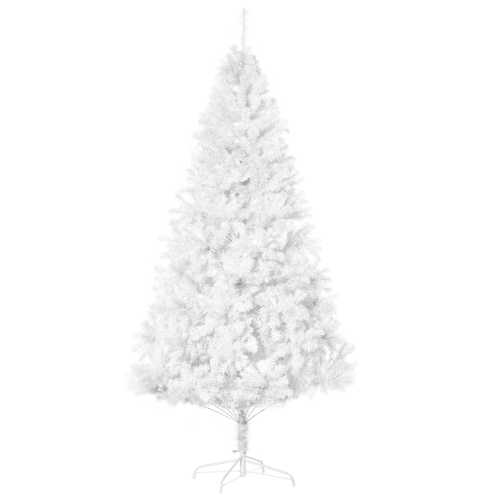
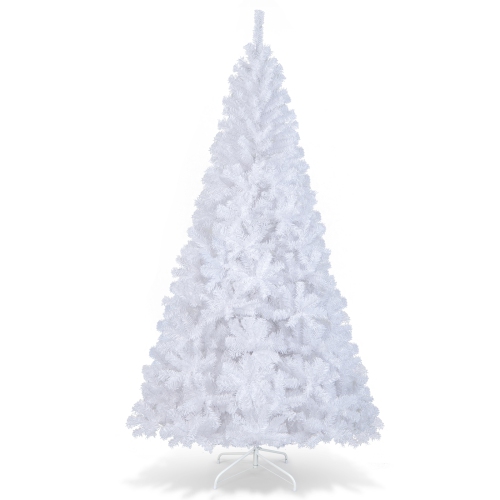

The right base depends on more than tree height
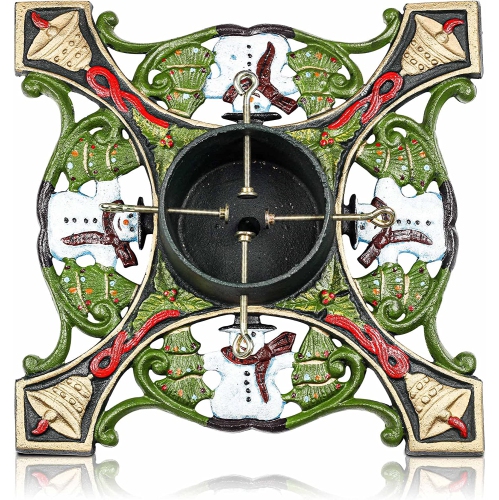
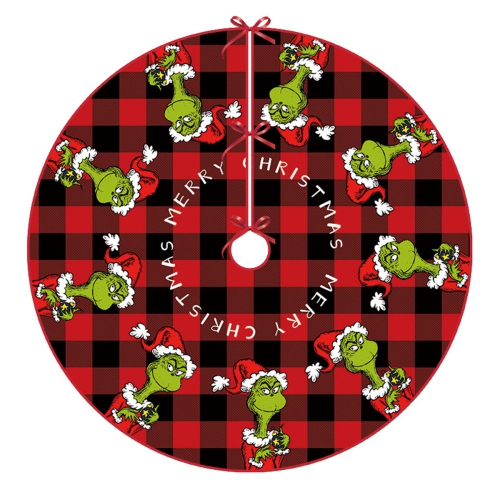
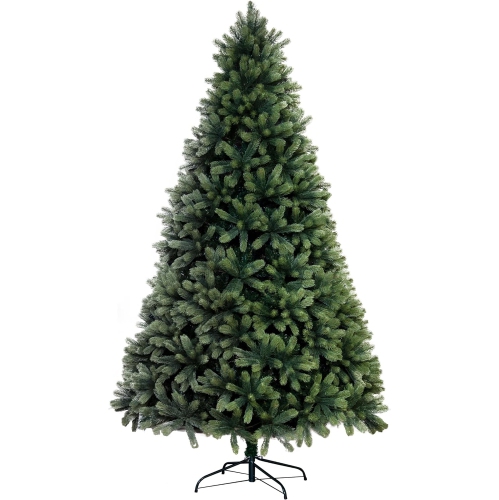
Tree stands provide the foundation for a Christmas tree, keeping its trunk or centre pole upright while the branches carry lights, ornaments, and the finishing touch at the top. Although the stand often sits beneath a tree skirt or collar, its size, construction, and fit have a practical effect on the whole display. A fresh-cut tree needs a stand designed to grip a natural trunk and hold water, while an artificial tree generally needs a base that matches the diameter and attachment style of its centre pole. These designs serve different purposes and are not automatically interchangeable. For either type, the tree’s height is only part of the fit: a broad, full tree can place different demands on a base than a narrow tree of the same height. The stand’s stated height limit, trunk or pole diameter range, and weight capacity, where provided, all help establish whether it is suitable. A wide footprint offers support, but it also needs enough floor space to sit flat without projecting into a busy walkway. In a compact living room, that balance matters as much as the space needed for the branches. Picture the tree beside a sofa, with room to reach the curtains and pass through to the kitchen without stepping over a leg of the base. On hard flooring, protective feet can help limit scratches, provided they are clean and intact; on carpet, the base still needs firm, even contact rather than a soft or sloping surface. A tree skirt can soften the appearance of exposed hardware, but it should not hide a loose connection or make the water reservoir difficult to reach. For households with young children or pets, thoughtful placement away from play areas and tempting climbing routes is especially useful. No stand makes a tree tip-proof, so a suitable base works alongside careful positioning, balanced ornament placement, and any additional securing measures specified by the tree or stand manufacturer.
Materials and adjustment mechanisms distinguish tree stands in ways that become noticeable during setup and throughout the holiday season. Steel and cast-metal designs can offer a solid feel, while moulded plastic reservoirs keep the water-holding portion separate from exposed metal components in some constructions. Material alone does not establish strength: the shape of the base, quality of the joints, condition of the fasteners, and manufacturer’s limits matter together. Protective finishes can help metal parts resist rust, though chipped coatings and lingering moisture still deserve attention. For a fresh-cut tree, the trunk opening must accommodate the trunk without forcing it into place or removing outer layers simply to make it fit. Screw-style clamps allow adjustments around the trunk, while some mechanisms use a pedal or a linked gripping system; the important distinction is how securely the design holds the tree and how easily its position can be checked. A slightly uneven trunk may take patient adjustment, ideally with one person holding the tree upright while another secures the base according to its instructions. The tree should be stable before lights and fragile ornaments are added. Reservoir capacity also affects everyday use. A freshly cut tree can take up water quickly, particularly after being brought indoors, so accessible filling space and a visible water level are more useful than a reservoir that is difficult to inspect beneath low branches. The cut end of the trunk should remain submerged, with the level checked daily and more frequently when needed. Plain water is generally sufficient unless the tree supplier advises otherwise. A protective mat beneath the stand can help catch small splashes, but it is not a substitute for checking the reservoir for cracks or leaks before setup. Keeping a fresh tree away from fireplaces, radiators, and heating vents also helps reduce drying. These small practical details make the stand part of the daily care routine rather than something that receives attention only when the tree first goes up.
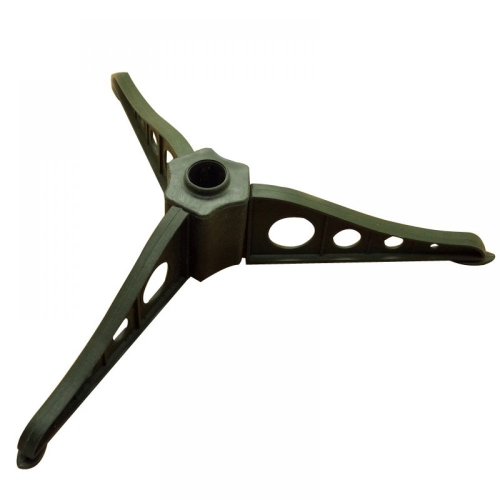
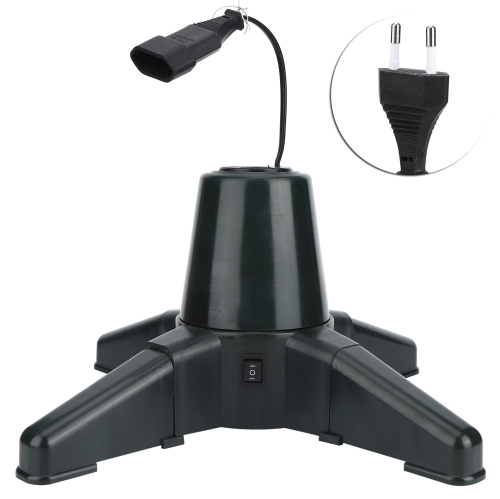
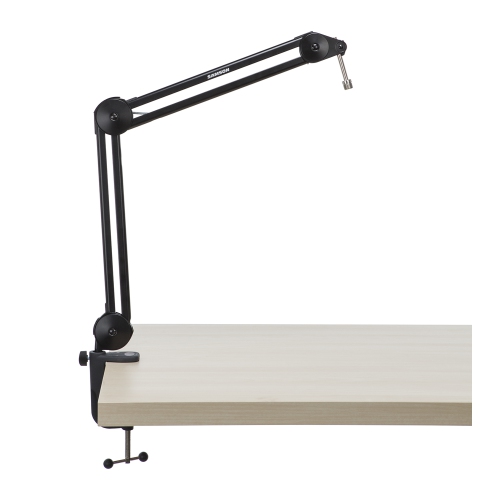
For artificial trees, tree stands are often a matter of precise compatibility and convenient handling from one holiday season to the next. A replacement base needs to suit the tree’s pole diameter, supported height, and fastening arrangement; a similar-looking opening is not enough to confirm a secure fit. Hinged or folding legs can make storage easier, but they must open fully and lock or fasten as intended before the tree is assembled. Any design with moving parts benefits from a close check for bent hinges, missing bolts, worn threads, or cracked collars. Specialty bases with rotation or electrical features introduce further compatibility requirements, including permitted tree weight and the way light cords are connected, so their intended use needs particular attention. For a straightforward living-room display, easy access to the securing screws and a manageable footprint may matter more than extra features. Larger shared spaces, such as a reception area or community hall, may call for a broader base and more careful separation from foot traffic, always within the stand’s stated limits. Households that make music part of their holiday gatherings may also use Boom Stands for microphones; keeping the performance area separate from the tree gives both setups room and helps prevent cables from crossing the base. After the holiday season, care is usually simple but worth doing thoroughly. Water-holding stands should be emptied, cleaned according to their care instructions, and dried completely before storage. Sap and debris around gripping points can make the next setup harder, while moisture left against metal hardware may encourage corrosion. Fasteners are easier to keep track of when stored with the stand in a labelled container, and folding bases should be packed without forcing their joints. For anyone establishing a first holiday setup or replacing a damaged base, a well-matched stand is a practical household purchase that supports a familiar ritual: bringing out the ornaments, arranging the lights, and making space for a tree that feels at home in the room.
Materials and adjustment mechanisms distinguish tree stands in ways that become noticeable during setup and throughout the holiday season. Steel and cast-metal designs can offer a solid feel, while moulded plastic reservoirs keep the water-holding portion separate from exposed metal components in some constructions. Material alone does not establish strength: the shape of the base, quality of the joints, condition of the fasteners, and manufacturer’s limits matter together. Protective finishes can help metal parts resist rust, though chipped coatings and lingering moisture still deserve attention. For a fresh-cut tree, the trunk opening must accommodate the trunk without forcing it into place or removing outer layers simply to make it fit. Screw-style clamps allow adjustments around the trunk, while some mechanisms use a pedal or a linked gripping system; the important distinction is how securely the design holds the tree and how easily its position can be checked. A slightly uneven trunk may take patient adjustment, ideally with one person holding the tree upright while another secures the base according to its instructions. The tree should be stable before lights and fragile ornaments are added. Reservoir capacity also affects everyday use. A freshly cut tree can take up water quickly, particularly after being brought indoors, so accessible filling space and a visible water level are more useful than a reservoir that is difficult to inspect beneath low branches. The cut end of the trunk should remain submerged, with the level checked daily and more frequently when needed. Plain water is generally sufficient unless the tree supplier advises otherwise. A protective mat beneath the stand can help catch small splashes, but it is not a substitute for checking the reservoir for cracks or leaks before setup. Keeping a fresh tree away from fireplaces, radiators, and heating vents also helps reduce drying. These small practical details make the stand part of the daily care routine rather than something that receives attention only when the tree first goes up.
For artificial trees, tree stands are often a matter of precise compatibility and convenient handling from one holiday season to the next. A replacement base needs to suit the tree’s pole diameter, supported height, and fastening arrangement; a similar-looking opening is not enough to confirm a secure fit. Hinged or folding legs can make storage easier, but they must open fully and lock or fasten as intended before the tree is assembled. Any design with moving parts benefits from a close check for bent hinges, missing bolts, worn threads, or cracked collars. Specialty bases with rotation or electrical features introduce further compatibility requirements, including permitted tree weight and the way light cords are connected, so their intended use needs particular attention. For a straightforward living-room display, easy access to the securing screws and a manageable footprint may matter more than extra features. Larger shared spaces, such as a reception area or community hall, may call for a broader base and more careful separation from foot traffic, always within the stand’s stated limits. Households that make music part of their holiday gatherings may also use Boom Stands for microphones; keeping the performance area separate from the tree gives both setups room and helps prevent cables from crossing the base. After the holiday season, care is usually simple but worth doing thoroughly. Water-holding stands should be emptied, cleaned according to their care instructions, and dried completely before storage. Sap and debris around gripping points can make the next setup harder, while moisture left against metal hardware may encourage corrosion. Fasteners are easier to keep track of when stored with the stand in a labelled container, and folding bases should be packed without forcing their joints. For anyone establishing a first holiday setup or replacing a damaged base, a well-matched stand is a practical household purchase that supports a familiar ritual: bringing out the ornaments, arranging the lights, and making space for a tree that feels at home in the room.
Top selling and popular products
-
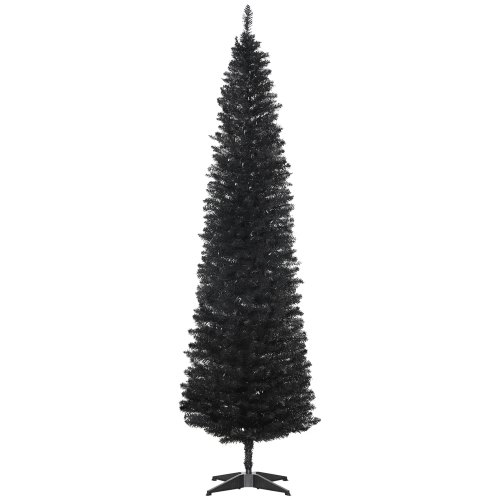 Your price for this item is $79
 -
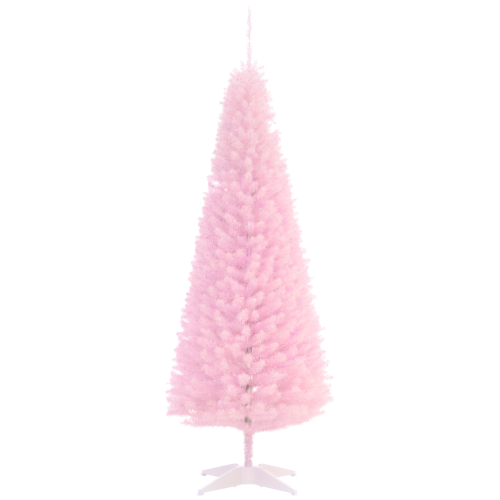 Your price for this item is $48
 -
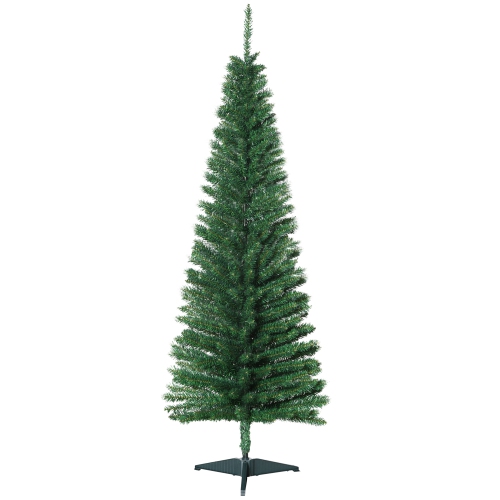 Your price for this item is $44.99
 -
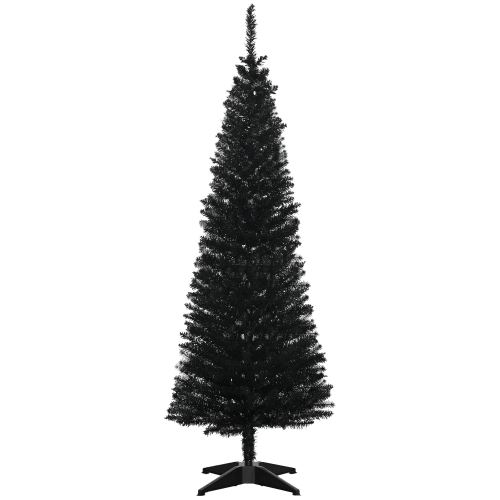 Your price for this item is $54.99
 -
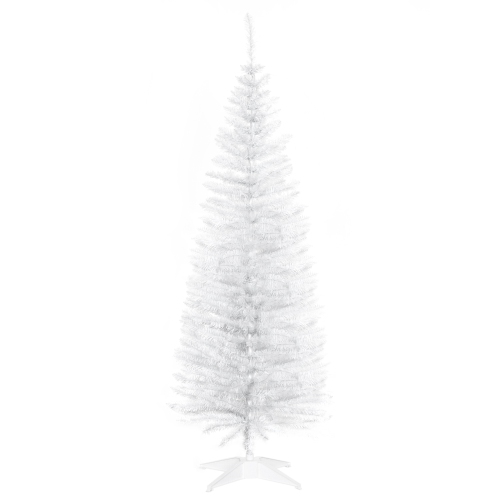 Your price for this item is $49.99
 -
 Your price for this item is $137.99
 -
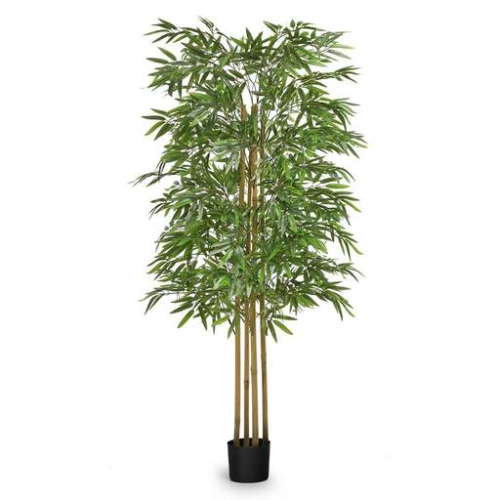 Your price for this item is $146.99
 -
 Your price for this item is $114.99
Discover more categories related to Tree Stands
Top Collections:
Pokemon Centers, Budget 4K TVs, Best Budget Office Chairs, Kindle Devices, Canon G7X Cameras, Apple iPhones 16, iPhone 15 Apple, Laptops for Business Work, Xiaomi Phones, Flip Phones
Some products may be subject to Environmental Handling Fees
(EHF) depending on your province.
Learn more about EHFs.