Tropical Outdoor Plants
Transform your outdoor space into a lush, tropical paradise with our stunning collection of outdoor plants. Whether you have a spacious garden or a cozy balcony, these vibrant and exotic plants are sure to add a touch of natural beauty to any setting. From towering palm trees to colorful flowering plants, our selection offers a variety of options to suit your style and preferences. Create your own oasis and enjoy the serenity and tranquility that these tropical outdoor plants bring to your outdoor living area.
Sort
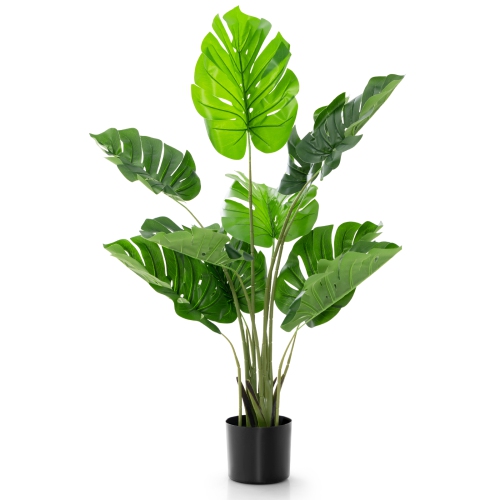
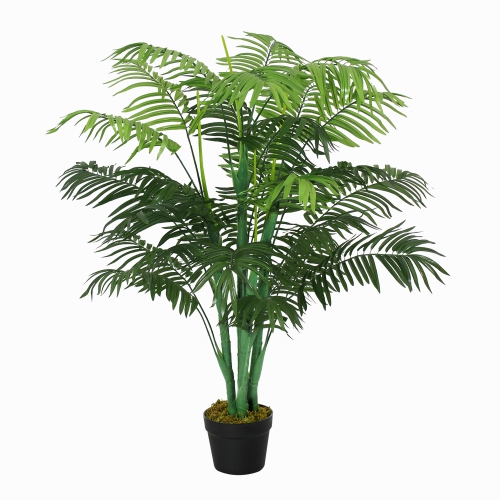
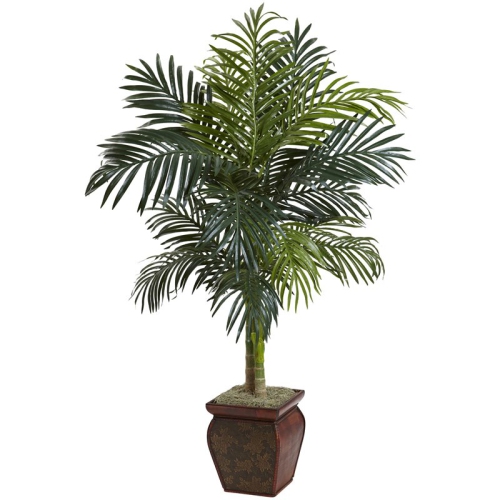

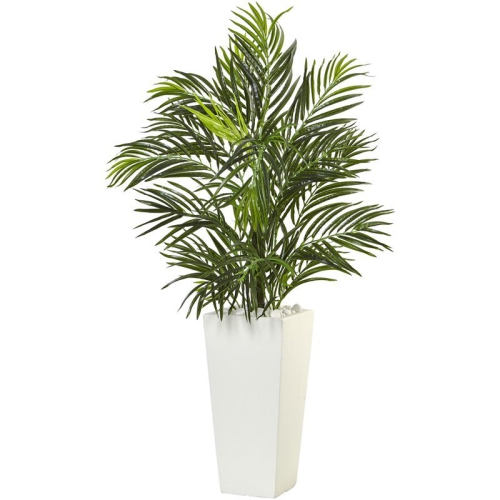
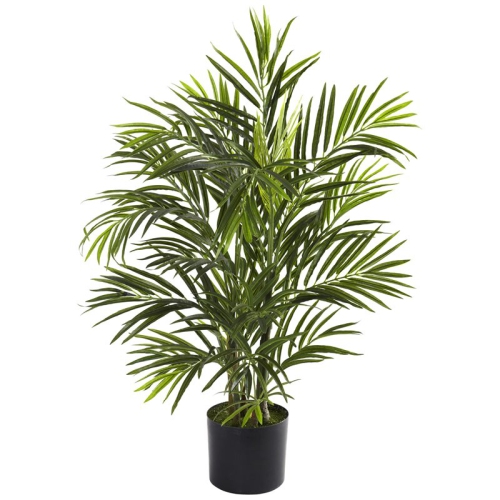
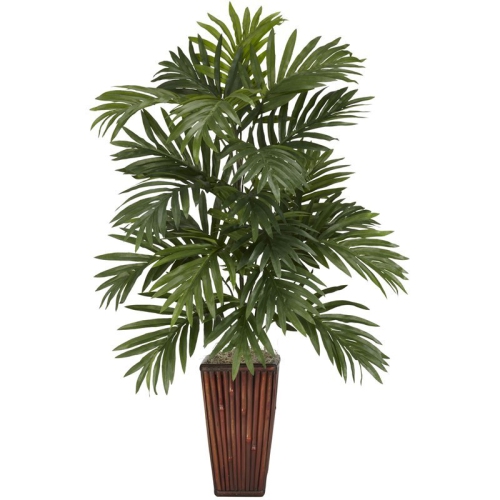
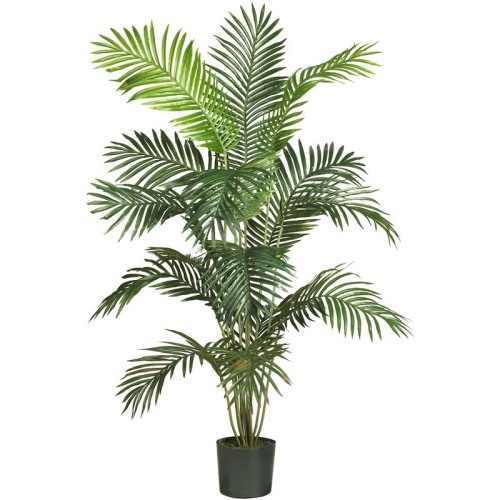
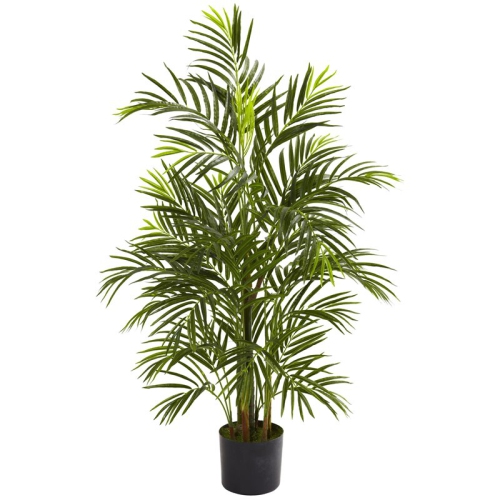
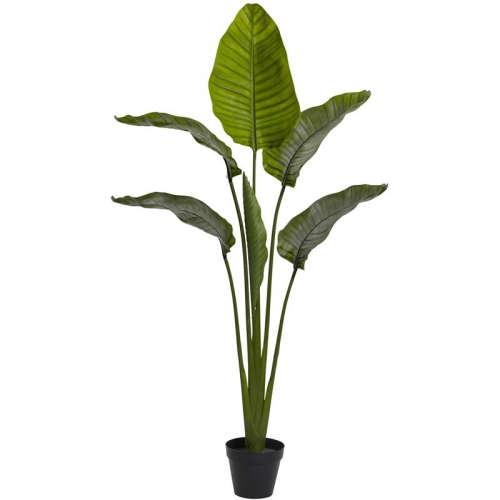
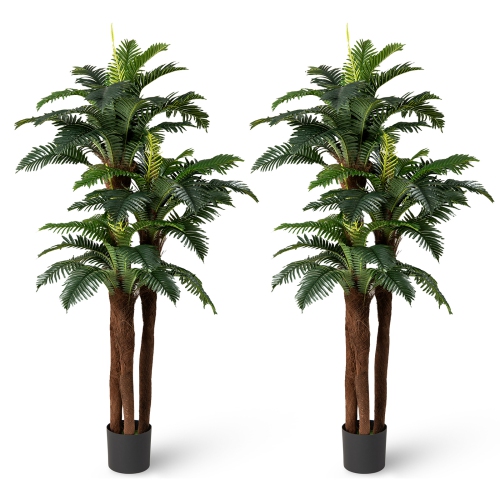
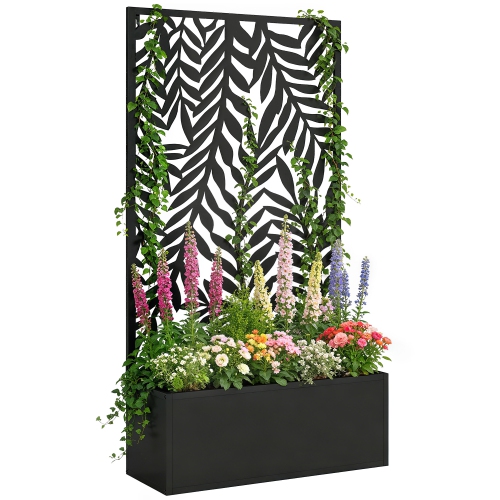
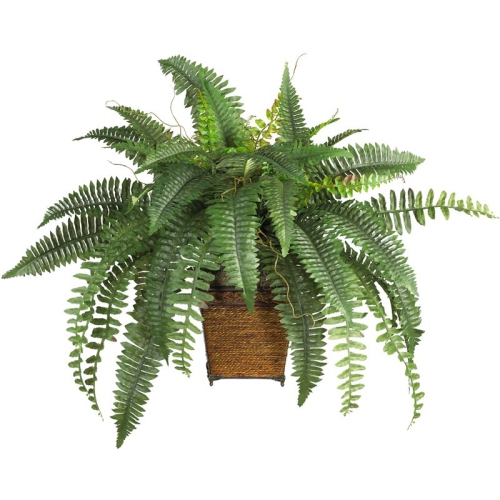
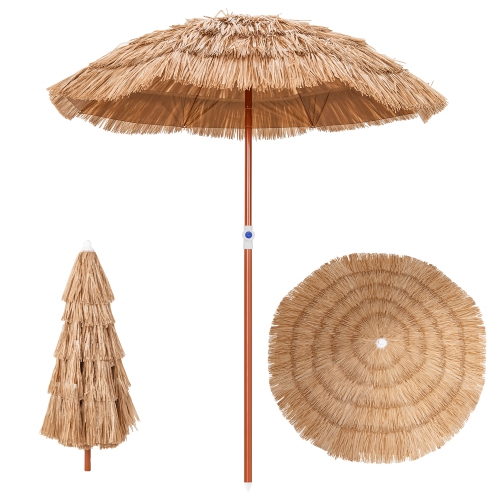
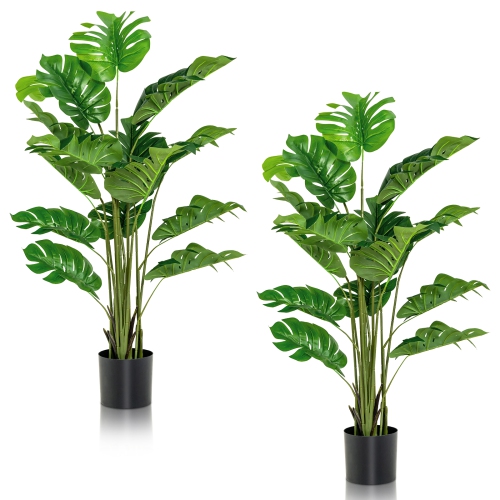
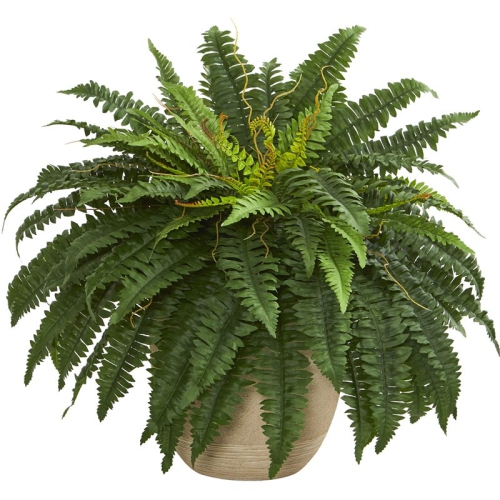
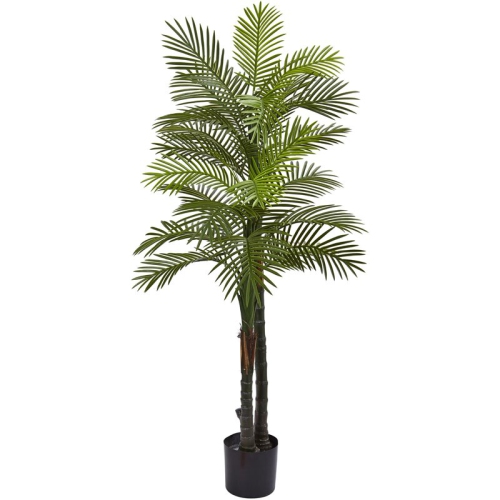
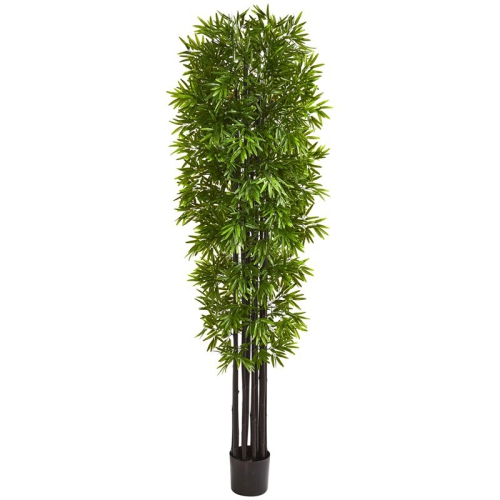
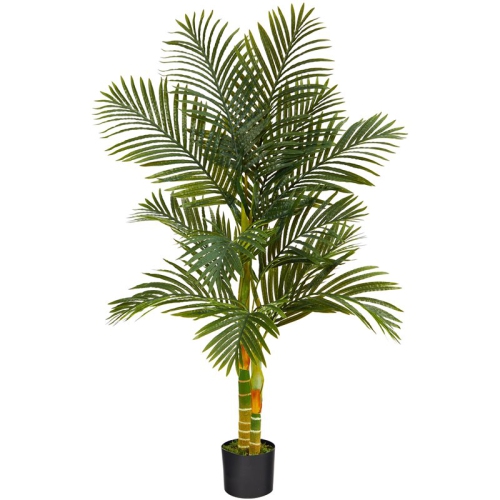

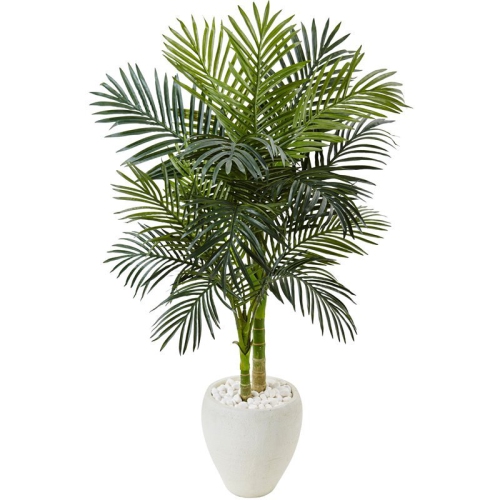
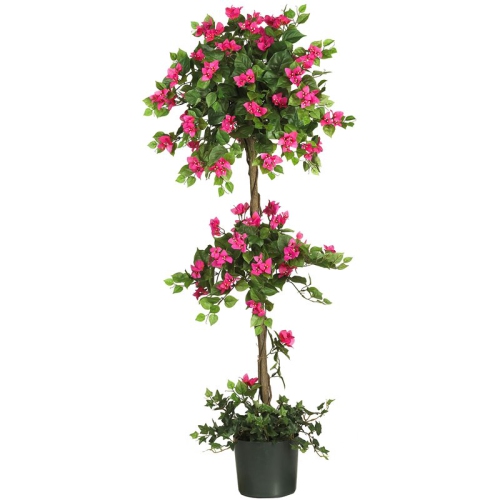
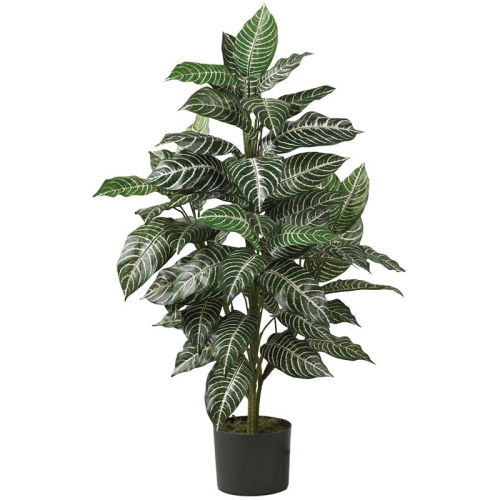
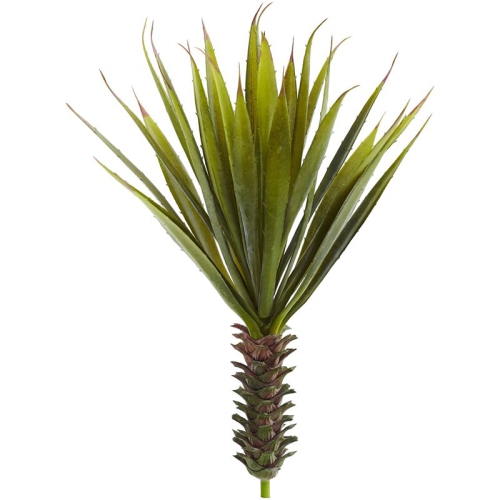

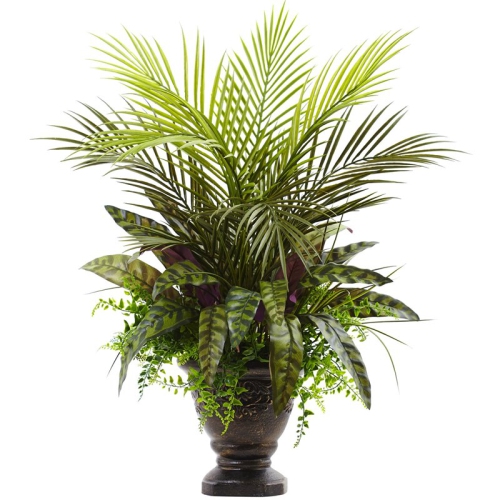
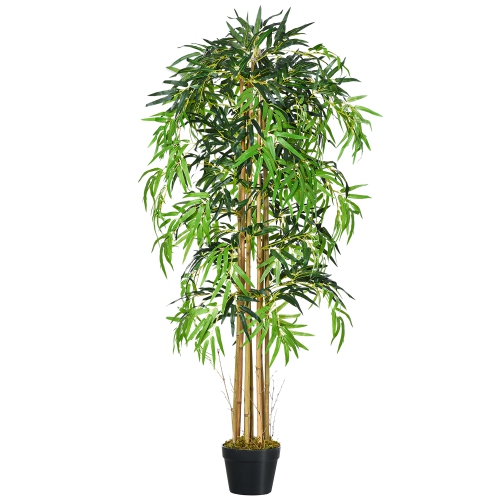
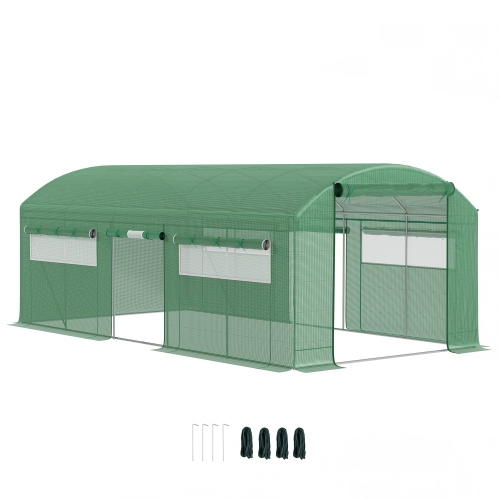
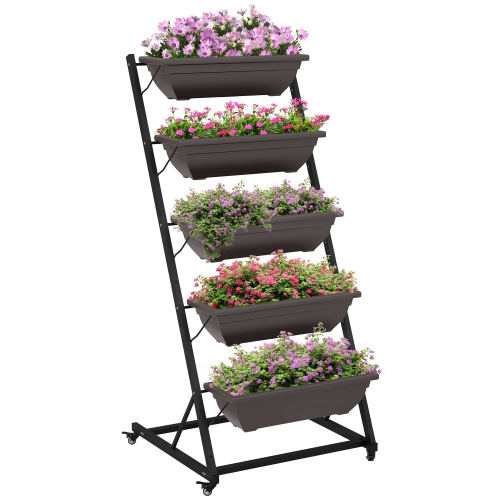
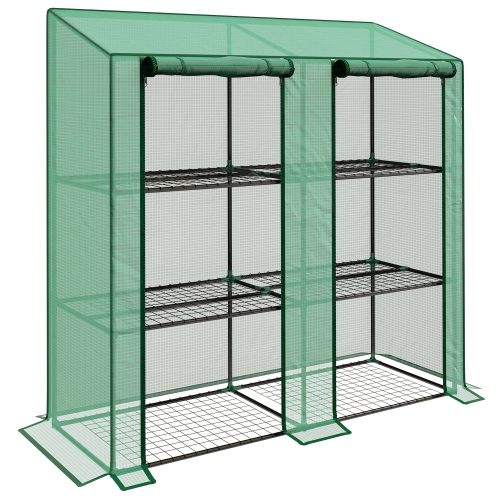
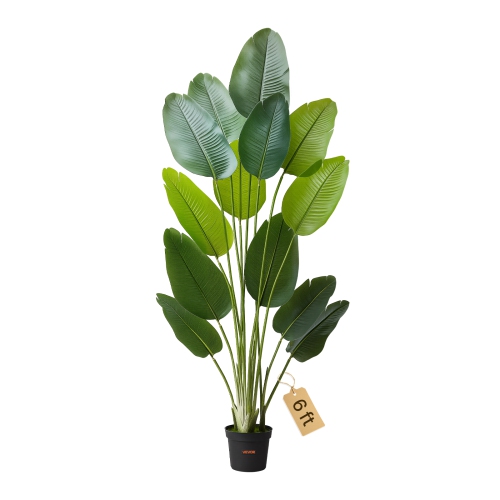
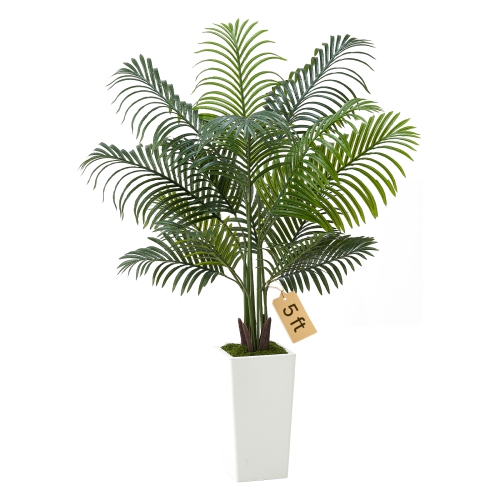
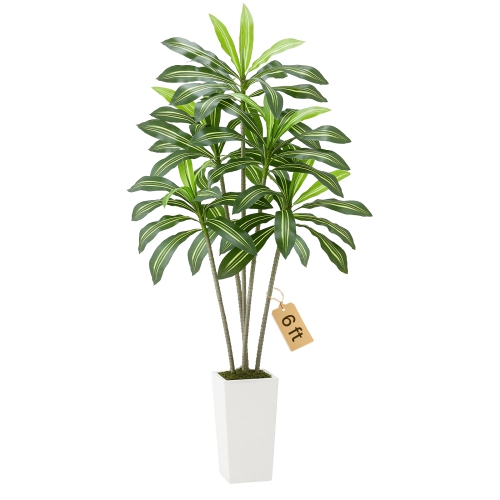
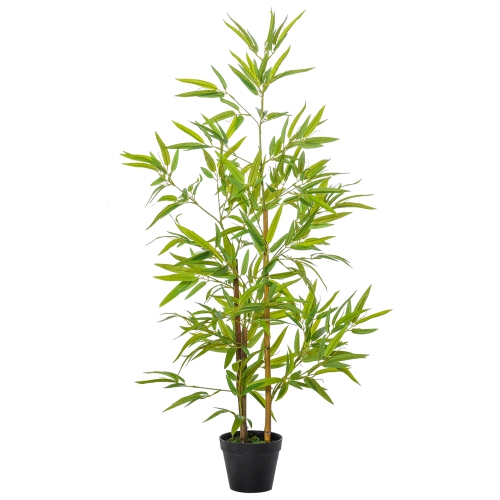
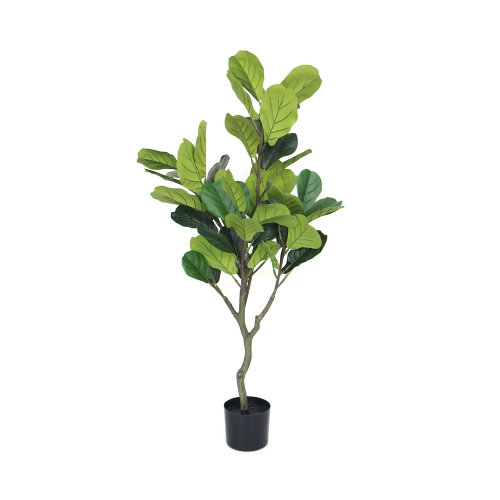
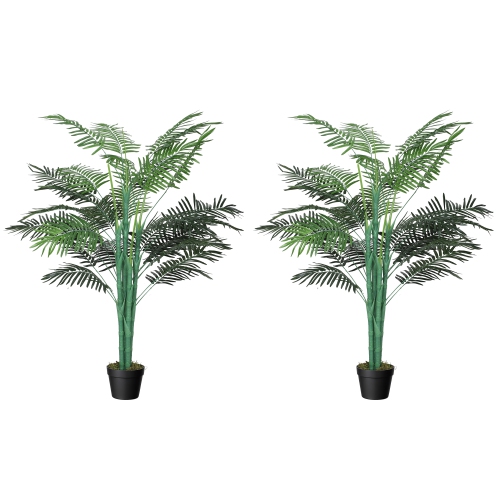
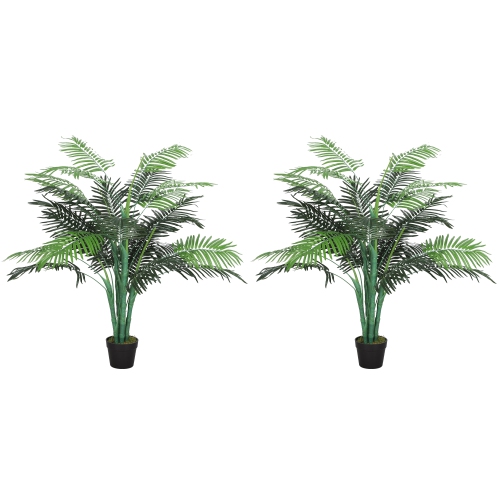
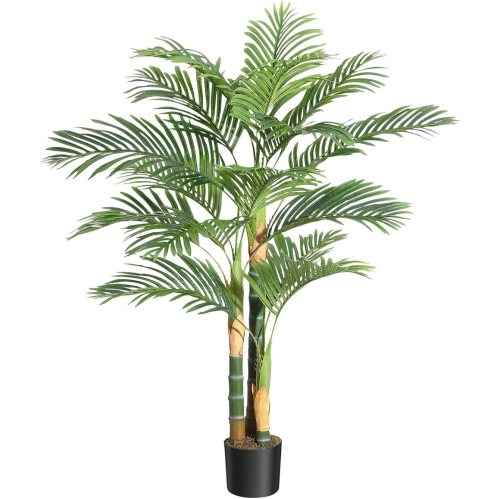
Lush foliage and flowers for patios, balconies, and gardens
Tropical outdoor plants bring a lush, resort-like feel to patios, balconies, decks, entryways, and garden beds, adding bold foliage, rich colour, and a sense of warmth to everyday outdoor spaces. Their oversized leaves and vibrant blooms can turn a simple seating area into a leafy retreat, whether you are arranging a few containers around a doorway or creating a layered display along a fence or sunny wall. Popular choices include flowering vines for trellises, dramatic elephant-ear plants for a strong focal point, canna lilies for colourful blooms and upright foliage, and ferns for softer texture in shaded areas. Tropical plants are often selected for their visual impact, but they can also help define the way an outdoor area is used. A tall, full plant can frame a lounge chair, soften the edge of a balcony, or create a more private feeling around a dining space, while smaller plants can add colour to steps, tabletops, and narrow ledges. They are also thoughtful gifts for someone settling into a new home, refreshing a balcony, celebrating a birthday, or building a personal garden collection. When choosing a tropical outdoor plant, consider the mature size as well as its appearance at the time of purchase. A plant that looks compact in a container may eventually need more room for its roots and leaves, particularly when placed beside walkways or beneath a covered structure. Check whether the growing area receives full sun, partial sun, or filtered shade throughout the day, since many tropical plants prefer bright light while ferns and other delicate foliage can scorch in direct afternoon sun. Wind exposure matters as well: broad leaves can dry quickly or become damaged on an exposed balcony, so a sheltered position near a wall or railing may be more suitable.
Container-grown tropical outdoor plants offer flexibility because they can be moved as light and weather conditions change. Choose a container with drainage openings and use a well-draining growing medium that holds moisture without leaving the roots in standing water. Tropical plants generally prefer consistently moist soil during warm weather, although the exact watering needs depend on the plant, container size, airflow, and amount of sunlight. Containers can dry faster than garden beds, especially on hot patios or elevated balconies, so it helps to check the soil regularly rather than relying on a fixed schedule. Water slowly until excess moisture drains from the bottom, then empty any collection tray so the roots are not left saturated. A layer of mulch can help reduce moisture loss in outdoor containers, while grouping plants together may create a more comfortable, humid pocket around their foliage. Avoid placing moisture-loving plants directly beside heat-reflecting walls unless they can be monitored closely, and give larger specimens enough space for air to circulate. In garden beds, loosen compacted soil before planting and allow room for mature spread. Bright flowering plants usually produce their strongest display with plenty of light, while broad-leaved foliage plants can be useful where you want a jungle-inspired look without relying on flowers alone. If a tropical plant is intended for a covered porch, confirm that the area still receives enough natural light and that rain will not be the only source of moisture. For a lower-maintenance decorative arrangement, Artificial Tropical Plants can provide tropical-inspired foliage in areas where light, watering, or temperature conditions are difficult to manage. Artificial options are also useful for covered spaces, seasonal displays, and anyone who enjoys the look of lush greenery but prefers not to follow a regular plant-care routine.
Because Canadian weather can shift from warm afternoons to cool nights, cold protection is an important part of caring for tropical outdoor plants. Many tropical varieties can remain outside while conditions are warm, but they may need to be moved indoors, placed in a protected area, or treated as seasonal outdoor plants before the first autumn frost. Potted plants are usually easier to protect because they can be carried into a bright room, enclosed porch, or other suitable indoor location when temperatures fall. Before moving a plant inside, inspect the leaves and soil for insects, remove damaged growth, and place it where it will receive appropriate light without touching a cold window or sitting beside a heating vent. Larger containers may require a plant stand with wheels or a second person to move them safely. Plants placed in the ground can be more difficult to protect, so choose their location carefully and consider whether the variety is suitable for your local growing conditions. During cooler months, reduce watering if the plant is receiving less light and growing more slowly, while still checking the soil so it does not become completely dry unless care instructions call for it. Tropical outdoor plants can suit many decorating styles, from colourful and exuberant arrangements to simple displays built around one dramatic leafy centrepiece. They work well for new gardeners who want an immediate visual transformation, experienced plant lovers who enjoy experimenting with textures and heights, and gift-givers looking for something that can brighten a home’s outdoor space. With the right balance of light, moisture, drainage, room to grow, and protection from cold, tropical foliage and flowers can make a patio or garden feel inviting through the warmer season and remain easy to manage as the weather turns cooler.
Container-grown tropical outdoor plants offer flexibility because they can be moved as light and weather conditions change. Choose a container with drainage openings and use a well-draining growing medium that holds moisture without leaving the roots in standing water. Tropical plants generally prefer consistently moist soil during warm weather, although the exact watering needs depend on the plant, container size, airflow, and amount of sunlight. Containers can dry faster than garden beds, especially on hot patios or elevated balconies, so it helps to check the soil regularly rather than relying on a fixed schedule. Water slowly until excess moisture drains from the bottom, then empty any collection tray so the roots are not left saturated. A layer of mulch can help reduce moisture loss in outdoor containers, while grouping plants together may create a more comfortable, humid pocket around their foliage. Avoid placing moisture-loving plants directly beside heat-reflecting walls unless they can be monitored closely, and give larger specimens enough space for air to circulate. In garden beds, loosen compacted soil before planting and allow room for mature spread. Bright flowering plants usually produce their strongest display with plenty of light, while broad-leaved foliage plants can be useful where you want a jungle-inspired look without relying on flowers alone. If a tropical plant is intended for a covered porch, confirm that the area still receives enough natural light and that rain will not be the only source of moisture. For a lower-maintenance decorative arrangement, Artificial Tropical Plants can provide tropical-inspired foliage in areas where light, watering, or temperature conditions are difficult to manage. Artificial options are also useful for covered spaces, seasonal displays, and anyone who enjoys the look of lush greenery but prefers not to follow a regular plant-care routine.
Because Canadian weather can shift from warm afternoons to cool nights, cold protection is an important part of caring for tropical outdoor plants. Many tropical varieties can remain outside while conditions are warm, but they may need to be moved indoors, placed in a protected area, or treated as seasonal outdoor plants before the first autumn frost. Potted plants are usually easier to protect because they can be carried into a bright room, enclosed porch, or other suitable indoor location when temperatures fall. Before moving a plant inside, inspect the leaves and soil for insects, remove damaged growth, and place it where it will receive appropriate light without touching a cold window or sitting beside a heating vent. Larger containers may require a plant stand with wheels or a second person to move them safely. Plants placed in the ground can be more difficult to protect, so choose their location carefully and consider whether the variety is suitable for your local growing conditions. During cooler months, reduce watering if the plant is receiving less light and growing more slowly, while still checking the soil so it does not become completely dry unless care instructions call for it. Tropical outdoor plants can suit many decorating styles, from colourful and exuberant arrangements to simple displays built around one dramatic leafy centrepiece. They work well for new gardeners who want an immediate visual transformation, experienced plant lovers who enjoy experimenting with textures and heights, and gift-givers looking for something that can brighten a home’s outdoor space. With the right balance of light, moisture, drainage, room to grow, and protection from cold, tropical foliage and flowers can make a patio or garden feel inviting through the warmer season and remain easy to manage as the weather turns cooler.
Top selling and popular products
-
 Your price for this item is $79
 -
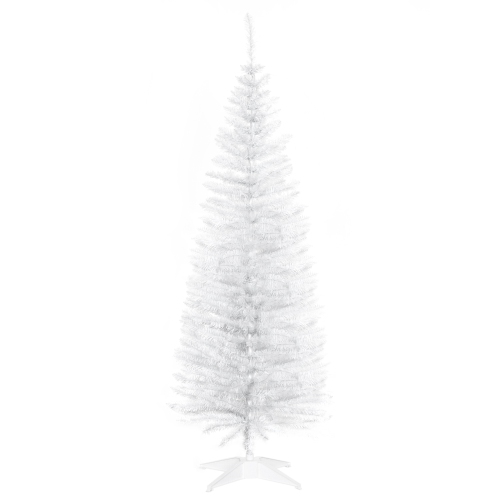 Your price for this item is $52
 -
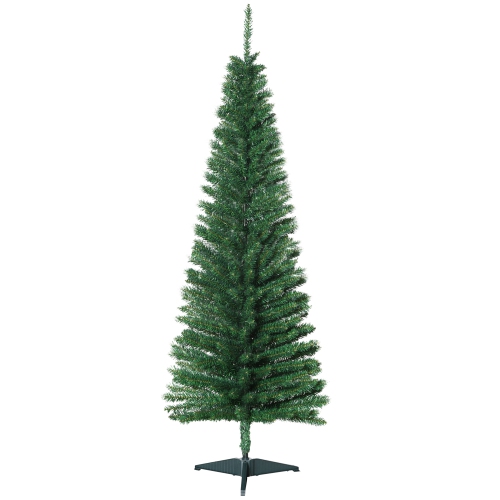 Your price for this item is $49.99
 -
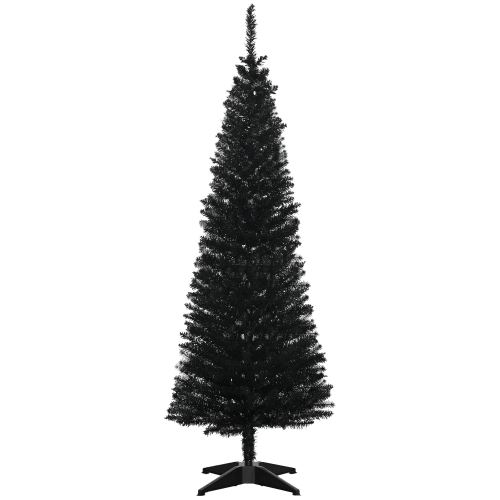 Your price for this item is $54.99
 -
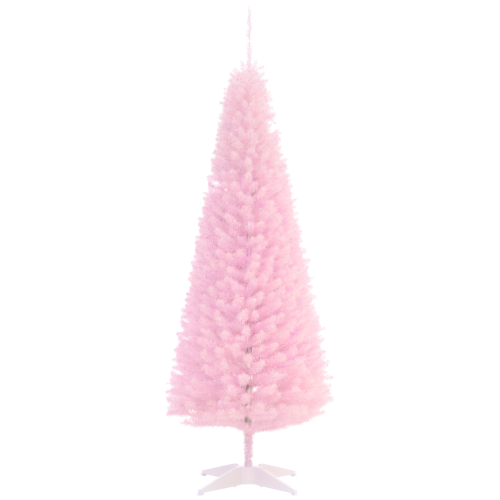 Your price for this item is $49.99
 -
 Your price for this item is $137.99
 -
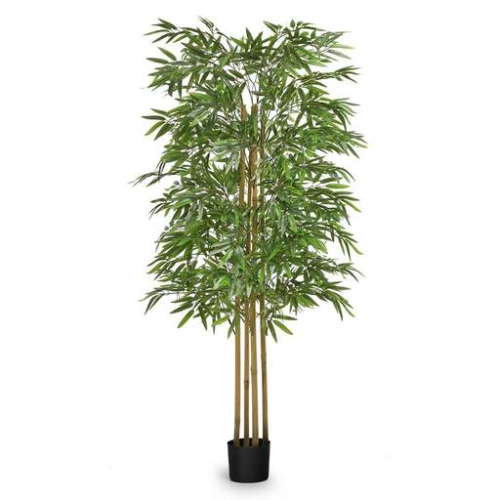 Your price for this item is $146.99
 -
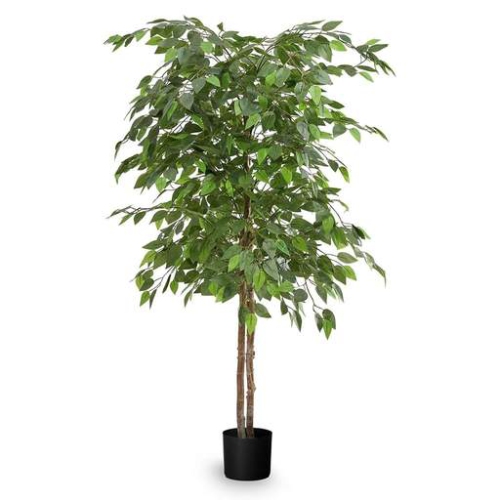 Your price for this item is $127.99
Discover more categories related to Tropical Outdoor Plants
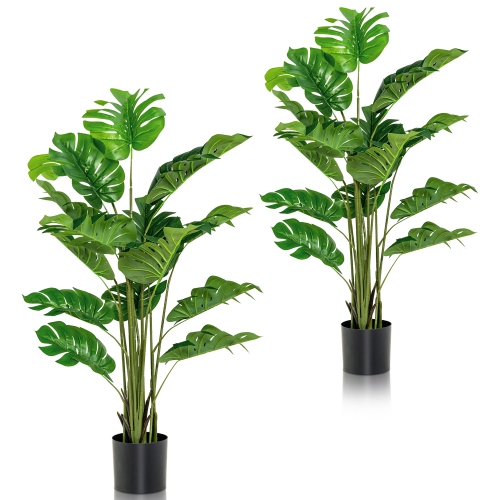
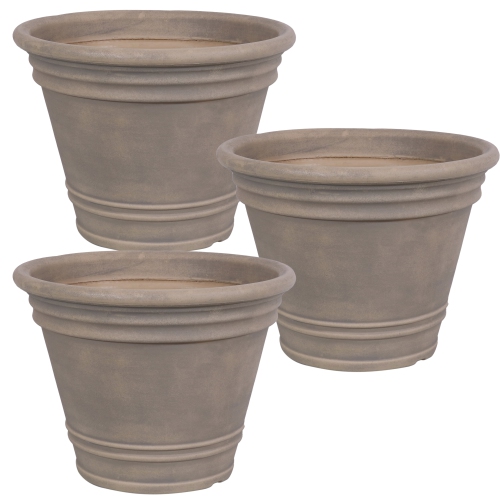
Top Collections:
Best Laptops for Video Editing, Pokemon Centers, Samsung Z Fold, Kindle Devices, Best Cell Phones Under $300, Best Laptops for Writers, Best Budget Office Chairs, Best Cell Phones Under $500, Best Laptop Computers for Students, iPhone 15 Apple
Some products may be subject to Environmental Handling Fees
(EHF) depending on your province.
Learn more about EHFs.