Tube Lights
Illuminate your space with the versatility and efficiency of tube lights, a perfect blend of style and functionality for any setting. Whether you're looking to brighten up your home, office, or commercial space, tube lights offer an energy-efficient solution that complements modern aesthetics. Their sleek design and robust performance make them a popular choice for those seeking both practicality and ambiance. Explore a wide range of options suited for every room, from kitchens and living areas to workspaces and beyond. Transform your environment with lighting solutions that enhance visibility while adding a touch of elegance to your decor.
Sort
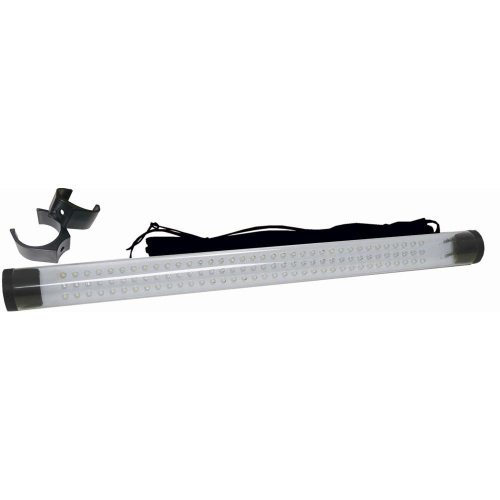
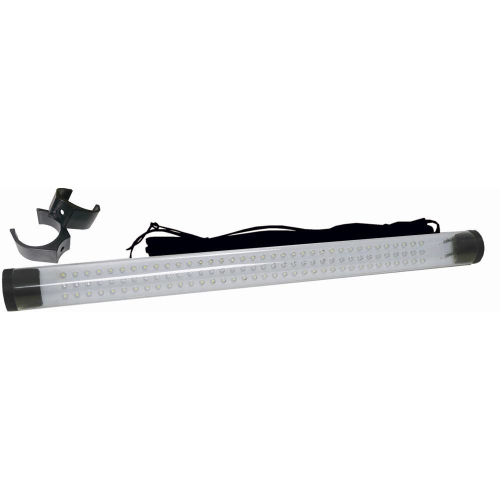
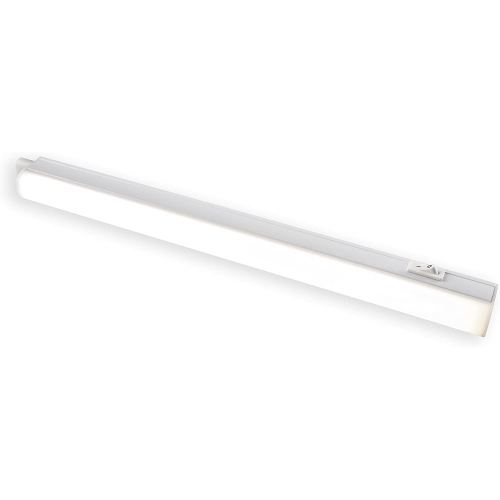
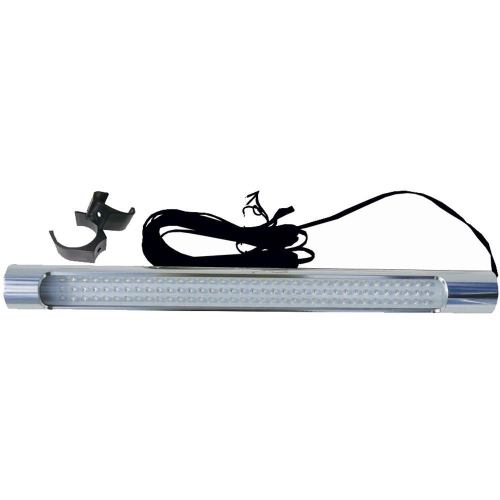
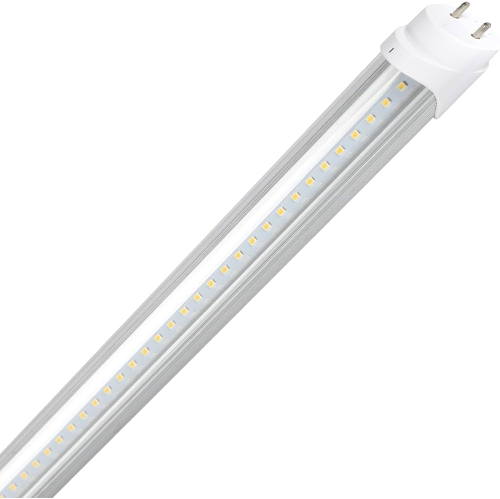
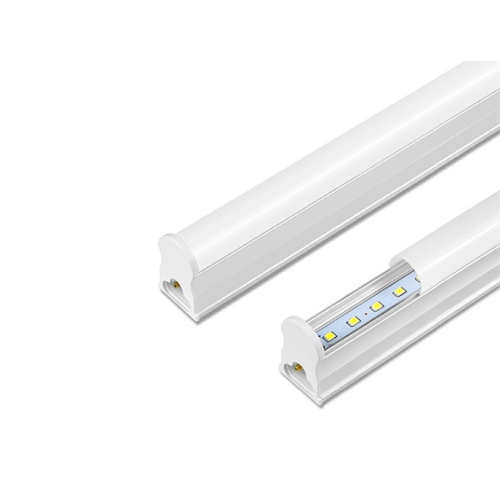
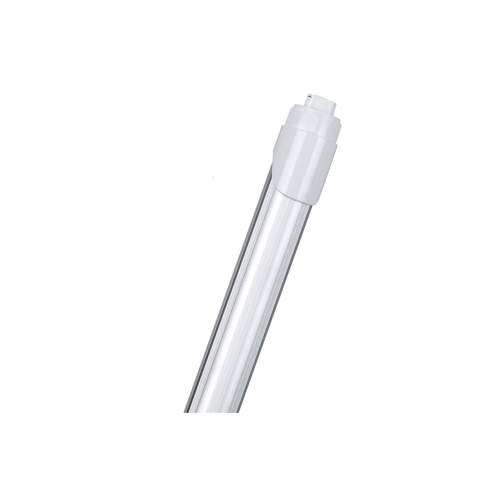
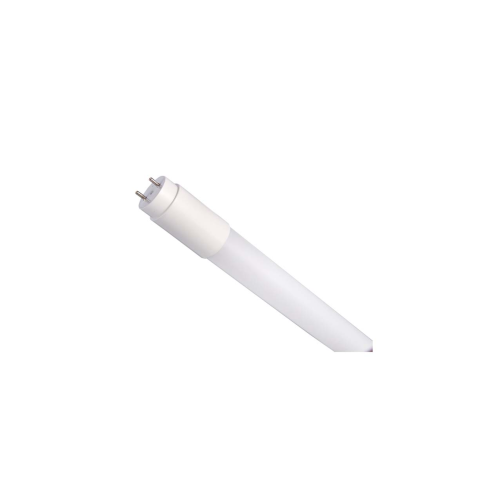
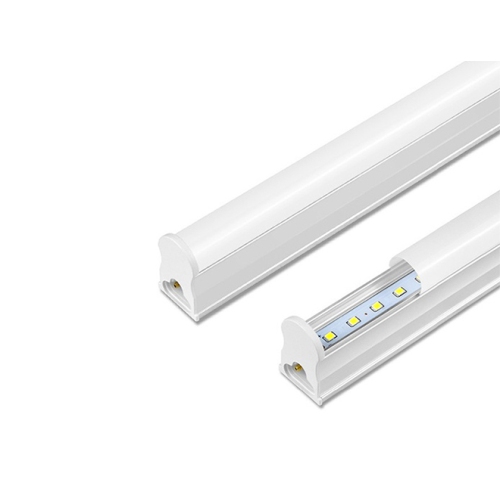
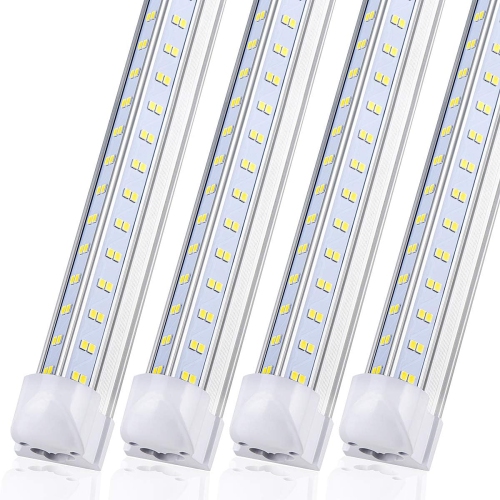
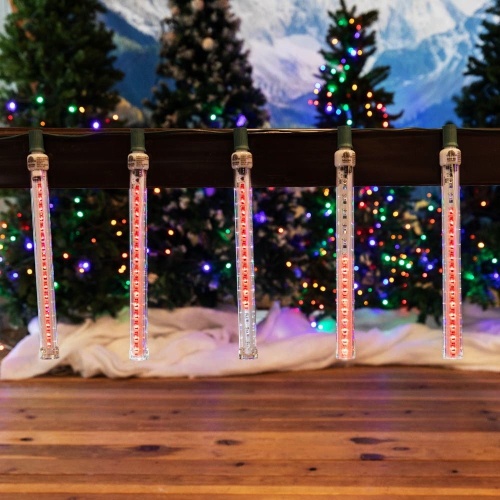

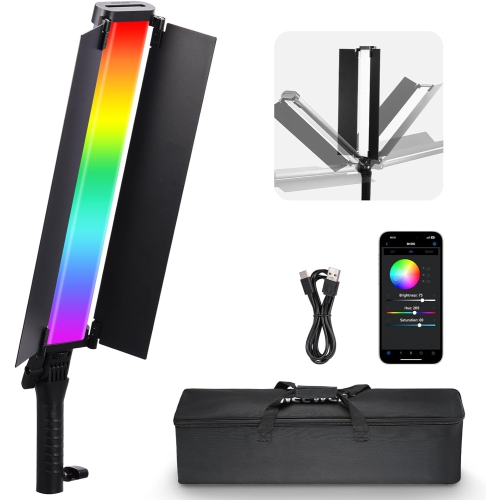
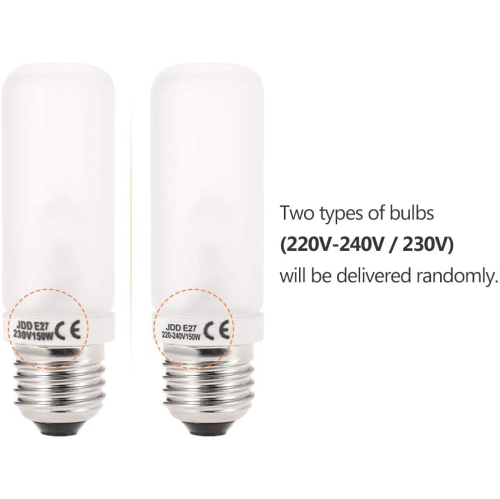
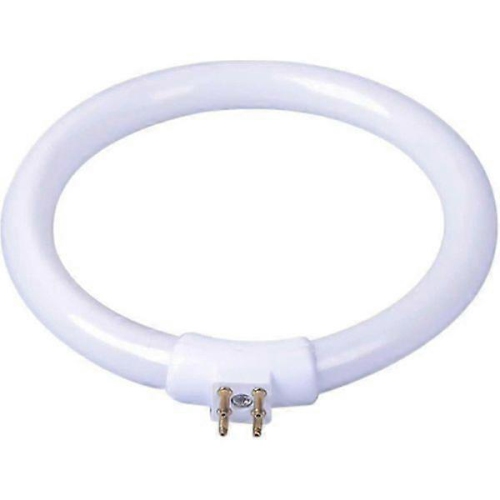

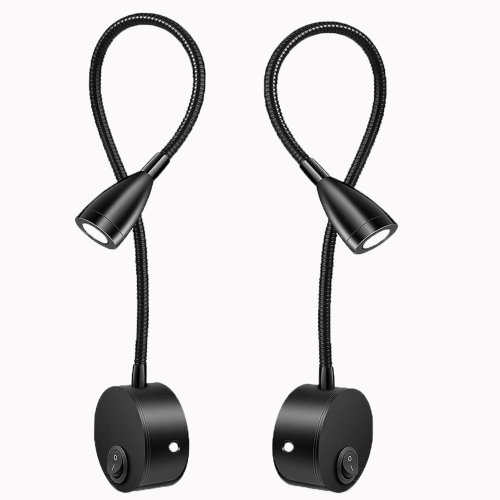
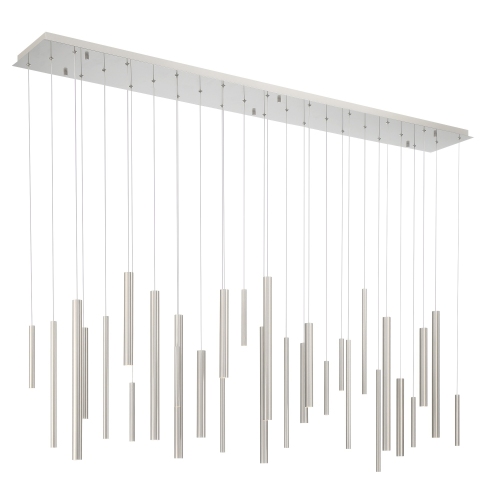
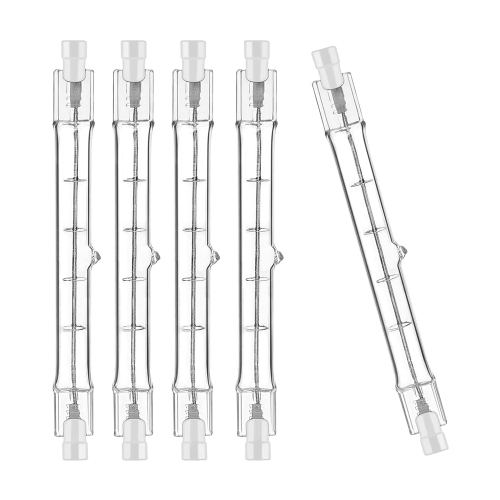
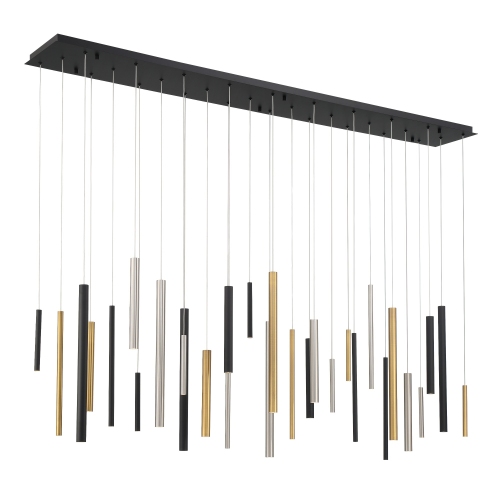
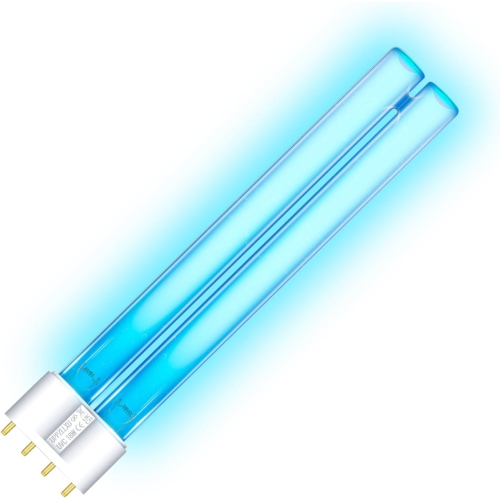
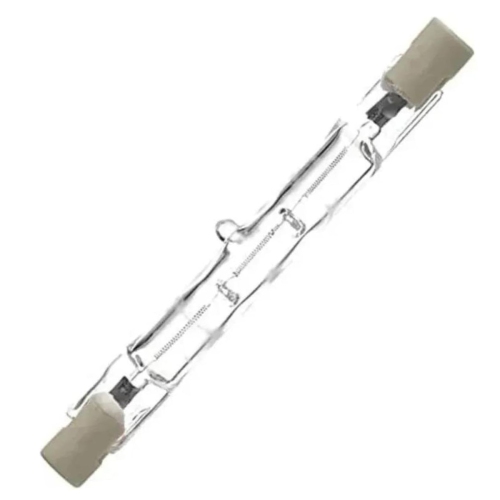
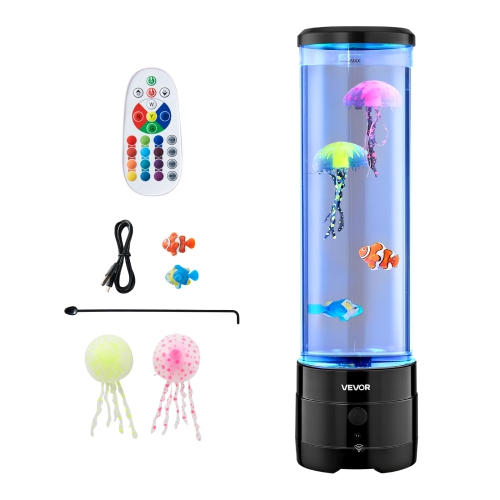
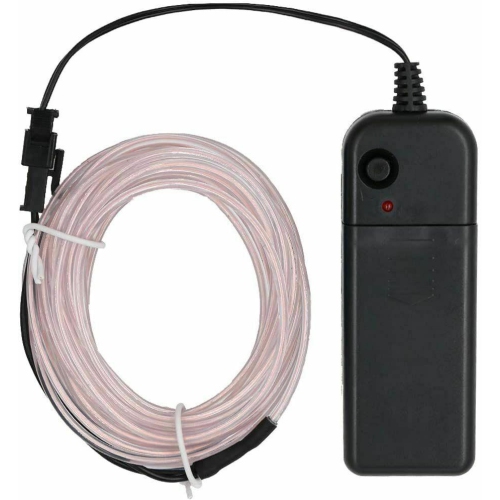
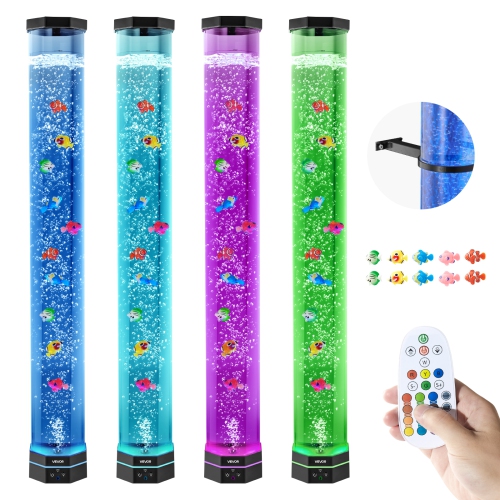
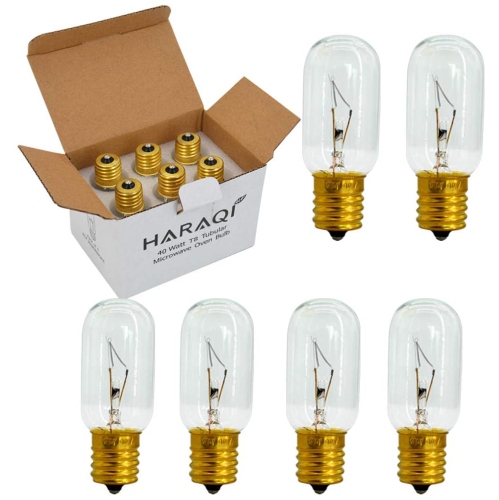
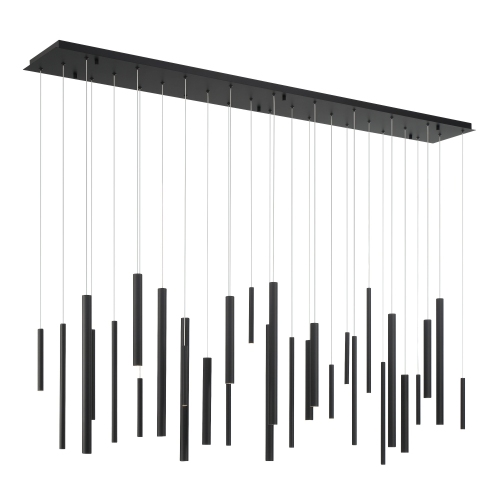
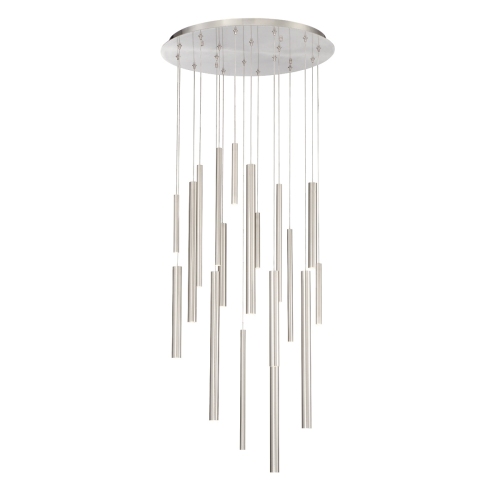
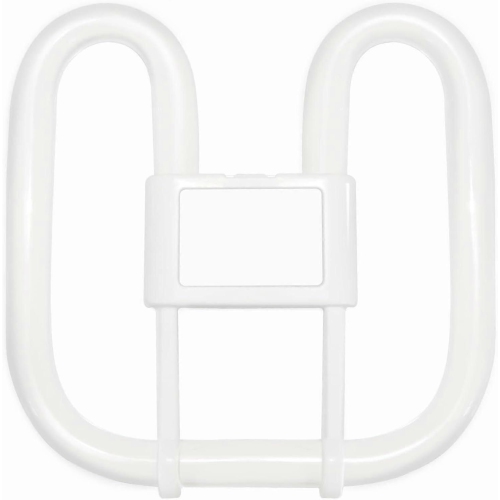
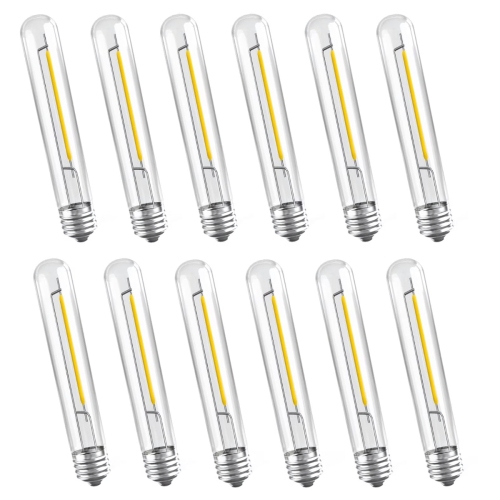
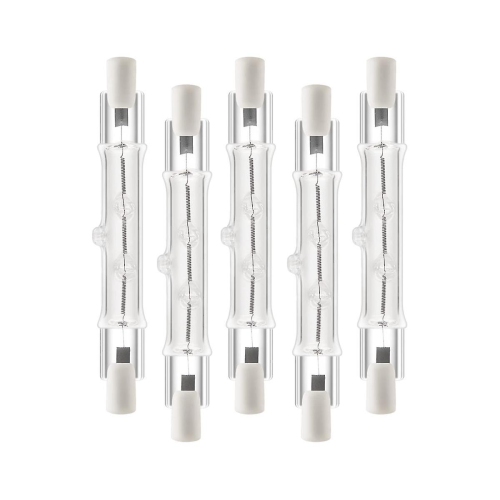
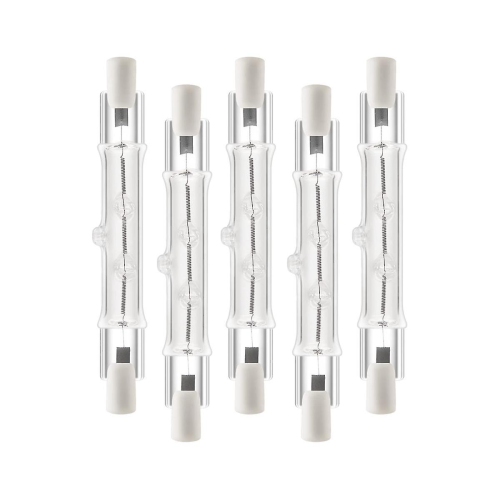
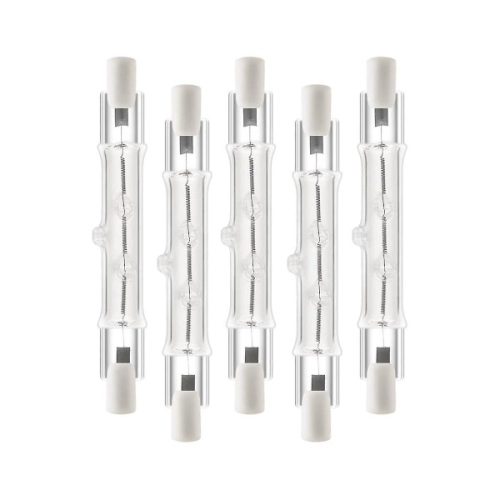
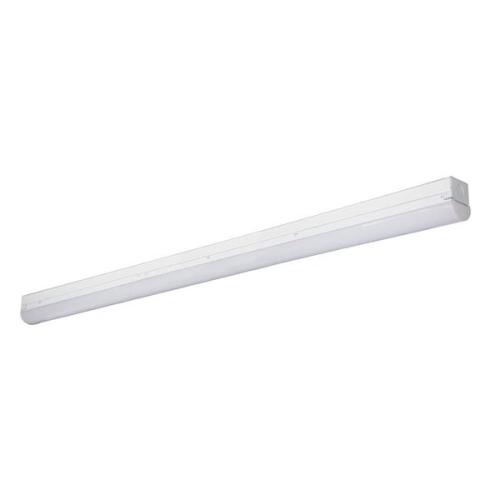
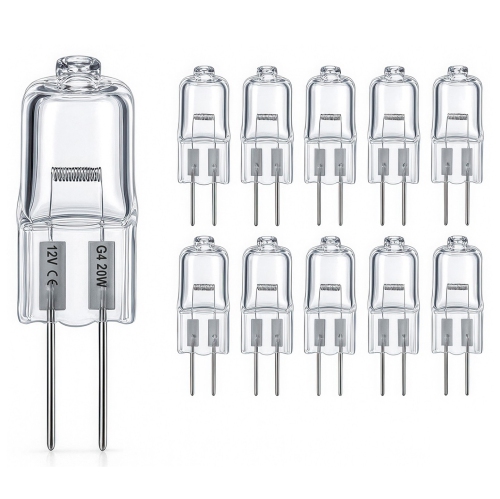
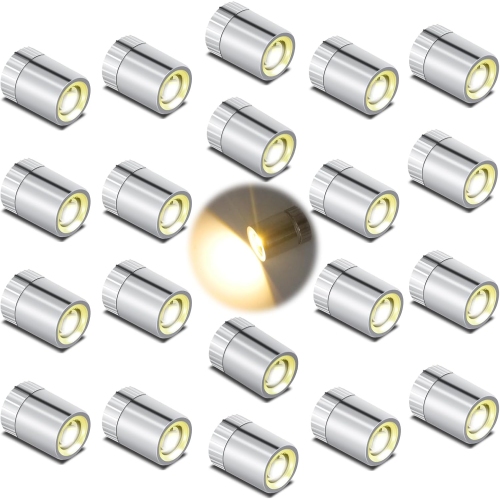
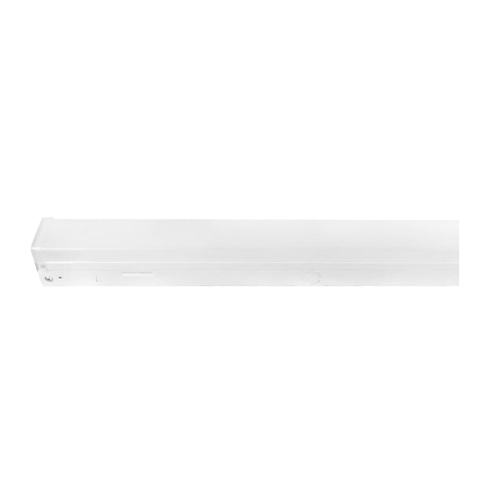
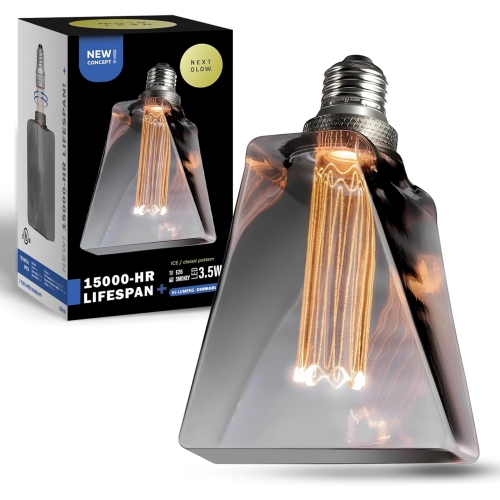
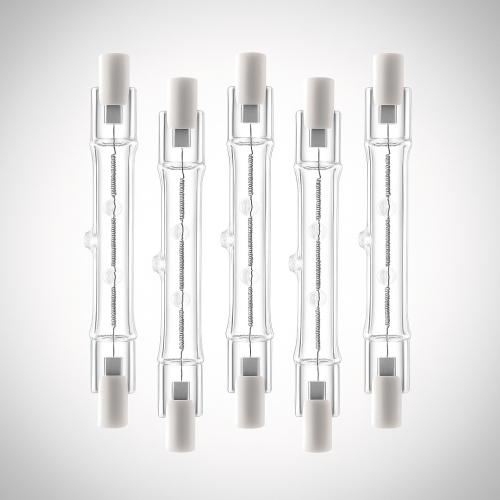
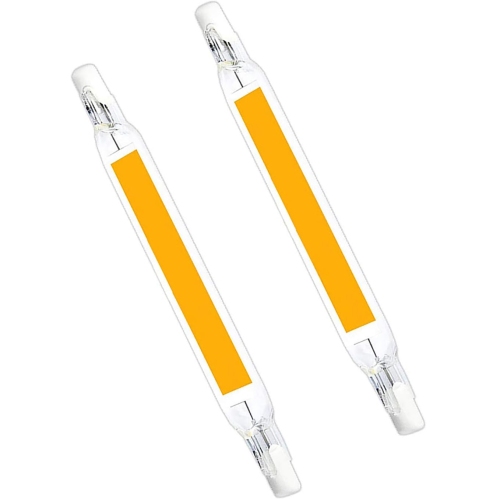
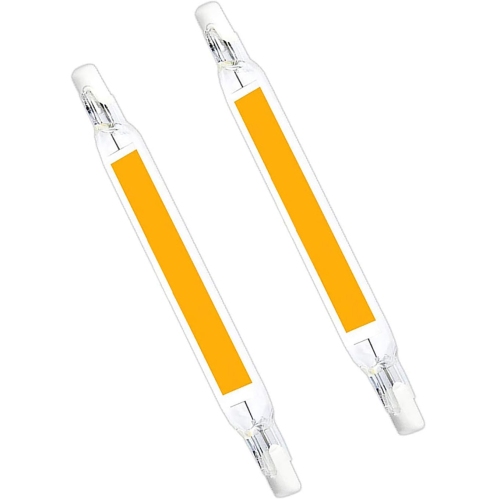
Understanding fit, ballast compatibility, brightness, and colour temperature
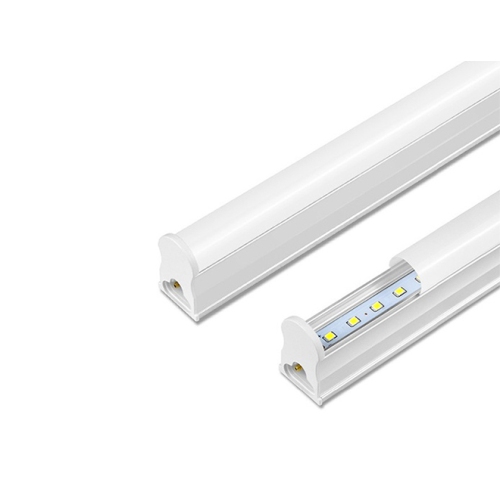
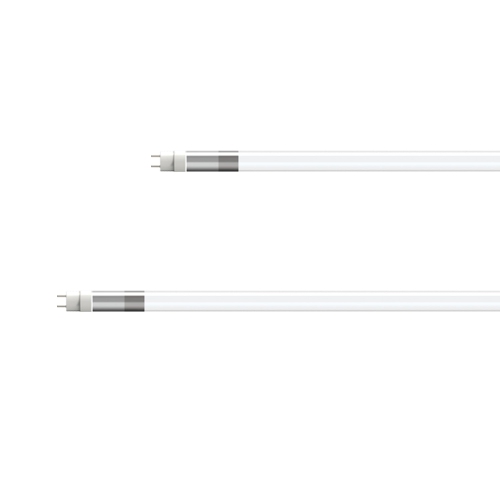
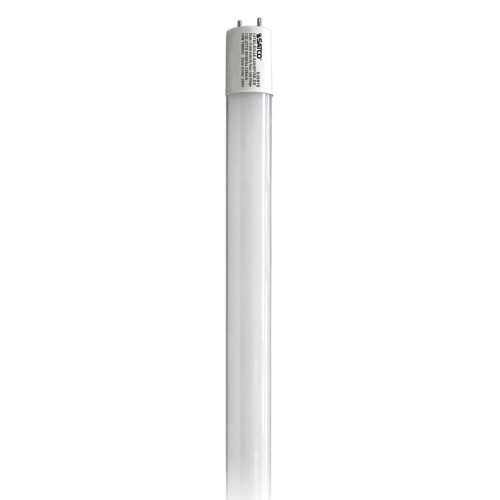
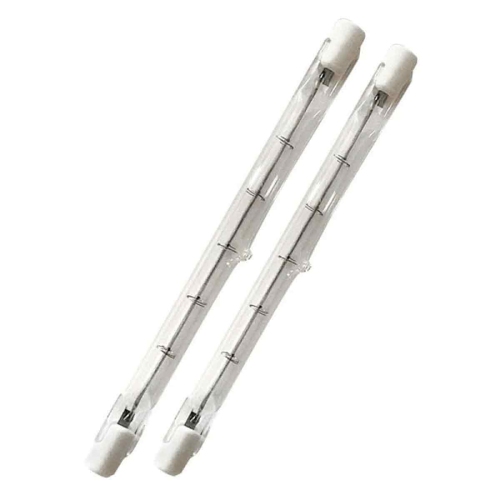
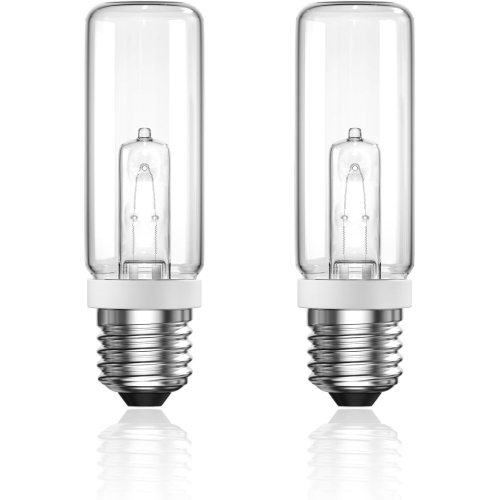
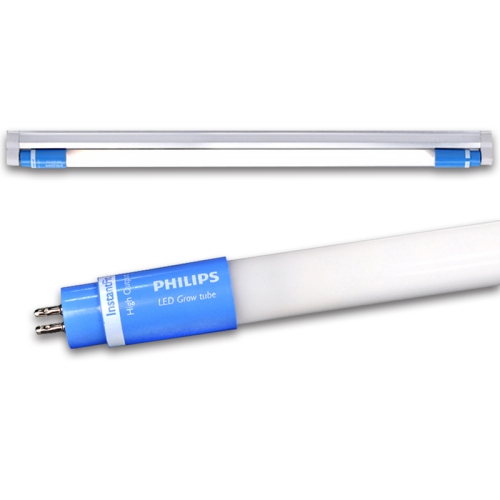
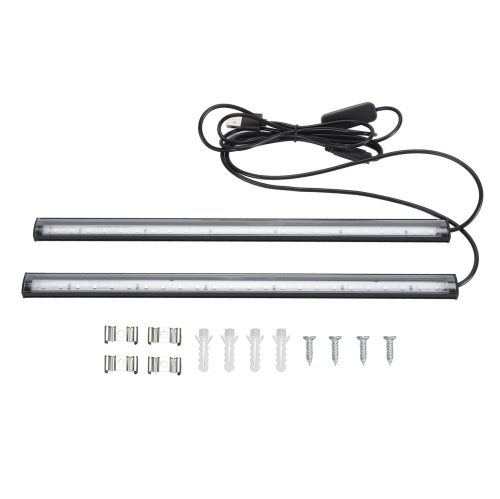
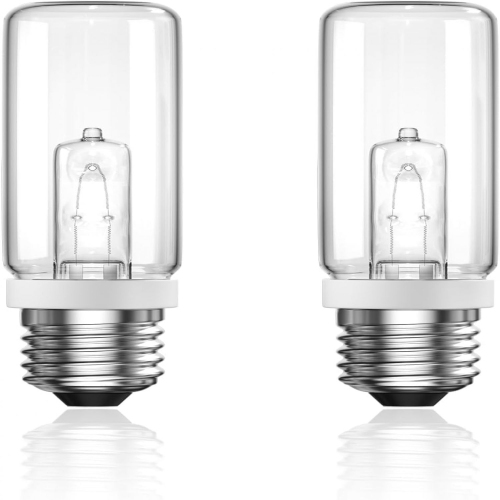
Tube lights provide long, even illumination for spaces where a single bulb may leave shadows or uneven patches. They are commonly used in garages, workshops, utility rooms, laundry areas, basements, offices, retail spaces, classrooms, and other rooms that benefit from broad overhead coverage. Traditional fluorescent tubes remain compatible with many older fixtures, while LED tube lights offer a modern alternative for new installations and replacements. When browsing tube lights, begin by checking the fixture’s length, diameter, socket style, and electrical setup. Four-foot tubes are among the most common sizes, although shorter and longer options are available for compact cabinets, workbenches, commercial ceilings, and purpose-built fixtures. Tube diameters are identified by a “T” number: T12 tubes measure approximately 1.5 inch in diameter, T8 tubes are approximately 1 inch, and T5 tubes are approximately 5/8 inch. The correct size must match the fixture, so measuring an existing tube or reviewing the markings printed on it can help prevent an inconvenient mismatch. It is also important to confirm the number of pins at each end, the tube’s wattage or voltage requirements, and whether the fixture is designed for a single tube or multiple tubes. These details are easy to overlook when a replacement looks similar at a glance, particularly in an older garage or workshop where several fixtures may have been installed over time.
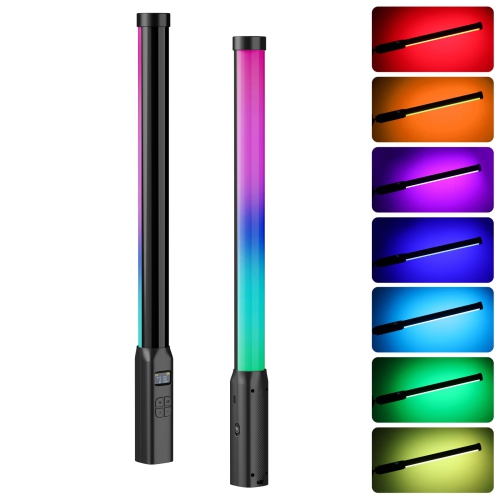
Ballast compatibility is another key consideration when selecting tube lights. A ballast is the component that regulates current in many fluorescent fixtures, and LED replacements are available in several installation formats. Plug-and-play, often called Type A, tubes are designed to work with a compatible existing ballast, making them a convenient choice when the fixture is in good condition and a straightforward replacement is preferred. Ballast-bypass, often called Type B, tubes connect directly to the line voltage and may require the ballast to be removed or bypassed by a qualified person. Some tubes use a hybrid approach and can work with either a ballast or direct wiring, but the installation instructions should always be reviewed before purchase. Cutting power at the breaker is essential, and anyone who is not comfortable identifying wiring or modifying a fixture should arrange for professional installation. For fixtures that use dimming controls, motion sensors, electronic ballasts, or specialized switches, check compatibility carefully, as not every tube supports these features. Light colour also affects how a room feels and functions. Warm white options around 3000K can create a softer atmosphere in a utility room, hobby area, or multipurpose space, while neutral white around 4000K offers a balanced appearance for offices, kitchens, and work surfaces. Daylight shades from 5000K to 6500K produce a crisp, bright look that can make details easier to see in workshops, garages, storage areas, and task-focused spaces. Brightness is measured in lumens, so comparing lumen output is more useful than comparing wattage alone. If the tube will be used above a bench, work table, or craft station, look for sufficient lumen output and a high colour rendering index, or CRI, to help materials, tools, paint colours, and wiring appear more true to life.
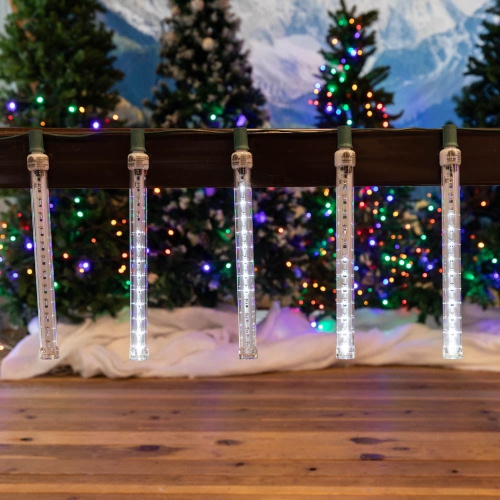
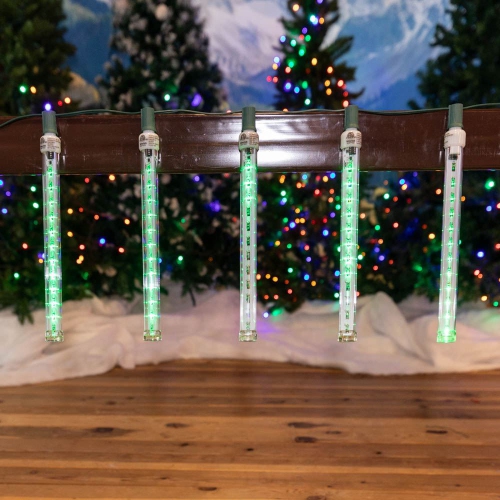
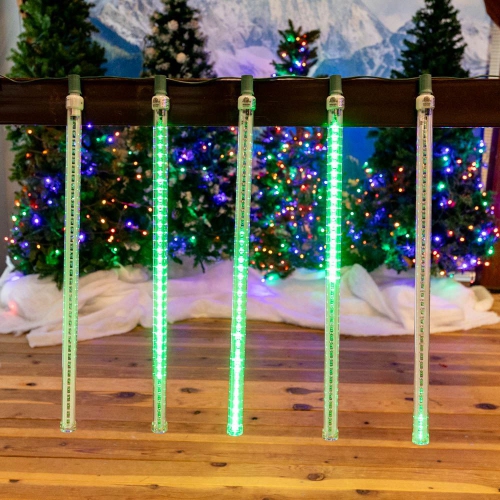
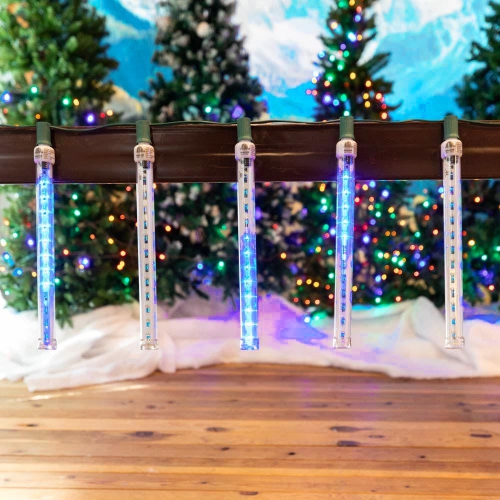
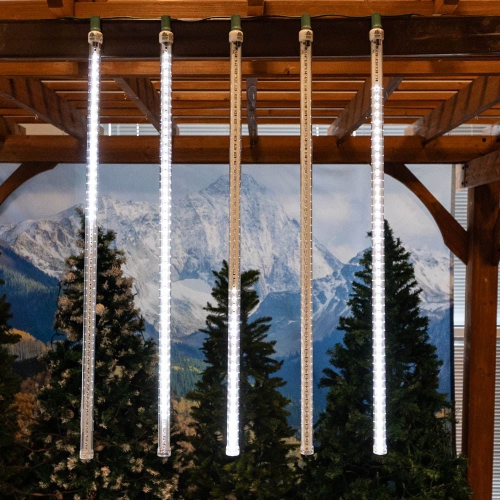
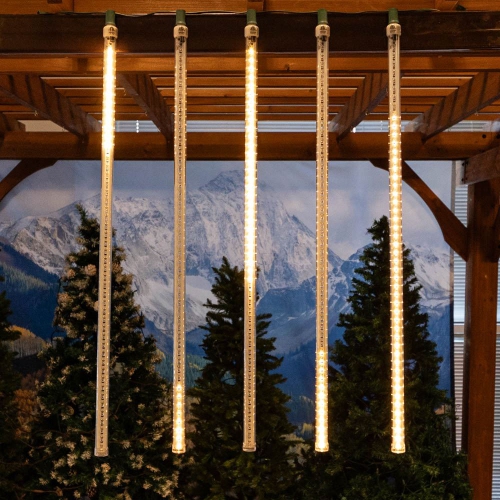
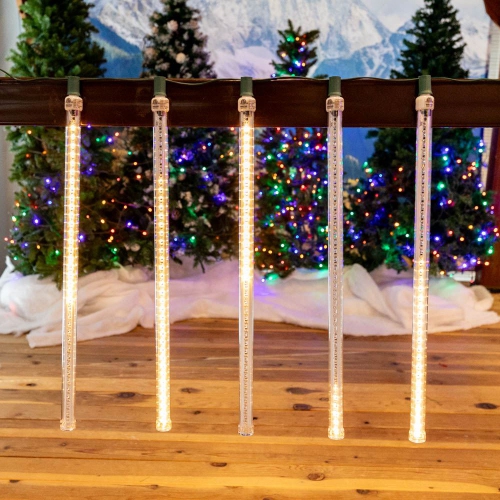
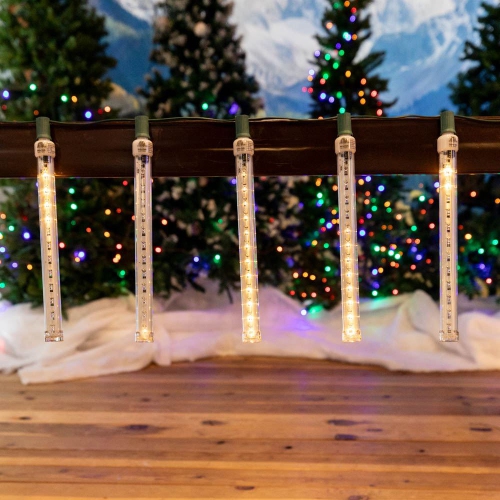
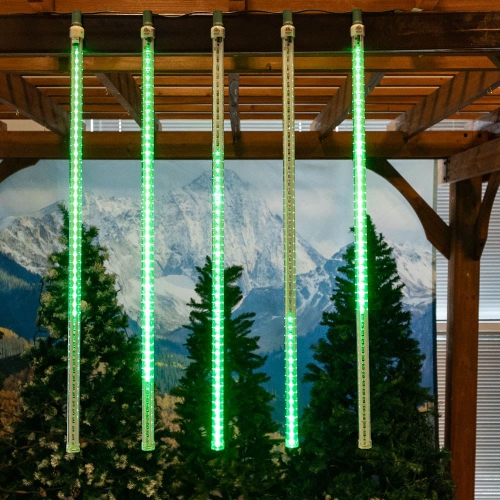
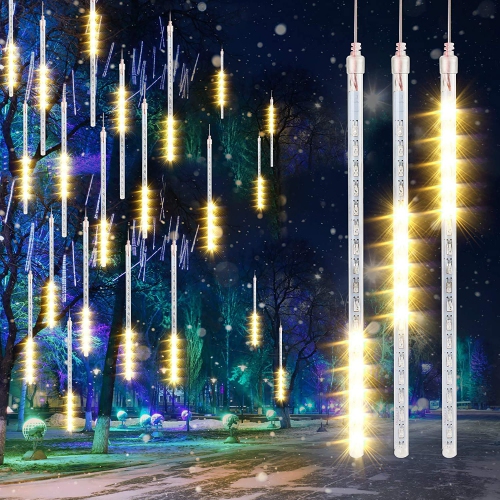
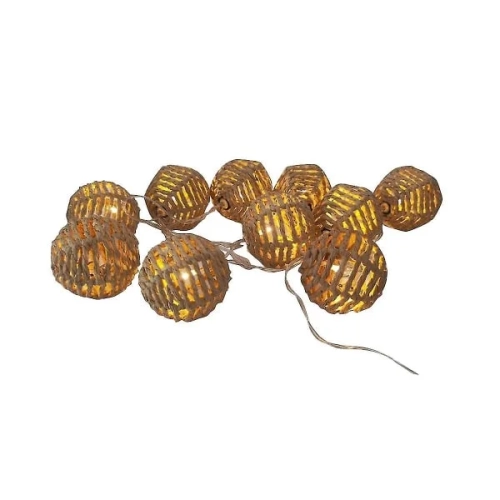
The best tube light for a particular room depends on how the space is used, when it is occupied, and the character of the existing fixture. A homeowner preparing a garage for weekend projects may prefer a bright, cool-white arrangement across the ceiling, while someone organizing a basement laundry area may favour a more comfortable neutral tone that provides clear visibility without feeling harsh. In a workshop, evenly spaced tubes can reduce shadows across a workbench and make measuring, sanding, assembling, or repairing easier. In an office or study, a softer colour temperature and reduced glare may be more comfortable for extended periods, especially when the fixture is directly above a desk. Tube lights can also help refresh a dim storage room, hallway, pantry, or utility area where a standard ceiling bulb does not distribute light far enough. For seasonal decorating, specialty lighting can create a different effect from functional overhead illumination; shoppers looking for decorative options can explore Christmas Light Tubes for festive displays and accent arrangements. Before completing a purchase, compare the tube’s dimensions with the fixture, confirm the ballast or wiring requirements, review the colour temperature and lumen output, and consider whether the light will be viewed directly from a seated or standing position. Diffusers, frosted finishes, and shatter-resistant designs may be useful in busy areas, while clear tubes can provide a more defined, high-contrast appearance. Keeping a spare compatible tube on hand can also be practical for workshops, offices, and utility spaces where a failed light can interrupt an otherwise simple task. With the right fit, colour, brightness, and installation type, tube lights can provide dependable coverage throughout everyday spaces as the weather warms and during the cooler months.
Ballast compatibility is another key consideration when selecting tube lights. A ballast is the component that regulates current in many fluorescent fixtures, and LED replacements are available in several installation formats. Plug-and-play, often called Type A, tubes are designed to work with a compatible existing ballast, making them a convenient choice when the fixture is in good condition and a straightforward replacement is preferred. Ballast-bypass, often called Type B, tubes connect directly to the line voltage and may require the ballast to be removed or bypassed by a qualified person. Some tubes use a hybrid approach and can work with either a ballast or direct wiring, but the installation instructions should always be reviewed before purchase. Cutting power at the breaker is essential, and anyone who is not comfortable identifying wiring or modifying a fixture should arrange for professional installation. For fixtures that use dimming controls, motion sensors, electronic ballasts, or specialized switches, check compatibility carefully, as not every tube supports these features. Light colour also affects how a room feels and functions. Warm white options around 3000K can create a softer atmosphere in a utility room, hobby area, or multipurpose space, while neutral white around 4000K offers a balanced appearance for offices, kitchens, and work surfaces. Daylight shades from 5000K to 6500K produce a crisp, bright look that can make details easier to see in workshops, garages, storage areas, and task-focused spaces. Brightness is measured in lumens, so comparing lumen output is more useful than comparing wattage alone. If the tube will be used above a bench, work table, or craft station, look for sufficient lumen output and a high colour rendering index, or CRI, to help materials, tools, paint colours, and wiring appear more true to life.
The best tube light for a particular room depends on how the space is used, when it is occupied, and the character of the existing fixture. A homeowner preparing a garage for weekend projects may prefer a bright, cool-white arrangement across the ceiling, while someone organizing a basement laundry area may favour a more comfortable neutral tone that provides clear visibility without feeling harsh. In a workshop, evenly spaced tubes can reduce shadows across a workbench and make measuring, sanding, assembling, or repairing easier. In an office or study, a softer colour temperature and reduced glare may be more comfortable for extended periods, especially when the fixture is directly above a desk. Tube lights can also help refresh a dim storage room, hallway, pantry, or utility area where a standard ceiling bulb does not distribute light far enough. For seasonal decorating, specialty lighting can create a different effect from functional overhead illumination; shoppers looking for decorative options can explore Christmas Light Tubes for festive displays and accent arrangements. Before completing a purchase, compare the tube’s dimensions with the fixture, confirm the ballast or wiring requirements, review the colour temperature and lumen output, and consider whether the light will be viewed directly from a seated or standing position. Diffusers, frosted finishes, and shatter-resistant designs may be useful in busy areas, while clear tubes can provide a more defined, high-contrast appearance. Keeping a spare compatible tube on hand can also be practical for workshops, offices, and utility spaces where a failed light can interrupt an otherwise simple task. With the right fit, colour, brightness, and installation type, tube lights can provide dependable coverage throughout everyday spaces as the weather warms and during the cooler months.
Top selling and popular products
-
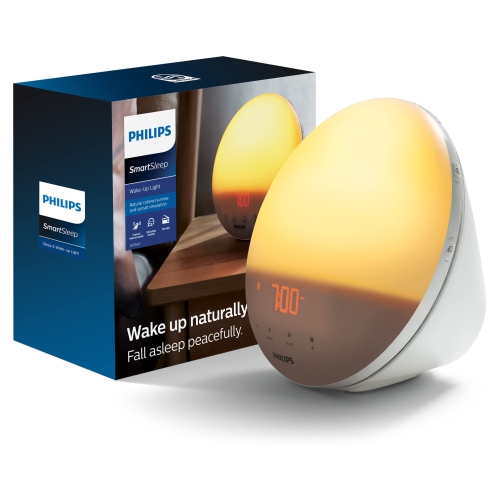 Your price for this item is $269.98
 -
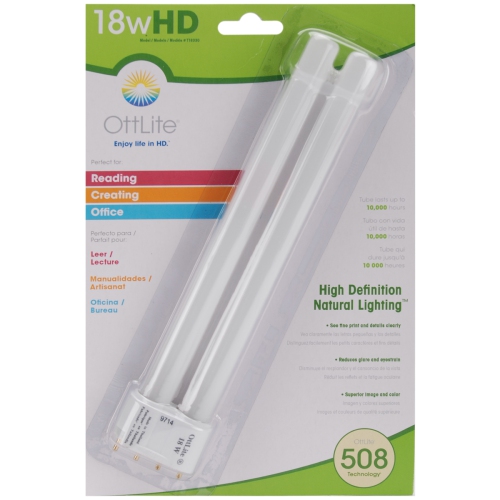 Your price for this item is $55
 -
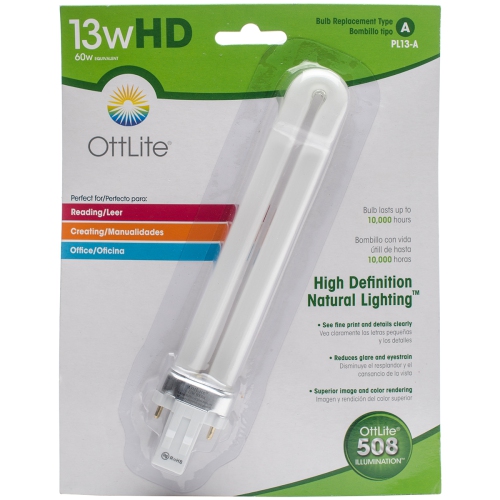 Your price for this item is $55
 -
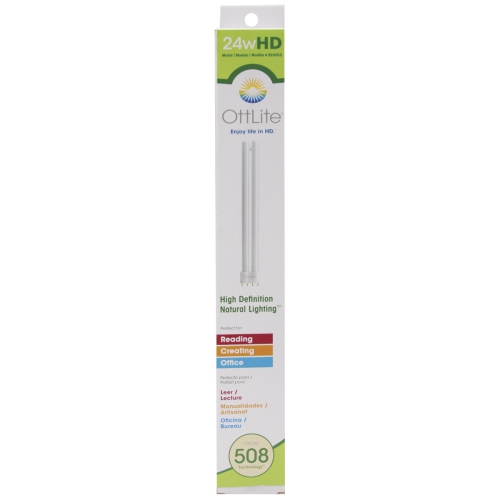 Your price for this item is $55
 -
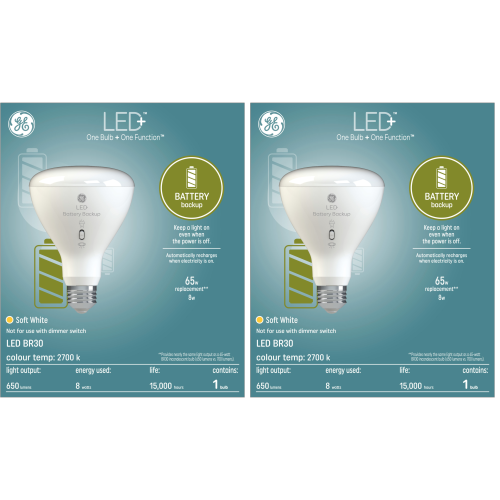 Your price for this item is $45.98
 -
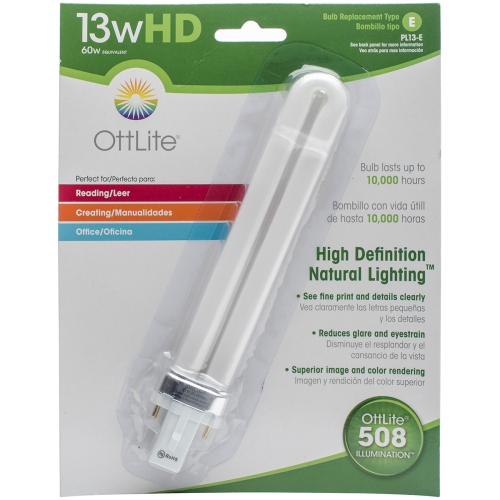 Your price for this item is $55
 -
 Your price for this item is $9.99
 -
 Your price for this item is $74.99
Discover more categories related to Tube Lights
Top Collections:
Pokemon Centers, Best Cameras for Sports Photography, Kindle Devices, Samsung Galaxy Phones, Canon G7X Cameras, Pokémon 30th Celebration Cards, Refurbished Apple Laptops, iPhone 15 Apple, Laptops for Students, Budget Smartphones
Some products may be subject to Environmental Handling Fees
(EHF) depending on your province.
Learn more about EHFs.